Storia
Foundation in 1956
Winegrowing culture and the determination of Monti’s farmers had gradually covered the surrounding territory with numerous small vineyards. In July 1956, 22 local growers formed the Cantina Sociale del Vermentino so that their harvests could be processed adequately. They named the cooperative in honour of Vermentino, the grape that became central to its identity.
The first wines: 1959–1960
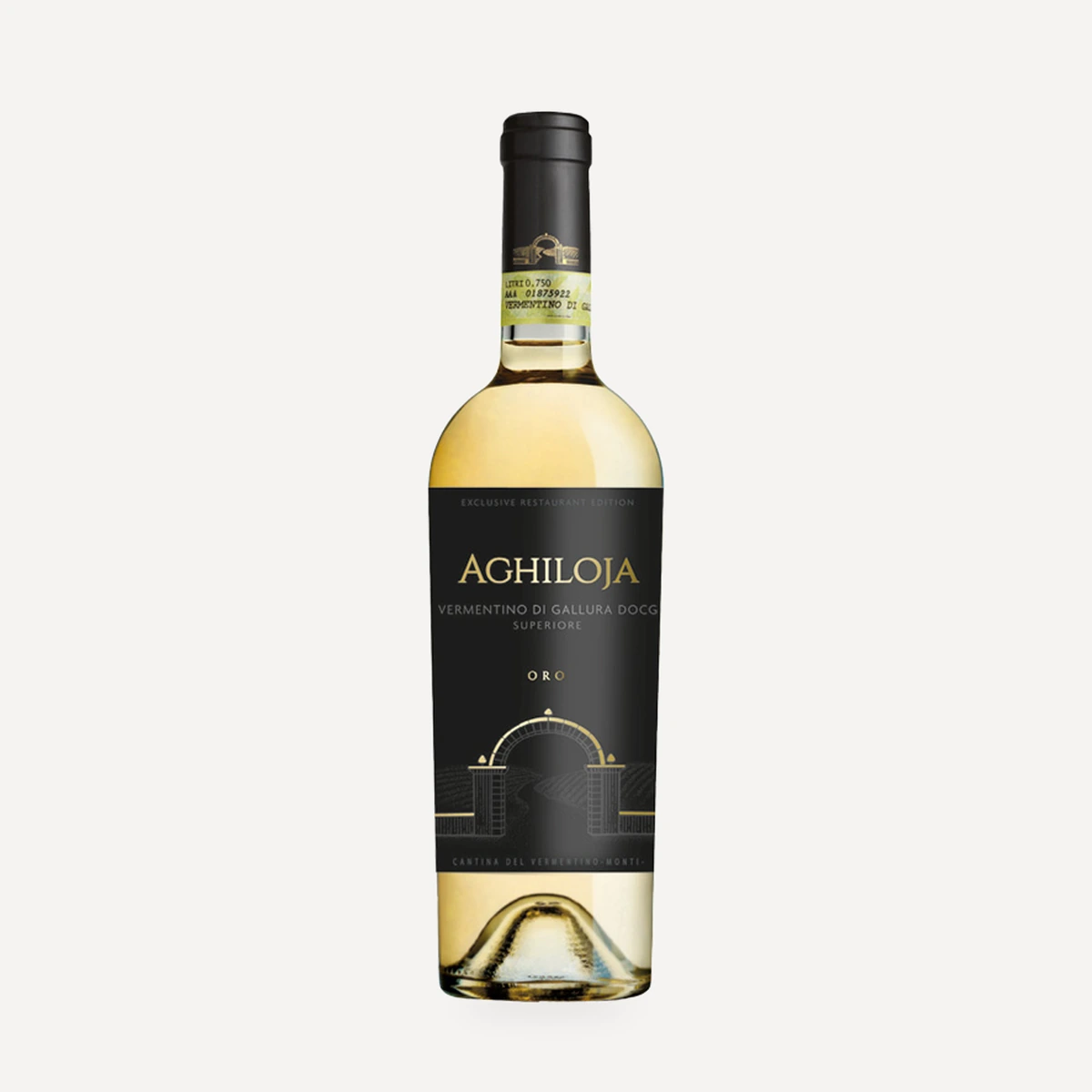
The cooperative produced its first Cannonau di Sardegna in 1959 under the name Abbai'a. The same year also brought the inaugural vintages of the white wines Aghiloja and S’Eleme; both were released in April 1960.
Expansion of the range: 1985–1998
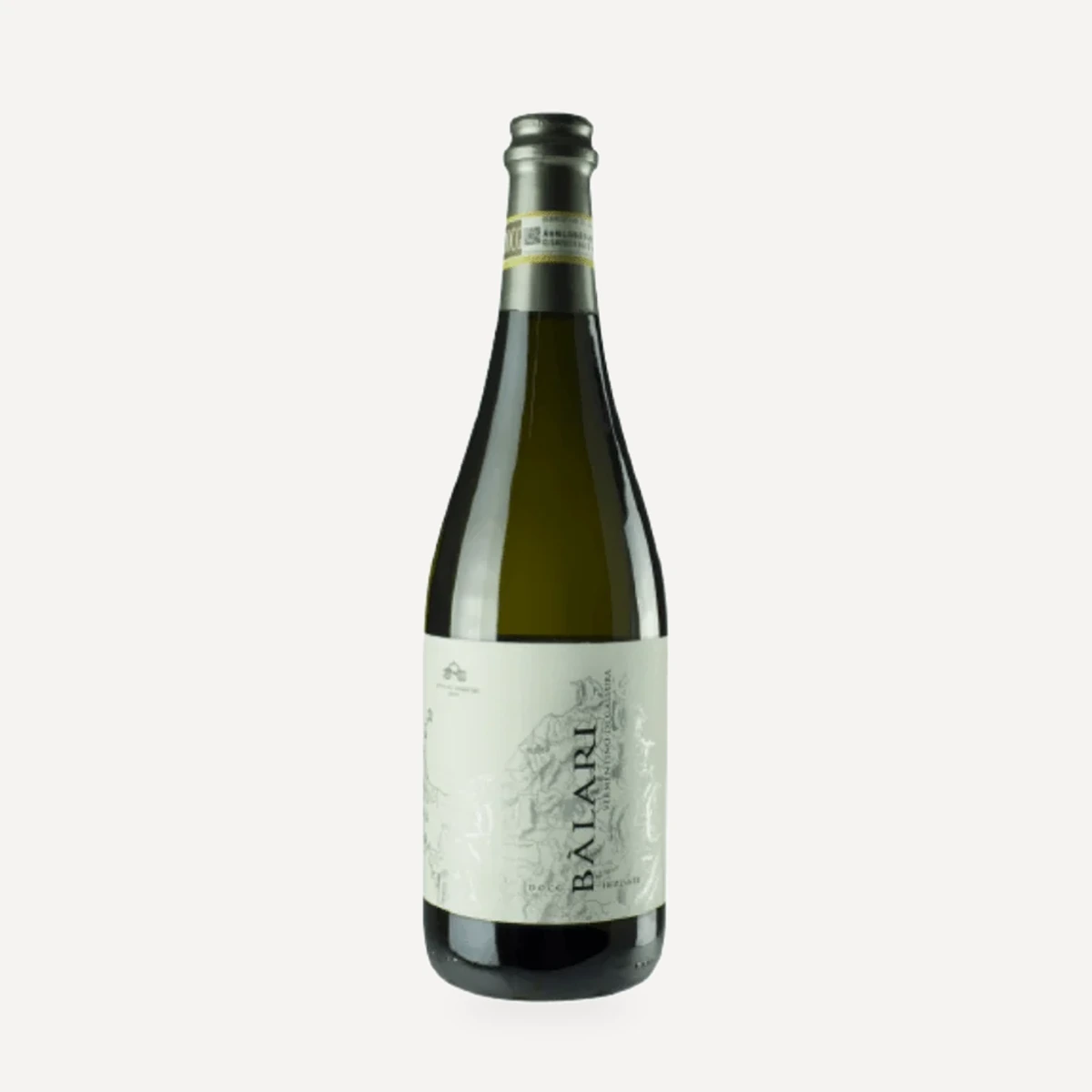
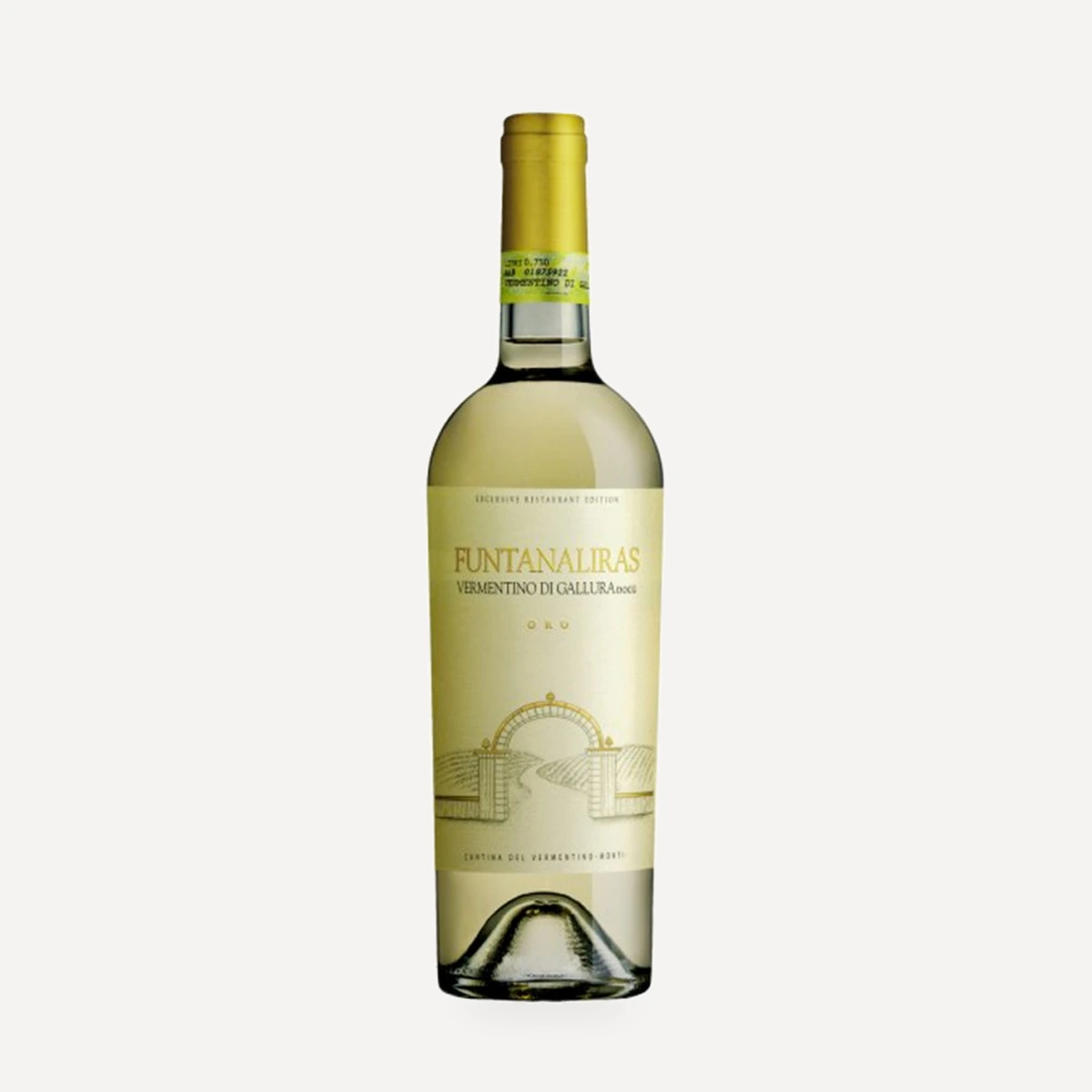
Bàlari debuted with the 1985 vintage and was released in February of that year. Funtanaliras followed with its first vintage in 1988 and entered the market in March 1989, eventually becoming the cooperative’s emblematic Vermentino di Gallura.
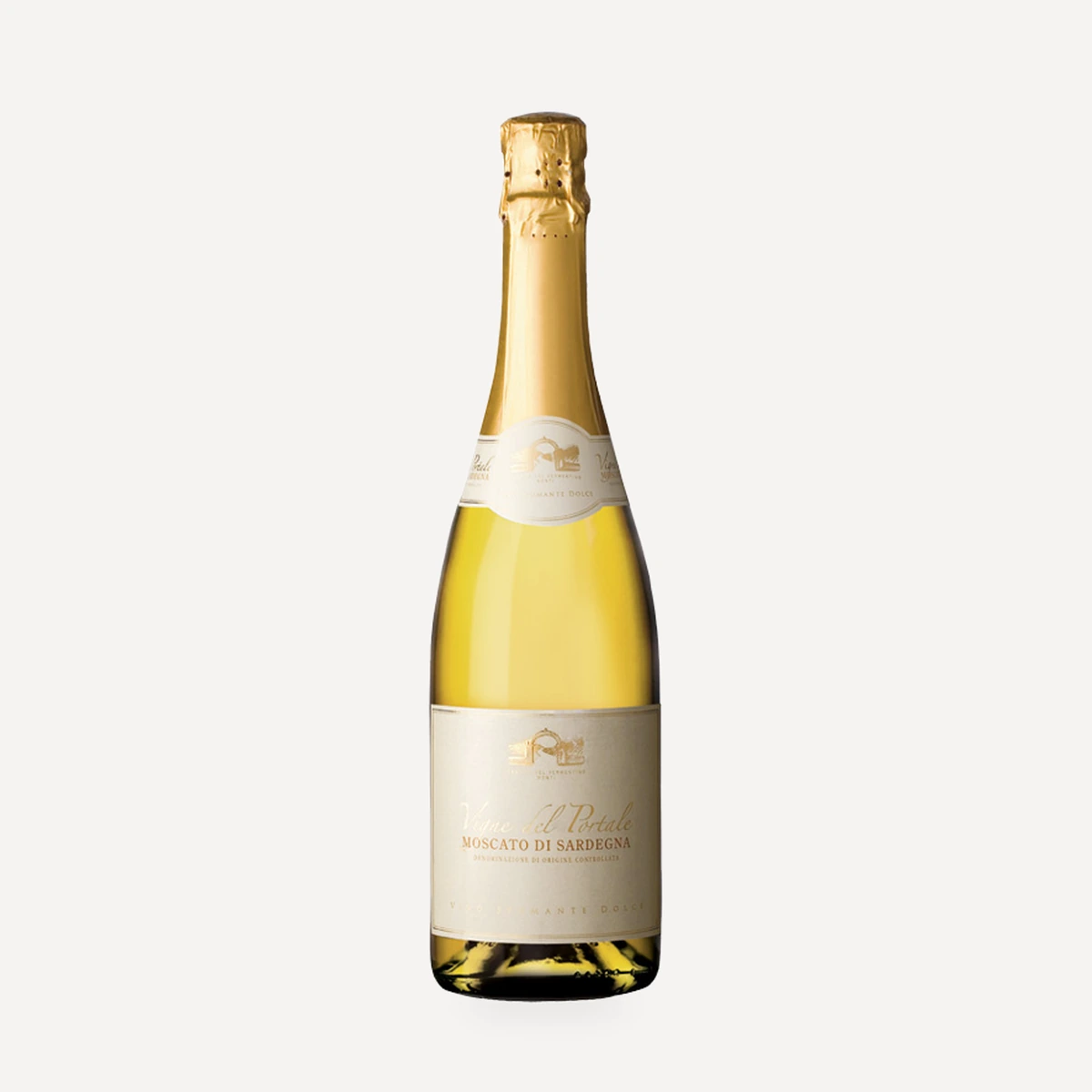
Three Vigne del Portale sparkling wines—Moscato, Brut and Rosè—made their first appearance and were released in December 1991. In 1992, the cooperative established the Sagra del Vermentino, held on the first Sunday of August and associated with tastings that attract tens of thousands of visitors.
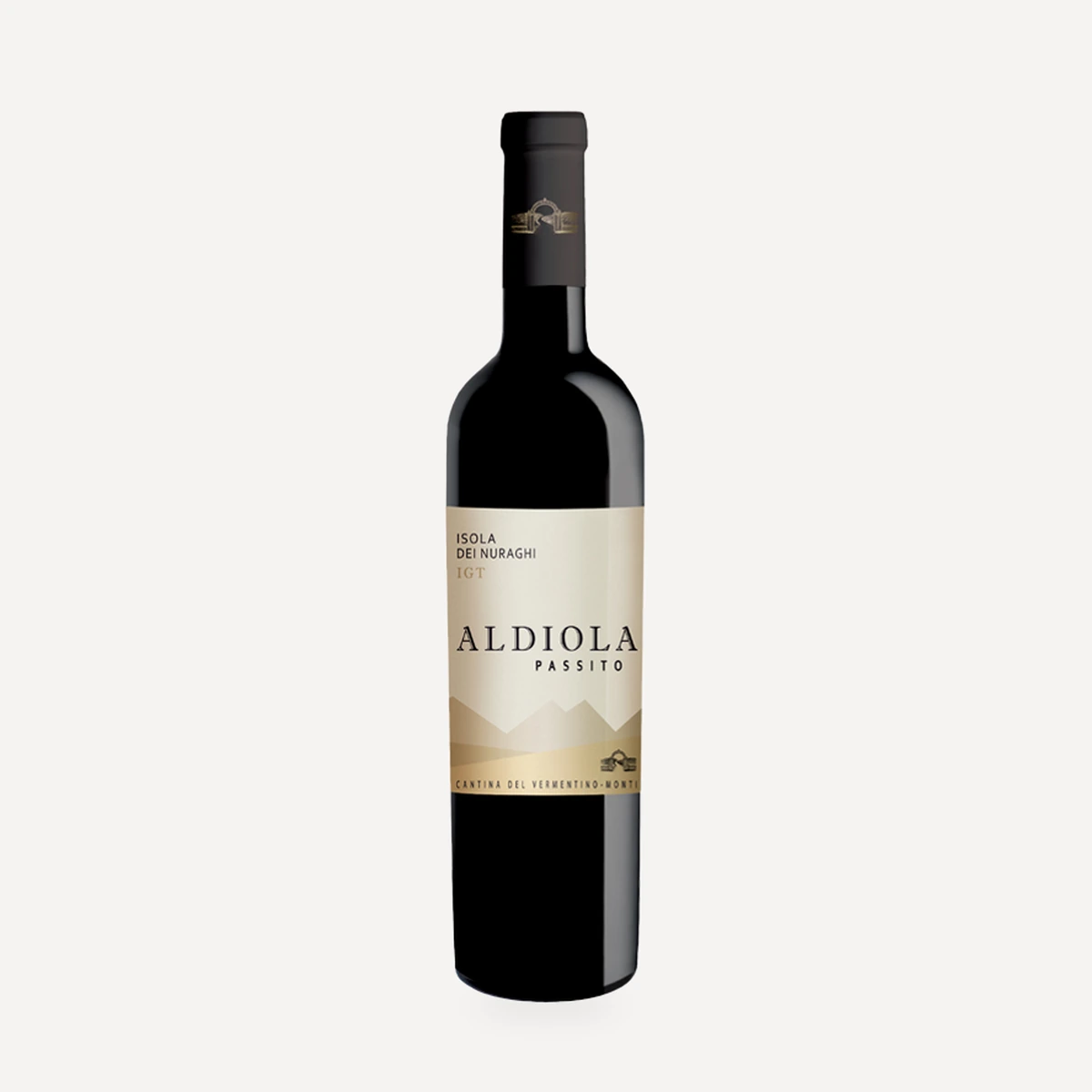
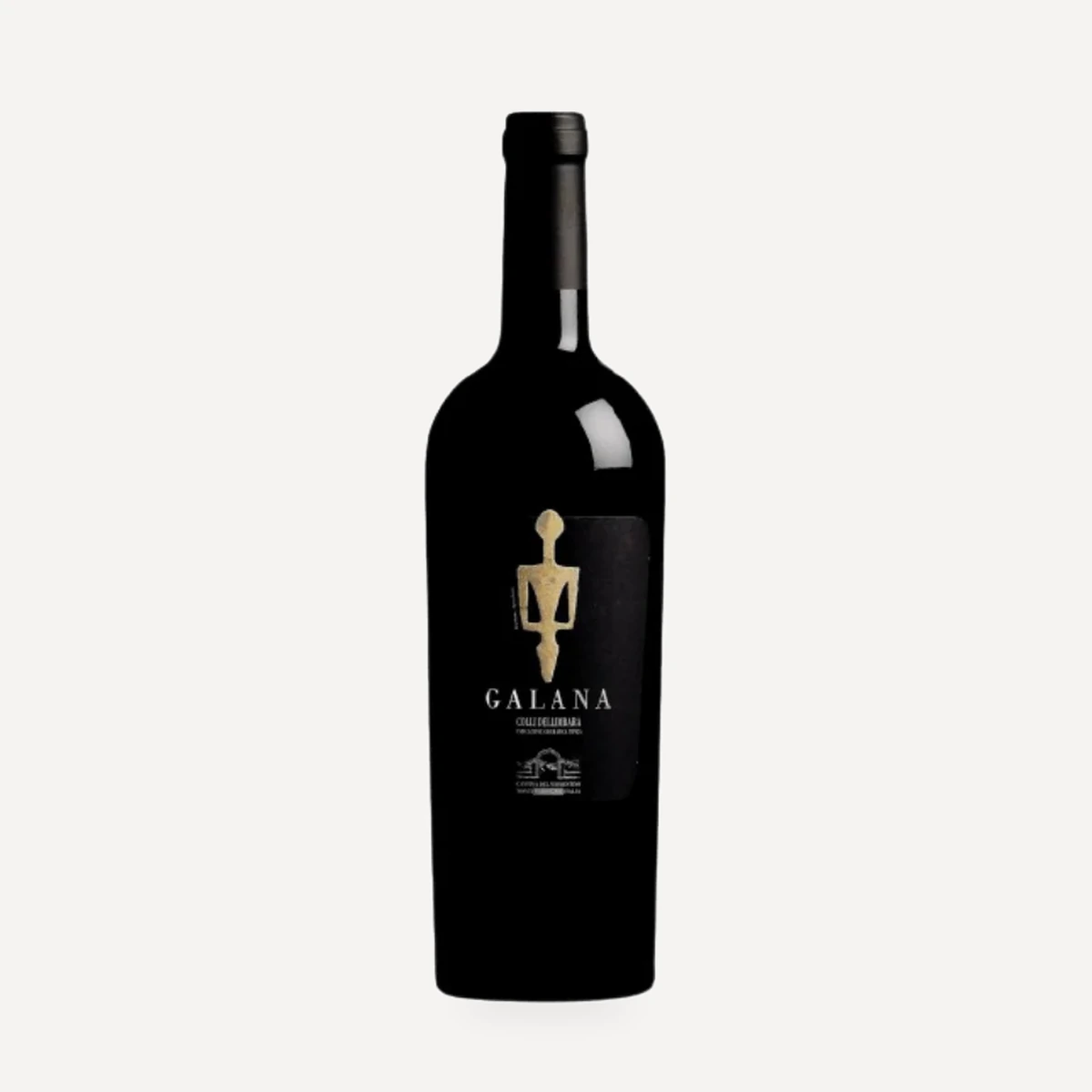
The first vintage of the cooperative’s passito was produced in 1995 and released in December 1996. That same year, Vermentino di Gallura received Denominazione di Origine Controllata e Garantita status. Galàna began with the 1997 vintage and reached the market in October 1998.
New releases in the twenty-first century
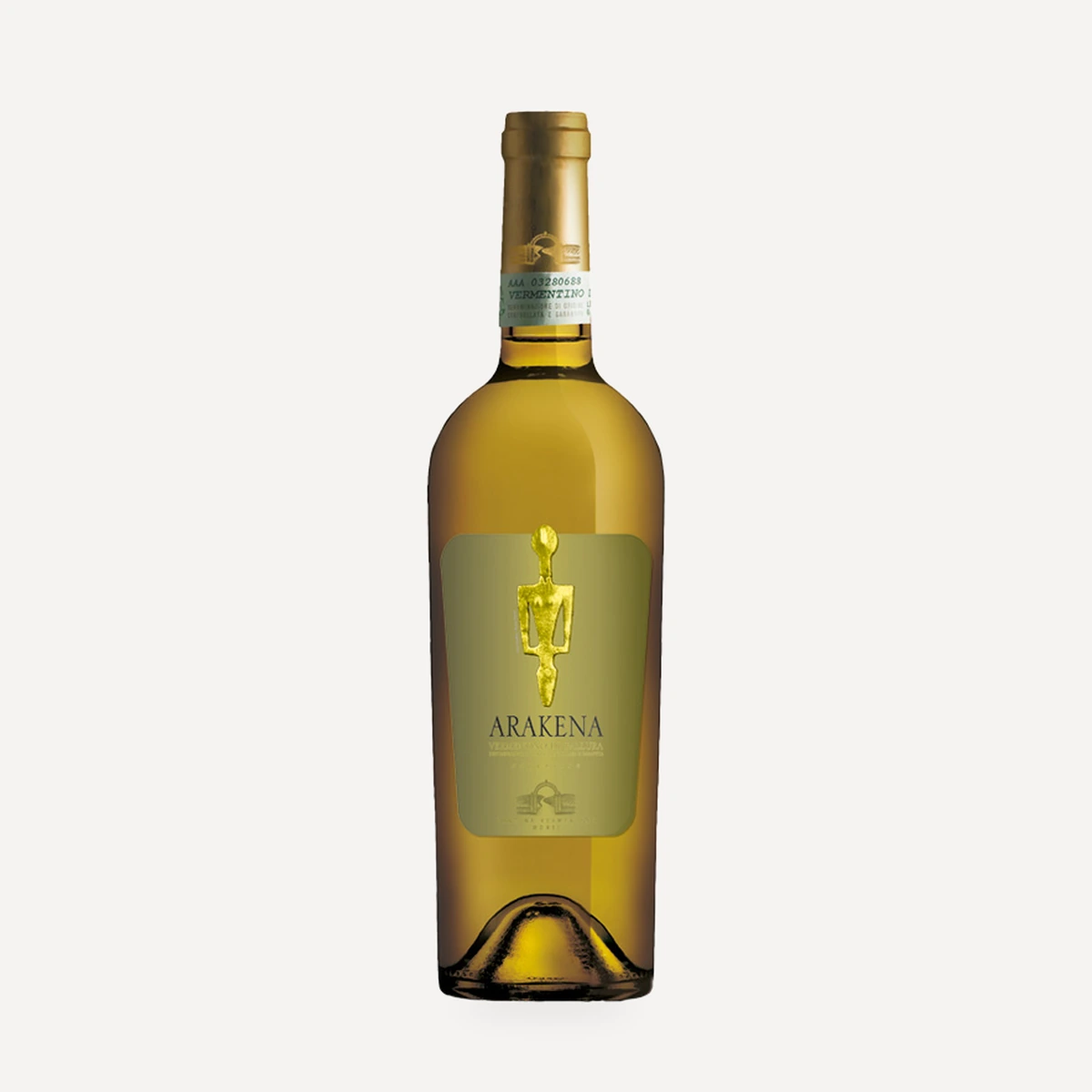
Both Tàmara—the cooperative’s second red wine—and Arakéna began with the 2003 vintage and were released in October 2004. Kiri’s first vintage was 2012, followed by its commercial release in April 2013. In 2015, Bàlari received the Gran Medaglia d’Oro at Vinitaly.
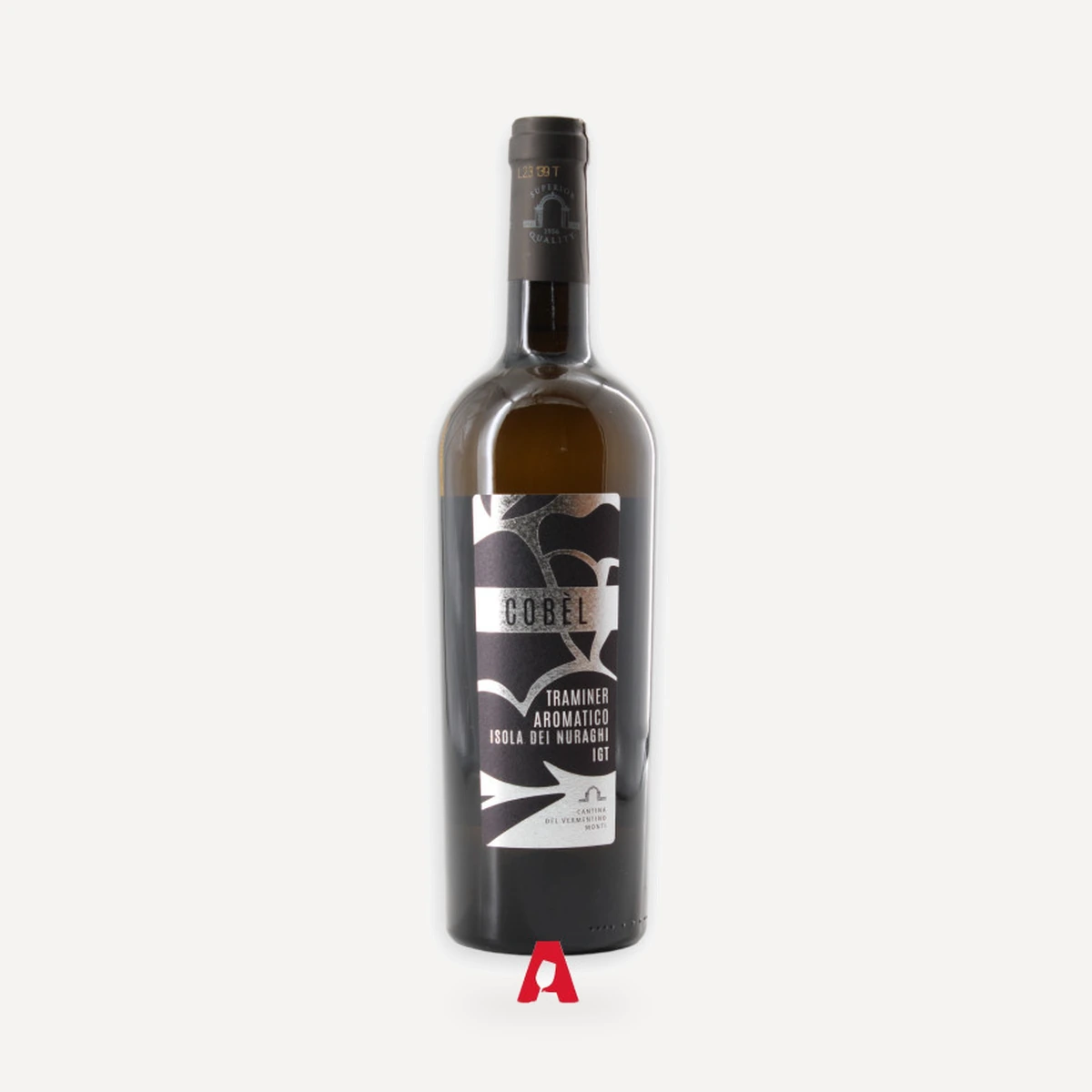
Ruè began with the 2017 vintage and was released in August 2022. The cooperative subsequently developed further small, numbered releases designed to examine the relationship between individual varieties and Gallura’s terroir, including Cobèl, Kumbè, S’Abè, Mimiè and Sambì.
Seventieth anniversary
The cooperative marked the 1956–2026 period with a seventieth-anniversary programme on 30 October 2026. Its conference addressed the cooperative’s foundation, climate adaptation in world viticulture, Vermentino’s resilience, the sensory evolution of Vermentino di Gallura and the future development of Monti’s territorial crus. The programme also included recognition of the cooperative’s oldest and youngest members, a commemorative plaque, the opening of the Materia Viva – Ferment Azioni exhibition and a guided winery visit.
Terroir
The cooperative draws fruit from 600 hectares cultivated by 350 members in Monti, Telti, Olbia and Loiri Porto San Paolo, within Gallura in northern Sardegna. The vineyards represented in its range extend from approximately 150 to 450 metres above sea level.
Granite-derived soils recur across the selected vineyards. Vermentino destined for several of the cooperative’s established bottlings comes from selected bush-trained vineyards at 300–450 metres. Other white-variety selections are associated with trellised, Guyot-pruned vineyards at 250–350 metres. Cagnulari is also grown in granite-derived soils at 250–350 metres.
The named Sos Ambinzos area lies at 150–250 metres and has granite-derived soils. Its vineyards are trained on trellises and Guyot pruned. Sos Rueddos, in Monti, reaches 450 metres and retains bush-trained Cannonau. Its climatic description records regular rain in May and June followed by hot summers.
Vinificazione
The vineyard base is distributed among 350 cooperative members, who cultivate 600 ha and deliver selected grapes to the winery. Vineyard systems include traditional alberello bush training and trellises pruned to Guyot.
For the passito, Vermentino bunches are selected carefully. Once the required maturity is reached, the bunch stem is pinched to initiate drying. At Sos Rueddos, harvesting is traditional and occurs in the final weeks of October.
The winery stands within three hectares of oak trees. Production begins with gentle crushing and destemming, while finished stocks are held in temperature-controlled rooms.
The barrel cellar is entered through a granite portal of apparent Aragonese origin that also serves as the cooperative’s logo. Wines mature in 500- and 2,500-litre barrels or tonneaux, followed, where required, by bottle ageing.
Sparkling production uses secondary fermentation in small pressure tanks. Because the secondary fermentation takes place in sealed bottles or autoclaves rather than open vats, carbon dioxide and pressure restrict yeast growth; the yeast must therefore reach a physiological condition that allows gradual acclimatisation to the base wine and cellar conditions.
The cooperative also produces passito from carefully selected Vermentino bunches whose stems are pinched at full maturity to begin the drying phase. Its grappas are distilled from Vermentino pomace using discontinuous bain-marie distillation in a copper still.
Filosofia
Vermentino is the organising element of the cooperative’s identity. Its name honours the variety, while the range explores it as still, sparkling, frizzante, structured, barrel-matured, late-harvest and passito wine.
The cooperative presents its wines as a record of three inseparable subjects: the territory, the enterprise and the people who belong to it. Each member’s contribution is understood as part of a collective effort to carry the aromas, flavours and traditions of Gallura into the wines.
Its newer monovarietal projects extend this territorial focus beyond Vermentino. Separate lots of Fiano, Traminer and Malvasia are used to investigate how Gallura’s terroir affects each variety’s sensory expression, while the anniversary programme frames Monti’s future around the development of territorial crus and adaptation to climate change.
Vini
Aghilóia
Aldiola
Arakéna
Bàlari
Cobèl
Funtanaliras
Galàna
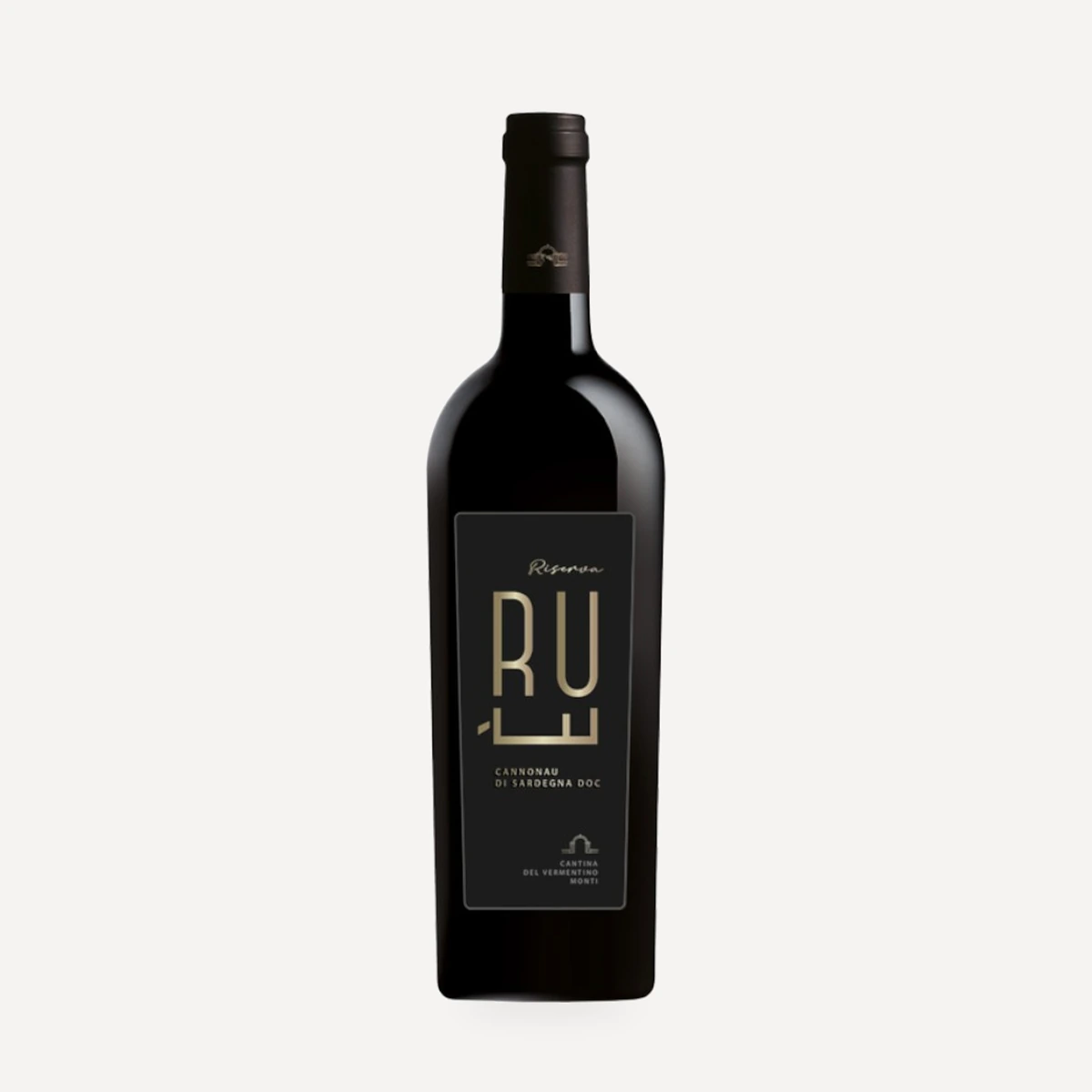
Ruè
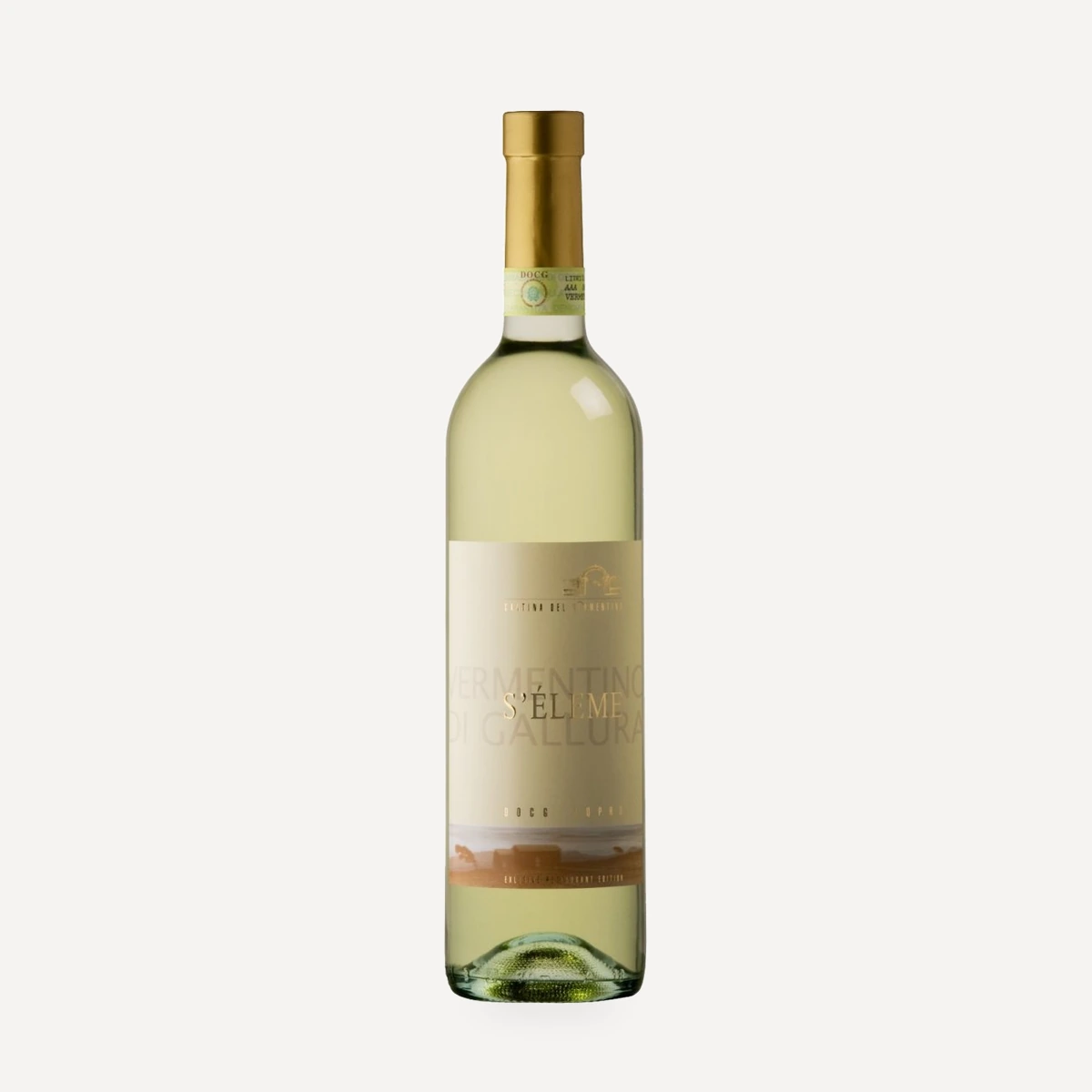
S’éleme
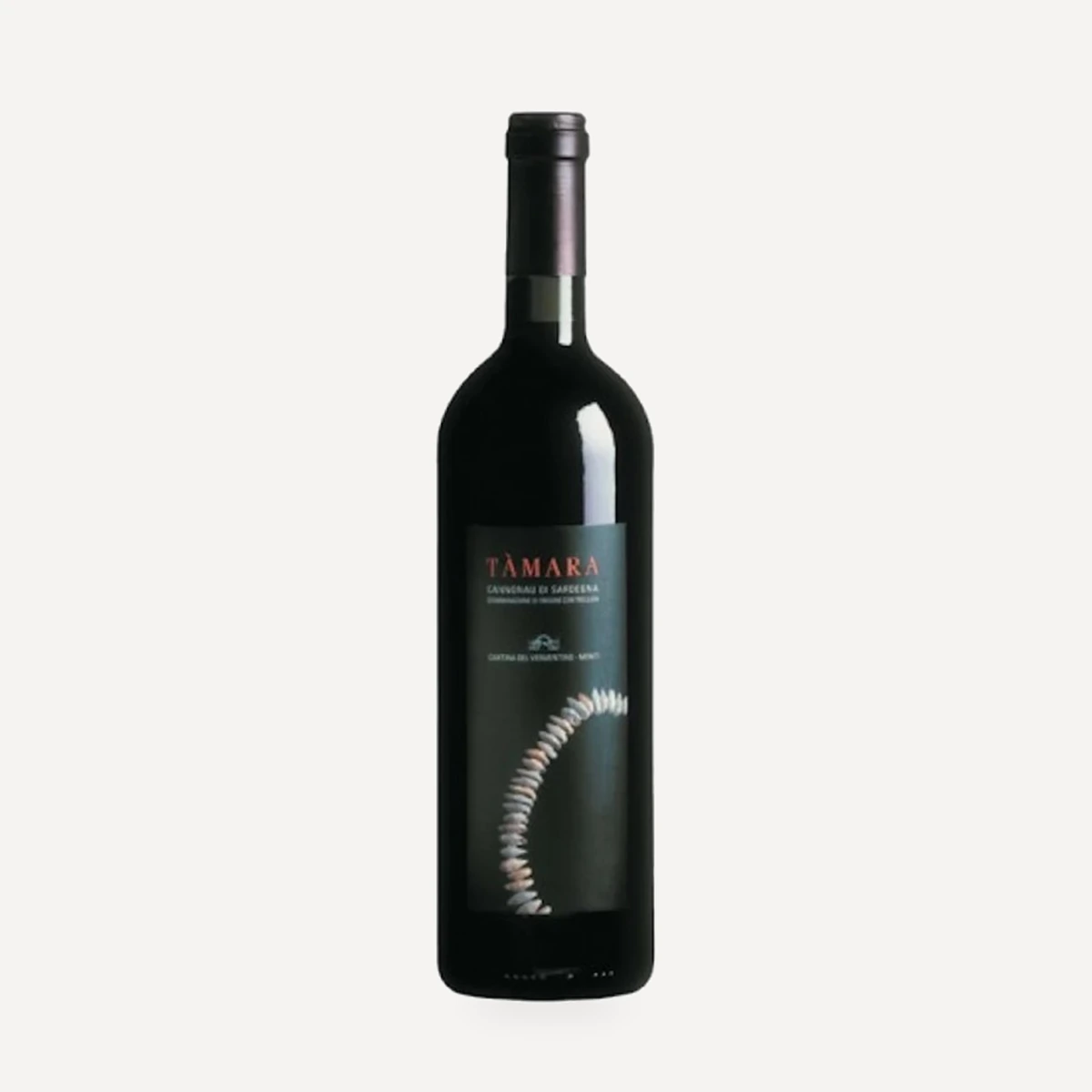
Tàmara
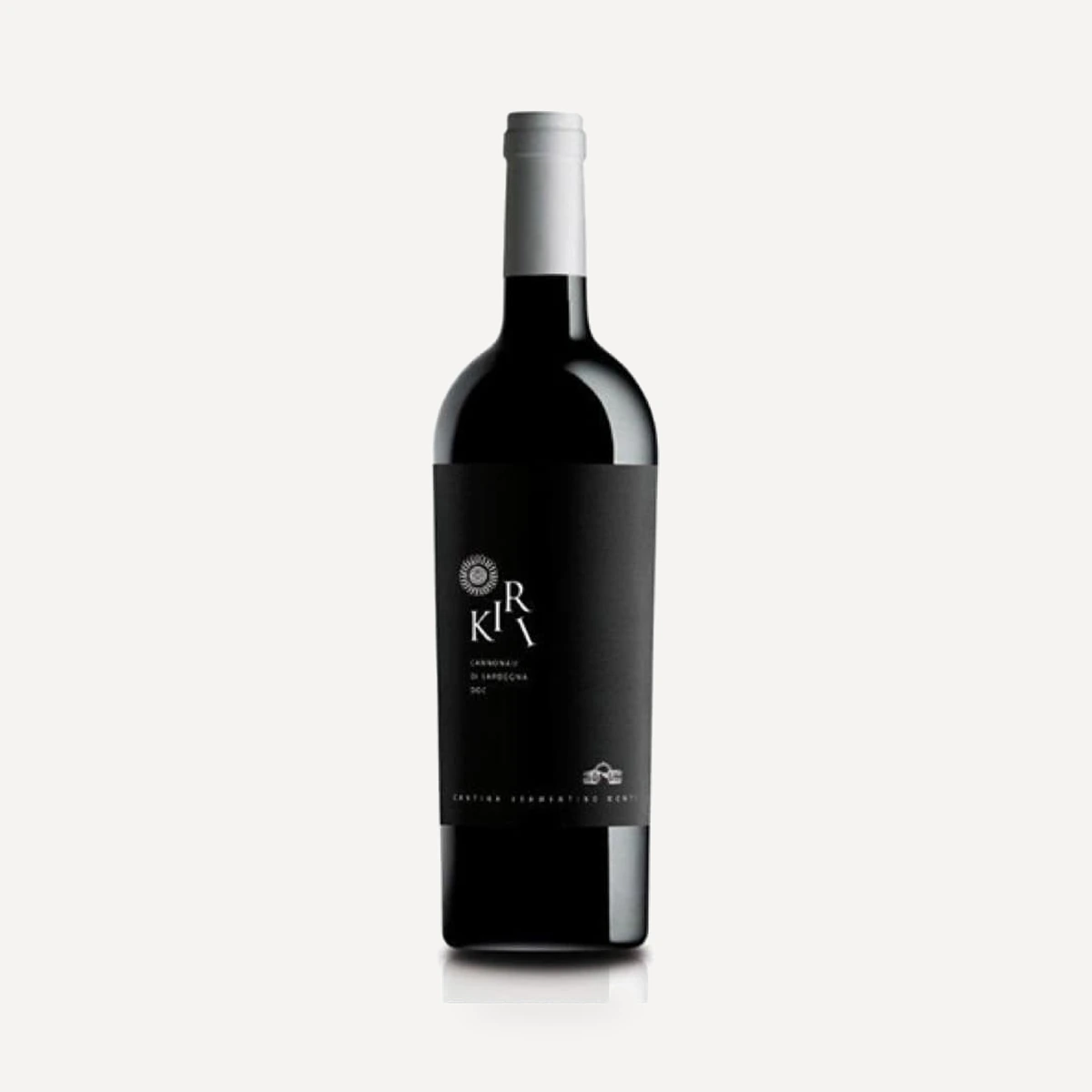
Kiri
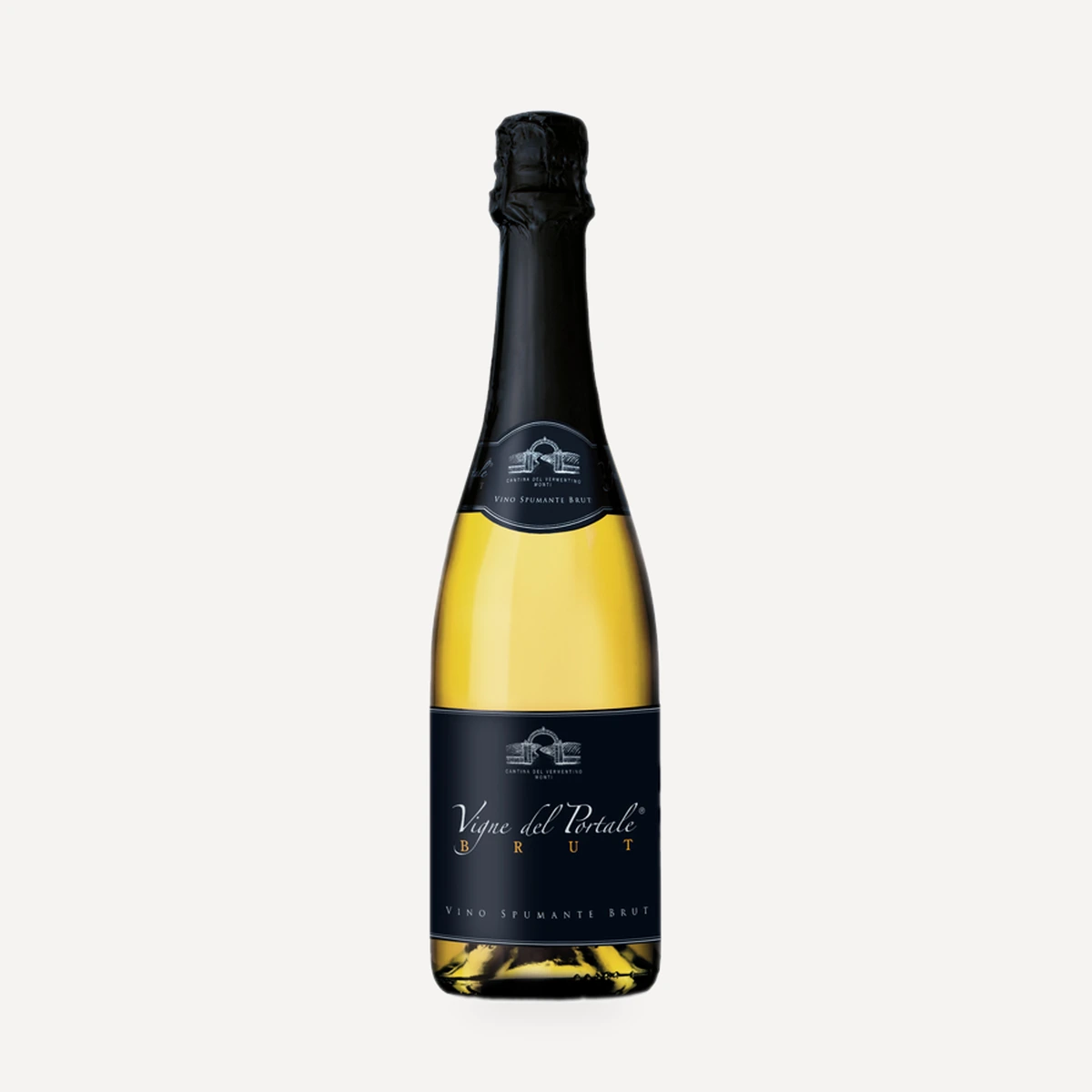
Vigne del Portale Brut
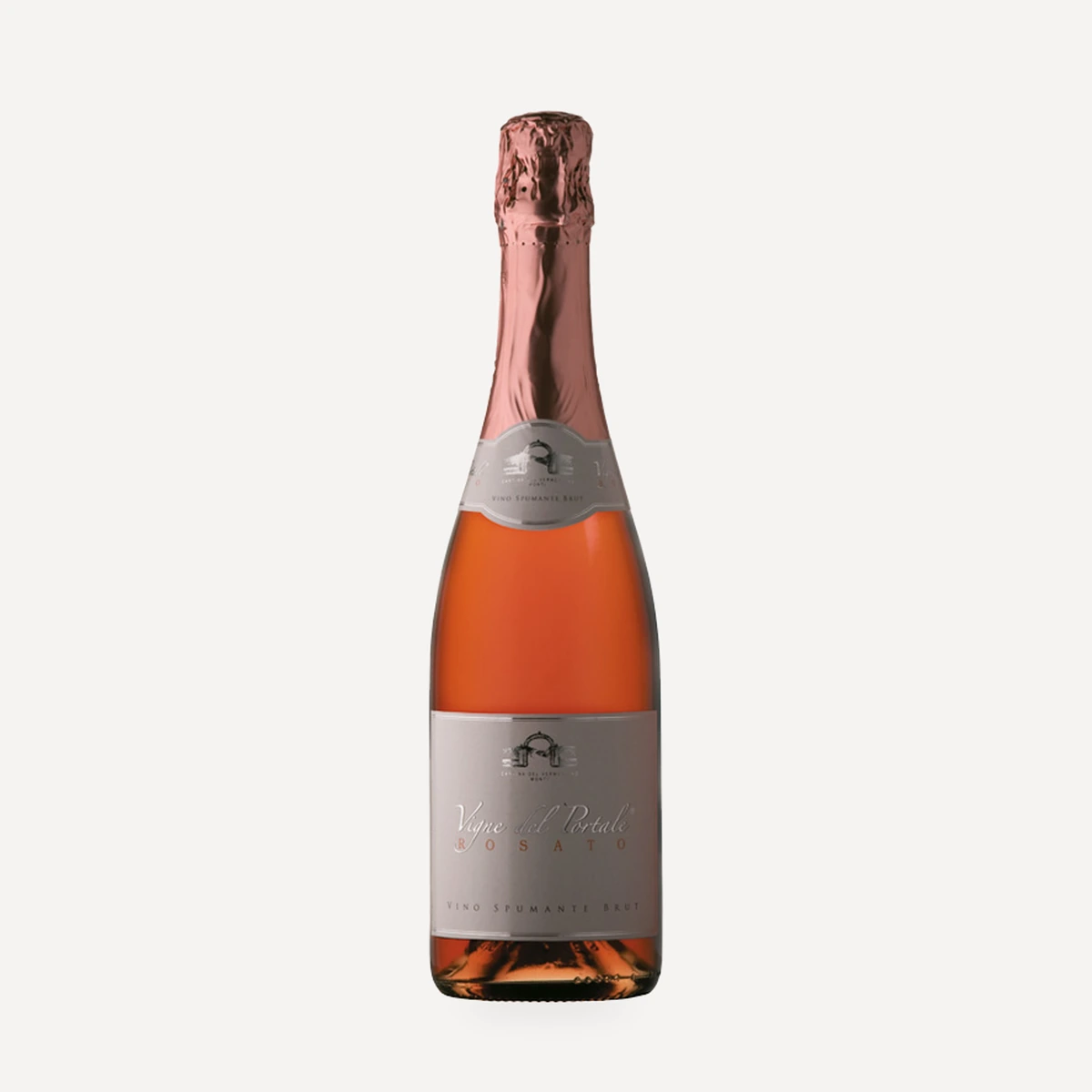
Vigne del Portale Brut Rosè