Storia
Acquisition and recovery, 1992–1993
Giovanni Battista d’Orsi and Emilia d’Orsi acquired Casaloste at the end of 1992. They found nearly 7 hectares of wild, neglected vineyards and immediately began restoring them. Their work made it possible to complete the first harvest in October 1993. The inaugural Casaloste Chianti Classico also dates from the 1993 vintage.
Giovanni brought university training in agriculture and postgraduate study of environmental-impact assessment to the project. After purchasing Casaloste, he also completed advanced studies in oenology. The estate adopted organic cultivation from the beginning of its new productive life rather than converting after a period of conventional farming.
Organic certification and collective action, 1994–1996
Casaloste became the first certified-organic estate in Panzano in Chianti in 1994 and was among the first in the wider Chianti territory. It registered with the Organic Producers of Tuscany under the control of ICEA, the Institute for Ethical and Environmental Certification.
In 1995 Giovanni created Don Vincenzo, a pure-Sangiovese project made only in suitable vintages from a dedicated single vineyard. He named it for his father, Vincenzo.
Casaloste subsequently joined other local producers in establishing the Unione Viticoltori di Panzano. Founded in 1996, the association linked independent estates through shared goals of product quality and environmental responsibility while preserving each member’s identity. The collaboration later supported extensive organic certification in Panzano and the creation of the private SPEVIS experimental station for research into reducing insecticide use in organic vineyards.
New estate projects, 2003–2011
Inversus was introduced with the 2003 vintage and is bottled only in selected years. The project reversed the estate’s usual varietal emphasis by placing Merlot alongside Sangiovese. Its name refers to situs viscerum inversus, the harmless mirror-image arrangement of internal organs with which Giovanni and Emilia’s third son, Federico, was born. Federico’s fingerprint appears on its label.
The first vintage of Casaloste Chianti Classico Gran Selezione was 2011. Its conception brought together selected Sangiovese from the estate’s eastern and western sides, using the differing effects of morning and afternoon light.
Vineyard renewal and the thirtieth harvest, 1992–2023
Over three decades the family expanded the vineyards from the nearly 7 hectares encountered in 1992 to approximately 10 hectares. By the approach of the thirtieth harvest, 85% of the vines had been replanted. During the final year and a half of that programme, the remaining portion was renewed with new Sangiovese vines. By 2023, the family had worked throughout the vineyard area, selecting, tending and establishing each vine as part of a continuing renewal programme.
Casaloste remains Giovanni’s sole property and is also the family home. Giovanni directs the vineyard and cellar work through bottling, while Emilia manages marketing and commercial activities. Other family members participate in the business, and Maria Giovanna d’Orsi represents the estate in commercial appointments and communications.
Terroir
Casaloste lies among the hills of Panzano in Chianti, within the municipality of Greve, approximately halfway between Florence and Siena. Its vineyards form part of the Chianti Classico territory and surround the family’s stone residence together with the olive groves.
The estate distinguishes between selected vines on its eastern and western sides. Morning light on the eastern side supports greater sugar and potential alcohol development, while afternoon light on the western side intensifies the aromatic expression of Sangiovese. Seasonal conditions can permit ripening to continue into sunny October periods, although autumn rain can also make precise harvest timing essential.
The estate’s approach emphasizes the variability that Sangiovese derives from the climatic conditions of individual vintages. Merlot is also considered capable of a particularly successful expression in the land of Panzano in Chianti.
Vinificazione
Casaloste has used organic methods since Giovanni and Emilia acquired the estate in 1992. Certification followed in 1994, making it the first certified-organic estate in Panzano in Chianti and one of the earliest in the broader Chianti territory. The estate is registered with the Organic Producers of Tuscany and controlled by ICEA.
The farming system is designed to meet production, quality and efficiency objectives while giving priority to compatibility with the surrounding environment. Its stated rules are to choose cultivation practices that respect soil structure and equilibrium, use organic fertilizers and exclude chemically synthesized products. Organic farming is treated as compatible with technological progress and scientific research rather than as a rejection of either.
The estate’s small scale permits close inspection of grapes in the field, careful pruning and prompt, targeted responses to disease pressure. It also provides flexibility in choosing the harvest date: picking can be adjusted to avoid damaging rain or extended when sunny October weather permits further ripening.
Through the Unione Viticoltori di Panzano, Casaloste participates in coordinated vineyard monitoring, meteorological data collection, controls and field trials. Members receive technical bulletins with practical recommendations for vineyard interventions. The association also financed the SPEVIS experimental station, which studies strategies for limiting insecticide use in organic vineyards and developing environmentally compatible preventive measures. This collective work contributed to approximately 90% of Panzano’s vineyard surface becoming organically certified.
Giovanni Battista d’Orsi personally supervises production from grape development and harvest through estate bottling.
Crushing and destemming are carried out with sophisticated stainless-steel equipment whose operating speed and crushing intensity can be adjusted. Fermentation takes place exclusively in temperature-controlled stainless-steel tanks.
Maturation is treated as a central stage of production. French oak is used to balance oak influence with the fruit rather than obscure it. The wines’ development is followed continuously through laboratory analysis and periodic tasting. Sensitive, technologically advanced cellar equipment is chosen to minimize stress on the wine, while quality controls continue through vinification, maturation and the subsequent stages.
Bottling takes place at the estate. Bottled wine is held in temperature-controlled storage that remains at or below 17°C, including during summer. The overall process is continually reassessed from harvest to harvest in pursuit of greater quality and consistency.
Filosofia
“Essere piccoli per fare grandi vini”
Casaloste summarizes its production philosophy as “Be small to make great wines.” Small scale is understood as a practical means of retaining direct control: inspecting fruit closely, pruning accurately, reacting promptly to disease, selecting the best harvest window and adapting quickly to changing weather.
The estate combines a seasonal Tuscan farming rhythm with modern, sensitive equipment and systematic laboratory control. Technology and scientific research are accepted when they improve precision, reduce stress on the wine and remain compatible with environmental balance.
Giovanni’s objective is to produce Chianti Classico at the highest level while preserving vintage variation. Wine is understood as a living product shaped jointly by land, human work and care. Organic farming follows the same production, quality and efficiency goals as other agricultural systems but organizes its priorities around compatibility with the environment.
Casaloste is Giovanni’s only property, his family home and his sole professional focus. The family’s direct participation in management, together with continuing vineyard renewal and quality control from field to bottle, is intended to provide stability across vintages while allowing the wines to keep evolving.
Vini
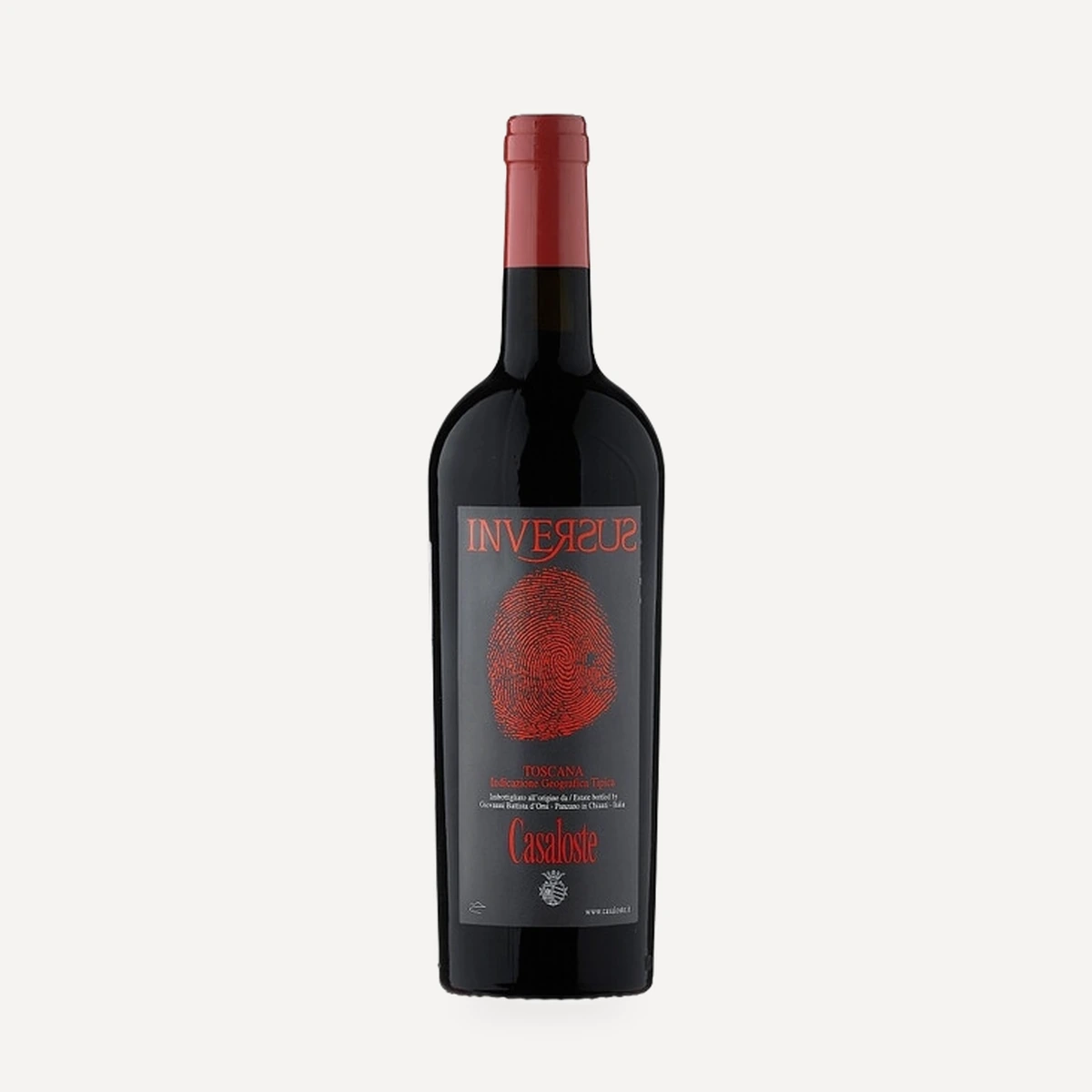
Inversus
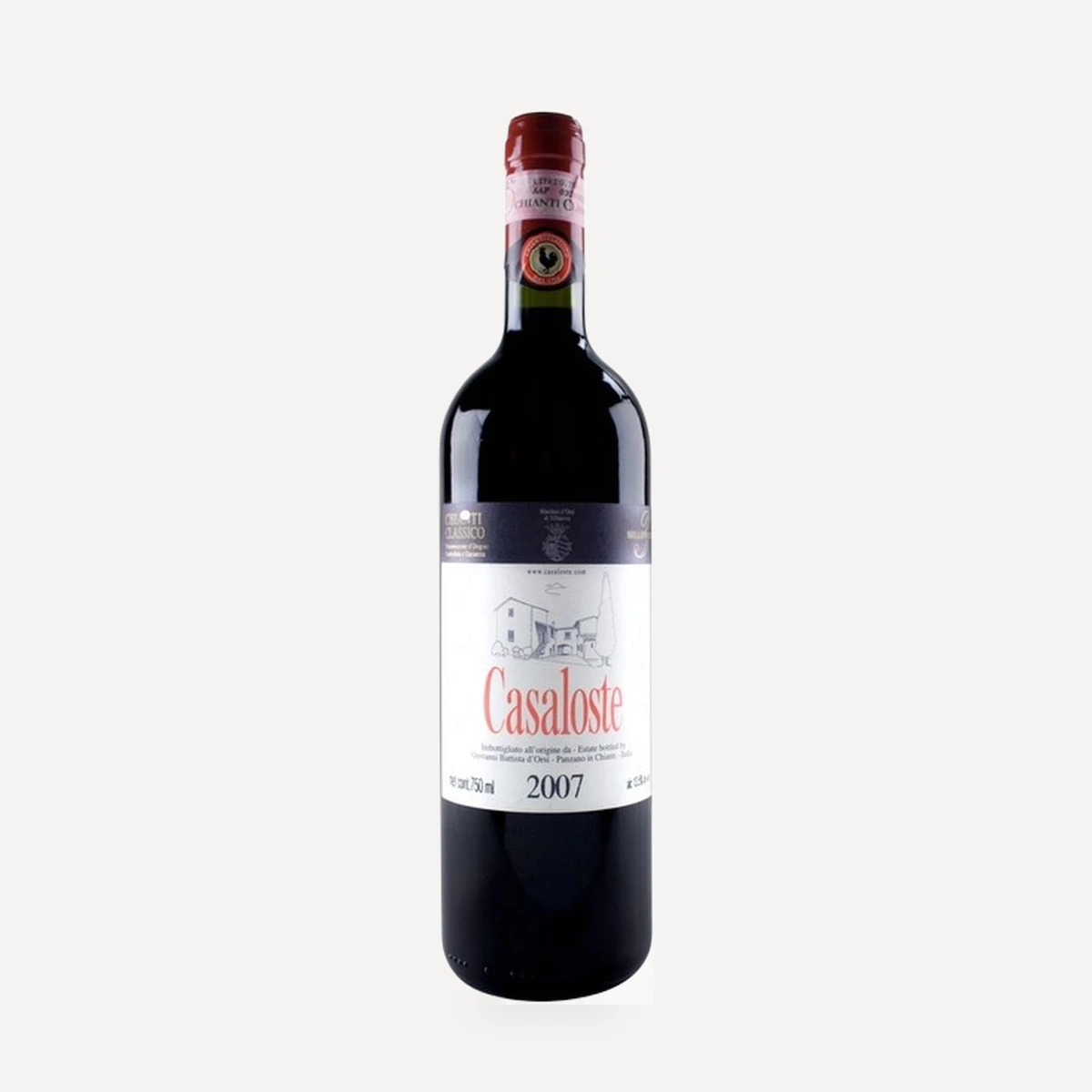
Chianti Classico
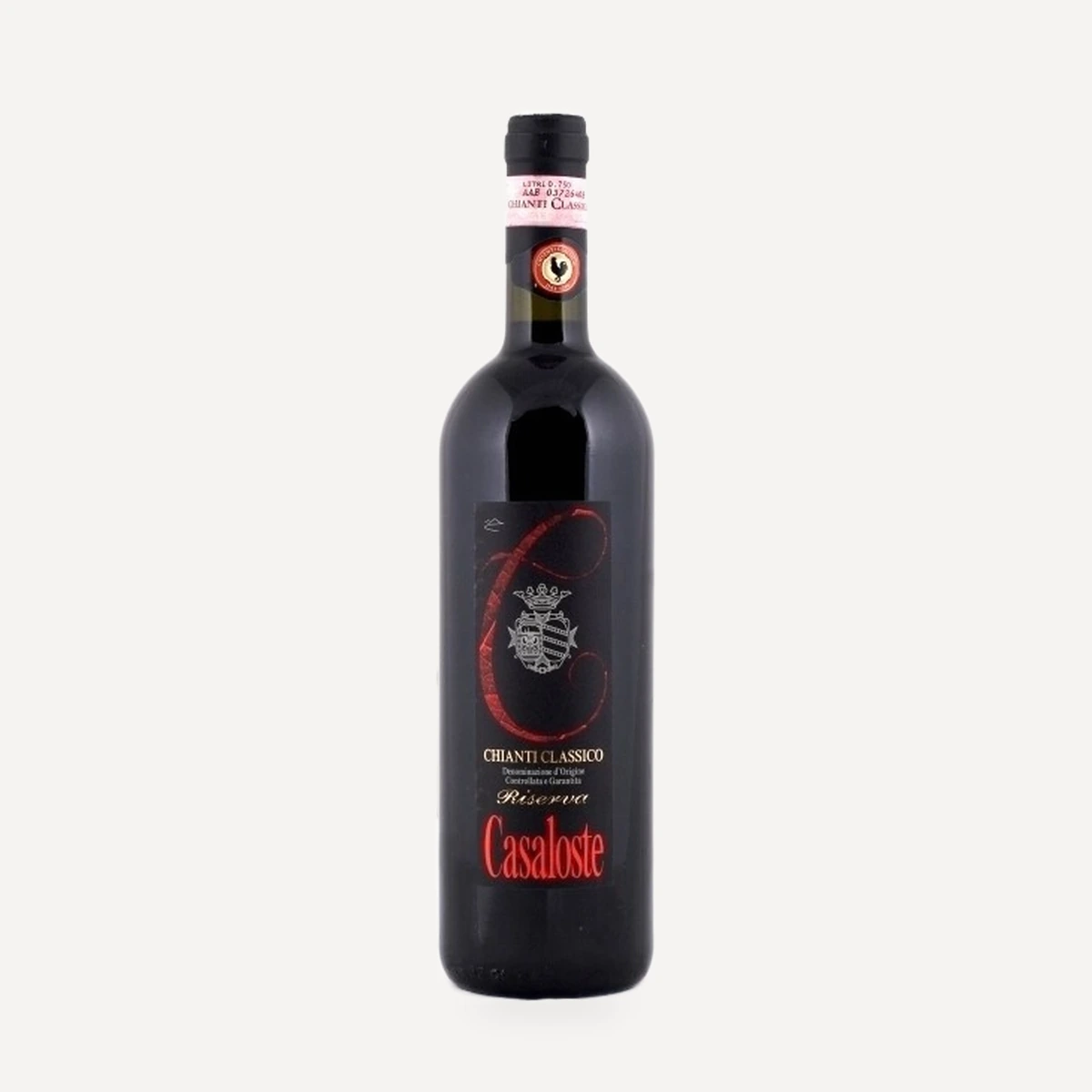
Chianti Classico Riserva
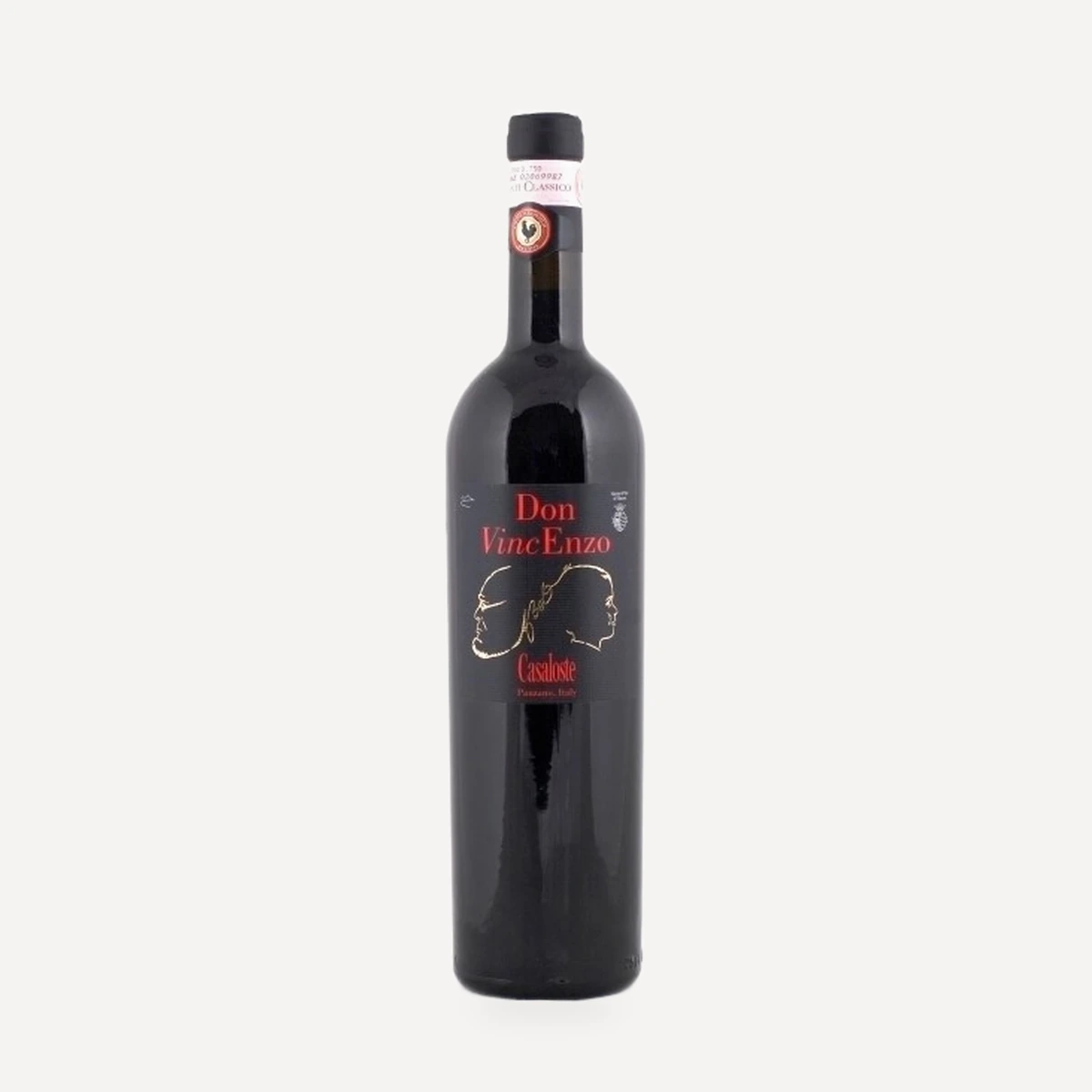
Don Vincenzo