Storia
Early viticultural traditions
The precise origin of Prié Blanc in the upper Valle d’Aosta remains unresolved. One account places white-grape cultivation in the area as early as the eighth century and possibly in Roman times. A local tradition offers a different explanation: around 1630, settlers from Valais were called to repopulate the upper valley after a plague and may have introduced the variety. These colonists initially worked their allotted land as sharecroppers and later became owners of half of it. Other scholars reject this account and regard Prié Blanc as indigenous to Valle d’Aosta, selected over centuries from spontaneous seedlings or natural changes in local vine material.
A document dated 1816 records that the technique of harvesting frozen grapes was already known in Valdigne. The district also retained own-rooted European vines after phylloxera devastated much of Europe: the insect did not establish itself at these elevations, allowing growers to continue propagating Prié Blanc without American rootstock.
Snowfall before harvest was a recurring high-altitude risk. In both 1968 and 1981, abundant snow arrived before the grapes had been picked.
From individual growers to a cooperative
Blanc de Morgex et de La Salle was formerly sold by individual vignerons in small quantities. The fragmented production could not guarantee a steady market presence or communicate a coherent identity for the local winegrowing area. Collective working traditions in the Alpine villages, pride in local customs and the initiative of Don Bougeat—parish priest of Morgex until 1971—led to the formation of the Association des Viticulteurs.
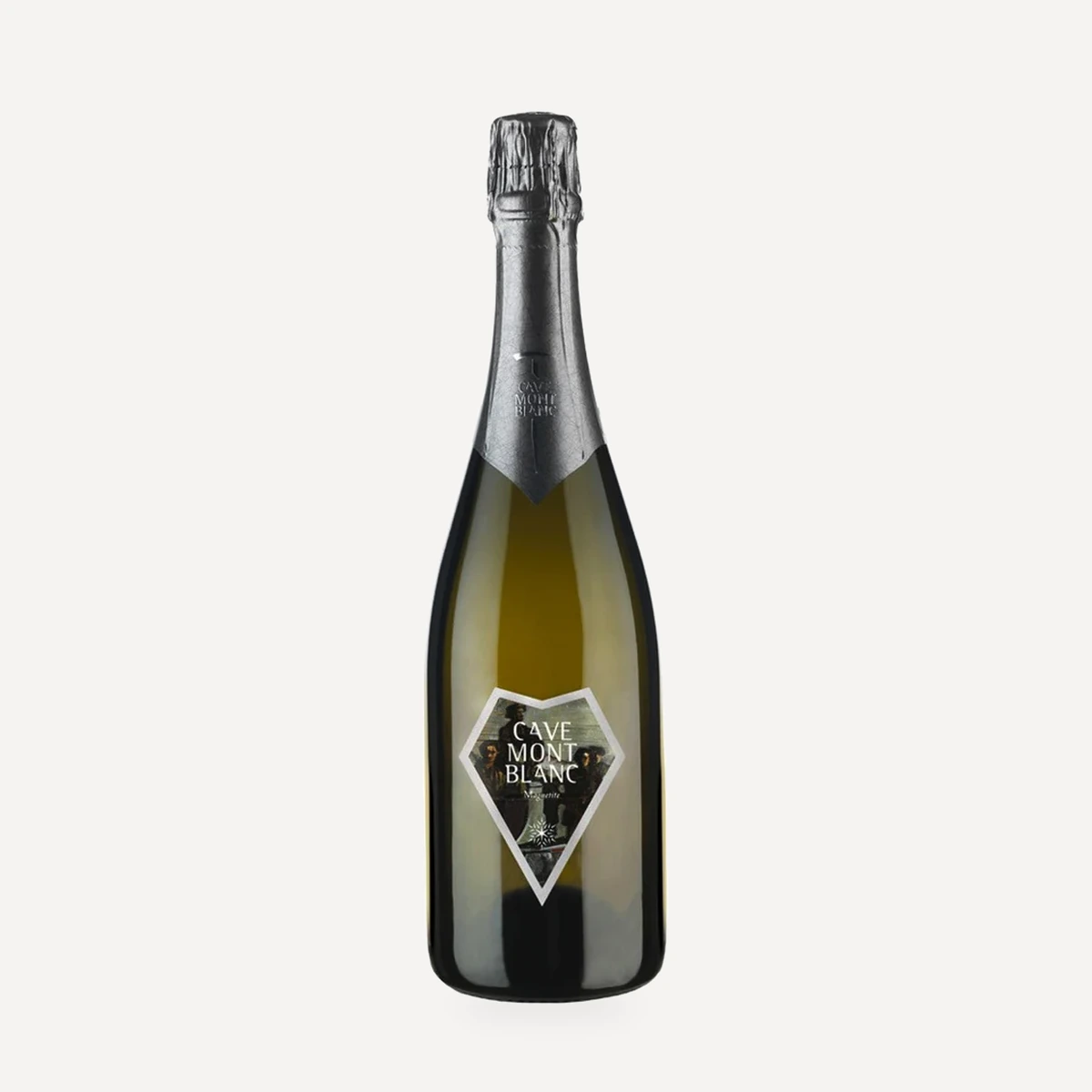
In 1983, the association became the foundation for the Cave du Vin Blanc de Morgex et de La Salle, created as an early result of the Regional Administration’s policy to support and develop Valle d’Aosta viticulture. The cooperative, subsequently renamed Cave Mont Blanc de Morgex et La Salle, moved into a new, technologically advanced winery in Morgex. It also began producing traditional-method sparkling wine in Valle d’Aosta that year.
During its first decade of vinification, the cooperative almost doubled its membership and increased production. Its work brought abandoned vineyards on the slopes of Mont Blanc back into cultivation and helped preserve the area’s centuries-old winegrowing tradition. Membership later reached approximately 80 growers, with production of about 140,000 bottles annually.
Extreme-wine and high-altitude projects
The Vini Estremi project was created in 1999 at the initiative of Gianpaolo Girardi to bring together and promote wines made under difficult geographical conditions. Cave Mont Blanc supported the project from its inception.
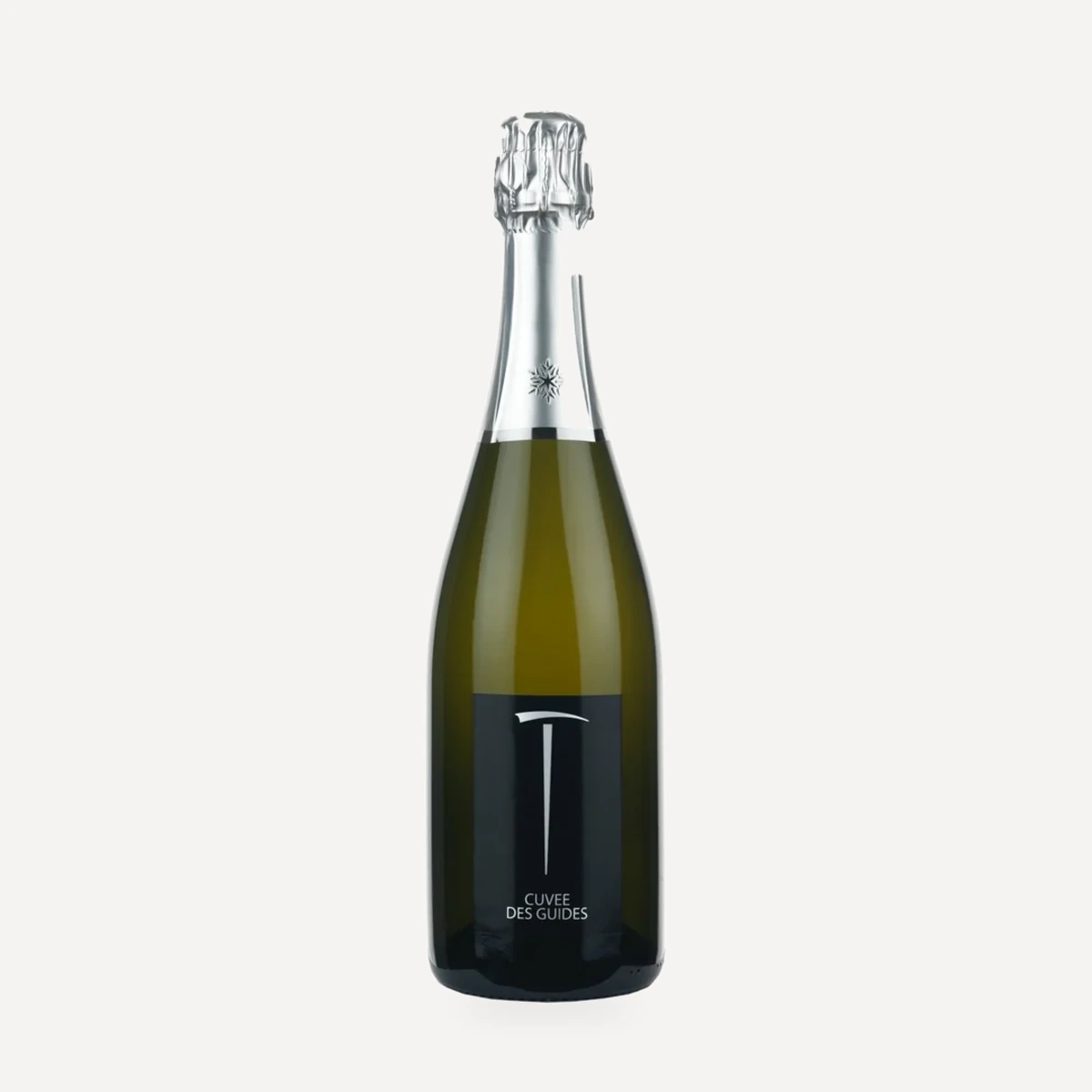
In 2003, Cave Mont Blanc and the Società delle Guide Alpine di Courmayeur began working together to vinify Prié Blanc above 2,000 metres and conduct traditional-method sparkling-wine operations at altitude. In 2015, collaboration with Skyway Monte Bianco enabled the partners to establish a working cellar at the Pavillon du Mont Fréty, 2,173 metres above sea level. The cellar’s altitude, atmospheric pressure and temperature provide the conditions used each year for the Cuvée des Guides project, including disgorgement at the experimental facility.
The cooperative also developed the Progetto Miniere at Costa del Pino in Cogne. The mine, whose tunnels had been worked from Roman times until extraction ended in 1979, became a bottle-ageing environment. Wine first passes through stainless steel, is bottled and then transported to the mine, where naturally stable darkness, temperature and humidity govern maturation.
Modern investment
Through Valle d’Aosta’s 2014–2020 Rural Development Programme, Cave Mont Blanc received support for the acquisition of used productive winemaking equipment and equipment for wine maturation. In 2022, further investment funded a new grape press and a conveyor for feeding grapes into the press.
Terroir
Location and elevation
The growing area lies in the communes of Morgex and La Salle, on the orographic left bank of the Dora Baltea. This is the upper end of Valle d’Aosta where the valley opens into Valdigne, beneath Mont Blanc. Vineyards occupy mountain slopes and successive terraces between approximately 900 and 1,200 metres, placing them among Europe’s highest vineyards.
Alpine conditions
Rock, pure mountain water, winter frost and the steep terrain define the setting. Frost remains possible through April and sometimes into early May, while snow can arrive before harvest. Prié Blanc is suited to this compressed season: it begins budding later than other varieties, helping it avoid spring frost, and reaches maturity early enough for picking before winter snow.
The low temperature and dry air substantially reduce pressure from fungal diseases. Altitude has also prevented phylloxera from establishing itself locally, allowing European vines to remain own-rooted.
Soils and heat retention
The ground is notably stony. During the day, the stones accumulate heat and release it at night, helping vines withstand the cold. Very low pergolas further protect the plants from mountain winds and winter frost. Supports may be made from wood or large monolithic stones.
Prié Blanc
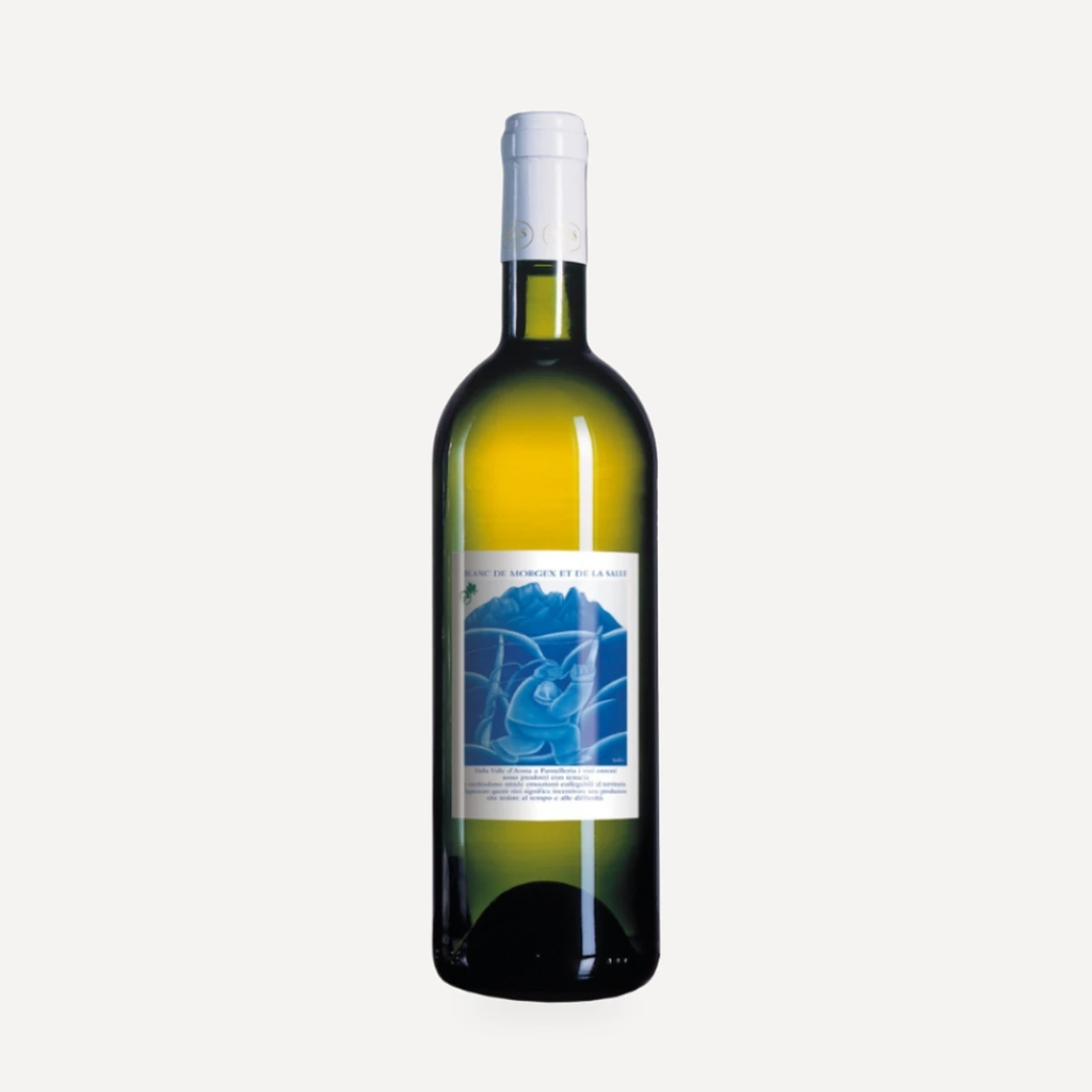
The vineyards are devoted to Prié Blanc, specifically the Blanc de Morgex biotype. Its vegetative cycle is short, with late budbreak and early, first-epoch ripening. Vigour and productivity are both described as moderate. These traits enable the variety to complete its cycle at elevations where the growing season is especially restricted.
Vinificazione
Prié Blanc is cultivated on steep terraces between approximately 900 and 1,200 metres. Its late budbreak reduces exposure to frosts that may persist into April or early May, while its early ripening permits harvest before the arrival of winter snow. The start of harvest is formally agreed at dedicated meetings of the competent bodies, reflecting the importance of timing in this high-altitude environment.
The variety has moderate vigour and productivity and receives comparatively long pruning. Vines are normally trained on very low pergolas to limit damage from mountain winds and winter frost. Pergola supports are made from either wood or monolithic stones.
Low temperatures and dry air make fungal diseases unusually limited, so far fewer treatments are required than in many other winegrowing districts. The altitude has also kept phylloxera from establishing itself. Prié Blanc can therefore be planted on its own European roots rather than grafted onto American rootstock.
Traditional propagation by propaggine remains in use. In spring, part of a vine shoot is buried while retaining its connection to the mother plant. Once the new plant has rooted by autumn, the connecting cane is severed. This technique maintains the vineyards’ own-rooted plant material.
Winery and grape reception
The cooperative operates from its winery in Morgex. Careful grape selection precedes vinification, particularly for the traditional-method sparkling wines. A new grape press and a conveyor for loading grapes into the press were acquired in 2022; earlier rural-development investment supported additional productive equipment and vessels or equipment for maturation.
Traditional-method sparkling wine
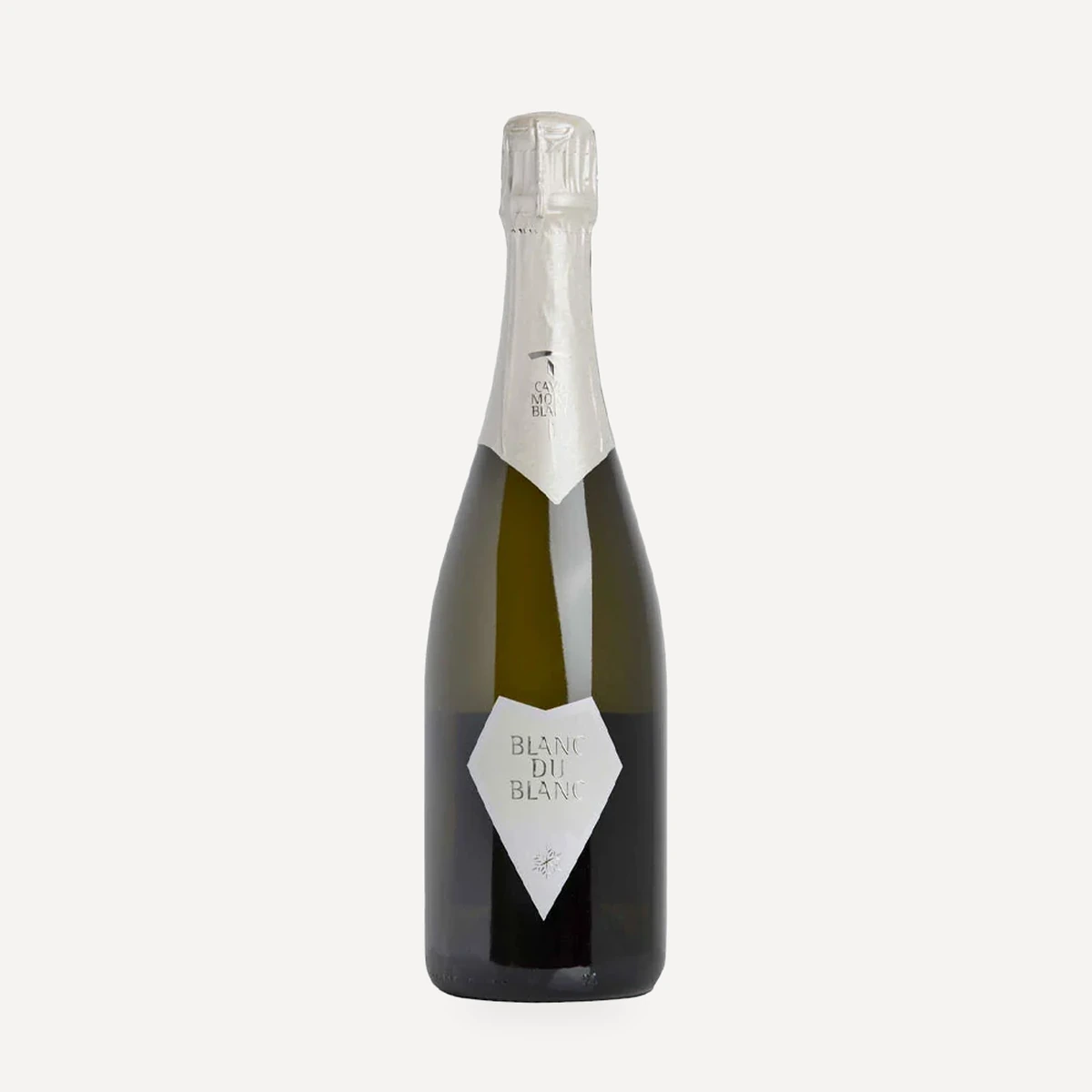
Cave Mont Blanc began producing traditional-method sparkling wine in Valle d’Aosta in 1983 and is identified as the region’s only producer of denomination-controlled traditional-method sparkling wine. Base wines undergo their first vinification in stainless steel and large wooden vessels, followed by a second fermentation in bottle. Bottle ageing after the second fermentation is never shorter than 12 months.
Decisions concerning remuage, disgorgement and the dosage of the liqueur d’expédition are made through consultation between the winery’s technical management and the laboratory of the Centre de la Méthode Champenoise in Saint-Baldoph, Savoie.
High-altitude sparkling-wine cellar
Since 2003, Prié Blanc has also been vinified above 2,000 metres in collaboration with the Società delle Guide Alpine di Courmayeur. In 2015, a dedicated cellar was established with Skyway Monte Bianco at the Pavillon du Mont Fréty, 2,173 metres above sea level. Its altitude, atmospheric pressure and temperature shape the production of Cuvée des Guides. Operations conducted at this experimental facility include disgorgement.
Vin de Glace
Chaudelune combines two approaches to special-wine production. The harvest follows the Germanic ice-wine tradition, a technique documented in Valdigne in 1816. Fermentation and maturation employ barrels of different sizes made from oak and local woods, with bâtonnage during fermentation and maturation. Subsequent ageing uses an oxidative technique associated with the Mediterranean tradition.
Mine maturation
For the Progetto Miniere, wine initially passes through stainless steel and is then bottled and transported to the Costa del Pino mine at Cogne, 1,800 metres above sea level. The tunnels provide naturally stable darkness, temperature and humidity for bottle maturation. The project includes both still and traditional-method sparkling expressions.
Filosofia
Quality, authenticity, freshness and creativity define Cave Mont Blanc’s stated principles. Its central objective is to allow Prié Blanc, regarded as an indigenous biotype, to express its character with maximum authenticity and individuality.
The cooperative seeks to respect the variety’s specific character while interpreting Blanc de Morgex et de La Salle through contemporary technical knowledge and Valle d’Aosta’s older winemaking tradition. Its preferred degree of intervention is only what is strictly necessary. Love of the place, imagination and technical expertise are combined with continuing research, while the creativity of member-growers and their attachment to small vineyards remain central.
The broader objective is to preserve the relationship between people, indigenous vines and difficult mountain terrain. Restoring abandoned vineyards, respecting the land’s existing morphology and maintaining the area’s collective traditions are treated as essential to expressing the identity of the territory beneath Mont Blanc.
Vini
Blanc du Blanc
Cave Mont Blanc
Cuvée des Guides
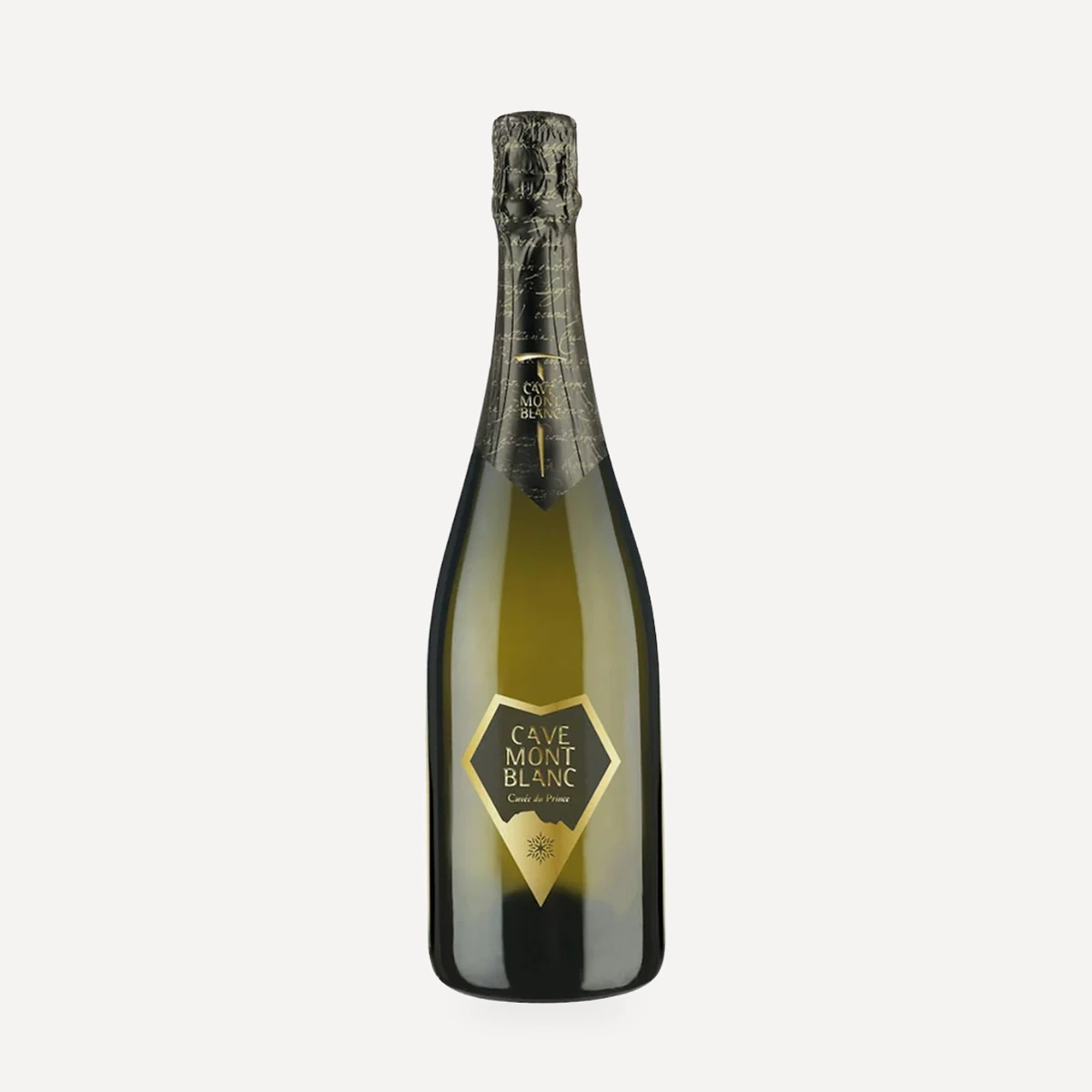
Cuvée du Prince
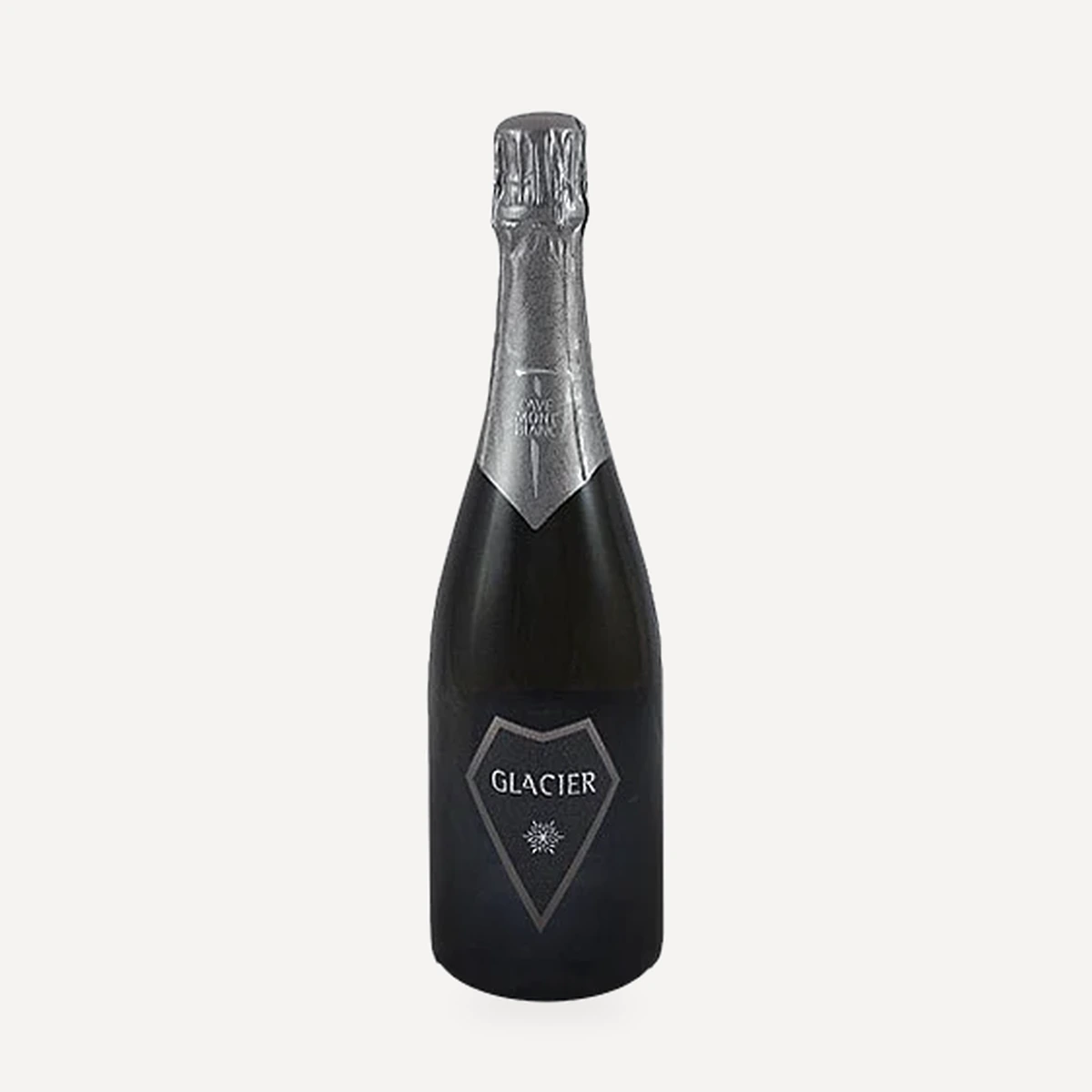
Glacier
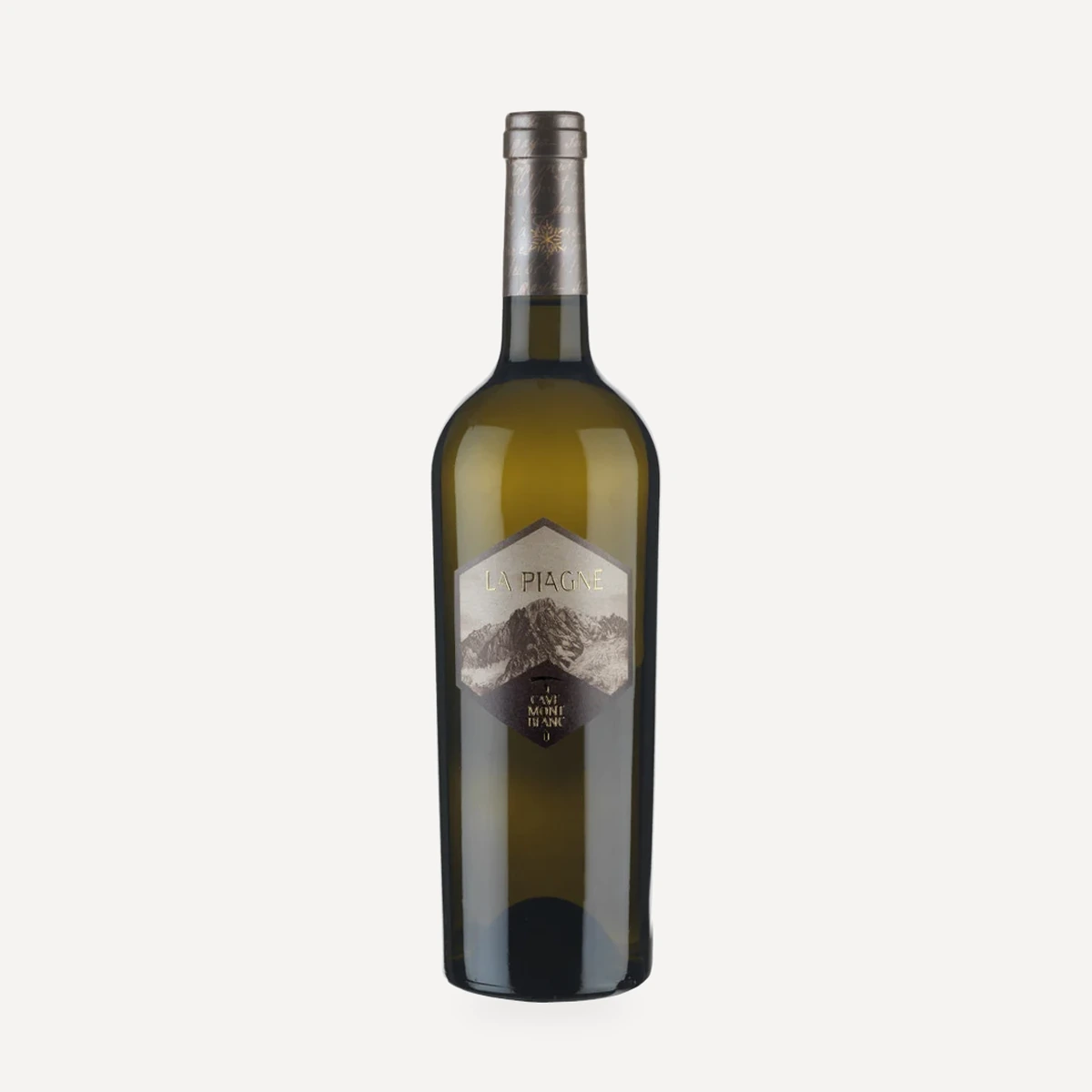
La Piagne
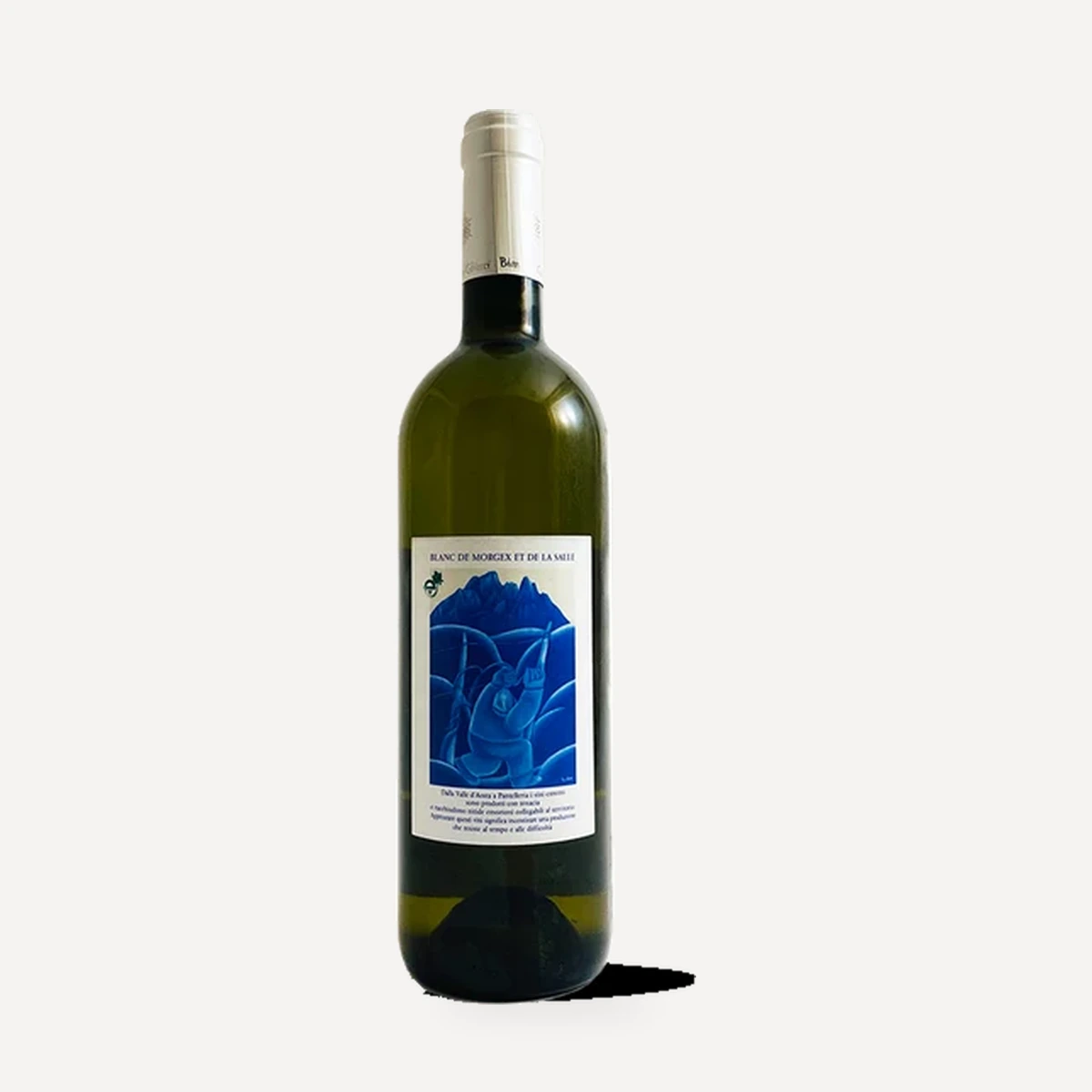
Vini Estremi
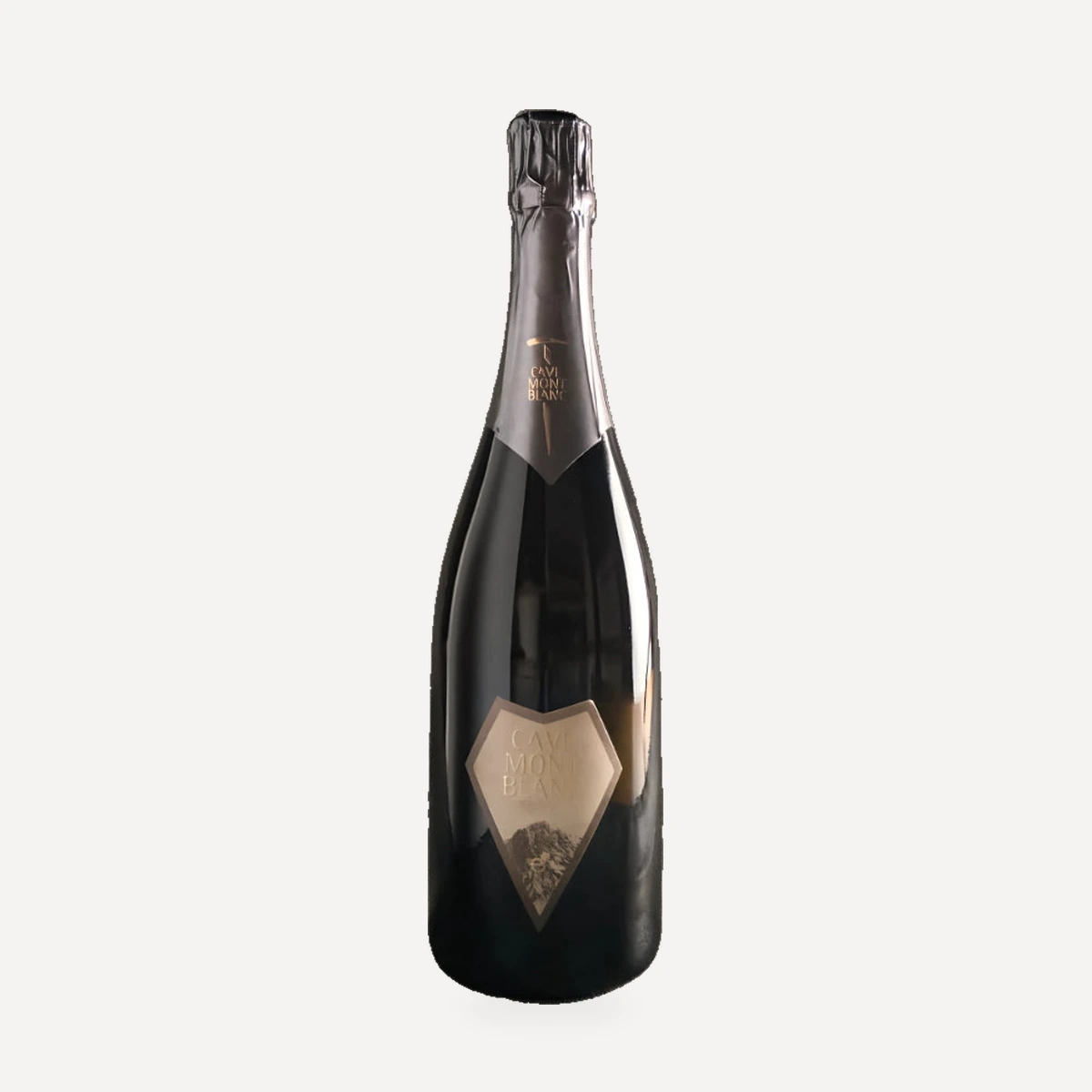
X.T.
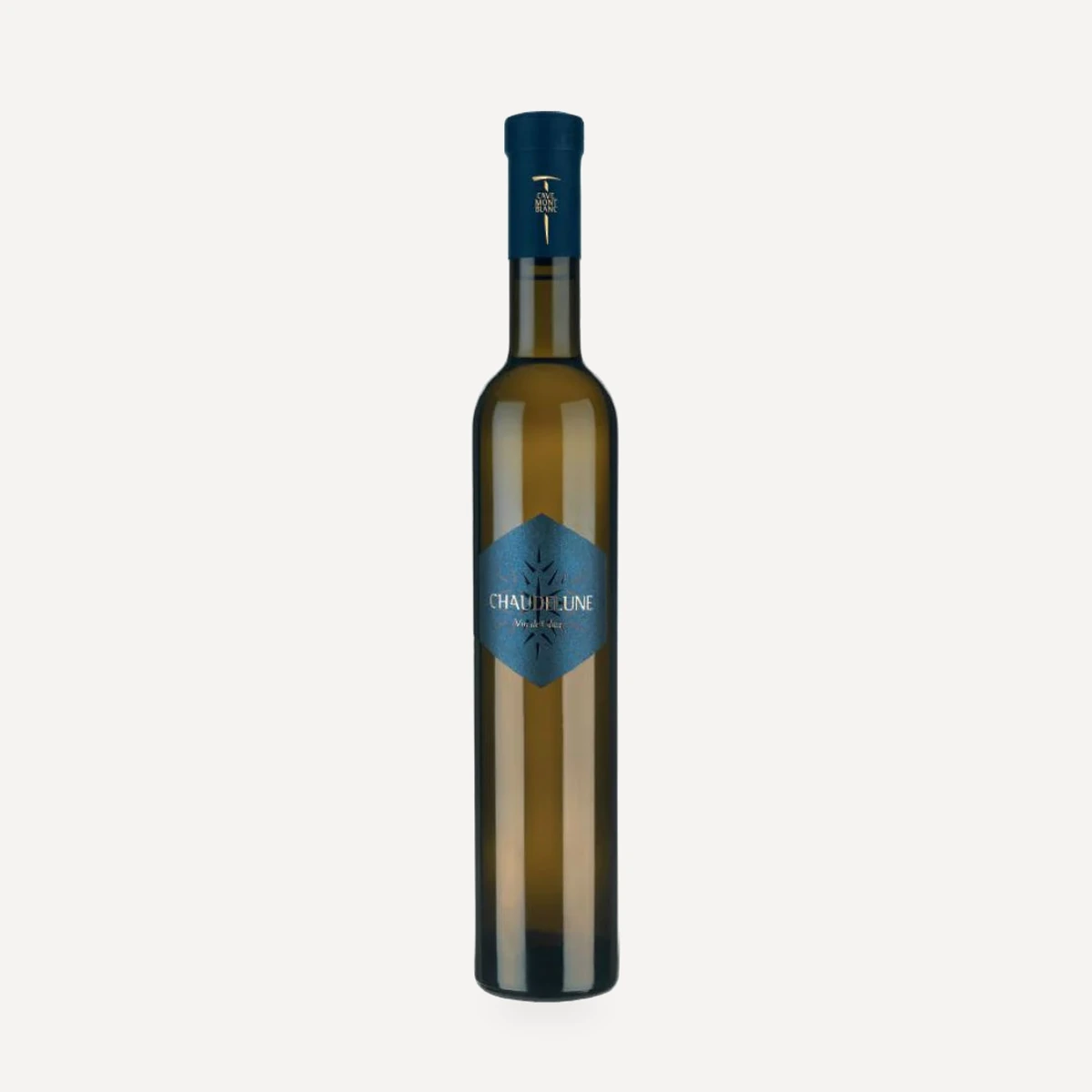
Chaudelune
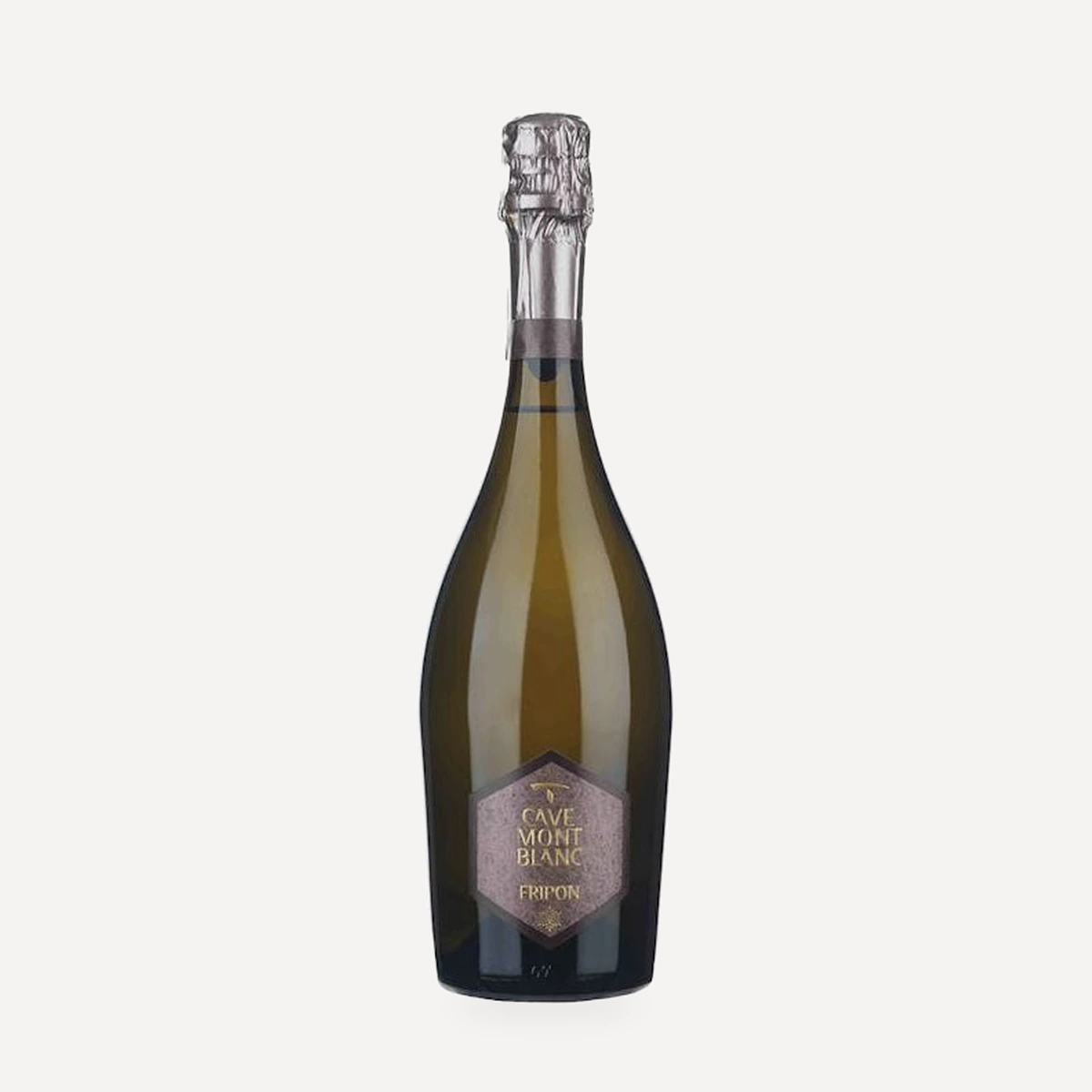
Fripon