Storia
Family background
Wine is a family inheritance for Henri Anselmet. During the 1980s, his grandfather Renato served as president of the Associazione Viticoltori di Villeneuve. His work initiated a gradual transformation that, together with the later teachings of canon Joseph Vaudan, helped change the quality and identity of Valle d’Aosta wine.
Henri’s father, Giorgio Anselmet, owns Maison Anselmet. At the end of the 1990s, he belonged to a second wave of local vignerons who invested in the value of indigenous varieties and introduced their expressive potential to a wider audience.
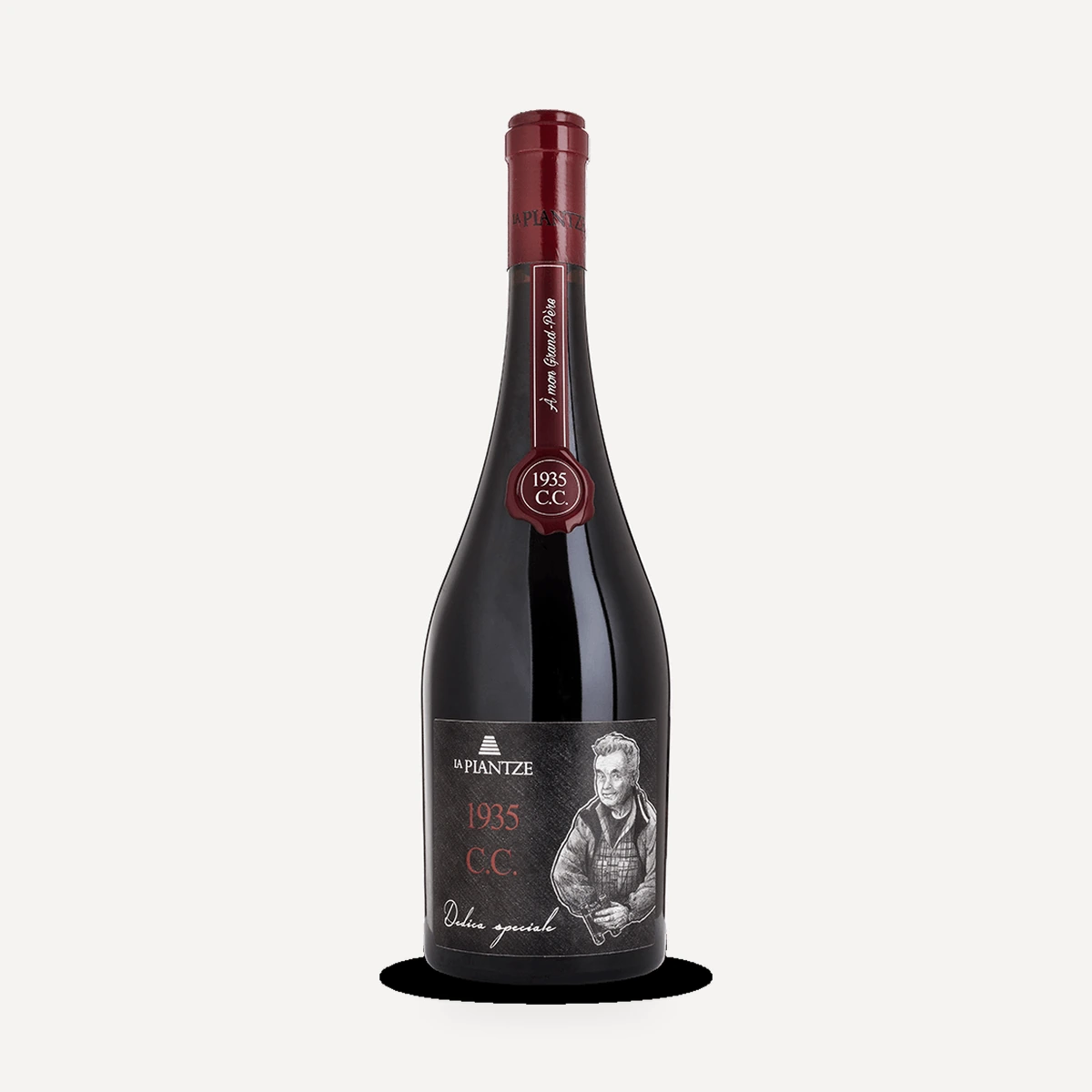
Another branch of Henri’s family connects him to Cogne through his grandfather Celestino Cavagnet. The 1935 C.C. label, first produced in 2017, commemorates Cavagnet, that side of the family and Henri’s Cogne origins.
Education and return to the vineyards
Henri studied at the Institut Agricole Régional in Aosta. Alongside wine, his principal passion was cross-country skiing, which he pursued competitively until the age of 23. At that point he returned home to work in the family vineyards.
Years of apprenticeship followed, supplemented by educational travel and hundreds of tastings. During this period he became increasingly absorbed by vineyard work, the relationship between mountain viticulture and its environment, and the range of outcomes obtainable through different cellar decisions.
2013: the beginning of La Plantze
In 2013 Henri rented an old, mixed-planted vineyard in Villeneuve belonging to Filippo Garin and bordering his family’s properties. The vineyard dated from the postwar period. Henri used its grapes to attempt a wine according to his own ideas, without knowing what the result would be, and began working independently under the name La Plantze.
Montagnine is also identified with the birth of the project: an old vineyard of approximately one hectare that had been neglected, with vines around 80 years old. When Henri was warned in 2013 that those vines would yield nothing, his response was “Fa Nagòtt”—roughly, “It doesn’t matter” or “Don’t worry.” The expression became the name of Nagòtt.
Development of the range
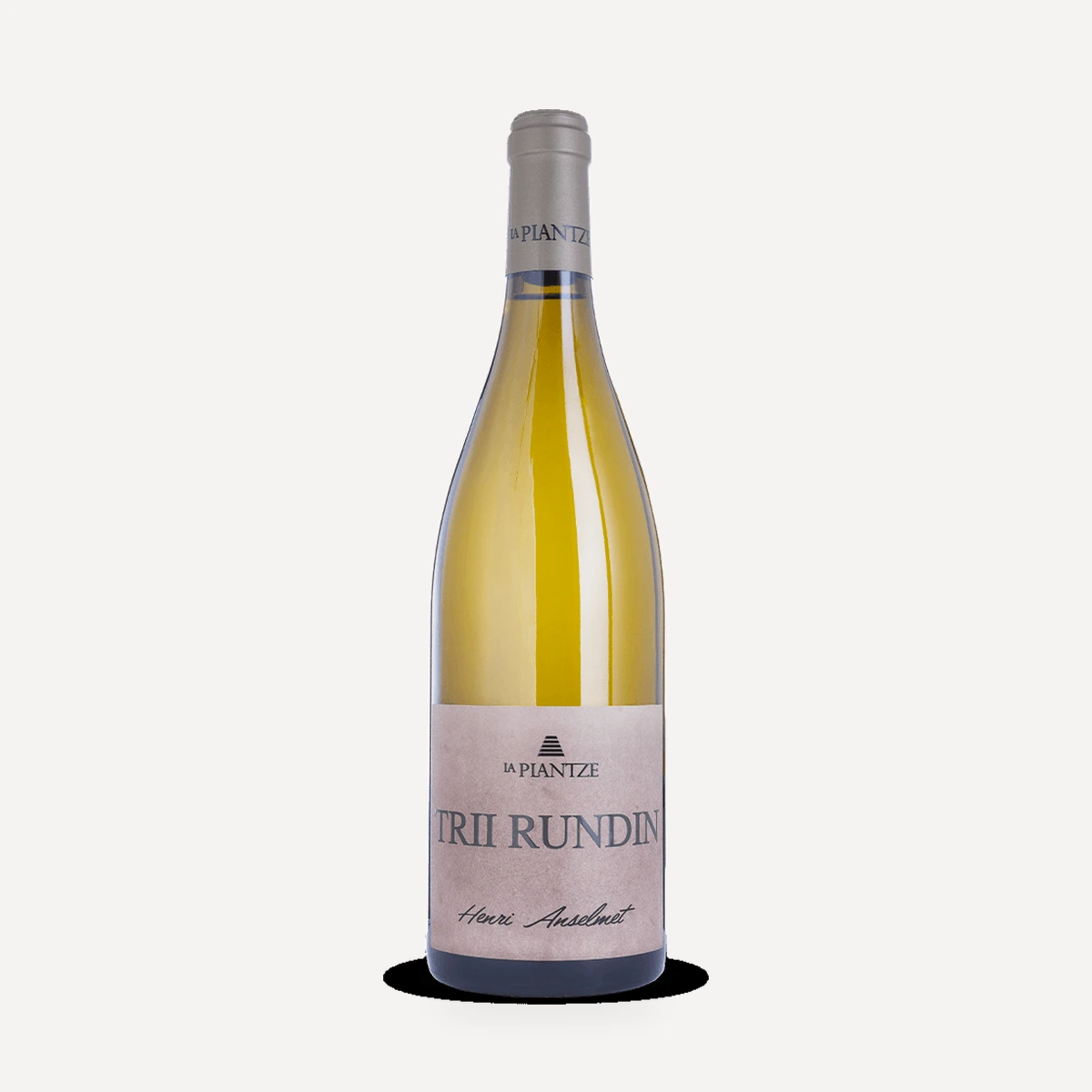
Henri’s first white-wine project, Trii Rundin, debuted with the 2014 vintage and interpreted the longstanding presence of Pinot Grigio in Valle d’Aosta through his own approach.
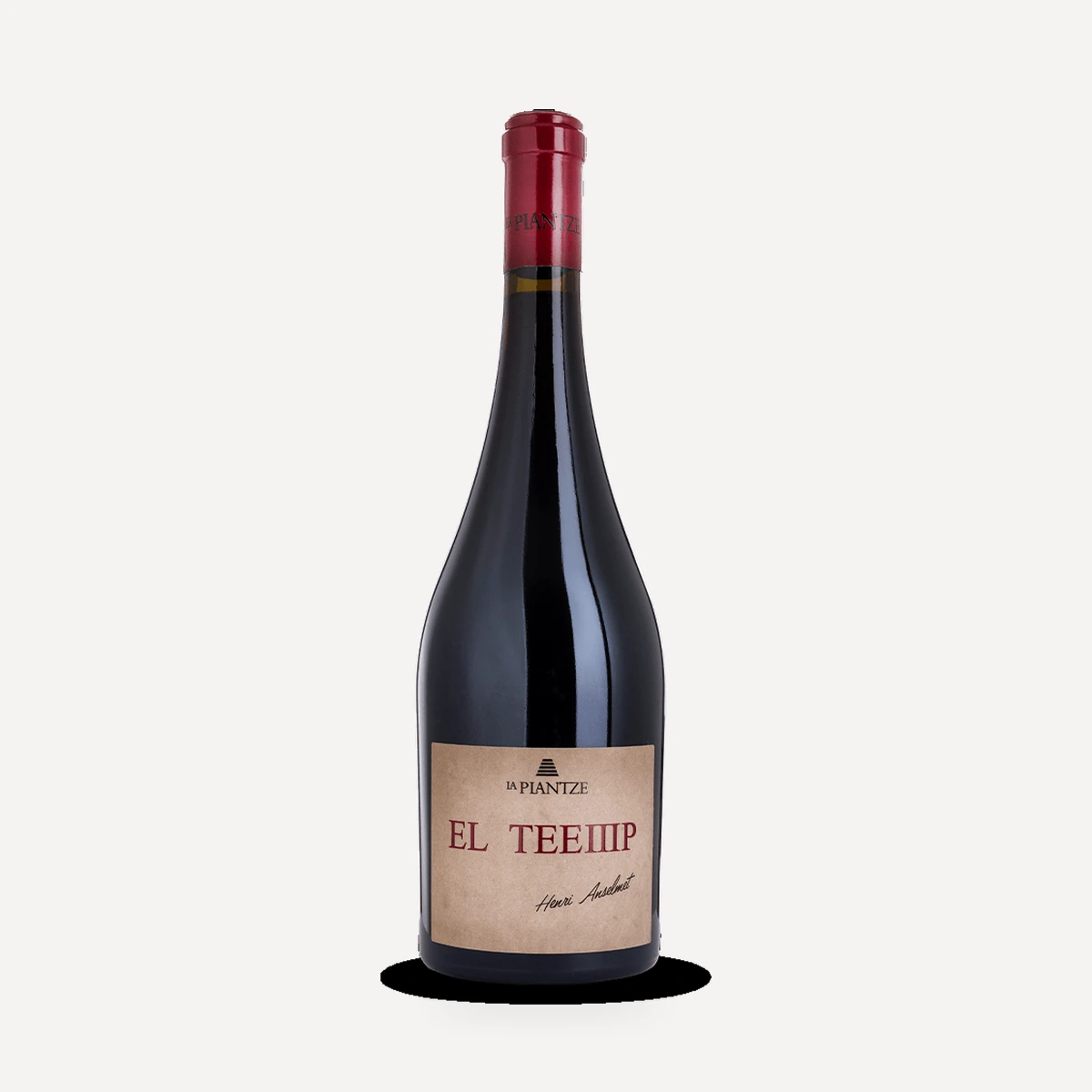
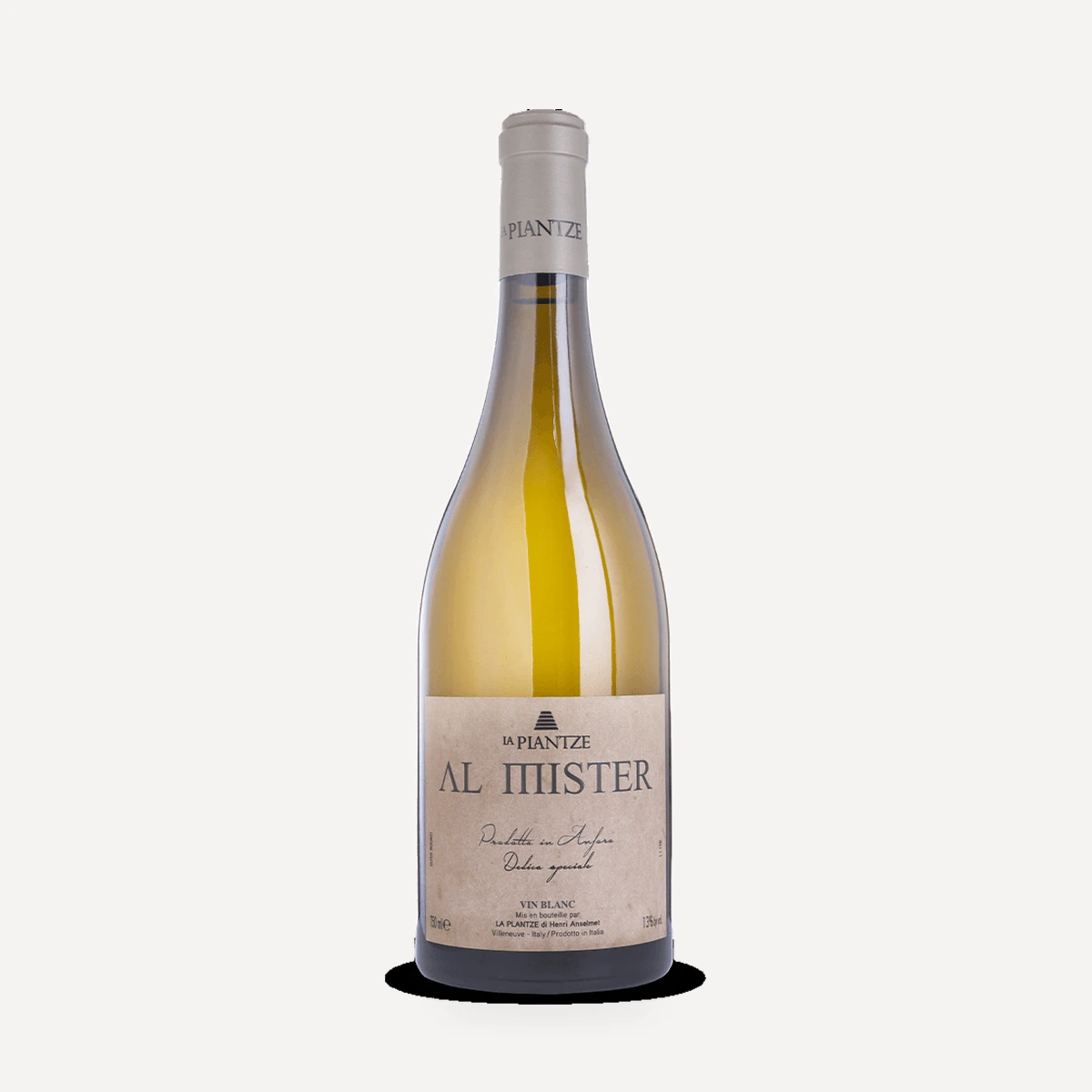
The 2016 vintage brought two further projects. El Teemp combined Merlot and Syrah, while Al Mister united Viognier and Sauvignon and was dedicated to Henri’s father.
In 2017, 1935 C.C. was introduced as a tribute to Henri’s grandfather Celestino Cavagnet and his Cogne family roots. Ferox also began with the 2017 vintage, reflecting Henri’s attachment to the Loire and his interest in Sauvignon.
Vioux followed in 2018. It marked Henri’s reconciliation with Cornalin, a variety he had initially found difficult, and coincided with his thirtieth birthday.
Two accessible wines joined the range in 2019. Le Copin was conceived in the spirit of a French second wine—as an introduction to the house style—while La Copine translated Henri’s approach into a highly drinkable white.
The 2020 vintage produced L’Avenir and Et Cinis. L’Avenir, dedicated to Mathieu after earlier labels had honored Henri’s father and grandfather, coincided with Henri’s eighth independent harvest. Et Cinis extended his work with Pinot Gris through a macerated interpretation following Trii Rundin and the earlier Tramontana experiment.
Pas Toi debuted in 2022 as Henri’s personal challenge of making a pure Viognier. Its name is a French wordplay: “pas toi” is presented as “not you,” referring to a non-native variety, while also echoing “Patois,” the dialect of Valle d’Aosta.
Terroir
La Plantze cultivates just over 6 hectares along the Dora Baltea in the central Valle d’Aosta. The holdings form a narrow band rising from approximately 500 metres around Nus to sites above 800 metres at Saint Pierre. The terraces are frequently supported by dry-stone walls and climb steep mountain slopes.
The soils are entirely morainic, formed from material left by the ancient glaciers that carved the Dora valley. Toward Aosta they become sandier, in a warmer and sunnier setting. Around Villeneuve and Saint Pierre they are rockier, with granite outcrops and more demanding conditions for cultivation.
These are xeric environments with an arid, dry climate and pronounced day-to-night temperature changes. Stones absorb heat during daylight and release it after sunset, moderating the thermal swing. A persistent wind crosses the terraced vineyards, keeping bunches cool and helping reduce fungal pressure.
The vineyards are divided into very small terraced areas, some only a little over 100 m². Individual parcels can yield only a few hundred bottles. Many parcels preserve the older practice of planting multiple varieties in separate rows within the same plot, a system intended to improve the vineyard ecosystem’s resilience.
Vinificazione
Work in the vineyards is manual and parcel-focused. Henri begins early in the day with the aim of allowing each row to express itself fully and of delivering healthy, crisp, strongly characterized grapes to the cellar. The best bunches are selected and then handled manually.
The terraced landscape makes even access laborious. Parcels climb steep slopes, are frequently retained by dry-stone walls and may occupy areas only slightly greater than 100 m². Cultivation must respond to a dry mountain environment, large thermal shifts and the practical constraints of numerous small holdings.
Many vines were already present when Henri assumed management of the vineyards. The inherited plantings combine indigenous and rare Valle d’Aosta varieties—Petit Rouge, Cornalin, Fumin and Mayolet. Over time he added Sauvignon Blanc, Viognier, Syrah, Merlot and Pinot Gris. Henri’s position is that any variety can convey a personal interpretation of Valle d’Aosta when correctly managed and adapted to this mountain ecosystem.
Several parcels retain the traditional mixed-planting pattern: different varieties occupy separate rows within the same plot. This old farming practice is intended to increase ecosystem resilience. Persistent vineyard winds provide an additional natural advantage by cooling the bunches and discouraging fungal problems.
La Plantze’s annual output does not exceed 20,000 bottles. The small size of individual lots gives Henri latitude to choose a different path for each parcel, vintage and batch.
The best bunches are selected and processed manually. Available techniques include foot treading, fermentation and maceration in wood, and maturation in cement or amphora. The wood program can alternate larger tonneaux with Burgundian pièces. These are options rather than a fixed sequence.
Each batch is assessed for its inherent potential and capacity to age. The subsequent technique is chosen through close observation of the wine’s evolution, continuous tasting and comparison. The intended results emphasize structure, finesse and longevity, with a clear, clean character and a balance capable of developing gracefully in bottle.
Winemaking is deliberately non-standardized. Seasonal differences and the intensified characteristics produced by the mountain environment are retained rather than corrected toward a uniform house formula. Even the labels change from year to year in response to the season and Henri’s interpretation of it.
Filosofia
Wine at the center
La Plantze places the wine itself at the center of production. Its intrinsic character and the conditions of the season determine how it evolves and which techniques are employed. Nothing in the cellar is considered permanently fixed.
Experimentation without standardization
Henri treats every vintage and every vinification as distinct. The mountain intensifies particular characteristics in the vines, and his objective is to recognize and amplify those differences rather than standardize them. Small production volumes provide the freedom to adapt decisions at every stage.
Experimentation is presented as a means of learning and personal development. Henri created La Plantze as a project of his own in which inherited teachings could be absorbed, questioned or overturned. He chooses case by case which conventions to respect and which to set aside, seeking personal freedom of expression and an identifiable style.
Creativity with restraint
Manual work and technical experimentation are pursued without treating extremity as an end in itself. The guiding aesthetic remains clarity, cleanliness, structure, balance, finesse and the capacity for elegant ageing. Choices are tested through repeated tasting and observation of the wine’s development.
Work as self-expression
For Henri, the wines recount his history and give form to the relationship between viticulture and the mountains. The project is also an exercise in self-knowledge: research, practical work, courageous decisions and occasional mistakes all contribute to a deeper understanding of wine and mountain viticulture.
Vini
El Teemp
Trii Rundin
Al Mister
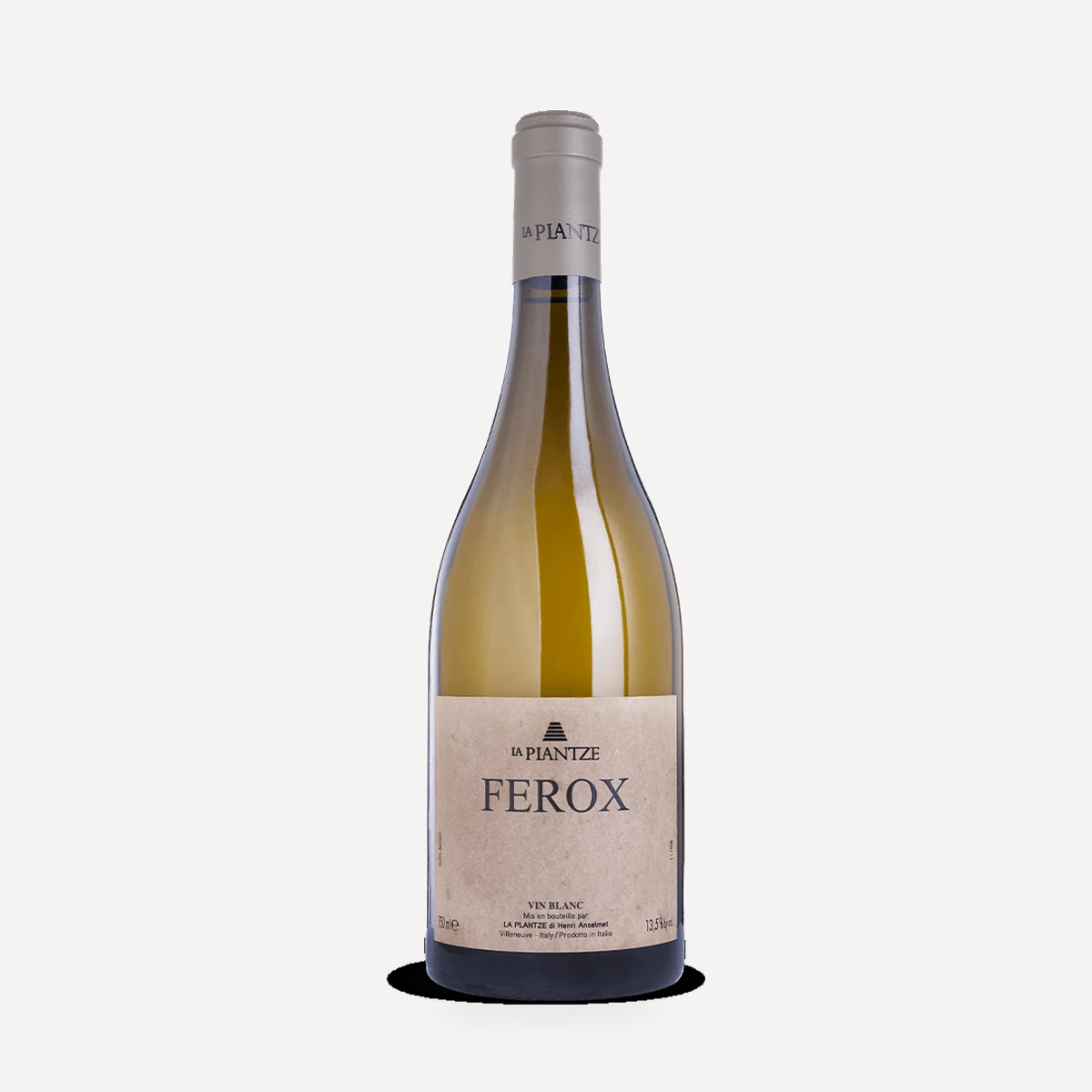
Ferox
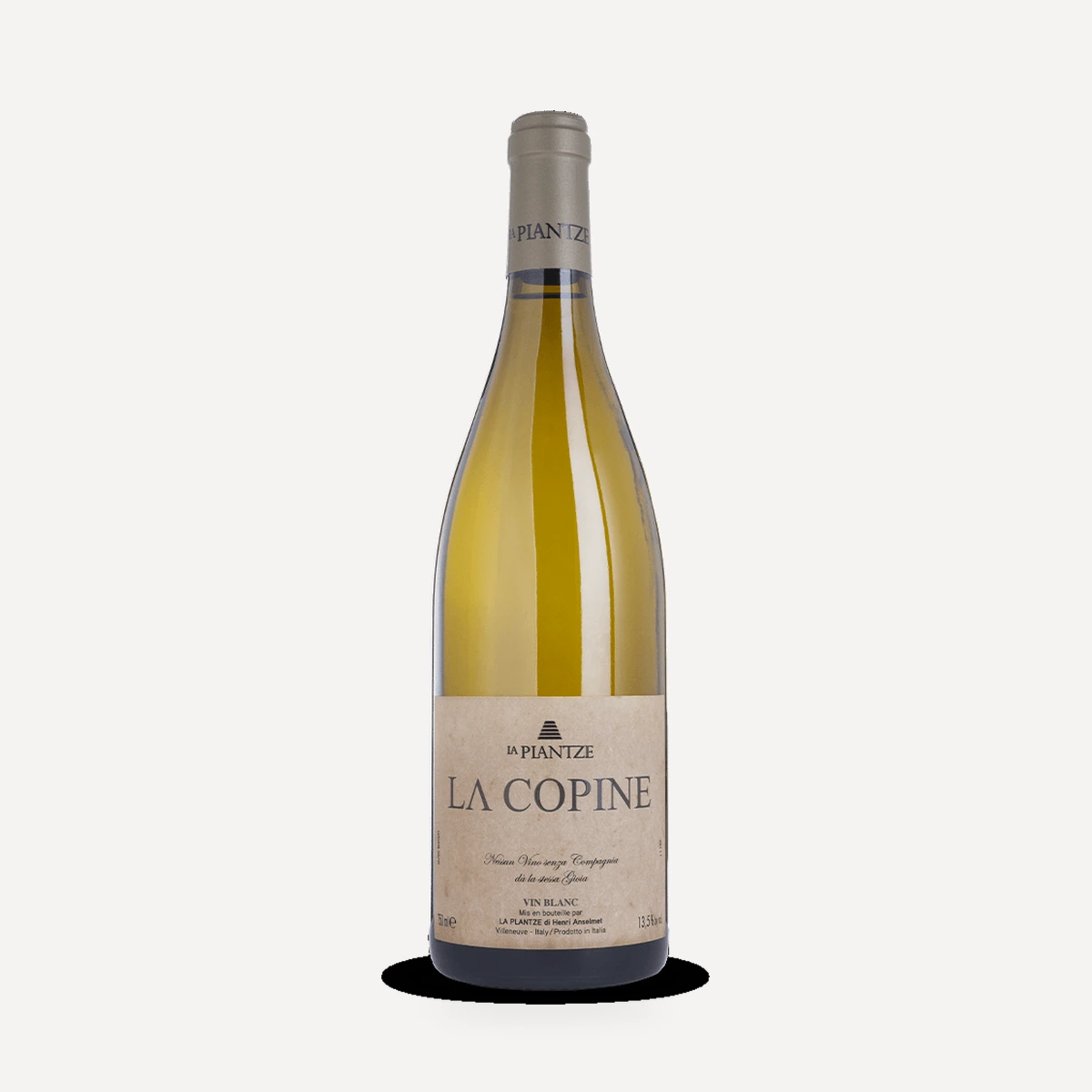
La Copine
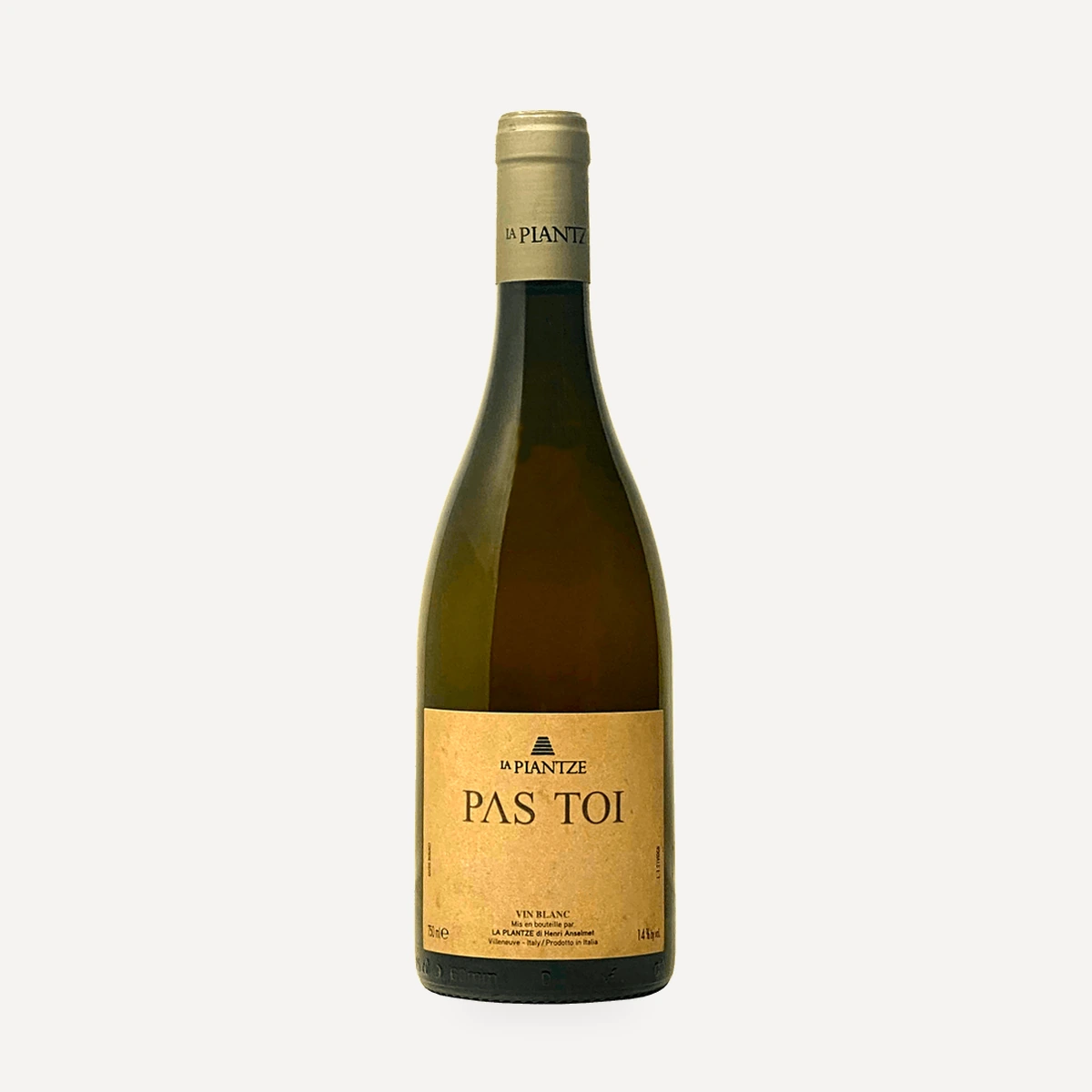
Pas Toi
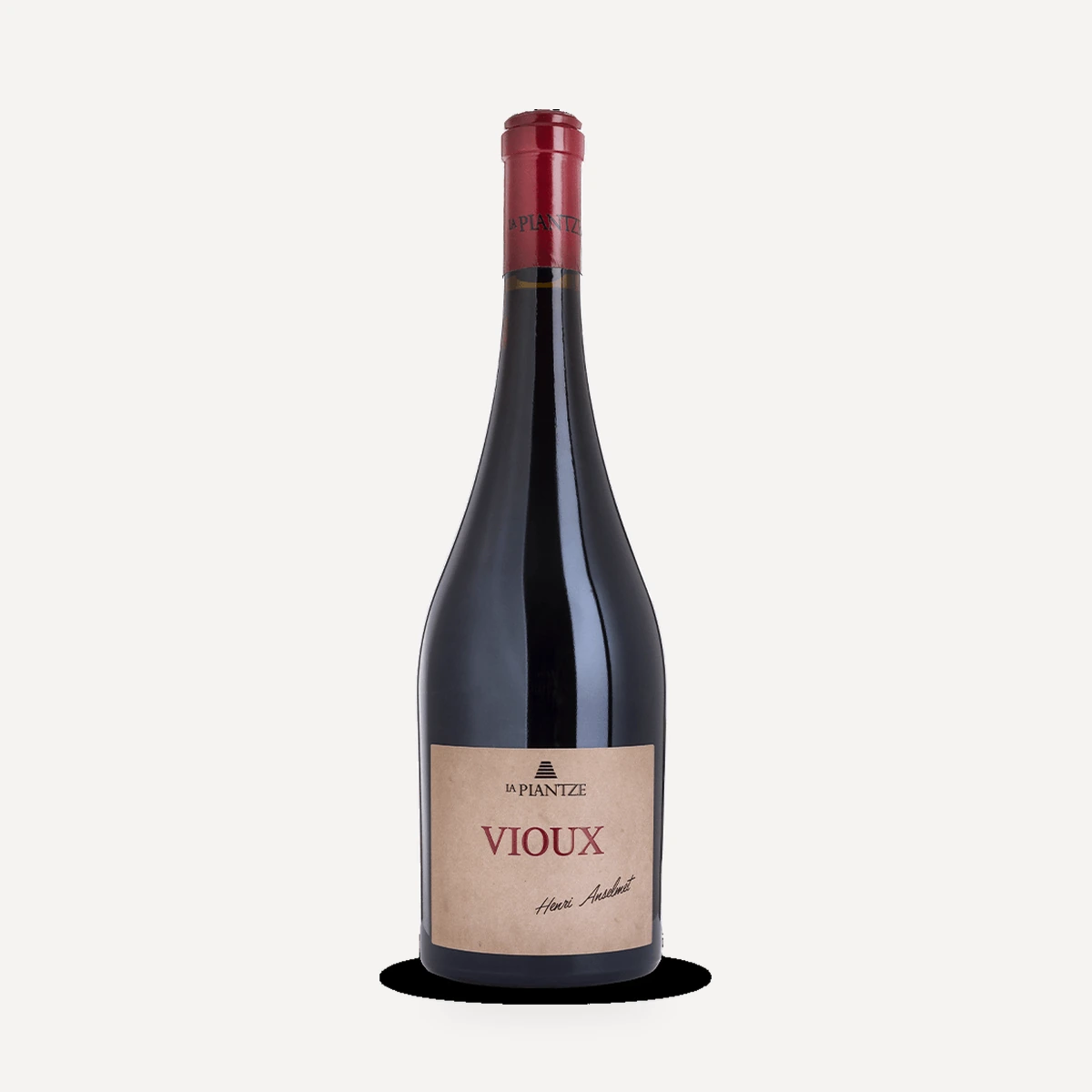
Vioux
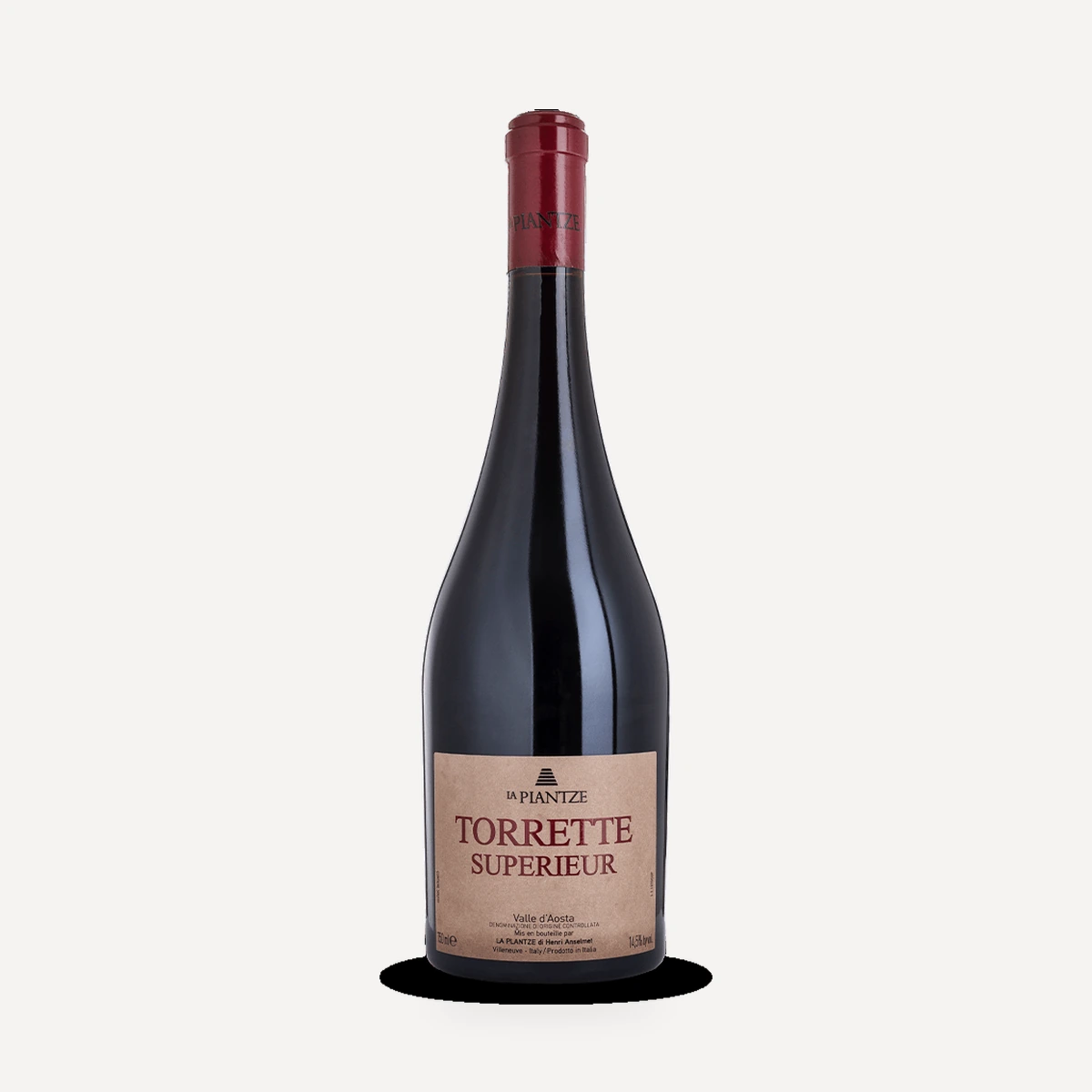
Torrette Supérieur
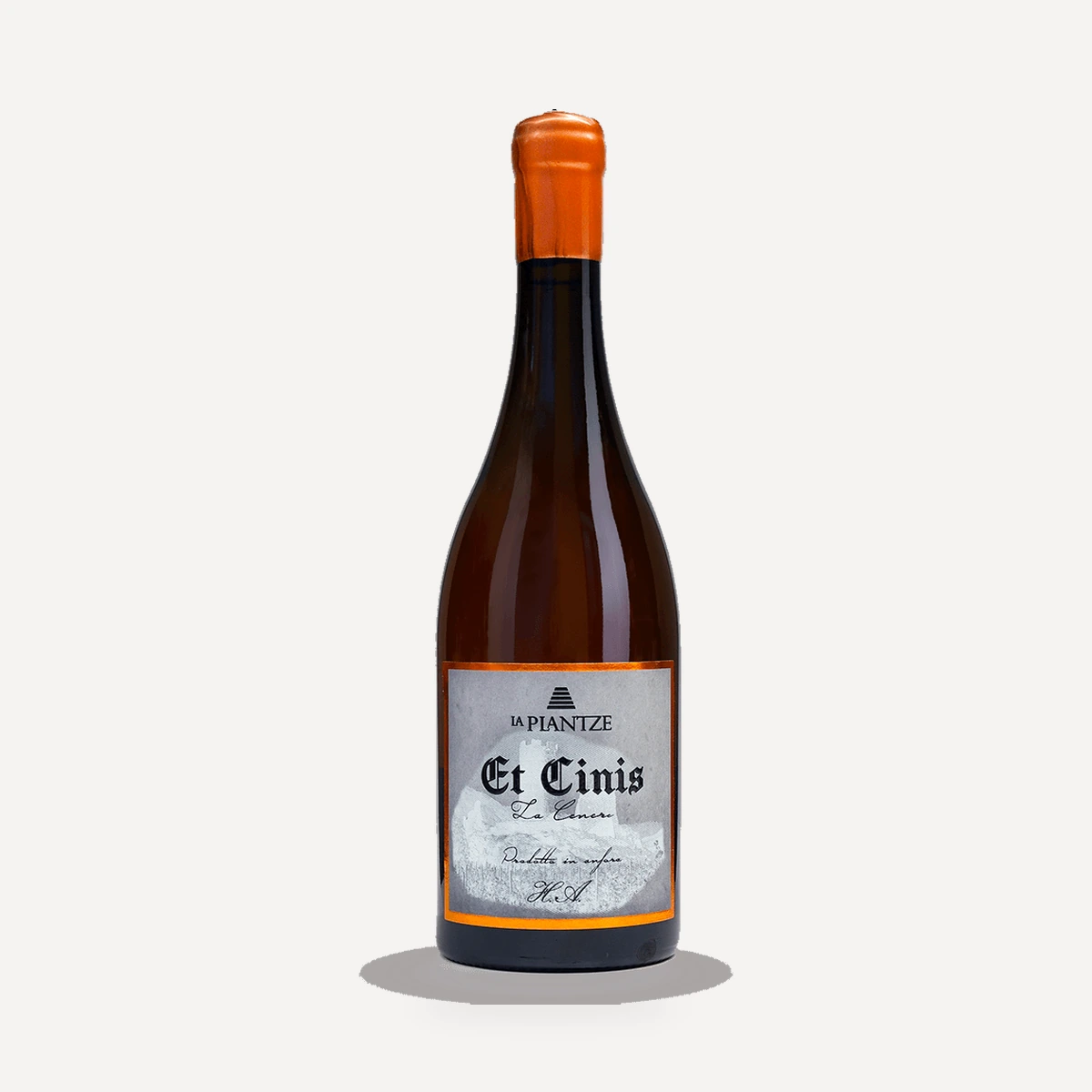
Et Cinis
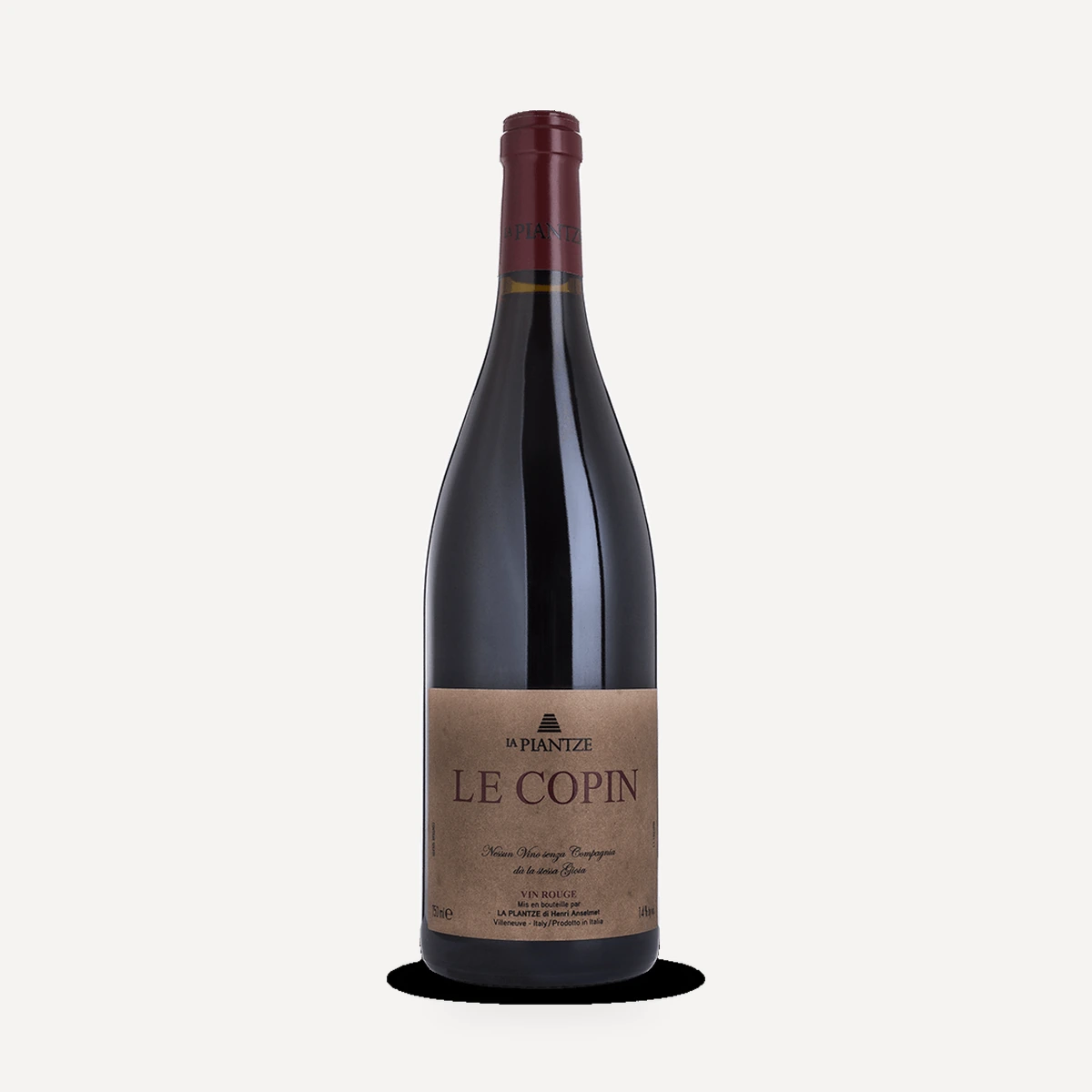
Le Copin
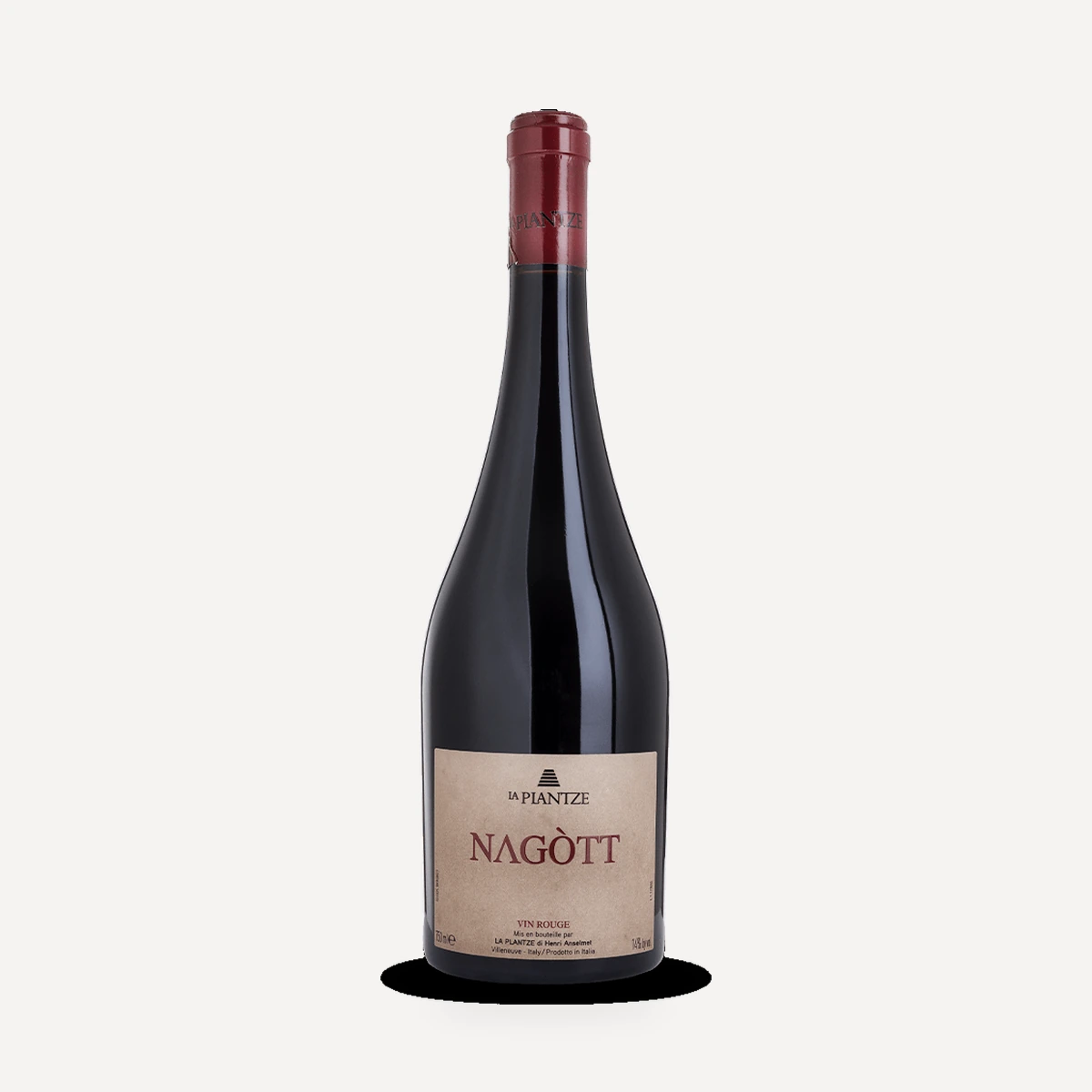
Nagòtt