Storia
Family farming roots
The estate grew out of a family agricultural activity in Gressan, near Aosta. The work was first managed by Nadir Cunéaz’s grandfather and subsequently by his father. Its output was intended essentially for family consumption through 2009.
Some of the vineyards substantially predate the commercial winery. One estate parcel was planted in the early 1970s, while the broader holding includes numerous vineyards more than 50 years old and some approaching or reaching a century in age.
2009: creation of the winery
Nadir Cunéaz established the winery in 2009, building a small commercial wine project upon the family’s existing agricultural activity and inherited vineyards. Production remained deliberately limited to a few thousand bottles.
The project combined the preservation of mature mountain vineyards with continued field research and practical trials. Older holdings in Gressan and Jovencan were retained, while newer vineyards were planted to varieties including Vien de Nus, Petit Rouge and Vuillermin, helping maintain grapes that had become progressively less common in Valle d’Aosta.
Present direction
The estate continues to work as a small grower-producer in Gressan. Its approach links biodiversity and the conservation of old vines with restrained cellar intervention: spontaneous fermentation, occasional use of an estate-prepared pied de cuve, minimal sulfur additions, no additional chemical winemaking agents, and no fining or filtration. The objective is to express Valle d’Aosta terroir and the individual character of each vineyard.
Terroir
The winery is based in Gressan, at the edge of Aosta, and identifies itself as a mountain-vineyard grower in Valle d’Aosta. Its vineyards are located in Gressan and Jovencan.
The holding encompasses markedly different vine ages: newer plantings, parcels around 40 years old, numerous vineyards exceeding 50 years, and some vines that are nearly or fully a century old. The preservation of these mature sites is central to both the estate’s biodiversity work and its aim of expressing the distinct identity of each vineyard.
Gewürztraminer is cultivated in Gressan. The variety arrived in Valle d’Aosta in the early 2000s and has adapted to the region’s climate. The estate also works with native Petit Rouge, Vien de Nus, Fumin and Vuillermin, alongside Pinot Noir and Moscato.
Vinificazione
Viticulture is organized around limiting chemical inputs and protecting the vineyard ecosystem. Herbicides and pesticides are not used. Vine protection relies exclusively on copper and sulfur, with an average of four or five treatments during a growing season.
Biodiversity is a stated priority. The estate connects this commitment with its preservation of numerous vineyards more than 50 years old, including some centenarian sites. Its work in the vines is supported by ongoing research and practical field trials rather than a fixed formula.
The farming approach is intended to maintain old mountain vineyards and preserve the individual identity of each parcel. Native Petit Rouge, Vien de Nus, Fumin and Vuillermin are cultivated alongside Pinot Noir, Moscato and Gewürztraminer.
Cellar work follows the same low-intervention direction as the vineyard program. Sulfur additions are kept to the minimum considered necessary, and no other chemical winemaking agents are used.
Fermentations are spontaneous. When assistance is required, fermentation may be supported by a pied de cuve prepared by the estate itself. Wines are bottled without fining or filtration. These choices are intended to retain the character of Valle d’Aosta and the particular identity of each vineyard rather than impose a standardized cellar profile.
Filosofia
The project is rooted in attachment to the family’s land and origins. It presents winegrowing as the daily care of old mountain vineyards and as a means of carrying forward Valle d’Aosta’s wine history.
Its conception of quality begins with respect for the environment and vineyard ecosystem. Avoiding herbicides and pesticides, limiting treatments to copper and sulfur, and retaining very old vineyards are parts of a broader commitment to biodiversity.
In the cellar, this philosophy becomes restrained intervention: spontaneous fermentations, an estate-made pied de cuve when required, minimal sulfur, no additional chemical agents, and no fining or filtration. The estate describes its wines as seeking to be natural in substance. The stated objective is not uniformity but the expression of Valle d’Aosta terroir and the distinguishing features of each vineyard.
Research and repeated field trials underpin the project. Tradition, particularly the inherited vineyards and family agricultural continuity, is therefore accompanied by observation and experimentation in both vineyard and cellar.
Vini
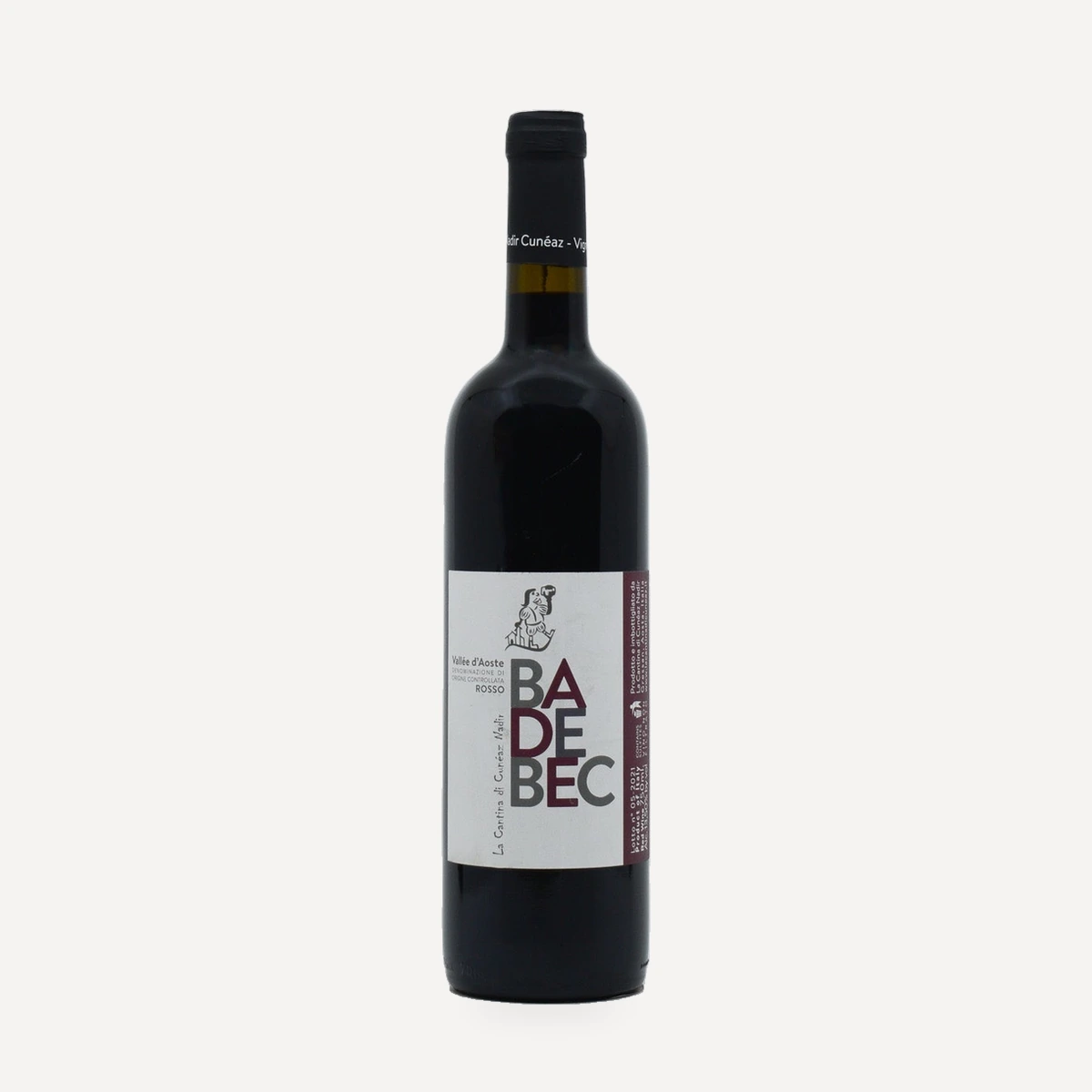
Badebec
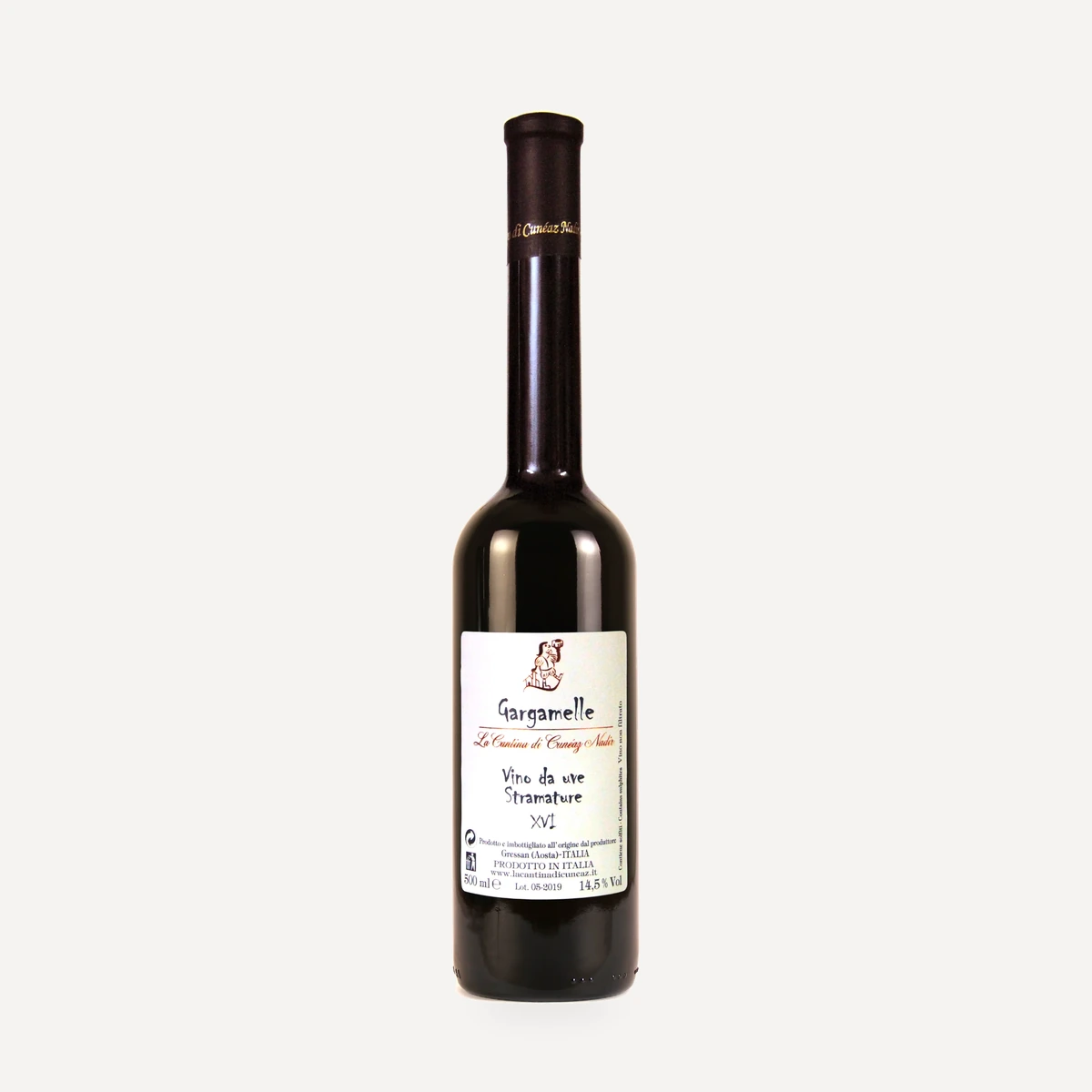
Gargamelle
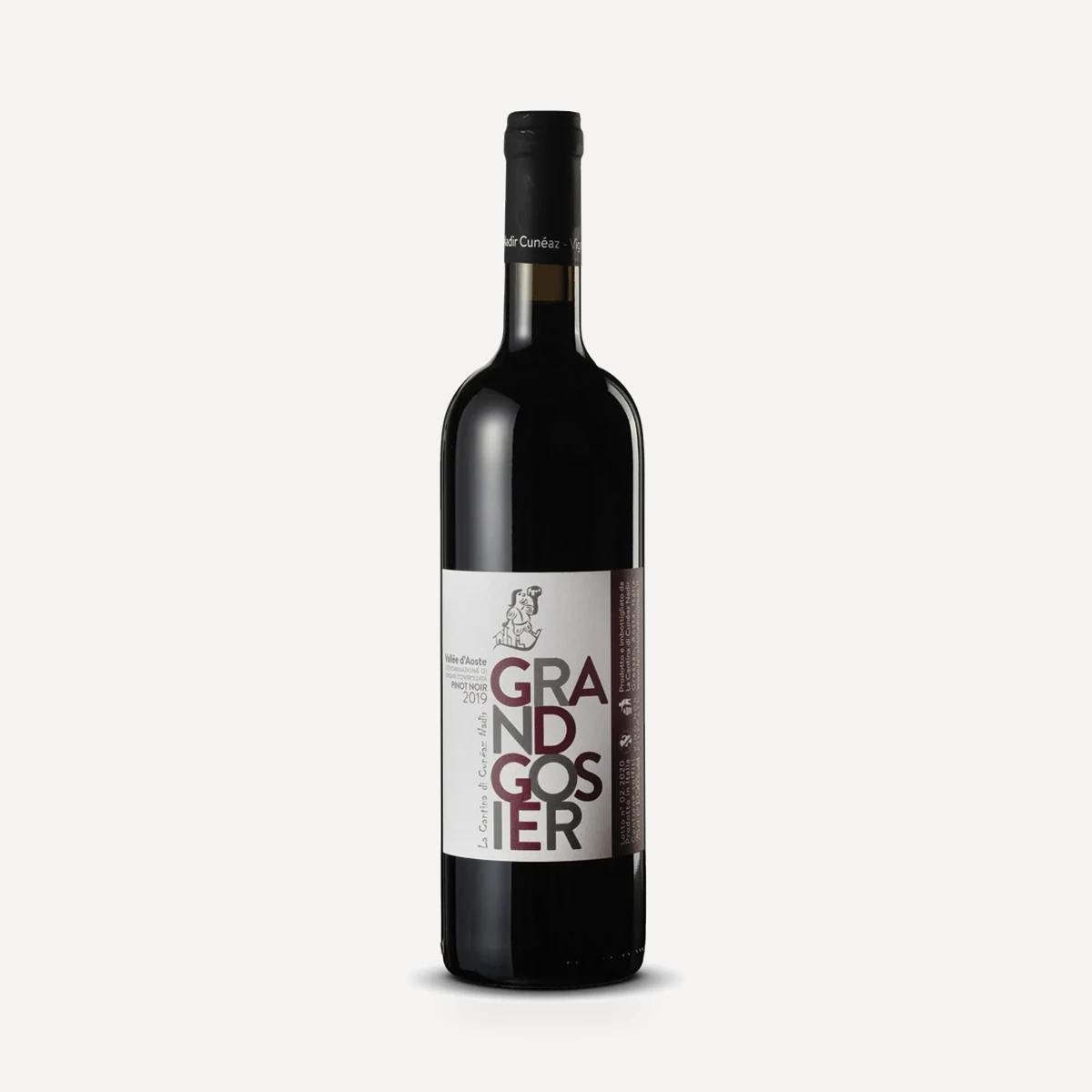
Grandgosier
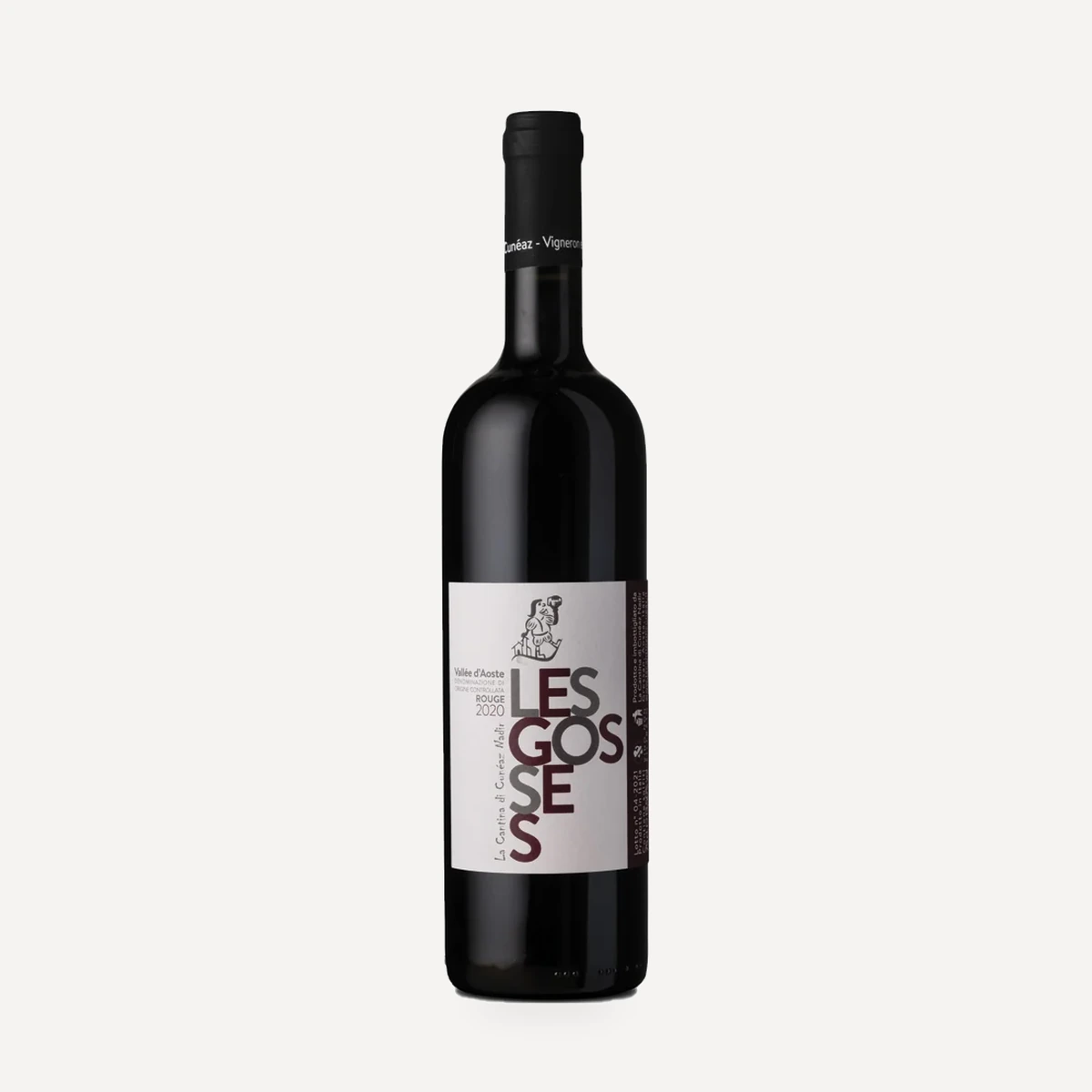
Les Gosses
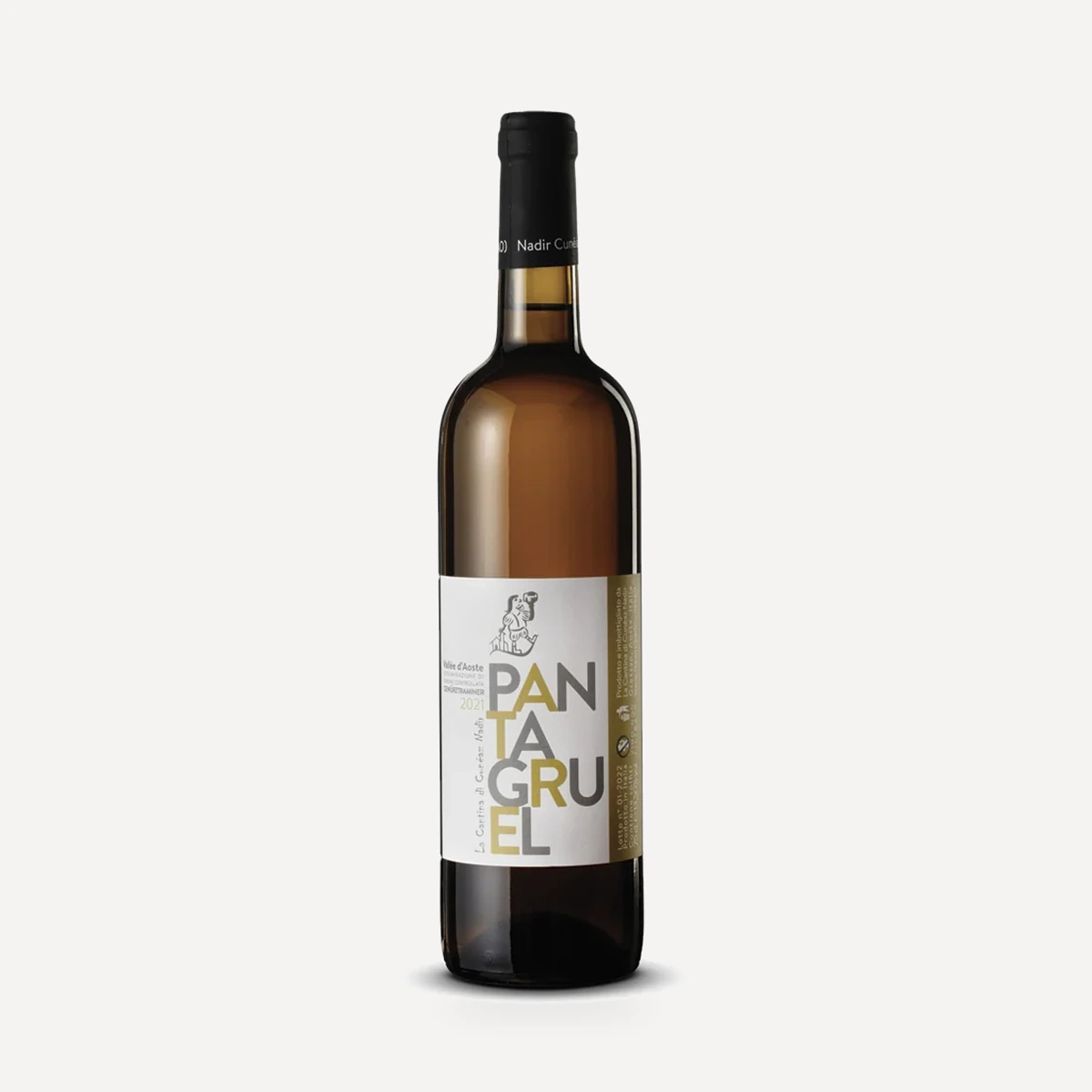
Pantagruel
Tramos