Storia
Agricultural roots and foundation
La Source grew from the experience of young farmers descended from Valle d’Aosta families that had worked in agriculture for generations. Stefano Celi and a group of friends established the winery in 2003.
A small spring was discovered during construction of the cellar. The discovery supplied the name La Source—French for “the spring.” In the same year, Stefano chose an open hand as the company emblem, representing the manual labour demanded by the steep mountain terrain.
Stefano Celi’s full-time commitment
Stefano had initially combined farming with other work. In 2005 he became a full-time farmer, concentrating his efforts on agriculture and particularly on viticulture.
Over time, management passed from the original group to Stefano and his family. La Source is now owned by the Celi-Cuc family, with Stefano directing vineyard care and choosing the agronomic techniques. He works with oenologist Mario Ronco on vinification.
Hospitality and a broader estate experience
In 2020 the family opened La Source Wine-Farm above and beside the cellar. The agriturismo added accommodation and a restaurant to the wine business, allowing guests to stay at the estate and pair local food with its wines and other products.
Present scale
The estate currently farms 7.5 ha of vineyards between 650 and 900 metres above sea level and produces approximately 40,000 bottles annually. Its work remains centred on manually farmed mountain vineyards and a mixture of native Valle d’Aosta grapes and international varieties.
Terroir
Alpine setting
La Source is based at Località Bussan Dessous in Saint-Pierre, close to the Château de Saint-Pierre and the Sarriod de la Tour castle. The cellar stands at approximately 700 metres above sea level. The estate’s 7.5 ha of vineyards range from 650 to 900 metres.
The principal vineyard setting is the Torrette promontory, which straddles Saint-Pierre and Sarre. The vines occupy mountain slopes and, in places, terraces with gradients exceeding 30%. The Torrette hillside lies above Saint-Pierre and overlooks the castle and valley.
Exposure and soils
The Torrette vineyards benefit from full southern exposure. Their altitude brings low temperatures, while rocks and deep basins moderate local conditions. The wine-production zones identified at Saint-Pierre and Aymavilles have morainic-sandy soils.
Petit Rouge is closely associated with the Torrette area and is valued for its tolerance of cold and drought. It is the principal variety behind the estate’s Torrette wines.
Regional climatic context
The surrounding Alps form a natural barrier against cold northerly winds and rain. In the central Valle d’Aosta, the mountains create an intra-Alpine climate marked by scarce precipitation, limited cloud cover and low humidity. Breezes occur almost daily during spring and summer. Low relative humidity, limited rainfall during vine growth and constant ventilation reduce conditions favourable to fungal disease and can limit the need for protective treatments.
The Dora Baltea defines the valley’s geography. The regional division into lower, middle and upper valley corresponds to approximate average elevations of 400, 600 and 1,000 metres and to differing precipitation patterns; rainfall is particularly limited in the central zone. Petit Rouge is identified as the principal native grape of the middle valley.
Vinificazione
La Source describes its approach as mountain or heroic viticulture. Steep, difficult terrain—often terraced and in places exceeding a 30% gradient—prevents the use of mechanical equipment. Agronomic operations are therefore carried out manually.
Stefano Celi personally oversees vineyard care and selects the agronomic techniques used for the different varieties. Harvesting is manual; grapes are selected for maturity and condition and transported to the cellar in crates where specified.
The traditional training system is the vertical trellis, which has entirely replaced the older bush-vine system. Petit Rouge is particularly important in the Torrette area because of its tolerance of both cold and drought.
The central Valle d’Aosta’s low humidity, limited rainfall during the vegetative and productive cycle, and regular ventilation naturally discourage fungal diseases and can reduce the requirement for antiparasitic treatments.
The cellar is situated at approximately 700 metres above sea level. Stefano Celi directs the estate and collaborates with oenologist Mario Ronco on vinification. Total production is approximately 40,000 bottles per year.
The range demonstrates the use of temperature-controlled stainless-steel fermentation, cold static settling, soft pressing, skin maceration, délestage, malolactic fermentation, fine-lees maturation, tonneaux and other wood maturation, filtration and bottle ageing. These techniques are applied according to the individual wine rather than as one uniform cellar protocol.
Filosofia
La Source presents wine as an evolving human tradition: a means of remaining connected to territory, roots and culture while looking to the future and passing a shared heritage to later generations.
Its stated philosophy balances innovation with memory and rests on craftsmanship, respect for natural rhythms and a continuing search for quality. Attachment to the land and curiosity about a changing world provide the motivation to continue despite uncertainty.
The estate seeks to express the life of its demanding mountain territory while giving the wines elegance and refinement. Heroic viticulture is understood not simply as a technical category but as the daily labour and inherited commitment required to cultivate high, steep and terraced vineyards.
Vini
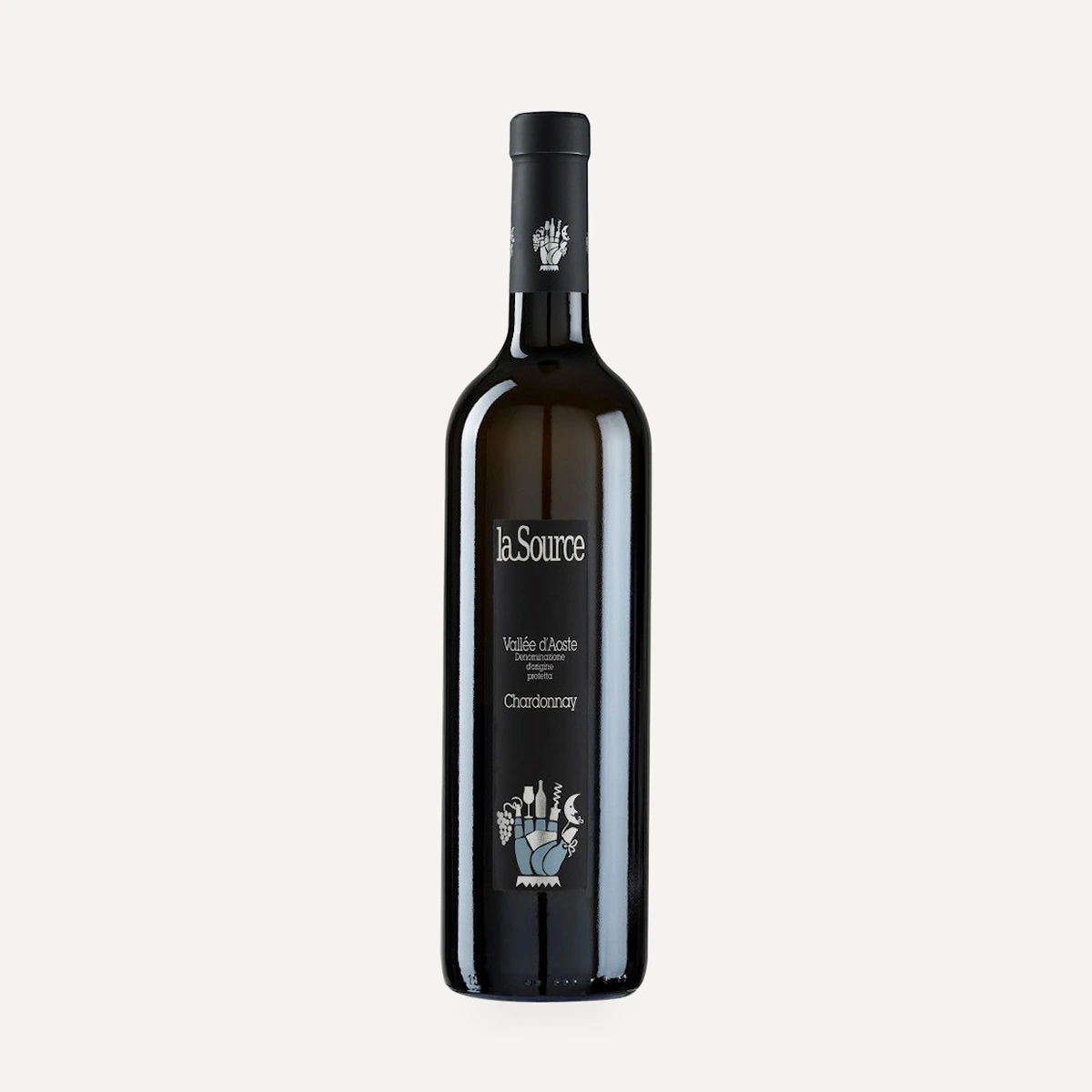
Chardonnay
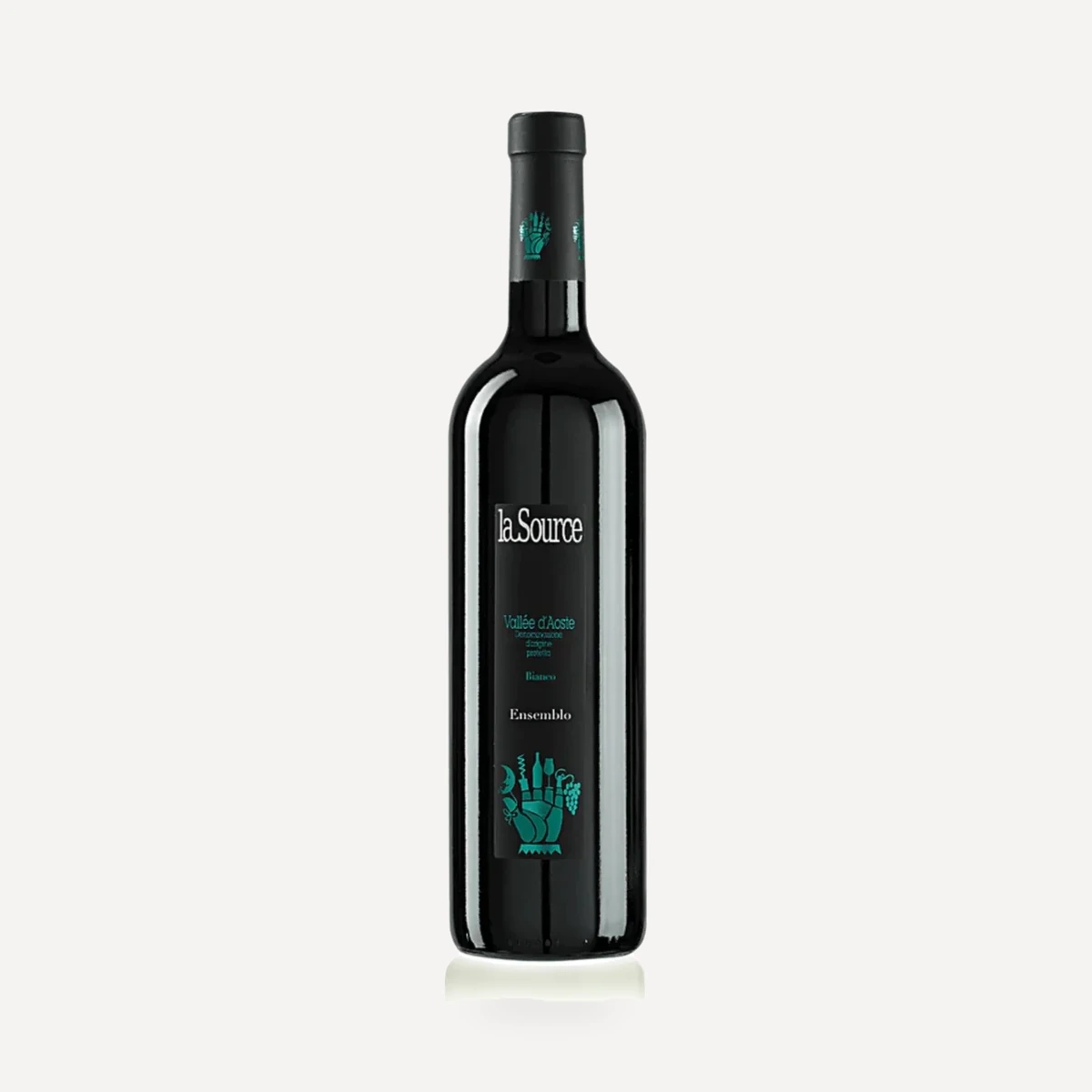
Ensemblo
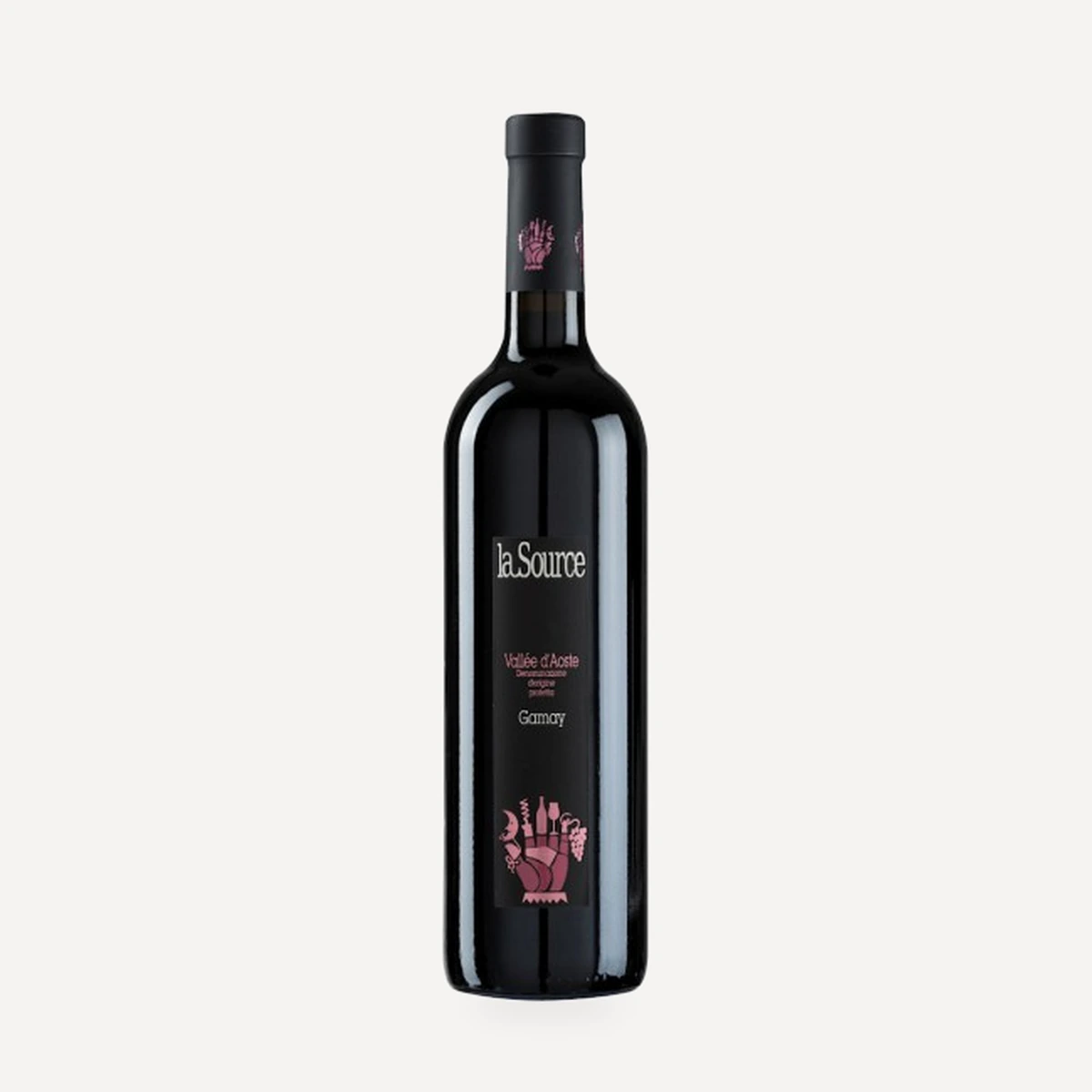
Gamay
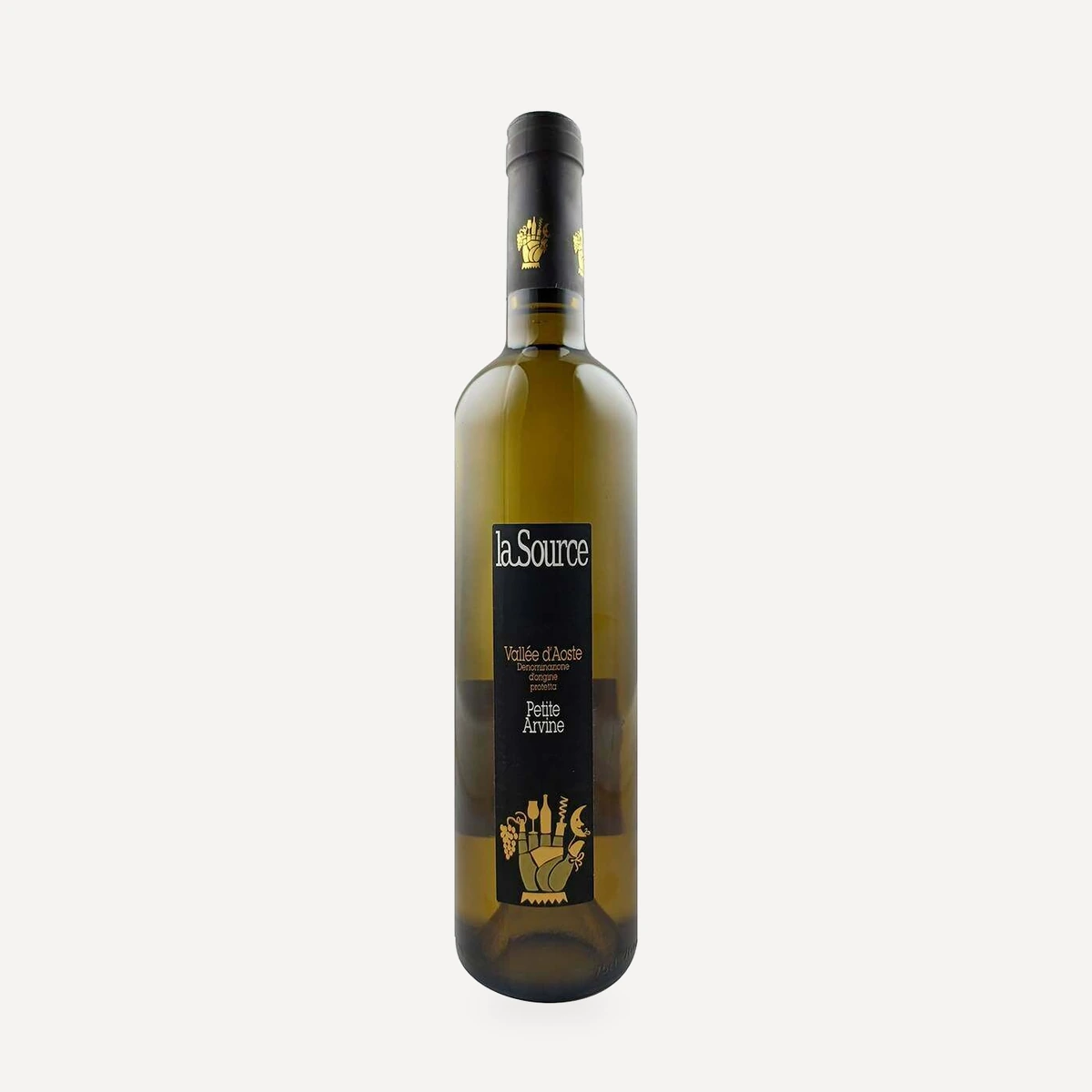
Petite Arvine
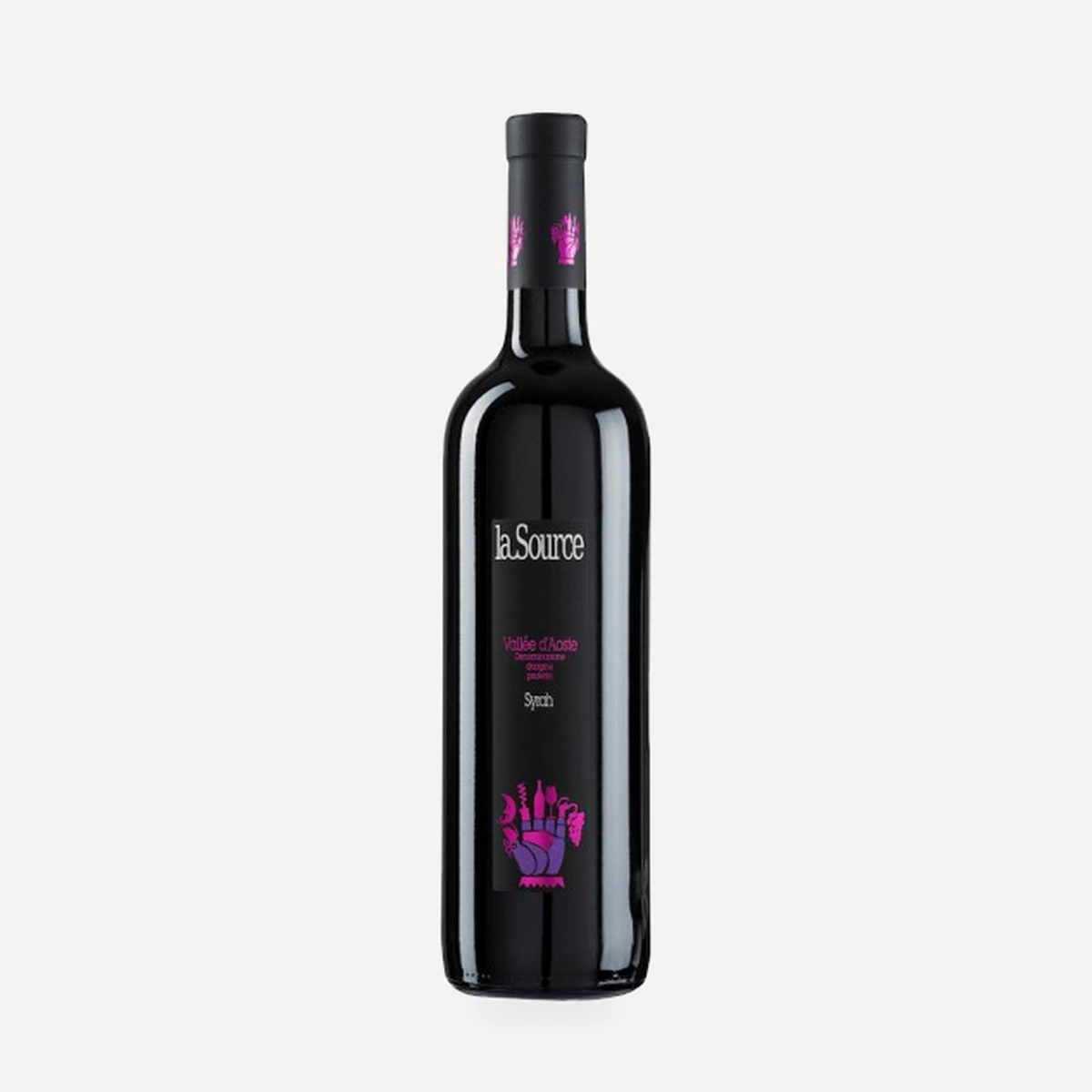
Syrah
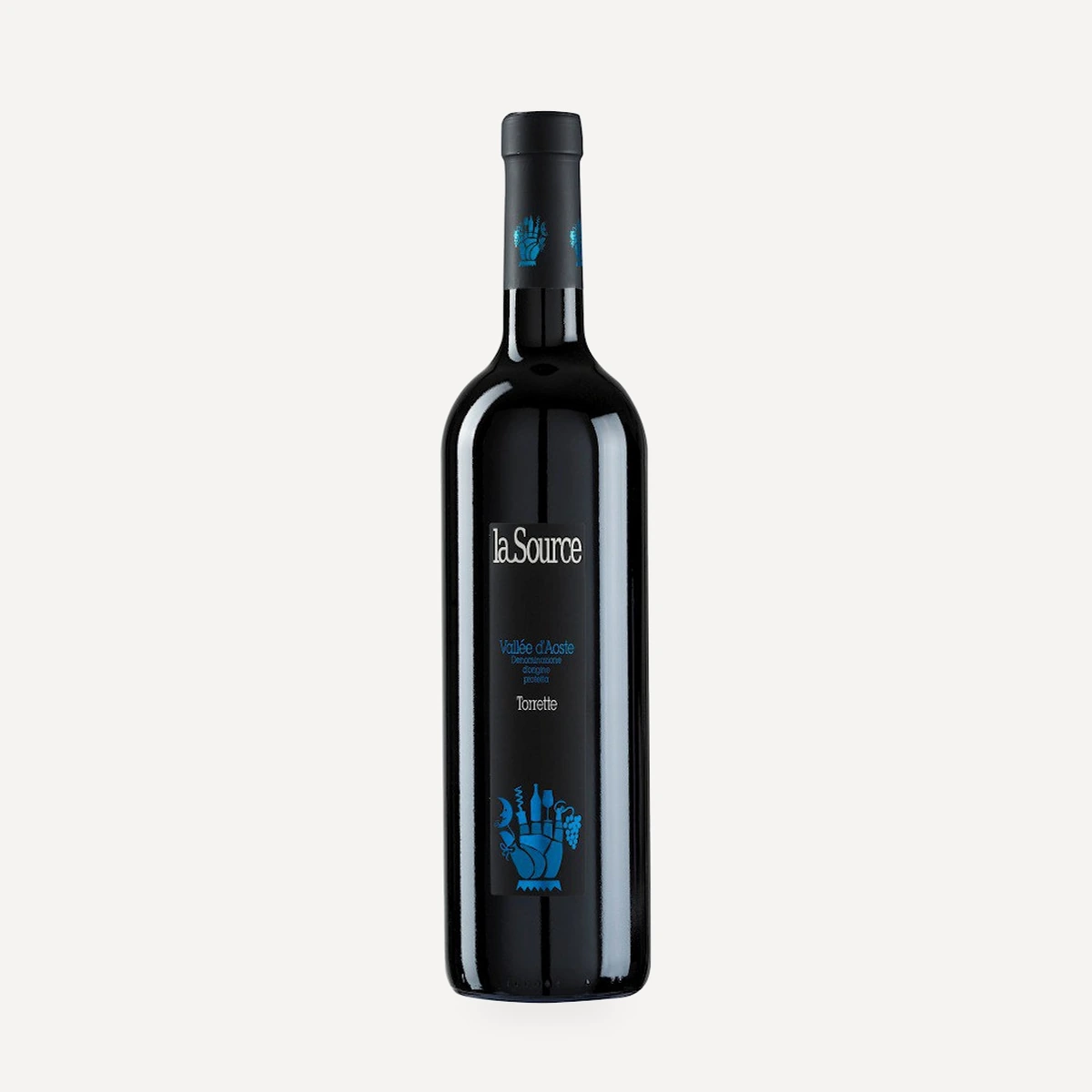
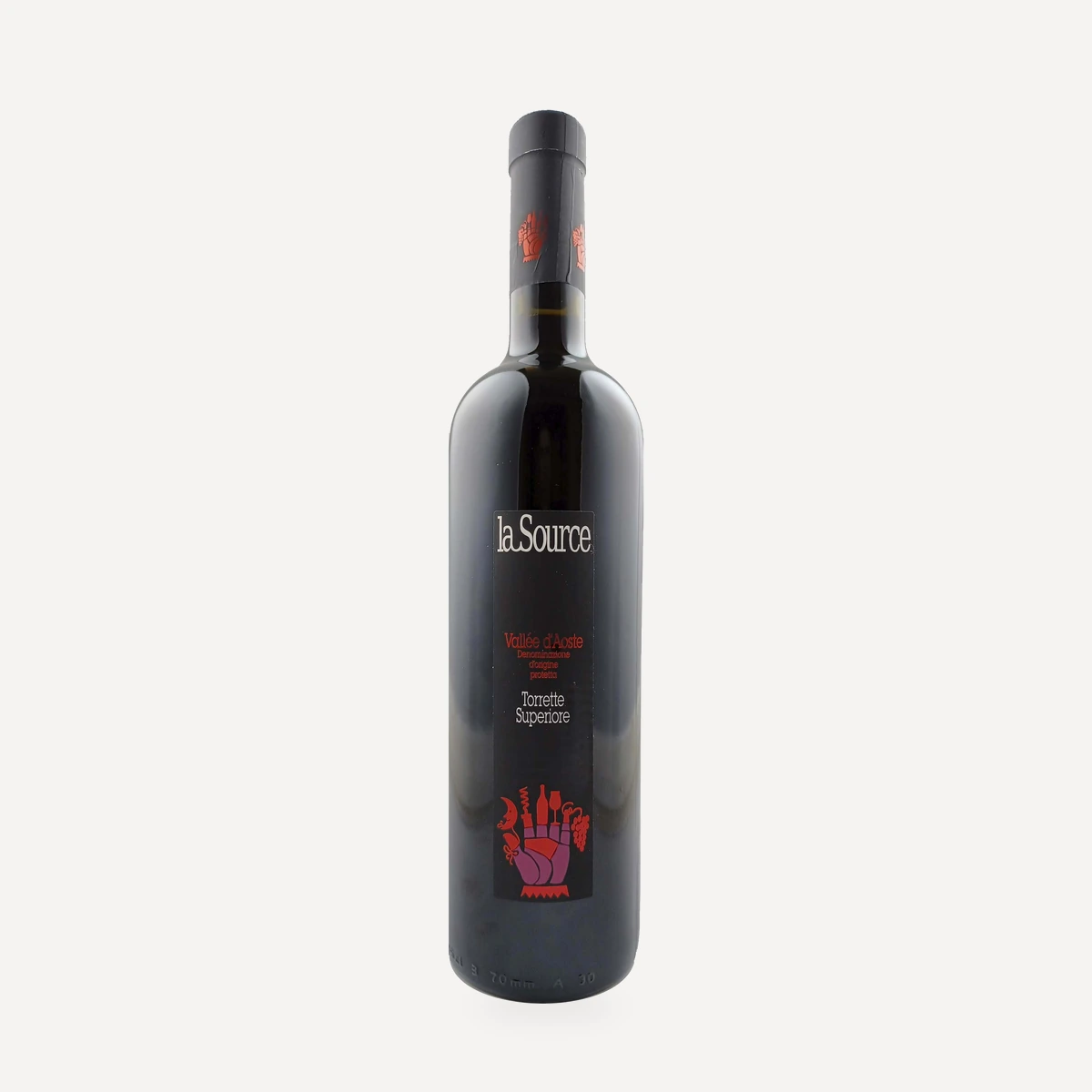
Torrette