Storia
Family winegrowing roots
Lo Triolet developed from an older family tradition of vineyard cultivation. The family already possessed vineyards in Introd before the modern estate took shape. Grandfather Desiré cultivated Petit Rouge there, and staves from the vat once used to vinify the variety have been preserved.
The family's winegrowing connections also extend to Aymavilles. Marco Martin's mother, Emilia, grew up there and joined her family for the harvest from a young age. Grapes were traditionally crushed directly in the vineyard using three-pronged branches known as foilloi, inside containers called barro, which were subsequently transported on large sledges called leudze.
Another branch of the family maintained a tradition around Vien de Nus. Egidio, Paola's father, produced the wine, which was regularly consumed within the family.
The pivotal 1988 planting
In 1988, the old family vineyards were replanted with Pinot Grigio. The variety was selected for its early ripening, intended to ensure satisfactory maturity at the 800–900-metre elevations of Introd. This decision became central to Lo Triolet's development. The wine attracted considerable interest from its first vintage and Pinot Grigio consequently became the estate's emblematic variety.
Growth and diversification
Production began at approximately 1,000 bottles and subsequently expanded to 60,000 bottles. Growth was supported by vineyards in several Valle d’Aosta municipalities, spanning elevations from 600 to 900 metres.
The range also broadened beyond its original Pinot Grigio focus. The combination of varied soils, exposures and elevations made it possible to cultivate multiple varieties, while an interest in experimentation led to additional plantings and labels. Lo Triolet now produces white, red and dried-grape wines.
Terroir
Lo Triolet works with steep mountain vineyards in several municipalities of the Valle d’Aosta. The vineyards range from 600 to 900 metres above sea level, while the family vineyards in Introd reach approximately 800–900 metres.
The soils are sandy and of morainic origin, with a pronounced mineral component. The wider vineyard area offers varied soils, exposures and elevations, enabling the cultivation of numerous grape varieties.
Substantial day-to-night temperature variation during ripening contributes to the grapes' aromatic development. Lo Triolet associates this combination of mountain conditions, sandy morainic soils and thermal variation with savoury, fresh and elegant wines.
The winery is based at Le Junod in Introd, approximately 5 km from the boundary of Gran Paradiso National Park, on the route connecting Aosta and Courmayeur.
Vinificazione
Winter
Pruning distinguishes between two elements identified by local terms: lo brot, the cane selected to bear the current vintage's crop, and lo poudzo, the reserve intended to secure the vine's future development. The principal cane is then tied to the supporting wire.
Spring
Buds generally open toward the end of April as temperatures become milder. The emerging inflorescences provide the first indication of the year's potential crop. Unwanted shoots are removed so that production remains appropriate and the vine develops in balance.
Summer
Rapid growth under summer heat requires the vines to be kept orderly along the rows. Work in the fruiting zone is directed toward adequate ventilation around the bunches. Excessive crops are thinned. Vineyard management favours organic fertilizers and follows integrated-pest-management principles intended to respect both the environment and the grapes.
Autumn and harvest decisions
Autumn weather determines the timing of harvest, and each vintage is treated differently. Picking may be advanced to preserve acidity and aromatic character, or delayed until the grapes attain the level of maturity needed for fuller expression. On the particularly steep Barrage slope, harvested grape boxes are brought downhill by sledge.
The cellar's central objective is to preserve the quality achieved in the vineyard and the intrinsic characteristics of the grapes. Technology is used as a supporting tool, while decisions are guided by accumulated experience, ideas and sensory judgement.
Production has expanded from an initial 1,000 bottles to 60,000 bottles. The range encompasses white, red and dried-grape wines. Its breadth reflects the diversity of Valle d’Aosta soils, exposures and elevations, together with an experimental approach that has encouraged the planting of additional varieties and the creation of new labels.
Filosofia
Lo Triolet's work is centred on a passion for cultivating steep mountain vineyards and on exploring the qualitative potential of Valle d’Aosta grapes. Marco Martin describes a personal attachment to the land where he was born and raised and takes pride in translating its character into the wines.
The estate's quality concept begins in the vineyard and continues through careful preservation of the fruit in the cellar. Technology has a supporting rather than defining role: the character of each wine is shaped by human ideas, experience and sensitivity while respecting the grapes' inherent qualities.
Vintage variation is accepted as a practical part of mountain viticulture. Harvest decisions respond to the conditions of each season rather than a fixed calendar, balancing the retention of acidity and aromas against the need for complete ripeness.
Experimentation complements the family's inherited vineyard traditions. Differences in soil, exposure and elevation are used to support multiple varieties, and new plantings have progressively broadened the range. Environmental care is expressed through a preference for organic fertilizers and the principles of integrated pest management.
Vini
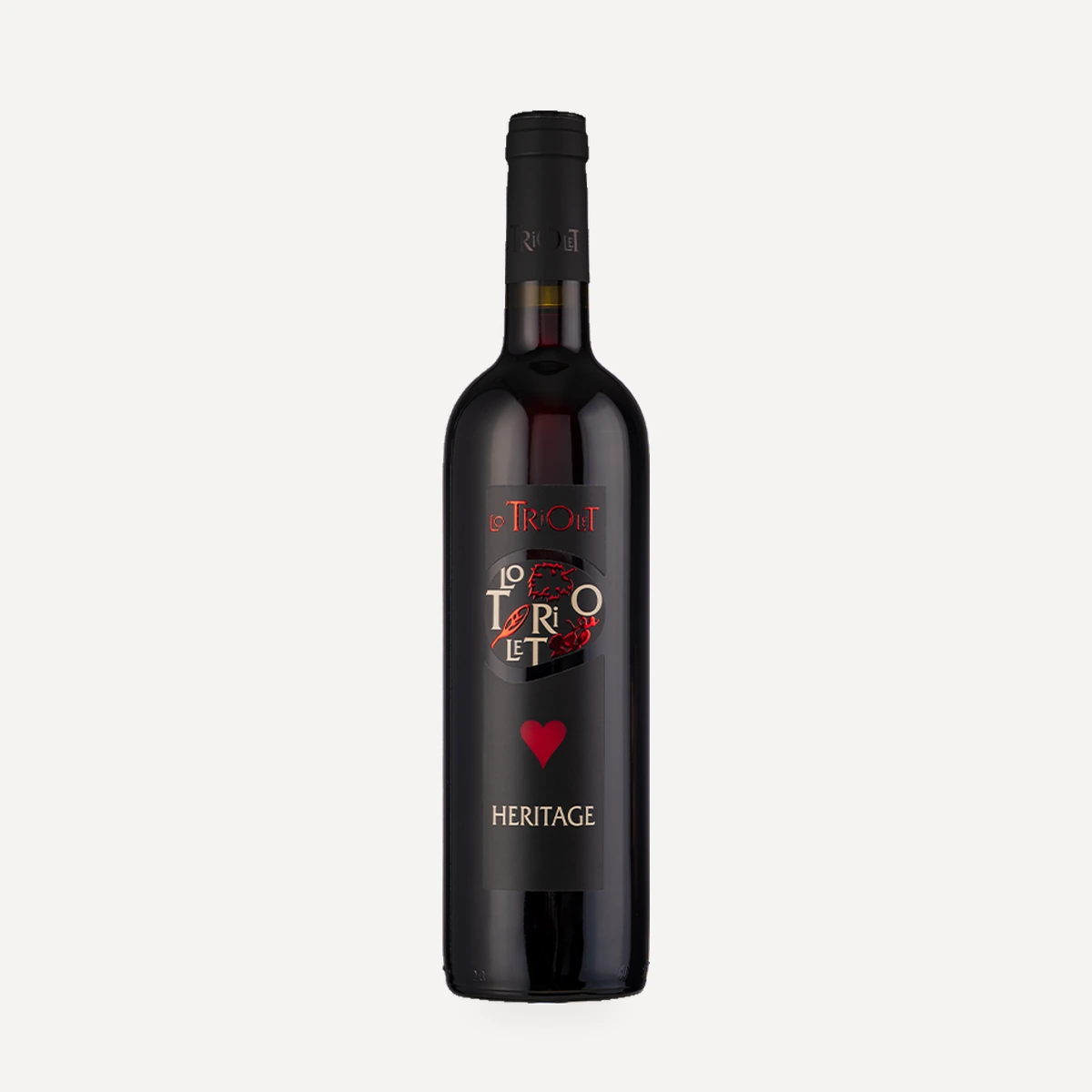
Heritage
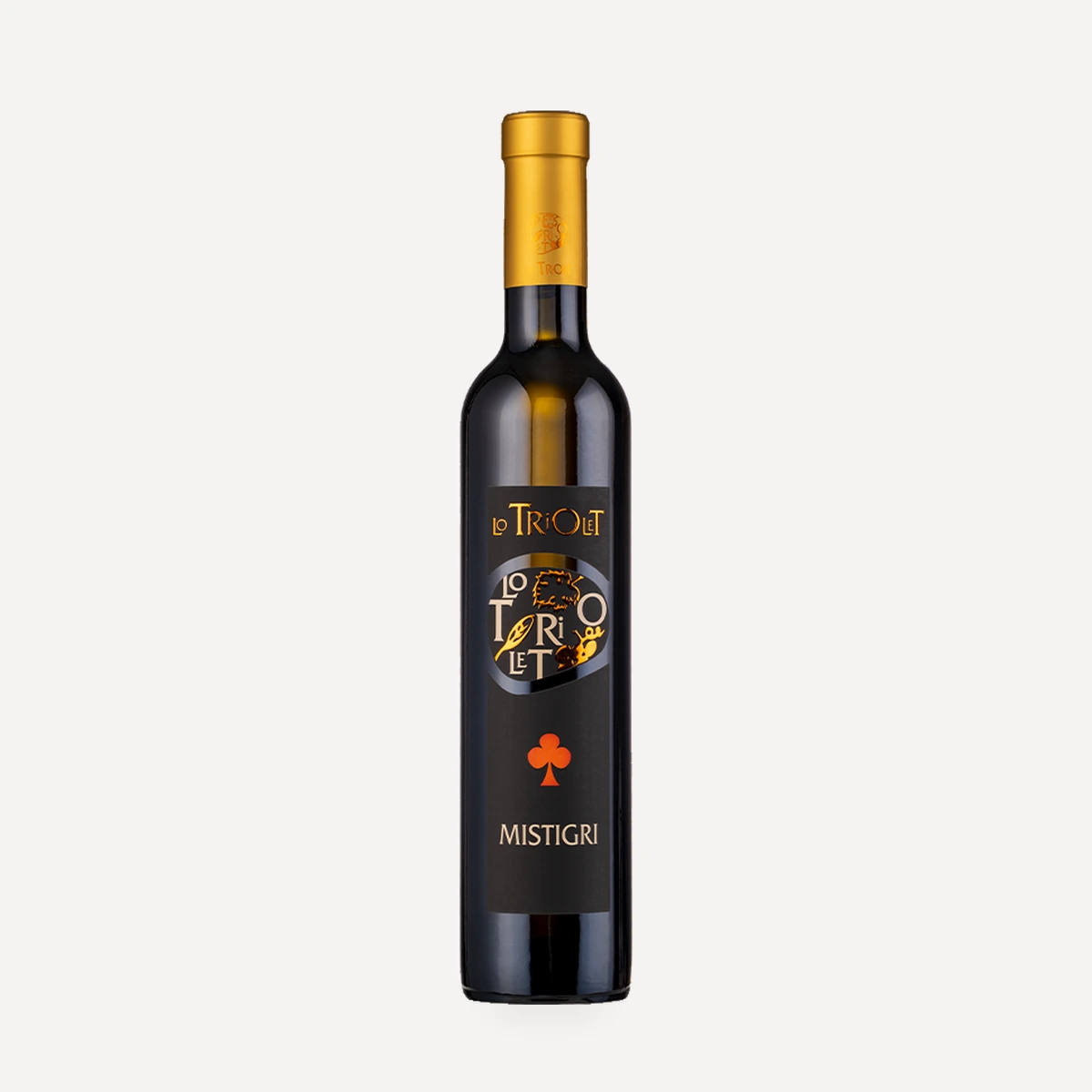
Mistigri
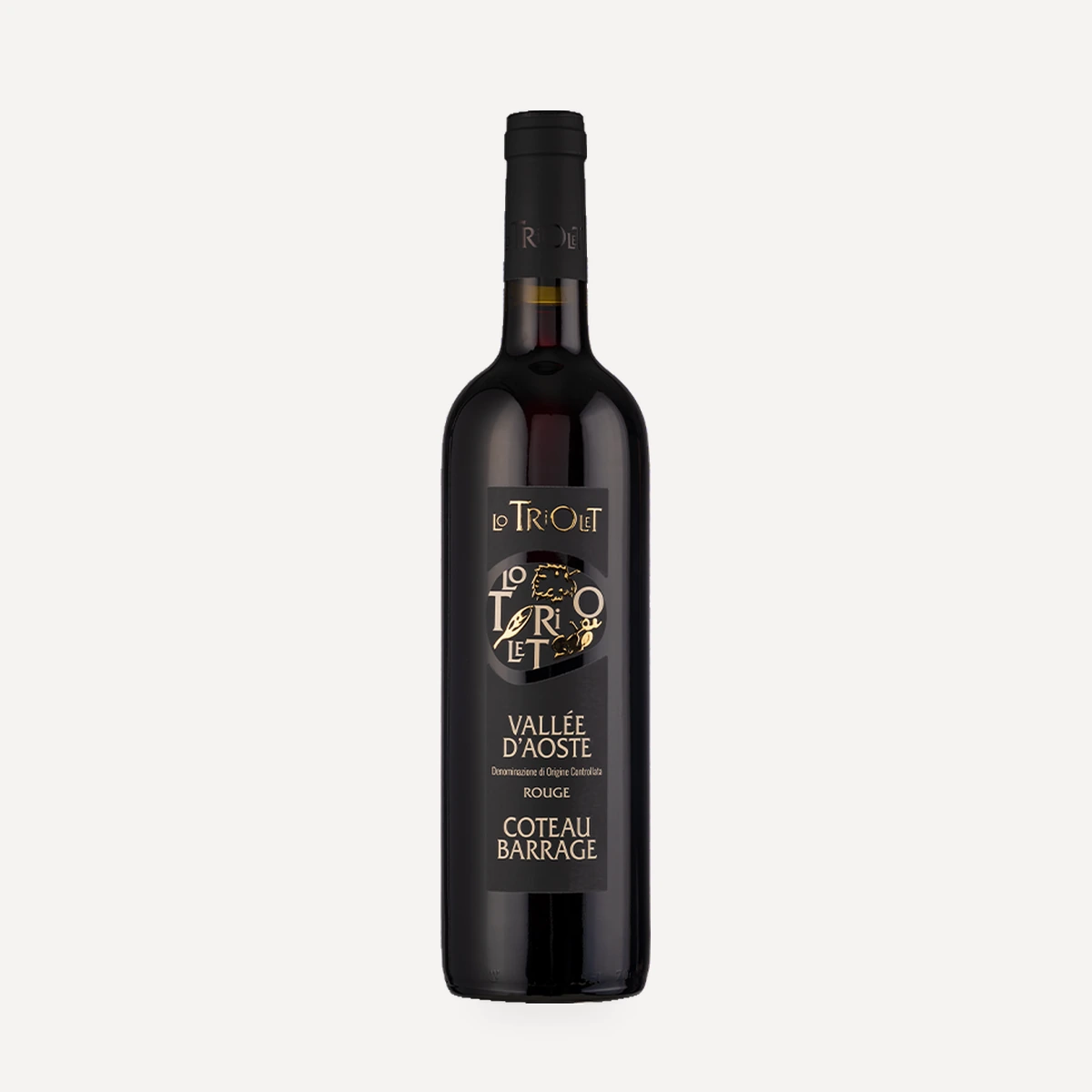
Coteau Barrage
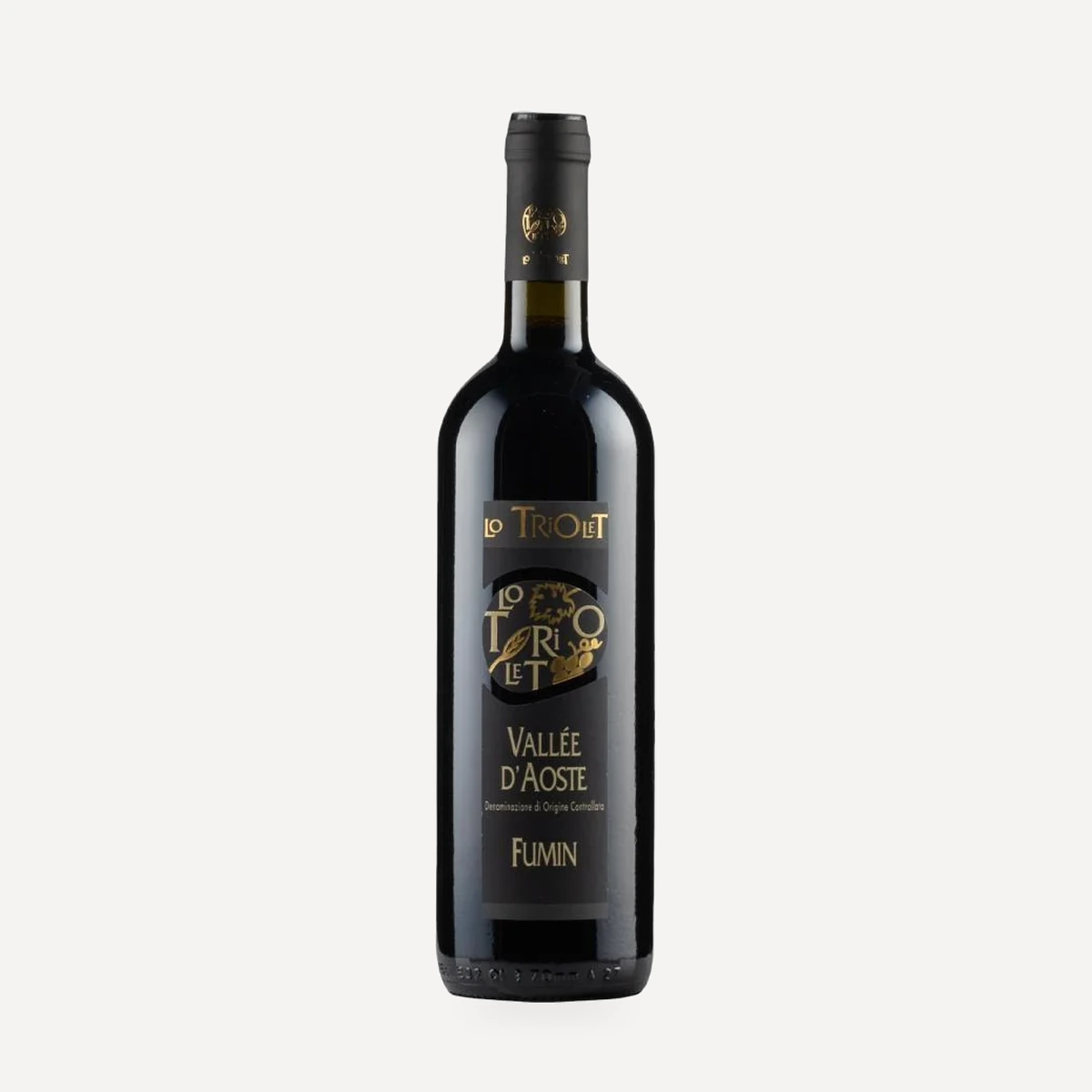
Fumin
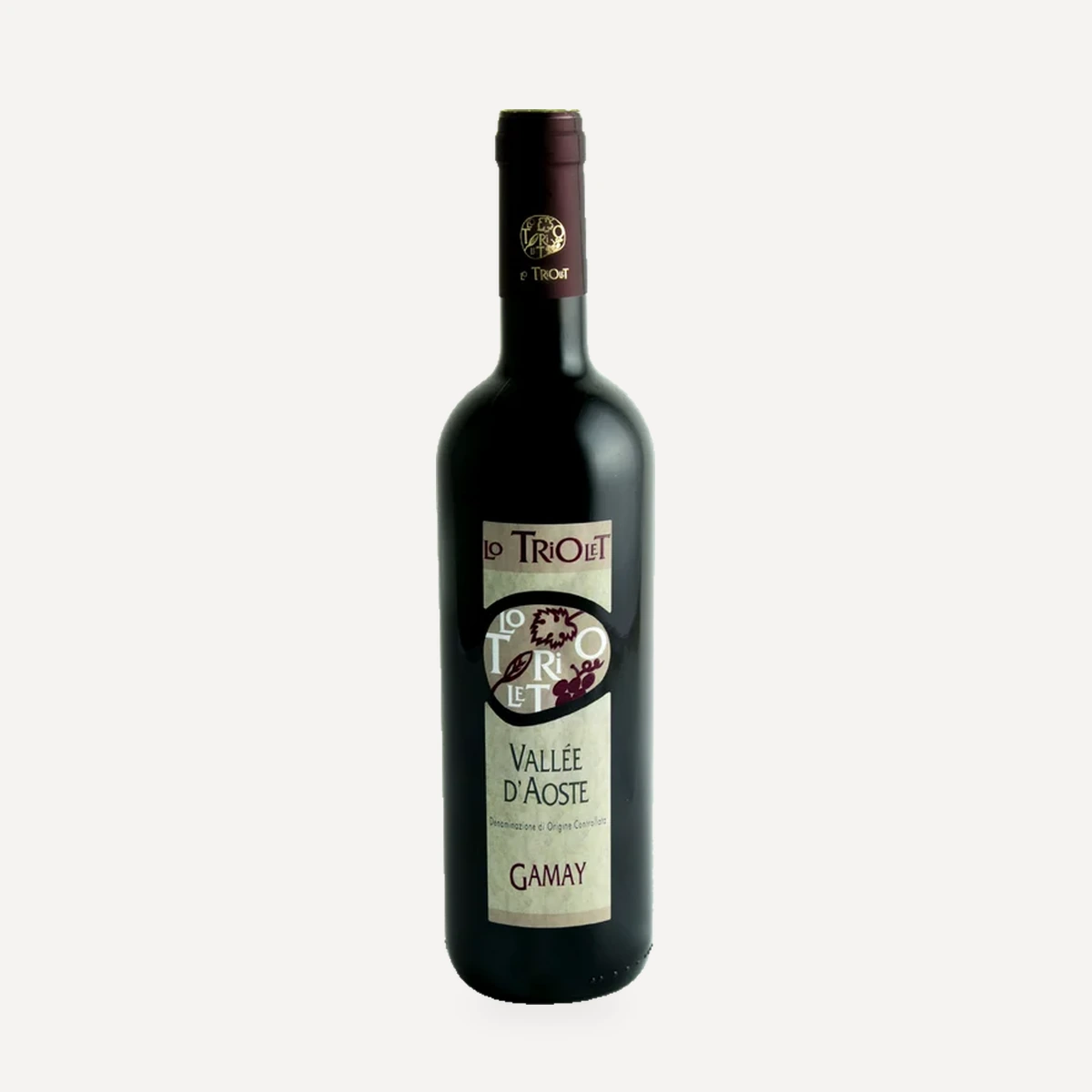
Gamay
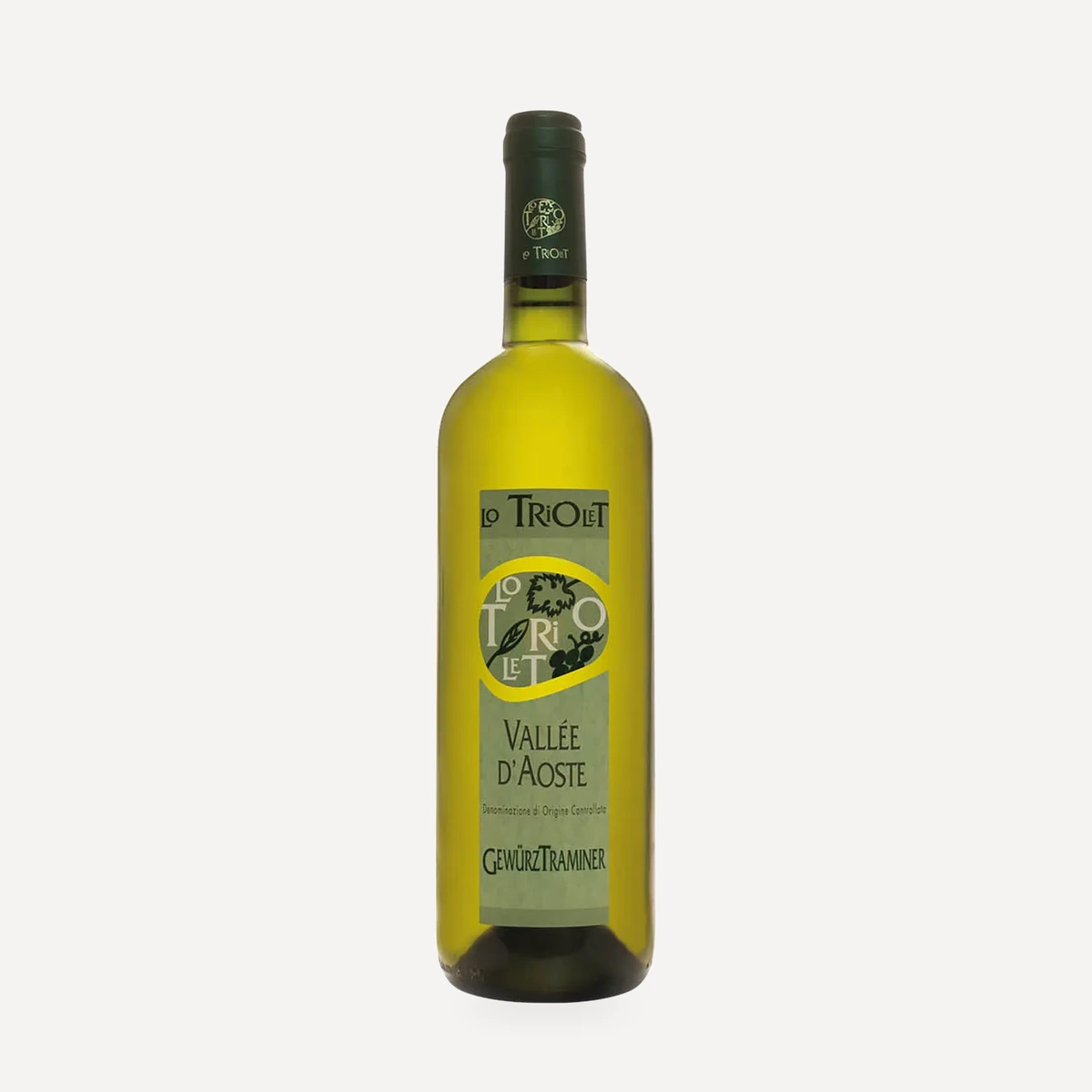
Gewürztraminer
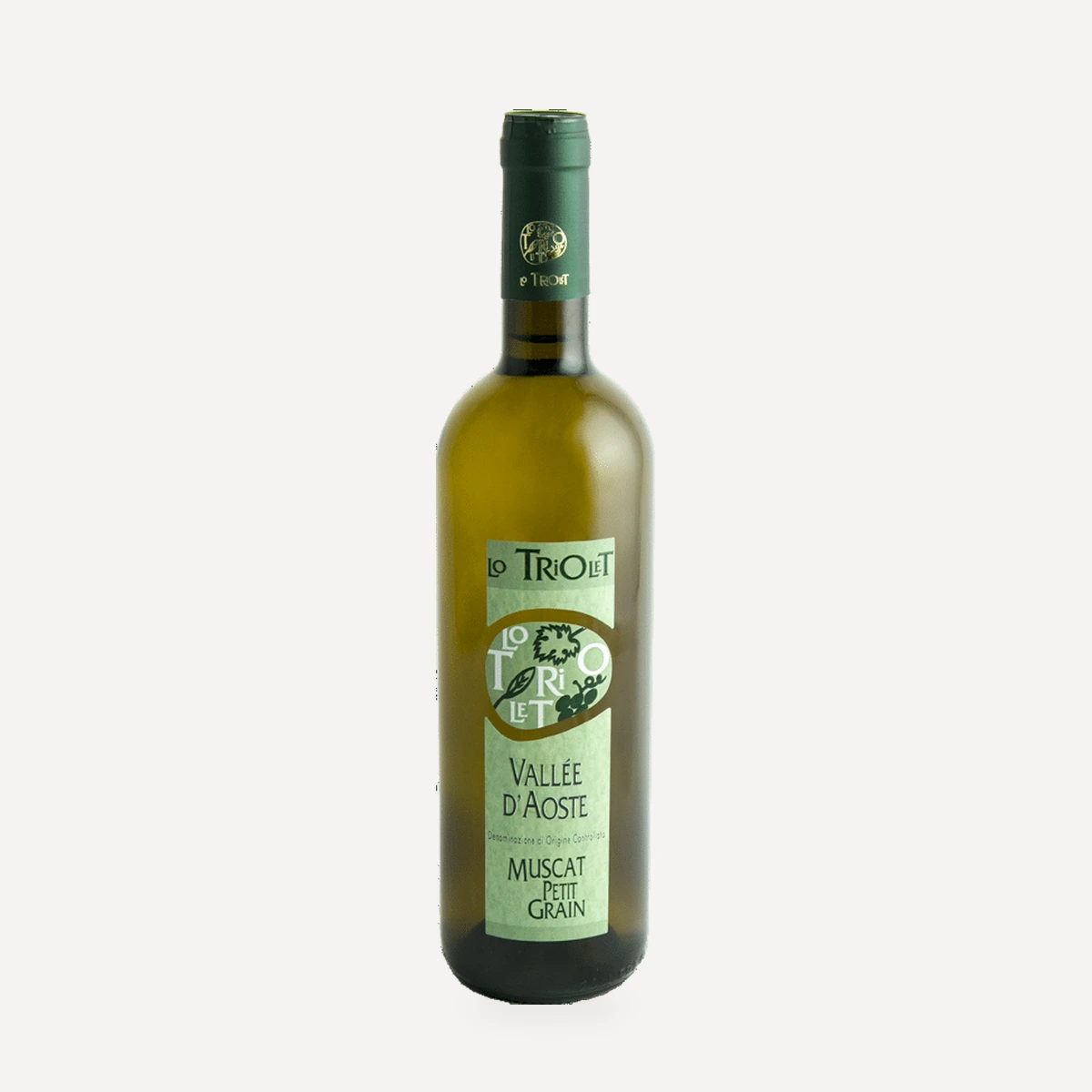
Muscat Petit Grain
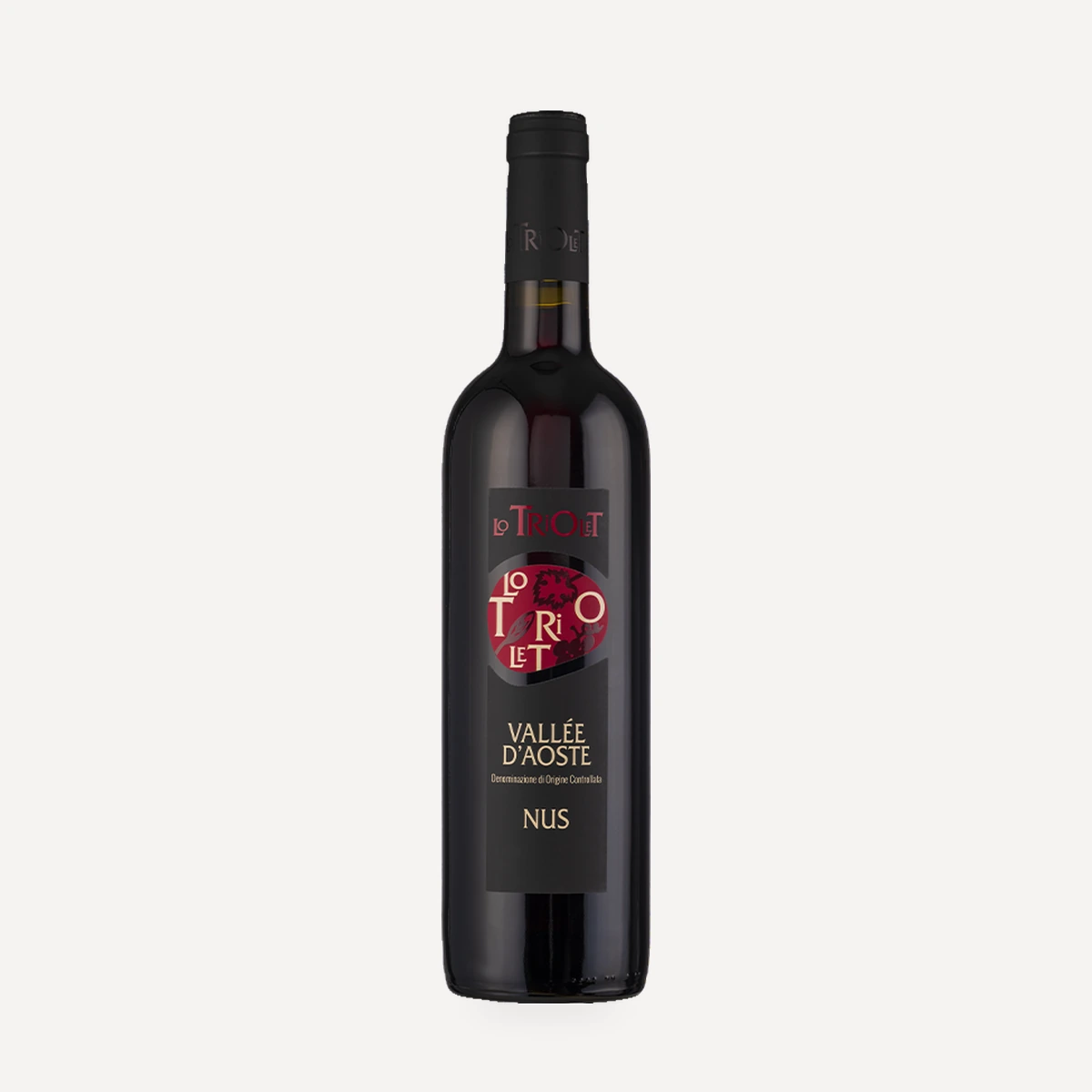
Nus
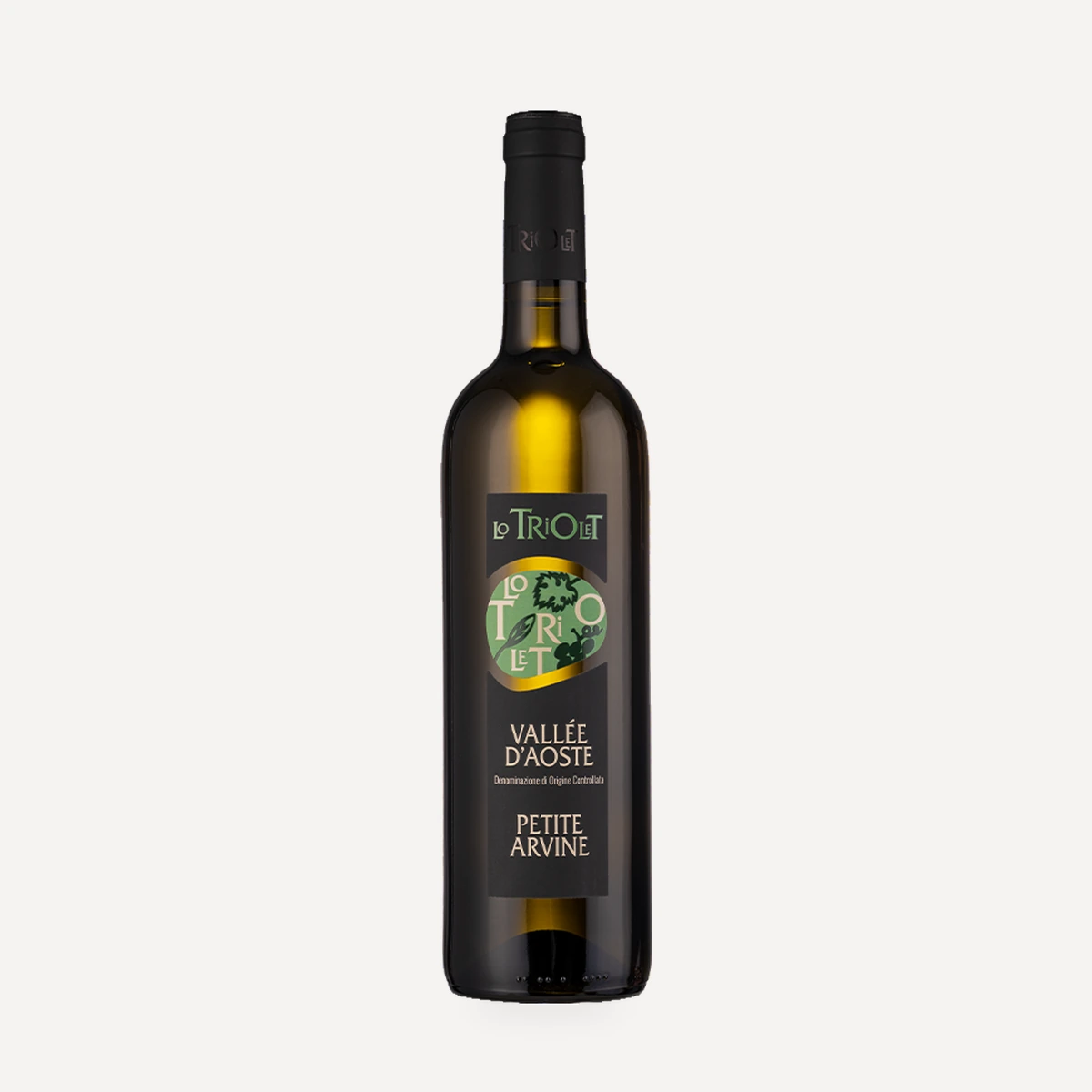
Petite Arvine
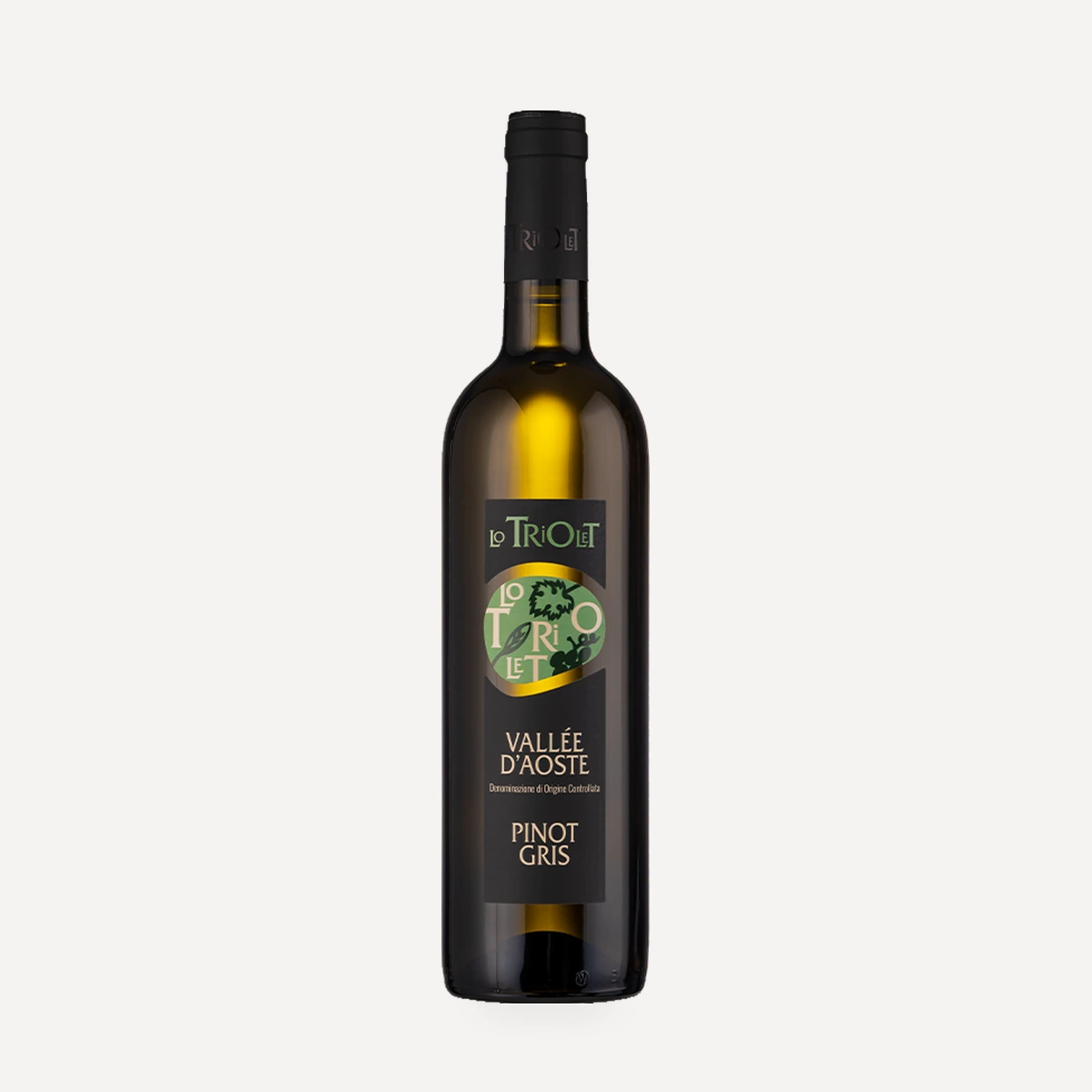
Pinot Gris
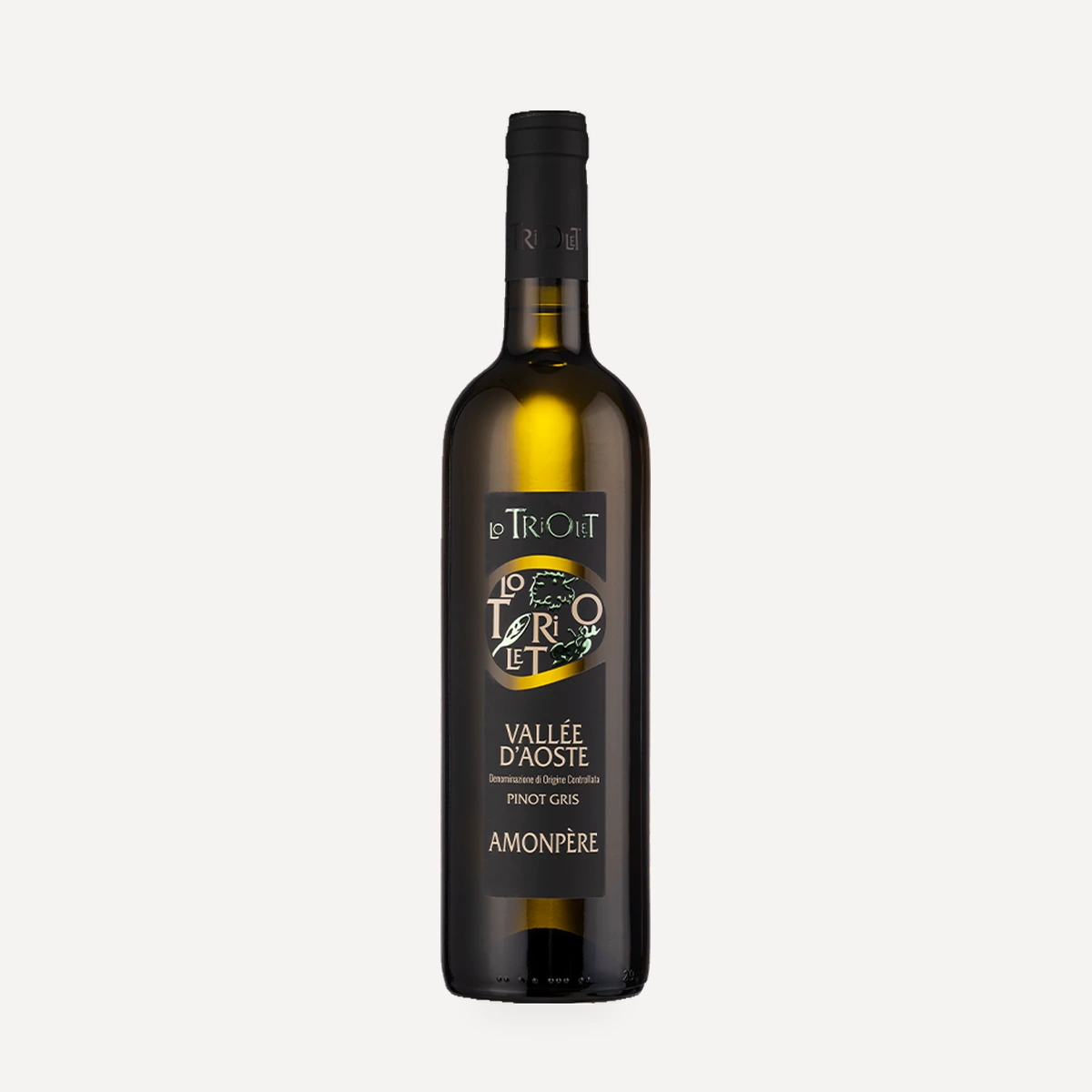
Pinot Gris Amonpère
Pinot Noir
Torrette