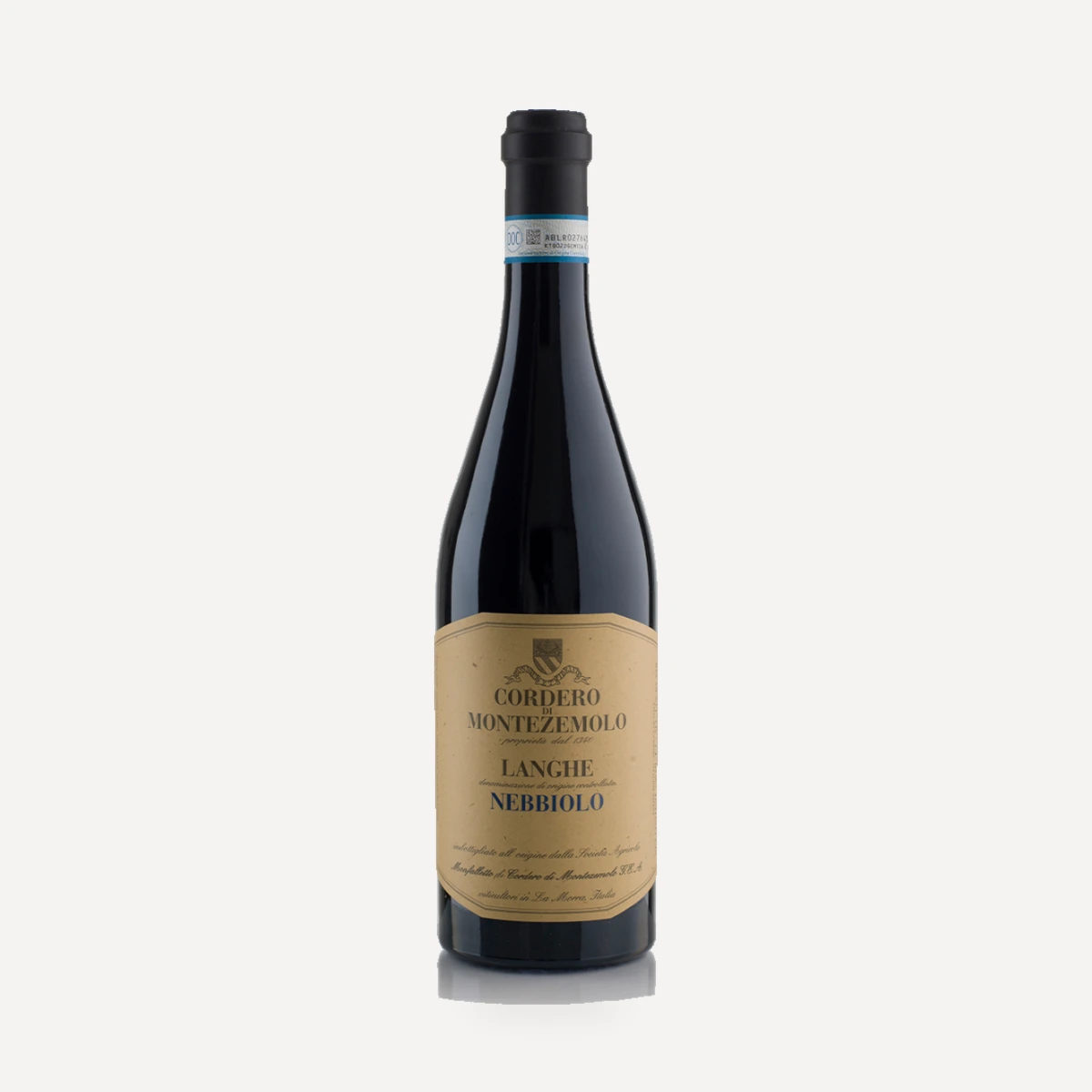
Storia
Early family context and Monfalletto
The Cordero di Montezemolo family originated in Mondovì. Its wider history includes Baldassare Cordero di Montezemolo, who helped establish and develop graphic arts in the Savoy states. In 1472, working with Antonio Mathias of Antwerp, he published two editions of St Antonino’s De Istitutione Confessorum, regarded as the first two works printed in Piedmont. Members of the large aristocratic family subsequently served as soldiers and diplomats loyal to the House of Savoy, a tradition recalled in the family motto, “Honneur et Fidélité.”
In 1800, members of the Falletti branches associated with Rodello, La Morra, Serralunga and Borgomale exchanged part of their hill estates for property on the irrigated, fertile plain between Savigliano and Saluzzo. They retained holdings around Alba that were easy to farm and, above all, kept Monfalletto for their own cellars because they considered it their most valuable viticultural property. Wine from Monfalletto supplied the family table and local residents and was probably sold in nearby villages.
Commercial production under the Falletti family
Around 1830–1840, Giacinto Massimiliano Falletti began producing wine for sale beyond the immediate locality. His son Costanzo continued the activity. After Costanzo’s death, his widow, Eulalia Dalla Chiesa di Cervignasco, enlarged both the vineyards and the cellars and increased sales, although distribution remained largely within or just beyond the territories governed by the House of Savoy. Her only daughter, Luisa Falletti, carried the work forward.
Transfer to the Cordero di Montezemolo family
Countess Luisa Falletti had one son, who died in childhood, and two daughters. In 1918, one daughter, Maria Lydia, married Paolo Cordero di Montezemolo, a lieutenant in the Italian Royal Navy. Their only child, also named Paolo, was born in 1920. Both parents died within a short period, and Maria Lydia’s property passed directly to their son, who was raised by his grandmother Luisa.
Luisa Falletti died in 1941, ending the Falletti dynasty of La Morra. The younger Paolo, then 21, became sole heir to the family estates. He had assisted his grandmother with estate management from an early age and subsequently undertook extensive improvements whose effects remain part of the property.
Post-war development and new vineyards
During the post-war years, Paolo made a small quantity of a special Barolo for people who visited the estate, spent time with its producers and developed a personal connection with the place. This private production gradually diminished as such visits became more difficult to sustain.
Paolo’s sixth child, Enrico, was born in 1959. In 1965 Paolo acquired a roughly two-hectare Barolo vineyard in Castiglione Falletto. In the early 1970s he created the name Enrico VI to commemorate both the birth of his sixth child and the vineyard purchase. The site became the estate’s sole Barolo source outside the vineyards surrounding Annunziata in La Morra.
Diversification under Giovanni Cordero di Montezemolo
In 1987, Giovanni Cordero di Montezemolo planted the estate’s Chardonnay vineyard on the sunlit Annunziata hill, pursuing the idea of a white wine capable of long development. During the same year he began experimenting with traditional-method sparkling wine and completed his first prise de mousse. The sparkling-wine project continued on a deliberately restricted scale, using small purchased quantities of Chardonnay and Pinot Noir from Langa vineyards at elevations of at least 400 metres.
In 1992–1993, the family began preparing experimental demijohns of Barolo Chinato for private use and as gifts. Their reception prompted Giovanni to refine the technique and establish a small commercial production.
Two further projects began in 1998. Funtanì, drawn from the estate’s oldest Barbera vineyard beside a spring at the foot of a slope, was produced for the first time. The family also revived Paolo’s post-war concept of a private, long-aged Barolo by selecting grapes from the tiny Gorette plot below the Cedar of Lebanon. The resulting Barolo Riserva Gorette was reserved for estate visitors, with every released vintage maintained in an open library from the inaugural 1998 vintage onward.
Organic farming and the current generation
In 2013, the estate adopted organic vineyard management and subsequently attained certification. Its cultivated vineyard area now exceeds 50 hectares, with holdings in La Morra, Alba, Castiglione Falletto, Guarene and Cherasco. Elena and Alberto Cordero di Montezemolo currently direct the family estate, continuing a tradition that has extended across 19 generations.
Terroir
Langhe holdings
The vineyards occupy more than 50 hectares of hills around Alba in the Langhe. The historic centre is Monfalletto in the Annunziata hamlet of La Morra, supplemented by holdings in Alba, Castiglione Falletto, Guarene and Cherasco. The estate is distinguished by relatively large, consolidated vineyard blocks rather than numerous scattered micro-plots.
Varieties are allocated among sites with different elevations and exposures according to soil, microclimate and each grape’s ability to ripen balanced fruit. The Annunziata hill receives the first morning sunlight and the last evening light, giving it a longer period of sun than the surrounding hills.
Gattera and the La Morra hillside
Gattera is an official MGA of more than 11 hectares and the estate’s most historic vineyard. Differences in planting date, exposure, altitude, landform, Nebbiolo clone and microclimate led to its division into eight separately managed sections. Two contain vines more than 50 years old.
The broader group of La Morra vineyards contributing to Barolo Monfalletto covers about 14 hectares. Individual parts of the hill are harvested, vinified and matured separately before blending.
Castiglione Falletto
The Enrico VI vineyard covers approximately two hectares at 300 metres in Castiglione Falletto. It faces southwest and combines iron-rich soil with evolved, compact clay. Its microclimate is cooler and less ventilated than the estate’s Annunziata sites.
Cherasco and Verduno
The Pelaverga vineyard lies in Cherasco, a few kilometres outside Verduno, and shares closely comparable soil and climatic conditions with the village historically associated with the variety.
Vinificazione
The estate cultivates more than 50 hectares under a 100% certified organic system. Organic vineyard management began in 2013 and is intended to protect the interconnected life of plants, other flora, fauna, insects, soil and microflora.
Relatively large and consolidated vineyard holdings allow timely intervention and consistent management within each site while supporting organic cultivation across meaningful contiguous areas. Human intervention is conceived as moderation of natural balances with the least possible impact and disturbance. Techniques and products are selected to regulate the vine’s production cycle without damaging the surrounding living environment.
Nebbiolo, Dolcetto, Barbera, Arneis, Chardonnay and Pelaverga occupy locations, exposures and elevations suited to their ripening behaviour, soils and microclimates. The Gattera hillside is divided into eight sections according to planting period, exposure, altitude, morphology, clone and microclimate. These sections are harvested separately. The individual sectors of the broader La Morra holdings are likewise picked at their own optimal moment. Young Nebbiolo vines within the Barolo vineyards—those under approximately seven or eight years old—are harvested separately and reclassified for Langhe Nebbiolo.
The cellar approach preserves distinctions among vineyard sectors through separate harvest, vinification and maturation before final assemblage. Across the roughly 14 hectares contributing to Barolo Monfalletto, each part of the hill is harvested at its own optimum point, vinified independently and aged separately in wood; blending occurs only at bottling. Gattera’s eight sections are also harvested and fermented separately, while grapes from two sections of vines more than 50 years old are isolated in a single fermentation tank.
Barbera parcels of different ages, locations and soils are harvested separately, matured in wood for four to six months and then assembled into one cuvée. The selected Funtanì Barbera receives more than a year in wood followed by a further year in bottle.
Langhe Nebbiolo receives a gentler extraction regime built around lower temperatures, shorter maceration and a higher proportion of whole berries during fermentation. Arneis ferments in stainless-steel tanks at low temperature for several weeks and remains on fine lees until late winter. Chardonnay ferments and matures for several months in small French oak barrels in contact with fine lees, followed by roughly one year in bottle.
Traditional-method sparkling wine begins with a short first fermentation in wood, followed by secondary fermentation in bottle and an average of four to five years on lees. Production uses small purchased quantities of Chardonnay and Pinot Noir grown at elevations of at least 400 metres in the Langa hills.
Gorette is made only in selected vintages, matures for about two years in wood and then rests for another six years in bottle. Barolo Chinato is prepared by combining Barolo with cane sugar, alcohol distilled from fruit and spices developed through repeated trials. China Calisaia, rhubarb, gentian, coriander, liquorice and vanilla macerate for several weeks until integrated with the base wine. Grappa di Barolo is produced from selected Nebbiolo da Barolo marc by discontinuous bain-marie distillation and matures for about four years in small casks; distillation is performed by Distilleria S. Teresa F.lli Marolo in Alba.
Filosofia
Quality is understood as harmony among plants, surrounding flora, fauna, insects, people, soil and microflora. These elements are treated as an interconnected system whose functions must be observed, understood, respected and assisted.
The working process begins with attentive observation of the vineyards, followed by analysis and experimentation. The family rejects absolute certainty and continually questions whether a better solution may be available. Human intervention is intended to moderate natural balances with minimal disturbance, using methods compatible with the life of the vineyard environment.
The estate describes its outlook as “Progressive.” Tradition and innovation are treated as complementary rather than opposing forces. Climatic, technical, cognitive and social conditions evolve from vintage to vintage, so inherited experience must be interpreted and adapted rather than reproduced through permanently fixed tools and rules. Tradition resides in the commitment to understand and improve, accepting the possibility of error while preserving the value of past experience.
Organic farming is part of a wider responsibility to protect and improve the territory and agricultural culture inherited from previous generations, then pass them forward with greater awareness. The same long-term outlook shapes projects such as Gorette, where critical opinion and market expectations are secondary to the family’s own judgement of a vintage and to a direct relationship with visitors.
Vini
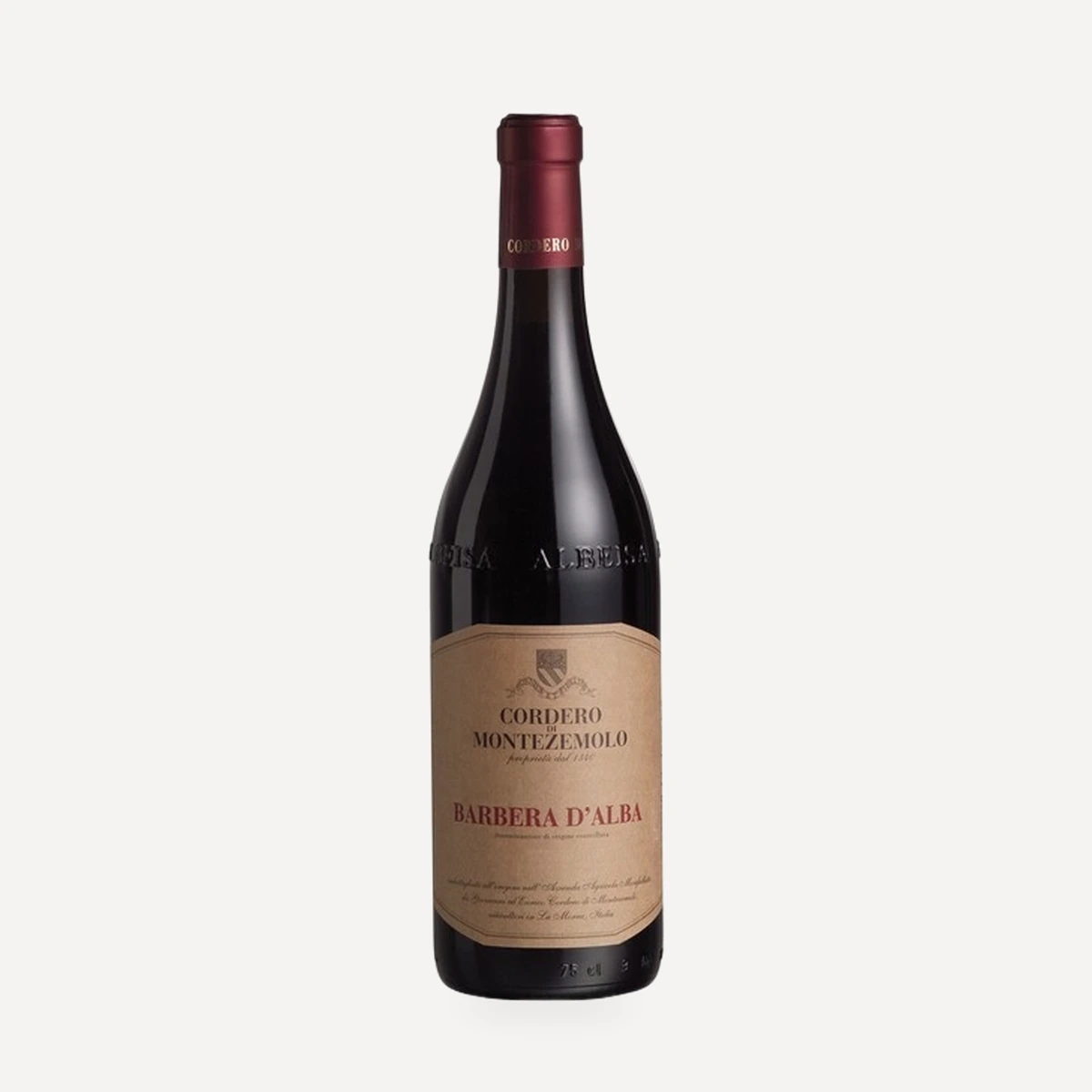
Barbera d'Alba DOC
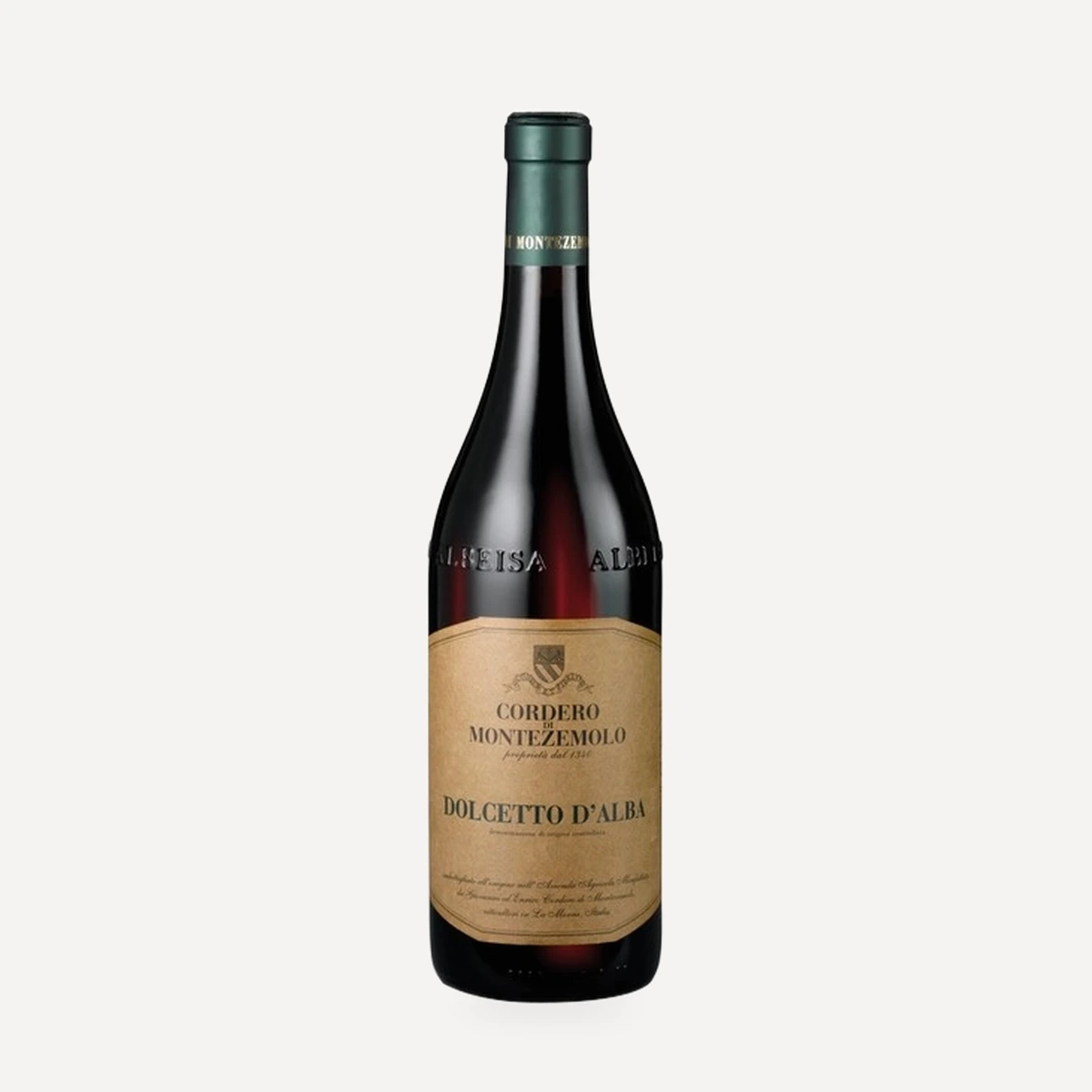
Dolcetto d'Alba DOC
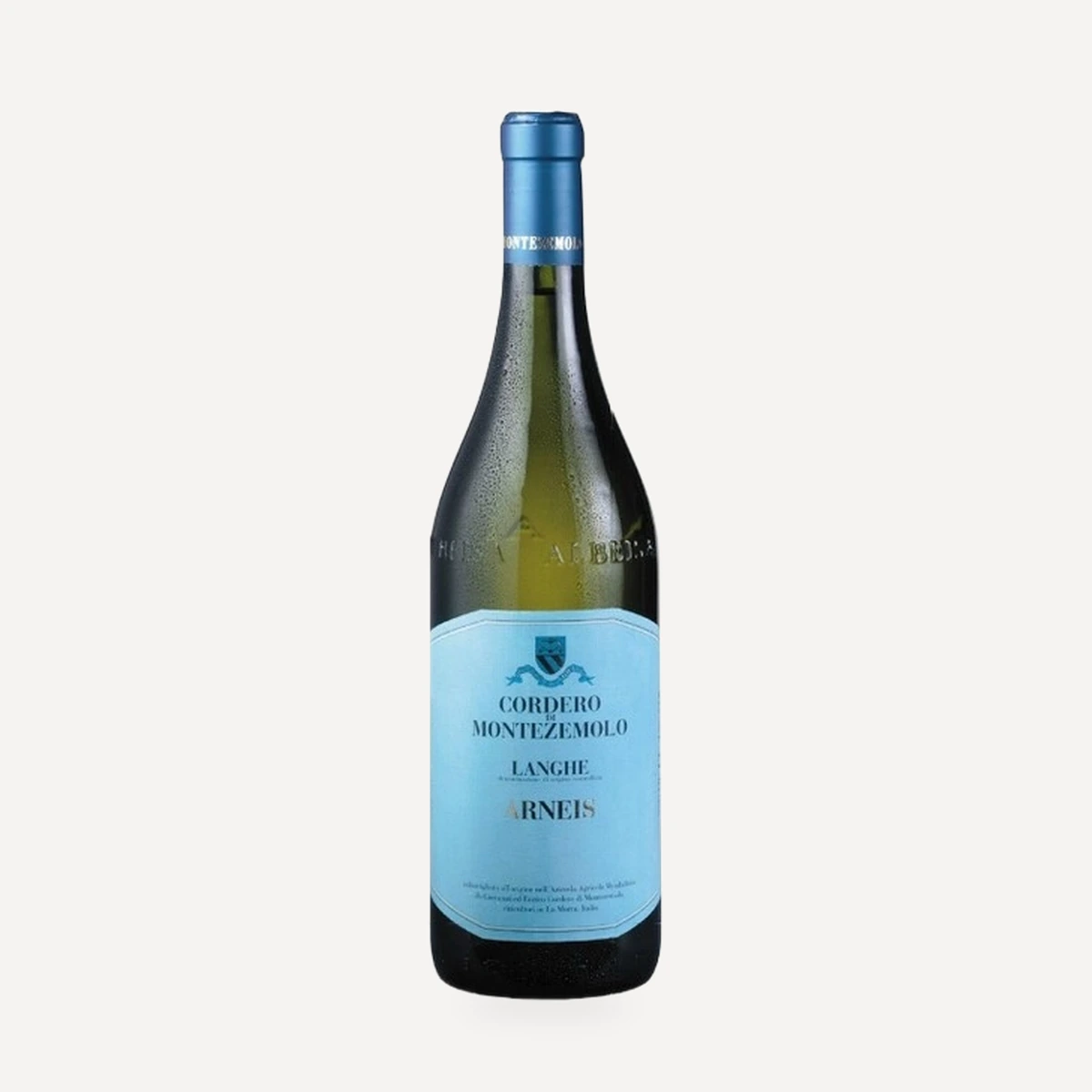
Arneis Langhe DOC
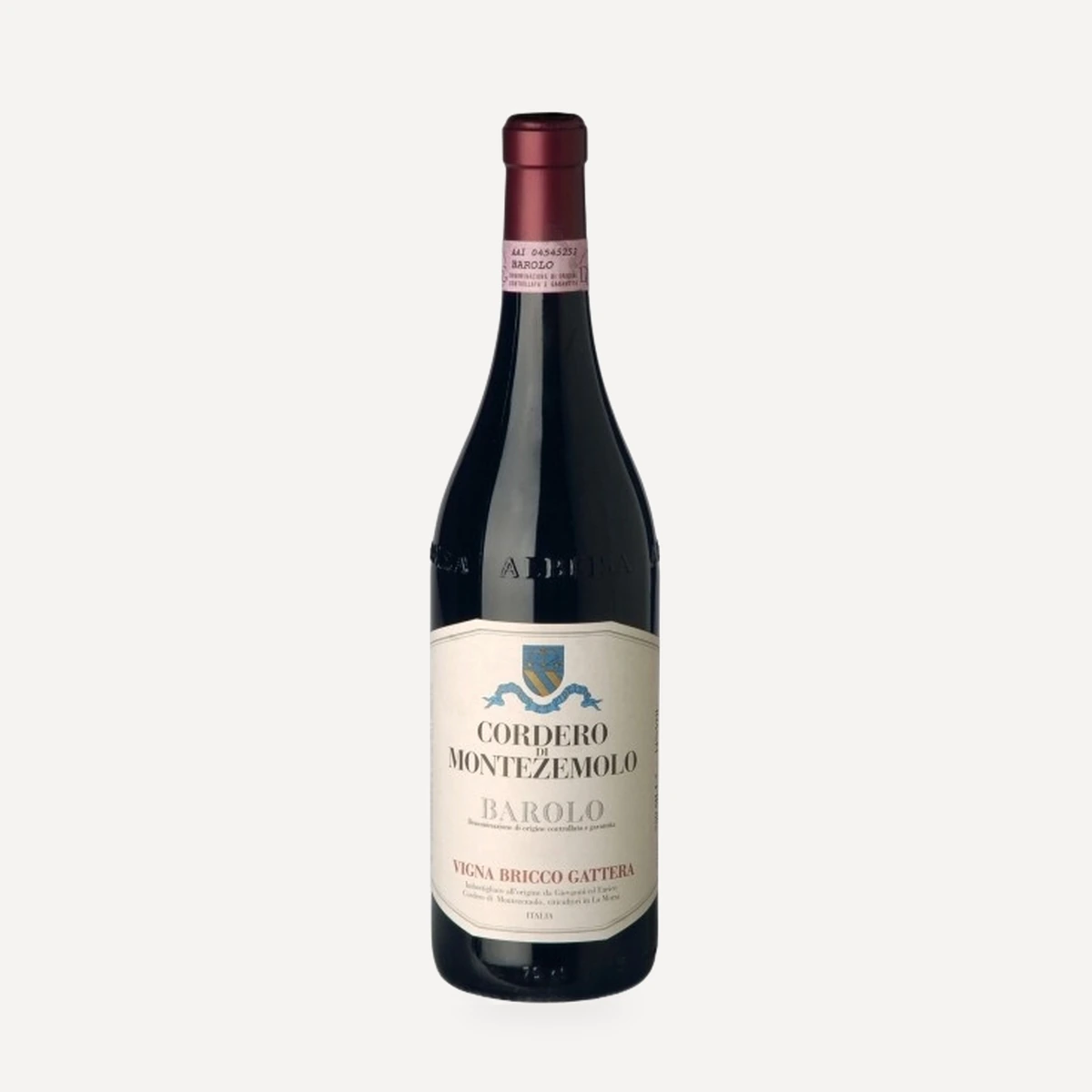
Barolo Bricco Gattera DOCG
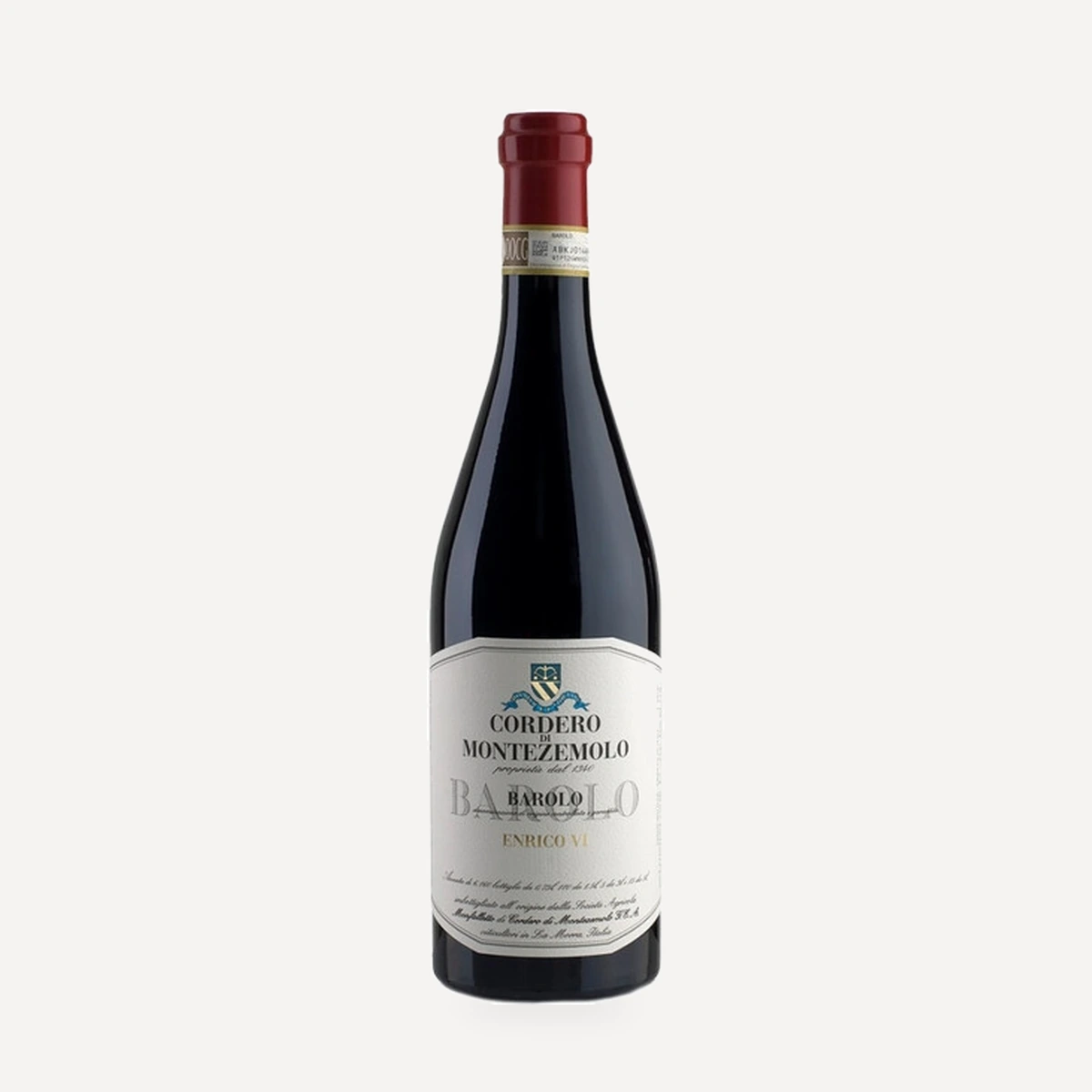
Barolo Enrico VI DOCG
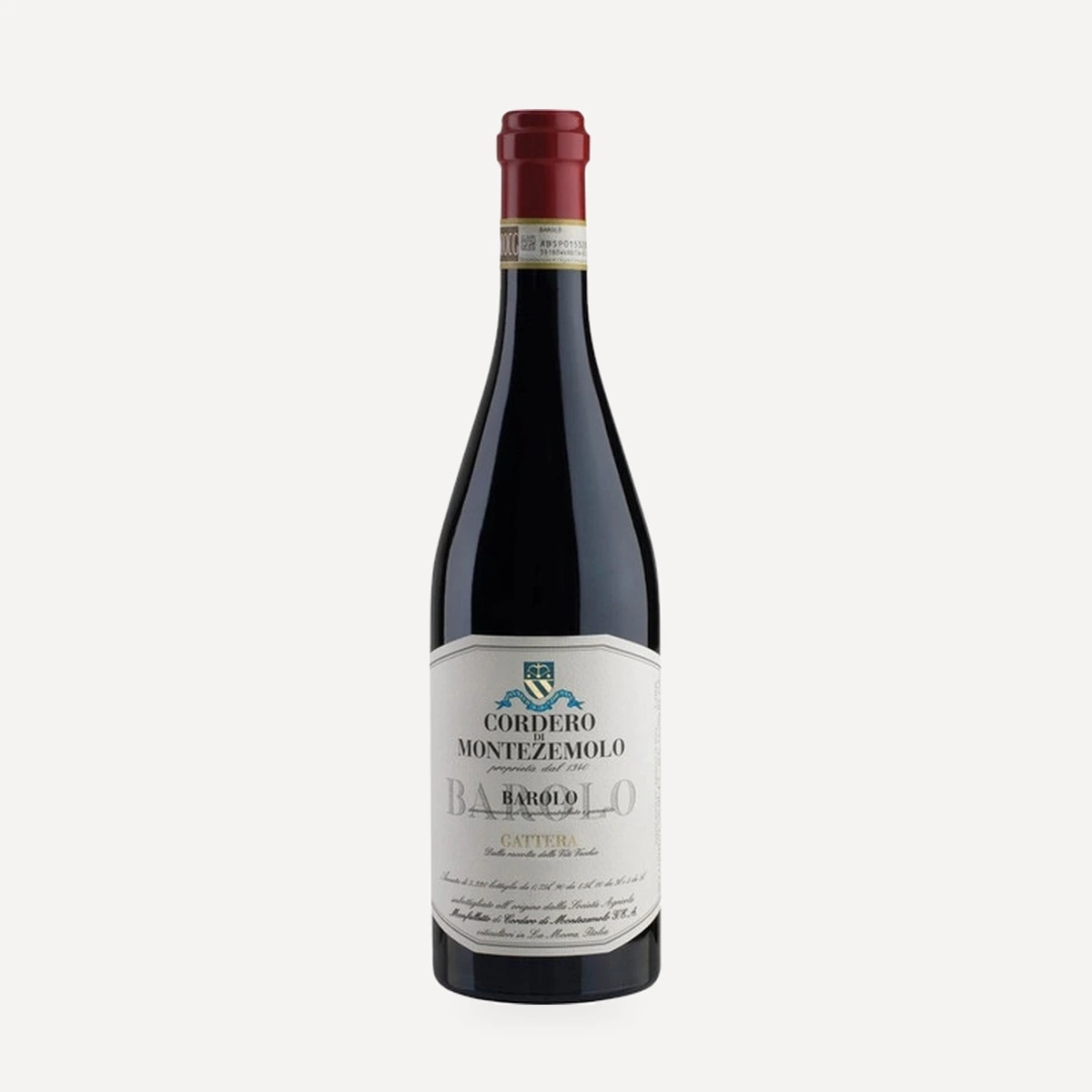
Barolo Gattera DOCG
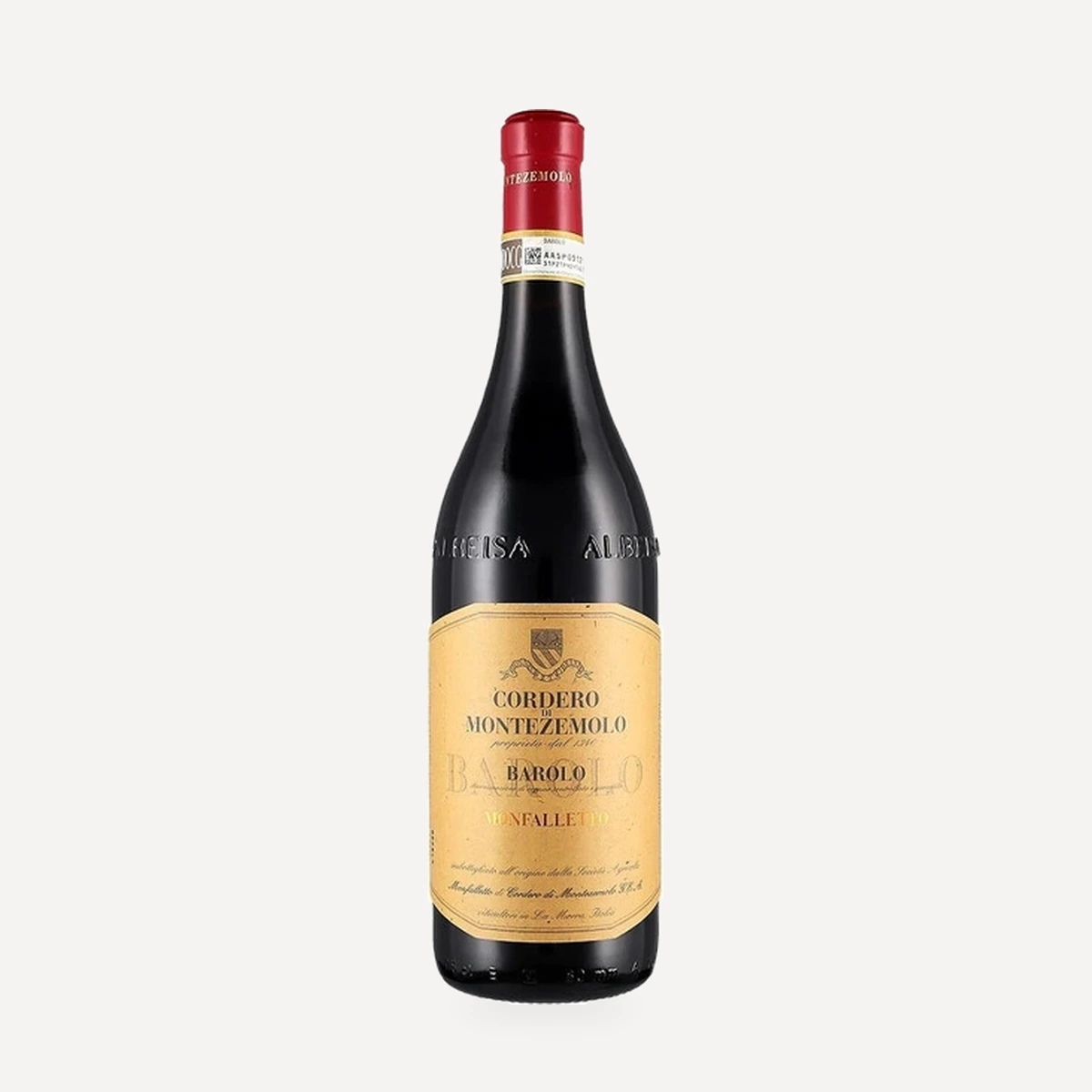
Barolo Monfalletto DOCG
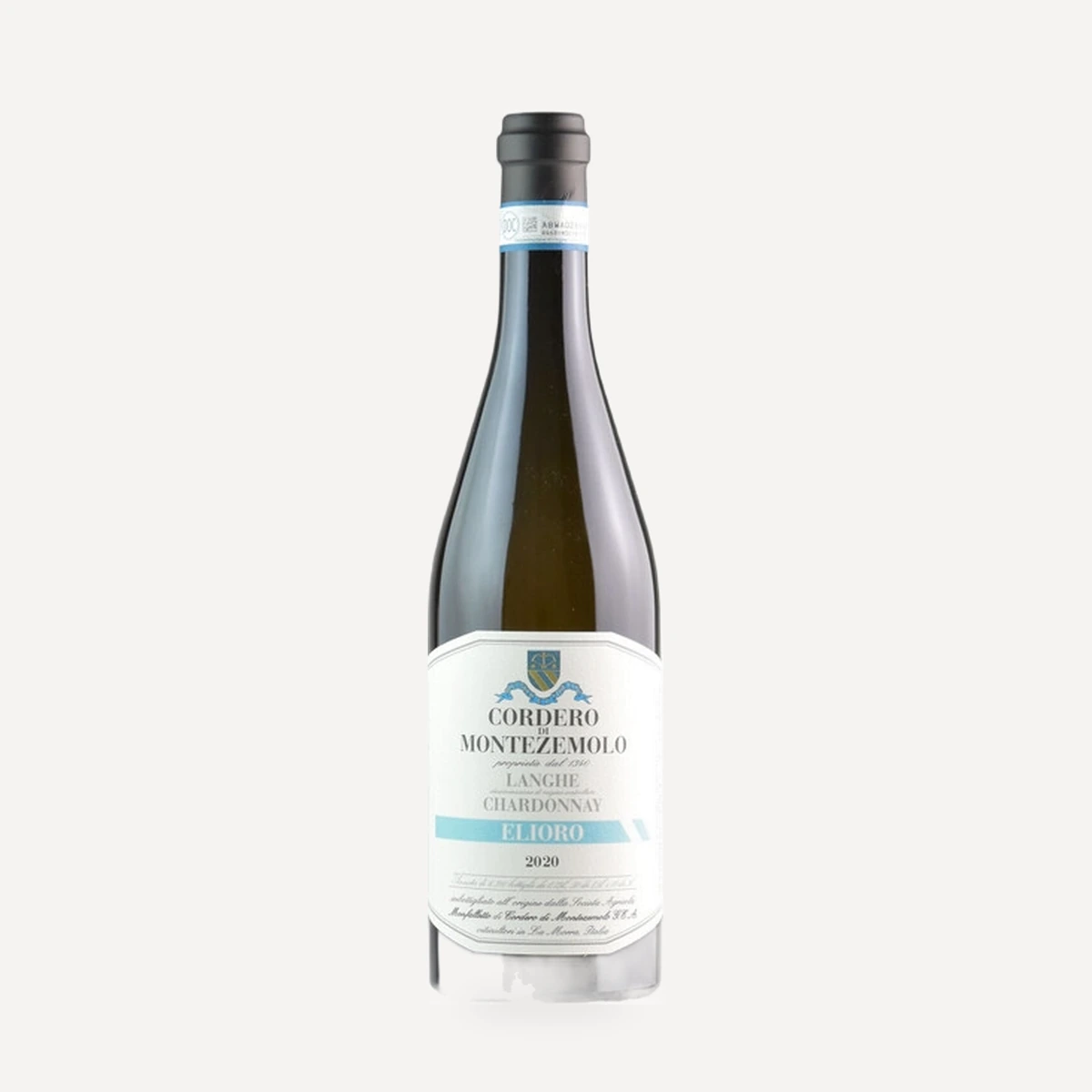
Elioro Chardonnay Langhe DOC
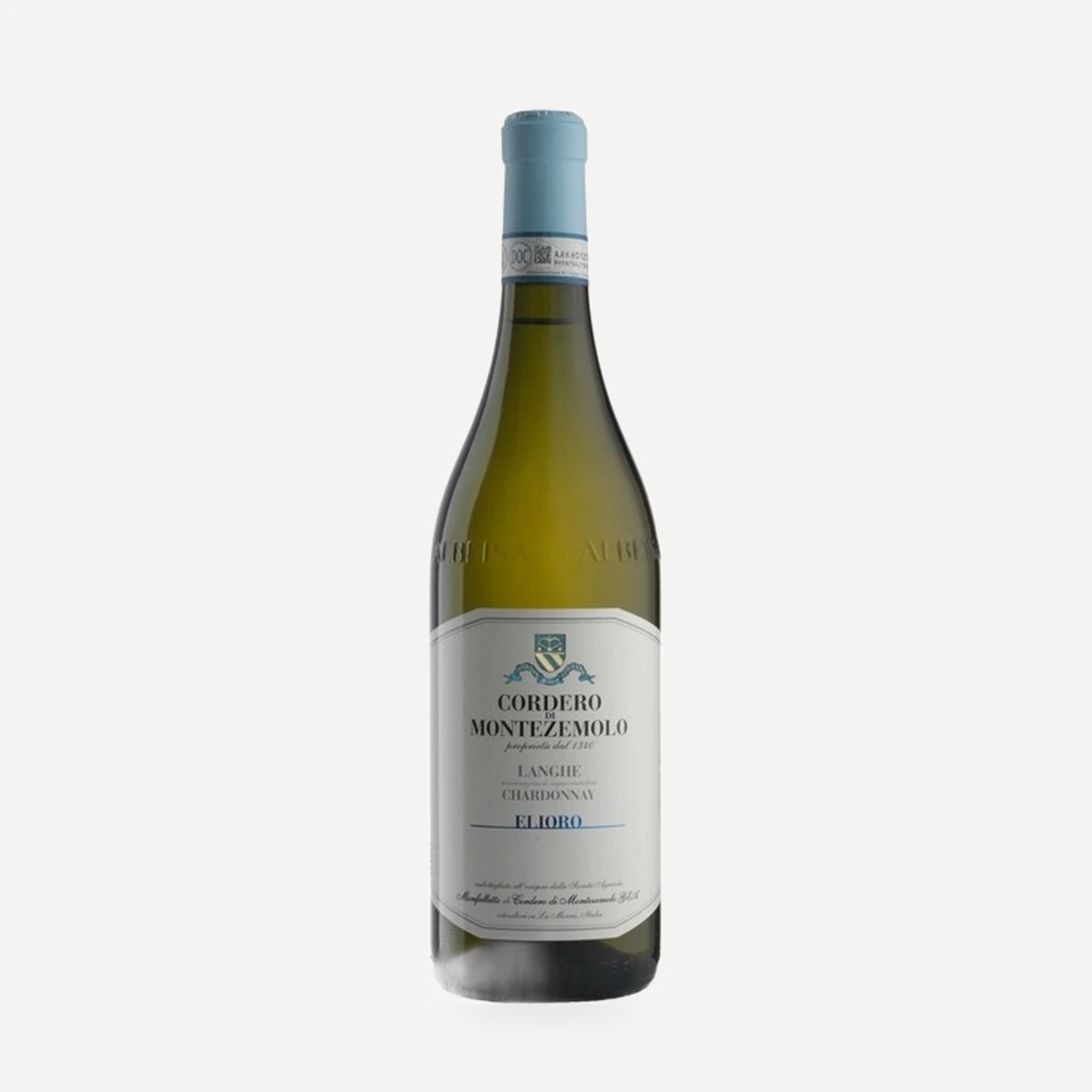
Elioro Langhe DOC
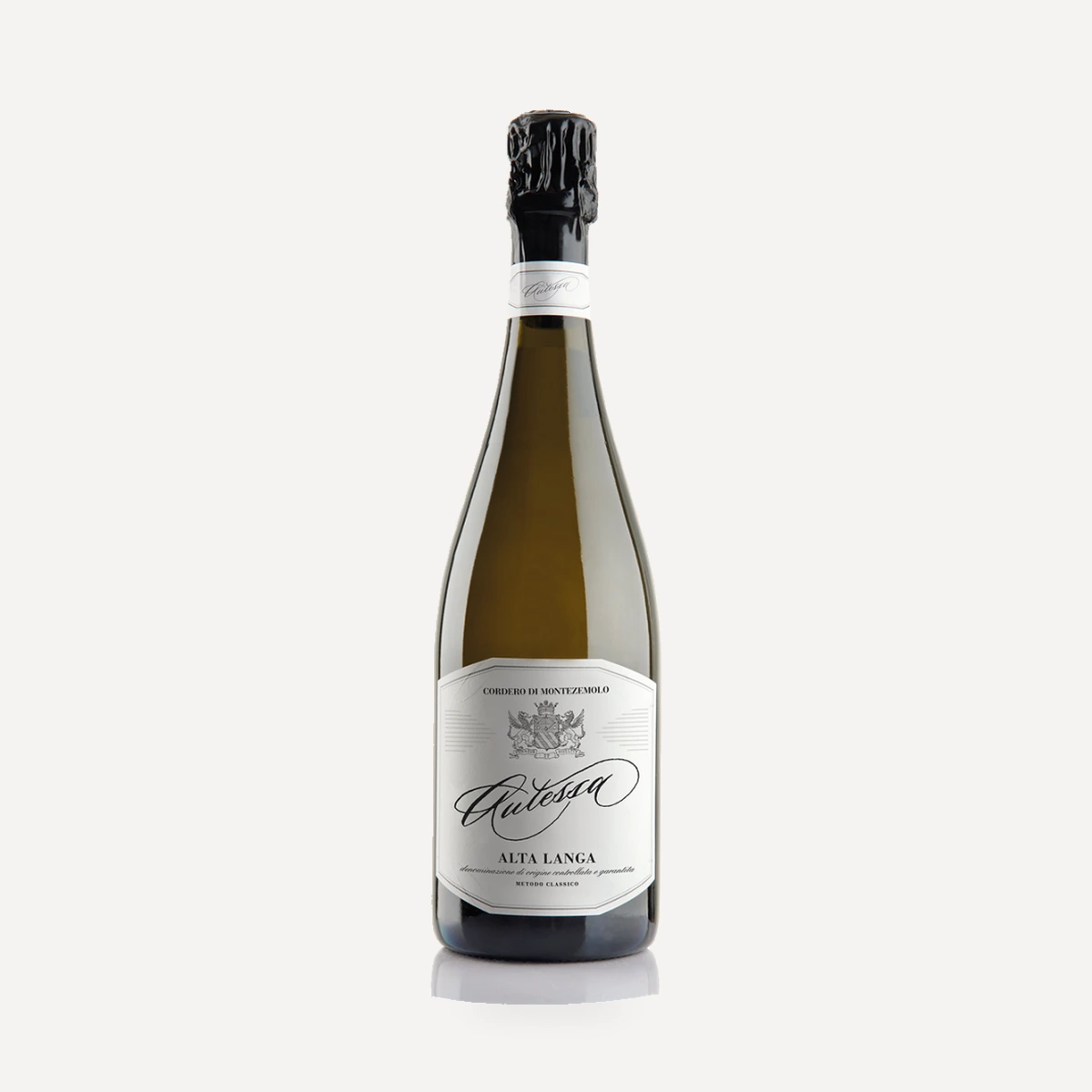
Alta Langa Autessa®
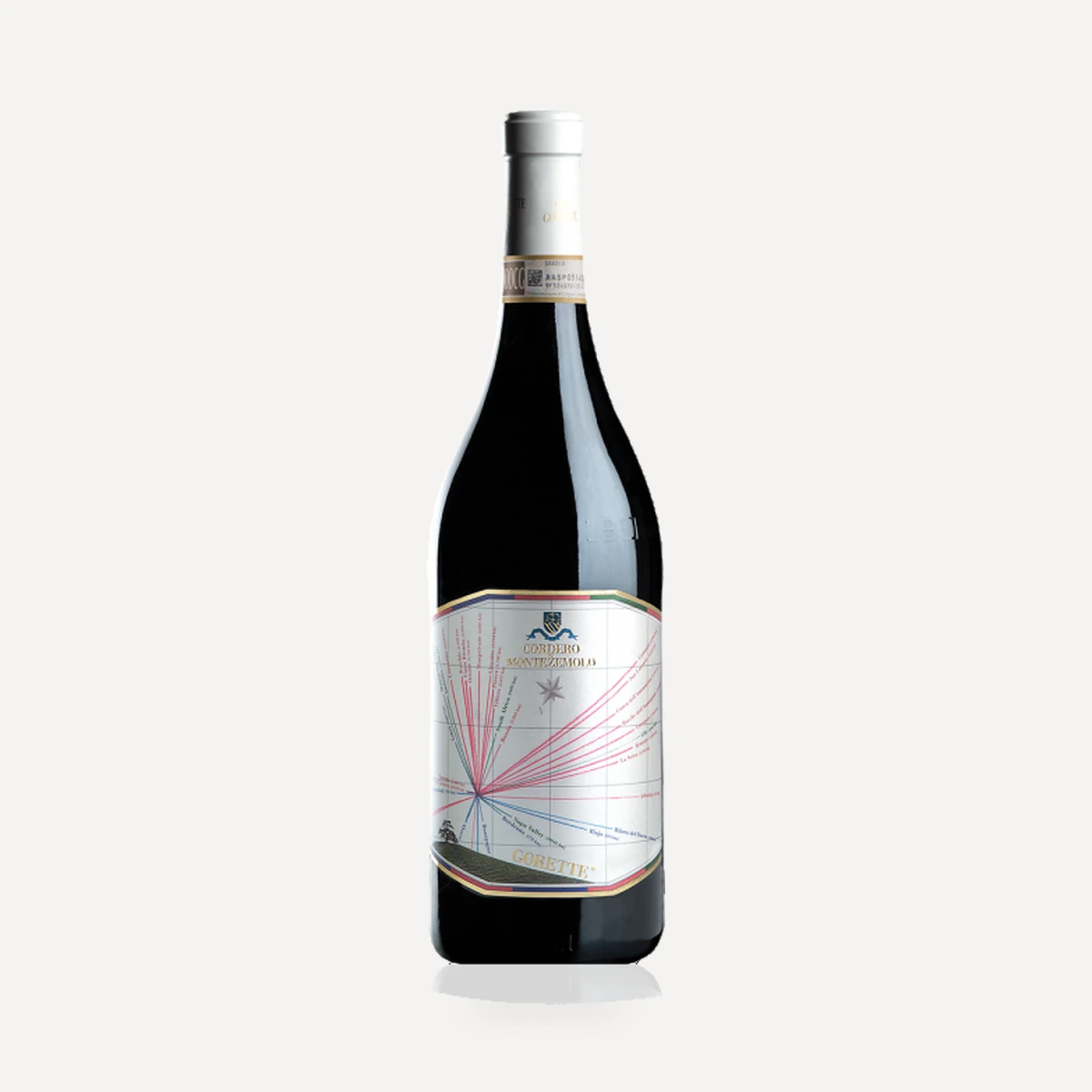
Barolo Riserva Gorette
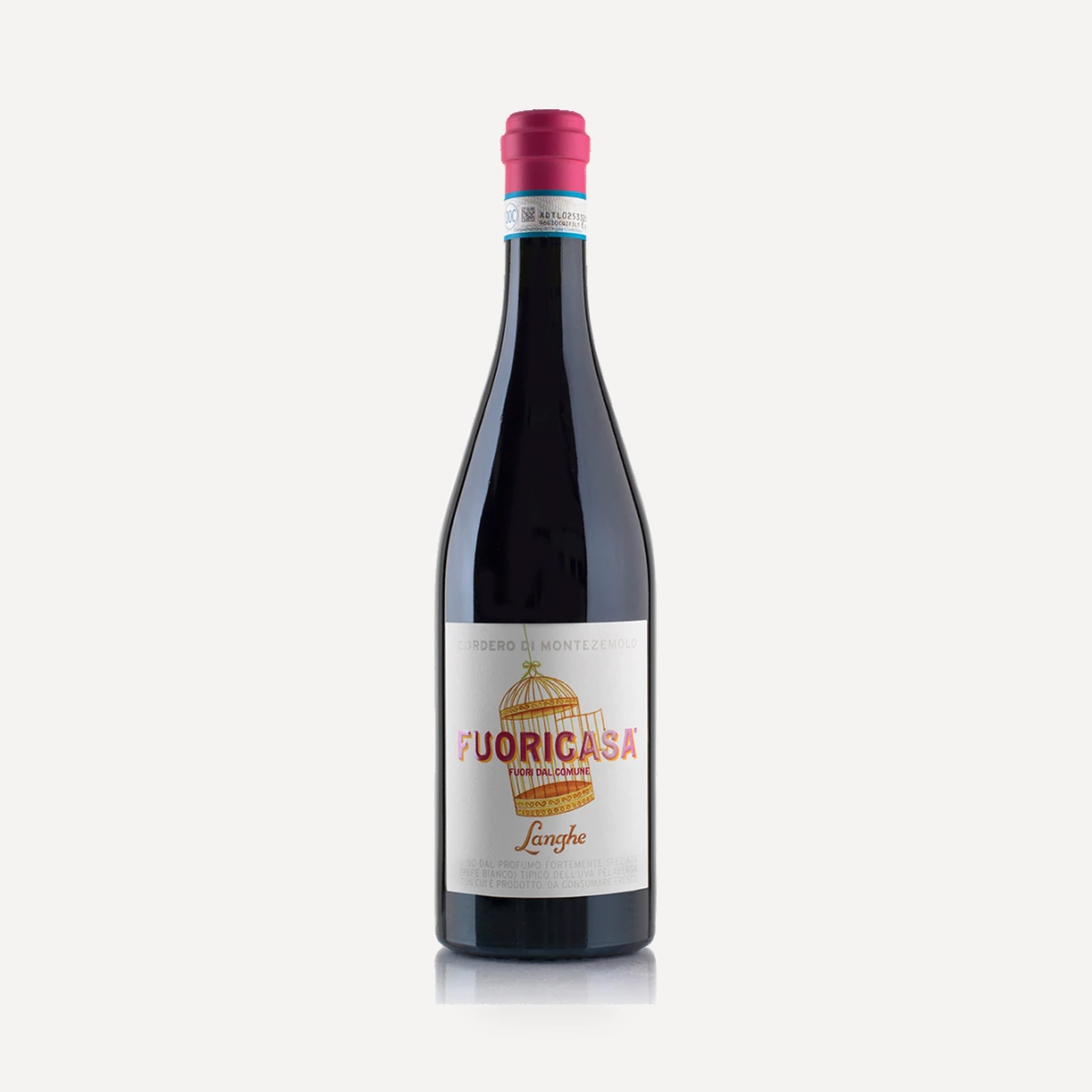
Fuoricasa®