Storia
From Paris to Montalcino
During the 1990s, Ornella Tondini and Lionel Cousin moved from Paris to Montalcino with their daughter, Orsa. Ornella had worked as a journalist for L’Autre Journal, while Lionel’s earlier career was in filmmaking and cinematography. Their relationship with Montalcino predated the move: they had spent much of their summer holidays at Frescobaldi’s Il Giardinello, where they hosted contemporary artists, actors, musicians and writers.
The acquisition of Centine
In 1994, Ornella and Lionel bought Centine, southwest of Montalcino and close to the medieval settlement of Camigliano. The land had been left uncultivated for more than 40 years. Consequently, it had not been exposed to chemical products, fertilisers, pesticides or other forms of industrial agriculture.
The first vineyards
In 1997, the couple planted 3.4 ha of organically certified vineyard around the south-facing hill: 2.4 ha of Sangiovese intended for Brunello di Montalcino and Rosso di Montalcino, 0.6 ha of Cabernet Sauvignon and 0.4 ha of Merlot. Carlo Ferrini assisted with the choice of vineyard land and vine material, as well as decisions concerning the training system and vine height. François Bouchet introduced the family to his practical form of biodynamics.
First vintage and stylistic direction
Cupano’s first vintage was 2000. From the outset, the objective was to make ageworthy wines in a French-inspired style, with an emphasis on evolution, elegance and complexity. Lionel, who was born in Cognac, developed his understanding of wine in Burgundy. Jacky Rigaux introduced him to the circle around Henri Jayer, whose approach became a reference for Cupano: a limited vineyard area, meticulous work among the vines, indigenous yeasts, maturation on fine lees in Burgundian barriques, and neither fining nor filtration.
Vineyard expansion
A further 3 ha was planted in 2013. This expansion comprised 2 ha of Sangiovese together with Cabernet Franc, Cabernet Sauvignon and Merlot, bringing the estate’s vineyard area to 6.4 ha.
Terroir
Cupano occupies a stony hill above the Ombrone River, southwest of Montalcino and near Camigliano. The elevated position overlooks the valley and the river below, while the stony ground provides good drainage and a high mineral content.
The estate lies approximately 30 km from the Mediterranean Sea. Its climate is temperate and influenced by sea breezes reaching the hill.
The soils consist of sandy clay over an extensive substructure of rounded cobblestones and other river sediments. The Ombrone formerly flowed across the present estate. Tectonic movement associated with Monte Amiata raised the hill, after which the river shifted down into the valley and left its sediments behind.
The first vineyard, planted around the hill in 1997, has a southern exposure. The estate lies among the hills south of Siena, within a landscape identified with Etruscan heritage and UNESCO-listed Montalcino.
Vinificazione
All 35 ha of the estate are farmed organically, and the vineyards have been certified organic since the first planting in 1997. The condition of Centine at acquisition provided an unusually clean starting point: the property had lain uncultivated for more than 40 years and had not been touched by chemical products, fertilisers, pesticides or industrial agriculture.
François Bouchet introduced Ornella Tondini and Lionel Cousin to a practical, straightforward form of biodynamics. The guiding vineyard philosophy emphasises a limited area under vine and meticulous attention to the plants.
Harvesting is manual. The picked grapes are taken to the cellar and held there for several hours to lower their temperature. They then undergo a second selection on a sorting table staffed by at least six people before destemming and gentle crushing.
Harvest reception and selection
The grapes are harvested manually and kept in the cellar for several hours so that their temperature can fall. A further selection takes place on a sorting table, with at least six people working around it. The selected fruit is destemmed and crushed very gently.
Fermentation and racking
Fermentation occurs naturally in stainless-steel tanks, without temperature control. Indigenous yeasts drive the process, while frequent pump-overs and délestage manage extraction. The cellar uses a measured addition of metabisulphite. The wine is racked first at the completion of alcoholic fermentation and again after malolactic fermentation. It then rests for several weeks before being transferred to barrel.
Élevage
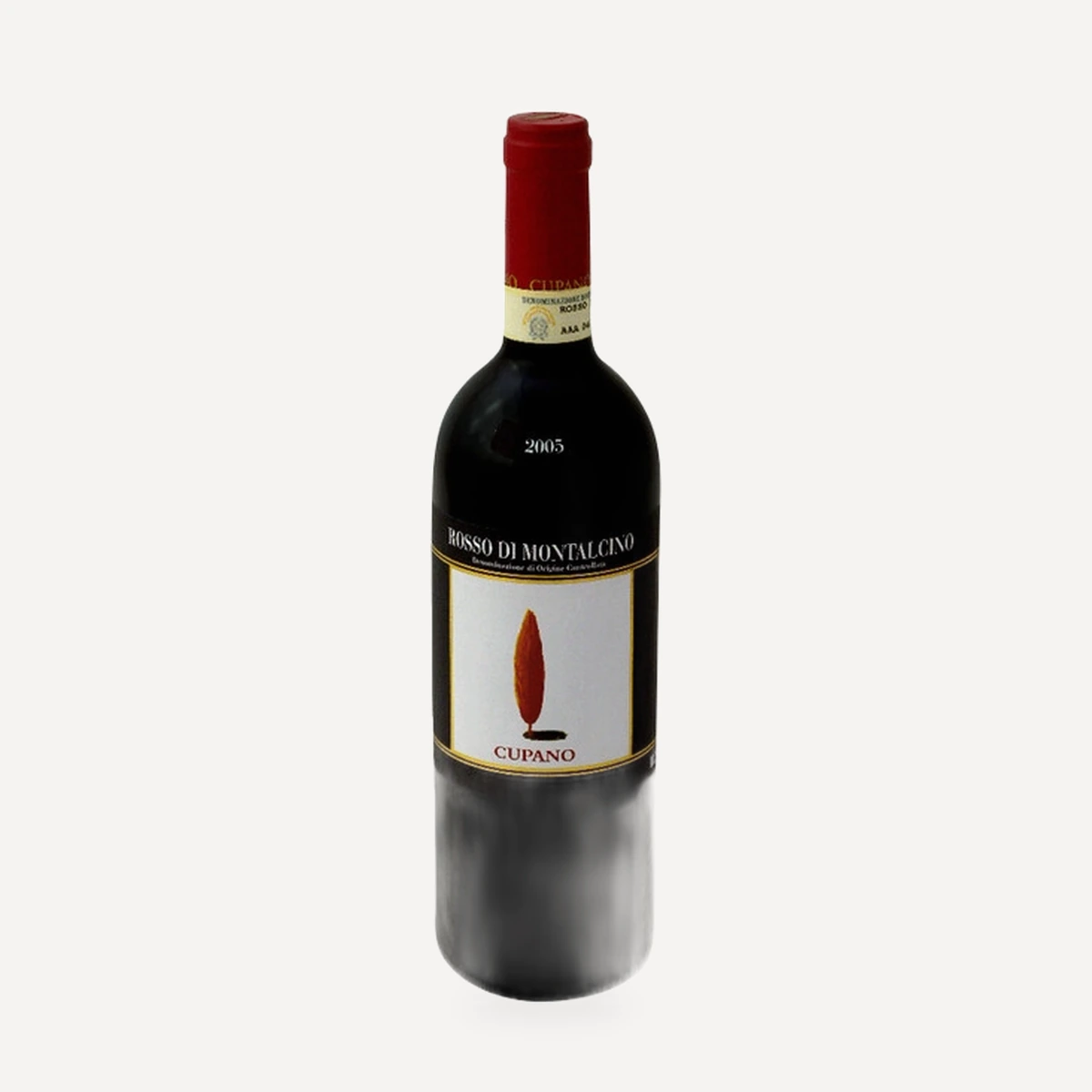
Maturation takes place on the fine lees in Burgundian barriques. The barrels are tasted regularly and rotated on an Oxoline rack system to stir the settled lees. Approximate maturation periods are 20 months for Rosso di Montalcino and Ombrone, three years for Brunello di Montalcino and four years for Brunello di Montalcino Riserva.
Blending and bottling
At the conclusion of élevage, each wine is assembled in stainless-steel tanks. After several weeks of natural settling, it is bottled without filtration. The broader house philosophy also excludes clarification or fining.
Filosofia
Cupano’s stated ambition is to translate into wine the memory of a place, a landscape and a growing season. The family regards its stony hill above the Ombrone as a grand terroir and seeks wines capable of evolution, elegance and complexity over time.
The stylistic model is French and especially Burgundian. Lionel Cousin’s formative experience around the circle of Henri Jayer shaped a philosophy based on maintaining a limited vineyard area, caring meticulously for the vines, fermenting with indigenous yeasts, ageing on fine lees in Burgundian barriques and avoiding both fining and filtration.
Organic farming began with the first vineyard, while François Bouchet’s teaching brought biodynamic principles into the estate’s work. The resulting approach joins close manual attention in the vineyard and cellar with natural fermentation, restrained handling and extended élevage.
Vini
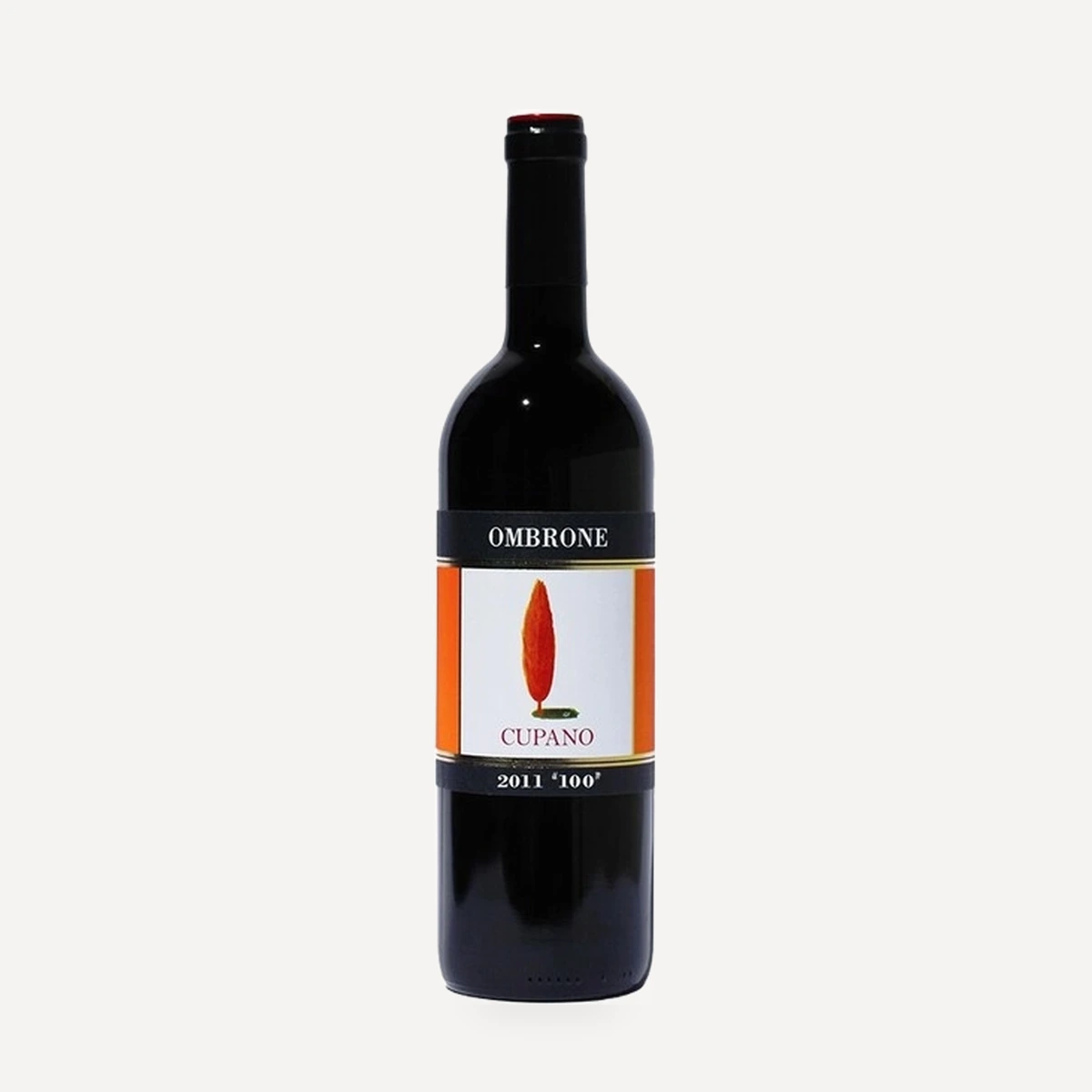
Ombrone 100 Sant'Antimo DOC
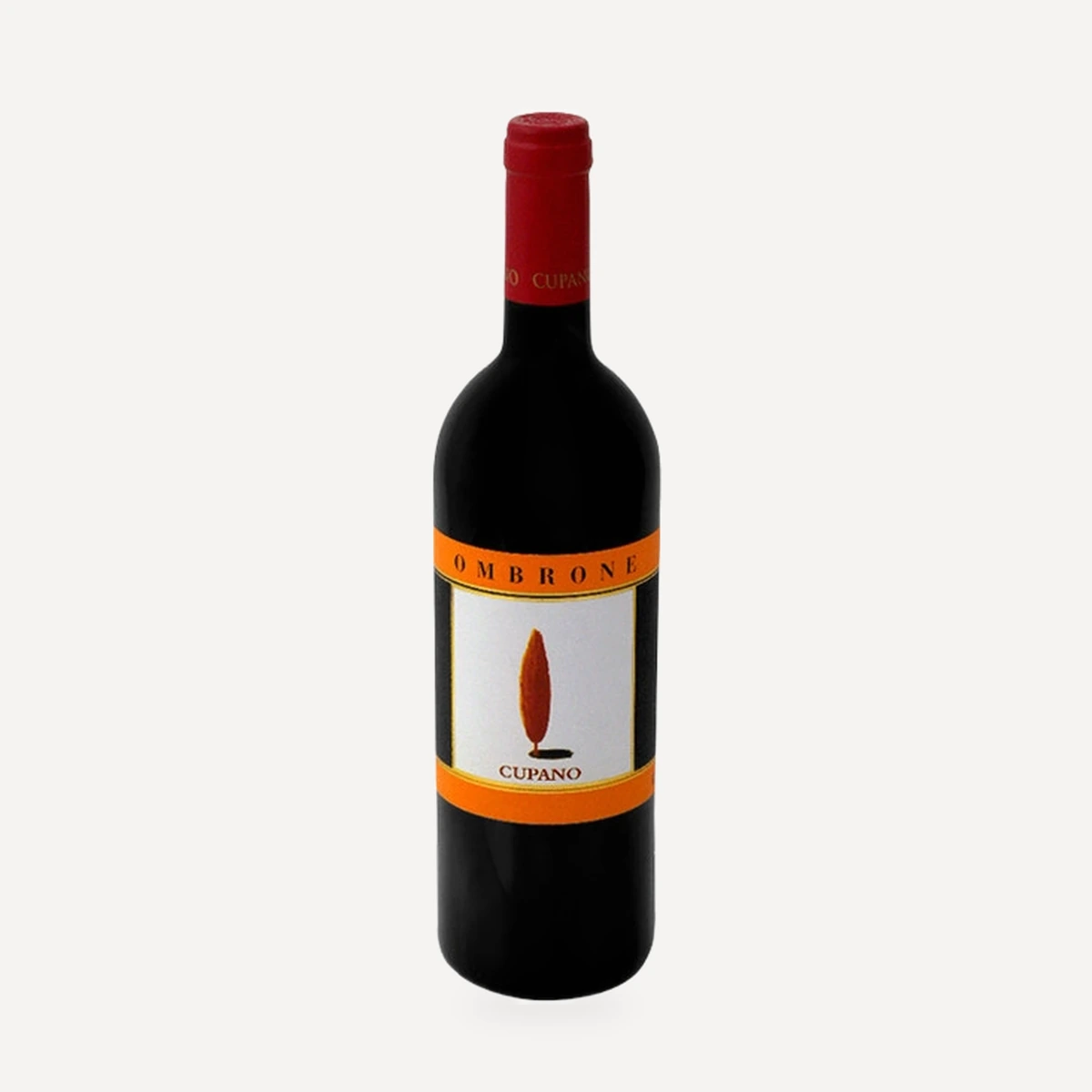
Ombrone Sant'Antimo DOC
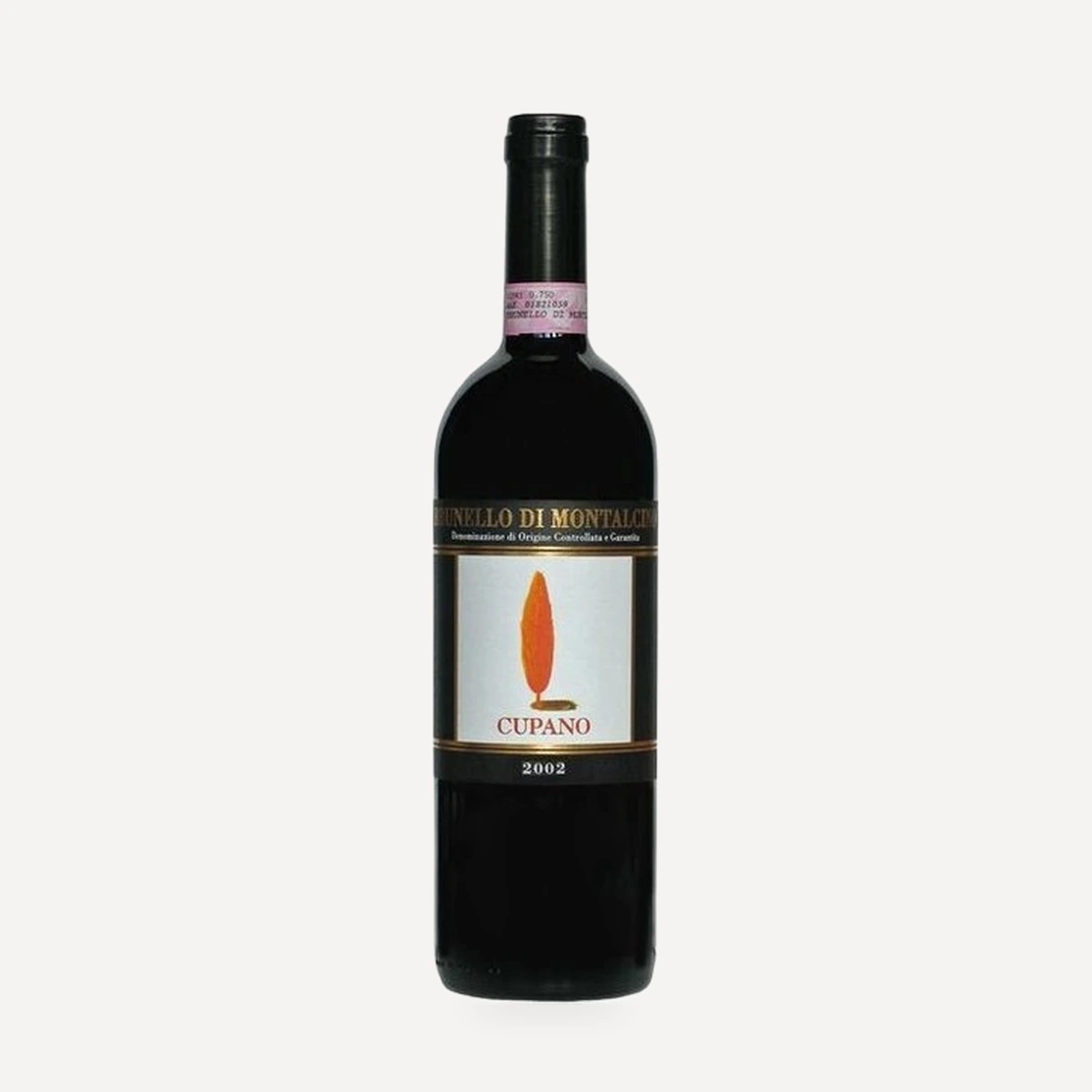
Brunello di Montalcino DOCG