Storia
The Fattoria di Manzano and the birth of the winery
The d’Alessandro family purchased the Fattoria di Manzano in 1967, when Cortona was still largely unknown as a source of quality wine. The estate lies at Manzano, in the municipality of Cortona in south-eastern Tuscany.
In 1987 the family launched an experimental wine programme and founded Tenimenti d’Alessandro. The first trials covered a few hectares—described in the English chronology as 10 acres—and compared numerous familiar and lesser-known varieties. The work identified varieties from the northern Rhône as particularly well suited to the local environment. Around 30 hectares—80 acres in the English chronology—of Syrah and Viognier were subsequently planted between the late 1980s and early 1990s.
The emergence of Viognier and Syrah
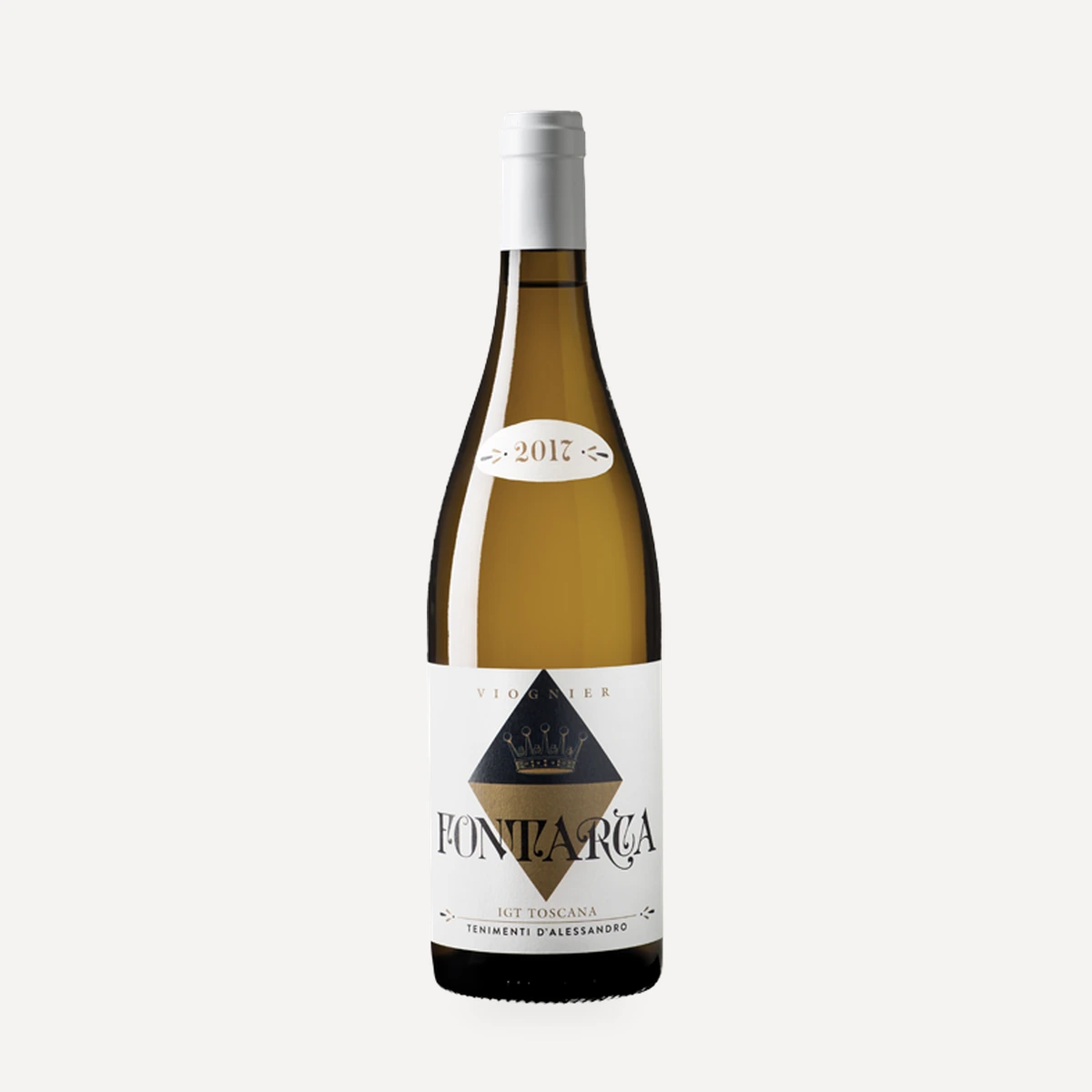
Viognier became an important part of the estate with Fontarca, whose first bottled vintage was 1990. The oldest vineyard associated with Fontarca was planted in 1988.
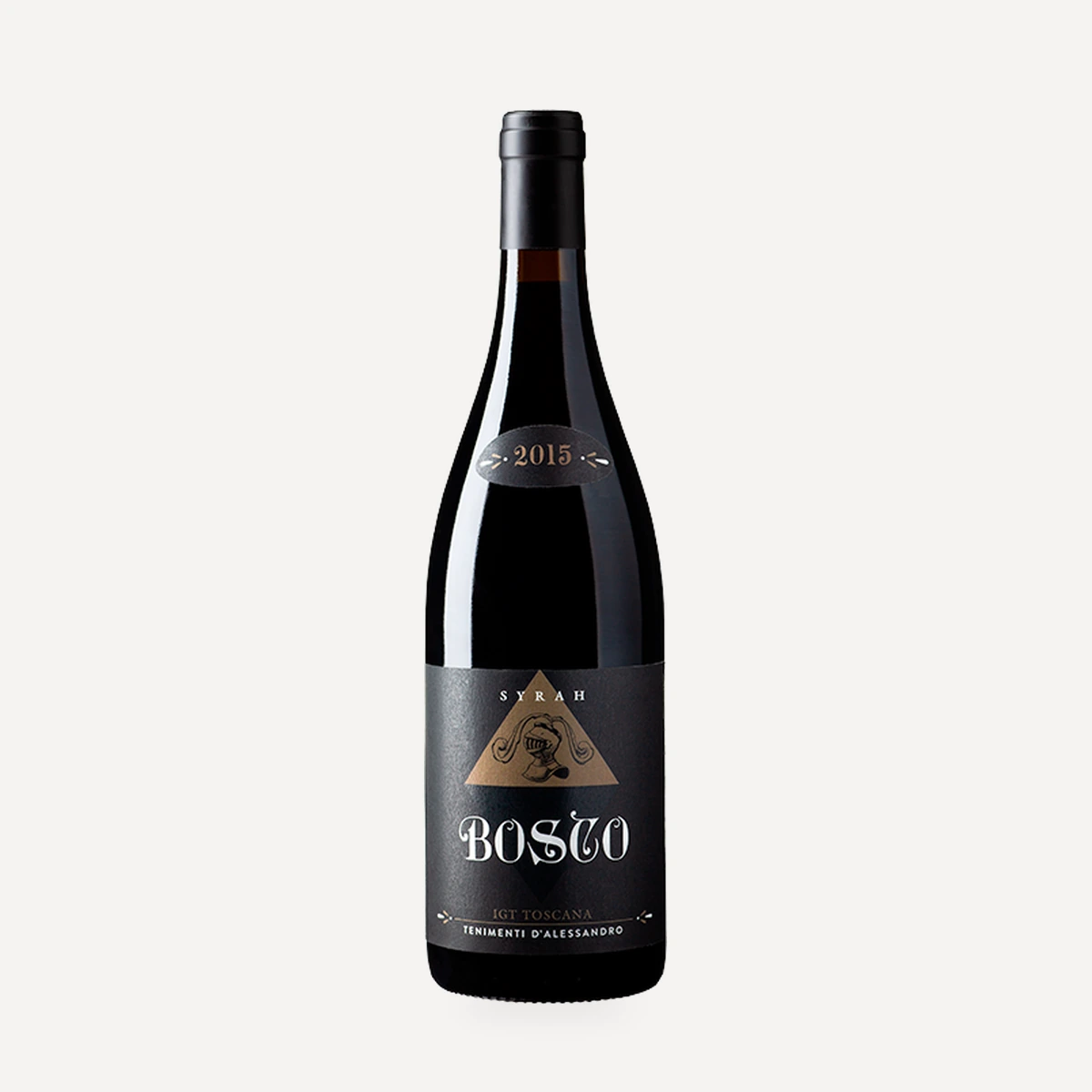
The first Bosco vintage followed in 1992. Produced as a varietal Syrah, it became the estate’s emblematic bottling. In 1999, Il Bosco 1997 appeared on the cover of The Wine Spectator.
The Cortona DOC was established in 2000. Its recognition followed the area’s experiments with Syrah and the perceived affinity between Cortona and the northern Rhône: warm, sunny days are followed by cool nights, while Syrah proved adapted to the local climate and soils. The Ministry of Agriculture recognized Syrah’s particular suitability to the Cortona terroir. Tenimenti d’Alessandro also appeared on the cover of Gambero Rosso in 2000.
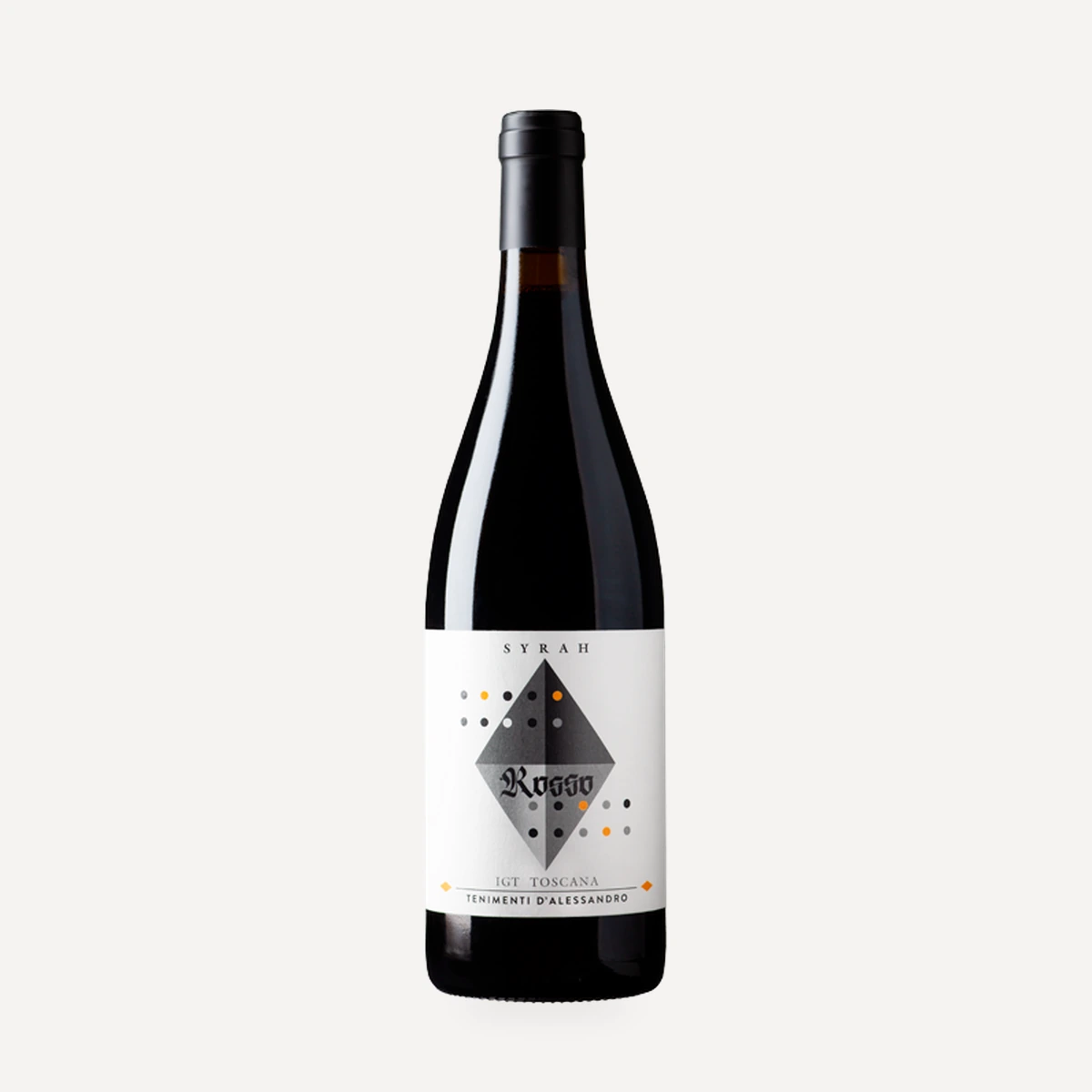
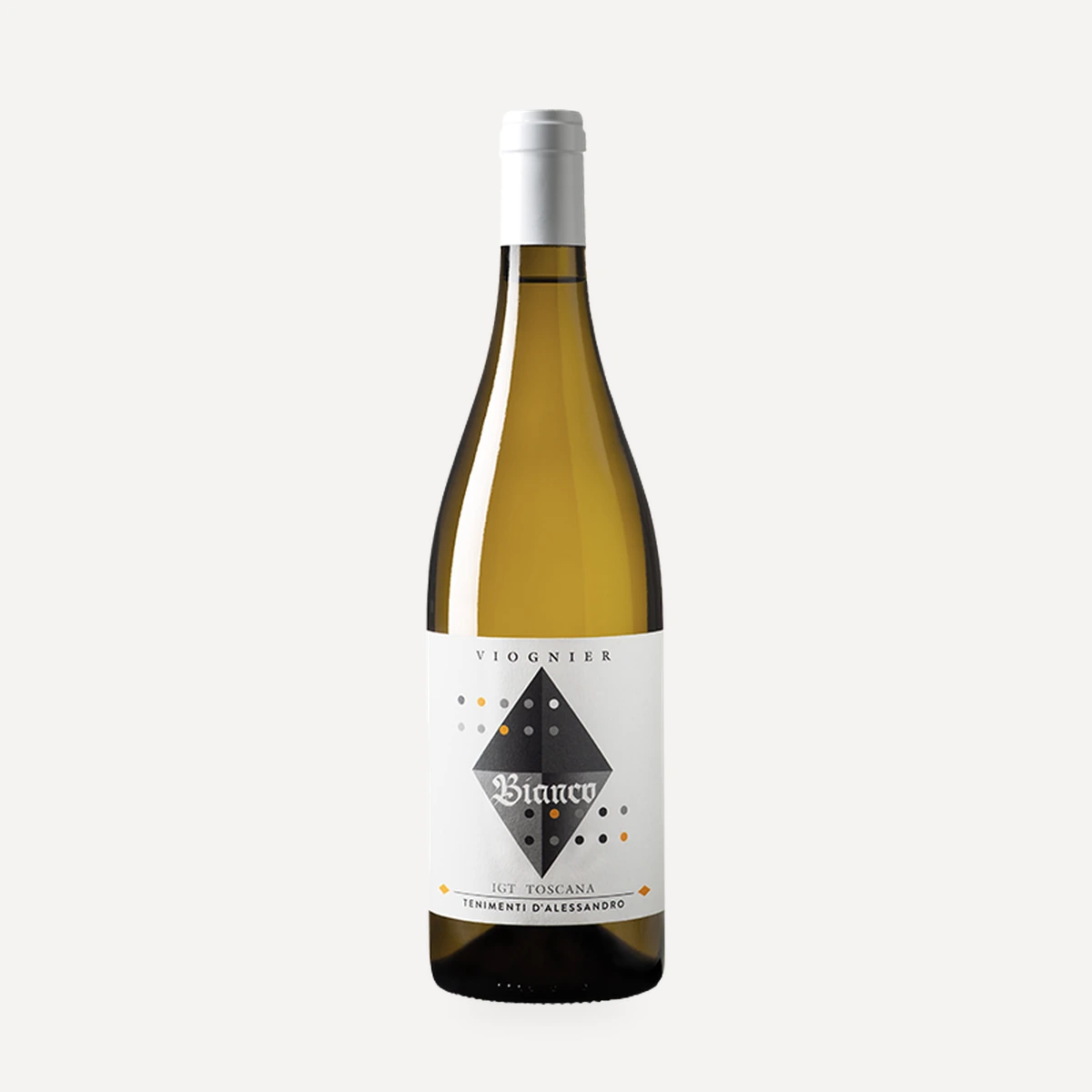
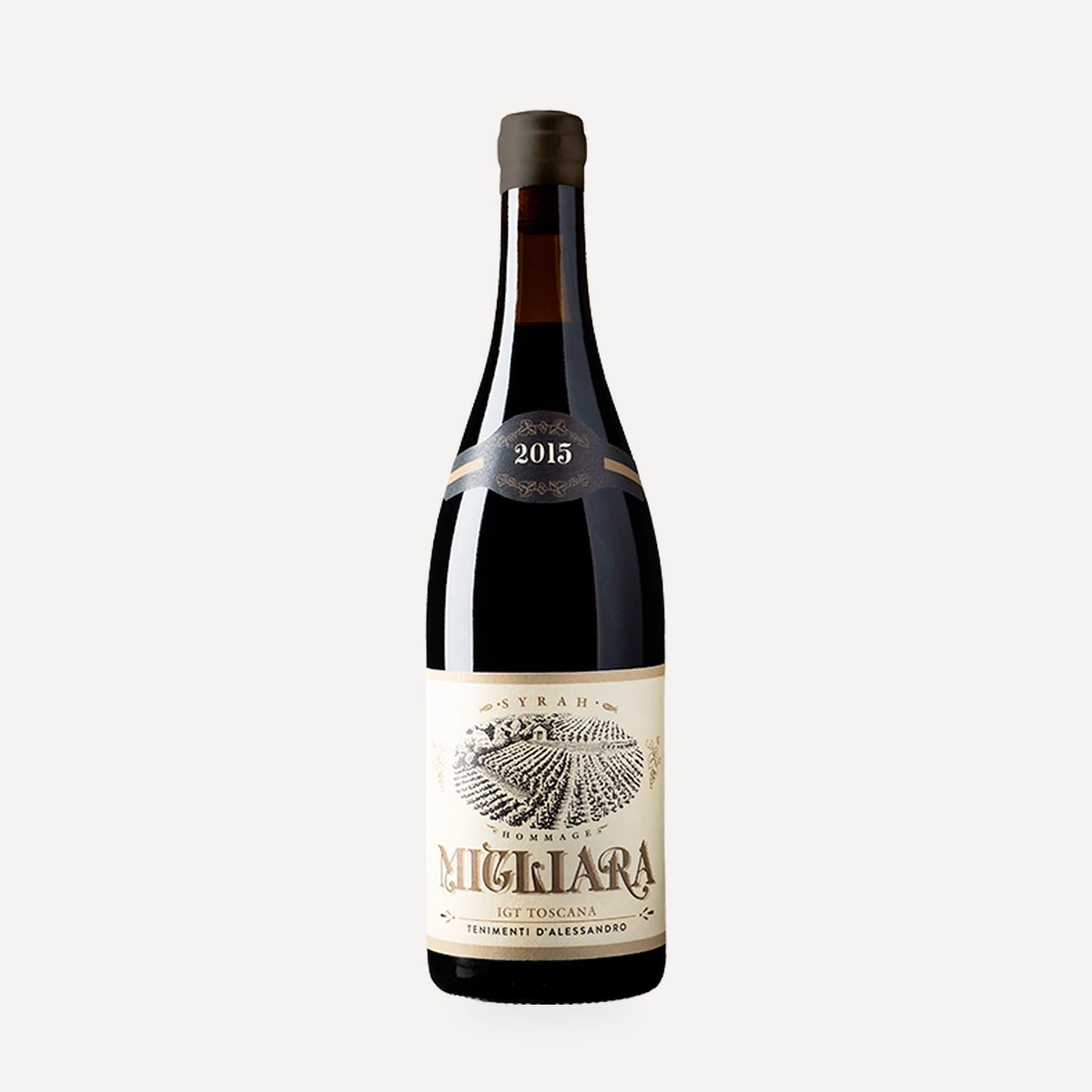
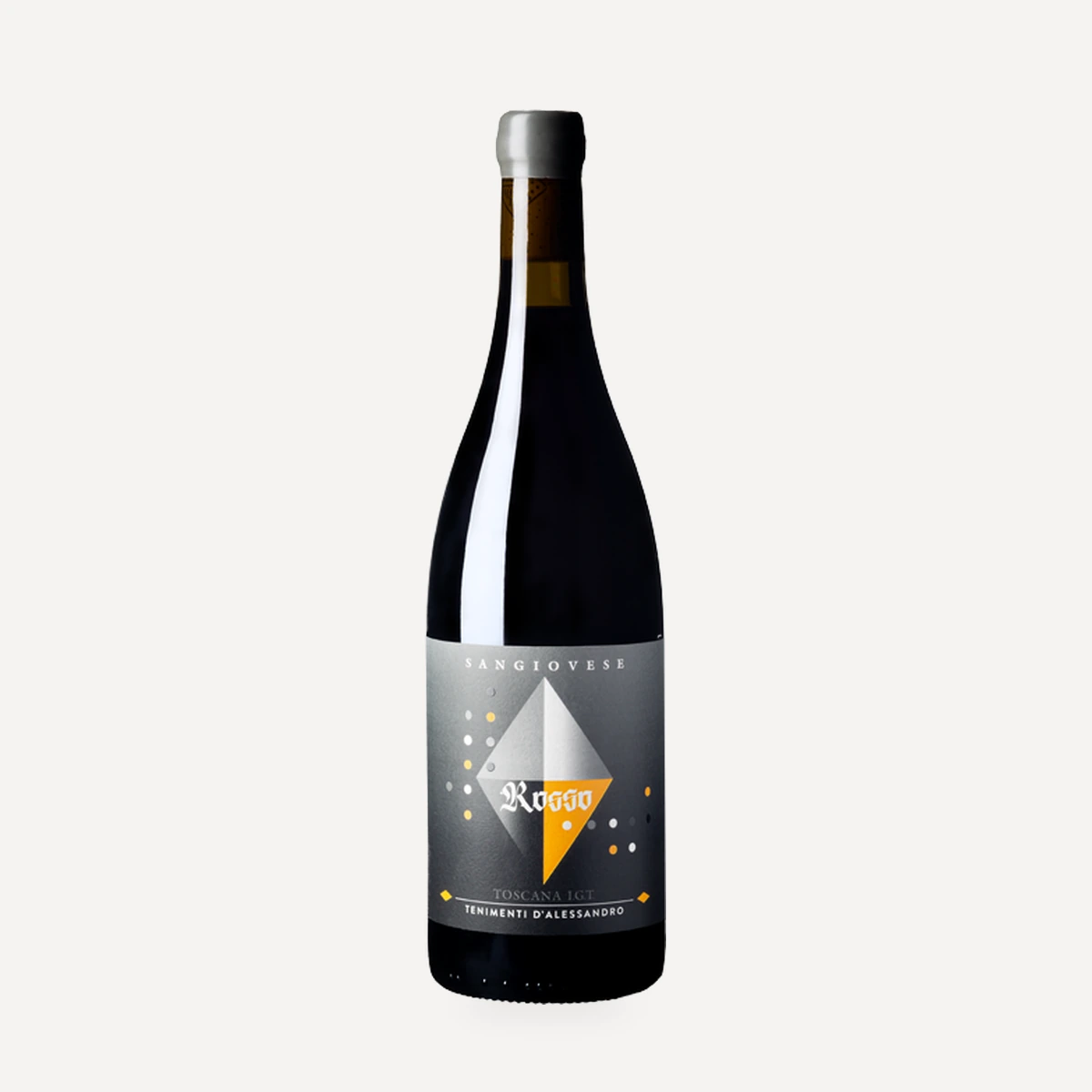
The first Migliara vintage was produced in 2006. Bianco and Rosso followed with their first vintages in 2010.
The Calabresi period
The Calabresi family became a partner in the business in 2007. The narrative history marks 2013 as the beginning of a new course under Calabresi leadership, while the formal chronology records the 2015 change of ownership, when Giuseppe Calabresi—already Massimo d’Alessandro’s partner—acquired the estate.
Filippo Calabresi became fully involved in production. After studying at the International Wine Center in New York, he developed his experience with Syrah alongside vignerons in France, California and Oregon. His approach begins in the vineyard, with organic cultivation, the exclusion of synthetic products and attention to vine health and balance; in the cellar, it emphasizes craftsmanship, local varietal identity and drinkability.
Organic certification and departure from Cortona DOC
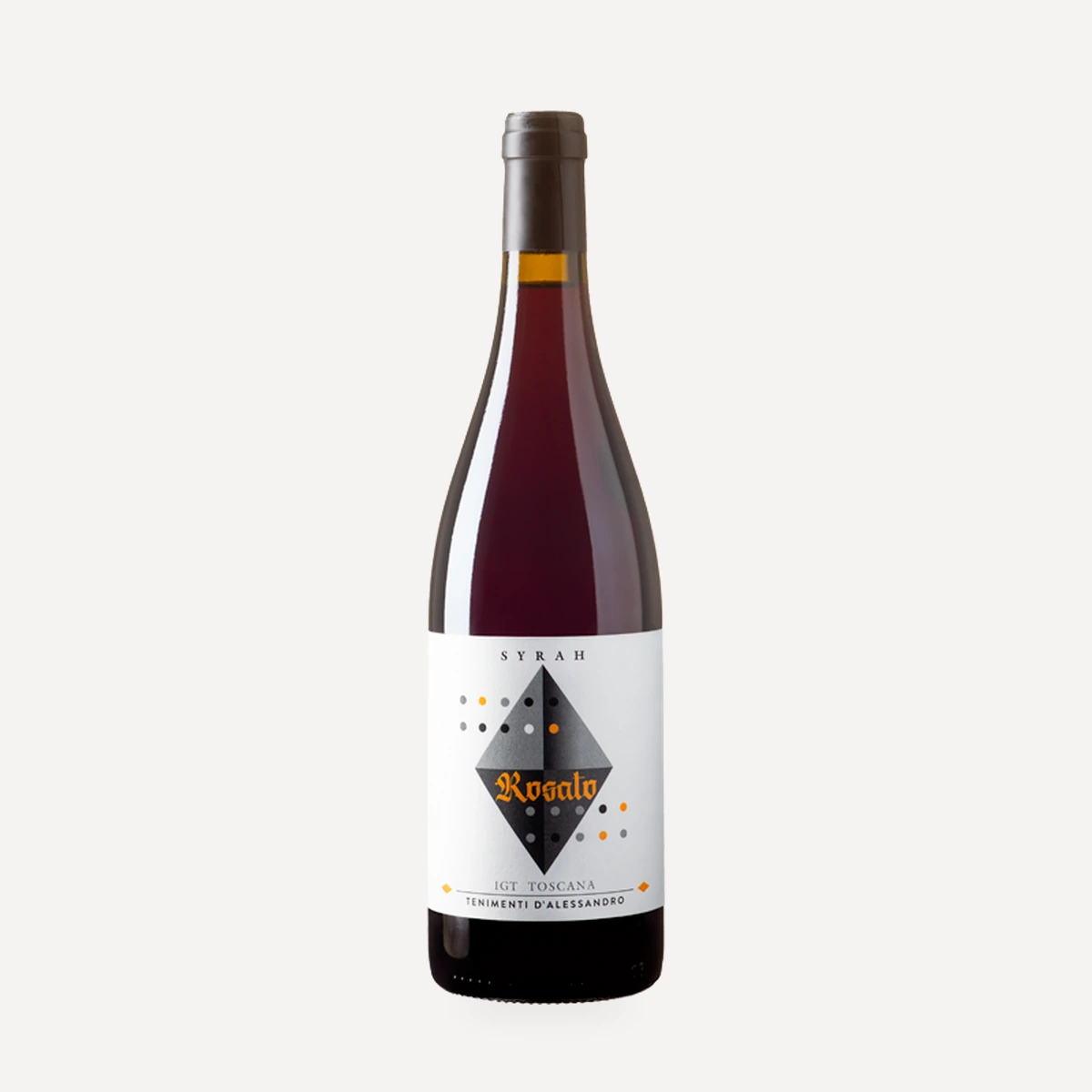
The estate obtained organic certification in 2016. Rosato debuted with the 2018 vintage.
In September 2018, Tenimenti d’Alessandro voluntarily moved all its forthcoming Cortona DOC wines to Toscana IGT. The change applied across the range rather than to a single bottling.
Terroir
Location and landscape
The vineyards occupy the hills of Manzano, below Cortona in south-eastern Tuscany. Identified sites lie between approximately 270 and 330 metres above sea level. The estate is connected to the Val di Chiana, whose reclamation was completed at the end of the eighteenth century.
Climate
The local mesoclimate combines hot, sunny days with cool nights. The growing environment is also characterized as warm, bright and dry. These conditions formed part of the experimental evidence that led the estate to focus on Syrah and Viognier.
More recent seasons have brought changing conditions: intense rainfall concentrated into short periods and very high summer temperatures. These shifts have affected planting-density decisions, soil access and the management of vine water stress.
Geology and soils
The underlying sedimentary deposits are Pliocene in origin and include clay, sand and silt. Individual vineyard descriptions distinguish clay-and-sand or clay-and-silt sectors from clay-and-limestone sites. Marine fossils and shells occur in the soils associated with Fontarca and Migliara, while the Migliara sector combines clay, limestone and fossil-bearing deposits in the reclaimed Val di Chiana landscape.
Vinificazione
The approximately 30 hectares of vineyards have been certified organic since 2016, and several bottlings carry Organic Wine certification from QCertificazioni. Synthetic products are excluded in favour of work directed toward vine health and physiological balance.
Planting density varies substantially by vineyard, from about 4,500 to 9,000 vines per hectare. Many high-density plantings established from the 2000s onward were planted at around 8,000 vines per hectare. Changing climatic conditions and premature ageing in some densely planted vineyards prompted an explanting and replanting programme with wider spacing.
The revised approach responds to very high summer temperatures, short but intense rain events and the need to manage water stress. Wider inter-row spacing gives roots more room to develop and permits work with conventional tractors when soils are not suitable for over-the-row machinery. It also improves access and management of the soil and vegetative wall.
Greater canopy aeration reduces humidity and phytosanitary pressure. This, in turn, allows lower quantities of copper and sulphur to be used in plant protection. Cordon-spur training predominates in Syrah; Viognier is trained with both cordon spur and Guyot. Vineyard harvest windows run from the end of August for Viognier and early-picked Syrah through the middle of September for the later Migliara parcel.
The cellar follows two broad production paths. Wines intended to emphasize immediate fruit and freshness are fermented and matured principally in steel. The cru wines are handled for greater complexity and ageing capacity through techniques associated with the northern Rhône, including whole-cluster fermentation, submerged-cap maceration and slow maturation in older wooden vessels.
White grapes may be pressed directly. Younger-vine Viognier ferments in steel and remains there for six months, while old-vine Viognier ferments in used 20-hectolitre barrels and barriques and matures in the same types of used wood for 18 months.
Early-picked Syrah for rosé receives eight hours of skin contact, followed by fermentation and six months of maturation in steel. Younger-vine red Syrah receives five days of skin maceration and ferments in steel, followed by 15 months divided between steel and cement.
The principal Syrah crus undergo 30–45 days of skin contact and ferment in oak with two-thirds whole bunches. They mature for 24 months in used 34-hectolitre wooden vessels and barriques. Bottle ageing ranges from nine months for Migliara to 12–18 months for Bosco.
Across these approaches, the stated objective is to retain the identity of the Manzano vineyards and varieties while preserving drinkability. Cellar work is presented as artisanal and deliberately low in technological showmanship.
Filosofia
Tenimenti d’Alessandro’s approach grew from experimentation rather than from a predetermined allegiance to a local or fashionable grape. The founding trials sought the varieties best adapted to Manzano’s climate and Pliocene soils; Syrah and Viognier emerged as the principal result.
Under Filippo Calabresi, the work begins with healthy, balanced vines farmed organically and without synthetic products. In the cellar, craftsmanship and traditional techniques are used to convey the local identity of the varieties. The range is divided conceptually between fruit-driven, fresh wines raised in steel and cru wines whose complexity and ageing potential are developed with whole bunches, submerged caps and slow maturation in old wood.
Drinkability remains a stated goal even for the more ambitious selections. The estate presents tradition as something to be tested and adapted: its reassessment of high planting densities in response to vine longevity, rainfall, heat and water stress extends that experimental attitude into contemporary vineyard management.
Vini
Bianco
Fontarca
Bosco
Migliara
Sangiovese
Rosato