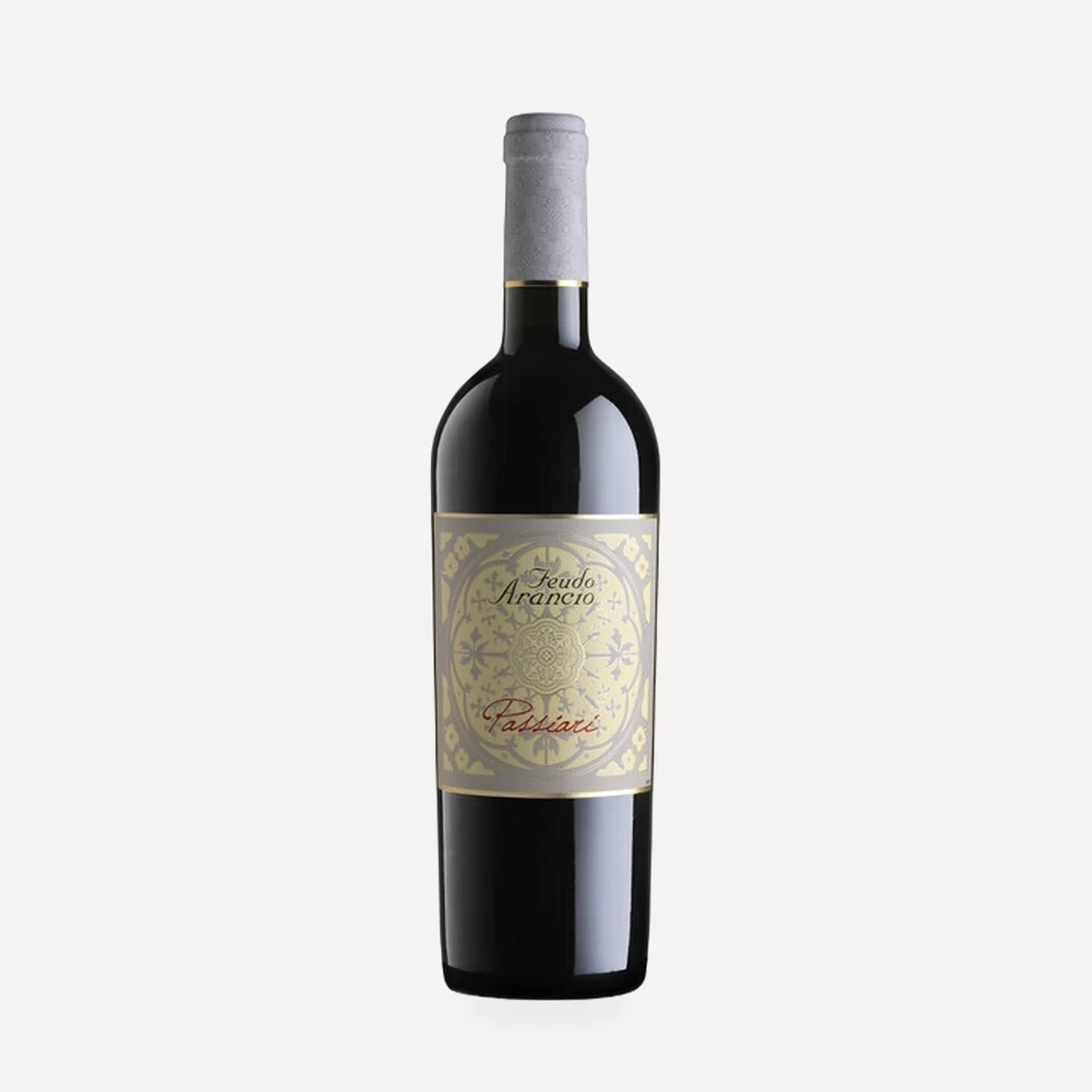
Storia
A young Sicilian winery
Feudo Arancio describes itself as a young winery devoted to interpreting Sicily through both native and international grape varieties. Its vineyards extend for 600 ha along Sicily’s southern coasts and are divided between two estates: Sambuca di Sicilia, in the province of Agrigento, and Acate, in the province of Ragusa.
The winery at Sambuca di Sicilia was conceived in the form of a traditional Sicilian baglio, with buildings arranged around an internal courtyard. Existing tuff quarries were recovered and incorporated into the estate rather than erased, linking the modern production complex with the local landscape. Technological development, renewable energy and resource conservation were integrated into the design and operation of the winery.
2002: EMAS and environmental management
In 2002, Feudo Arancio became the first Italian winery to obtain registration under the European Union’s Eco-Management and Audit Scheme, or EMAS. Its production cycle also obtained UNI EN ISO 14001 environmental-management certification. Environmental strategies have subsequently been treated as an evolving programme of continuous improvement.
2016–2022: expansion of certified sustainability
The vineyards entered the SQNPI national integrated-production quality system in 2016, followed by the wines in 2017. Feudo Arancio added Equalitas – Sustainable Organization Module certification in 2020. In 2022 it obtained both SOStain and VIVA – Sustainability in Italian Viticulture certification.
Alongside these certification milestones, the estates developed a coordinated environmental programme encompassing renewable energy, winter water storage, computer-controlled drip irrigation, differentiated waste collection, alternative pest-management techniques and the protection of habitats with high natural value.
Terroir
Two estates on Sicily’s southern side
The 600 ha of vineyards extend along Sicily’s southern coasts between Sambuca di Sicilia, in the province of Agrigento, and Acate, in the province of Ragusa. The two estates contain contrasting combinations of elevation, soil and exposure rather than a single uniform terroir.
Sambuca di Sicilia
At Sambuca, the documented vineyard environments include calcareous soils near a recovered tuff quarry and clay-rich hillsides. The organically cultivated Grillo site lies at approximately 200 m above sea level, beneath the tuff quarry and exposed to winds arriving from the nearby Mediterranean. The organically cultivated Nero d’Avola site occupies a gently sloping, particularly well-ventilated clay hill at 300 m. It stands in the part of the property most exposed to winds and air currents, conditions used to reduce fungal-disease pressure.
Other Sambuca vineyard descriptions identify sunny sites with a modest clay component for Pinot Noir, slightly clayey and sunny ground for Cabernet Sauvignon, and well-drained, less sun-exposed soils for Merlot, where reduced exposure helps protect aromatic delicacy.
Acate
Acate includes loose, sandy soils suited to fragrant white varieties. The Pinot Grigio vineyard is described as sandy, sloping and sunny, while Inzolia grows on loose sandy ground and Chardonnay on moderately poor, sun-exposed soils. Estate vineyards in southeastern Sicily also experience a warm climate with marked temperature variation; light sandy soils are associated with finesse and aromatic clarity.
Across the properties, vineyards coexist with lemon trees, olive groves and surviving areas of vegetation with high natural value. Seven artificial lakes capture winter water for use during the dry summer period.
Vinificazione
Plant and soil management
Vine care is regular and meticulous, with the aim of supporting the grapes’ natural phytosanitary protection. Vineyard grassing is used to limit soil erosion. Nitrogen-fixing plants are incorporated into the soil to reduce fertilizer requirements.
The crop-protection programme rejects conventional chemical treatments in favour of alternatives including copper, sulfur, beneficial insects and sexual-confusion techniques against harmful insects. Particularly windy vineyard positions are also used to lower fungal-disease pressure.
Water and resources
Seven artificial lakes collect water during winter for use in summer. Computer-controlled drip-irrigation systems deliver water according to need and are intended to prevent waste.
Solar thermal panels provide hot water, photovoltaic panels generate electricity, and purchased electricity also comes from renewable sources. Waste is separated and handled by specialist contractors.
Biodiversity
Areas of high natural value remain within the estates. Rare flora, including numerous species of wild orchid, is protected through periodic habitat-management work. Orchid populations have been mapped during flowering, classified and photographed. Broader measures include cataloguing and protecting local flora and fauna, establishing a lemon garden and safeguarding the environment around a white-stork nesting site near the vineyards.
Certifications
- EMAS – Eco-Management and Audit Scheme: since 2002; Feudo Arancio was the first Italian winery to obtain it.
- UNI EN ISO 14001: certified environmental-management system; initial year not stated.
- SQNPI – National Quality System for Integrated Production: vineyards since 2016 and wines since 2017.
- Equalitas – Sustainable Organization Module: since 2020.
- SOStain: since 2022.
- VIVA – Sustainability in Italian Viticulture: since 2022.
The Quèto Grillo and Nero d’Avola vineyards at Sambuca di Sicilia are explicitly cultivated organically. No organic certifying organization or certification date is identified for that range.
Winery and production organization
The winery follows the plan of a traditional Sicilian baglio, with a characteristic internal courtyard. The development also recovered and enhanced pre-existing tuff quarries. Its buildings incorporate renewable-energy and resource-saving considerations.
Production is based on grapes from 600 ha divided between the Sambuca di Sicilia and Acate estates. Native and international varieties are selected individually and cultivated as distinct varietal plantings. An established team of oenologists and agronomists manages production with advanced technology.
Environmental management extends through the production cycle. Solar thermal and photovoltaic installations provide renewable energy, purchased electricity comes from renewable sources, and waste is separated for disposal through specialist operators. The complete production cycle is covered by UNI EN ISO 14001 environmental-management certification, while wines have held SQNPI integrated-production certification since 2017.
Filosofia
Feudo Arancio presents love for Sicily, innovation and sustainability as the three foundations of its work. Its stated aim is to interpret the island through wine by exploring its grapes, colours, aromas and cultural atmosphere while offering them in a contemporary form.
The winery combines cultivation of traditional Sicilian varieties with an international outlook and modern technology. Knowledge of the land and attentive observation of nature are treated as prerequisites both for quality and for environmental responsibility.
Sustainability is framed as a practical commitment rather than a single technique: plant care, alternative crop protection, efficient irrigation, renewable energy, habitat conservation and independently certified management are intended to work as one system. Continuous improvement is part of the environmental-management approach.
Hospitality and enjoyment form another part of the identity. The Sicilian word scialare—to enjoy oneself or savour the moment—expresses the intended social character of the wines. The estate also connects sustainability with safety, responsibility, informed choices and moderate wine consumption.
Vini
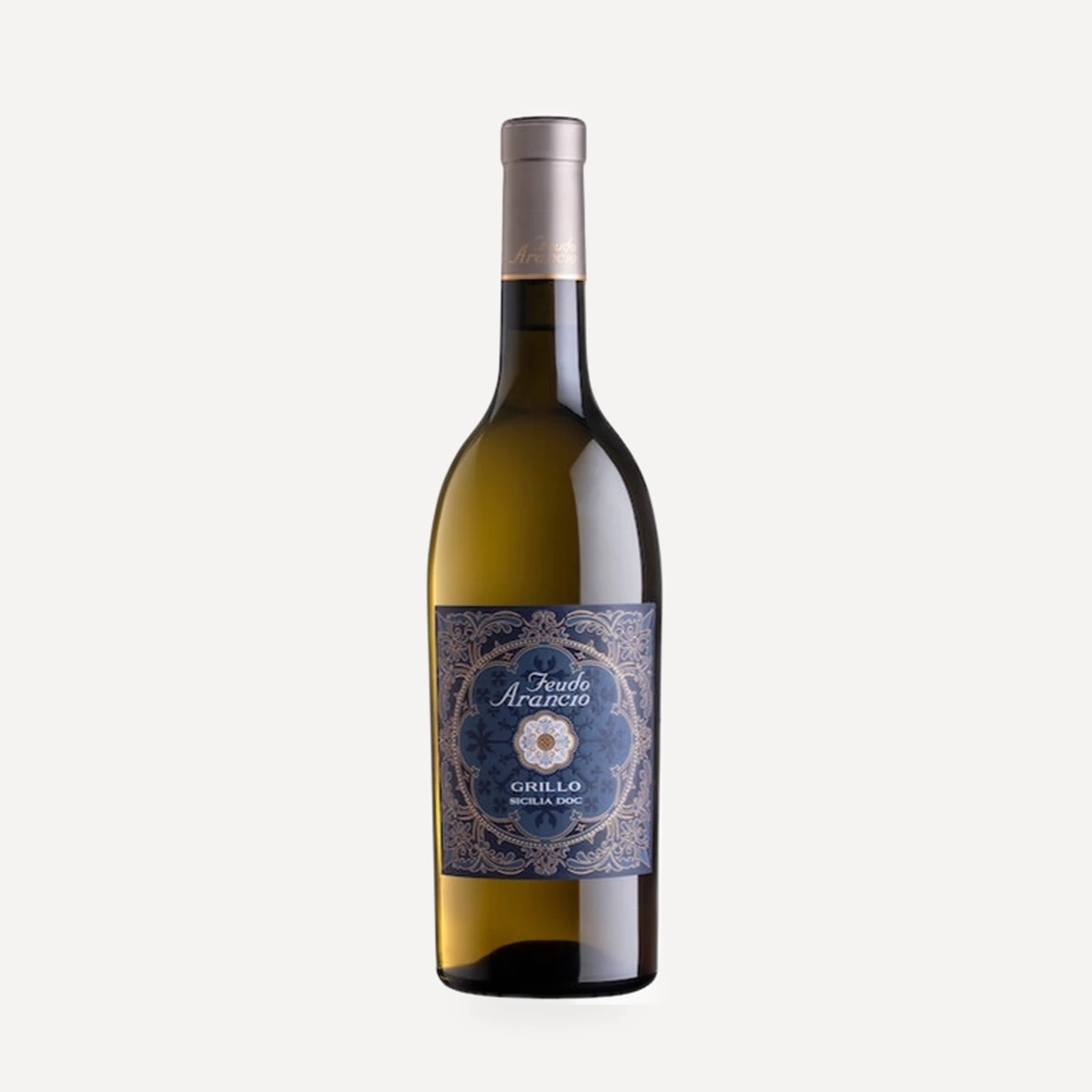
Feudo Arancio Grillo
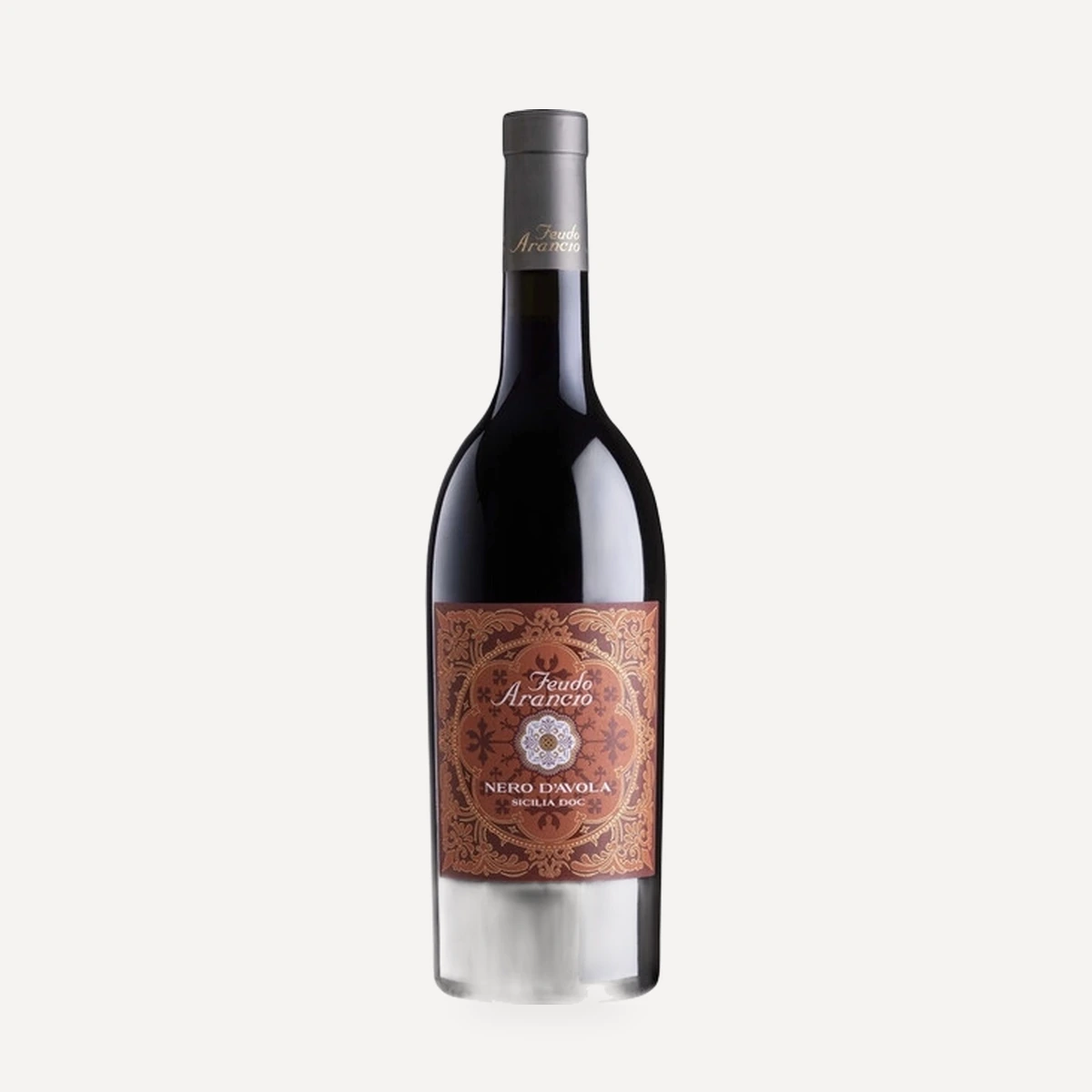
Feudo Arancio Nero d'Avola
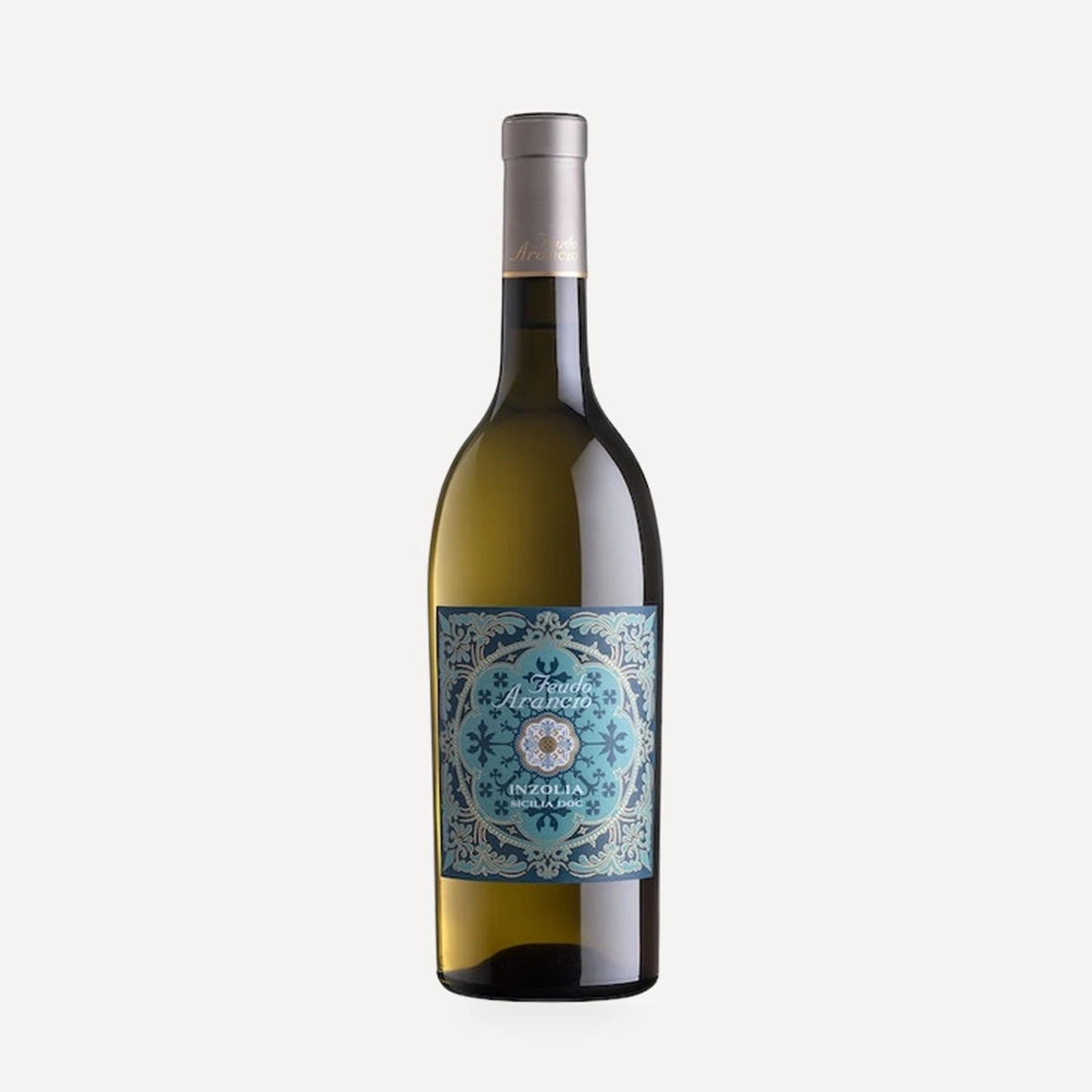
Feudo Arancio Inzolia
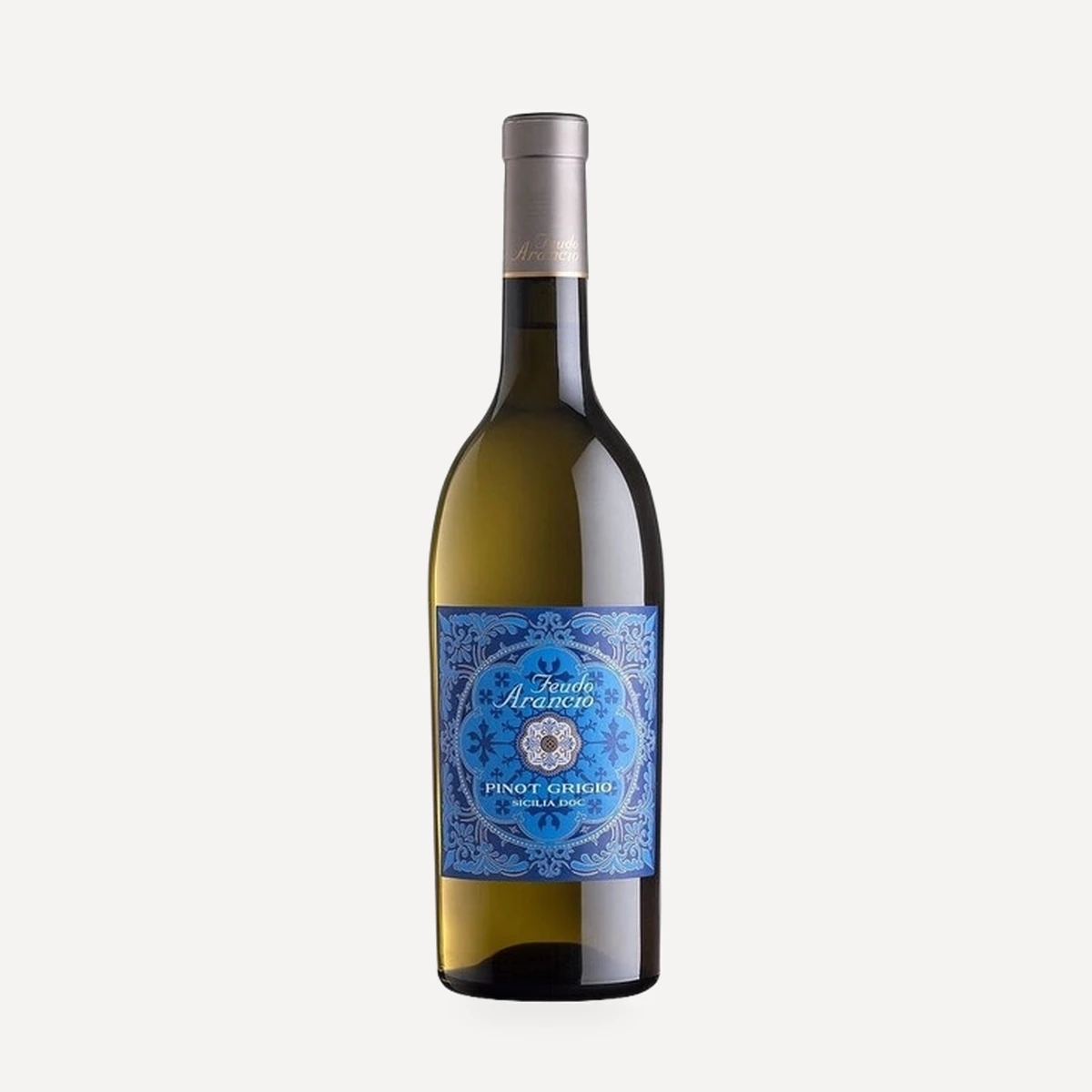
Feudo Arancio Pinot Grigio
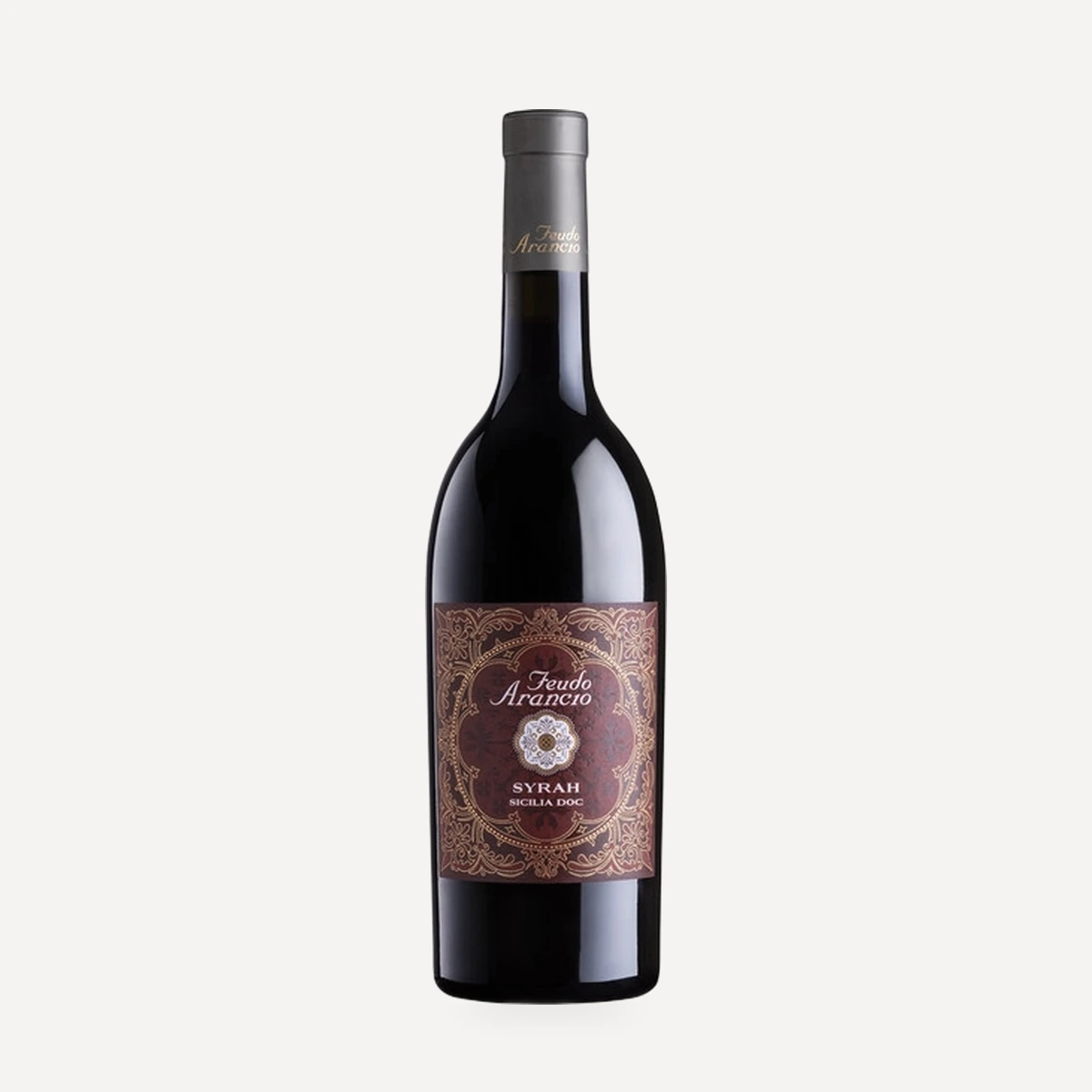
Feudo Arancio Syrah
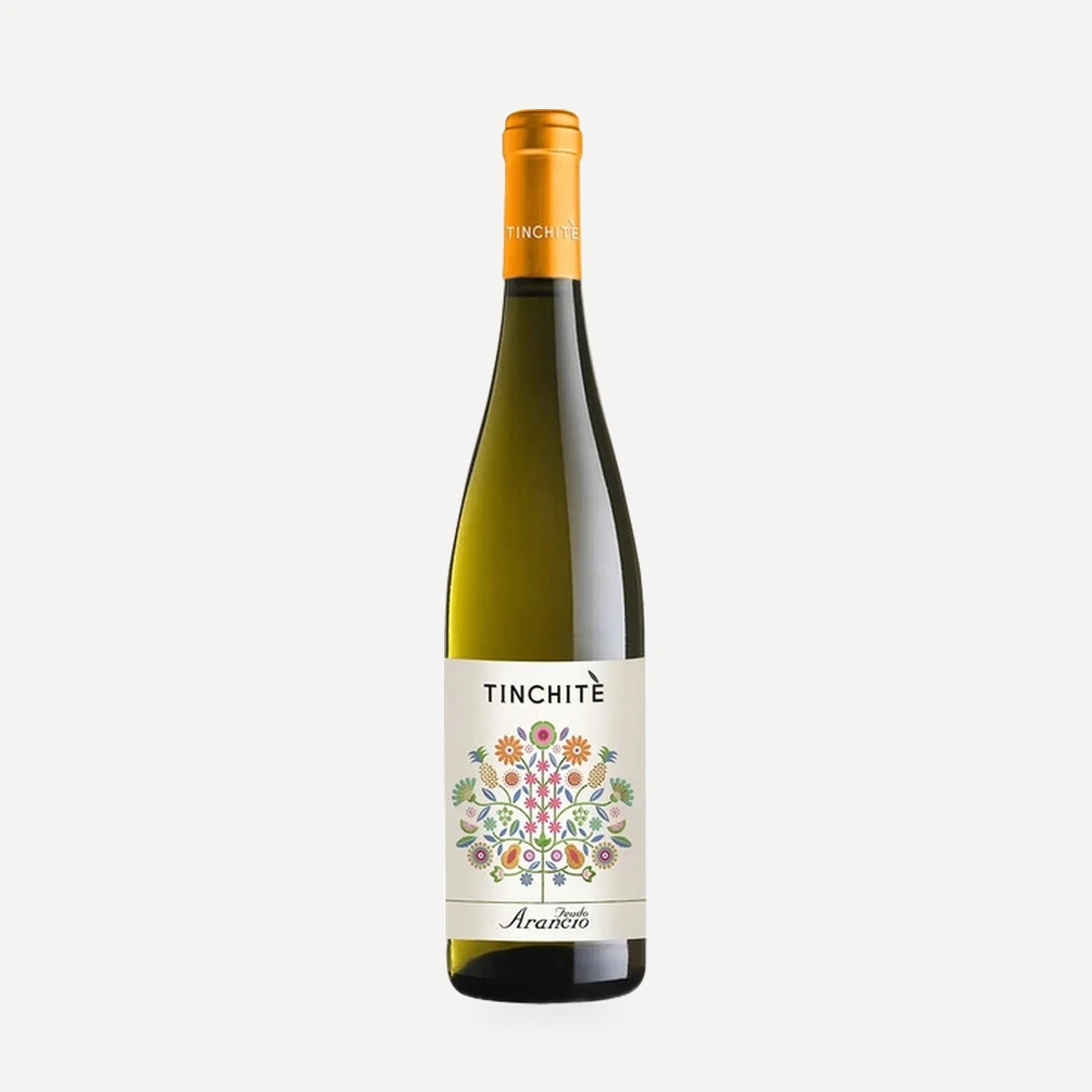
Tinchitè
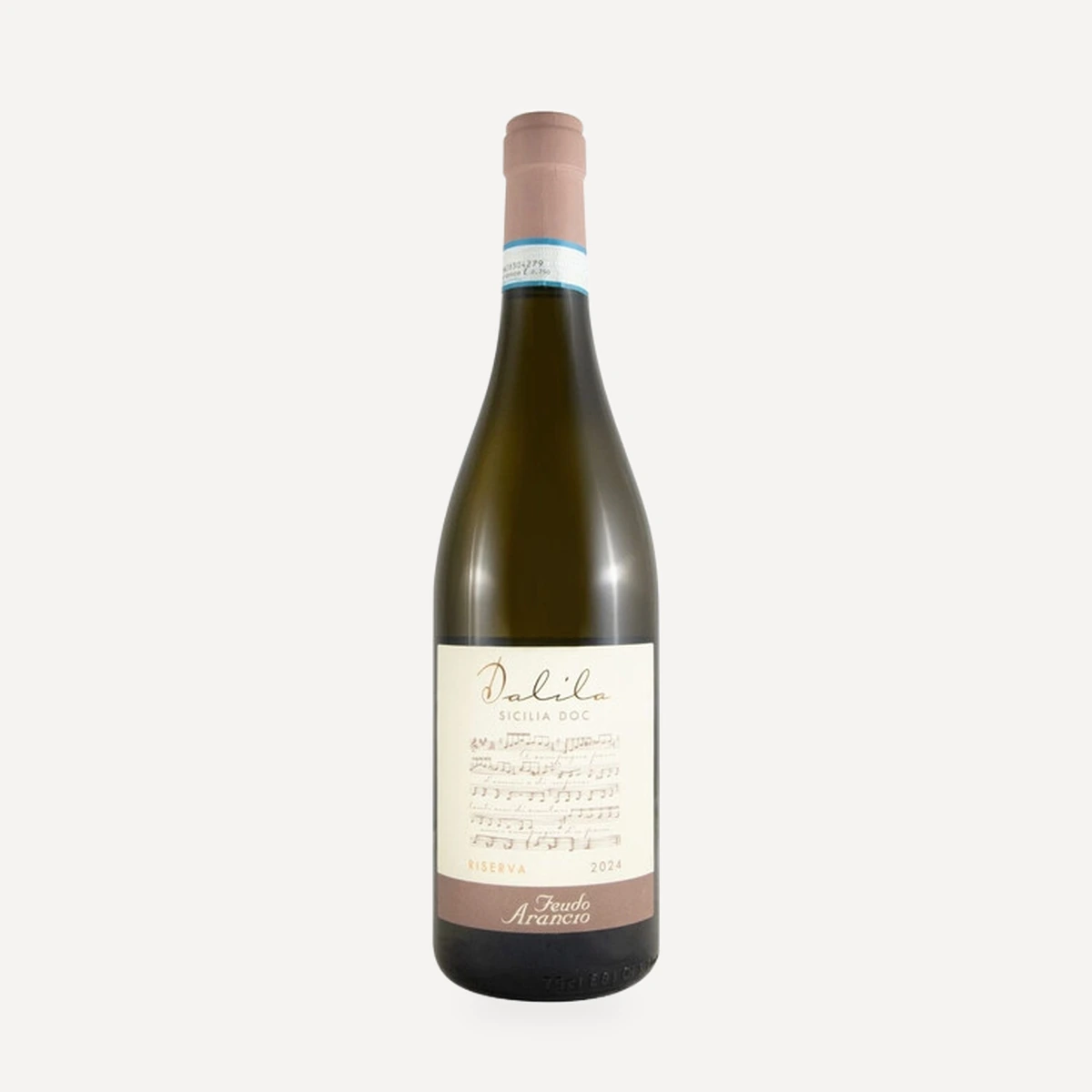
Selezioni Dalila
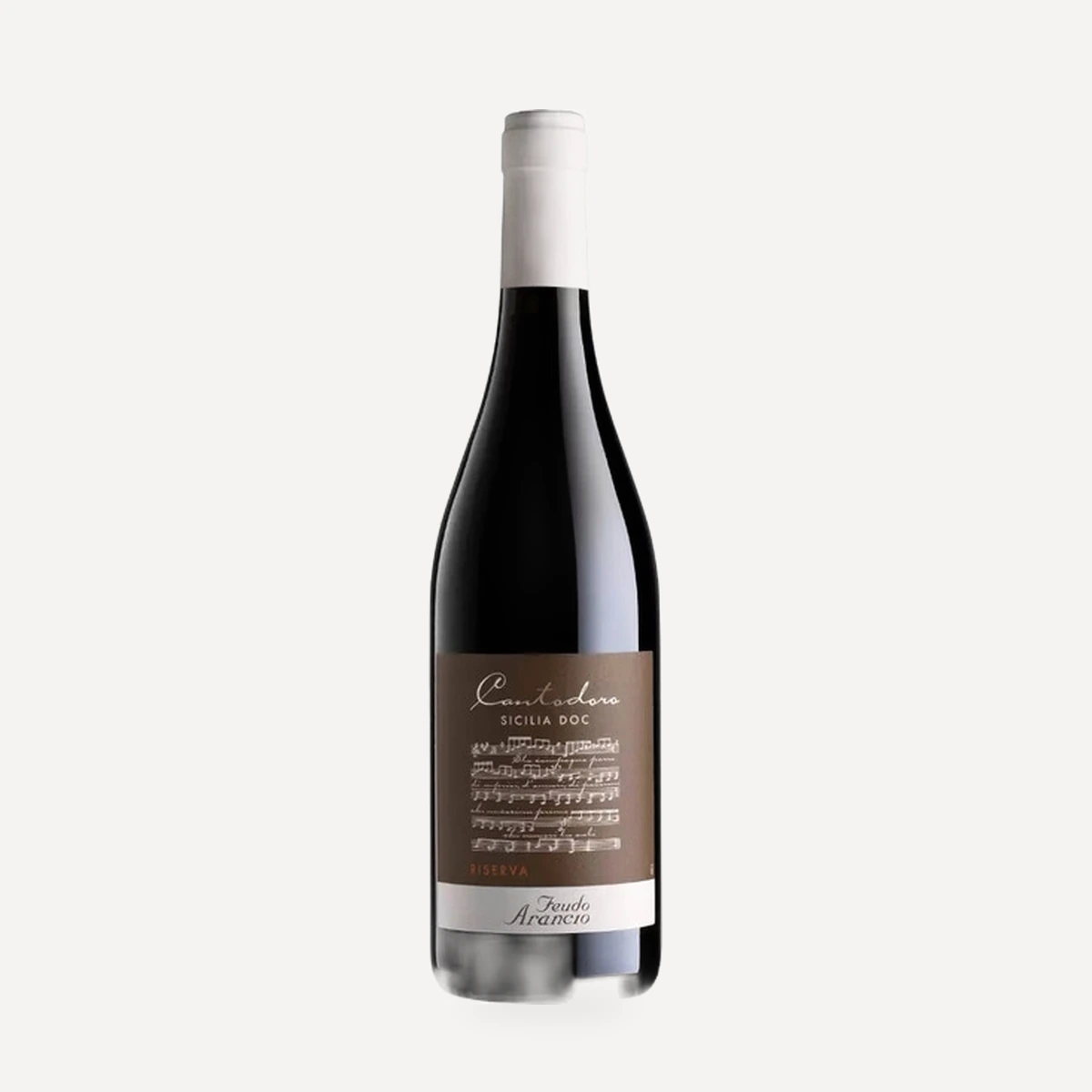
Selezioni Cantodoro