Storia
The Forno family in Santo Stefano Belbo
The earliest documents concerning the Forno family of Santo Stefano Belbo date to 1600. The family’s long association with the locality survives in the place-name Cascina Forno, which continues to appear on maps and is also known as Tenuta Il Falchetto.
1940: the first bottled Moscato
Pietro Forno came from a family of winegrowers and wine enthusiasts. In 1940 he began producing and selling the family’s first bottles of Moscato, the date from which Il Falchetto identifies its activity as both vinegrower and wine producer.
Early 1970s: Natalino and Luigi Forno
At the beginning of the 1970s, Pietro transferred responsibility for the business to his sons, Natalino and Luigi. They renovated the winery premises, installed new machinery to improve control of alcoholic fermentation and purchased additional vineyard land. Their development of the estate combined technical innovation with continuity of local tradition.
Il Falchetto today
Management subsequently passed to the brothers Giorgio, Fabrizio and Adriano Forno. The family’s holdings now comprise six estates: three in the province of Cuneo, at Santo Stefano Belbo and Castiglione Tinella, and three in the province of Asti, at Agliano Terme and Calosso. Moscato bianco and Barbera are the principal varieties, cultivated respectively within the Canelli DOCG and Nizza DOCG subzones.
The production facilities include a barrel room using 30 hL casks and 2.25 hL French-oak barriques, as well as a restored crutin, an underground cave excavated in tuff approximately 20 metres below ground. Earlier generations used this naturally conditioned space to mature and preserve their best wines; it now accommodates bottles of Alta Langa DOCG awaiting final disgorgement.
Terroir
Between Langhe and Monferrato
The winery stands on the Ciombi hill at Santo Stefano Belbo, on the orographic right bank of the Tanaro River and between the provinces of Cuneo and Asti. Its vineyards extend across both the Langhe and Monferrato. Portions of these two landscapes entered the UNESCO World Heritage list in 2014.
The Langhe are formed by long north–south ridges that emerged from an ancient marine gulf. Streams belonging to the Tanaro basin separate the ridges. Monferrato has gentler, softer slopes, with cool valley floors alternating with sunlit crests.
Soils
In the Moscato-growing area, including the Canelli DOCG subzone, the predominantly sandy soils contain sandstone and compact marl. They are shallow and rich in silt and limestone.
Around Agliano Terme, within the Nizza DOCG subzone, deep, fertile sandy soils alternate with silty and clayey marls. Individual estates introduce further variation: shallow sand over tuff and rock at Ciombo; steep, highly insolated sandstone-marl ridges at Marini; deep calcareous clay and silt crossed by sand and gypsum at Pian Scorrone; clay-rich gentler slopes at Lovetta; sand with limestone veins and clayey and silty marls at Bricco Paradiso–Roche; and a limestone-rich sandy amphitheatre with compact clay marl at Tenuta del Fant.
Vinificazione
Vineyard work is performed manually from pruning through harvest. Management focuses on balancing the quality of the grapes with the productive yield of every vine, seeking fruit capable of expressing an individual site and variety.
The estate follows a sustainable production model intended to protect both the environment and consumer health. Insecticides and herbicides are not used. No formal organic or biodynamic certification is identified.
The early-1970s renovation introduced machinery designed to provide closer control of alcoholic fermentation.
The present barrel room employs 30 hL casks and 2.25 hL French-oak barriques sourced from several cooperages. The selection of vessels and oak origins reflects years of trials aimed at identifying combinations that support the character of the wines rather than imposing a single wood regime.
A restored crutin provides a second maturation environment. Excavated in tuff approximately 20 metres beneath the hill, the cave was historically used by the family’s grandparents as a naturally conditioned cellar for maturing and preserving their best wines. Bottles of Alta Langa DOCG now remain there under its stable environmental conditions while awaiting final disgorgement.
Filosofia
Il Falchetto’s stated objective is to make high-quality wines through research and innovation while respecting inherited tradition. The intended result is a faithful expression of both grape variety and place.
This balance informs work in both vineyard and cellar: manual vineyard management, attention to the yield and condition of individual vines, the rejection of insecticides and herbicides, and long-term trials with different French-oak cooperages and vessel sizes. Environmental care and consumer health form part of the estate’s definition of sustainable production, while the restoration of the family’s crutin reconnects contemporary Alta Langa production with a cellar environment used by earlier generations.
Vini
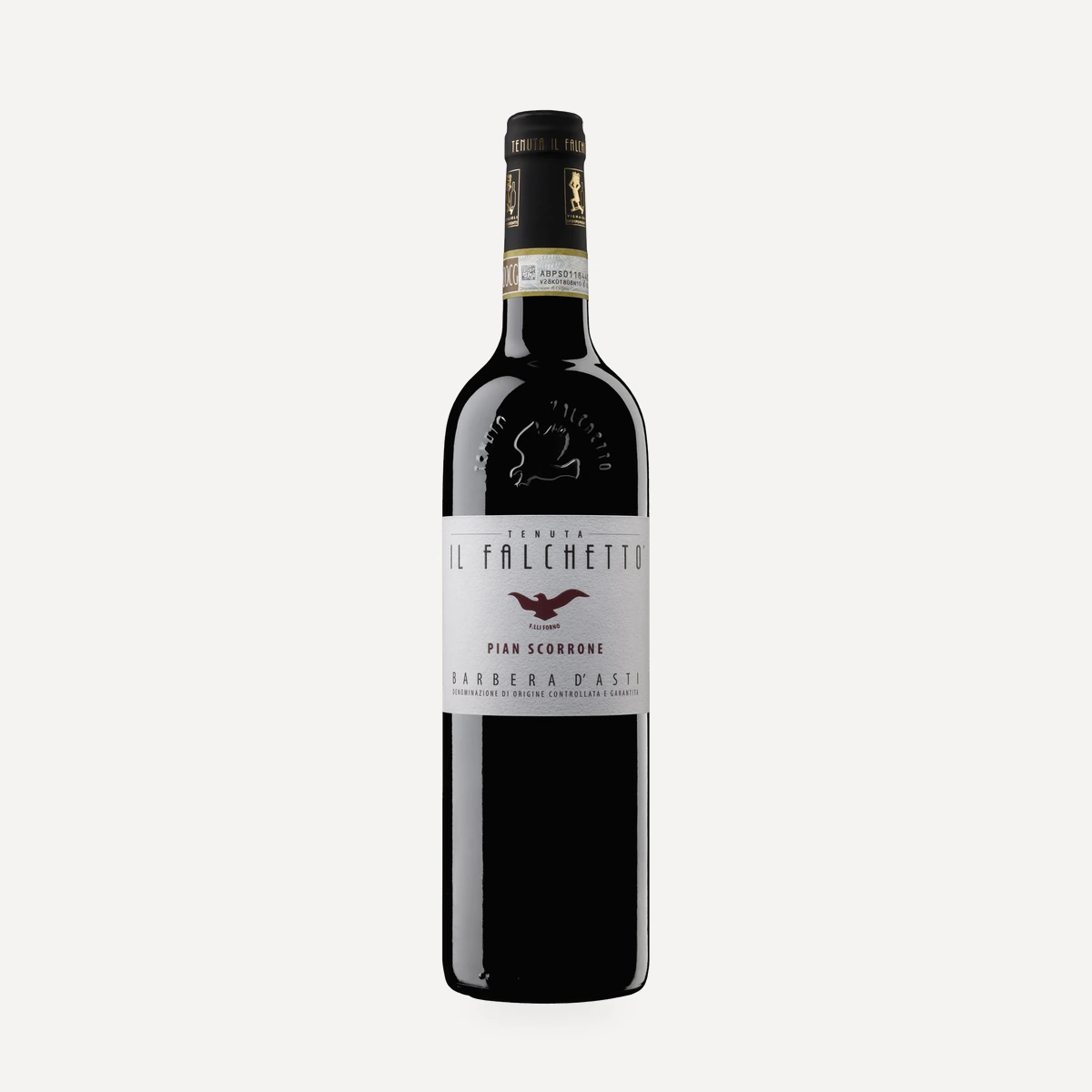
Barbera d'Asti DOCG "Pian Scorrone"
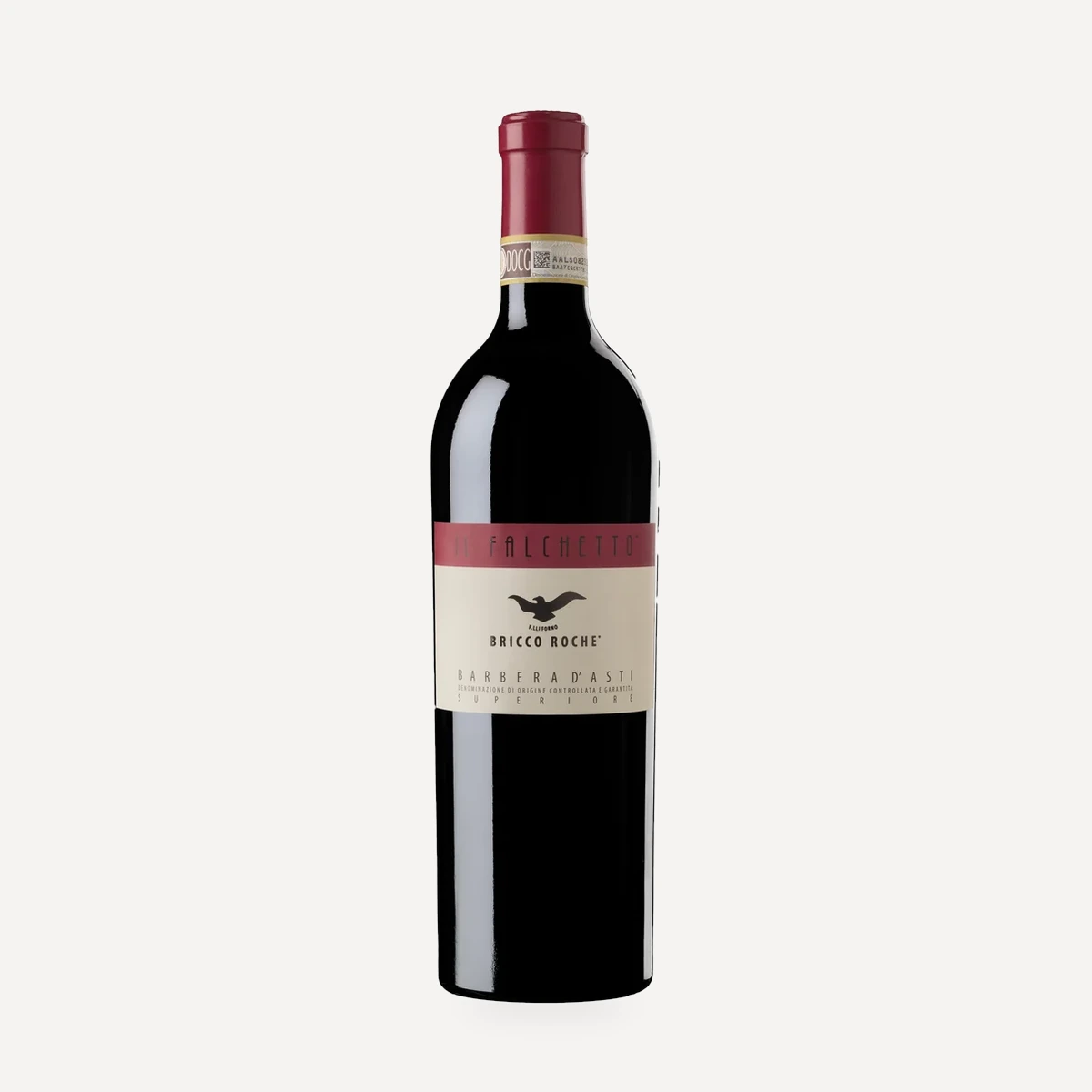
Barbera d'Asti DOCG Superiore "Bricco Roche"
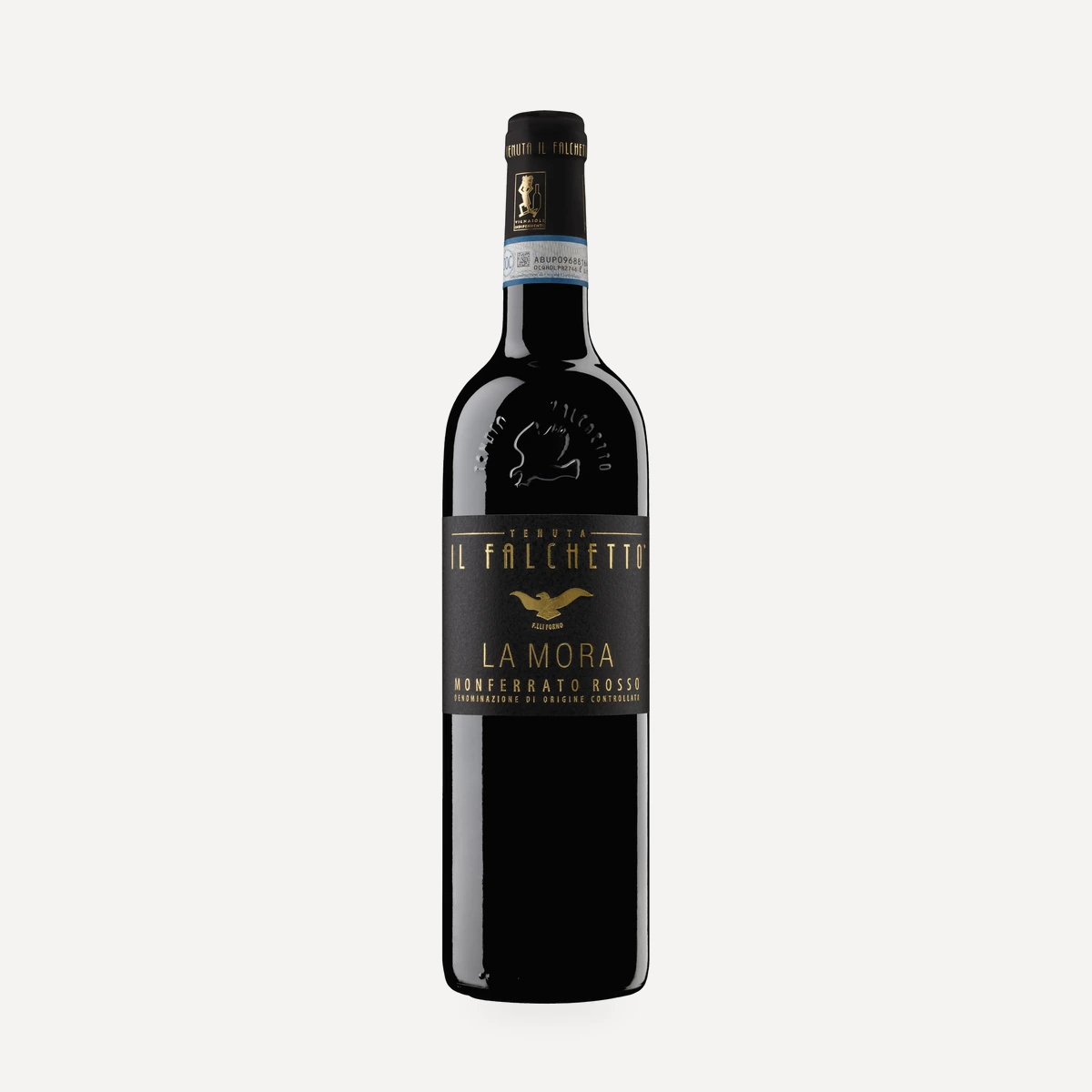
Monferrato DOC Rosso "La Mora"
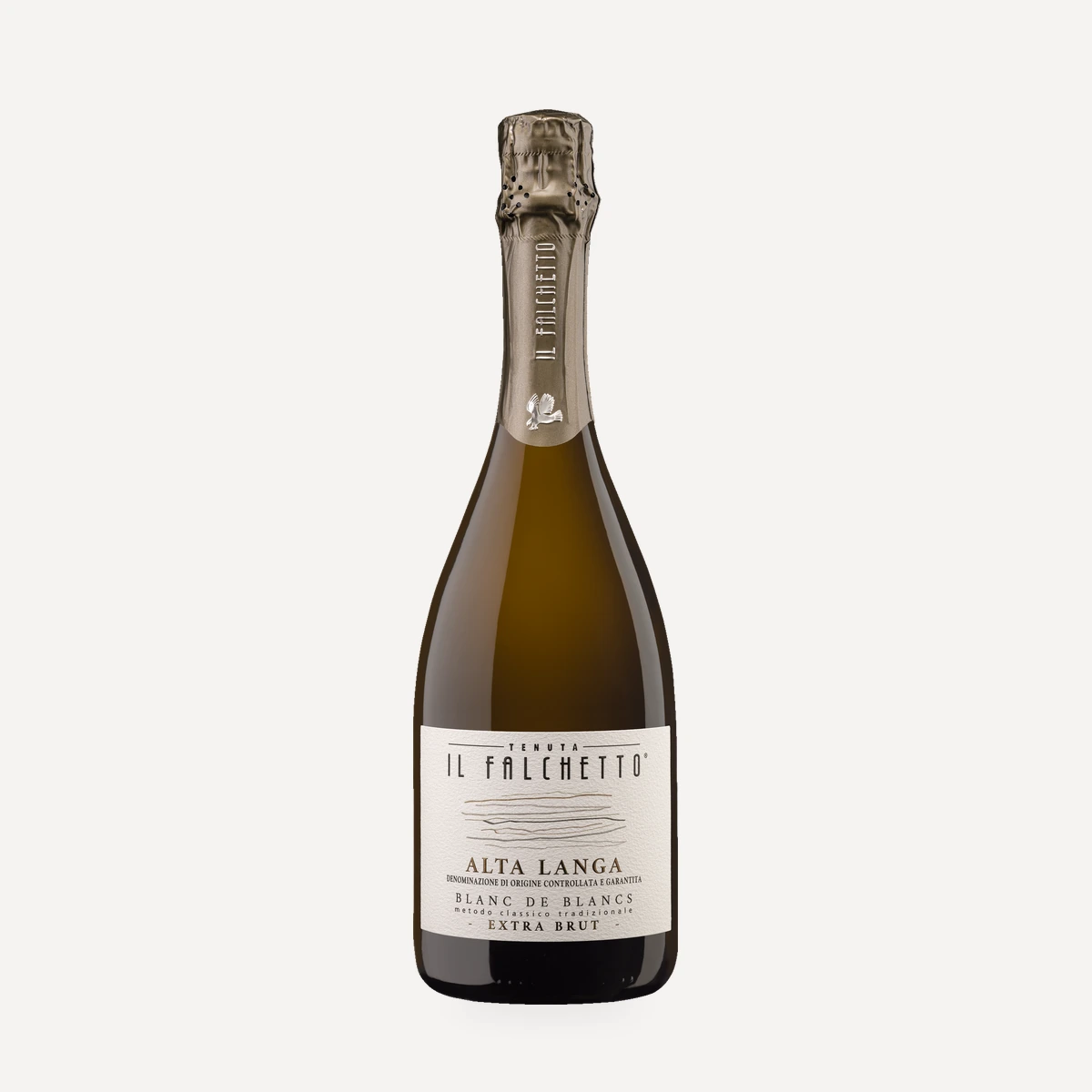
Alta Langa DOCG Blanc de Blanc
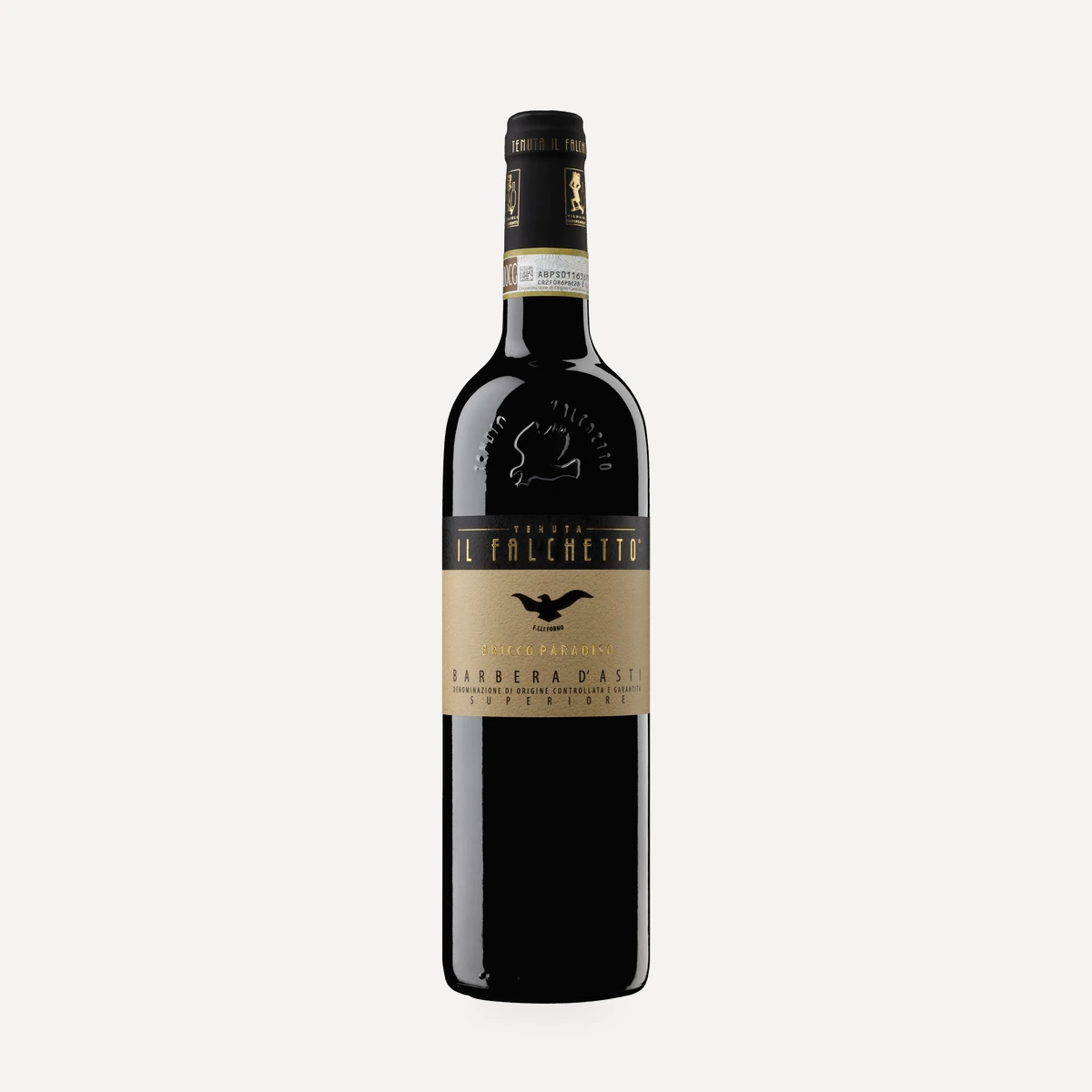
Barbera d'Asti DOCG Superiore "Bricco Paradiso"
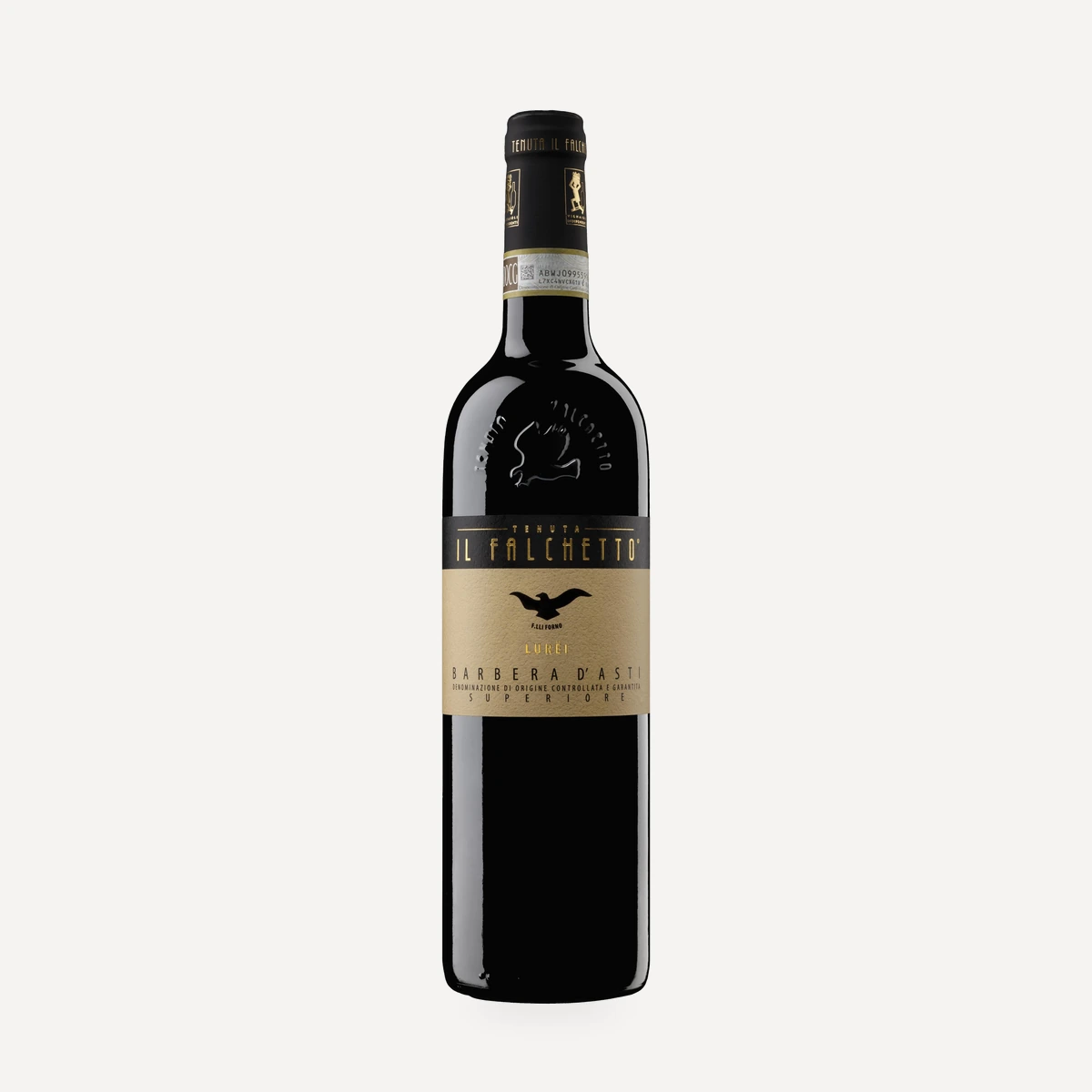
Barbera d'Asti DOCG Superiore "Lurei"
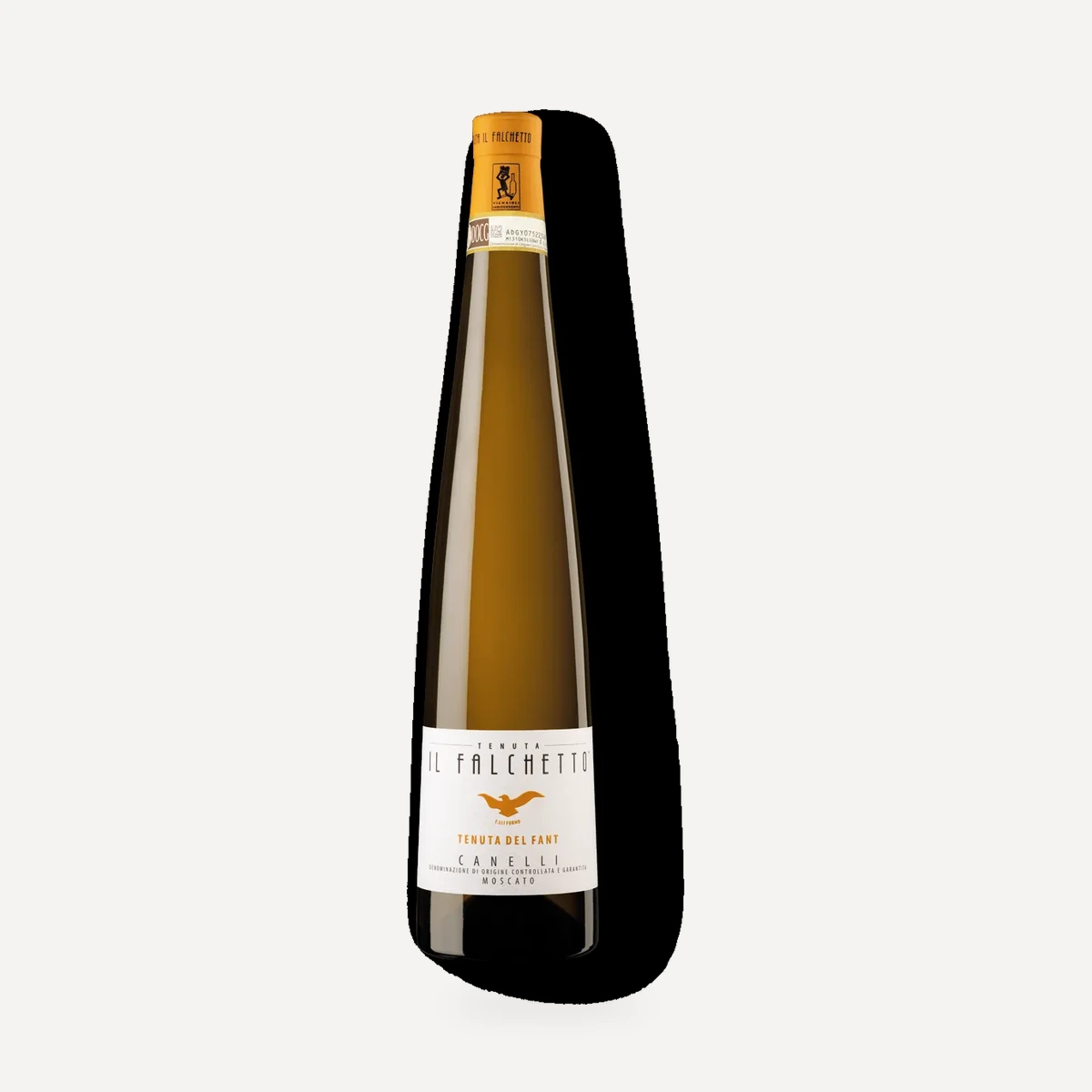
Canelli DOCG Moscato "Tenuta del Fant"
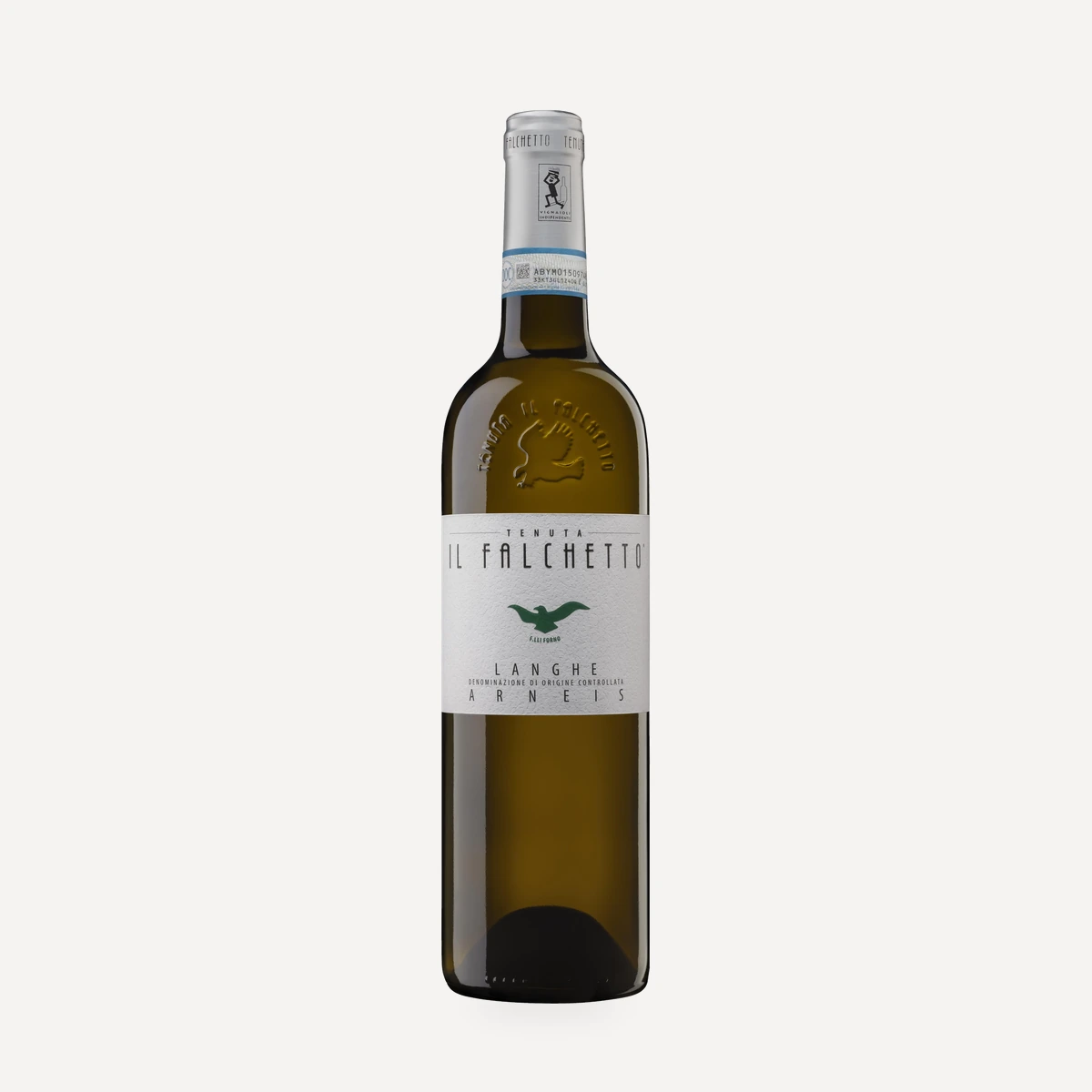
Langhe DOC Arneis
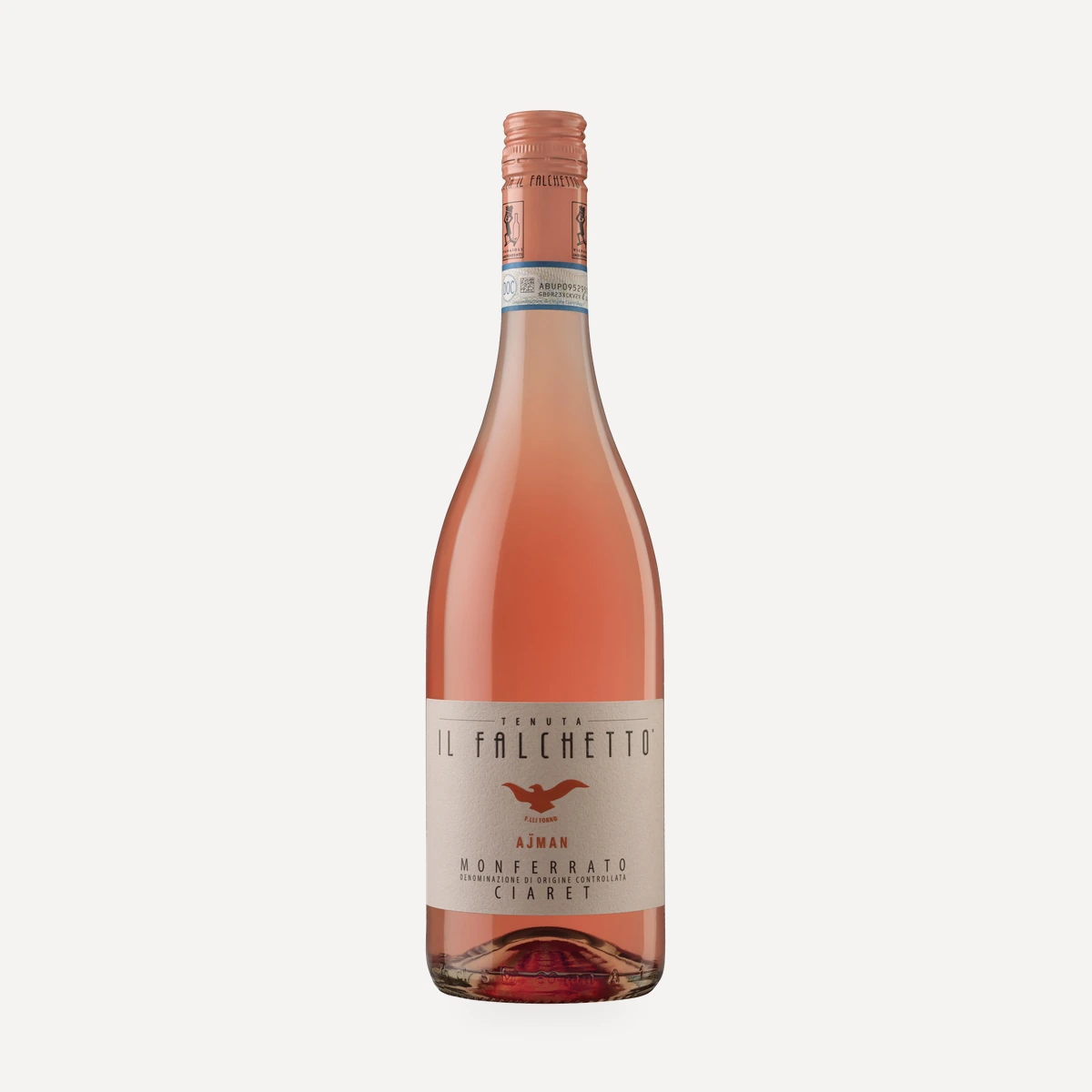
Monferrato DOC Ciaret "Ajman"
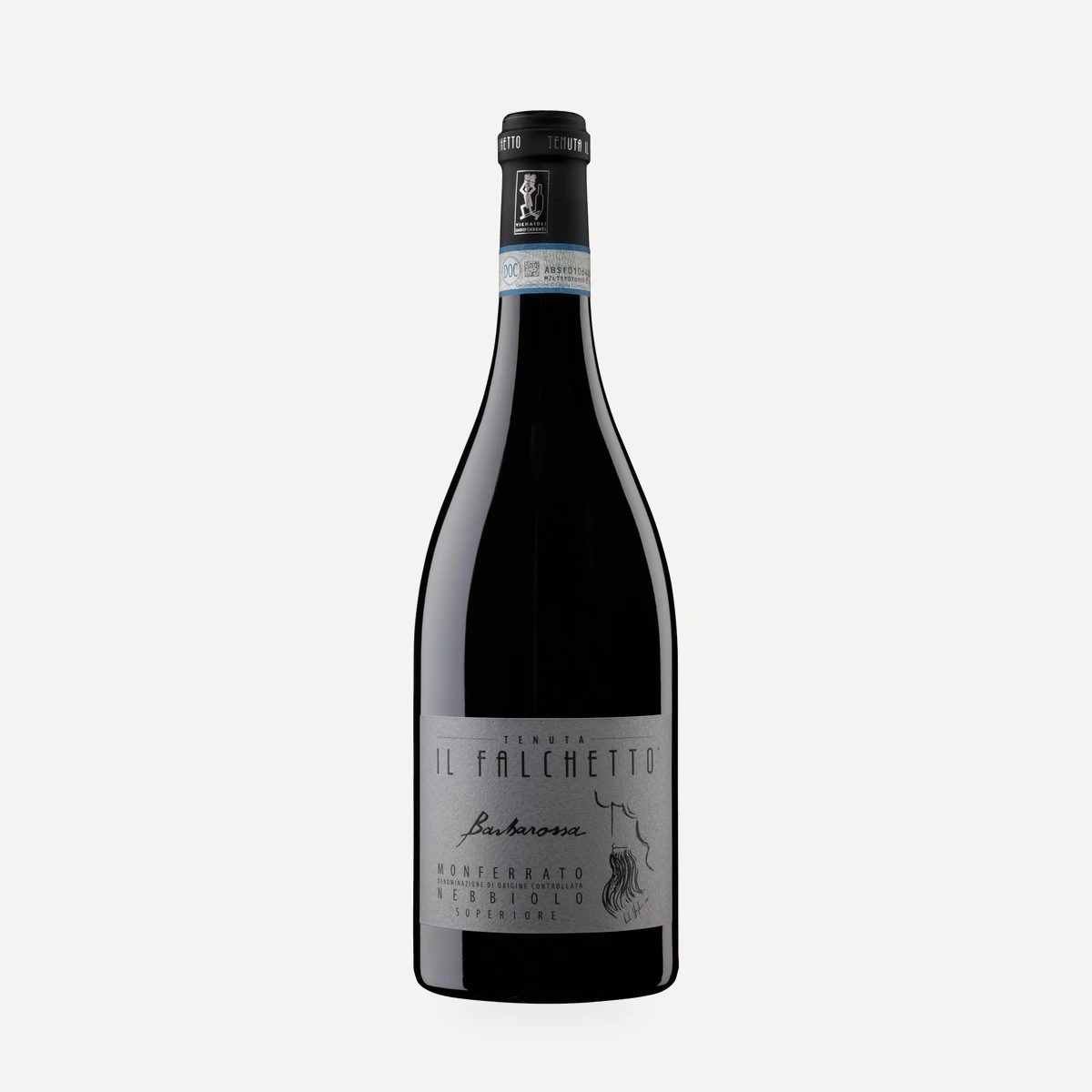
Monferrato DOC Nebbiolo Superiore "Barbarossa"
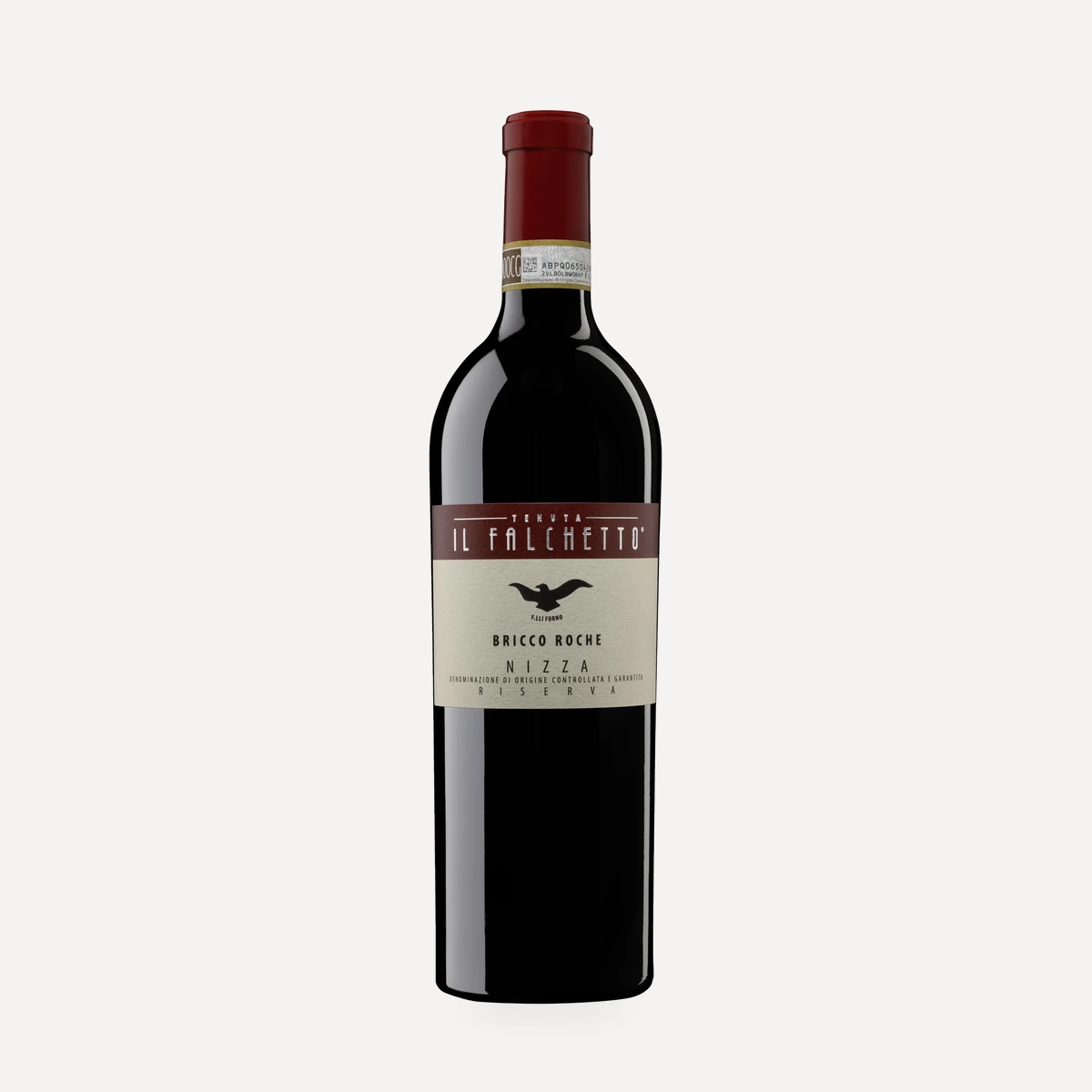
Nizza DOCG Riserva "Bricco Roche"
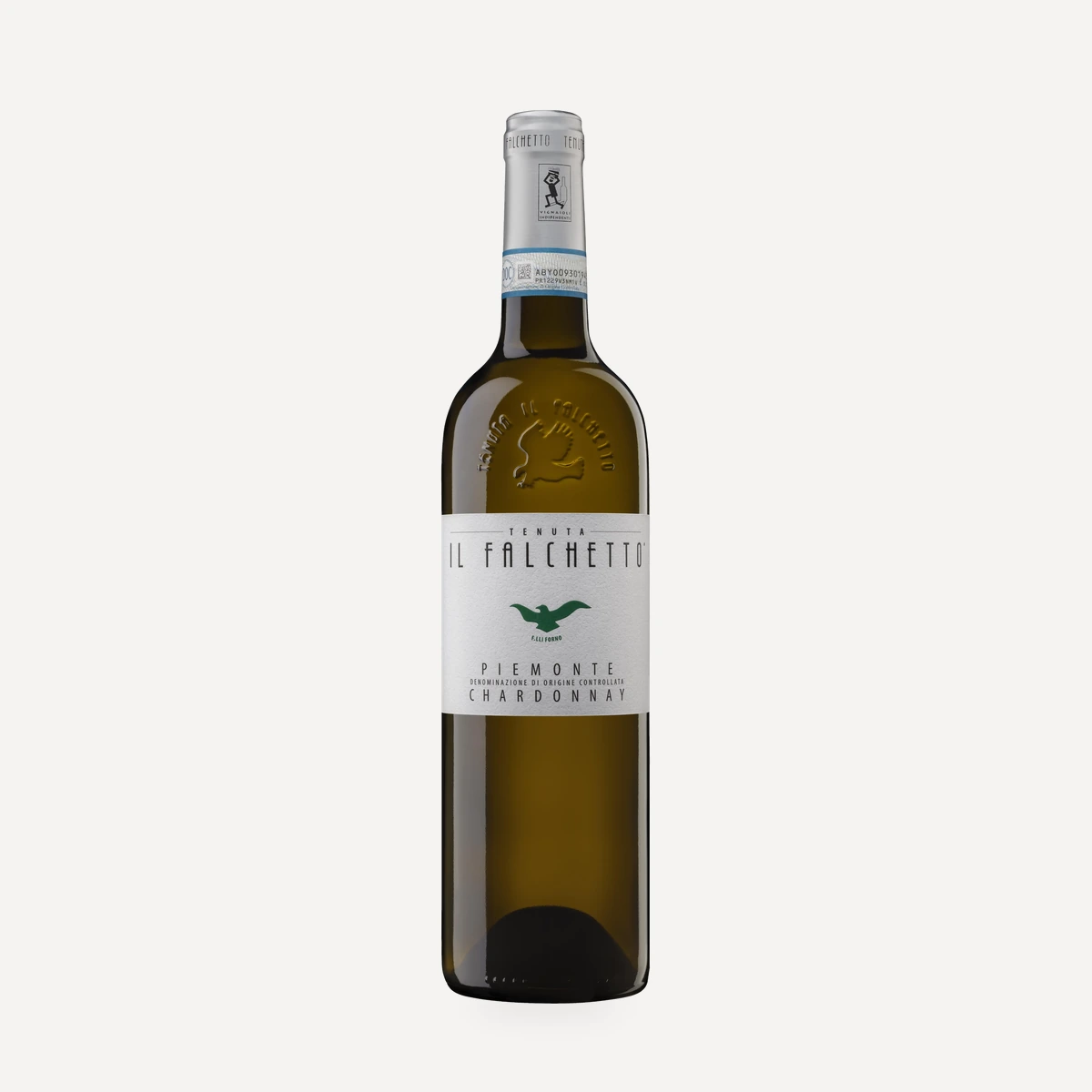
Piemonte DOC Chardonnay
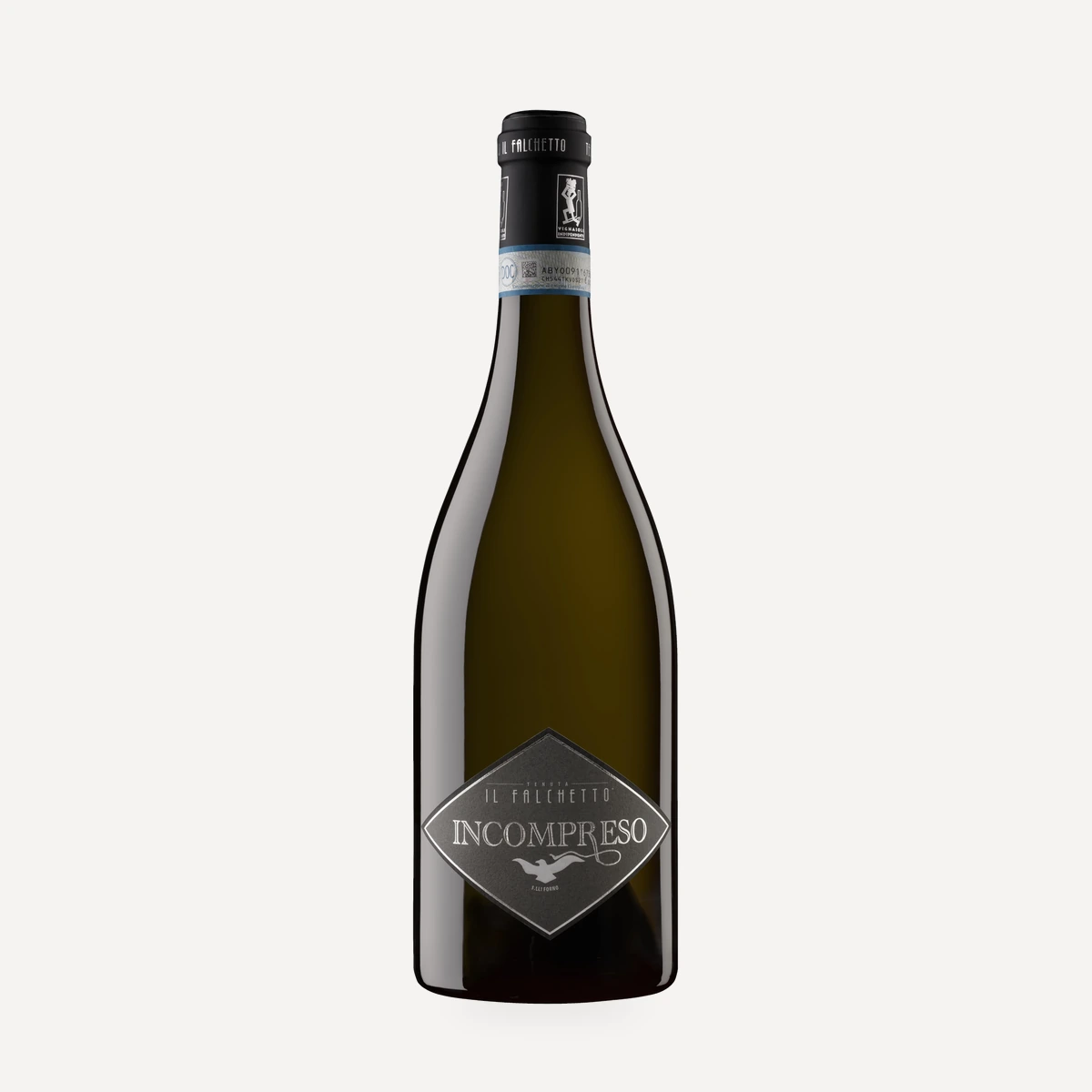
Piemonte DOC Chardonnay "Incompreso"
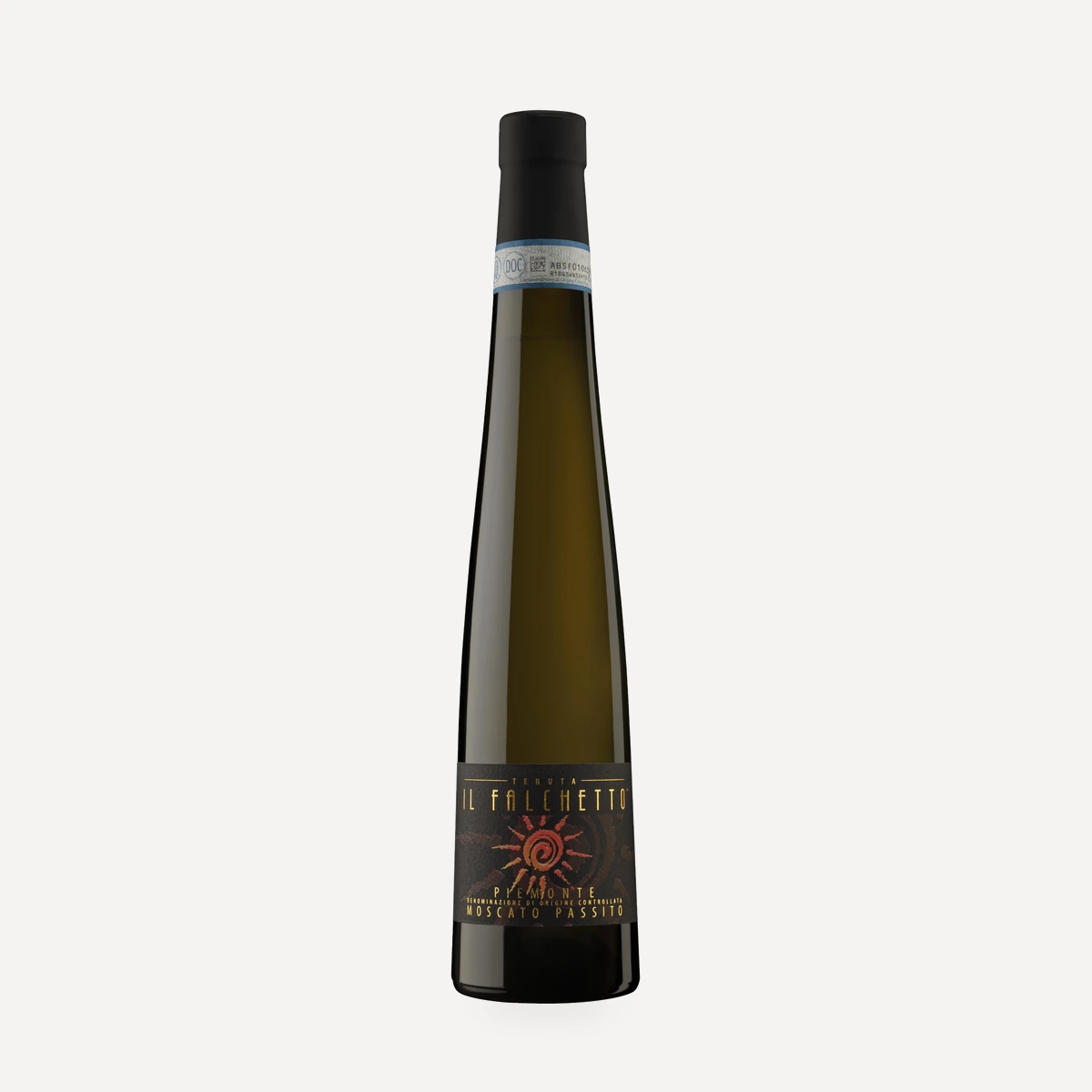
Piemonte DOC Moscato Passito
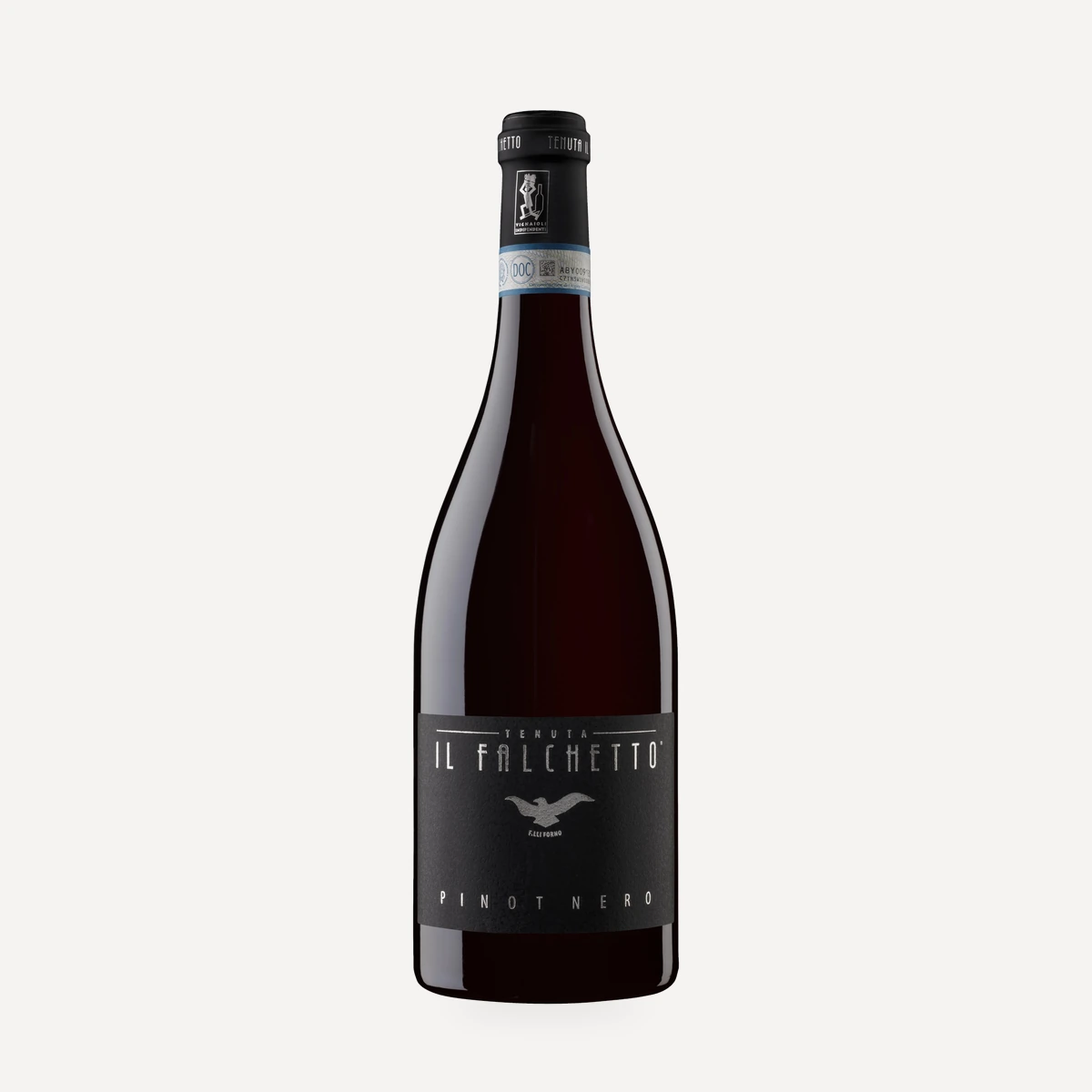
Piemonte DOC Pinot Nero
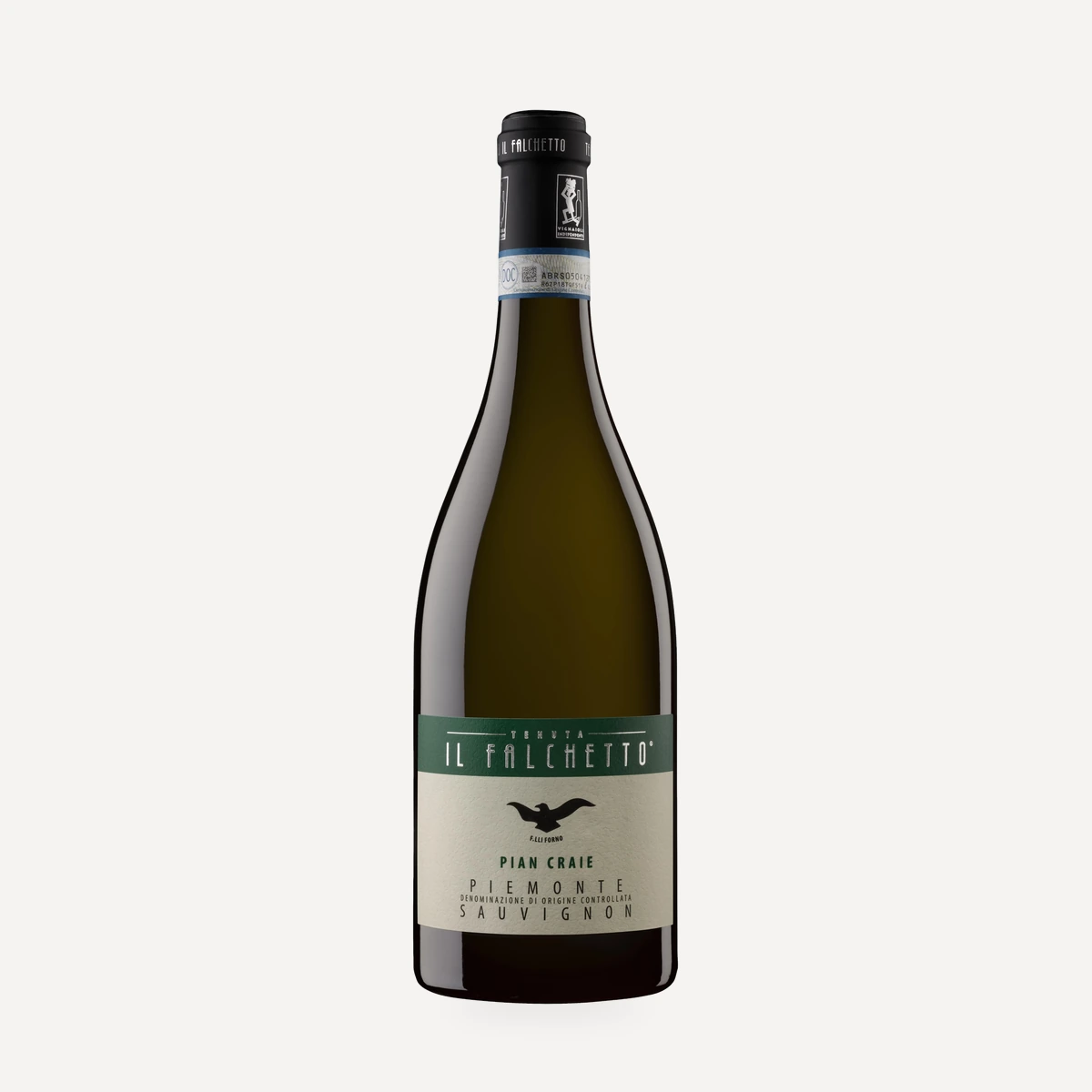
Piemonte DOC Sauvignon "Pian Craie"