Storia
Earlier viticultural history
The land and vineyards have roots extending back to the eighteenth century. In the 1700s, they formed part of the Rimocine farm under the patronage of the Florentine hospital of Santa Maria Nuova. The vineyards have produced grapes for more than 350 years and were initially cultivated and harvested by monks from a nearby monastery.
The Grace family arrives in Chianti
The American Grace family came to Chianti in the mid-1990s, when Frank Grace and his wife, Judy, purchased a property at Panzano in Chianti. At the time of acquisition, it consisted solely of vineyards and had no building dedicated to winemaking.
Frank restored an old agricultural building to create the winery. One account dates construction of the modern facility to 1997, while the more detailed Italian history records the winery’s inauguration and the beginning of Il Molino di Grace wine production in 1998. The estate was founded through the unification of several properties that had belonged to local farmers.
The name joins the Grace family surname with the historic nineteenth-century windmill standing across from the cantina. The restored agricultural buildings, the windmill and the vineyards became the physical setting for the new winery.
Development of the estate
A long program of building restoration and vineyard replanting followed the acquisition. Frank Grace and his sons, Tim and Daniel, combined modern science and technology—including organic production—with traditional old-world winemaking. They remain active owners, supported by a locally based team.
The estate subsequently achieved organic status and is identified as organic from 2014. It also became a member of the Unione Produttori di Panzano, associated with one of Italy’s early organic districts.
The estate today
Il Molino di Grace produces approximately 150,000 bottles annually across Chianti Classico, Riserva, Gran Selezione and Super Tuscan categories. Its stated objective remains the production of elegant wines expressing Panzano’s terroir and Sangiovese, while using wood carefully during maturation and combining environmental responsibility with work in both vineyard and cellar.
Terroir
Il Molino di Grace lies just south of Panzano in Chianti, between Florence and Siena. The property is associated with Località Il Volano–Lucarelli and is reached from the SP2 Bis linking Panzano with Radda in Chianti and Lucarelli.
The vineyards occupy rocky, sloping hillsides, predominantly oriented south and southwest. Most estate descriptions place them between 280 and 450 metres above sea level. Individual vineyard specifications extend from 280 metres to 580 metres, the latter applying to the steep single vineyard used for Gratius.
The defining soil is galestro, described as clay-rich schist. These rocky soils are associated with fine, elegant structure even in particularly rainy vintages, together with minerality, complexity and longevity. The combination of slope, southern exposure, elevation and galestro is central to the estate’s understanding of Panzano terroir.
Vinificazione
Il Molino di Grace practices organic agriculture and identifies the estate as organic from 2014. Its broader approach is described in terms of sustainability and biodynamic intent, although no separate biodynamic certification is named.
Only natural or organic fertilizers are used, and the vineyards are not irrigated. Soil disturbance is deliberately limited: each vineyard is ploughed only once every three years, between the rows, to a maximum depth of 45 cm.
Harvesting is entirely manual. Grapes are placed in small crates and transported immediately to the cellar. Harvest timing varies by site, from late September for the earlier parcels through early October for the principal Sangiovese vineyards and after 10 October for the high, steep Gratius vineyard. Gratius fruit receives a second quality selection before vinification.
Pruned vine material is reused as fuel for the winery’s heating and air-conditioning systems, eliminating gas use for those functions. The estate belongs to the Unione Produttori di Panzano, connected with one of Italy’s early organic districts.
The dedicated winery occupies a restored agricultural building, with the modern facility completed in 1997 and inaugurated for production in 1998. It was conceived to combine contemporary science and technology with traditional old-world methods.
Indigenous yeasts are used. The published red-wine protocols consistently employ approximately 20 days of fermentation and maceration at a controlled 28–30°C, with gentle extraction and frequent punch-downs. Gratius fruit undergoes a second quality selection before entering this process.
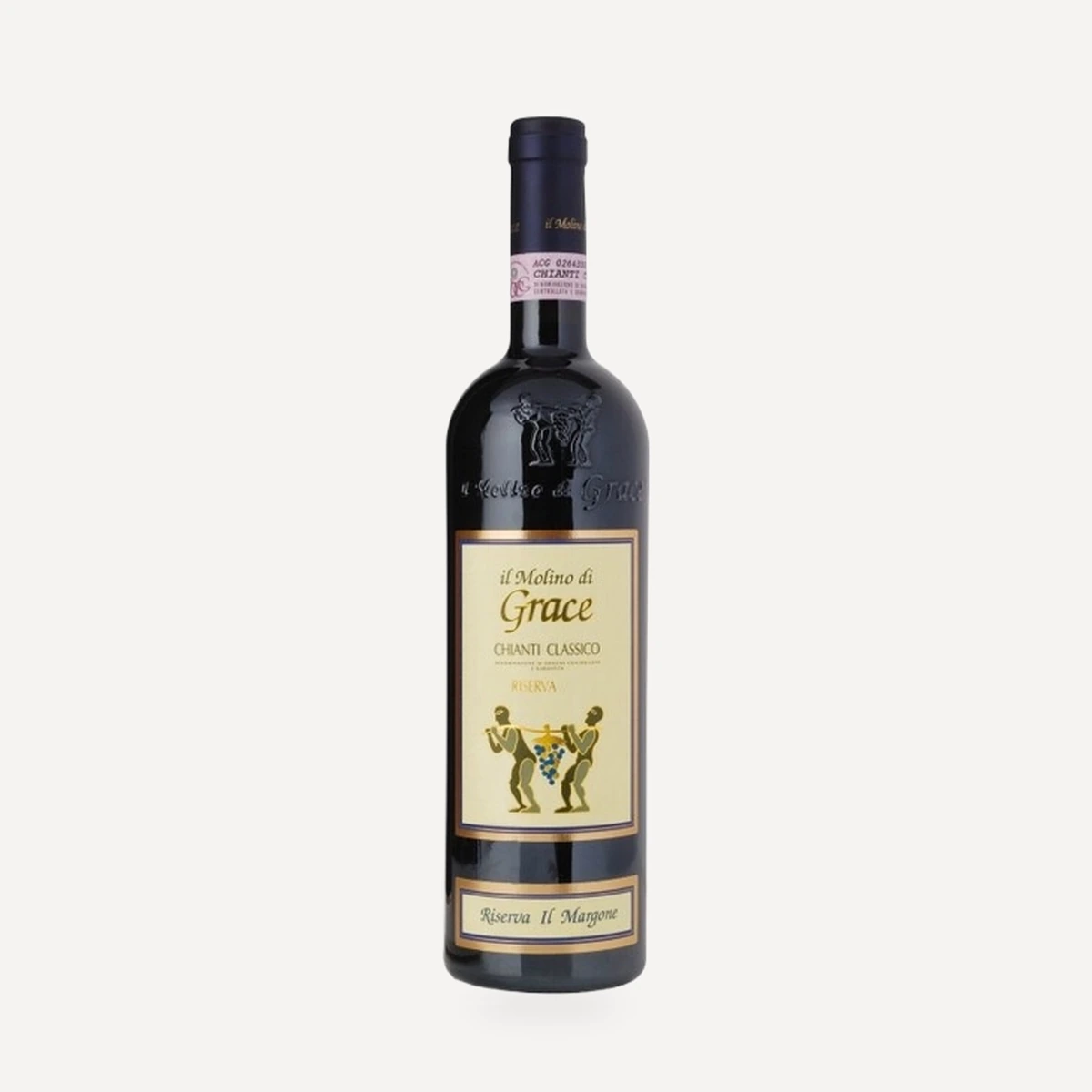
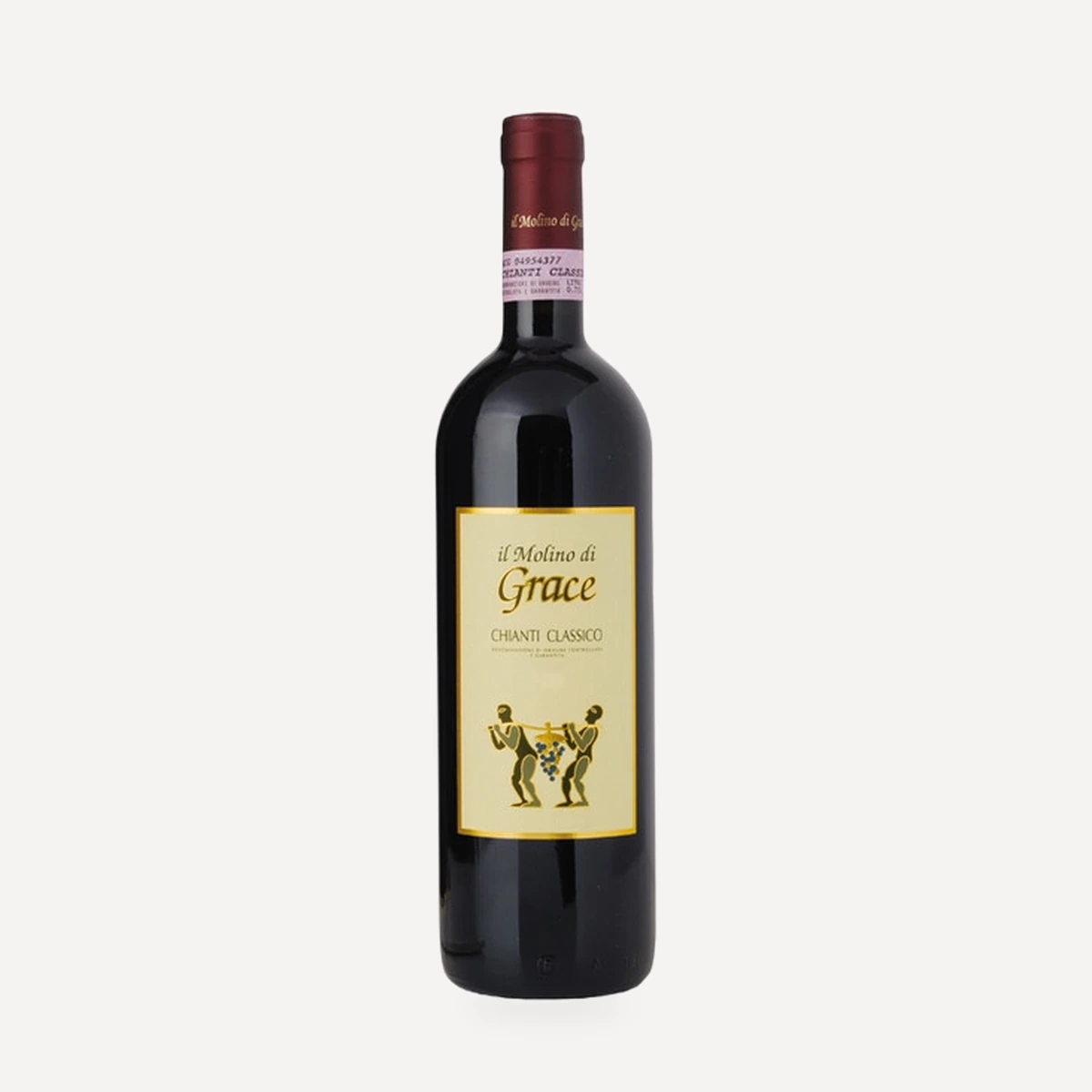
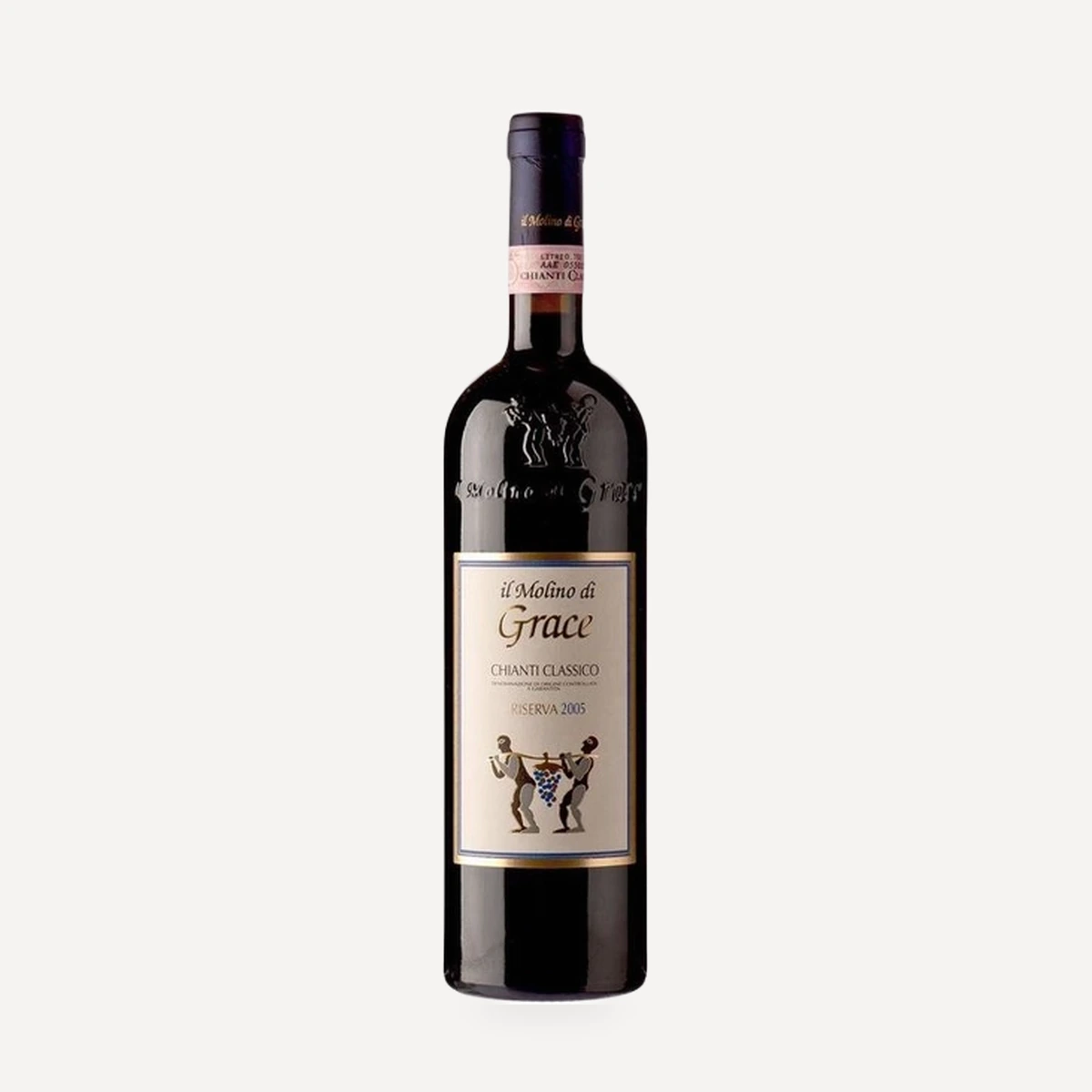
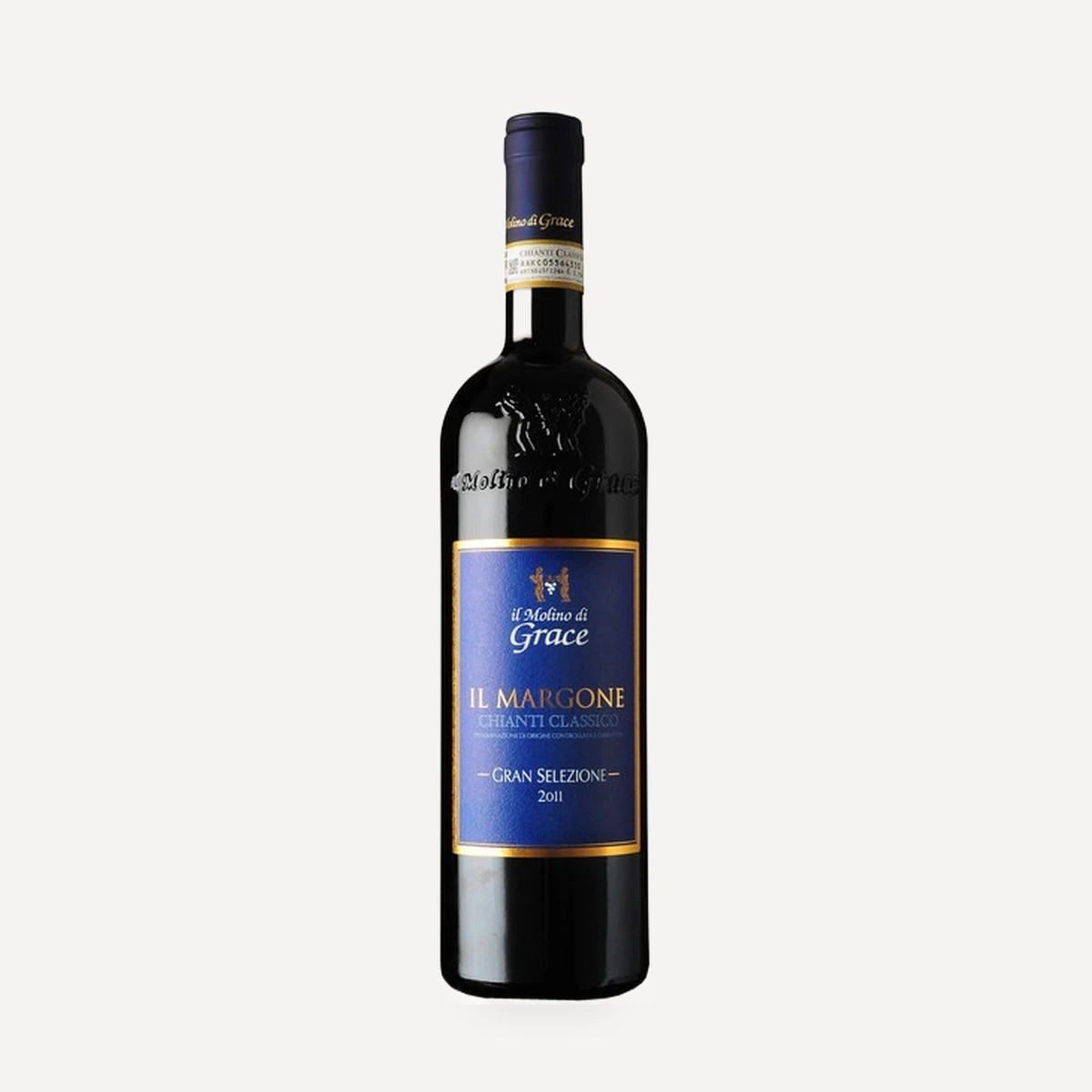
Maturation depends on the intended expression. Stainless steel is used for the fresher Il Volano style, followed by bottle ageing. Chianti Classico is matured for 12 months across stainless steel, Slavonian oak casks, and second-use French barriques and tonneaux. Riserva spends 12 months in Slavonian oak casks and first- and second-use French barriques and tonneaux. Gran Selezione Il Margone is aged for 16 months in new and first-use French barriques and tonneaux, while Gratius spends 12 months in new and first-use French barriques and tonneaux.
The cellar’s energy program includes using vine cuttings to fuel heating and air conditioning, avoiding gas for those systems. Roof-mounted photovoltaic panels provide a further 40 kWp of generation capacity. Annual output is approximately 150,000 bottles.
Filosofia
Il Molino di Grace’s guiding objective is to produce elegant wines that express the terroir of Panzano while emphasizing Sangiovese as the “soul of Chianti Classico.” Oak is intended to support maturation with restraint rather than obscure the fruit or site.
The family presents its work as a balance between creativity and innovation: the science and technology of modern organic production are combined with old-world winemaking traditions. The rocky, sloping vineyards provide the raw expression; the cellar translates it; and art placed throughout the estate forms part of the same cultural vision.
Environmental stewardship is treated as integral to quality. The stated aim is to make the best expression of Panzano available while showing maximum respect for the environment in both vineyard and winery. Limited soil cultivation, organic inputs, dry farming, hand harvesting, reuse of vine cuttings and solar generation give practical form to that principle.
Vini
Chianti Classico
Chianti Classico Riserva
Chianti Classico Gran Selezione Il Margone
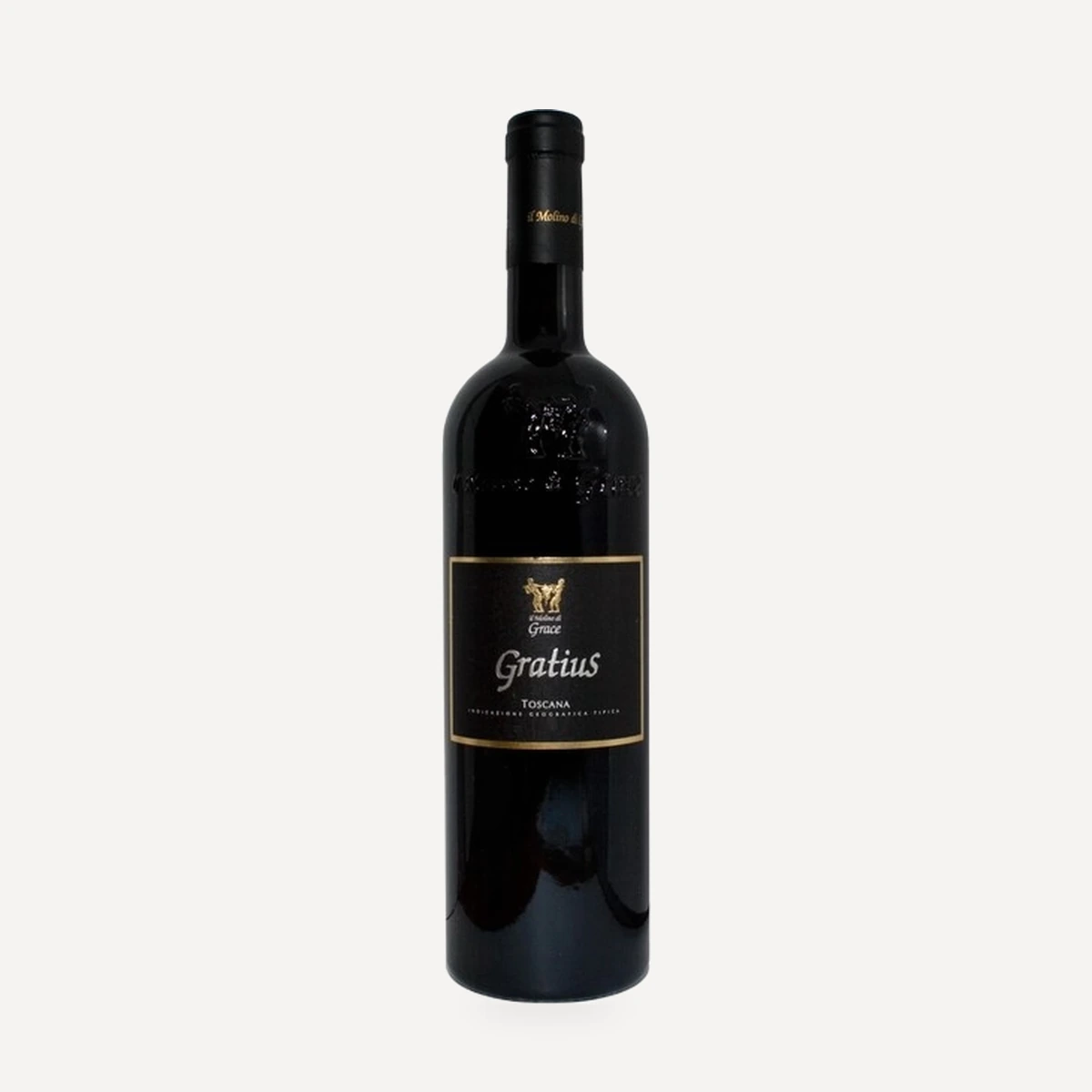
Gratius IGT
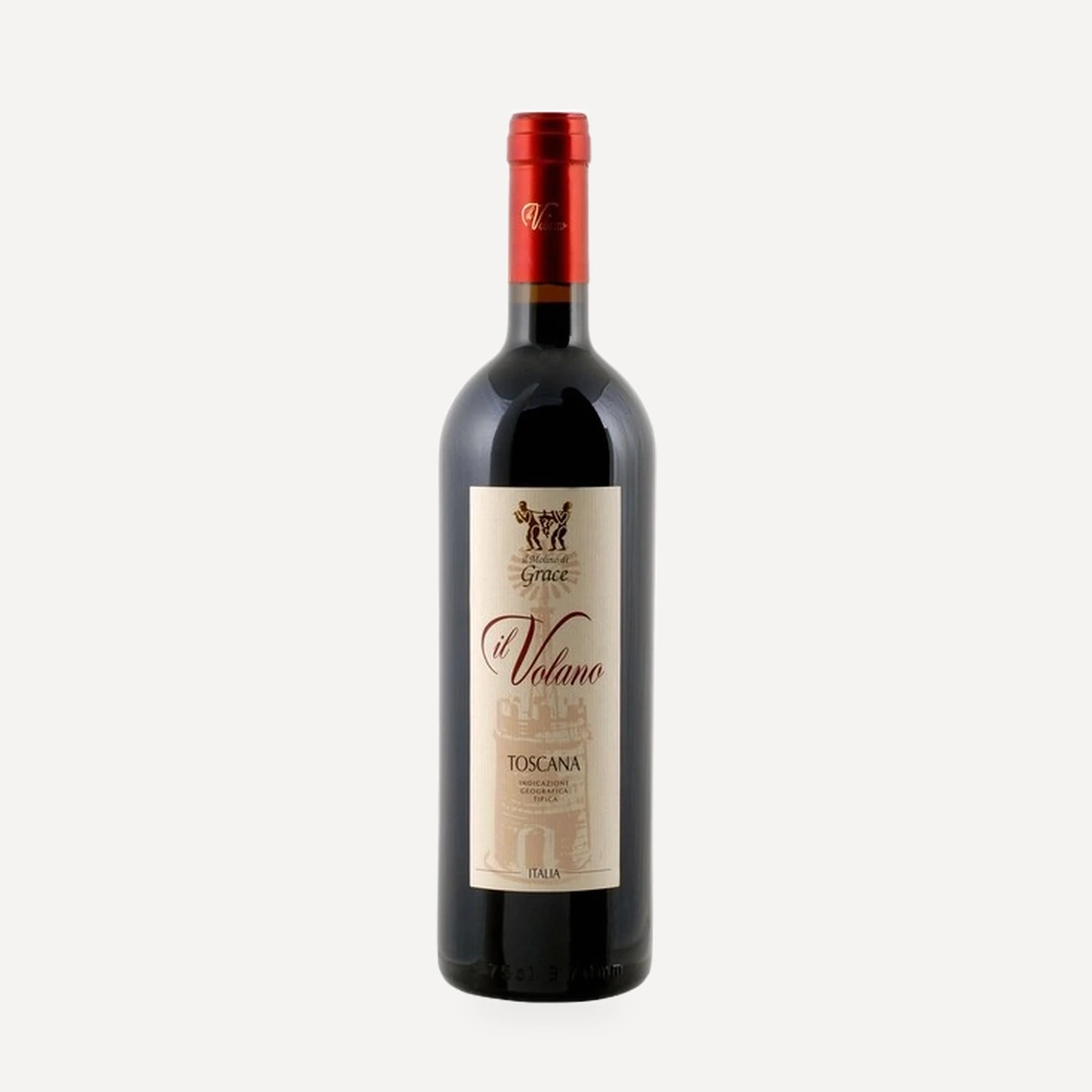
Il Volano IGT