Storia
Origins of the owning family
The history behind L’Albereto begins with Stefano Farina and his wife, Giovanna. During the 1930s they ran a trattoria, where Stefano became more interested in wine than in food. Despite the approach of war, he opened a dedicated wine business in 1939. Registered as the sole proprietorship Farina Stefano, it initially bottled and marketed wine.
Stefano and Giovanna moved to Erba in 1941. The town became the centre of the family and its subsequent generations. Their sons Bruno, Giancarlo and Gino later lived there with their own families.
Stefano passed his interest in wine to Giancarlo, his second son. Giancarlo studied oenology in Alba and subsequently decided that bottling and selling other producers’ wines was not enough: he wanted the family to make its own wine. His project—supported by his father and brothers—was to establish a presence in Italian territories with important wine histories.
In 1963 the original sole proprietorship became Farina Stefano e Figli, formally bringing Bruno, Giancarlo and Gino into the company. The family took its first direct step into viticulture in 1975 through the creation of Cascina La Traversa di Farina Giancarlo & C.
Acquisition of L’Albereto
In 2001, the family acquired L’Albereto at Subbiano. The purchase extended its Tuscan production beyond Chianti Classico and into Casentino, adding Chianti in the broader sense to the family’s production map.
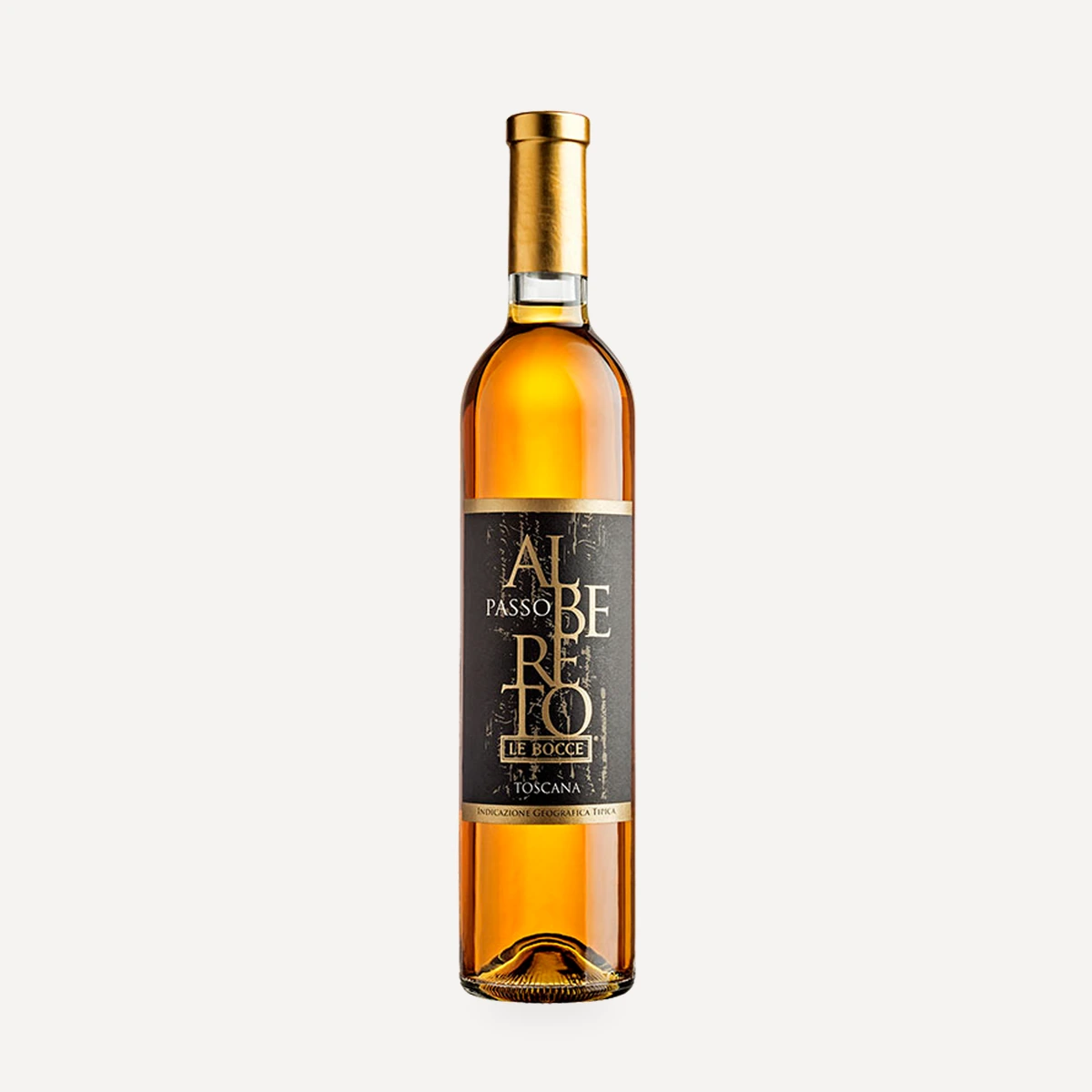
L’Albereto occupies a position on the eastern bank of the Arno, midway between Arezzo and Bibbiena. Its cellar handles the careful vinification and barrique-cellar maturation of Sassaia di Albereto, made solely from Sangiovese. The estate also produces Chianti, Chianti Riserva, Toscana Bianco and Toscana Rosso.
The estate today
L’Albereto remains part of the family-owned Tenute Stefano Farina agricultural company. The wider family enterprise describes itself as being in its fourth generation, with Stefano’s descendants acting as custodians of the project he began in 1939.
Terroir
Location
L’Albereto is situated at Subbiano in Casentino, on the eastern bank of the Arno and approximately halfway between Arezzo and Bibbiena. Casentino is also associated with honey, fruit and ancient grains and has longstanding agricultural, cultural and wine significance.
The area’s historical association with viticulture is reflected in Cosimo III de’ Medici’s proclamation of 1716. Described as the earliest formal recognition of a wine denomination, it identified four territories considered particularly suitable for viticulture; one was the mountain country adjoining Casentino, corresponding to the upper Valdarno.
Soils
The estate’s fertile soils have a medium texture tending toward compactness. Dark clays occur alongside a substantial coarse or stony fraction. These conditions support thorough fruit ripening, with the resulting wines associated with complete phenolic maturity and substantial structure.
Climate
Winters are cold yet conducive to healthy vineyard conditions. Summers provide marked differences between daytime and nighttime temperatures. The mountains of Casentino create and shelter this microclimate.
Principal variety
Sangiovese is the central variety at L’Albereto and the basis of the estate’s Tuscan identity. It is used alone for Sassaia di Albereto and leads the blends of the estate’s Chianti and Toscana Rosso.
Vinificazione
Vinification takes place in the cellar at Albereto. The estate’s most explicit general production description concerns Sassaia di Albereto: carefully vinified from Sangiovese alone, it is subsequently matured in the estate’s barrique cellar. The combination of pure-variety vinification and barrel maturation is intended to express Sangiovese within the traditional context of Casentino and Tuscany.
Filosofia
L’Albereto is conceived as the Farina family’s homage to the traditional Tuscany of Casentino. Its identity is centred on Sangiovese, treated as the representative variety of the territory, and on interpreting the grape through attentive cellar work rather than separating it from its regional context. The estate forms part of a broader family project built around working in historically important Italian wine territories while preserving continuity across generations.
Vini
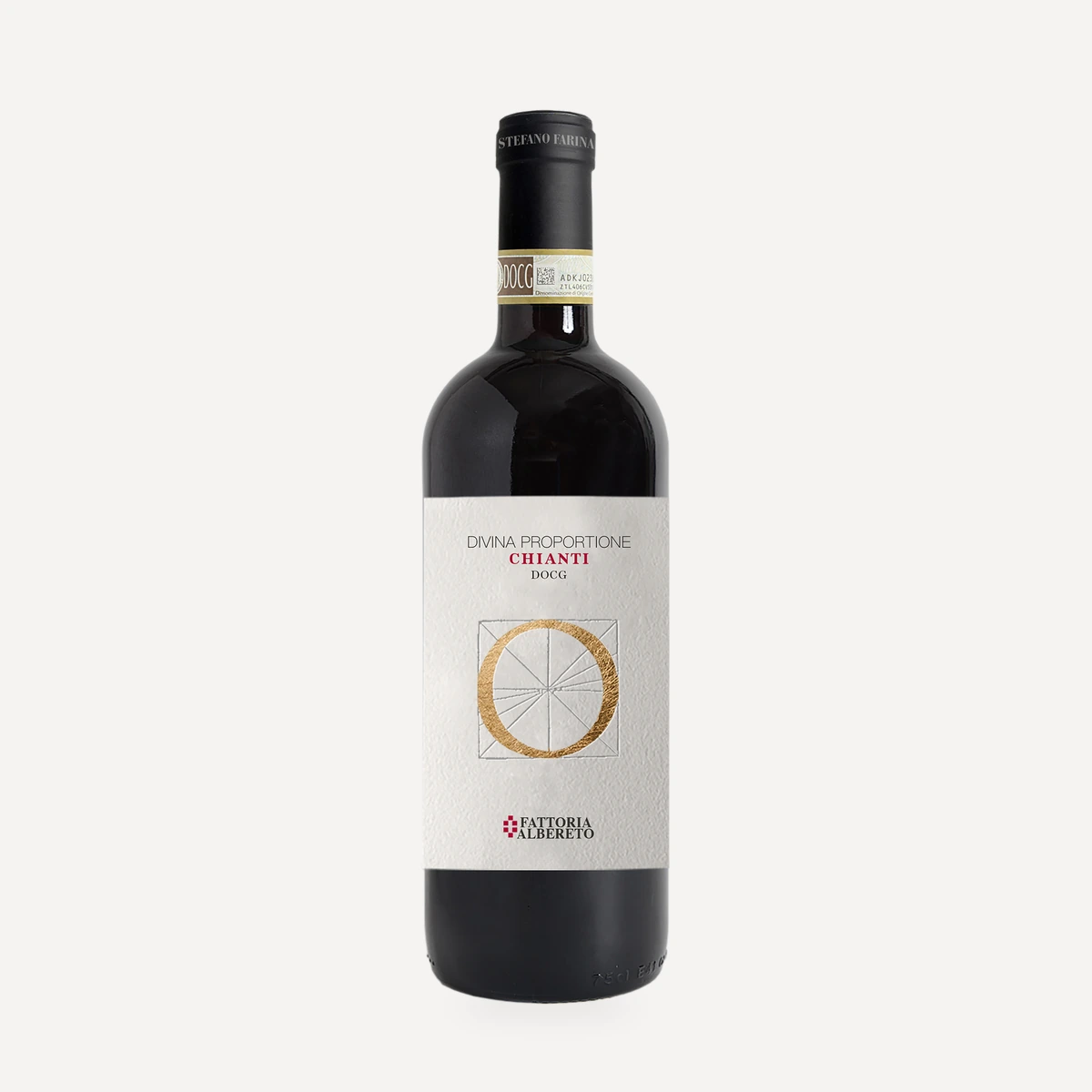
Chianti La Ginestra
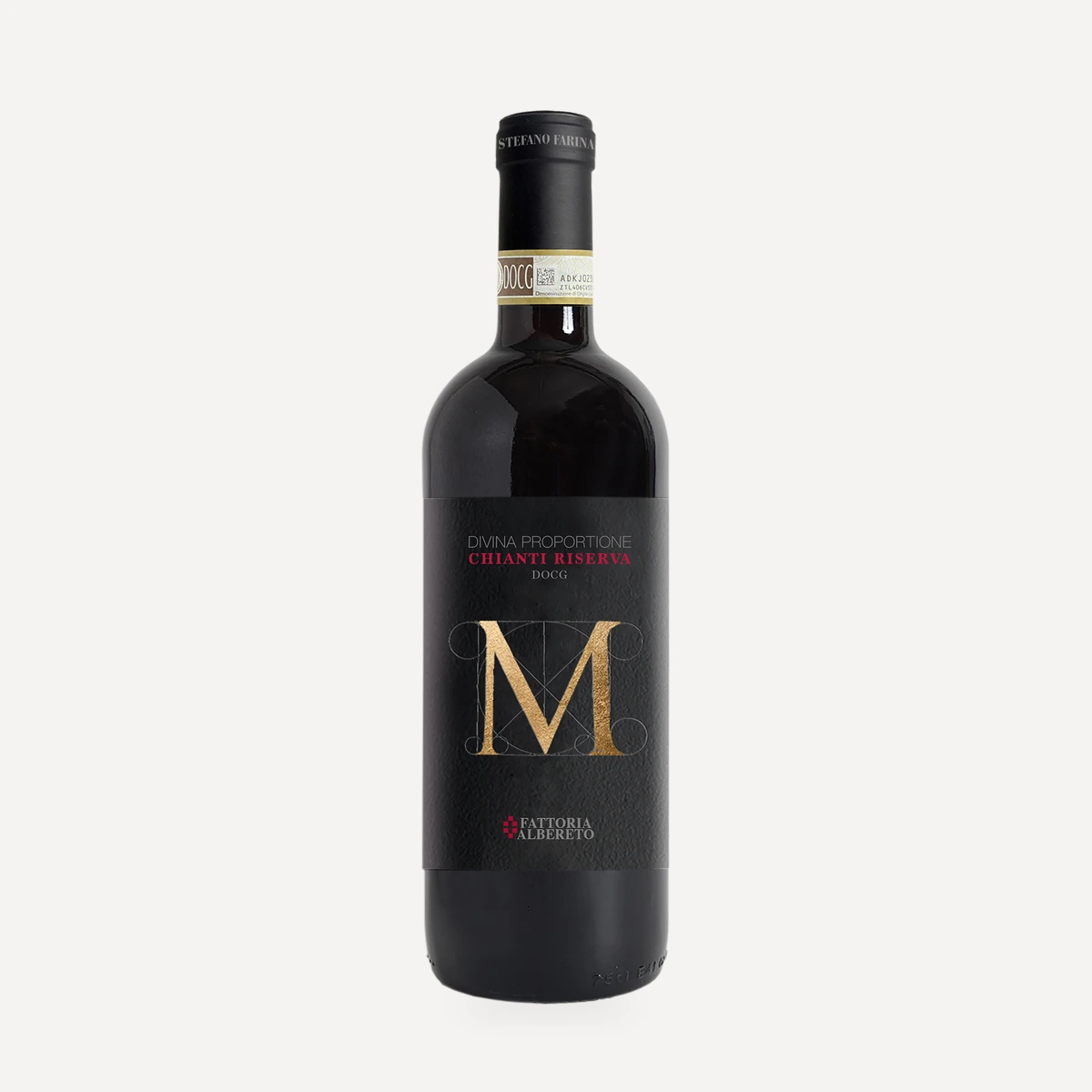
Chianti Riserva
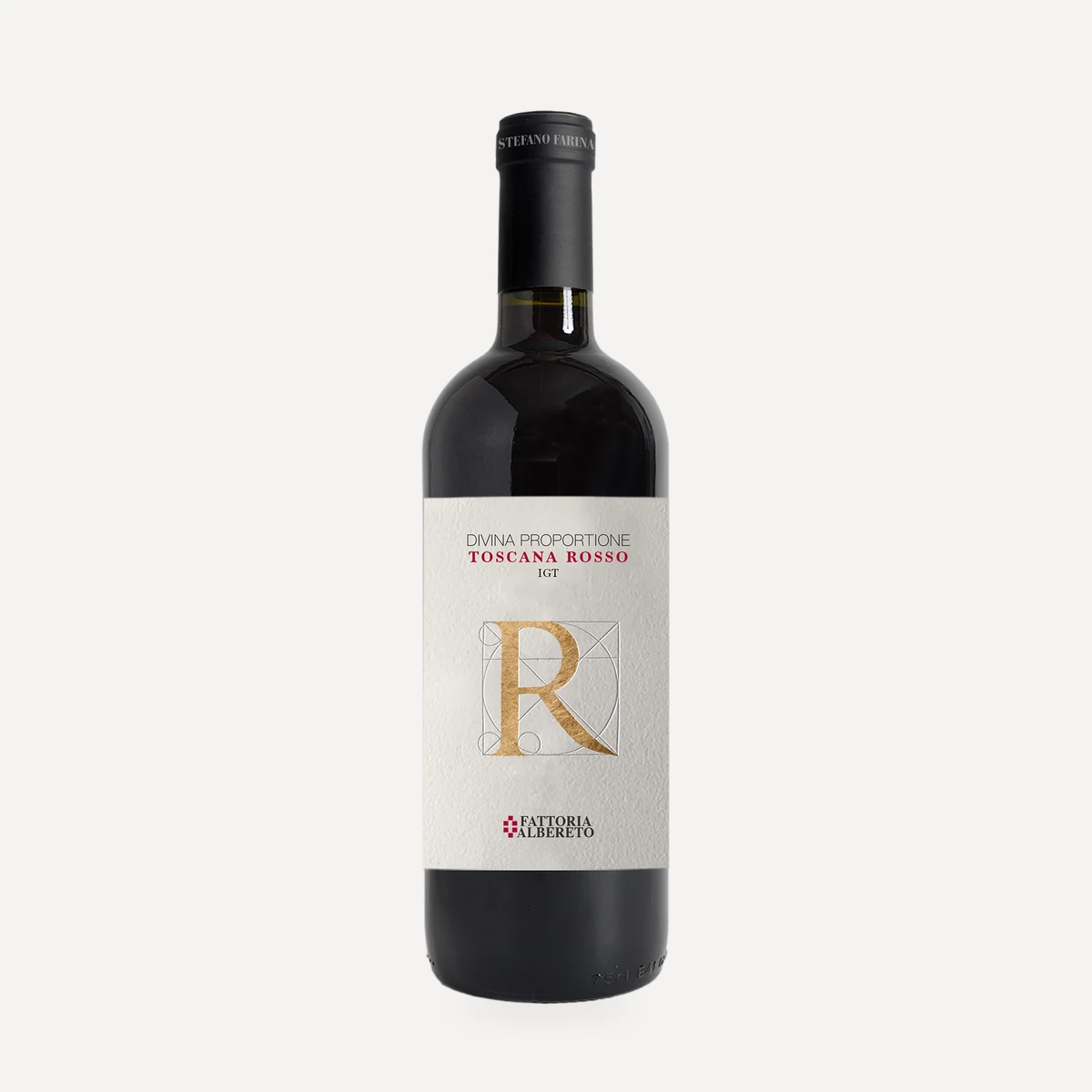
Toscana Rosso Solers