Storia
1995: San Quirico joins Stefano Farina
Stefano Farina acquired San Quirico in 1995, twenty years after the family’s first acquisition in Piedmont. The purchase extended the family’s activity from the Barolo area to Diano d’Alba and the hills surrounding Alba.
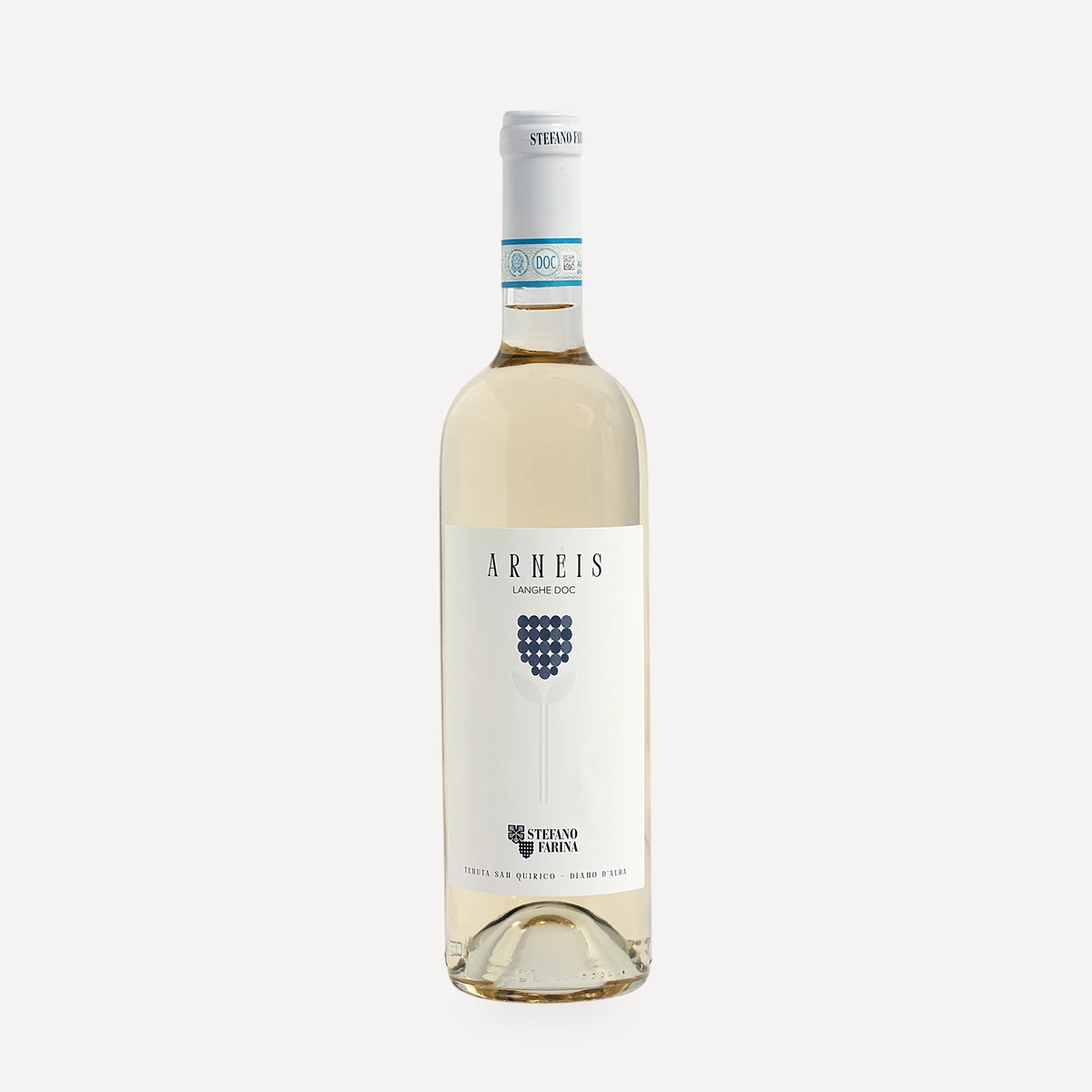
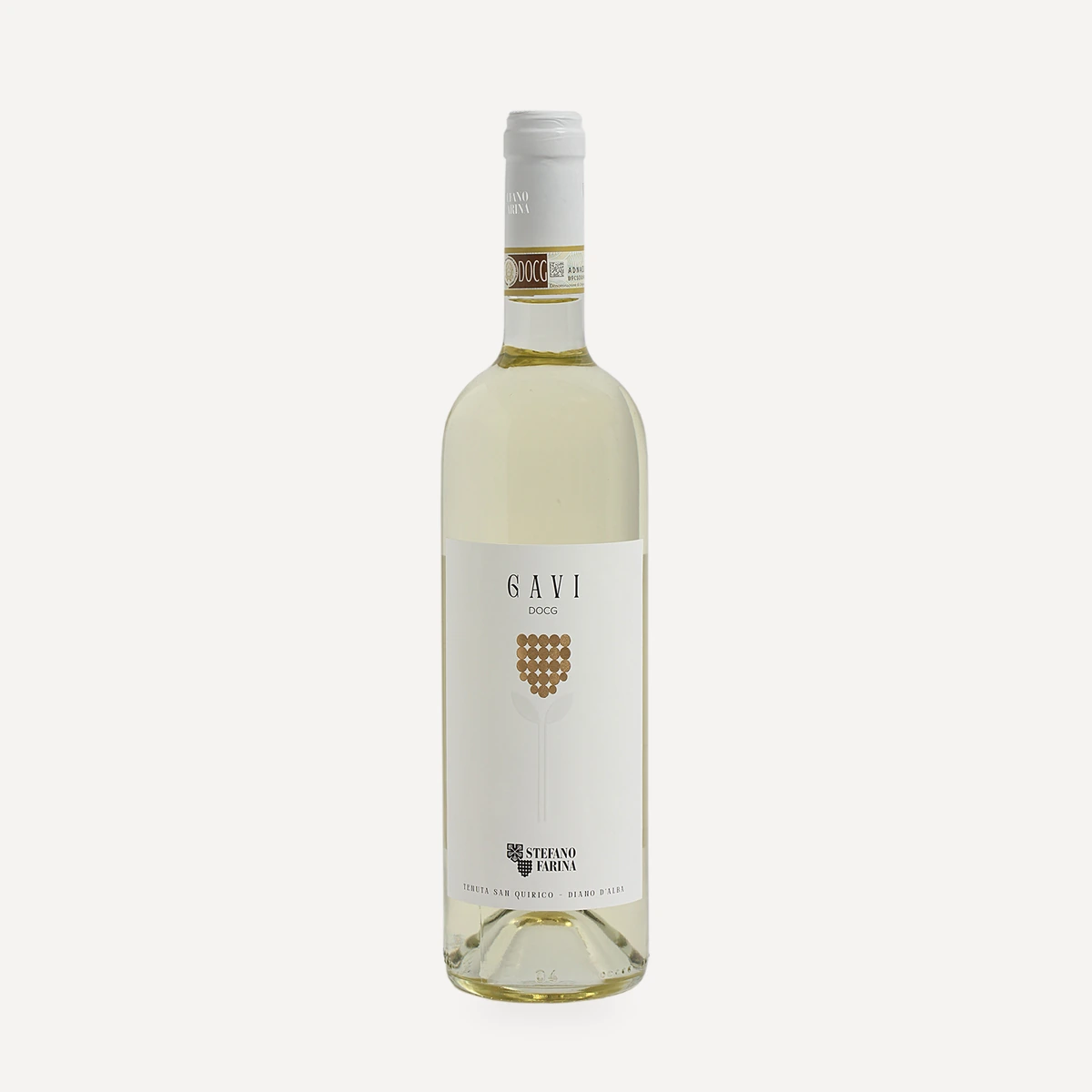
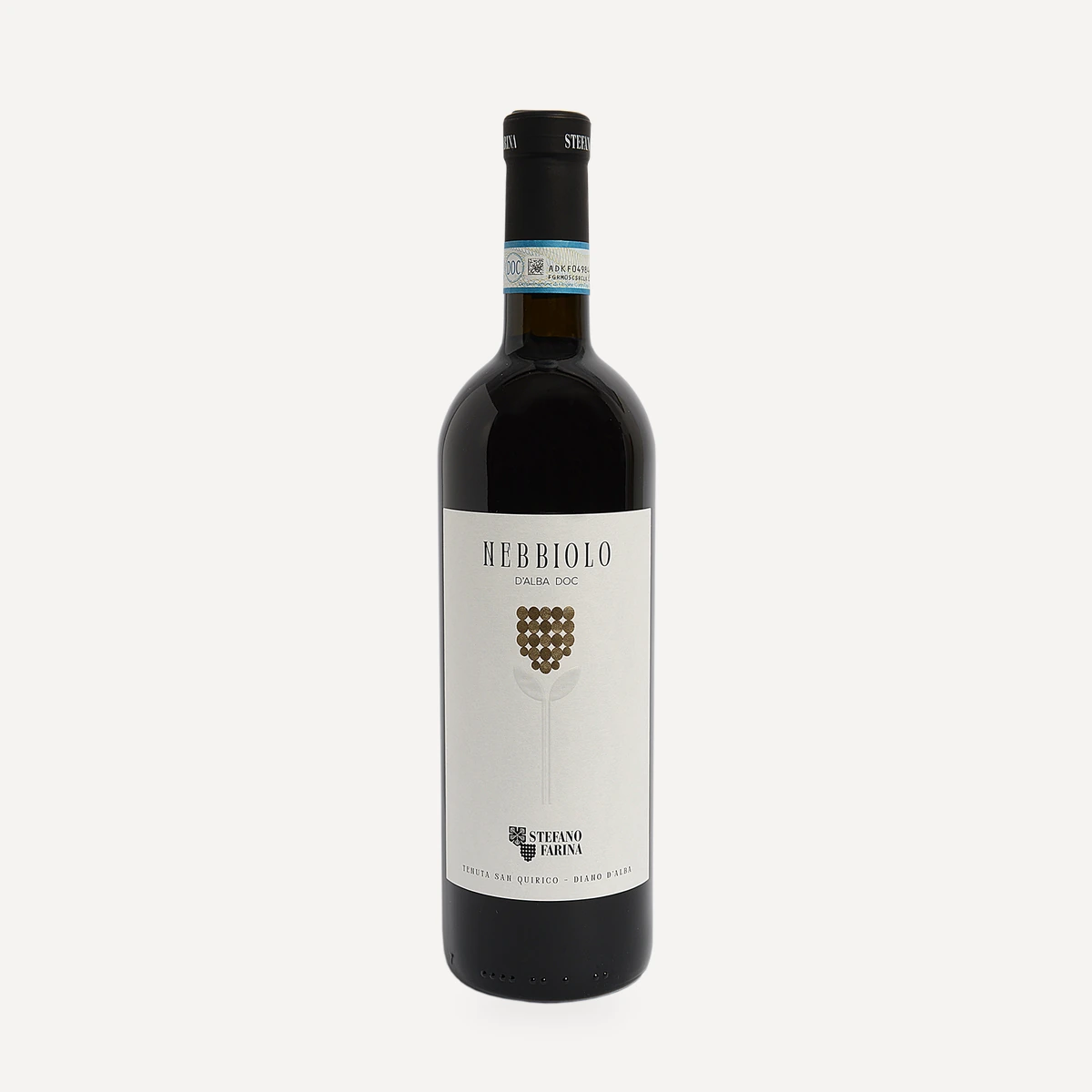
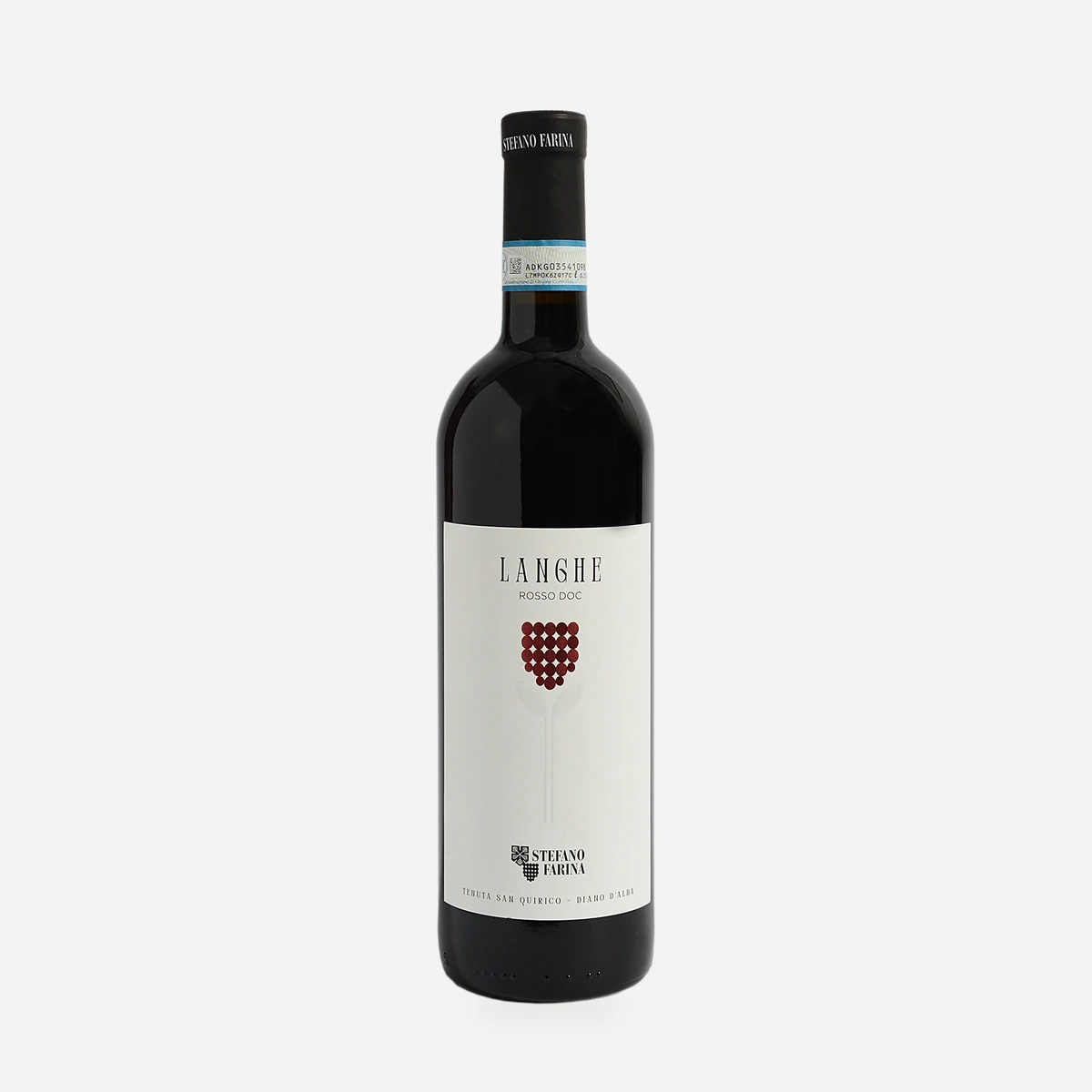
San Quirico opened a new chapter centered on two varieties closely associated with these hills: Dolcetto and Barbera. From that year onward, the estate’s production drew on the vineyards of Diano d’Alba, with Dolcetto di Diano d’Alba and Barbera d’Alba at the heart of its identity. The range subsequently presented under San Quirico also encompasses Barbaresco, Nebbiolo d’Alba, Langhe Rosso, Gavi, Moscato d’Asti and Langhe Arneis.
Terroir
San Quirico is situated at Diano d’Alba, described as a natural balcony overlooking the Bassa Langa. The local hills rise to an approximately constant altitude of 500 metres.
Relief and exposure
The ridges with the most favorable exposure are considered the best suited to viticulture. In Piedmontese these well-oriented sites are called sörì.
Soils
The soils are clay-rich and contain abundant calcareous marl. Their compact structure and effective drainage help maintain a balance between the vines’ vegetative growth and reproductive development.
Climate
Cool summer nights are particularly important for Dolcetto, an early-ripening variety that favors medium-to-high elevations. These conditions encourage the development of sufficient malic acid in the grapes; its subsequent transformation contributes freshness and complexity to the finished wine.
Vinificazione
San Quirico’s vineyards are centered on Dolcetto and Barbera. Dolcetto’s early-ripening character is matched to the area’s medium-to-high elevation and cool summer nights, while the compact but well-drained clay and calcareous-marl soils support a balance between vegetative growth and fruit development. Vineyard work is directed toward translating the particular character of the San Quirico soils into the grapes.
Cellar work is presented as an extension of the work undertaken in the vineyard. Barbera’s naturally pronounced acidity is managed through this combined approach to produce wines with structure and character. For Dolcetto, the malic acid encouraged by cool summer nights undergoes transformation during fermentation and subsequent development, contributing freshness and complexity.
Vini

Moscato d’Asti
Gavi
Nebbiolo d’Alba
Langhe Rosso Le Brume

Barbera d’Alba Silenzio
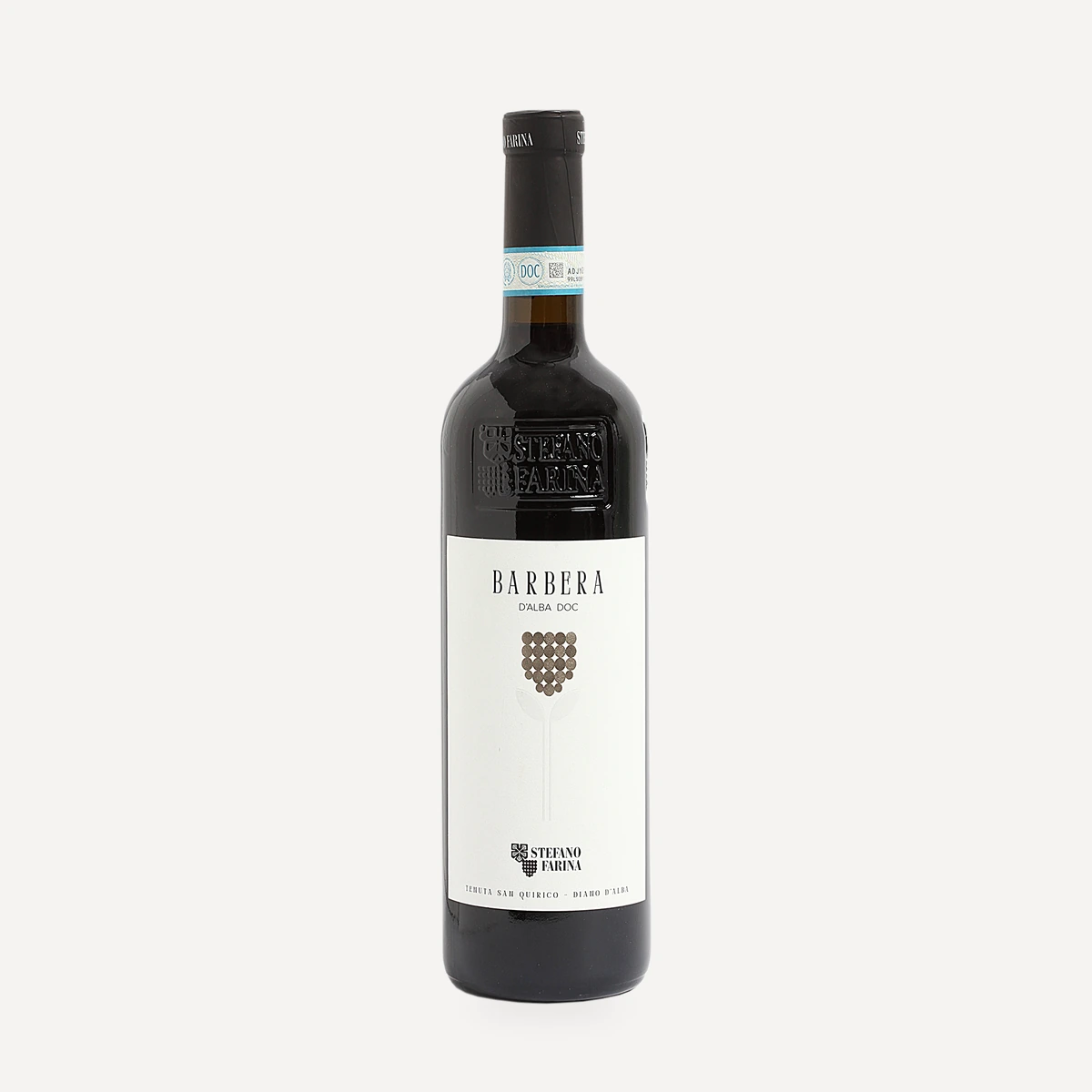
Barbera d’Alba
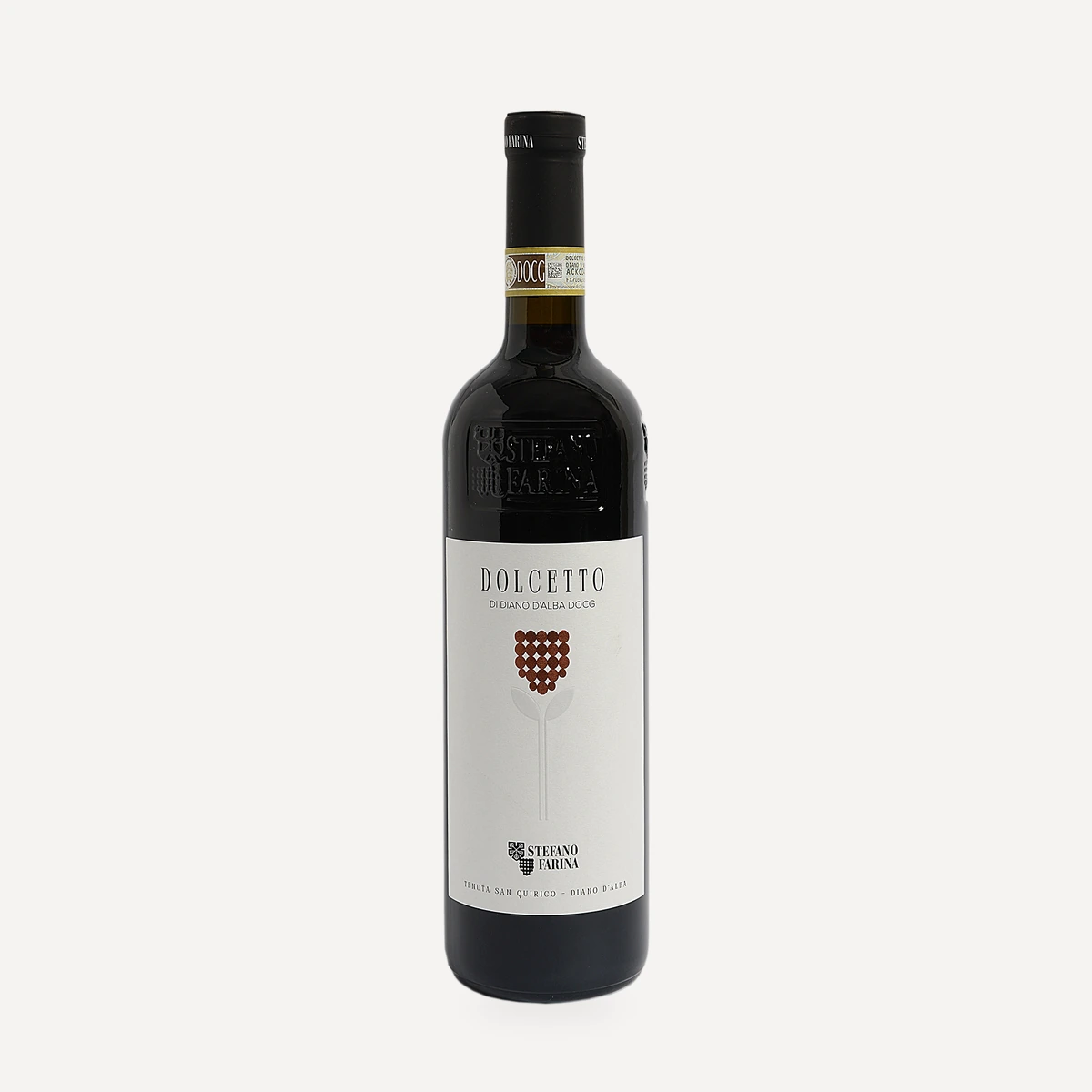
Dolcetto di Diano d’Alba