Storia
An eighteenth-century masseria
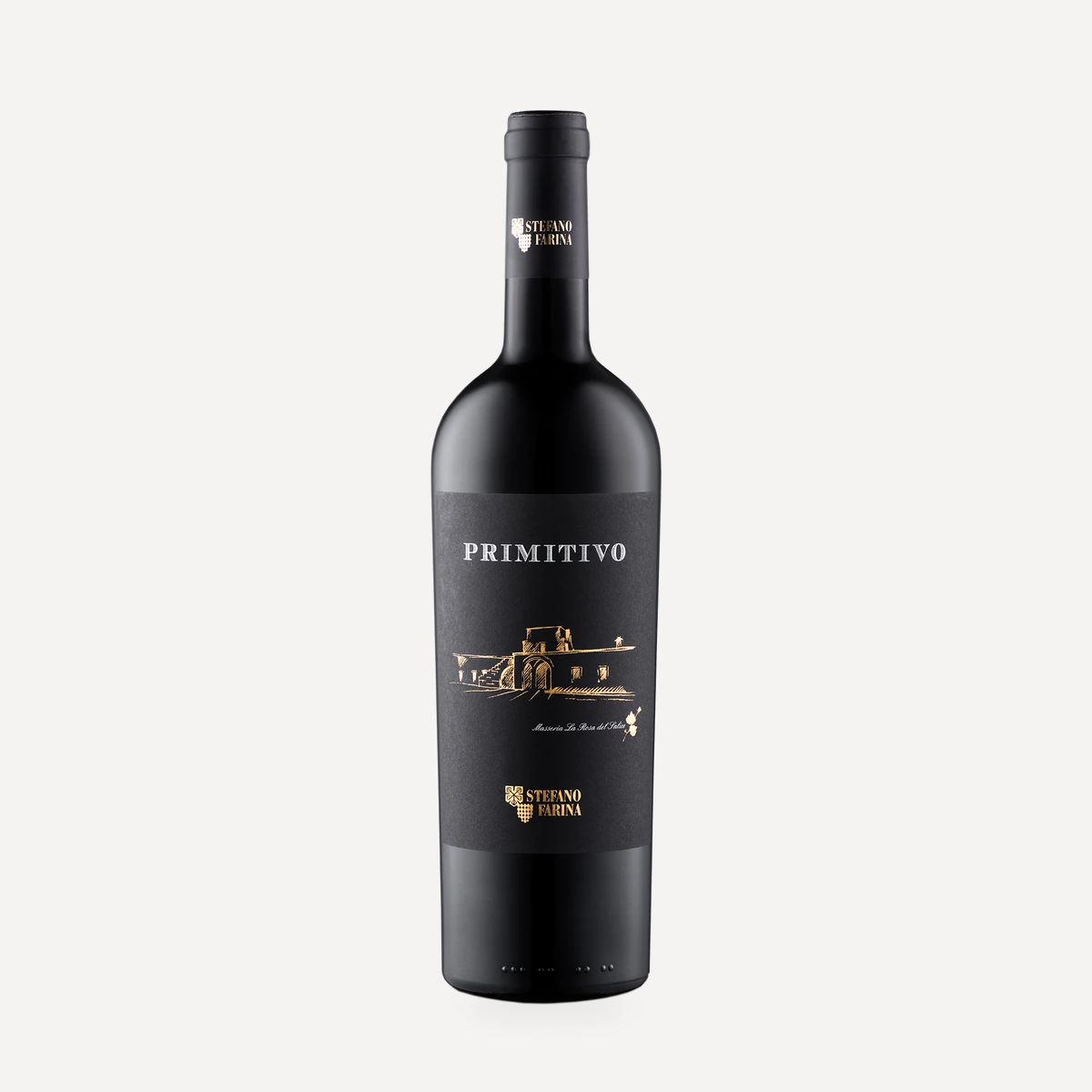
La Rosa del Salice occupies an eighteenth-century masseria in Salice Salentino, northwest of Lecce. Its restrained, formal profile belongs to the rural architectural tradition of Salento, while a ring of 400 olive trees surrounds the building.
Before the vineyard project, the estate’s very stony clay-and-limestone land had a long agricultural history. Wheat and other cereals were cultivated there first, followed by melons.
The family’s connection with Salento
The estate also represents a return to the origins of the Farina family’s wine business. In the 1930s, Stefano Farina and his wife, Giovanna, ran a trattoria where wine was served alongside food. Stefano became more interested in wine than in the restaurant trade and established his bottling and wine-marketing business in 1939. Some of the wines he marketed during this early period came from Salento, giving Puglia a lasting place in the family’s history.
Stefano’s interest passed to his children and subsequent generations. His second son, Giancarlo, studied oenology in Alba and concluded that bottling and selling other producers’ wines was not enough: the family should make wine itself. Supported by Stefano and his brothers Bruno and Gino, he developed the estate-based project that eventually expanded into several Italian regions.
2002 and the creation of the vineyards
In 2002 the family began planting La Rosa del Salice, the Puglian stage of its estate project. Transforming the agricultural property into a wine estate required three years of work. Prolonged deep breaking, excavation and earthmoving were used to prepare the exceptionally stony ground.
The resulting 20 ha of new vineyards were planted with the local varieties Negroamaro, Primitivo and Malvasia Nera di Lecce. The family adopted spurred-cordon training to rationalize vineyard operations, expose the foliage effectively and support even grape maturation.
La Rosa del Salice was conceived both as a tribute to Stefano Farina and as an investment in the recovery and preservation of Salento’s native viticultural heritage. It remains part of the family’s fourth-generation wine enterprise, Tenute Stefano Farina S.r.l. Società Agricola.
Terroir
La Rosa del Salice lies in the commune of Salice Salentino, northwest of Lecce, in the Salento area of Puglia. The masseria stands within a ring of 400 olive trees, and its vineyards occupy land with a longstanding agricultural use.
The soils combine clay with crushed limestone and contain abundant stones. Before vines were planted, the ground had supported wheat and other cereals, followed by melon cultivation. Preparing it for viticulture required prolonged deep breaking, excavation and earthmoving.
The climate is hot and breezy. Maritime air moderates the growing environment, assists grape maturation and frequently brings the harvest forward.
Salento’s wider viticultural history is also part of the estate’s conception. From the mid-nineteenth century, the area supplied France and other parts of Italy with healthy grapes described as free of phylloxera. La Rosa del Salice’s vineyard project was intended to participate in the modern recovery of Puglian viticulture while protecting native grape varieties.
Vinificazione
Converting the estate to viticulture required three years of intensive ground preparation. Prolonged deep breaking, excavation and earthmoving opened the exceptionally stony agricultural soils before 20 ha of new vineyards were planted.
The plantings focus on Negroamaro, Primitivo and Malvasia Nera di Lecce. Spurred-cordon training provides orderly access for vineyard operations and exposes the foliage effectively, creating conditions intended to support complete grape maturation.
The preservation and renewed cultivation of native Salento varieties form the central viticultural objective. No organic, biodynamic or other farming certification is identified.
Filosofia
La Rosa del Salice represents the Farina family’s return to Salento, the source of wines handled by Stefano Farina during the formative period of the family business. The estate is framed as a tribute to him and to the connection with Puglia that began at the start of his career.
Its vineyard project centers on safeguarding native varieties and contributing to the renewal of Puglian viticulture. This aim is expressed through new plantings of Negroamaro, Primitivo and Malvasia Nera di Lecce on land converted from other agricultural uses.
Across the broader production philosophy, respect for individual terroirs and the promotion of indigenous grapes are paired with research, innovation and modern vinification. The family presents continuity across generations as a guiding value: passion is inherited, cultivated and preserved in the same manner as a vineyard and its wine.
Vini
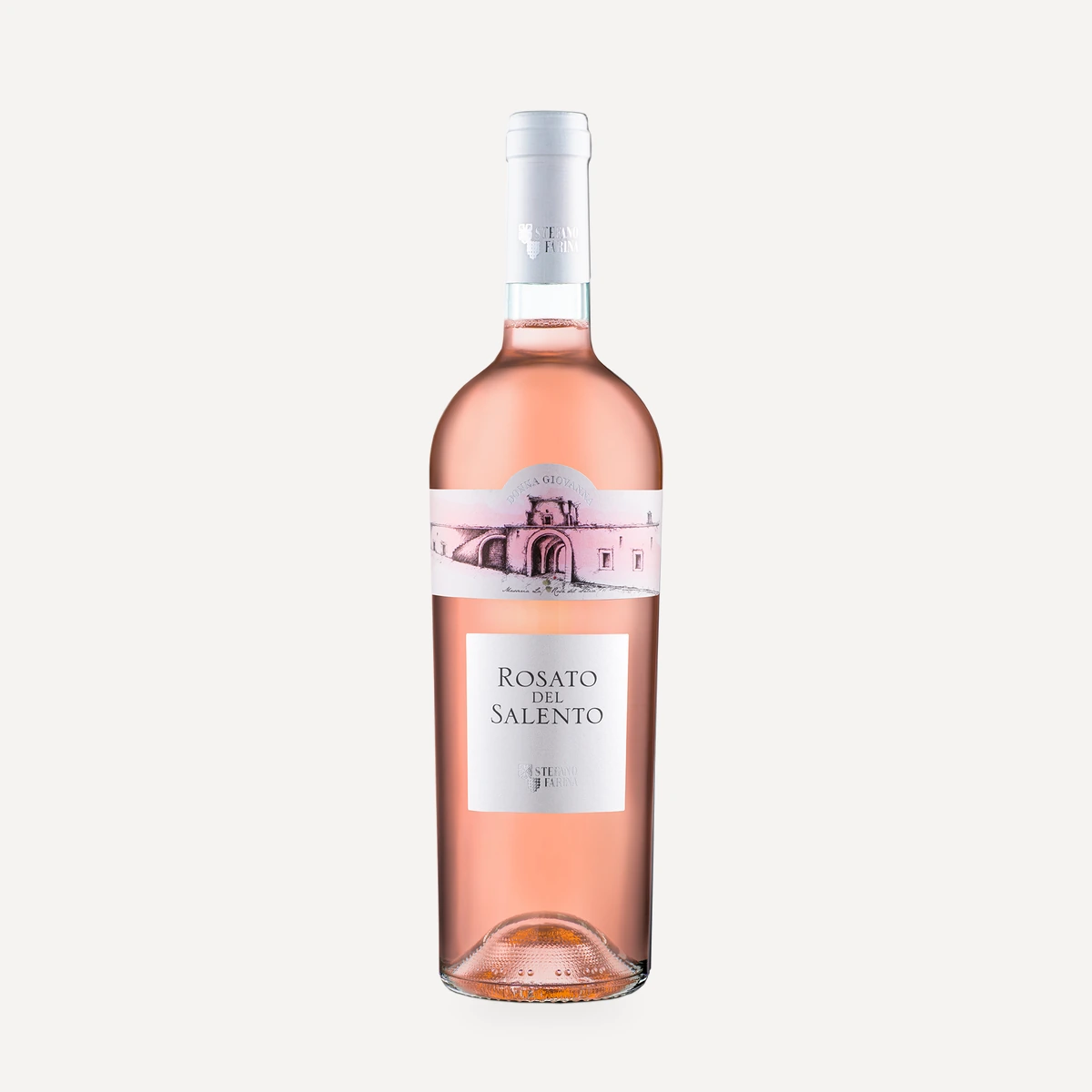
Rosato del Salento Donna Giovanna
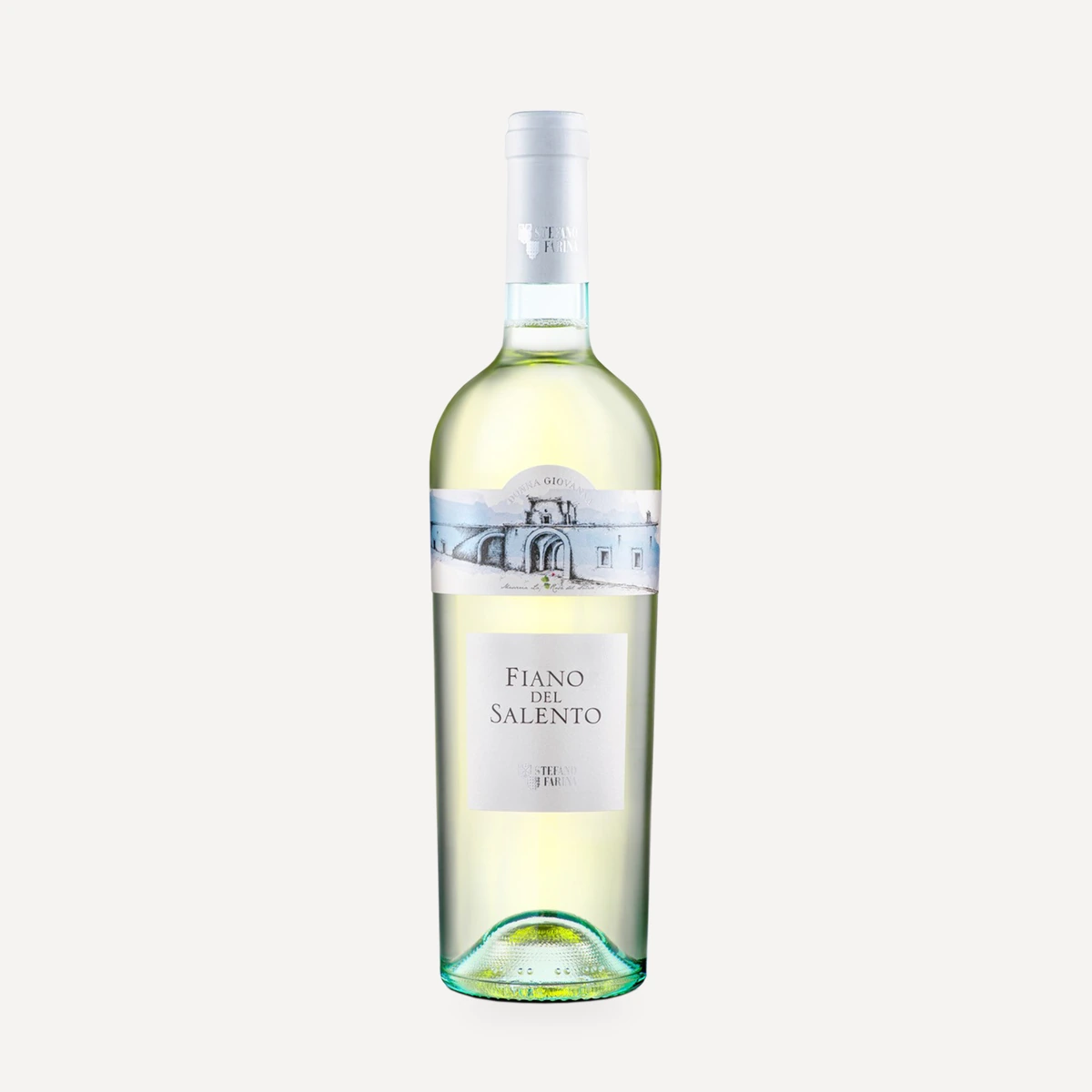
Fiano del Salento