Storia
Historical setting
Le Bocce occupies the building complex of an old medieval village in Panzano in Chianti. The original layout survived a complete restoration conceived to preserve the inherited structure rather than transform it. Authentic materials and traditional construction methods were retained throughout what became a substantial architectural undertaking.
The estate belongs to a winegrowing territory whose formal historical identity dates to 1716, when the Grand Duke of Tuscany defined the boundaries of the Chianti Classico area.
1988: the arrival in Chianti Classico
Le Bocce entered the Stefano Farina family’s wine project in 1988. Following the family’s first estate in the Barolo area, Fattoria Le Bocce established its second major territorial base, this time in Panzano in Chianti. The choice extended the project into Tuscany and placed Chianti Classico alongside Barolo as one of its principal regional expressions.
Le Bocce was selected on the Florentine side of the territory, close to the border with the province of Siena. Its development centered on Italian grape varieties and the relationship between their cultivation and individual vineyard positions. Sangiovese became the core variety, with Colorino and Canaiolo used to shape color, tannin, fruit and elegance.
Restoration and continuing direction
The restoration retained the physical identity of the medieval settlement, including its historic building plan, materials and construction character. This architectural respect for inherited fabric parallels the estate’s wine philosophy: native varieties and Chianti’s historical identity are interpreted through contemporary technical knowledge and sensory judgment. The intended style is ageworthy and gently tannic, combining softness with definition and freshness without aggressive acidity.
Terroir
Location and landscape
Le Bocce lies at Panzano in Chianti, on the Florentine side of Chianti Classico near the border with the province of Siena. The estate occupies a rugged, undulating and heavily vegetated landscape. Characteristic ravines, locally called borri, cut through the hills, while game-rich countryside and small stone villages preserve the area’s rural architectural character.
Soils
The soils combine galestro—the local marly material—with silt and clay. This composition makes the ground permeable while providing the nutrients needed for sound grape ripening.
Elevation and microclimate
The vineyards occupy mid-hill terrain. During summer, the hillside climate produces a marked contrast between daytime and nighttime temperatures. Winter brings gentler temperature differences. This seasonal pattern, together with the terrain and mid-slope elevation, favors complete phenolic ripening while retaining freshness and balance.
Variation within the vineyards
Sangiovese changes expression according to position. Higher sites produce more elegant, fruit-driven results, while lower and flatter areas give greater structure and firmer tannins. Colorino complements Sangiovese by bringing color and softness against its tannic structure. Canaiolo contributes elegance and fruit, supporting a more immediately approachable expression of Chianti.
Vinificazione
The vineyard project focuses on Italian grape varieties and the way their cultivation interacts with site. Differences in elevation and terrain are used to obtain complementary expressions of Sangiovese: elegance and fruit from higher ground, and structure and tannin from lower, flatter positions.
Colorino and Canaiolo provide distinct viticultural and stylistic components alongside Sangiovese. Colorino contributes color and softness, while Canaiolo brings fruit and elegance. No farming certification or detailed estate-wide account of soil cultivation, pruning, canopy management, crop protection, irrigation or biodiversity practices is identified.
Le Bocce combines contemporary winemaking and maturation systems with continuous sensory assessment. Human judgment remains central: tasting during production guides decisions such as the duration of maceration and the timing of maturation rather than relying solely on predetermined schedules.
Native varieties are assembled for complementary roles. Sangiovese supplies the central structure and tannic profile; Colorino can add color and softness, while Canaiolo contributes fruit and elegance. The objective is an ageworthy but not excessively tannic style—soft without becoming flat, fresh without becoming sharply acidic, and structured without sacrificing drinking pleasure.
The production philosophy joins Chianti’s historical identity and native grapes to modern technical knowledge. Exact estate-wide protocols for reception, sorting, fermentation vessels, yeasts, extraction, maturation, stabilization, filtration and bottling are not defined.
Filosofia
Le Bocce presents balance as the central measure of quality. Its wines are intended to be long-lived without excessive tannic severity, supple without losing shape, and fresh without becoming aggressively acidic. Elegance, freshness and refinement are pursued together rather than as isolated attributes.
The approach to Chianti joins tradition and progress. Native varieties and the historical identity of the territory remain fundamental, while technical experience and modern maturation systems support precision. Sensory judgment retains the decisive role: the human factor guides the evolution of the wine through repeated tasting.
Respect for place also shaped the restoration of the estate. The medieval village was not recast as a modern complex; its structural plan, genuine materials and inherited construction methods were preserved. This architectural decision expresses the same preference for interpreting an existing identity rather than replacing it.
Vini
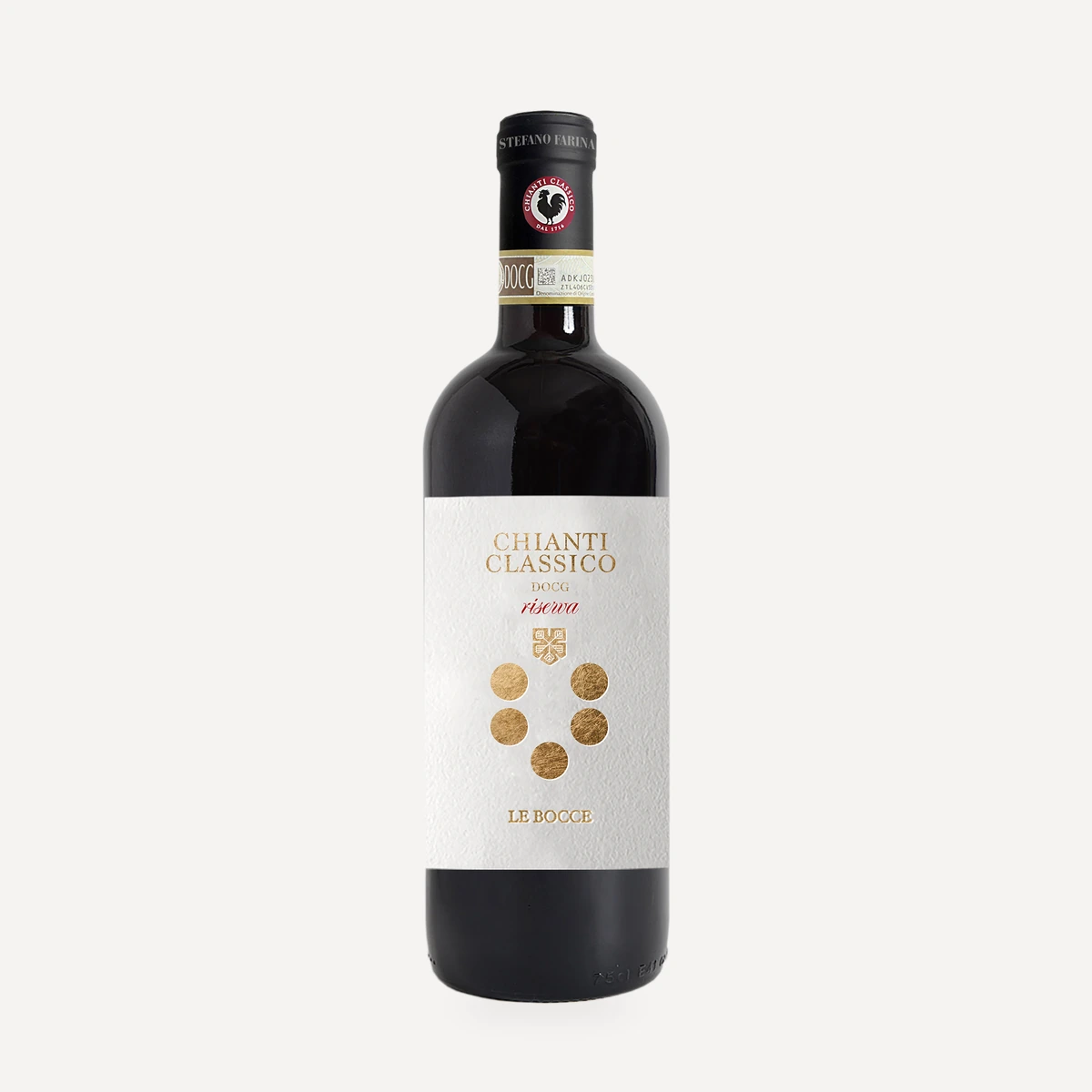
Chianti Classico Riserva
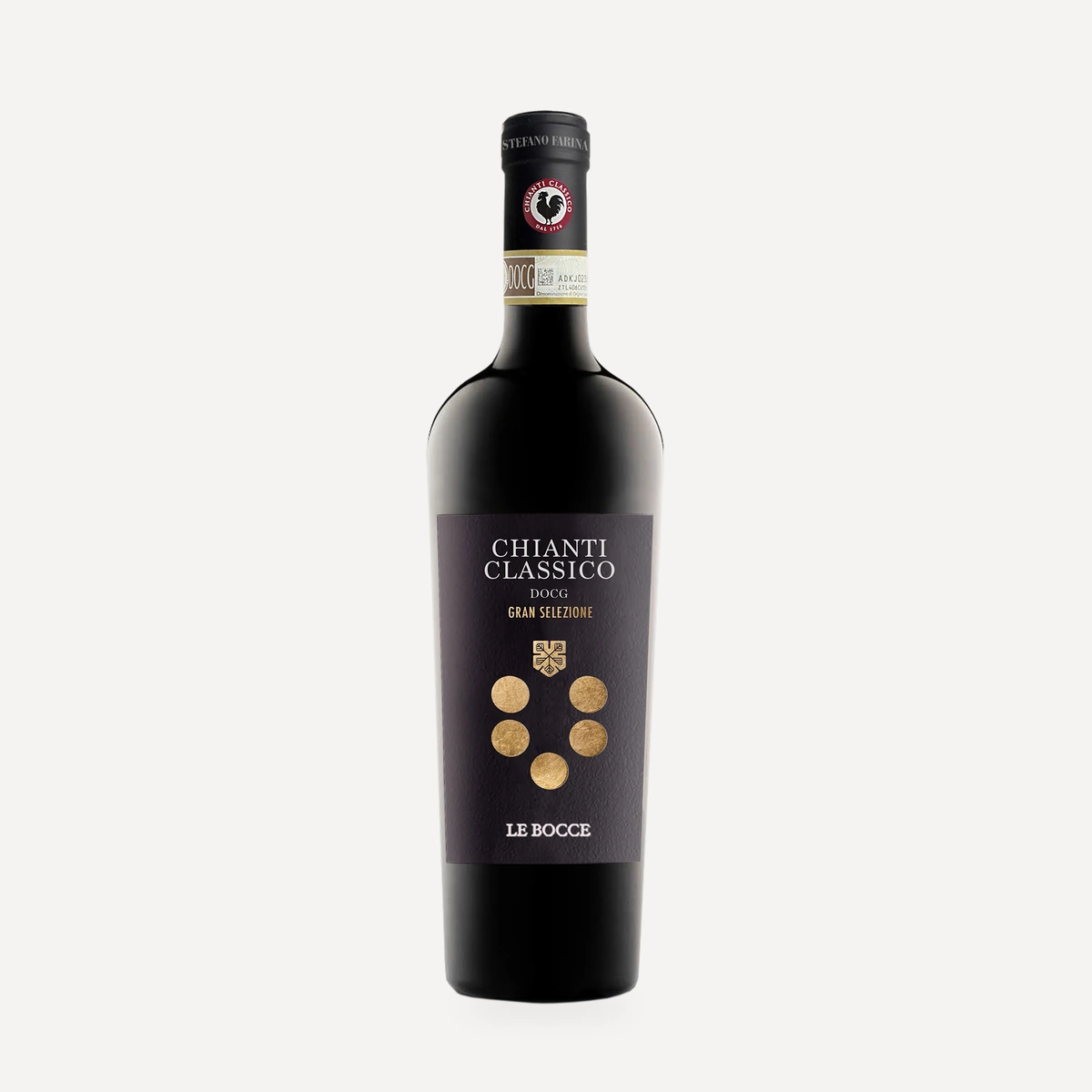
Chianti Classico Gran Selezione
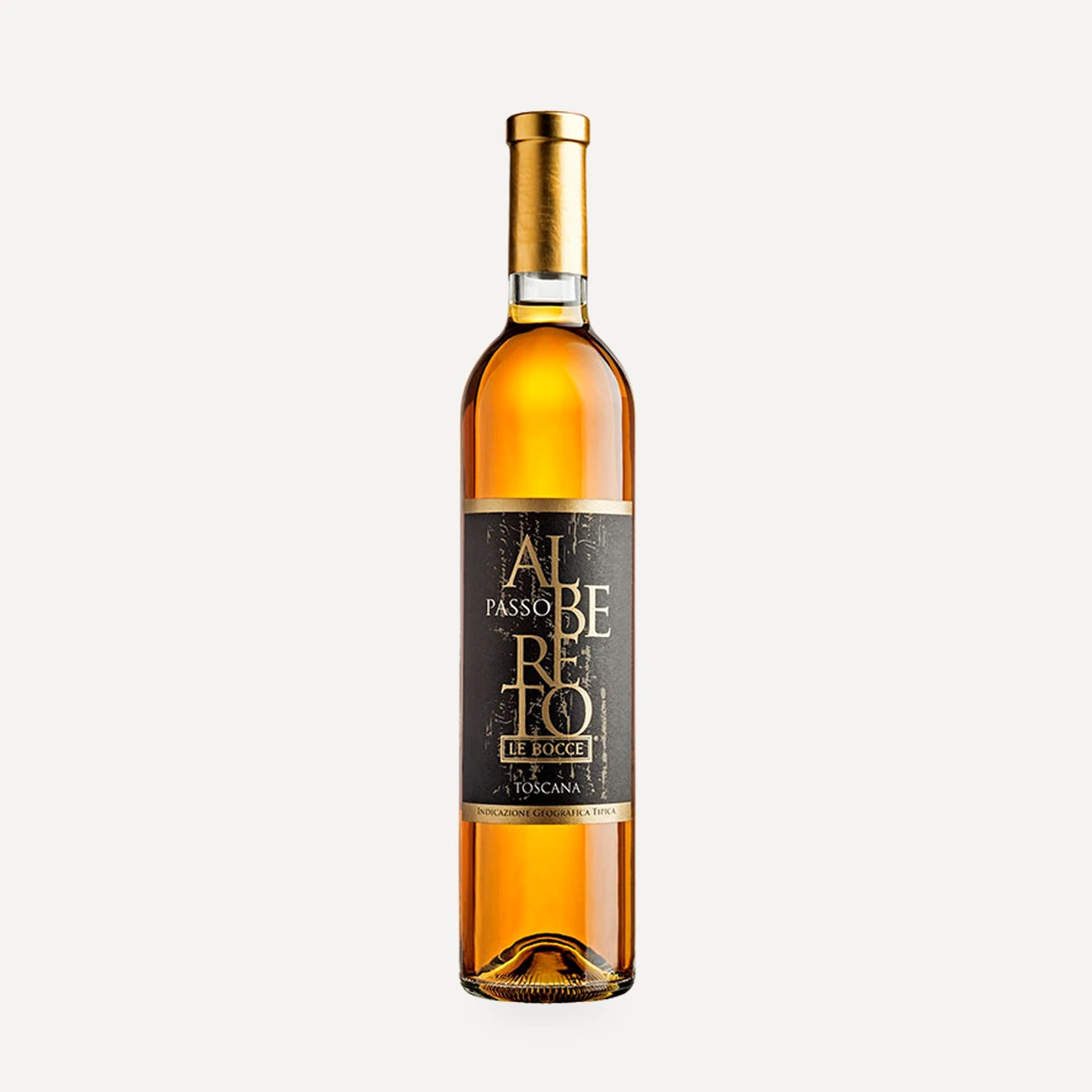
Bianco di Toscana Passo Albereto
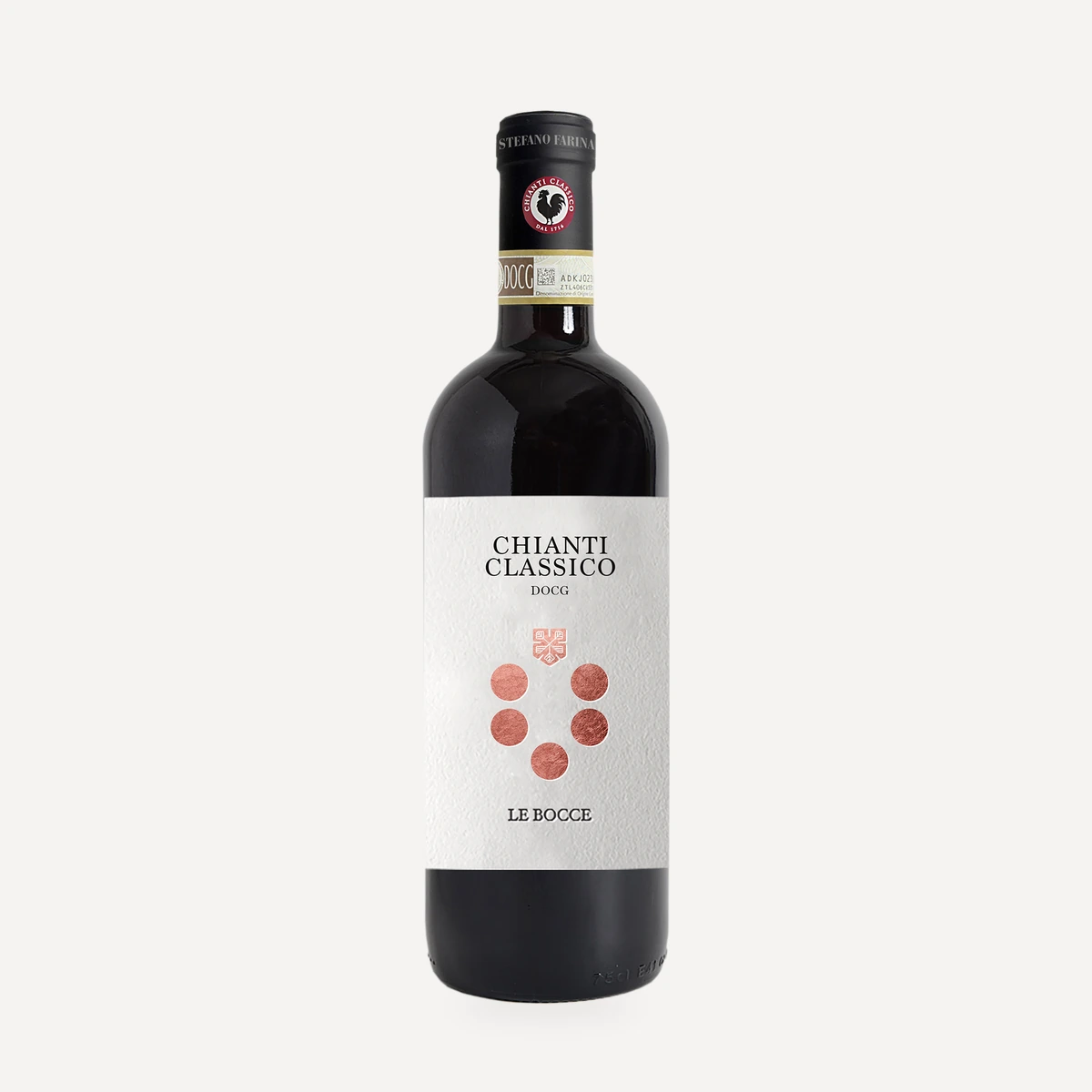
Chianti Classico