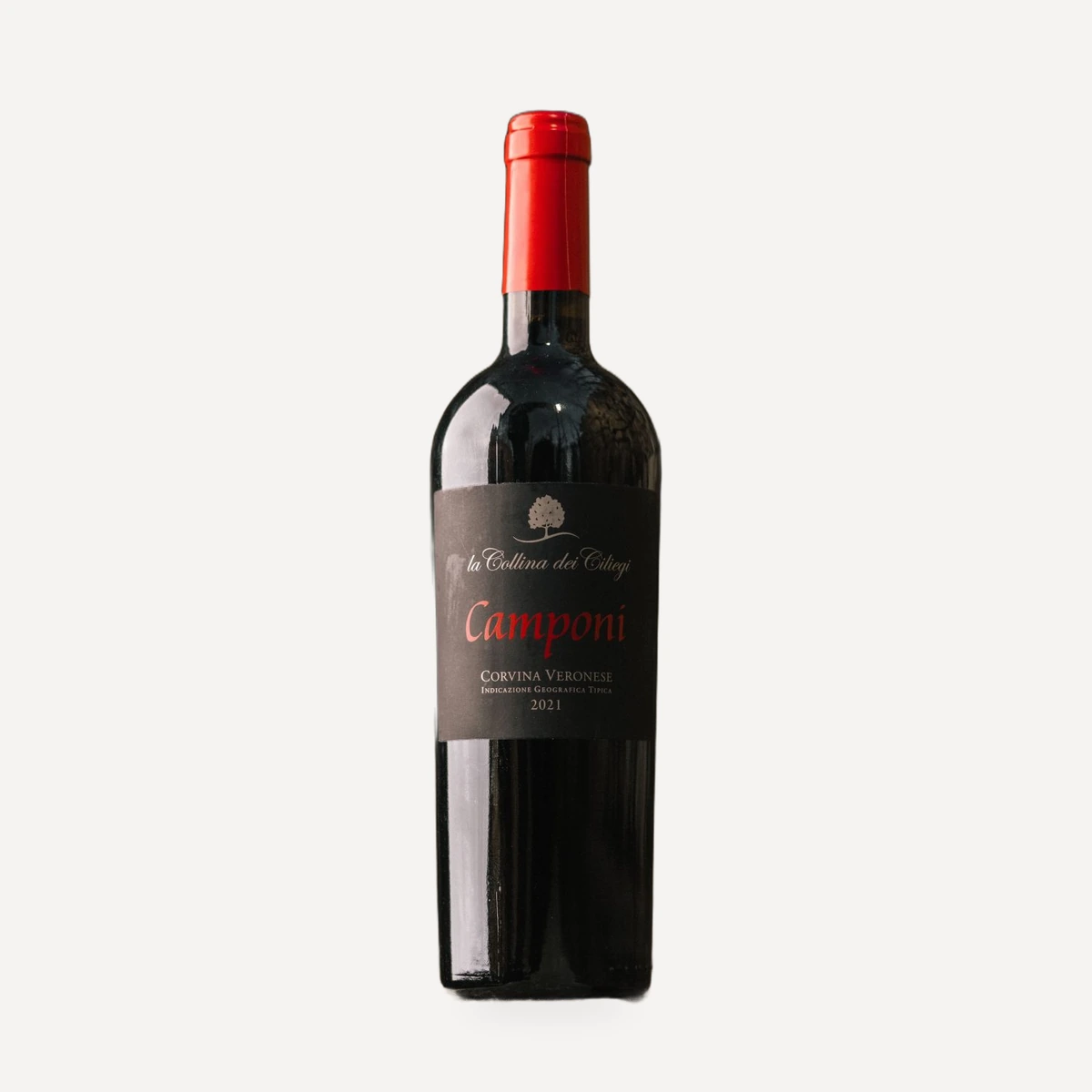
Storia
Family roots in Erbin
The estate grew from the Gianolli family's personal bond with Erbin, a small village of Cimbrian origin in Valpantena. Armando Gianolli, Massimo Gianolli's father, was cared for there as an infant. Massimo later spent part of his formative youth in the same community. These connections became the emotional foundation of Massimo's promise to Valpantena and Erbin and of the project developed as La Collina dei Ciliegi.
The project combined winegrowing with the restoration and continued life of the historic village. Its stated ambition was exceptionally high: to pursue the best wine the team could make while respecting the slower rhythms of land, seasons and maturation.
2017: the high-altitude project begins
In 2017, Massimo Gianolli and vice-president Christian Roger met terroir specialists Lydia and Claude Bourguignon. Together with a wider professional team, they began mapping, analysing and taking core samples from the estate's high-altitude ground. The purpose was to understand the individual soils of this part of Valpantena and identify sites capable of being treated as distinct crus.
May 2018: first new planting
The first vineyard installation arising from this research was completed in May 2018. The resulting initiative was initially presented as the SuperValpantena wine project and is now identified as the Alta project. It occupies the highest elevations of Valpantena within the Valpolicella denomination area and encompasses a series of separately identified high-altitude vineyards.
2019: En Primeur and hospitality development
In 2019, Massimo Gianolli allocated cru areas to an En Primeur model centred on Amarone Ciliegio. Participants purchased a 225-litre barrique while the wine was still maturing and could follow its development through barrel tastings before bottling. The first En Primeur celebration took place that year.
The estate's hospitality component operated as Ca' del Moro Wine Retreat. In 2019, the retreat received Touring Club's “Stanze italiane” recognition, one of four properties selected in Italy that year.
2020: reopening, media project and international partnership
Following the enforced interruption to hospitality activity, Ca' del Moro Wine Retreat reopened in June 2020 with an integrated programme of guided outdoor activities, cellar tastings, vineyard picnics and accommodation. At that point the estate covered 53 ha, including 30 ha of vineyards, and stood between 500 and 700 m above sea level.
From 24 to 29 August 2020, the resort became the base for the Donnavventura team while it filmed an itinerary through Valpantena and Lessinia. Massimo Gianolli coordinated the participating municipalities and local organisations. The tour began at the estate with the presentation of a commemorative sparkling wine.
On 9 July 2020, La Collina dei Ciliegi and French wine group AdVini formed AdVini Italia S.p.A. The new company was owned 51% by AdVini and 49% by La Collina dei Ciliegi. Its objectives included distributing the estate's fine wines and forthcoming high-altitude crus through AdVini's international network, bringing selected AdVini wines to Italy and integrating Ca' del Moro into AdVini's wine-tourism network. Antoine Leccia became chairman and Massimo Gianolli chief executive of the joint venture.
By the second En Primeur celebration on 26 September 2020, attendance had tripled from the first edition and 13 new participants had joined the club. Gianolli set the then-current objective of eventually reserving 75% of Amarone cru Ciliegio for En Primeur members.
The 2020 company profile recorded 53 ha of land, 30 ha under vine, nine labels in two collections, production of 160,000 bottles, more than 220 international recognitions and over €15 million invested at Erbin.
2020–2024: export-development programme
La Collina dei Ciliegi led the four-company “GO FAR – GO WINE” partnership under Veneto's POC FESR 2014–2020 programme. Work packages covered market analysis and feasibility studies for the United States and China, export consultancy, coordinated branding, participation in ProWein and Vinitaly between 2020 and 2024, and incoming programmes for foreign buyers. The pandemic complicated the latter activity. Eligible expenditure amounted to €499,407.60, with an awarded contribution of €249,703.80.
Restoration of the village and the present hospitality complex
The present La Collina dei Ciliegi Wine Resort & Restaurant resulted from the careful restoration of an ancient Cimbrian village. Traditional construction methods associated with Lessinia mountain shelters were retained, with stone, lime, wood and natural fibres used alongside contemporary comfort and sustainability measures. The restored complex now combines wine production, accommodation, dining, tastings, outdoor experiences and event spaces.
Terroir
La Collina dei Ciliegi lies at Erbin, a village of Cimbrian origin in Valpantena, within the municipality of Grezzana and about 20 minutes from Verona's historic centre. The setting combines rolling hills, vineyards, cherry trees, meadows and woodland.
Valpantena is described as a pre-Alpine valley of alluvial origin. Its soils are limestone and clay, while summer air currents cool the valley. Day-to-night temperature variation becomes particularly pronounced at greater elevations.
The estate extends through elevations documented at approximately 500–700 m above sea level; the Alta project focuses on sites between 550 and 700 m. These are presented as the highest vineyards in Valpantena. Ripening can occur as much as one month later than on the valley floor, supporting a longer development of aroma and fragrance.
Detailed soil work began in 2017 through mapping, analysis and core sampling. The programme identified differences among the estate's high-altitude soils and provided the basis for treating individual sites as crus. The Prea and Peratara sites contain marl and limestone or marl and clay with abundant rocky skeletal material of Cretaceous origin. Both experience strong diurnal temperature variation at their elevated positions.
Vinificazione
The Alta project is based on detailed site investigation rather than treating the high-altitude estate as uniform ground. Beginning in 2017, the team mapped the terrain, analysed soils and took core samples; the first resulting planting was installed in May 2018. The project records an average planting density of 7,692 rooted vines per hectare and a total of 161,500 rooted vine cuttings.
High elevation is used to lengthen ripening. Fruit in the estate's highest vineyards can mature as much as a month later than fruit on the valley floor. At Prea, harvesting can extend well into October; at Peratara it continues until late September. Both sites are harvested by hand, with selection of the best bunches.
Sustainability measures connect vineyard management with the wider estate ecosystem. Brogna sheep, a breed protected by a Slow Food Presidium, graze the grass between the rows. Their quiet grazing controls vegetation, improves the soil and helps recycle nutrients. Bees provide honey while supporting pollination and biodiversity. The vineyards and estate vegetable garden are cultivated using stated sustainable practices.
The production programme combines a high-altitude cru project with Valpolicella's established denominations. Soil mapping and coring precede site selection, while vineyard lots such as Prea and Peratara are harvested by hand.
The estate employs several vessel types within its cellar. Documented production equipment includes temperature-controlled stainless-steel vats, concrete tanks, large wooden casks, French-oak barriques and tonneaux, amphorae and Clayver ceramic vessels. Estate red-wine work includes destemming, gentle crushing, controlled fermentation, maceration, délestage and pumping over; whole-cluster soft pressing and concrete fermentation are used for the high-altitude white from Prea.
The En Primeur programme follows selected Amarone Ciliegio from its early barrel phase. A member is assigned a barrel and may monitor the wine through tastings during maturation. Temperature and humidity are controlled while it rests in the cellar. After barrel ageing, the wine is bottled in either 0.75-litre or 1.5-litre formats, labelled and numbered by hand. Bottles may then be delivered or retained for further storage in the estate's Vault.
Filosofia
The estate's project is framed as a promise by Massimo Gianolli to Valpantena and the community of Erbin. It connects family memory with a determination to develop the area's high-altitude potential.
Its declared ambition is to make wine at the highest level it can achieve. The approach combines rapid entrepreneurial decision-making with acceptance of the land's slower pace—summarised in the manifesto as “slow living, fast thinking.” Planting, cultivation, harvest, vinification and maturation are expected to follow seasons and natural cycles rather than being forced into the tempo of ordinary business.
The Alta project translates that position into detailed study of individual soils and low-yield, high-altitude sites. The objective is to elevate distinct parts of Valpantena to the status of crus while maintaining a careful balance between nature and human work.
The same principles extend beyond wine. Restoration favours the construction language and natural materials of Lessinia; hospitality encourages a slower experience of time; agricultural and restaurant practices emphasise biodiversity, local supply chains, seasonality and the continuity of local traditions.
Vini
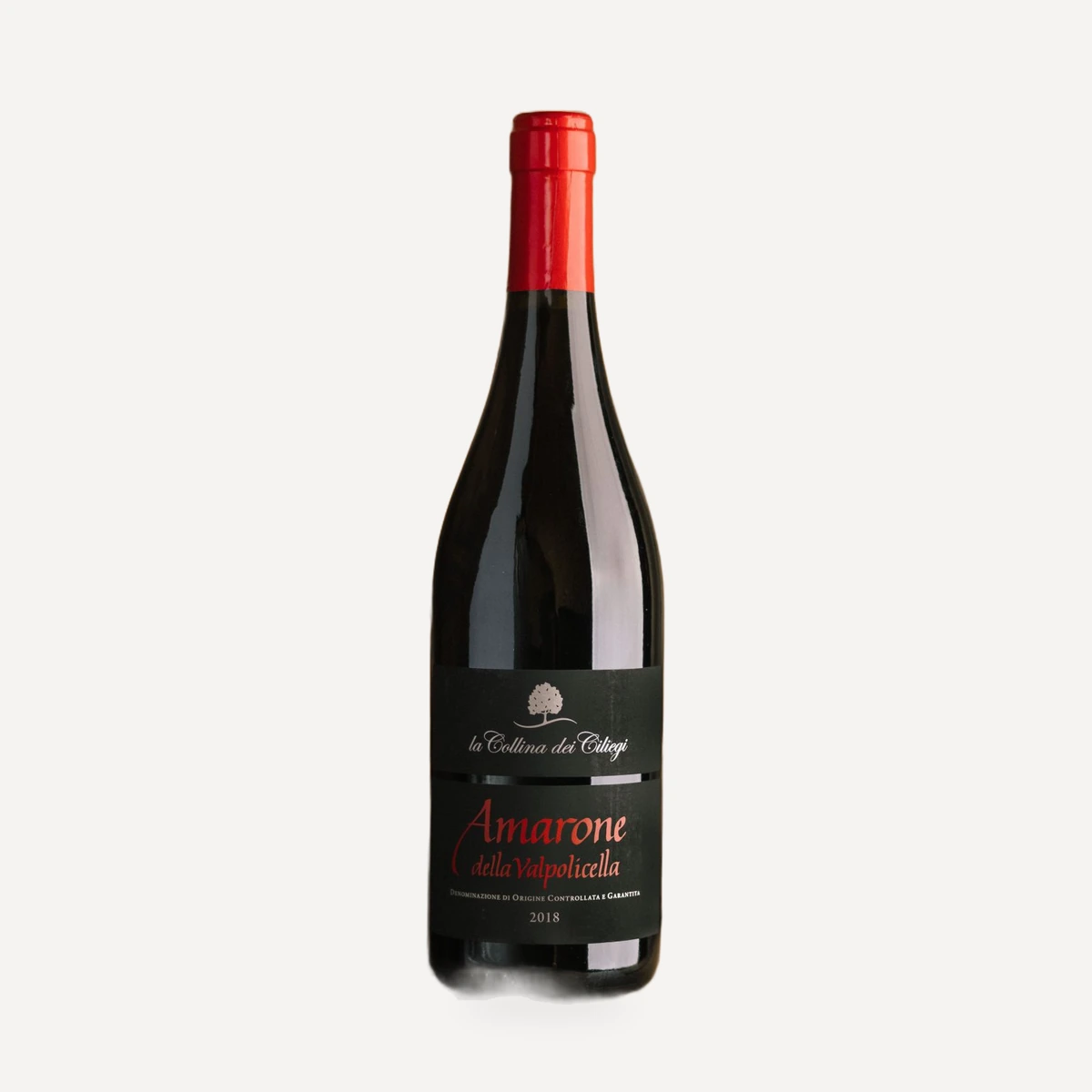
Amarone della Valpolicella DOCG
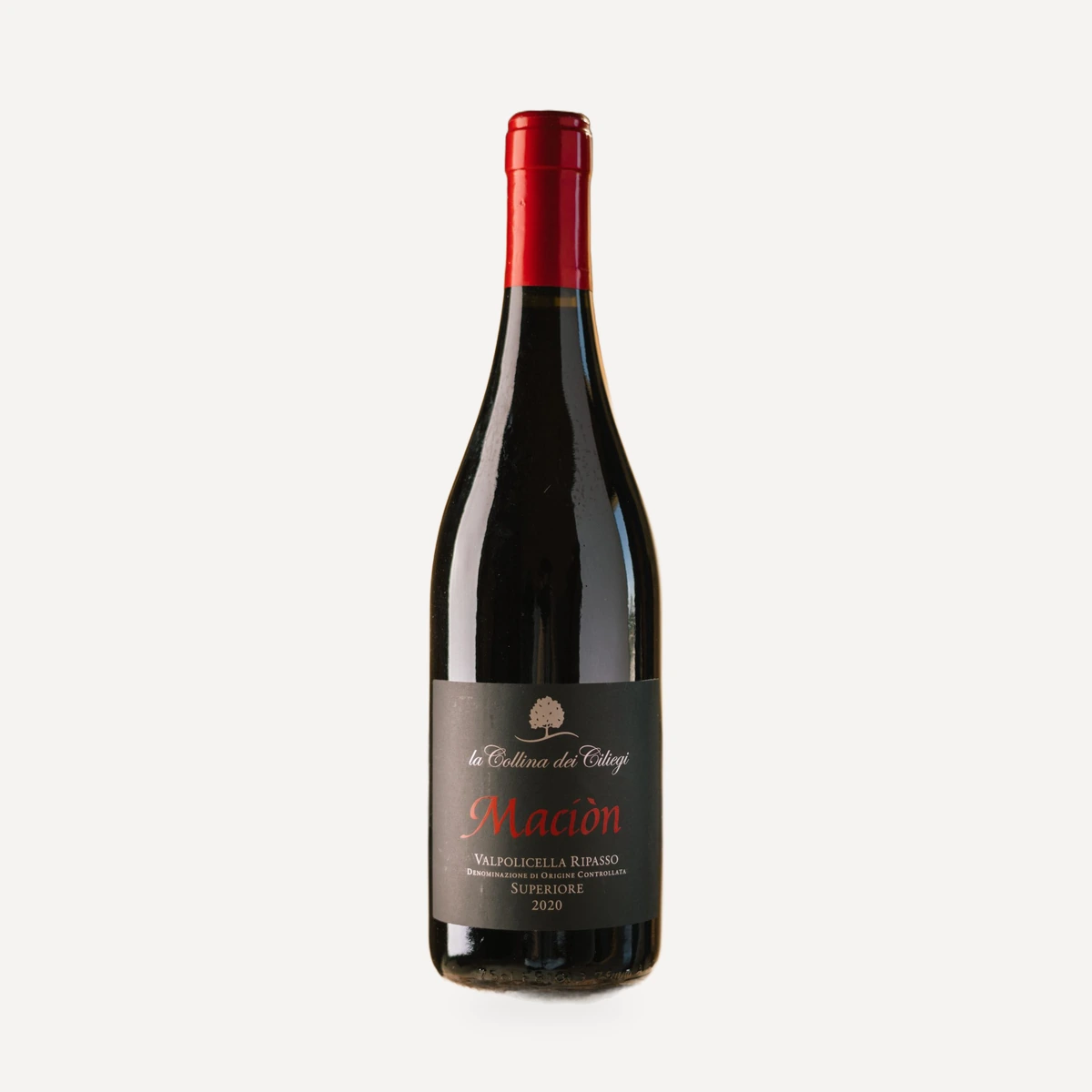
Maciòn Valpolicella Ripasso Superiore DOC
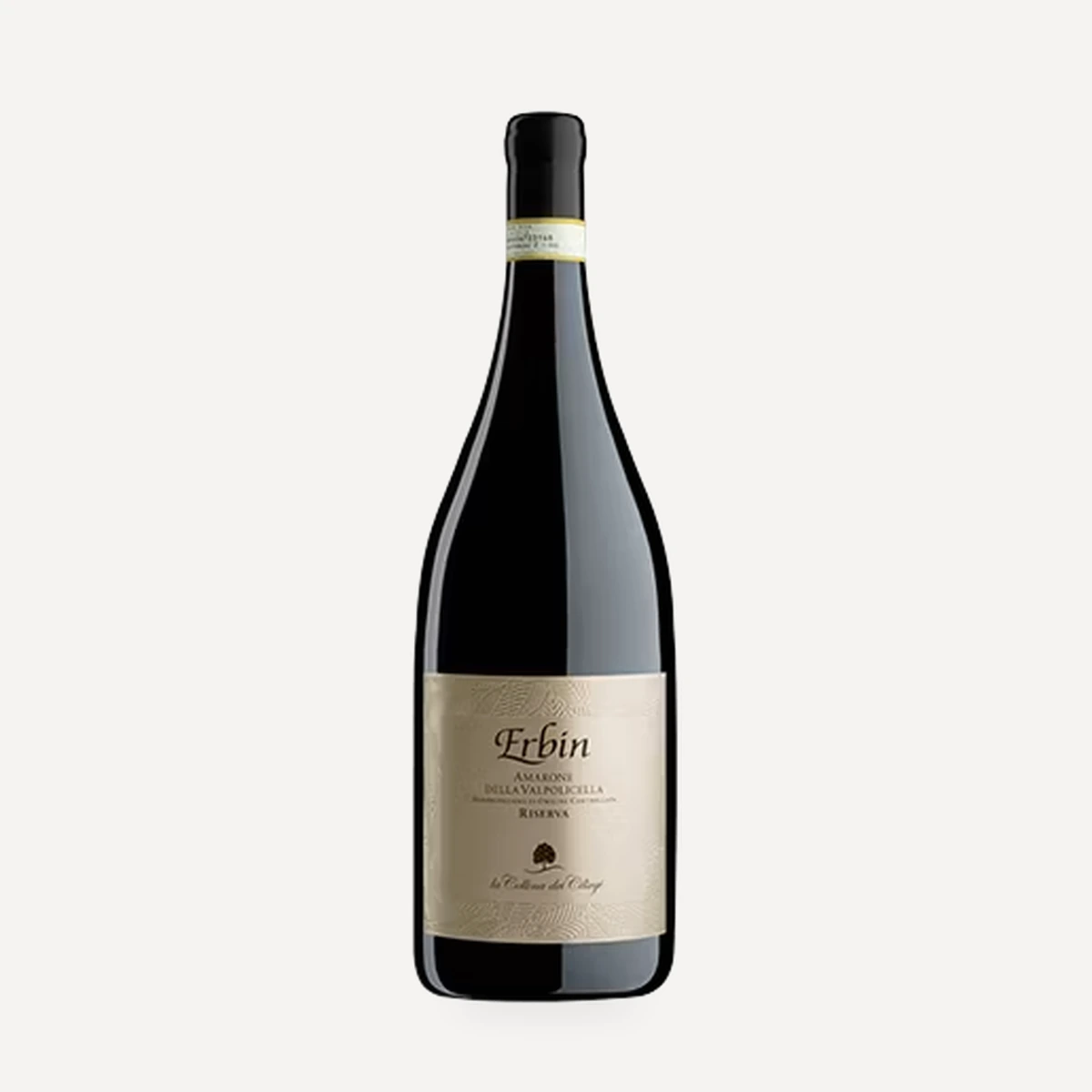
Erbin Amarone della Valpolicella Riserva DOC
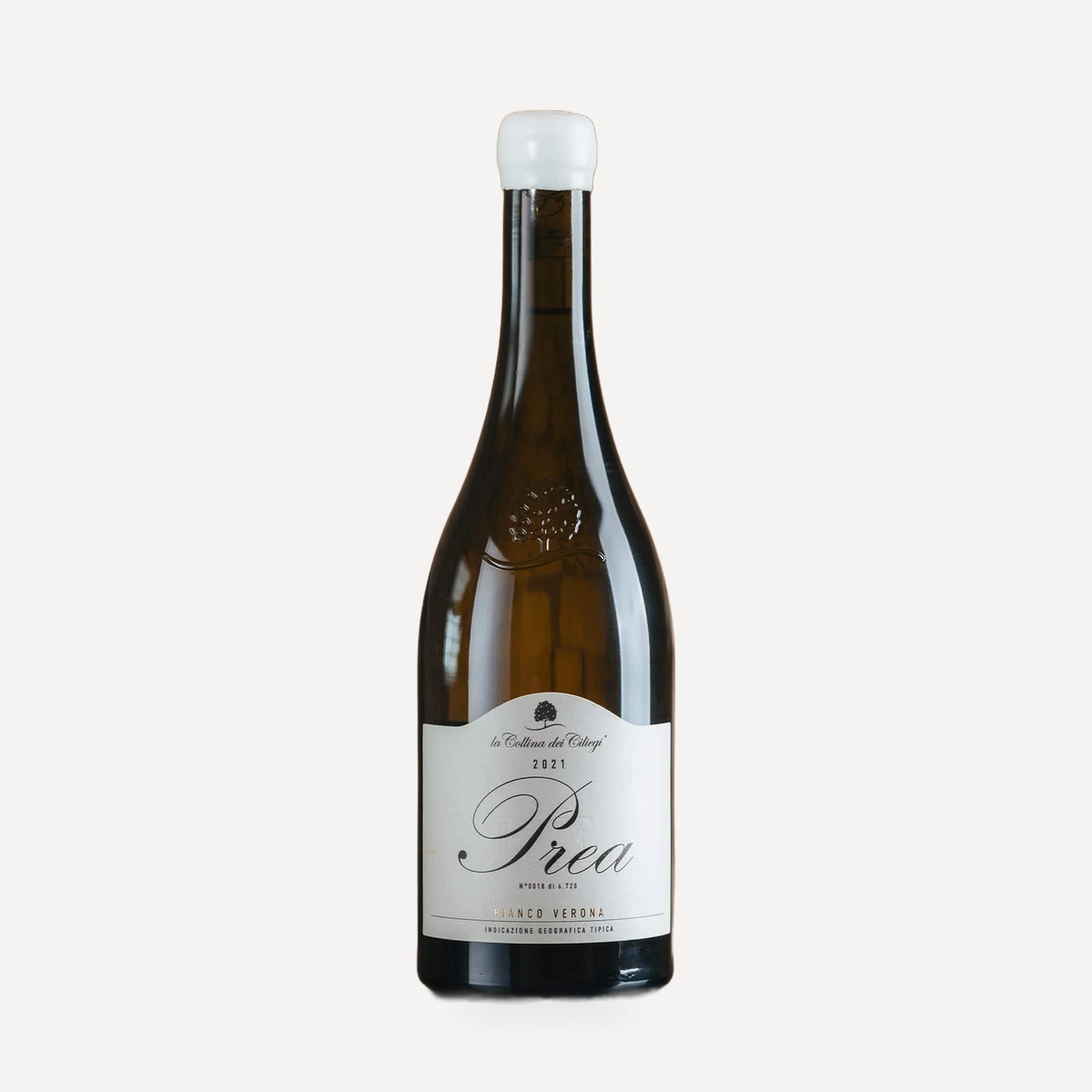
Prea Bianco Verona IGT
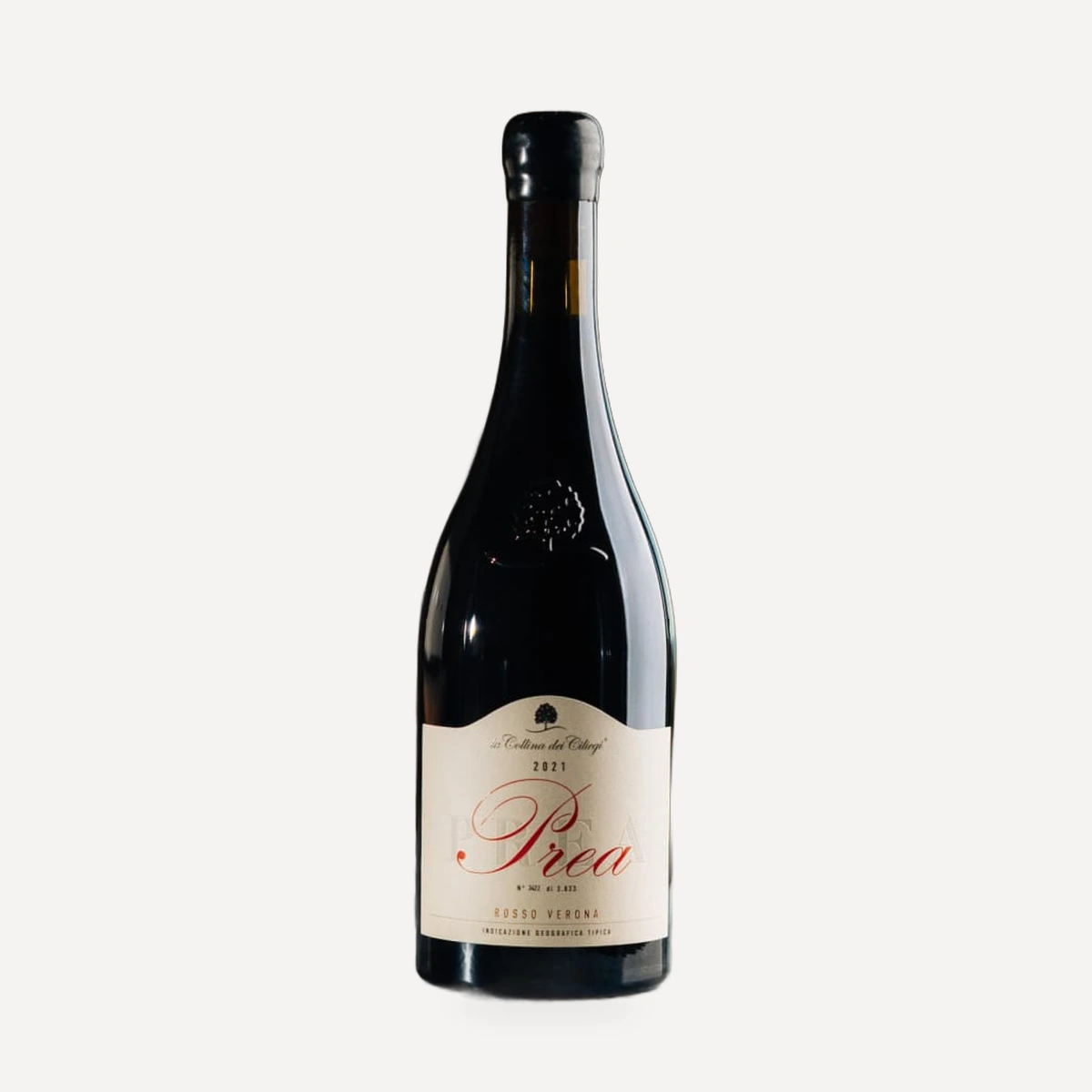
Prea Rosso Verona IGT