Storia
The first vineyard
In 1975, founder Filippo Mura planted the family's first vineyard at Azzanidò, in the territory of Loiri. The site lay in a small valley where currents from the sea meet air descending from the nearby mountains. Filippo tended the vineyard with dedication through the end of the 1990s.
Salvatore and Marianna were born and raised where the vineyard and winery now stand. Their familiarity with the valley shaped the way they subsequently divided responsibility for the estate according to their respective inclinations.
The second generation
In 2002, Salvatore and Marianna joined the cellar as the family's second generation. The first label developed under their direction was Sienda Vermentino di Gallura Superiore D.O.C.G.; further Vermentino and Cannonau releases followed over subsequent years.
In 2006, Mura began receiving awards at both national and international level.
Expansion and a new cellar
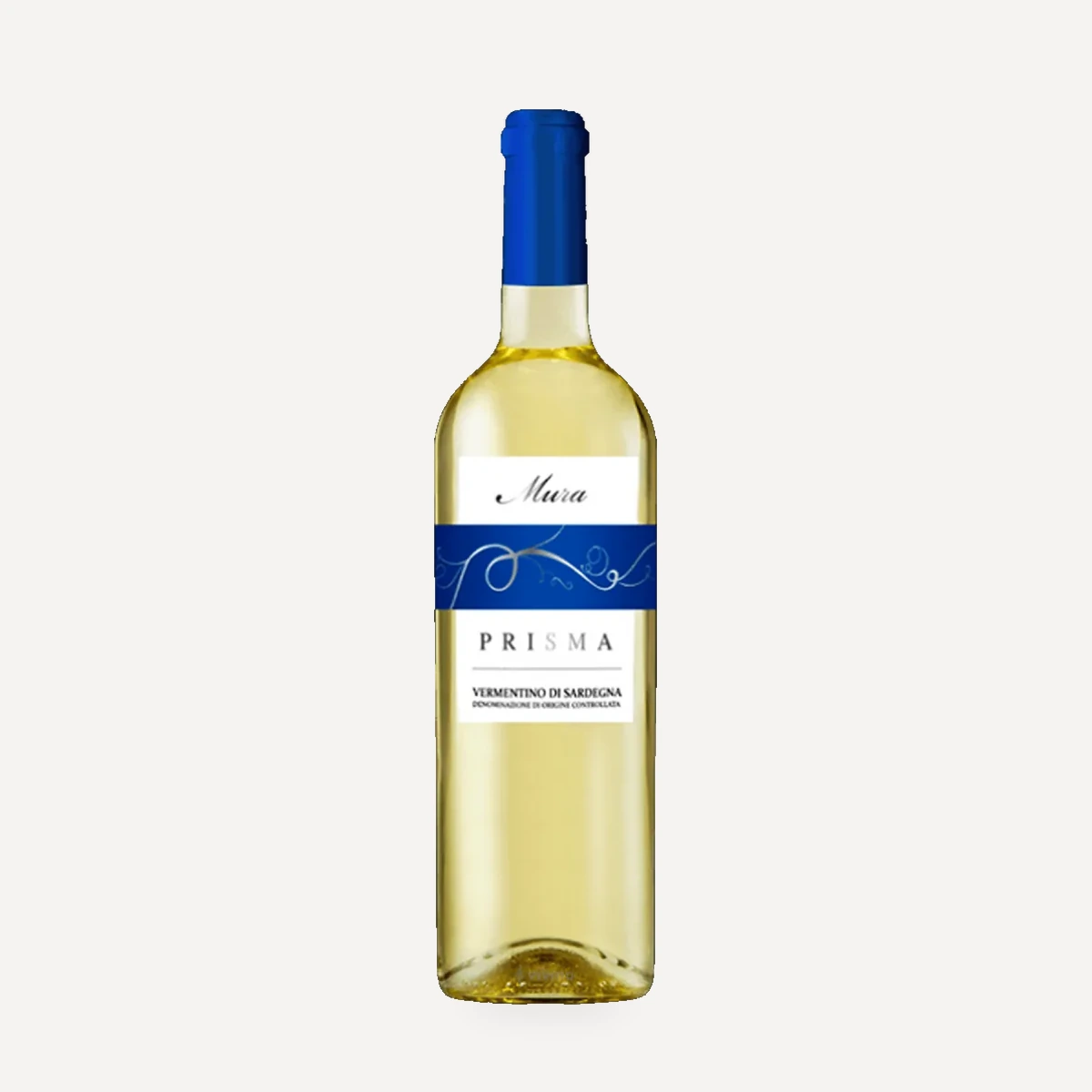
In 2011, work extending the original vineyard was completed. The resulting estate includes five named plots: Vigna Sienda, Vigna Cheremi, Vigna Cortes, Vigna Baja and Vigna Prisma.
In 2018, the family completed a new winery incorporating a dedicated barricaia, or barrel room.
In 2022, Sienda Il Decennio received another gold medal in The Italian Wine Competition.
Terroir
Mura occupies a 20-hectare holding at Azzanidò, in the territory of Loiri-Porto San Paolo in southern Gallura. The estate lies in a relatively small valley enclosed by gently contoured mountains and hills that remain notably green even at the height of summer.
The valley has its own exposure and a continuously ventilated microclimate. Air arriving from the sea meets currents from the nearby mountains, producing the persistent airflow experienced across the vineyards. Individual plots are described as having a ventilated, temperate Mediterranean climate.
The soils are clay-based but contain substantial sand and decomposing granite. The granite component is considered central to the estate's expression of its Gallura origins. Four named plots stand at approximately 70 m above sea level, while Vigna Prisma reaches approximately 100 m.
Vinificazione
Vineyard management remains directly in the hands of the Mura family. All vineyard operations are carried out manually in accordance with the family's established practices, and yields per hectare are deliberately kept low.
Only products described as organic are used to care for the vegetation and soil. The residue left after grape crushing is converted into organic fertilizer and returned to the vineyards, closing part of the production cycle within the estate. These practices have helped preserve the older vineyards and maintain what the family describes as the purity of the clone.
Espalier training and Guyot pruning are used in each of the five named plots. The broader environmental approach also includes low sulfur dosages, lighter bottles and alternative energy sources that have been in use for several years. No formal organic certification or certifying organization is identified.
The estate's original Vigna Sienda stands immediately in front of the winery, shortening the journey from vine to processing and allowing the grapes to arrive especially fresh.
A new winery incorporating a dedicated barricaia was completed in 2018. Average production is approximately 50,000 bottles. The approach to production begins with close study of soil quality, solar exposure, prevailing winds, the valley's microclimate and rainfall rather than applying a generalized formula detached from the site.
Sulfur is used at low dosage. Solid residue from crushed grapes is recovered and transformed into organic fertilizer for the vineyards. The winery also uses alternative energy sources, while lighter glass is selected for its bottles.
Filosofia
Mura presents winegrowing as a continuation of family life in Azzanidò rather than an adopted identity: Salvatore and Marianna were born and raised where the family now grows grapes and makes wine. Contact with the valley's natural environment shaped their work, and they divide the estate's responsibilities according to their respective inclinations.
The family defines sustainability through continuity with longstanding practice: manual cultivation, low yields, organic products for soil and vegetation, the return of grape-processing residues to the vineyard, low sulfur dosages, lighter bottles and alternative energy. These choices are intended to safeguard the older vineyards and preserve clonal purity.
The production philosophy emphasizes careful observation of the place. Soil quality, exposure to sunlight, prevailing winds, rainfall and the valley's microclimate are treated as interconnected factors in wine quality. The family's stated values are love of the land, passion, dedication and seriousness in its work.
Vini
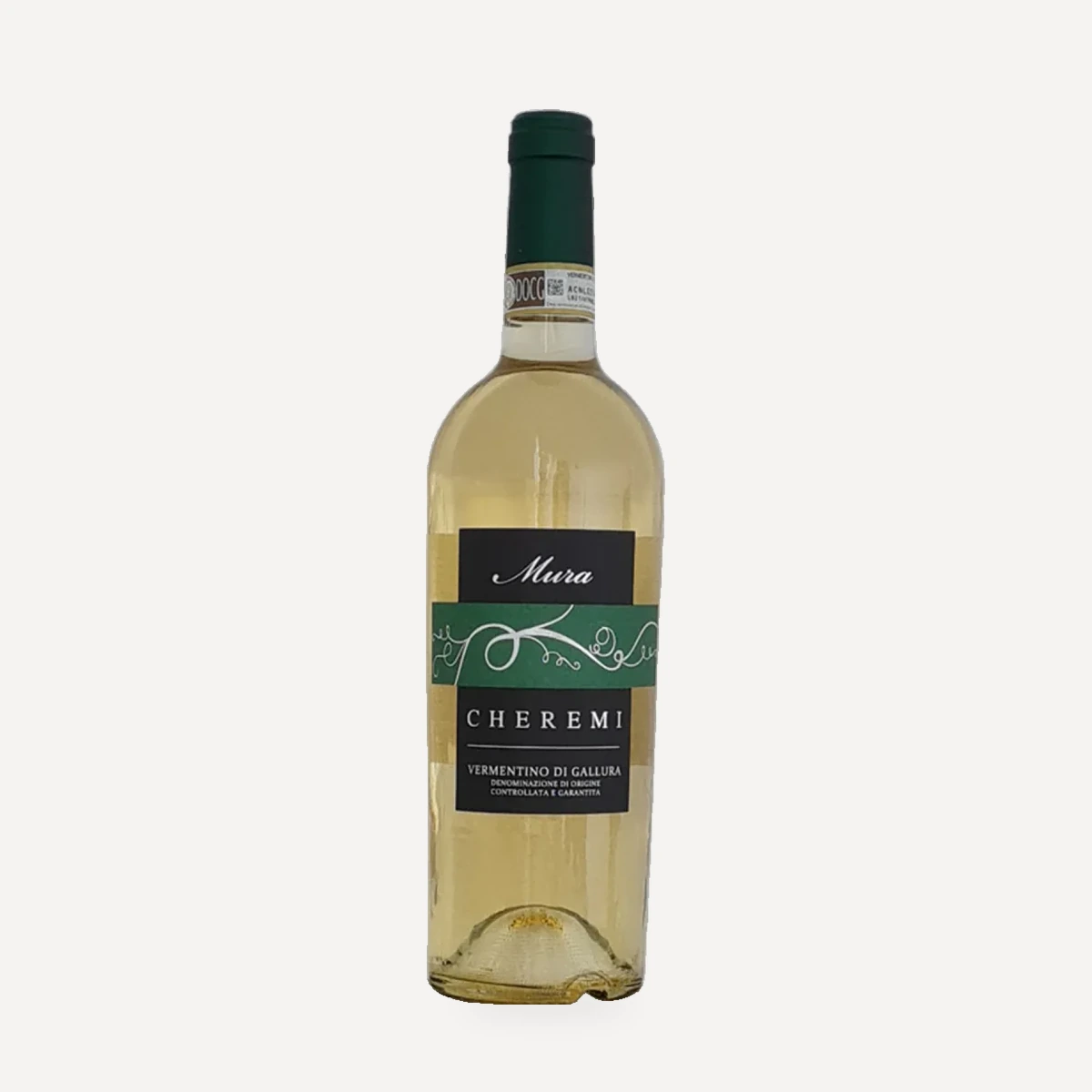
Cheremi Vermentino di Gallura D.O.C.G
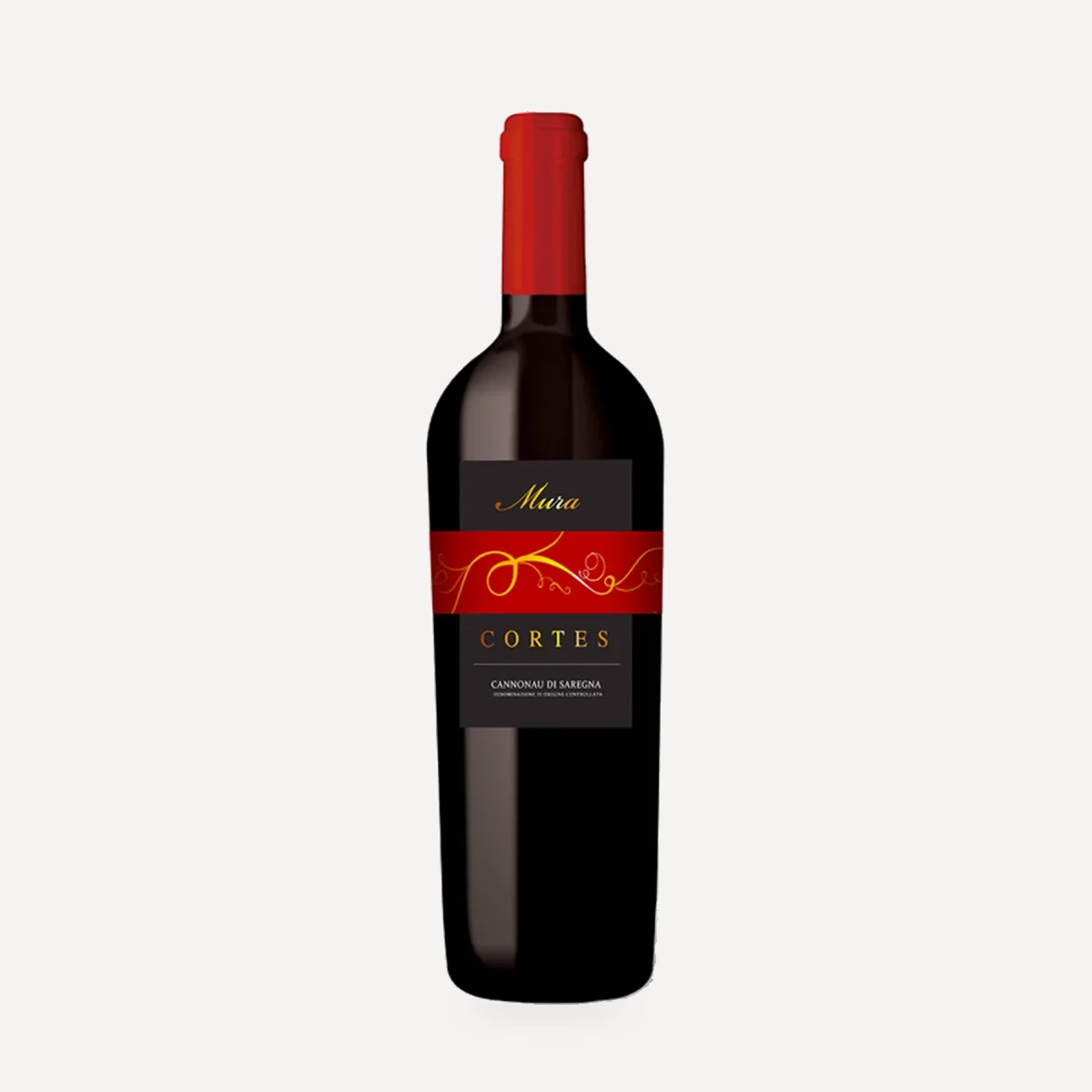
Cortes Cannonau di Sardegna D.O.C.
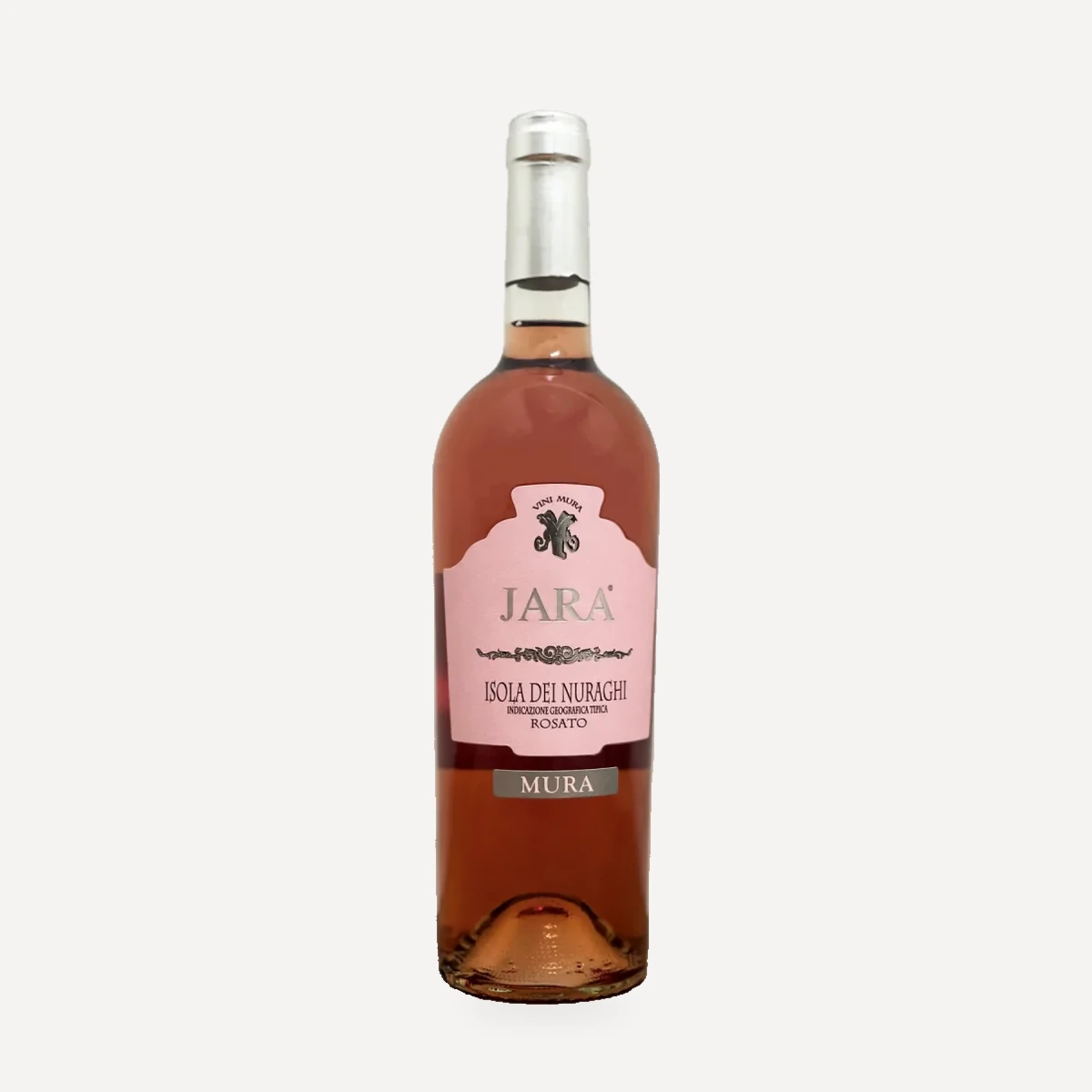
Jara I.G.T. Isola dei Nuraghi