Storia
Foundation and family continuity
The first generation of the Pasqua brothers founded Pasqua Vigneti e Cantine in Verona in 1925. The company has remained in Pasqua family ownership and developed around the wines of Veneto, particularly the vineyards and traditions of Valpolicella.
The family subsequently created Cecilia Beretta, a project devoted to site-specific expressions from Valpolicella and Soave. The name recalls Cecilia Beretta, an eighteenth-century patron and philanthropist connected with Villa Beretta at Mizzole.
Third-generation transformation
A new leadership team and the third generation of the family took charge in 2014. The transition initiated substantial investment in vineyards, business operations, research and development, portfolio premiumisation and strategies tailored to individual international markets. Revenue doubled over the following decade.
The Mai Dire Mai collection was introduced in 2016. Its first releases were Amarone 2010 and Valpolicella 2012, conceived to express the family's work with the Montevegro vineyard and to reinterpret established Valpolicella styles.
In 2017, Pasqua released 11 Minutes, beginning a broader exploration of Italian rosé. The Brasa Coèrta natural-vineyard pilot also began that year on a parcel of Mizzole, combining natural cultivation with minimal technological intervention.
In 2018, Graziana Grassini began collaborating with the oenology team on selected Cecilia Beretta wines. Her work brought a more delicate basis to the Mizzole blend and moderated its green notes. A wider natural-vineyard research programme was initiated in the same period, with techniques tested at San Roccolo di Montorio and subsequently applied elsewhere.
The first edition of Hey French: You Could Have Made This But You Didn’t was released in 2019. The project applied multi-vintage blending—unusual for a still Italian white—to fruit from the volcanic Monte Calvarina vineyard.
Y by 11 Minutes followed in 2020 as the upper tier of the rosé project. Pasqua began supporting Fondazione Arena di Verona’s 67 Colonne patronage programme in 2021. Contacts with Washington State winemaker Charles Smith also began in 2021, eventually developing into a joint Pinot Noir project.
Sustainability, recognition and centenary
In 2022, Pasqua achieved certification under the Equalitas SOPD Sustainable Organization Module–OS standard. The same year, Wine Enthusiast selected the company as one of five finalists for European Winery of the Year.
Fear No Dark joined the Mai Dire Mai collection in 2023. In November 2023, Wine Enthusiast named Pasqua Innovator of the Year 2023; the award was presented in 2024, making Pasqua the first Italian winery to receive that title.
The company celebrated its centenary in 2025. Its 2024 consolidated revenue had reached €63.5 million, 6% above the previous year, with exports representing 90.2% and distribution extending to 71 markets. The third generation’s decade of investment had doubled revenue, while the United States business grew by nearly 40% during 2024.
The centenary programme centred on Ode al Futuro, a Rizzoli book and immersive installation interpreting five defining wine projects through contemporary art. Pasqua’s investment in artistic projects since 2018 had approached €6 million by March 2025 and approximately €6.7 million by March 2026.
In 2025, Pasqua became global distributor of Charles Smith’s House of Smith brands, including K Vintners and Sex, and a minority partner in Real Wine. It also acquired an interest in Carole Bouquet’s Sangue d’Oro project in Pantelleria. The same year brought Pasqua’s first Impact Hot Prospects Award from M. Shanken Communications, recognising its sales growth, brand development and marketing performance in the United States.
2026 projects
In February 2026, Pasqua presented Fuori Carta, a gastronomic programme intended to reposition Sangue d’Oro Passito di Pantelleria across an entire meal rather than only as a dessert wine.
The fifth edition of Hey French was unveiled in March 2026. It united six vintages—2015, 2018, 2019, 2020, 2022 and 2024—and accompanied a new sponsorship of Estate Teatrale Veronese.
At Vinitaly in April 2026, Pasqua and Charles Smith presented their first joint multi-vintage Pinot Noir. The project, conceived nearly a decade earlier and developed together from 2021, combines the 2018, 2022, 2023 and 2025 vintages from the high-altitude Campiano vineyard above San Giovanni Ilarione.
In June 2026, the company organised or supported events in New York, Paris, Milan, Verona and London, linking its wine programme with Italian culture, gastronomy, volcanic terroirs and the performing arts.
Terroir
Pasqua’s principal vineyard work spans Valpantena, eastern Valpolicella, Val d’Illasi, the eastern Soave hills, Lake Garda and the high ground above San Giovanni Ilarione.
Valpantena and eastern Valpolicella
San Felice surrounds the company’s headquarters northeast of Verona, within Valpantena. Its clay-limestone soils are of alluvial origin. Mizzole lies farther east in a valley crossed by the Fibbio stream; mountain indentations alternate with hills and plains. Its soils are clay-limestone, while its position within Valpantena produces comparatively warm summers and a narrower day–night temperature range than Valpolicella Classica.
Cascina San Vincenzo occupies the same ridge as Mizzole, about 8 km farther north and approximately 350 m above sea level. Its clay-limestone soil derives partly from the transformation of local rock; the clay retains minerals and keeps them available to the vines.
The Brasa Coèrta parcel lies at 230 m within Mizzole. Its clay-limestone soil is alluvial in origin.
Montevegro and Val d’Illasi
Montevegro rises to 350 m and is exposed on all sides. It faces Val d’Illasi and Val di Mezzane, with the Lessini range behind it. Its soils are basaltic and calcareous. Corvina from this area produces a particularly full-bodied, tannic expression that generally requires longer cellar maturation than fruit from neighbouring zones.
Monte Calvarina
Monte Calvarina lies on volcanic hills in the eastern part of the Soave area. Its highest parcels reach approximately 500 m and face southwest. Basaltic-calcareous soil contributes a pronounced mineral character. Altitude brings cool, breezy summers and significant temperature variation, supporting gradual ripening and aromatic development.
Campiano
Campiano extends over 9 ha above San Giovanni Ilarione at approximately 600 m. Its multiple southwest-facing plots form an amphitheatre surrounded by forest. Clay-limestone soils formed from ancient seabeds include a volcanic component and drain effectively on the slopes. The forest and elevation create a cool, airy yet protected microclimate. Marked temperature changes and slow ripening support aromatic development while preserving the sugar–acid balance in hot years.
Lake Garda and Valpolicella Classica
Lake Garda’s morainic soils have relatively high fertility and support lighter Corvina expressions, including rosé. Valpolicella Classica combines moderate fertility with limited water availability; average production is lower, while ripeness, structure and concentration increase without sacrificing the variety’s characteristic finesse.
Vinificazione
Organic cultivation
Mizzole was cultivated organically for ten years before entering certification in 2020. Cascina San Vincenzo has followed certified-organic principles from the project’s beginning, with approximately twenty-year-old Corvina, Corvinone and Rondinella vines.
Y by 11 Minutes has also achieved organic certification, while organic wines represented 4.5% of the company’s production mix reported in 2023.
Natural-vineyard research
Brasa Coèrta is a natural-farming pilot begun in 2017 on a 1.2 ha Mizzole parcel. The project treats the vineyard as part of the territory’s heritage and deliberately limits technological and human intervention. Pasqua expanded its natural-vineyard experimentation in 2018 at San Roccolo di Montorio and applied lessons from the work to other vineyards.
Brasa Coèrta grapes are harvested manually with careful selection and remain in crates for approximately ten days before crushing. The resulting wine is produced solely from grapes, without additives.
Site-led viticulture
Vineyard work begins with the study of each site’s environmental and hydrogeological conditions. Corvina is managed differently across the fertile morainic soils of Lake Garda, the drier and less productive Valpolicella Classica, the warmer Valpantena valley and the more tannic Val d’Illasi expression.
At Campiano, Pinot Noir is planted along the slope in a ritocchino arrangement and trained by Guyot at low density. The surrounding forest and high elevation slow ripening and help preserve acidity during hot vintages.
The northeast-facing Montevegro parcel used for Fear No Dark is pergola-trained at 4,000 vines/ha. Its two cliff-like sections receive different degrees of shade, resulting in different ripening times within the parcel.
Pasqua’s production philosophy is project-specific, combining inherited Veronese practices with research into appassimento, natural fermentation and multi-vintage blending.
Natural fermentation and restrained intervention
For Brasa Coèrta, hand-selected grapes rest in crates for about ten days before crushing. Fermentation takes place in wooden vats through indigenous yeasts. The wine then spends approximately six months in second- and third-use French-oak tonneaux, where malolactic fermentation occurs, before further maturation in stainless steel. No additives are used.
Multi-vintage blending
Hey French treats multiple harvests as components of a single expression of Monte Calvarina. The fifth edition combines the 2015, 2018, 2019, 2020, 2022 and 2024 vintages. Components from 2019 onward undergo joint maceration, followed by 6–8 months in barriques and tonneaux and additional refinement in stainless steel before final blending.
The Pasqua + Smith project applies the same multi-vintage principle to Pinot Noir from Campiano. Hand-picked grapes are crushed and destemmed, followed by a short cold maceration. Fermentation runs at 20–22°C with regular punch-downs. Seeds are removed after two days to avoid excessive astringency. After about twenty days, one component matures for two years in tonneaux and another for one year in barriques, using lightly toasted new French oak. The wine then stabilises in steel for two to three months before the vintages are assembled and bottled.
Appassimento and oak maturation
Appassimento remains central to the company’s Valpolicella work. Amarone grapes are hand-harvested and may dry for approximately three months, losing around 25–30% of their weight. Fermentation then takes place in stainless steel with repeated punch-downs, followed by malolactic fermentation and maturation in French oak.
Across the portfolio, stainless steel is used for temperature-controlled fermentation and preservation of freshness, while French-oak barriques and tonneaux provide maturation options. The exact combination, vessel age and duration are determined by the individual vineyard and project rather than a single cellar formula.
Filosofia
Pasqua defines itself through the House of the Unconventional manifesto: a research-oriented wine company guided by boldness, experimentation and curiosity. Its declared aim is to carry a century of accumulated knowledge forward through renewed stylistic codes rather than treating tradition as fixed.
The central creative relationship is between place and human ingenuity. Each project is intended to begin with the identity of its vineyard or territory, then use blending, technology and stylistic research to reveal another possible expression of that origin.
The family presents history as a platform for innovation. In this view, preservation and experimentation can operate together: inherited knowledge, contemporary technique and intuition become parts of the same process. Wine is understood as something that evolves over time, carrying memory while generating new perspectives.
Multi-vintage blending embodies this approach. Rather than isolating one harvest, Pasqua uses several vintages to build harmony, complexity and ageing potential and to express the continuity of a terroir. The method is also treated as one possible response to increasing climatic variability.
Sustainability is framed as a long-term responsibility requiring investment, planning and continued improvement. Organic and natural-farming projects are pursued as distinct interpretations of particular vineyards rather than as a uniform stylistic formula.
Art performs a parallel role. Pasqua sees winemaking and artistic creation as processes that begin with an idea, proceed through experimentation and eventually become a form capable of communicating across cultures and generations. This principle informs its installations, artist collaborations and cultural patronage in Verona and abroad.
Vini
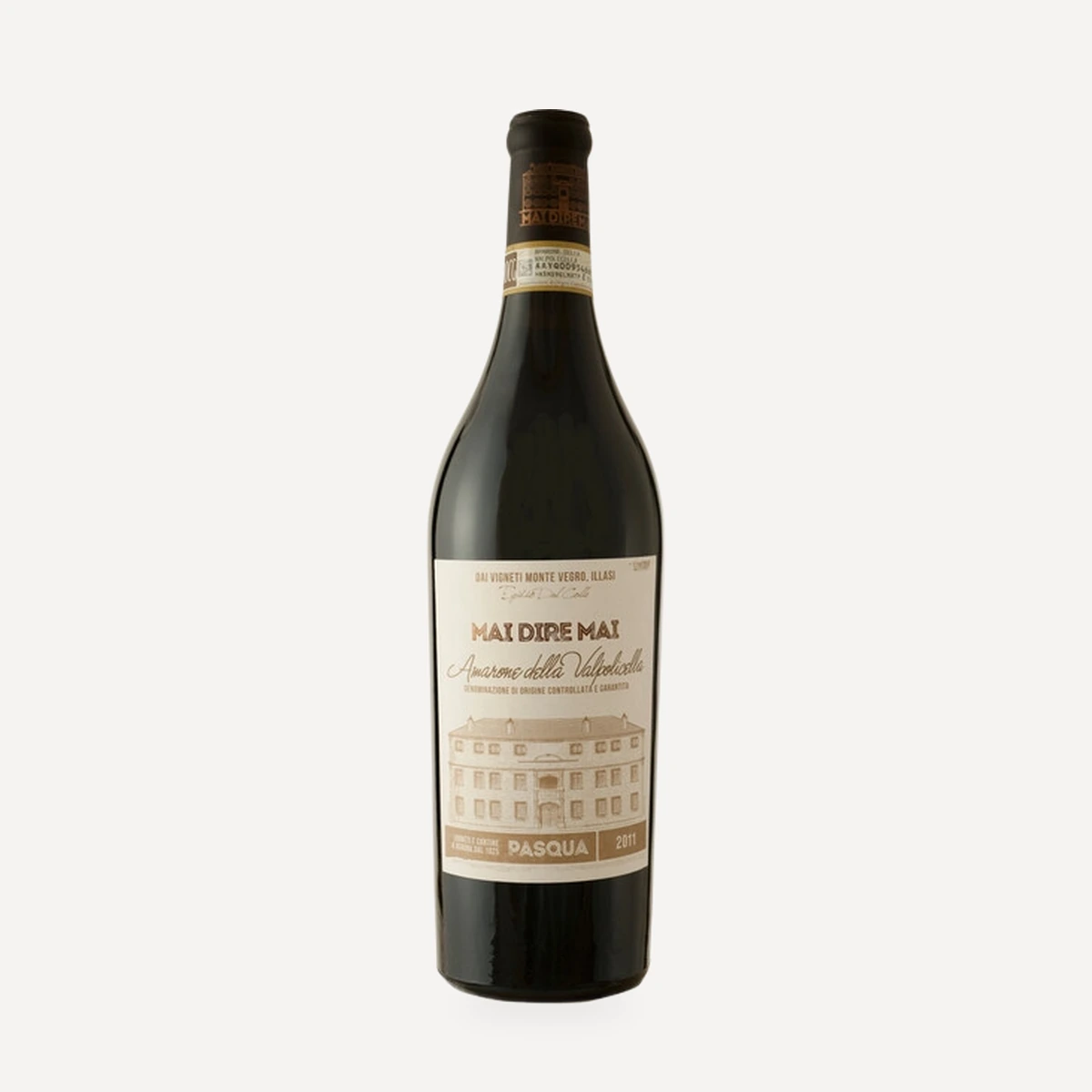
Mai Dire Mai Amarone della Valpolicella DOCG
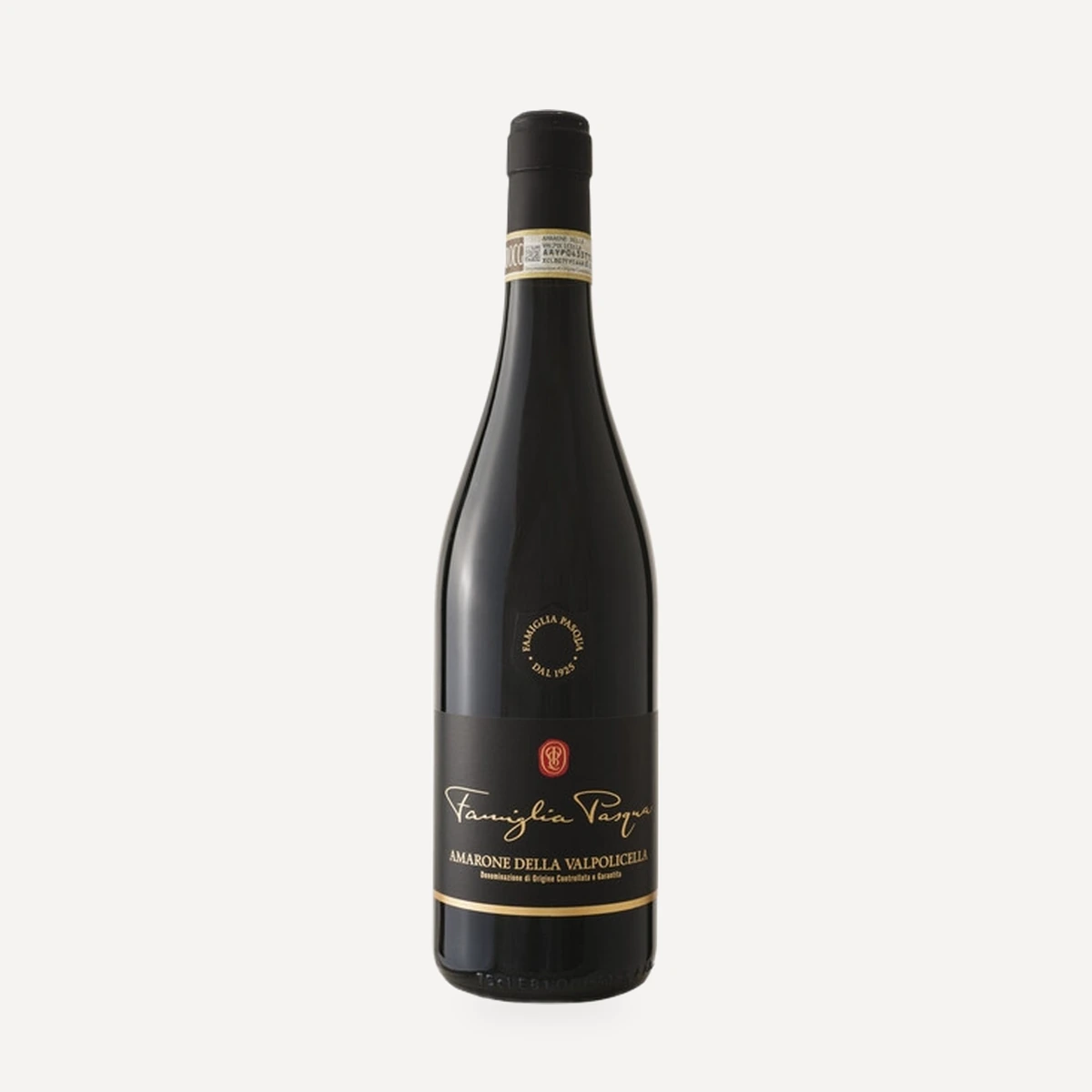
Famiglia Pasqua Amarone della Valpolicella DOCG
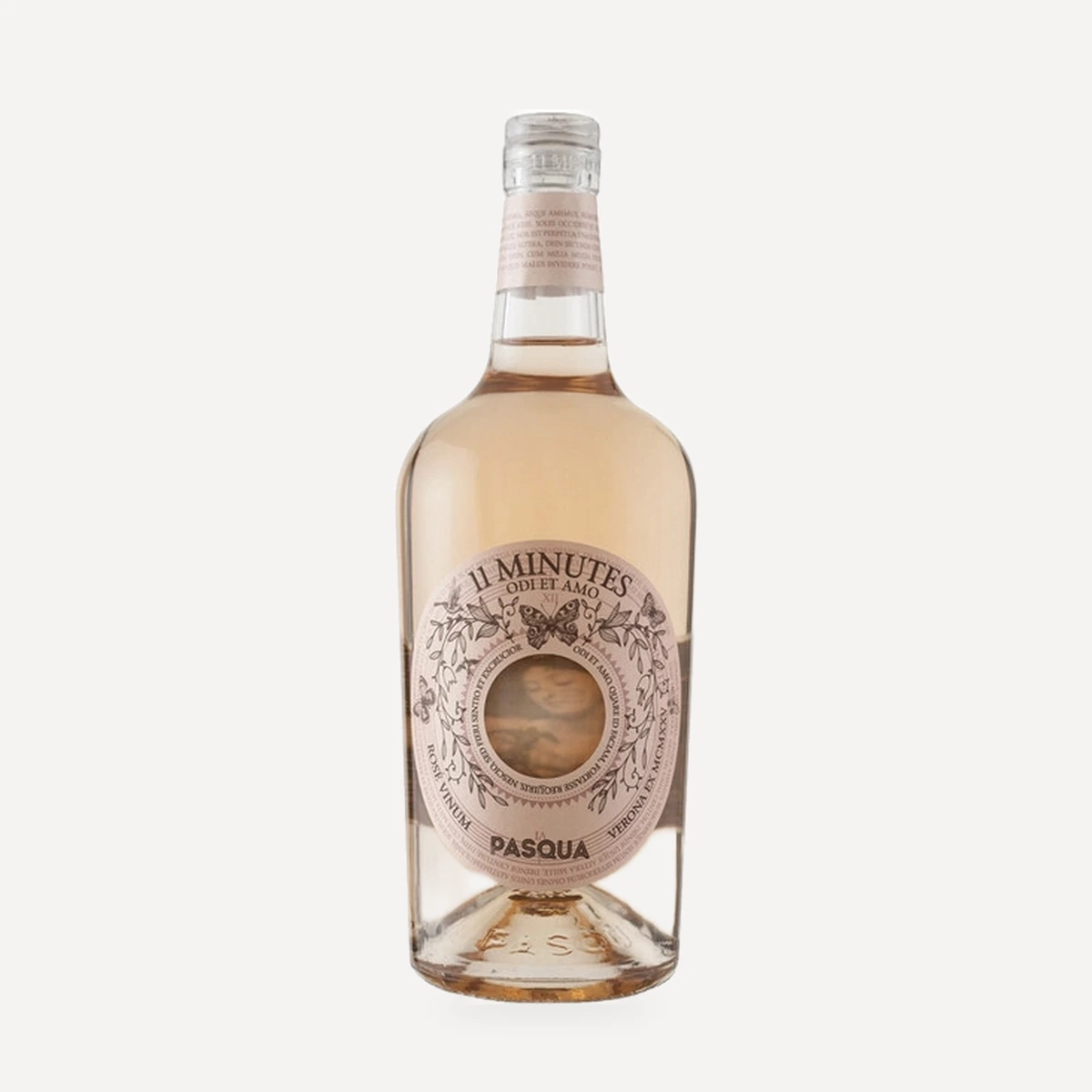
11 Minutes Rosé Trevenezie IGT
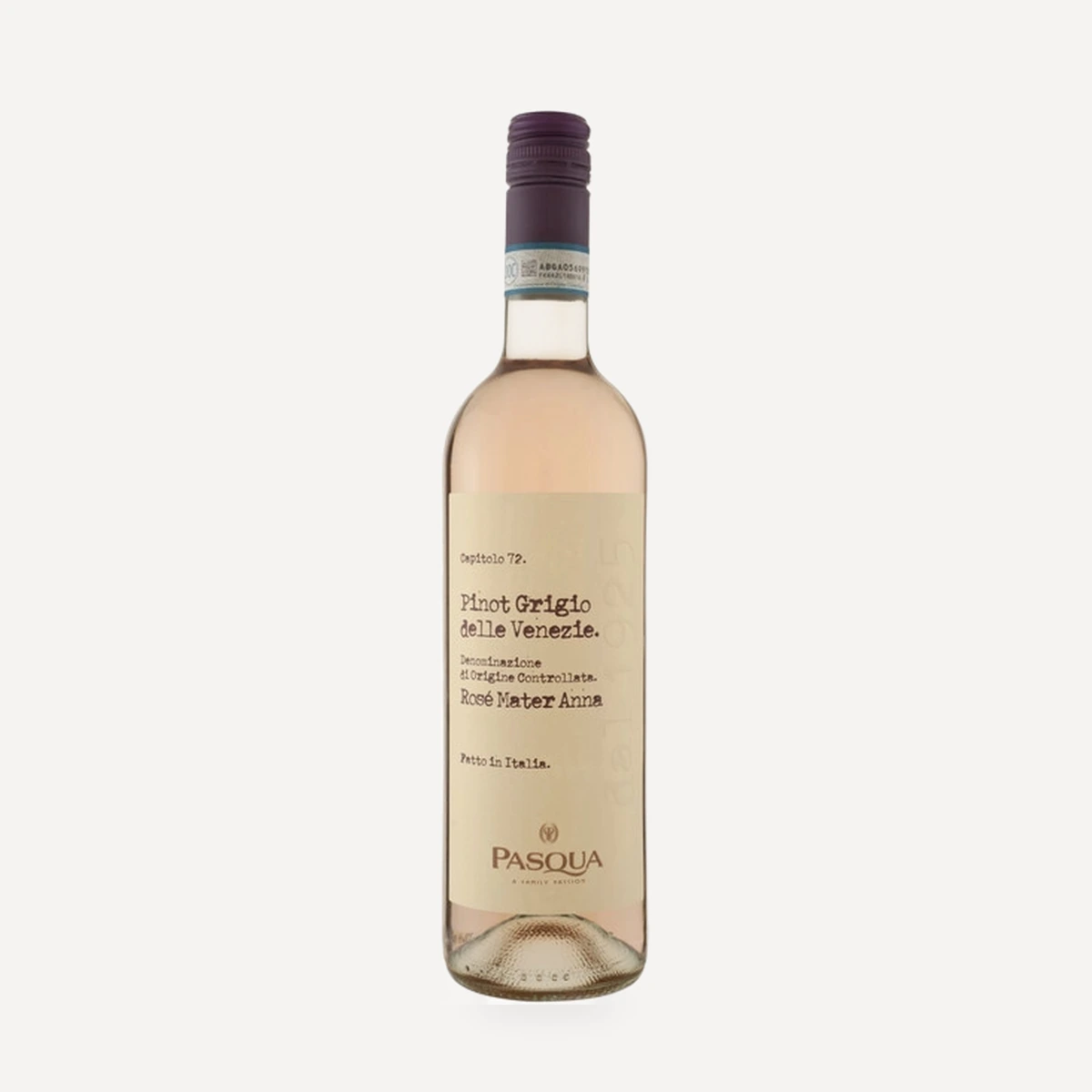
Capitoli Pinot Grigio delle Venezie Rosé Materanna DOC
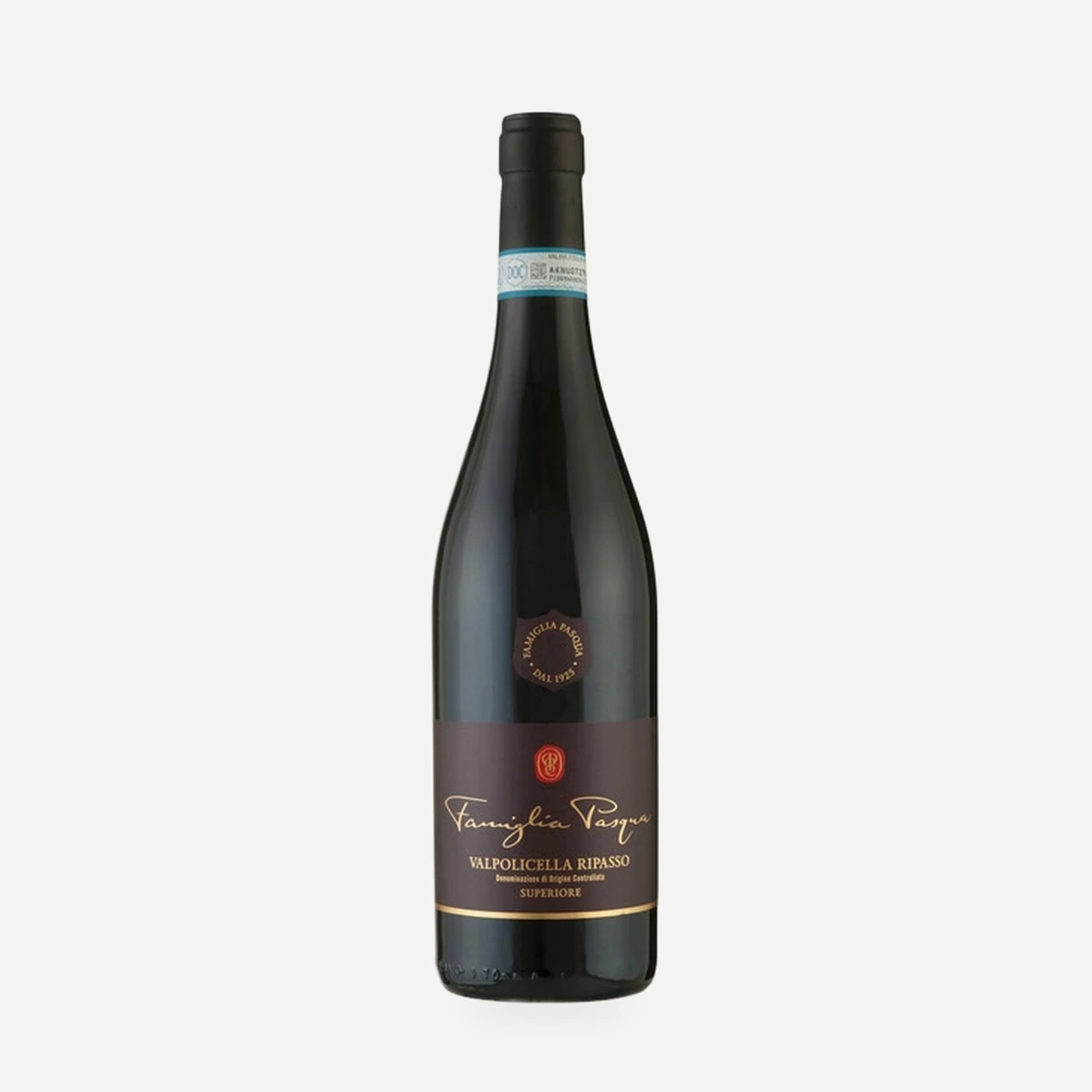
Famiglia Pasqua Valpolicella DOC
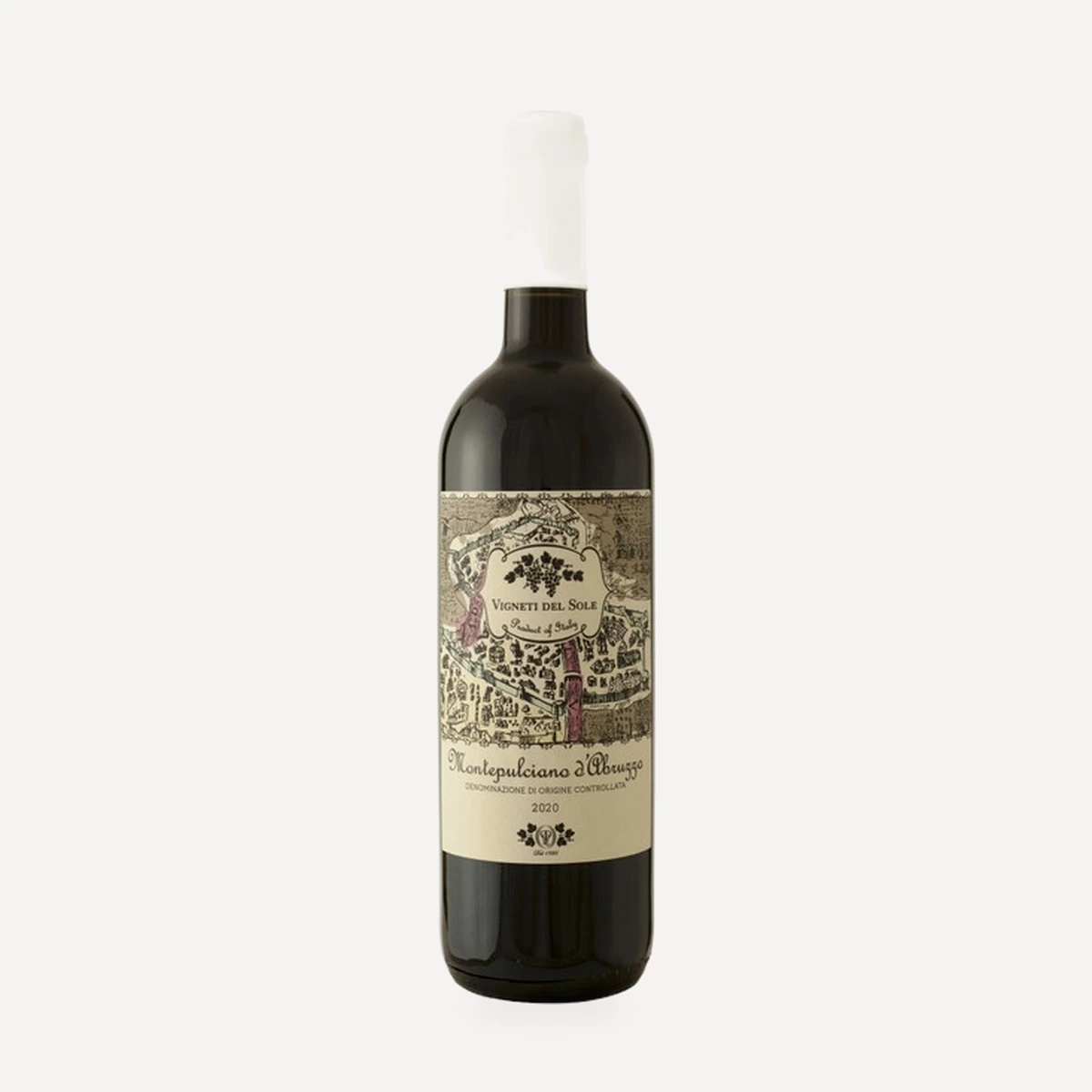
Vigneti del Sole Montepulciano d'Abruzzo DOC
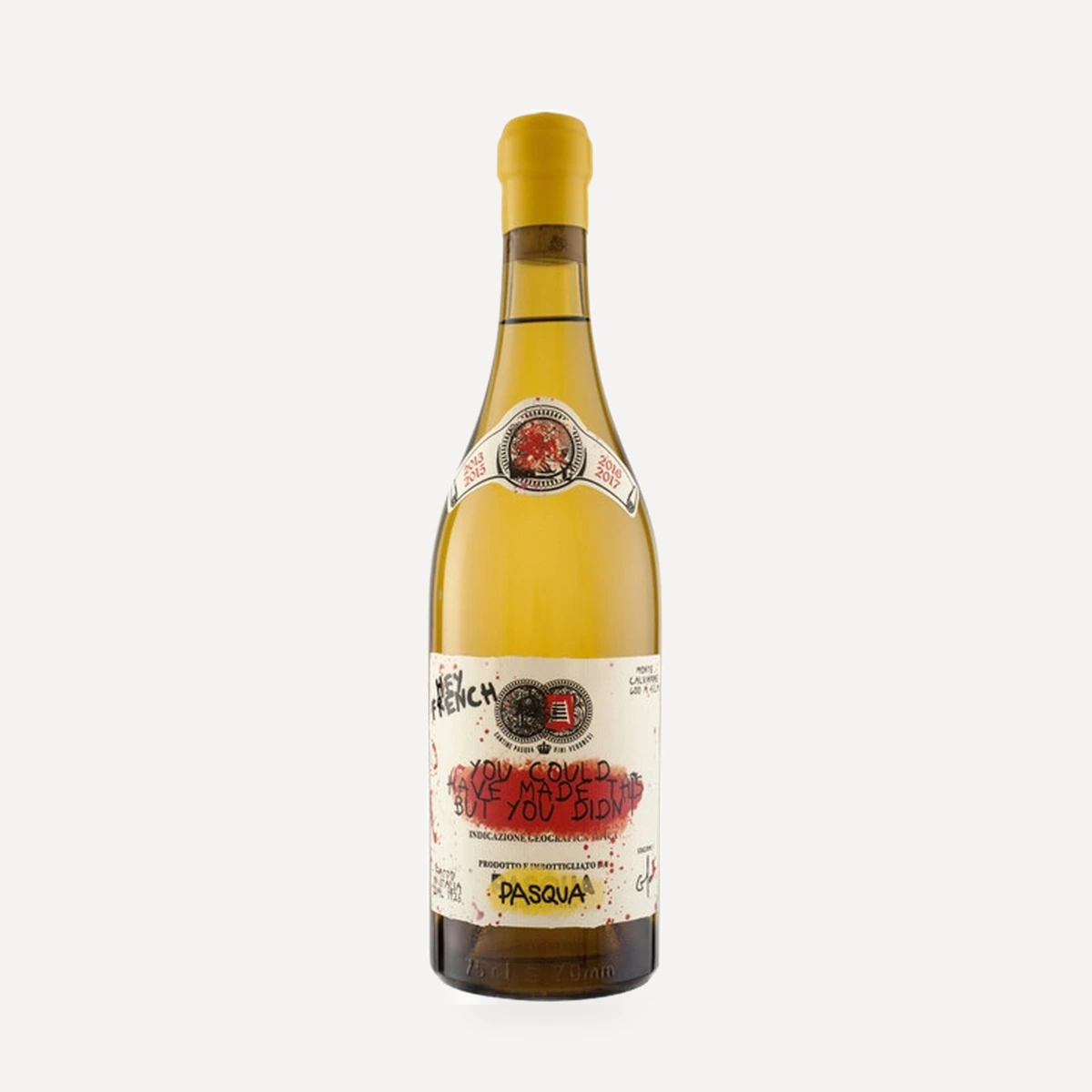
Hey French: You Could Have Made This But You Didn't — Edizione V
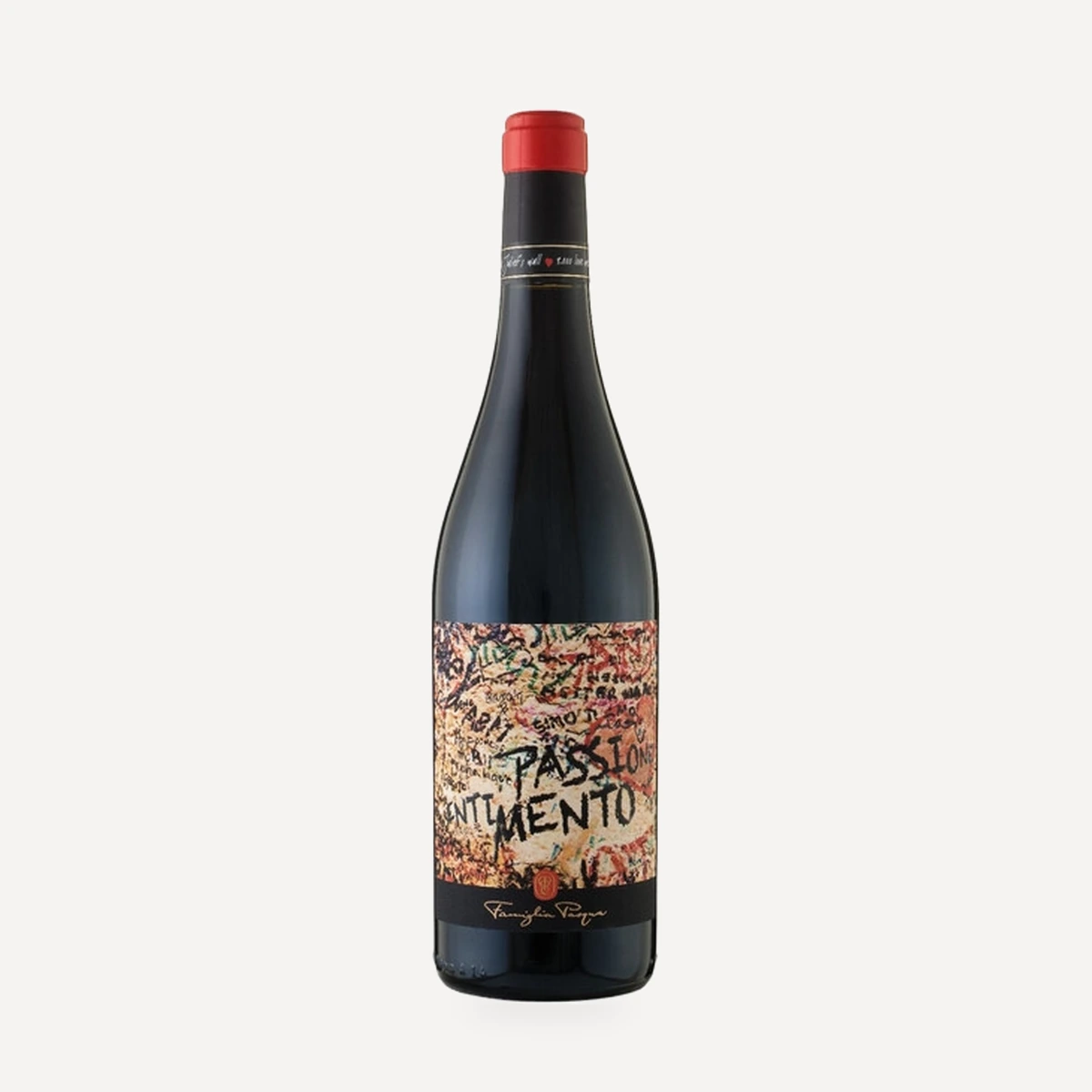
Rosso Veneto PassioneSentimento IGT
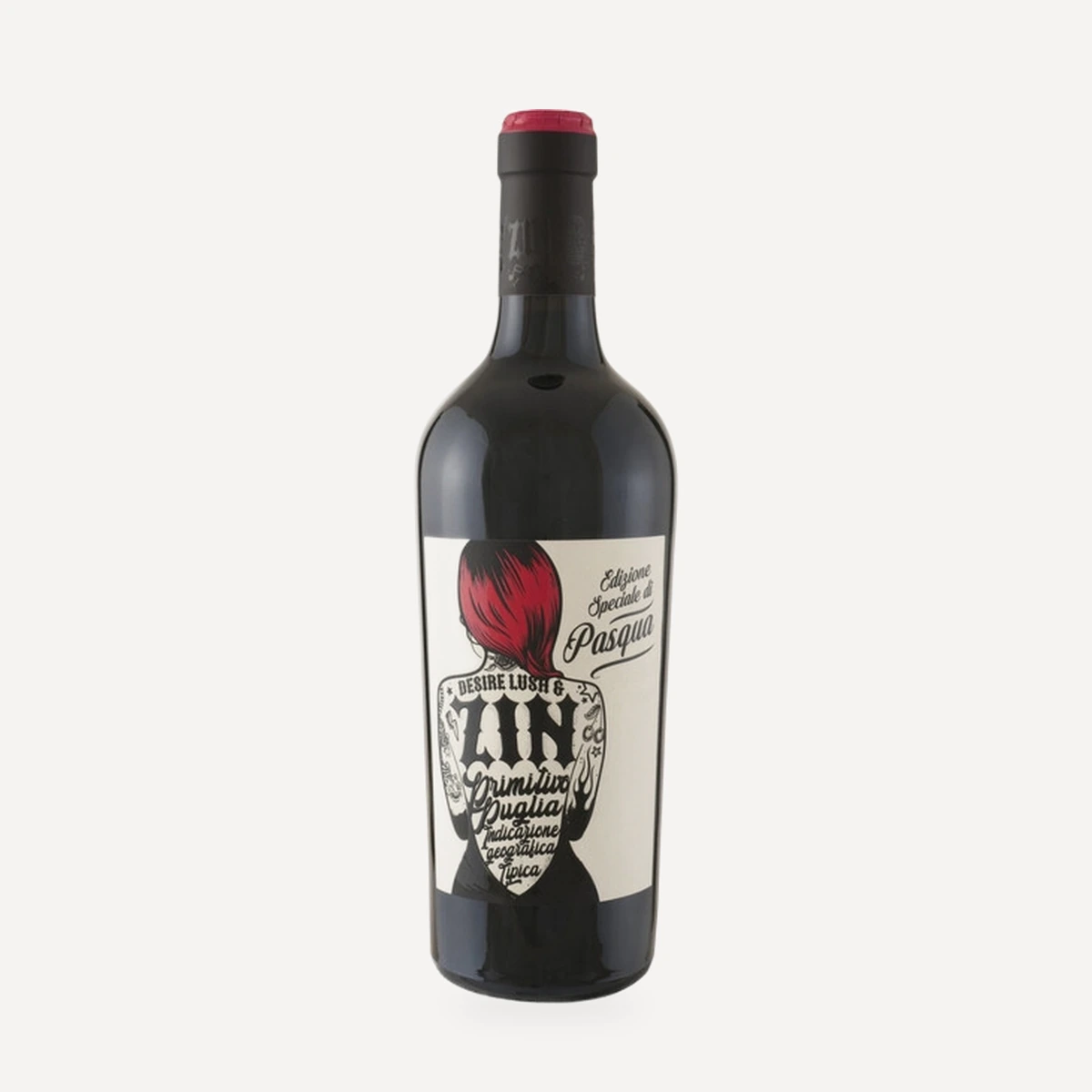
Desire Lush & Zin Primitivo Puglia IGT
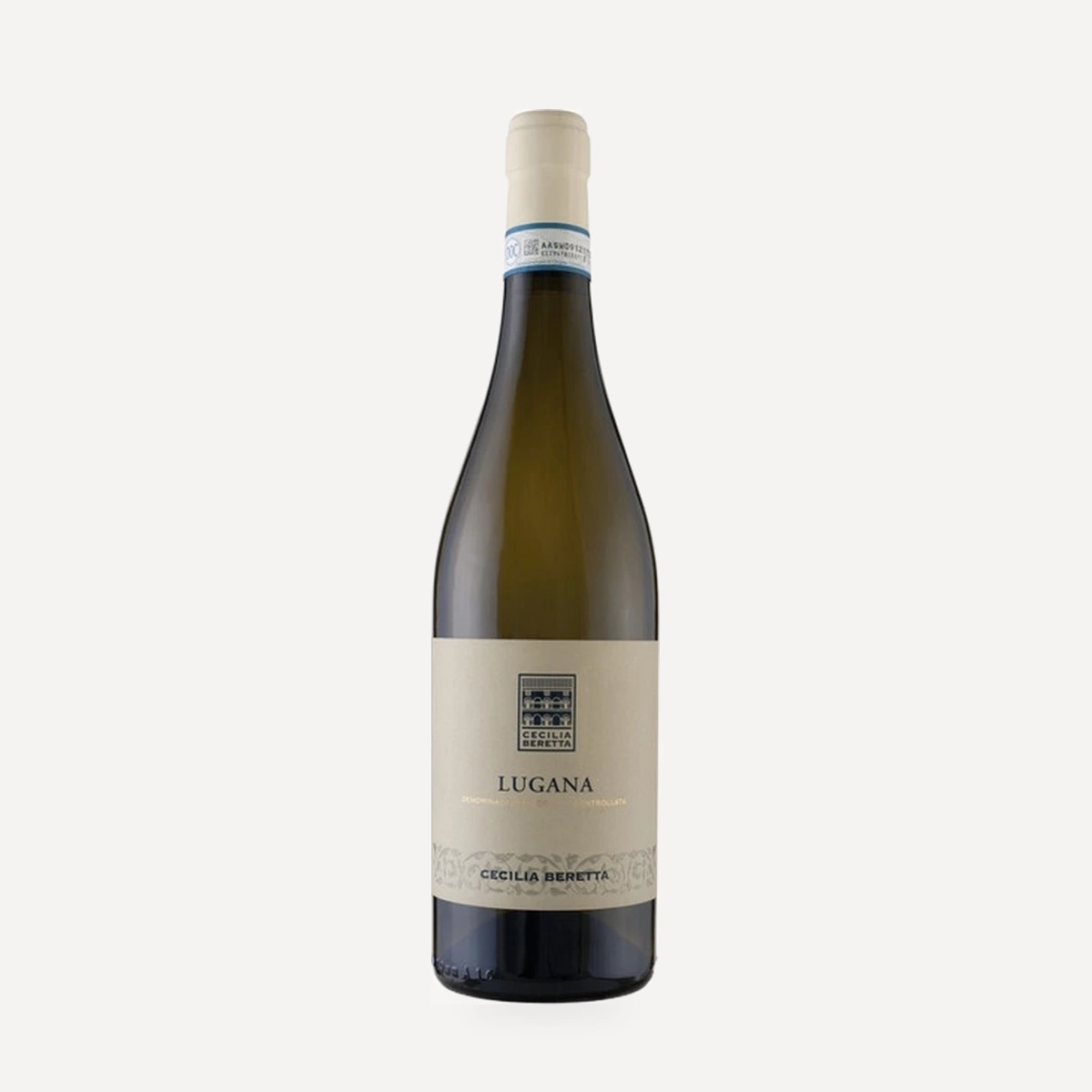
Lugana DOC
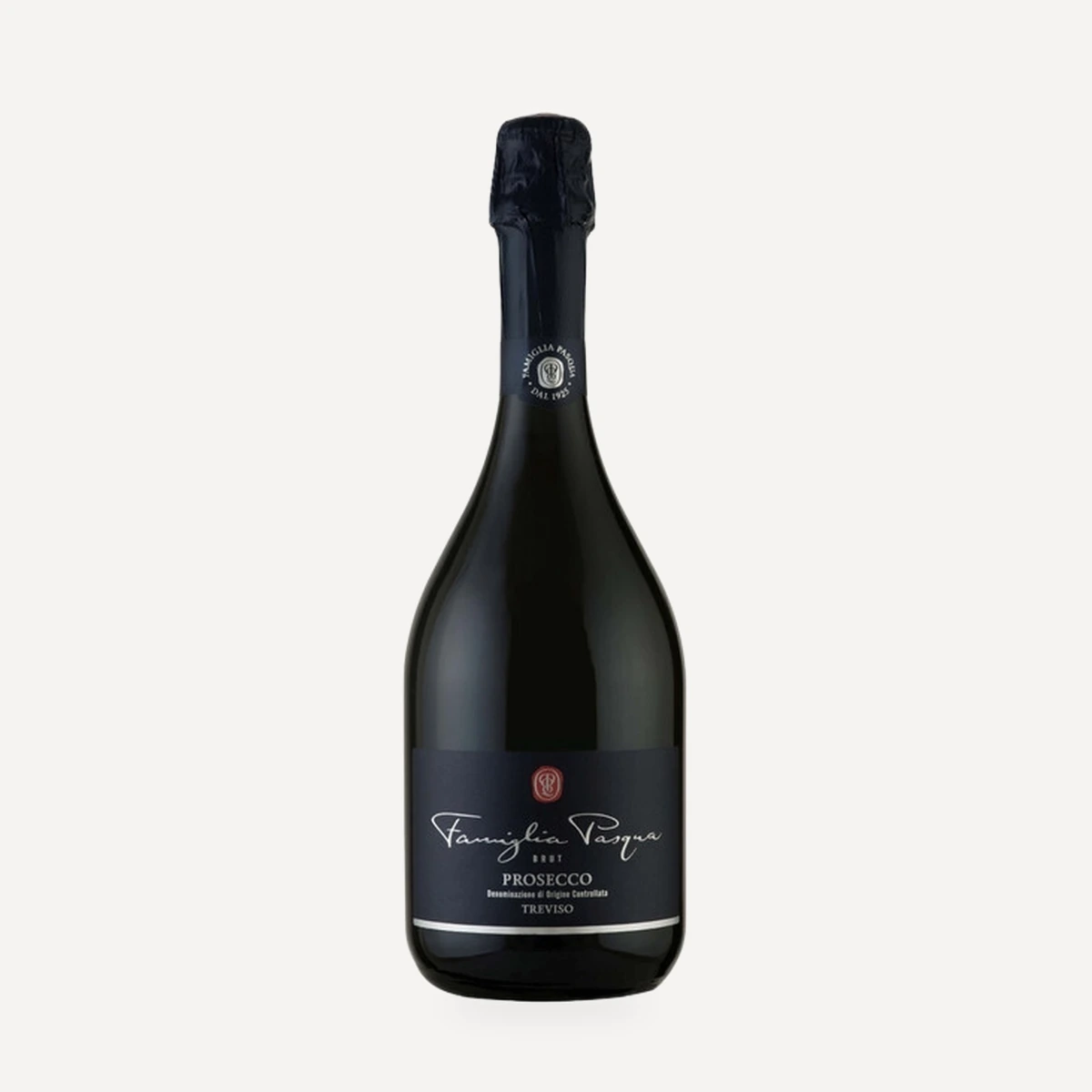
Famiglia Prosecco Treviso Brut DOC
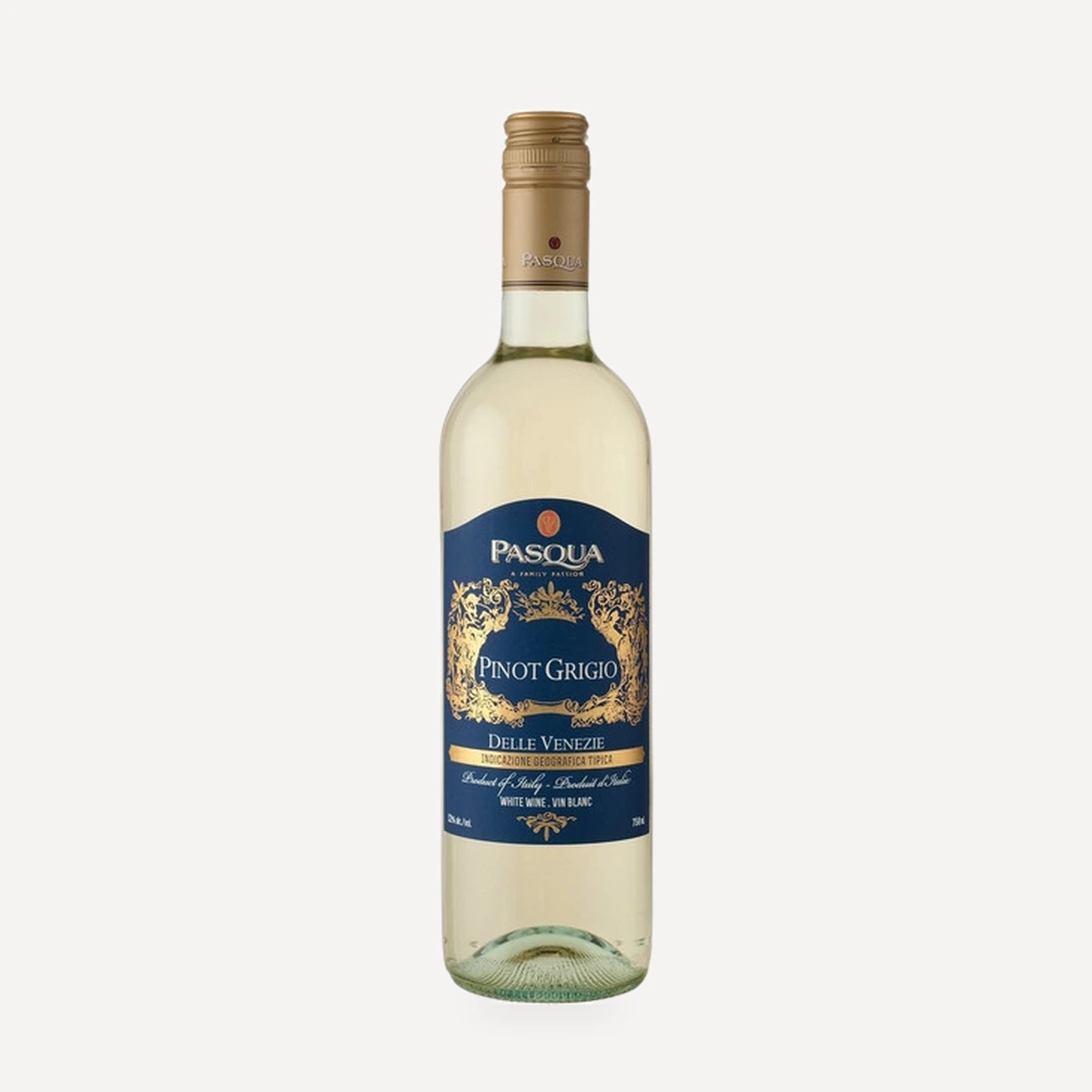
Famiglia Pinot Grigio dellle Venezie DOC
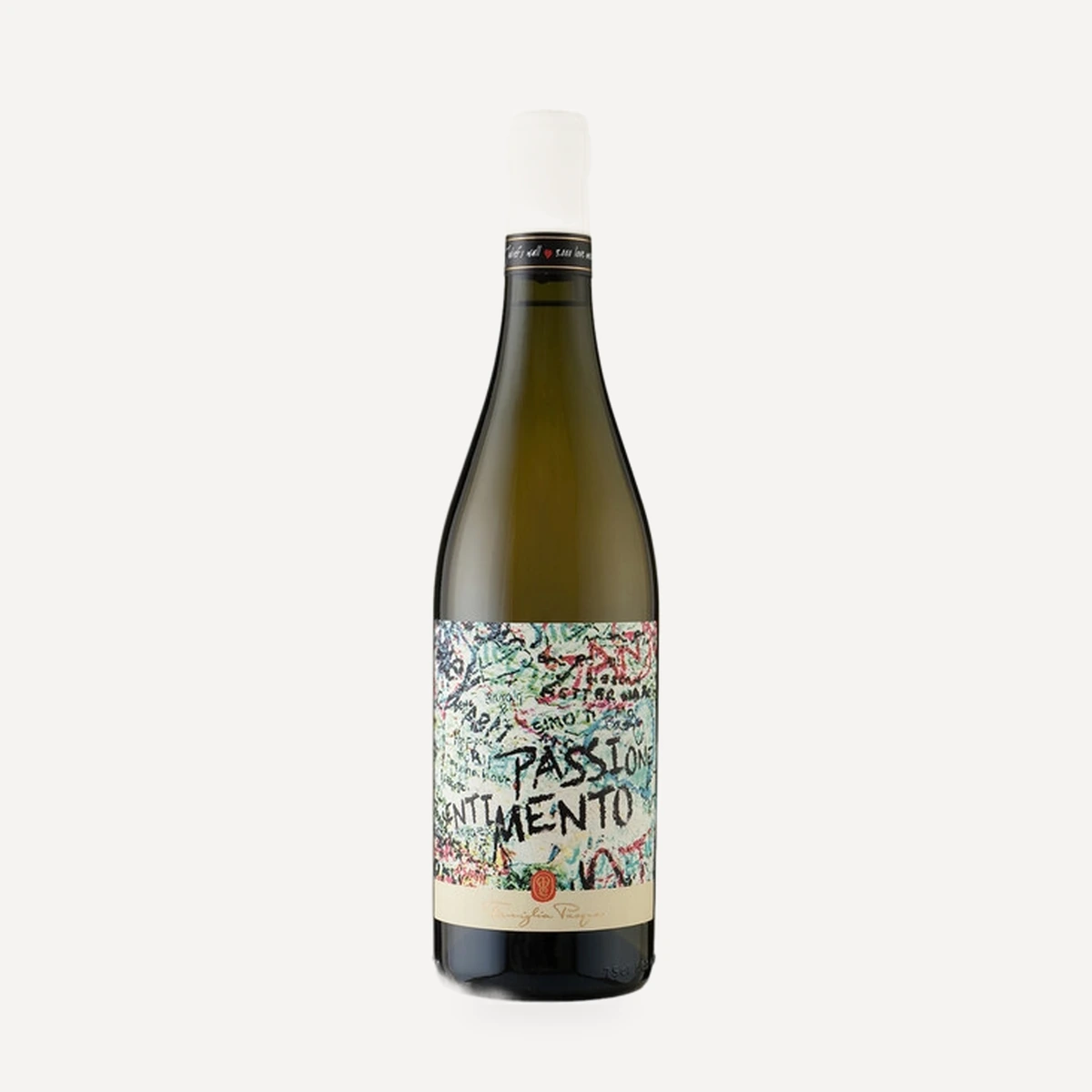
Bianco Veneto PassioneSentimento IGT
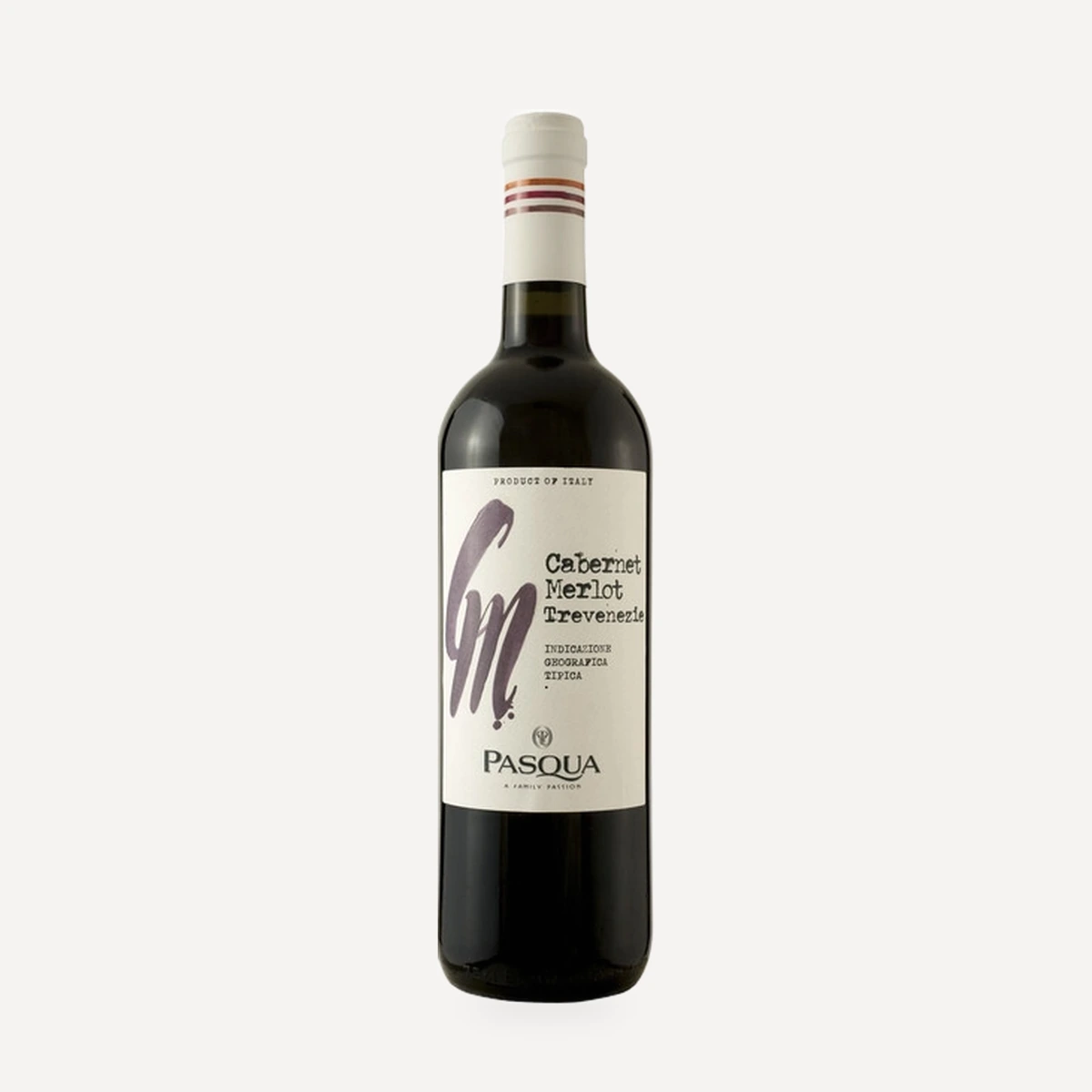
Colori d'Italia Cabernet Merlot Trevenezie IGT