Storia
Earlier origins
Prendina existed as a farm long before the beginning of its modern wine activity. Maps and documents from the Gonzaga period, between the 14th and 18th centuries, record the estate’s existence. Later oral accounts preserve the memory of a church and a tower traditionally known as the colombaia. This square, three-storey dovecote survives within the present group of buildings and is represented in Prendina’s emblem.
Acquisition and vineyard establishment — 1958
The Piona family acquired Prendina in 1958. The purchase grew out of Luciano Piona’s and, subsequently, his son Giulietto’s increasing involvement in wine. The estate lies at Monzambano in the province of Mantova.
Viticulture began only after extensive changes to the land’s hydrogeological arrangement. New vineyards were planted using the experience the owners had developed at Custoza. Vigneto del Falcone, the estate’s Cabernet Sauvignon vineyard, also dates its origin to 1958.
Prendina initially had no independent commercial identity: its wines were released under the Cavalchina name.
From a family interest to a productive activity — 1970s
During the 1970s, Giulietto Piona turned the family’s interest in wine into a structured productive activity. Wine nevertheless remained secondary to the family’s leather business for a time, and Giulietto also used the cellar to receive contacts from that industry.
The first Prendina-labelled wine — 1980
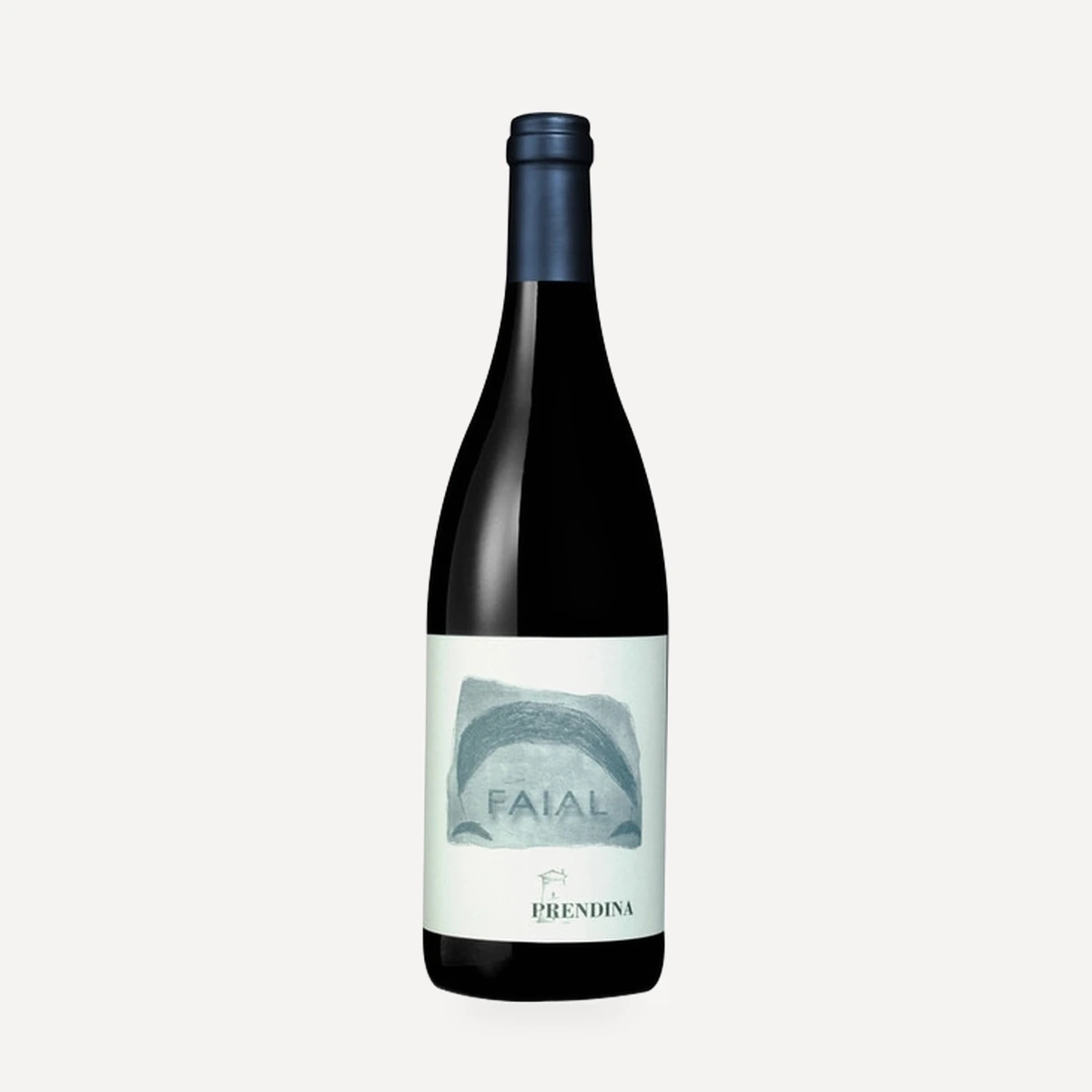
The first bottle to bear the Prendina name was a Merlot produced in 1980 for chef Gualtiero Marchesi. It became the house wine of his restaurant. Merlot subsequently remained central to the estate’s identity and is regarded within Prendina as the variety that gives its best results there.
Changes in family management — 1987
Giulietto’s son Luciano entered the direct management of the family wine business in 1987. A chemical engineer, he pursued innovation, higher quality and new markets while seeking to preserve the family wines’ established character and territorial identity.
An autonomous identity — 1990
By 1990, the entire Prendina range was marketed under its own brand. The estate built its reputation around Bordeaux varieties, and Vigneto del Falcone became its principal standard-bearer in guides, competitions and tastings.
Later family development
Franco Piona joined his brother Luciano in the family wine business at the end of the 1990s. Together they refined a technical approach intended to help nature express itself, maintain a recognisable identity from vintage to vintage and avoid transforming the wines merely in response to fashion.
At an earlier, undated stage, Giulietto sold land at Lago del Frassino that had belonged to his father in order to expand Prendina. The family reacquired that same land after 2010 for a separate Lugana project.
The family narrative now looks toward Francesco and Giulia, Luciano’s children, while Prendina remains a distinct estate within the Piona family’s group of independently managed agricultural businesses.
Terroir
Prendina is situated at Monzambano in the province of Mantova, southeast of Lake Garda. Its documented vineyard sites occupy elevations from approximately 90 to 130 metres above sea level.
The lower, southeast-facing sites used for Pinot Bianco, Pinot Grigio and Merlot lie at approximately 90–100 metres. Riesling and Cabernet sites are generally northeast-facing at 100–120 metres. Sauvignon and the Merlot site associated with Faial occupy southeast-facing ground at 120–130 metres. Vigneto del Falcone lies at 110–130 metres with a northeast exposure. The Chardonnay and Corvina sites used for traditional-method sparkling production are also northeast-facing at roughly 110–130 metres and are open to breezes from Lake Garda.
The recurring geological profile is calcareous morainic soil containing gravel and sand. Some descriptions specify a clay component, particularly for Riesling and the Chardonnay–Corvina vineyards. The combination of position and soil is associated with structured Sauvignon, while the estate’s Cabernet sites are described as permitting late, complete ripening and the expression of varietal pyrazine character without overtly herbaceous notes.
Vinificazione
The modern vineyards were established after substantial work on the estate’s hydrogeological structure, drawing on the Piona family’s earlier experience at Custoza.
Spur-pruned cordon is the most frequently documented training system. Guyot is used for the Riesling vineyards, while both Guyot and spur-pruned cordon are represented in Pinot Grigio plantings. At Vigneto del Falcone, yields are held at approximately 40–45 hl/ha to support concentration and longevity.
Manual picking is explicitly practiced for Cabernet, Riesling and the Chardonnay–Corvina fruit used for traditional-method sparkling production. Riesling is picked during the cool early-morning hours, while the Chardonnay and Corvina harvest takes place early in the morning during the third week of August in 150 kg containers. Grapes intended for partial drying are collected in small boxes.
Prendina participates in an Equalitas-certified production model that integrates environmental, social and economic sustainability. Its stated environmental commitments include monitoring performance, protecting natural resources and applying transparent, responsible practices across the value chain.
Prendina’s cellar philosophy is based on limited intervention: cellar work is intended to follow the wine’s development rather than impose a predetermined evolution. Processes seek concentration without altering the fruit’s intrinsic identity, with the defining characteristics of each cultivar kept visible.
The documented cellar repertoire includes temperature-controlled stainless-steel fermentation, traditional red-wine fermentation, pump-overs and délestage, simultaneous alcoholic and malolactic fermentation for Cabernet, prolonged maceration for Merlot and Cabernet Sauvignon, and maturation in small barrels. White-wine work includes clarification, cool fermentation, lees contact, prevention of malolactic fermentation where freshness is sought, oxygen-free handling with inert gas for Riesling, and partial fermentation in new barriques for Sauvignon.
Traditional-method sparkling production uses whole-bunch pneumatic pressing at very low pressure. The initial free-run fraction and press tail are rejected, retaining the selected central juice. After fermentation in steel at 16–18°C and lees contact until February, the base wines are assembled, lightly fined and bottled for secondary fermentation, followed by 24 months on the lees before disgorgement.
Selective partial drying is also practiced with Merlot. The fruit is placed in small boxes until the desired dried-grape nuances develop. This is intended to alter aromatic expression rather than simply raise sugar concentration. The dried-grape component undergoes traditional red fermentation, 12–14 days of maceration, malolactic fermentation and long ageing in new and second-use small barrels. In especially sugar-rich years, fresh-grape Merlot may be blended with the dried-grape component to moderate alcohol.
Filosofia
“Respect” is the estate’s defining principle. At Prendina, this means limiting environmental impact, avoiding unnecessary intrusion into natural processes and allowing the characteristics of each cultivar to remain recognisable.
Concentration is pursued without distorting the fruit. The cellar is expected to accompany a wine’s evolution rather than impose one. Within the wider family approach, technique is used to preserve a wine’s identity across vintages while still respecting nature, the territory and the differences of the growing season.
Innovation and quality are treated as compatible with tradition rather than replacements for it. The wines are conceived primarily as companions to food, with fullness and complexity serving that role rather than distracting from it.
Vini
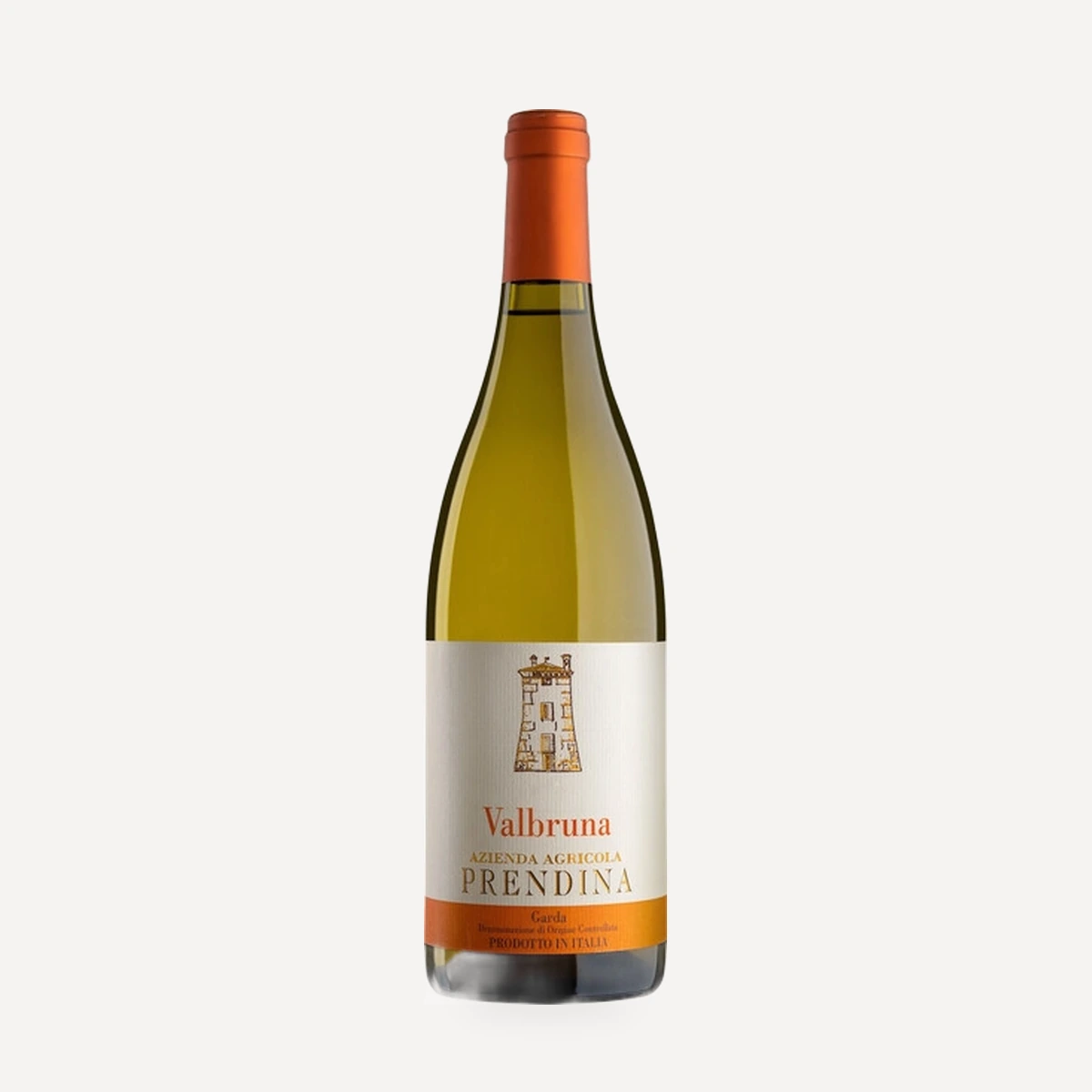
Valbruna
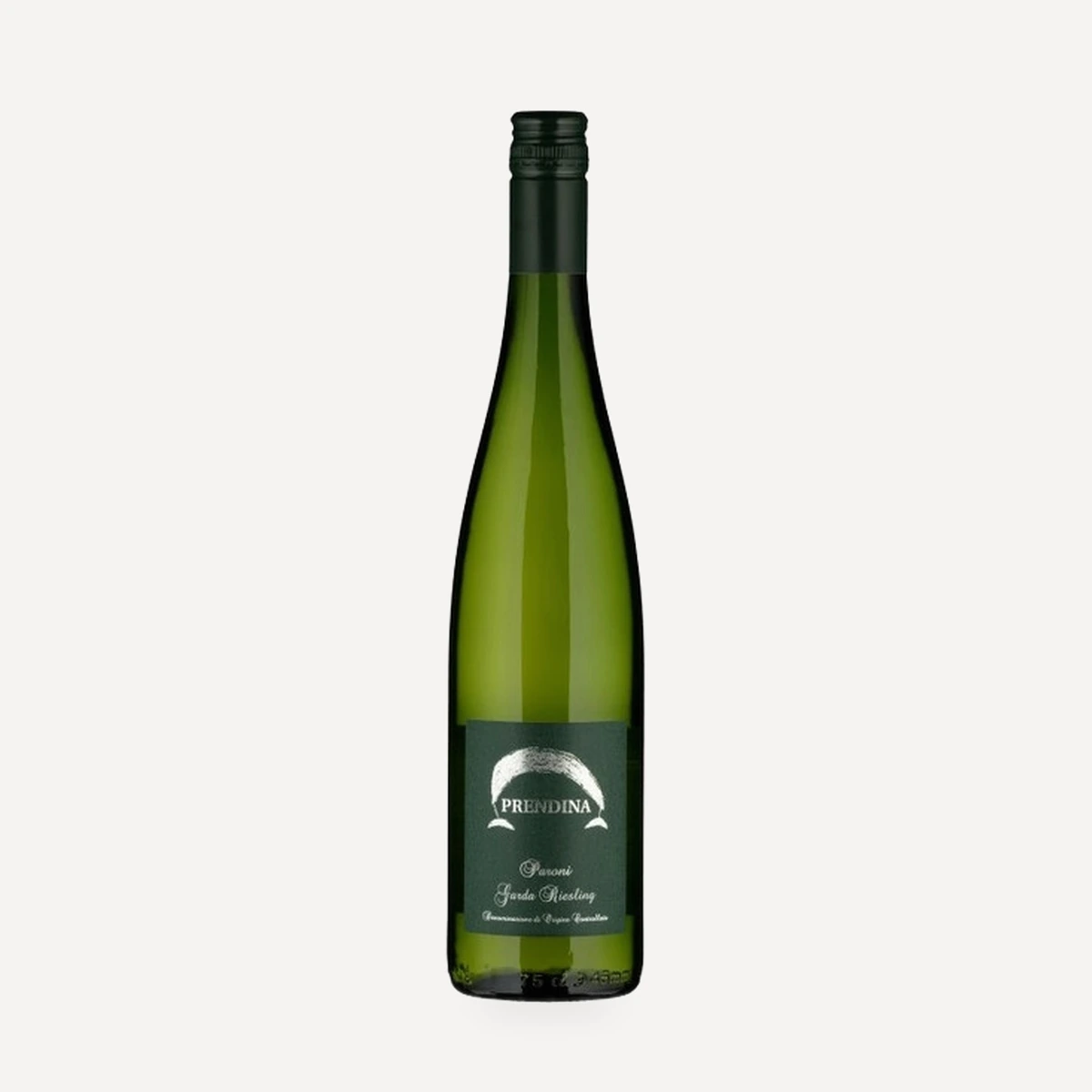
Paroni
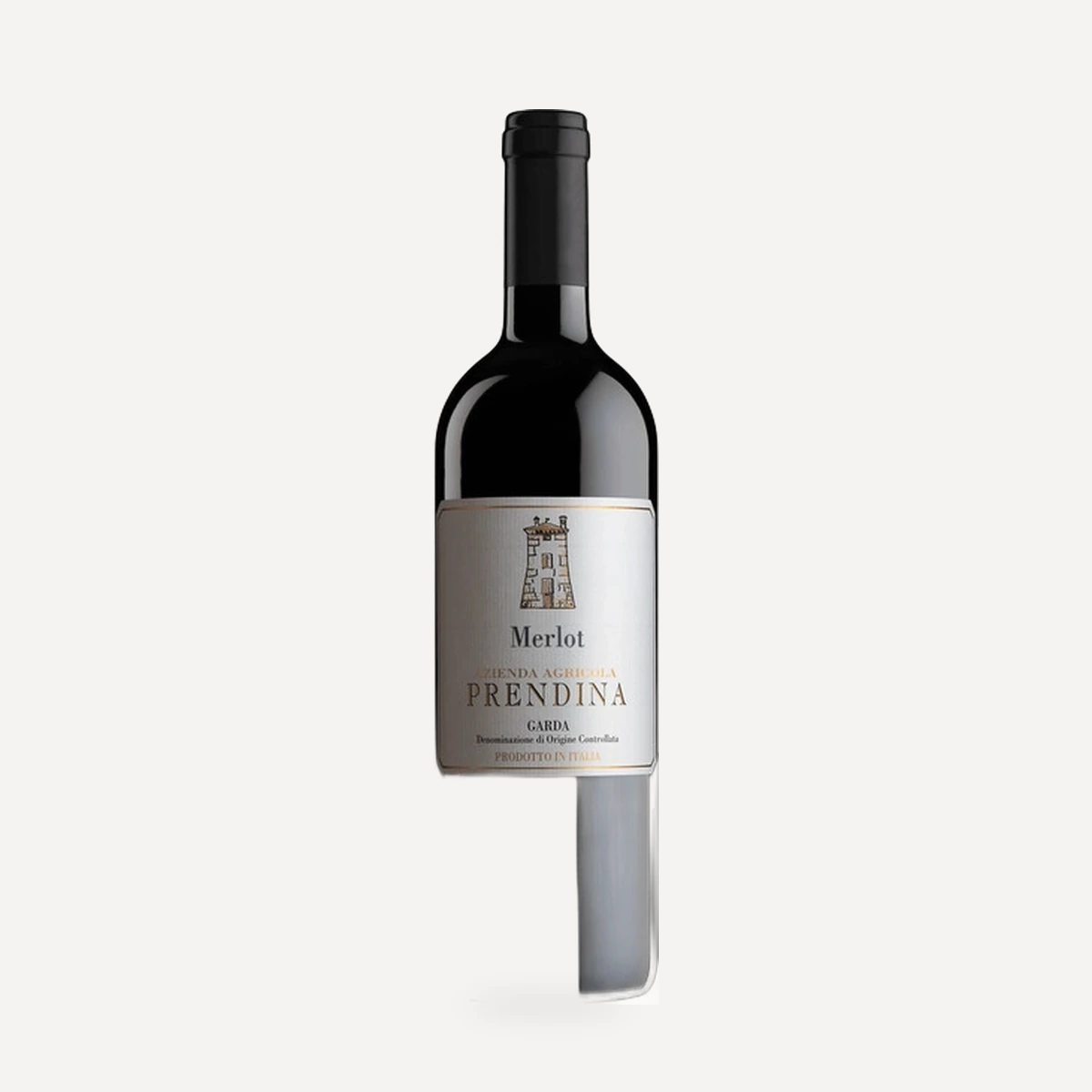
Merlot
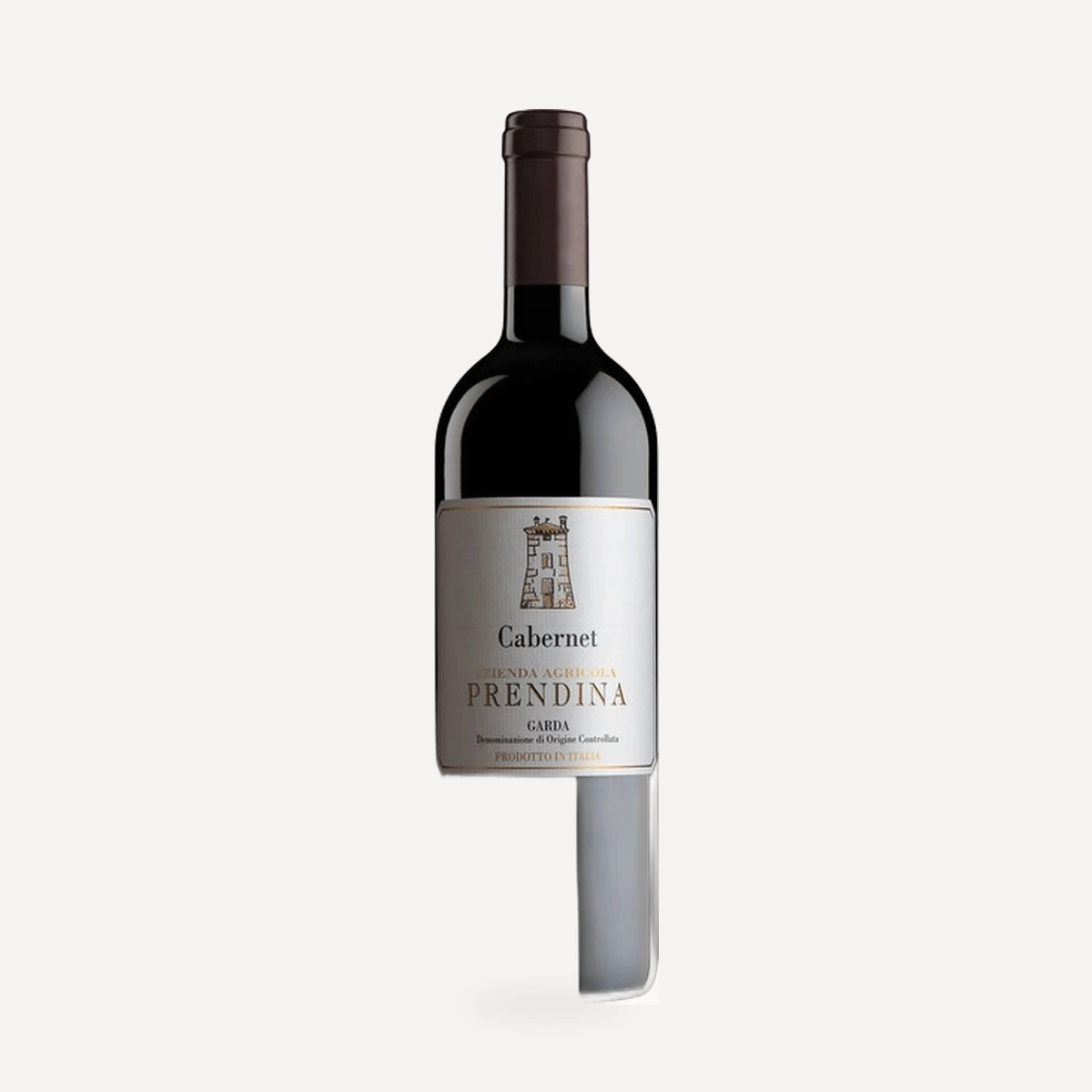
Cabernet