Storia
Foundation and the red-wine project
Sansonina was founded in 1996. In 1997, Nadia Zenato and her mother, Carla Prospero, began pursuing a shared ambition: to produce a substantial red wine in an area now associated primarily with white wines. Merlot became the foundation of the project. The estate vineyard was developed through the selection of several Merlot clones, with the objective of producing structured wines capable of extended maturation in wood and bottle.
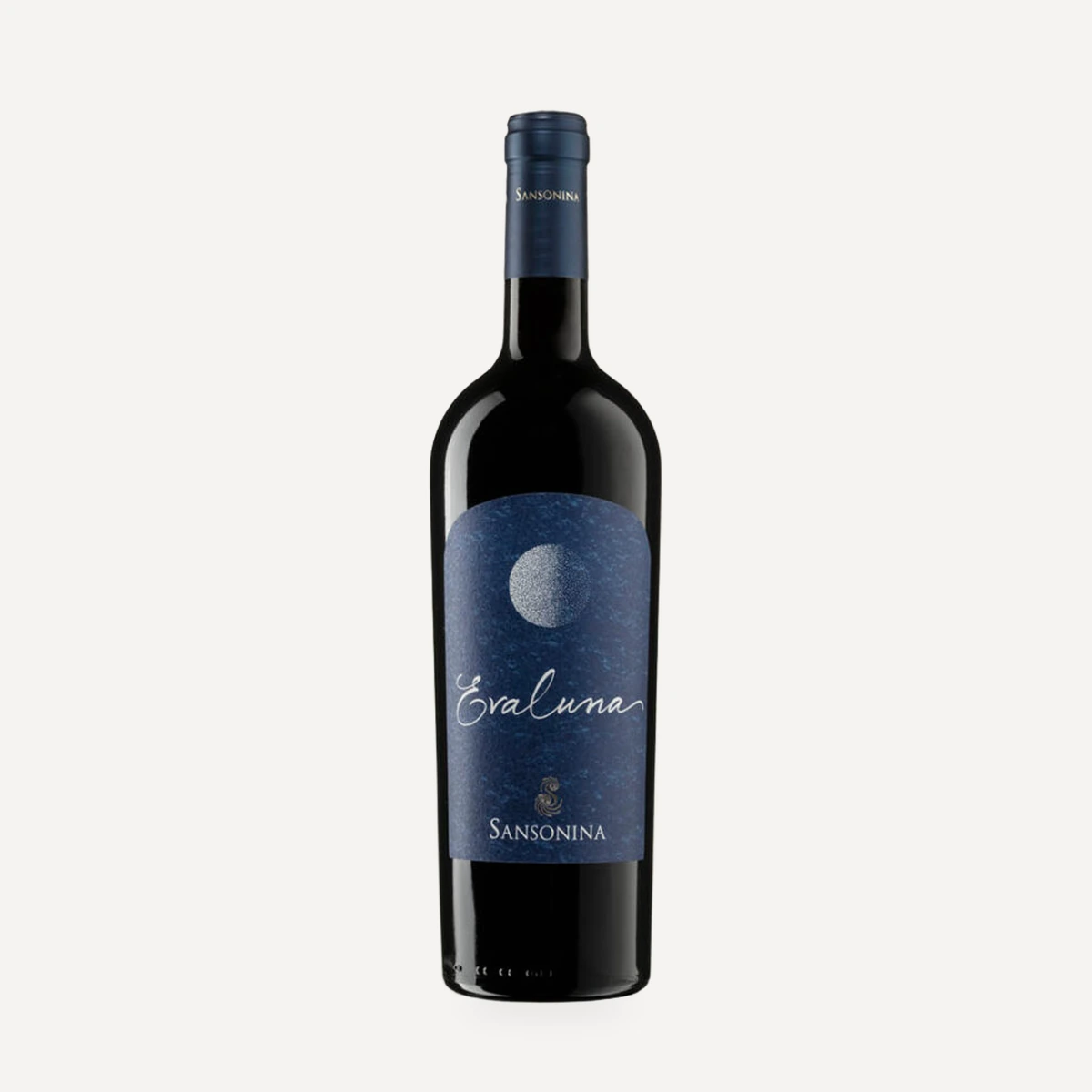
The project also recovered a less visible aspect of local viticultural history. Cabernet Sauvignon and Cabernet Franc had previously been cultivated around Garda, and Sansonina used these varieties for Evaluna, its second red wine. This broadened the estate’s work beyond Merlot while retaining a focus on the potential of red varieties in the Lower Garda landscape.
A more natural direction
In 2014, experimentation with spontaneous fermentation and native yeasts initiated a change in Sansonina’s approach. The work led toward more natural winegrowing and cellar practices, culminating in organic certification in 2023. The resulting Lugana Fermentazione Spontanea became a defining expression of this experimental direction: fermentation begins without selected yeasts, using a pied de cuve prepared from whole clusters.
Special releases and underwater maturation
Sansonina subsequently developed limited releases reserved for selected vintages. La Sansonina Merlot Limited Edition is produced only from harvests considered capable of sustaining prolonged maturation and receives six years of ageing.
The estate also extended its experimental work beyond the cellar with Sansonina in Laguna 2021. Made from the 2021 Lugana Fermentazione Spontanea, it was submerged in the southern Venetian Lagoon in December 2023. One hundred magnums were anchored at a depth of 6–8 m and remained underwater for sixteen months. They were recovered in April 2025 after ageing in the lagoon’s dynamic marine microclimate.
Terroir
Sansonina comprises 13 ha of vineyards in the Lower Garda area, beside Sirmione and in the municipality of Peschiera del Garda. The vineyards lie in the southern part of Lake Garda at an average elevation of 80 m above sea level.
The soils are defined by clay and fine silt; the current vineyard specifications describe them more precisely as Cretaceous clay–silt. Their clay-rich character is associated with structure, savoury character and minerality in the estate’s wines.
Lake Garda strongly influences the estate’s terroir. This relationship is especially evident in Sansonina’s stated aim of combining the freshness associated with the lake with the depth of its clay-rich earth. The same combination supports both the historic Trebbiano di Lugana vineyards and the estate’s work with red varieties, including Merlot, Cabernet Sauvignon and Cabernet Franc.
Vinificazione
Sansonina’s move toward more natural viticulture began with spontaneous-fermentation experiments in 2014 and culminated in organic certification in 2023. The historic Trebbiano di Lugana vineyards are organically farmed.
Harvesting is manual across the vineyard blocks covered by the current technical documentation. Trebbiano di Lugana is picked with careful selection before crushing. Merlot is collected by hand in crates. Cabernet Sauvignon and Cabernet Franc are also hand-picked into crates, with bunches selected in the vineyard.
The historic white-wine vineyards are Guyot-trained and carry 6–8 buds per vine, with yields of 80 quintals/ha. The current English specifications also give Guyot training and 6–8 buds per vine for the Merlot and Cabernet blocks, where yields are limited to 65 quintals/ha.
Lugana
After manual harvesting and selection, the must for Sansonina Lugana undergoes static cold clarification to retain freshness and primary aromas. Fermentation proceeds in stainless-steel tanks at controlled temperature for approximately 10–12 days. The wine then matures for six months in stainless steel and one further month in bottle before release.
Spontaneous-fermentation cellar work
Lugana Fermentazione Spontanea is made without selected yeasts. Five days before harvest, a pied de cuve is prepared in barrique from whole clusters; indigenous yeasts on the grape skins initiate fermentation. Following static cold clarification, the must ferments for about twenty days in small stainless-steel tanks at controlled temperature. Maturation takes place on the lees, principally in stainless steel, while approximately 10% ages in new barrique to add depth and complexity.
Merlot
The hand-picked Merlot is collected in crates and briefly cooled to protect its aromatic integrity. Gentle destemming precedes fermentation in small stainless-steel tanks. Frequent pump-overs and punch-downs encourage the extraction of colour and tannin. The wine matures for eighteen months in French-oak barriques and then for at least six months in bottle. The Limited Edition is reserved for selected vintages capable of prolonged evolution and is aged for six years.
Cabernet Sauvignon and Cabernet Franc
The Cabernet varieties are selected in the vineyard, gently destemmed and vinified separately in small stainless-steel vessels. The cap is punched down several times per day during fermentation to extract aroma, tannin and polyphenols. Malolactic fermentation is completed before approximately eighteen months of maturation in French-oak barriques.
Underwater maturation
For Sansonina in Laguna 2021, one hundred magnums of the spontaneous-fermentation Lugana were anchored in the southern Venetian Lagoon at a depth of 6–8 m. The wine spent sixteen months underwater, from December 2023 until April 2025, ageing in a dynamic marine microclimate.
Filosofia
Sansonina combines deep local roots with a deliberately experimental outlook. Its original ambition was to explore the potential of red grapes in a landscape now strongly identified with Lugana, first through Merlot and later through Cabernet Sauvignon and Cabernet Franc.
The estate presents improvement as a continuing process rather than a finished achievement: each vintage provides an opportunity to refine vineyard choices, cellar work and the expression of Merlot. Its limited releases are therefore restricted to harvests considered capable of supporting unusual depth and prolonged maturation.
The spontaneous-fermentation project expresses another central principle: allowing native yeasts and the character of the grapes to guide fermentation with less reliance on selected cultures. That work, initiated in 2014, informed the estate’s progression to certified-organic farming in 2023. Tradition and experimentation coexist in practices ranging from the recovery of the area’s red-wine heritage to native-yeast fermentation and underwater maturation in the Venetian Lagoon.
Vini
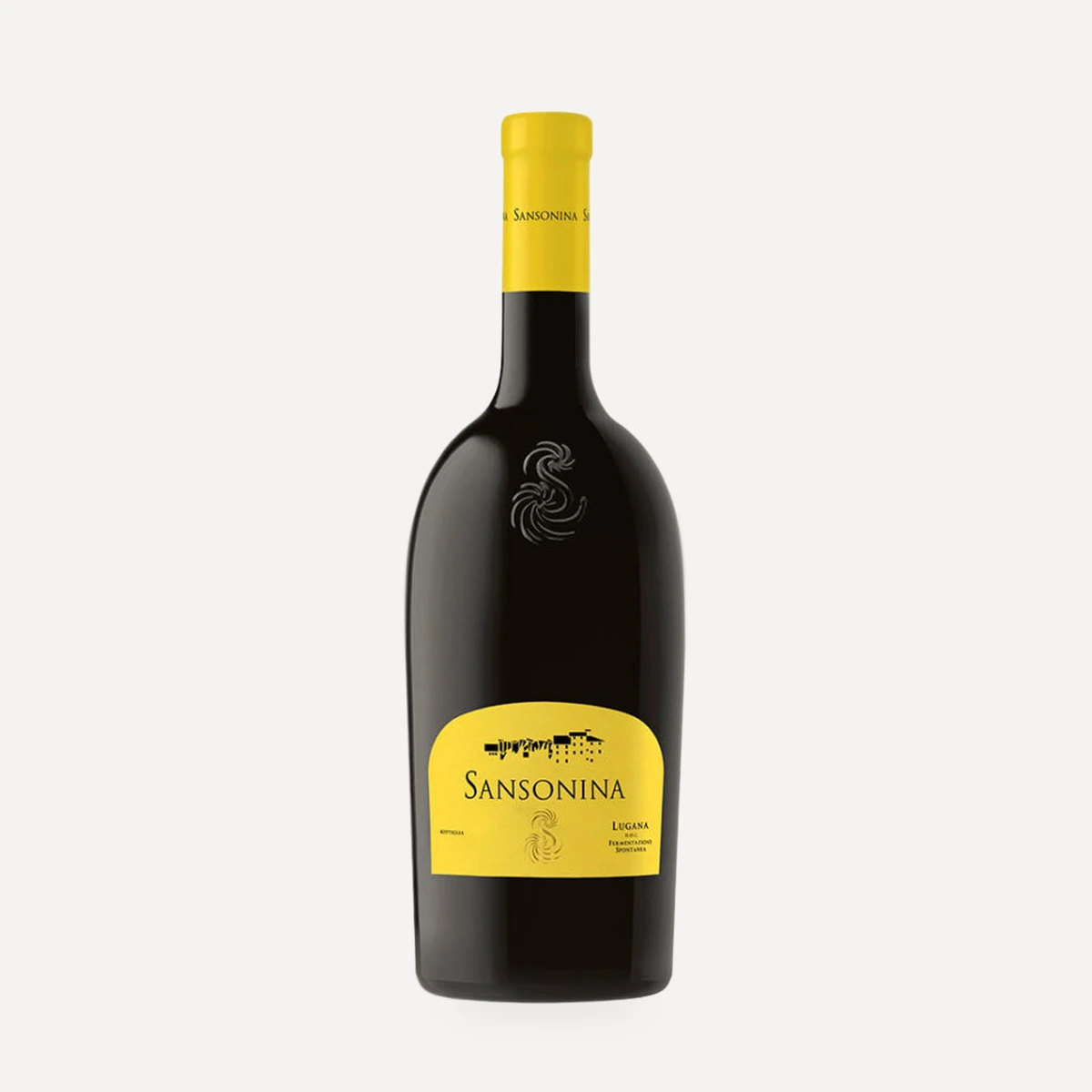
Lugana Fermentazione Spontanea DOC
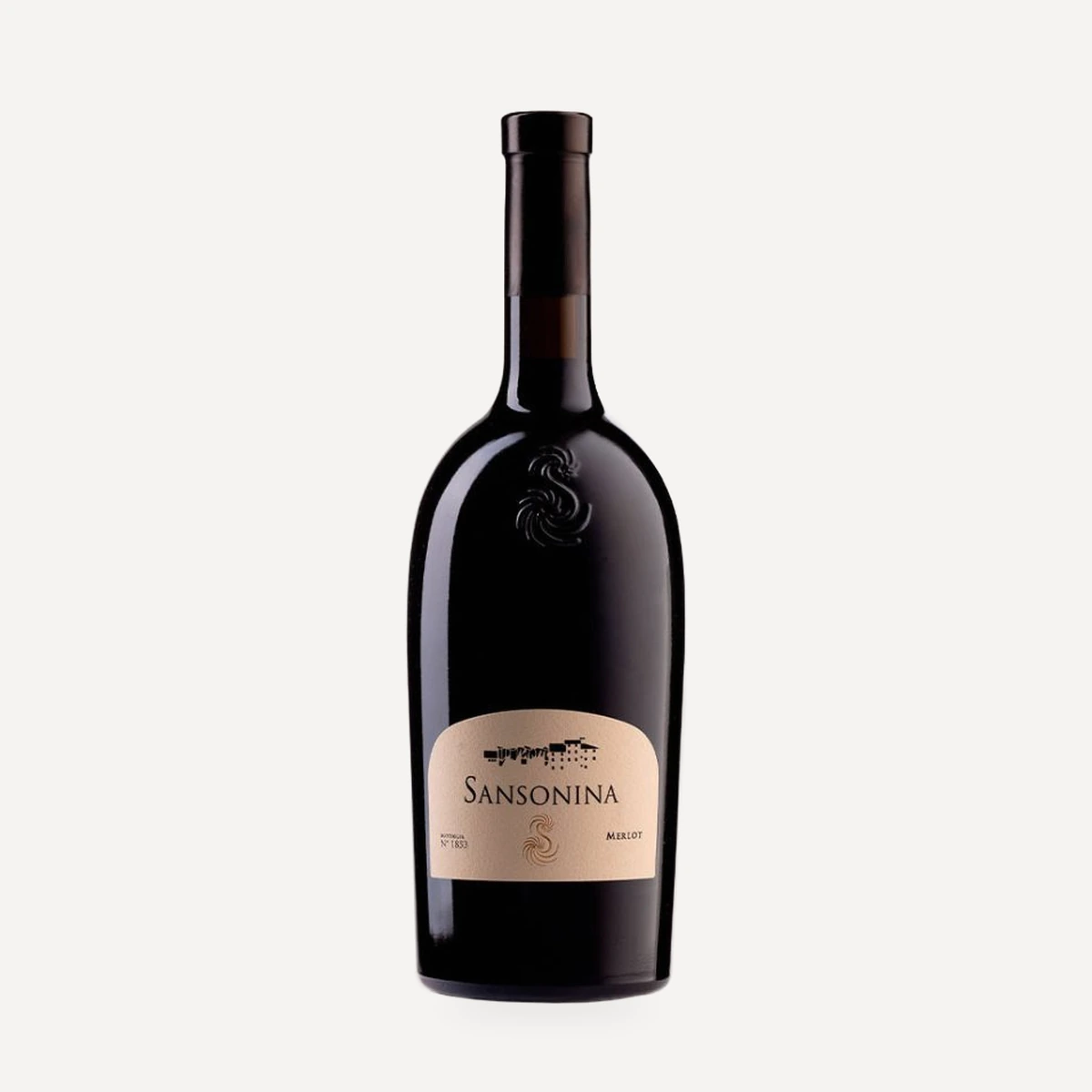
Merlot Garda La Sansonina DOC
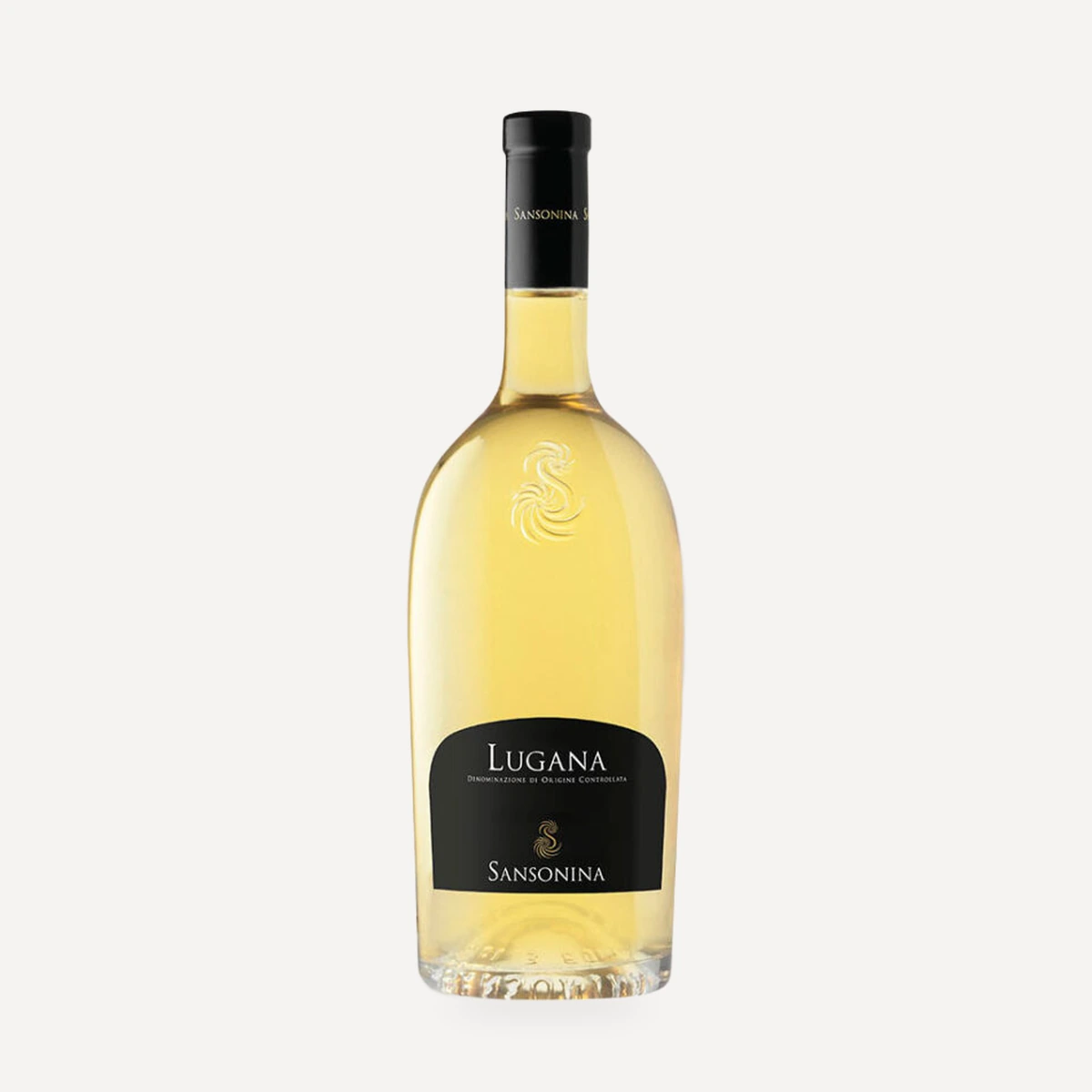
Lugana DOC
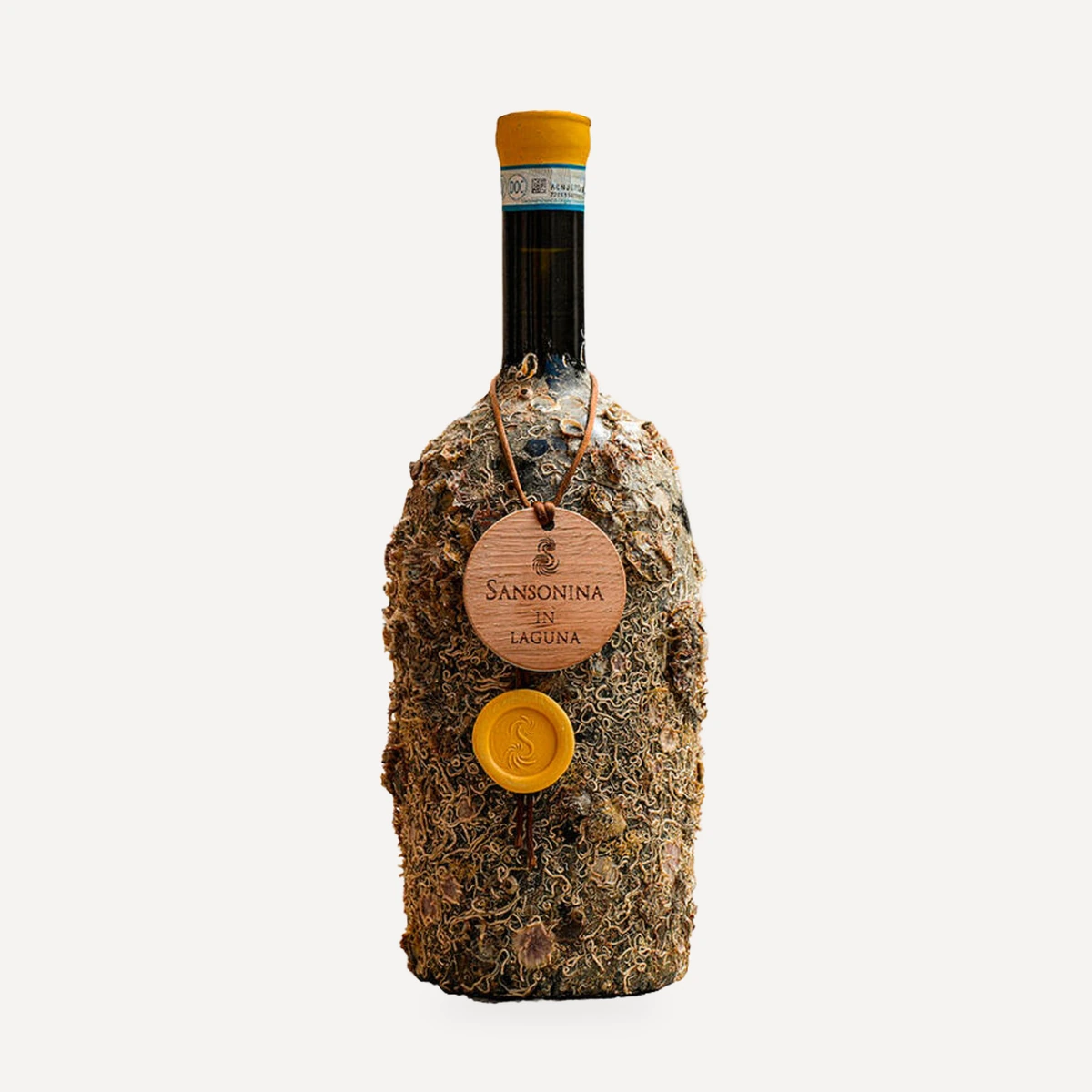
Lugana – Sansonina in Laguna 2021 DOC