Storia
The Bolla family’s beginnings, 1883
The family wine story begins in 1883 with the entrepreneurial initiative of Albano Bolla. This earlier family activity preceded the creation of the Valdobbiadene sparkling-wine house and established the wine tradition later carried forward by successive generations.
Valdo is established in Valdobbiadene, 1926
Valdo dates its foundation in Valdobbiadene to 1926. The first bottle was opened in its cellars that year, beginning the company’s specialization in sparkling wines and its enduring association with Valdobbiadene Prosecco Superiore. The name Valdo directly recalls Valdobbiadene, the territory with which the company identifies itself.
The history of the business subsequently became inseparable from the Bolla family. Across three generations, the family combined sparkling-wine production with commercial expansion and helped carry the culture of Prosecco from its local territory to Italian and international markets. Sergio Bolla is commemorated as the founder of the company in Valdo’s modern range.
Bruno Bolla and Cuvée di Boj, 1982
In 1982, Bruno Bolla—Sergio’s brother—conceived the historic blend associated with Cuvée di Boj. It became one of Valdo’s early Valdobbiadene DOCG wines in Brut style. Forty harvests later, the 2021 harvest was used to recreate that original composition for the limited Cuvée di Boj Vintage, released in approximately 12,000 bottles with 75% Glera and 25% Chardonnay and five months of Charmat-method maturation.
Developing distinctive interpretations of Valdobbiadene
The winery progressively developed several approaches to sparkling wine rather than relying on a single production formula. Its work includes long Charmat-Martinotti maturation, bottle-fermented Metodo Classico wines, partial maturation of Chardonnay in French barriques, single-vineyard wines, and the recovery of old Glera clones and local varieties at Vigna Pradase.
The Bolla family also dedicated wines to people and places central to the house. Cuvée del Fondatore honours Sergio Bolla. Viviana Cartizze is dedicated to Viviana Bernardi, the founder’s wife. Cuvée di Boj takes its name from Valle dei Buoi, while Vigna Pradase preserves old clones and local varieties in a vineyard described as a living “library.”
Supply-chain partnerships and environmental investment, 2018–2021
In January 2018, Valdo began a partnership with Azienda Agricola I Magredi in Friuli Venezia Giulia. The aim was to extend Prosecco production into Friuli while strengthening oversight of the production chain. The first result, Tenuta La Maredana Prosecco Treviso DOC, was presented at Vinitaly in 2019.
By 2021, Valdo described more than twenty years of work on sustainability in Valdobbiadene. A photovoltaic installation representing an investment of more than €500,000 was placed on one production site. From September of that year, it was expected to provide 70% of the company’s electricity needs and generate approximately 250,000 kWh annually. The project and the organic Amor Soli wine led to finalist positions in two categories of The Drinks Business Green Awards 2021.
Collezione Atelier, 2022
At Vinitaly 2022, Valdo presented a redesigned restaurant-focused range under the name Collezione Atelier. The project was more than a packaging revision: it organized wines around craftsmanship, research, and distinct interpretations of Valdobbiadene. Label designs drew on early-20th-century Futurism and Art Nouveau as well as other historical symbols and textures. The collection expressed the vision of president Pierluigi Bolla and the oenological team led by Gianfranco Zanon.
International partnerships and diversification, 2023
In January 2023, Valdo and C. Mondavi Family launched a multi-stage United States partnership. The first stage covered distribution of Valdo wines in the US. Later stages envisaged an equal joint venture to import and distribute Italian wines and, ultimately, a production line in Napa Valley to which Valdo would contribute its sparkling-wine expertise.
At Vinitaly 2023, Valdo also introduced Le Tenute Valdo, its first still-wine range, developed with I Magredi. The range initially comprised Merlot, Cabernet Sauvignon, Pinot Grigio, Ribolla Gialla, and Sauvignon Blanc and marked a diversification beyond the company’s original concentration on sparkling wines.
The centenary, 2026
Valdo celebrated its centenary in 2026. The anniversary included Valdo 100, a numbered release of 3,750 magnums from Rive di San Pietro di Barbozza, and recognition of Valdo among the Marchi Storici d’Italia, acknowledging the continuity and historical role of the brand. The company continued to frame its development around family ownership, its Valdobbiadene origins, technological and stylistic experimentation, and environmental responsibility.
Terroir
Valdobbiadene and the Conegliano–Valdobbiadene hills
Valdo’s historic base is in Valdobbiadene, within the hilly Conegliano–Valdobbiadene area. The terrain is steep enough for vineyard work and harvesting to be predominantly manual. DOCG grapes are harvested by hand and transported rapidly to the cellar to limit oxidation and retain their aromas.
Rive and steep-slope viticulture
The term Rive identifies especially steep sites where cultivation is arduous. At Rive di San Pietro di Barbozza, vineyards rise from 350 to 400 metres and include some of the area’s older vines. These slopes form the origin of a single-vintage, site-identified expression of Valdobbiadene Prosecco Superiore DOCG.
Valle dei Buoi
Valle dei Buoi lies in the San Pietro di Barbozza district of Valdobbiadene at approximately 200–400 metres. It is treated as a cru and distinguished by its combination of terrain and microclimatic conditions. Cuvée di Boj takes its name directly from the valley.
Cartizze
Cartizze is a small, steeply sloping area within Valdobbiadene. The broader production zone covers only 107 hectares. Its soils are clay-rich and contain abundant microelements, while the local microclimate supports complete ripening and aromatic complexity. Valdo’s Cartizze grapes are selected and harvested manually on slopes at approximately 300–400 metres.
Vigna Pradase
Vigna Pradase stands at approximately 250 metres in Valdobbiadene. Its exposure and soils are considered particularly suited to vines. The site preserves Glera tonda and Glera lunga alongside Verdiso, Bianchetta, and Perera, linking the vineyard’s physical character with the viticultural heritage of the area.
Vinificazione
Valdo works with a network of 70 grape growers. The relationship is based on long-term cooperation, and the winery supplies agronomic advice from pruning through the choice of the optimum harvest date. This grower network supports oversight from cultivation and harvest through vinification, secondary fermentation, bottling, and packaging.
On the steep Conegliano–Valdobbiadene hills, grapes for Prosecco Superiore DOCG are harvested manually and taken quickly to the cellar to reduce oxidation and preserve varietal aromas. Cartizze fruit is likewise selected and picked by hand on steep slopes.
Environmental measures include adoption of the SQNPI integrated-production system to restrict chemical inputs in the vineyard and a prohibition on glyphosate. Organic wines are made from certified-organic grapes, with practices directed toward reducing synthetic crop-protection products and preserving soils and biodiversity. Organic status applies to designated wines and their grape supply rather than to every vineyard associated with Valdo.
Vigna Pradase serves a conservation and research role. Old Glera tonda and Glera lunga clones and the local Verdiso, Bianchetta, and Perera varieties were recovered and planted there, making the vineyard a repository of local viticultural heritage.
Valdo monitors the full production chain: grape cultivation, harvest, vinification, secondary fermentation, bottling, and packaging. The winery’s principal sparkling-wine approach begins with rapid delivery of hand-harvested DOCG grapes, soft pressing, and fermentation of the free-run must at controlled temperature to retain Glera’s freshness and varietal character. Selected yeasts are used in several documented vinifications.
The principal sparkling process is Charmat-Martinotti, with secondary fermentation in pressurized stainless-steel autoclaves. For Prosecco Superiore, Valdo favours a Charmat-Lungo regime of more than five months, compared with the shorter two-to-three-month cycle cited for many sparkling wines. Longer autoclave maturation is used to build complexity and creaminess while retaining fruit and floral expression. Individual interpretations include six months or more in autoclave, nine months for a long-Charmat Glera component, and the exceptional 44-month autoclave maturation used for the centenary Valdo 100 release.
The cellar also uses other methods where required by the intended style. Metodo Classico wines undergo secondary fermentation in bottle: Numero 10 receives at least ten months on the lees before disgorgement and a further six months in the cellar, while Vigna Pradase rests on its lees for at least 24 months. Cuvée del Fondatore combines long-Charmat Glera with Chardonnay partly matured in French barriques, followed by bottle maturation. Cuvée 1926 employs a short skin maceration in a closed press before gentle pressing and selection of the first fraction of free-run juice. Cartizze fruit receives a light cold maceration before gentle pressing, controlled-temperature fermentation with selected yeasts, and long Charmat maturation.
These processes form a deliberately varied sparkling-wine program: extended autoclave maturation for fruit definition and texture, bottle fermentation for additional structure and complexity, limited use of French oak for the Chardonnay component of a specific cuvée, and vineyard-specific vinification for cru and single-vineyard wines.
Filosofia
Valdo defines itself through the combination of family continuity, Valdobbiadene origins, tradition, and experimentation. The Bolla family’s approach does not treat tradition as a restriction: long Charmat maturation, Metodo Classico Glera, French-barrique-aged Chardonnay, recovery of old local clones, and the use of Nerello Mascalese for rosé wines all represent stylistic choices intended to expand the possibilities of the house.
The company presents control of the entire production chain as central to quality. Its relationship with 70 growers rests on trust, reciprocal exchange, and agronomic support, linking work in the vineyard with cellar operations, bottling, and packaging.
Environmental responsibility is framed as compatible with quality rather than opposed to it. The declared priorities are protection of the territory, responsible use of water and energy, reduced environmental impact, continuous improvement, preservation of soil and biodiversity, circular use of winery by-products, and packaging with a larger recycled component. Valdo also emphasizes the social function of a winery: employee development and safety, flexible working arrangements, support for local heritage and social projects, and opening company spaces to cultural initiatives.
The broader corporate principles include transparency, fairness, respect for workers and suppliers, responsible alcohol consumption, protection of the surrounding landscape, energy efficiency, pollution reduction, and support for research, education, and charitable work connected with the community and wine sector.
Vini
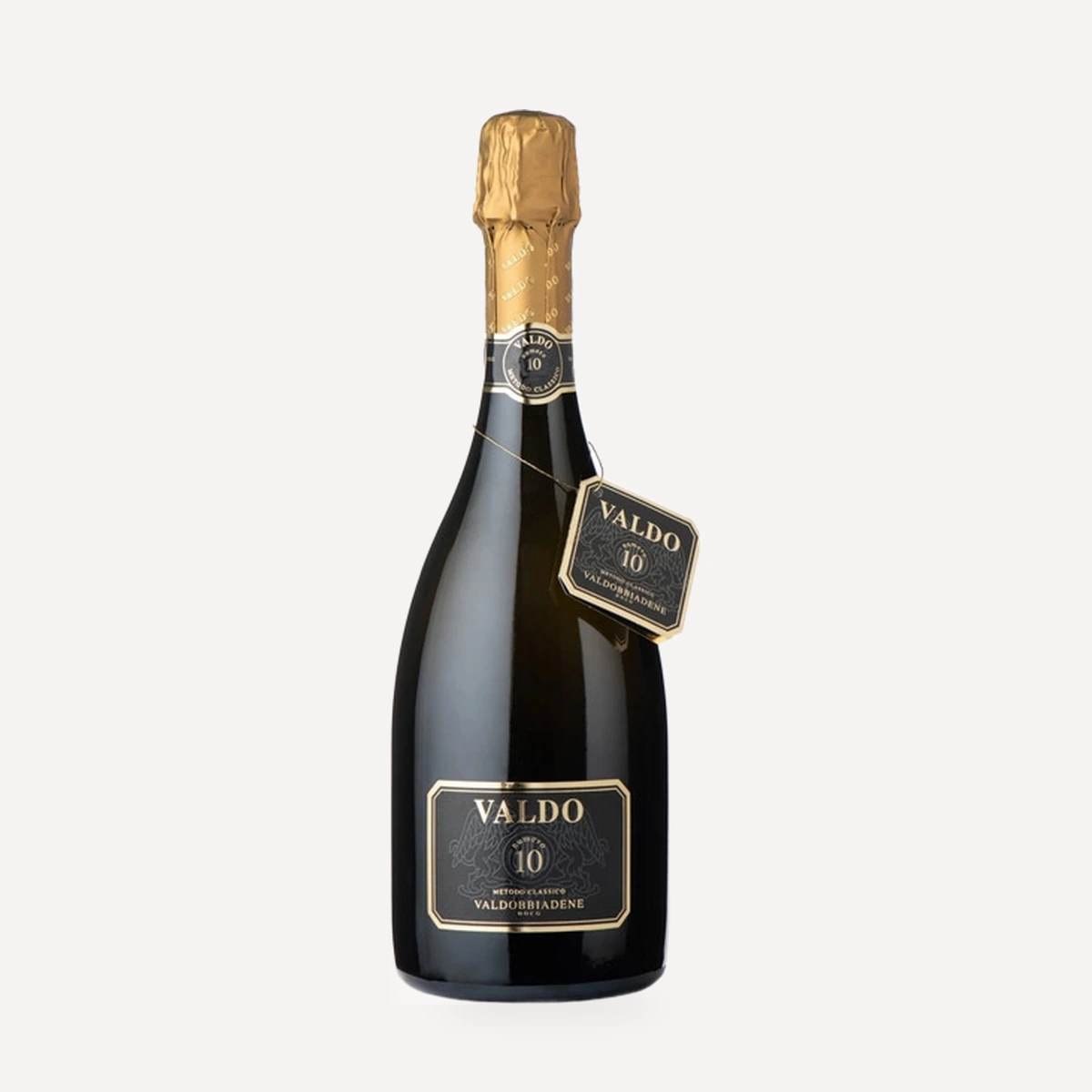
Numero 10 Metodo Classico Brut Valdobbiadene DOCG
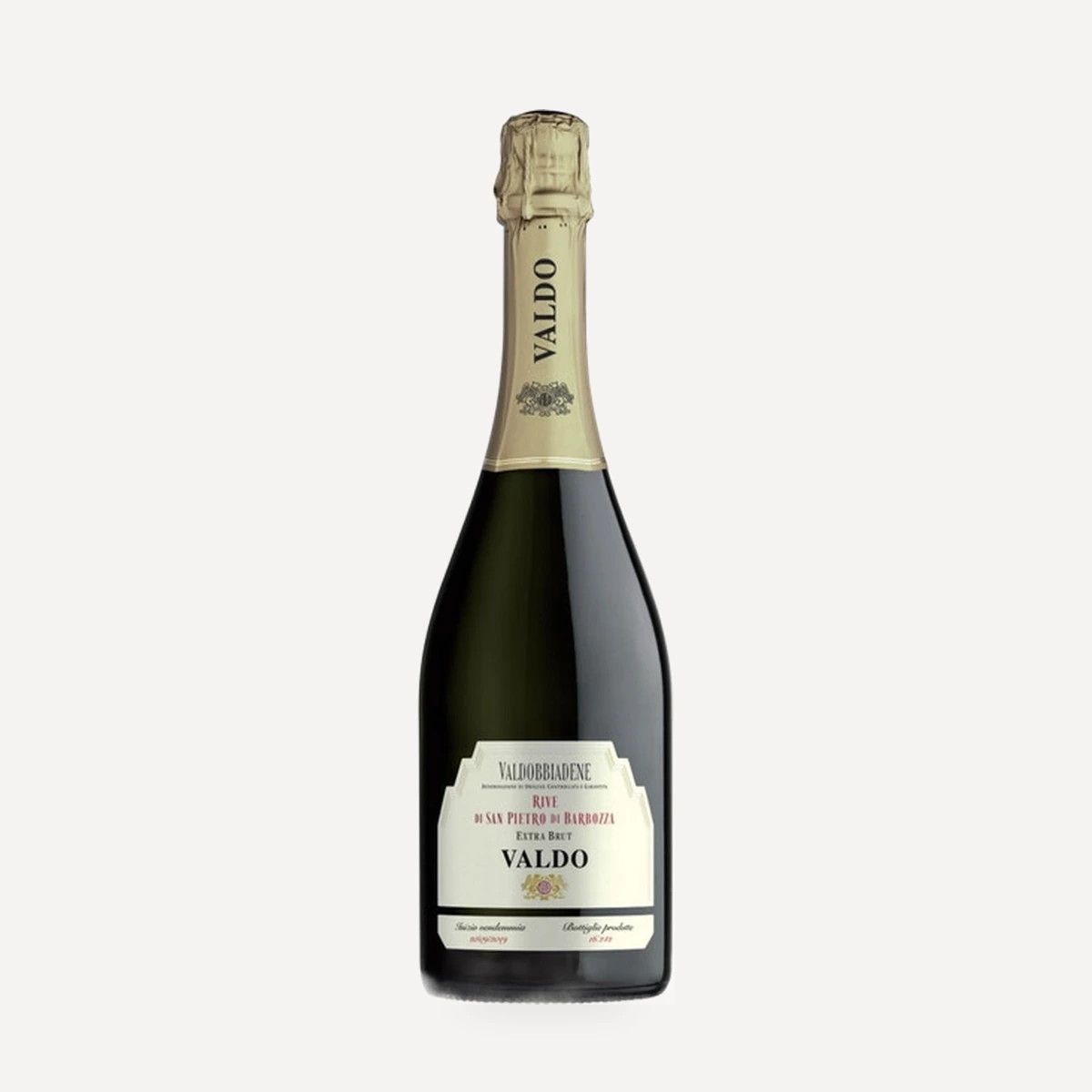
Rive di San Pietro di Barbozza Valdobbiadene Extra Brut DOCG
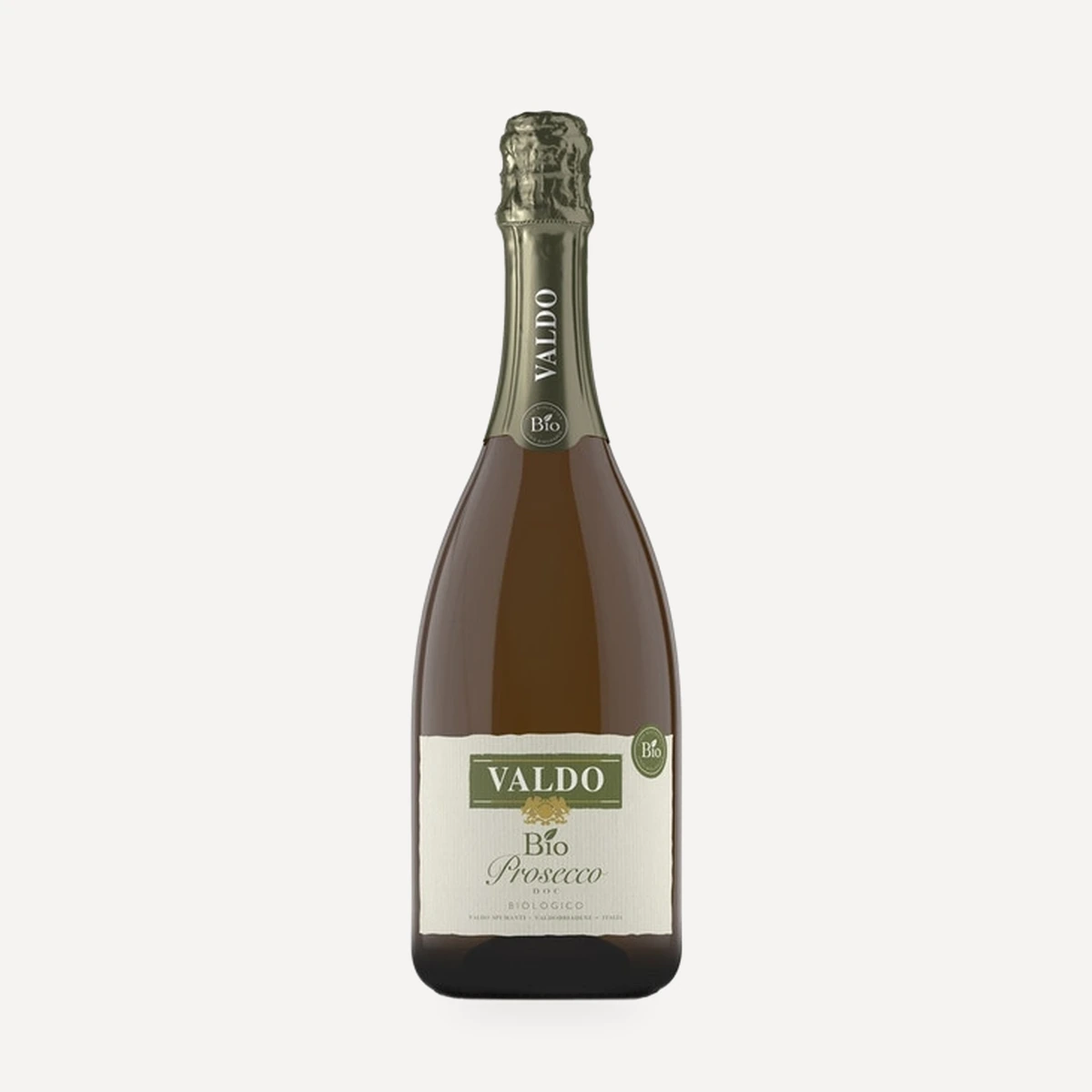
BIO Prosecco DOC
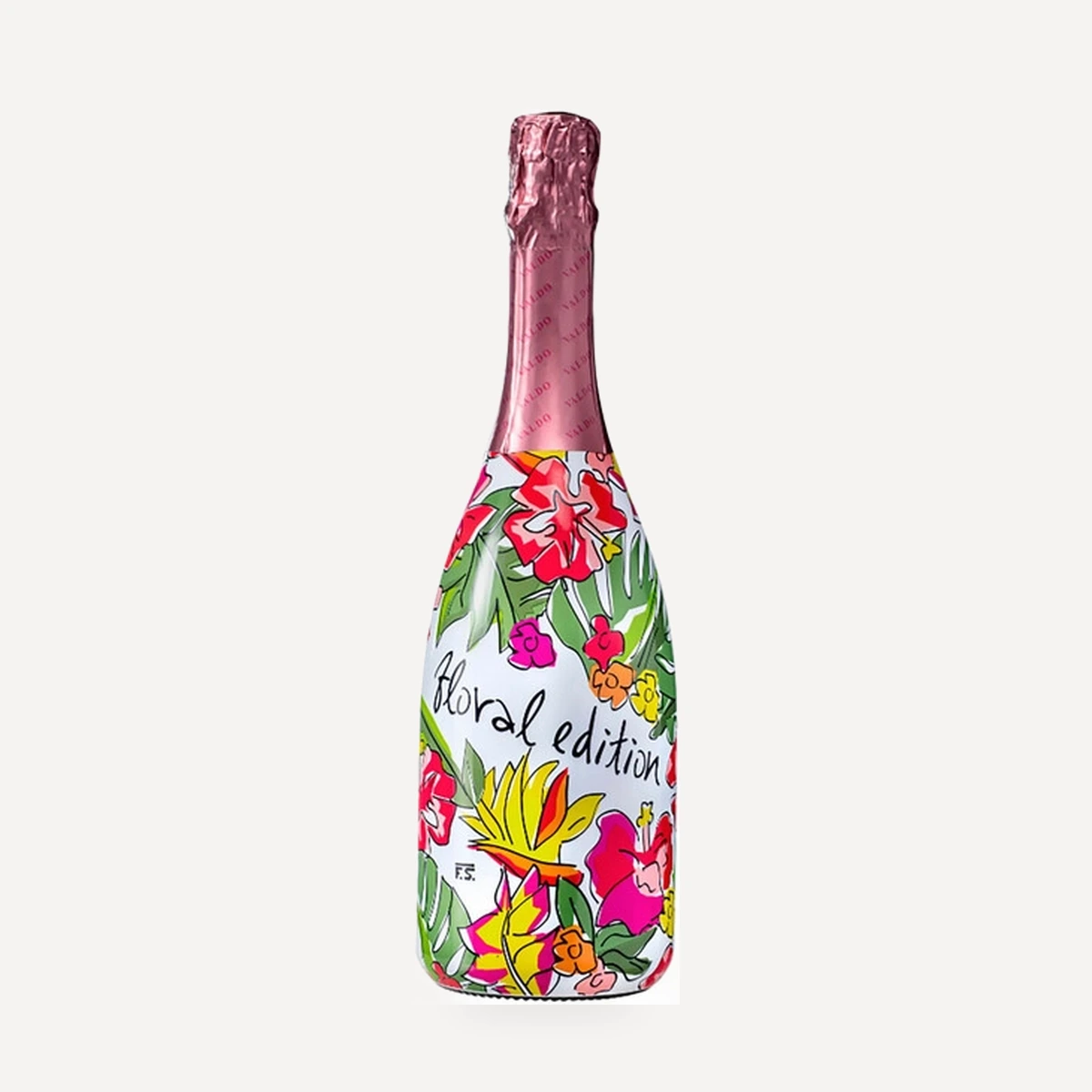
Floral Edition Rose Brut
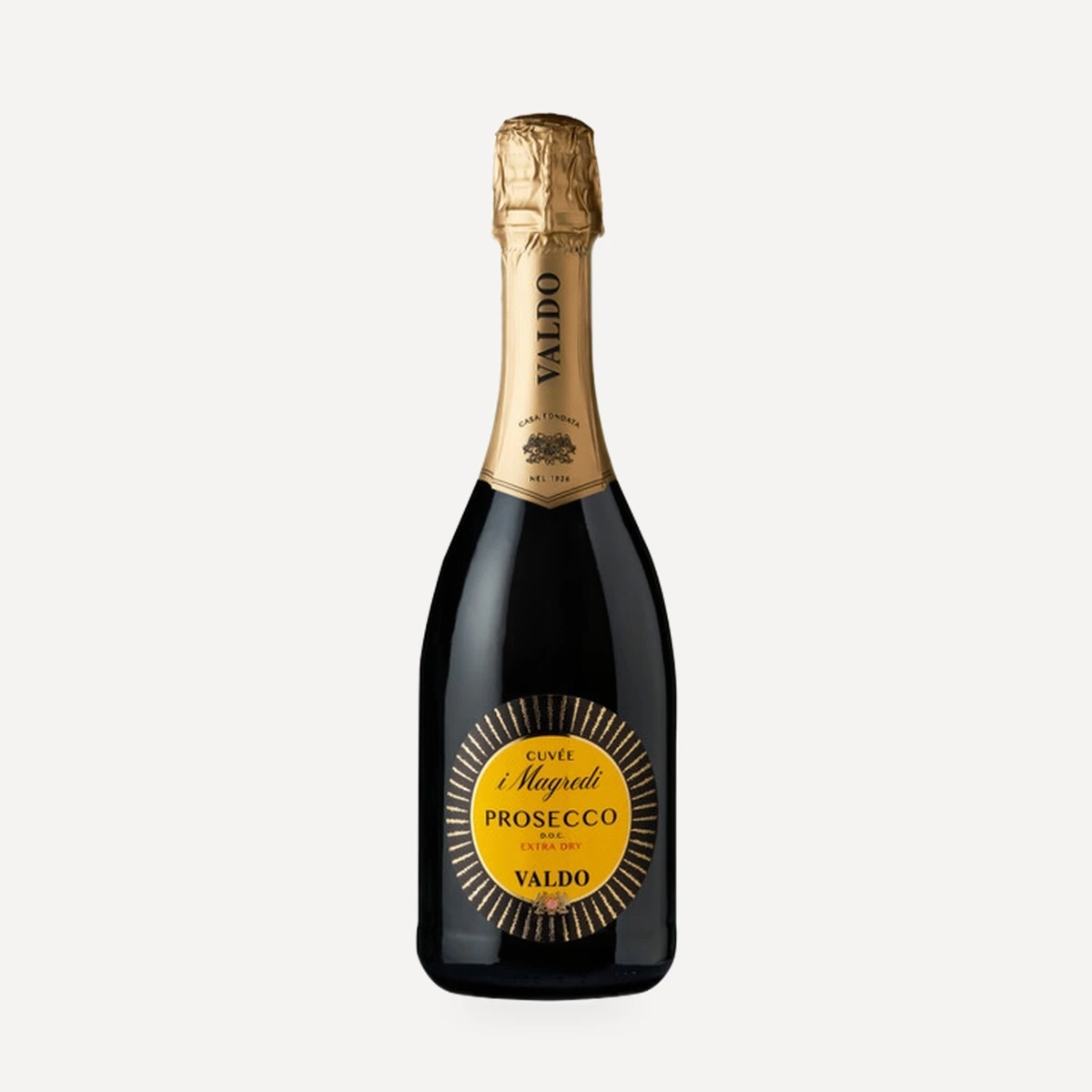
Cuvee i Magredi Prosecco Extra Dry DOC
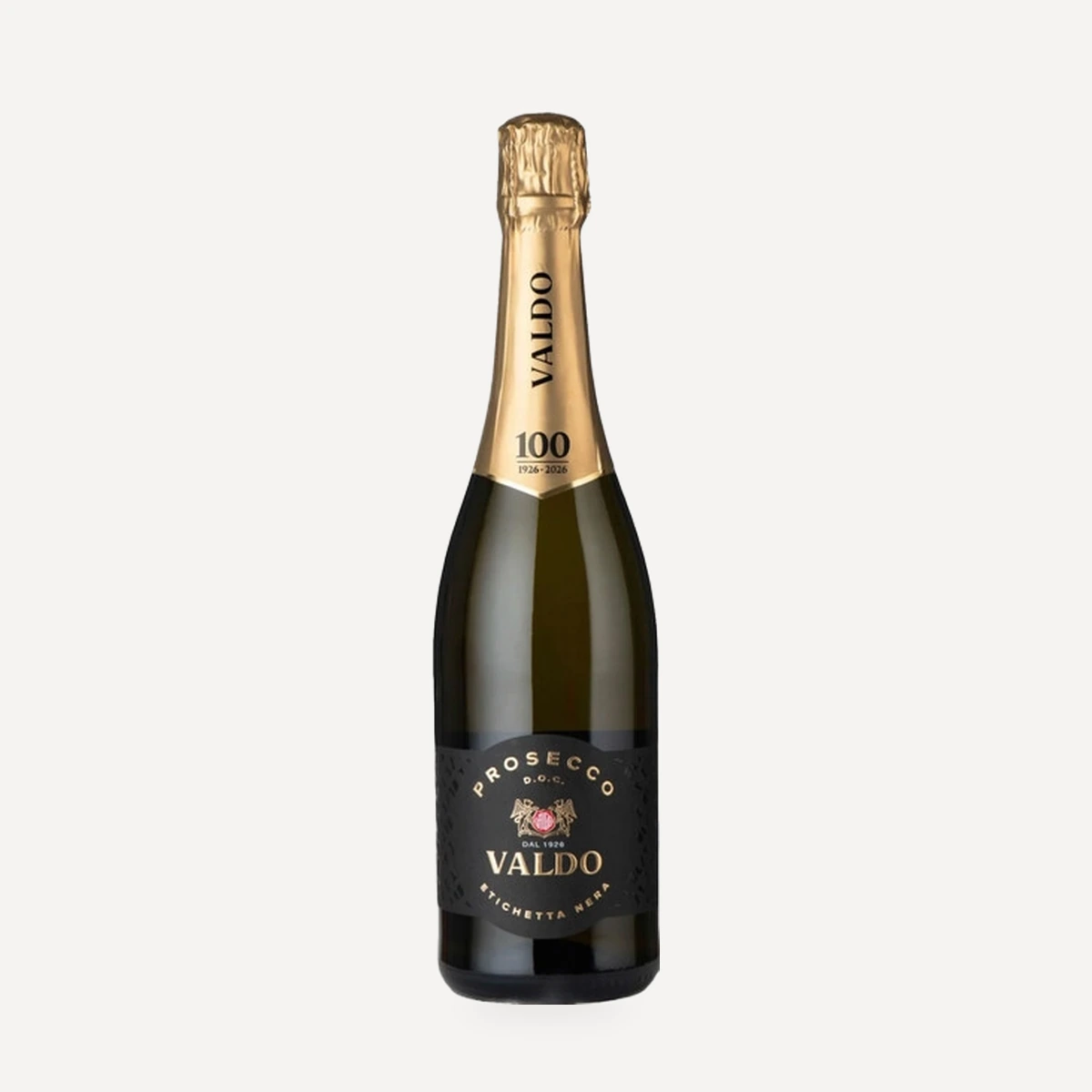
Prosecco Extra Dry (Etichetta Nera) DOC
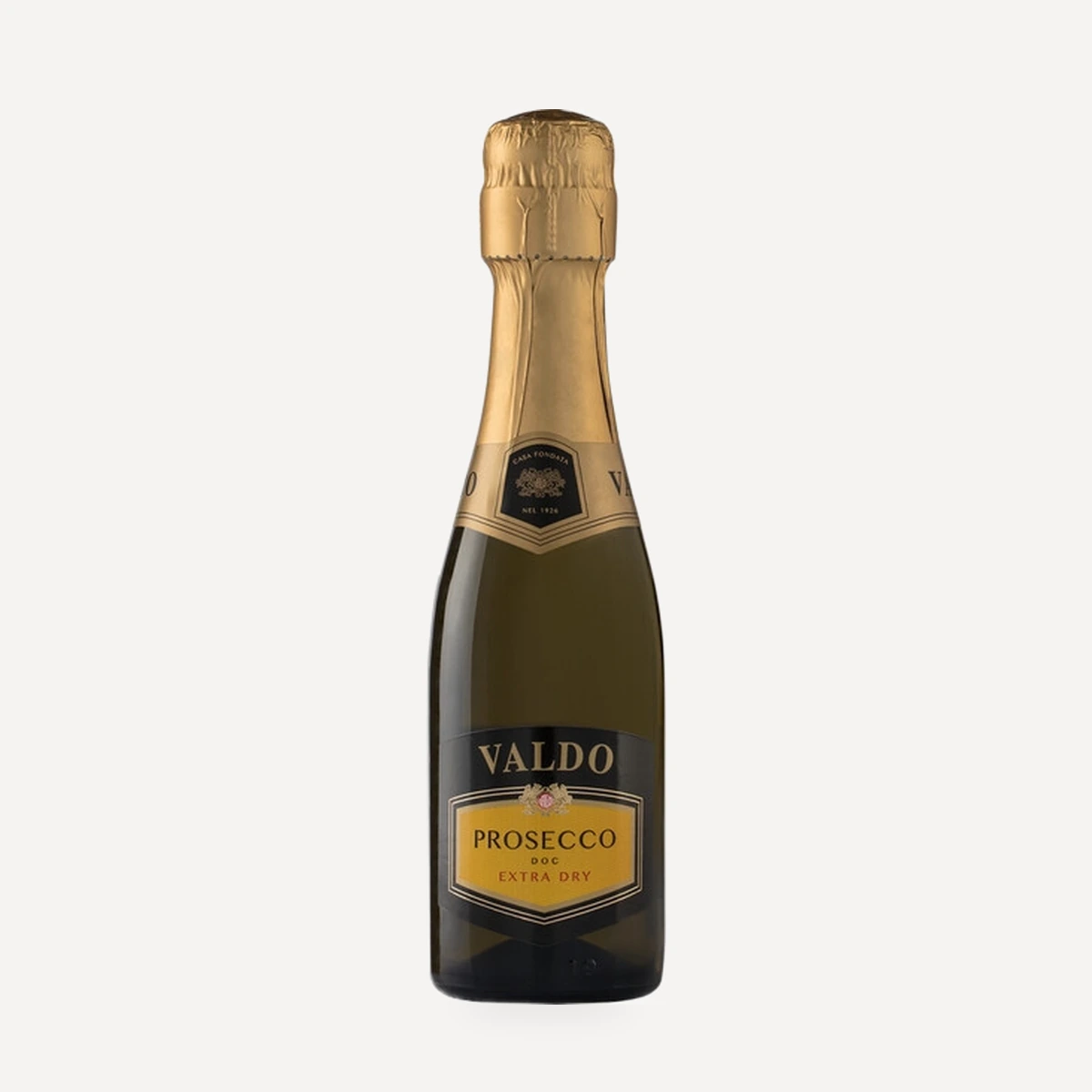
Prosecco Extra Dry DOC
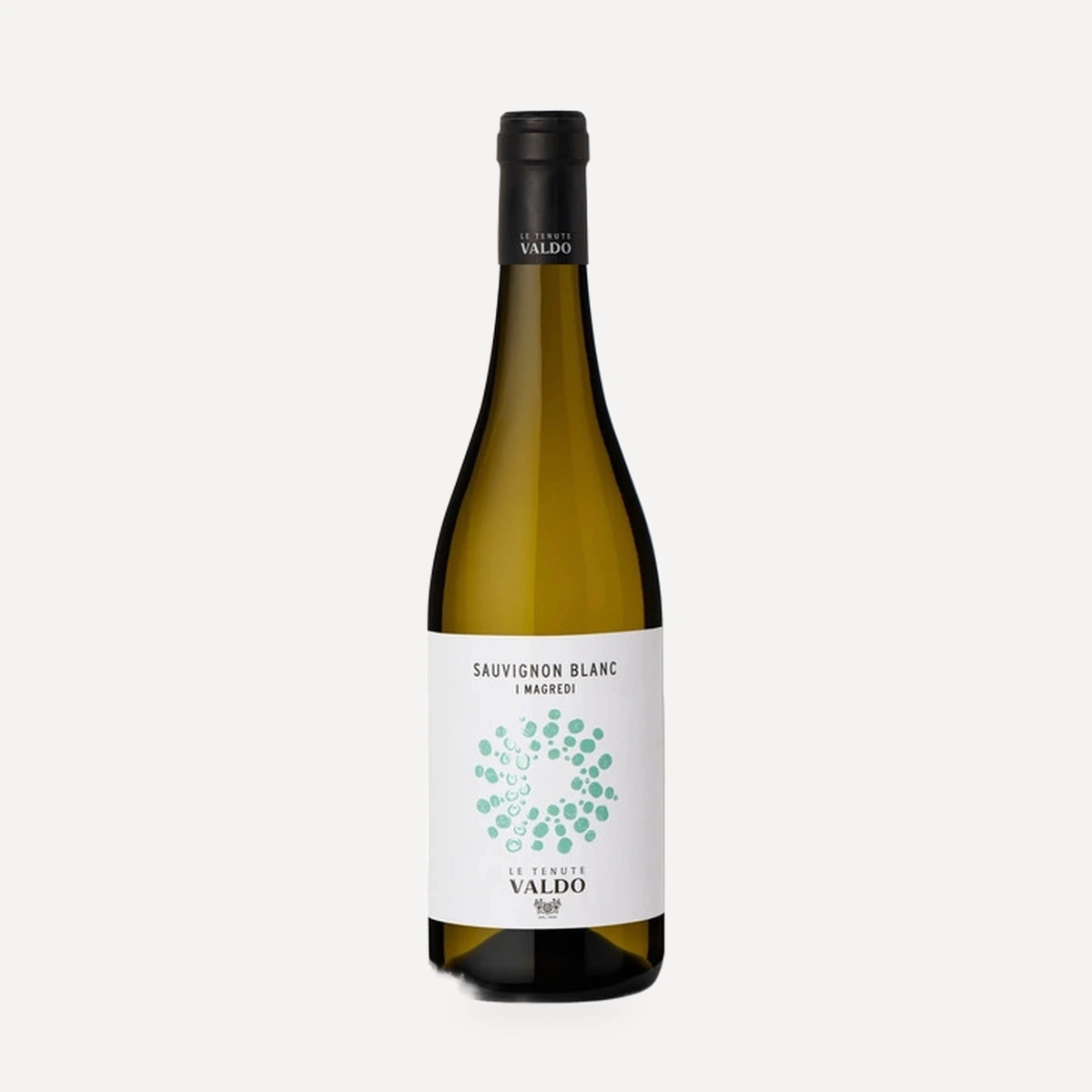
Sauvignon Blanc i Magredi Friuli Grave DOC
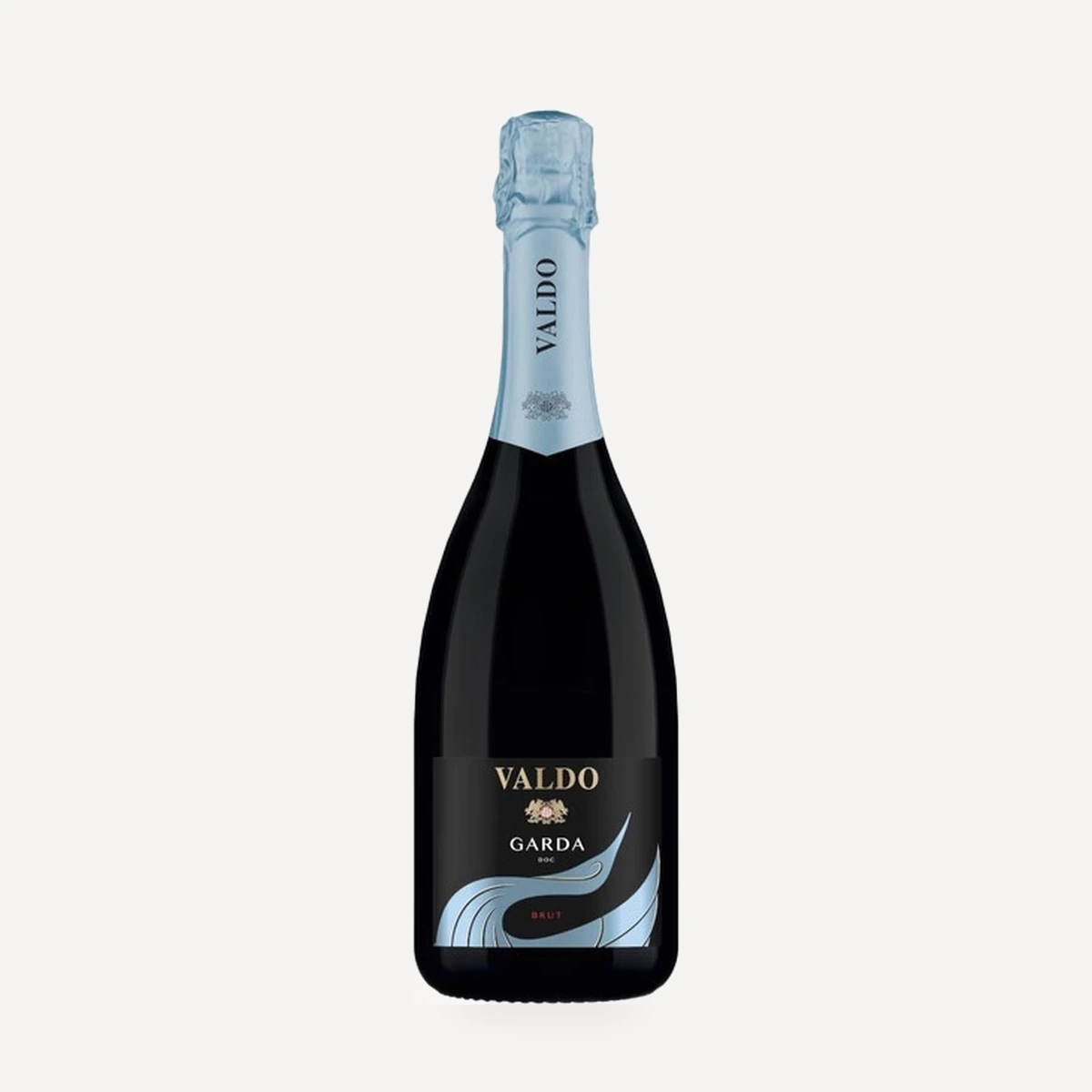
Garda Brut DOC
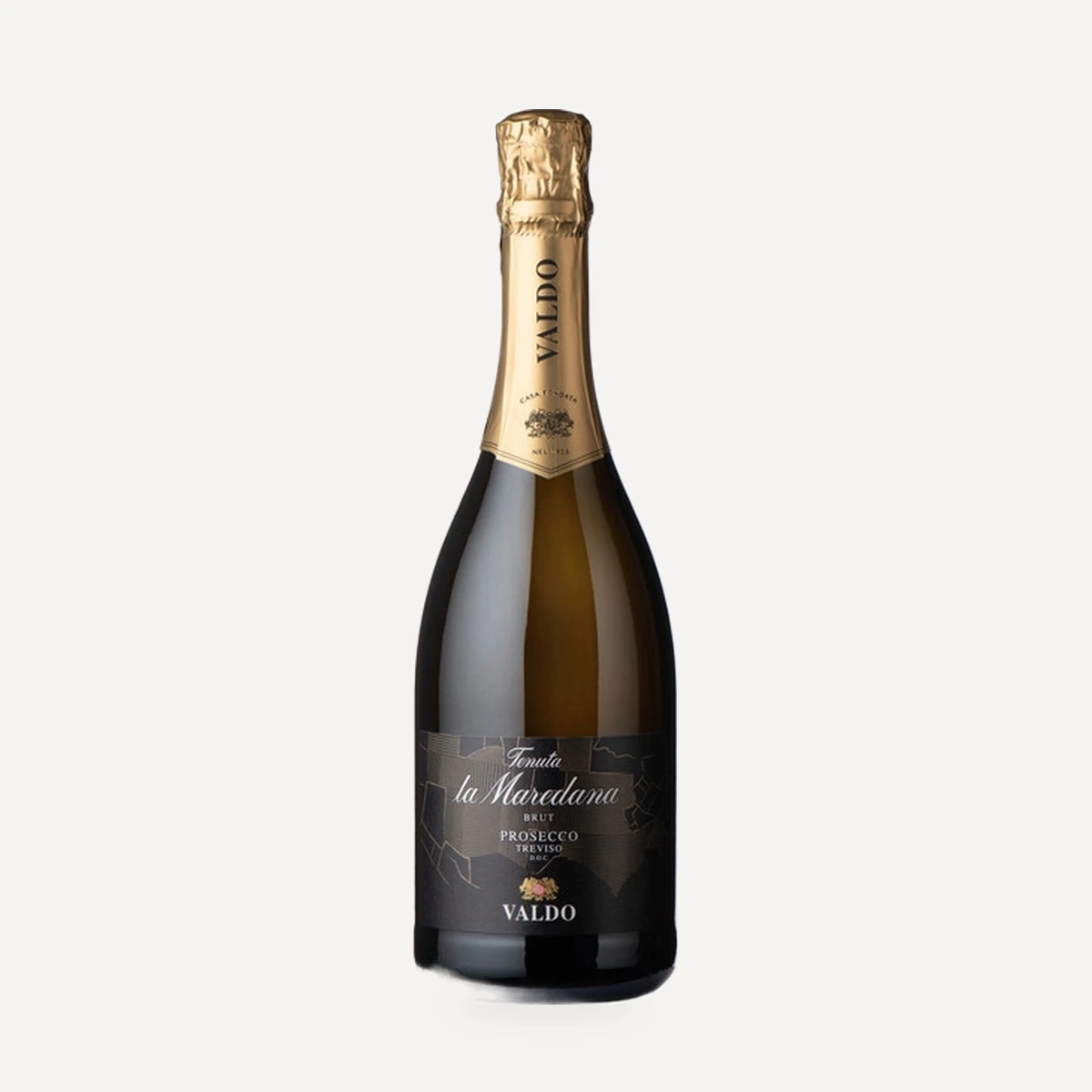
Tenuta La Maredana Prosecco Treviso Brut DOC
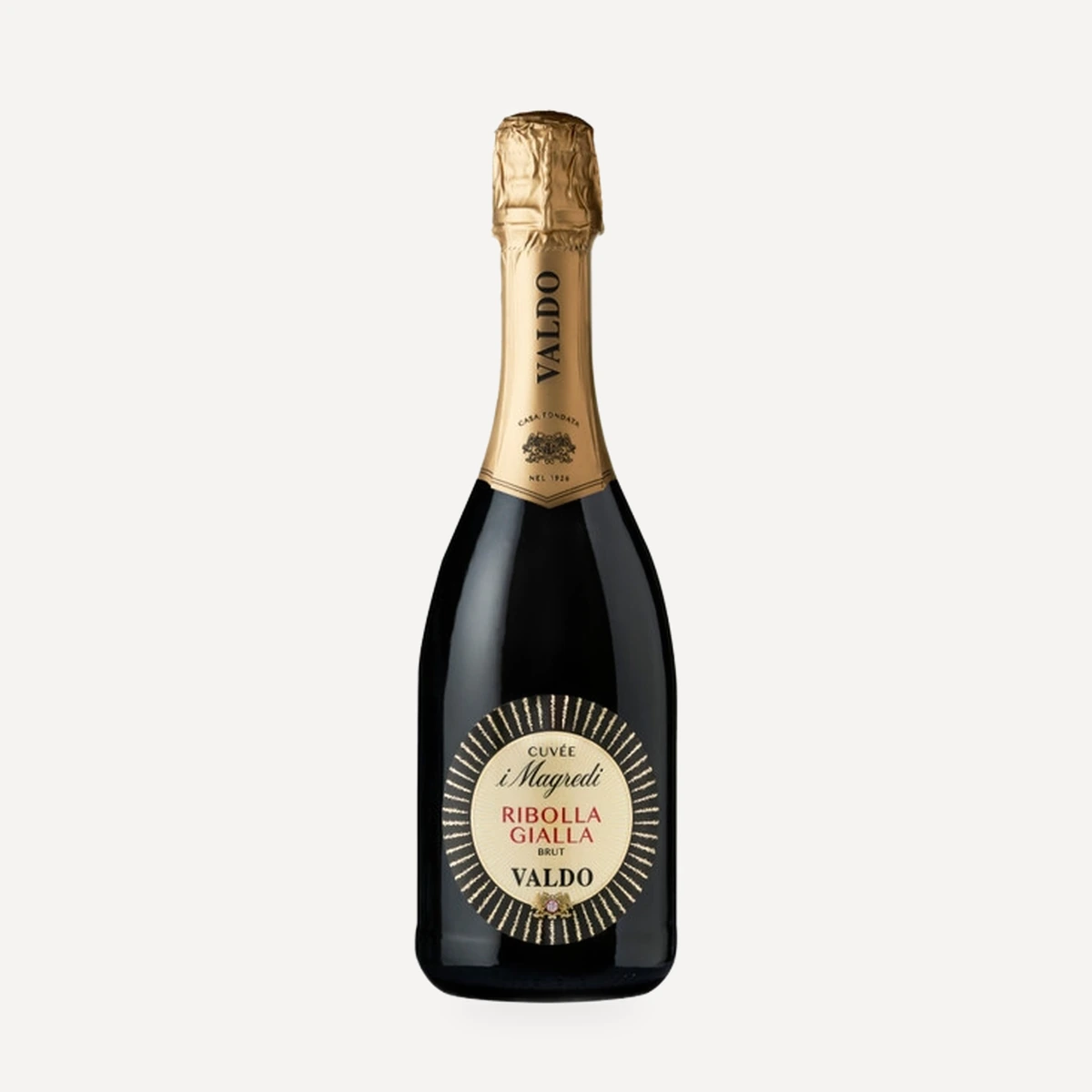
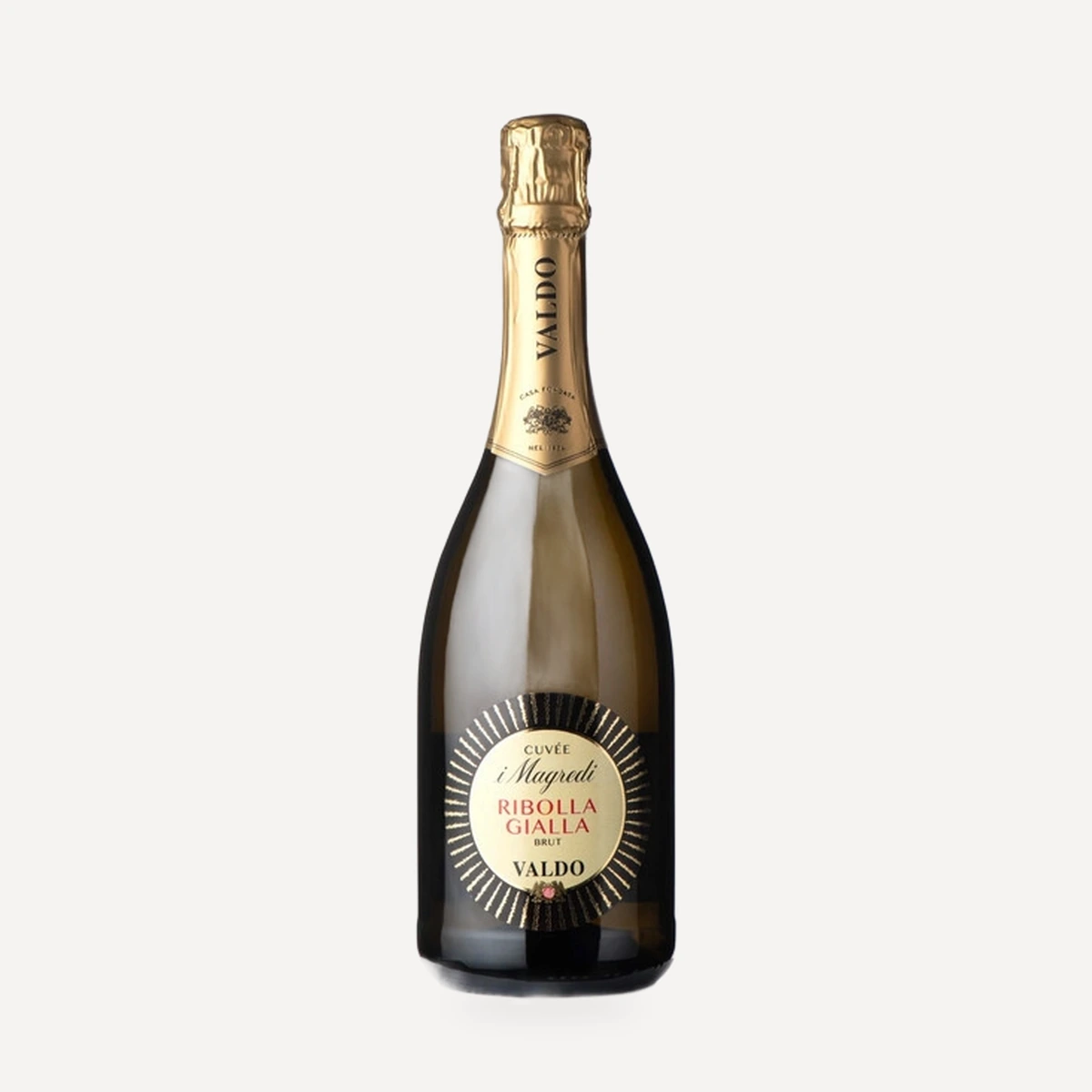
Cuvee i Magredi Ribolla Gialla Friuli Grave DOC
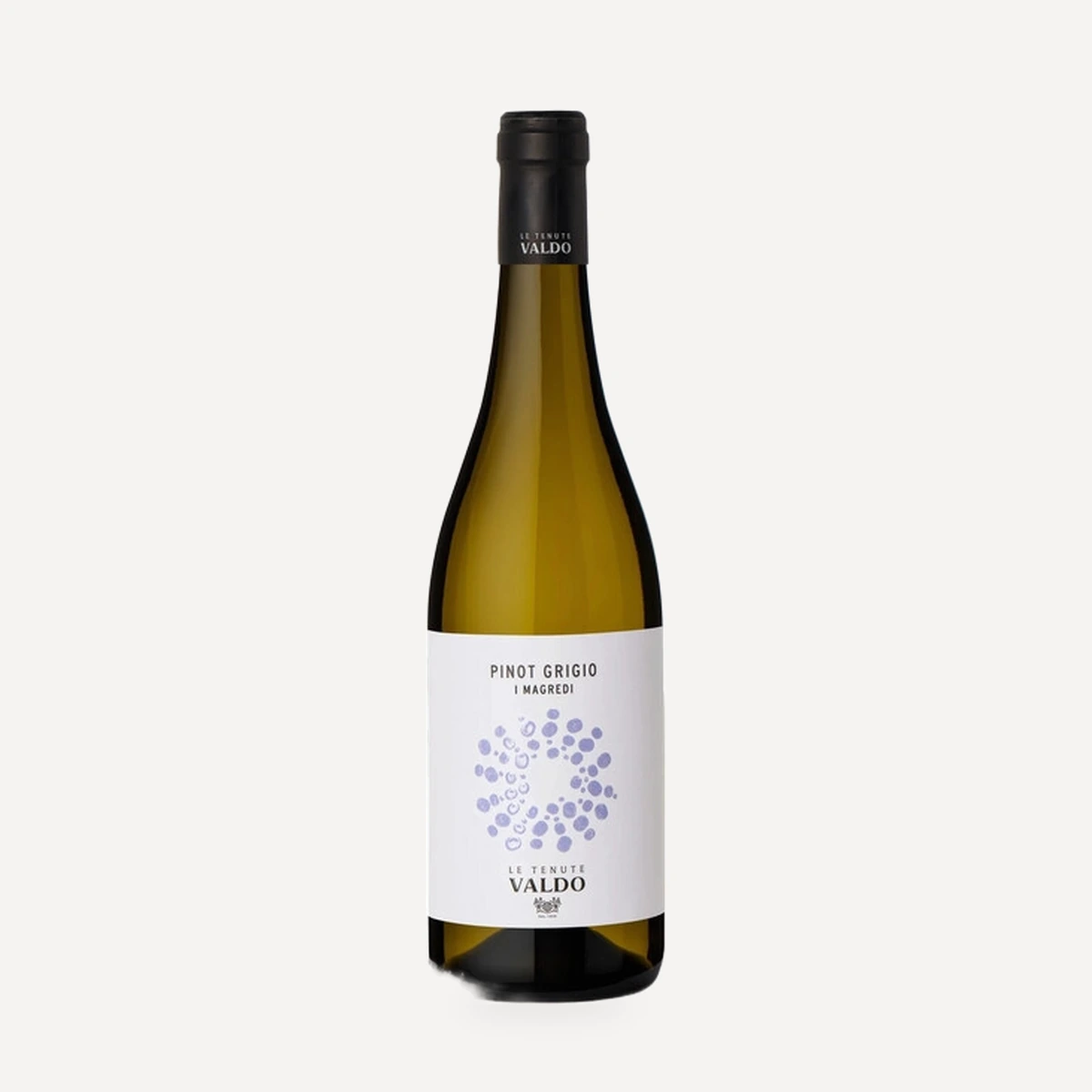
Pinot Grigio i Magredi Friuli Grave DOC
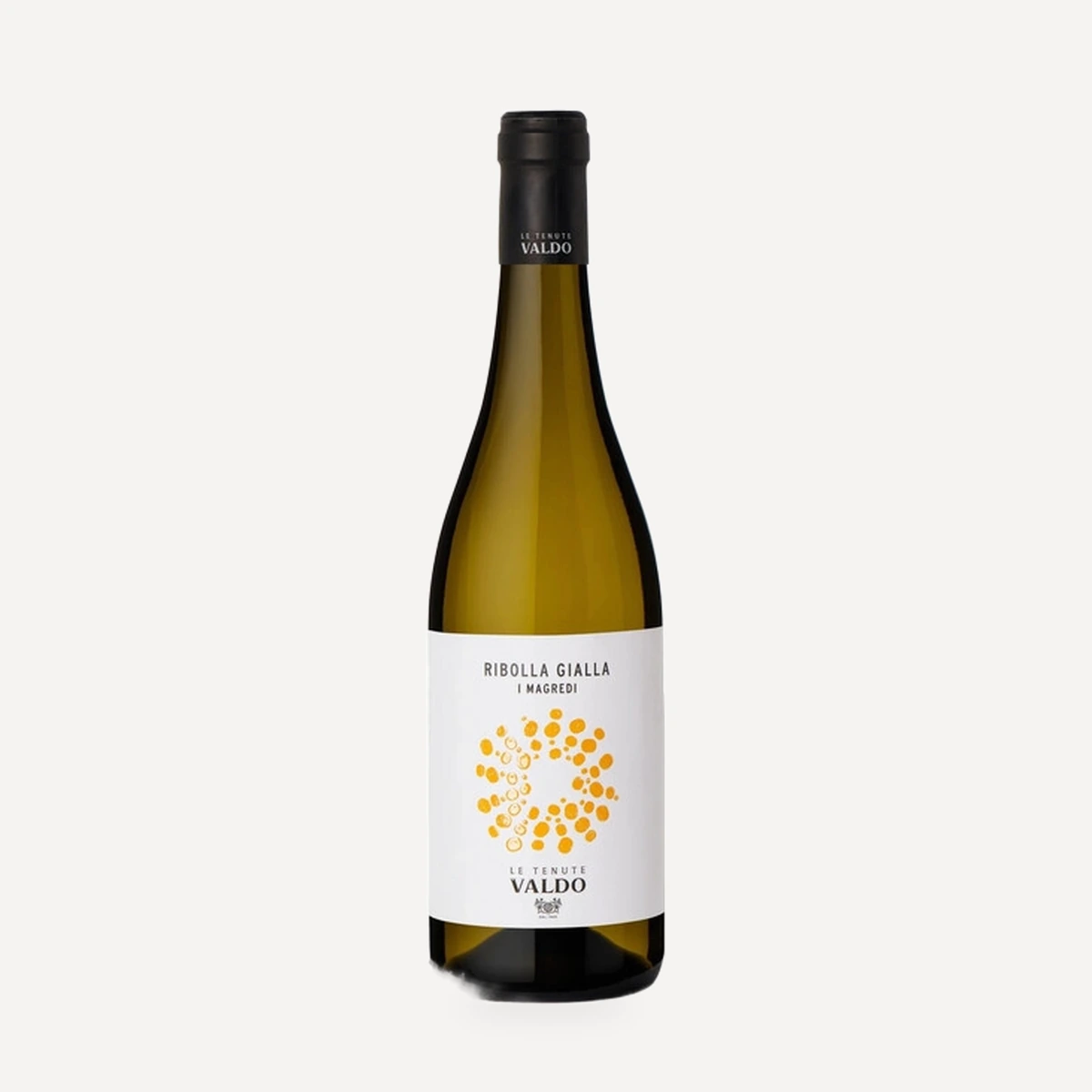
Ribolla Gialla i Magredi Venezia Giulia IGT
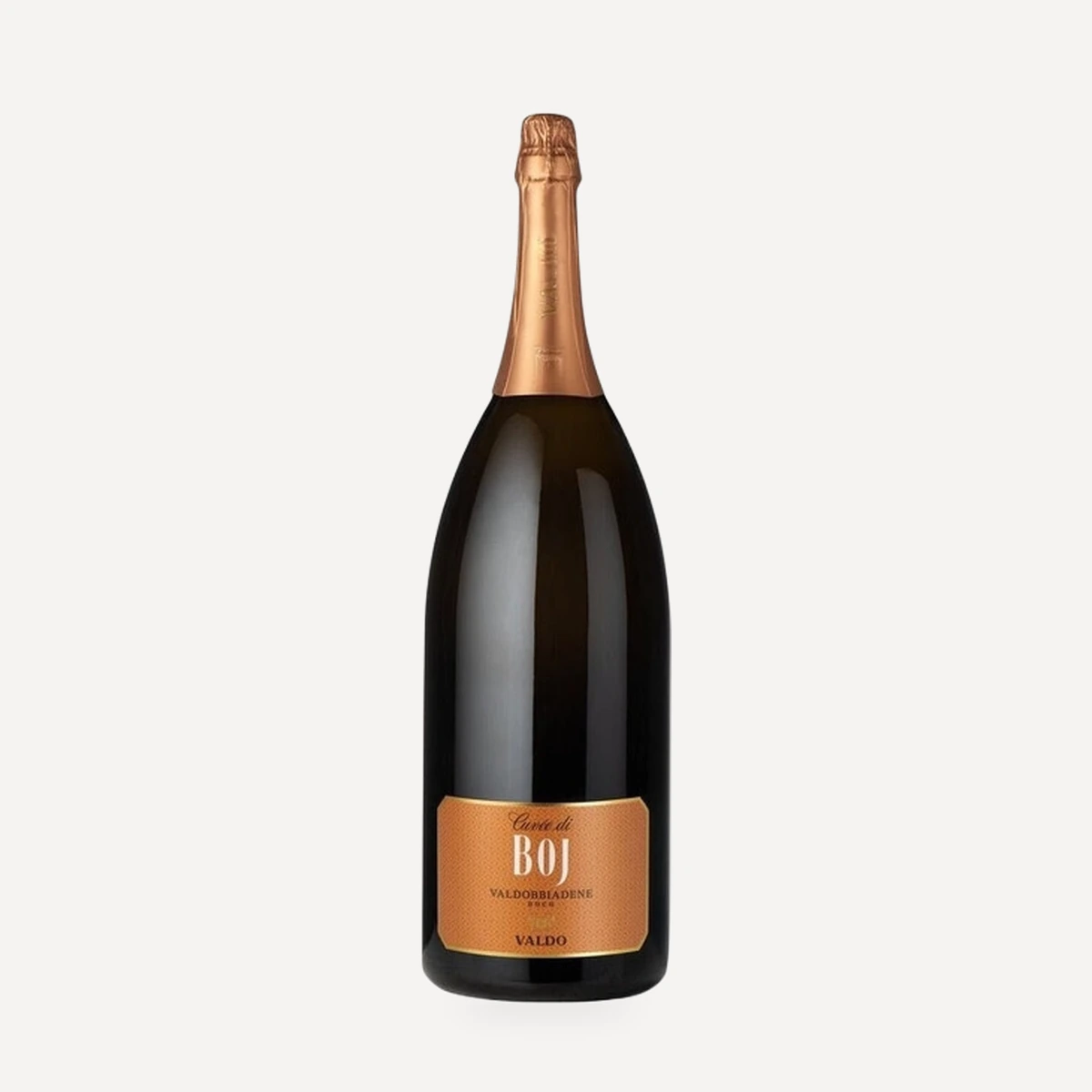
Cuvee di Boj Prosecco di Valdobbiadene Superiore DOCG
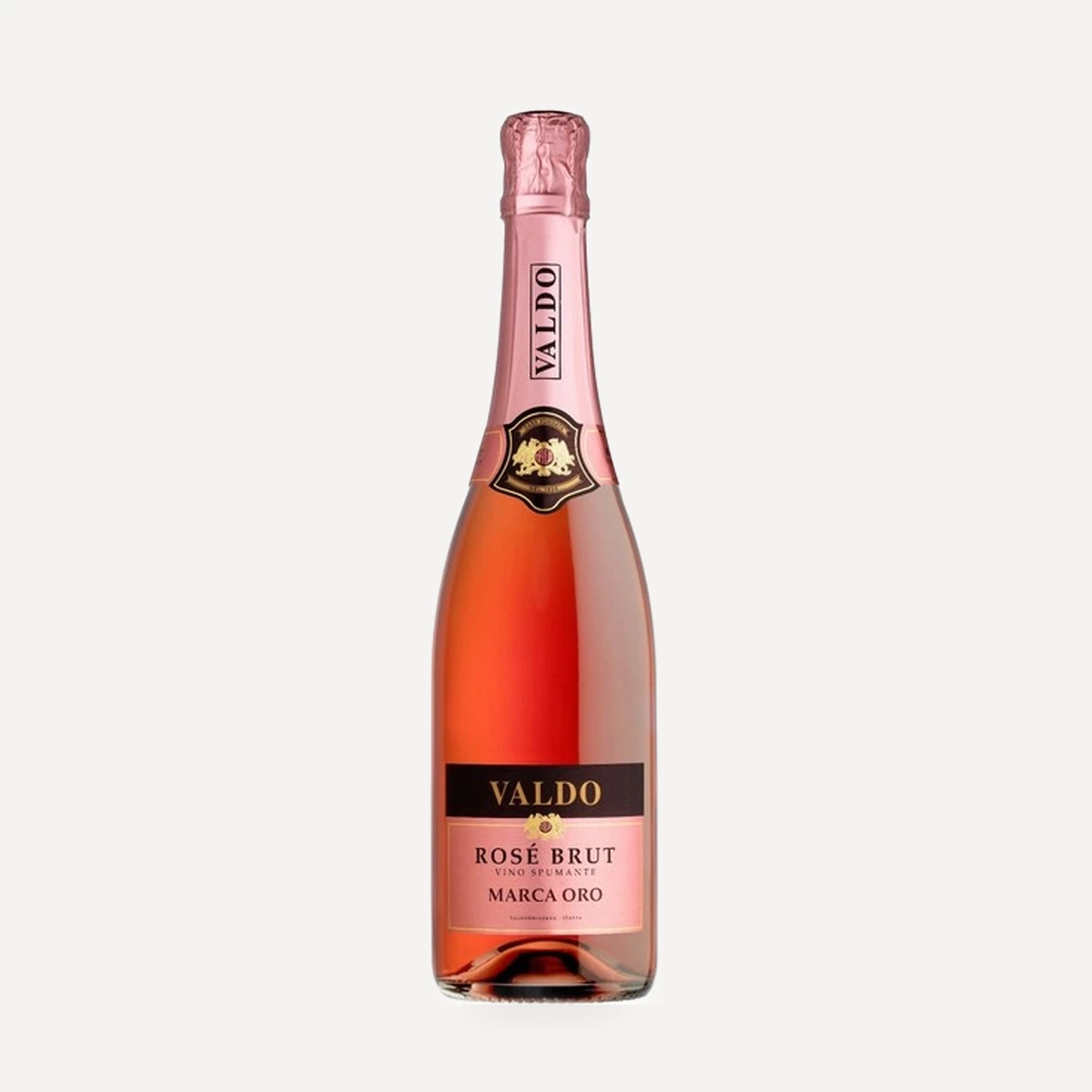
Marca Oro Rose Brut
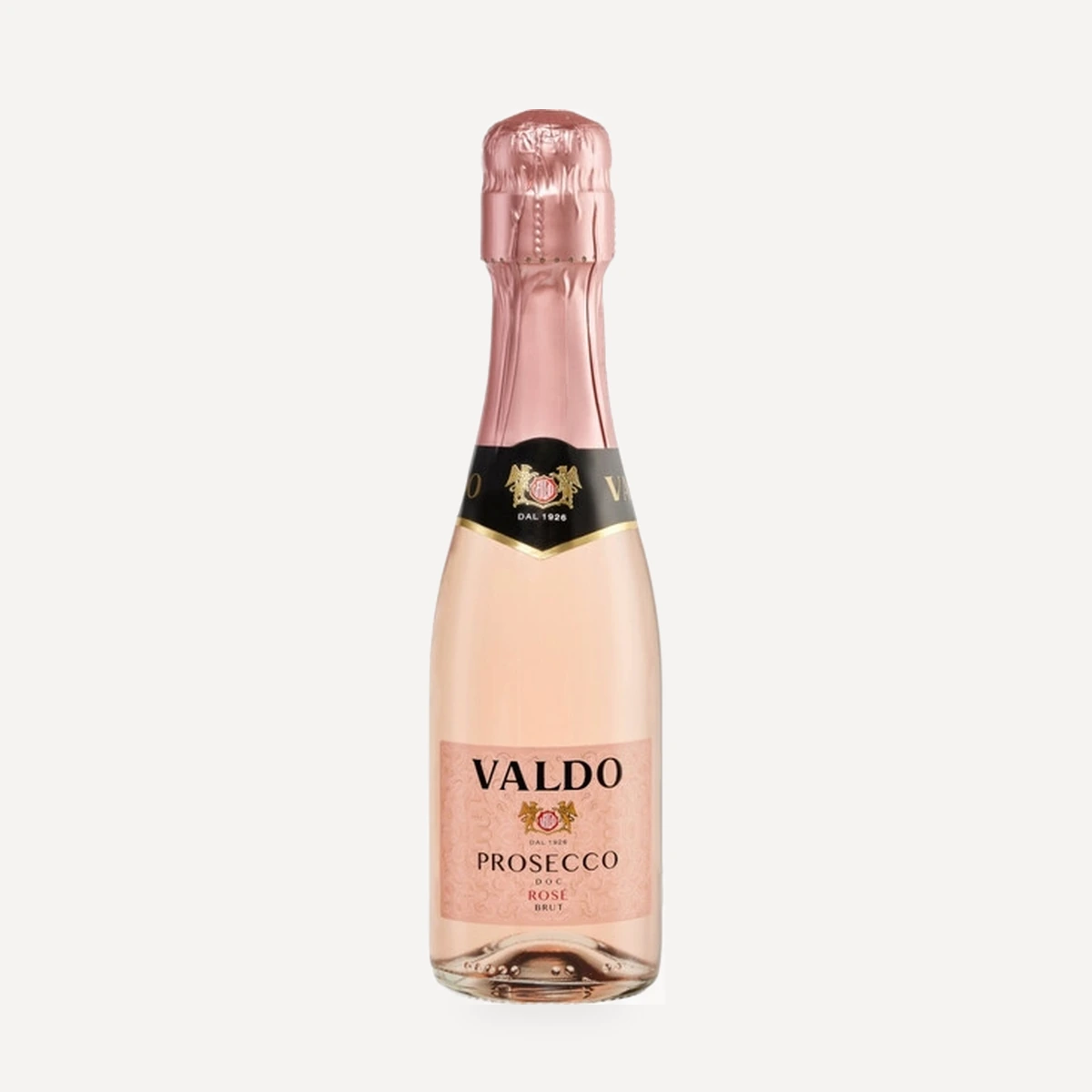
Prosecco Rose Brut DOC
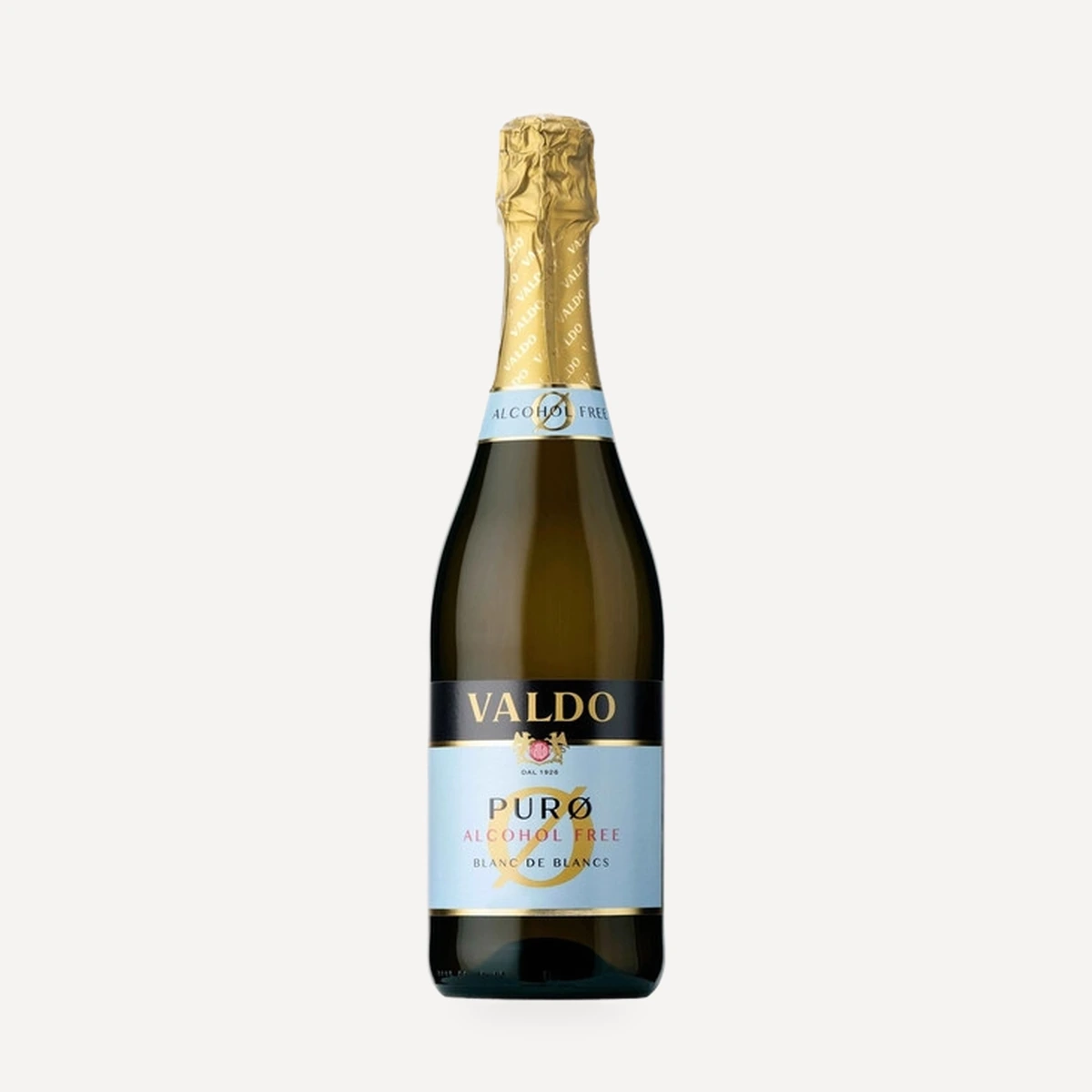
PURO Alcohol Free Blanc de Blancs Demi-Sec
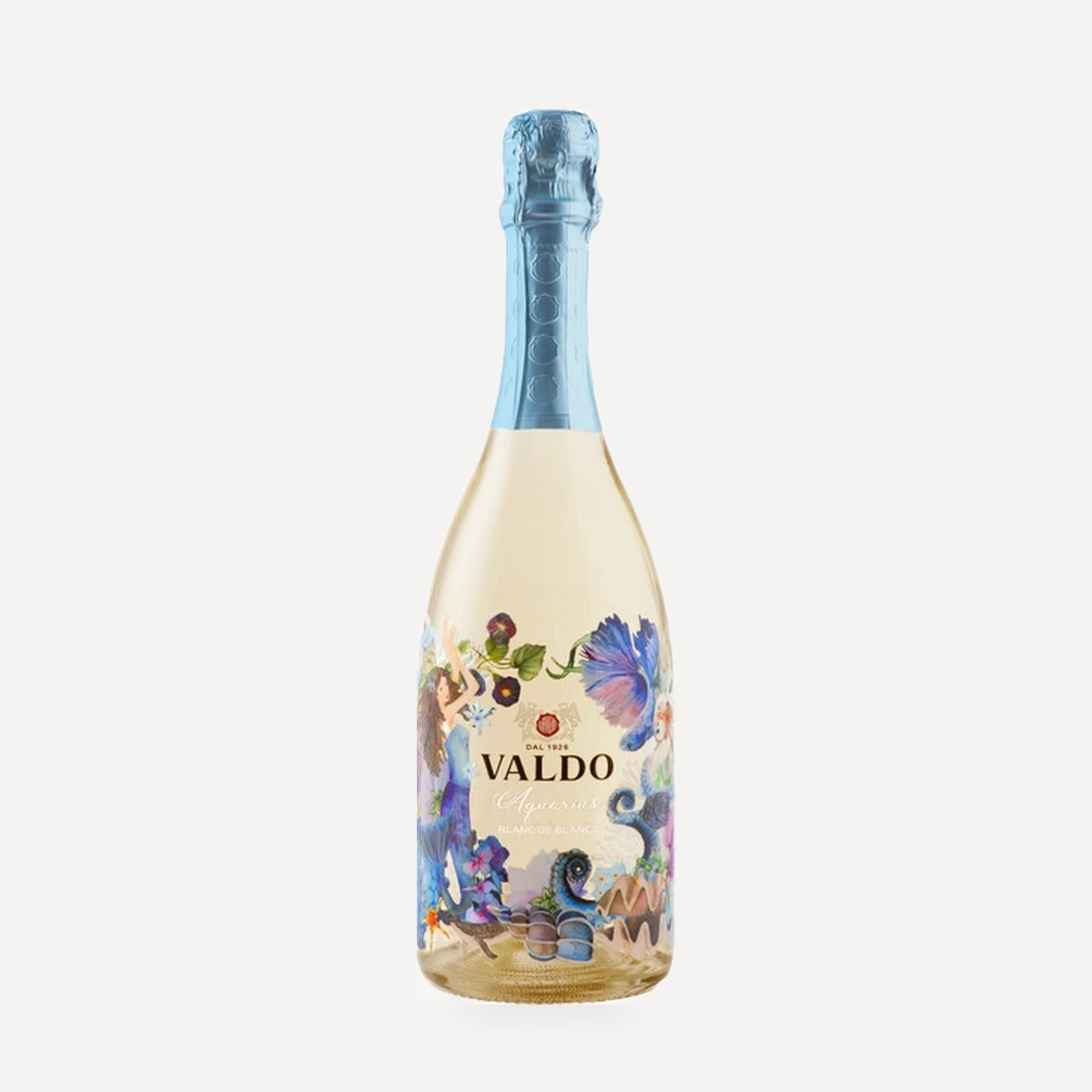
Aquarius Blanc de Blancs Extra Dry
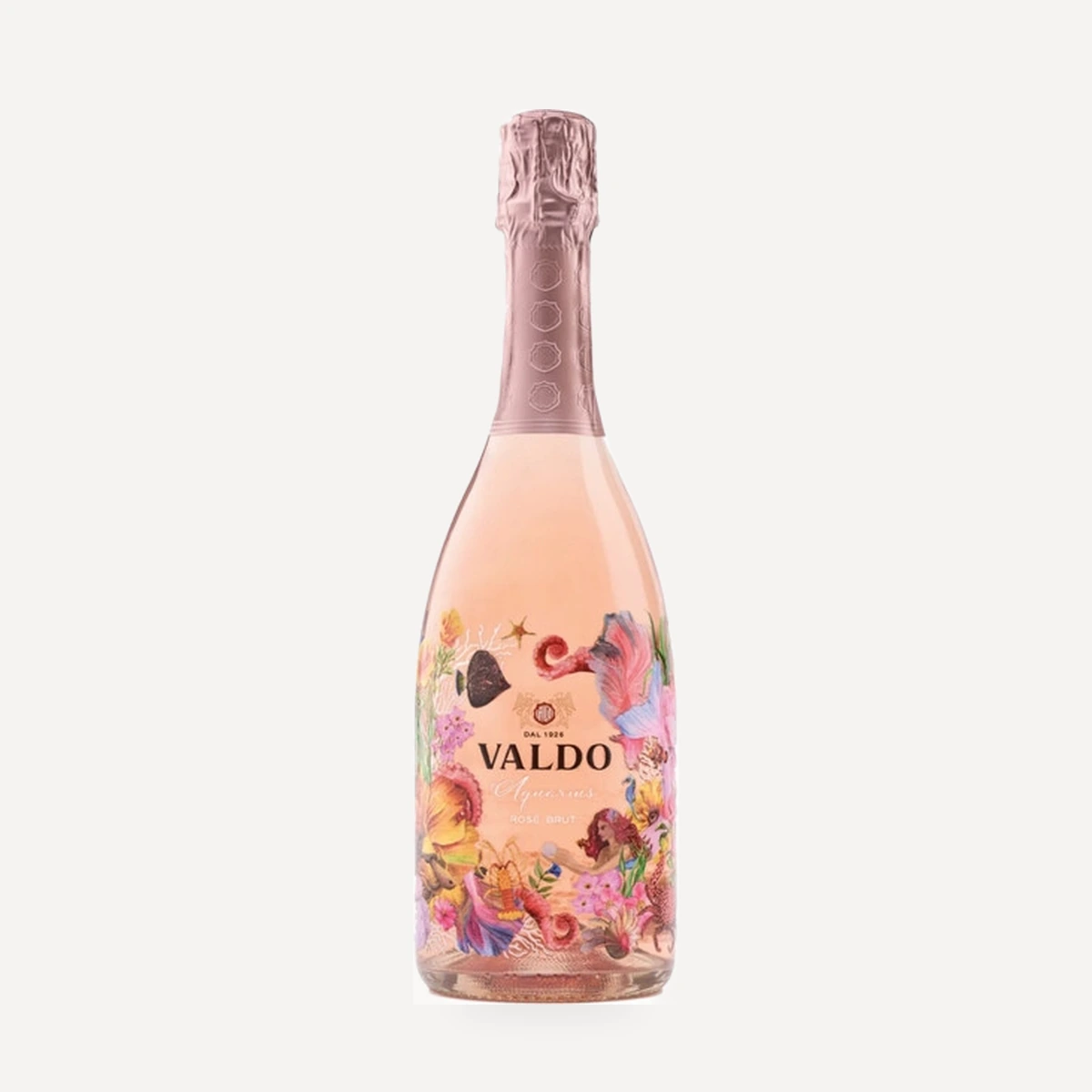
Aquarius Rose Brut
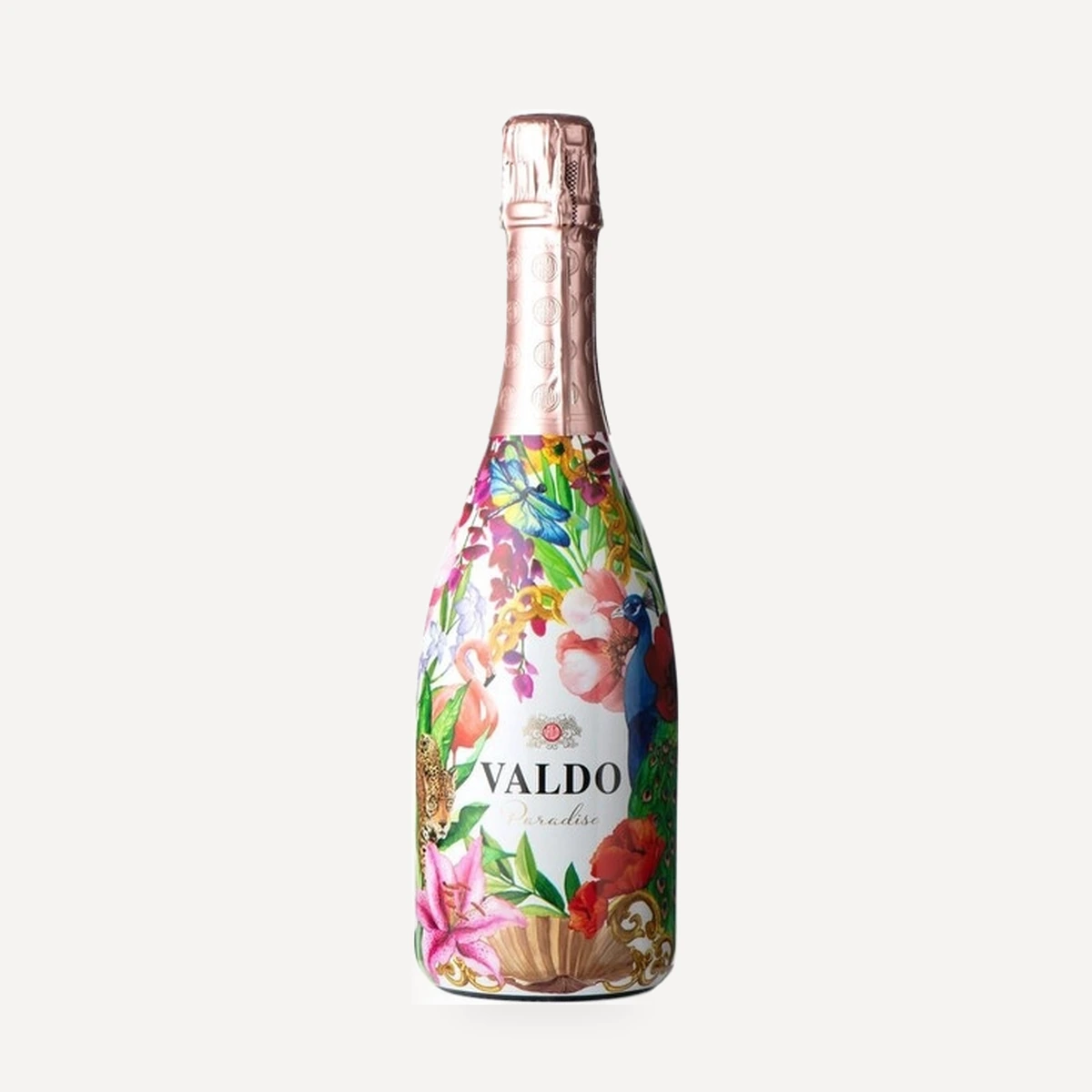
Paradise Rose Brut
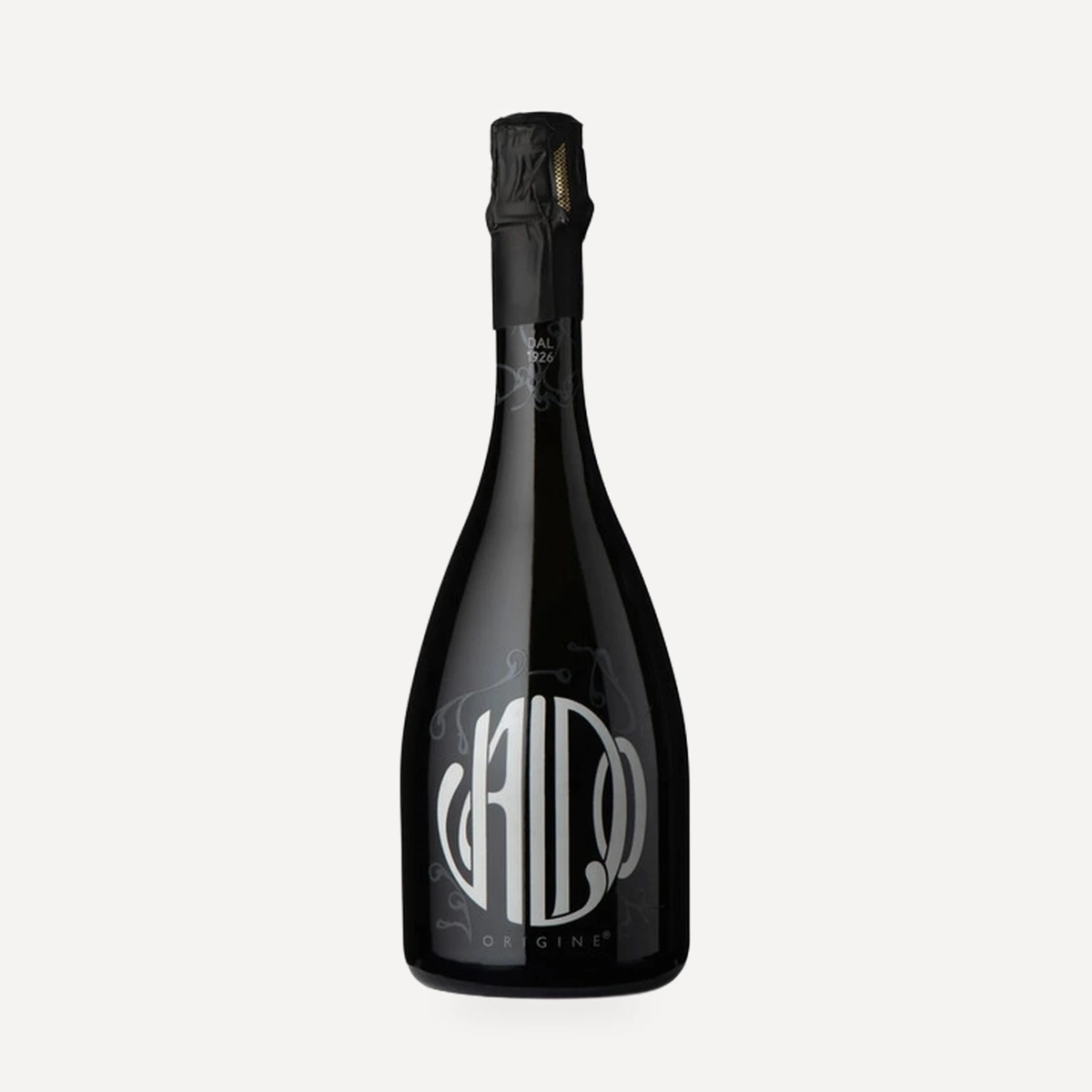
Origine Fluo Extra Dry
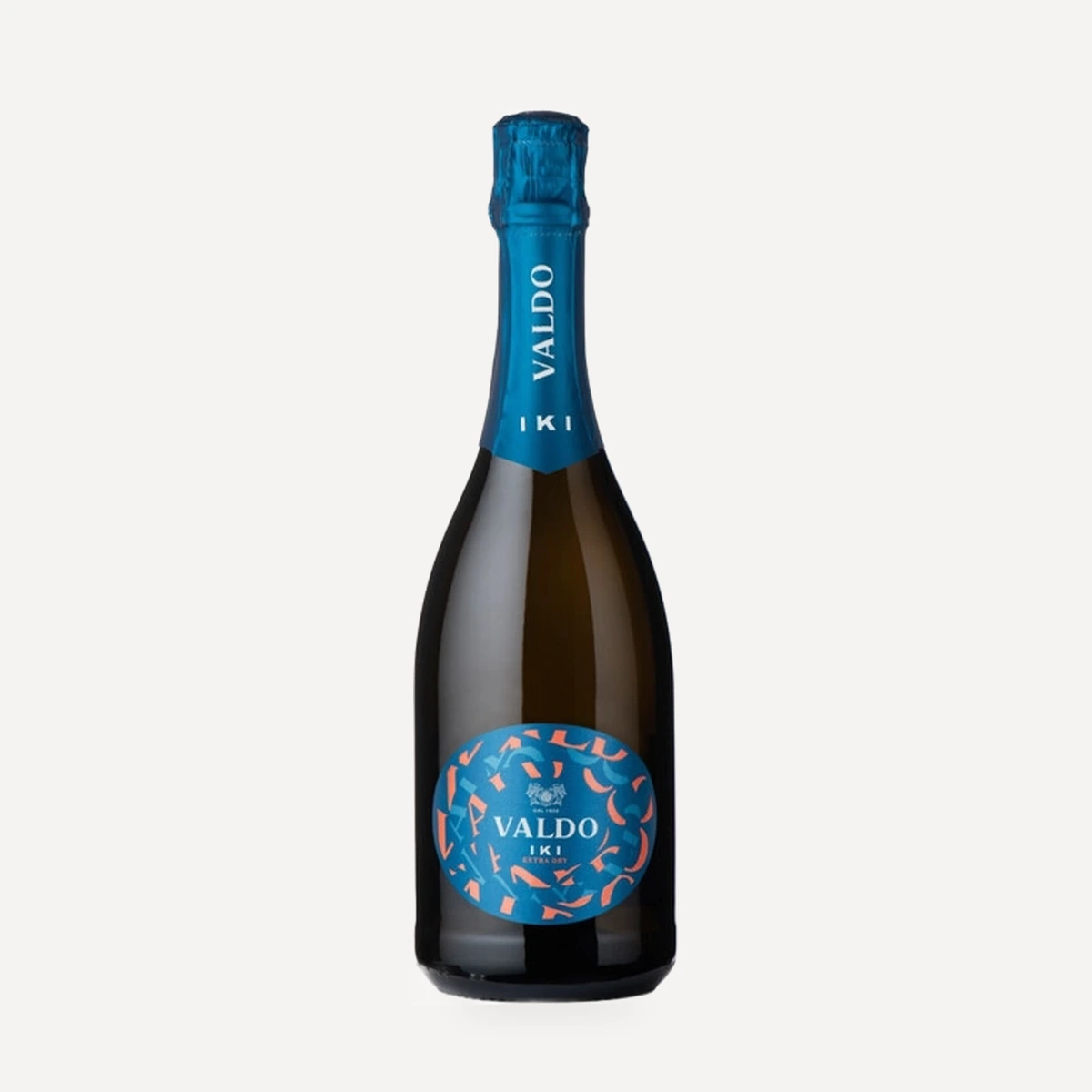
IKI Extra Dry
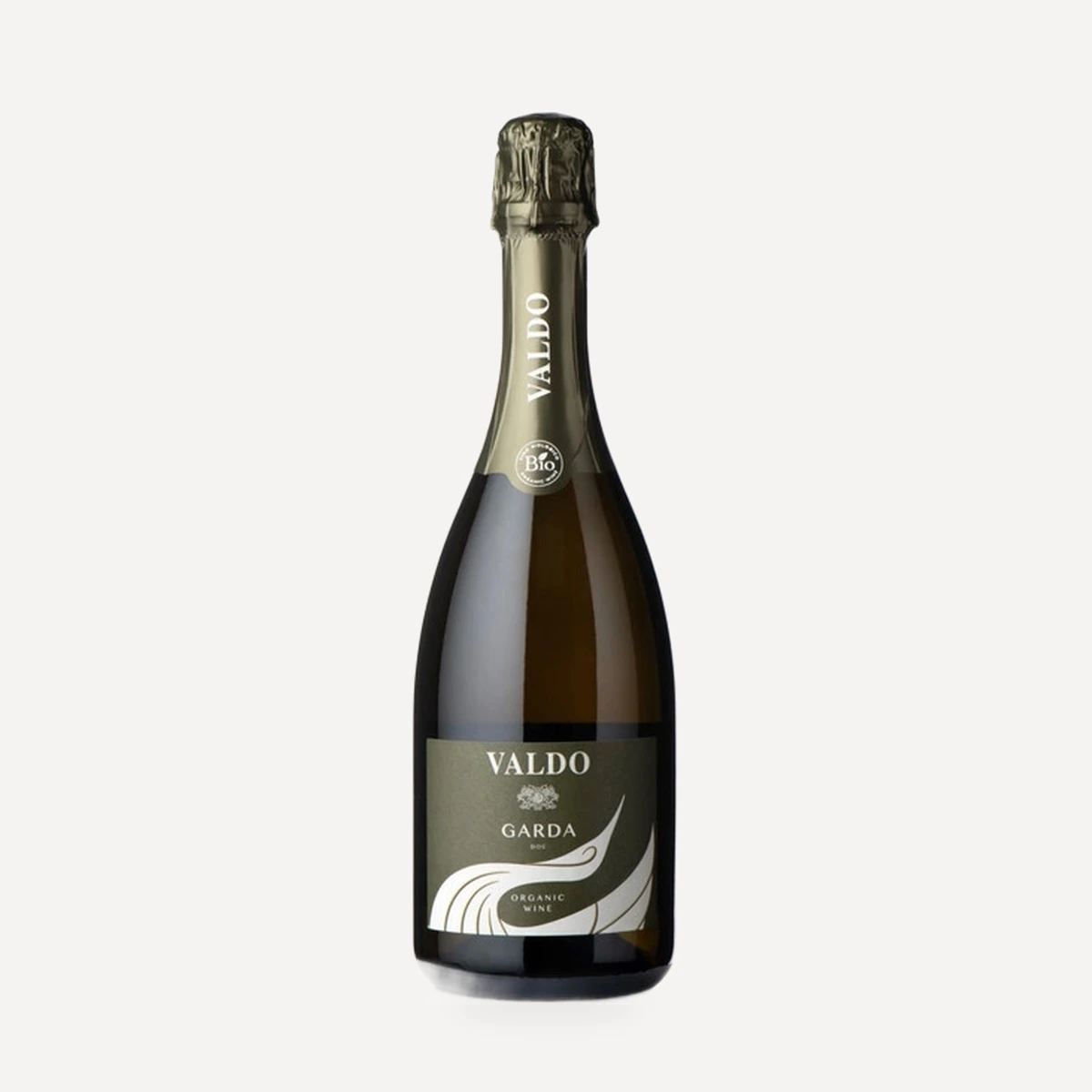
Garda Organic Wine Brut DOC
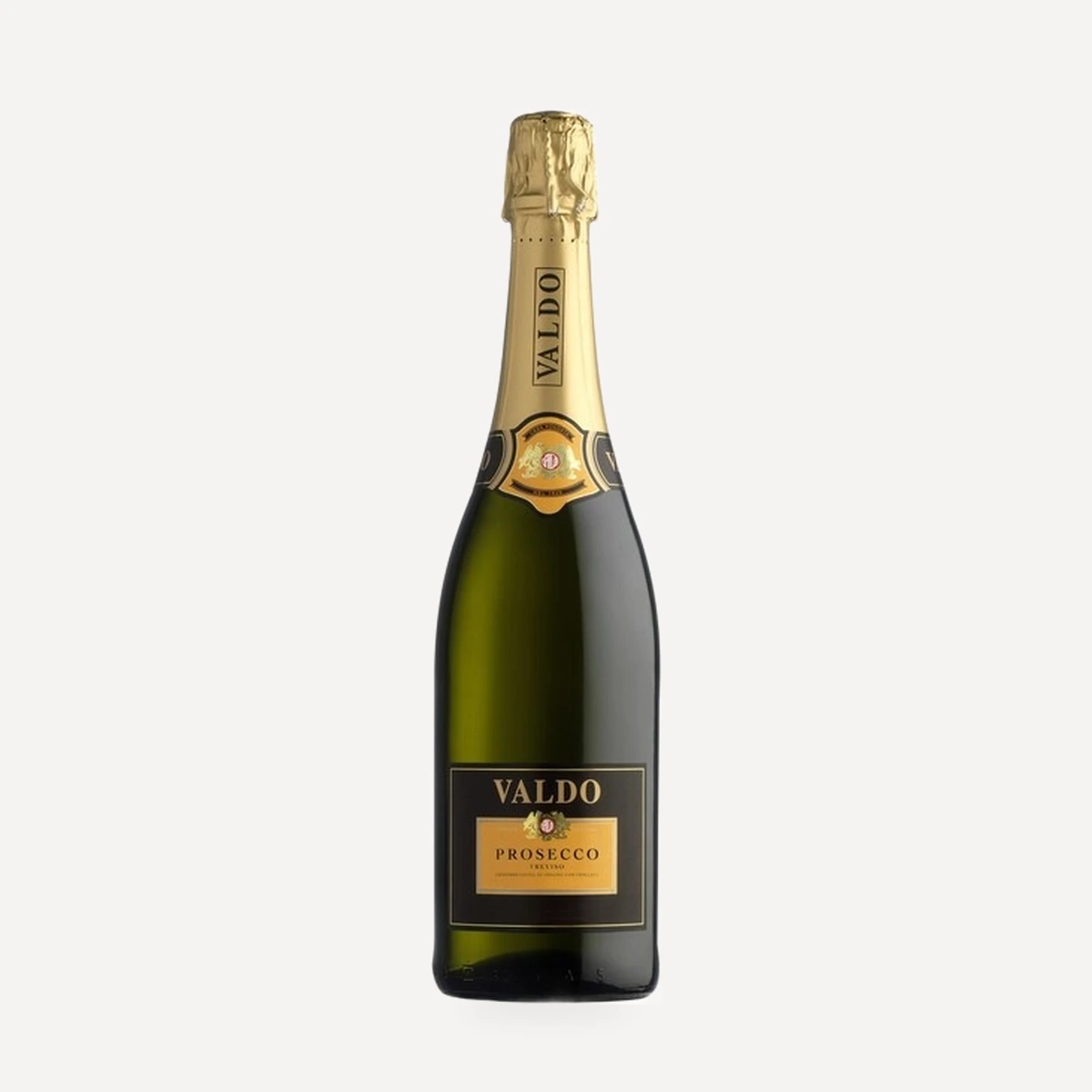
Prosecco Treviso DOC
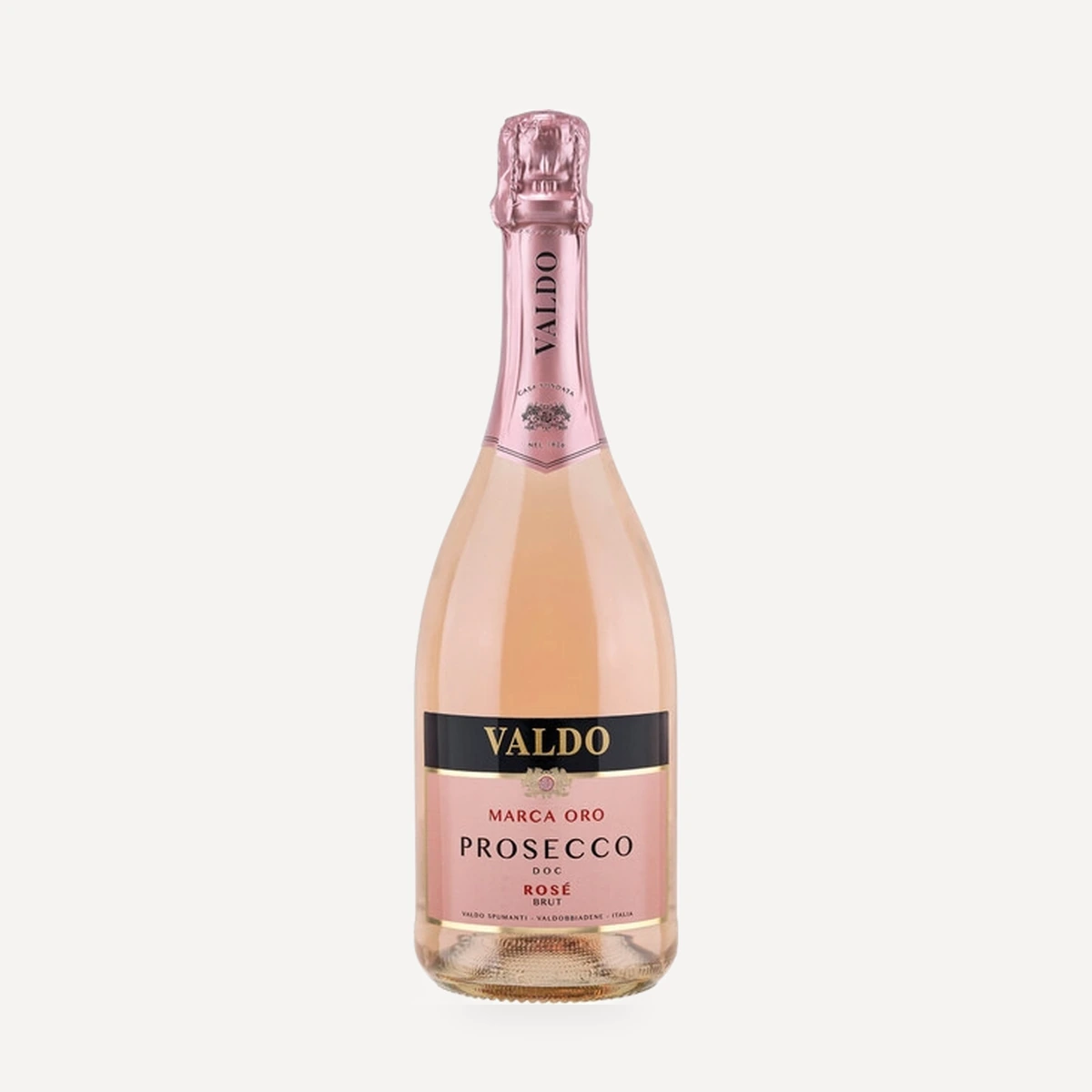
Marca Oro Prosecco Rose Brut DOC
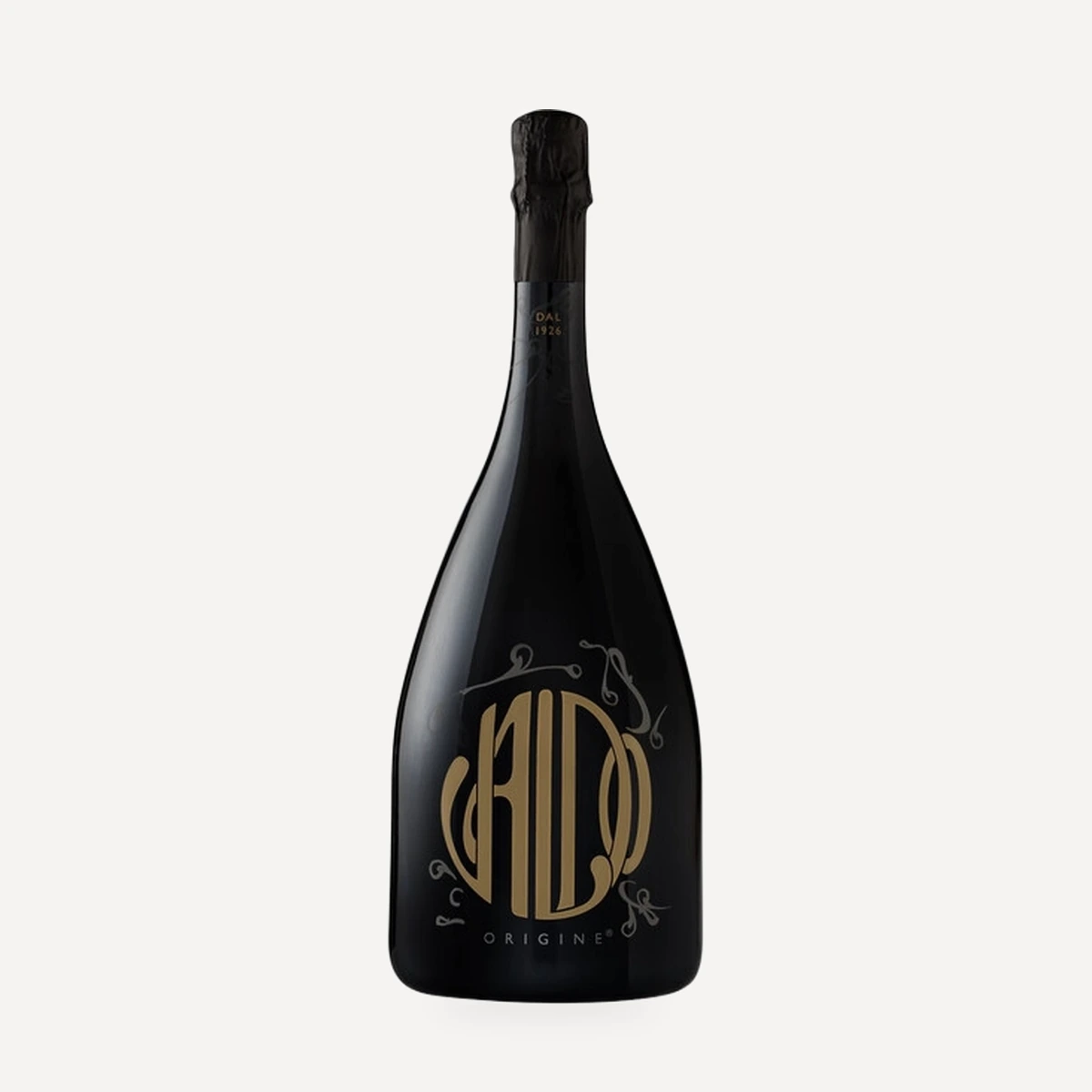
Origine Brut
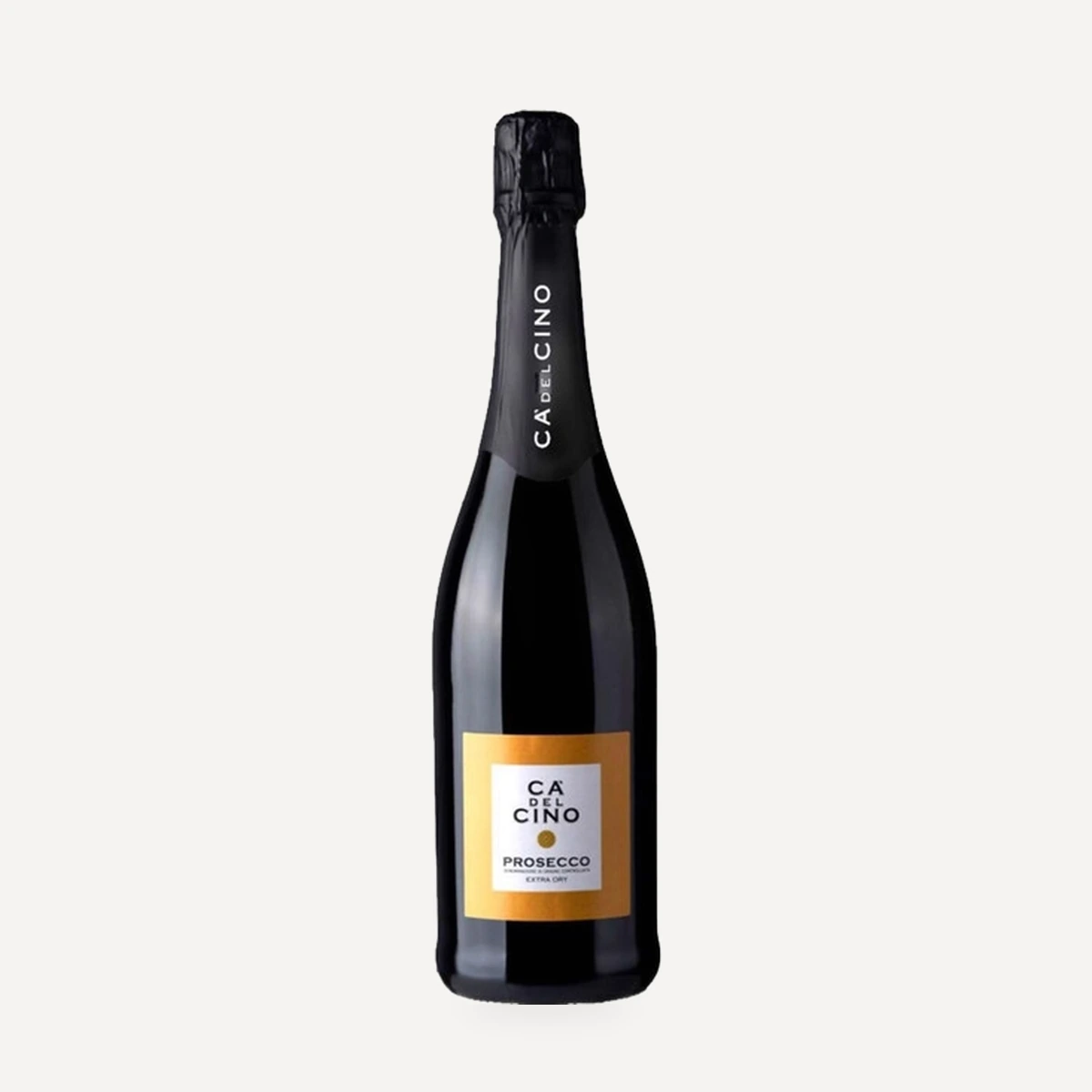
Ca' del Cino Prosecco Extra Dry DOC
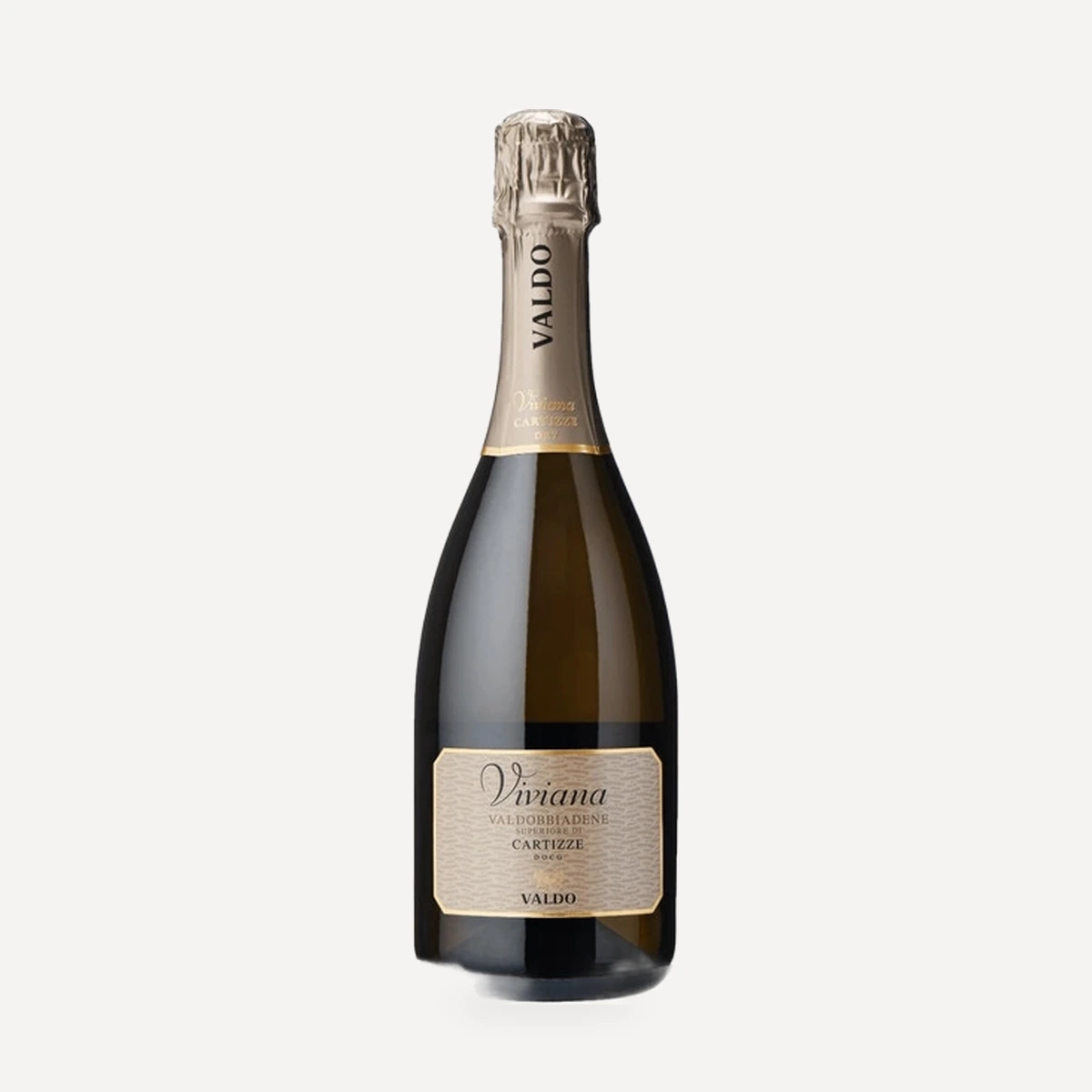
Cuvee Viviana Valdobbiadene Superiore di Cartizze DOCG
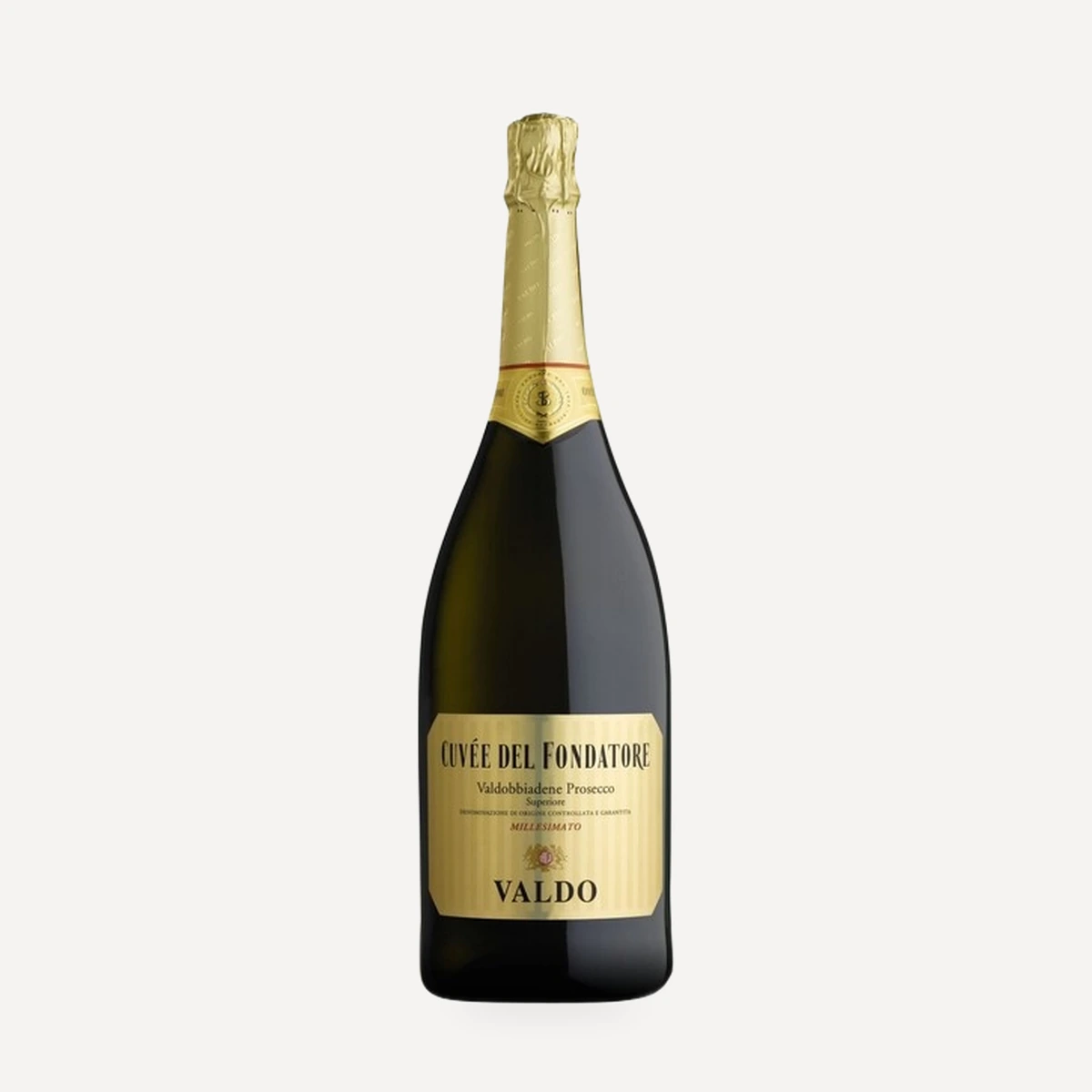
Cuvee del Fondatore Prosecco di Valdobbiadene DOCG
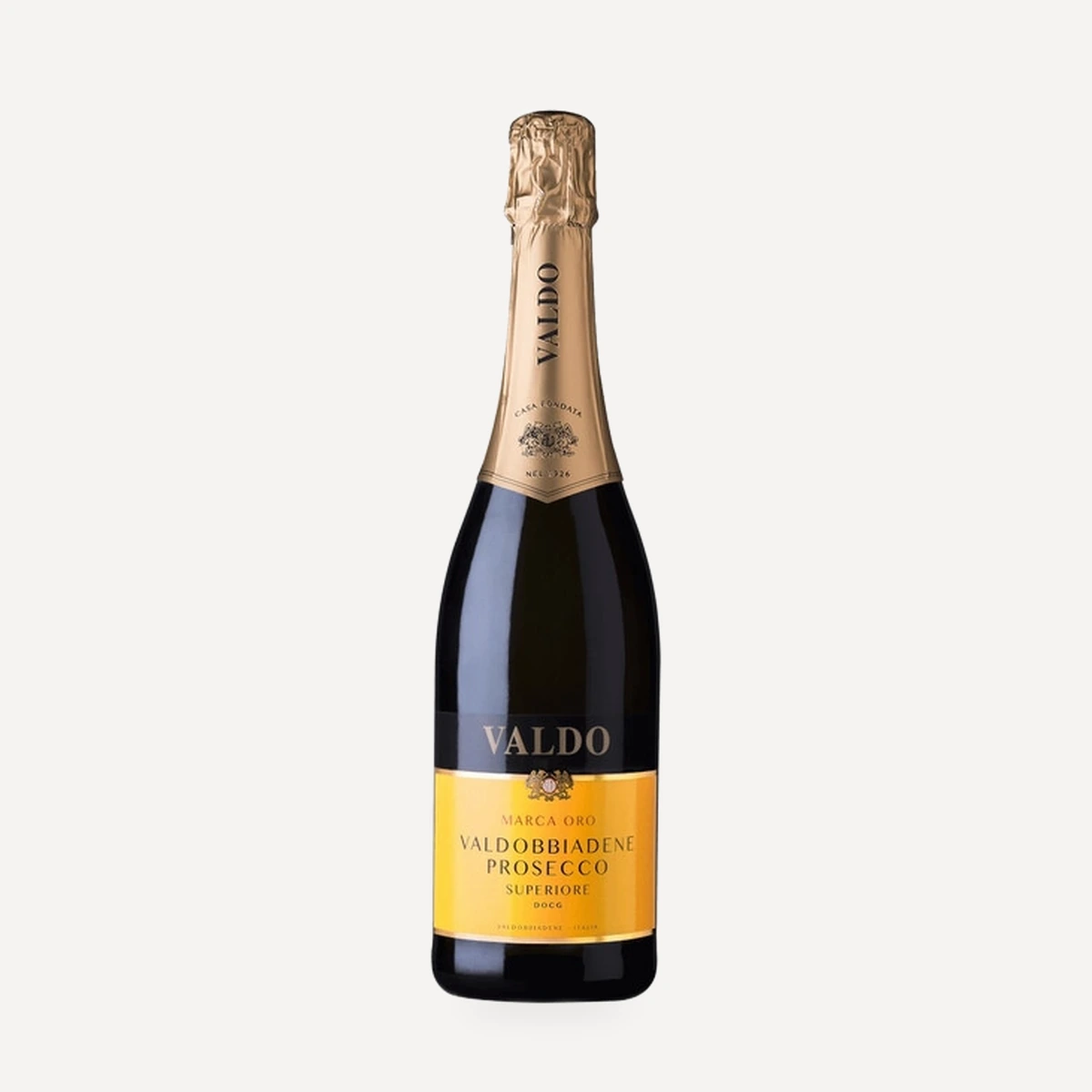
Marca Oro Prosecco di Valdobbiadene Superiore DOCG
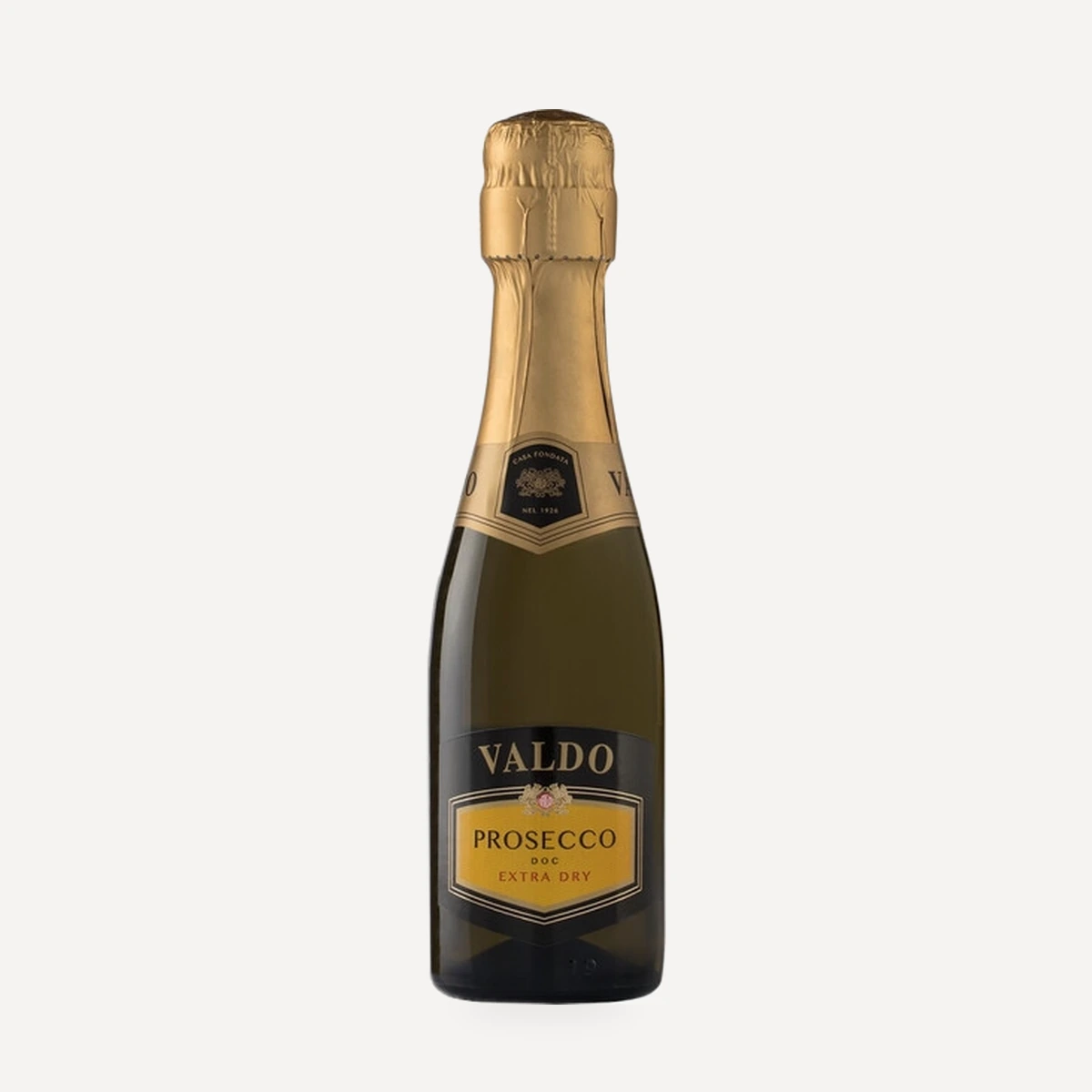
Prosecco DOC
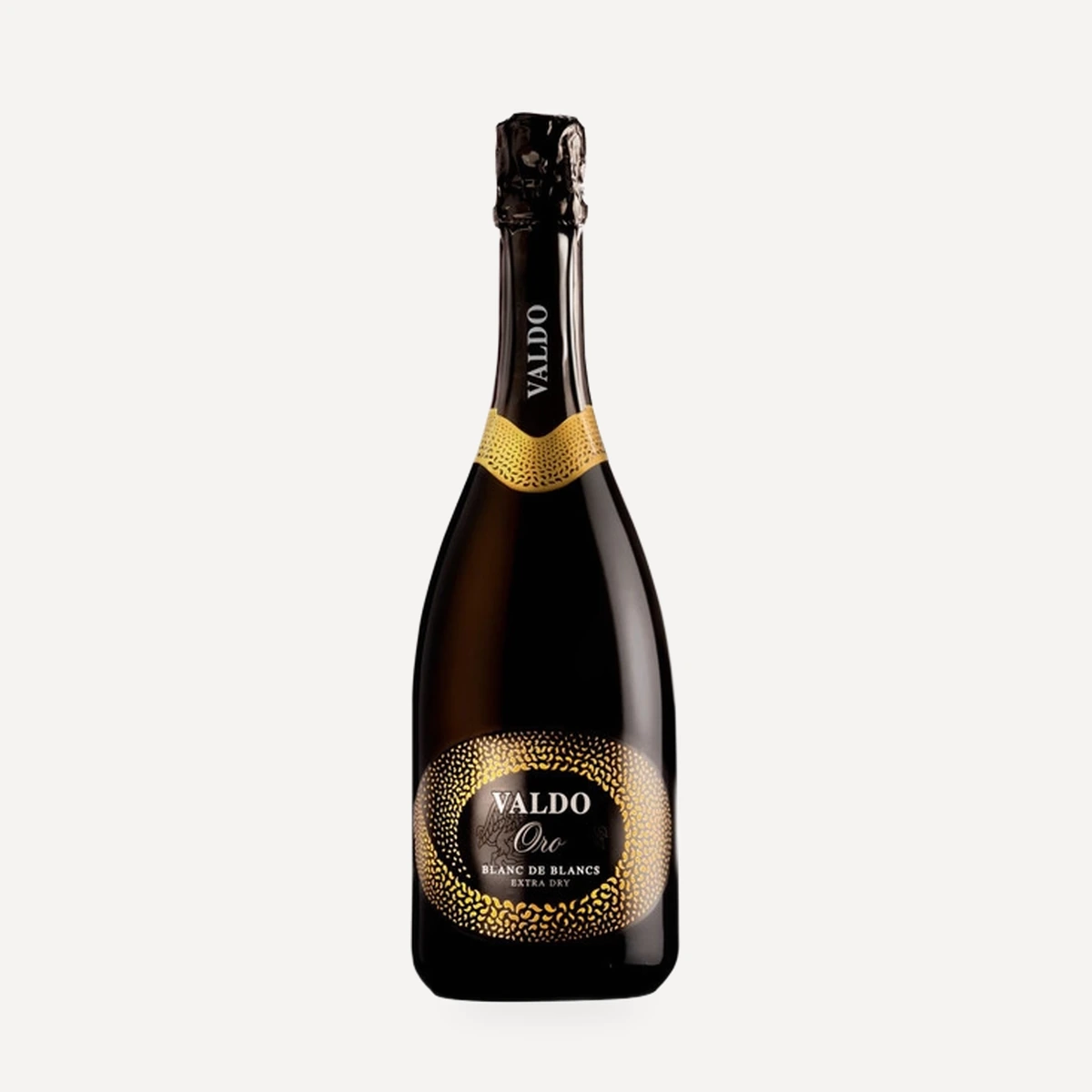
Oro Blanc de Blancs Extra Dry
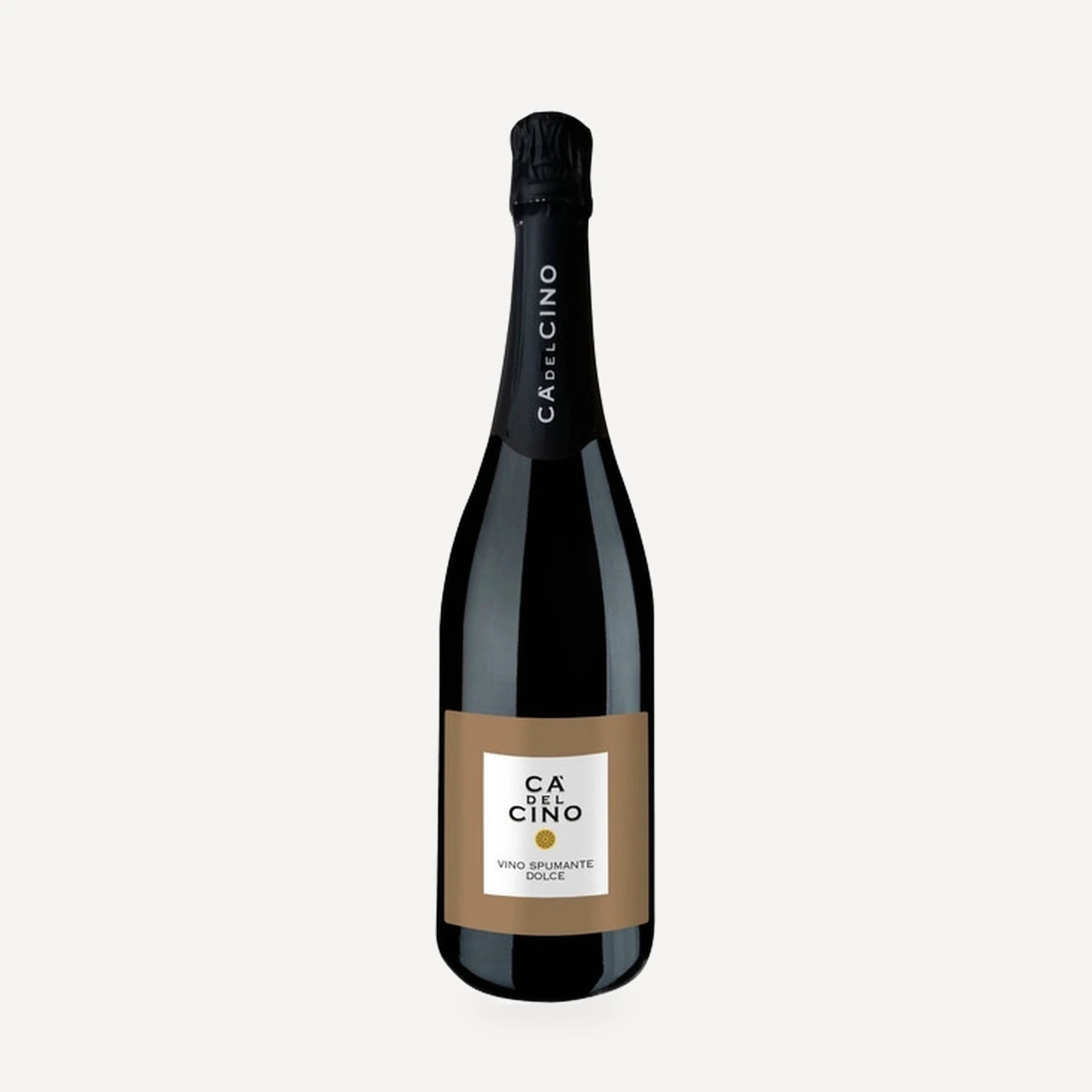
Ca' del Cino Dolce
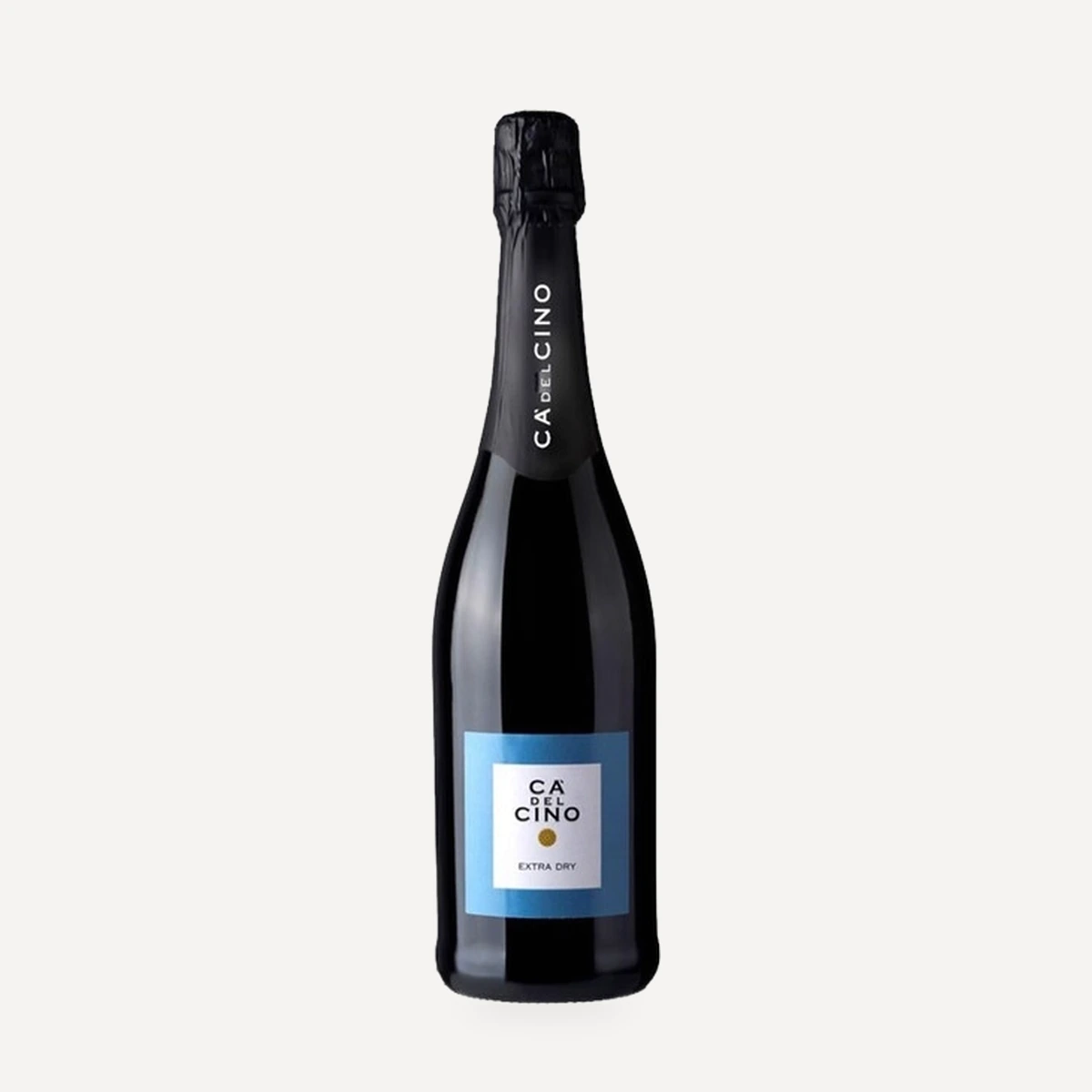
Ca' del Cino Extra Dry