Storia
The foundation
Cantina Puianello was founded in 1938 by five local men representing five winegrowing families. Other families subsequently joined the original project, and its cooperative values were passed to later generations of members.
The founding statute established a defining rule that remains in force: only grapes delivered by the cooperative’s own members may be transformed into wine. This closed relationship between growers and cellar anchors production in the hills extending from Scandiano toward Canossa.
Continuity and development
The cooperative’s historical presentation identifies foundation, renovation and expansion as stages in its development, although no dates or technical particulars are attached to the latter two stages. Over time, vineyard care on the slopes and rolling hills was complemented by more rigorous cellar procedures and new technology.
The production model developed around direct control of the complete chain. Grapes arrive from the members’ vineyards, and all subsequent stages through bottling and preparation of the finished product are performed internally. Single-variety vinification of representative grapes and the recovery of local varieties became central themes. Alberto Grasselli is identified as the oenologist responsible for the wines.
Recovery of Spergola
Spergola has deep roots in the hills between Scandiano and Canossa. Its earliest specifically dated written reference is from 1580, when Bianca Cappello, Grand Duchess of Tuscany and wife of Francesco I de’ Medici, described a fresh, sparkling wine from Scandiano. The grape’s history is also connected with a medieval tradition in which Matilde di Canossa offered its wine to Pope Gregory VII.
Its resemblance to Sauvignon Blanc gradually obscured Spergola’s identity and brought it close to disappearance. DNA research established that it was genetically distinct from Sauvignon and allowed its recognition as an independent variety. One historical account places the DNA confirmation and entry into the national register in 2000. A later account records a concerted revival in 2004 by Reggio Emilia growers and producers together with the Comune di Scandiano, supported by biological research at the University of Bologna. In 2011, the recovery effort culminated in DOC recognition for Spergola and the creation of the Compagnia della Spergola to protect and promote it.
Cultural connection with Matilde di Canossa
The cooperative draws on the history of Matilde di Canossa and the Castello di Bianello. In 1111, Emperor Enrico V invested Matilde as Imperial Vicar of Italy at the castle in Quattro Castella. A later local tradition describes Enrico V and Matilde entering the castle and toasting the restored peace before Donizone, Arduino della Palude, the bishops of Reggio and Parma, German knights and Benedictine friars.
On 11 September, in conjunction with the opening of the Corteo Matildico, the winery inaugurated an 80-metre exterior mural by Simone Ferrarini of Collettivo FX. Entitled Il Brindisi del 1111, it depicts the historic toast and links Matilde and Enrico V with two emblematic local grapes, Spergola and Lambrusco. The project also renewed the exterior of the production building; it followed an earlier artistic intervention inside the working cellar.
Recent development
In 2026 the cooperative introduced Montezane, a 100% Spergola Metodo Classico Pas Dosé based on early-picked fruit and matured for 48 months in a cool cellar. Its development extended the estate’s work with the local variety into long-aged traditional-method sparkling wine.
Terroir
Cantina Puianello lies in the Lambrusco hills of Reggio Emilia, at Puianello di Quattro Castella, along the rising corridor from Scandiano toward Canossa. Member vineyards occupy slopes, rolling hills and foothill sites around the area.
The hills are sheltered from the damp climate, frequent fog and cold humidity associated with the Emilian plain. Their microclimate is ventilated and marked by a good diurnal temperature range. Montericco, a hamlet of Albinea, has a particularly temperate microclimate compared with the surrounding hills and supports fruit and wine growing.
Soils are predominantly calcareous and clay-rich. Spergola is especially associated with clay soils rich in gypsum and displays good resistance to drought. Gravelly ground also occurs along the Apennine margin, where Malvasia and Marzemino have long been cultivated.
Lambrusco Montericco has an exceptionally restricted local origin between the hamlets of Broletto and Montericco in the Comune di Albinea. Lambrusco Barghi is grown by two members in the foothills of Quattro Castella and Albinea.
The three profiled member holdings illustrate the range of elevations: Podere Corradini at 150–152 m, Azienda Agricola Tirelli at 200–260 m and Azienda Agricola Bertacchini at 280–350 m above sea level.
Vinificazione
The member vineyards follow both integrated- and organic-agriculture protocols, with a continuing conversion toward entirely organic production. Organic lots are handled separately in accordance with their production rules; one organic Lambrusco description specifically refers to Regulation EC 2092/91.
Most vines are trained on vertical espaliers with wires used to contain the canopy and are pruned to Guyot. The cooperative describes the members’ holdings as small hillside plots cared for by hand. Manual harvesting remains the principal picking method and is repeatedly specified for local varieties and across several harvest windows, from early or mid-August through early October.
The cooperative prioritises fruit quality over maximum quantity. Members are encouraged to deliver carefully selected raw material, with the oenologist overseeing selection and control. Grapes are separated by variety so that important hill-grown cultivars can be vinified individually.
Environmental measures at the winery include recovering glass and the cardboard used for bottle packaging. The short-chain model keeps reception, processing, bottling and delivery of the finished product within the cooperative.
Cantina Puianello operates a short, internally controlled production chain: it receives grapes from its members and performs the winemaking, finishing and bottling processes in-house. Only member-delivered grapes may be processed under the cooperative’s statute.
The cellar works both with blends and with single-variety wines. Separating and selecting the hill-grown grapes allows Spergola, Lambrusco Montericco, Lambrusco Grasparossa and other local cultivars to be vinified on their own. Rigorous cellar methods are combined with newer technology, while organic lots are processed separately.
White and sparkling production can begin with immediate separation of must from skins or direct pressing. Temperature-controlled fermentations are used, including low-temperature work designed to retain delicate primary aromas. Certain Spergola wines remain on fine lees for about two months. Charmat sparkling wines undergo refermentation in autoclaves at very low temperatures; one established protocol then holds the bottled wine for a month in dark, cool rooms.
Traditional-method sparkling production uses only the first fraction of must, separated immediately from the pomace. Secondary fermentation takes place in bottle in spring. The bottles rest in a cool cellar—36 months in an earlier method description and 48 months for Montezane—before manual riddling in pupitres and disgorgement. Montezane is finished as Pas Dosé.
The ancestral wines undergo their second fermentation in bottle and remain sur lie without final disgorgement, leaving the exhausted yeast in the bottle. One red ancestral method uses cryomaceration at 5°C: the must remains with its skins overnight before alcoholic fermentation, followed by another three days of fermentative maceration and one year of bottle ageing.
For red Lambrusco, skin maceration varies by material and intended style. Examples include at least 72 hours at controlled temperature and 48–72 hours for Lambrusco Grasparossa to increase tannin extraction. Monofermentation—a form of Charmat processing—is used to preserve and emphasise primary varietal character. Some lots have longer maceration and extended contact with the fine lees from both primary fermentation and refermentation.
Steel tanks are used for primary alcoholic fermentation. A described protocol runs for approximately 9–10 days, with selected yeasts added at the oenologist’s discretion to control fermentation and develop flavour and aroma. Fermentation can be stopped by lowering the temperature once the intended alcohol level is reached, followed by stabilisation, filtration and bottling.
For passito-style Spergola, intact bunches are placed in perforated 7 kg crates and dried for four months in a humidity-controlled room. The fruit is pressed in December, yielding less than 30% must. Alcoholic fermentation takes place in French-oak barrels at naturally low winter temperatures, followed by two years of maturation before bottling.
Filosofia
The cooperative’s founding principle is territorial accountability: wine must be made only from grapes supplied by its members. Its guiding idea—“cultivating the best hills of Reggio Emilia”—places the vineyards between Scandiano and Canossa at the centre of its identity.
Tradition and innovation are treated as complementary. Historical local grapes, especially Spergola and highly localised Lambrusco varieties, are recovered and interpreted through varietal separation, single-variety winemaking, rigorous production methods and newer technology.
Quality takes precedence over volume. The members’ work is regarded as fundamental, and they are encouraged to produce high-quality fruit selected and controlled by the oenologist rather than pursuing maximum yields. Manual vineyard work and the short production chain reinforce this approach.
Environmental commitments include progressive conversion of the vineyards to fully organic production, observance of integrated and organic farming rules, and recovery of bottle glass and cardboard packaging. The cooperative also presents the cellar as a shared social place: during Cantine Aperte it returns to its founding purpose as somewhere wine is shared among growers, neighbours and visitors.
Local history and culture are integrated into this identity. The Matildic imagery associated with Quattro Castella is not treated merely as decoration; the Il Brindisi del 1111 mural was conceived as both a renewal of the working environment and a public statement about the history and agricultural richness of the area.
Vini
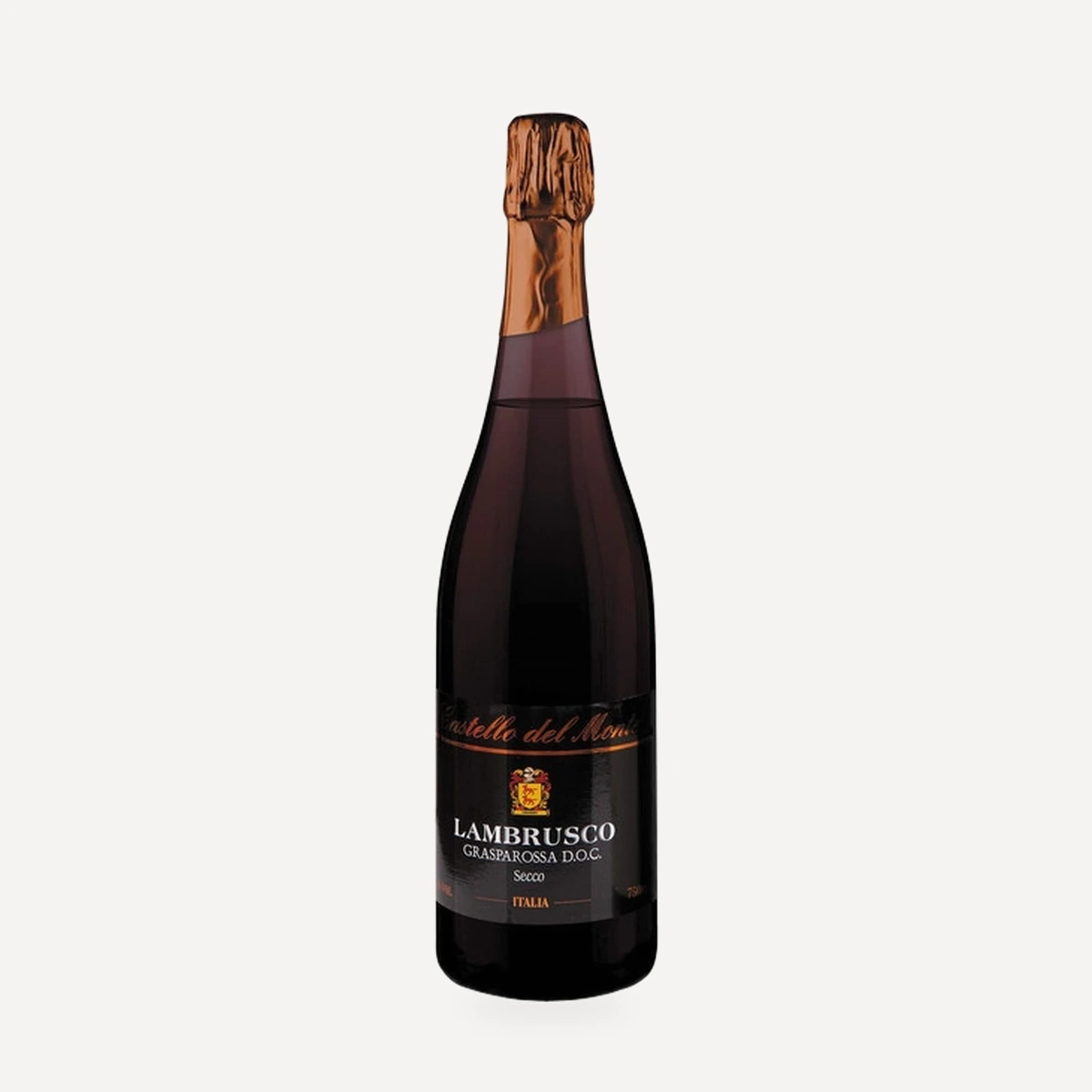
Castello del Monte Lambrusco Grasparossa DOC
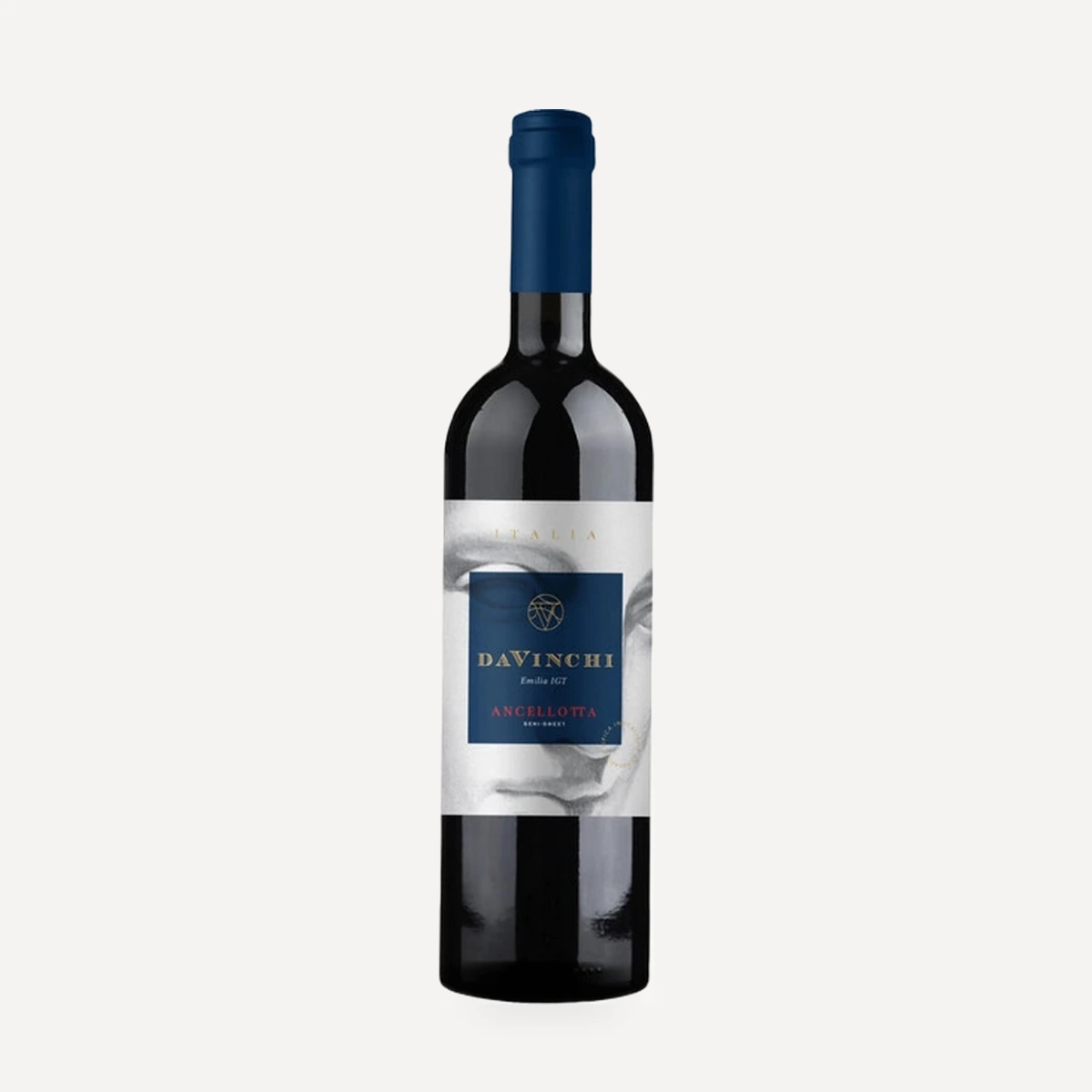
daVinchi Ancellotta Semi-Sweet Emilia IGT
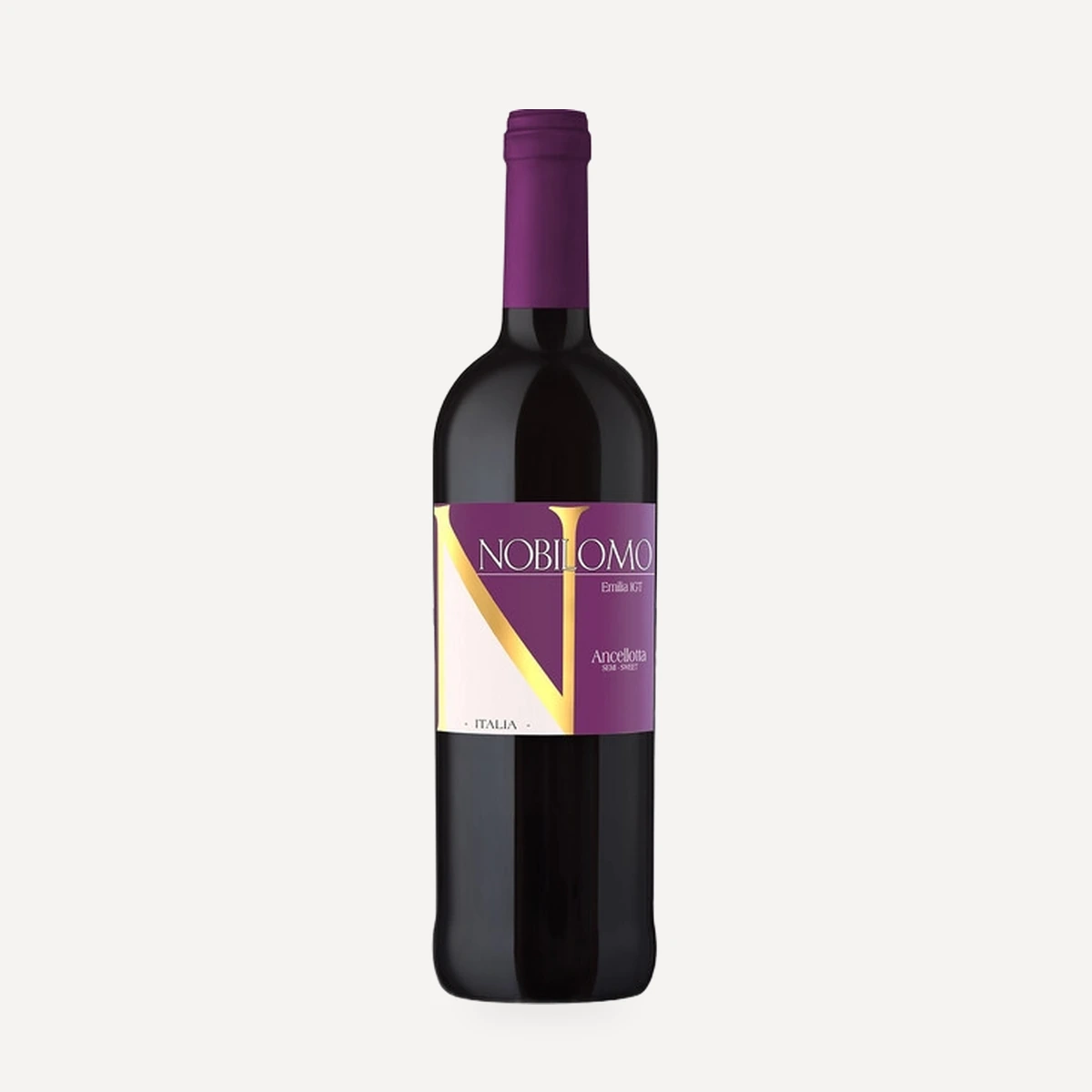
Nobilomo Ancellotta Semi-Sweet Emilia IGT
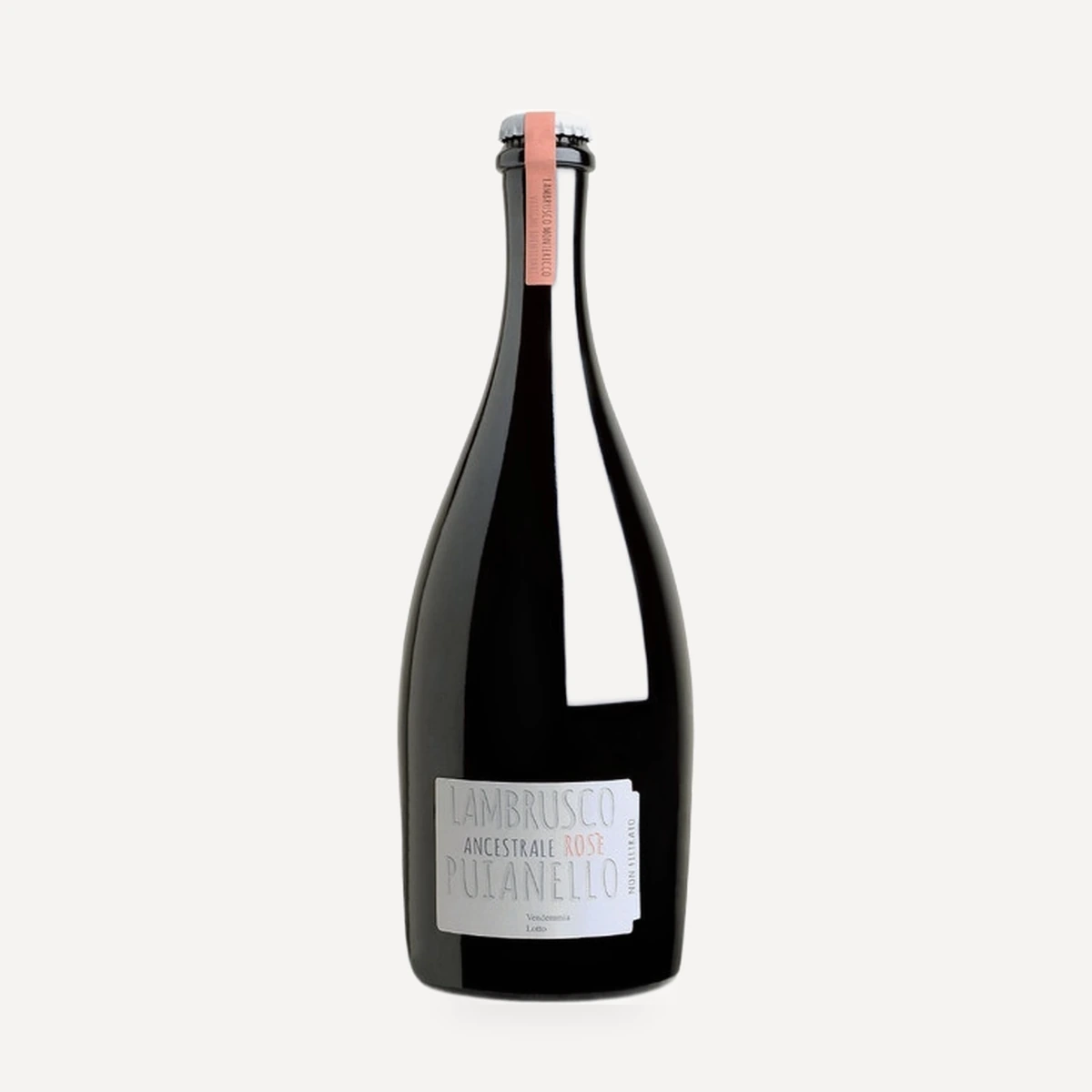
Ancestrale Lambrusco dell'Emilia Rose IGT
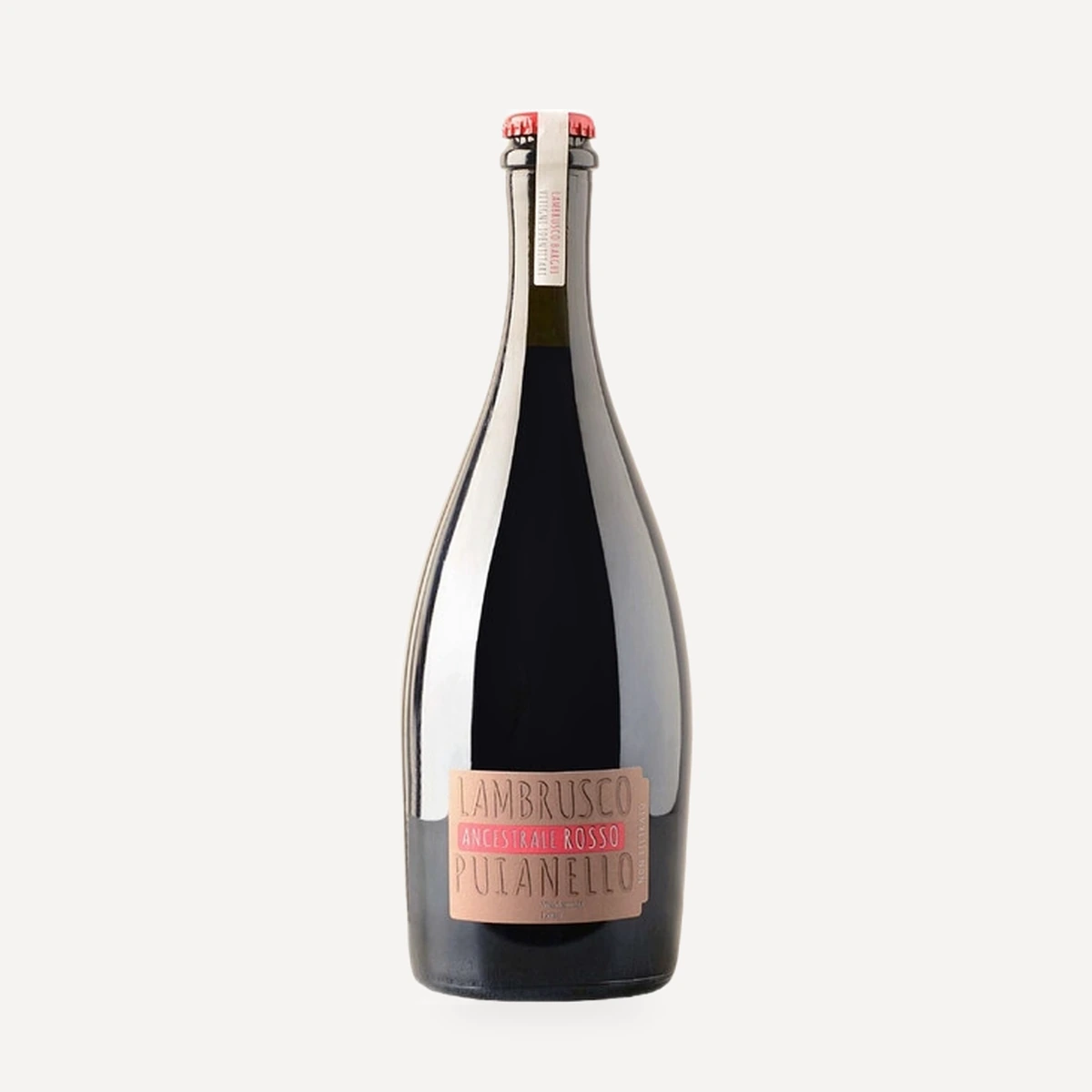
Ancestrale Lambrusco dell'Emilia Rosso IGP
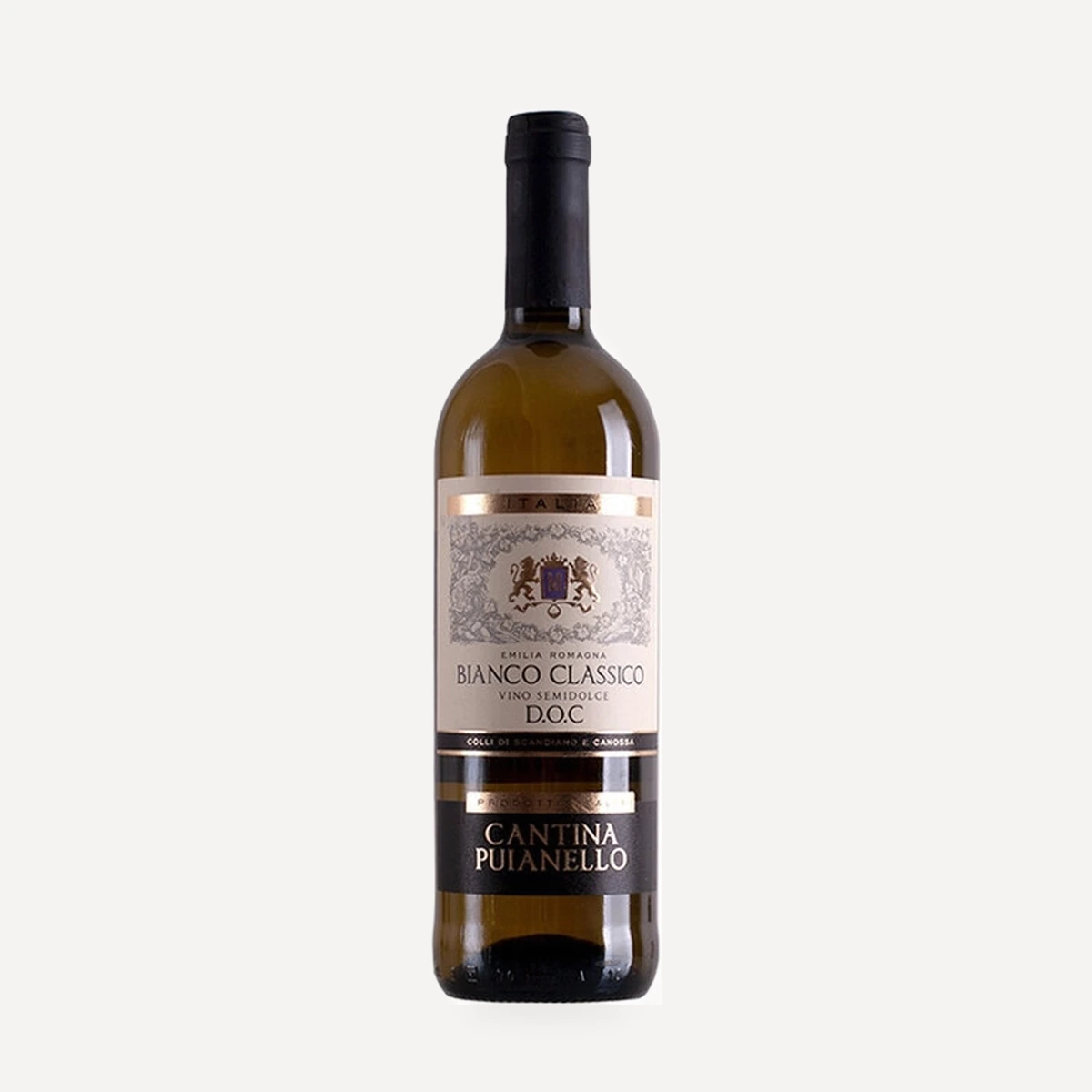
Bianco Classico Semidolce Emilia-Romagna DOC
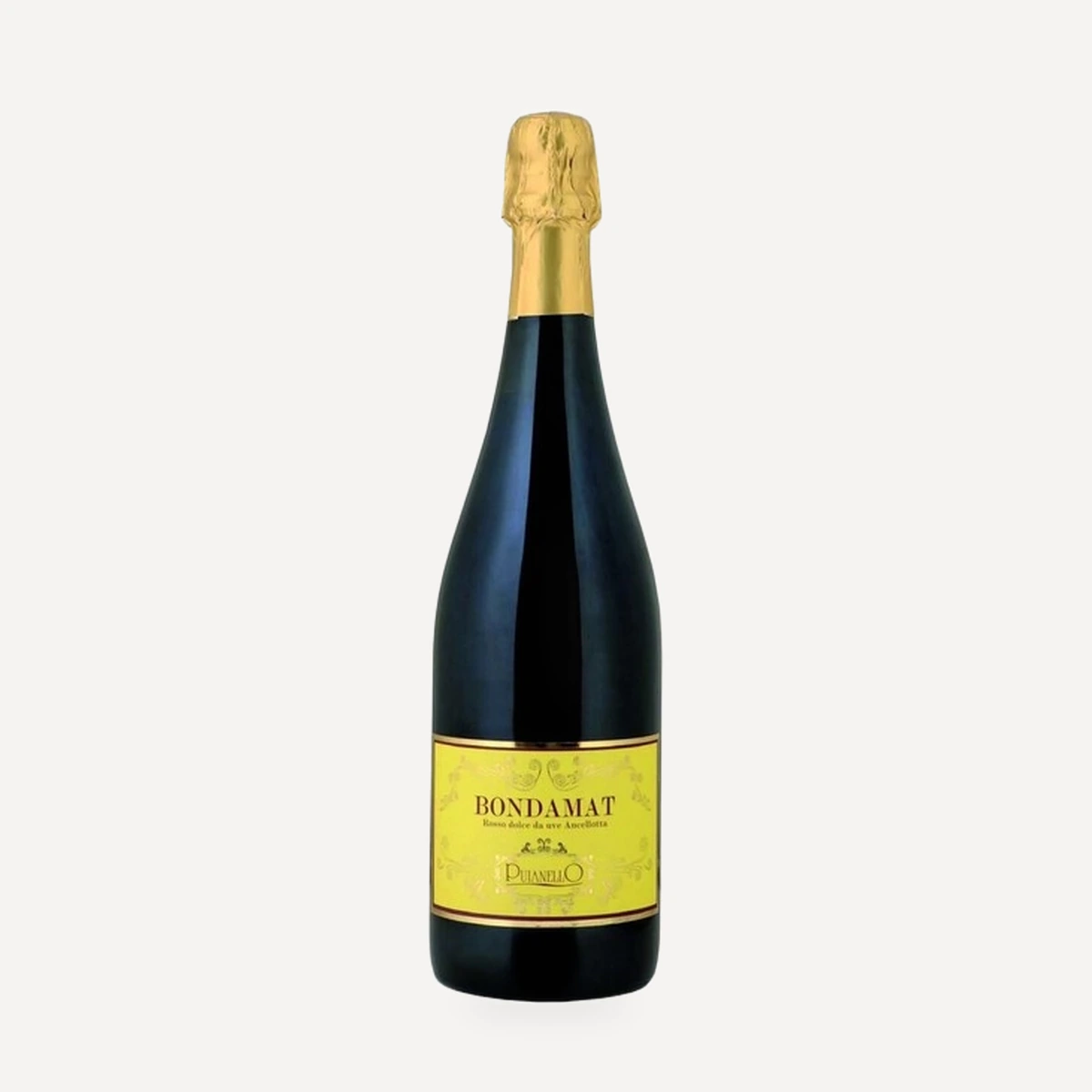
Bondamat Emilia IGT
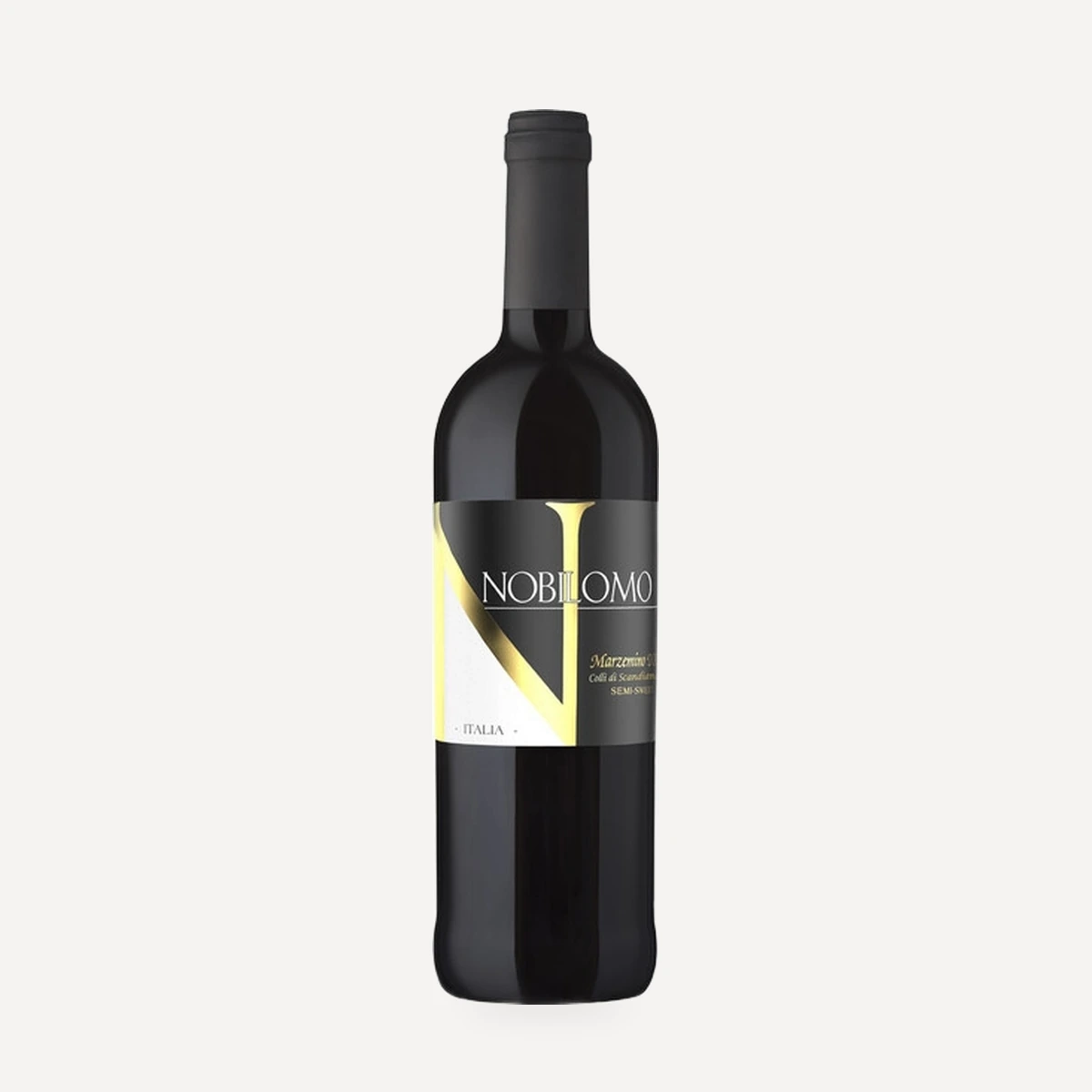
Nobilomo Marzemino Red Semi-Sweet Colli de Scandiano e Canosa DOC
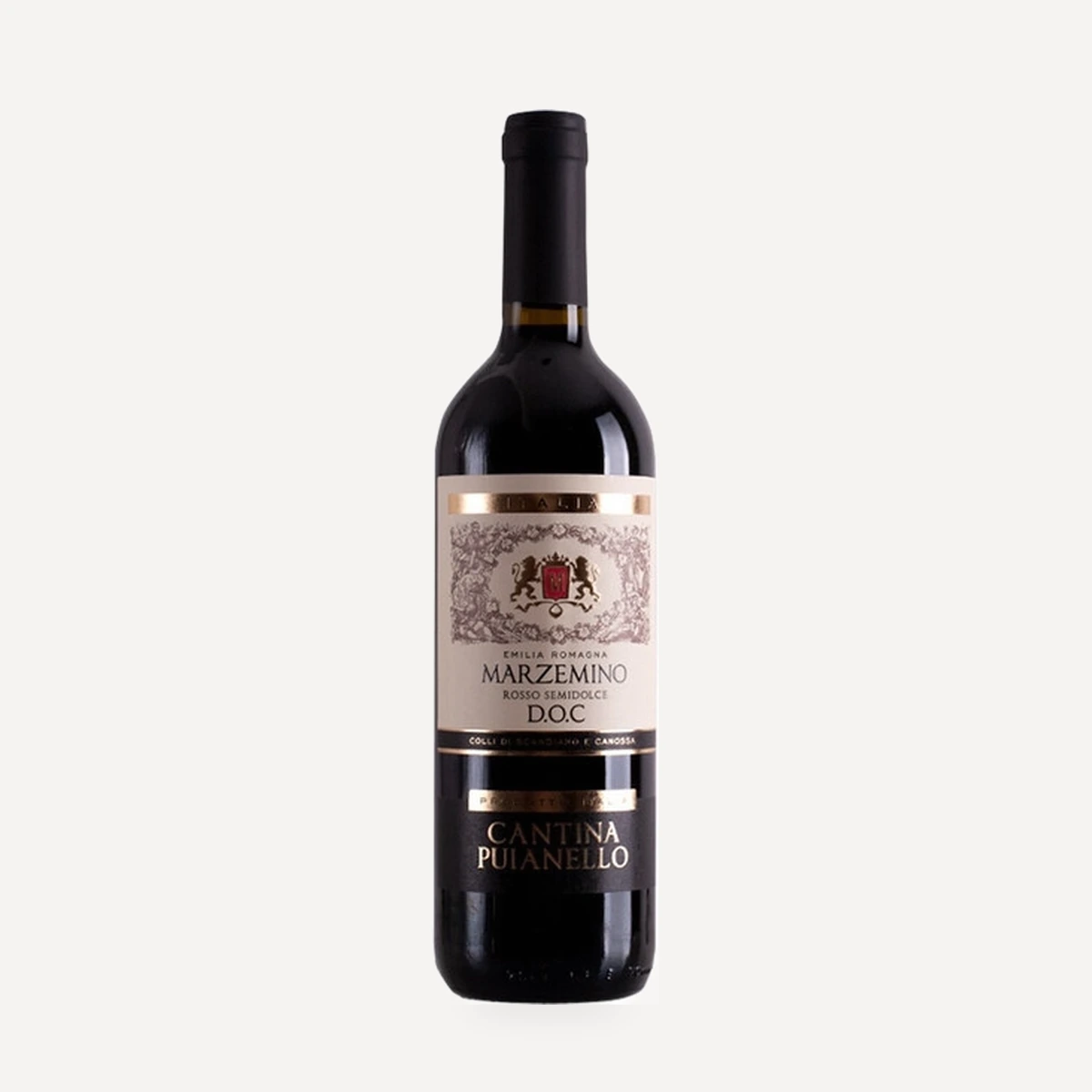
Marzemino Rosso Semidolce Emilia-Romagna DOC
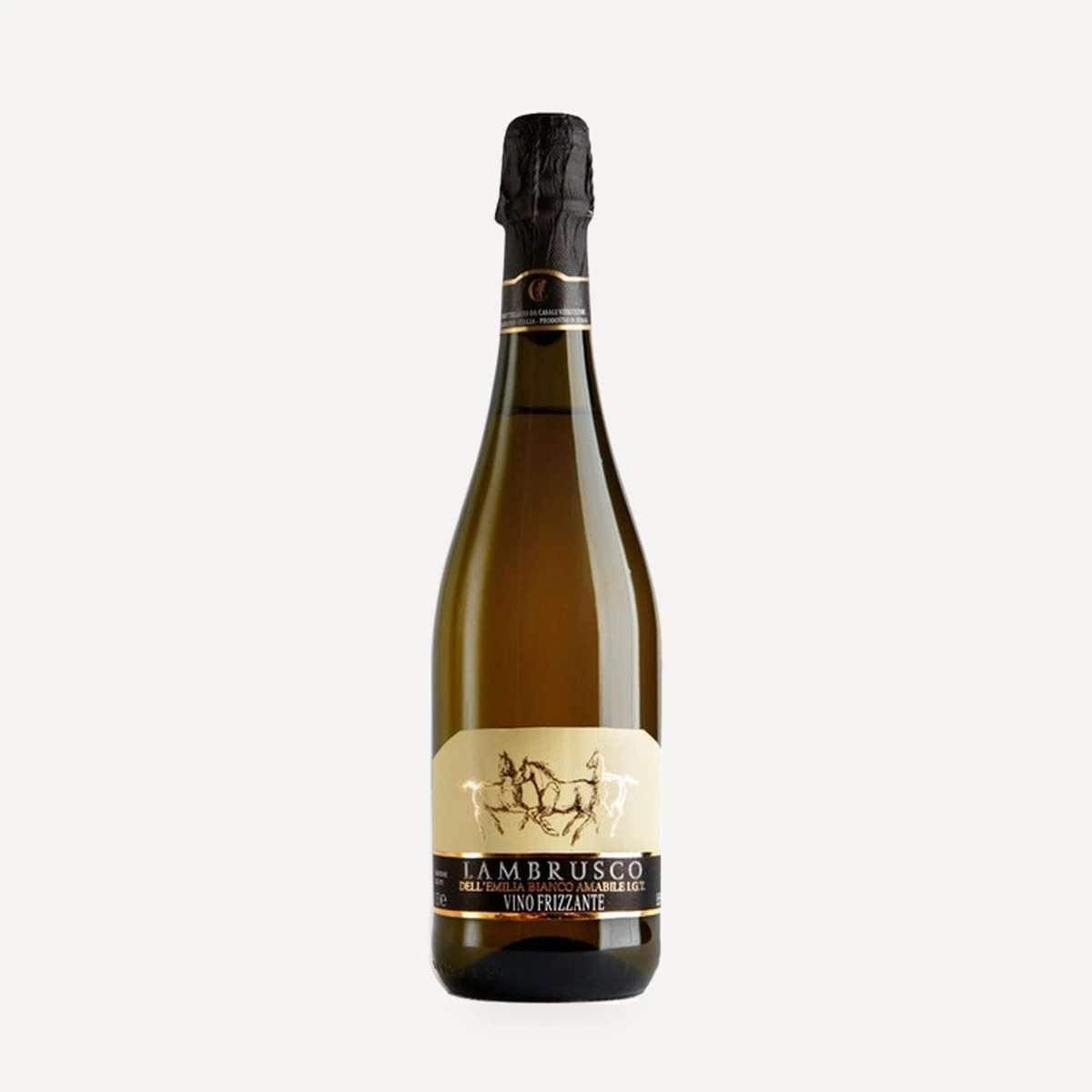
Lambrusco dell'Emilia Bianco Amabile IGT
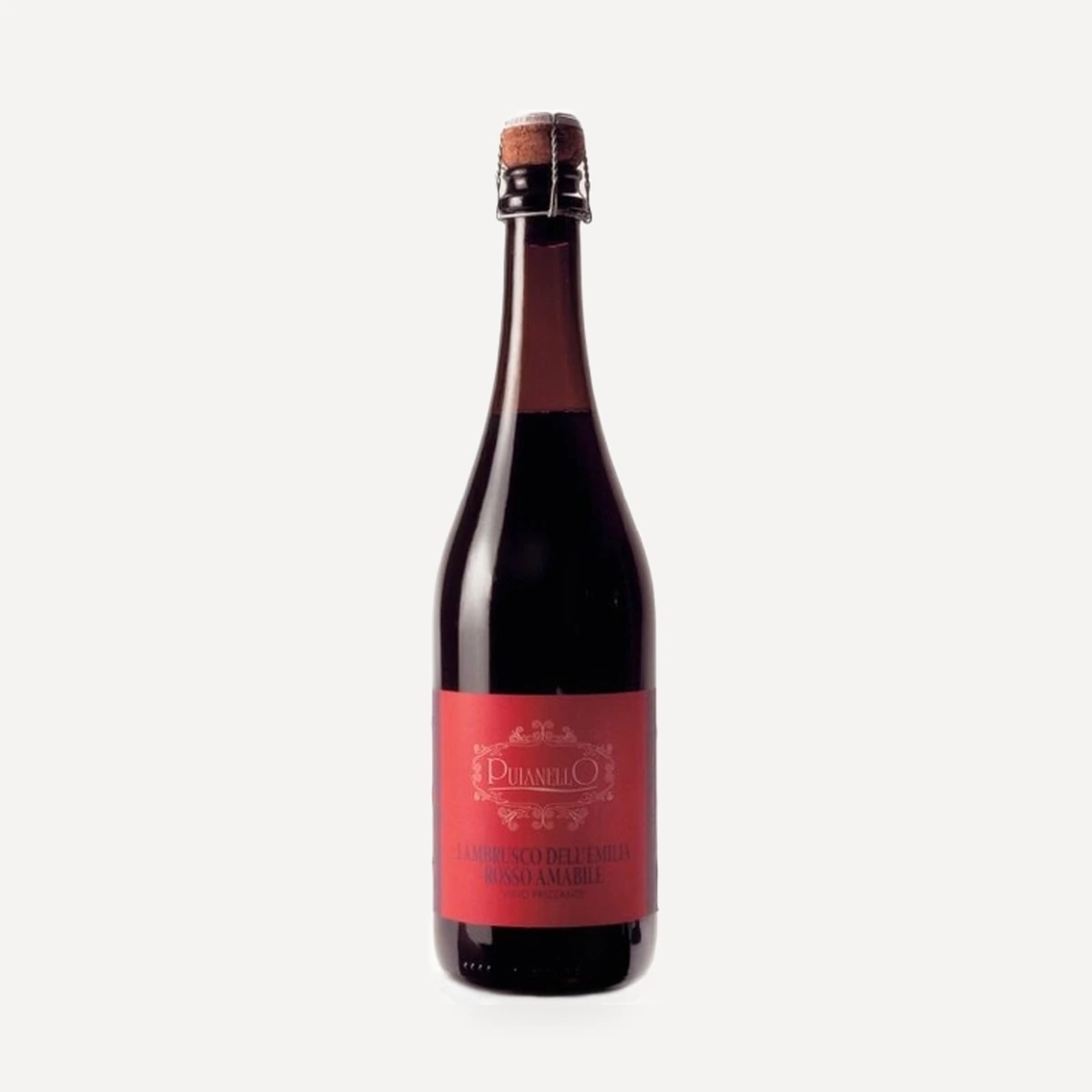
Lambrusco dell'Emilia Rosso Amabile IGT
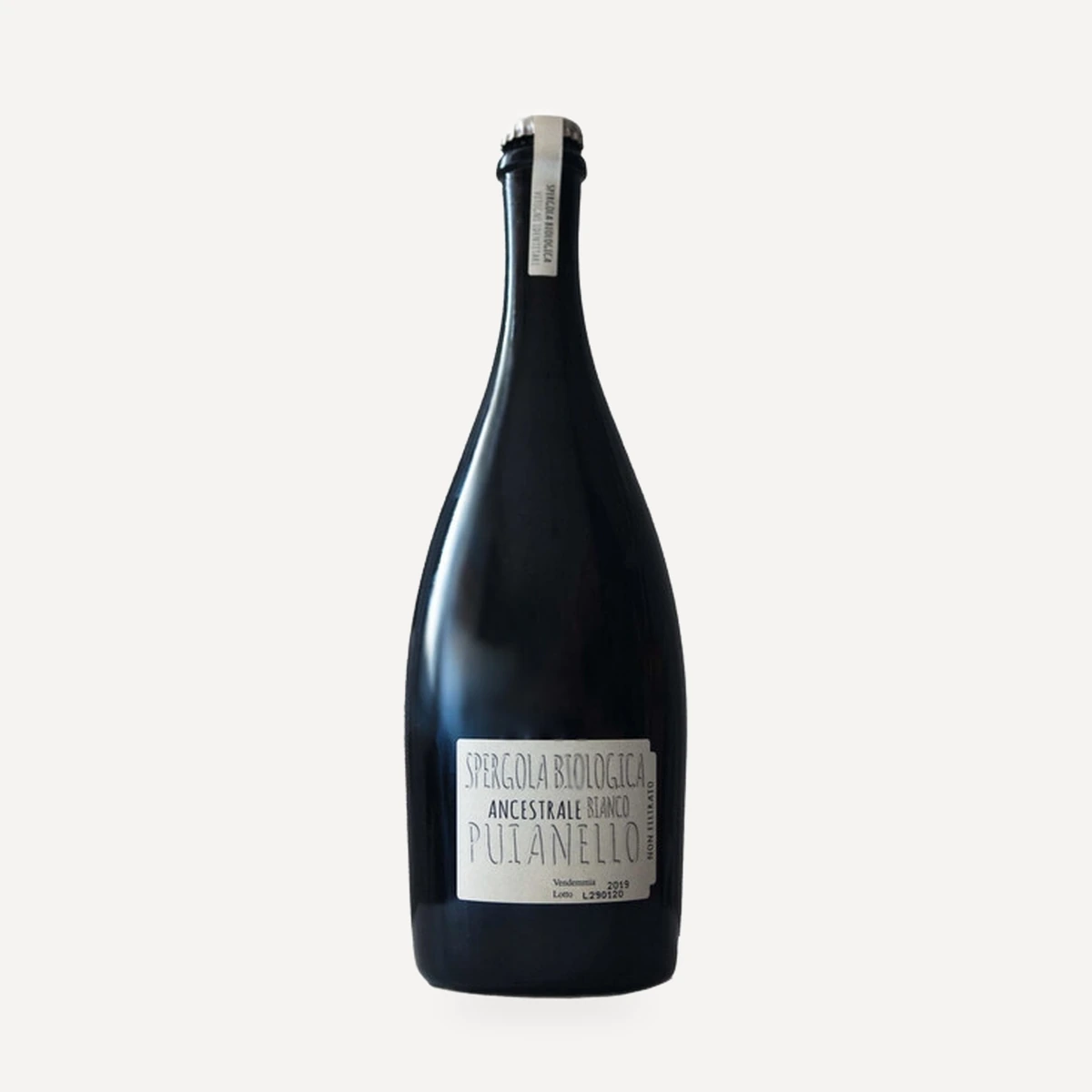
Spergola Biologica Ancestrale Bianco
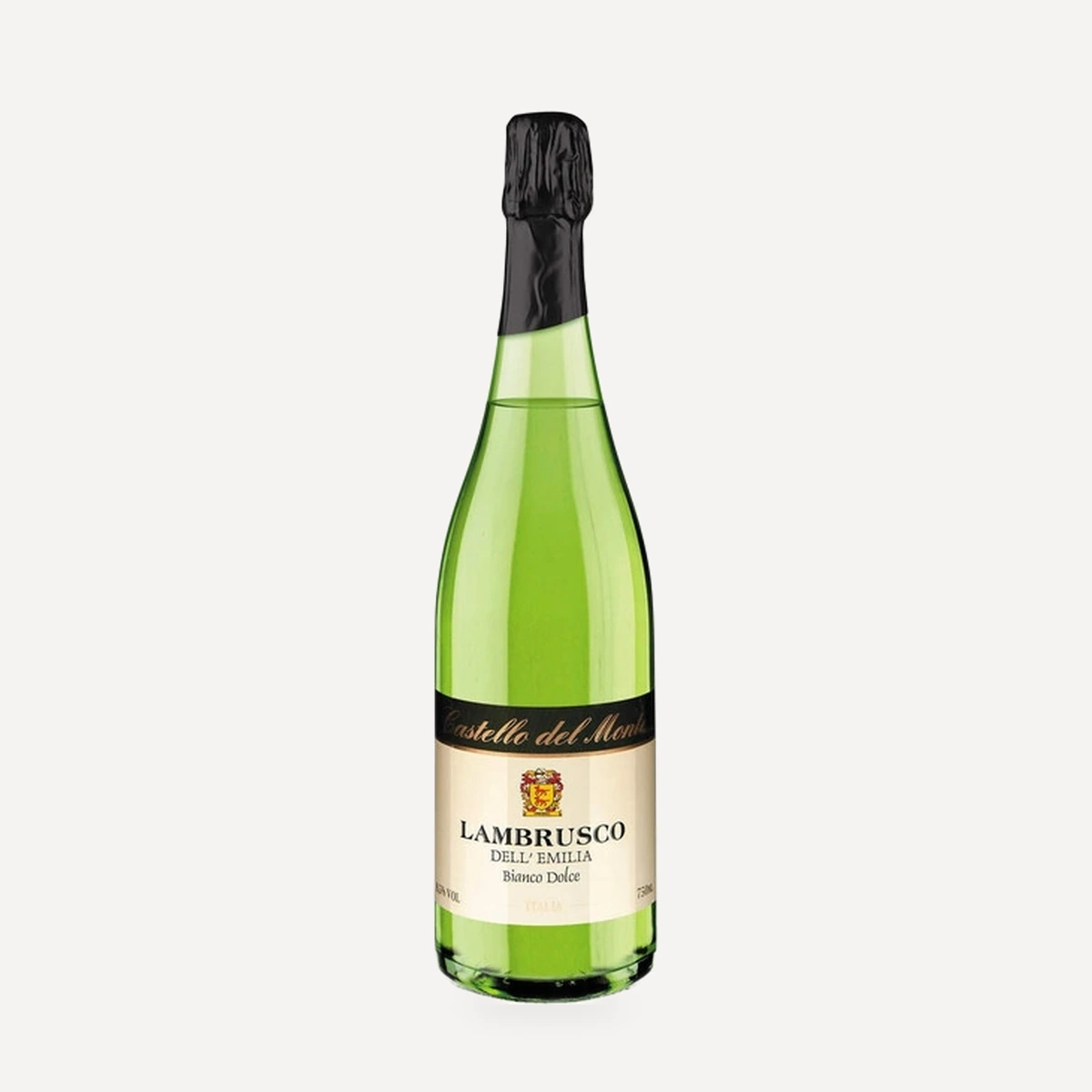
Castello del Monte Lambrusco dell Emilia Blanco IGT
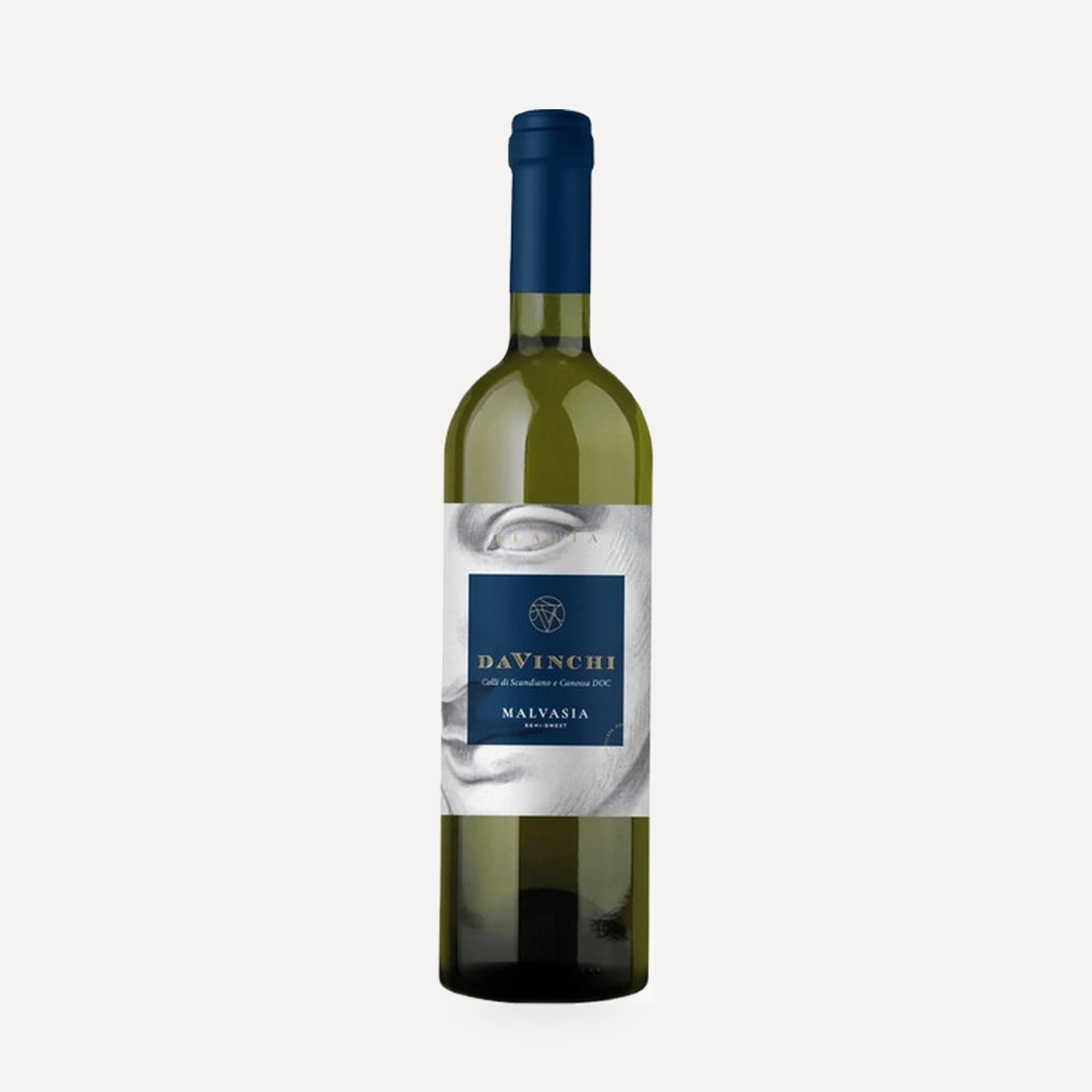
daVinchi Malvasia Semi-Sweet Colli de Scandiano e Canosa DOC
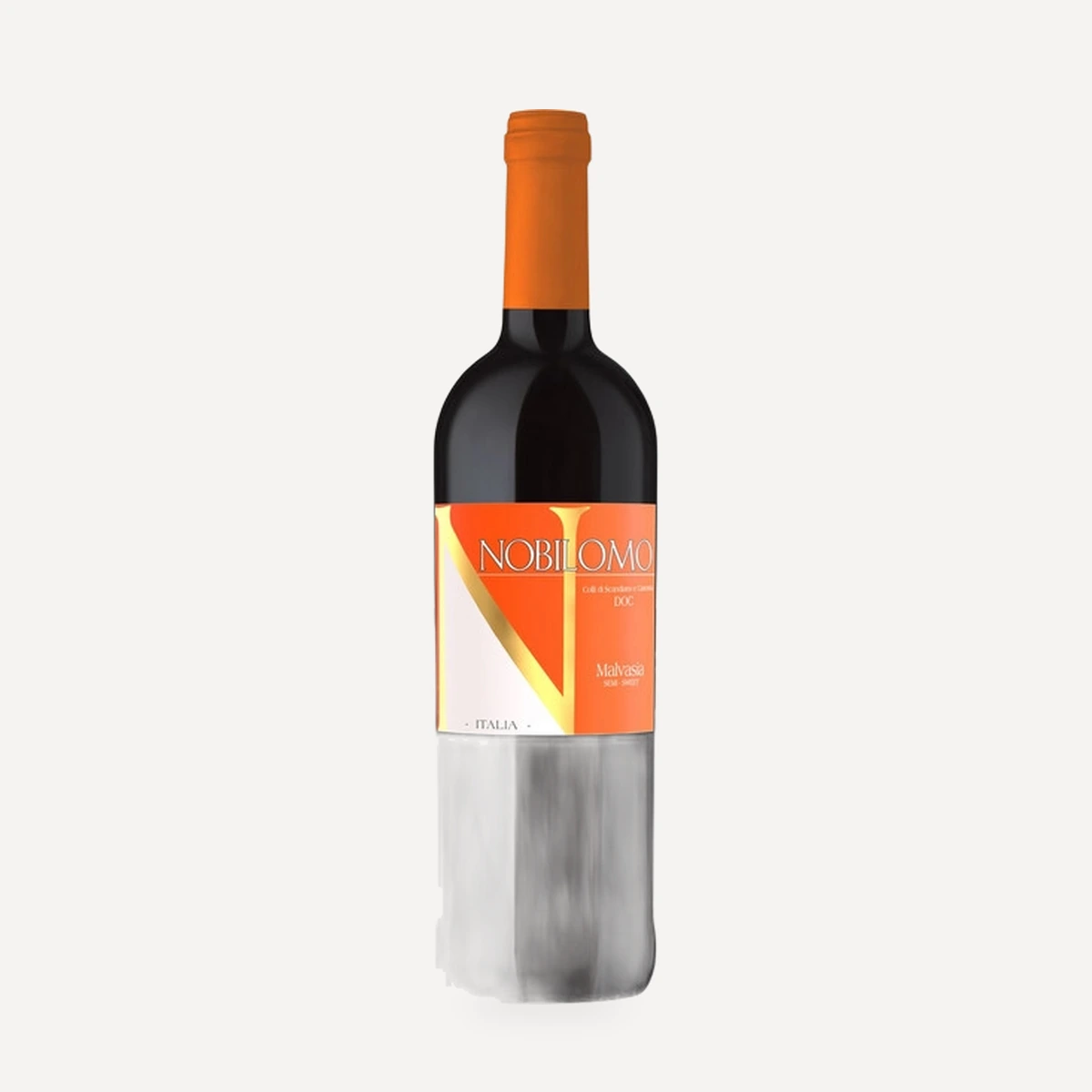
Nobilomo Malvasia White Semi-Sweet Colli de Scandiano e Canosa DOC
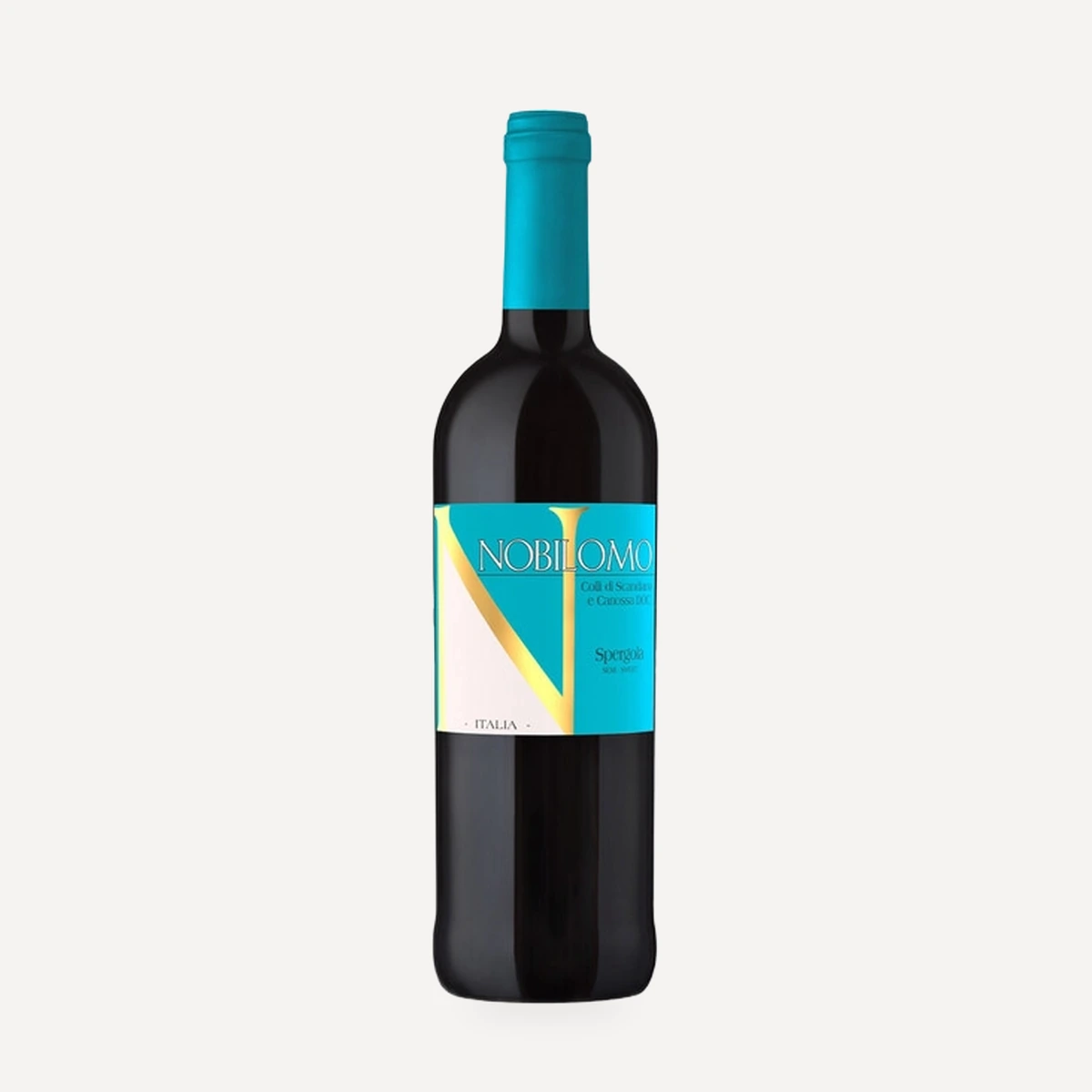
Nobilomo Spergola Semi-Sweet Colli de Scandiano e Canosa DOC
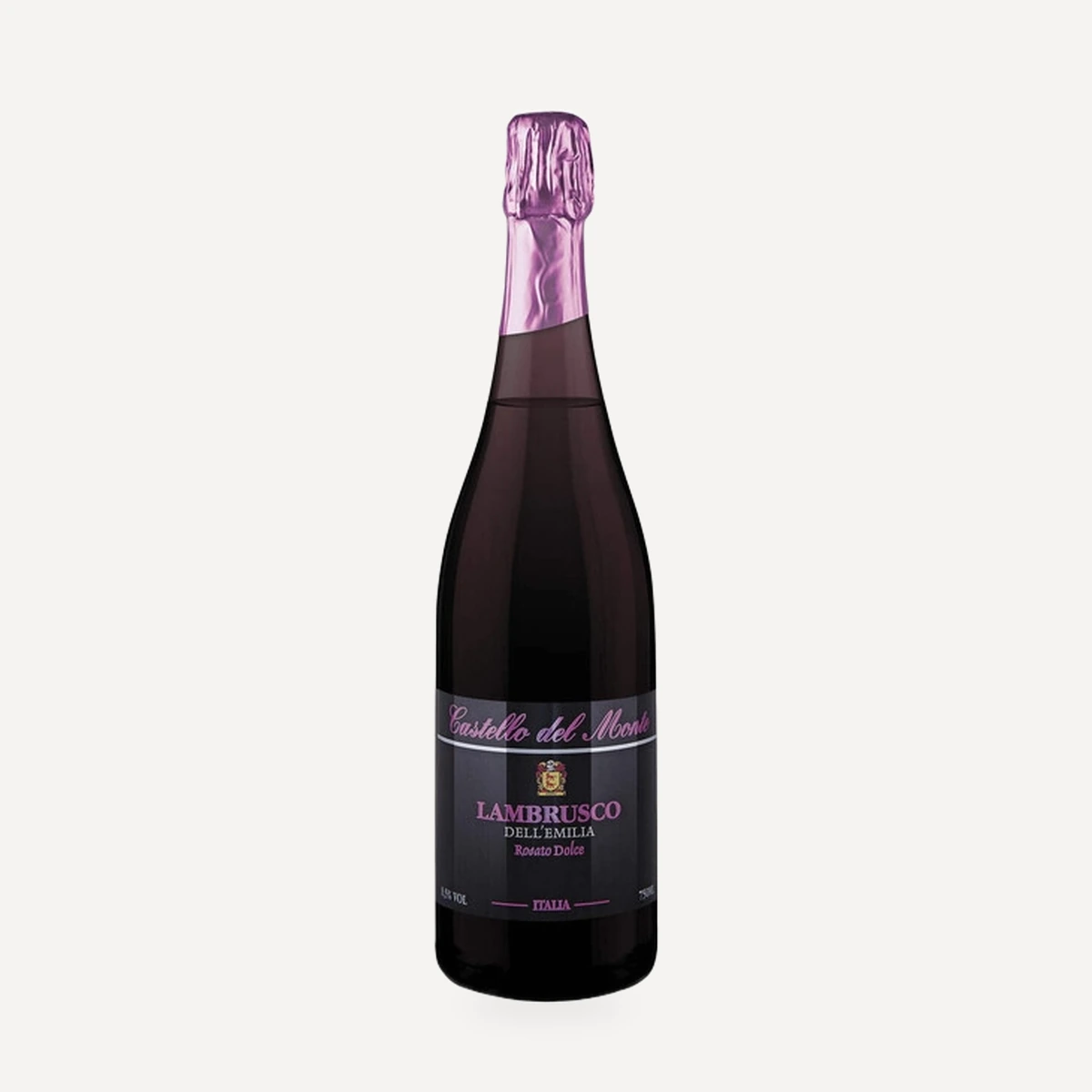
Castello del Monte Lambrusco dell Emilia Rosato IGT
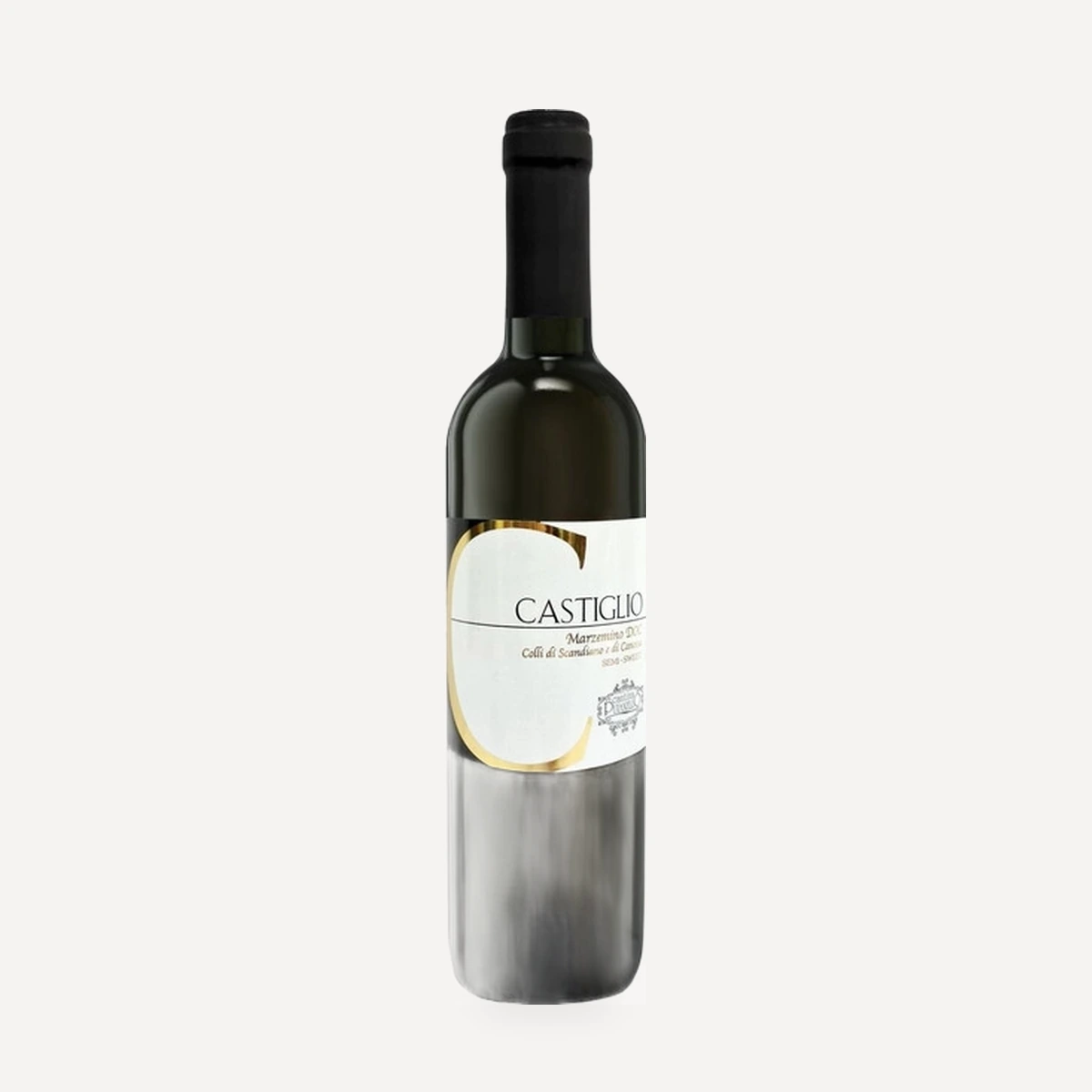
Castiglio Marzemino Colli de Scandiano e Canosa DOC
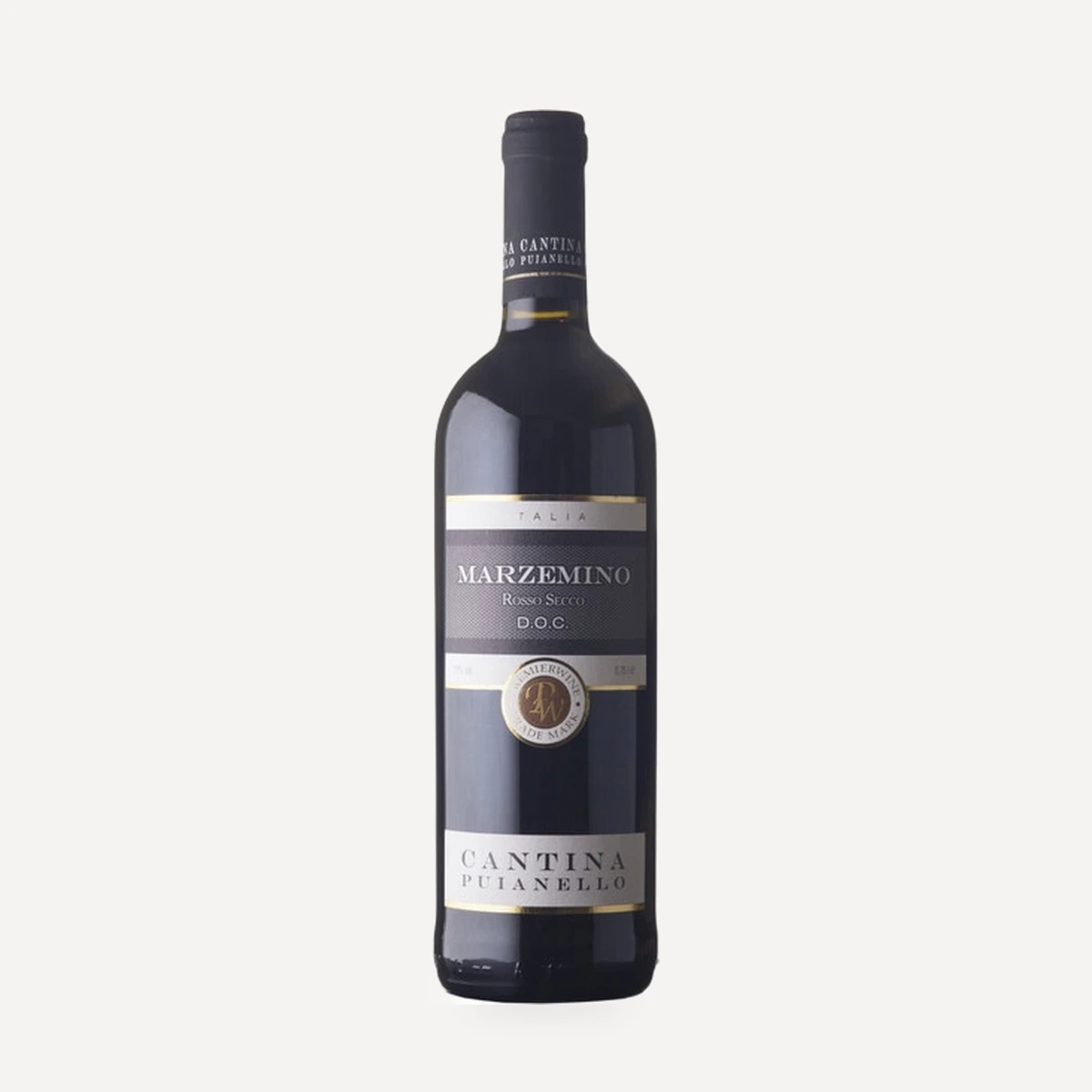
Marzemino Rosso Secco DOC
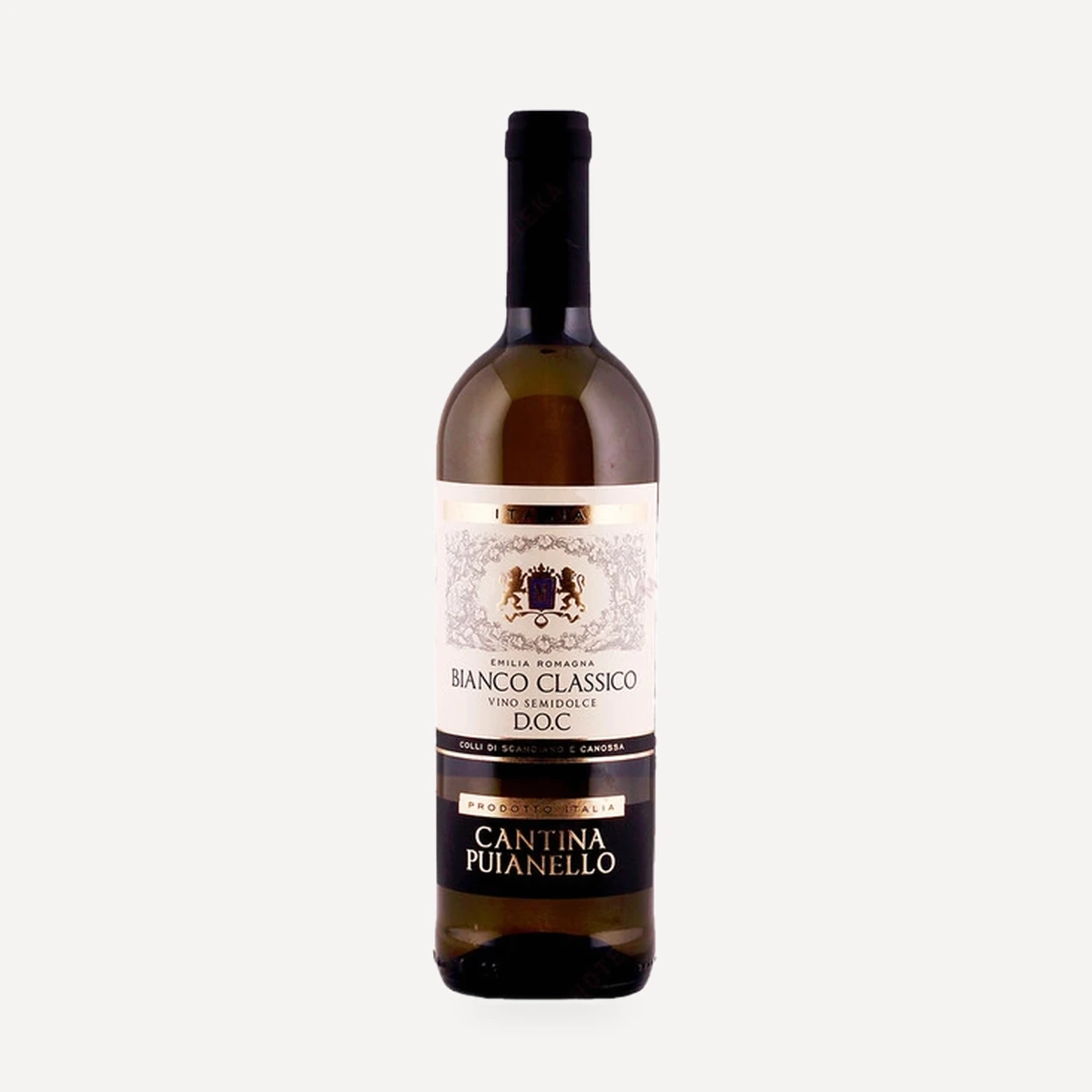
Bianco Classico Semidolce DOC
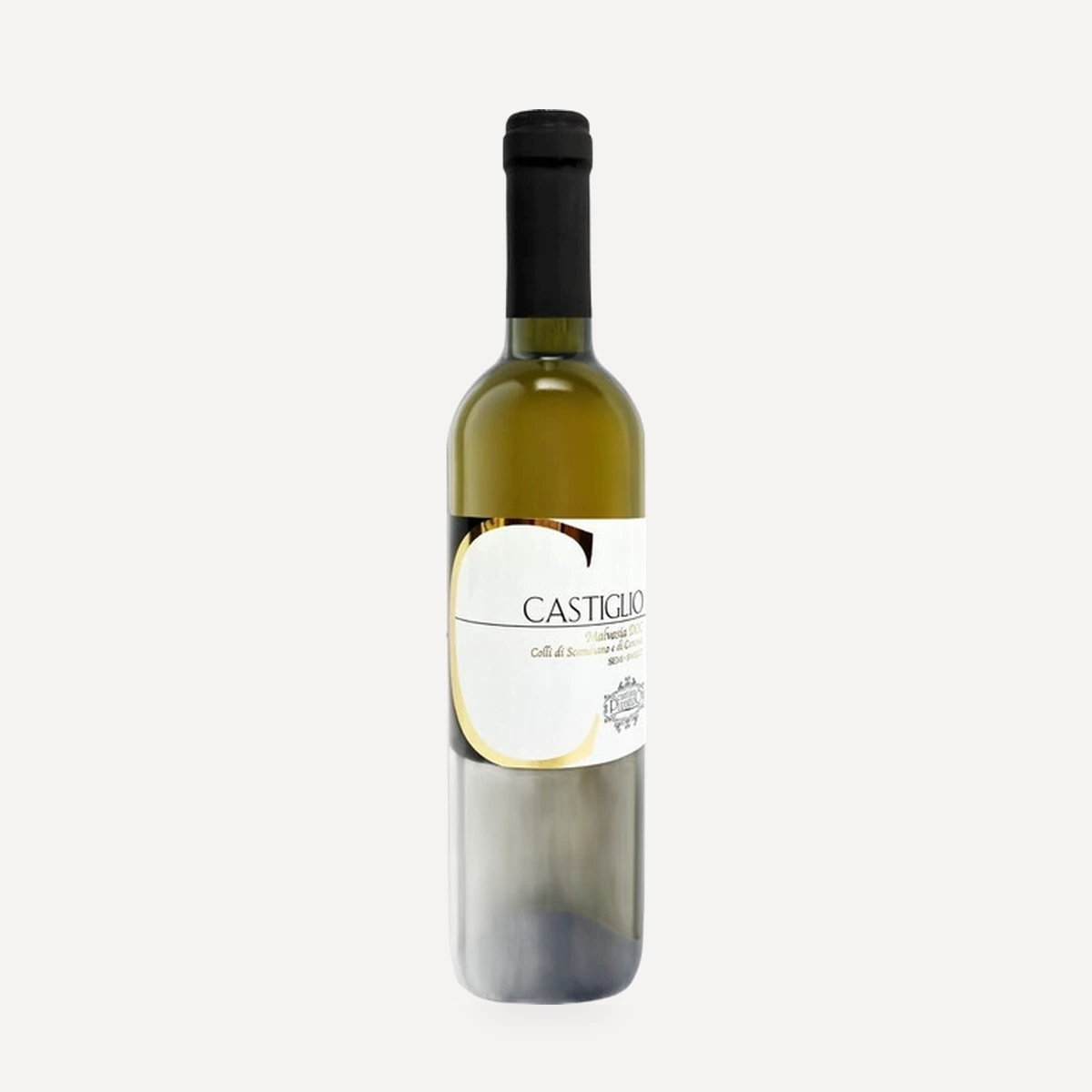
Castiglio Malvasia Colli de Scandiano e Canosa DOC
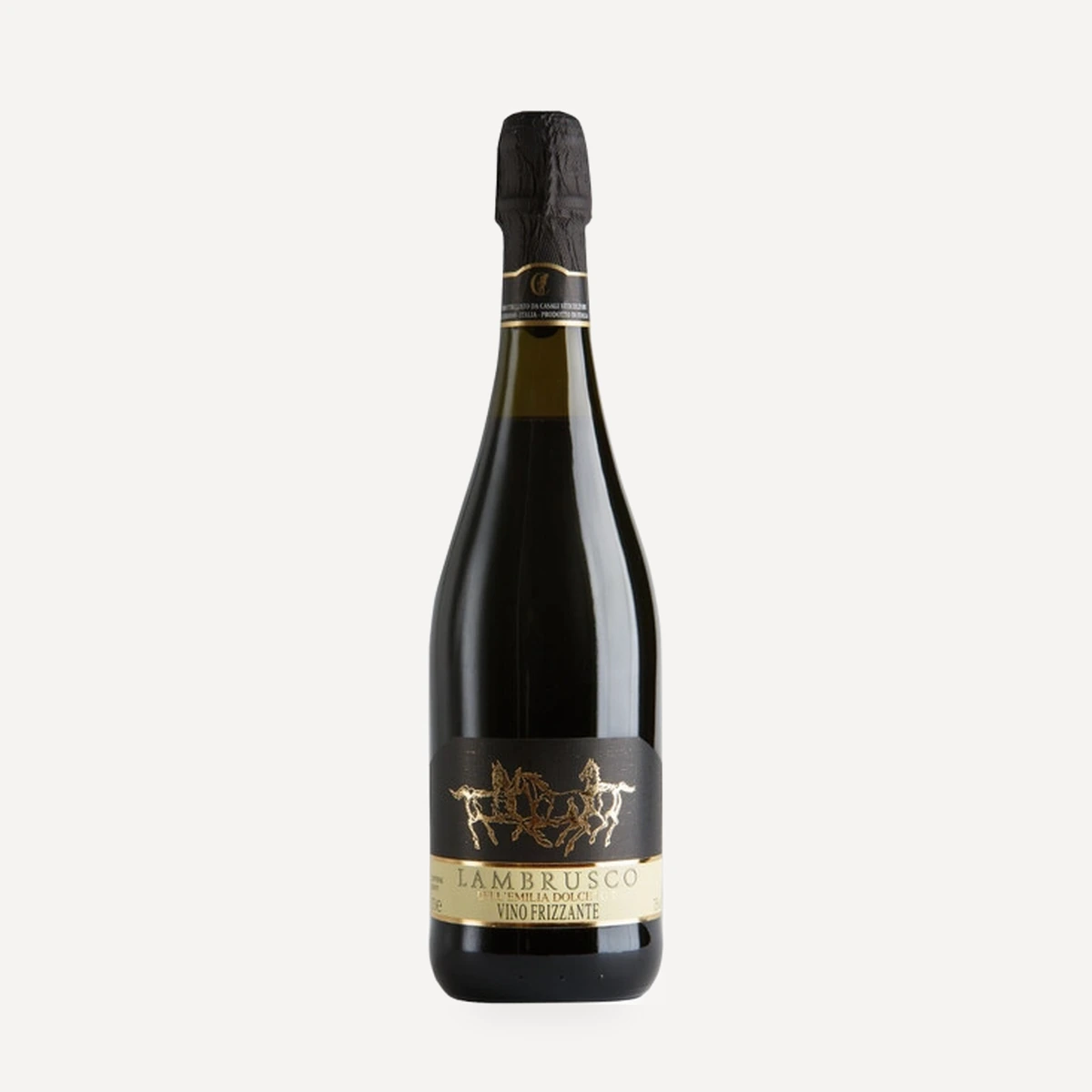
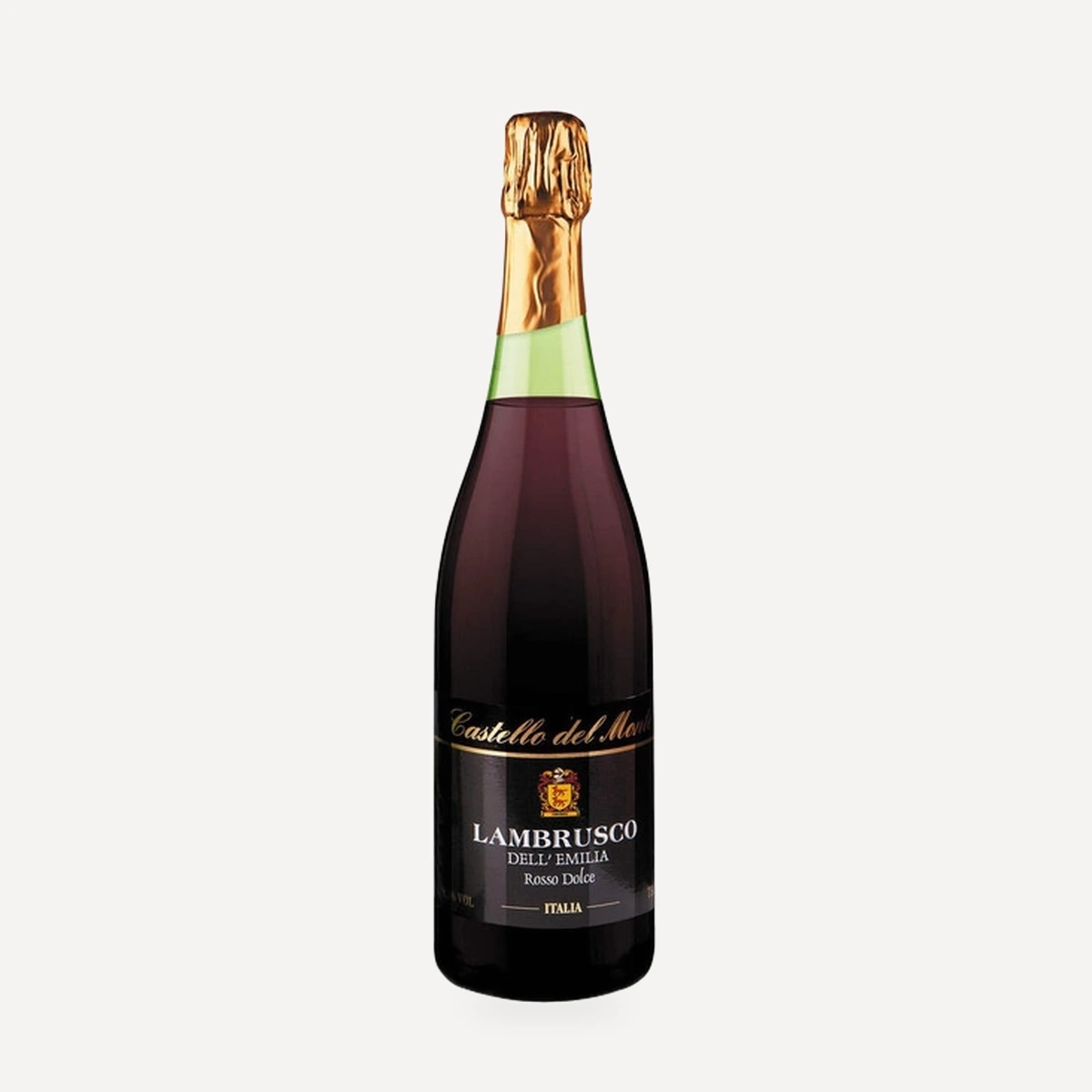
Lambrusco Rosso Dolce
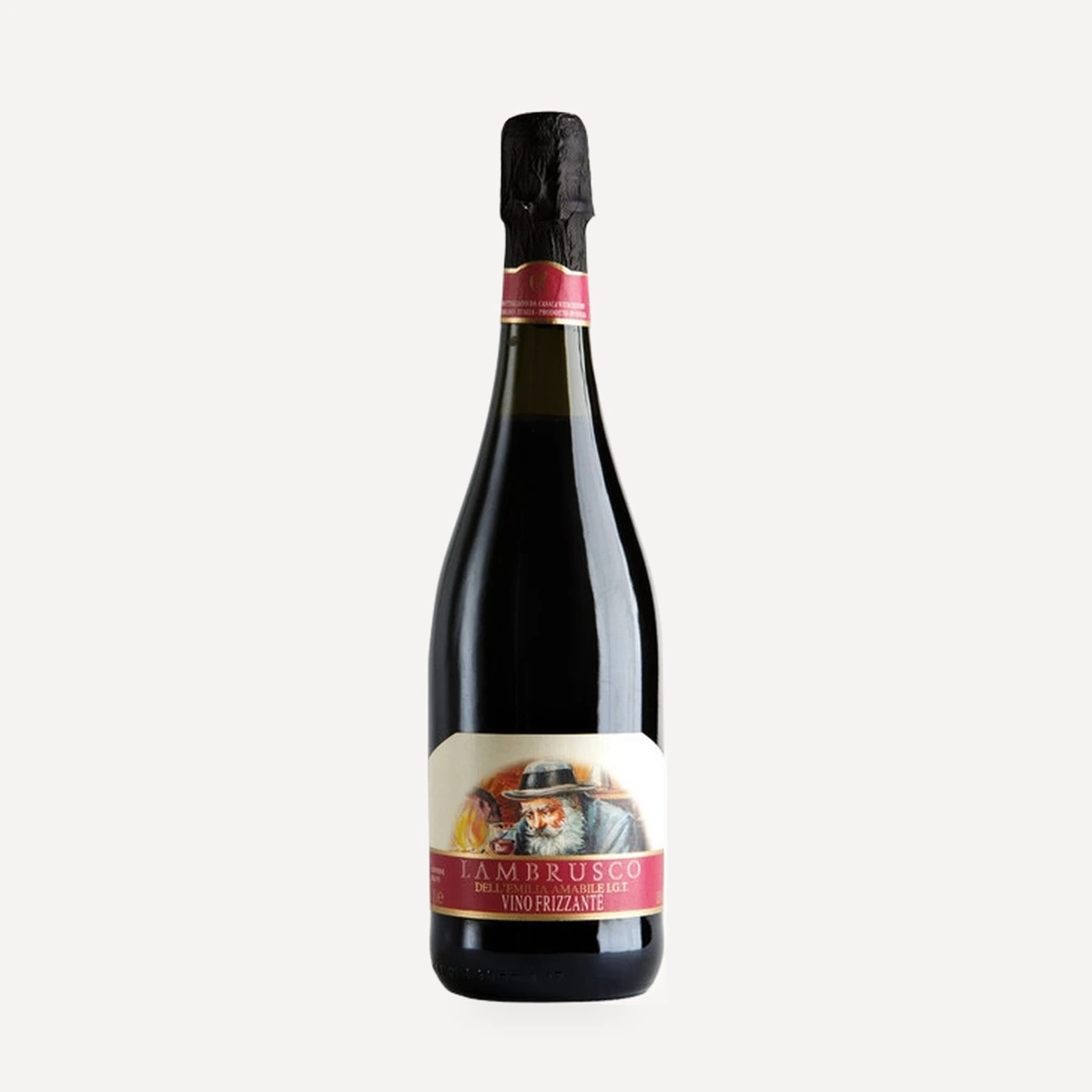
Lambrusco Rosso Semidulce