Storia
Medieval origins
The earliest documentation of Rignana dates from the 11th century, when its strategic position was associated with the castles of the Lega della Val di Greve. The small settlement developed as an agricultural community. Resident families worked its calcareous land to grow grain for bread and hay for livestock, particularly sheep and goats kept for milk and cheese. Extended families lived together in the estate houses, each of which had a wood-fired oven. The Fattoria—now partly occupied by the B&B—served as the agricultural centre, while the estate’s owners also held the surrounding case coloniche.
The dè Ricci period
From the 17th century, Rignana became closely associated with the noble dè Ricci family, which owned the estate. During the 18th century, vines were planted with Sangiovese, Canaiolo, Trebbiano and Malvasia. The first floor of the Fattoria contained the vinsantaia: grapes were laid out there until late November for the production of Vin Santo. The same level also housed olive oil in large terracotta orci after the December olive harvest.
The Villa was created as the dè Ricci family’s country residence and retains the architectural character of the late 18th century, together with later alterations. The estate belonged to Scipione dè Ricci, born in Florence in 1741, son of Luisa Ricasoli and a descendant of Santa Caterina dè Ricci, who lived from 1500 to 1541. The estate chapel is dedicated to Santa Caterina and depicts her in religious dress in its frescoes.
Scipione served as Bishop of Pistoia and Prato from 1780 to 1791. His coat of arms incorporated hedgehogs—ricci in Italian—and stars. The hedgehog subsequently became Rignana’s emblem and a central element of its wine labels. Exiled to Rignana in 1791, Scipione remained there until his death in 1810 and was buried in the private chapel.
The Gericke family and modern viticulture
In 1965, Arminio Gericke purchased Fattoria di Rignana with the objective of introducing modern viticulture to the historic settlement. The family established new vineyards on southeast- to southwest-facing sites and selected plants and clones through careful evaluation of local vine material.
Cosimo Gericke later assumed leadership of the family business. He has headed the estate for approximately three decades and represents its second generation of winegrowers, working with a small, selected team in the vineyards and cellar. His management has centred on organic agriculture and minimal intervention in wine production.
Cosimo Gericke and Sveva Rocco di Torrepadula also restored the estate’s original accommodation buildings, developing the Fattoria B&B and Villa de’ Ricci as an agriturismo. Sveva restored the Villa’s interiors while preserving and highlighting historic frescoes, fireplaces, floors and period doors.
Organic conversion
Organic cultivation began in 2011. The estate completed conversion and became certified organic in 2014. It also joined the Unione Viticoltori di Panzano, whose local programme promotes sustainable agriculture and cooperation among Panzano producers.
In 2020, the vineyard-floor programme was expanded by alternating cultivated rows with rows sown to sainfoin, a legume intended to benefit both the soil and wildlife.
Terroir
Fattoria di Rignana lies in the westernmost part of Panzano in Chianti, in the centre of the Chianti Classico territory and within the commune of Greve in Chianti. The property occupies an elevated, panoramic landscape between 300 and 400 metres above sea level.
The vineyards occupy selected southeast-, south- and southwest-facing positions. Documented wine-growing sites lie at approximately 350–400 metres. The soils are calcareous and clay-rich, with stony Galestro formations. The Galestro releases minerals into the soil and is associated with vine development and the resulting wines’ structure and ageing capacity. Individual sites range from calcareous-clay soils to Galestro-dominant ground.
Plant material and clones have been selected over time for their suitability to these soils, encompassing native Sangiovese and Canaiolo as well as Cabernet Franc and Merlot.
Vinificazione
Organic cultivation was adopted in 2011 and the conversion was completed in 2014, when Fattoria di Rignana became certified organic. The approach relies on the soil’s natural fertility and limits field interventions to encourage biodiversity among native Sangiovese and Canaiolo and the estate’s international varieties, Merlot and Cabernet Franc.
Herbicides and insecticides are excluded. Fertility is maintained by incorporating certified organic natural manure and by green manuring with field beans. Since 2020, cultivated inter-rows have alternated with rows sown to sainfoin, a legume used for its contribution to the soil and as habitat or forage for wildlife.
Pests and plant diseases are managed with environmentally compatible methods intended to limit contamination of both soils and groundwater. Environmental protection, animal welfare and sustainable rural development guide the agricultural programme. Harvesting is manual; documented harvest dates extend from September for early-picked Sangiovese and Cabernet Franc through October for Sangiovese and Canaiolo.
The estate belongs to the Unione Viticoltori di Panzano, a producer association promoting sustainable, quality-oriented agriculture and cooperation within the Panzano district.
All Rignana wines are produced exclusively from grapes grown on the estate. Cellar intervention is kept to a minimum while remaining within organic-production parameters.
Red-wine fermentations take place in stainless-steel vats at controlled temperatures of no more than 27°C. Documented maceration or fermentation periods range from 21 to 30 days. Some lots ferment without added yeasts; the Canaiolo process also excludes added enzymes and includes daily pump-overs.
For early-picked Sangiovese destined for white or rosé production, the fruit is pressed immediately after harvest. The juice is transferred to stainless steel and fermented for 30 days at a controlled maximum of 15°C.
The estate uses several maturation vessels according to the intended expression: cement tanks, large oak casks, barriques and tonneaux. Documented élevage includes six months in cement followed by six months in third-use oak barriques; 24 months in first- and second-use oak barriques; 24 months in first-use oak tonneaux; and 30 months divided between large oak casks and first- and second-use barriques. Production and bottling take place at Fattoria di Rignana in Panzano in Chianti.
Filosofia
Rignana’s stated priority is fidelity to the traditions of Chianti Classico while respecting the estate’s natural resources. Quality is pursued through detailed work in both vineyard and cellar, selection of clones suited to the calcareous-clay and Galestro soils, exclusive use of estate-grown grapes and restrained intervention during vinification.
The agricultural philosophy treats environmental protection, animal welfare and sustainable rural development as parts of a single production system. Natural soil fertility, biodiversity, organic inputs and environmentally compatible disease control are preferred to herbicides and insecticides. In the cellar, the same approach is expressed through minimal intervention and, for selected fermentations, the avoidance of added yeasts and enzymes.
The Gericke family also links the estate’s identity to its historical buildings, inherited agricultural functions and local community. Restoration has retained architectural evidence of the former vinsantaia, oil mill and dè Ricci residence while adapting the property for contemporary wine production and hospitality.
Vini
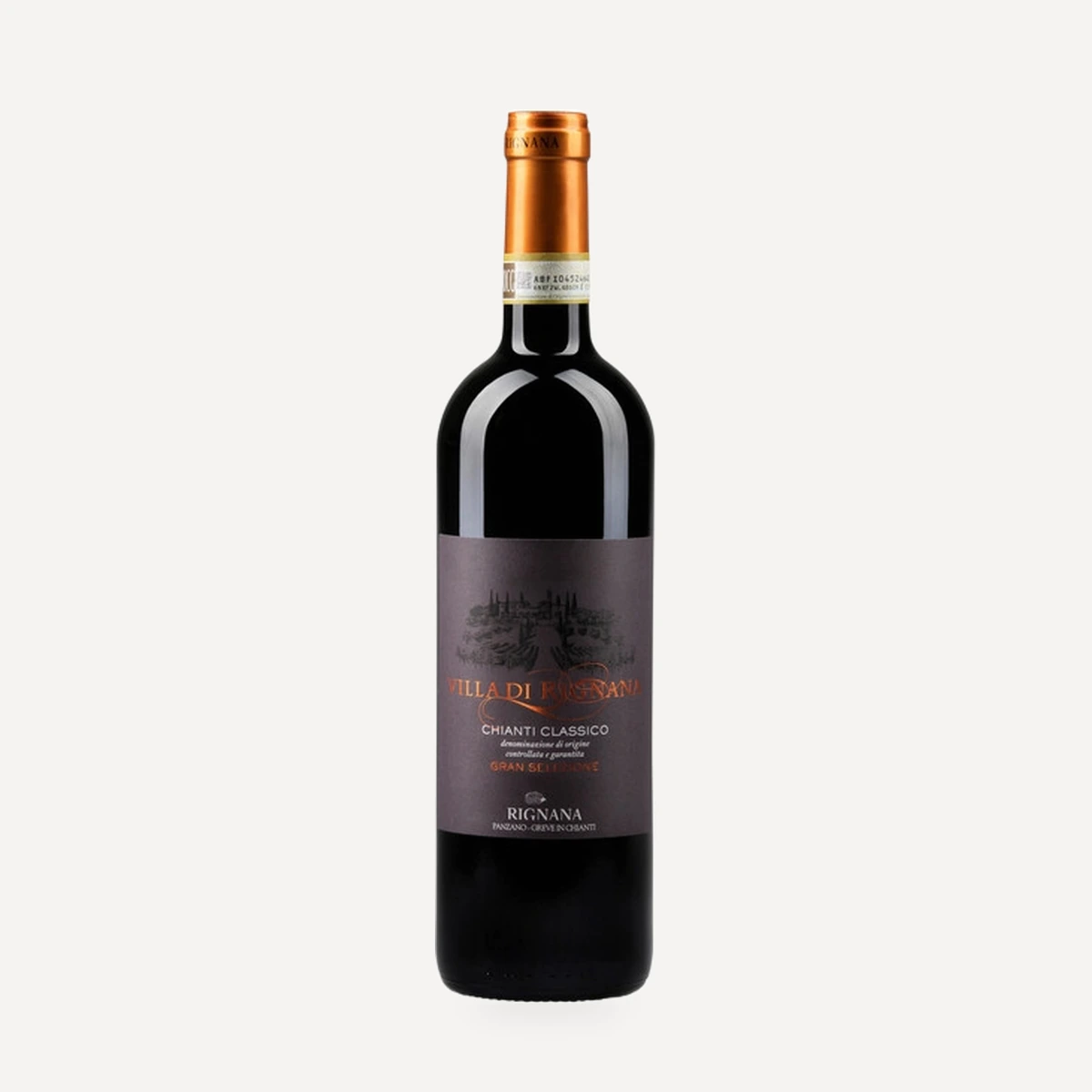
Chianti Classico Gran Selezione Panzano Bio Villa di Rignana DOCG
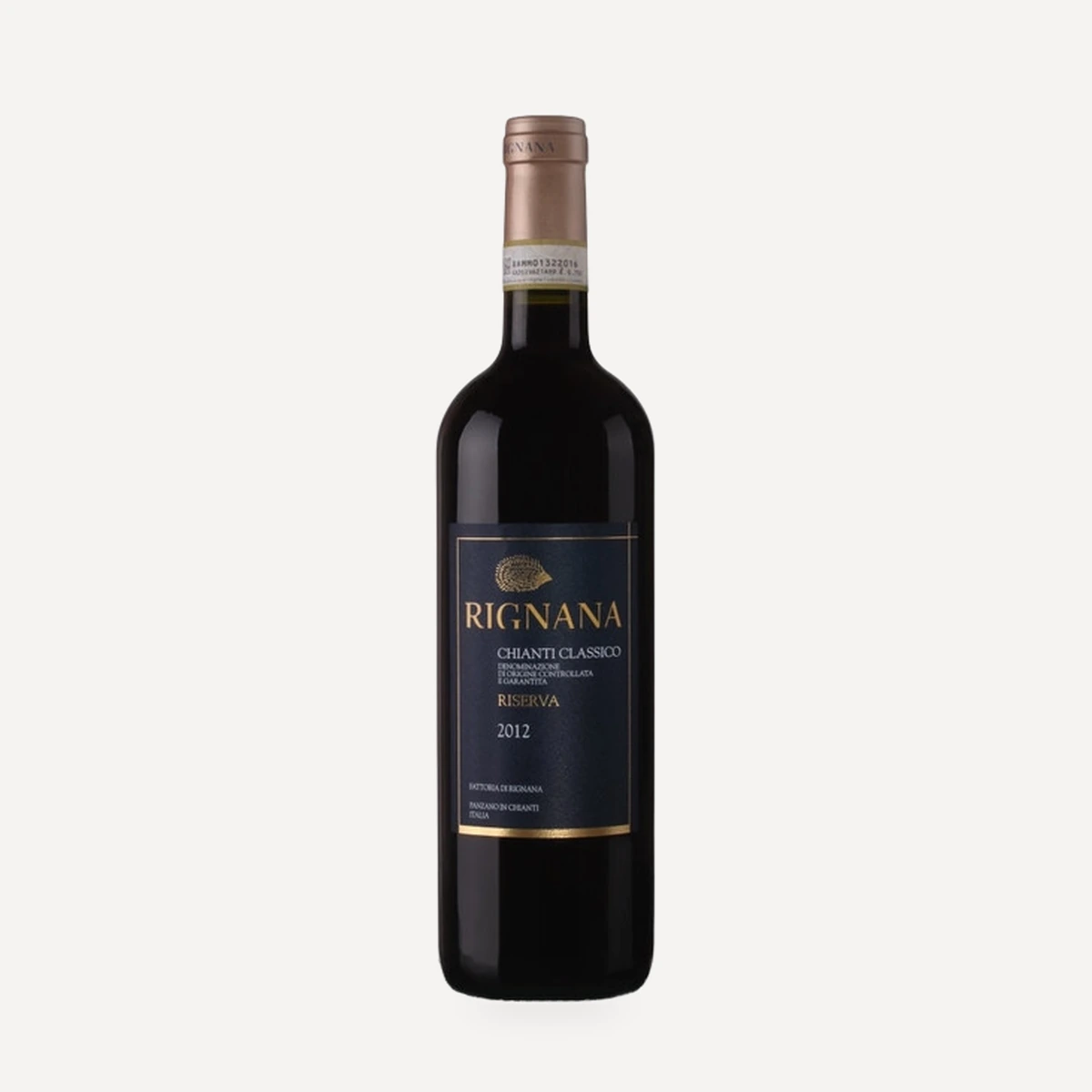
Chianti Classico Riserva Bio Rignana DOCG
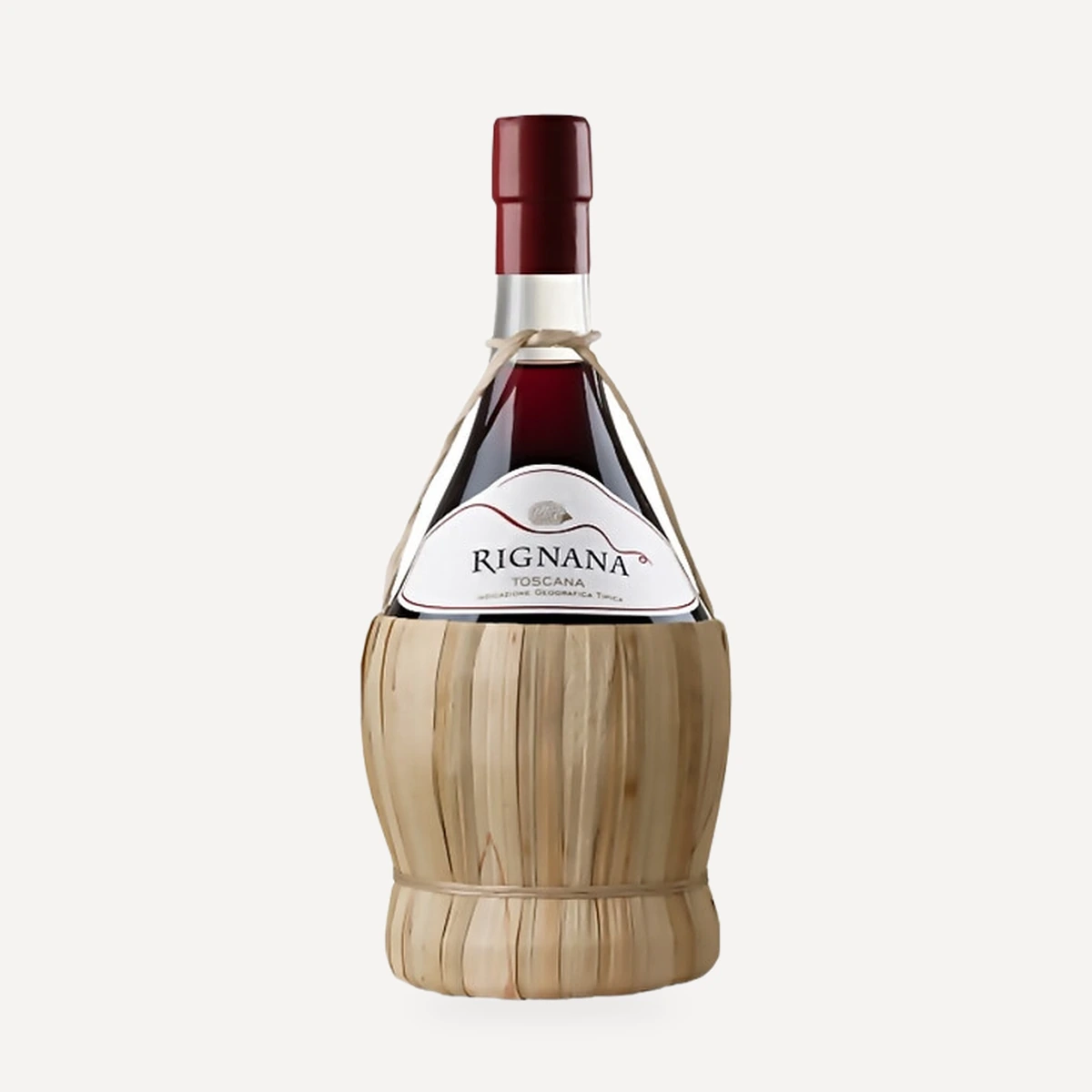
Canaiolo Rosso Toscana Bio IGT
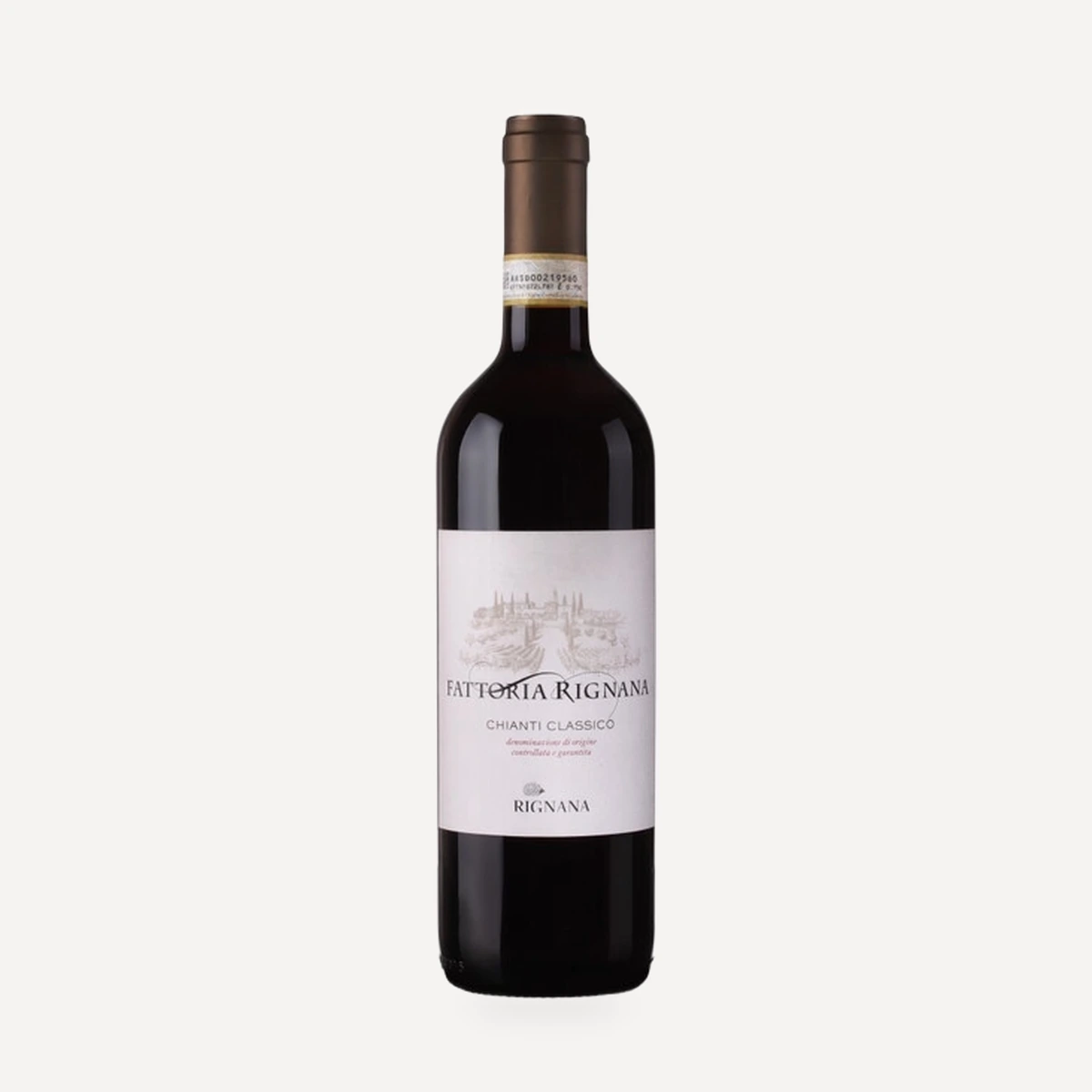
Chianti Classico Bio Fattoria Rignana DOCG
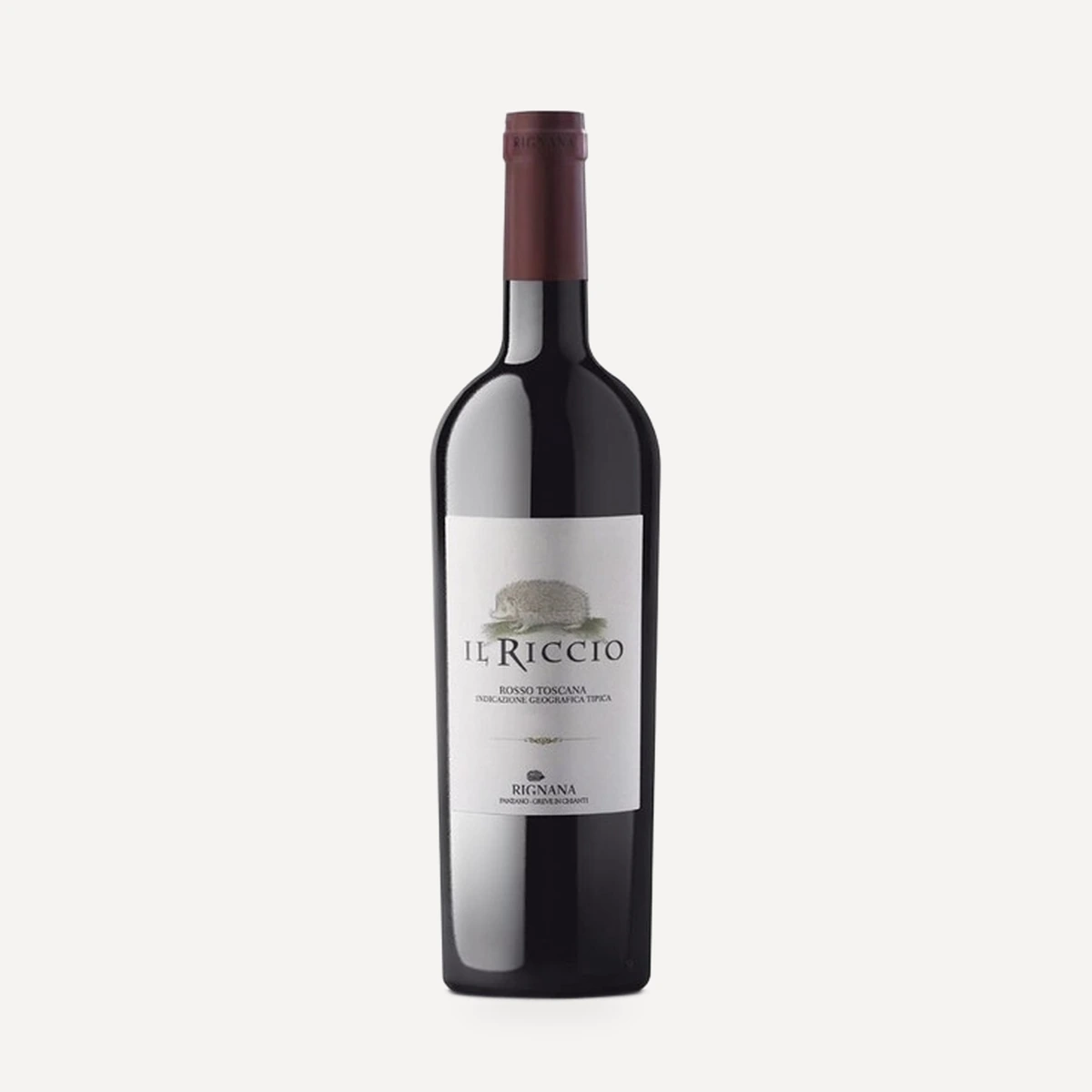
Il Riccio Rosso Toscana Bio IGT