Storia
Italo Zingarelli before Le Macìe
Italo Zingarelli was born in Lugo di Romagna on 15 January 1930. His father was headmaster of the local Liceo Reale Ginnasio. In 1949, during an early boxing career, Italo began working in cinema: first as an extra and stuntman, then as a production technician. After leaving boxing, he became a production manager in 1954.
In 1955 he married Laura Spano, who supported his projects throughout her life. Their children were Fabio, Sandra and Sergio. Italo produced his first film, La rivolta dei Gladiatori, in 1958. He founded his own production company in 1964 and later created the distribution company DELTA. His cinema career encompassed more than 50 productions, three directing credits and the distribution of about 80 films. Major successes included They Call Me Trinity in 1970, Trinity Is Still My Name in 1971, All the Way, Boys! in 1972 and the 1974 international co-production C’eravamo tanto amati.
1973: creation of the estate
In 1973, at a time when many people were leaving the countryside for urban employment, Italo used the success of his film work to pursue the agricultural project he shared with Laura. He acquired the historic hamlet and land at Le Macìe near Castellina in Chianti and began producing Chianti Classico. The property subsequently expanded to 93 hectares, but only two hectares were under vine when it was acquired. A 2023 account identifies the initial purchase as 70 hectares together with the 14th-century hamlet.
The ruined former settlement stood above the valley amid rolling hills, woods and Mediterranean scrub. Italo undertook a careful architectural restoration and renamed the complex Rocca delle Macìe. Tenuta Le Macìe became the original nucleus of the family wine business and remains its operational heart, accommodating its offices, historic cellars and modern winery facilities.
1985–1988: Sergio joins the business
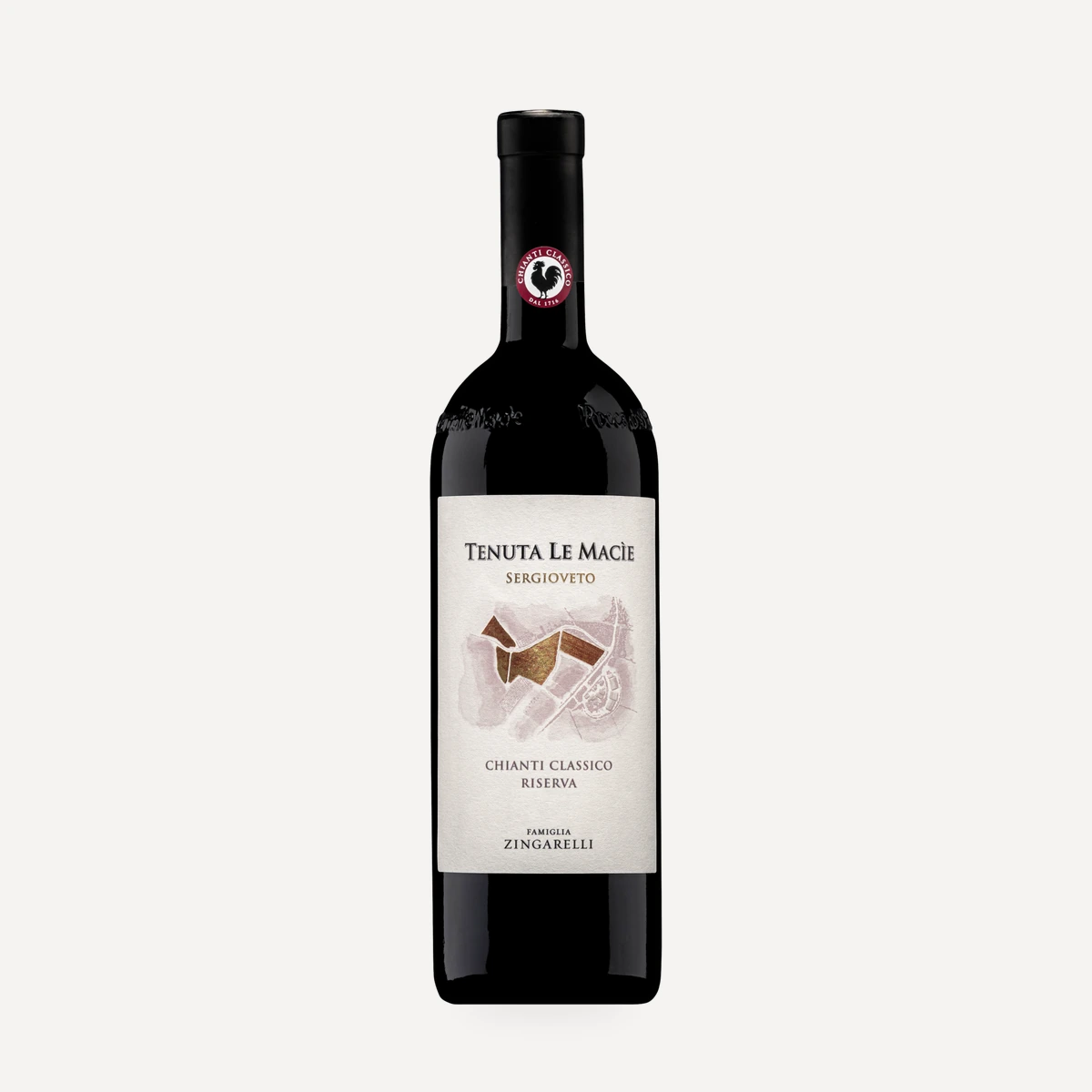
Sergio Zingarelli began working beside his father in 1985. Italo marked the occasion by creating Ser Gioveto as a tribute to his son; its name also recalled an archaic name for Sangiovese. Four years later Sergio assumed leadership with his wife Daniela, and they moved permanently from Rome to Castellina in Chianti.
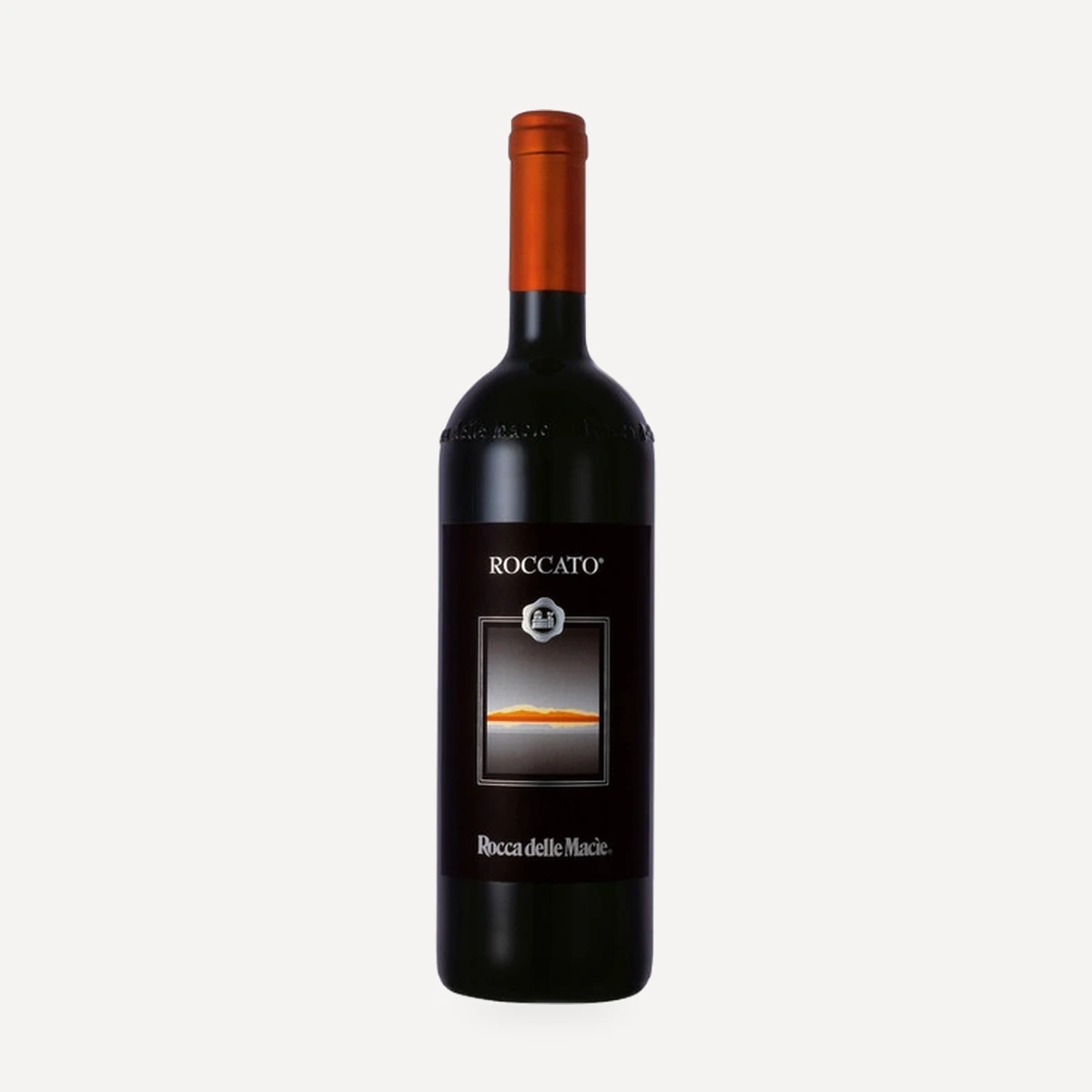
In 1988 Sergio initiated Roccato, his first major quality project. It was conceived as a combination of Sangiovese and Cabernet Sauvignon and of traditional large casks with contemporary barriques. Beginning with the 2015 vintage, Roccato became a varietal Cabernet Sauvignon sourced from Poggio alle Pecchie.
1995–2010: vineyard renewal and a plot-based approach
A major renovation programme began in 1995, replacing vineyards that Italo had planted during the 1970s and placing greater emphasis on grape quality. The wider vineyard-renewal work produced the estate’s present pattern of plantings, principally dating from 1997–2000 and 2004–2016.
In the 1990s Sergio launched what became the family’s “Global Quality” programme. Its objective was to grow grapes of the highest possible quality and make excellence in both grapes and wine the basis of the oenological process.
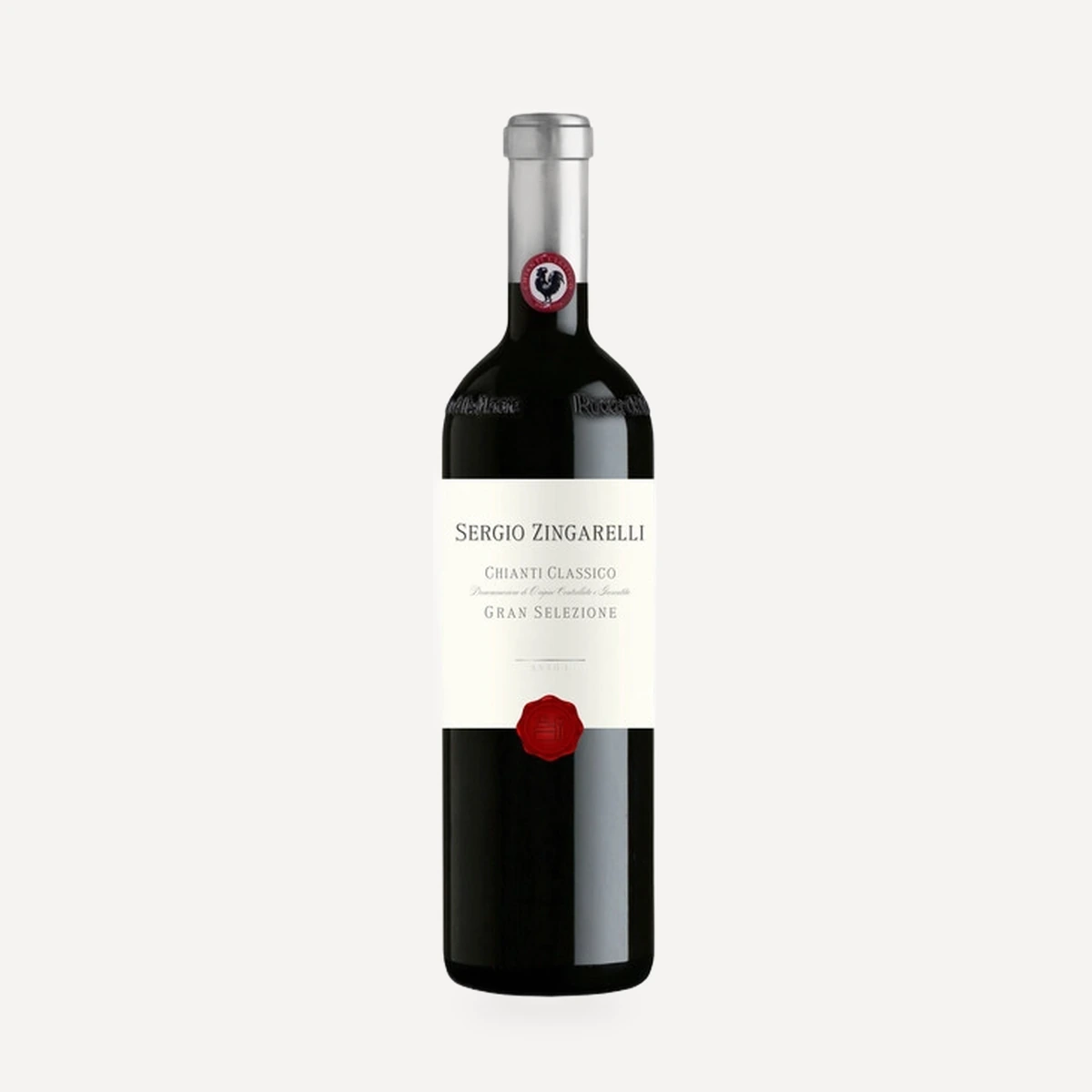
A further project began in 2000 with the replanting of the Le Prese vineyard to create a pure Sangiovese expressing elegance and a distinct territorial identity. Its first vintage as Sergio Zingarelli Chianti Classico Gran Selezione was 2010. That same year agronomist and oenologist Lorenzo Landi began consulting for the family, working particularly with Andrea Zingarelli and the technical team on important vineyard and cellar decisions.
2000–2021: environmental programme
In 2000 the business discontinued numerous environmentally invasive techniques and adopted a rigorous internal sustainability protocol. The programme sought to rationalise the use of water, air and soil resources, prevent waste and reduce the effect of human activity on ecosystem balance. It progressively incorporated weather-station warning systems, infrared vineyard-health mapping, monitoring of harmful insects, beneficial antagonistic insects, pheromone-based mating disruption, beehives beside vineyards, organic fertilisers, green manure and the recovery of rainwater and wastewater.
A VIVA sustainability-certification process began in 2021. VIVA evaluates four indicators: Air, measuring climate impact; Water, measuring the water footprint; Vineyard, assessing agronomic practices; and Territory, covering socio-economic and cultural effects.
2015–2023: identity and generational continuity
From the 2015 vintage, Tenuta Le Macìe Sergioveto returned to 100% Sangiovese and carried the Chianti Classico Riserva designation. Roccato simultaneously became a pure Cabernet Sauvignon from Poggio alle Pecchie.
The fiftieth anniversary in 2023 marked a renewed family identity and a more visible transition toward the third generation. The “Famiglia Zingarelli” identity brought the single-estate crus into a shared programme centred on family values and territorial expression. Andrea Zingarelli assumed responsibility for vineyard and cellar work; Giulia Zingarelli developed the hospitality activities; and Sergio’s nephew Fabio supported management, administration and Far East markets. Sergio continued as chairman, supported by Daniela, his siblings and the next generation.
Terroir
Tenuta Le Macìe lies at Castellina in Chianti, within the Chianti Classico territory. The historic hamlet occupies an elevated position above a valley framed by rolling hills, woodland and Mediterranean scrub.
The vineyards extend between 266 and 360 metres above sea level, with south and south-west as the prevailing exposures. Their soils derive principally from Miocene deposits and marly limestone. The dominant texture is silty-sandy, with abundant stony material; the soils tend to be alkaline and highly calcareous.
Individual sites reveal additional variation. Pian della Casina reaches 365 metres and lies on Sillano Formation material containing Alberese and Galestro, with marly limestone and a loamy, alkaline, highly calcareous profile. Le Prese lies between 320 and 340 metres and combines marly limestone with a loam-clay texture, high limestone content and abundant Alberese stones. Sergioveto, at 350–365 metres, also occupies Sillano Formation soils with Alberese, Galestro and marly limestone. Poggio alle Pecchie lies at 330 metres on alkaline, highly calcareous, stony Miocene material with an argillaceous-sandy texture.
Vinificazione
Large-scale replanting has reshaped the estate vineyards since 1995. The work was informed by detailed consideration of soils and of each site’s water and geological balance, with the objective of improving grape quality while reducing environmental pressure. Present plantings mainly date from 1997–2000 and 2004–2016. Cordon spur is the principal training system; Colorino is trained to Guyot.
The internal sustainability programme began in 2000 with the withdrawal of numerous environmentally invasive techniques. Vineyard management combines traditional practices with monitoring and control technologies. Weather stations support plant-health forecasting and warning systems, while infrared mapping records vineyard condition. Harmful insects are monitored, beneficial antagonistic insects are introduced, and pheromone-based mating disruption is employed. Beehives are maintained at vineyard margins.
Soil fertility is supported with organic fertilisers and green manure. Rainwater and wastewater are recovered, and resource management is designed to reduce waste and rationalise the use of water, air and soil. The VIVA certification process, initiated in 2021, measures climate footprint, water footprint, the effects of agronomic management and the estate’s socio-economic and cultural relationship with its territory.
Tenuta Le Macìe remains the production heart of the family business and houses its offices, historic cellars and modern winery spaces. Visits move between the older cellars and newer facilities and include the estate’s barrel rooms, where wines undergo maturation and ageing.
The production philosophy combines modern technology with knowledge transmitted by long-serving staff and earlier generations. Since the 1990s, the “Global Quality” programme has treated grape quality as the starting point for cellar work. From 2010, Lorenzo Landi has advised Andrea Zingarelli and the technical team on key oenological decisions.
The winery holds FSSC 22000 certification for its food-safety management system. The current certificate covers ageing, blending and bottling wines in glass. Initial certification dates to 1 August 2017; the certificate issued on 5 August 2025 is valid from 4 August 2025 through 31 July 2026 and incorporates ISO 22000:2018, ISO/TS 22002-1:2009 and the additional requirements of FSSC 22000 Version 6.
Filosofia
The Zingarelli family presents wine as the product of family continuity, technical competence and attachment to place. Dedication to the land and wine has passed from one generation to the next, while employees and long-serving specialists are treated as integral to the family-run enterprise.
The “Global Quality” programme began with Sergio Zingarelli’s decision in the 1990s to place the highest possible grape quality at the centre of both viticulture and winemaking. The approach subsequently evolved from treating the vineyard simply as the source of wine to understanding its uniform individual sections as instruments for expressing specific territorial identities.
The family’s formulation distinguishes wine that is merely “good to drink” from wine that is also “good to think”: a landscape wine capable of communicating what lies beyond the glass. This idea supports the emphasis on Sangiovese, individual vineyards and wines linked to their estates.
Tradition and modernity are not treated as opposites. Current technology is used in production and environmental monitoring, while inherited knowledge and established working relationships remain fundamental. Environmental responsibility is framed as protection of land entrusted to the family: consumption of non-renewable resources is to be reduced and rationalised, waste avoided and disturbance of ecosystem balance limited.
The identity renewed for the fiftieth anniversary places the family itself—understood as a workshop of ideas and a system of values—at the centre of the project. Agroecology, oenological competence, landscape and beauty form the stated pillars of this generational transition.
Vini
Sergio Zingarelli
Roccato
Campomaccione Morellino di Scansano DOCG
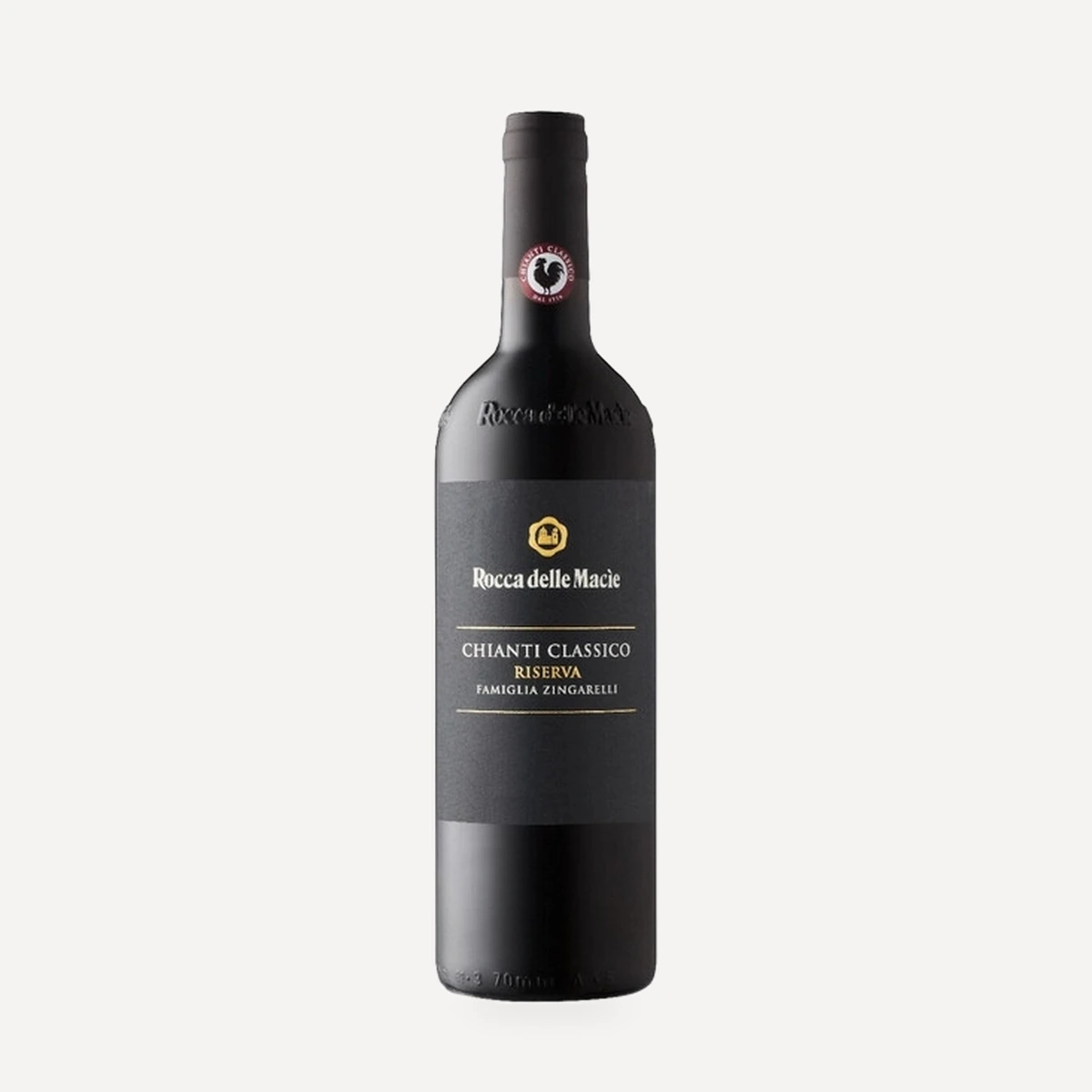
Famiglia Zingarelli Chianti Classico Riserva DOCG
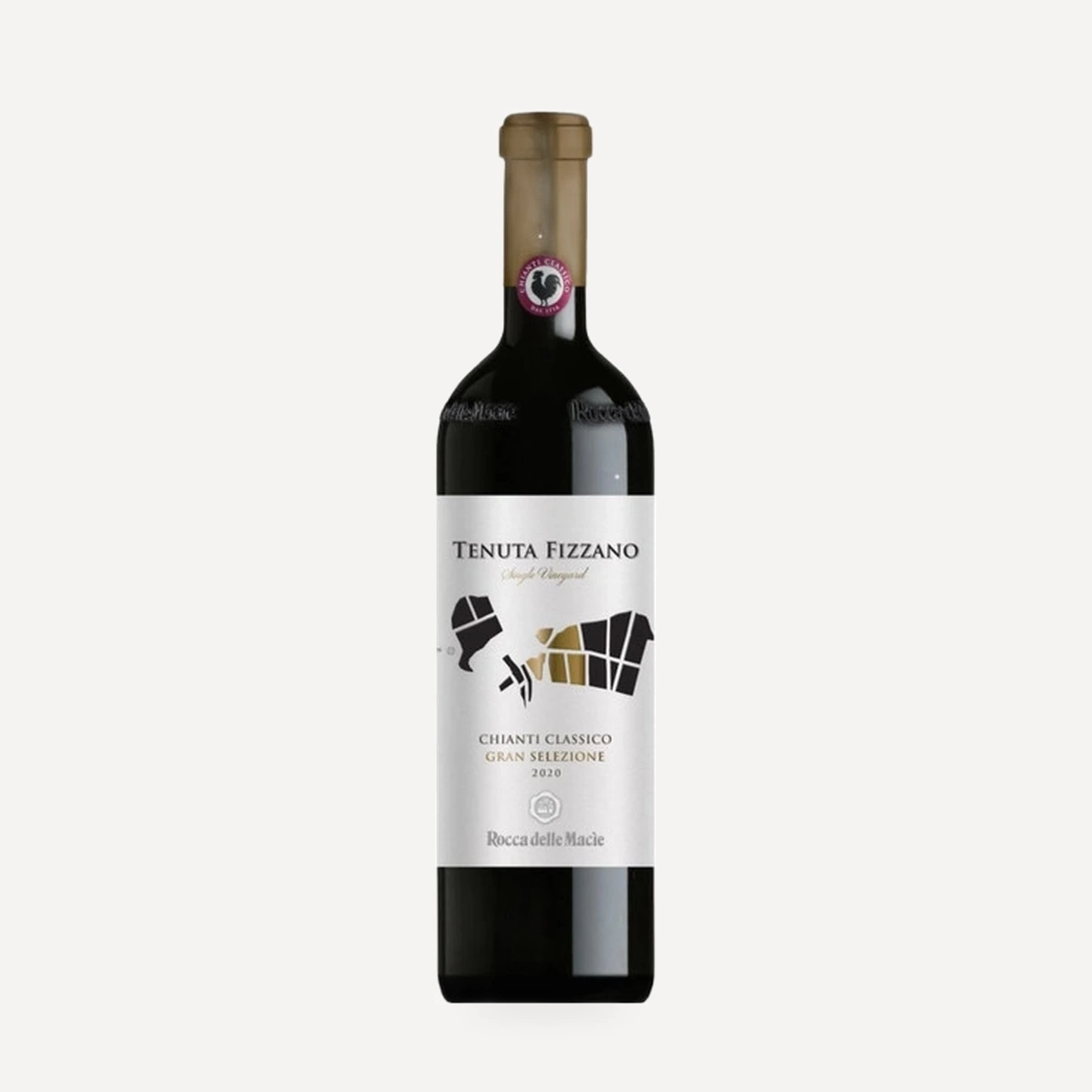
Tenuta Fizzano Chianti Classico Gran Selezione DOCG
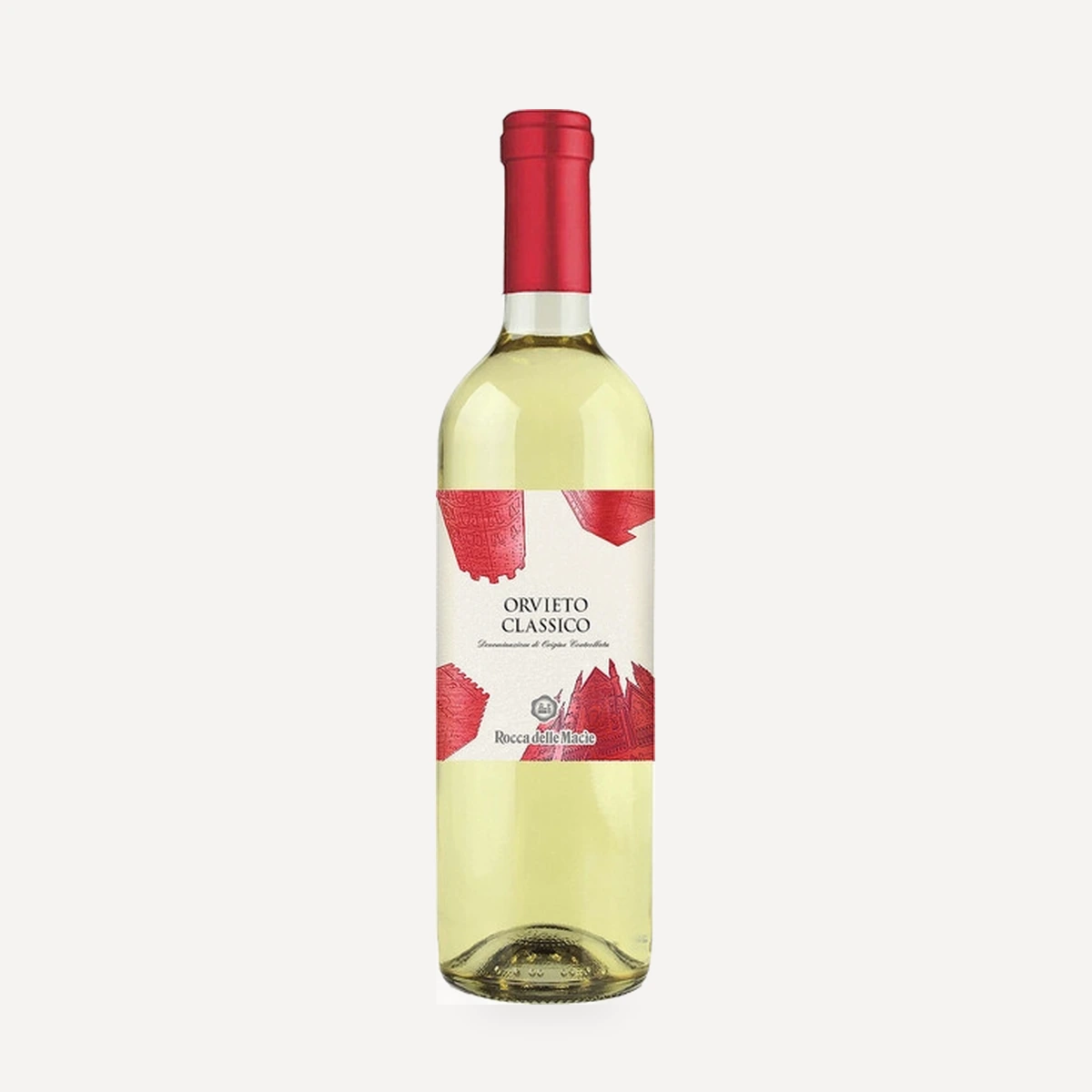
Orvieto Classico DOC
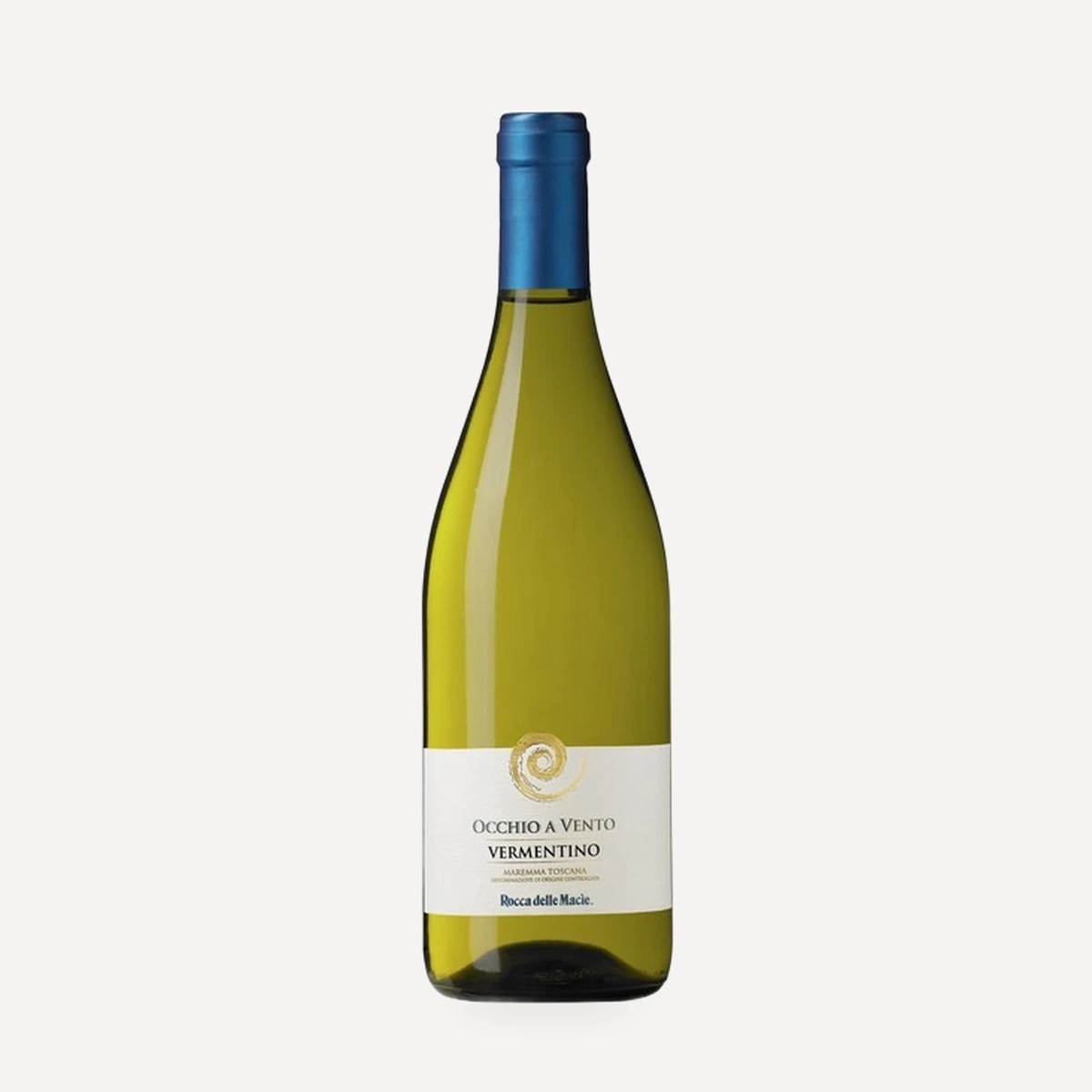
Occhio a Vento Vermentino Maremma Toscana DOC
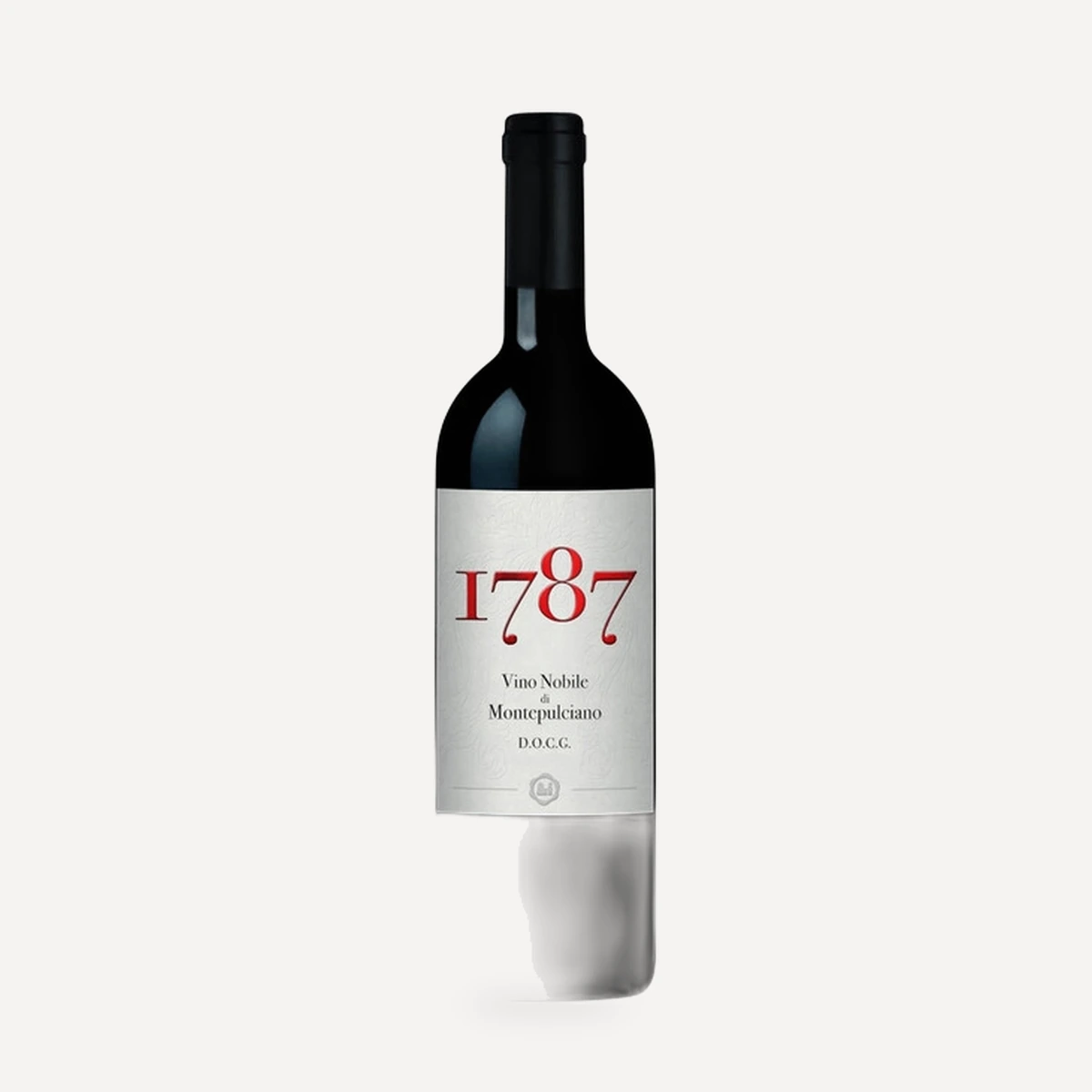
Vino Nobile di Montepulciano DOCG
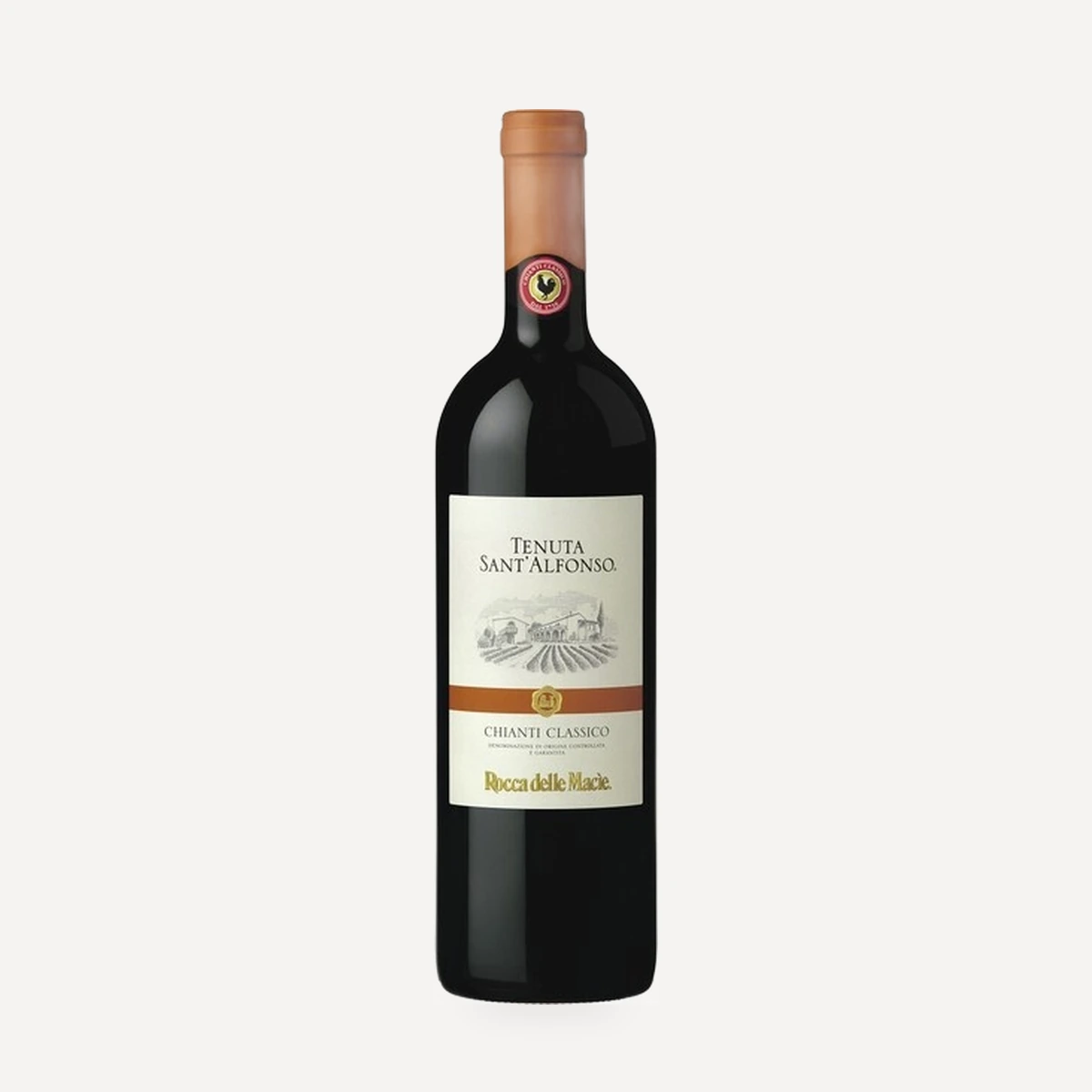
Tenuta Sant'Alfonso Chianti Classico DOCG
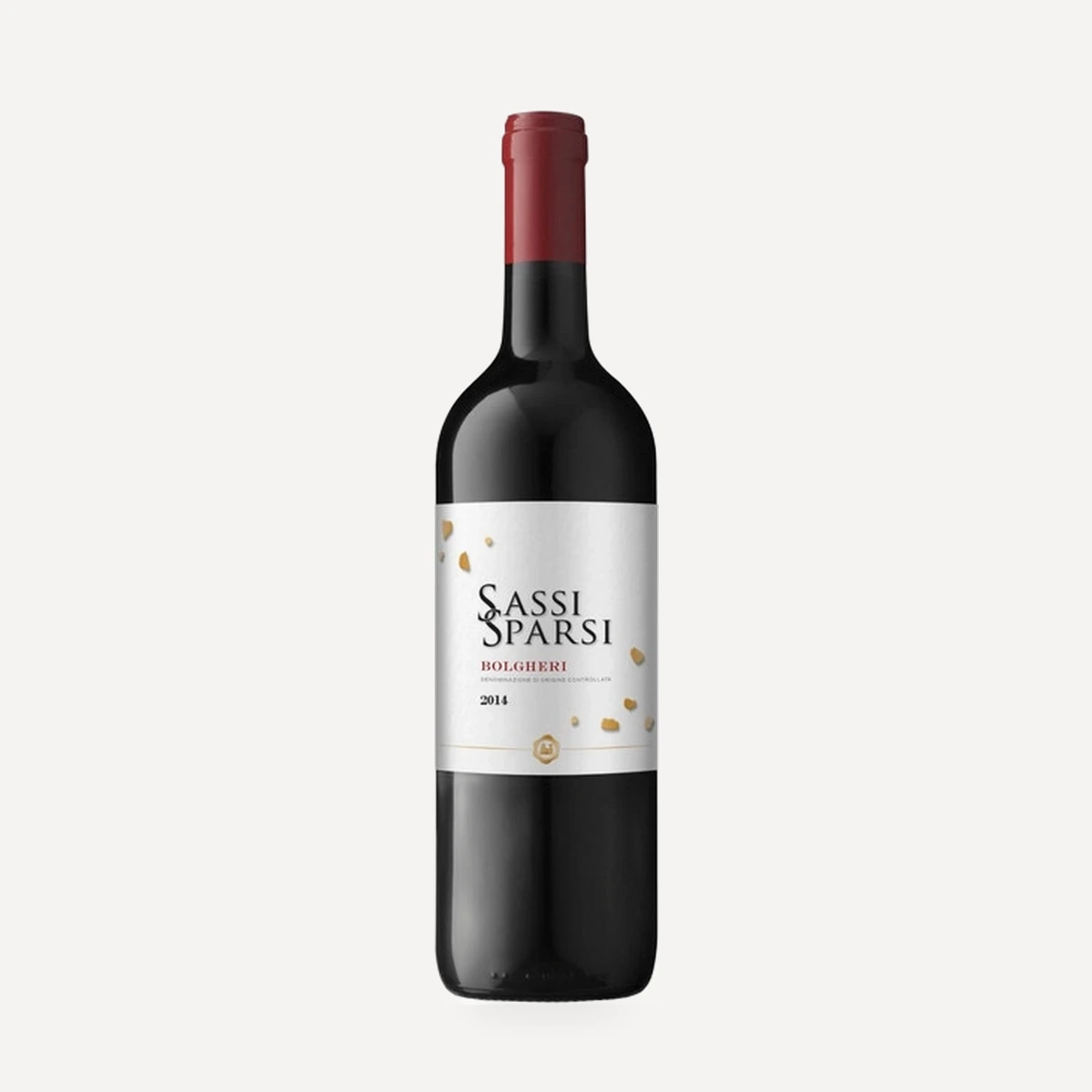
Sassi Sparsi Bolgheri DOC
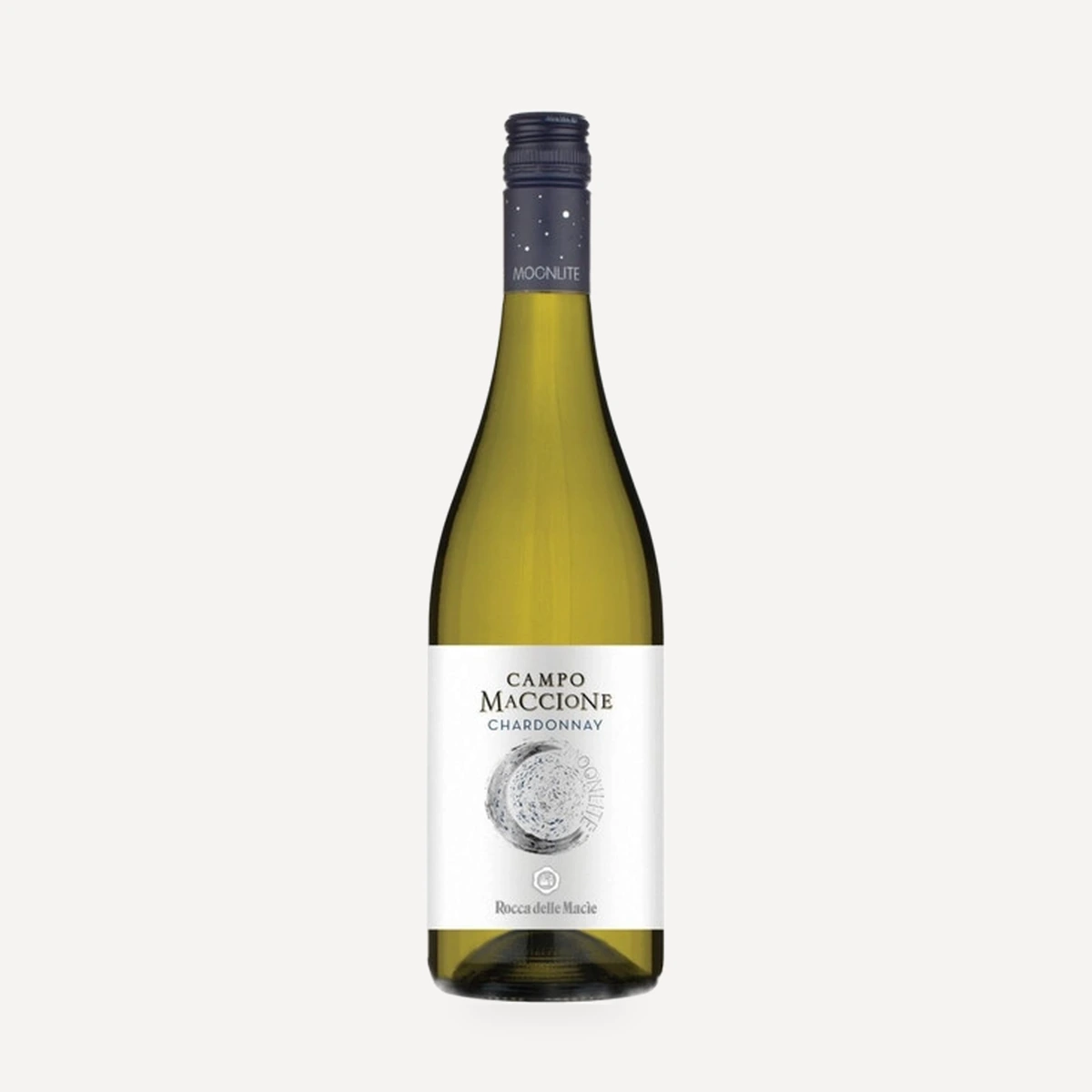
Moonlite Chardonnay Toscana IGT
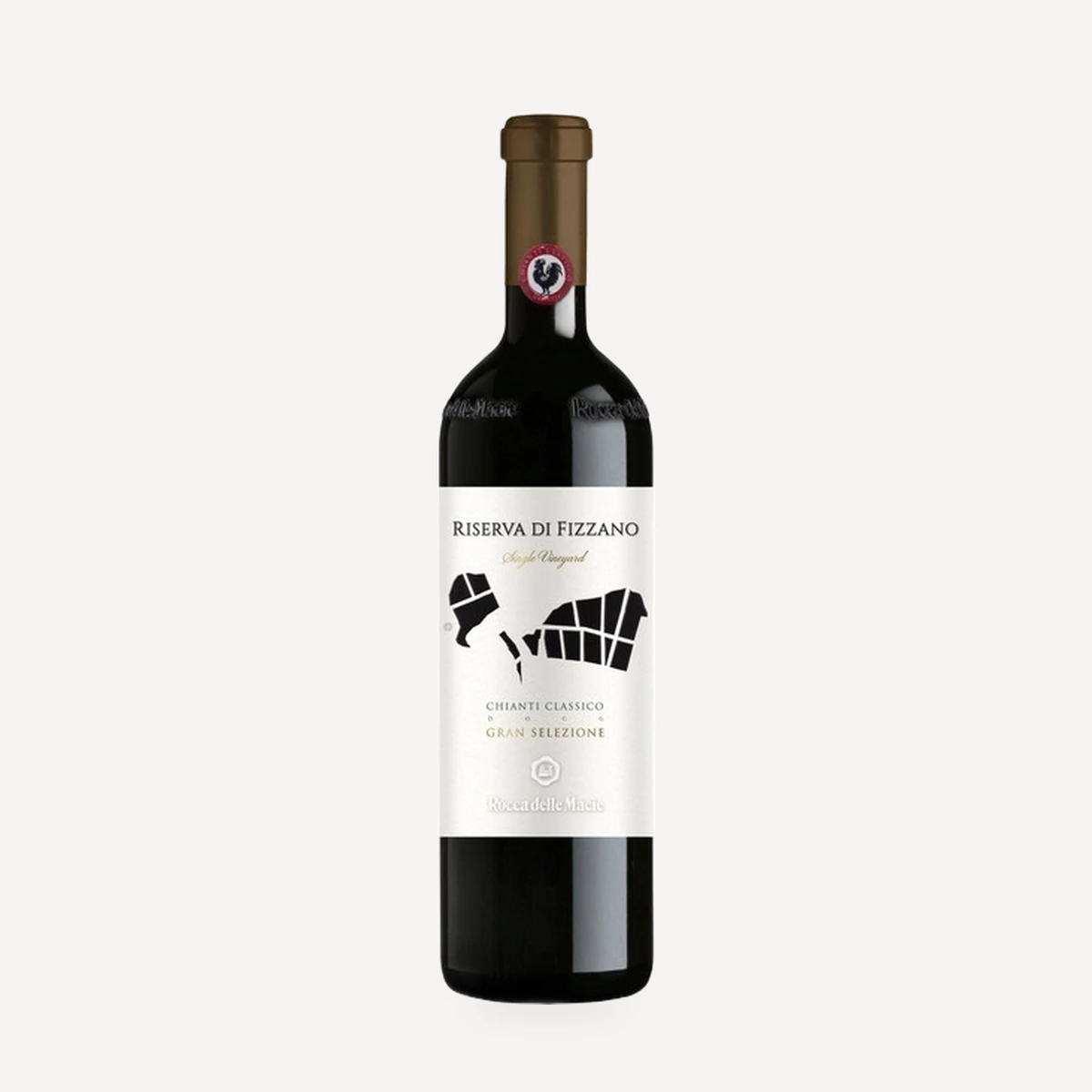
Riserva di Fizzano Chianti Classico Gran Selezione DOCG
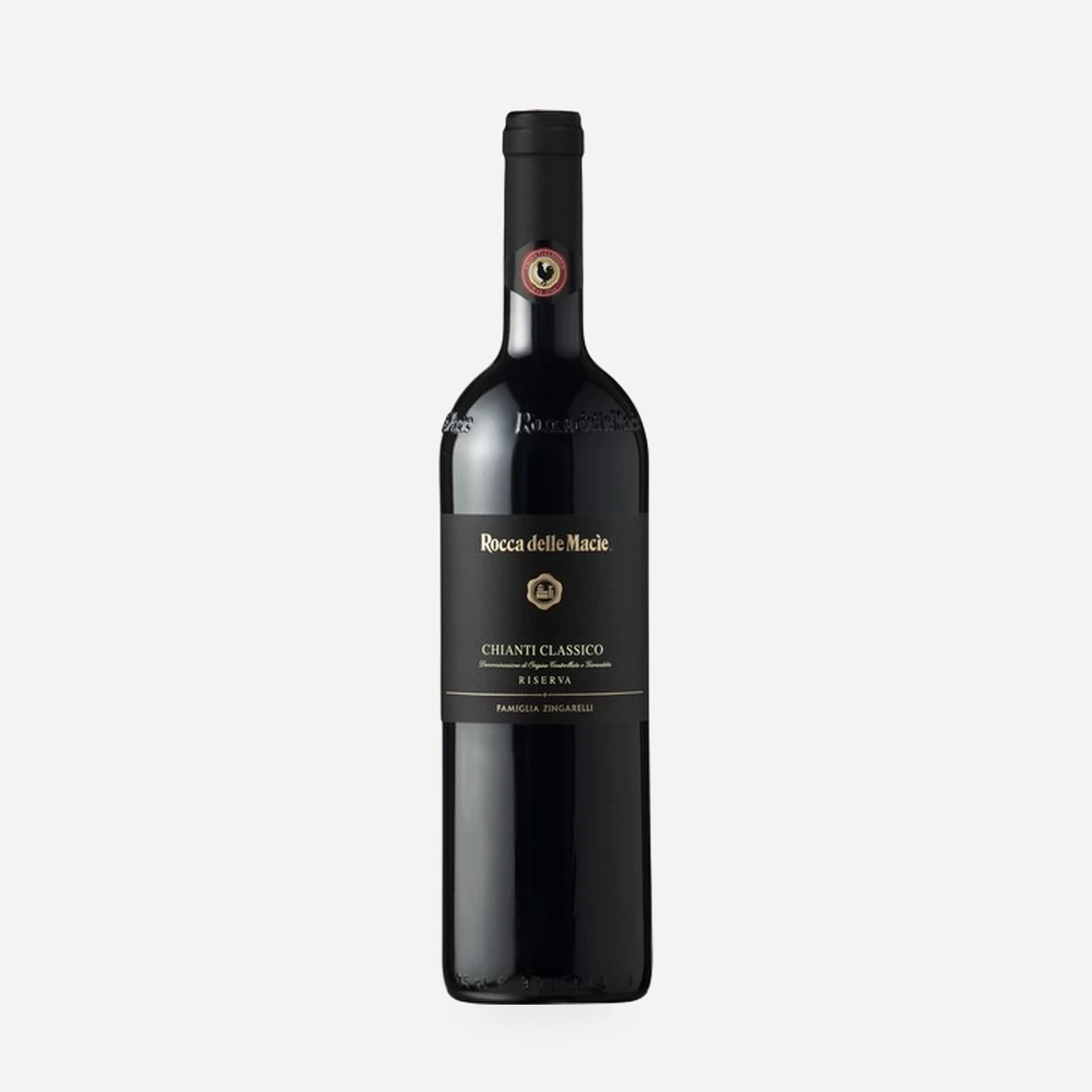
Chianti Classico Riserva DOCG
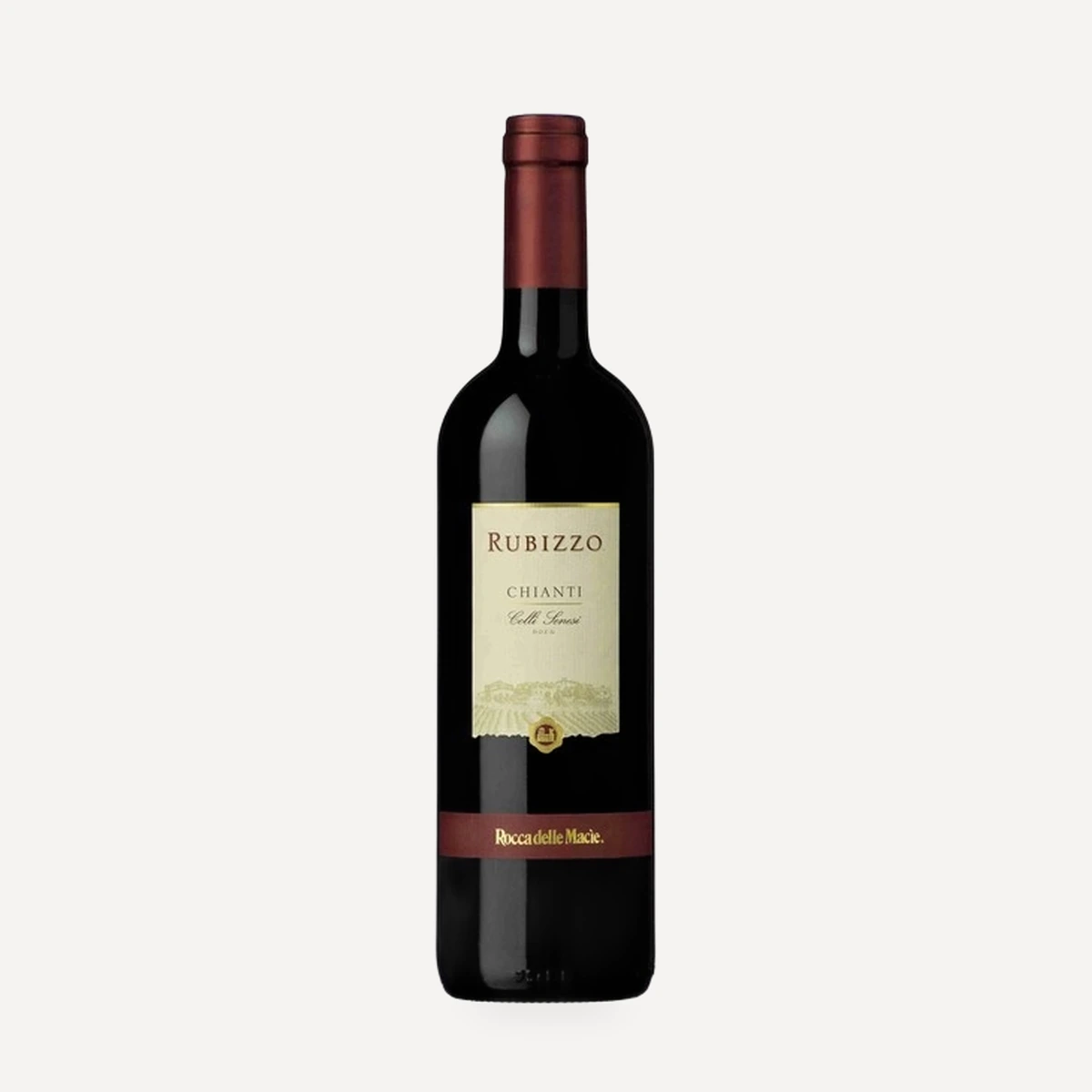
Rubizzo Chianti Colli Senesi DOCG
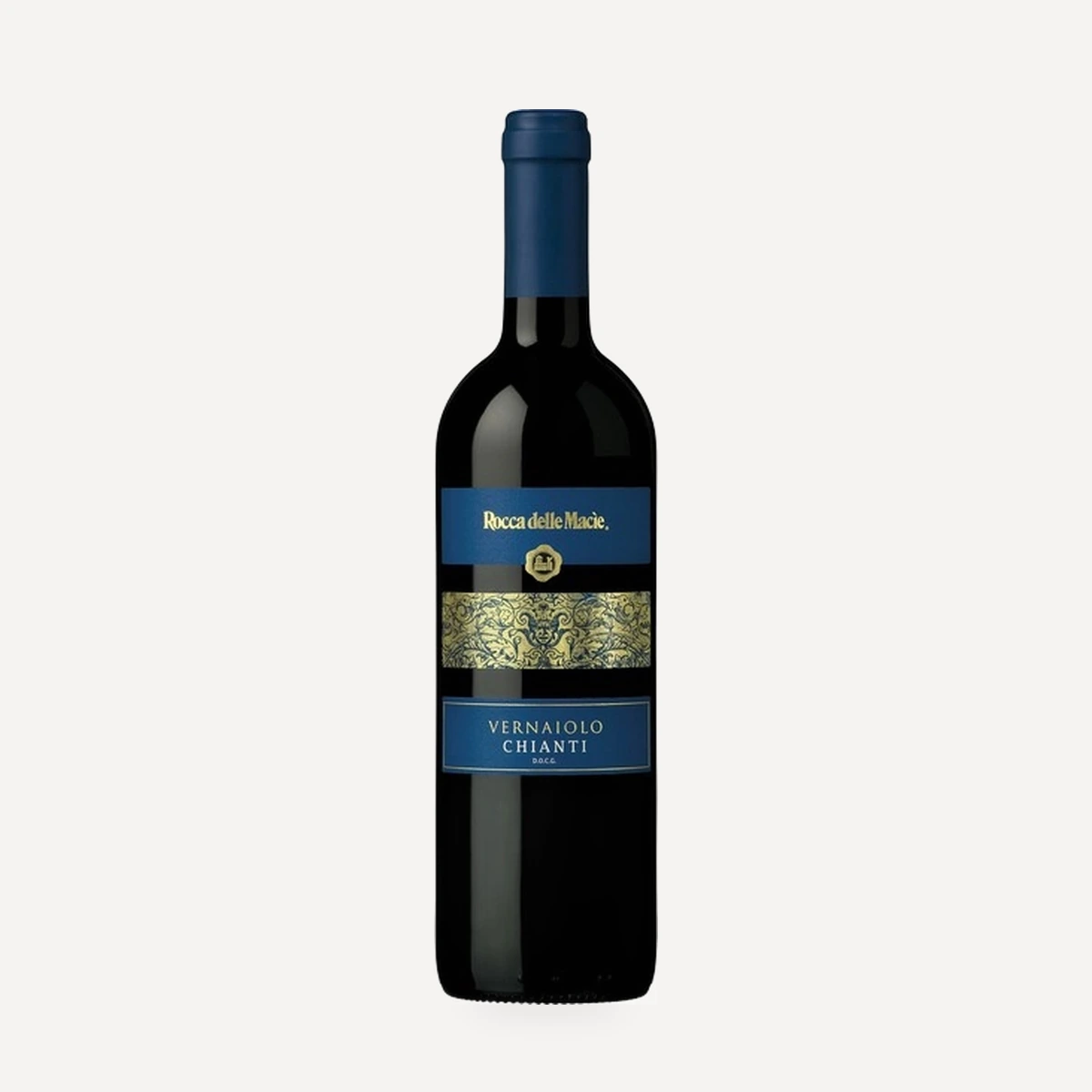
Vernaiolo Chianti DOCG
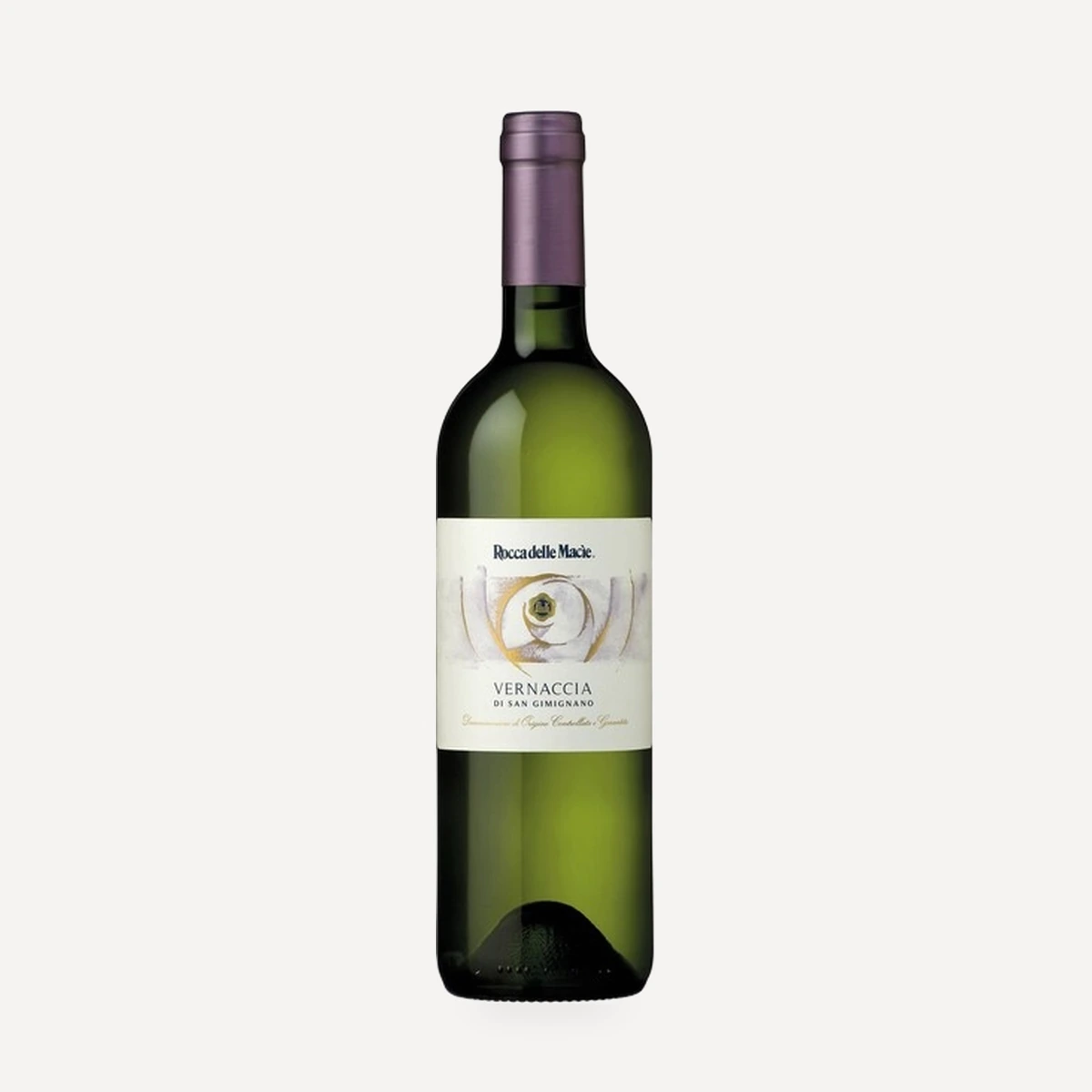
Vernaccia di San Gimignano DOCG
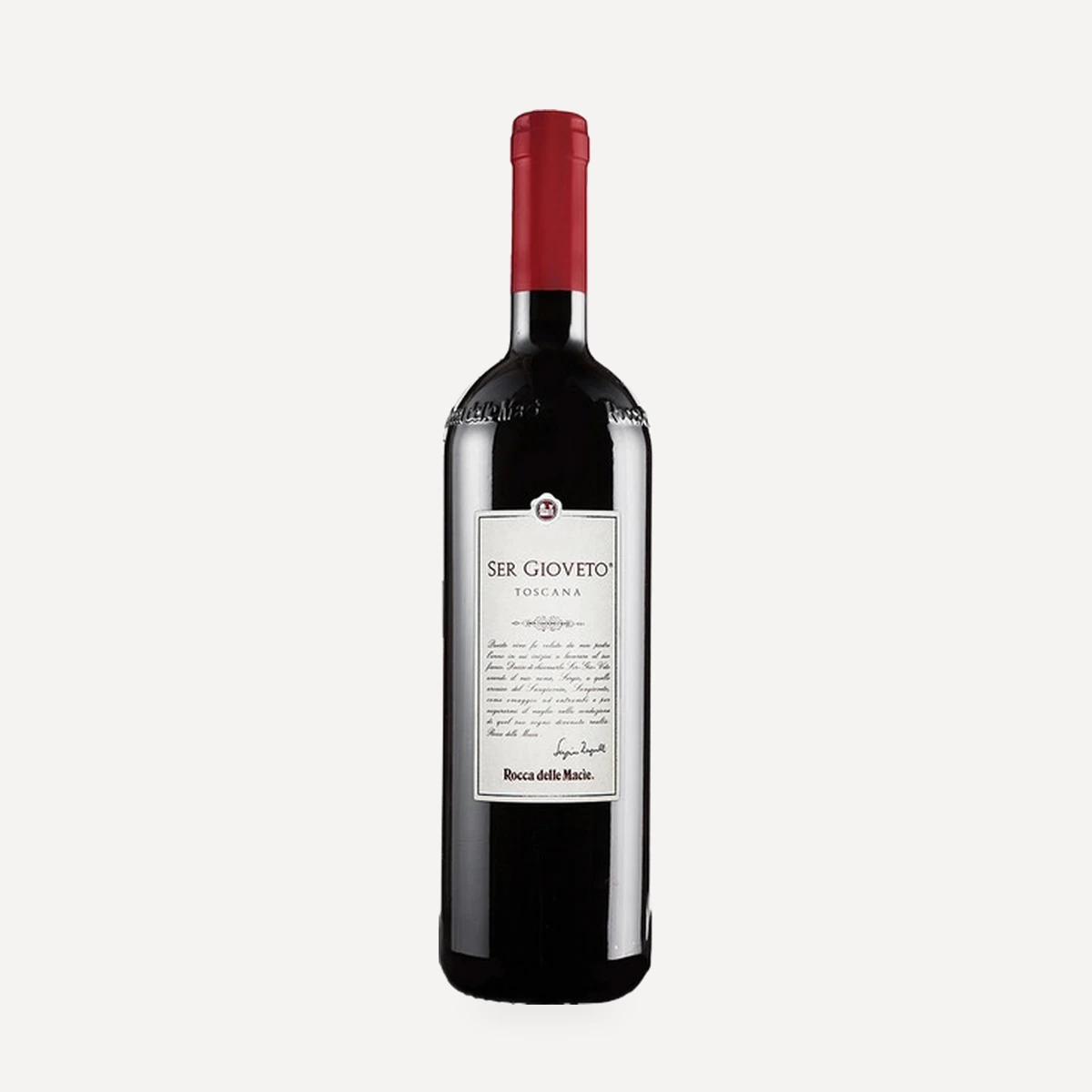
Ser Gioveto Toscana IGT
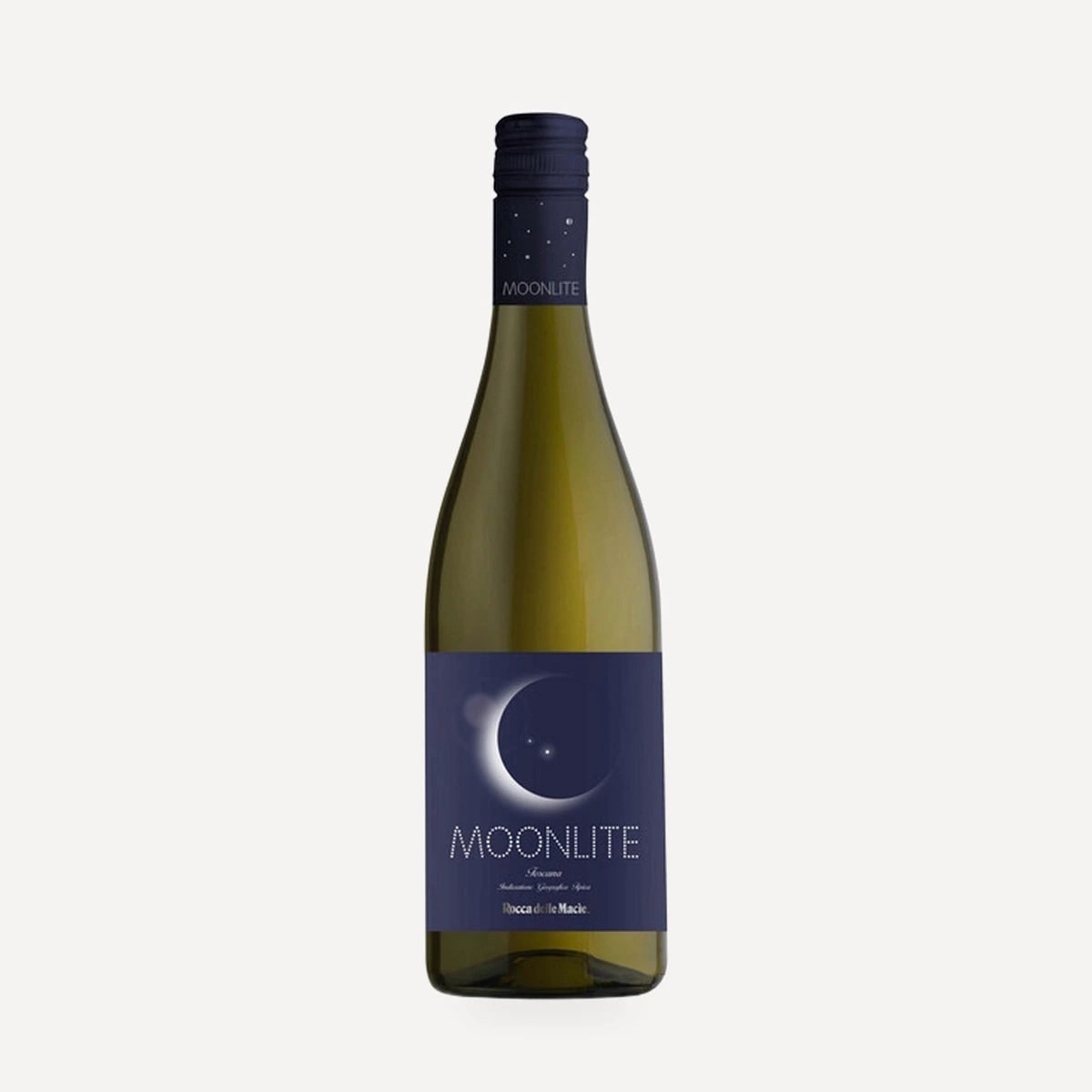
Moonlite Toscana IGT
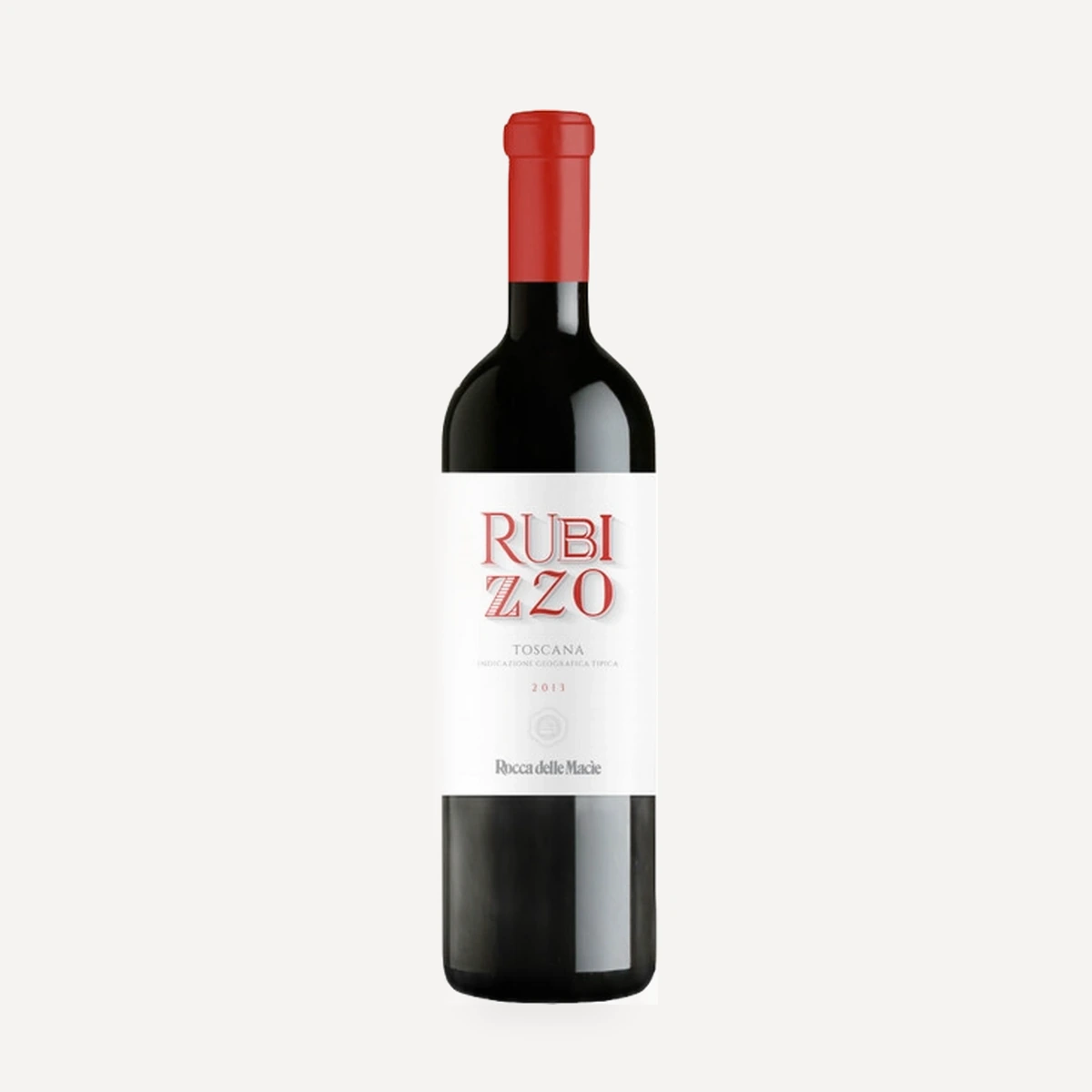
Rubizzo Toscana IGT
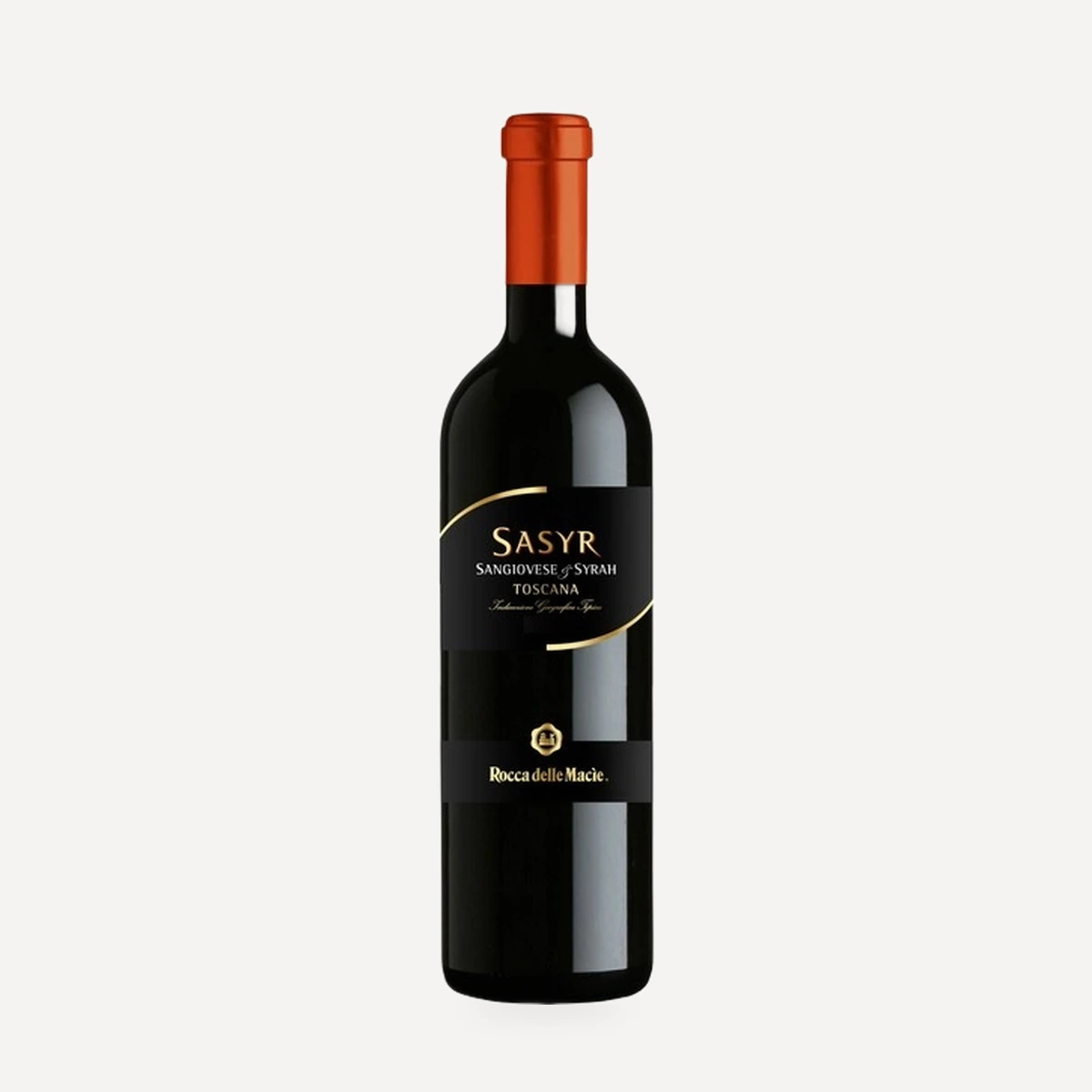
Sasyr Toscana IGT
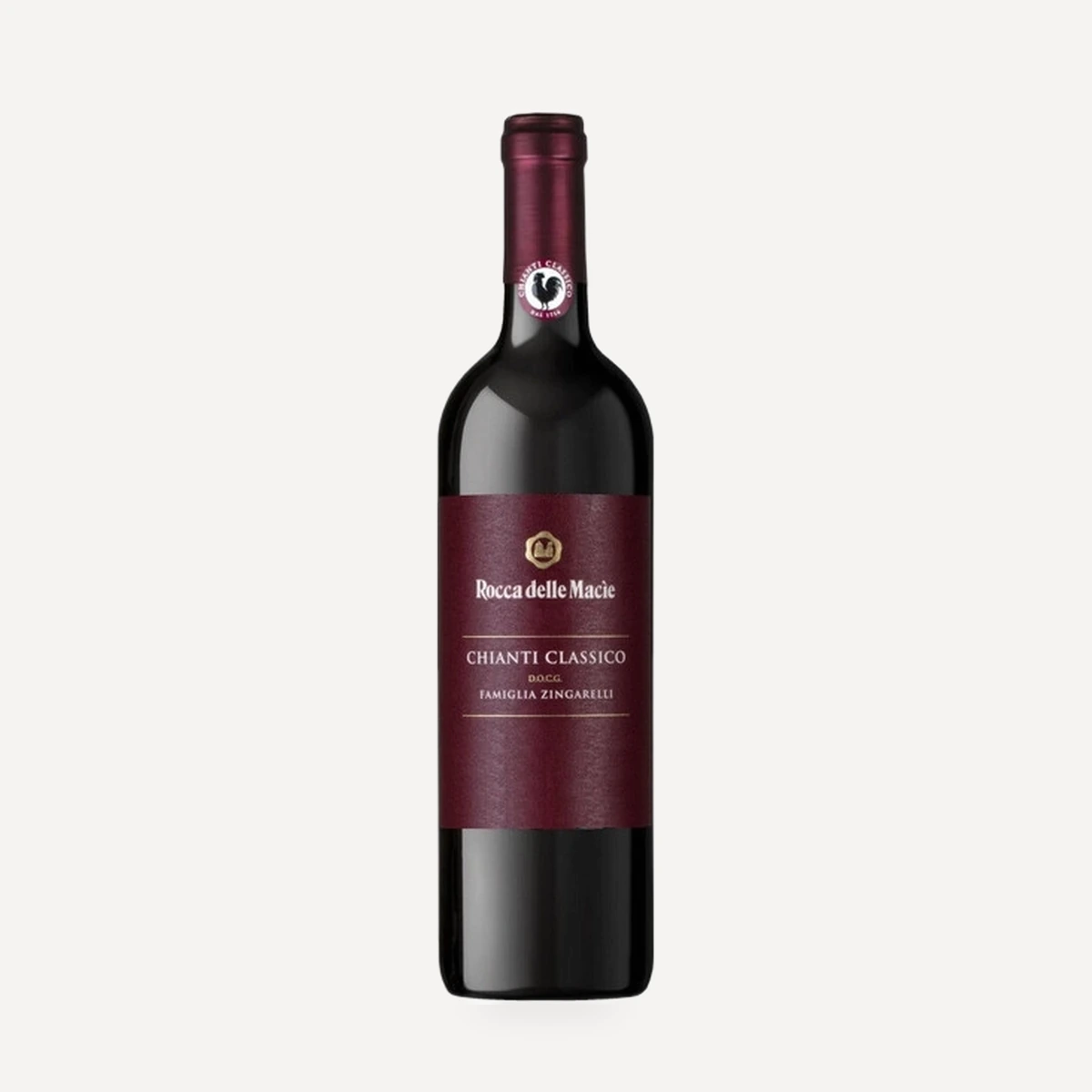
Famiglia Zingarelli Chianti Classico DOCG
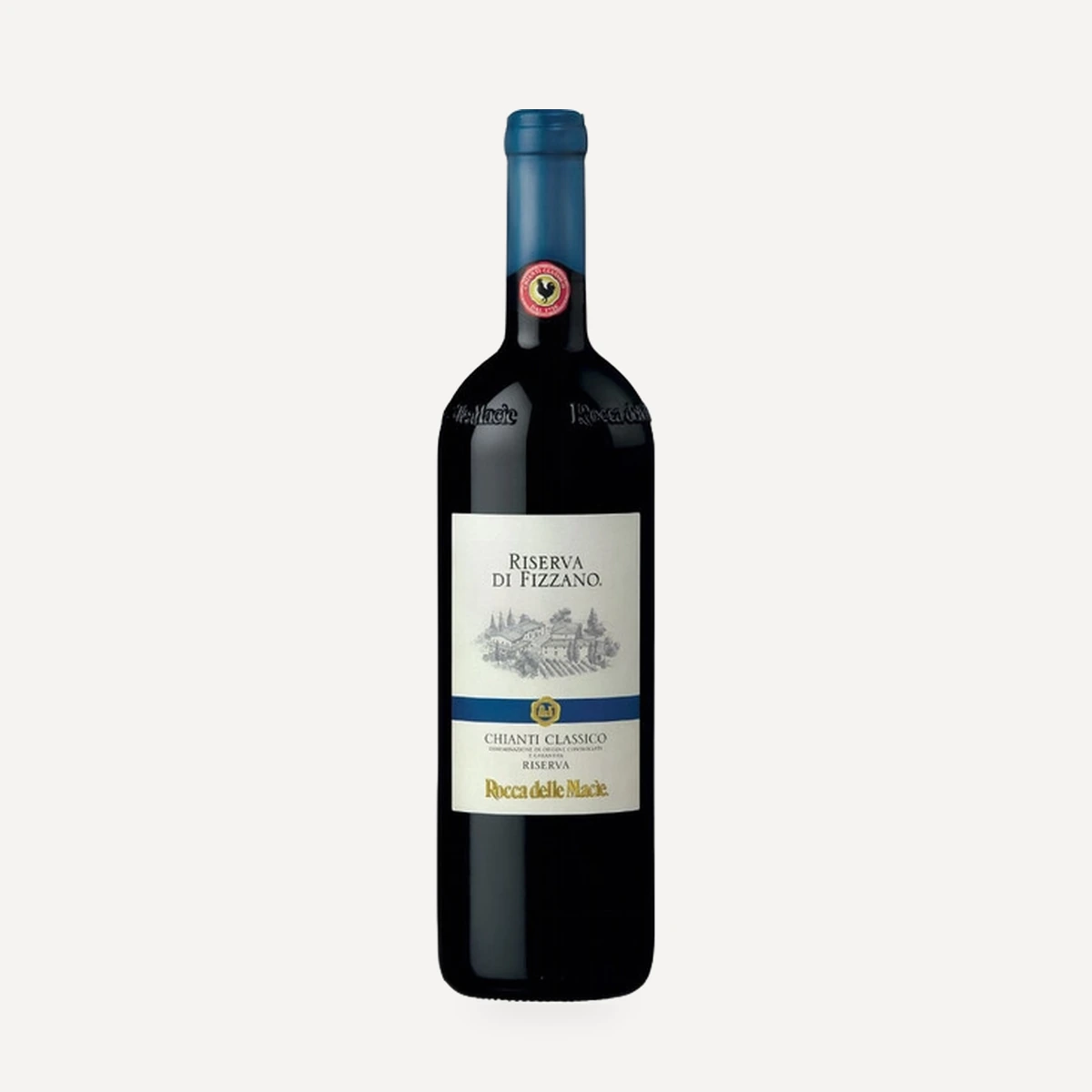
Riserva di Fizzano Chianti Classico Riserva DOCG
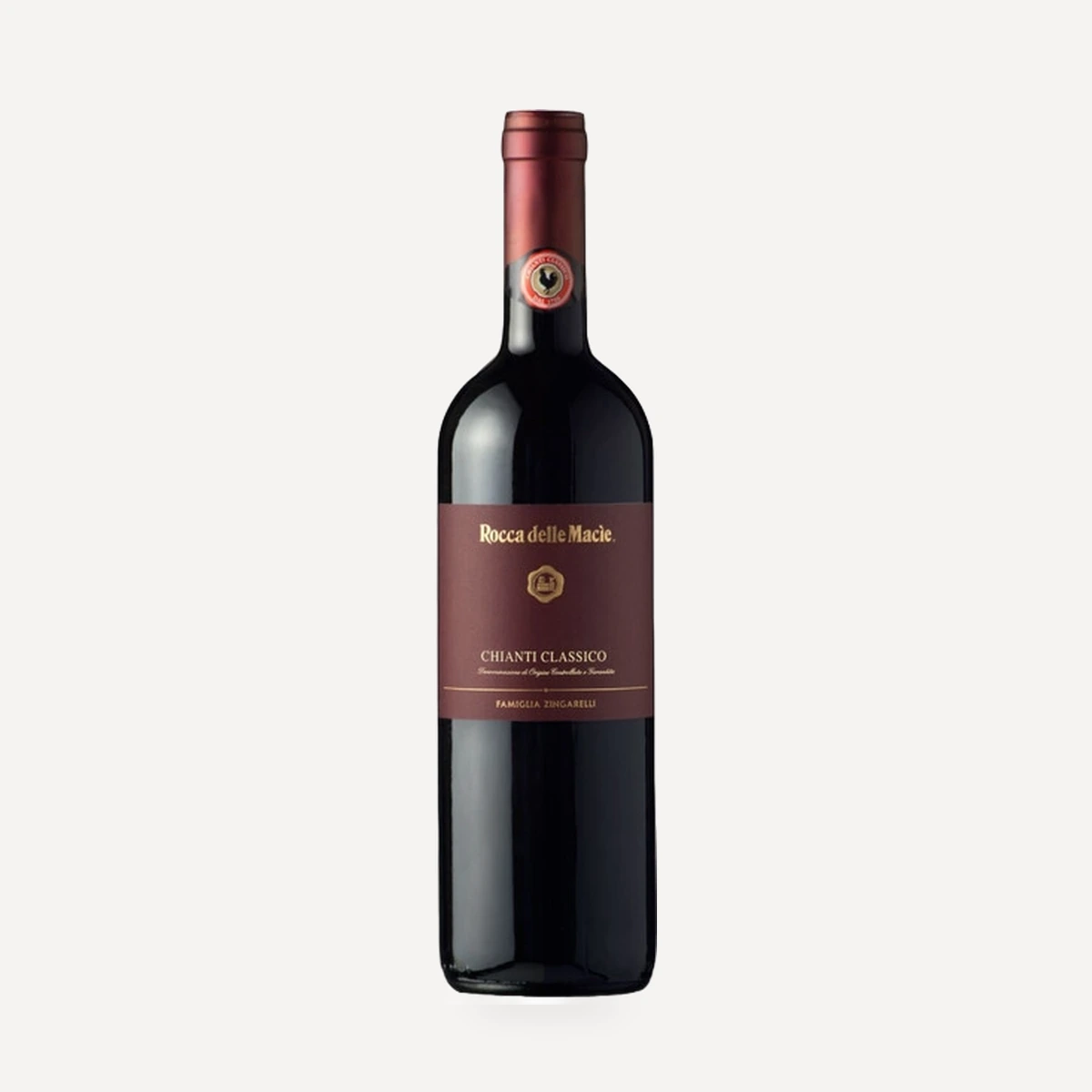
Chianti Classico DOCG
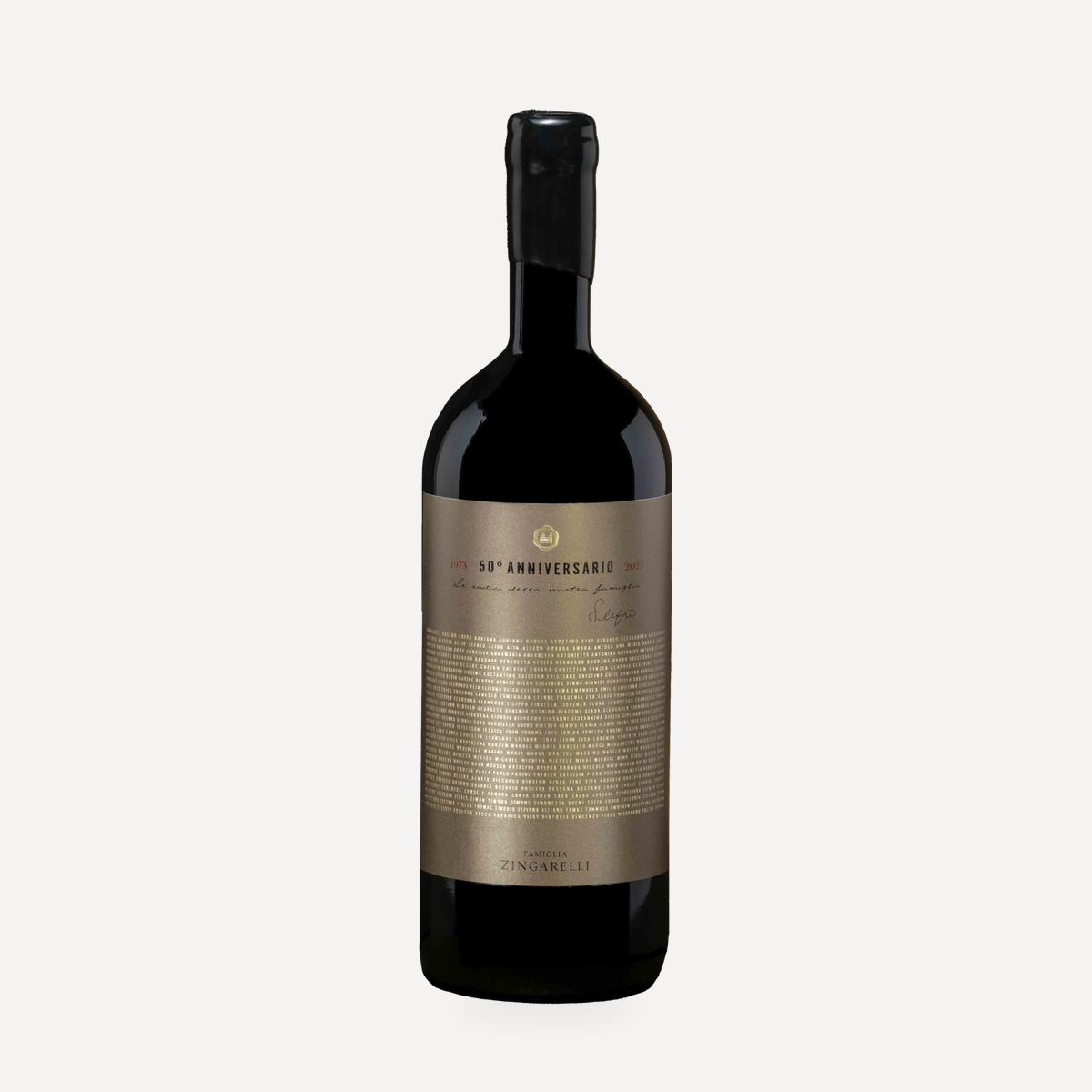
50° Anniversario