Storia
1985: the encounter with Montello
School friends Francesco Serafini and Antonello Vidotto first saw the hills of Nervesa della Battaglia in 1985. There were relatively few vineyards, but the combination of hills, woodland, valley and riverbanks convinced them that this was where they wanted to work as farmers. Their project was conceived around fine, clean wines with identity and character, produced independently and without compromising their own standards.
1986: foundation and first harvest
Serafini & Vidotto was founded at Nervesa della Battaglia in 1986 through the initiative of Francesco Serafini and Antonello Vidotto. Their objective was to make high-quality wines capable of expressing and enhancing the Montello territory. From the beginning they sought to combine technical discipline, environmental responsibility and territorial identity. The name Serafini & Vidotto has been used since the 1986 harvest.
The first vineyards presented the founders with Cabernet Sauvignon, Cabernet Franc and Merlot, varieties already established on Montello. Rather than choosing one, they developed an approach based on assembling the three varieties. This became a defining element of the estate’s identity.
1987–1988: the first wine
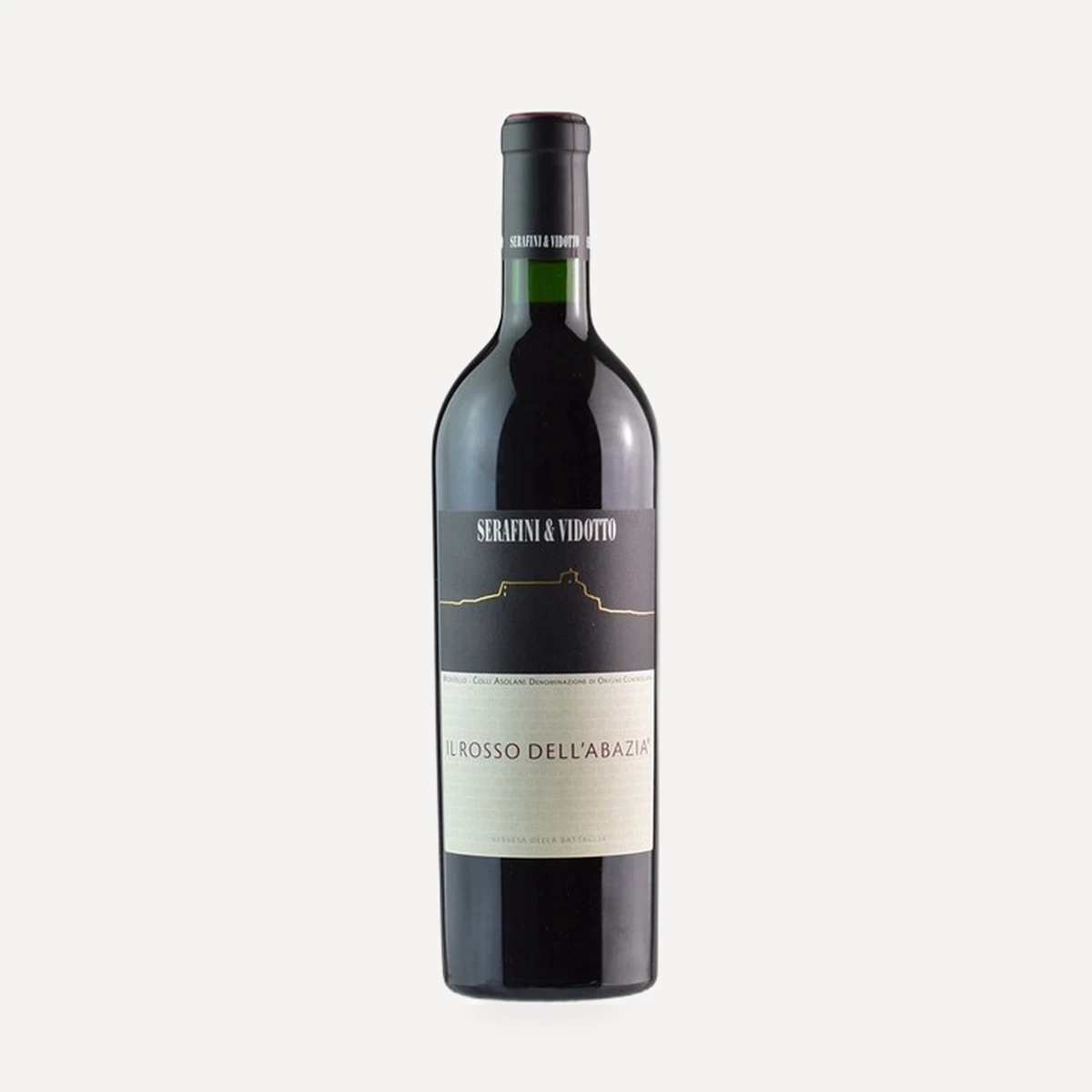
The first Serafini & Vidotto wine was produced in 1987. Il Rosso dell’Abazia, made by Francesco and Antonello from Cabernet Sauvignon, Cabernet Franc and Merlot, was the founders’ first wine. Its stylistic identity has continued to evolve since 1988: the earlier, more concentrated and powerful expression gradually developed toward greater finesse, depth and territorial elegance.
From its earliest releases onward, the estate followed its own preferences rather than a predetermined commercial formula. Where the existing vineyards could not support the intended level or style of quality, vines were uprooted and replanted. The central goal was equilibrium in both vineyard and cellar, with particular emphasis on age-worthy red wines.
Early 1990s: the Pinot Nero project
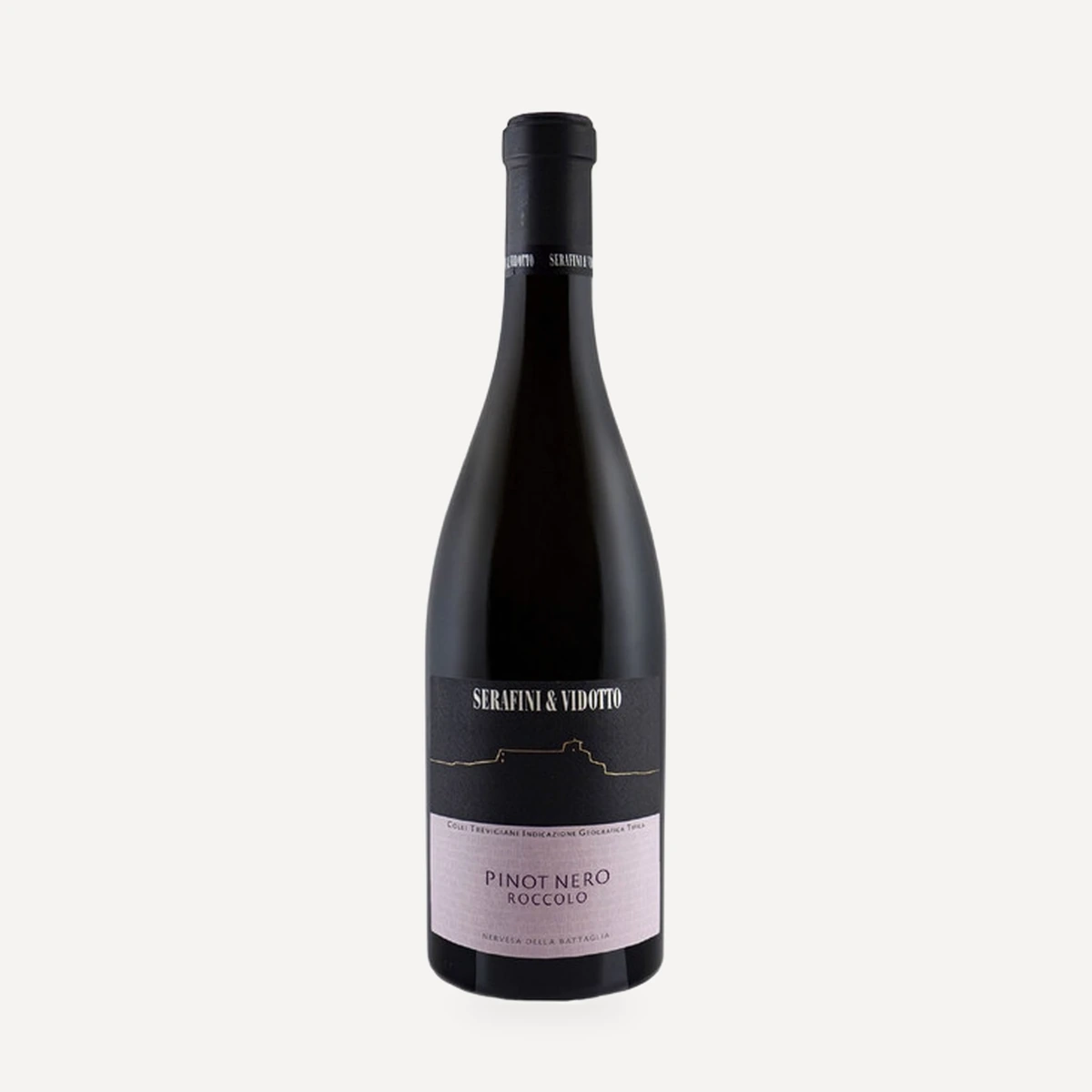
In the early 1990s, Francesco and Antonello made the unconventional decision to plant Pinot Nero on Montello. They spent years observing the variety, correcting mistakes and identifying the sectors, exposures and microclimates where it could perform successfully. Several Montello plots were selected, vinified separately and studied as distinct micro-terroirs.
The decisive site was found on the northern side of Roccolo, where southeast-facing rows receive early sun, the Prealps shelter the vineyard from cold northern winds and breezes from the Piave moderate summer heat and humidity. This long research programme eventually established Roccolo as the core of the estate’s Pinot Nero production.
1995: Phigaia
Phigaia After the Red was created in 1995 as a more immediate companion to Il Rosso dell’Abazia. It retained the estate’s Montello interpretation of Cabernet Sauvignon, Cabernet Franc and Merlot while addressing a broader audience. Its name joins Phi, representing perfect form, with Gaia, meaning earth—a reference to the founders’ idea of a ‘perfect land’ for the varieties.
2005: recovery of Recantina
The founders had long looked for a native grape with sufficient character to represent Montello. Francesco Serafini participated in a tasting panel organised by the Istituto Enologico Cerletti in Conegliano during the recovery of Recantina. The variety’s potential, including its distinctive, slightly rustic tannins, persuaded the estate to adopt it.
Serafini & Vidotto began cultivating Recantina in 2005. Work since then has focused on understanding its late ripening, disease-sensitive compact bunches, thick skins and high colour and tannin content. Harvest timing and careful maceration became decisive parts of the estate’s interpretation, while stainless steel was selected to retain the grape’s identity.
2006–2011: recognition and environmental commitment
In November 2006, Gambero Rosso included Il Rosso dell’Abazia at number 20 in its selection of ‘50 wines that changed Italy’. The selection was based on wines repeatedly awarded Tre Bicchieri and their average scores over two decades of tastings.
In 2011, the estate received the national Bandiera Verde Agricoltura award from CIA—Confederazione Italiana Agricoltori—for its environmental and landscape protection, rational use of land and connection between agriculture, local products and rural quality of life.
Long-term environmental transition
Over more than two decades, compost produced on the estate, mature controlled manure and certified-organic fertilisers replaced more conventional inputs. Herbicides were eliminated, including through manual hoeing. The estate progressively adopted plot-specific plant-protection strategies, natural predators, sexual-confusion traps, hedges, woodland, ponds and insect hotels.
Sulphur-dioxide use in the cellar was reduced to less than half of the legal limits. Biodiversity Friend and SQNPI certifications were obtained, alongside the FSSC 22000 food-safety certification. The estate has also prepared for certification under the Equalitas sustainable-organisation standard.
The new generation
Matteo Serafini represents the emerging generation. Raised among the vineyards and cellar, he trained as an oenologist through studies at Conegliano and San Michele all’Adige and professional experience abroad. His presence gives continuity to the founders’ project while the wider team—including long-standing members such as Massimo and Kati—supports the estate’s family identity.
2026: an integrated sustainability policy
A corporate policy dated 12 January 2026 formalised the estate’s environmental, social, food-safety and strategic commitments. It covers responsible management of soil, water and energy; recycling and renewable-energy efficiency; biodiversity; staff development and workplace inclusion; recovery of Recantina; engagement with local organisations and therapeutic communities; full supply-chain traceability; technological improvement in vinification and quality control; responsible supplier relationships; enotourism; and growth that preserves family identity and territorial roots.
Terroir
Montello setting
The estate is based at Nervesa della Battaglia in northeastern Veneto, within the first foothill belt northwest of Treviso. The Montello–Colli Asolani zone comprises two long foothill and hill bands running east–west, connected by a plain and by the hills of Mercato Vecchio di Montebelluna and Caerano San Marco.
The Piave borders the area to the north, while the Canale del Bosco runs along the southern foot of Montello. The estate’s vineyards occupy both slopes and flatter ground. The wider landscape combines cultivated hillsides, woodland, valleys and riverbanks, with the Alps providing protection to the north. From elevated sites, the view extends across the Piave and the Conegliano–Valdobbiadene hills and, in clear weather, to the Venetian lagoon.
Soils and water relations
The dominant soils are ferritised clays with a characteristic dark reddish-brown colour. Their formation, favourable exposure and hydrological behaviour support Cabernet, Manzoni, Recantina and Glera. Other vineyard descriptions identify clay-limestone soils, particularly in connection with Recantina and Pinot Nero. Well-drained slopes are important for Recantina because the variety is sensitive to waterlogging.
Climate and air movement
Favourable exposure, proximity to the Piave and protection from the Alps shape the local conditions. Long, mild autumns allow late-ripening Recantina to complete maturation. Breezes from the Piave help keep its compact, thick-skinned bunches healthy by reducing humidity pressure.
Roccolo has a particularly defined microclimate. Its productive Pinot Nero sector lies on the northern side of the hill, with rows facing southeast. The Prealps form a barrier against cold northern winds, while a light Piave breeze moderates hot summers and helps protect the bunches from humidity. The best-exposed sector receives the sun early in the morning.
Viticultural interpretation
The estate works with marked variation between sites rather than treating Montello as uniform. Pinot Nero plots are vinified separately to preserve their different micro-terroir identities. The founders imposed a limit on vineyard expansion and chose to improve quality within the established area instead of enlarging it.
Vinificazione
Site-specific farming
Considerable variation between vineyard sites requires individual strategies rather than a uniform programme. The estate describes its protection policy as deliberately restrictive in its use of crop-protection products and bases vineyard decisions on the timing and rhythms of natural processes.
Soil fertility and weed control
Estate-made compost has been used for more than 20 years. It is supplemented by mature, controlled manure or certified-organic fertilisers. Harvest residues are recycled into the compost. Herbicides have been eliminated, and weeds are frequently managed by manual hoeing.
Plant protection and biodiversity
Plant protection incorporates natural predators and sexual-confusion traps. Hedges and woodland are maintained and expanded to support pollinators, while ponds, wooded zones, hedgerows and insect hotels provide habitat across the property. Attention is given to air and water quality and to maintaining biologically active soils. The estate works with researchers from several universities and has incorporated relevant experience from other agricultural projects.
The environmental management system has earned Biodiversity Friend certification, which assesses the ecological performance of the agricultural ecosystem. The estate also holds SQNPI certification. Equalitas certification for a sustainable organisation is planned.
Harvest and selection
All grapes are harvested by hand. Bunch and berry sorting are also manual. The objective is to deliver optimally clean, healthy fruit so that cellar transformation can proceed with minimal intervention.
Pinot Nero is managed with low yields and continuous attention because of its thin skin, early budding, early ripening and susceptibility to rot, disease, spring frost and summer heat. Different Pinot Nero parcels are kept separate. Roccolo receives a double harvest and rigorous selection of the best fruit from its most favourable sector.
Recantina requires particularly careful harvest timing. It is late ripening, with compact bunches, thick bloom-covered skins and sensitivity to mould, rot and waterlogging. The estate waits for full maturity while closely monitoring fruit health and the effect of Piave breezes.
Cellar and grape reception
Harvesting, bunch selection and berry selection are manual. Clean, optimally ripe fruit is intended to permit very low-intervention transformation, with the progress of each process closely monitored.
The winery is arranged over two underground levels. Its ageing cellar lies 12 metres below ground. Production and visitor routes pass through stainless-steel tanks, barrel areas and underground corridors. The ‘Grottino’ stores the oldest bottles, documenting approximately four decades of vintages and stylistic change.
Separate vinification and extraction
Pinot Nero from different Montello plots is vinified separately so that the identity of each micro-terroir can be assessed and retained. Fermentations are handled delicately; extraction, vessel choice and ageing are adapted to the individual lot, with finesse and evolutionary capacity prioritised over power.
For Roccolo, a double harvest and manual selection precede vinification. A proportion of lignified stems is included during maceration. For Roccolo Fleur, the stems are oven-dried under an estate-patented procedure to remove green character and help fix colour and structure without adding astringency. The ‘200%’ technique combines fermentation in new wood with ageing in a second new vessel. Barrique Fleur barrels are made from Tronçais oak and are intended to preserve fruit freshness while refining tannins.
Recantina’s thick skins contain substantial colour and tannin, making maceration control critical. The estate vinifies the variety in stainless steel to present its character as directly as possible.
Vessels and maturation
The estate favours small French-oak barrels made from staves naturally seasoned outdoors and given a light toast. Wood is treated as a precision instrument rather than a dominant stylistic signature: its role is to support fruit, finesse, tannin integration and controlled micro-oxygenation.
The more immediate Pinot Nero expression is matured in stainless steel. Roccolo is matured in wood, while Roccolo Fleur uses new barrels and the two-new-vessel ‘200%’ sequence. Marquise is made by vinifying Pinot Nero as a white wine; its base is fermented in stainless steel, matured in steel and tonneau and then undergoes the traditional method with at least 60 months on the lees. Charmat-method sparkling wines undergo their second fermentation in pressure-resistant stainless-steel autoclaves.
Sulphur dioxide and intervention
Sulphur-dioxide use has been reduced to less than 50% of the legal limits. The broader aim is to intervene as little as possible once rigorously selected fruit reaches the cellar, while continuously controlling the course of fermentation and maturation.
Filosofia
Beauty as an agricultural responsibility
Serafini & Vidotto treats the beauty of the Montello landscape and the quality of its wines as inseparable. Its guiding belief is that land belongs morally to those who cultivate it rather than simply to those who own it. The founders see themselves as temporary custodians and aim to leave the property more beautiful, vital and biologically active than they found it.
This principle led them to impose a limit on vineyard expansion. With enlargement excluded, development had to come through better vineyard quality, deeper knowledge of individual sites and more precise farming.
Independent quality
The founders describe their project as a way of life built around work they genuinely wanted to do, without compromise. Their recurring stylistic objectives are finesse, cleanliness, identity and character. Production decisions have included uprooting and replanting when existing material could not achieve the intended result.
The estate’s stated ideal is equilibrium in vineyard and cellar, particularly for serious red wines. In the use of oak, extraction and Pinot Nero vinification, elegance and the capacity to evolve take precedence over force. Wood should accompany the wine rather than become its dominant signature.
Sustainability as ethics
Sustainability is presented not as an optional programme but as the only acceptable way to farm and make wine. The approach developed gradually through collaboration with university researchers, observation and the adoption of useful experience from elsewhere. It encompasses soil, water, energy, biodiversity, renewable-energy efficiency, recycling, food safety, traceability and the social conditions of employees and suppliers.
The estate also links sustainability to community: preserving Recantina, collaborating with consortia and professional organisations, supporting cultural and social initiatives, maintaining relationships with therapeutic communities and using enotourism to strengthen understanding of Montello.
People and continuity
Although landscape is central, the estate identifies human work as the wine’s true value. It seeks a safe, inclusive and collaborative workplace with continuous training, periodic improvement meetings and team-building. The new generation, represented by Matteo Serafini, is intended to carry the founders’ principles forward while allowing the project to evolve.
Vini
Pinot Nero Roccolo
Manzoni Bianco
Il Rosso dell'Abazia
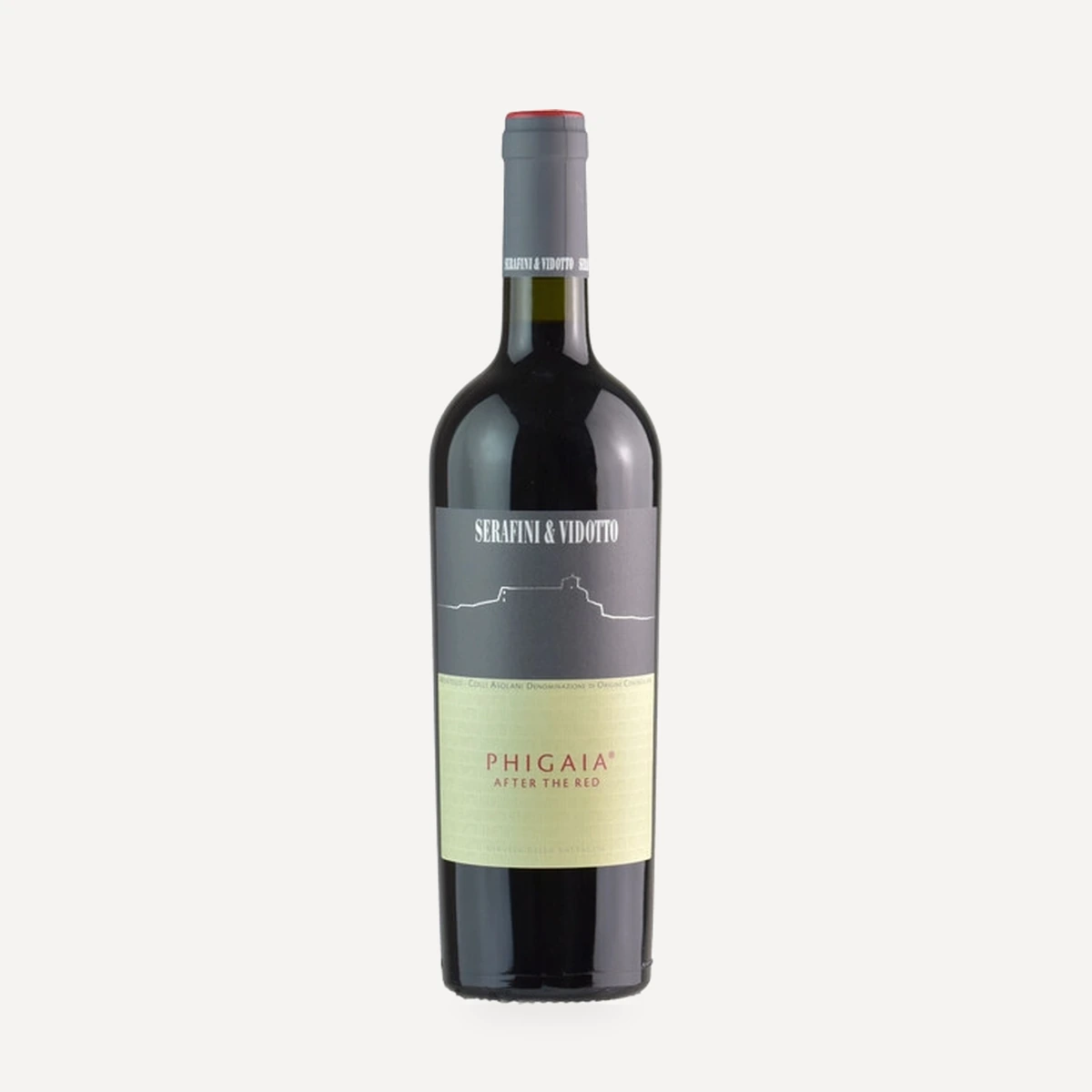
Phigaia After the Red
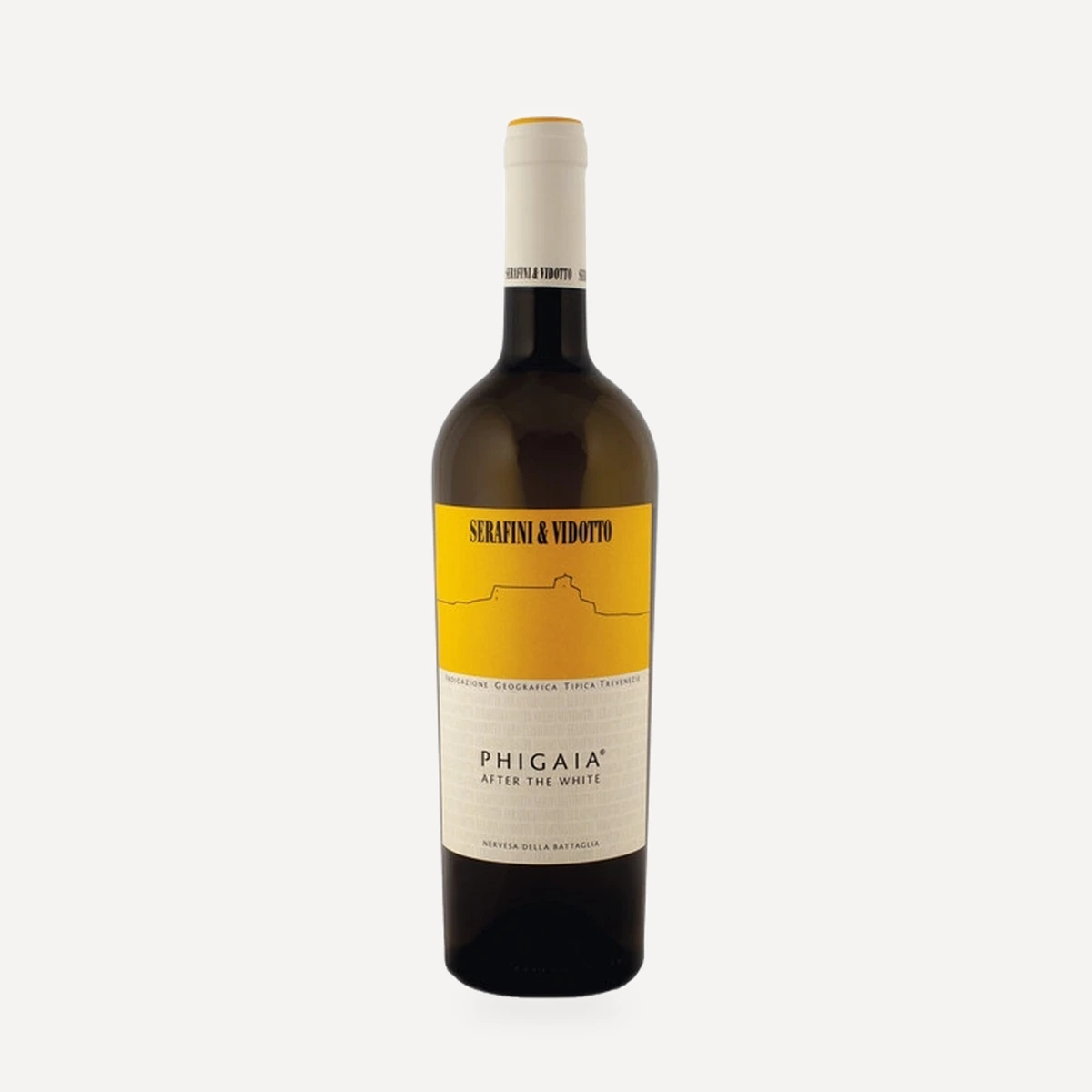
Phigaia After the White
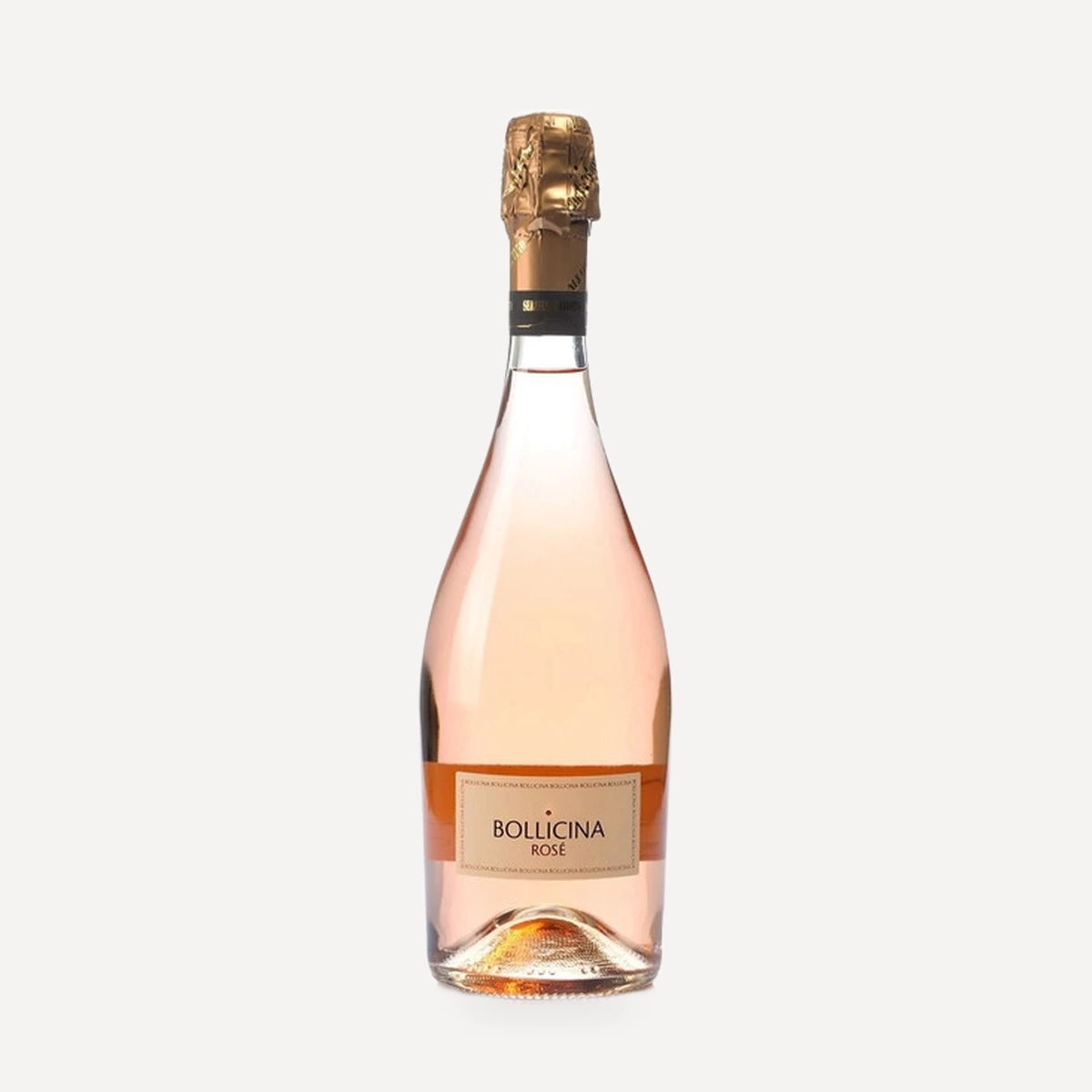
Bollicine Rosé
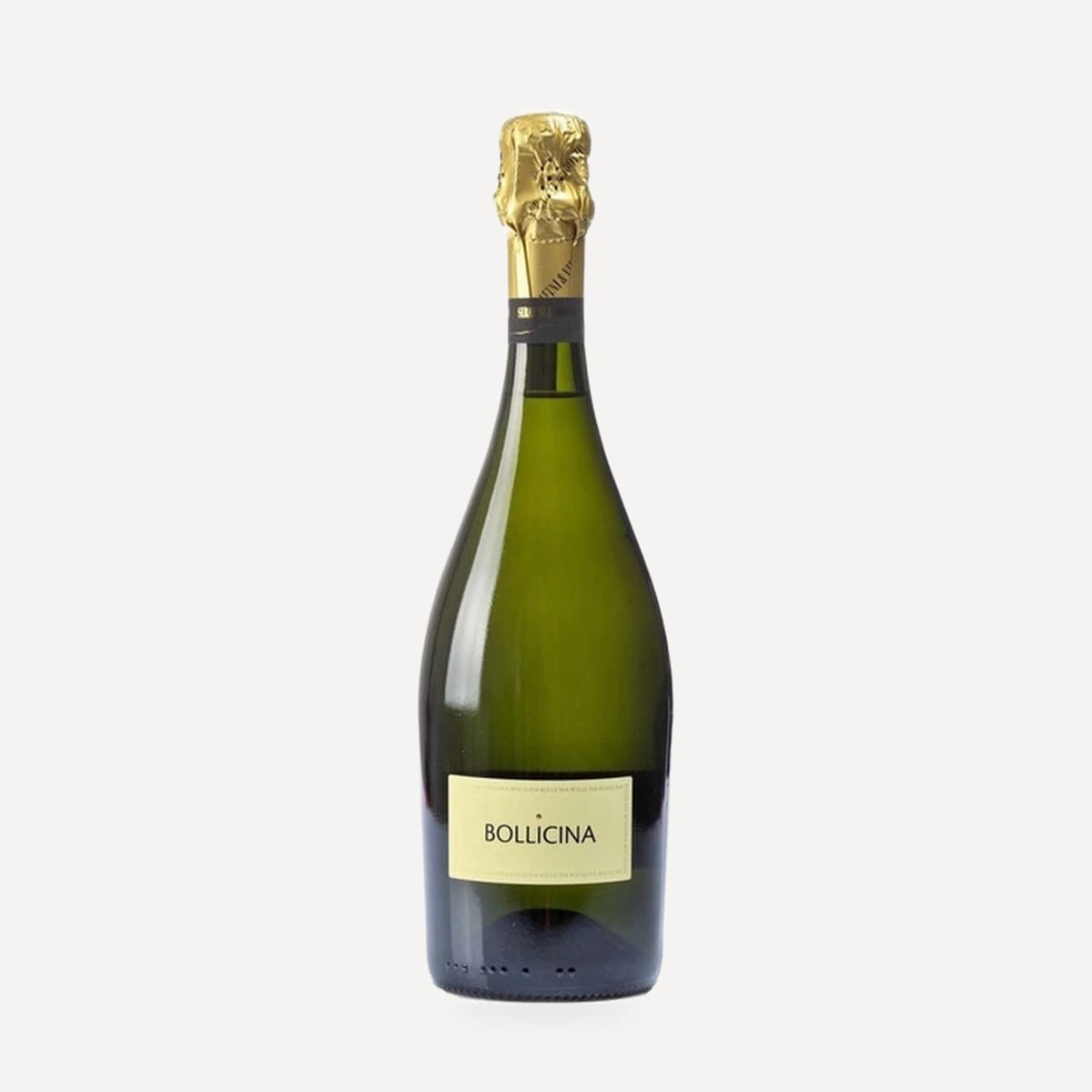
Bollicine DOC
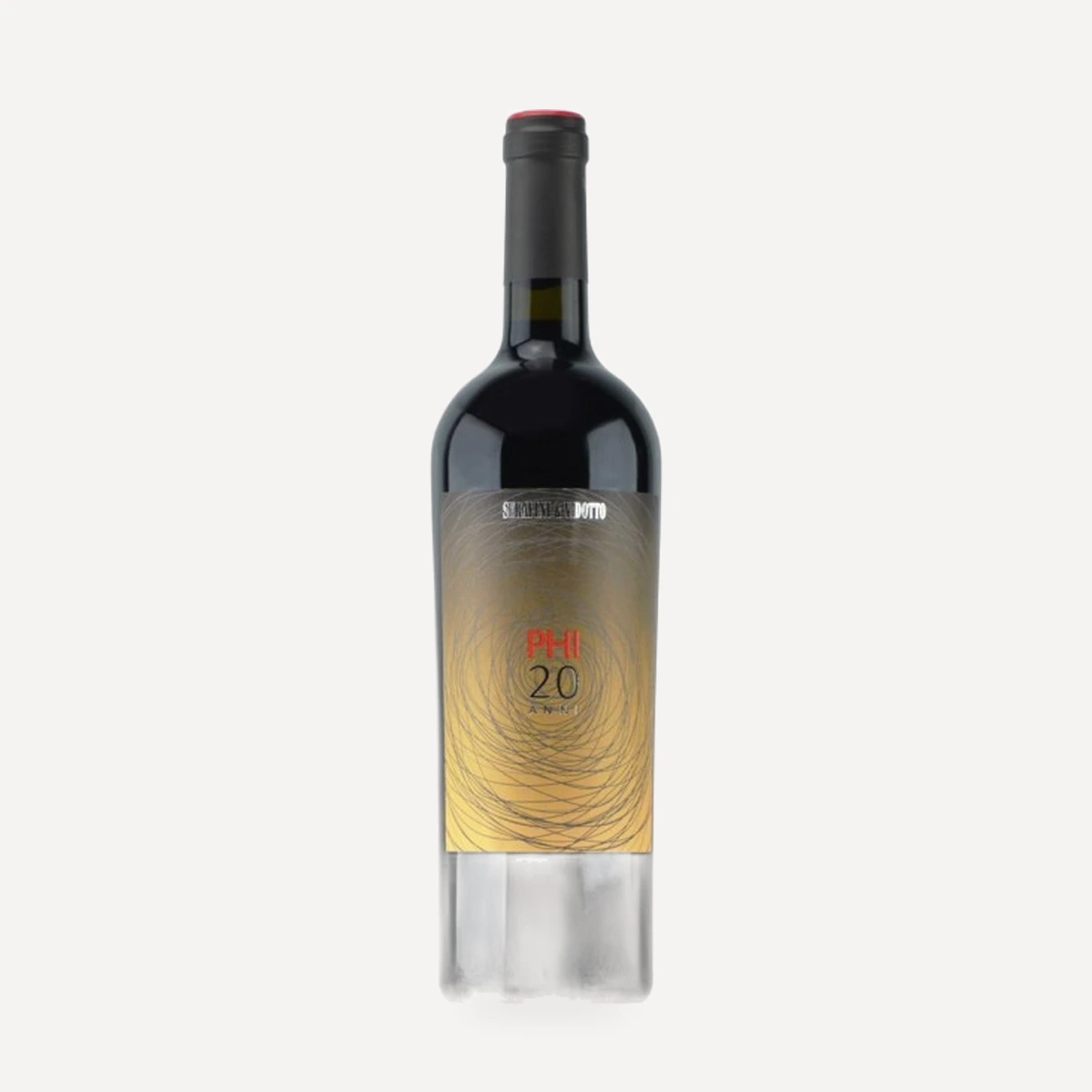
Phi 20 Anni
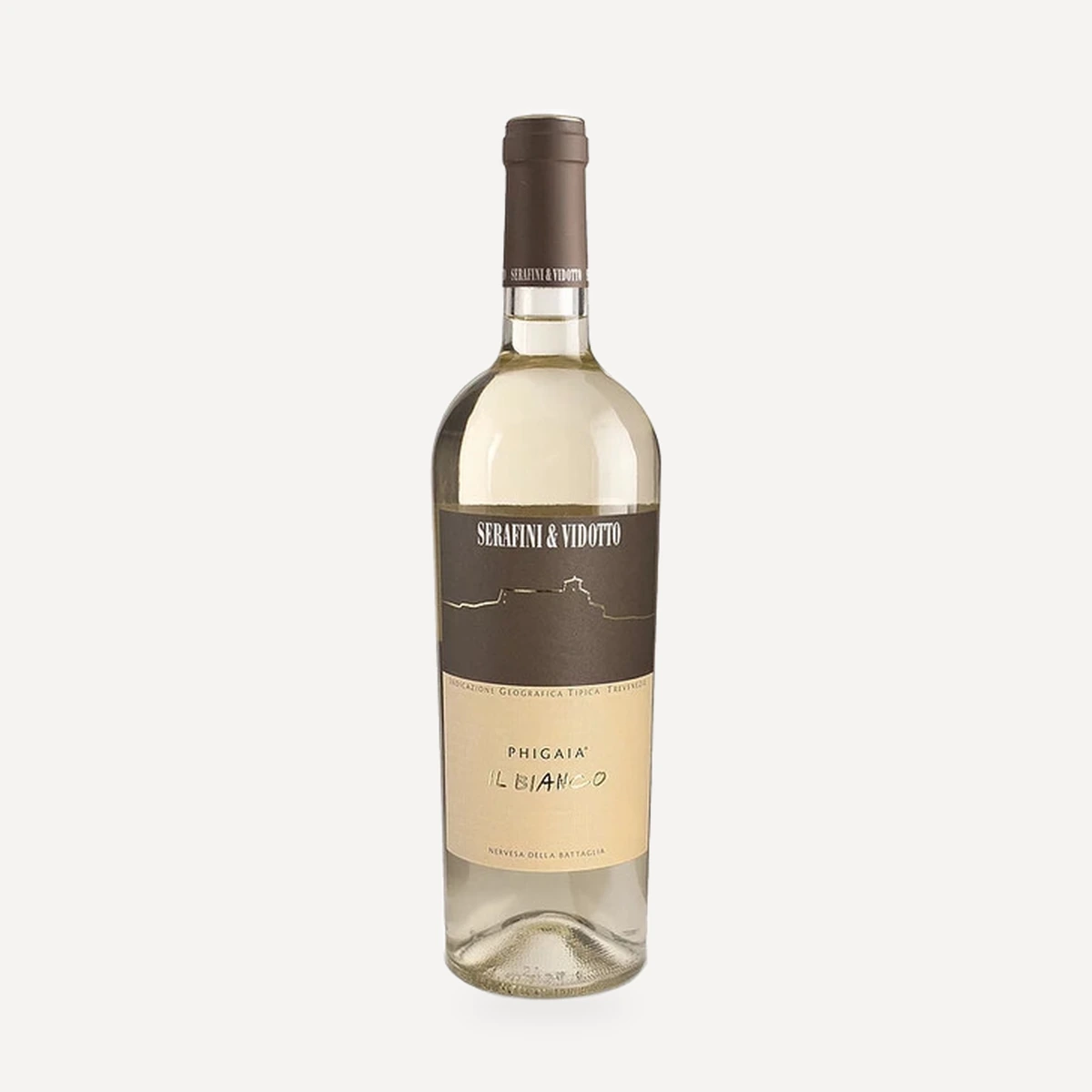
Phigaia Il Bianco Trevenezie IGT
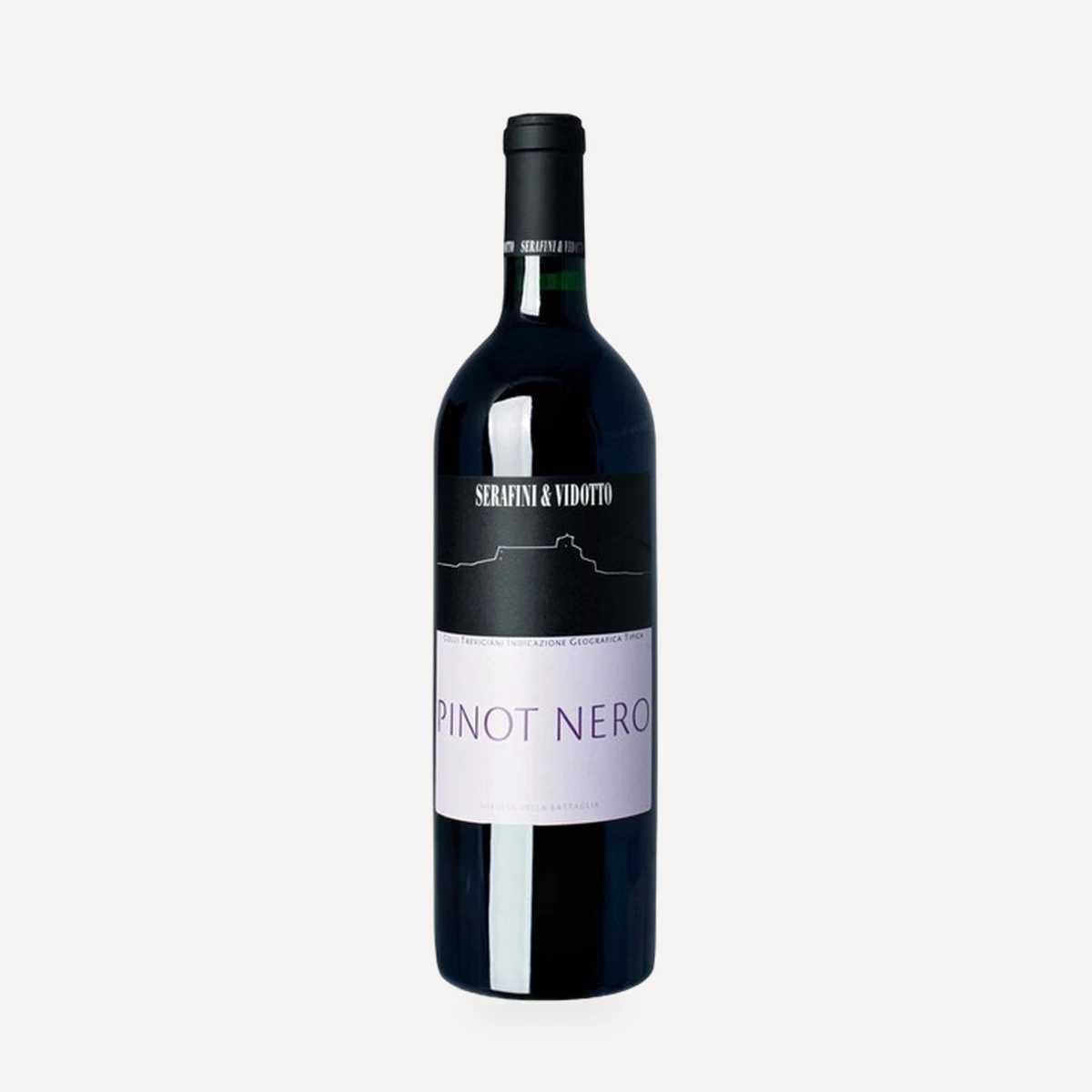
Pinot Nero
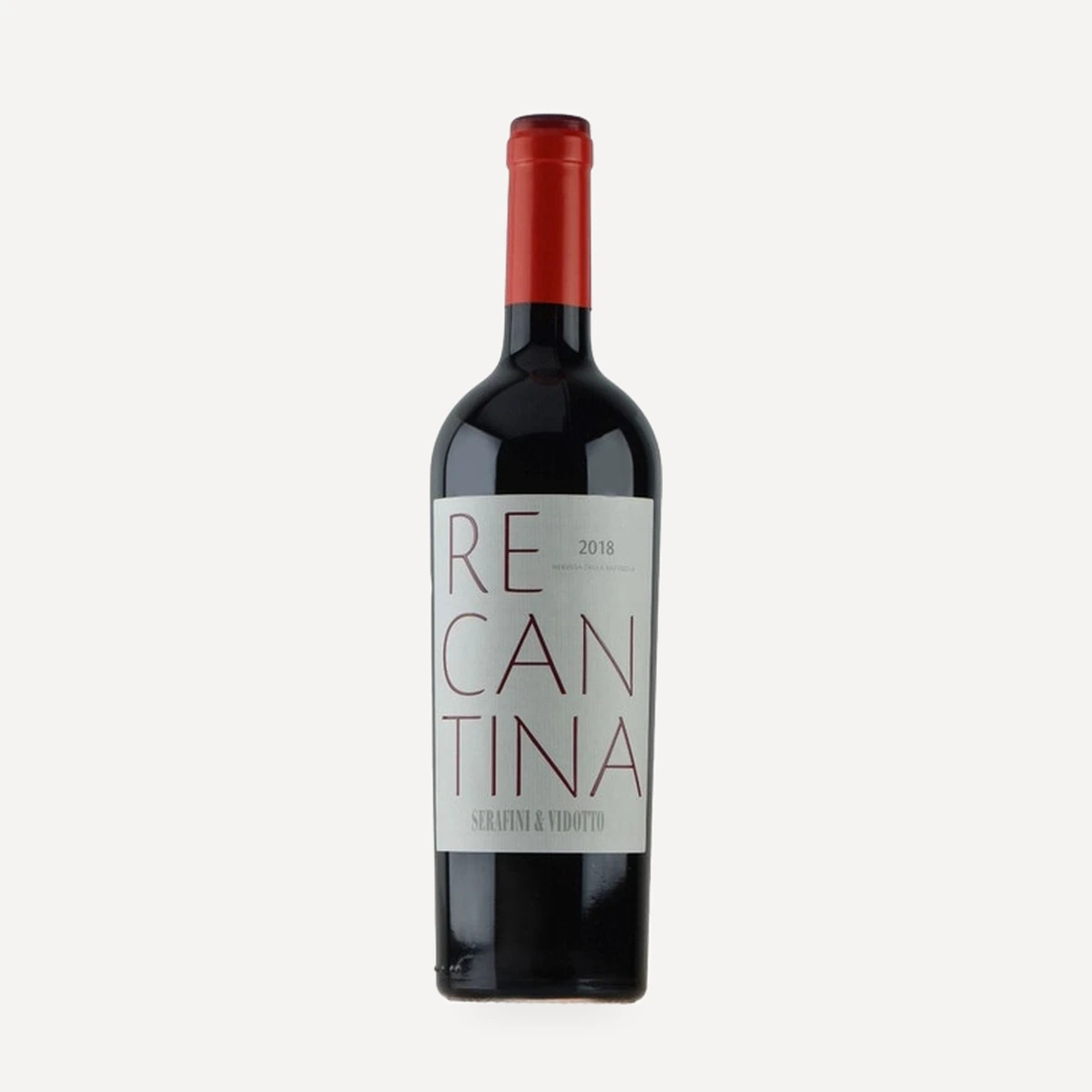
Recantina