Storia
The first family vineyards
The family wine business began in the early 1920s, when Mario Polegato—grandfather of the present president, Giancarlo Moretti Polegato—purchased vineyards and entered the wine trade. The enterprise developed gradually rather than producing immediate results.
Post-war development
After the Second World War, Mario’s son Divo continued the business with his wife, Amalia Moretti. Their sons, Mario and Giancarlo, grew up within the family enterprise and developed complementary expertise: Mario trained as an oenologist, while Giancarlo specialized in financial management.
Divo’s sudden death placed Amalia at the centre of the company’s continuation and expansion. Mario and Giancarlo subsequently worked alongside their mother.
Acquisition of Villa Sandi
At the end of the 1970s, the family acquired Villa Sandi, a Palladian-style country residence dating from 1622, and began its restoration. The property became the winery’s headquarters and gave the business its present identity.
The restoration revealed historic underground galleries beneath the estate. Following a visit to Champagne in the 1980s, Mario and Giancarlo decided to use these galleries for bottles undergoing secondary fermentation and maturation by the traditional method. The resulting Opere project established a dedicated classic-method identity within the company.
International expansion
In the early 1980s, the family began promoting Prosecco abroad and became an early participant in its export development. Mario later founded Geox, while Giancarlo and his wife, Augusta, continued to expand Villa Sandi internationally. The company developed a leading export position among Prosecco producers based in the province of Treviso.
Expansion through the Prosecco territories
From the early 2000s, Villa Sandi broadened its vineyard platform across the DOC and DOCG territories associated with Prosecco and renewed attention to indigenous grape varieties. Its estates came to encompass contrasting environments in Veneto and Friuli Venezia Giulia: Cartizze and Valdobbiadene, Crocetta del Montello, Nervesa della Battaglia, Spilimbergo and the Sile protected area.
In 2010, Cartizze La Rivetta received the family’s first Tre Bicchieri recognition from Gambero Rosso. The distinction was subsequently obtained for twelve consecutive years.
The fourth generation
Diva and Leonardo, the children of Giancarlo and Augusta, joined the company, extending the family’s involvement to a fourth generation. The business continues under Giancarlo’s presidency with the participation of his wife and children, combining family continuity with international development, research and technological innovation.
Terroir
Villa Sandi works across a broad arc of northeastern Italy, from the hills of Valdobbiadene and the Montello area in Veneto to the Magredi around Spilimbergo in Friuli Venezia Giulia.
Conegliano–Valdobbiadene and Cartizze
The Valdobbiadene vineyards form a south-facing amphitheatre of hills running from west to east. The area is defined by narrow ridges, steep slopes and grassy earthworks created through generations of cultivation. The Prealps shelter the hills from severe weather.
Vigna La Rivetta lies in a small valley within the 106.8-hectare Cartizze microzone, between Santo Stefano and San Pietro di Barbozza in Valdobbiadene. Its 1.5 hectares face south. Sandy soils of Miocene origin have a high mineral concentration, while constant ventilation, alpine breezes, significant temperature variation and naturally low yields favour ripening and aromatic development. Steep faces alternate with gentler slopes.
Crocetta del Montello and Nervesa della Battaglia
At Crocetta del Montello, vines surround the historic villa in fertile countryside. The estate’s red-wine vineyards include deep clay-rich soils, while vineyards intended for traditional-method sparkling wines occupy high-quality Veneto sites with marly, stony ground.
Nervesa della Battaglia occupies the slopes of Montello near the Piave River. The estate is conceived as a natural oasis between hill and river, with woodland, hedges, flowering vegetation, hives and vineyards sharing the landscape.
Spilimbergo and the Magredi
The Spilimbergo estate is in the eastern sector of Prosecco DOC in Friuli Venezia Giulia, between the provinces of Pordenone and Udine. Its mild climate and rainfall distributed through the year support viticulture.
This is part of the Magredi, whose Friulian name means “barren land.” The landscape is an extensive dry grassland designated by the European Union as a Site of Community Importance. Permeable stones dominate the soil: water drains through them before resurfacing farther south in the spring zone. The stones shape the local microclimate, vegetation and fauna. Grapes grown here develop high sugar levels, pronounced aromatics, freshness and mineral character.
Sile protected area
Le Farfalline lies within the protected Sile park south of Treviso. Sauvignon Kretos was planted there for its resistance to disease and its capacity to reduce chemical treatments.
Vinificazione
Villa Sandi’s environmental programme centres on low-impact vineyard management and the protection of biodiversity. Its Biodiversity Friend certification was awarded by the World Biodiversity Association and covers practices intended to protect plant and animal life as well as the health of the vineyards and grapes. Nervesa della Battaglia was the first estate within the group to obtain the certification; Crocetta del Montello is also certified.
Wooded zones, hedges and nectar-producing plants are preserved or introduced within agricultural land. Wooden insect hotels filled with hay provide habitat for native insect species. Hives at Nervesa house bees attracted by flowering black locust in the Montello woods; squirrels and fallow deer also occur around the estate. The biodiversity programme extends to closer monitoring of air, water and soil quality and the recovery of traditional crop varieties and animal breeds.
In Cartizze, steep terrain requires manual vineyard work. La Rivetta is tended like a garden, while low yields form part of the site’s distinctive growing conditions. In Valdobbiadene, selected partner growers receive guidance from Villa Sandi’s agronomists and oenologists. A wider network of 130 contributing growers farms approximately 2,000 hectares across the Prosecco and Collio territories.
Research partnerships address parasite and weed control, restoration of soil fertility and lower-impact production. The company also monitors production processes and their environmental effects. At Le Farfalline, disease-resistant Sauvignon Kretos was selected specifically to reduce chemical inputs.
Water from the Brentella canal irrigates vineyards around the winery. Renewable-energy measures include an on-site hydroelectric plant and photovoltaic panels operating since summer 2012. The wider environmental, social and economic programme has also obtained Equalitas Sustainable Winery certification.
Villa Sandi produces both tank-fermented sparkling wines and traditional-method wines, alongside still reds and whites.
The historic production complex incorporates underground galleries uncovered during the restoration of Villa Sandi. Traditional-method bottles undergo secondary fermentation and lees maturation in these galleries, where water from the Brentella canal helps maintain favourable humidity. The oldest cellar itinerary also includes a barrel room dating from 1700, used for red wines matured in French oak barriques.
For traditional-method production, whole Chardonnay and Pinot Nero grapes may be softly pressed in pneumatic presses. After racking, must ferments in temperature-controlled tanks at 17–19°C and matures until the following spring. Selected Villa Sandi yeast cultures are added to the assembled cuvée before bottling. Bottles are stacked in the underground galleries at stable temperature and humidity for secondary fermentation and lees ageing. Depending on the cuvée, maturation lasts at least 36 months, at least 60 months or seven years; disgorgement is followed by a further two months of settling. The rosé method includes brief pre-press maceration of destemmed and crushed Pinot Nero for light colour extraction. One reserve process ferments and matures 30% of the must in used barriques while the remaining 70% stays in temperature-controlled tanks.
For tank-method sparkling wines, whole grapes are softly pressed pneumatically and the must is racked into temperature-controlled tanks. Selected yeasts are used for fermentation at 15–16°C. Fermentation is stopped by refrigeration once the intended balance of alcohol and residual sugar is achieved, followed by settling and bottling. Prosecco DOC Rosé combines white must with a small proportion of red wine and remains in contact with the yeasts for at least two months.
Red-wine production includes destemming, gentle crushing and controlled-temperature skin maceration. Còrpore Merlot undergoes a 15-day maceration at 28–30°C with five punch-downs per day, spontaneous malolactic fermentation in new Allier French-oak barriques, 12 months in barrel and at least 12 months in bottle. Filio Cabernet undergoes ten days of maceration at 25°C with five daily punch-downs, spontaneous malolactic fermentation in second- and third-use Allier barriques, six months in wood, six months in steel and at least 12 months in bottle.
Filosofia
Villa Sandi defines its purpose through devotion to its territory, wine culture, clients and inherited traditions. Its family model treats continuity as renewal rather than simple preservation: ancient gestures and shared rituals are carried forward through research, innovation, technology and an international outlook.
Quality, traceability and innovation are presented as complementary to tradition. From vineyard to bottle, the aim is to unite the cultural heritage of the territory with modern production and management. The family sees itself as an ambassador for the landscape’s values and flavours, with harmony among people, nature and the environment as a guiding principle.
The “for life” philosophy adds environmental and social responsibilities to this model. Its priorities include biodiversity, biological soil quality, woodland, hedges and nectar plants; renewable energy and careful water use; research into parasite and weed control and soil fertility; lower-impact production; environmental monitoring; responsible supplier selection; philanthropy and support for local communities.
Growers are regarded as custodians of territory, traditions and landscape rather than simply suppliers of grapes. The company’s stated social values include fairness, protection of personal dignity, equal opportunities and the view that employees and collaborating families form a wider community around the winery.
Vini
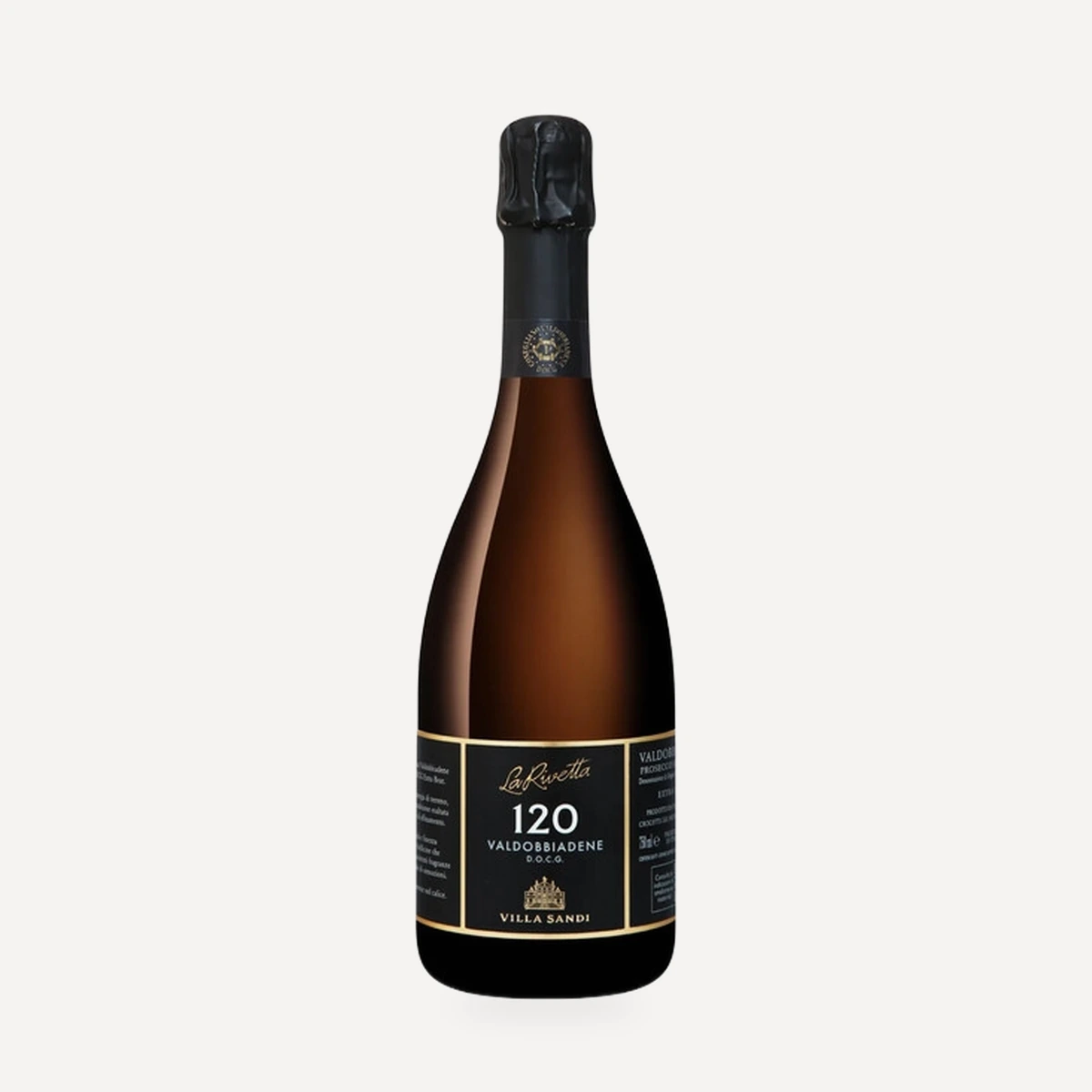
La Rivetta 120 Valdobbiadene Extra Brut DOCG
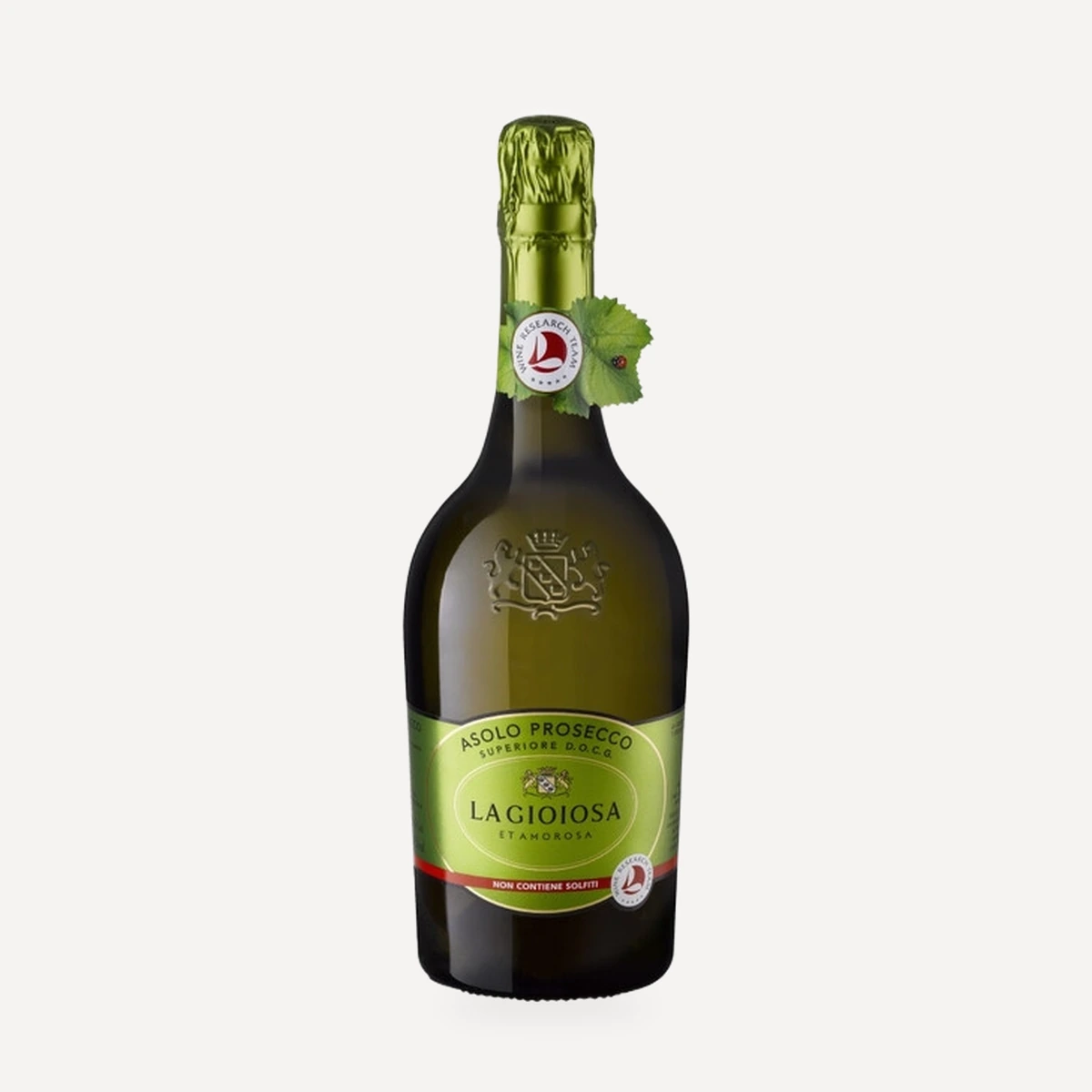
La Gioiosa Asolo Prosecco Superiore DOCG
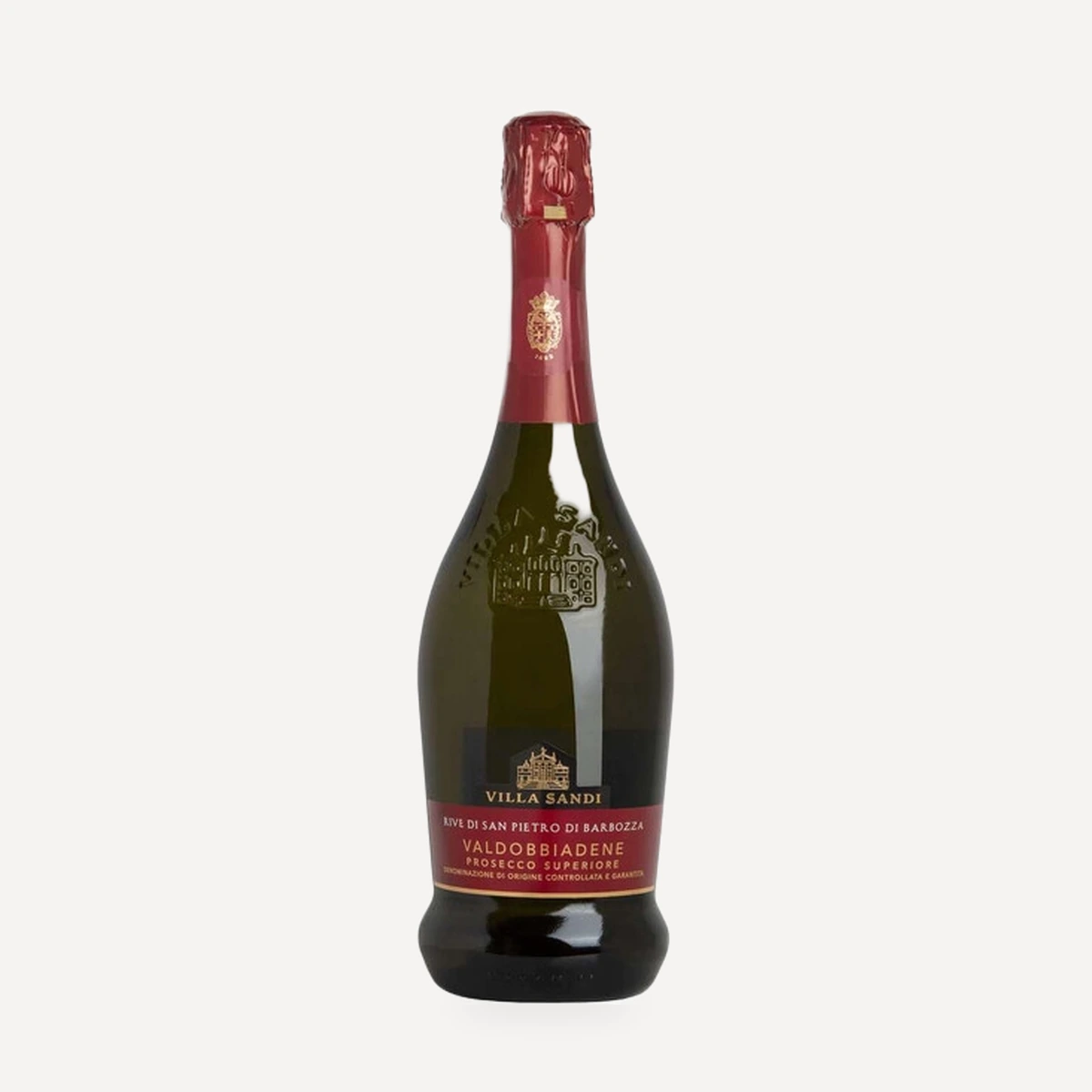
Rive di San Pietro di Barbozza Valdobbiadene Prosecco Superiore Dry DOCG
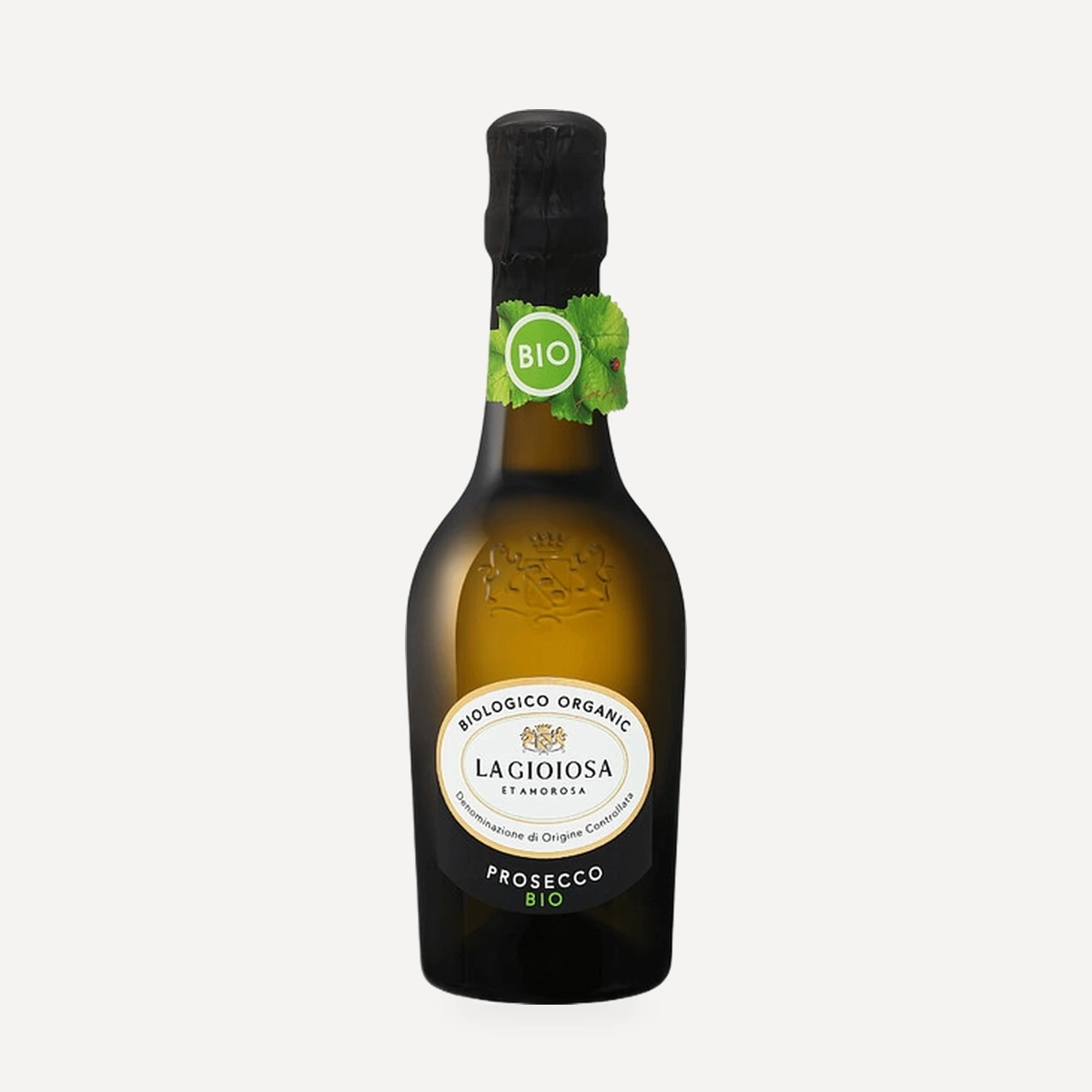
La Gioiosa Prosecco Bio DOC
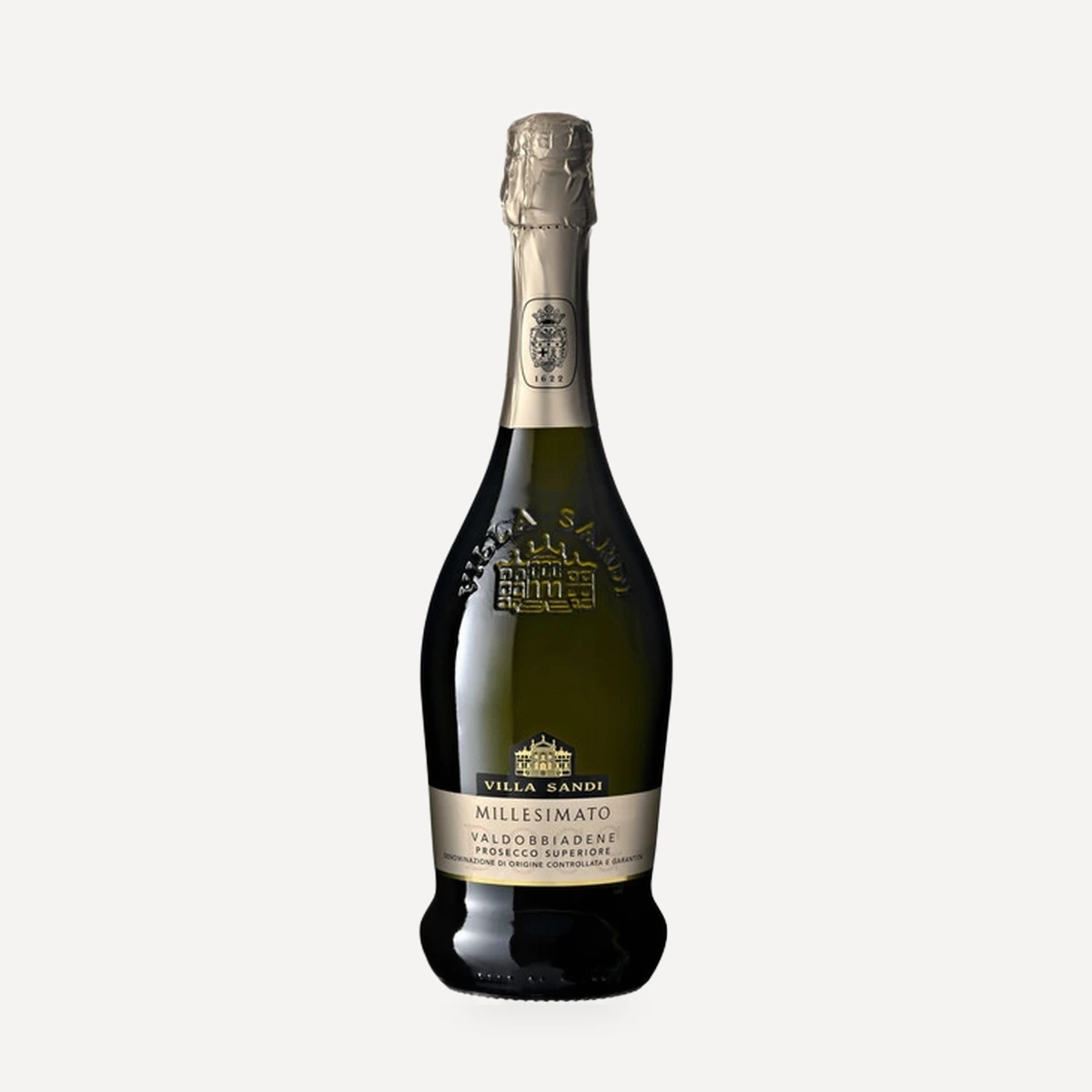
Valdobbiadene Prosecco Superiore Millesimato Brut DOCG
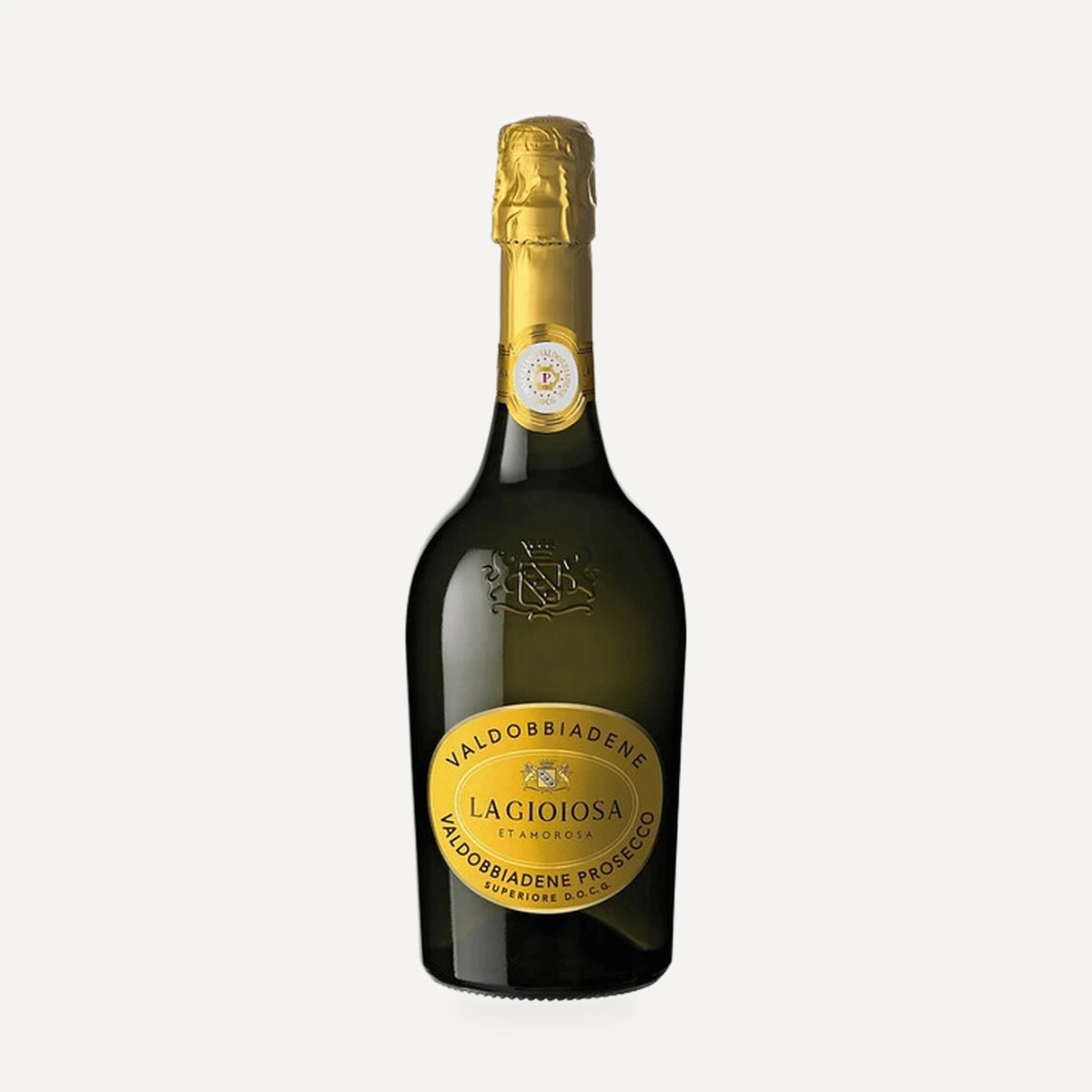
La Gioiosa Prosecco di Valdobbiadene Superiore Extra Dry DOCG
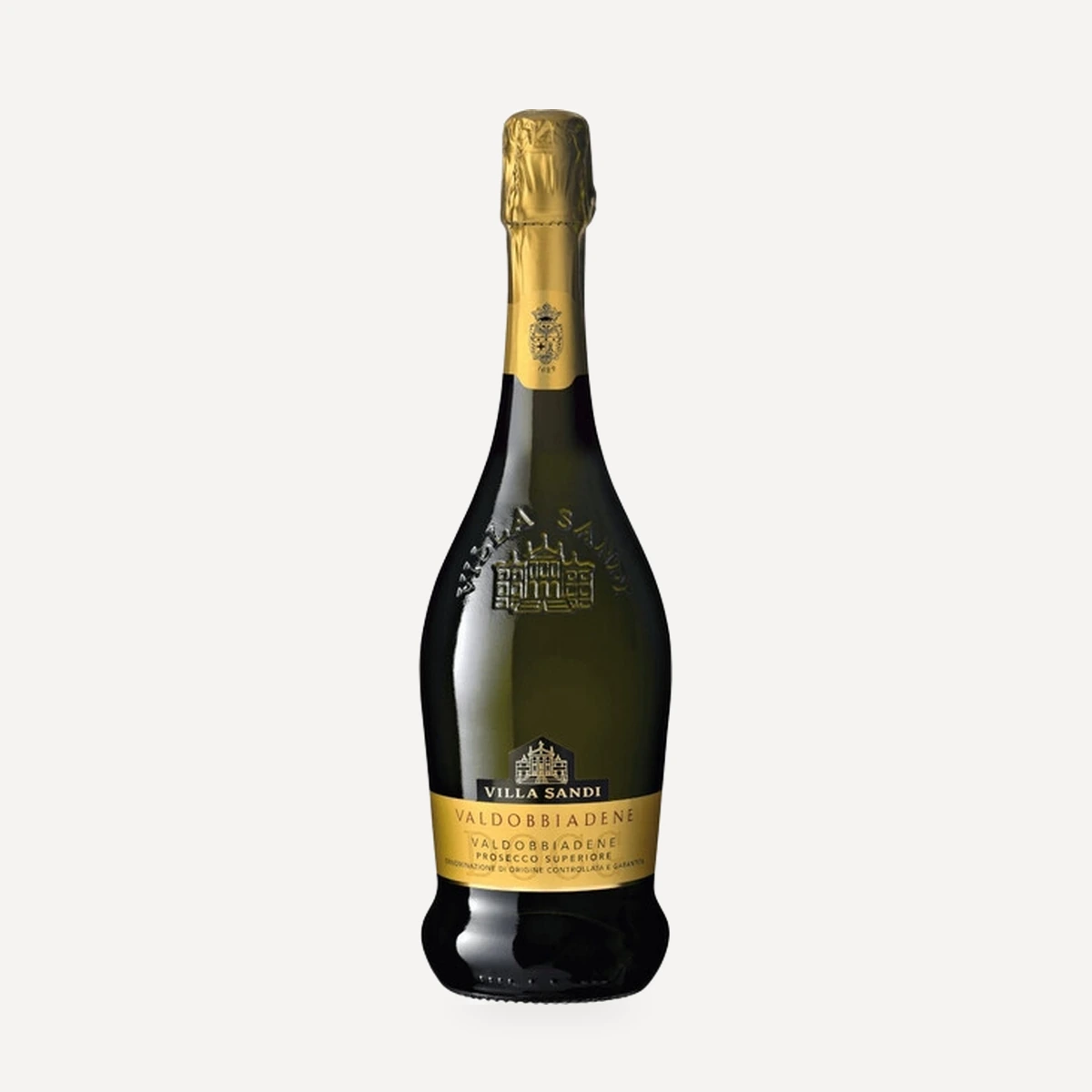
Valdobbiadene Prosecco Superiore Extra Dry DOCG
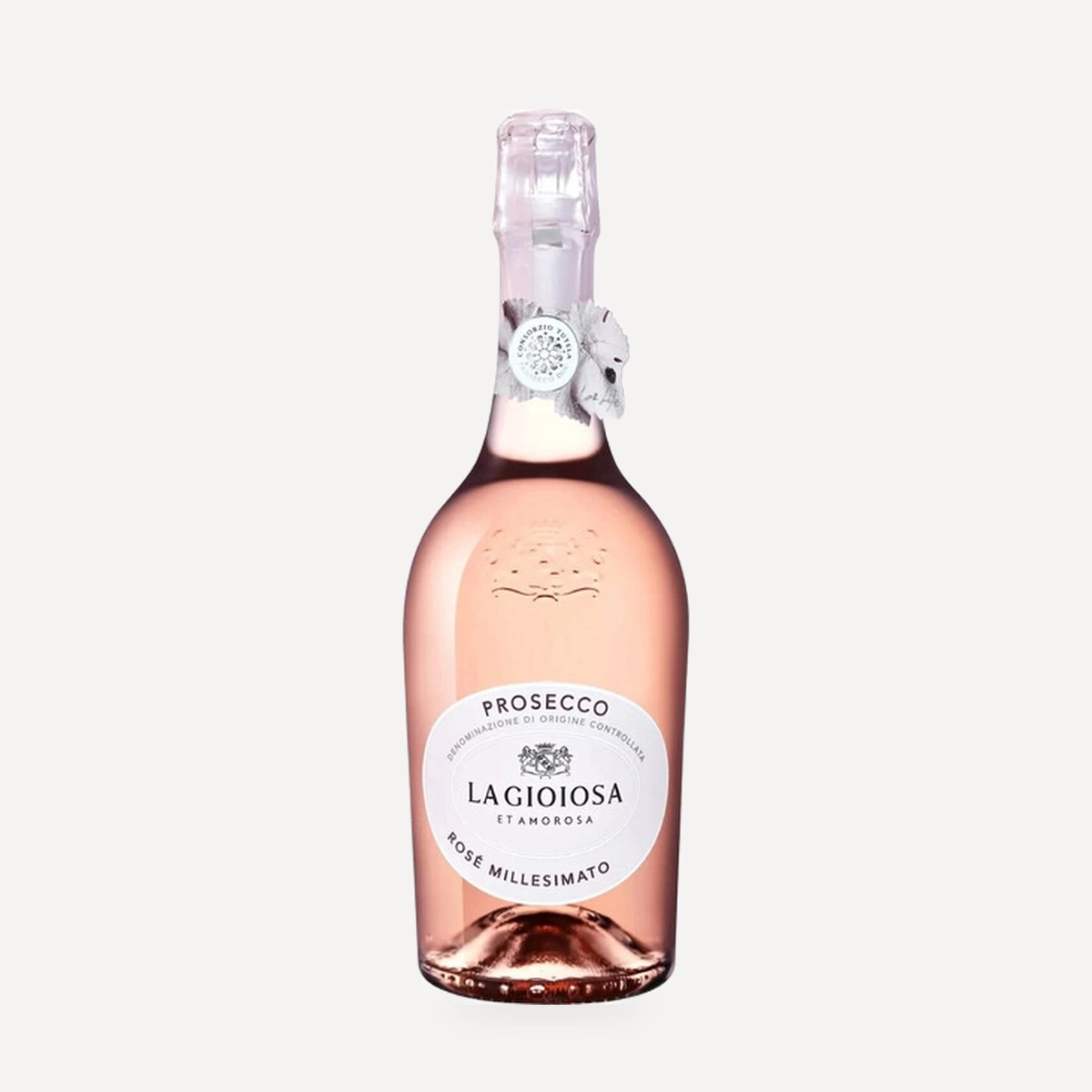
La Gioiosa Rose Millesimato Prosecco DOC
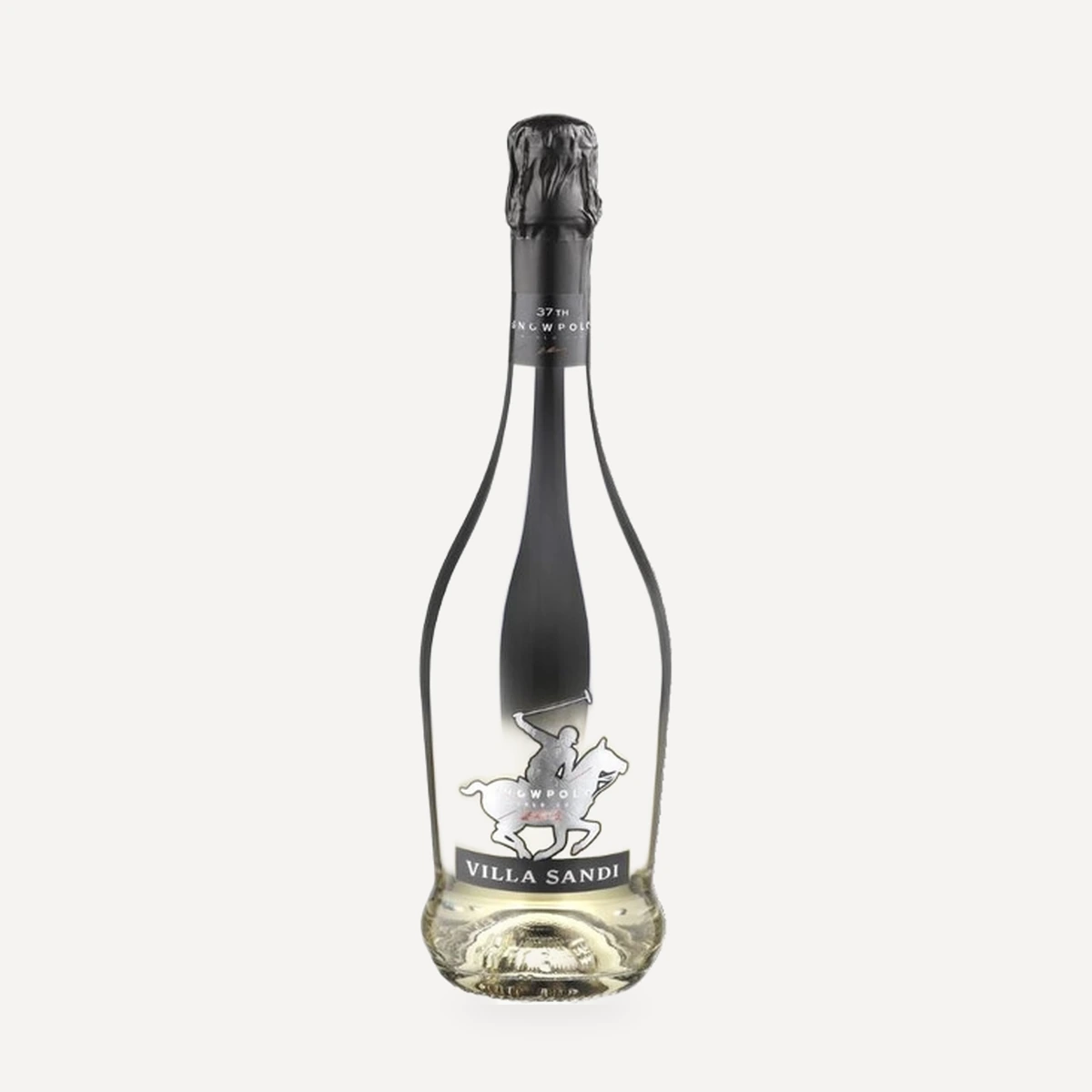
Asolo Prosecco Superiore Extra Brut DOCG
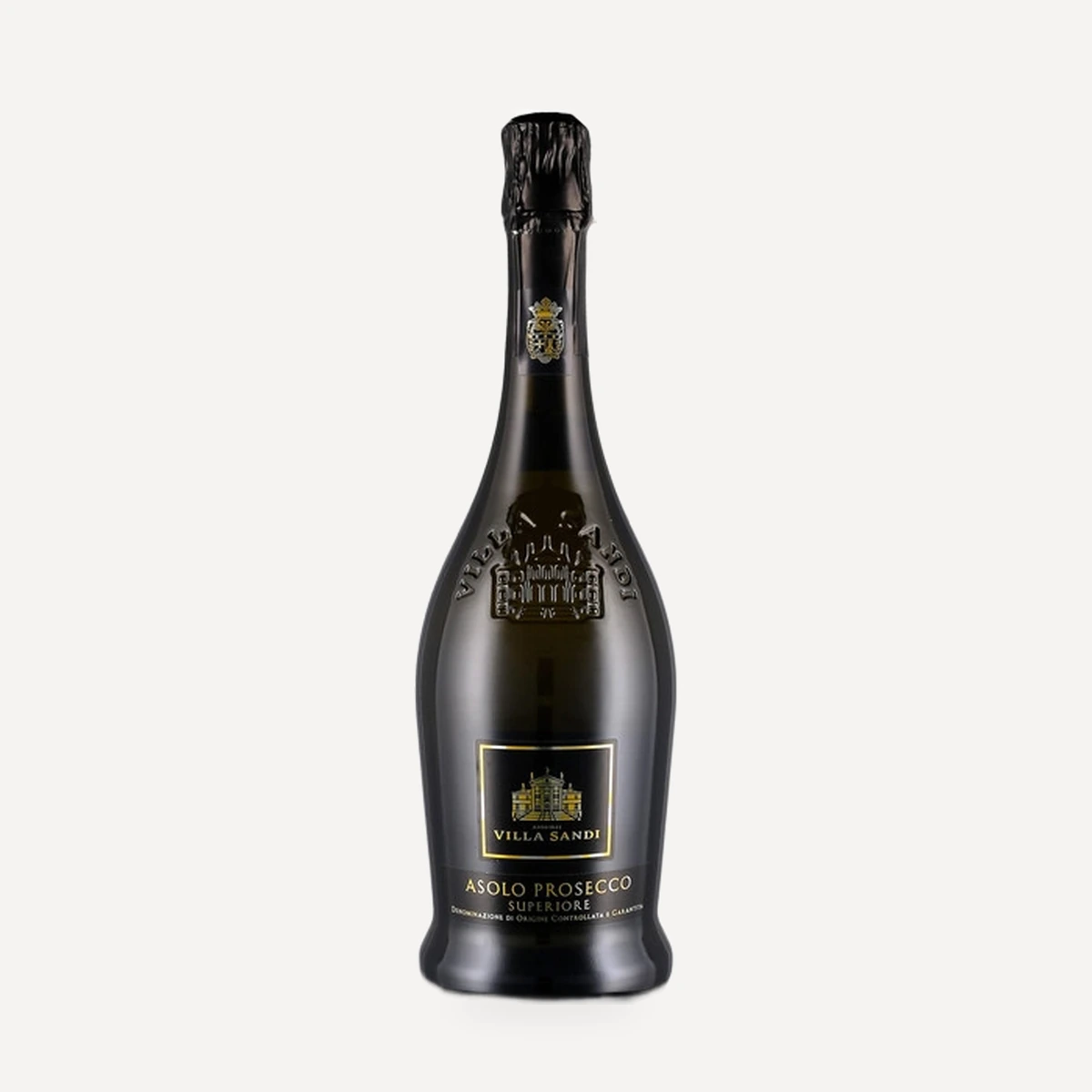
Asolo Prosecco Superiore Brut DOCG
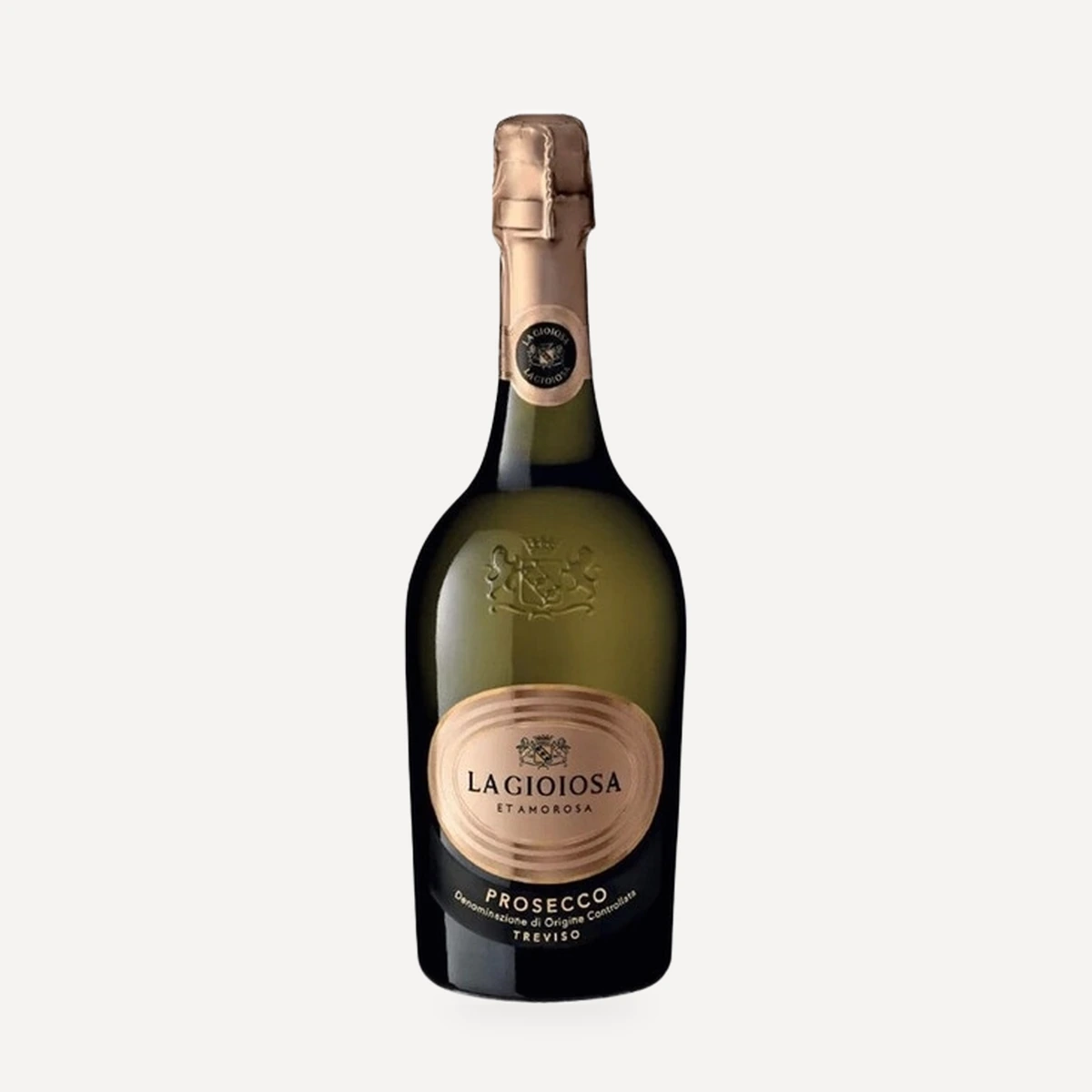
La Gioiosa Prosecco Treviso Brut DOC
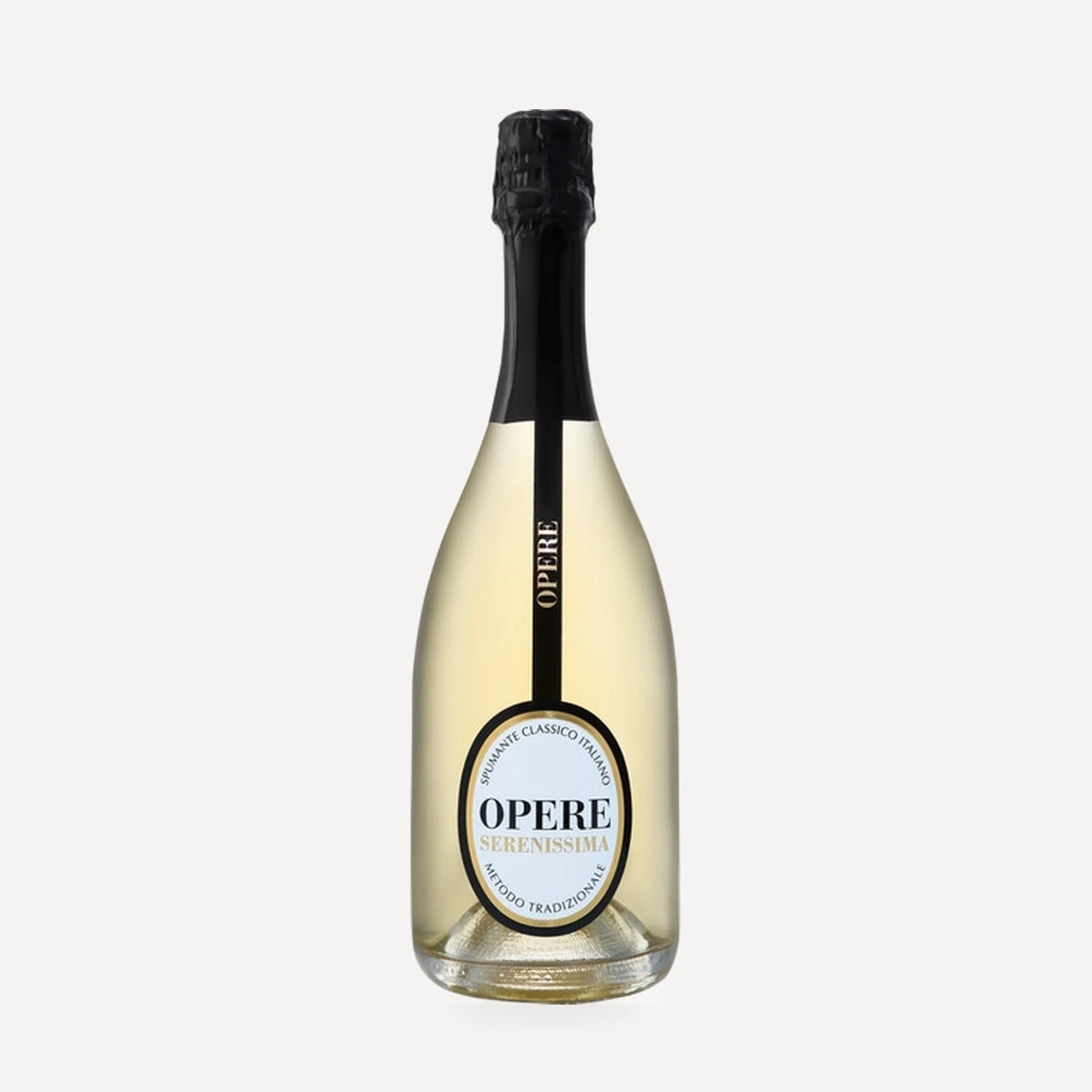
Opere Serenissima Brut DOC
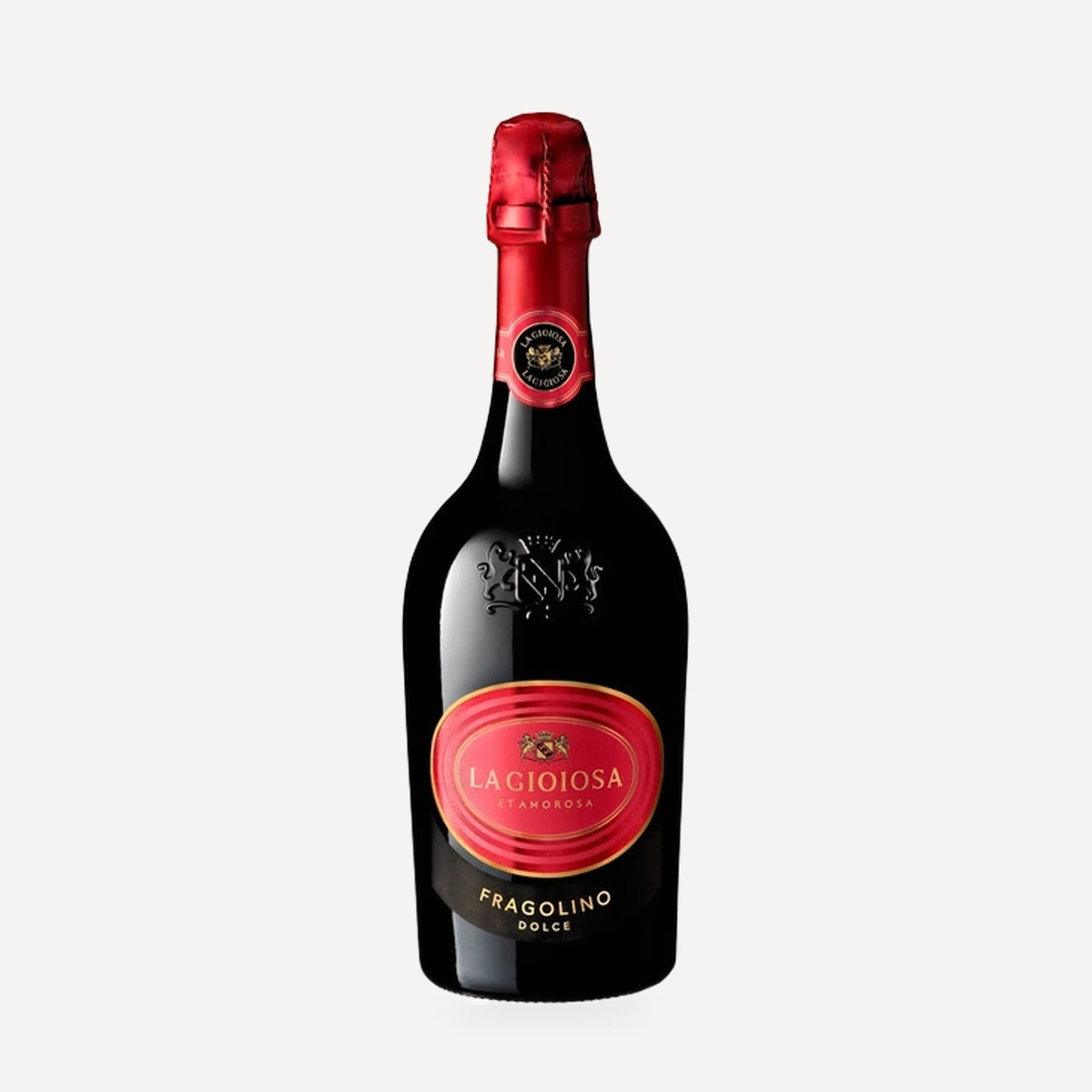
La Gioiosa Fragolino Dolce
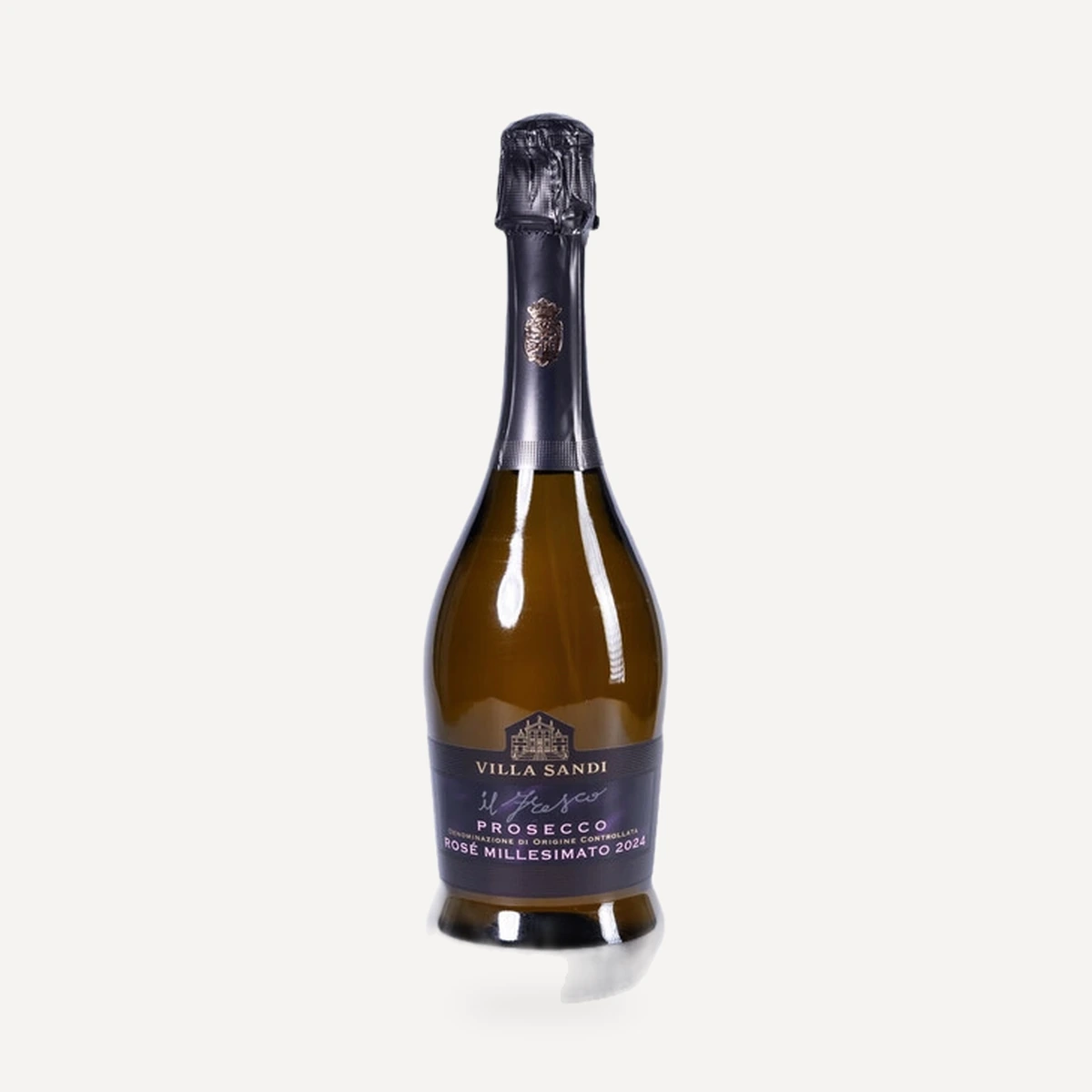
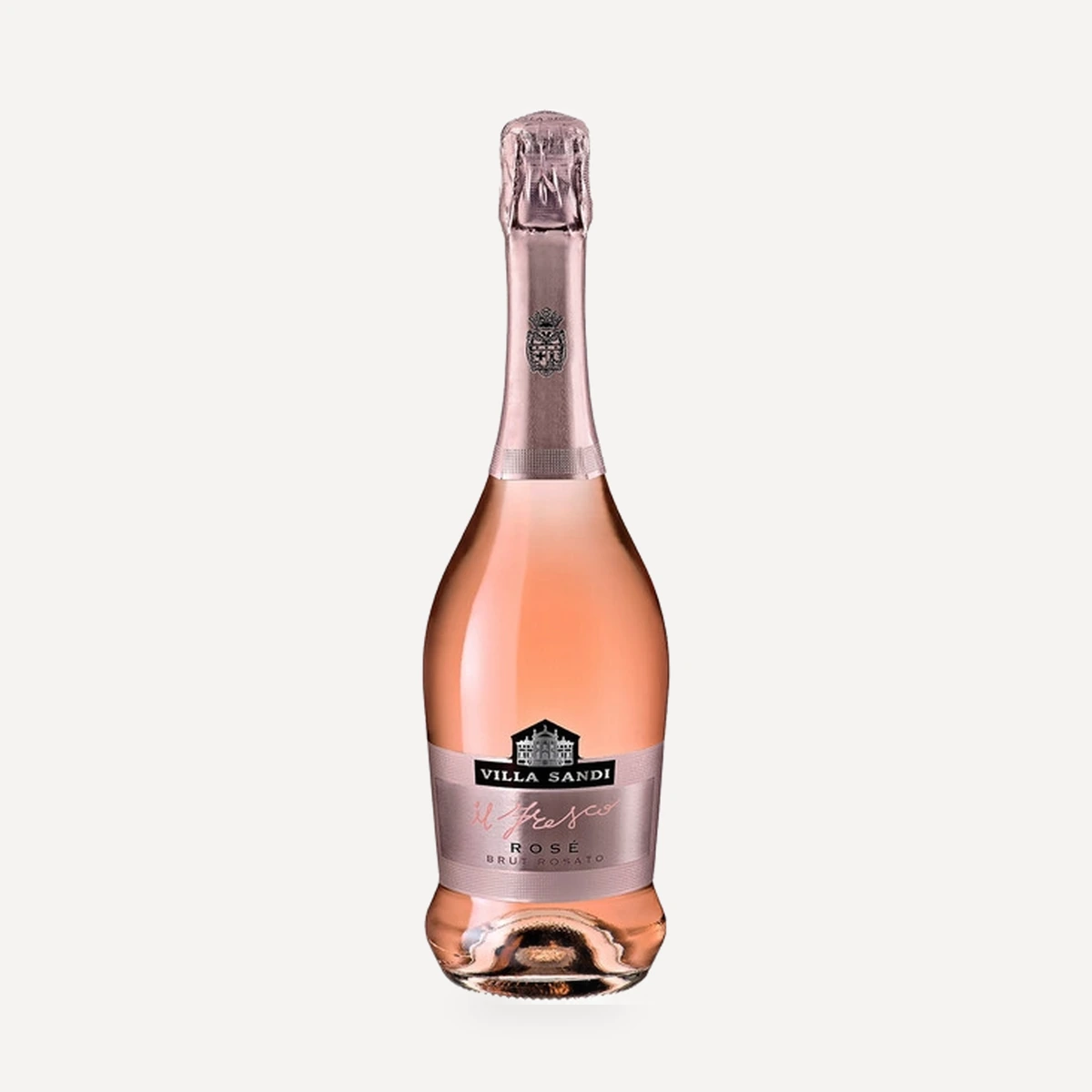
Il Fresco Prosecco Rose Millesimato DOC
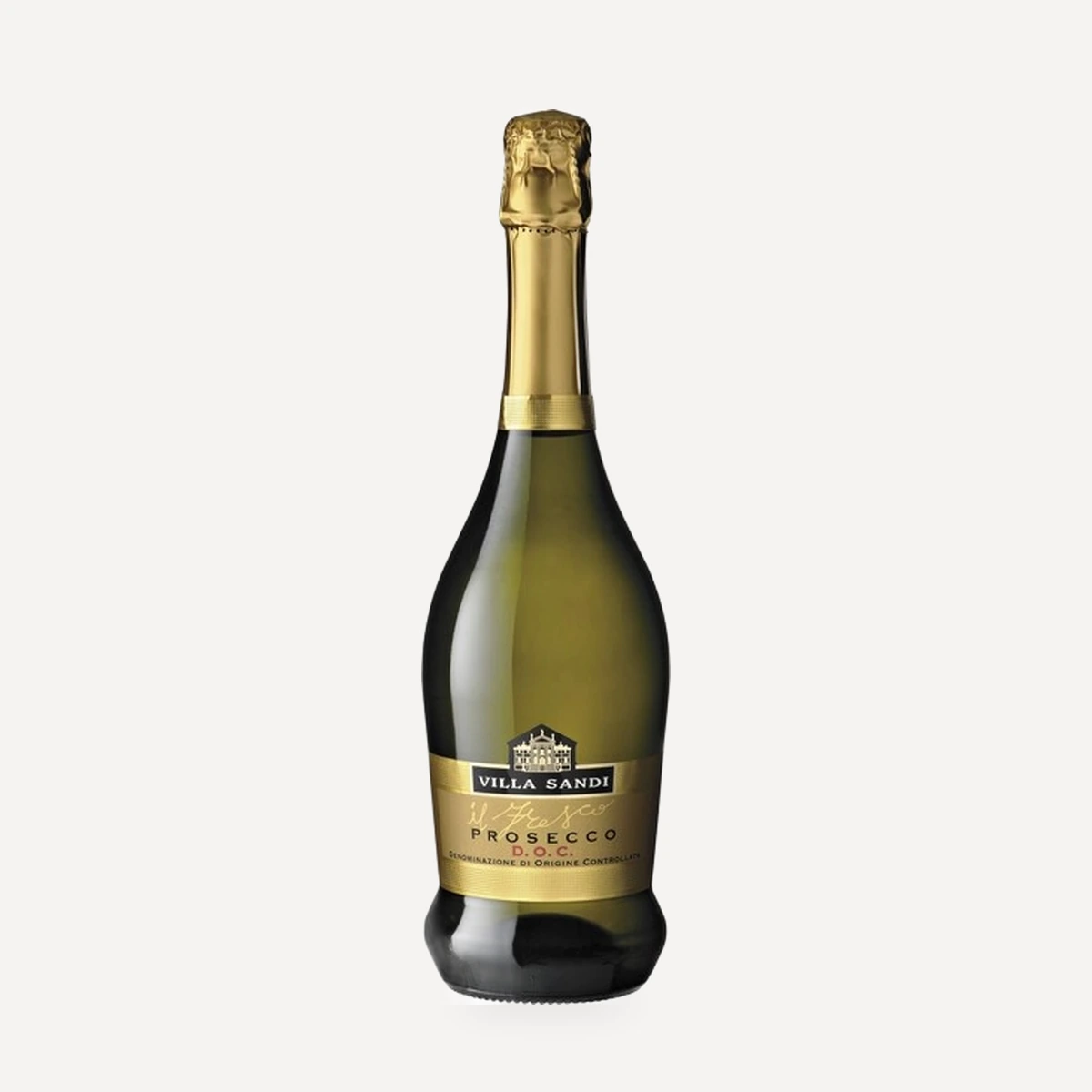
Il Fresco Prosecco DOC
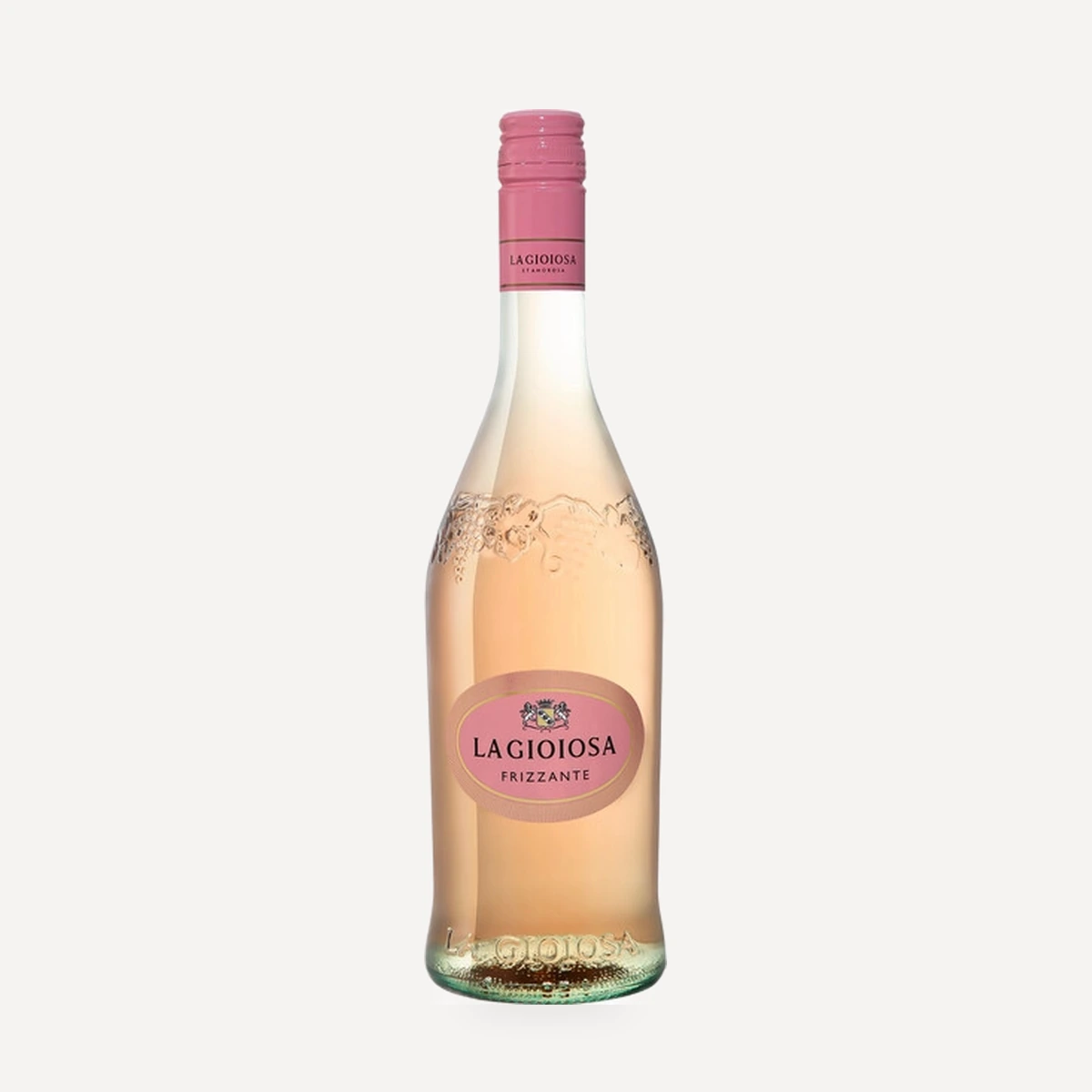
La Gioiosa Frizzante Rosato
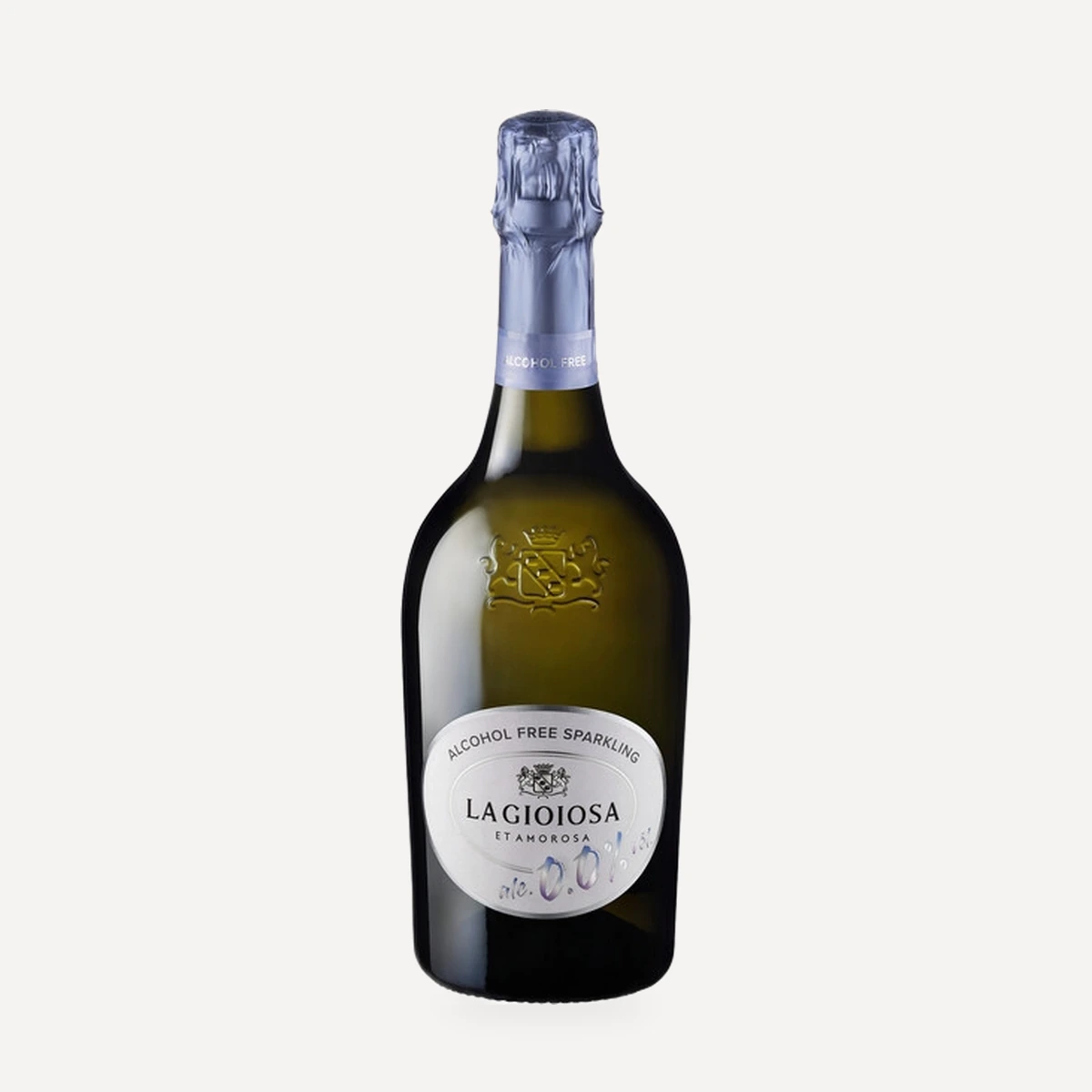
La Gioiosa 0.0%
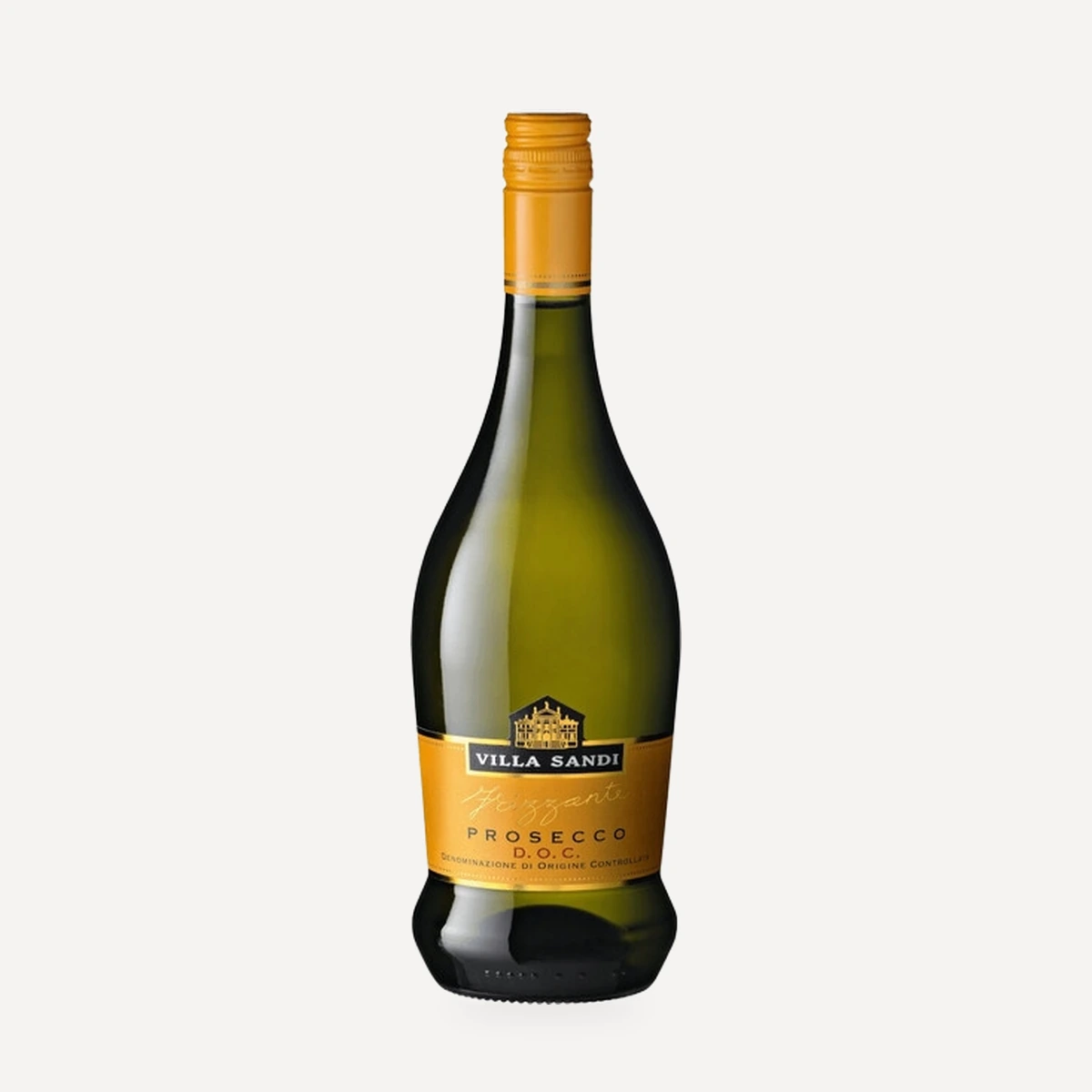
Frizzante Prosecco DOC
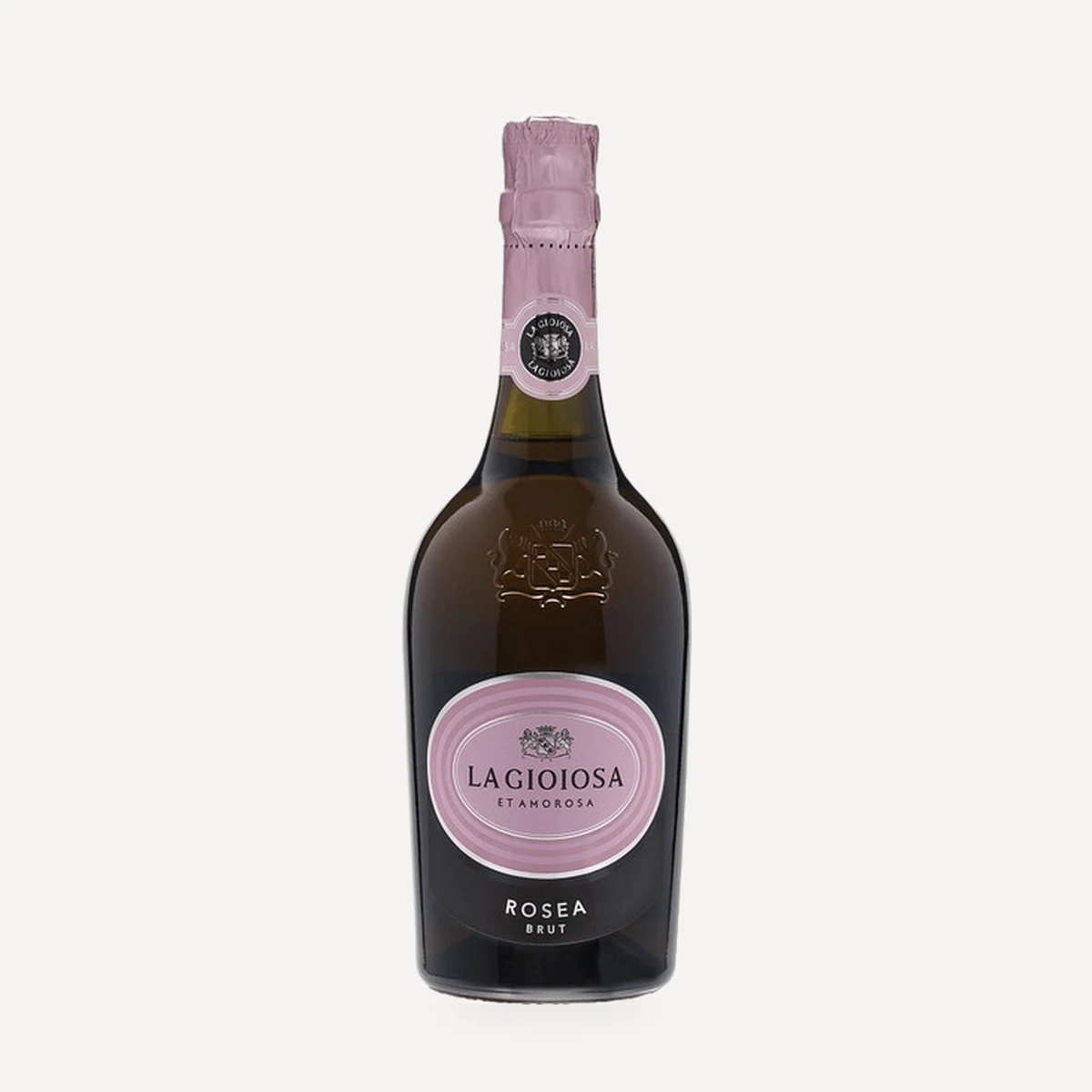
La Gioiosa Rosea Rose Brut
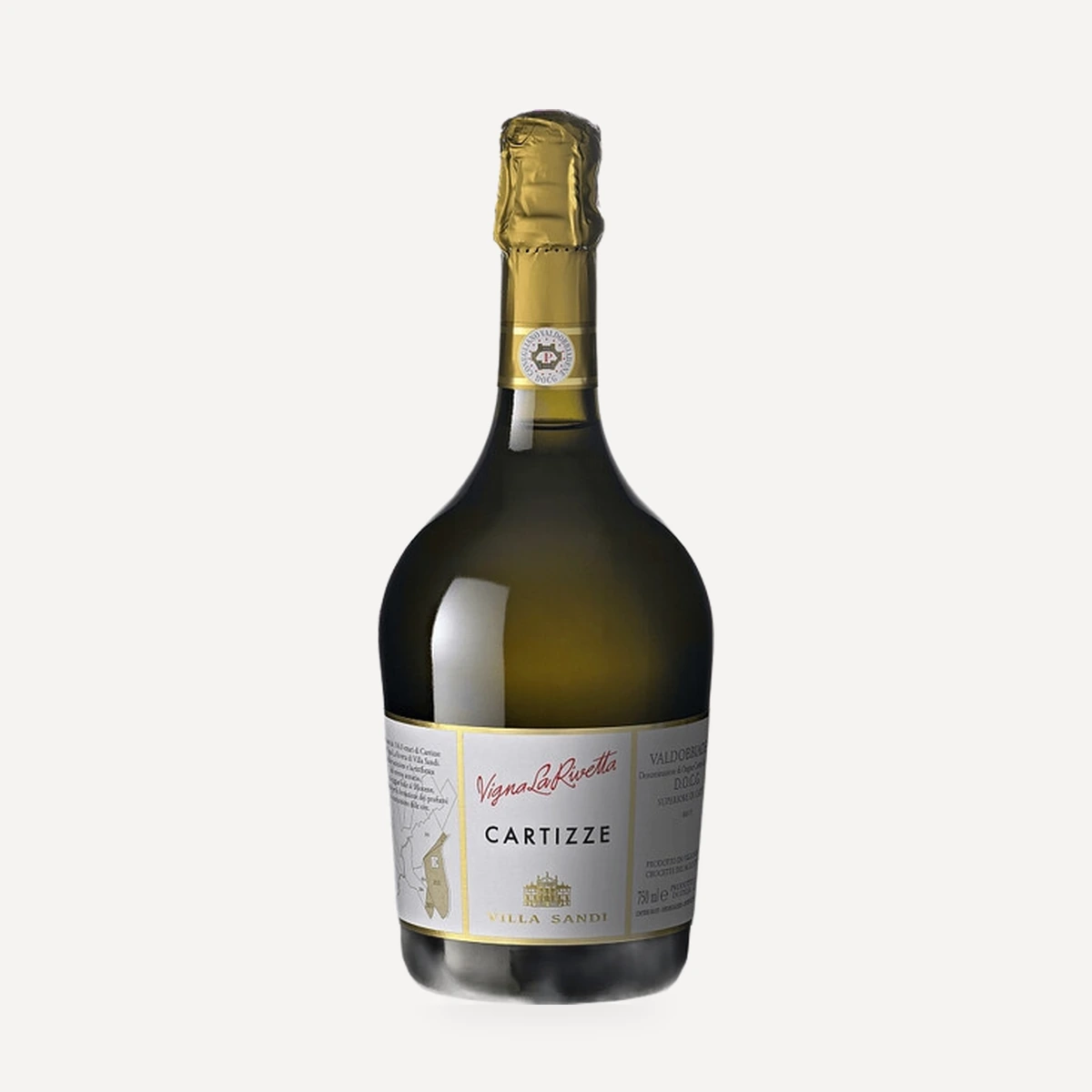
Vigna La Rivetta Cartizze DOCG
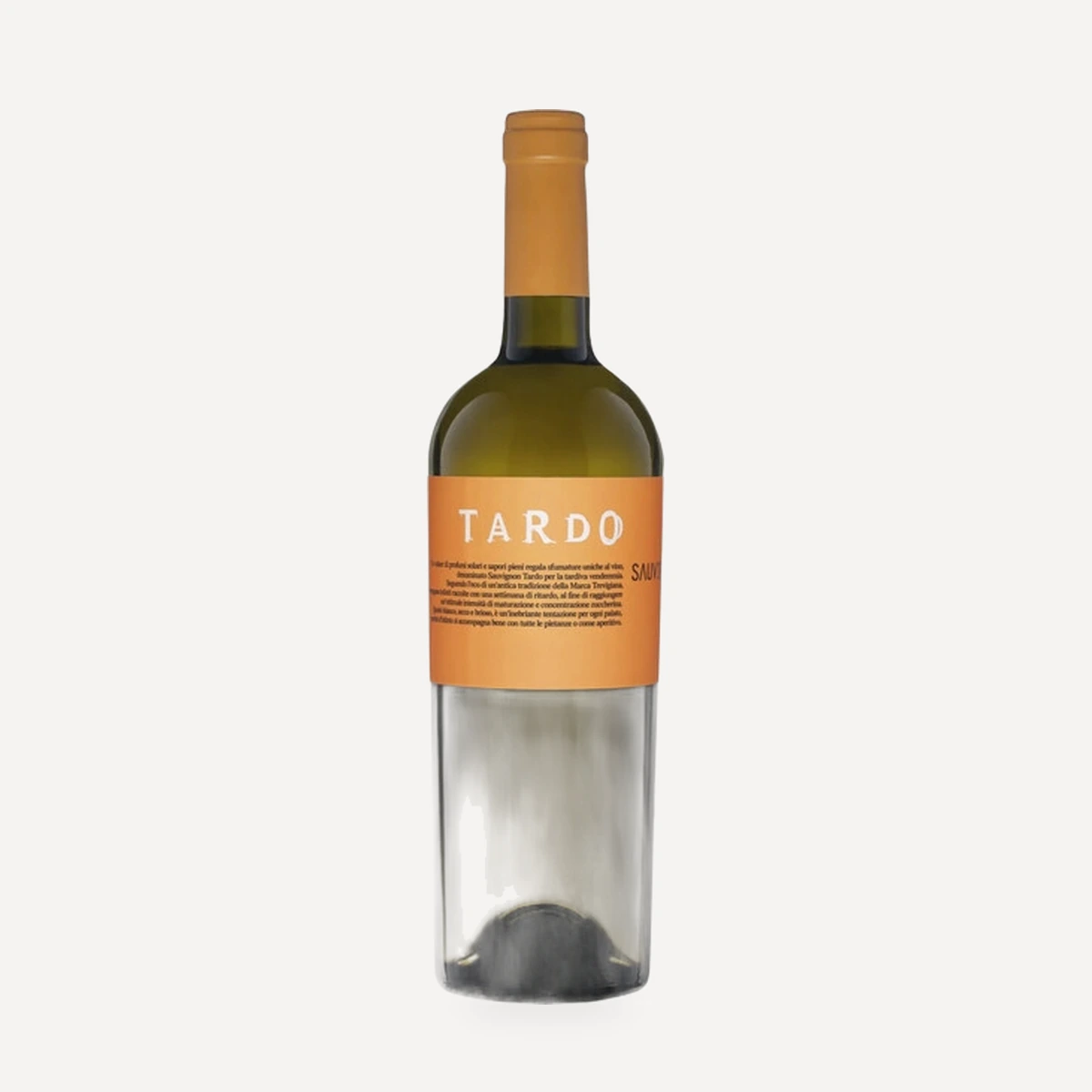
Tardo Sauvignon Trevenezie IGT
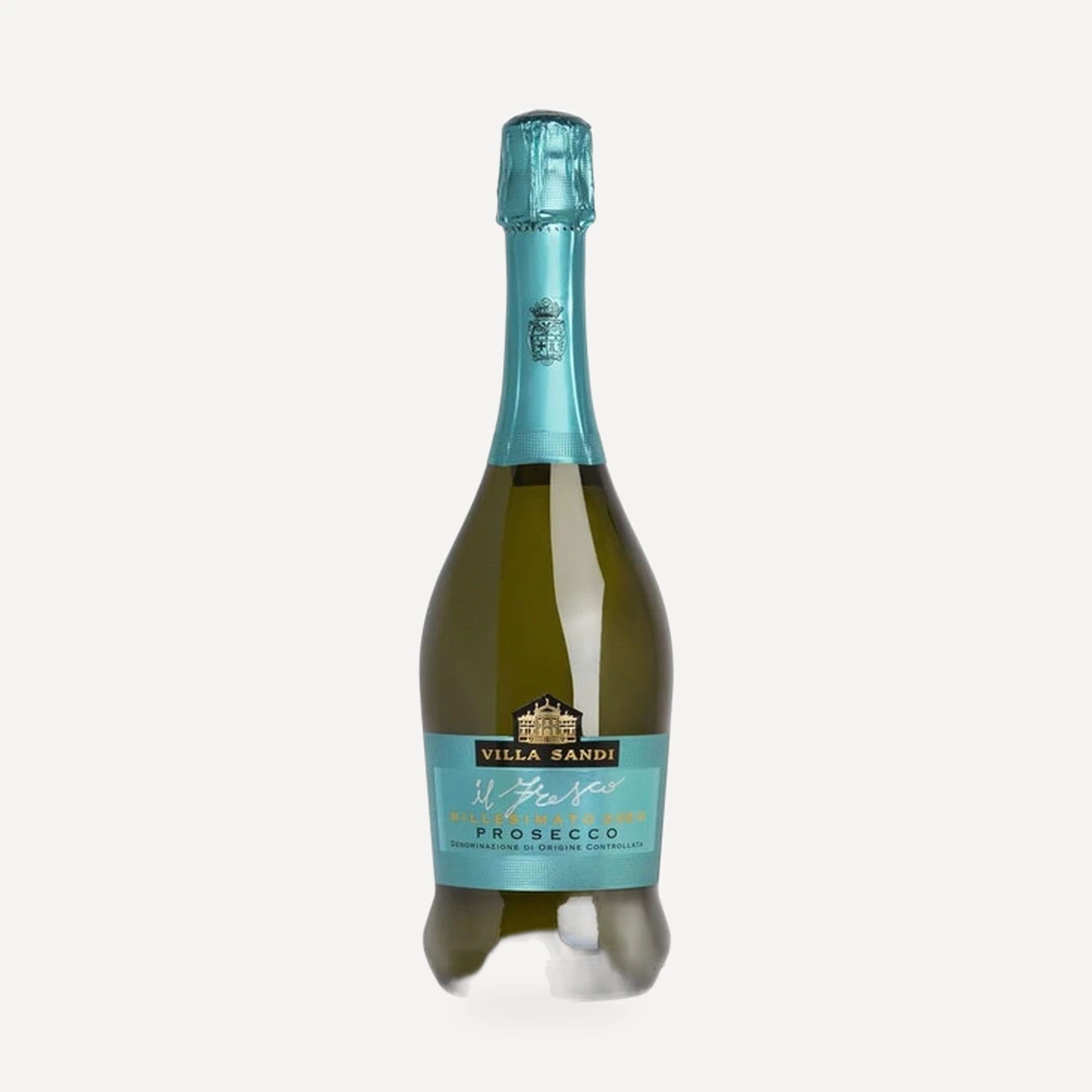
Il Fresco Prosecco Millesimato Extra Dry DOC
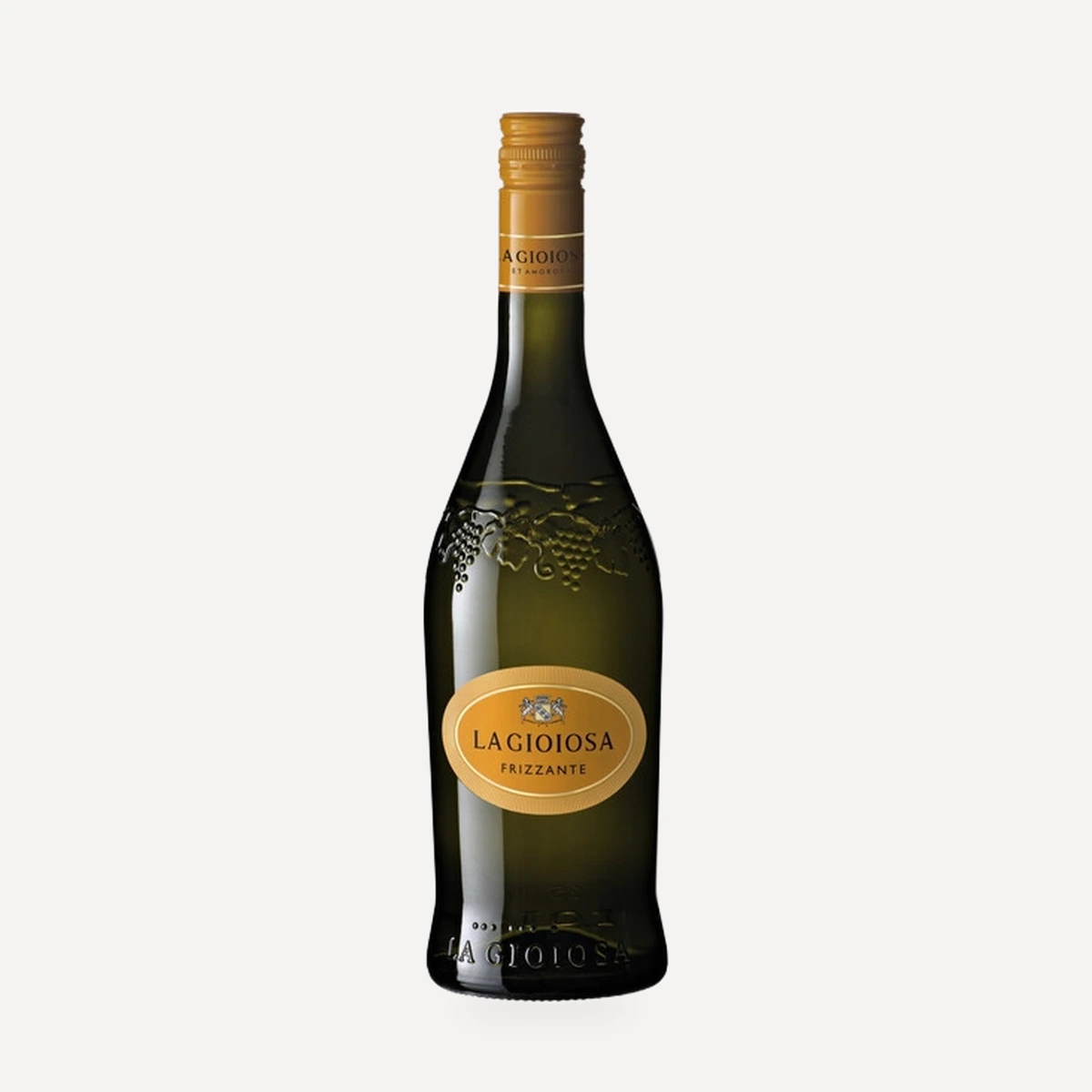
La Gioiosa Frizzante
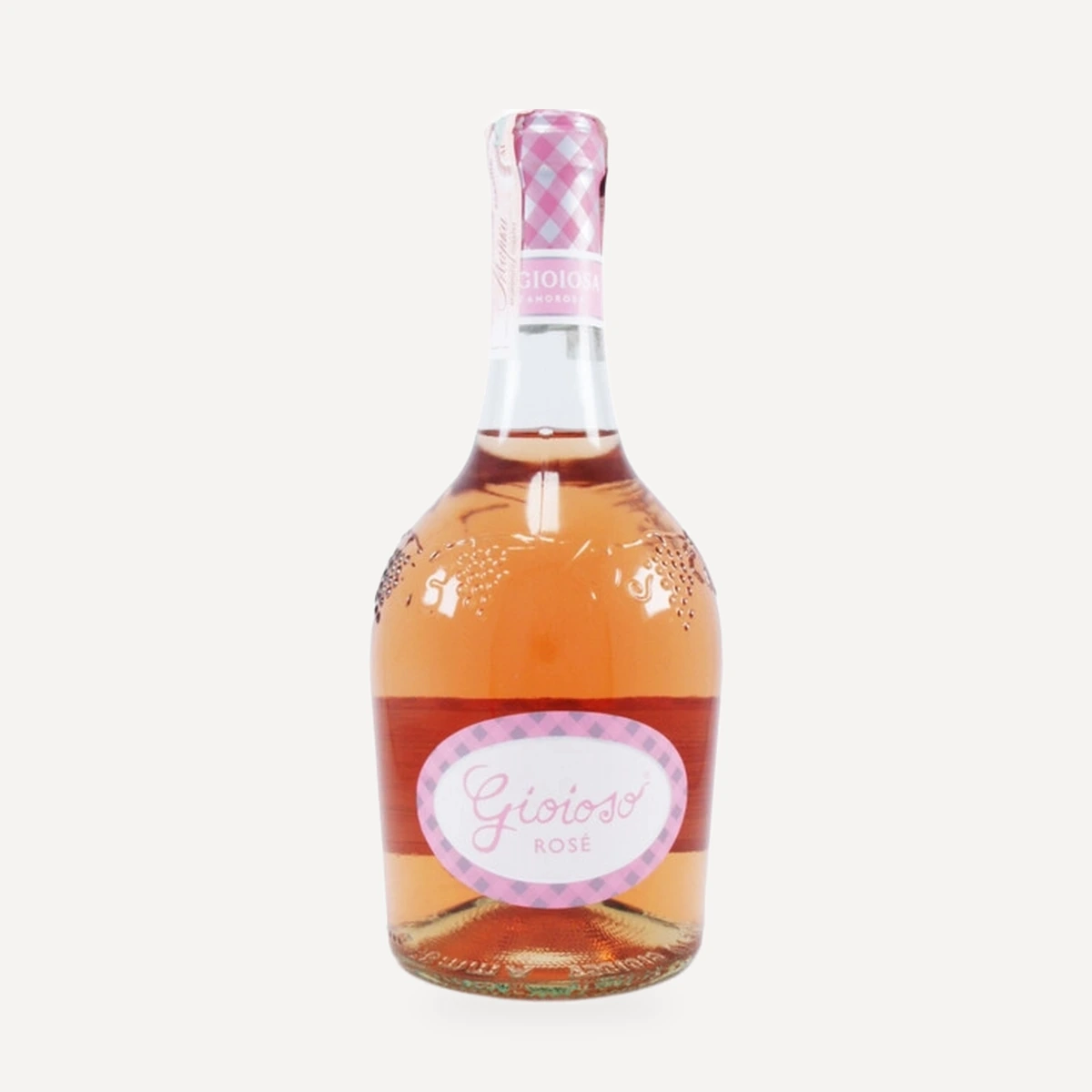
Gioioso Rose Frizzante
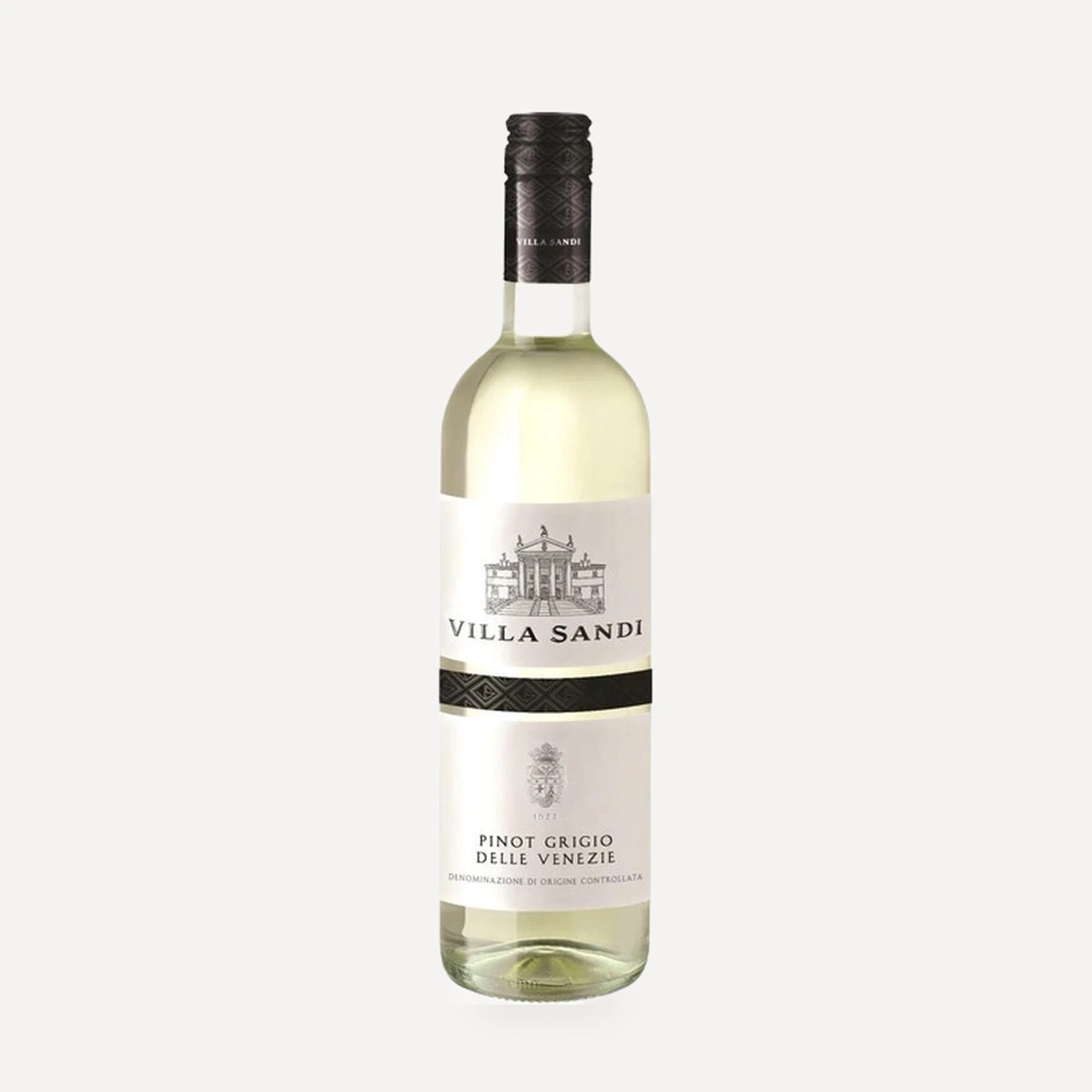
Pinot Grigio delle Venezie DOC
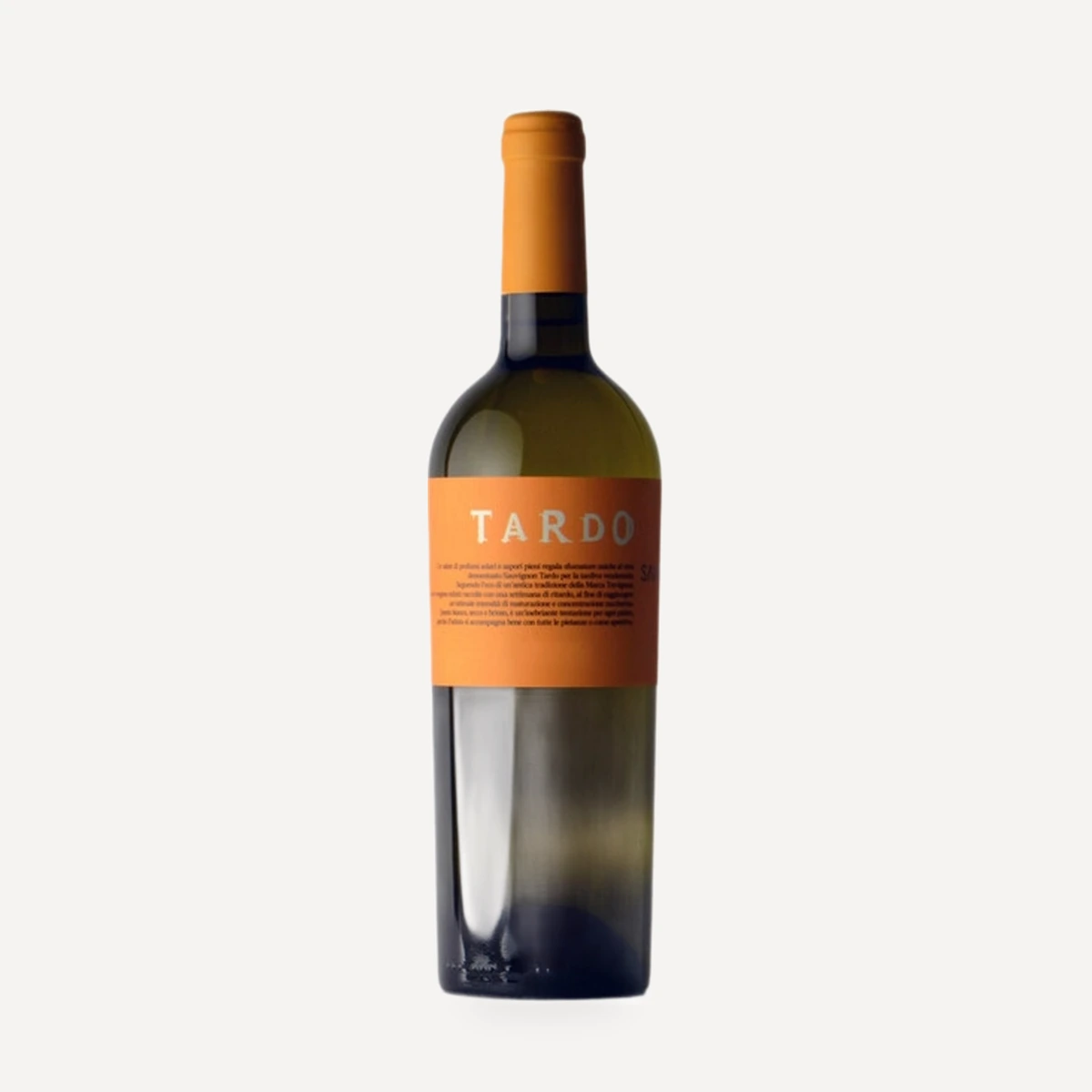
Tardo Sauvignon Marca Trevigiana IGT
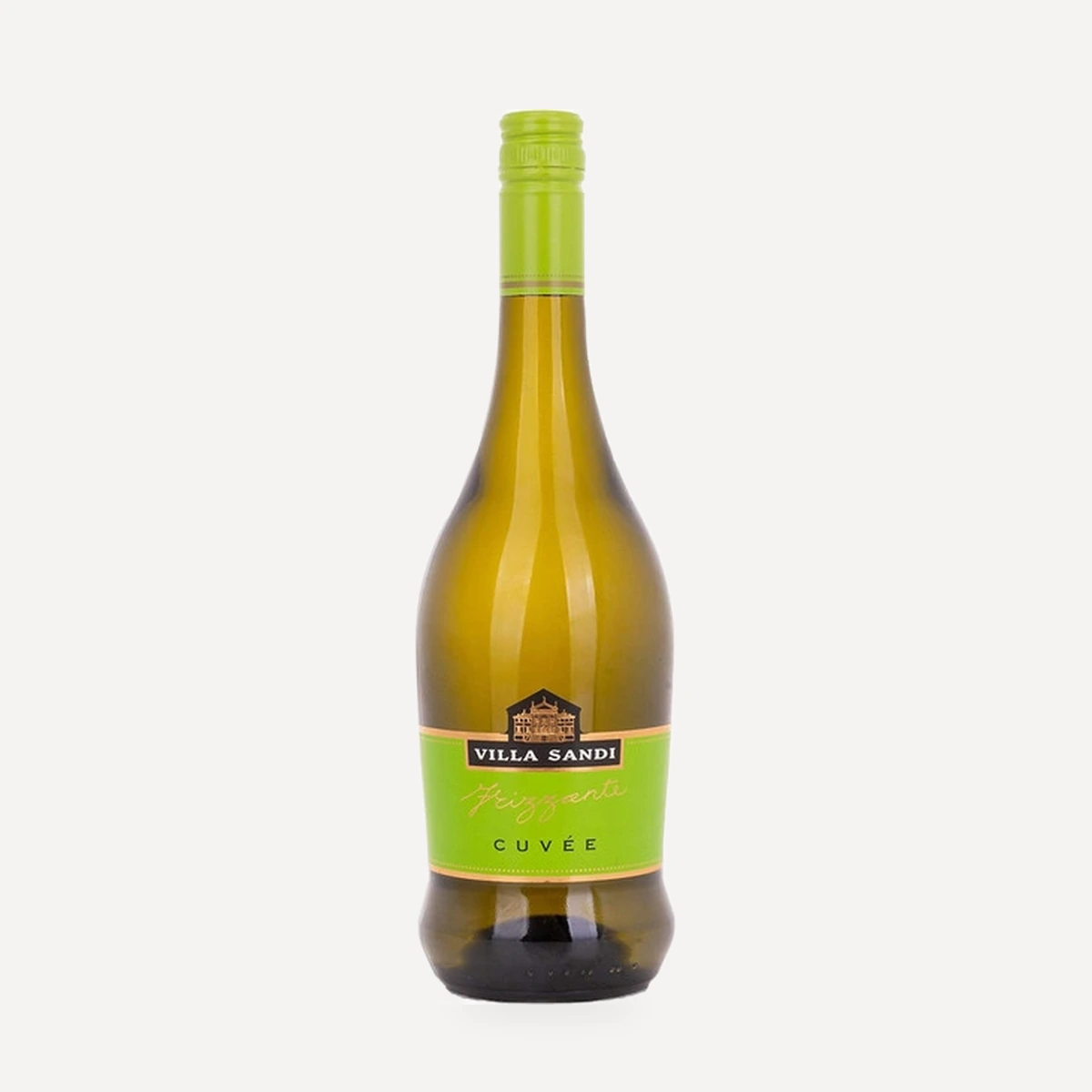
Frizzante Cuvee Bianco
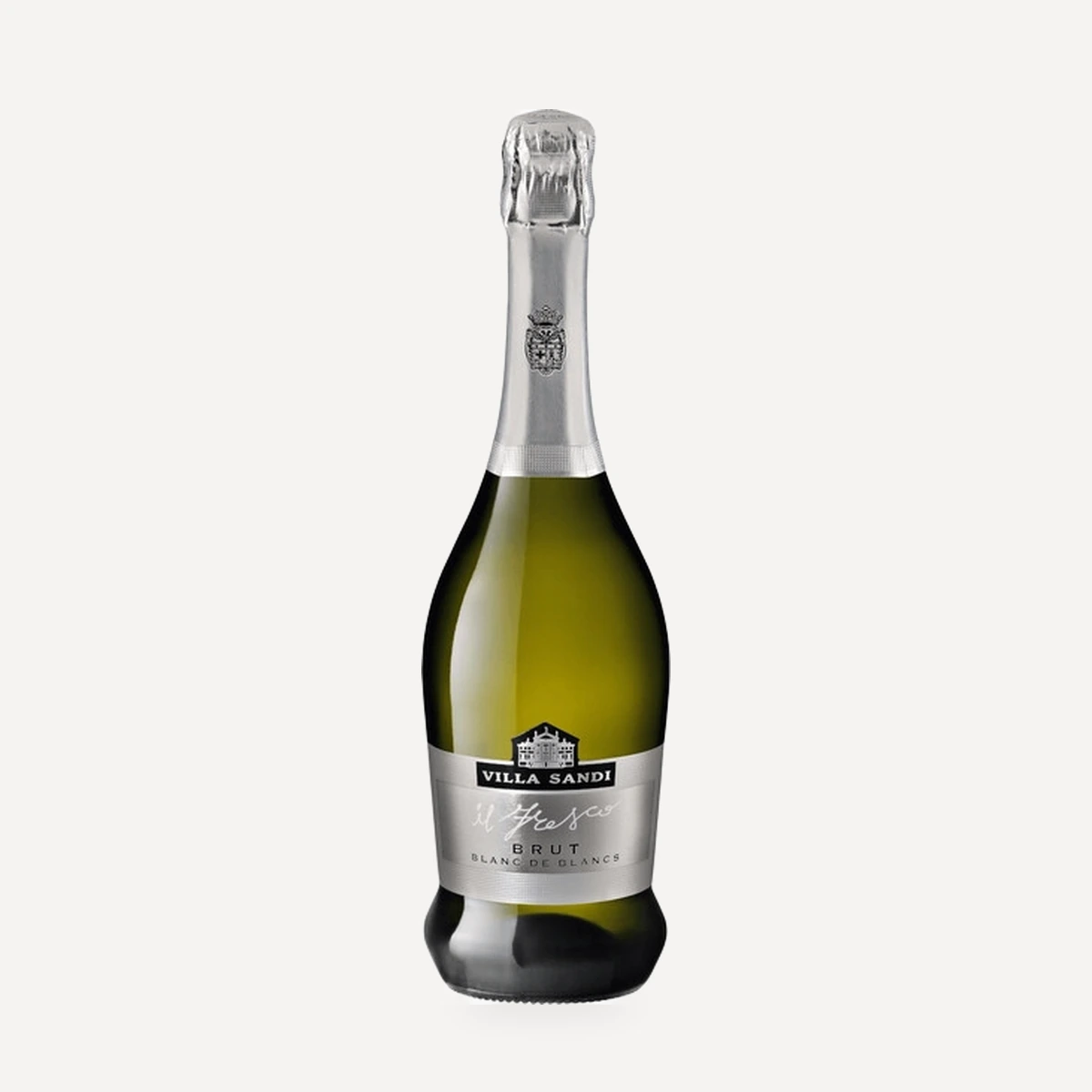
Il Fresco Blanc de Blancs Brut
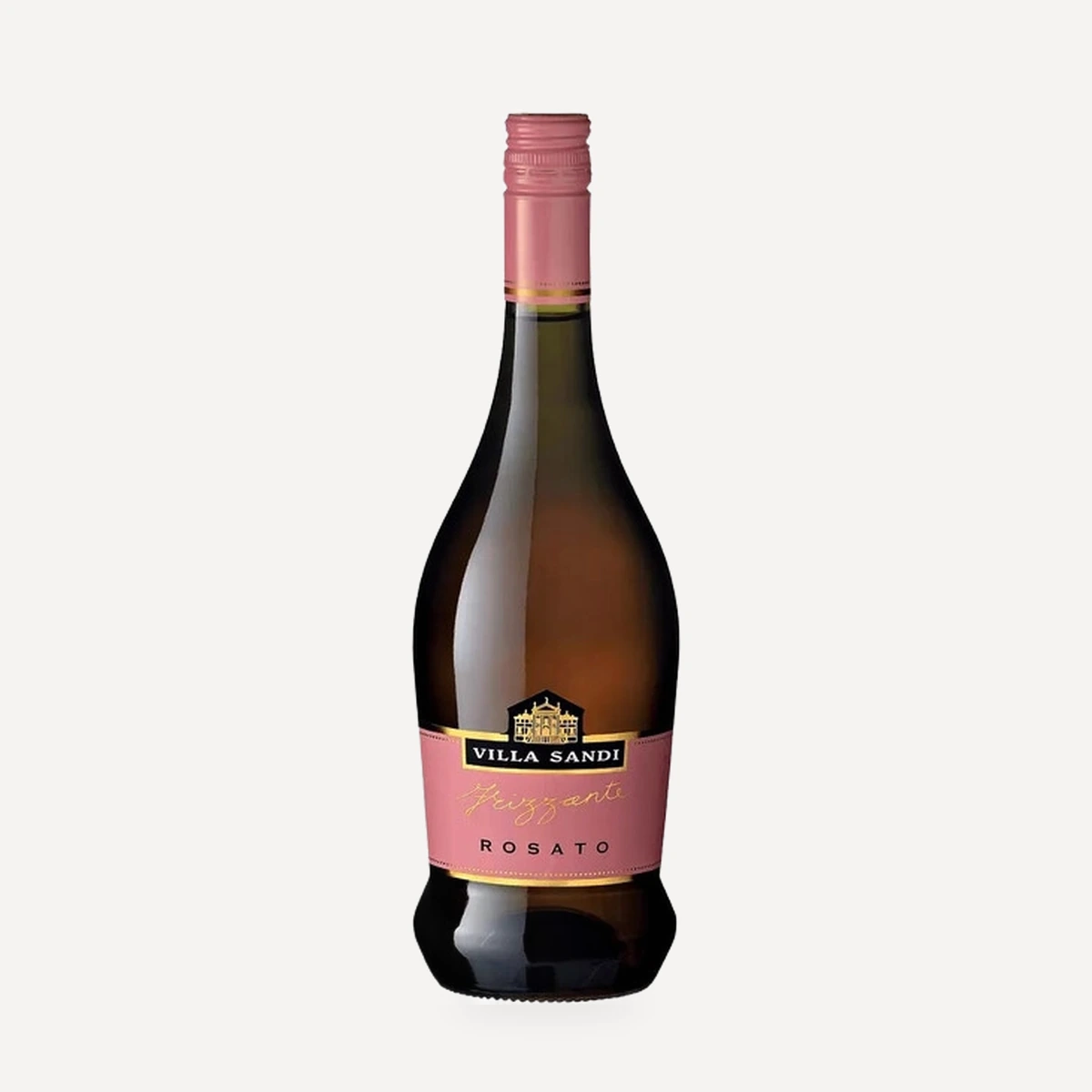
Frizzante Rosato Marca Trevigiana IGT