Storia
The discovery of Siddùra
In 2008, two entrepreneurs arrived in Gallura looking for a place where they could create an agricultural project closely tied to the landscape. They found a neglected estate near Luogosanto with an existing vineyard, evidence of an older local winegrowing tradition. The property was acquired and became the foundation of Siddùra, established by the German Gottesdiener family.
The first harvest was vinified almost experimentally. It produced Maìa, a Vermentino that became the estate’s symbolic wine and transformed the original intuition into a long-term winery project. Siddùra was founded around a declared objective: to make high-quality wines capable of expressing Sardinia through close observation of the land, sustainable cultivation and precise cellar work.
Establishing the range
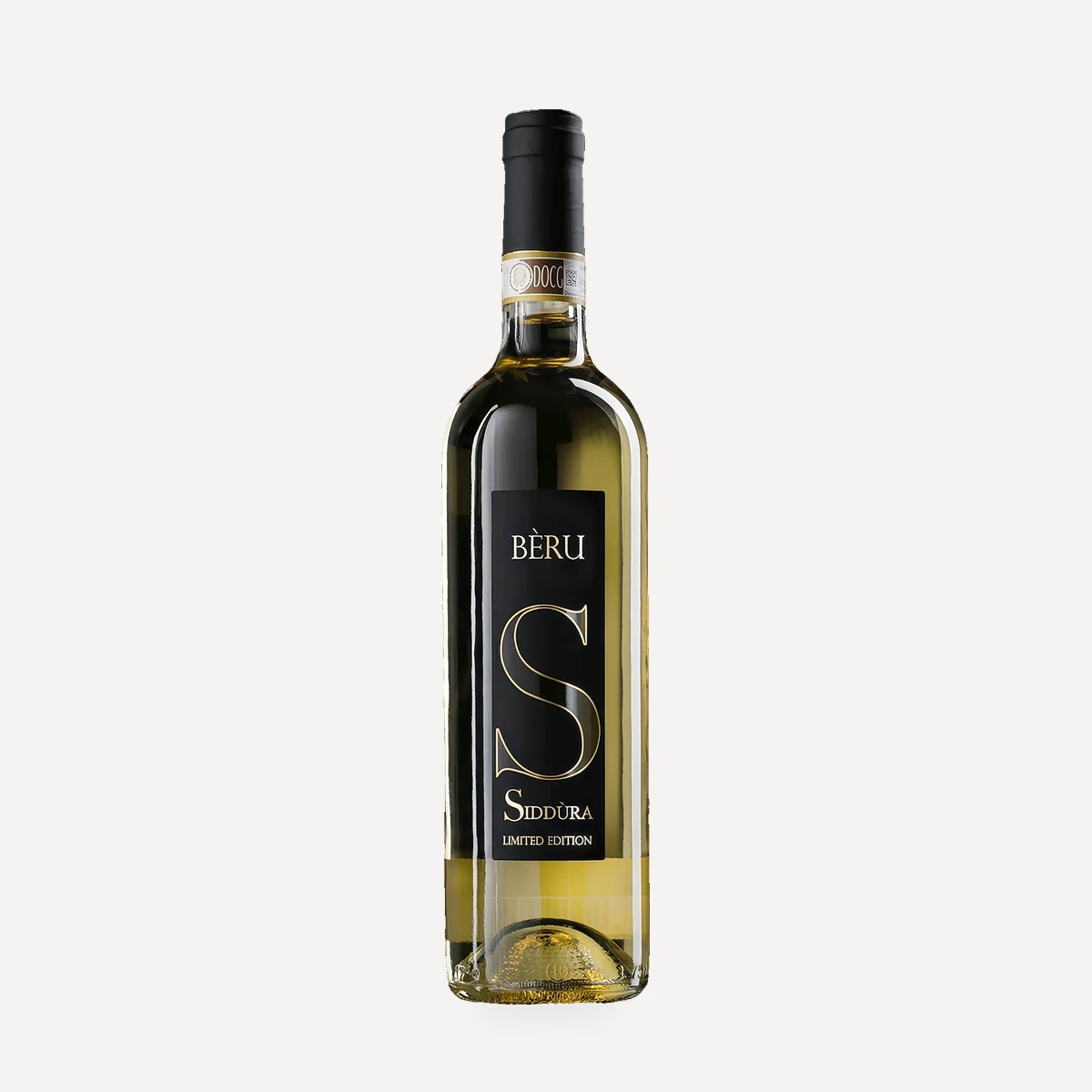
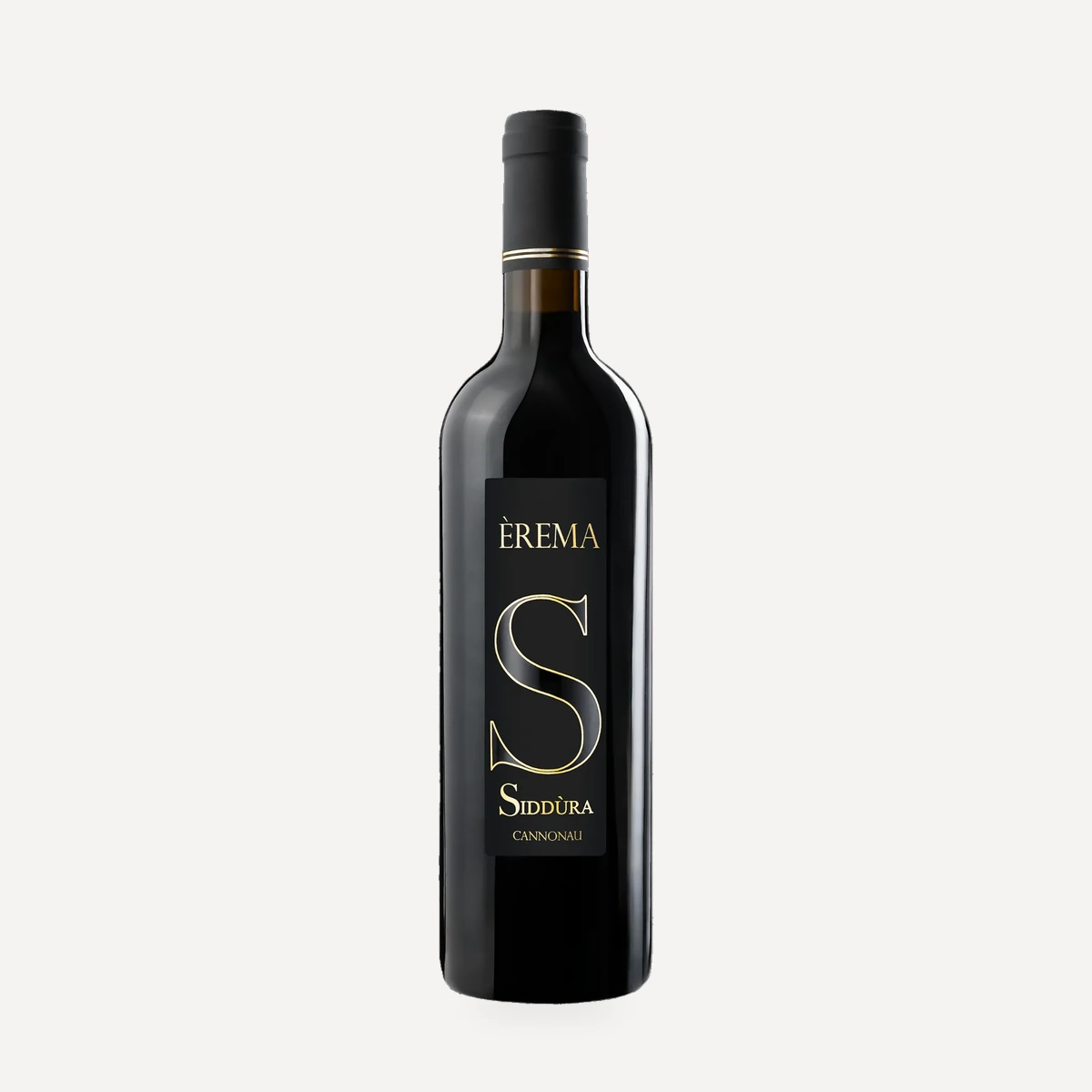
Maìa’s official year of birth was 2011. It was followed in 2012 by Bèru, a barrel-fermented expression of Vermentino, the youthful Cannonau Èrema and the Sangiovese–Cabernet Sauvignon blend Tìros. Nudo, a rosé originally based on Cannonau, was introduced in 2017 after several years of research and experimentation.
The range subsequently expanded from Vermentino into Cannonau and Carignano, followed by Moscato and selected international varieties. The intention was both to develop Sardinia’s established grapes and to test the ability of Gallura’s soils and climate to shape non-native cultivars.
Maìa’s early success at the Decanter World Wine Awards became an important affirmation of the project. In 2023 it was also named Italy’s best Vermentino at the national Premio Vermentino competition.
Sustainability and technological development
Siddùra combined traditional manual work with increasingly precise agricultural technology. Integrated production became the basis of vineyard management, supported by winter water collection, soil-moisture sensors, monitored irrigation and drones used to observe plant health. The estate also worked to protect beneficial insects, reduce chemical intervention, prevent erosion of its granite-derived soils and preserve the surrounding cork woods, Mediterranean scrub and old olive groves.
From 2022, management introduced measures intended to improve conditions for employees across vineyard, cellar and commercial roles. In 2024 Confagricoltura included Siddùra among 100 Italian agricultural businesses recognized for attention to sustainability.
Reorganization and expansion
A broader modernization and expansion programme was launched after a managerial review of administration, marketing, production and commercial operations. Mattia Piludu, previously technical director for two years, became general manager in 2024. Massimiliano Farci joined as commercial director, while production remained under oenologist Dino Dini and agronomist Luca Vitaletti.
Plans presented in 2024 included an additional winery wing for receiving grapes, larger working spaces, the planting of approximately 7 ha of Vermentino at Poldomo and a hospitality building beside the offices. The proposed visitor facility was designed with tasting rooms and a library vault for significant vintages, using natural materials such as wood and granite. Old Gallurese stazzi were also placed under restoration.
The estate undertook a more detailed subdivision and study of its vineyards to translate individual site characteristics more precisely into its wines. The new Poldomo plantings were situated in a separate estate valley, where vineyards rise from approximately 300 to 450 metres.
Recent development
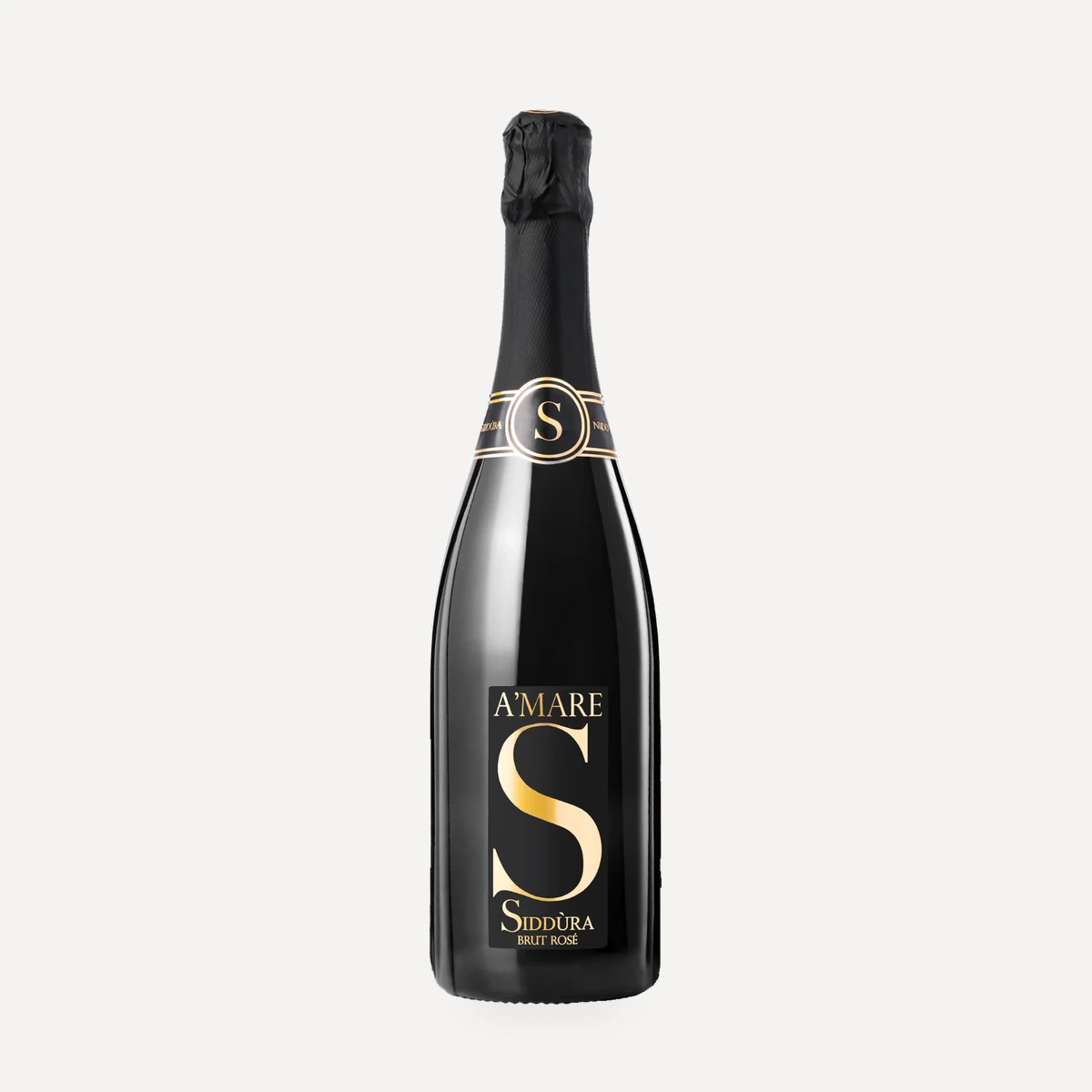
The 2024 harvest produced A′Mare, Siddùra’s first sparkling wine. The project followed Nudo 2023’s first-place result at the 50 Great Rosé Wines of the World competition and reinterpreted the rosé concept as a vintage brut sparkling wine. A′Mare entered the market in 2025.
Following three years of restructuring production processes and optimizing resources, Siddùra closed 2024 with 54 employees, a positive result and double-digit turnover growth. Although early 2025 brought difficult market conditions, the estate subsequently recorded several consecutive months of growth in both bottles sold and turnover.
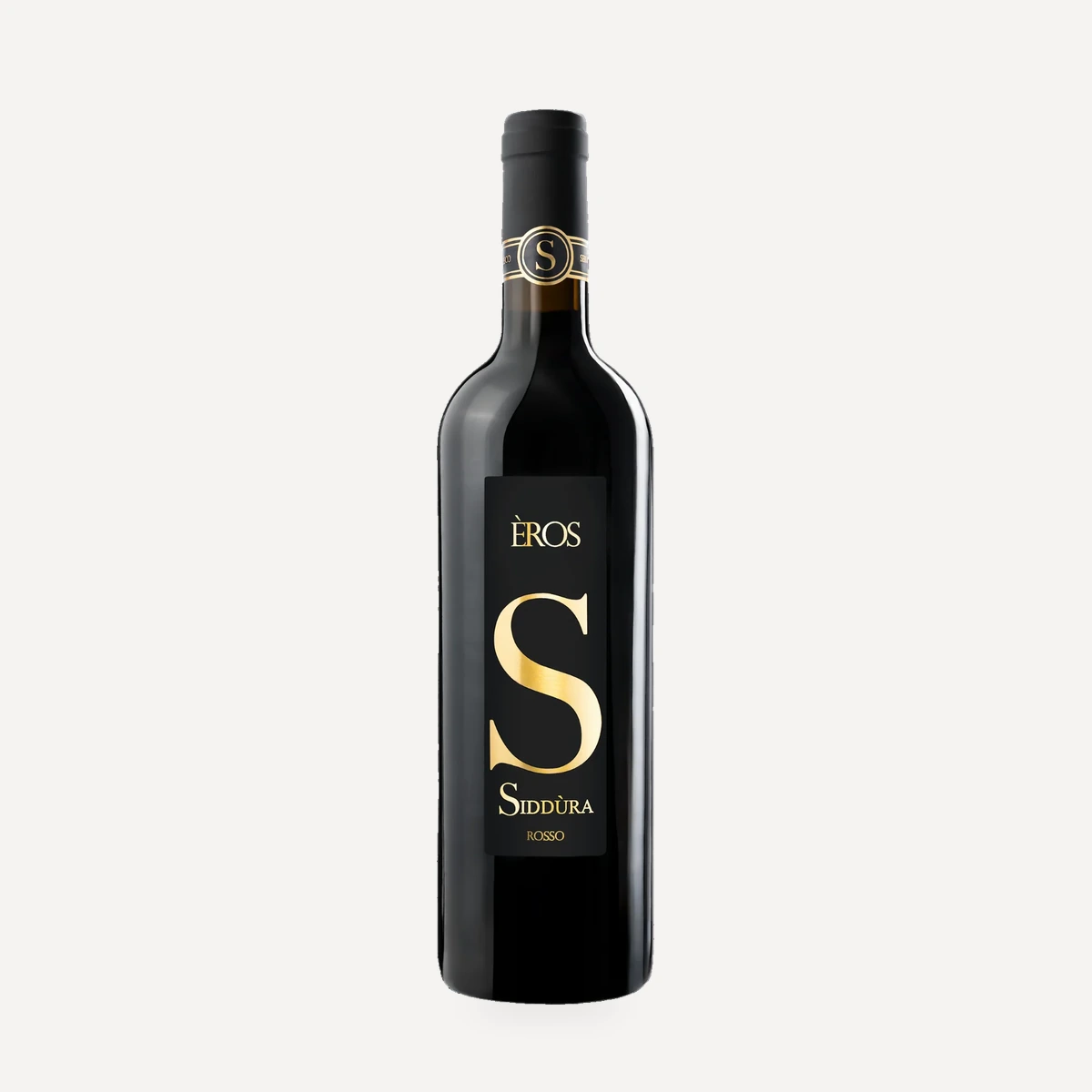
In 2026, Èros joined the collection as a red wine conceived to be served chilled, extending the estate’s continuing programme of experimentation.
Terroir
Siddùra lies near Luogosanto in Gallura, in northeastern Sardinia. The estate takes its name from the Gallurese word for “saddle,” a reference to the shape of the valley and surrounding hills.
The principal estate vineyards occupy a natural hollow protected by hills. The site receives ample sunlight while marine breezes rise inland from the coast. Constant ventilation helps keep the bunches dry and healthy, while marked differences between daytime and nighttime temperatures support slow, complete ripening.
Granite and granite-derived soils are central to the estate’s identity. They are variously described as sandy, slightly sandy and stony, depending on the site. Their erosion risk influences vineyard management, while their mineral composition is associated with freshness and minerality in the wines.
The estate landscape combines approximately 40 ha of vines with cork-oak woods, Mediterranean scrub and historic olive groves. At Poldomo, vineyards occupy a separate valley at approximately 300–450 m above sea level. A Moscato site is positioned on hills near Sardinia’s northern coast; its sandy, well-ventilated conditions favour natural concentration in the grapes.
Vinificazione
Siddùra follows the principles of integrated production and participates in the voluntary Sistema di Qualità Nazionale Produzione Integrata, or SQNPI. Vineyard work seeks to maintain the balance of the agricultural ecosystem while protecting the organisms that inhabit it.
The programme includes preserving beneficial insects, avoiding pesticides, reducing other phytosanitary products almost completely and minimizing chemical intervention on the vines. Particular attention is given to limiting erosion in the estate’s granite-derived soils and preserving vineyard biodiversity within the surrounding cork woods and Mediterranean vegetation.
Water is collected during winter and used through monitored irrigation systems. Sensors measure soil or plant moisture so that water can be applied according to need. Drones provide an overhead view of the health of the entire property and supplement direct observation by the vineyard team rather than replacing manual work.
Harvesting is manual, followed by careful selection of the bunches. The guiding approach is to accompany the natural process without forcing it or accelerating work to meet market schedules.
Beyond the vines, the estate produces the energy it requires, uses recycled glass for its bottles and plans a nature trail through the centuries-old cork woods and historic olive groves. Those woods and groves cover approximately 160 ha of the 200 ha property.
The winery is built underground so that its architecture remains integrated with the surrounding landscape. Its production spaces include the main cellar and a dedicated barrel room where wines mature in oak.
Grapes are harvested by hand and the bunches are carefully selected before vinification. Cellar work combines established methods with modern equipment and precise process control. Technology is treated as a means of improving attention at each stage, while the broader philosophy is to accompany the transformation of grapes into wine rather than dominate it.
Siddùra works with stainless-steel tanks, large oak vessels and smaller French-oak barrels across its range. The cellar includes a dedicated area for élevage en barrique. Depending on the intended expression, the estate employs controlled-temperature fermentation, skin contact, gentle pressing, malolactic fermentation and maturation on the lees or in oak; these techniques vary by wine rather than forming one standard protocol.
A modernization plan launched in the mid-2020s included a new wing devoted to receiving harvested grapes and an enlargement of the working areas to support higher production volumes. Vineyard subdivision and pilot projects were developed in parallel so that future vinifications could express individual sites more precisely.
Filosofia
Siddùra defines its approach through three principles: quality, perfection and harmony.
Quality begins with understanding and respecting the land. Sustainable cultivation, manual harvesting and bunch selection are intended to let the vineyards determine the pace of work. The estate rejects shortcuts and describes its role as guiding the process without overpowering it.
Perfection is understood as sustained attention to detail rather than an abstract ideal. Every stage can influence the finished wine, and technology is valuable when applied intelligently in support of that attention.
Harmony means placing every component in balance, without allowing one element to dominate. In practical terms, this involves combining inherited methods with openness to experimentation, new varieties and contemporary technology.
The estate treats quality as a form of respect for the consumer. Its declared goal is to convey Gallura, its values and its agricultural landscape in each wine. Environmental sustainability, economic durability, landscape protection and employee well-being form part of the same long-term concept of quality.
Vini
A′mare
Bèru
Èrema
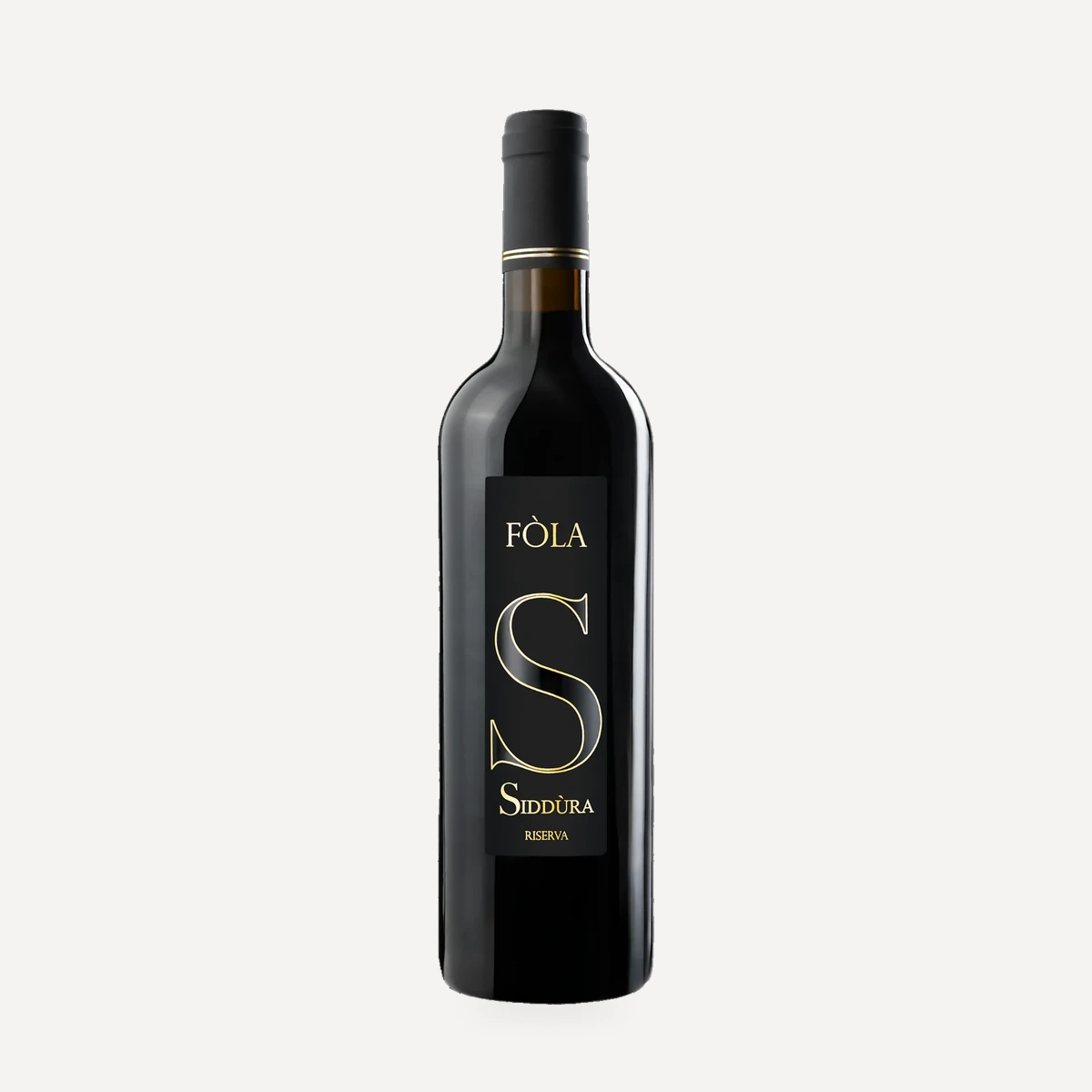
Fòla
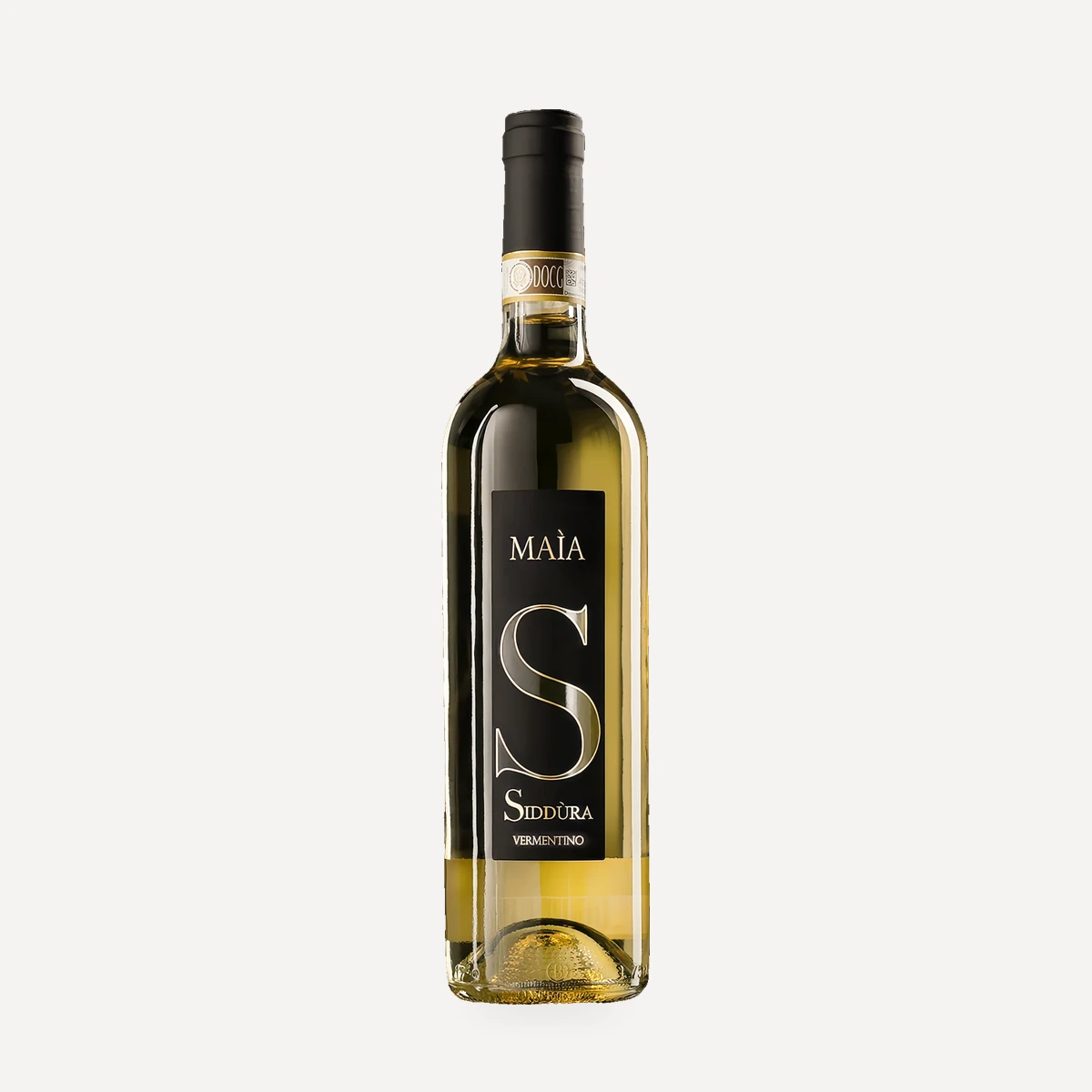
Maìa
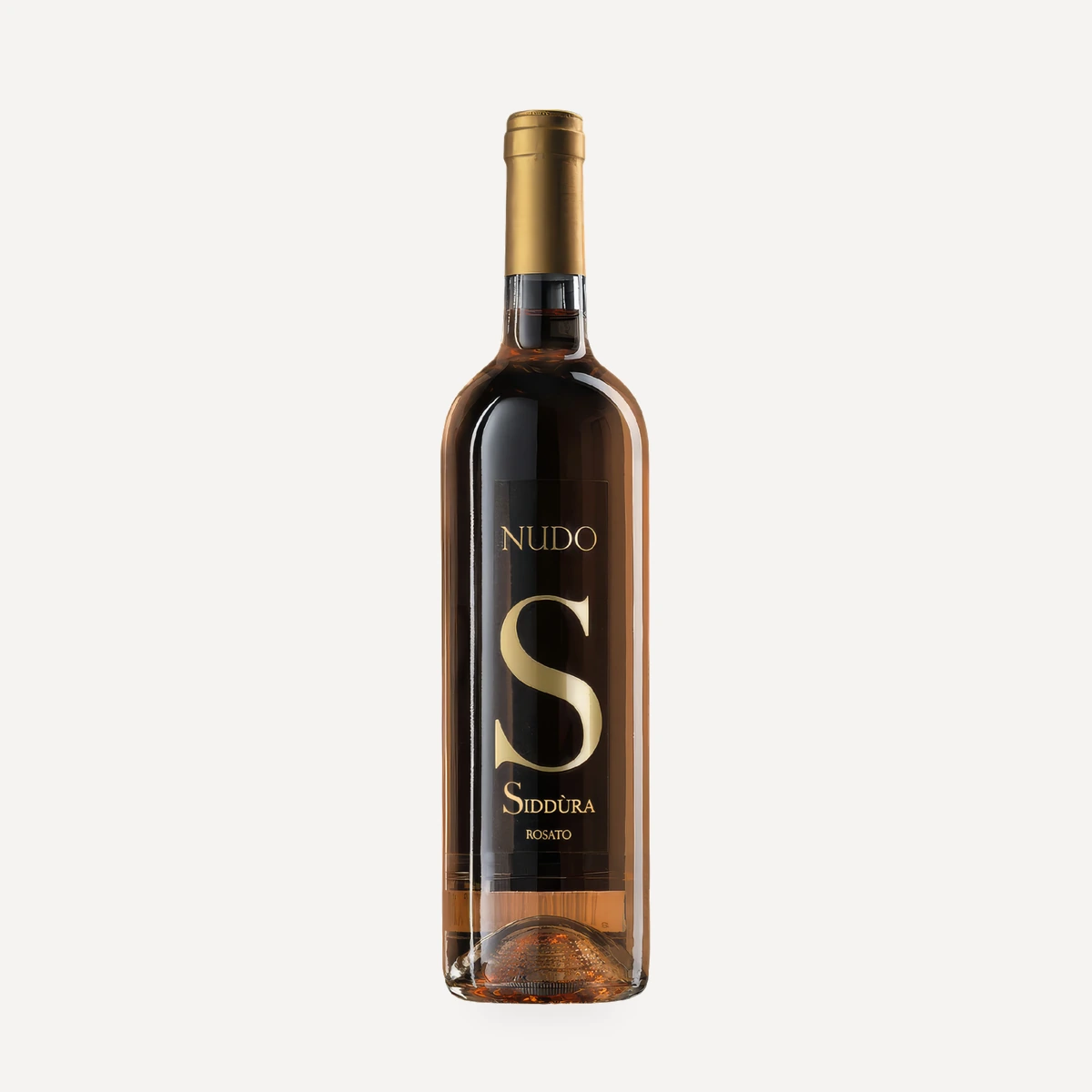
Nudo
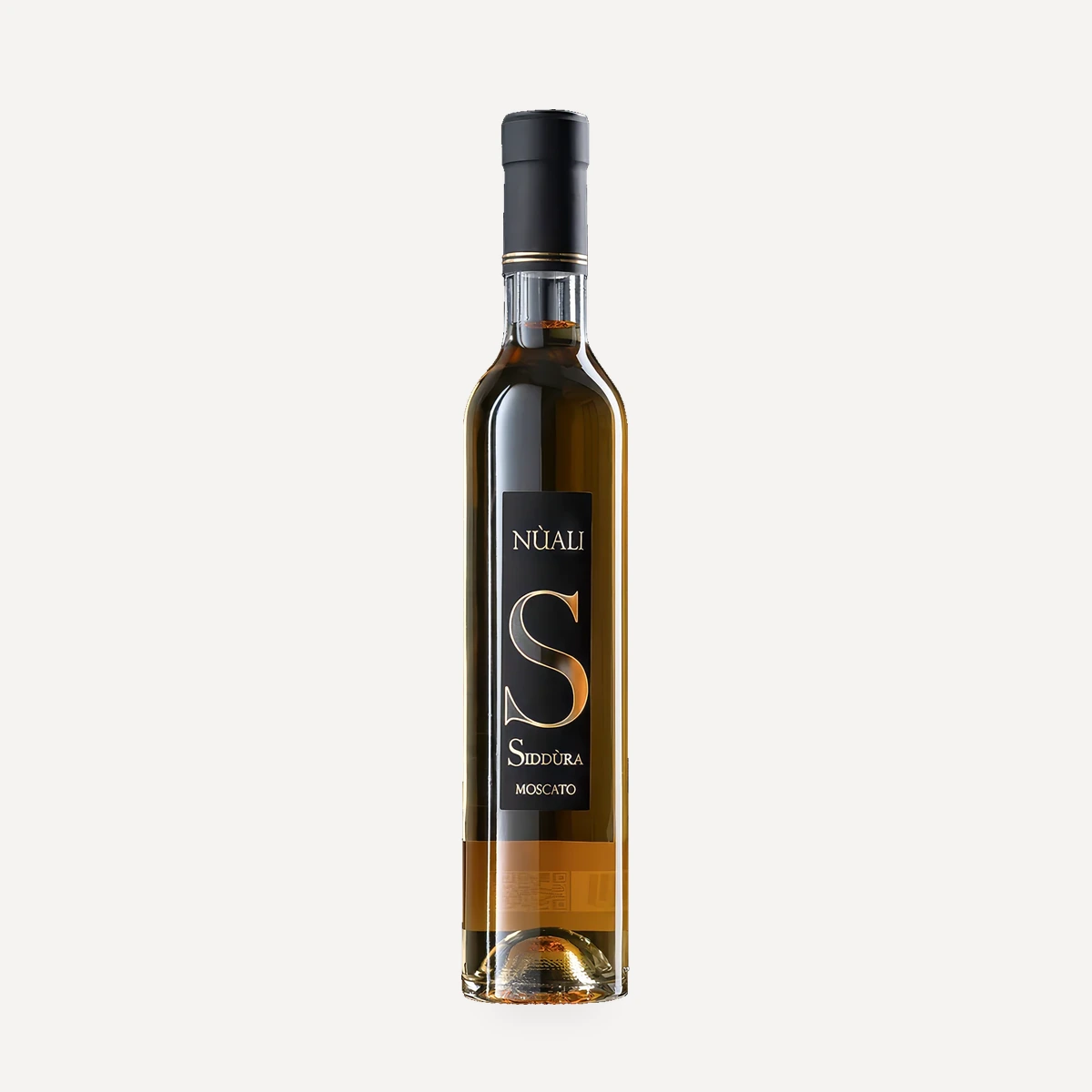
Nùali
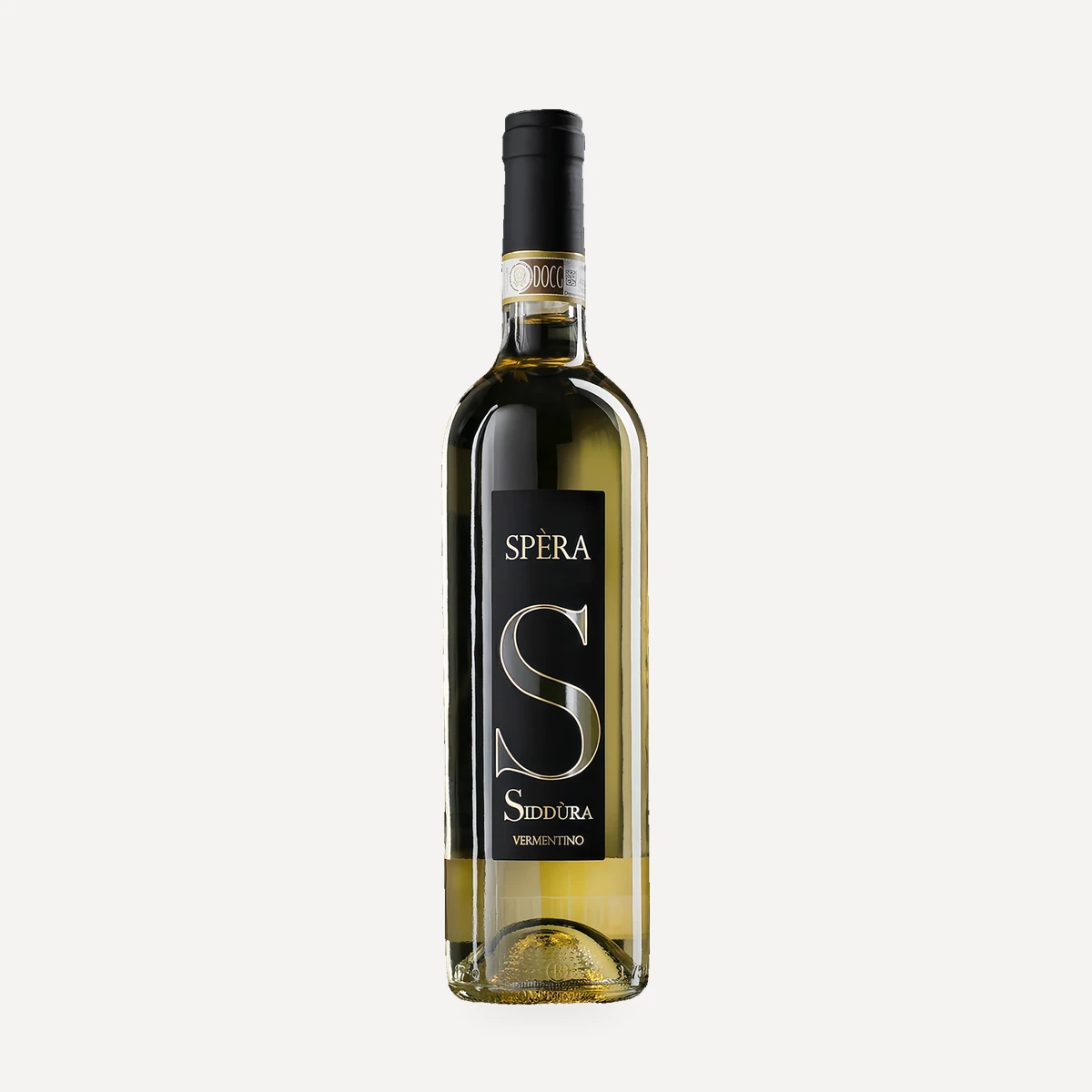
Spèra
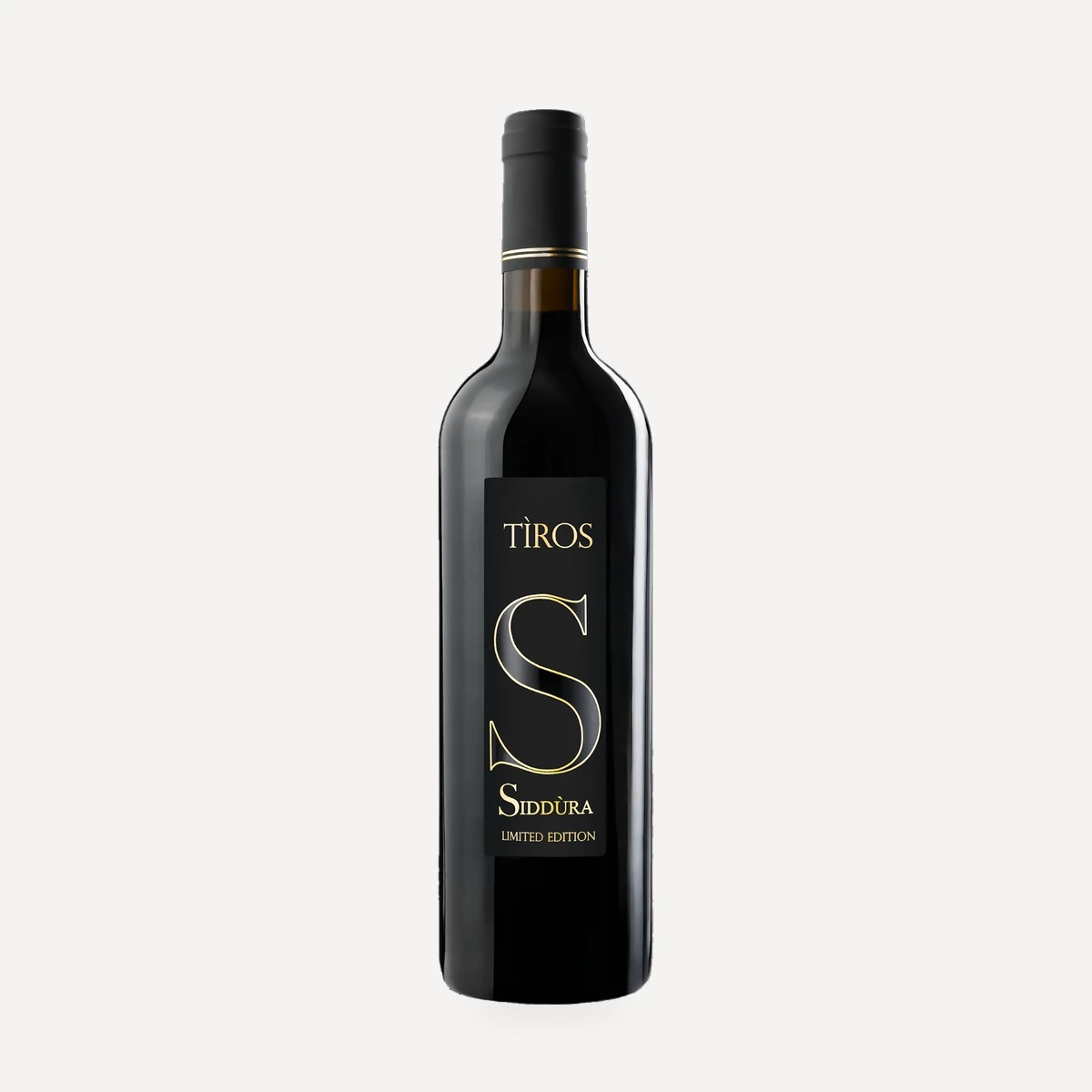
Tìros
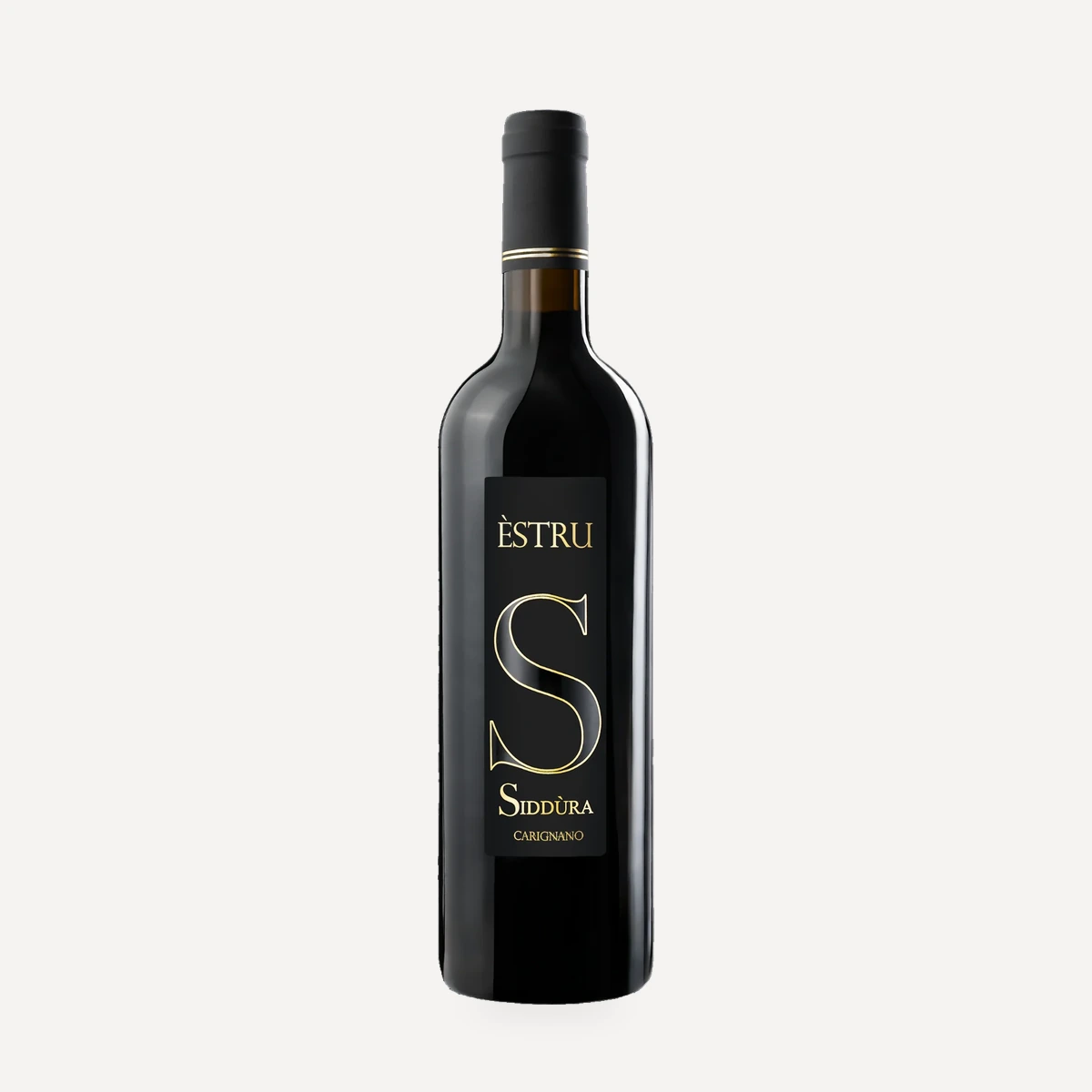
Èstru
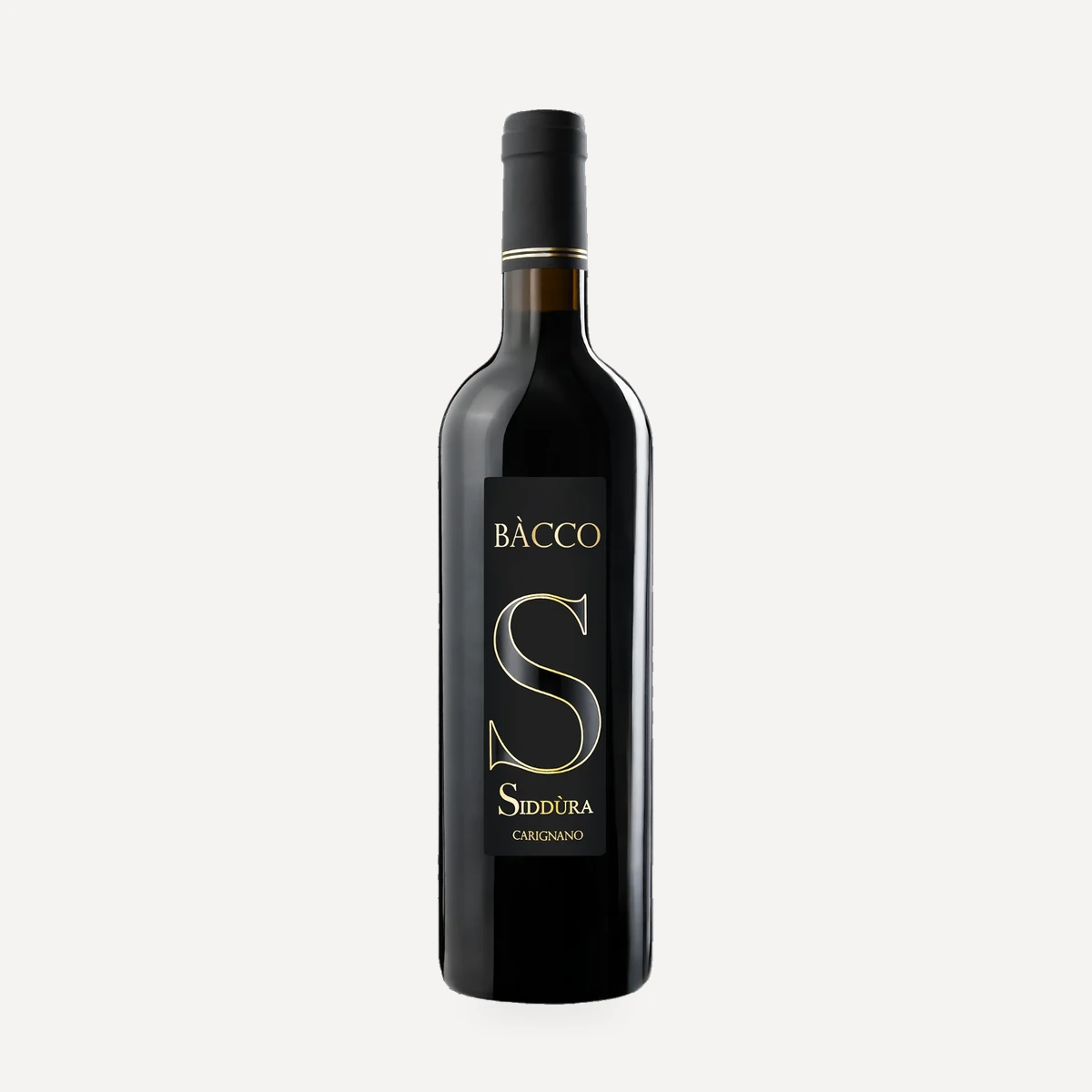
Bàcco