Storia
Origins and the move to Moscato country
The family activity began in the Astigiano, among hills associated with Barbera. In 1910, Vincenzo Toso moved the business to Santo Stefano Belbo after learning about Moscato and the sparkling wines made from it. The move took the family from a Barbera-oriented landscape into the Moscato-covered hills of the Belbo valley and gave the enterprise a new identity.
The first phase was commercial rather than industrial: Vincenzo and the preceding family generation traded wine. Toso remained principally a wine merchant until 1938, when it began bottling.
1938–1950: from trading to an agricultural winery
Bottling began in 1938. Until the 1950s, Toso remained primarily an agricultural concern that produced and bottled wine. Vincenzo was succeeded by his son Pietro, and Pietro in turn by his sons Luigi and Vincenzo. The successive generations maintained the family structure while adding new knowledge and preparing the company for further development.
From the 1950s: sparkling wine and vermouth
After the 1950s, the generation represented by the father and uncle of the present leadership expanded into sparkling wine. Moscato d’Asti and Asti Spumante progressively became the principal expressions of Casa Toso. The company also entered the vermouth market during this decade, establishing experience in wine aromatisation, herbs and botanical infusions.
The market for vermouth subsequently passed through several phases. Toso retained its connection with traditional vermouth recipes while bartenders and consumers later renewed their interest in classic drinks such as the Negroni and Americano. The introduction of the euro around 2002 facilitated trade within Europe and increased demand from northern European retailers for Italian-made products.
1993: expansion at Cossano Belbo
The premises at Santo Stefano Belbo eventually became too small for further growth. In 1993, Toso transferred to Cossano Belbo, a few kilometres away. This was a decisive expansion in physical scale, equipment and production volume. The new operation developed into a mechanised and increasingly computerised winery, with automated production and warehousing and a growing emphasis on documented traceability, food safety and process control.
Early 2000s: Toccasana Negro and Gamondi
At the beginning of the 2000s, Toso acquired Toccasana Negro. The product was already familiar locally, and Toso’s existing competence in herbs and vermouth made the acquisition a natural extension of the business. Toccasana Negro had previously acquired the Gamondi name, bringing Toso into contact with Carlo Gamondi’s historical formulas for vermouth, amaro, bitters, aperitifs and other botanical drinks. Toso revived a number of these preparations and expanded further into spirits and aromatised beverages.
2017–2018: production without added sulphites
Toso developed a method for producing wine without added sulphites in response to growing interest in organic and additive-free products. Healthy grapes free from rot damage were selected. Carbon dioxide was introduced in the receiving hopper to prevent oxygen contact, and subsequent processing continued under a nitrogen blanket. Saruné, an Asti Secco DOCG without added sulphites, entered the range around the 2017–2018 period. Its name recalls the Piedmontese term for a cart builder and the nickname of Pietro Toso of the family’s second generation.
Fourth and fifth generations
The fourth generation is represented by brothers Pietro and Gianfranco Toso and their cousin Massimo Toso. Each has defined responsibilities within the business, while the three share the direction of the family company. Gianfranco has served as chief executive and general manager and has overseen distribution strategy and corporate identity. Members of the fifth generation had begun collaborating with the company by 2021.
The business developed into an integrated wine-and-spirits producer active in Italy and international markets. Its portfolio now encompasses still, semi-sparkling and sparkling wines, vermouth and aperitifs, liqueurs and spirits, aromatised beverages and ready-to-drink cocktails. Production stages for the newer categories have progressively been brought under internal control.
Environmental and organisational development
Long-term environmental investment includes an internal winery-wastewater treatment plant operating for more than thirty years, wood-biomass heating used for more than a decade, three photovoltaic installations, energy monitoring, LED lighting, recovery of treated water, an automated warehouse and an internal analytical laboratory. Robotic shuttles consolidate storage at the production site and reduce the movement of wheeled handling vehicles.
Toso published its first voluntary Sustainability Report for 2024, following the VSME framework and using double-materiality analysis. In 2025, the company published its second report, extended its carbon accounting to Scope 3 emissions and obtained Equalitas certification for the Sustainable Organisation module. These systems complement IFS, BRC-GS, ISO 22000, ISO 9001, ISO 14001 and ISO 50001 certification.
Terroir
Toso is based at Cossano Belbo in the Belbo valley, within the Langhe’s interlocking network of hills and valleys. The family’s historical move into this landscape was driven by the prominence of Moscato around Santo Stefano Belbo. The area is described as having a cool, temperate climate, while the alternation of settled and disturbed weather regulates vine behaviour through the seasons and between dawn and sunset.
The local soil is known as terra bianca: a compact but receptive white earth composed of calcareous marl, sometimes crossed by fine infiltrations of sand. It is lean and only moderately fertile, conditions suited to vineyards and associated with fragrant wines. Vines occupy the more favourable spaces on the hills.
The surrounding viticultural landscape includes Moscato, Barbera, Cortese, Dolcetto, Favorita, Chardonnay, Freisa and Nebbiolo. Toso’s production also draws on Brachetto and Pinot Noir, while Arneis appears in its Langhe range.
Vinificazione
Toso’s oenological specialists follow the full life cycle of the grapes in the field and continually assess vineyard conditions so that fruit arrives in sound condition and at the required quality level. This technical oversight covers both the company-owned agricultural estates and the vineyards of 130 contributing growers.
For the project devoted to wine without added sulphites, selection concentrated on healthy grapes without rot-damaged berries. This was essential because the subsequent process depended on preventing oxidation rather than relying on added sulphites for protection.
Integrated production structure
Toso vinifies and bottles still, semi-sparkling and sparkling wines, including Piedmont denominations, and also produces fortified and aromatised wines, vermouth, must-based beverages, partially fermented grape musts, cocktails, non-alcoholic beverages, liqueurs, spirits and alcoholic botanical infusions. The industrial structure integrates production, quality control, food safety and traceability.
Certified production activities encompass vinification, fermentation, filtration, blending, maturation and bottling in glass of still, sparkling and spumante wines, including products processed with or without modified-atmosphere protection. Hydroalcoholic extraction of herbs, blending and bottling of liqueurs are also carried out internally.
Every stage from vineyard work and vinification to bottling is planned, monitored and documented. Traceability records how activities were performed, while an internal laboratory analyses raw materials and verifies production processes. Operators working around tanks, barrels and machinery follow defined safety procedures.
Automation and logistics
By 2021, the production line was fully robotised. Five operators could produce approximately 10,000 bottles per hour. The warehouse was also automated: robotic shuttles consolidated goods at the production site, reducing the use of wheeled handling vehicles and improving logistics and energy efficiency. Increasing computerisation supports production tracing and quality control.
Production without added sulphites
Healthy grapes free from rot were selected for the no-added-sulphites project. Carbon dioxide was introduced in the receiving hopper so that the grapes did not contact oxygen during the initial processing stage. The remaining production cycle took place beneath a nitrogen blanket, allowing the wine to be protected without added sulphites.
Quality, safety and environmental controls
The management framework includes IFS, BRC-GS, ISO 22000, ISO 9001, ISO 14001 and ISO 50001 systems, supplemented since 2025 by Equalitas certification for the Sustainable Organisation module. A 2025 unannounced IFS Food Version 8 audit covered vinification, fermentation, filtration, blending, ageing and bottling, as well as wine-, must- and herb-based beverage production; Toso achieved Higher Level status with a score of 96.13% and IFS Star status.
Filosofia
Toso presents its direction as a balance between family continuity, Piedmontese territorial identity and technological development. The original commitment to Moscato remains a defining element, while facilities, equipment and product categories have evolved in response to changing markets.
Knowledge, attention, safety and traceability form the stated basis of its working method. Activities are planned and monitored so that each action takes place at the appropriate time and in the appropriate manner. Documented control is intended to support product quality, consumer safety and the protection of employees working around tanks, barrels and machinery.
The phrase Naturale saggezza del bere joins three ideas: environmental responsibility in operations, quality allied to responsible consumption, and wine’s place at the table alongside food. The company places people at the centre of development and treats the work of cellar staff, technicians, decision-makers and commercial personnel as interdependent.
Sustainability is treated as an environmental, social and governance principle. Priorities include careful resource management, continuous process improvement, worker safety and well-being, responsible supply-chain relationships, renewable energy, recovery of useful materials, reduced packaging impacts and measurable carbon and water accounting. Product innovation is intended to advance without severing the connection to family history and Piedmontese wine culture.
Vini
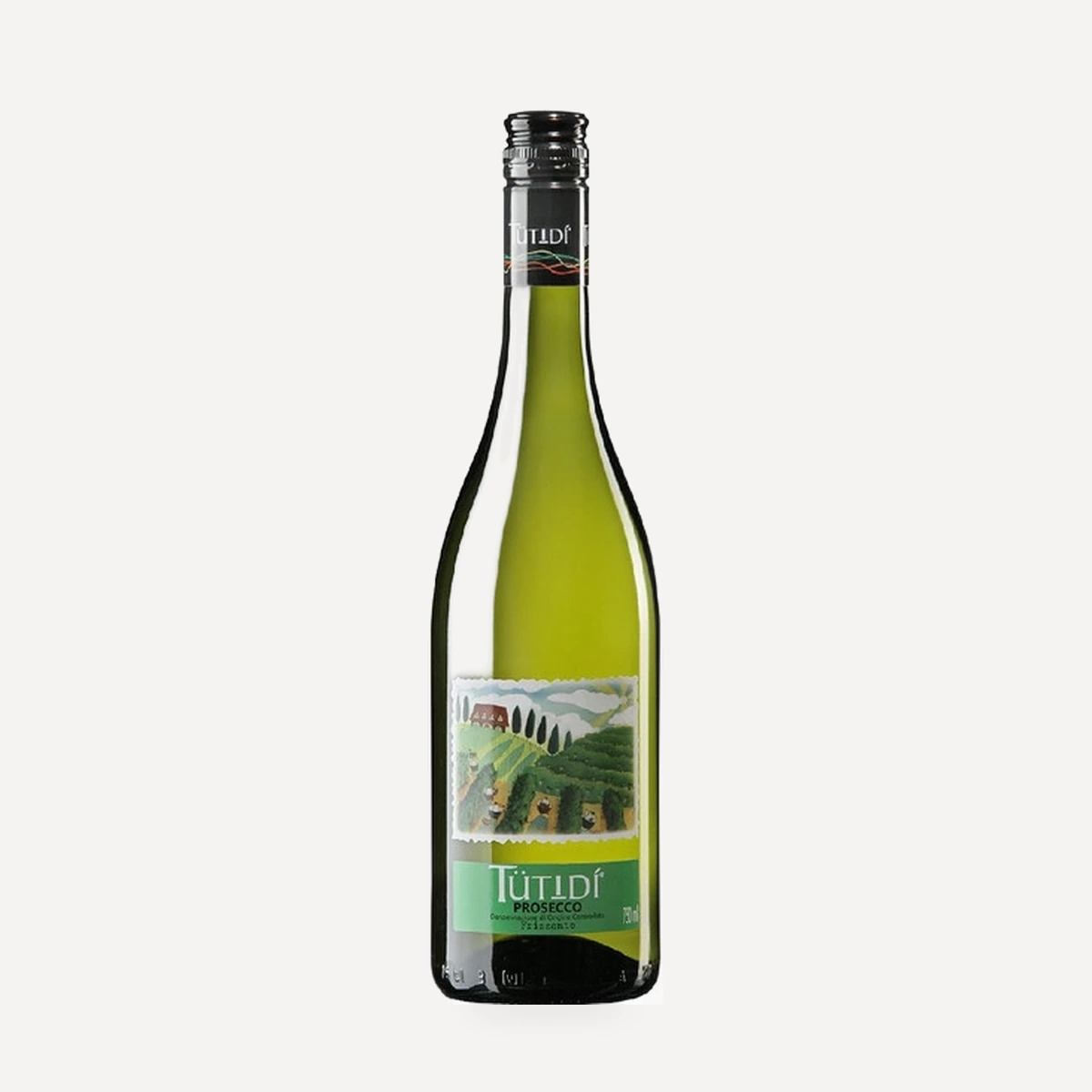
Tutidi Prosecco Frizzante DOC
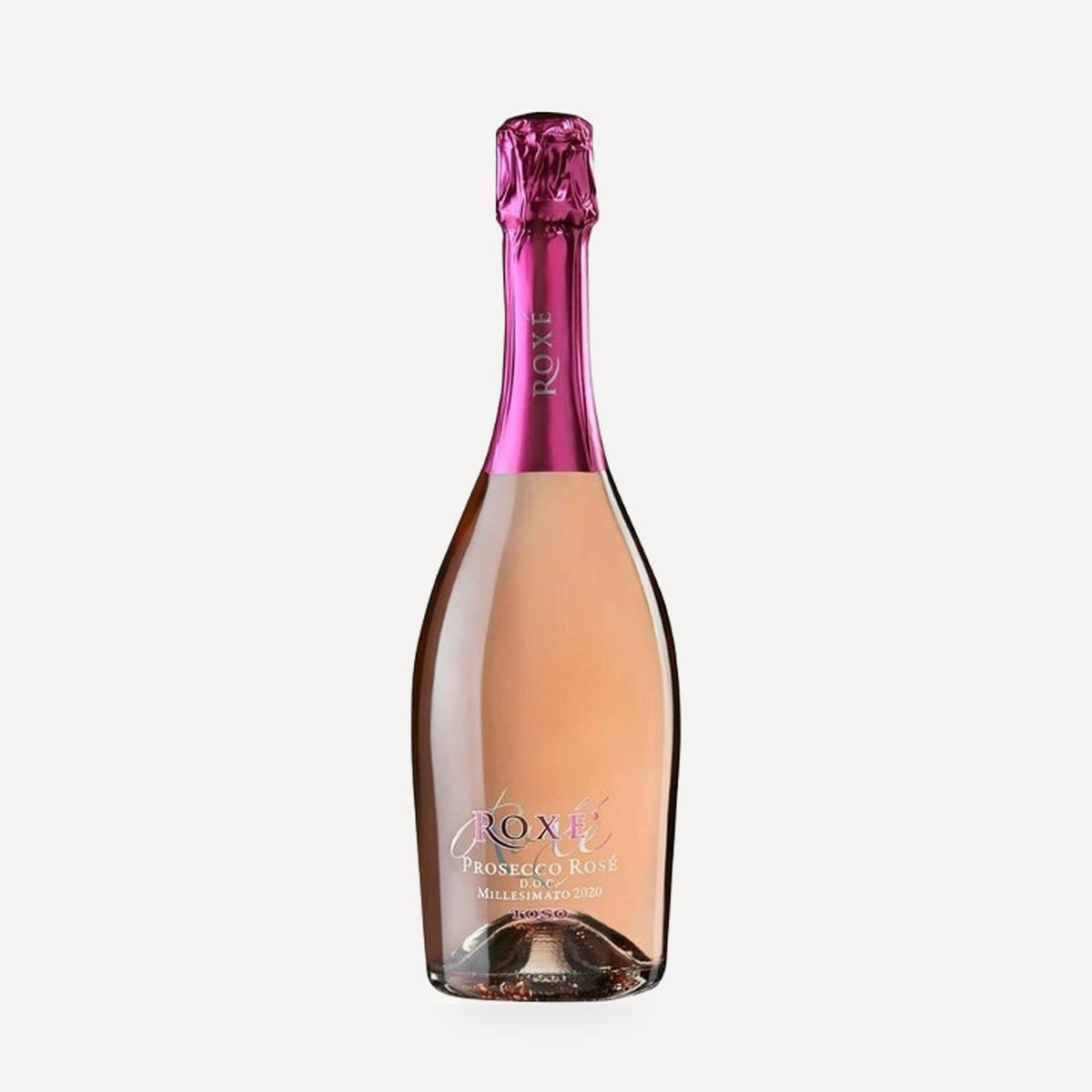
Roxe Prosecco Rose Millesimato DOC
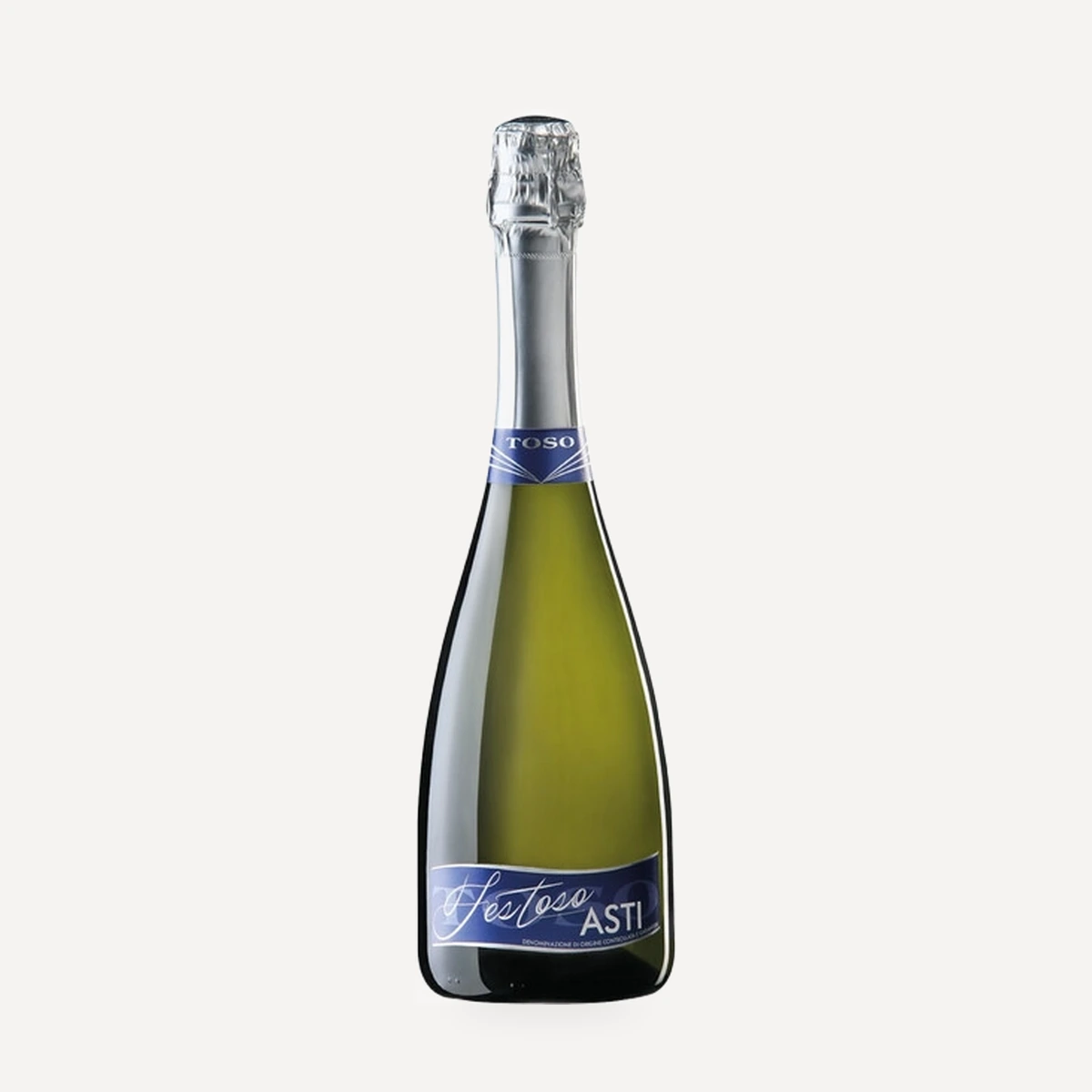
FesToso Asti DOCG
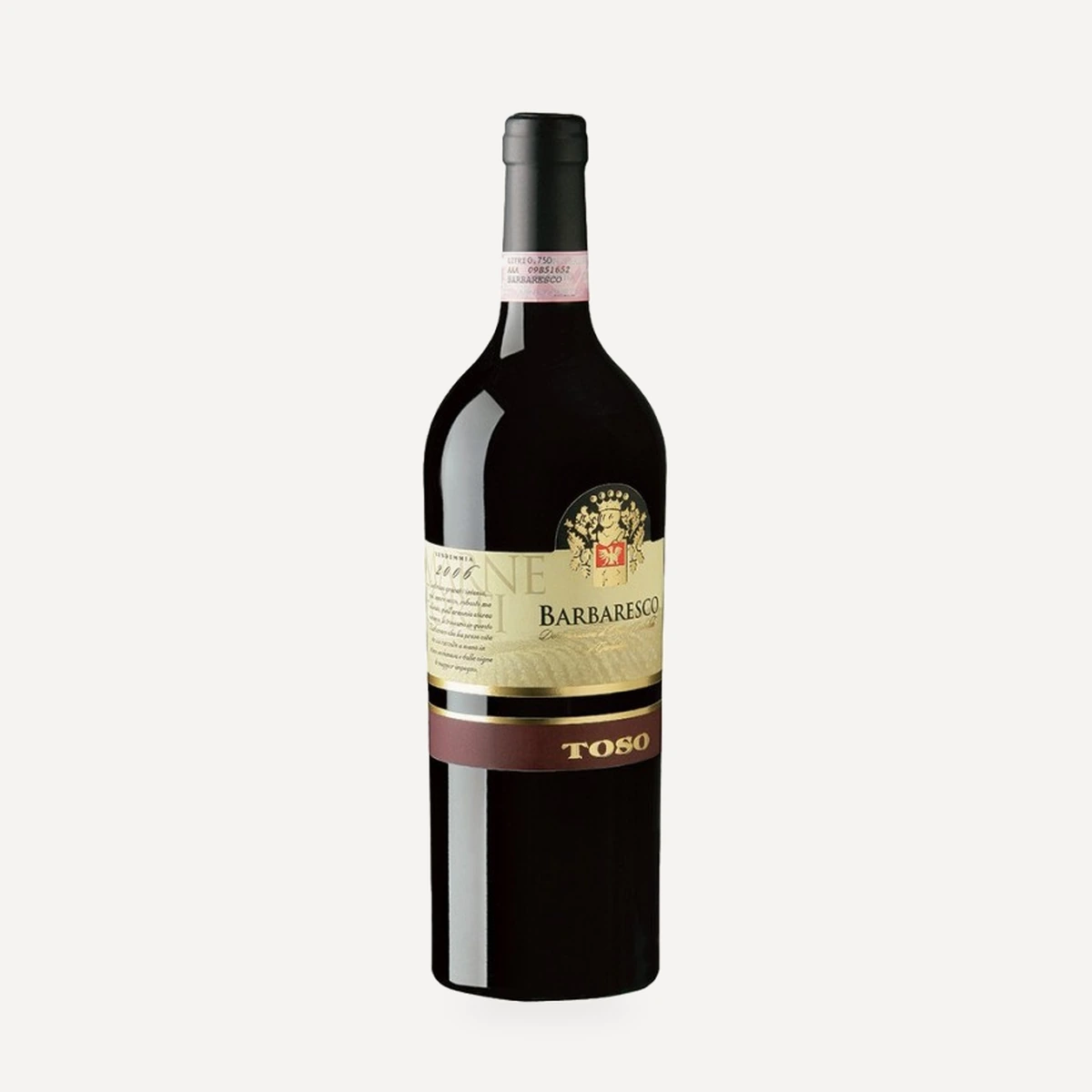
Barbaresco DOCG
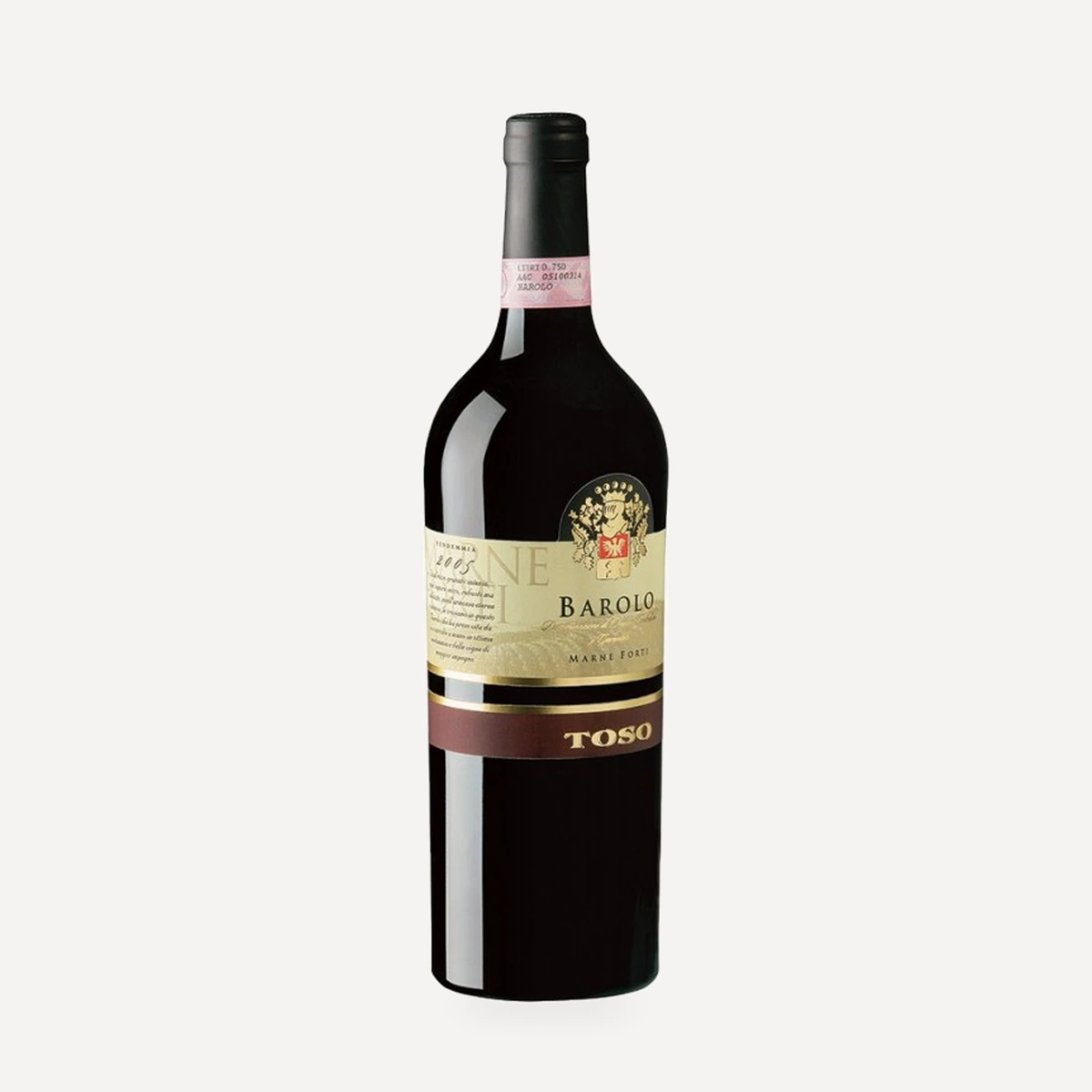
Barolo DOCG
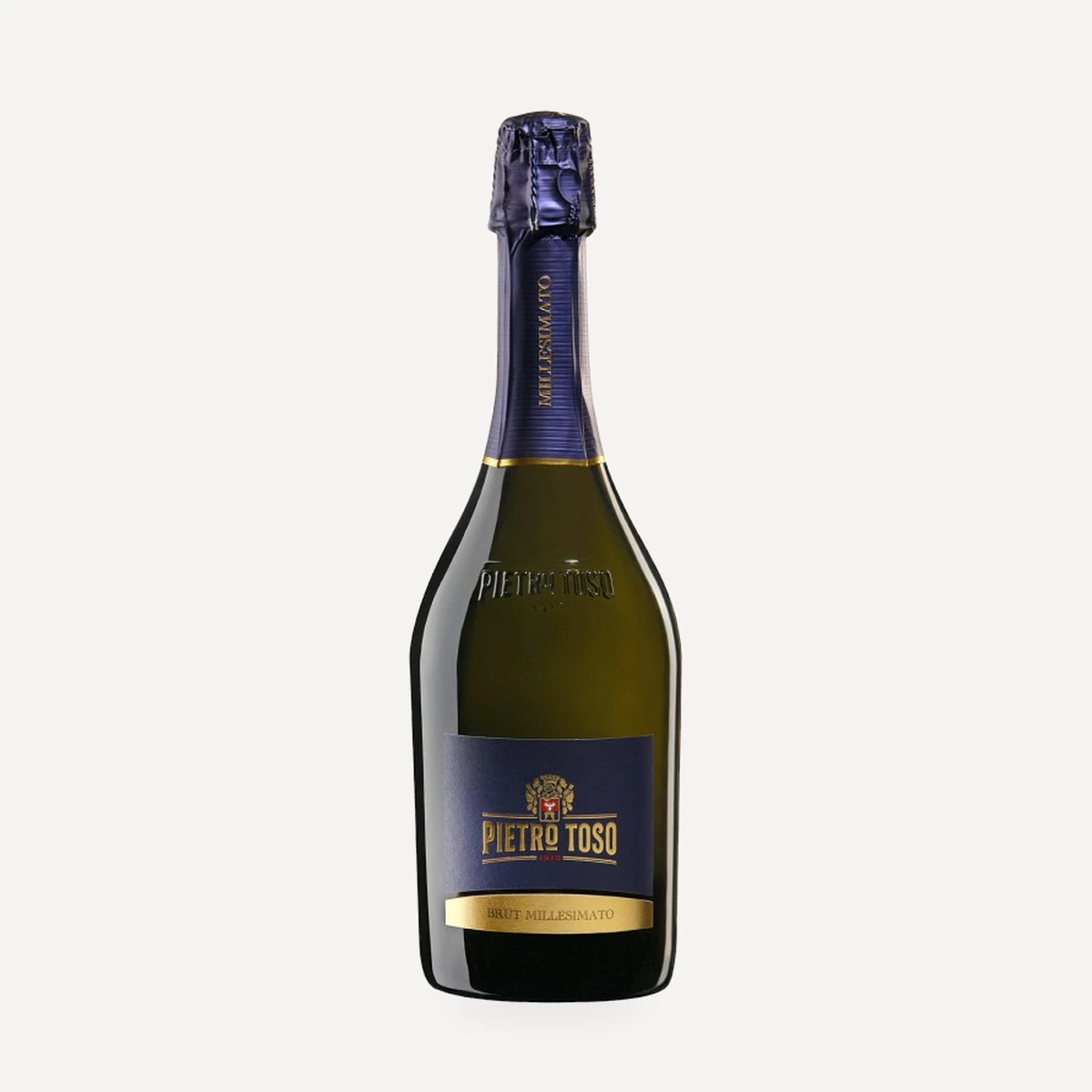
Brut Millesimato
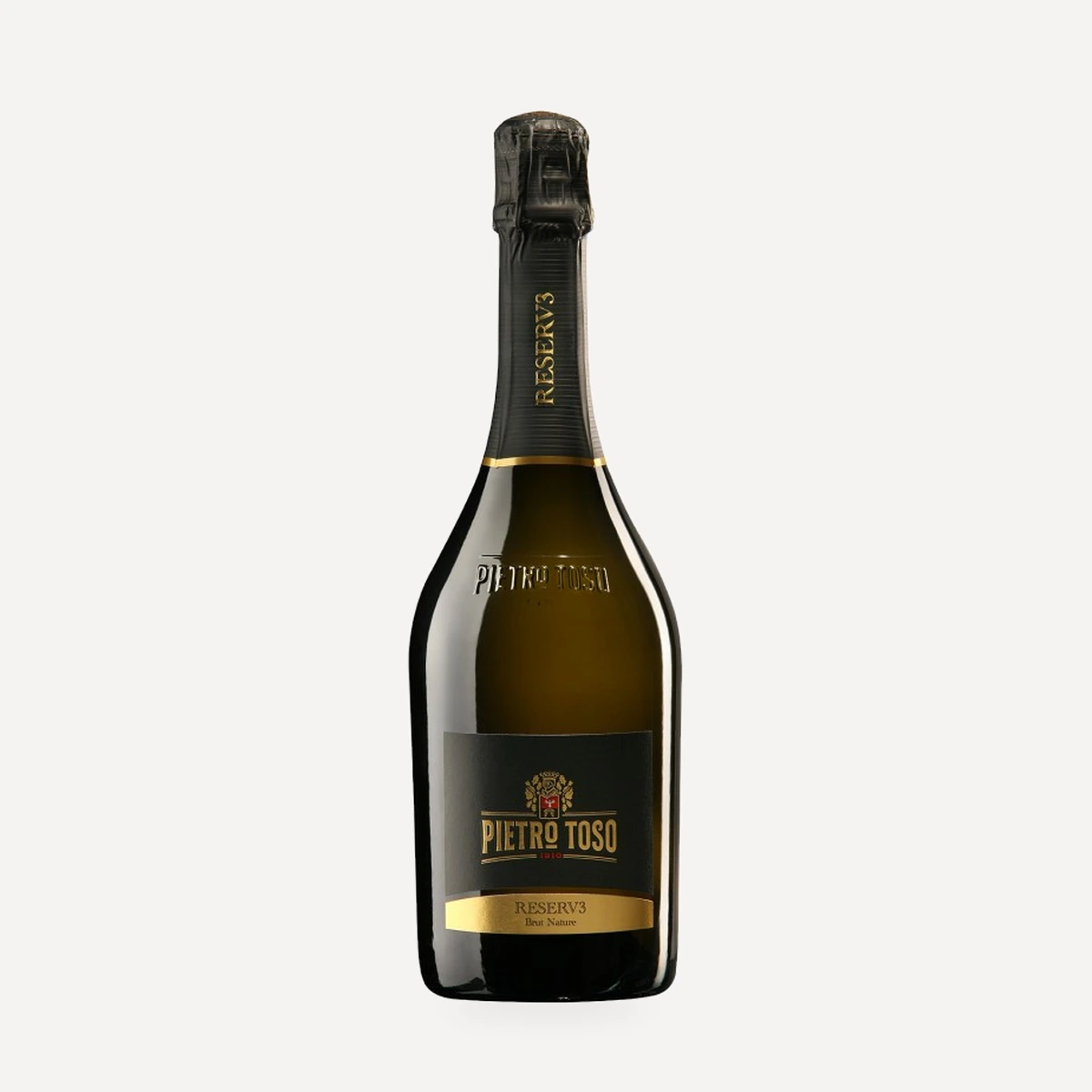
RESERV3 Pietrotoso
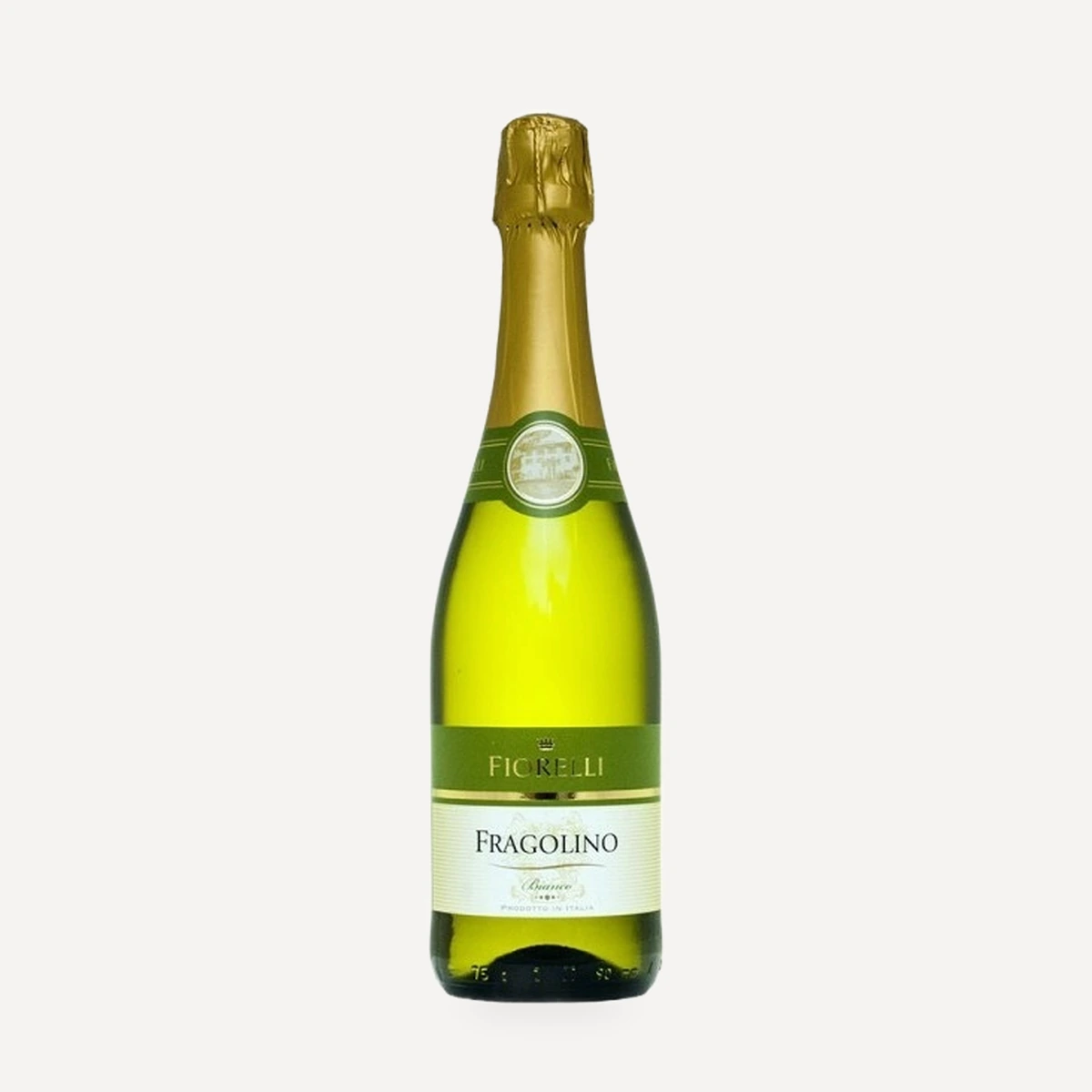
Fiorelli Fragolino Bianco
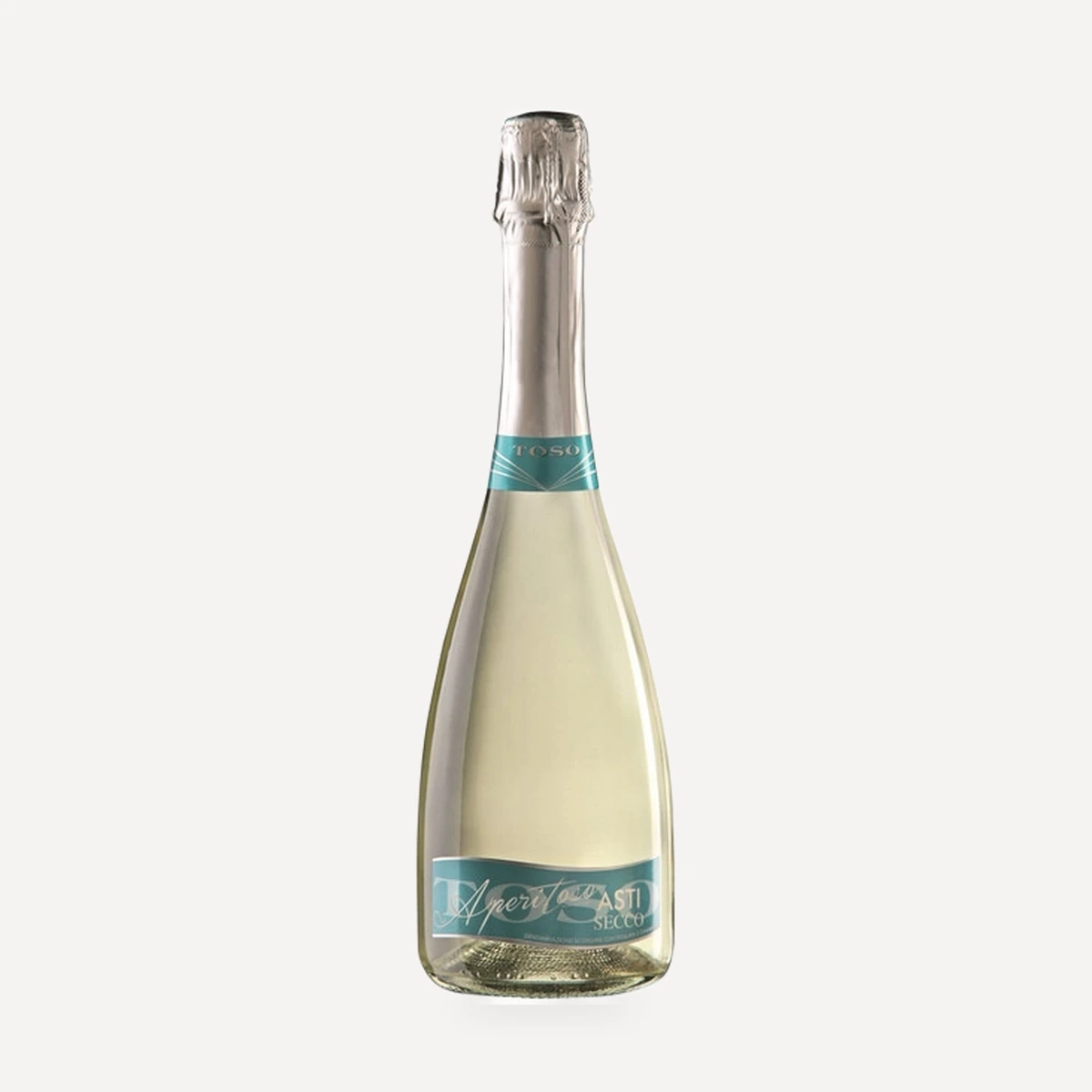
Asti Secco DOCG
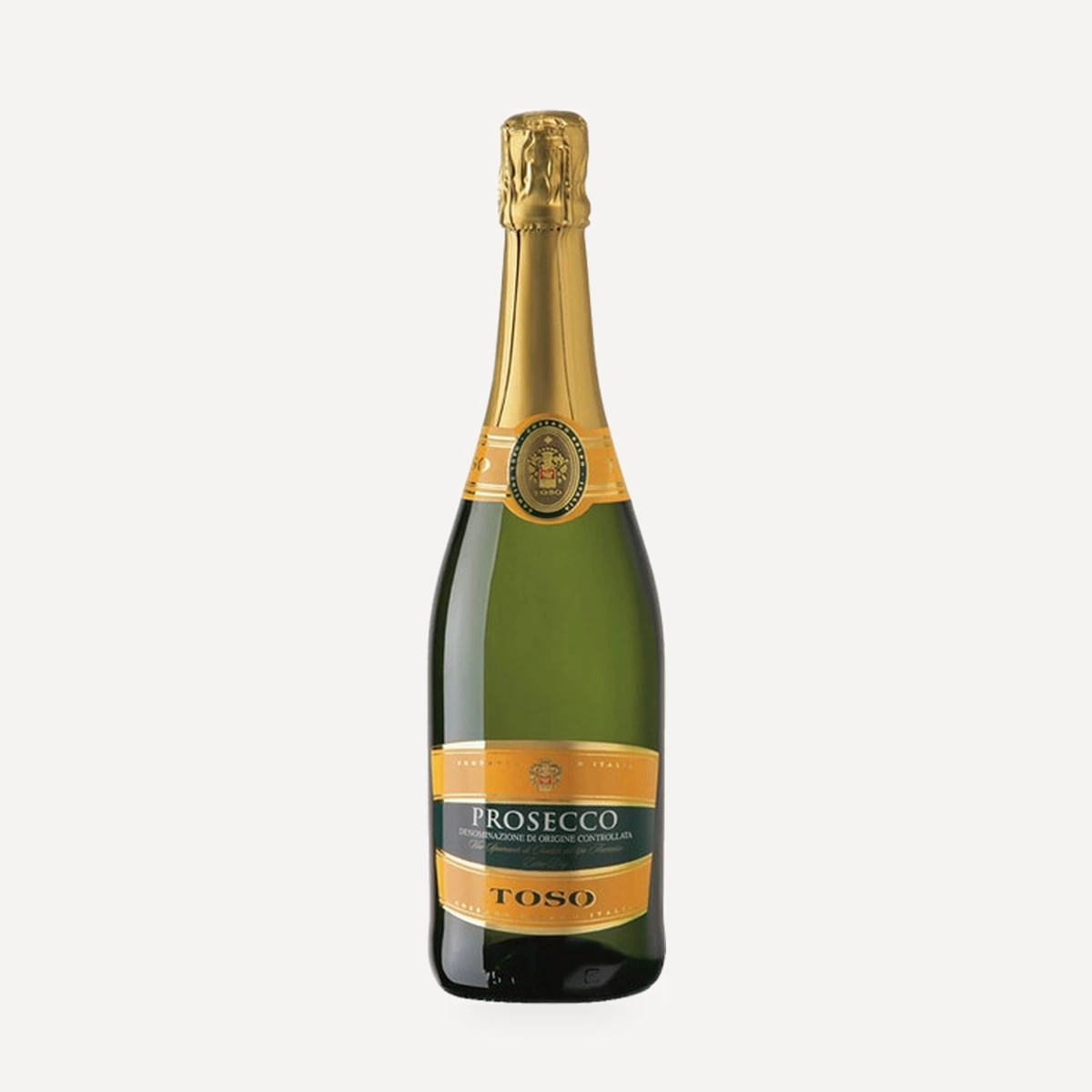
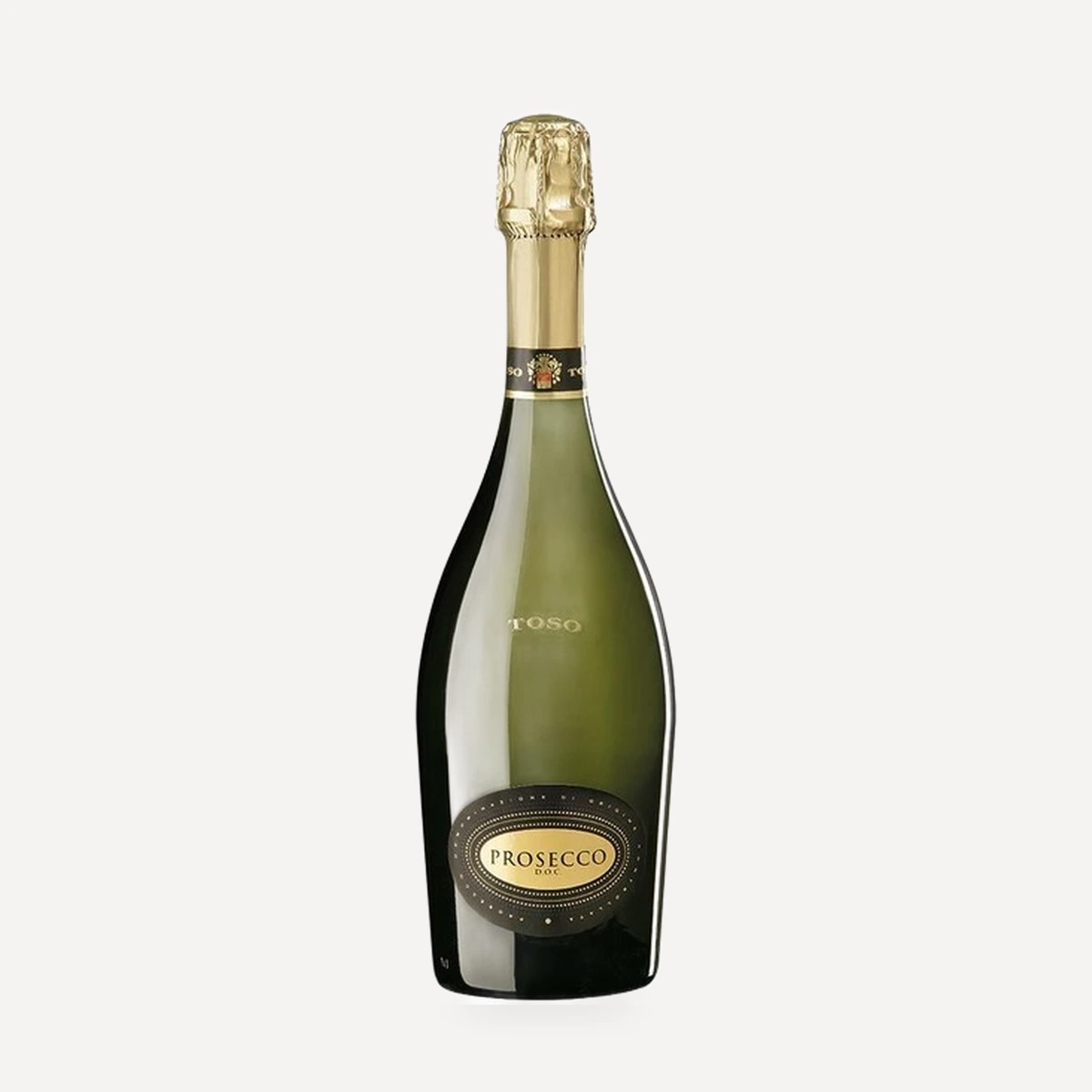
Prosecco DOC
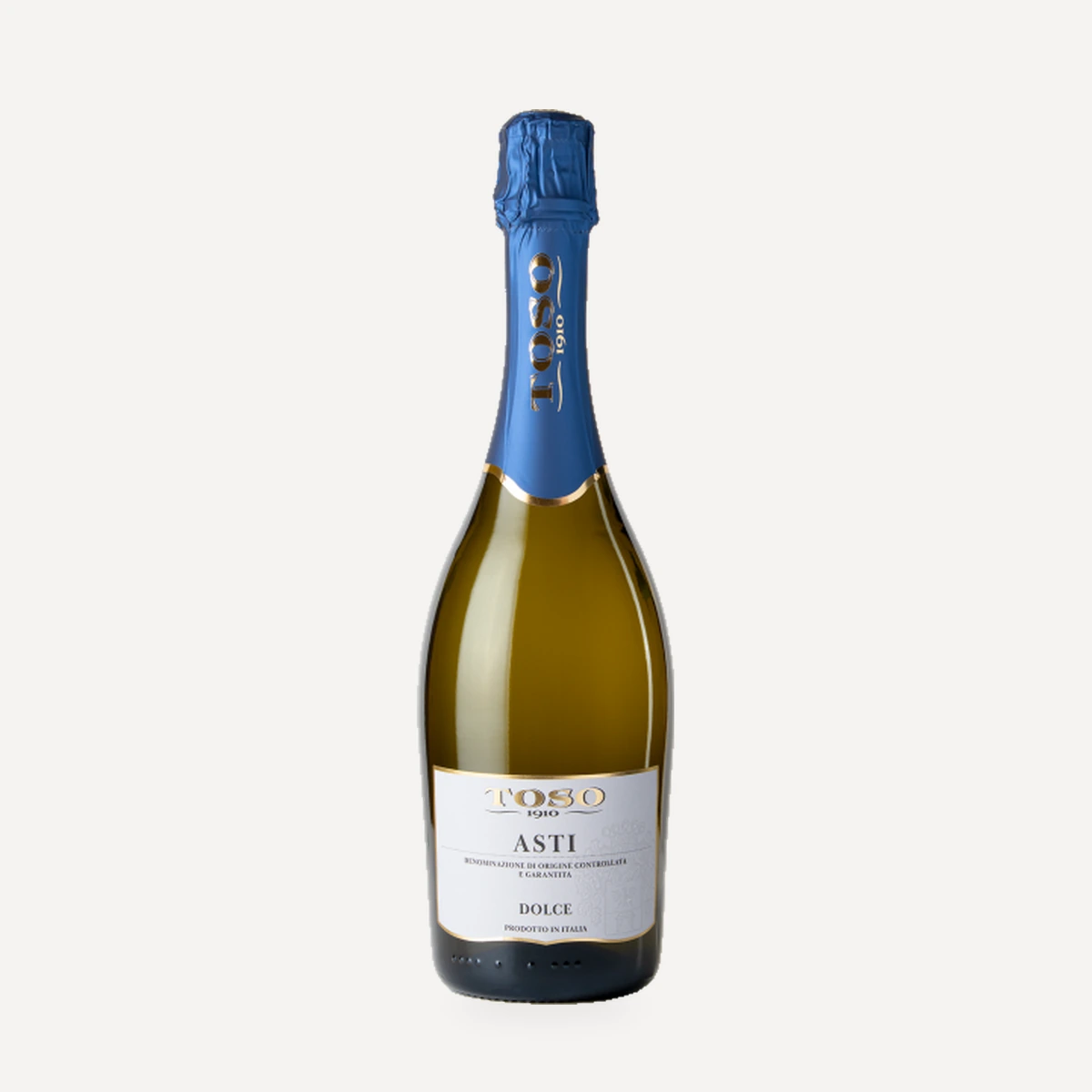
Asti DOCG – dolce
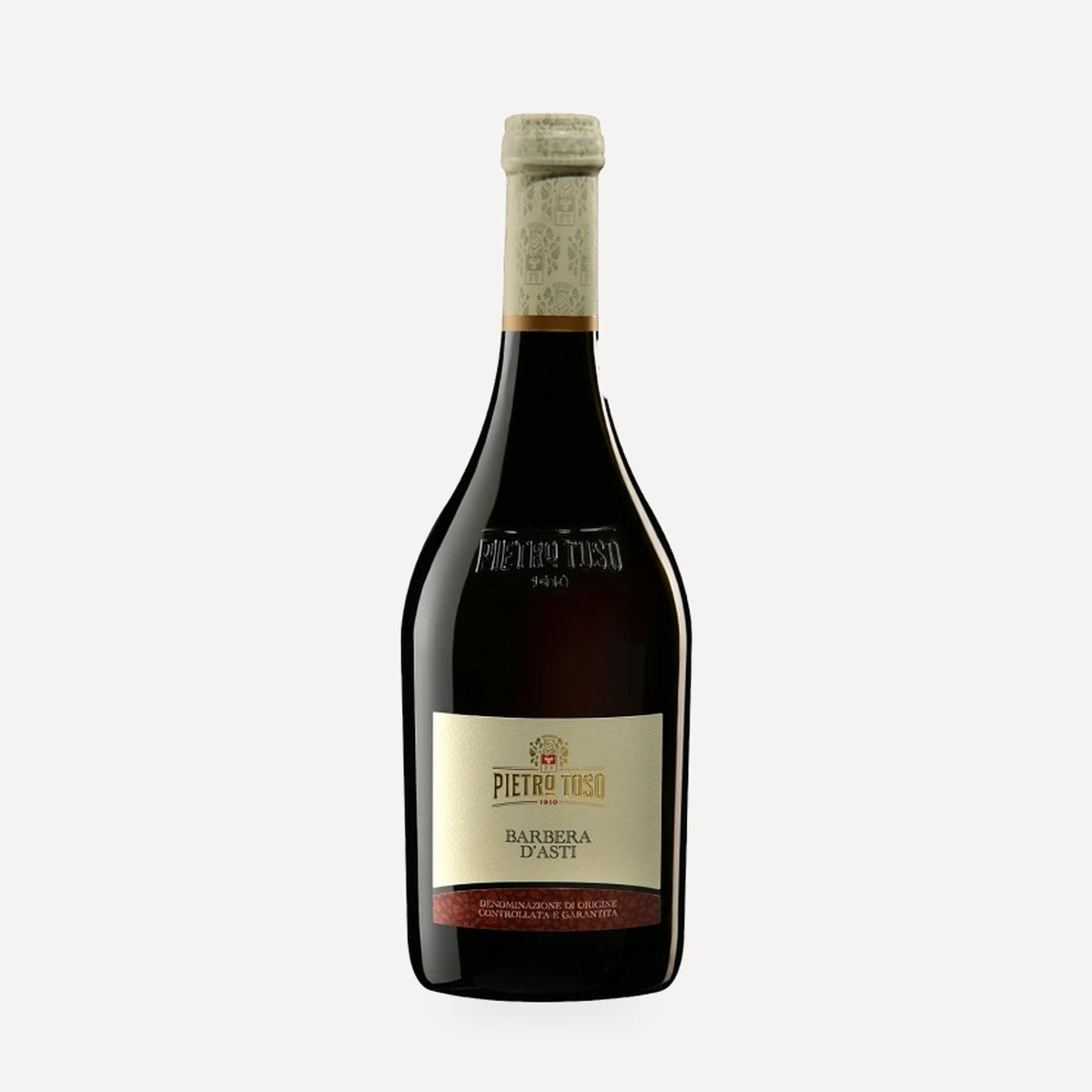
Barbera d'Asti DOCG
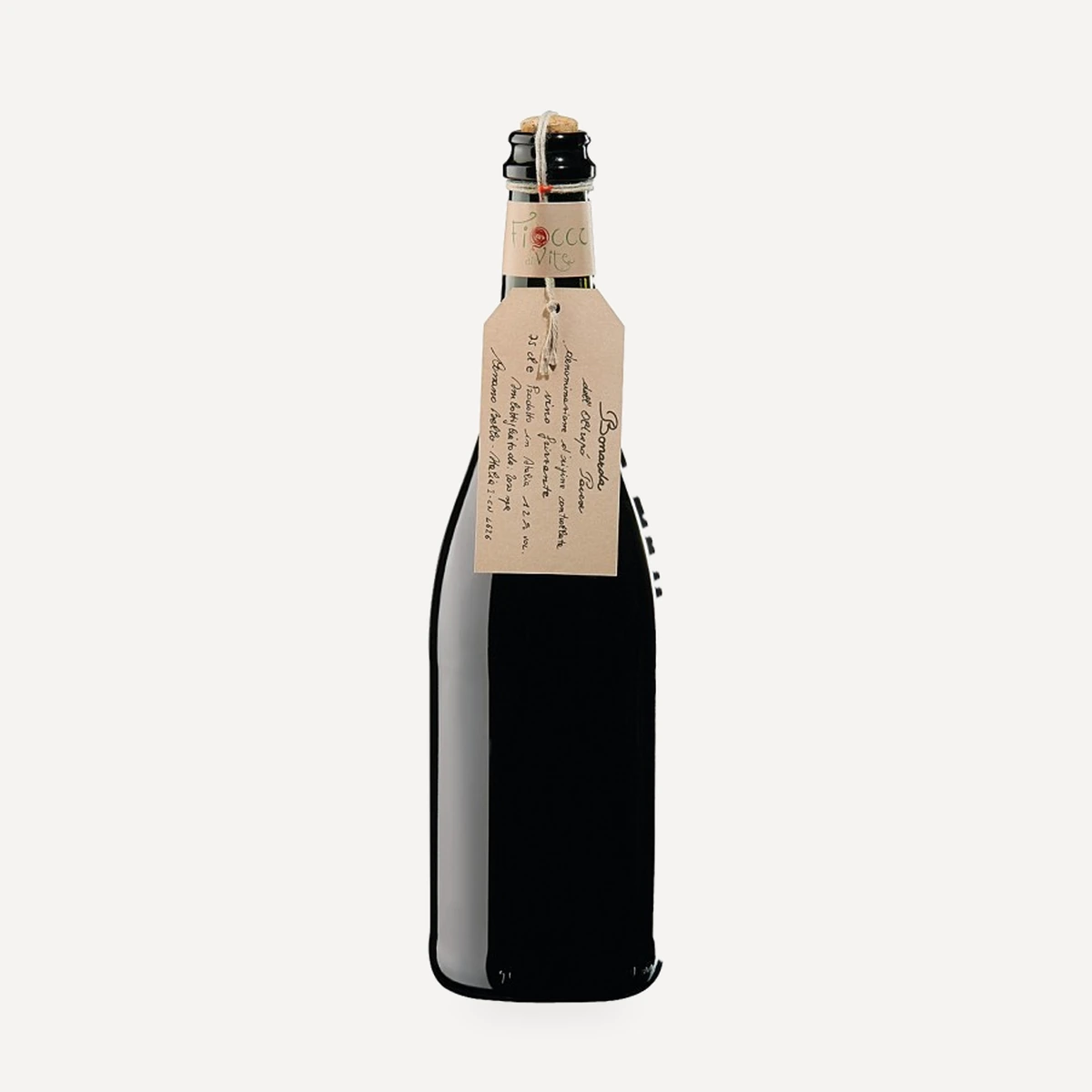
Bonarda dell'Oltrepo' Pavese DOC frizzante - Fiocco di vite
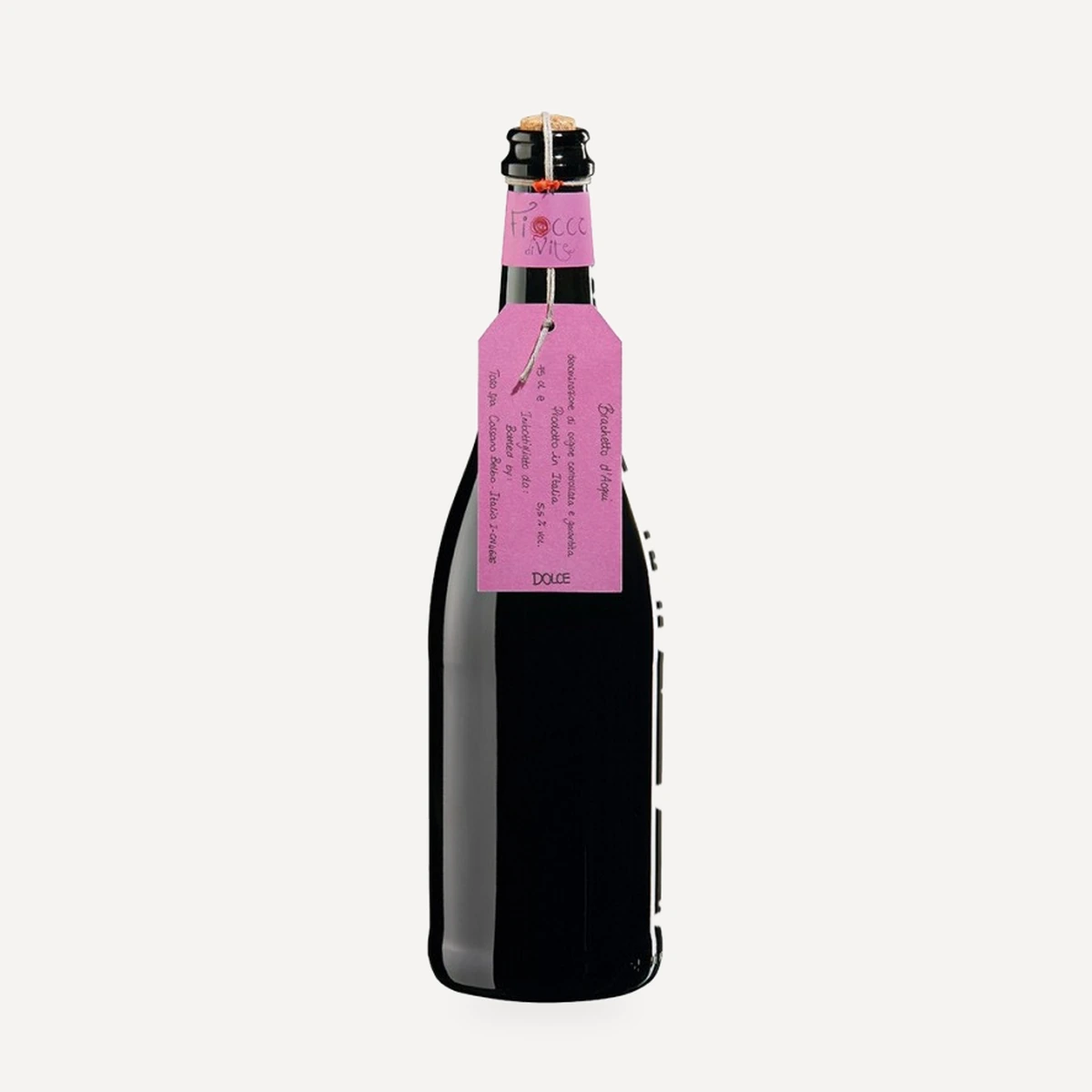
Brachetto d'Acqui DOCG - Fiocco di vite
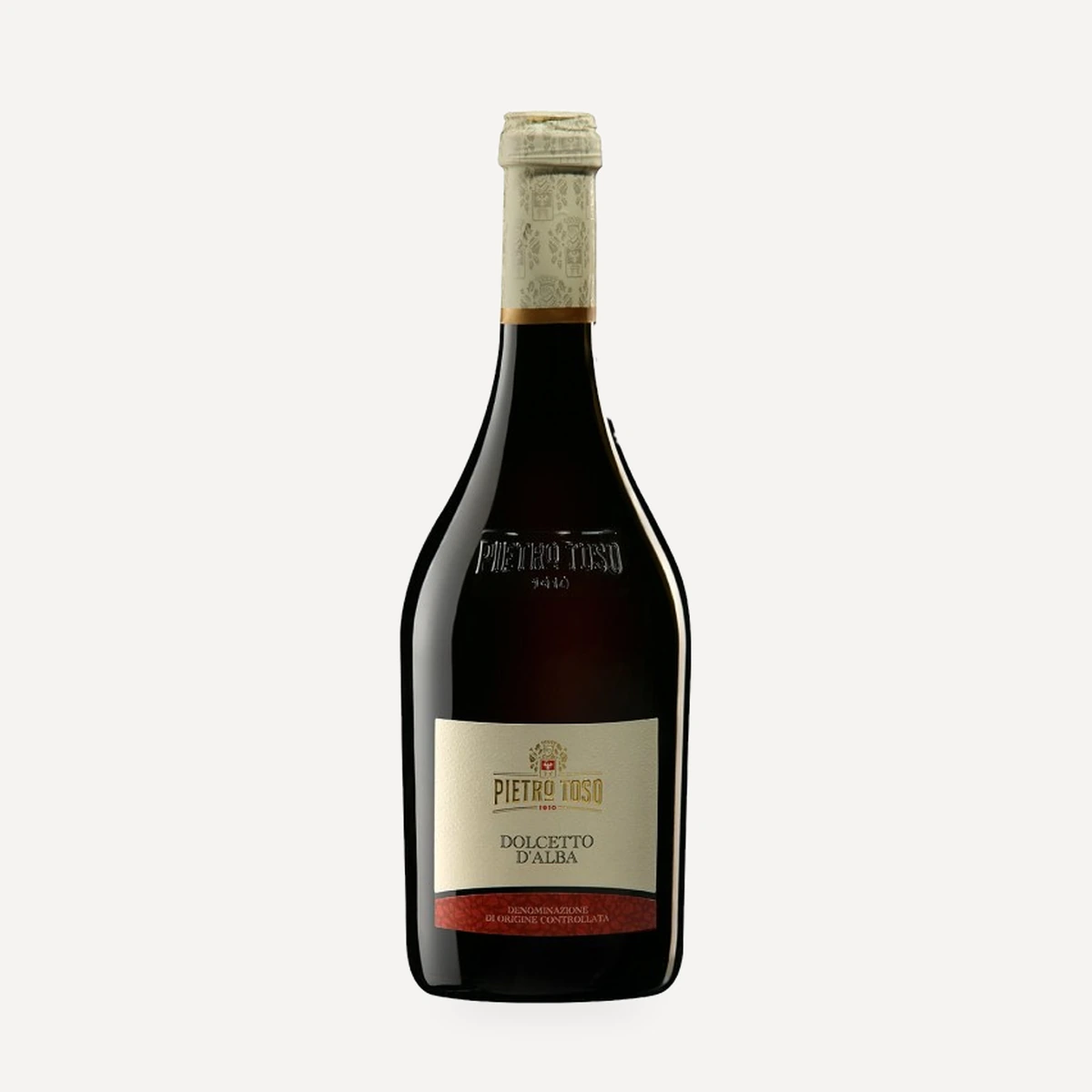
Dolcetto d'Alba DOC
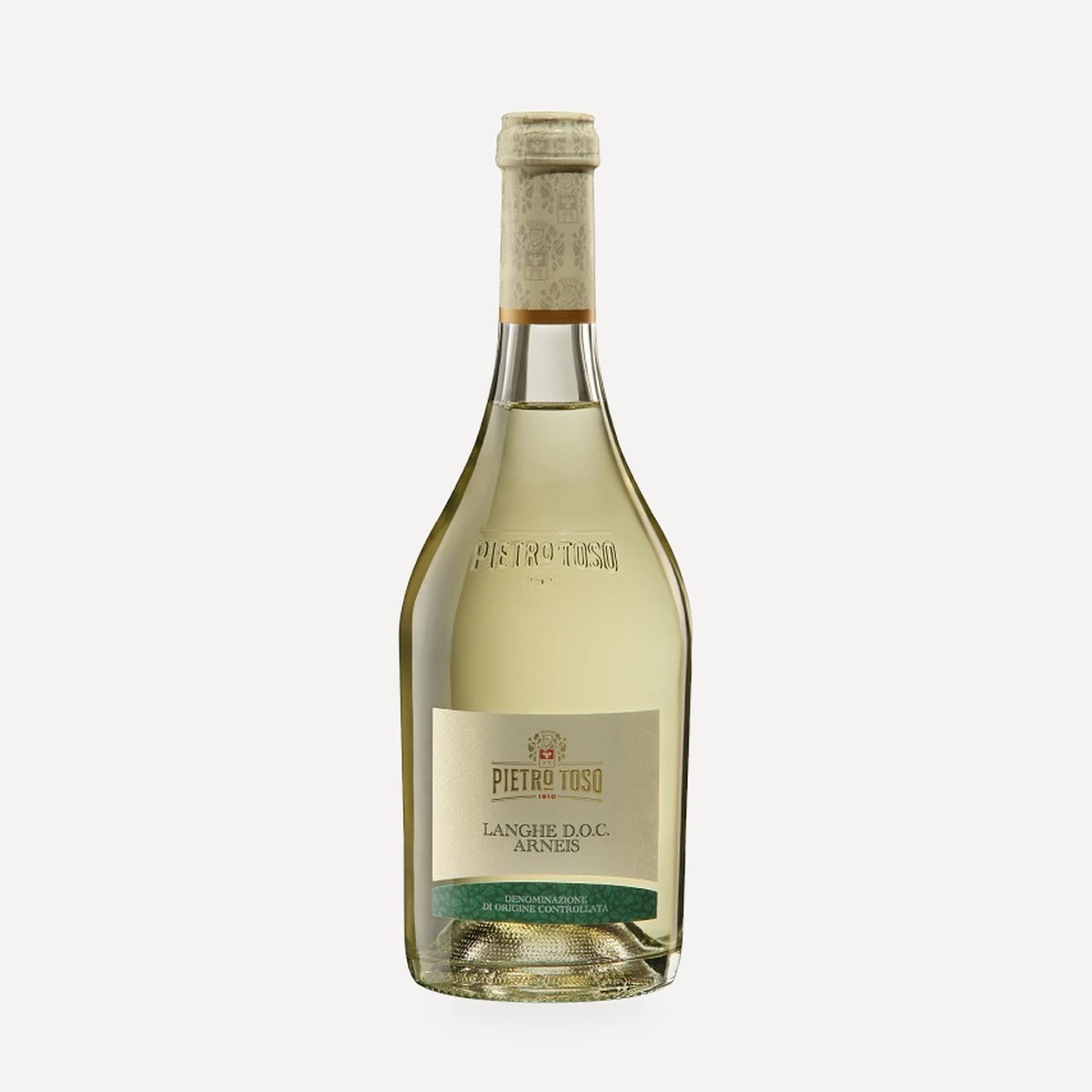
Langhe DOC Arneis
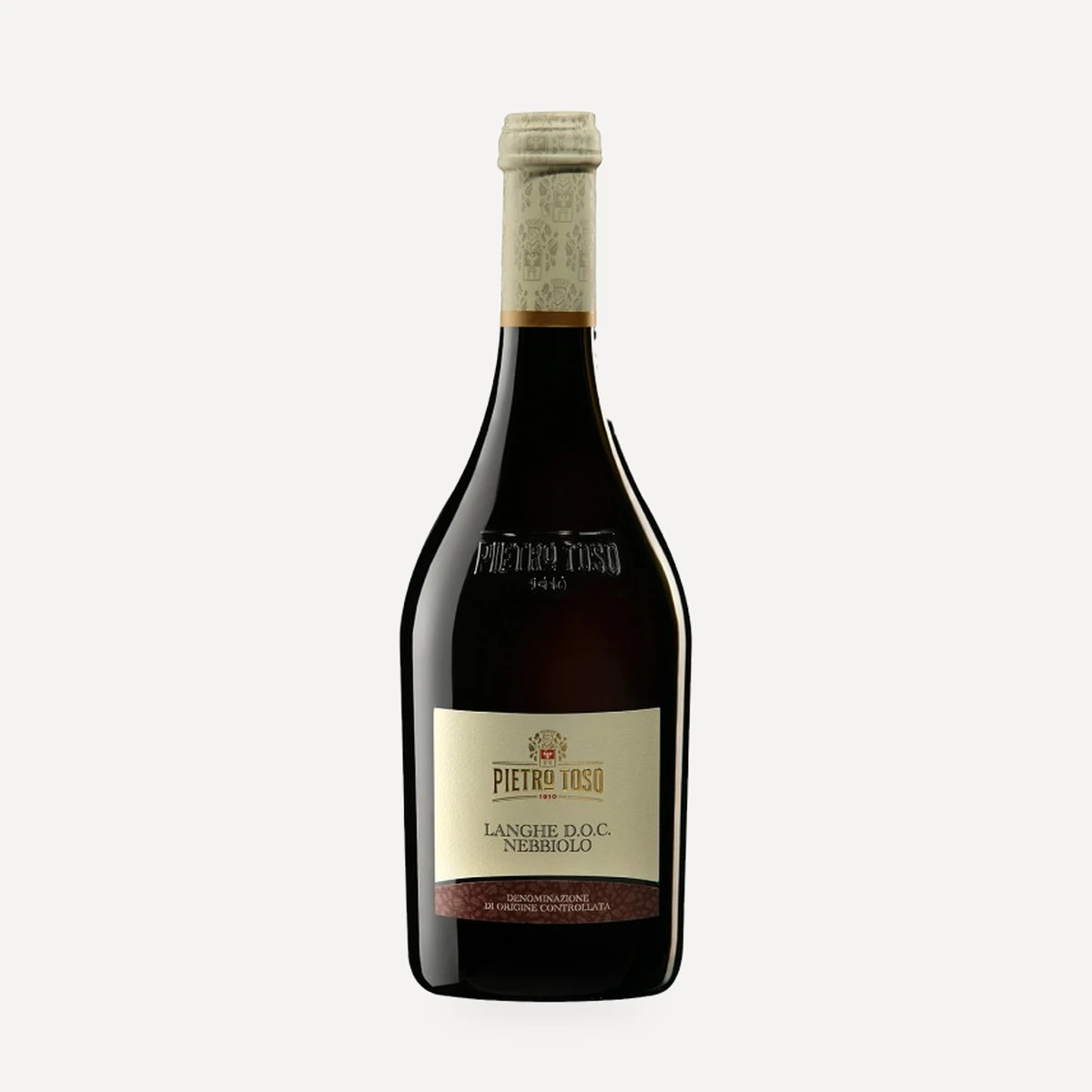
Langhe DOC Nebbiolo
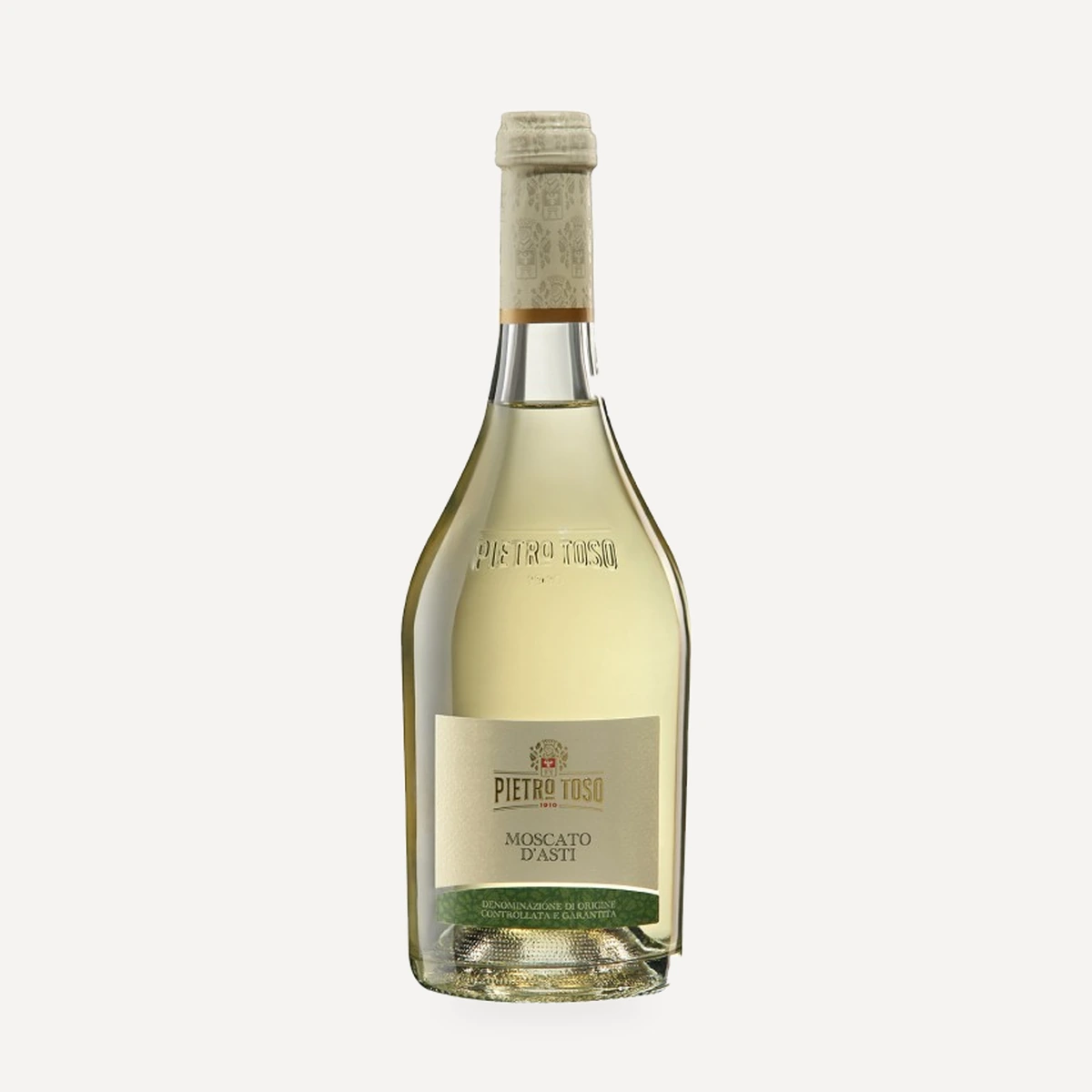
Moscato d'Asti DOCG
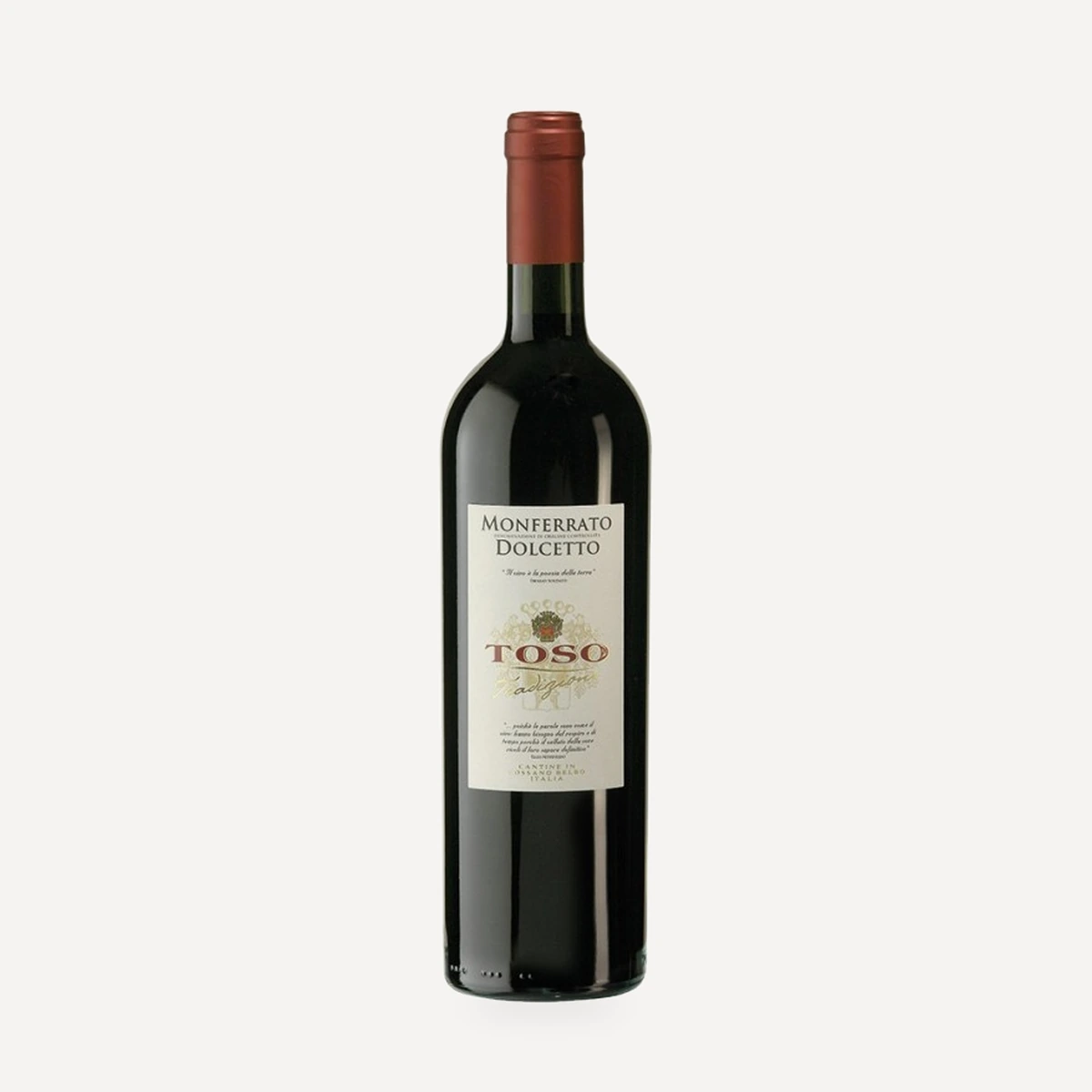
Monferrato DOC Dolcetto
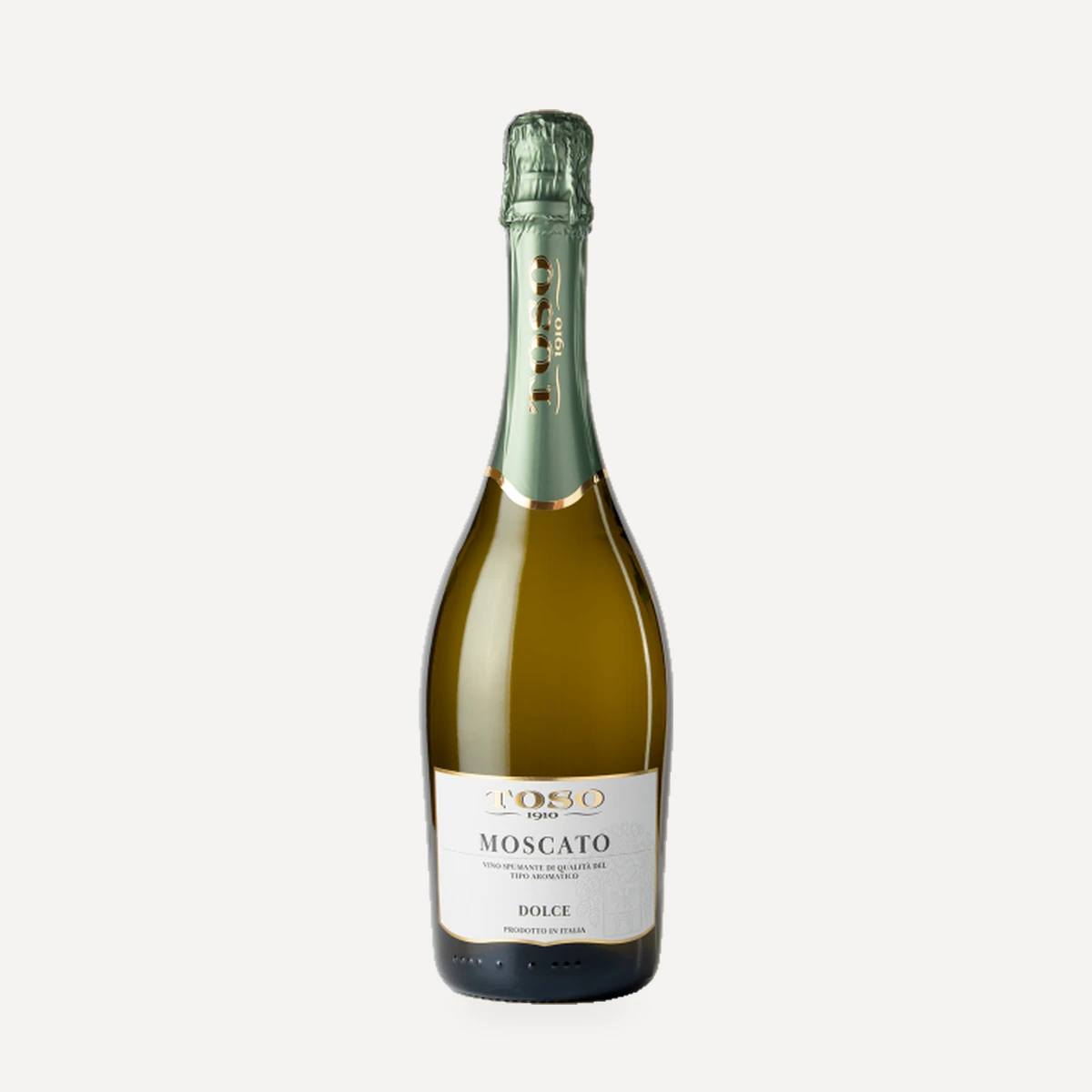
Moscato Spumante – dolce
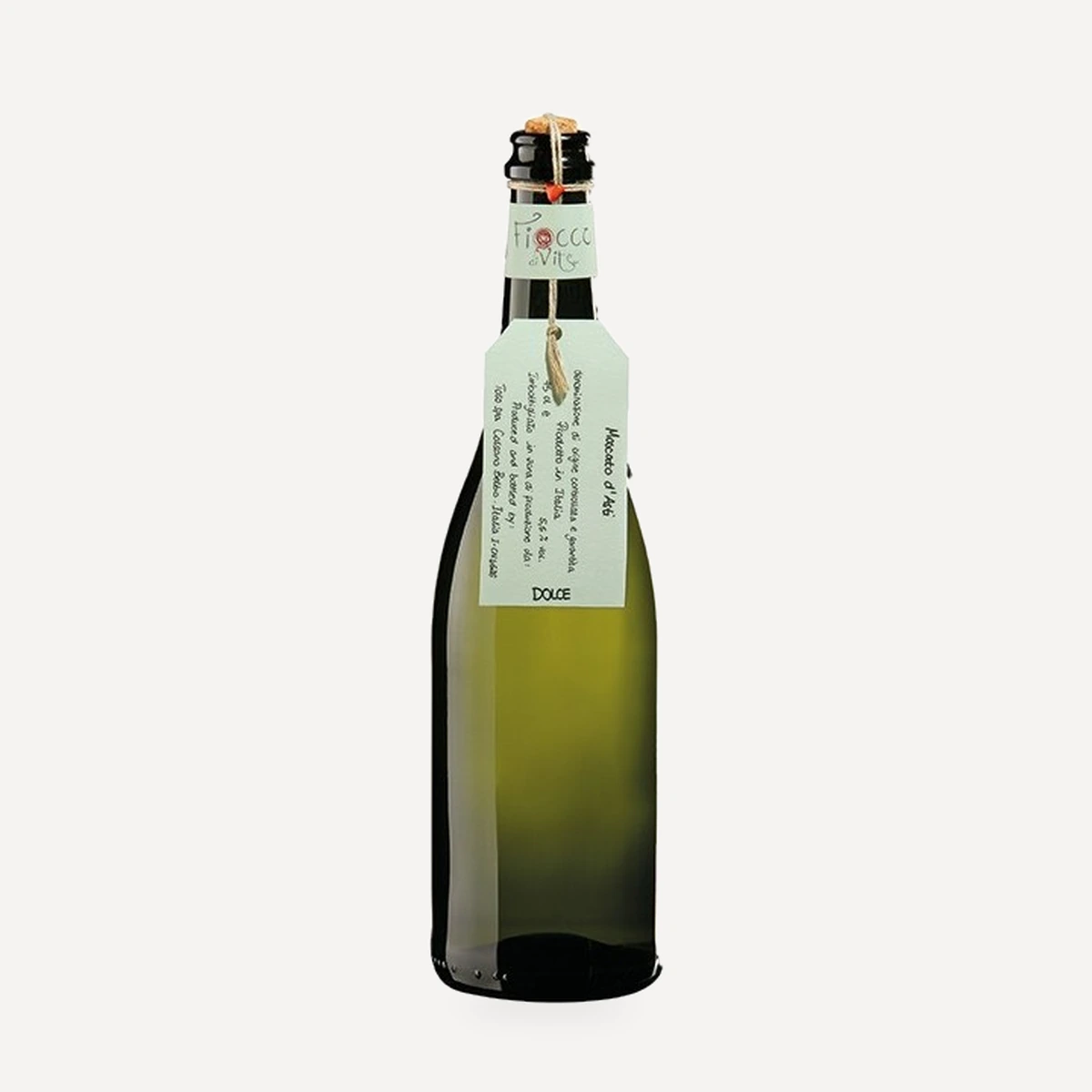
Moscato d'Asti DOCG - Fiocco di vite
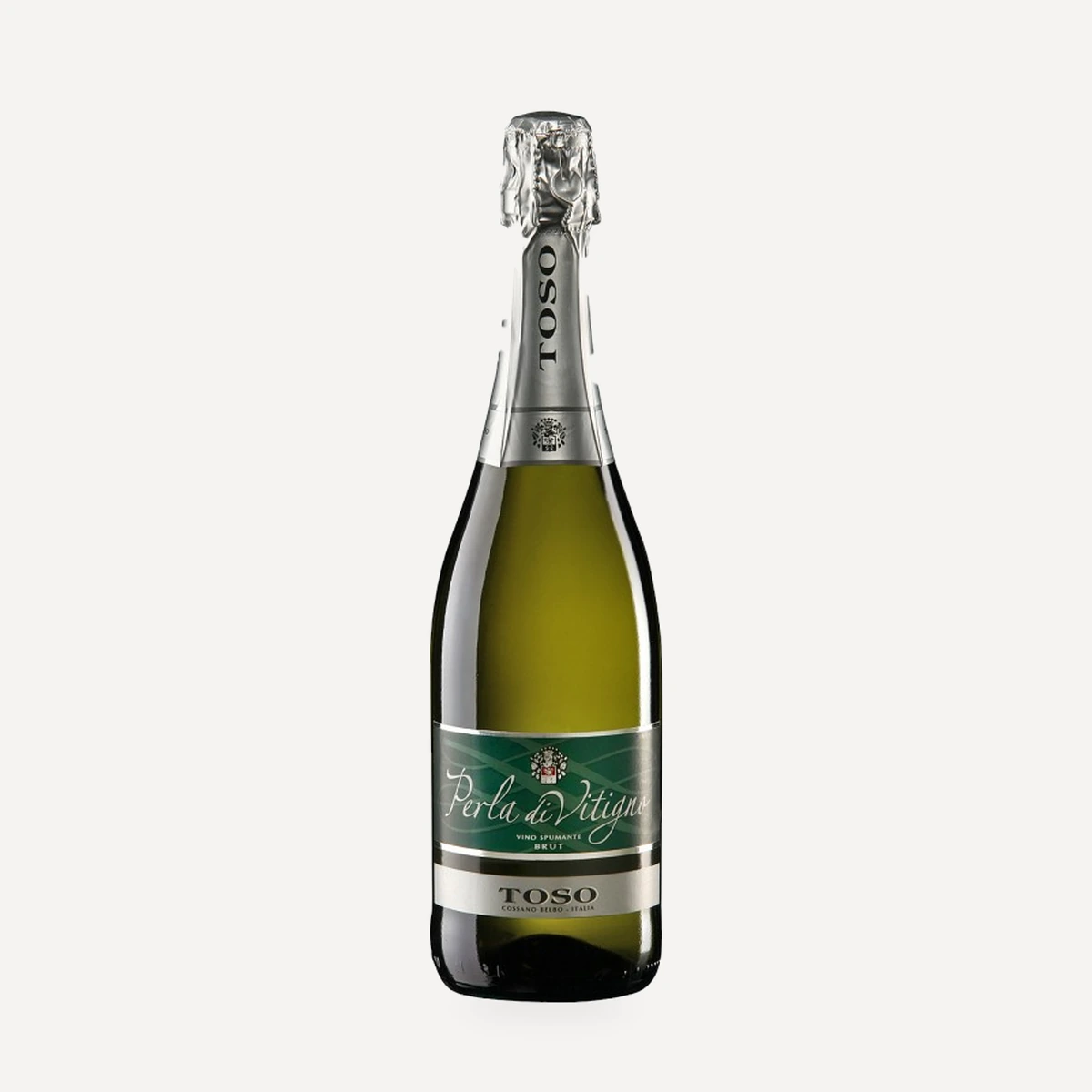
Perla di Vitigno - Brut
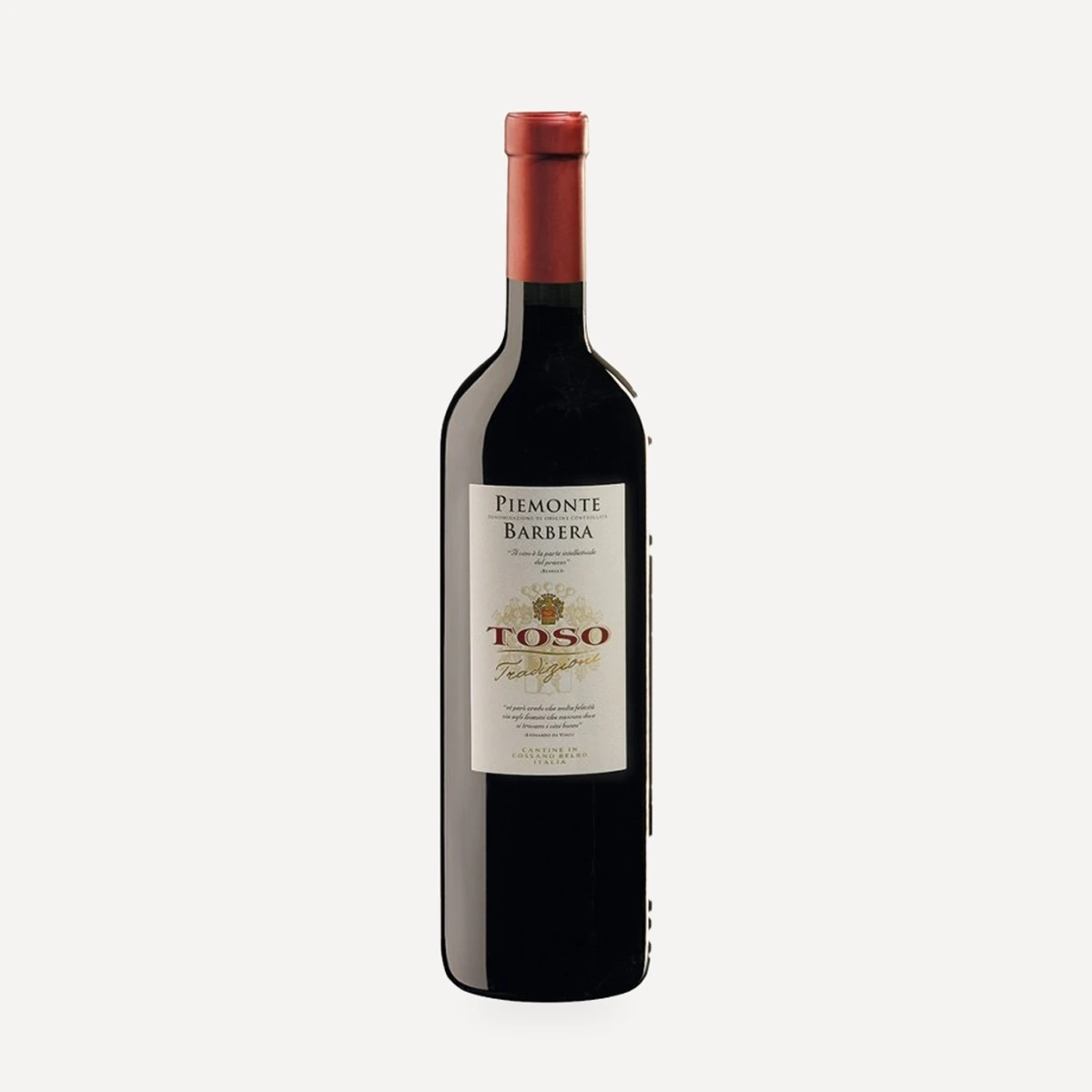
Piemonte DOC Barbera
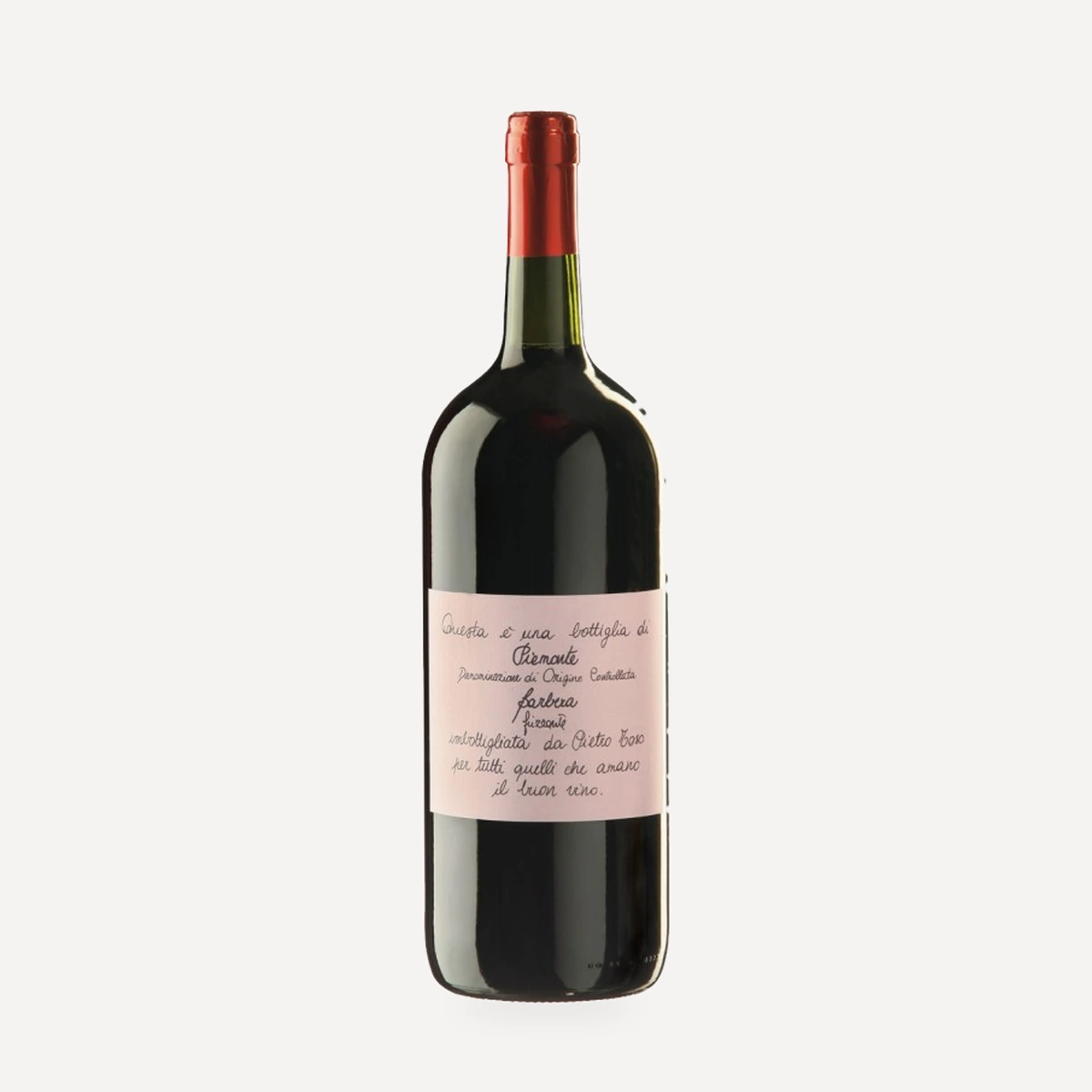
Piemonte DOC Barbera frizzante
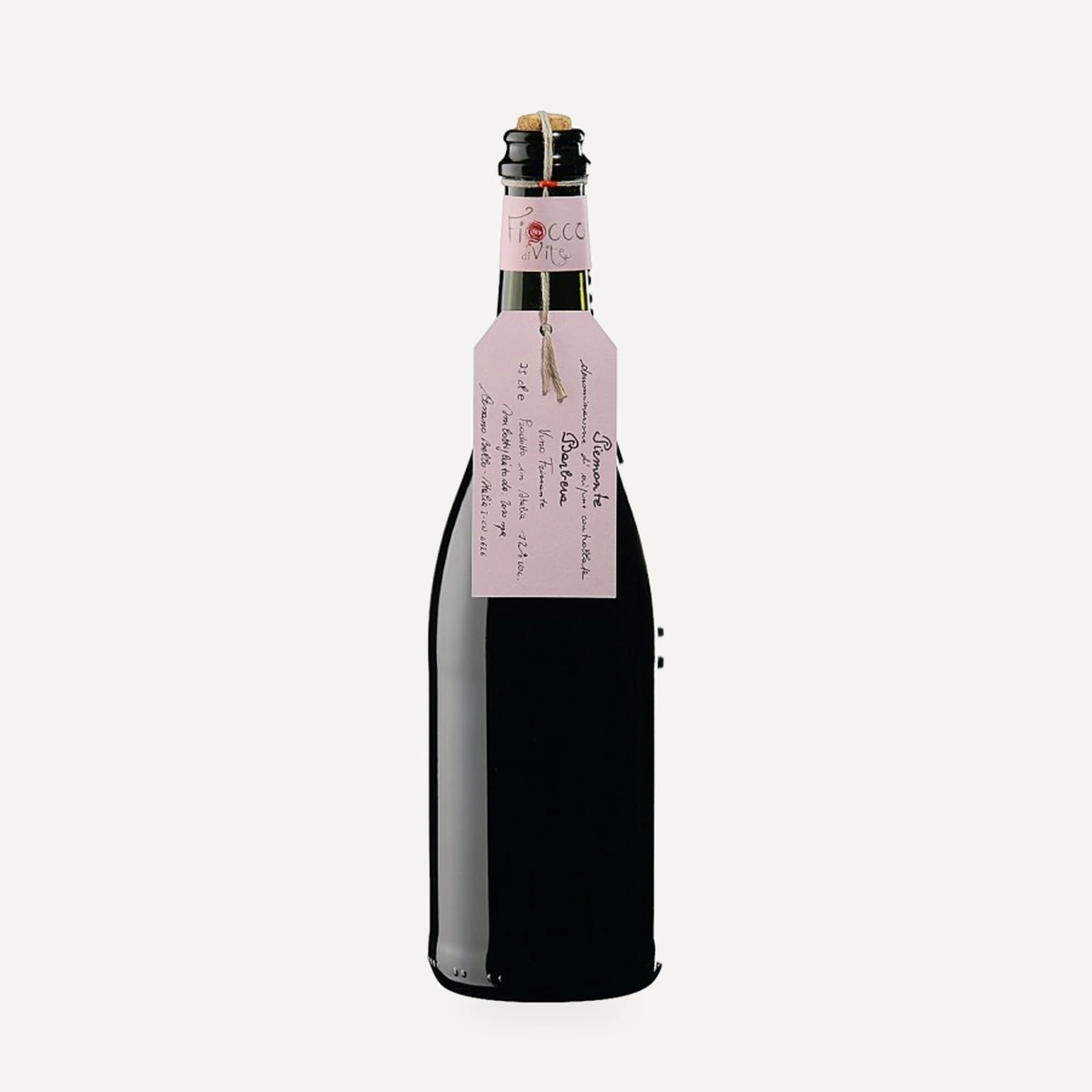
Piemonte DOC Barbera frizzante - Fiocco di vite
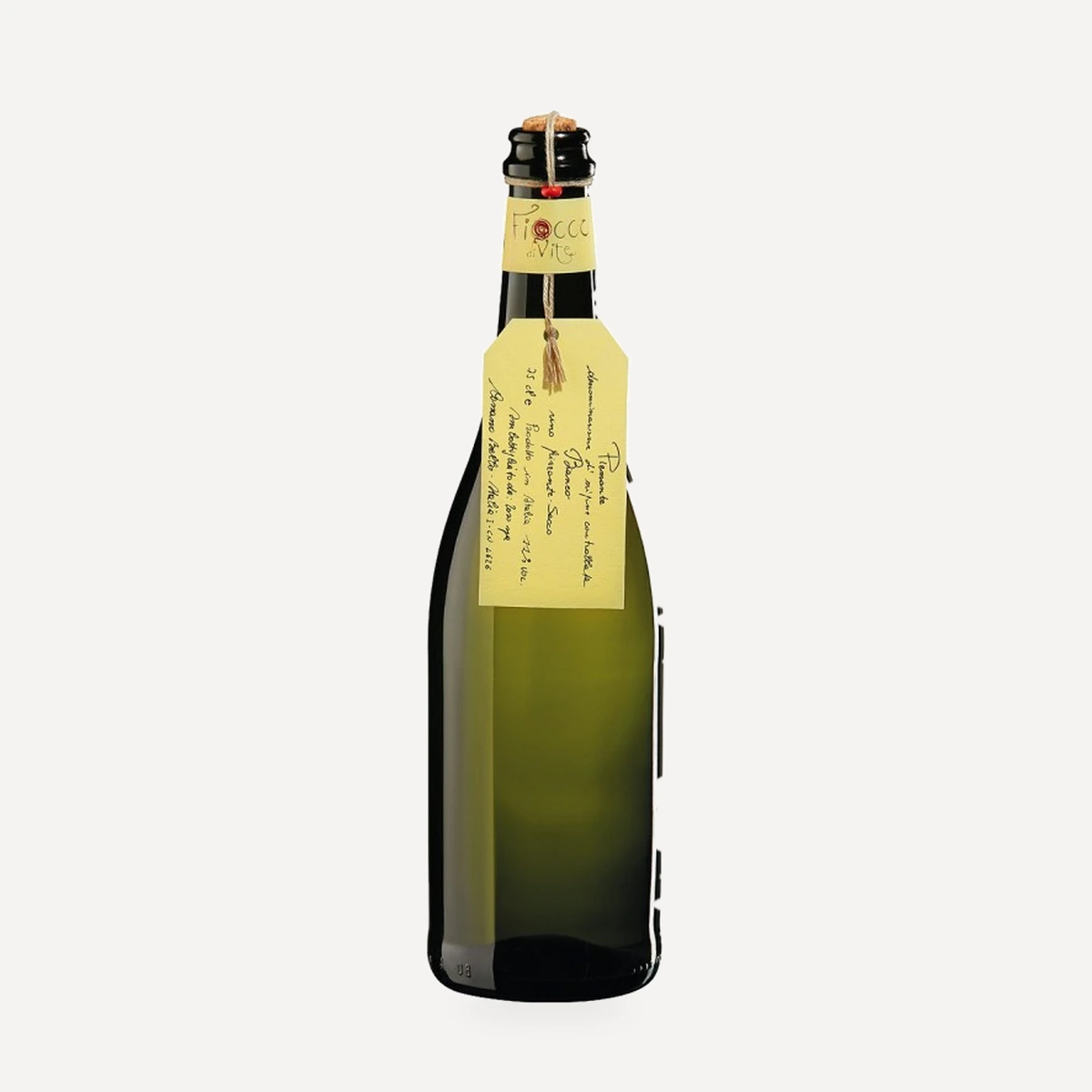
Piemonte DOC Bianco frizzante - Fiocco di vite
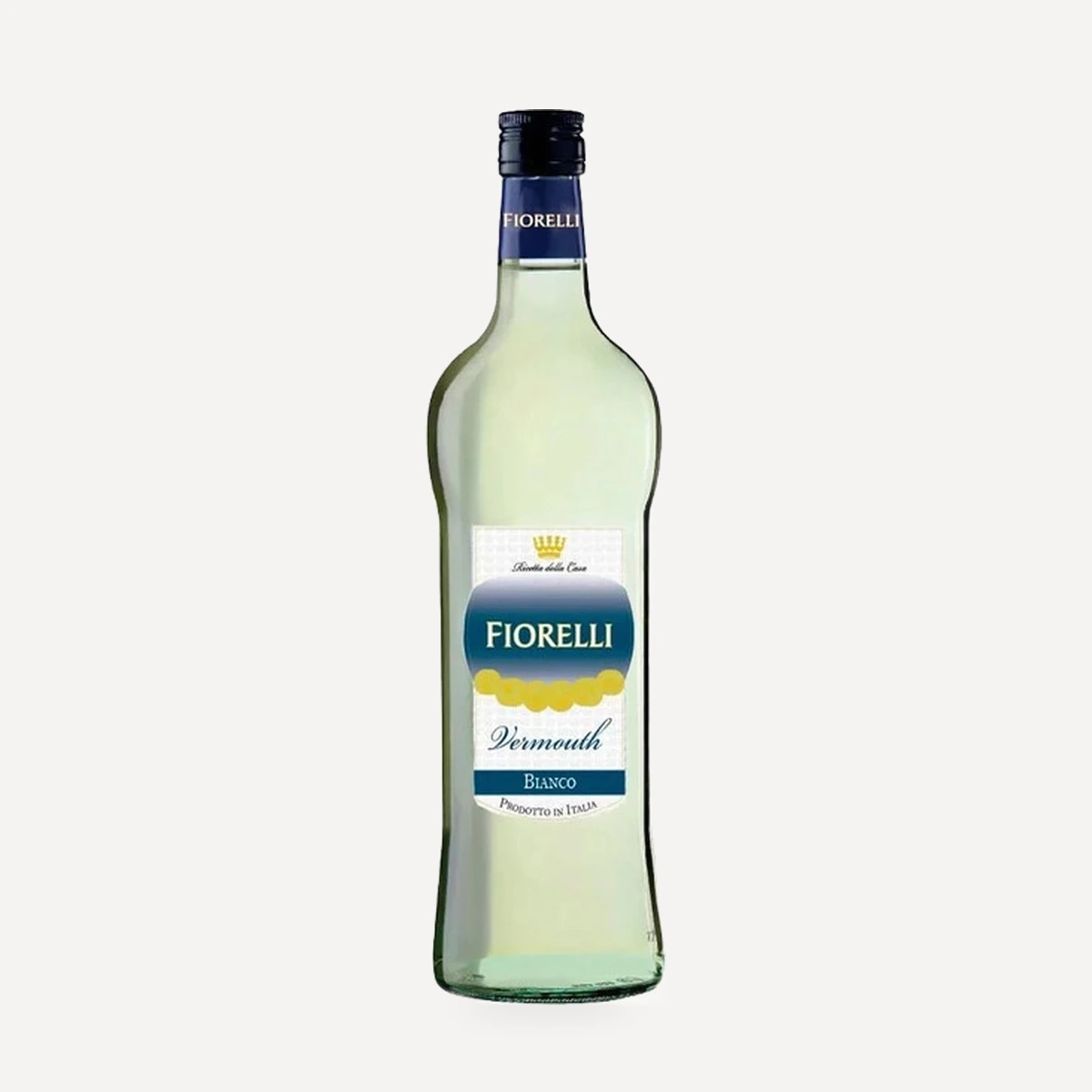
Fiorelli Vermouth Bianco
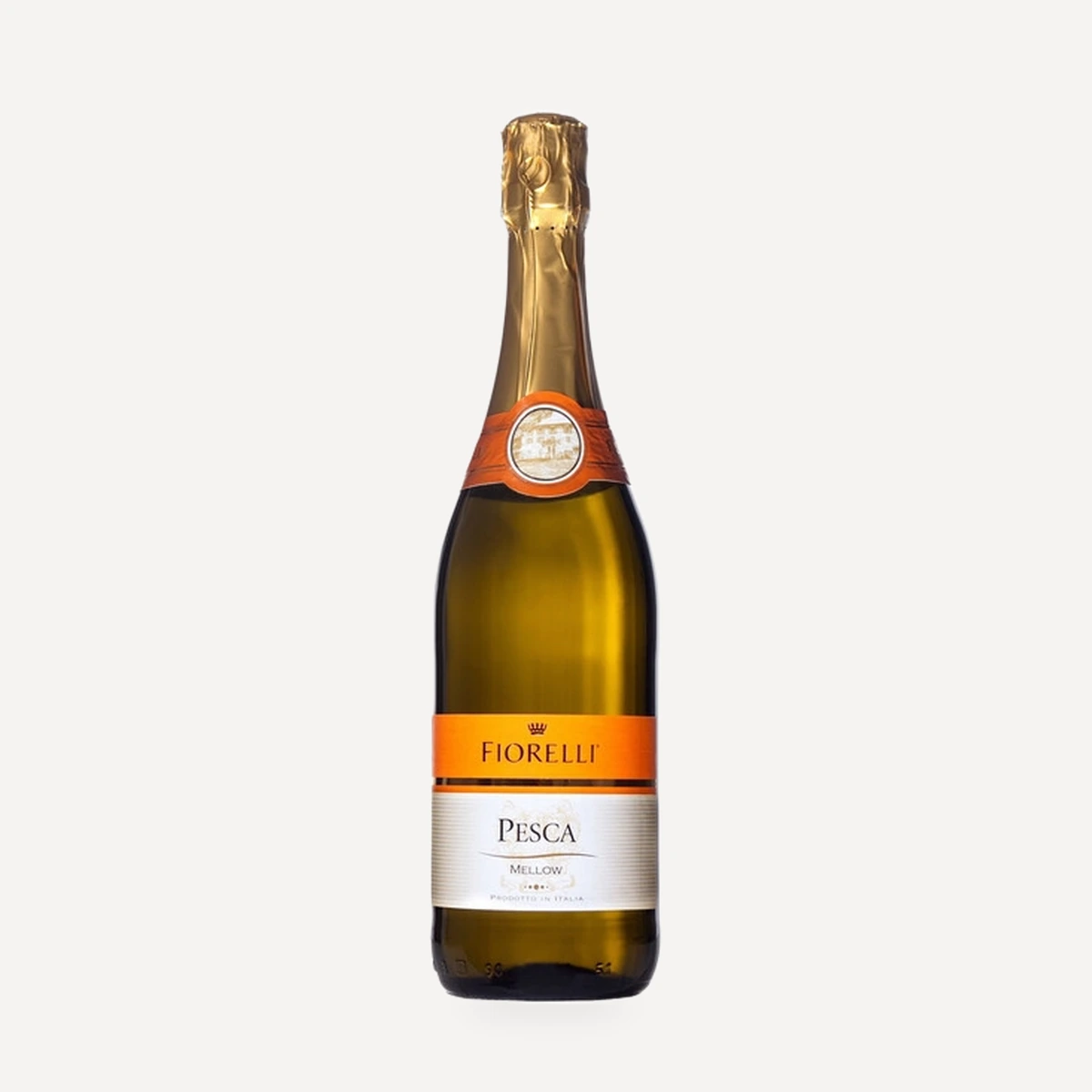
Fiorelli Fragolino Pesca
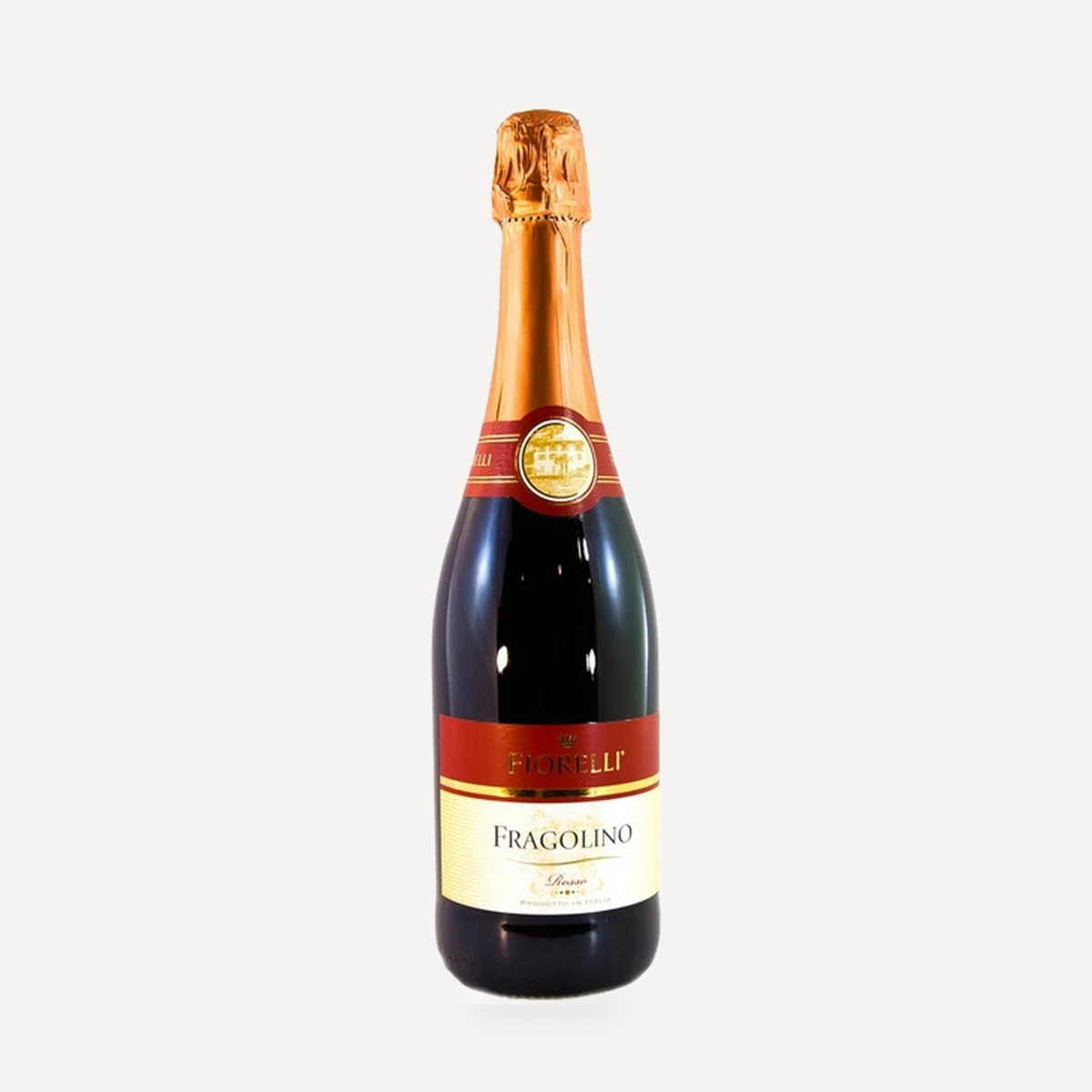
Fiorelli Fragolino Rosso
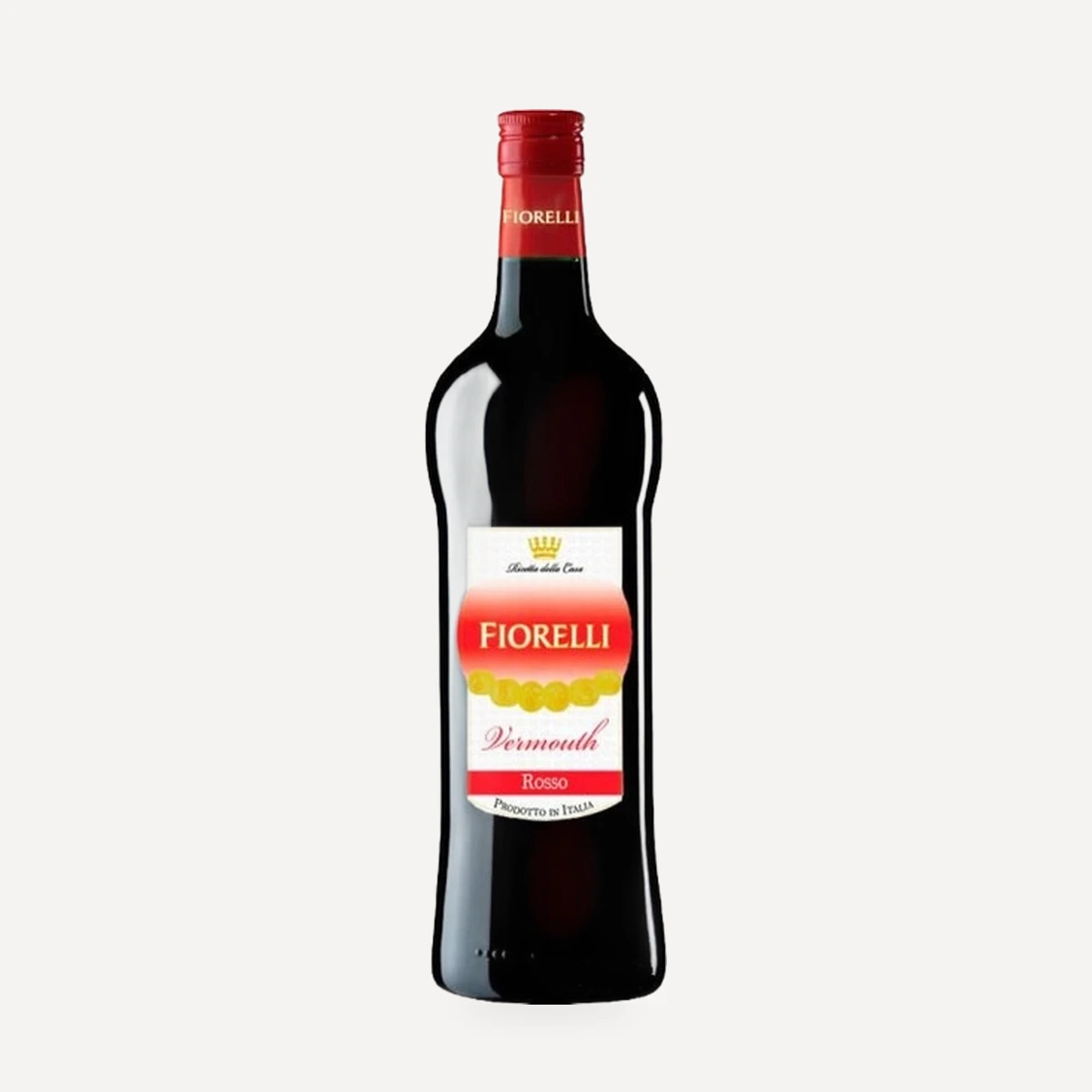
Fiorelli Vermouth Rosso
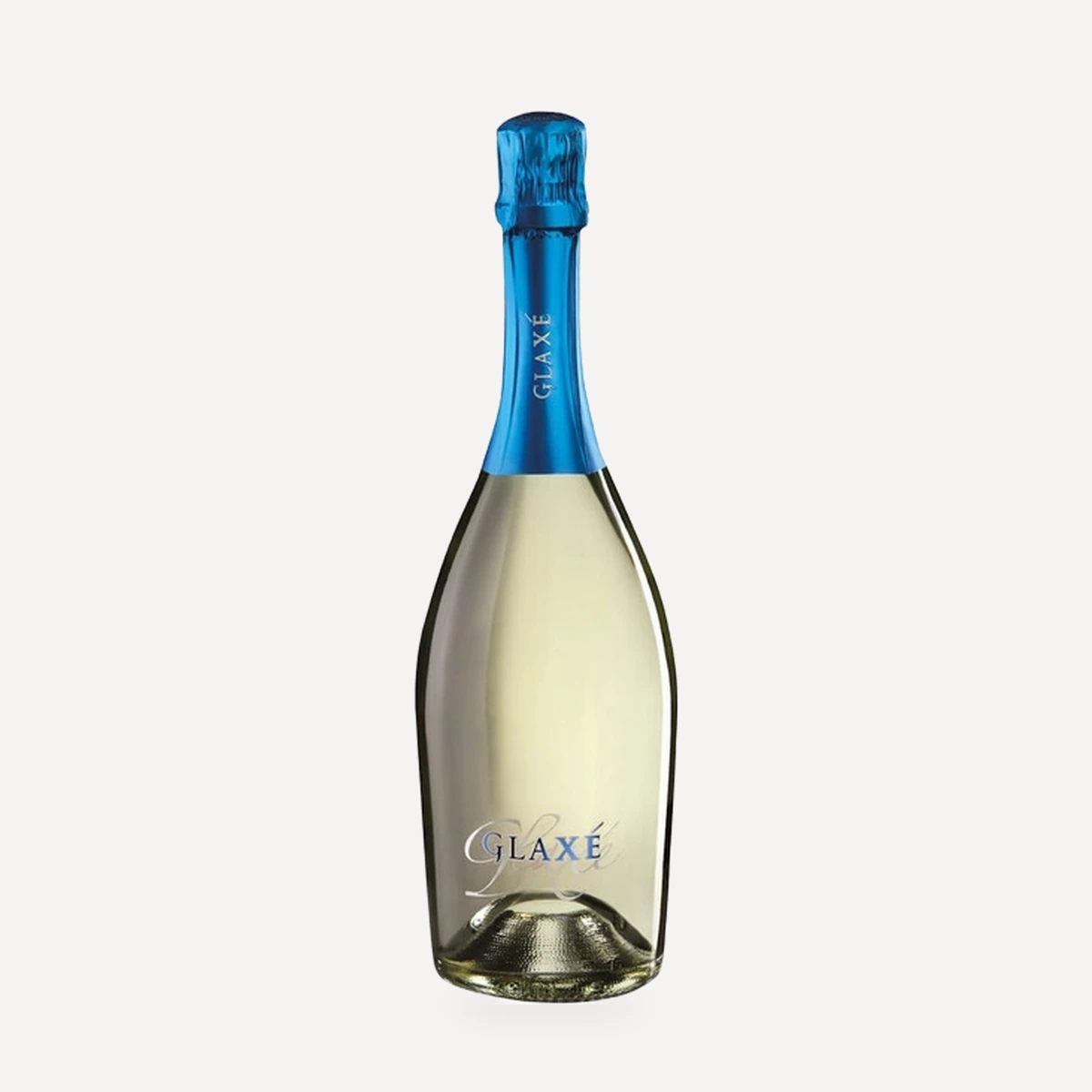
Glaxe Spumante
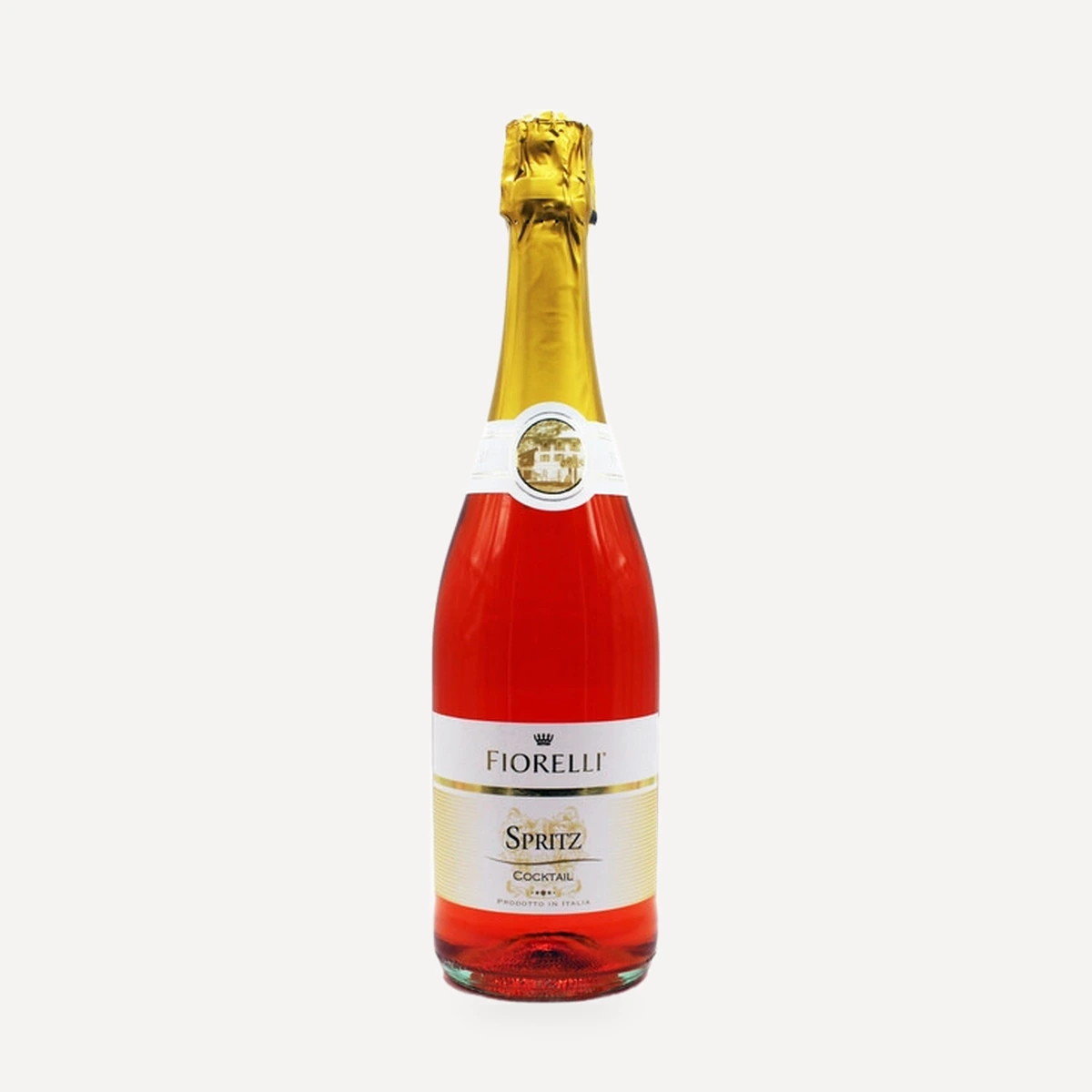
Fiorelli Spritz