History
Foundation in 1923
Cantina Girlan was established in 1923 when 24 winegrowers, collectively farming 25 hectares, joined together as a cooperative. They installed the new winery in a historic 16th-century farmstead in Girlan. Johann Kofler Krautschneider served as the cooperative’s founding chairman. The old walls and extensive underground passages were subsequently combined with modern cellar technology and conditions suited to wine maturation.
1961: Fass Nr. 9
Winemaker Valentin Spitaler selected the best Vernatsch grapes to commemorate the 950th anniversary of Villach in Austria. The wine was named Fass Nr. 9 after the vessel in which it matured for several months.
1975: Gschleier and Paul Flora
Quality pioneer Hartmuth Spitaler identified the potential of Gschleier and produced the first single-site Gschleier Alte Reben Vernatsch from its old vines. This project initiated a long-running collaboration with South Tyrolean artist Paul Flora, whose work shaped the labels.
1980s: a growing commitment to Pinot Noir
In 1980 the cooperative intensified its focus on Pinot Noir and introduced Trattmannhof Mazon Pinot Noir. From the beginning of the decade, Pinot Noir plantings expanded from 20 hectares to 40 hectares. The variety became a central subject of research, detailed site analysis and parcel-by-parcel microvinification.
The arrival of Gerhard Kofler and Oscar Lorandi further concentrated the Pinot Noir program on three growing areas—Girlan, Mazon and Pinzon. Climatic and geological conditions, vineyard orientation and vine age were assessed through separate experimental vinifications. This work eventually supported six Pinot Noir labels, including Piz Rosé, Patricia, Flora, Trattmann, Curlan and Vigna Ganger.
2008–2012: the search for Ganger
A search for an ideal, singular Pinot Noir vineyard began in 2008. Years of research and small experimental vinifications led Gerhard Kofler to the Ganger monopole in Mazon. In 2012, with then-president Helmut Meraner, Kofler produced the first Vigna Ganger Mazon Pinot Noir Riserva under Italy’s Vigna rules. Ganger lies at 360–380 metres, faces southwest, slopes by 3–5% and combines a distinct microclimate with deep clay and limestone soils.
2016: architectural renewal
A later extension was demolished to reveal most of the medieval administrative building. New lighting restored the visual prominence of the courtyard. A new wing was added, following the lines of the historic façades while using a restrained contemporary architectural language. The vinotheque renovation restored a historic vaulted room and a newly rediscovered staircase descending to the cellar.
2023 and the centenary
Cantina Girlan celebrated its centenary in 2023. By that point it united approximately 200 winegrowing families, farmed around 230 hectares in Oltradige and Bassa Atesina and distributed its wines in more than 40 countries.
Davide Lucin joined as second winemaker in September 2023. He had previously assisted during several harvests, studied oenology at agricultural high school and graduated in oenology from the universities of San Michele and Udine.
2024–2026: operational and environmental changes
At the end of 2023, administrative manager Helmut Strumpflohner retired after 43 years. Andrea Sparer succeeded him in January 2024.
Beginning with the first bottlings of the 2023 vintage, the cooperative started a three-year conversion to specially designed 410-gram bottles. The target was to move 70% of production to the format in 2024, 90% in 2025 and 100% in 2026. In the 2023 vintage, all white and rosé wines in the Classici range also moved to screwcap, following three successful vintages of trials with Pinot Grigio and Pinot Bianco.
The release of the 2022 Vigna Ganger in 2026 marked ten vintages of that single-vineyard wine. The vintage yielded 2,445 standard bottles and 100 magnums from fruit harvested on 6 September 2022 at 25 hl/ha.
Terroir
Regional setting
The vineyards extend through Oltradige and Bassa Atesina in South Tyrol, where Alpine and Mediterranean influences meet. The Alps provide protection to the north, while the open Adige Valley admits warmer Mediterranean air from the south. Strong day–night temperature differences—particularly in autumn—support aromatic definition and ageing capacity. The broader soils are predominantly mineral-rich, sandy and loamy.
UGA framework
South Tyrol’s Additional Geographical Units divide the denomination into areas sharing soil, climate, altitude and historical characteristics. The Italian Ministry of Agriculture formally recognized 86 Alto Adige DOC UGAs in October 2024 under DM 8 October 2024 and GU 17 October 2024. Cantina Girlan’s principal site descriptions cover Girlan, Gschleier and Mazon, while its Pinot Noir research also identifies Pinzon.
Girlan
Most of the vineyards around Girlan occupy gentle, sunny slopes on the Monte di Mezzo between San Michele and the Adige Valley. The detailed UGA data give an altitude range of 340–510 metres, east- and west-facing exposures and an average gradient of 12%; the descriptive text places the majority of the cooperative’s local vineyards around 450–550 metres. Gravelly, clay-rich, nutrient-poor soils rest on volcanic subsoil. Morainic deposits over porphyritic volcanic rock are especially important for the Pinot Noir parcels. Marked autumn temperature swings contribute freshness, aromatic clarity and ageing potential.
Gschleier
Gschleier lies northwest of Girlan on the Oltradige plateau. The 34-hectare area spans 390–450 metres, faces east, west and south and has an average slope of 12%. It is a warm, sunny site on a glacial moraine dominated by limestone, gravel and clay. Warm conditions persist through September, followed by a rapid October cooling. Light valley winds ventilate the vineyards at different times of day.
The district occupies the site of a Roman garrison; wall remains and coins were found in 1950. Vernatsch has been vinified separately from Gschleier since 1975. Its old vines are 80–110 years old in one description and 90–110 years old in the current German UGA text.
Mazon
Mazon occupies a broad plateau on the eastern side of the Adige Valley in southern South Tyrol. The complete UGA covers 66 hectares between 310 and 460 metres, faces west and has an average gradient of 19%. Cantina Girlan farms about 12 hectares of Pinot Noir there. The soils are loamy with high clay and limestone content.
The ridge of the Parco naturale Monte Corno delays morning sunlight, lowers average solar radiation, postpones soil thaw and slows the start of the growing season. Before harvest, the shaded mornings reduce direct radiation on the valley slopes. Regular surface winds ventilate the plateau; the Ora, a warm afternoon wind moving north from Lake Garda through the Adige Valley, is especially influential.
Pinzon
Pinzon’s Pinot Noir vineyards lie at 400–450 metres, face southwest and grow on limestone-rich clay. Along with Girlan and Mazon, the area forms one of the three zones examined through the cooperative’s Pinot Noir research.
Winemaking
Cantina Girlan’s approximately 200 member families farm vineyards across Oltradige and Bassa Atesina. Gerhard Kofler maintains direct contact with the growers and advises them throughout the vegetative cycle; the cooperative also provides training and consultation to growers and employees.
Soils are loosened and sown with legumes for green manure. Poor soils receive bio-compost, while mineral fertilizers are avoided. Water use is reduced through water-saving drip irrigation. Plant protection follows a minimum-intervention principle intended to reduce both the number and frequency of chemical treatments. Organic products and ecological methods are used, including mating-disruption pheromones against grape moth.
The Gschleier old-vine Vernatsch parcels are cultivated without mineral fertilizer or artificial irrigation and yield approximately 50–60 hl/ha. Pinot Noir research evaluates climatic and geological conditions, exposure and vine age parcel by parcel, supported by separate microvinifications.
Harvesting is carried out by hand. Grapes are transported in small containers to limit crushing and pressure. Vineyard work recorded during the wet 2024 season included defoliating shoots and trimming vine tops to increase sunlight and air circulation around the bunches, with healthy, ripe fruit as the objective. In difficult years, harvest may be conducted in several passes to achieve phenolic maturity.
Cantina Girlan operates within a 16th-century farmstead whose extensive underground corridors provide naturally stable storage and maturation conditions. Contemporary cellar technology is integrated behind the historic walls, while underground wine and bottle storage reduces energy demand.
At reception, hand-picked grapes arrive in small containers intended to prevent excessive pressure. Broadly documented cellar tools include whole-bunch pressing where appropriate, gentle pressing, natural sedimentation for must clarification, gravity-fed movement into fermentation vessels and ageing on fine lees. Parcel-scale microvinifications are central to the Pinot Noir research program, allowing the winemaking team to compare individual sites, geology, microclimate, exposure and vine age before defining final selections.
Fermentation and maturation vessels used across production include stainless-steel tanks, concrete vats, large wooden casks, smaller wooden casks and barriques. Malolactic fermentation, extended bottle maturation and final blending are applied according to wine and quality level. Cellar Reserve bottles remain in the underground cellars until selected vintages reach optimal drinking maturity; Gerhard Kofler and his team inspect every bottle, and qualifying bottles are recorked and sealed with a dedicated Cellar Reserve capsule.
All Classici white and rosé wines from the 2023 vintage onward use screwcap. The change followed three vintages of trials with Pinot Grigio and Pinot Bianco. Other wines use unbleached natural cork. Beginning in 2024, all ranges entered a phased conversion to purpose-made 410 g bottles, reaching a planned 100% in 2026.
Philosophy
Cantina Girlan defines two central objectives: to renew the standing of South Tyrol’s historical grapes—Vernatsch, Pinot Bianco and Pinot Noir—and to create characterful Chardonnay and Sauvignon that remain recognizably connected to their place of origin.
The cooperative presents terroir as the combined effect of geography, geology, vegetation, climate, people and inherited traditions, rather than soil alone. Wine is intended to express its origin, with vineyard areas and varieties matched through long-term observation, parcel analysis and experimental vinification.
Its credo joins commitment to tradition with dedication to the future. Modern technology is accepted as a means of precision, while production is expected to follow nature’s timing and preserve connections with established practices. Sustainability is treated as inseparable from quality and extends from soil management and grower education to energy, packaging and cellar operation.
Pinot Noir exemplifies this approach. The variety is treated as highly responsive to site and therefore suited only to carefully selected locations. Research focuses on interpreting Girlan, Mazon and Pinzon individually, while blends and single-parcel wines are used to express either balance among sites or the identity of one place.
Wines
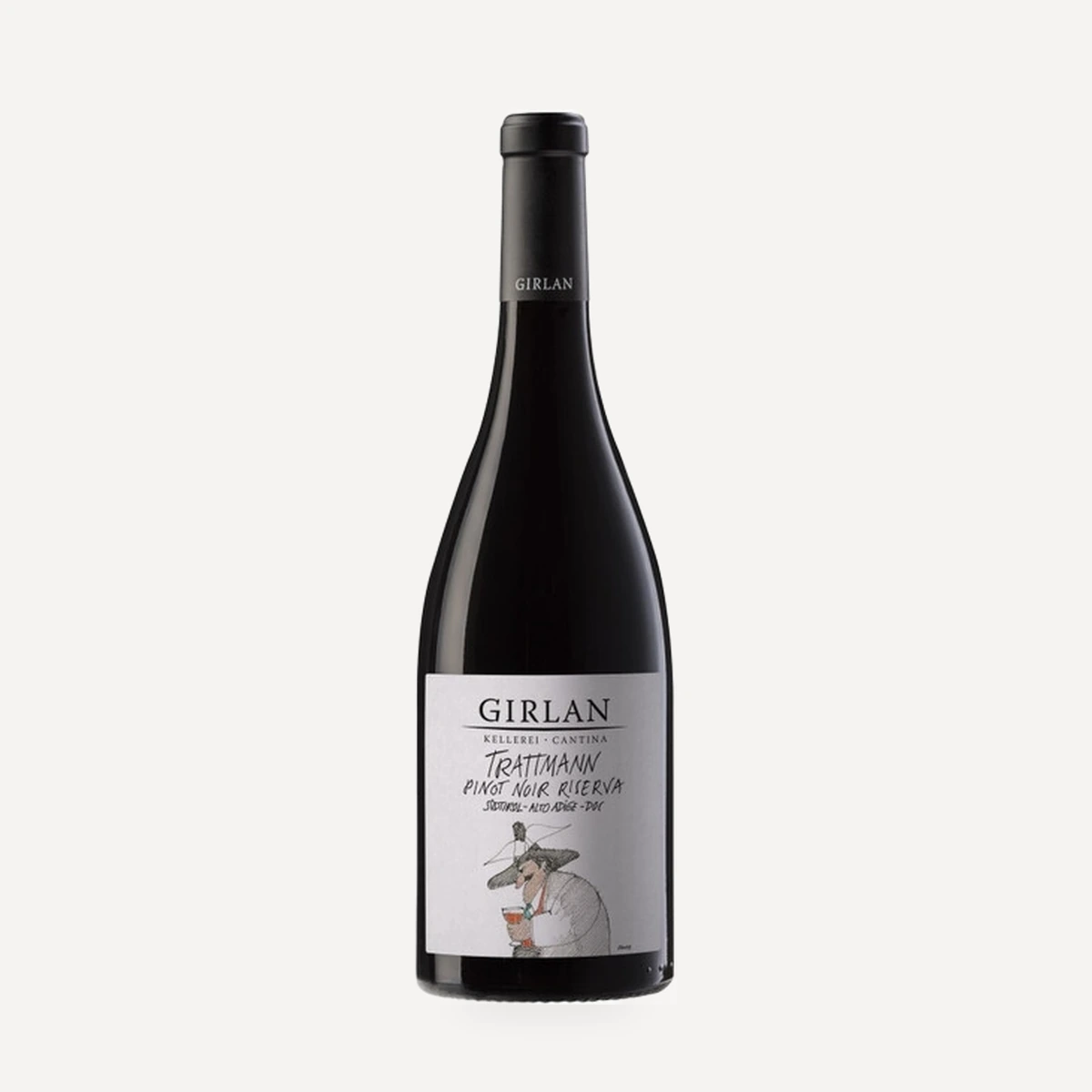
TRATTMANN Pinot Noir Riserva
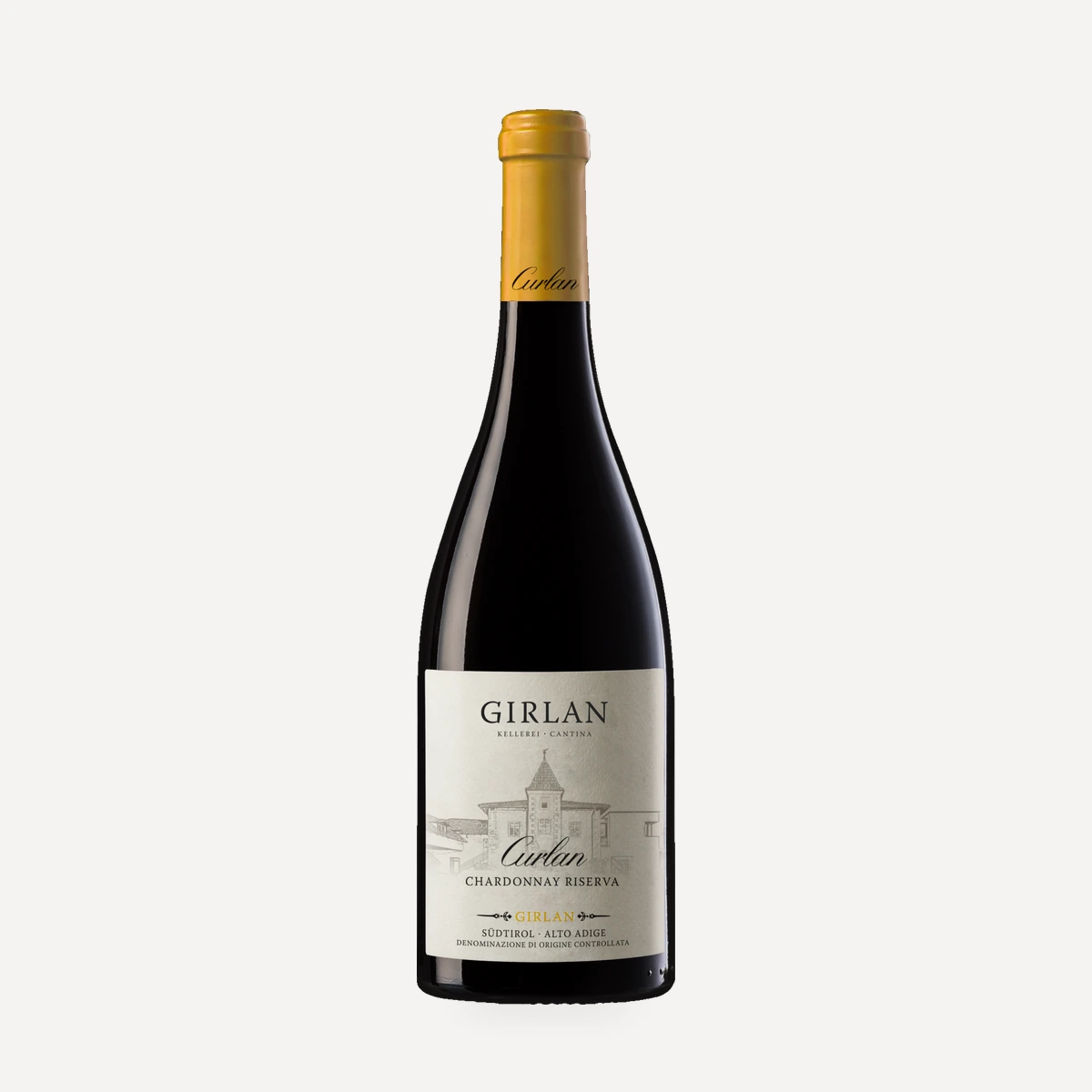
CURLAN Chardonnay Riserva
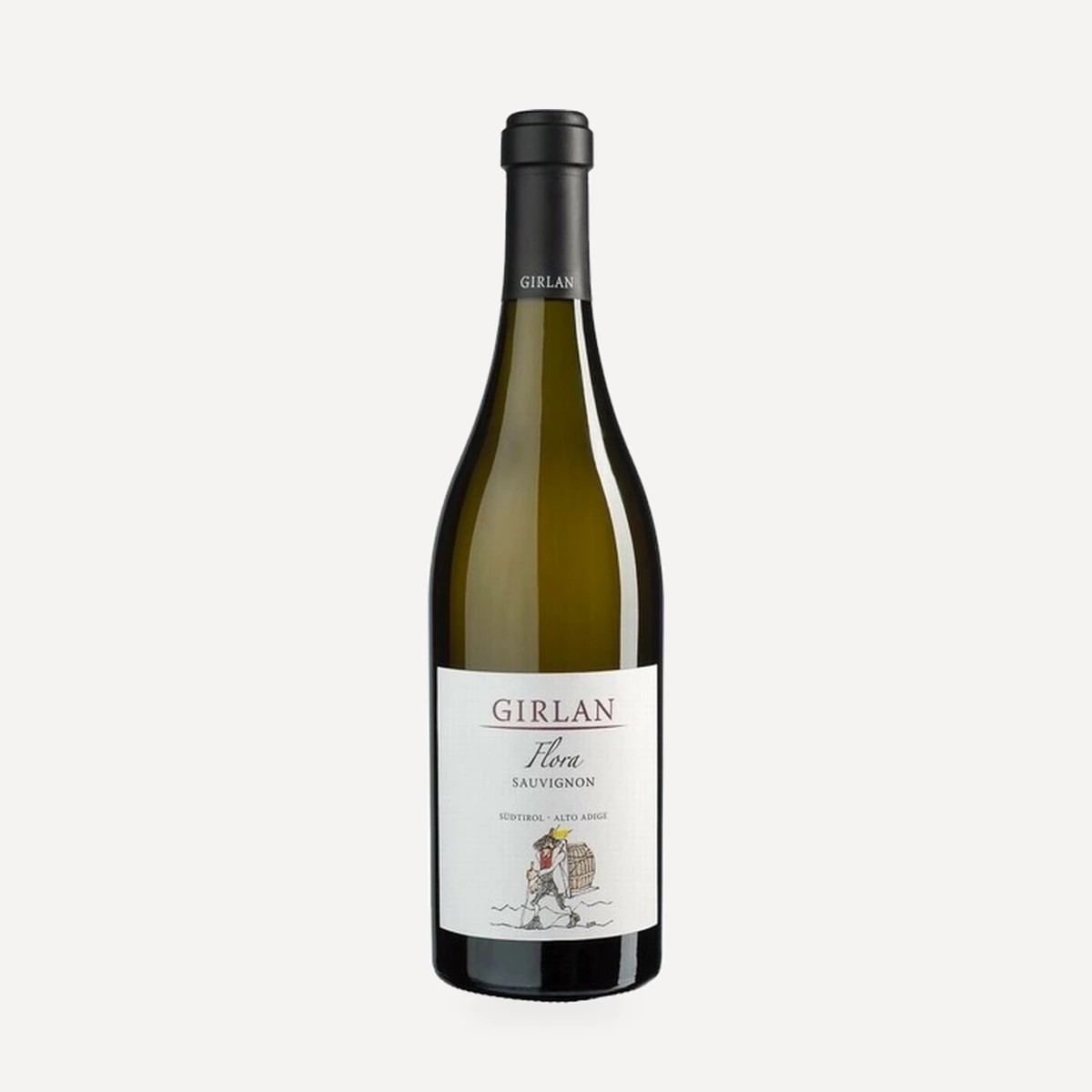
FLORA Sauvignon
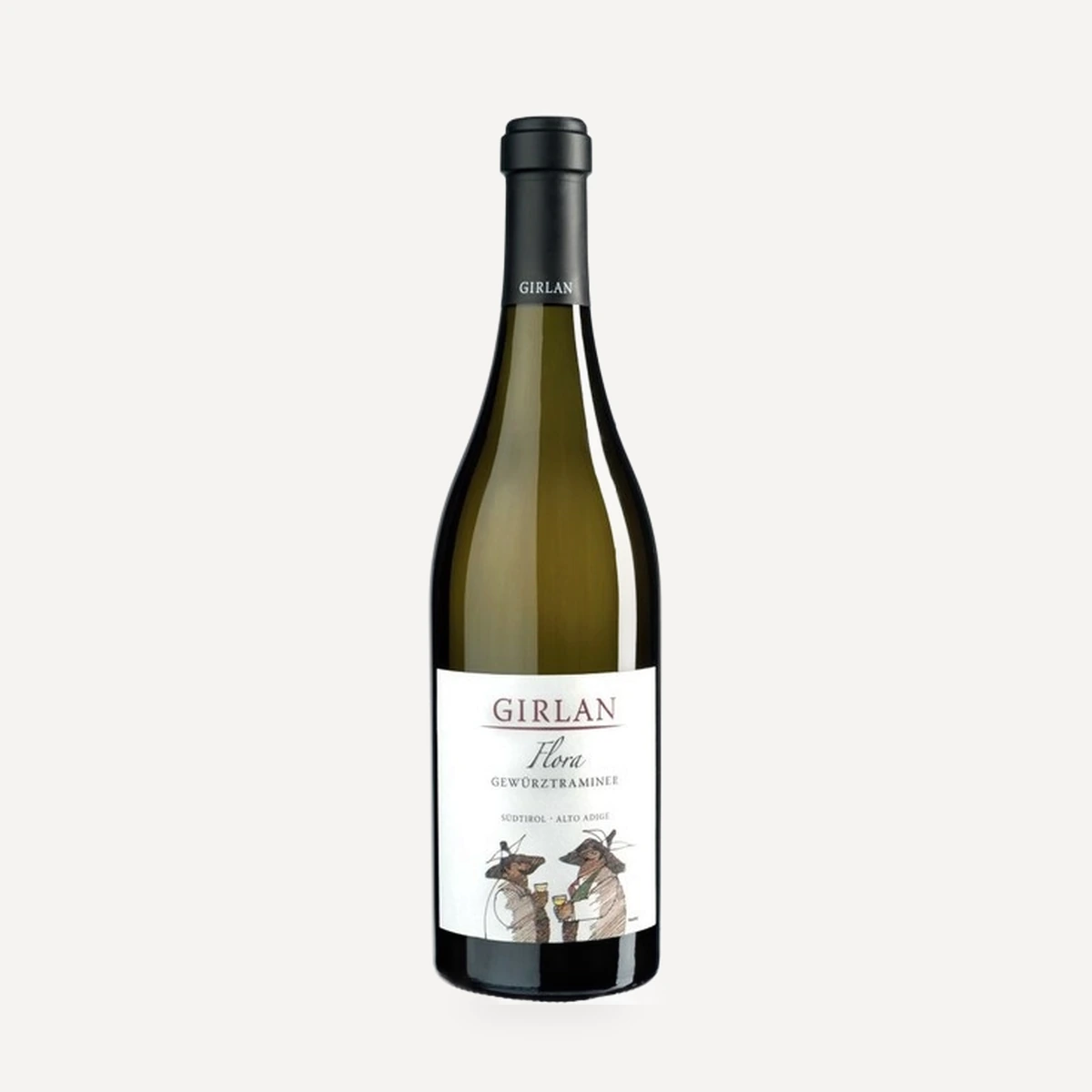
FLORA Gewürztraminer
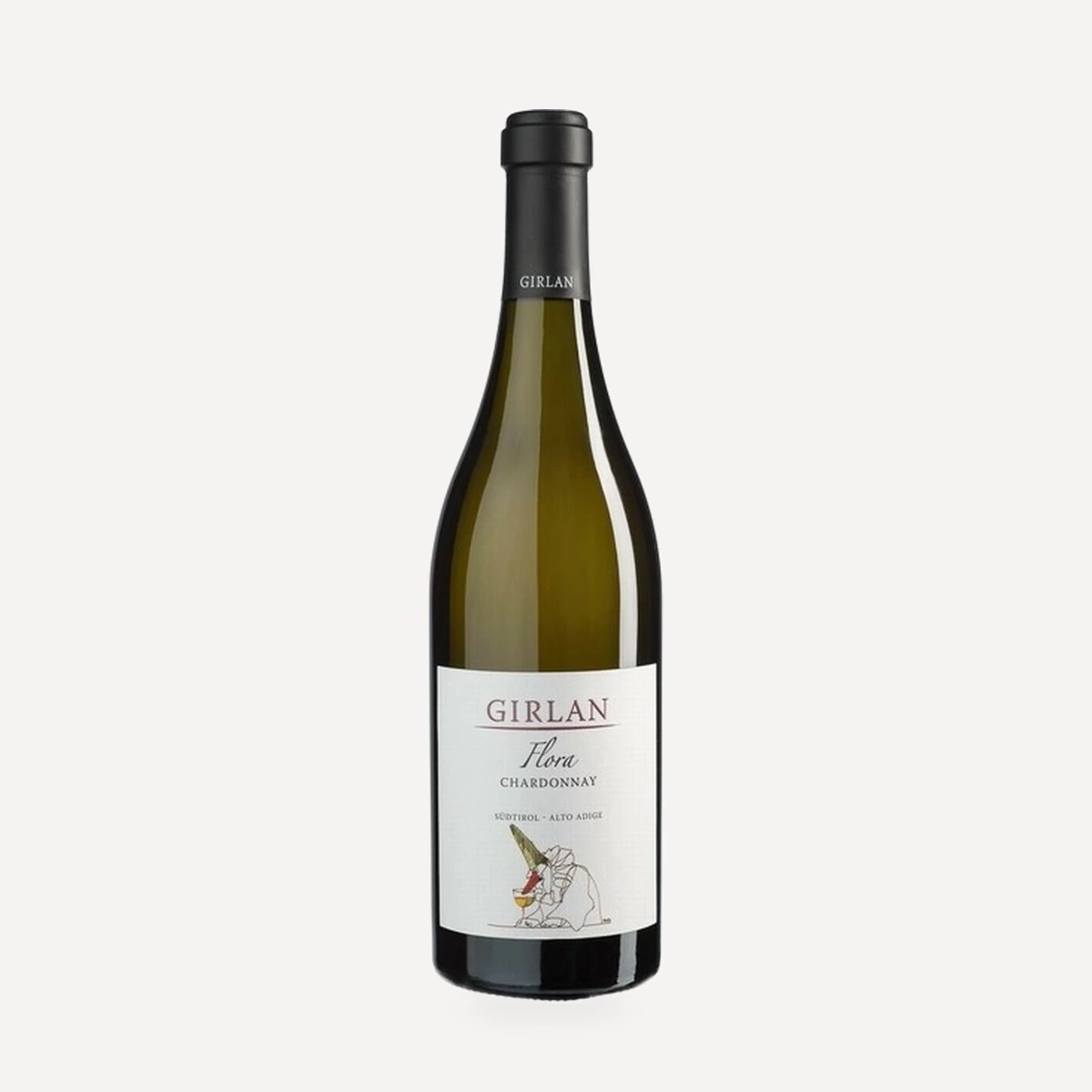
FLORA Chardonnay
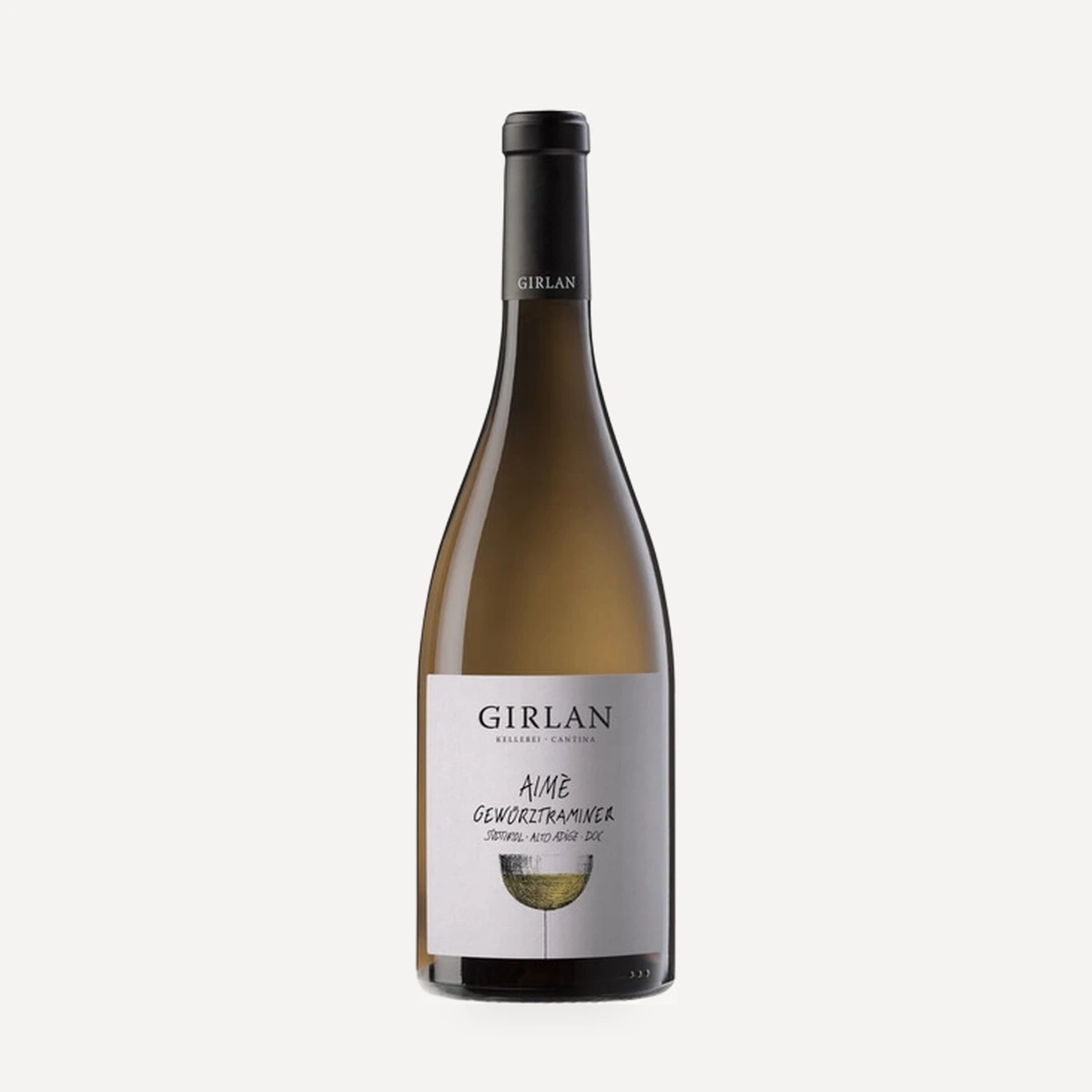
AIMÉ Gewürztraminer
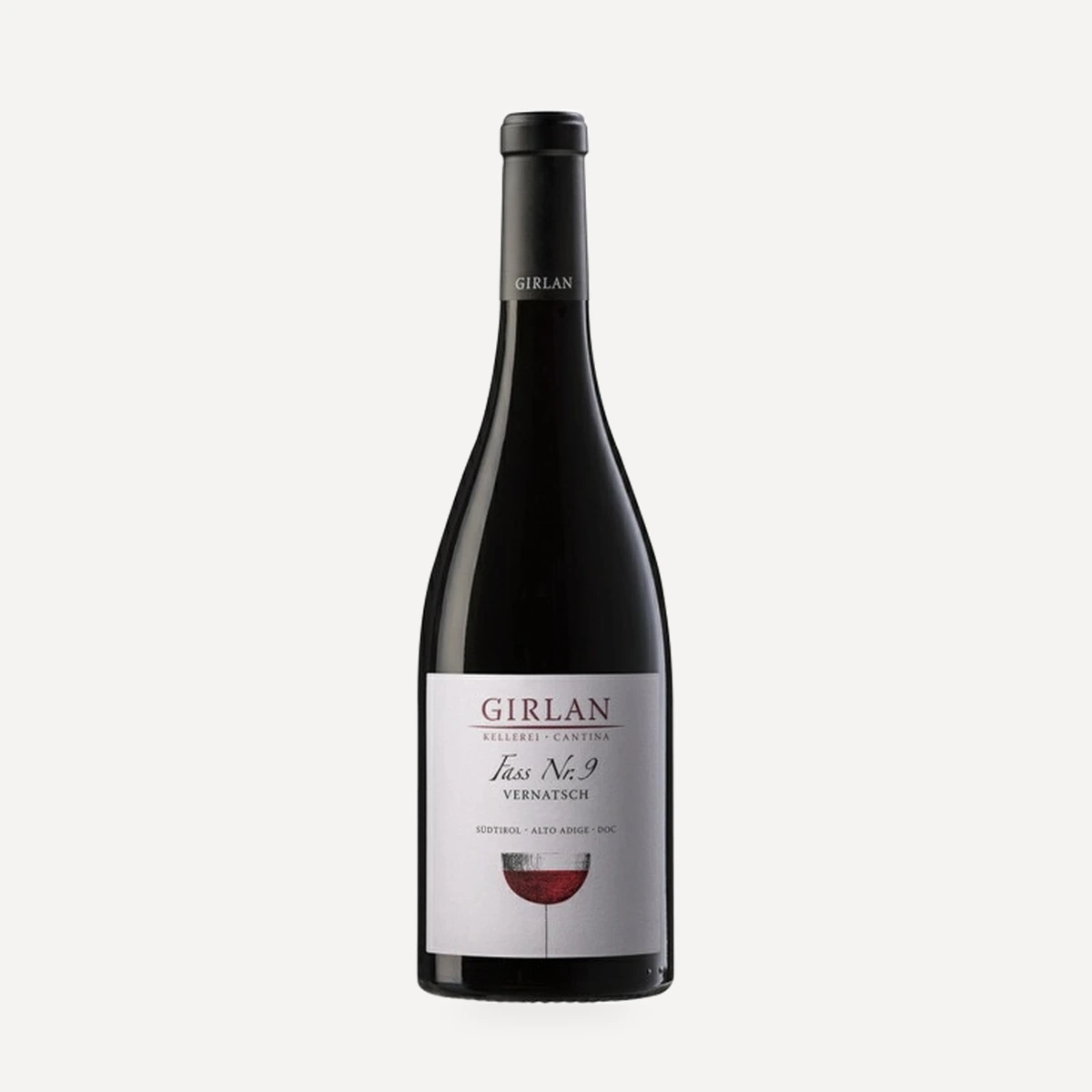
FASS NR. 9 Vernatsch
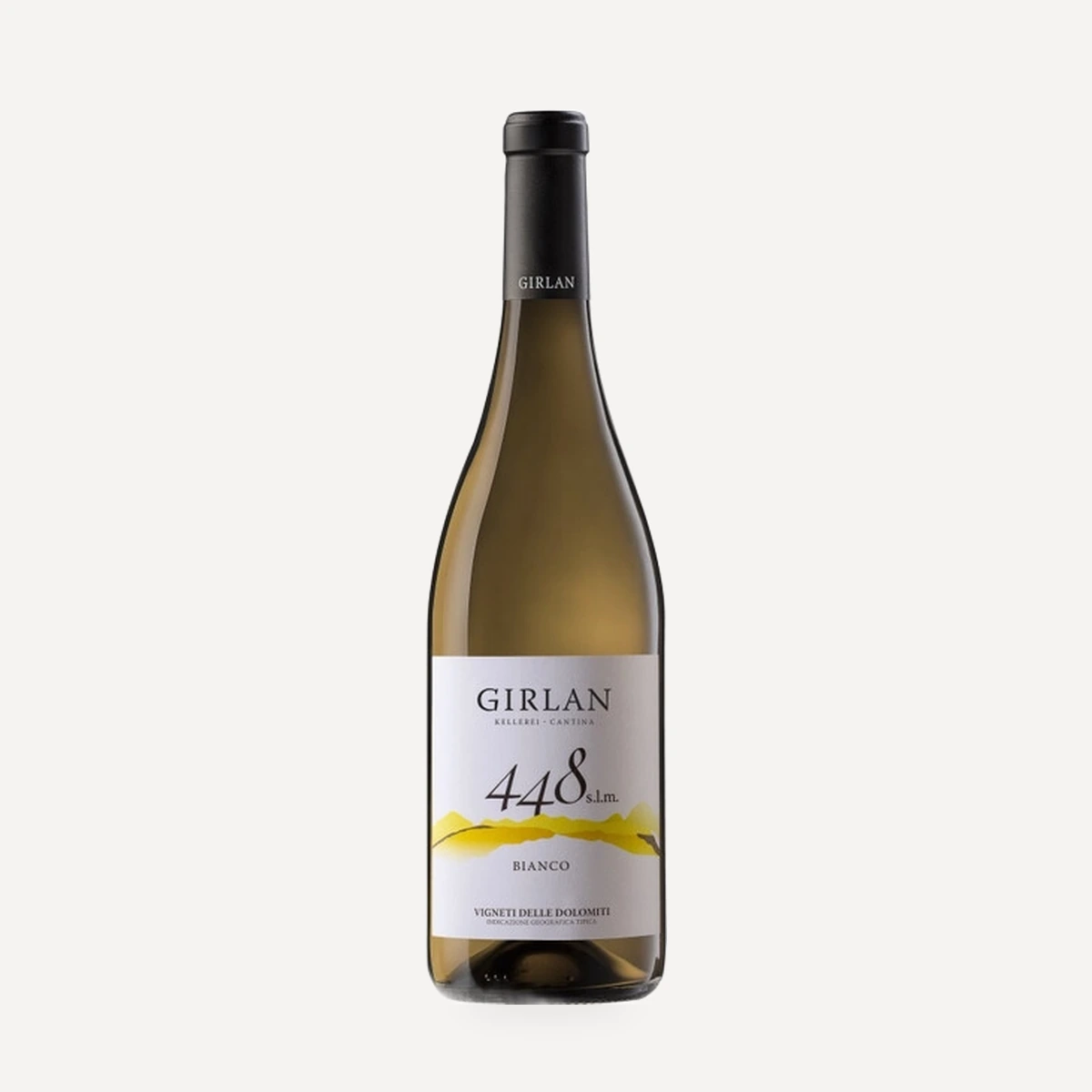
448 s.l.m. Bianco
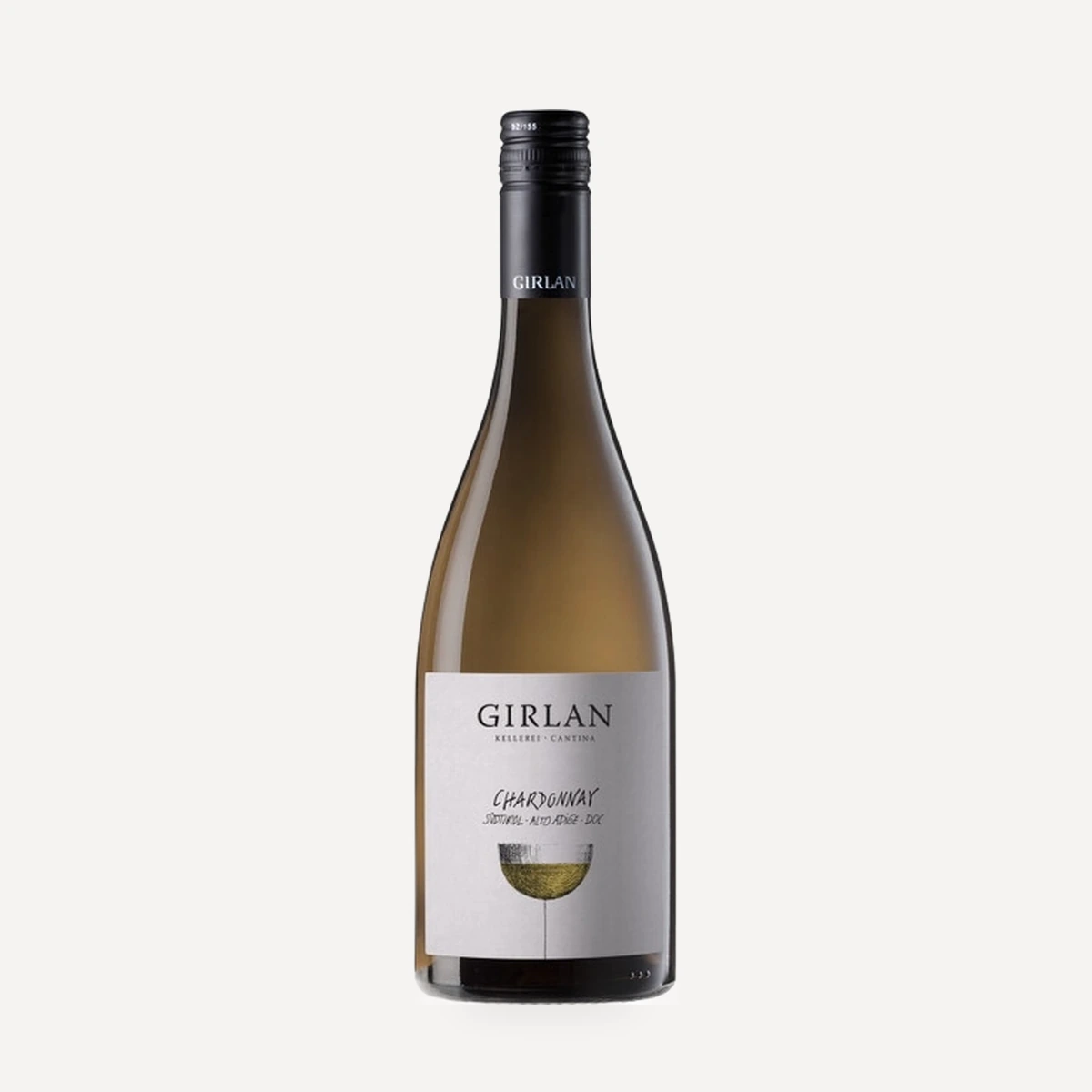
Chardonnay
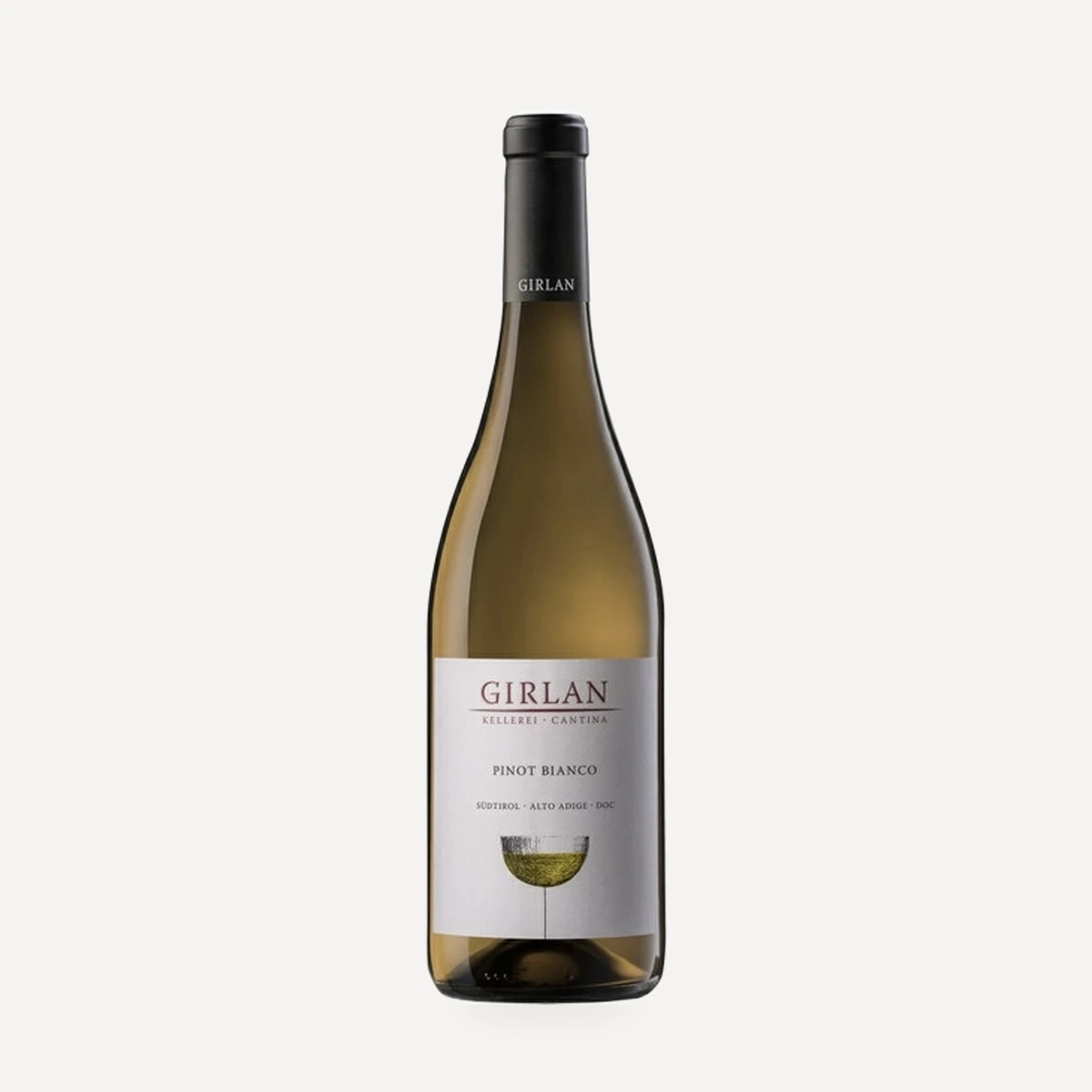
Pinot Bianco
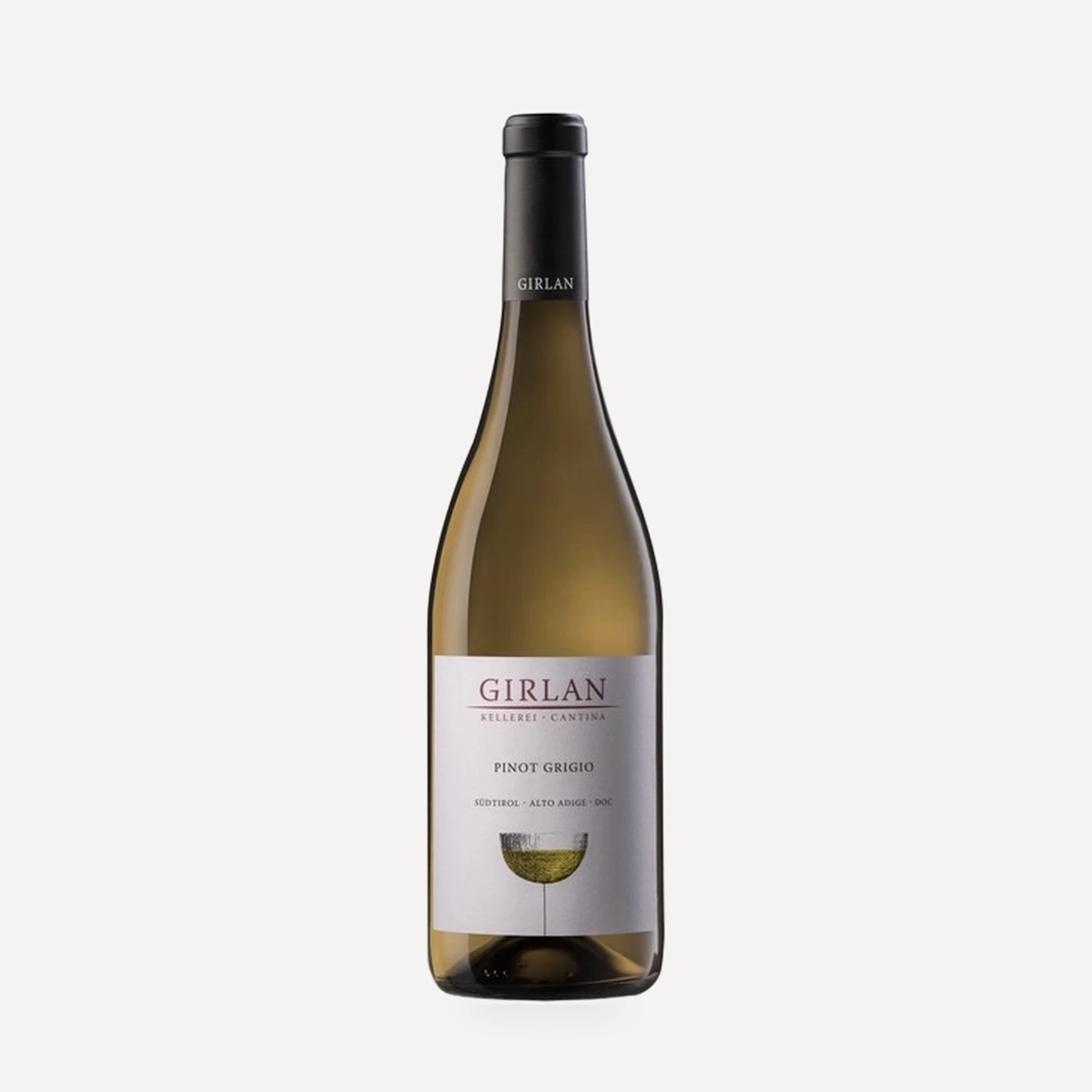
Pinot Grigio
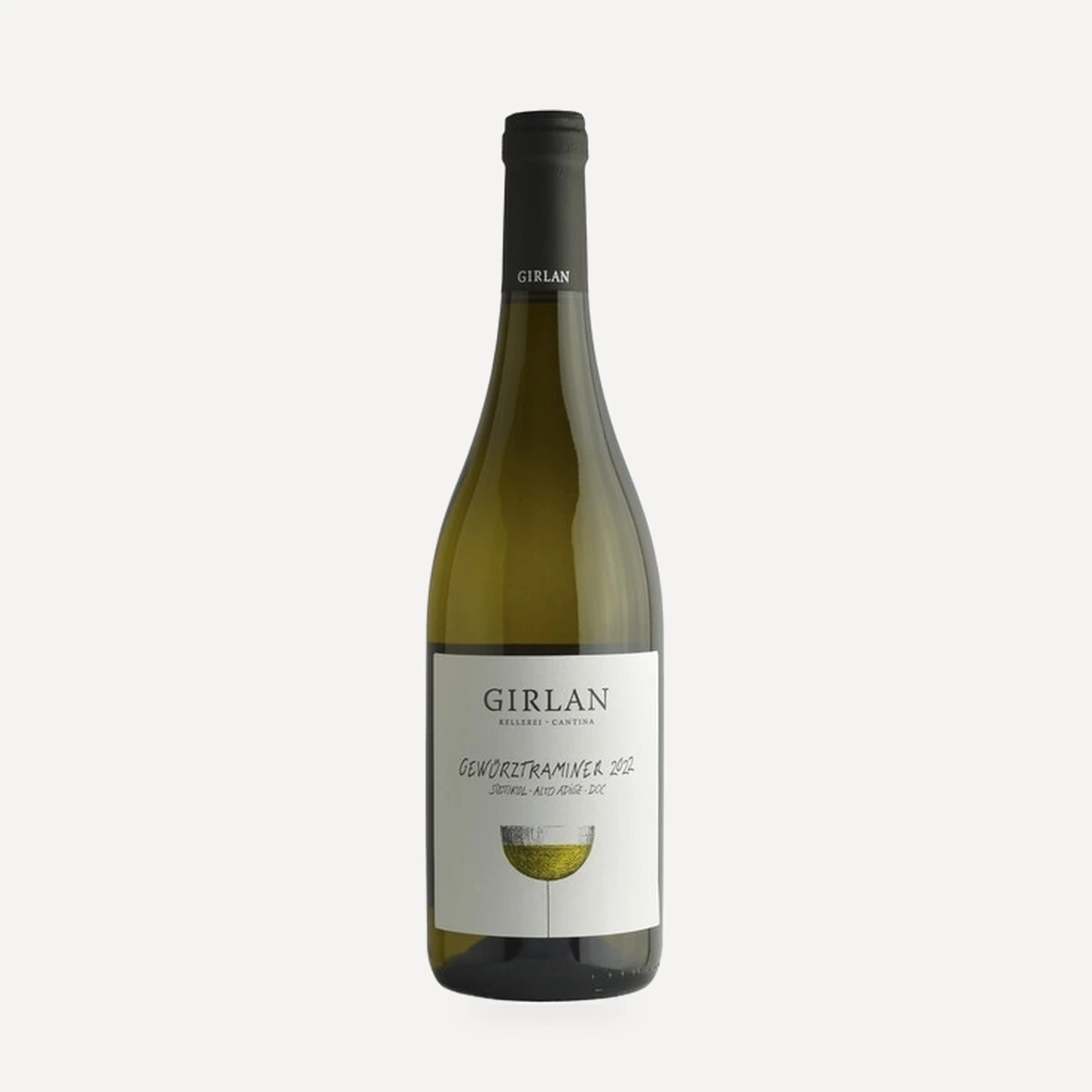
Gewürztraminer
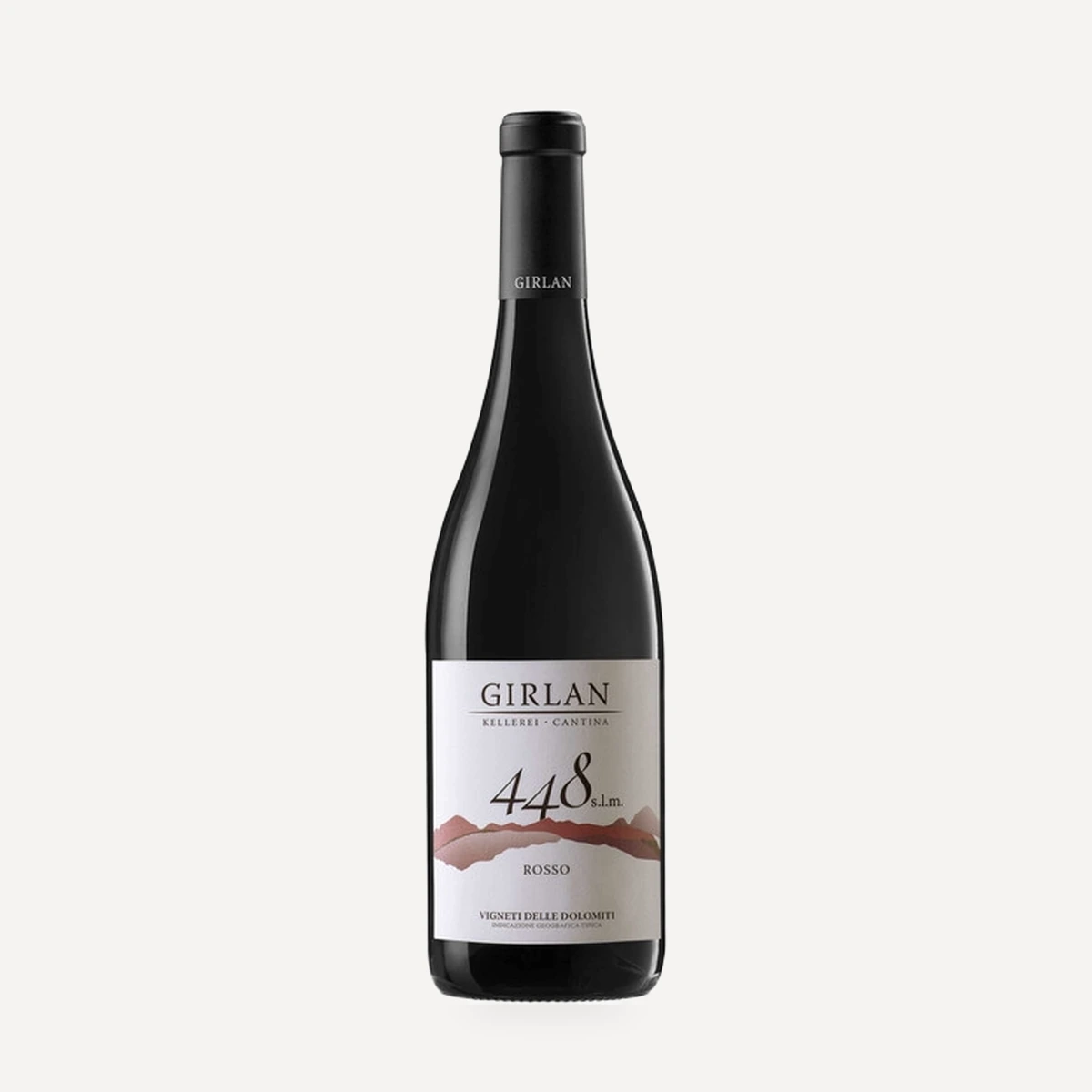
448 s.l.m. Rosso
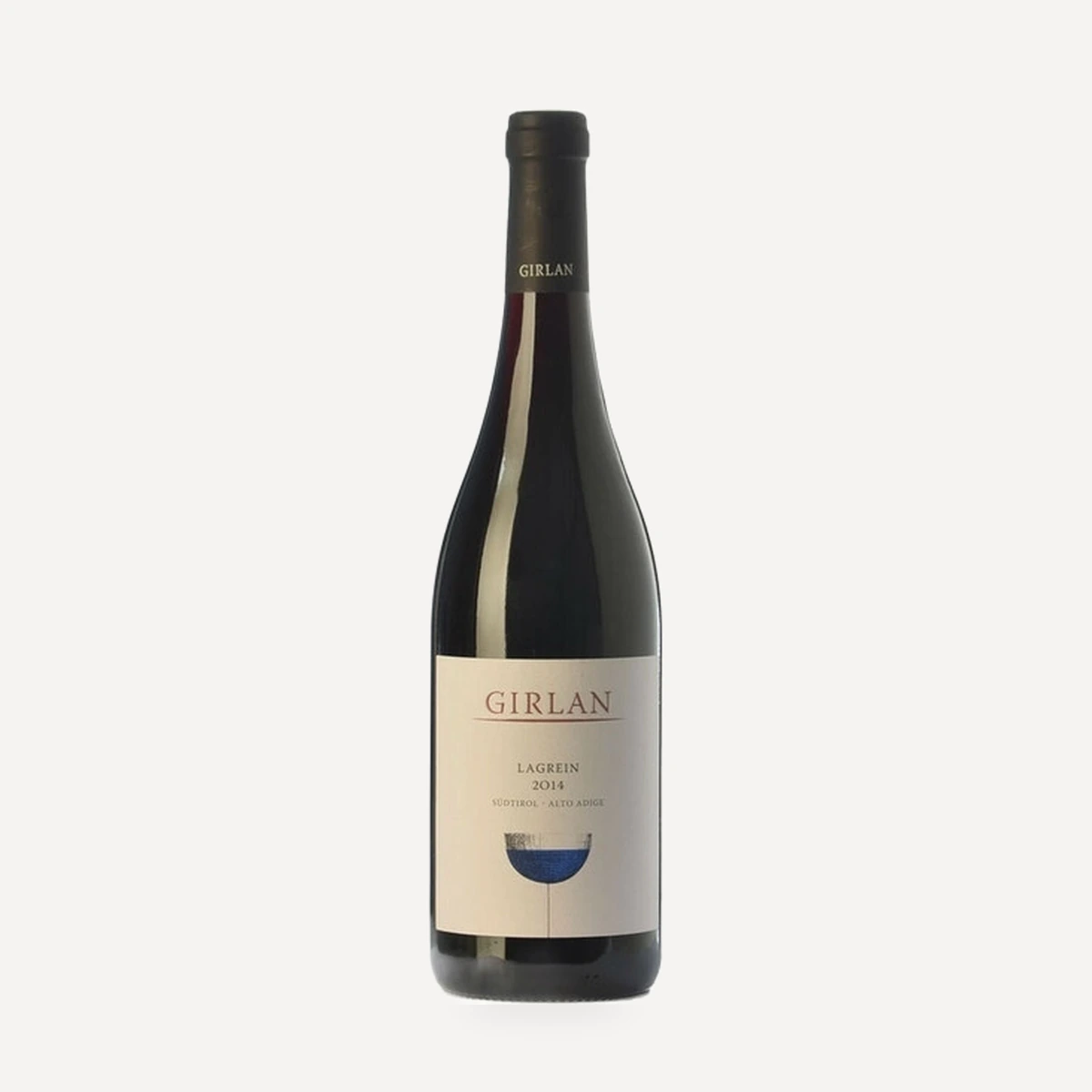
Lagrein
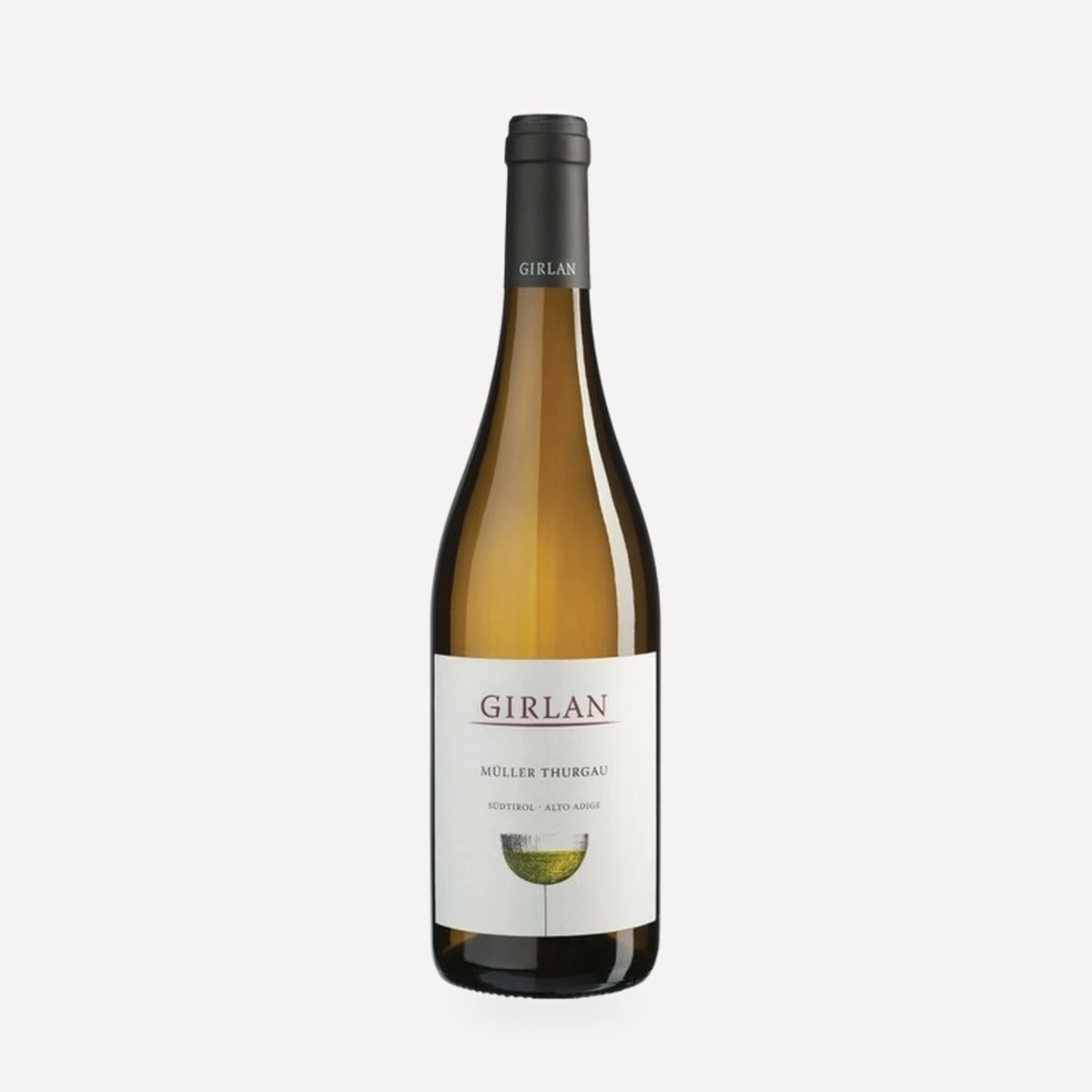
Müller Thurgau