History
The Sardinian background
Giacomo Tachis arrived in Sardinia in the early 1980s as a consultant to the Consortium of Sardinian Wines and, almost simultaneously, as the oenologist of Cantina di Santadi. Antonello Pilloni, then president of that winery, regarded him as the person capable of relaunching viticulture in Sulcis and was responsible for first bringing him to the island. By the middle of the decade Tachis was advising both the regional wine consortium and Cantina di Santadi. His relationship with the latter continued until his retirement in 2010, prompted by health reasons.
The creation of Agricola Punica
At the beginning of the twenty-first century, after developing numerous successful wines, Tachis proposed a new Sardinian venture with an explicitly international outlook. Through him, Marchese Nicolò Incisa Della Rocchetta and Antonello Pilloni met over dinner in Verona during Vinitaly. The three established the basis of a collaboration that became Agricola Punica in 2002.
The enterprise brought together the experience of Tachis, Pilloni, Cantina di Santadi and the Tenuta San Guido group. Tachis conceived the project, persuaded his partners of the potential of Sulcis-grown grapes and served as founder, oenologist, shareholder and board member. Incisa Della Rocchetta promoted the venture and contributed management expertise, while Pilloni became one of its founding directors.
In 2002 the company acquired a 170-hectare agricultural property divided between two estates in Basso Sulcis. Barrua, in the municipality of Santadi, was already planted with vines. The larger Narcao estate comprised a series of hillside properties in the municipality of Narcao. Together, the two estates contained 70 hectares of vineyards.
First vintages and development of the range
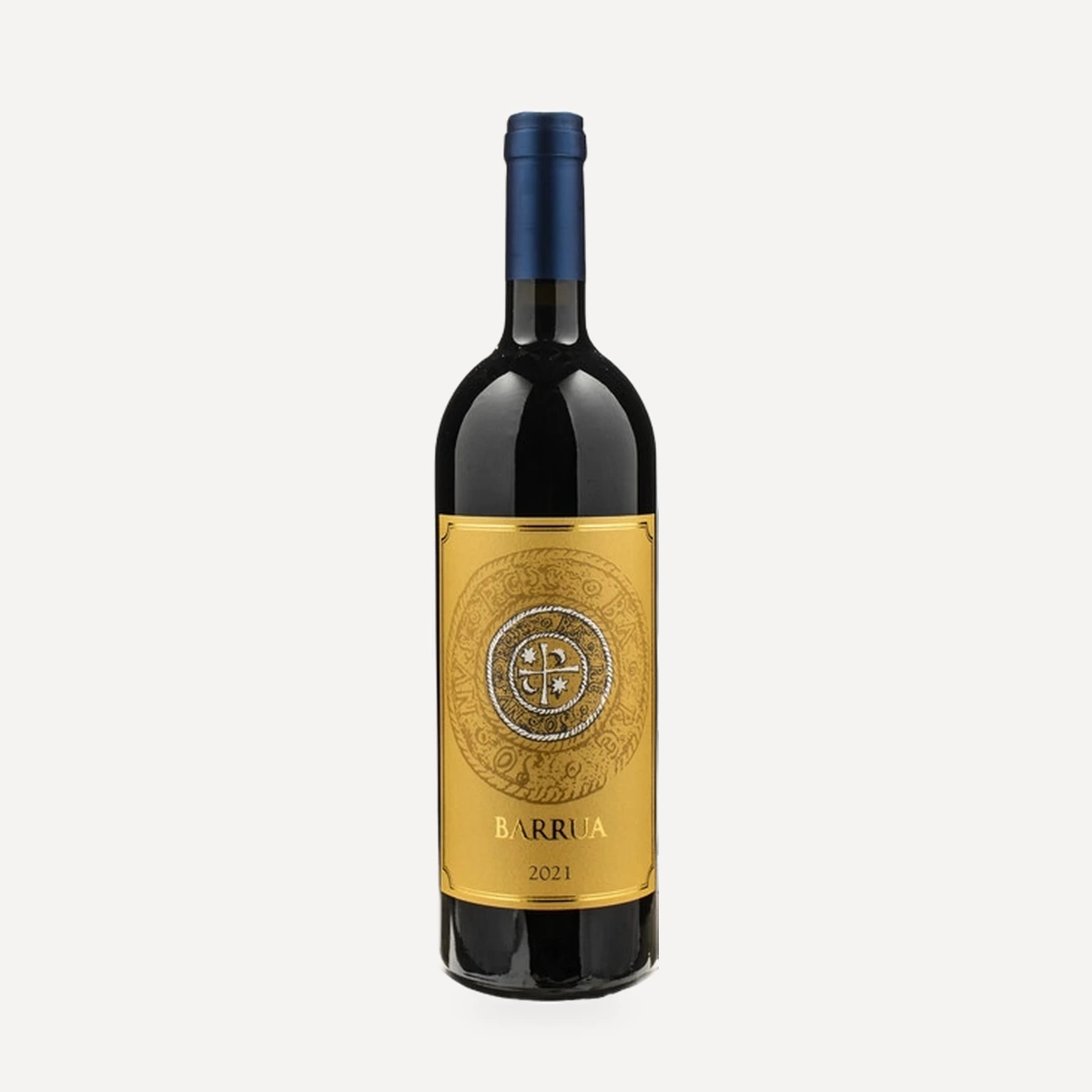
The first harvest took place in 2002. Tachis applied the blending ability he jokingly described with the word “Mescolavin.” Carignano formed the basis of the first red, Barrua, supported by small proportions of Cabernet Sauvignon and Merlot, two international varieties particularly valued by Tachis.
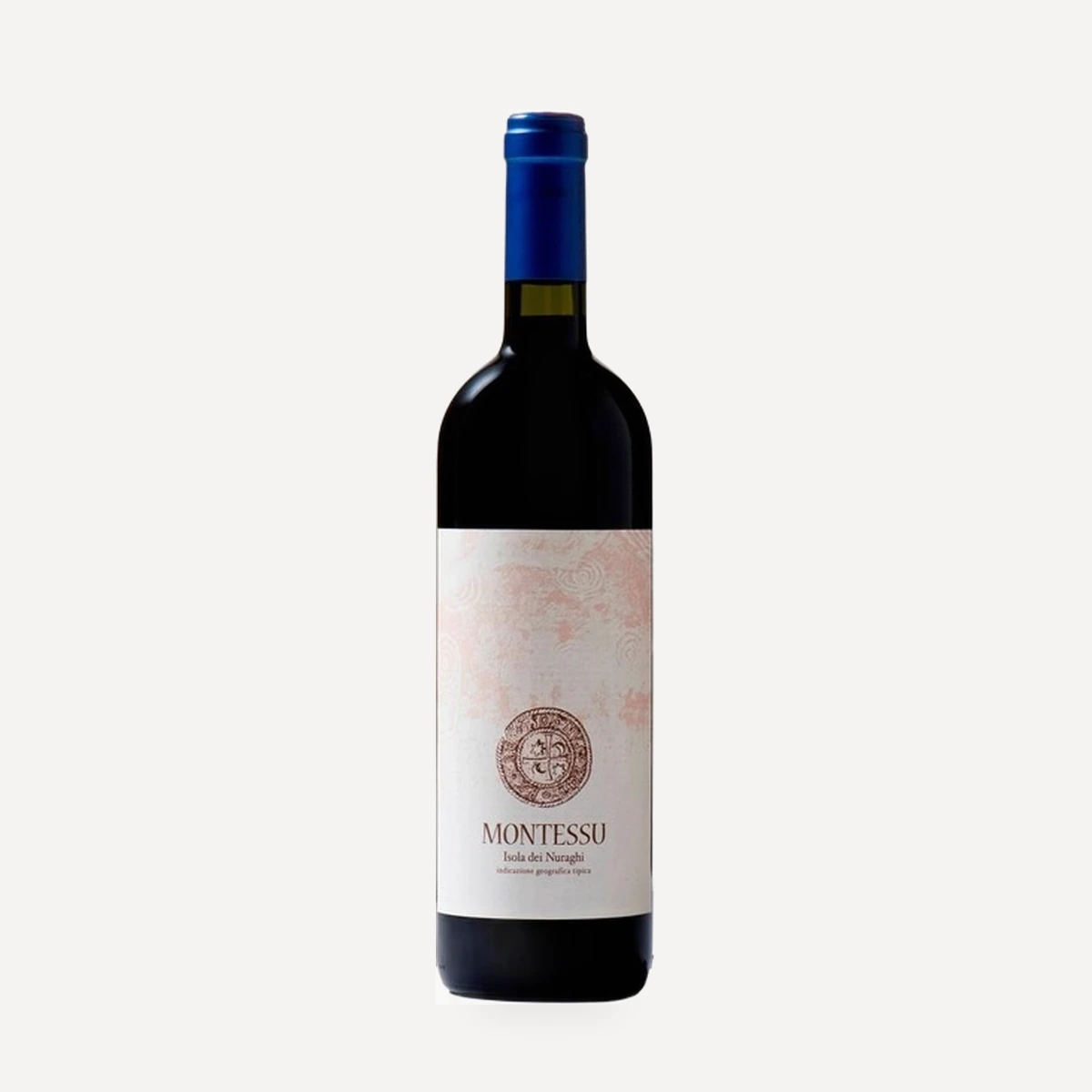
Montessu followed in 2005. It was conceived with a 60% Carignano base complemented by Bordeaux varieties, giving Agricola Punica a second red with phenolic richness and complexity for both the Italian and international markets.
Management continuity
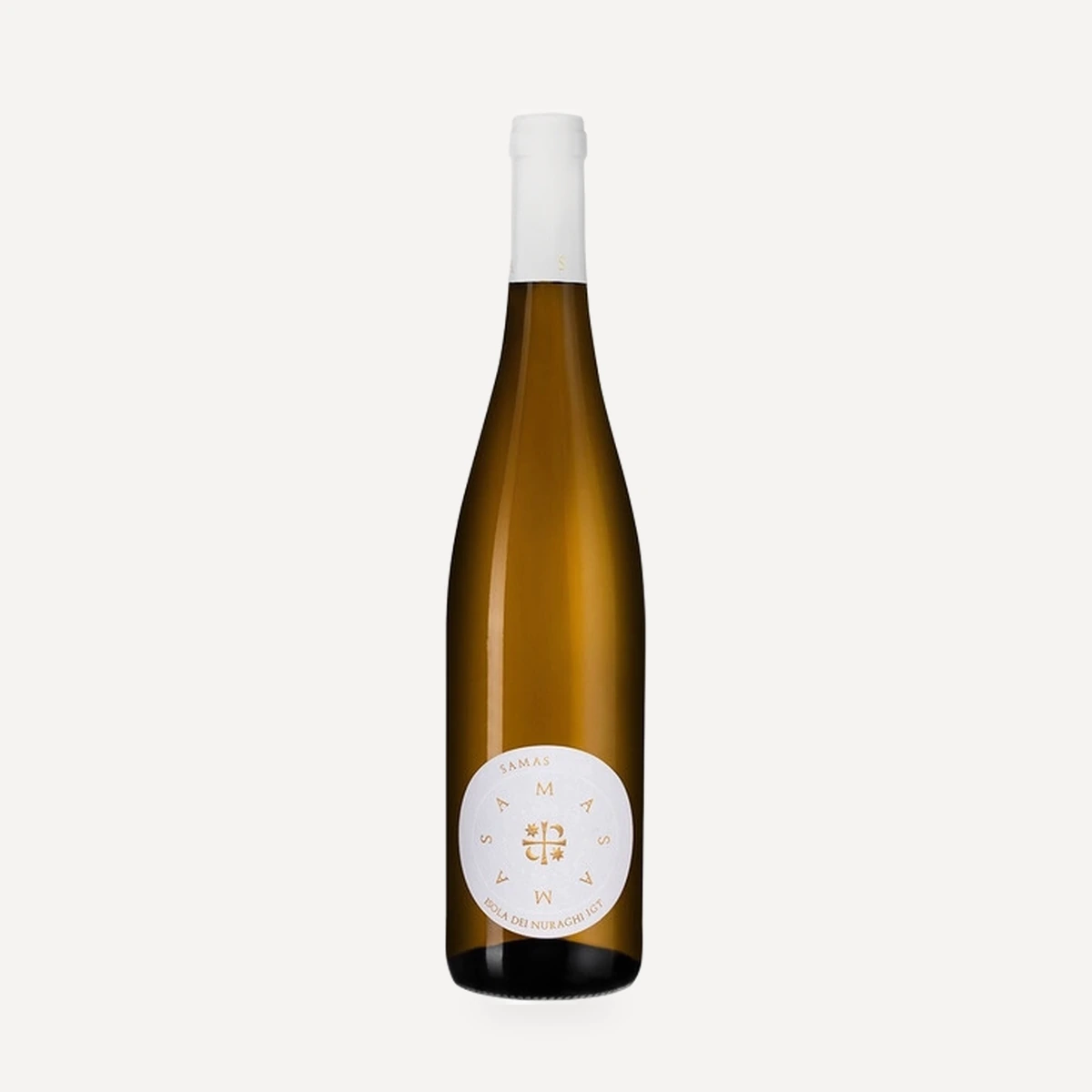
Nicolò Incisa Della Rocchetta chaired Agricola Punica from its foundation in 2002 through 2017 and subsequently became Honorary President. Antonello Pilloni has held management responsibilities since the company was established; his current presentation identifies him as Deputy Chairman and Chief Executive Officer. Agricola Punica continues to operate from Santadi through the Barrua and Narcao estates and produces the reds Barrua and Montessu and the white Samas.
Terroir
Location and landscape
Agricola Punica’s two estates lie in Basso Sulcis in southwestern Sardinia. Barrua is in the municipality of Santadi; the larger Narcao property comprises several hillside areas in the municipality of Narcao. Basso Sulcis is almost entirely bounded by the sea, and the vineyards form part of a coastal landscape in which rows of vines extend toward the horizon.
Climate and maritime influence
Winters are mild, while summers are hot and dry. Abundant sunlight allows the grapes to reach an advanced level of ripeness and can initiate tannin polymerisation inside the berry while it remains on the vine. The sea moderates extreme summer heat and helps stabilise the climate, an influence repeatedly emphasised by Giacomo Tachis.
Soils
The Barrua and Narcao vineyards occupy very deep, stony soils with a moderate clay component. Soils associated with the estate’s red production are also described as medium-textured, clayey, sandy and calcareous. The white-grape sites are predominantly sandy, with calcareous material also present.
Native varieties
Carignano is central to the viticultural identity of Sulcis and to Agricola Punica’s history. The local red grapes develop substantial colour, structure and alcoholic richness while retaining smooth extractive components, delicate tannins and contained acidity. The company’s vineyards combine native material with recognised French varieties.
Winemaking
The 70 hectares of vineyards are divided between native grapes and recognised French varieties. Red-wine vineyards include spurred-cordon plantings in Basso Sulcis.
Harvest timing is adapted to grape variety and ripeness, so fruit reaches the cellar in separate phases. Manual picking is explicitly used for estate fruit. Red-grape harvesting begins in early September and can continue into the first half of October. White grapes are harvested manually between 10 August and 10 September, with picking at first light to protect their varietal character; they reach the winery whole in small boxes.
Agricola Punica describes its estate cultivation as careful and sustainable and frames it around respect for the surrounding environment and nature. No specific organic, biodynamic or sustainability certification, certifying body or conversion date is named.
Cellar organisation
Harvested grapes arrive at different times according to variety and degree of ripeness. Cellar staff process each intake under the supervision of the cellar master and oenologist. Alcoholic fermentation is monitored continuously by the technical team, with particular attention to extraction quality.
Red-wine production
Temperature-controlled stainless-steel tanks are used for alcoholic fermentation and the transition through malolactic fermentation. Fermentation takes place in contact with the skins, and periodic pump-overs transfer compounds from the skins into the fermenting must. The red wines subsequently mature in French-oak barriques selected according to a protocol established by Giacomo Tachis. Cellar technicians follow the evolution of the wines throughout wood maturation.
White-wine methods
White grapes are protected from oxidation through cryogenic techniques. Whole clusters arrive in small boxes and pass into the press under cold, inert conditions. Static settling produces a clear must for inoculation with selected yeasts, followed by temperature-controlled fermentation. Lees contact with regular stirring, maturation in stainless steel, blending and a final period in small concrete tanks form part of the white-wine process. Natural stabilisation is completed without clarification or filtration.
Philosophy
Agricola Punica was created to unite deep regional knowledge with an international perspective. Giacomo Tachis’s founding idea was that the grapes of Sulcis could support wines of high quality, while Nicolò Incisa Della Rocchetta brought management experience and Antonello Pilloni pursued the broader ambition of positioning Sardinian wine alongside that of regions with longer-established traditions.
The production philosophy centres on the character of Sulcis—especially Carignano—while using selected French varieties and precise cellar techniques to shape balanced blends. The winery treats alcoholic fermentation, extraction and maturation as closely supervised stages rather than fixed routines, following each wine’s evolution throughout the process.
Antonello Pilloni characterises the vineyard approach as one of care, passion, sustainable methods and full respect for nature and the surrounding environment. The wider aim is to connect wine quality with the cultural and agricultural identity of Sulcis.