History
Five-century roots of the alliance
One strand of the present alliance reaches back approximately five centuries. Giuseppe and Carlo, great-great-grandfathers of Claudio Andrea Gemme and mercenary soldiers of fortune, encountered Gavi while returning home and chose to establish vineyards there. Their plantings included Nebbiolo, Barbera, Dolcetto and Cortese. This background belongs to La Polastra, the estate whose subsequent union with Castellari Bergaglio created the present strategic partnership.
The late nineteenth century: Castellari Bergaglio begins
The Bergaglio family's winemaking history began in the late 1800s. Its vineyards were already in the family's hands at that time, when Castellari Bergaglio started producing wine. The holdings developed between Rovereto, a hamlet of Gavi, and Tassarolo. From the outset, the central objective was to make wines identifiable with a precise place, with attention concentrated on Cortese, the emblematic grape of the Gavi production area.
The family maintained continuity across four generations. Its work developed through careful vineyard selections and a direct relationship between vineyard and cellar, producing several interpretations of Cortese rather than treating the variety as a single, uniform style.
Preservation of old vines
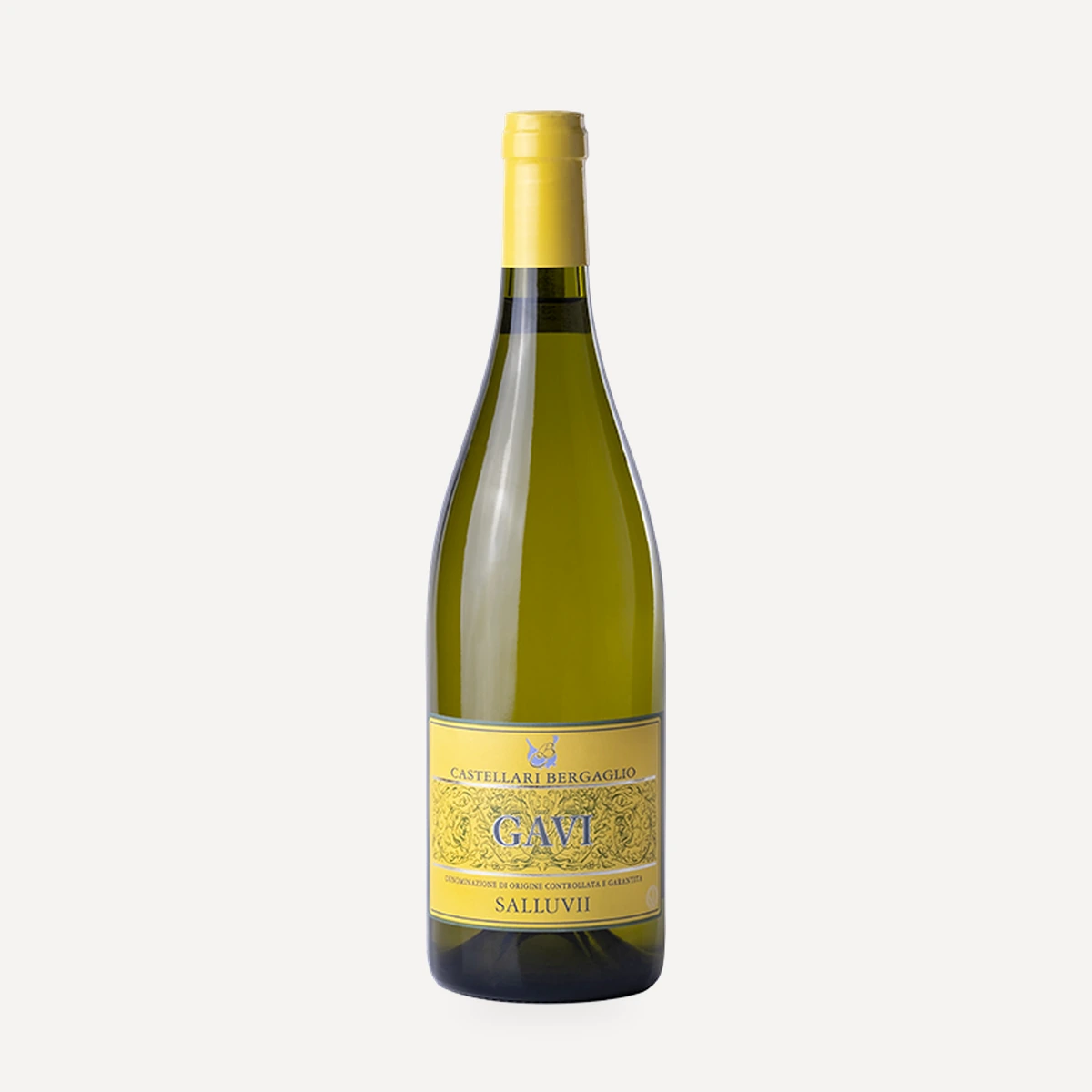
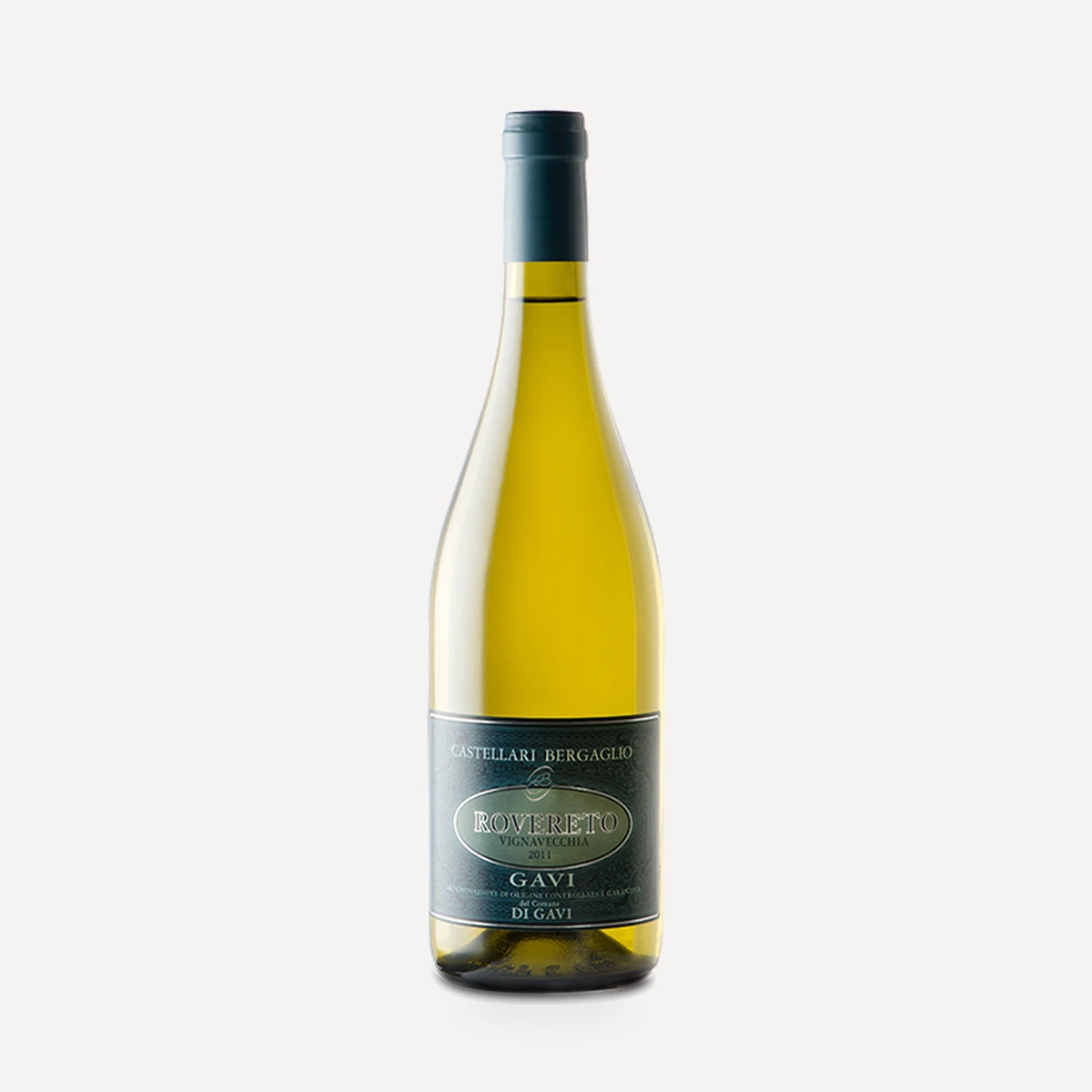
In Rovereto, the family retained a vineyard more than 80 years old despite its high production costs and low yields. The decision preserved a traditional and genetic patrimony that includes colonies described as pre-phylloxera. The old vineyard stands near the winery amid other vineyards and oak woods, whose local microclimate contributes to its identity.
1984: the Pilin project
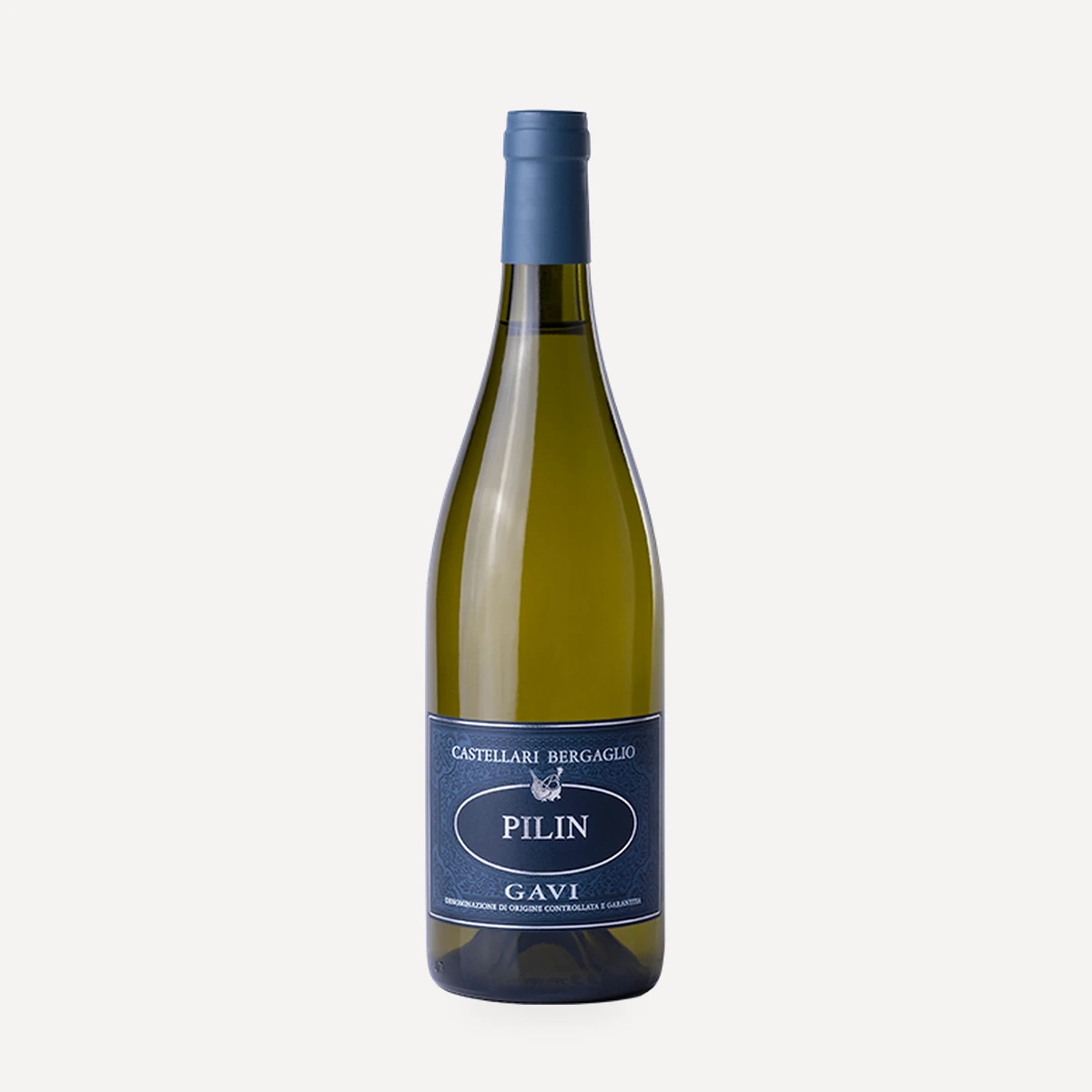
Production of Pilin began in 1984. The wine was named for the nickname of a grandfather who transmitted to his son and grandchild the ambition to express the family's land through wine. It became the estate's most demanding selection, drawing the healthiest and ripest bunches from across the vineyards and introducing partial grape drying and barrique fermentation and maturation into the cellar's range of techniques.
Development of a diversified Cortese range
Over time, Castellari Bergaglio built a portfolio encompassing immediate-drinking Gavi, commune-designated expressions, old-vine wine, partially dried-grape wine, passito and sparkling wines made by both bottle re-fermentation and the Martinotti method. This diversification remained centred on Cortese and on the contrast between the marly soils of Rovereto and the clay-rich soils of Tassarolo.
The estate reached 15 ha of vineyards, all planted to Cortese, divided between these two principal areas. Its headquarters and historic winery remain in Rovereto.
The Castellari Bergaglio–La Polastra alliance
A new phase began when Castellari Bergaglio and La Polastra joined their histories under the Castellari Bergaglio brand. The partnership brought together vineyards on opposite hills: Rovereto di Gavi on the Castellari Bergaglio side and Capriata D'Orba on the La Polastra side. Both are influenced by maritime breezes from nearby Liguria, while their distinct but complementary terroirs broaden the range associated with the brand.
The alliance unites Silvia, Claudio Andrea Gemme and Marco Bergaglio around continuity, quality and the development of longstanding projects. Claudio Andrea Gemme serves as president and is entrusted with management and direction. Silvia and Marco support him with their winemaking experience. The expanded project is intended to carry the two families' traditions into Italian and international markets while preserving the identity of their respective vineyard origins.
Terroir
Castellari Bergaglio is based in Frazione Rovereto in the commune of Gavi, between Piedmont and Liguria. Its historic vineyard holdings occupy two principal areas, Rovereto and the commune of Tassarolo, within a landscape of cultivated hills, paths and intact woodland.
The vineyards are reported at approximately 250 m above sea level. Another description of the plateau between Gavi and Tassarolo places the vineyards at 300 m and emphasizes the marked temperature differences between day and night. The hills receive subtle maritime breezes from nearby Liguria.
Rovereto
Rovereto contains the headquarters, historic winery and surrounding vineyards. White marl and marly-limestone soils are associated with freshness and pronounced aromatic intensity. A separate description identifies red clay with a strong concentration of iron as an important source of backbone in the grapes, without assigning that composition to a specific named plot.
The old Rovereto vineyard is surrounded by oak woods that were once more extensive. Its advanced vine age, surviving pre-phylloxera colonies, exposure, soil composition and the microclimate created by the woodland distinguish the site.
Tassarolo
The Tassarolo vineyards are characterized by clay and red-clay soils, associated with greater structure. The Fornaci name recalls a brick furnace that once occupied the location, a history connected with the site's markedly clay-rich ground.
Complementary hills
The current alliance also links Rovereto di Gavi with La Polastra's hill at Capriata D'Orba. These opposing hills share the influence of Ligurian maritime breezes while retaining distinct, complementary terroirs.
Winemaking
The estate's viticulture is centred entirely on Cortese across 15 ha in Rovereto and Tassarolo. Work is adapted to the contrast between marly and limestone ground near the Rovereto cellar and the red-clay soils of Tassarolo.
Preservation is a defining element in the old Rovereto vineyard. Vines more than 80 years old, including surviving pre-phylloxera colonies, remain in production even though their low yields and high cultivation costs reduce profitability. Their retention protects both traditional and genetic heritage.
Manual work is explicitly documented for the vineyards producing sparkling-wine bases. For the most selective dried-grape production, the healthiest and ripest bunches are chosen by hand from across the estate and placed in wooden trays. Estate material for passito is likewise selected manually.
Reported crop levels vary by selection. Old-vine and late-picked material is documented at approximately 2 kg per vine and 66 q/ha; other estate vineyards are documented at approximately 2.5 kg per vine and 95 q/ha. Harvesting runs from late August for sparkling material through September, with the latest cited window extending to 30 September.
The agronomic approach gives strong attention to sustainability, although no individual vineyard operations or certification standard are identified.
Castellari Bergaglio uses several production paths to express Cortese, ranging from fresh, temperature-controlled steel vinification to long bottle maturation, grape drying, barrique fermentation, passito production and two sparkling-wine methods.
Reception and pressing
Grapes for the principal fresh styles are transferred promptly to the cellar and softly pressed. Some lots undergo gentle, progressive whole-bunch pressing with fractionation of the must. Old-vine material may receive several hours of low-temperature maceration before light pressing.
Fermentation in steel
The principal steel-fermented pathway uses controlled temperatures of 18–20°C. Fermentation proceeds slowly for as long as 20 days to preserve the aromatic character of Cortese. Selected yeasts are documented for steel fermentation and for sparkling-wine bases. Some wines subsequently remain with their yeasts for approximately 75 days.
Fresher expressions are bottled in February or March and receive a short period of bottle maturation before release. The old-vine expression is bottled in spring and matured in bottle for 12 months.
Partial drying and barrique maturation
Selected healthy, ripe bunches from across the estate may be placed in wooden trays for 30–40 days of partial drying. After light pressing and separation from the first sediment, fermentation begins before the fermenting must is moved to barriques. Alcoholic and malolactic fermentation finish in barrel, where the wine remains without further racking until the following September. It is then racked, lightly clarified, cold-stabilized and bottled, followed by an extended maturation before release.
A second dried-grape method selects the best estate fruit by hand and leaves it to dry until January. More than 12 months are allowed for preparation, following the traditional principle that time should naturally decant and clarify the wine.
Bottle-fermented sparkling wine
For the bottle-fermented sparkling pathway, gently and progressively pressed fractions undergo alcoholic fermentation in steel with selected yeasts. In spring, liqueur de tirage is added and the wine re-ferments in bottle. The current product description gives 18 months on the lees before disgorgement.
Martinotti sparkling wine
The Martinotti pathway begins with soft, progressive pressing and must fractionation, followed by alcoholic fermentation in steel with selected yeasts. Secondary fermentation takes place in autoclave, with more than six months on the lees.
Philosophy
Castellari Bergaglio places the identity of Cortese and its relationship with the Gavi landscape at the centre of its work. Its stated aim is to make wines whose characteristics can be traced to a precise territory, maintaining a direct connection from vineyard to cellar.
The range is conceived as a study of Cortese's different facets. Rather than imposing one style on the variety, the estate works with the contrasting qualities of Rovereto and Tassarolo and employs different selections and cellar methods to interpret them.
Continuity is a central family value. Four generations of work, the preservation of an economically demanding old vineyard and the naming of Pilin after a grandfather all connect present production with inherited experience. Quality is not framed exclusively in terms of profitability: maintaining old vines and their genetic patrimony is valued for the satisfaction of creating something distinctive.
The present alliance with La Polastra is founded on a shared pursuit of quality while recognizing the contribution of different but complementary terroirs. It is intended to continue projects and traditions developed over many years, bringing them into a new phase under common management.
Environmental sensitivity is expressed through close attention to the sustainability of the agronomic approach. Hospitality is also identified as a future means of giving the estate new vitality and communicating its territory more directly.
Wines
Rovereto
Pilin
Rolona

Brutmabon

Fornaci
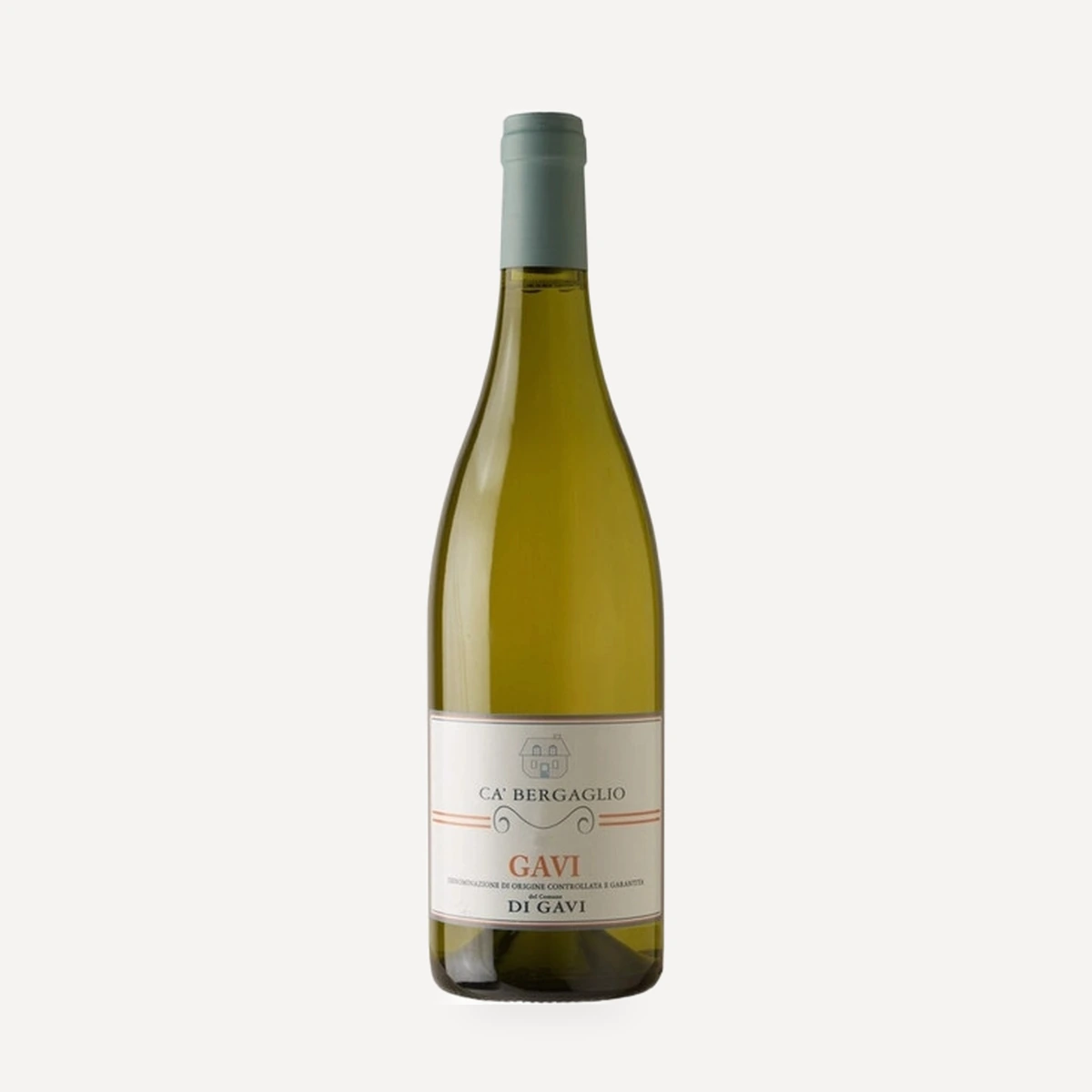
Gavi di Gavi
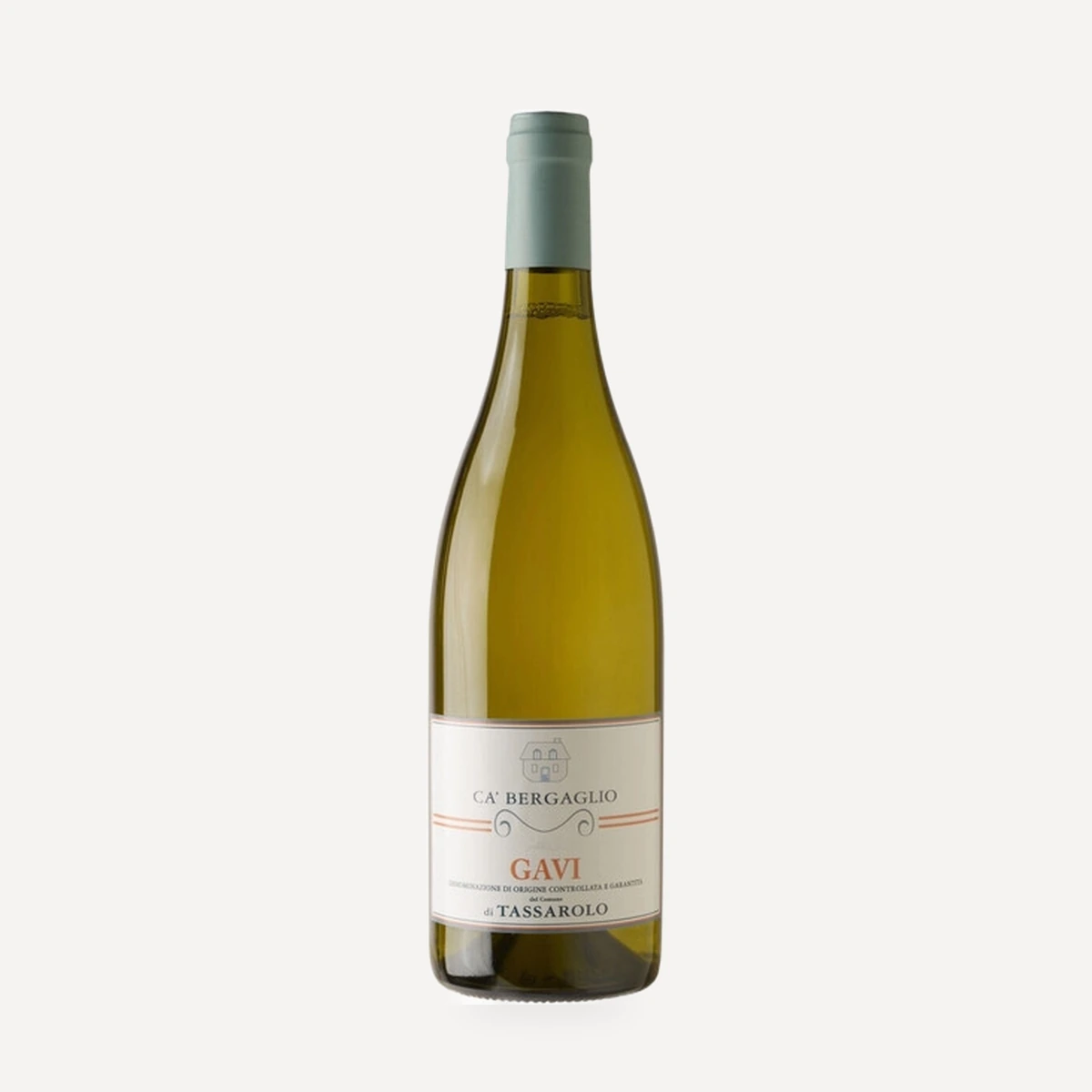
Ca' Gavi di Tassarolo DOCG

Ardè
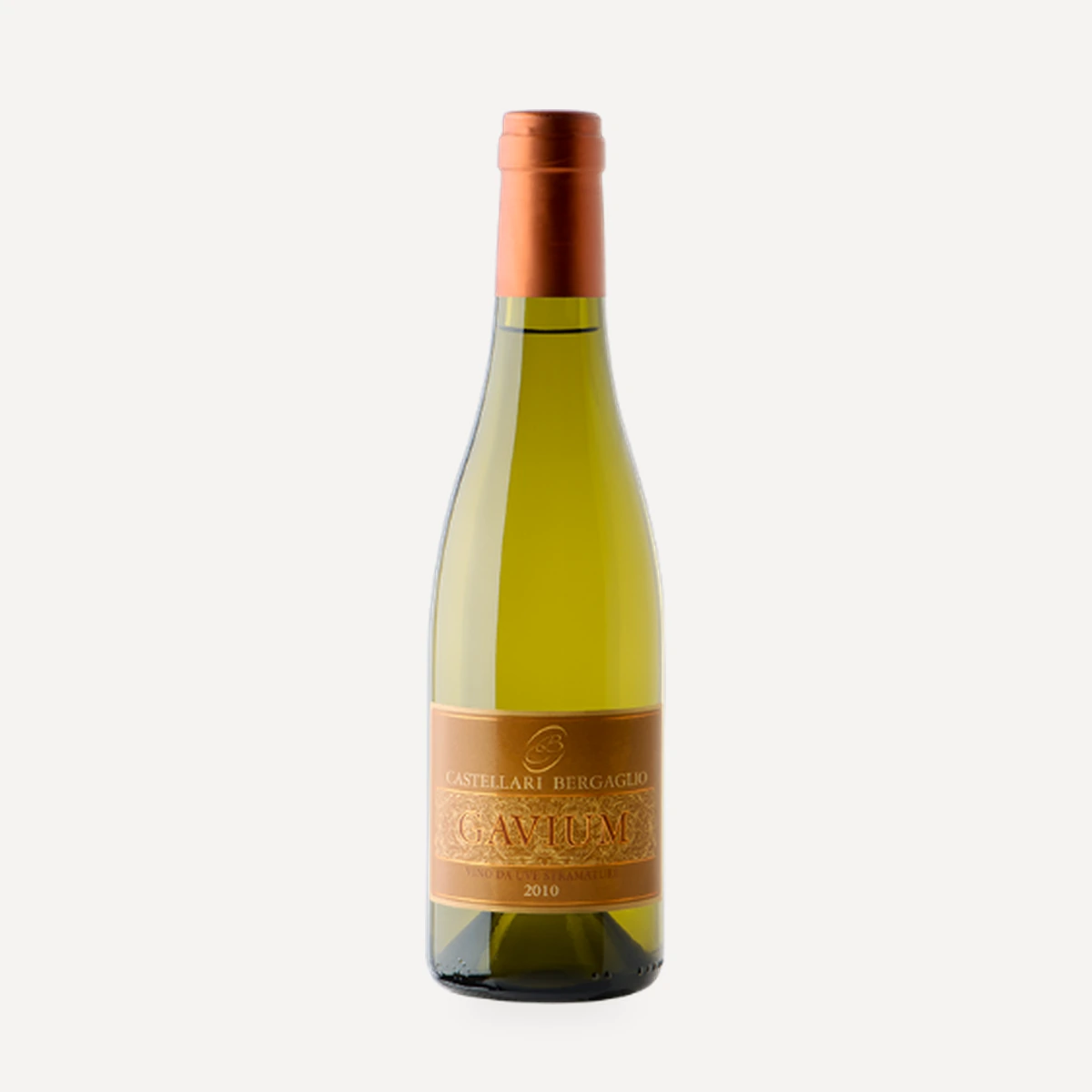
Gavium