History
Training and a return to natural farming
Maurizio Donadi was born in 1977. His education included the Istituto di Conegliano and the University of Padua. His professional journey began at the end of the 1990s, after completing his studies at the Scuola Enologica di Conegliano, where his training centred on conventional winegrowing.
Work with conventional vineyard chemicals caused Donadi to experience palpitations, fever and general illness. He continued working this way for several years but became increasingly convinced that the prevailing approach was wrong for him.
1999: a winery at San Polo di Piave
In 1999, Donadi founded his winery at San Polo di Piave in the Province of Treviso. The local cultivation of Glera and Raboso became the starting point for naturally sparkling wines rooted in Trevigiana tradition.
2000: the Casa Belfi project
Donadi met Albino Armani in 2000. Their encounter generated the idea for a joint project devoted to healthier and more sustainable winegrowing. Casa Belfi emerged from this collaboration, combining Donadi’s work at San Polo di Piave with Armani’s experience as a winegrower and producer.
The project turned to the older Trevigiana and family tradition of making sparkling wine through refermentation in the bottle without disgorgement. This method predates modern sparkling-wine technology and had been maintained by small local winegrowers.
2004: total organic conversion
After several years of dissatisfaction with conventional chemical treatments, Donadi decided in 2004 to convert completely to organic farming. The change was long and demanding. Chemical herbicides, pesticides and synthetic fertilisers were abandoned in favour of organic agronomy, preparations inspired by Rudolf Steiner and biodynamic vineyard work.
2016: Demeter certification
The conversion culminated in Demeter certification in 2016. Donadi became the only Prosecco producer in the flatlands to obtain that recognition. Casa Belfi’s farming and cellar work subsequently continued as a soil-to-bottle process organised around organic and biodynamic principles, seasonal cycles and the Maria Thun calendar.
Terroir
Casa Belfi is based at San Polo di Piave in the Marca Trevigiana, Province of Treviso, along the River Piave. The climate is continental.
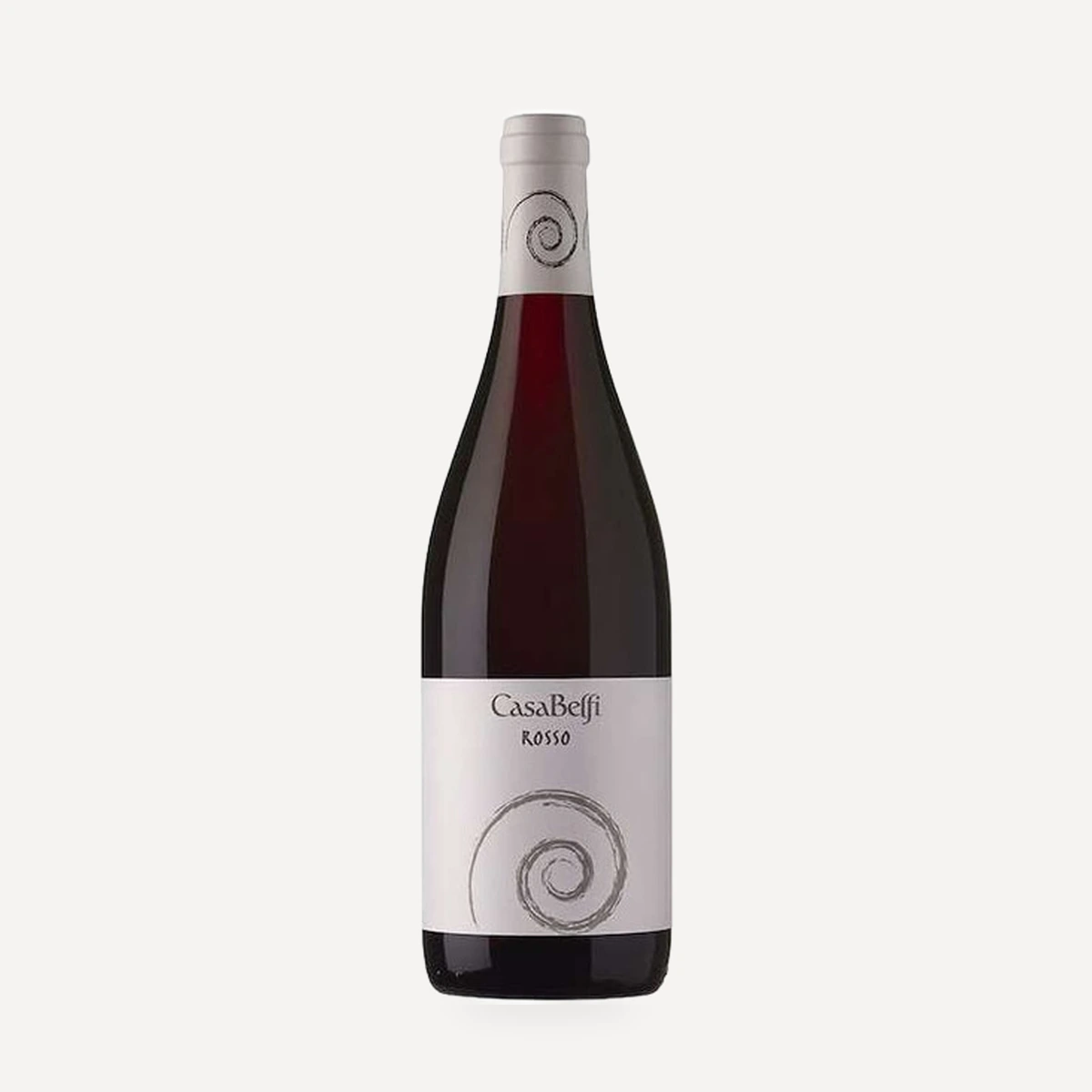
The soils are predominantly fine gravel and silty clay loam with a high proportion of limestone. Individual production descriptions further characterise them as medium-textured, well-drained soils with a pebbly subsoil. The vineyard setting supports both the white and red varieties used by the project, including the locally established Glera and Raboso.
Winemaking
Casa Belfi’s viticulture follows organic and biodynamic principles from the soil through to the finished bottle. Donadi began complete organic conversion in 2004, and the process culminated in Demeter certification in 2016.
The vineyards receive decoctions, infusions and herbal preparations based on nettle, horsetail, silica and chamomile. Cow-horn manure is used as a biodynamic fertilising preparation. Manure and green manuring provide organic matter: plant species are sown and then returned to the soil to improve fertility.
Chemical herbicides, pesticides and synthetic fertilisers are excluded. Vineyard protection is limited to sulphur, copper and microorganism-based products used against pests. Field operations follow seasonal cycles and the Maria Thun biodynamic calendar.
Wind harps have been installed among the vine rows as part of the project’s effort to create balance for plants and visitors. The return of animals and insects absent for decades is presented as a visible consequence of the restored vineyard environment.
Casa Belfi works with indigenous yeasts and adapts its cellar methods to still and naturally sparkling white and red wines. The wines are presented as zero-residue, unfiltered and unclarified, with their natural yeast content retained rather than removed.
White grapes may be gently crushed immediately after harvest, followed by clarification through cold settling. Fermentation then takes place in stainless-steel tanks with indigenous yeasts and without added sulphites. Other white lots undergo long skin maceration, with fermentation and maturation divided between stainless steel and terracotta vessels.
Red-wine methods include extended skin maceration through completion of alcoholic and malolactic fermentation. Another approach begins with approximately one month of whole-grape carbonic maceration, followed by destemming, skin maceration with indigenous yeasts, racking and storage in stainless steel.
Terracotta plays a central role in the cellar. Some wines are racked, pressed and matured in large terracotta jars with indigenous yeasts and no added sulphites. Other lots divide their maturation between terracotta and stainless steel.
The tanks are kept topped up, and selected wines remain in the same vessel until bottling. Frequent stirring or bâtonnage keeps the yeasts in suspension. For natural cold stabilisation, still wines may be kept outdoors through winter so that low ambient temperatures precipitate tartaric acid; bottling then takes place without filtration.
Naturally sparkling wines follow the older Trevigiana practice of completing alcoholic fermentation in the bottle without disgorgement. In spring, indigenous yeasts transform residual sugar into alcohol and carbon dioxide, creating the sparkle naturally. The lees remain in the bottle and contribute softness, structure and ageing capacity. Red naturally sparkling wine can be ready after several months in bottle but is also intended to keep for years.
Both vineyard and cellar operations follow the Maria Thun biodynamic calendar.
Philosophy
Casa Belfi’s philosophy is to allow nature to follow its course and rhythms while intervening thoughtfully in both vineyard and cellar. The approach draws on Rudolf Steiner’s biodynamic ideas and treats winegrowing as a continuous process extending from living soil to the bottle.
Respect, tradition and the recovery of older methods are central principles. The human role is to remain attentive to the rhythms and needs of the vines rather than impose a standardised production model. Seasonal cycles and the Maria Thun calendar guide both field and cellar decisions.
The project seeks harmony between earth, sky, vines and people. Its preferred wines retain their natural density and yeast-derived character: they are unfiltered, unclarified, free from chemical-product residues and intended to remain authentic and capable of ageing. The recovery of bottle refermentation without disgorgement reflects the same commitment to Trevigiana family tradition and to methods used before the arrival of modern sparkling-wine technology.
Wines
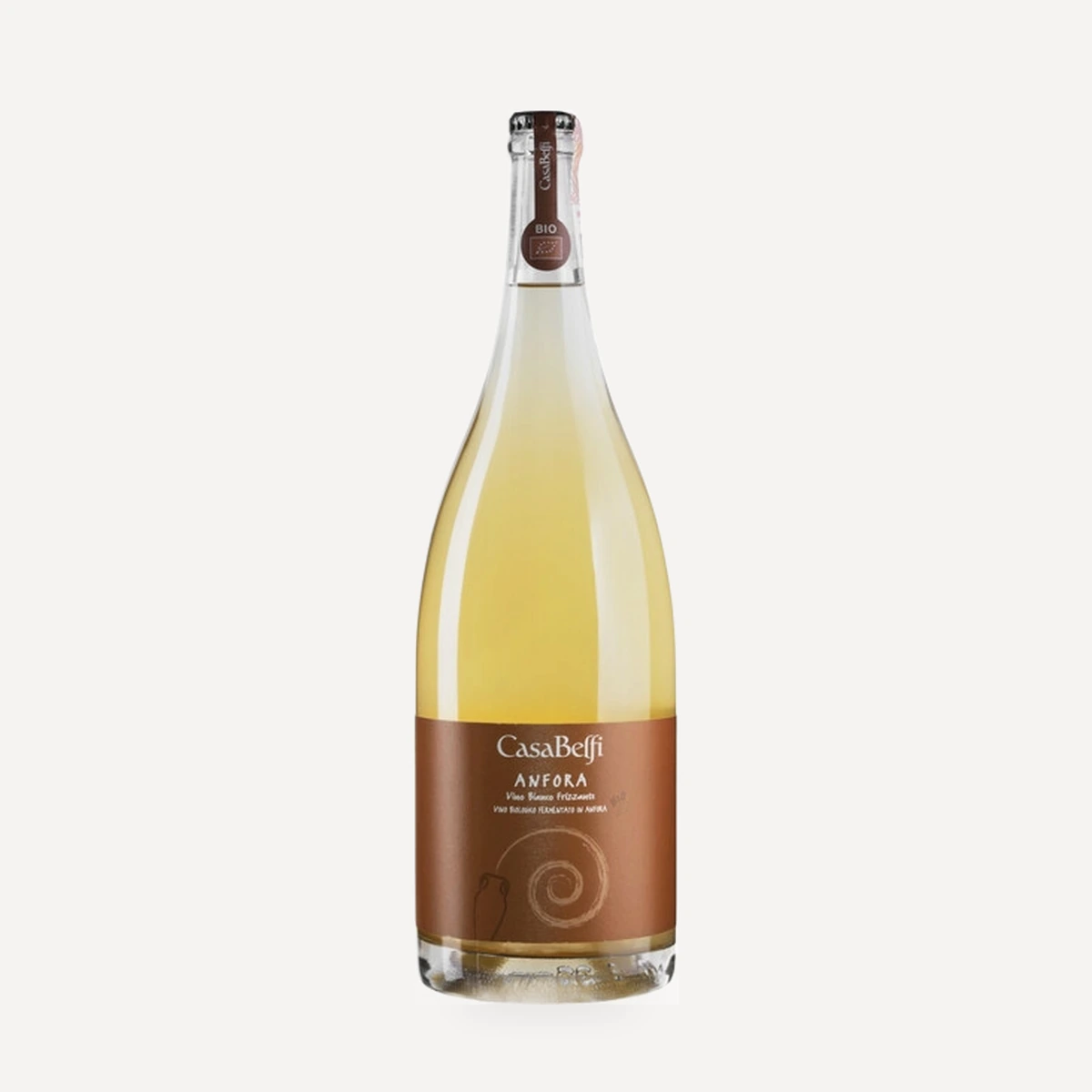
Casa Belfi Anfora
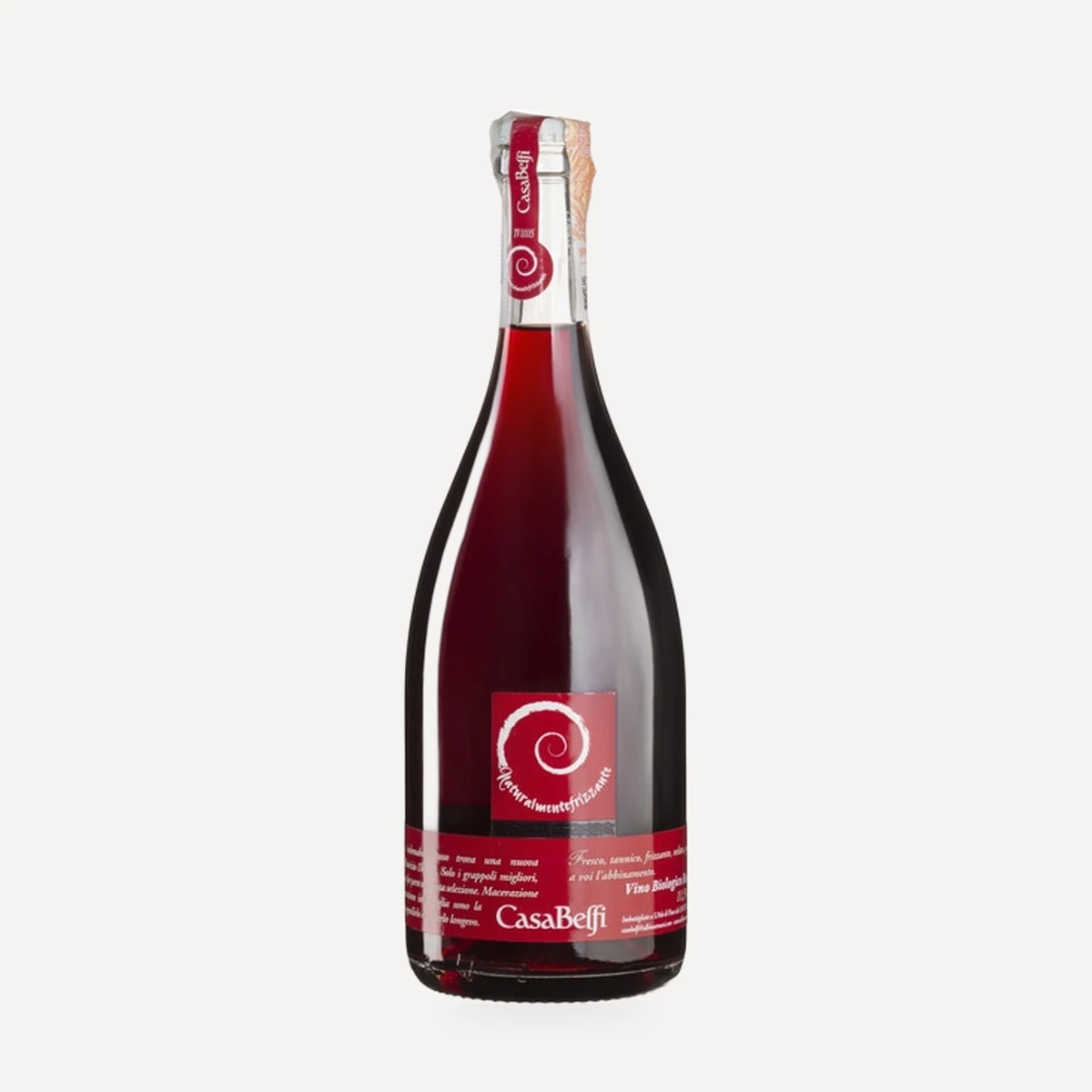
Casa Belfi Naturalmentefrizzante Rosso
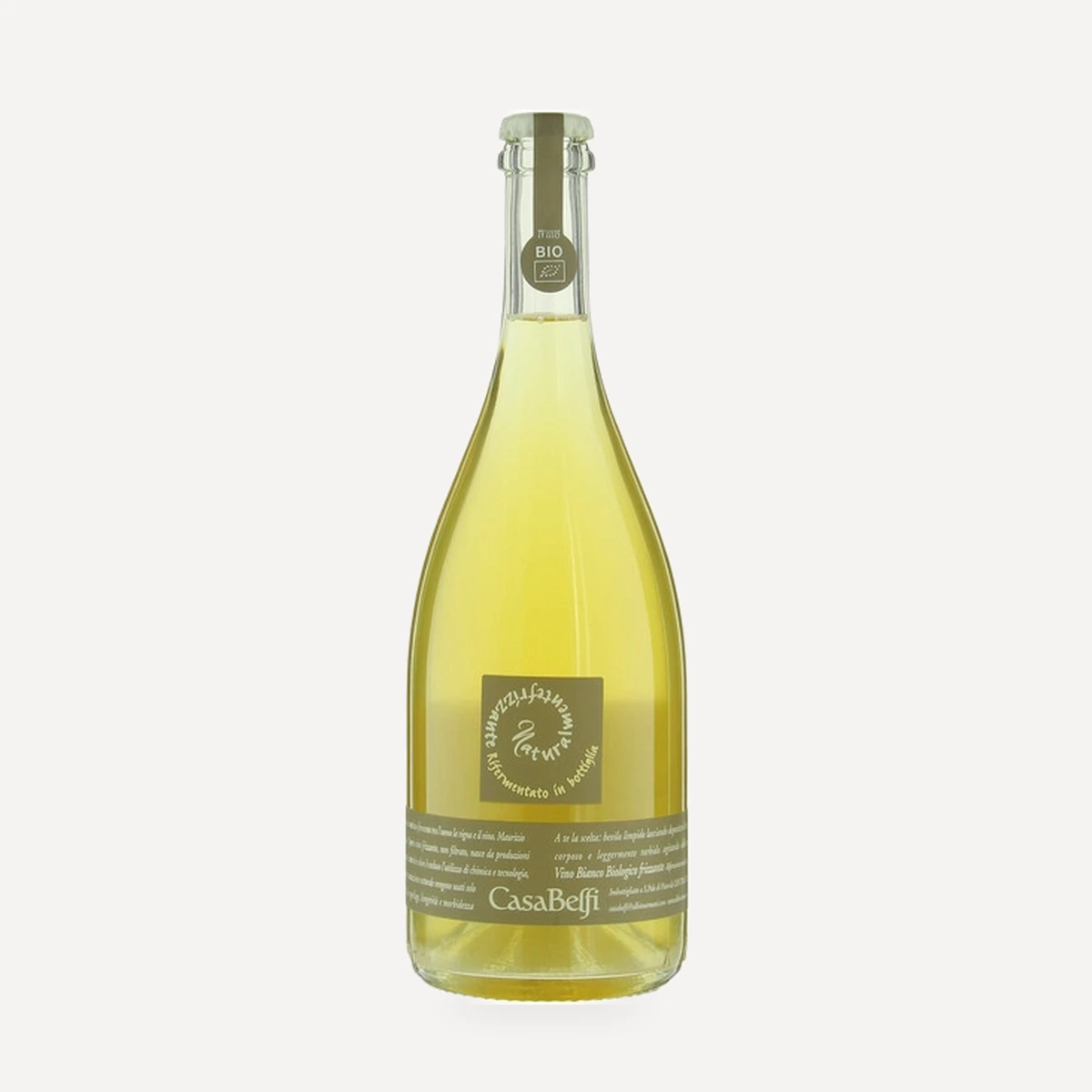
Naturalmente Frizzante
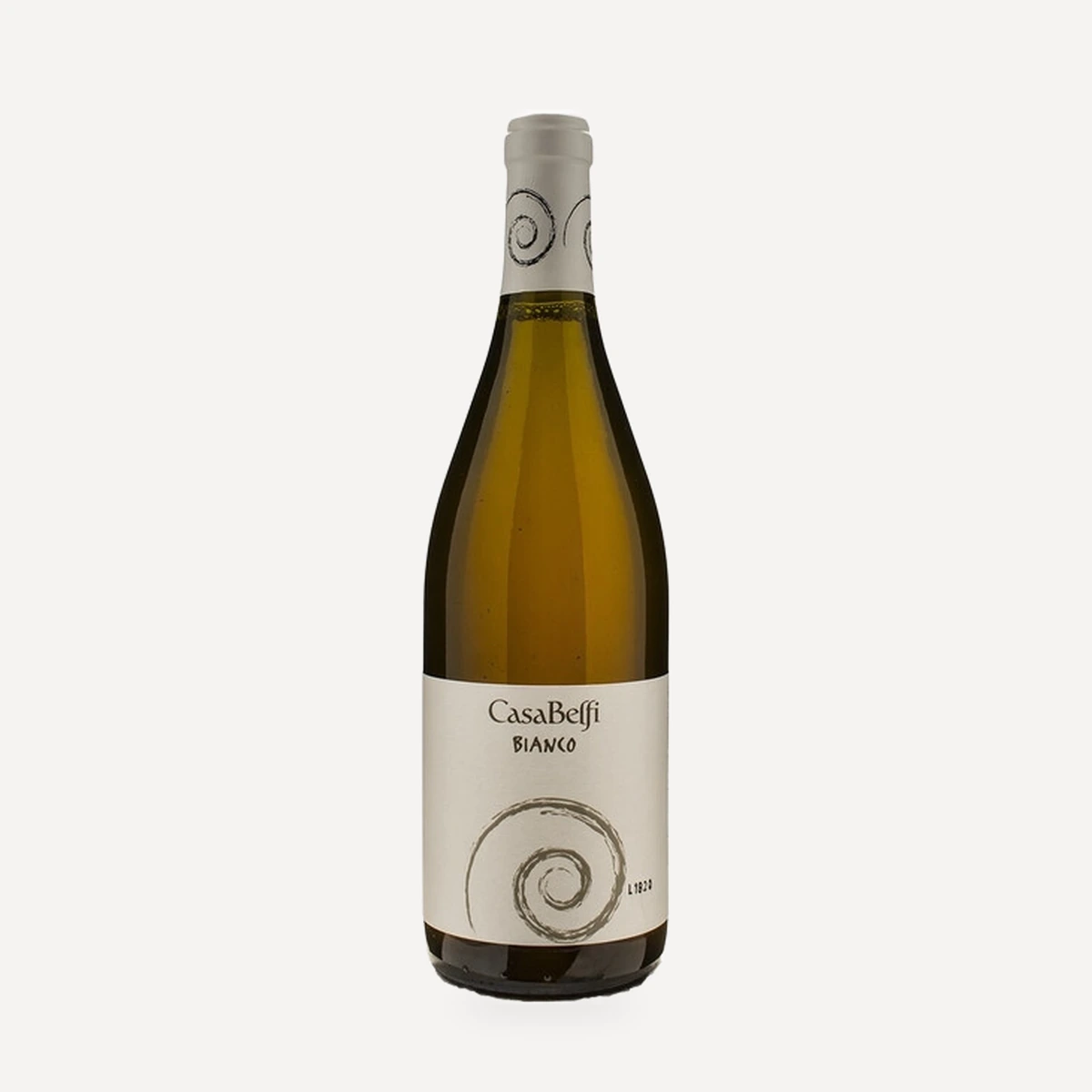
Casa Belfi Bianco