History
The rural court and the family tradition
Corte Rugolin occupies an old rural court in the heart of Valpolicella Classica. The residence dates to the 1600s and stands between the Monti Lessini, the plain and Lake Garda.
The family’s work in viticulture predates the modern estate project by several generations. Great-great-grandfather Giuseppe cultivated the vineyards. His son Fortunato, the present owners’ great-grandfather, was the first member of the family to vinify small quantities of Recioto and Amarone. The practice continued through grandfather Giuseppe and then Bruno, father of the current owners.
1998: the Corte Rugolin project
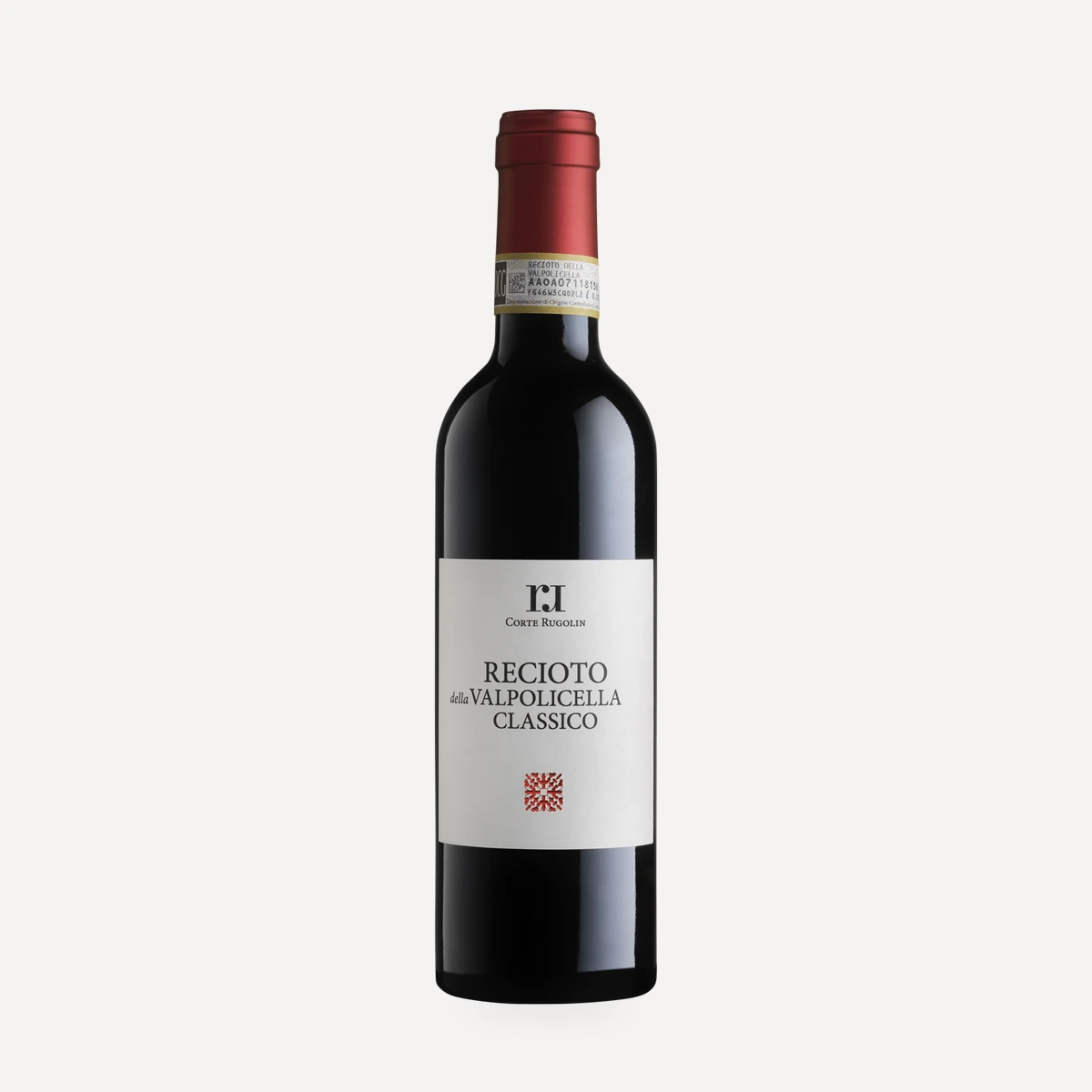
In 1998, twin siblings Elena and Federico Coati took over the family tradition and jointly established the Corte Rugolin project. They made the historic residence the centre of an estate intended to connect inherited local practices with contemporary winemaking technology. Their range was built around Amarone, Ripasso, Valpolicella and Recioto and developed for an international market.
Vineyard renewal
In subsequent years, the estate began renewing its vineyards. This work included selecting native varieties that were at risk of disappearing and favouring new plantings designed to produce fewer bunches in pursuit of higher grape quality.
Environmental modernization
Under Veneto’s 2014–2020 Rural Development Programme and measure 4.1.1/192M, Corte Rugolin invested in equipment intended to improve both production and environmental sustainability. The project was connected with GAL resolution no. 45 of 22 August 2018. An atomizer and an automatic inter-vine blade for mechanical weed control were purchased, modernizing vineyard work while reducing environmental impact and supporting better soil conservation.
Terroir
Corte Rugolin is based in Valgatara di Marano di Valpolicella, in the heart of Valpolicella Classica north of Verona. The viticultural area lies between Lake Garda and the Monti Lessini, with the plain forming the third element of the estate’s wider setting.
Lake breezes meet cooler mountain air here, creating a microclimate favourable to vine cultivation. The vineyards occupy the hilly Valpolicella landscape and are distributed across the five municipalities of Valpolicella Classica. Together they cover 13 ha, comprising 8 ha owned by the family and 5 ha under lease.
The vineyard soils are clay-limestone. Within these holdings, three named crus express distinct locations: Conca d’Oro on the San Giorgio hills in Sant’Ambrogio di Valpolicella; Chevalier on the hills of Valgatara in Marano di Valpolicella; and Monte Danieli on the Castelrotto hills in San Pietro in Cariano. Monte Danieli is a small site with particularly favourable exposure.
Winemaking
Corte Rugolin follows the “Riduci Risparmia Rispetta” protocol developed by the Consorzio per la Tutela dei Vini Valpolicella. Grapes are cultivated with integrated crop-management practices whenever possible.
The approach centres on working with natural processes, increasing vineyard biodiversity and encouraging the vineyards to develop into more self-regulating ecosystems capable of resisting problems internally. The intended result is a reduced need for artificial chemical products and less impact on both the environment and people. Protection of vineyard workers, residents of intensively planted areas and visitors forms part of the same commitment.
Vineyard renewal has focused on native varieties that were falling out of cultivation. New plantings are structured to limit the number of bunches produced and thereby favour grape quality.
Investment under Veneto’s 2014–2020 Rural Development Programme added an atomizer and an automatic inter-vine blade. The latter permits mechanical weed control beneath the vines, reducing environmental impact and improving soil conservation.
Production is deliberately limited in volume, although no annual bottle figure is given. Native grapes are selected carefully, and harvest timing is chosen according to grape condition and the intended result. The same close attention continues throughout vinification and maturation.
Appassimento is central to the production of Amarone and Recioto. Selected bunches are handled individually and placed in dedicated crates before resting for about three months in the estate’s fruttaio. Conditions in the drying room are continuously monitored, and ventilation is used to maintain a suitable environment for gradual grape dehydration. This slow process changes the grapes’ organoleptic profile before vinification.
The historic estate retains an old fruttaio, part of which has also been converted into a tasting room. Elena and Federico’s production philosophy combines inherited Valpolicella practices with modern equipment and contemporary winemaking technology.
Philosophy
Corte Rugolin’s stated purpose is to connect past and future: the family’s inherited viticultural and winemaking traditions are maintained while modern technology is incorporated into production. Elena and Federico Coati identify elegance and classical style as shared values and regard the wines as expressions of their territory and local cultural traditions.
The environmental philosophy extends beyond the vineyards as productive land. Nature is treated as fundamental to human wellbeing, and the estate aims to reduce the effect of its work on both ecosystems and people. Its integrated-management programme seeks to work with natural processes, promote biodiversity and make vineyard ecosystems increasingly self-regulating while reducing dependence on artificial chemical inputs.
Quality is pursued through restrained production volume, close selection of native grapes, careful harvest timing and lower bunch numbers in renewed vineyards. The recovery of native varieties at risk of abandonment is intended to preserve both Valpolicella’s agricultural biodiversity and its traditional identity.
Wines
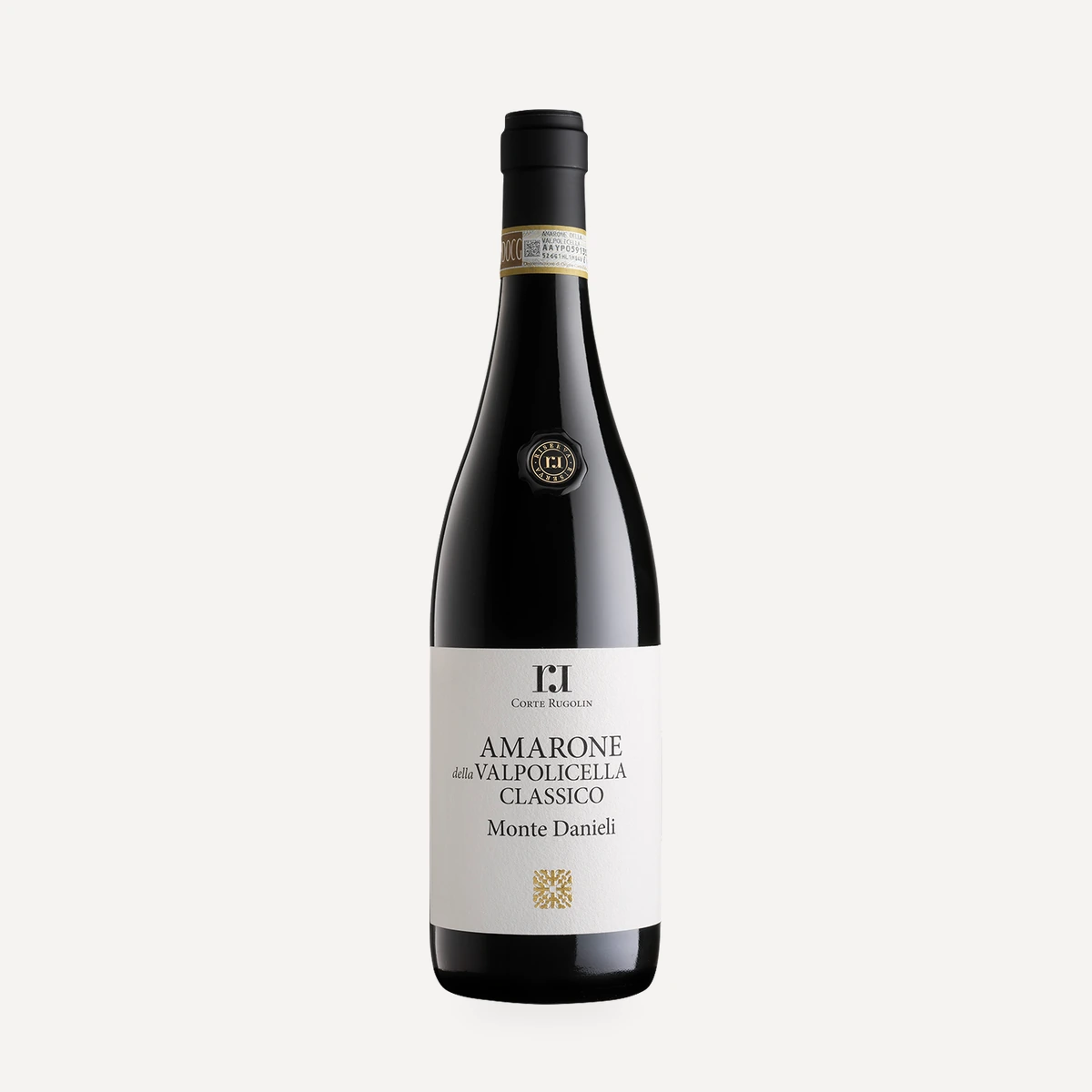
Amarone della Valpolicella Classico Riserva Monte Danieli DOCG
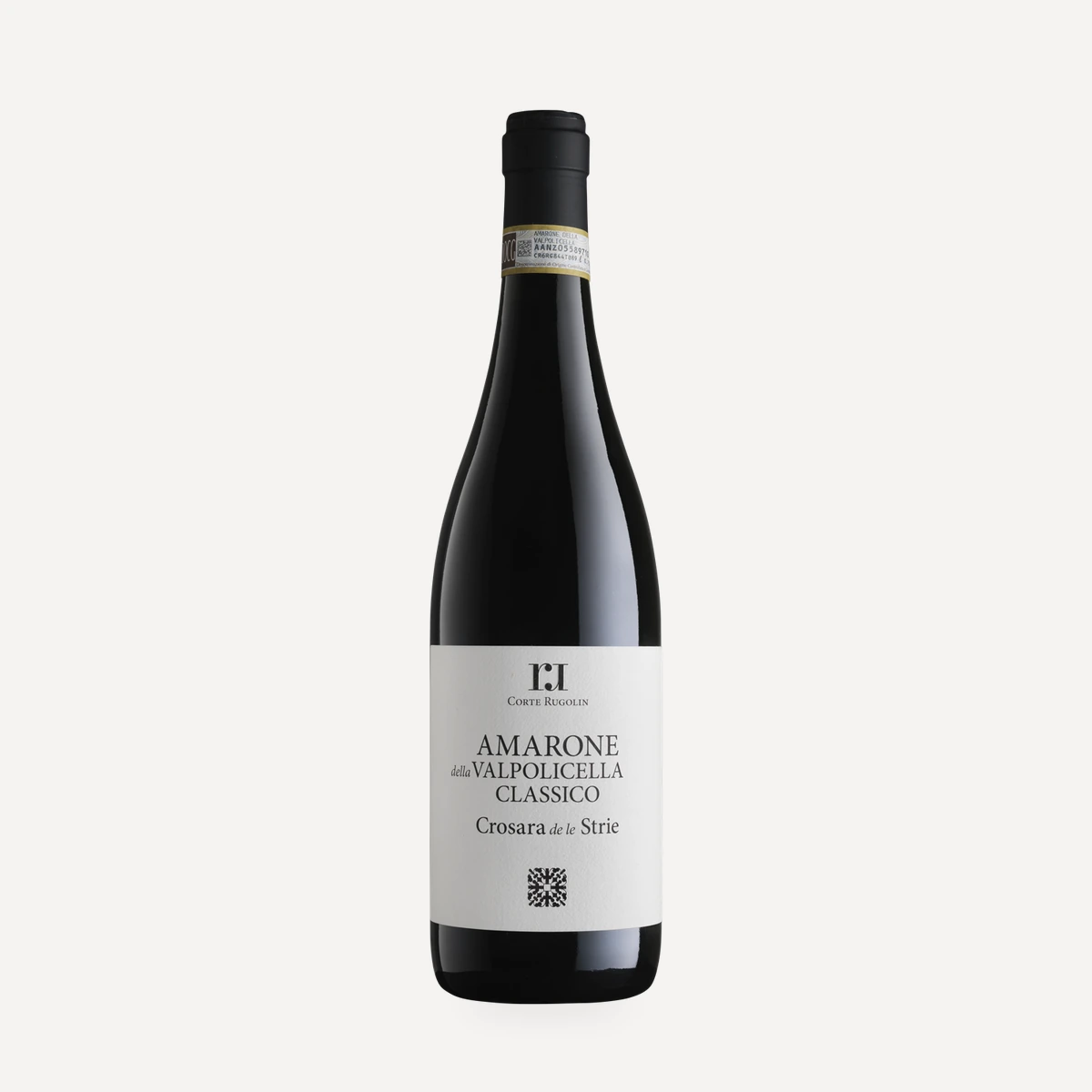
Amarone della Valpolicella Classico Crosara de le Strie DOCG
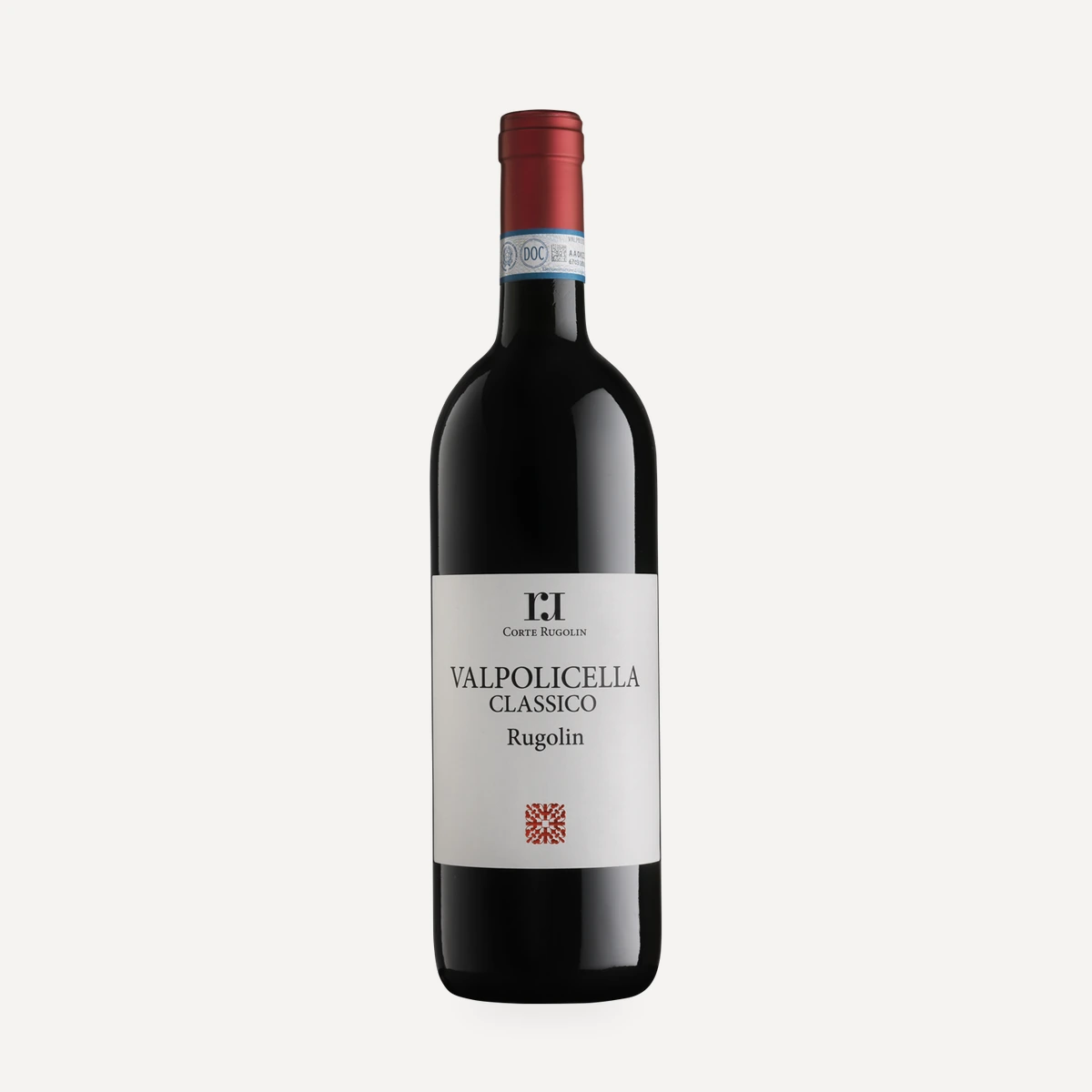
Valpolicella Classico DOC
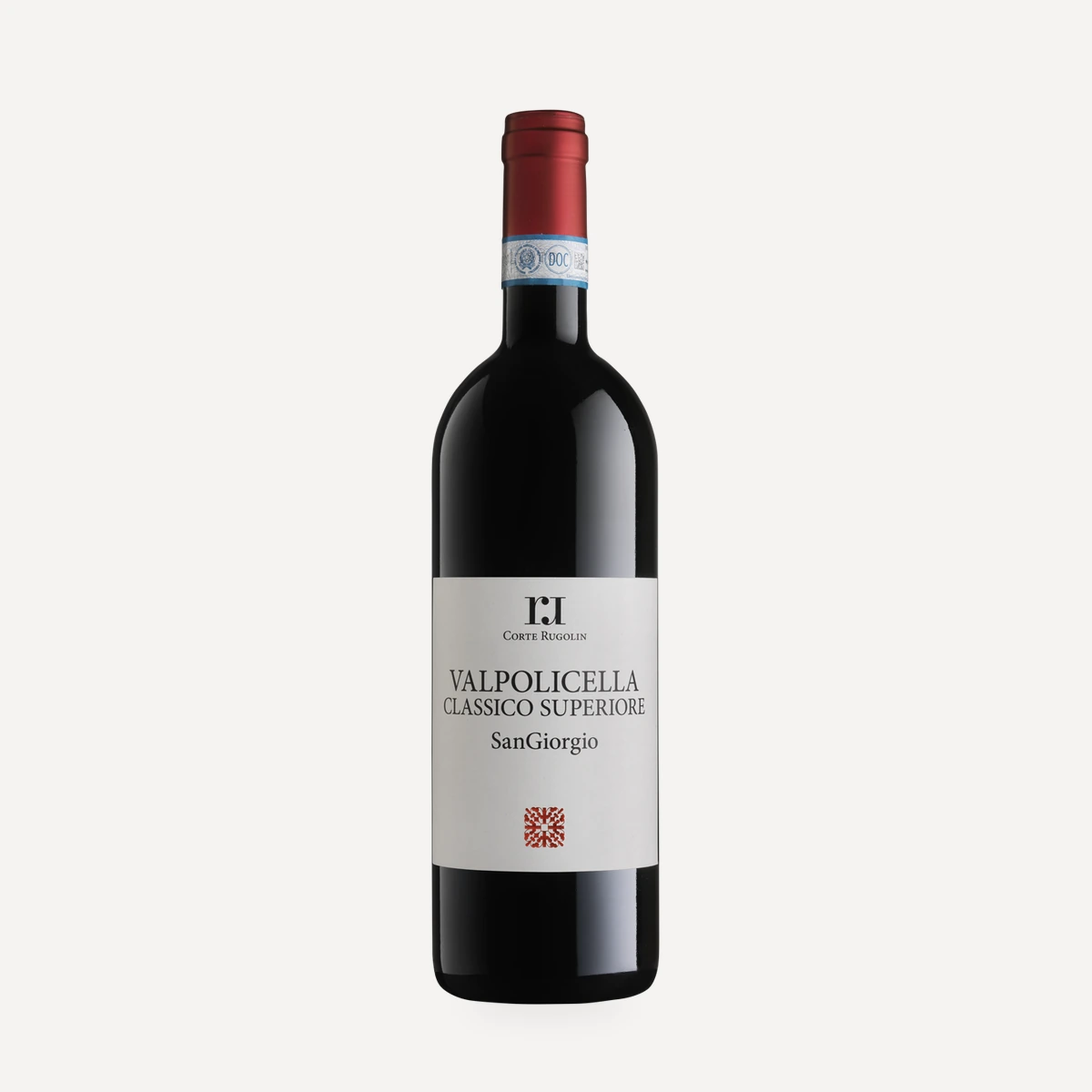
Valpolicella Classico Superiore SanGiorgio DOC
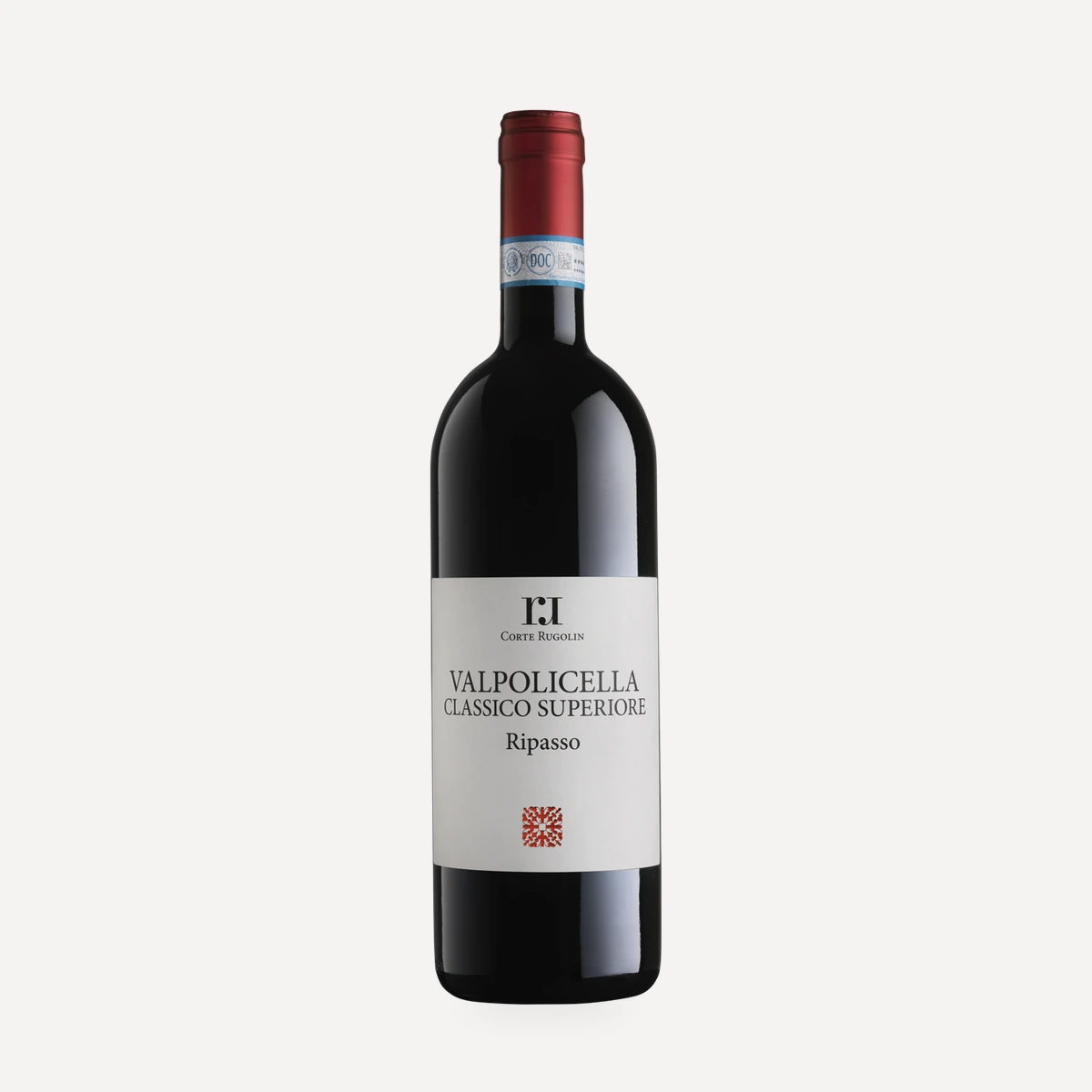
Valpolicella Ripasso Classico Superiore DOC