History
The Cavazza era and the pine tree
The property was once owned by Domizio Cavazza, an agronomist who directed the Royal Enological School in Alba. On the day his son Luigi was born, Cavazza planted a pine tree behind the property. The tree marked the highest point of the Ovello hill on which the estate stood.
The property was known locally as Cascina Casotto. Its eventual name, Cantina del Pino, preserved the memory of the friendship between Cavazza and Giuseppe Vacca: the pine became both the estate’s namesake and the symbol used for its wine.
The 1920s: the Vacca family arrives
The Vacca family’s connection with the property began in the 1920s, when Giuseppe Vacca bought it from his friend Domizio Cavazza. The family subsequently lived there and worked its vines. Cantina del Pino forms part of Barbaresco’s old viticultural landscape and is presented as one of the area’s oldest estates.
1997: an independent label
The family’s grapes had been connected with Produttori del Barbaresco, but in 1997 Cantina del Pino branched out from the cooperative. Renato had studied winemaking at the Royal Enological School in Alba and then spent five years working with Produttori del Barbaresco. Wanting to test his own agricultural and cellar ideas, he persuaded his father to establish the family’s own label in 1997.
The new project was grounded in the family’s long experience of growing Nebbiolo and in an appreciation of Barbaresco’s soils. Its winemaking direction favoured gentle processes intended to make the distinctions carried by those soils perceptible in the finished wines.
2013: Franca joins the business
Franca joined Cantina del Pino in 2013. Her arrival brought a more contemporary direction to the estate while retaining its focus on the privilege and responsibility of transforming Barbaresco-grown grapes into wine.
The 2020s: a working family estate
Renato and Franca now run Cantina del Pino, living and working at the property alongside Renato’s parents and a small team drawn from the surrounding region. Renato leads the winemaking, while Franca brings a background as a classically trained musician and architect. Both speak Piedmontese as their first language.
The family continues to concentrate its vineyard work around the Ovello hill. Its approach combines inherited knowledge of grape growing with recent agricultural research, close study of vines and soils, and particular care for nature and the land.
Terroir
Cantina del Pino’s vineyards are concentrated around the Ovello hill in Barbaresco. The hill rises above the Tanaro River and has a comparatively cool microclimate. Its soils combine limestone with sandy veins and contain a high proportion of calcium. Within Ovello, the vines associated with the estate’s named Barbaresco site occupy a south-to-southwest-facing position.
The Albesani site provides a contrasting expression. It has a warm southern exposure and a larger clay component in its soil. These differences distinguish Albesani’s conditions from Ovello’s cooler setting and limestone-and-sand profile.
Nebbiolo, Barbera and Dolcetto are grown in this Barbaresco landscape. The estate’s viticultural and winemaking identity centres on allowing the distinctions among its soils and sites to remain perceptible.
Winemaking
Vineyard work is based on close observation of the vines and soils. The family combines its accumulated grape-growing knowledge with recent agricultural research, treating the quality of the vineyard and its soil as the foundation of wine quality.
Care for nature and the land forms part of this approach. The vineyard programme focuses on Barbaresco’s traditional grapes—Nebbiolo, Barbera and Dolcetto—with the family’s holdings concentrated principally around the Ovello hill.
Cantina del Pino’s winemaking grew out of Renato’s desire to apply his own ideas in both the vineyard and cellar after studying at the Royal Enological School in Alba and working for five years at Produttori del Barbaresco.
The cellar philosophy favours gentle processes designed to transmit the distinctions of the vineyards and soils. Wine quality is treated as the continuation of work undertaken in the vines rather than as the product of forceful cellar intervention.
Philosophy
Cantina del Pino places the quality of its vines and soils at the centre of its understanding of wine. The family’s long experience of growing Nebbiolo is combined with ongoing agricultural research and detailed work in the vineyards.
Its stated objective is to employ gentle processes through which the particularities of the land can become tangible in wine. This approach joins inherited knowledge with contemporary investigation rather than treating tradition and research as opposites.
Care for nature and the earth is integral to the estate’s outlook. Renato and Franca also frame the transformation of Barbaresco grapes into wine as a privilege, with the estate’s contemporary development grounded in gratitude toward the place and its viticultural inheritance.
Wines
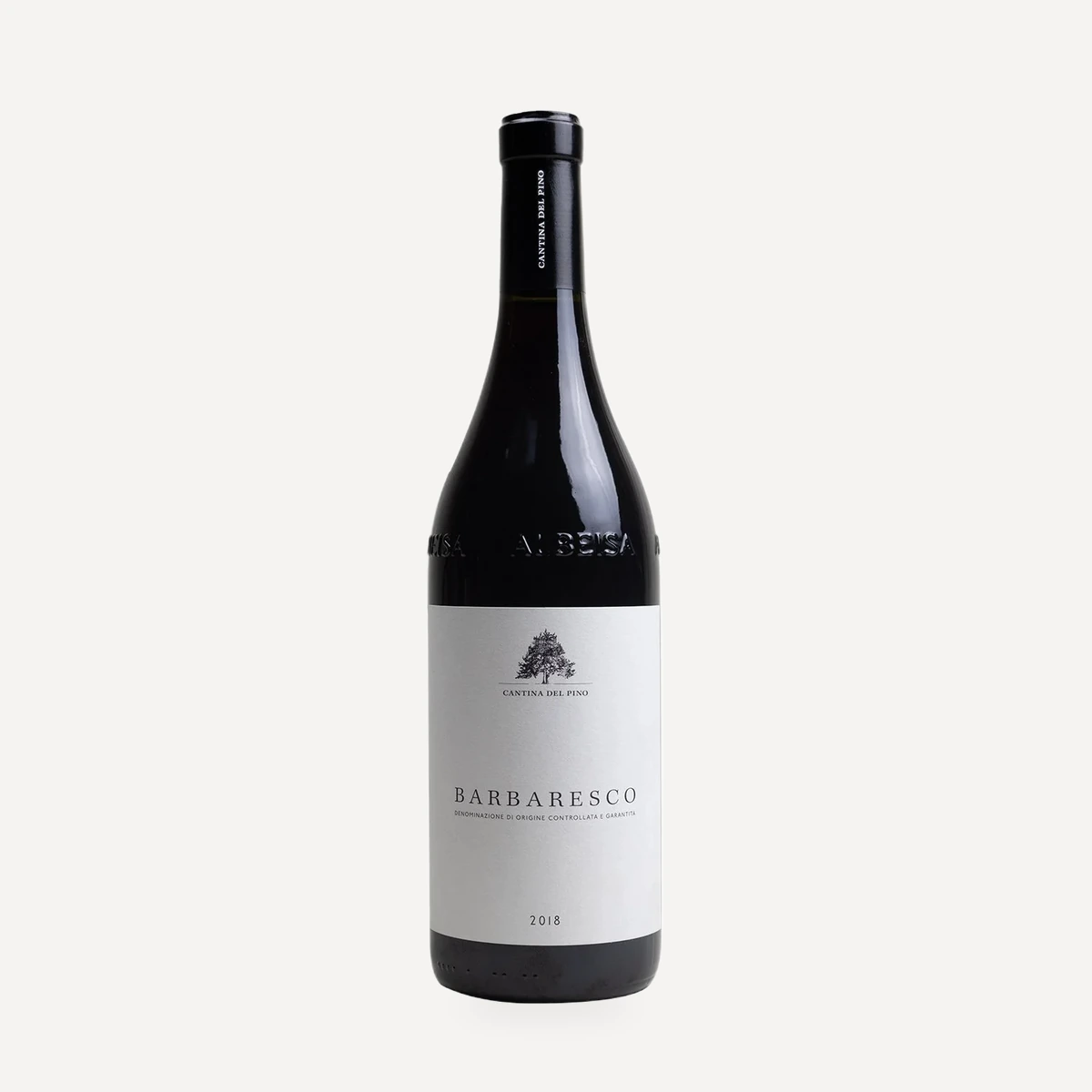
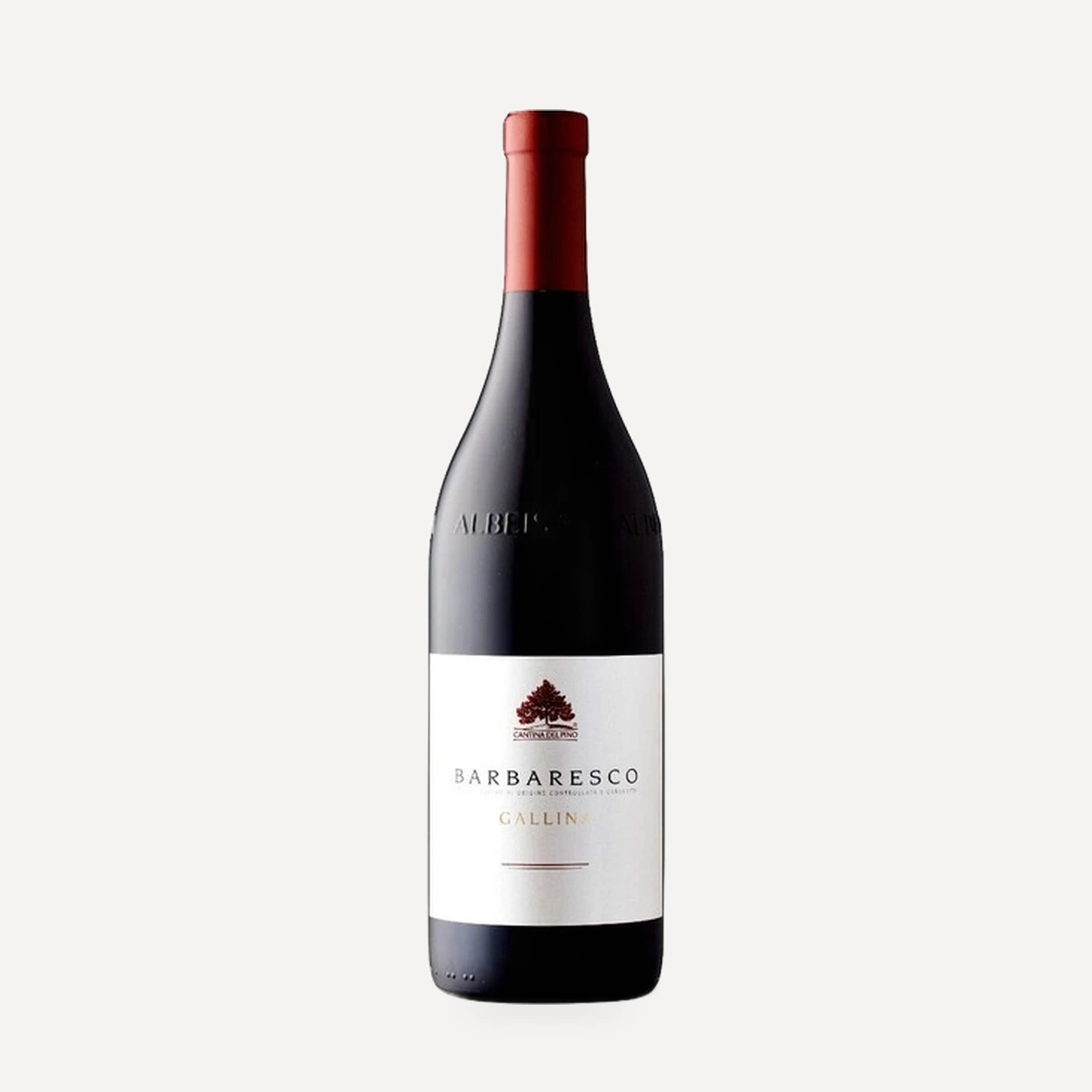
Barbaresco
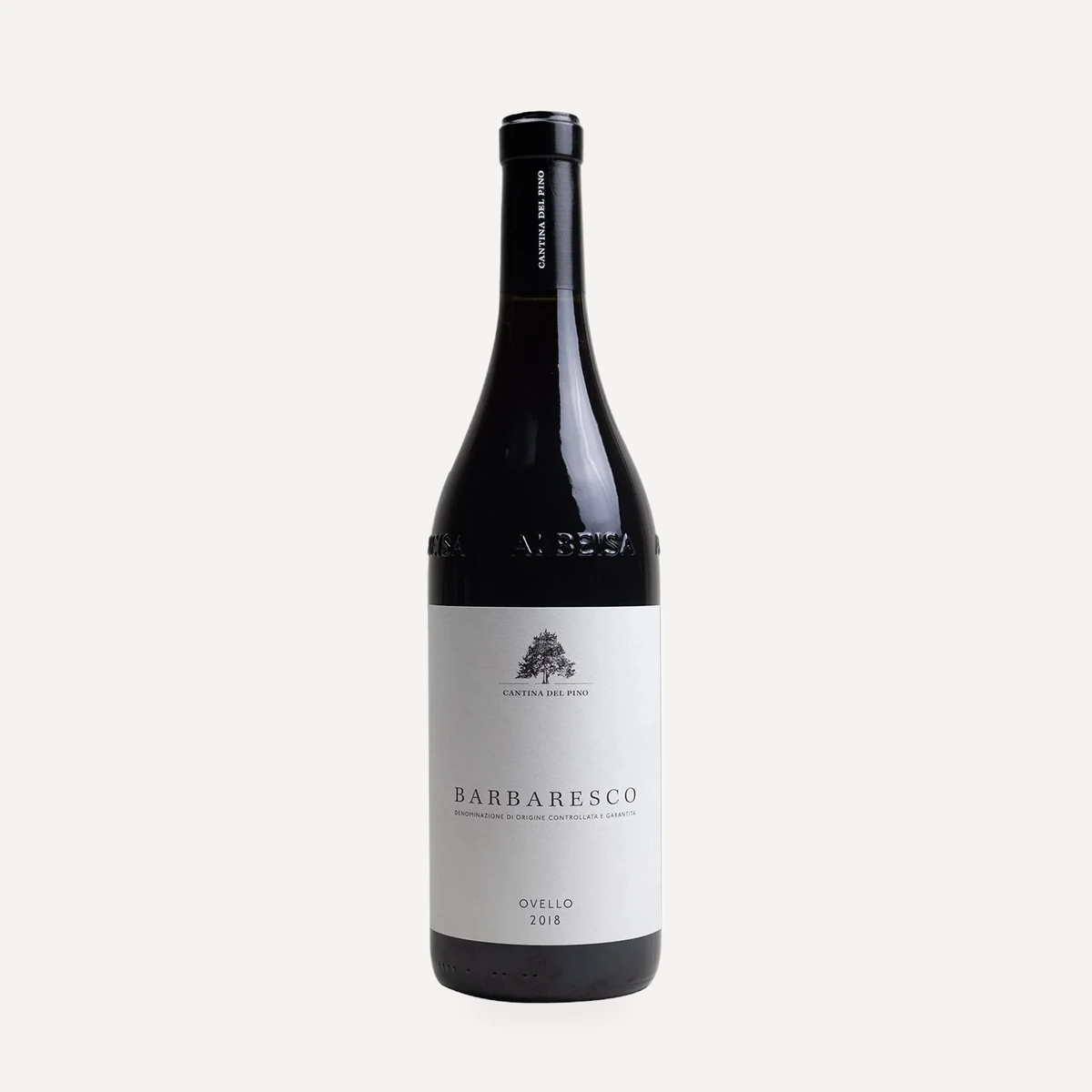
Barbaresco Ovello
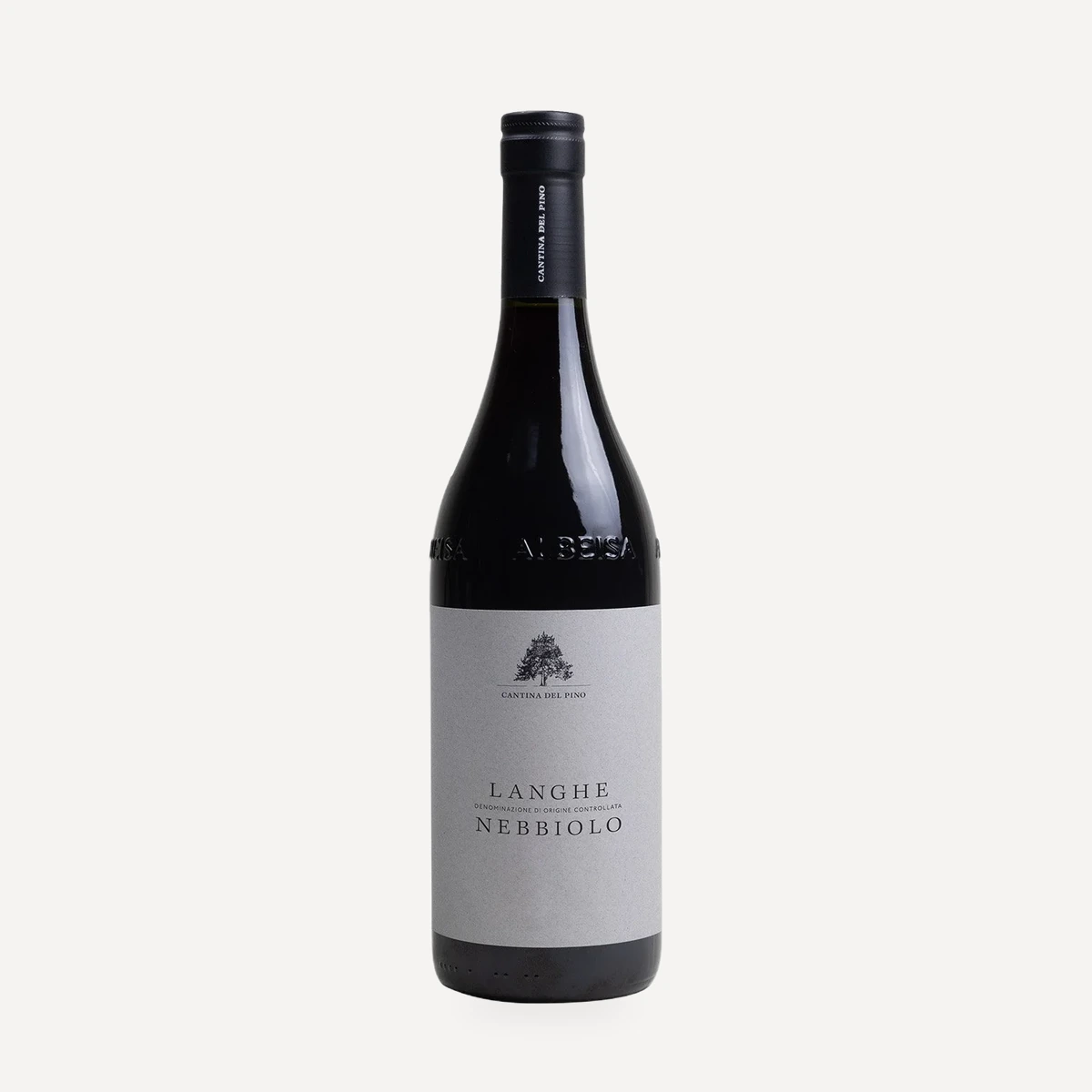
Langhe Nebbiolo
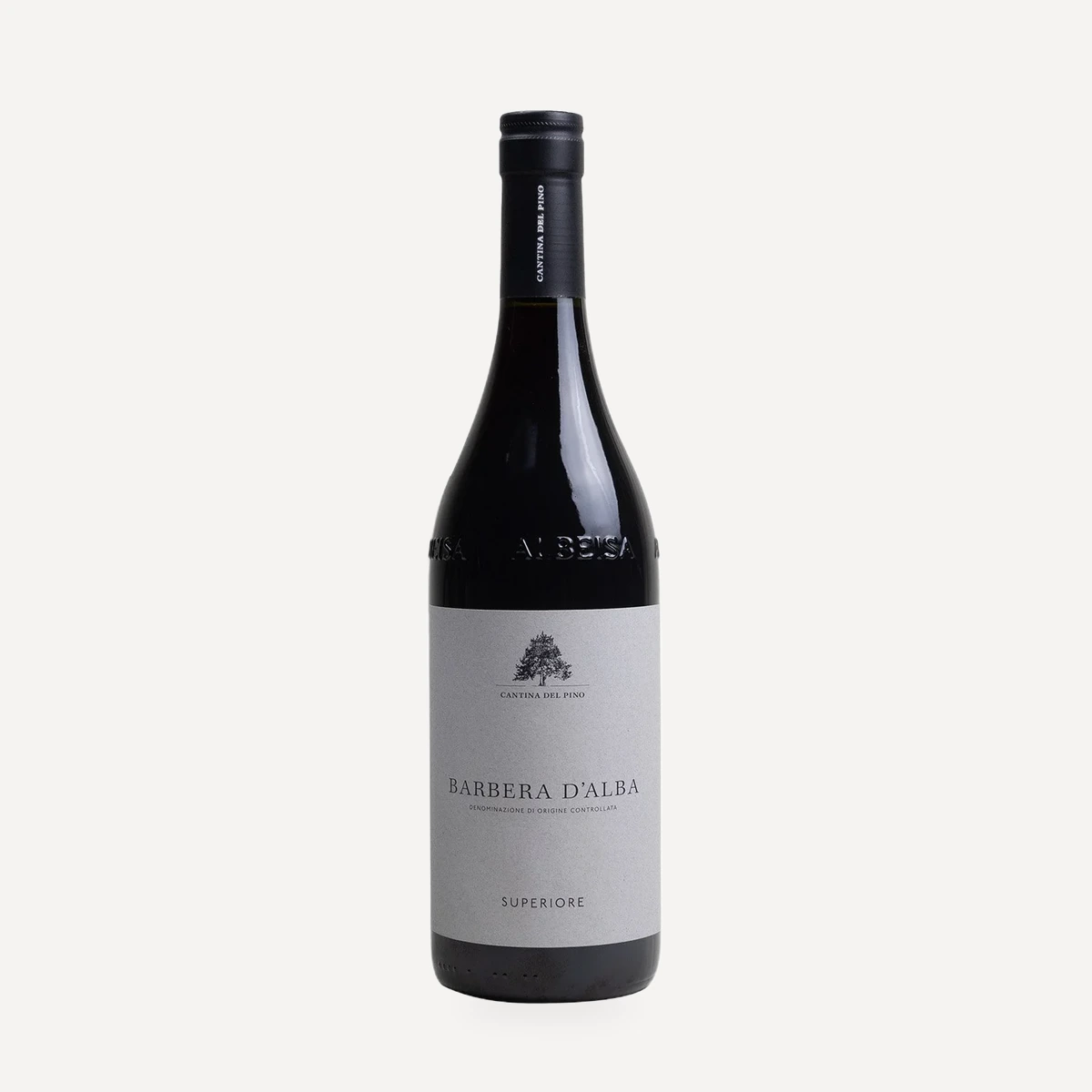
Barbera D'Alba
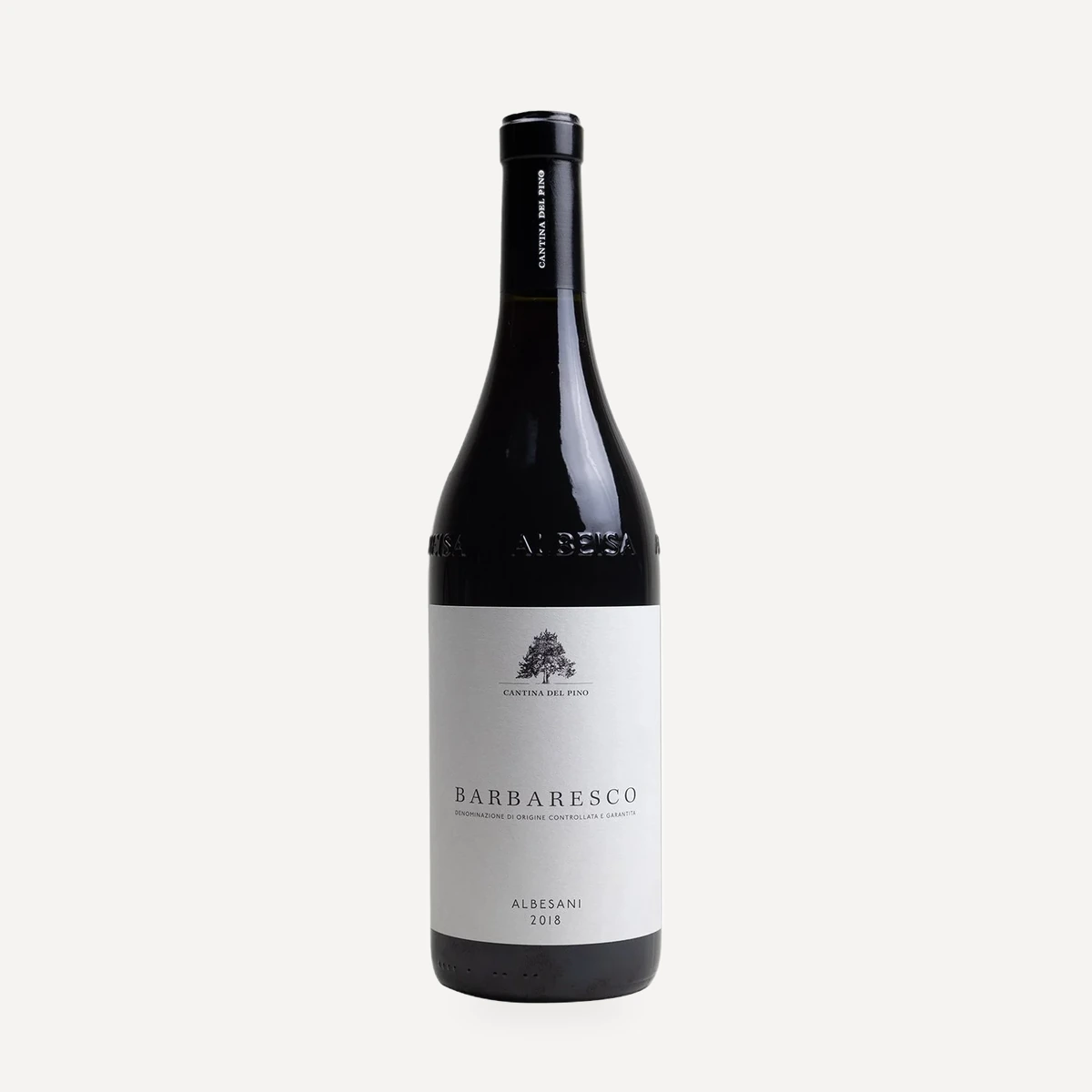
Barbaresco Albesani
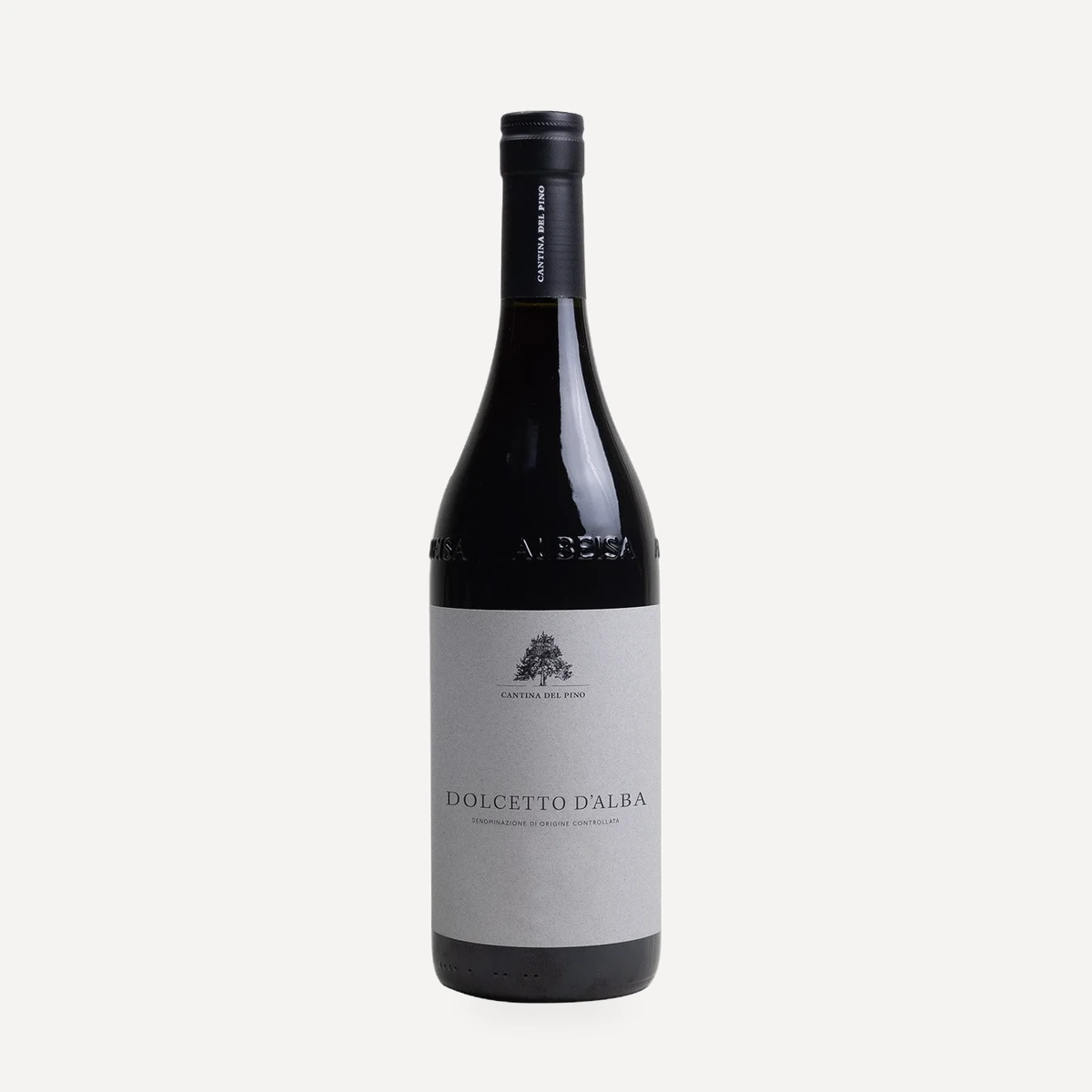
Dolcetto D'Alba