History
Five wineries and a turbulent century
Cantina Kaltern’s history began at the opening of the 20th century and unfolded against a backdrop of wars, economic crises, periods of growth and Alto Adige’s separation from Austria. Five separate Caldaro wineries participated in that history. Some experienced prestigious periods as official suppliers to the imperial court in Vienna; over time, consolidation and an increasingly deliberate pursuit of quality reshaped the local cooperative sector.
1900: the first cooperative
Kellereigenossenschaft Kaltern was founded in 1900. This date is treated as the beginning of Cantina Kaltern’s institutional history.
1906–1908: two more foundations
Bauernkellerei Kaltern was established in 1906. Jubiläumskellerei Kaltern followed in 1908, adding two further cooperative organizations to Caldaro’s wine sector.
1925: a new winery and a new name
Neue Kellerei Kaltern was founded in 1925. In the same year, Kellereigenossenschaft Kaltern adopted the name Erste Kellereigenossenschaft Kaltern.
1932: Baron Di Pauli becomes a cooperative
In 1932, the private Baron Di Pauli winery was reorganized as Genossenschaft Josef Baron Di Pauli.
1986: formation of Erste+Neue
Erste Kellereigenossenschaft Kaltern and Neue Kellereigenossenschaft merged in 1986. The resulting winery was named Erste+Neue.
1991: integration and renewed independence
Genossenschaft Josef Baron Di Pauli was incorporated into Erste+Neue in 1991. At the same time, Tenuta Baron Di Pauli returned to operating as an independent wine estate and is therefore distinct from Cantina Kaltern.
1992: formation of Kellerei Kaltern
Bauernkellerei and Jubiläumskellerei joined in 1992 to form Kellerei Kaltern, subsequently rendered in English and Italian as Cantina Kaltern.
2016: today’s Cantina Kaltern
The decisive consolidation occurred in 2016, when Erste+Neue and the then Kellerei Kaltern merged. The combined cooperative retained the name Cantina Kaltern. Major construction accompanied the merger: the historic Jubiläumskellerei building from 1908 was preserved, while a modern winery was built alongside it to connect the historic structure with contemporary production facilities.
The cooperative today
Five formerly independent wineries have ultimately become one village-wide cooperative. Cantina Kaltern now brings together 530 member winegrowers and manages 420 hectares. Its history remains closely tied to Caldaro, where wine is an economic activity as well as an element of culture, identity and everyday community life. Many holdings have remained in the same families for generations, and the cooperative presents professionalism, experience, sustainability, community and exacting quality standards as the outcome of this long process of consolidation.
Terroir
Lake, mountains and altitude
Cantina Kaltern’s 1,100 parcels extend from warm, sunlit vineyards around Lake Kaltern to cool slopes at the foot of the Mendola mountain range and toward Altenburg. The full vineyard-altitude range is given as 200–850 m above sea level. Warm lakeside zones around 250 m favor Schiava, Lagrein, Cabernet and Merlot, while Pinot Bianco, Sauvignon, Chardonnay and Pinot Nero benefit from progressively cooler high-altitude microclimates.
Lake Kaltern is central to the area’s identity. Covering 1.47 km², it is the largest natural lake in South Tyrol, and its water can reach 28 °C, making it one of the warmest bathing lakes in the Alpine region. The lake gave its name to the Kalterersee designation, introduced in 1970 as South Tyrol’s oldest DOC zone. Kalterersee Classico Superiore is reserved for Schiava from vineyards surrounding the lake.
Alpine–Mediterranean climate
Cool currents arrive from the north, while Mediterranean influences move in from the south. On the slopes below the Mendola mountains, alpine freshness helps preserve lively acidity, particularly in white grapes. From the south, mild temperatures and abundant sunshine are reinforced by warm winds including the Ora from Lake Garda. The combination of sun, warm days, cool nights, differing elevations and local air movements supports ripe aromas while retaining freshness, structure, finesse and longevity.
Geological diversity
Two parent materials play a central role. Porphyry originated through volcanic activity hundreds of millions of years ago. The limestone of the Mendola mountains derives from deposits of marine organisms—including shells and skeletal material—laid down when the area was covered by a tropical sea.
Later glacial movements reshaped the landscape. Moraines introduced rocks from other areas, while glaciers helped form the characteristic vineyard terraces at the foot of the Mendola mountains. The resulting soils range from lean, skeletal profiles to richer loams. Contrasting soil types can occur only a few dozen metres apart, creating pronounced variation among neighboring parcels.
Winemaking
Cantina Kaltern’s 530 member growers perform the harvest entirely by hand. In autumn, several generations of member families work through the rows together, picking the fruit grape by grape; the harvest retains a strongly communal character, traditionally ending with a shared meal.
For the Selection range, grapes are hand-picked from chosen sites. Old vines, intentionally restricted yields and careful vineyard work are identified as the foundation of these wines. Across the cooperative, vineyard work from pruning through harvest is conducted with respect for the soil and with the stated aim of preserving habitats for people, animals and plants.
The cooperative has held the FAIR’N GREEN Certificate for Sustainable Viticulture since the 2018 vintage, when it became the first Italian wine producer and the first cooperative to receive the certification. FAIR’N GREEN covers vineyard and cellar practices as well as business management, marketing, social responsibility and the value chain. Certification requires measurable goals, minimum performance thresholds, a tailored development plan, regular advice, independent verification and demonstrable annual improvement. Associated analyses include life-cycle assessment and carbon-footprint calculation.
The program’s operating priorities include near-natural viticulture, environmental protection, biodiversity, conservation of natural resources, fair wages, social engagement and preservation of the cultural landscape. Cantina Kaltern’s own objective is to protect the area’s soil diversity and strengthen the entire ecosystem through manual work conducted in harmony with natural processes.
The present production complex brings the preserved Jubiläumskellerei of 1908 together with a modern winery constructed after the merger of Caldaro’s two principal cooperatives. Its design connects the historic building with contemporary facilities.
Modern cellar technology is used alongside low-intervention physical principles. Gravity replaces pumps where possible, allowing wine and must to move through the winery with less mechanical handling. The cellars contain approximately 1,000 barriques.
Fruit for the portfolio is selected by hand, and the upper ranges impose additional selection. Selection wines originate from hand-harvested grapes in chosen sites, including old vines managed for deliberately low yields. Quintessenz is restricted to the best grapes from the cooperative’s most distinguished sites and combines that selection with precise cellar work.
For kunst.stück, the cellar master identifies the grape lot that is already exceptional when delivered. It is vinified as a strictly limited bottling, with the selected variety changing according to the character of the vintage.
Philosophy
Cantina Kaltern defines itself as a cooperative representing an entire village rather than as a single estate. Its model is built on community, continuity of family holdings and the combination of many small vineyards: most members cultivate less than one hectare and frequently pursue viticulture alongside another occupation.
The cooperative’s quality philosophy begins with the correspondence between variety and site. Warm lakeside parcels and cool high-altitude vineyards are treated as distinct environments, and the upper ranges rely on chosen vineyards, old vines, low yields and stricter fruit selection. The objective is to make wines that communicate origin with clarity while retaining balance and accessibility.
Tradition is paired with technical development. Historic winery buildings are preserved and placed in dialogue with modern facilities, while contemporary cellar equipment is combined with natural physical processes such as gravity. The cooperative describes precision, professionalism and continuous improvement as compatible with inherited knowledge and manual work.
Environmental and social responsibility extend beyond the avoidance of individual vineyard inputs. The stated ambition is to preserve soils, biodiversity, natural resources and the cultural landscape while supporting fair employment, the livelihoods of cooperative members and long-term relationships with customers. The FAIR’N GREEN development process makes these commitments measurable and subject to annual improvement.
Its 2024 Code of Ethics formalizes commitments to legality, non-discrimination, safe and healthy working conditions, transparency, integrity, fair competition, protection of confidential information and human rights in supplier selection. Cooperative activities are also expected to strengthen the performance and development of members.
Wines
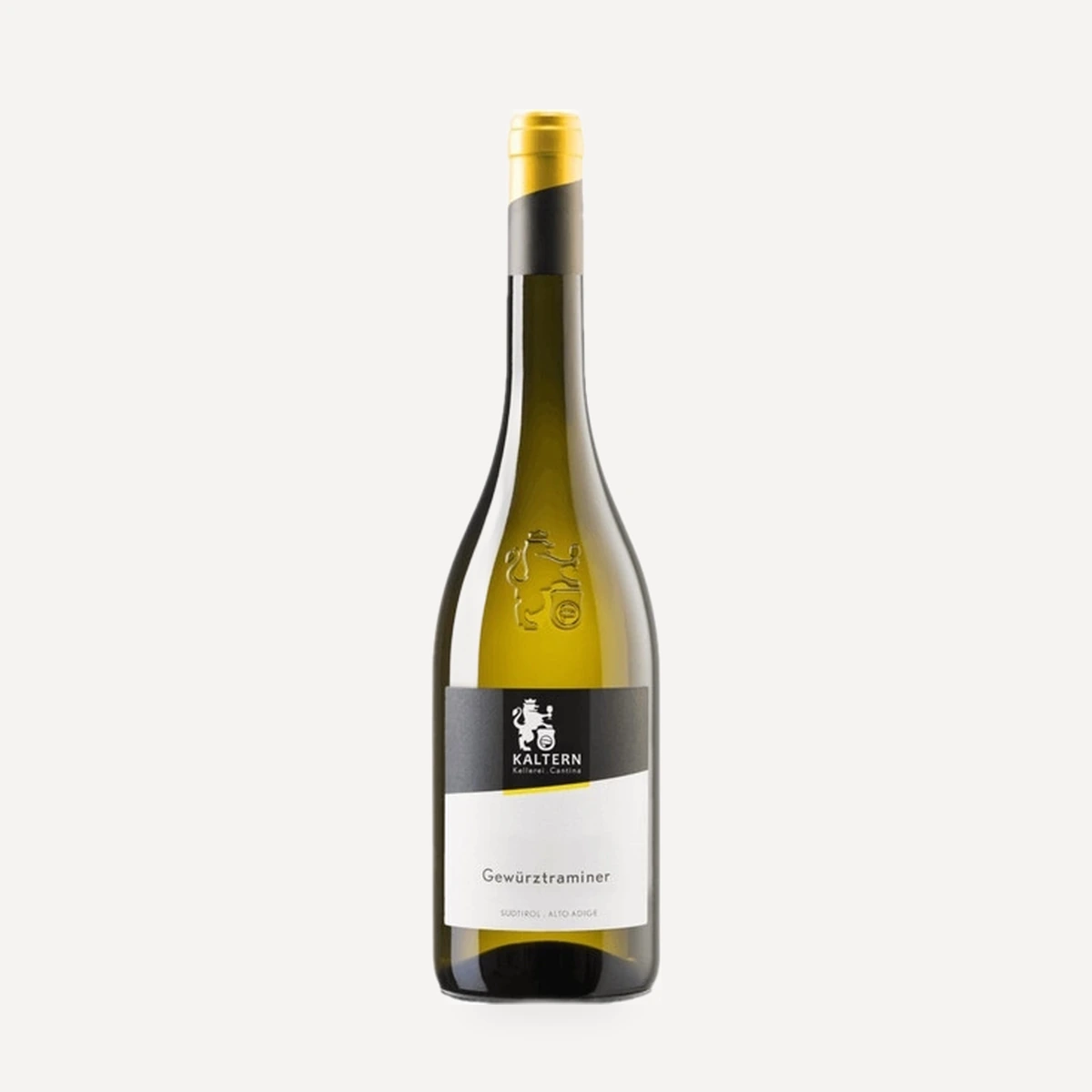
Gewürztraminer DOC
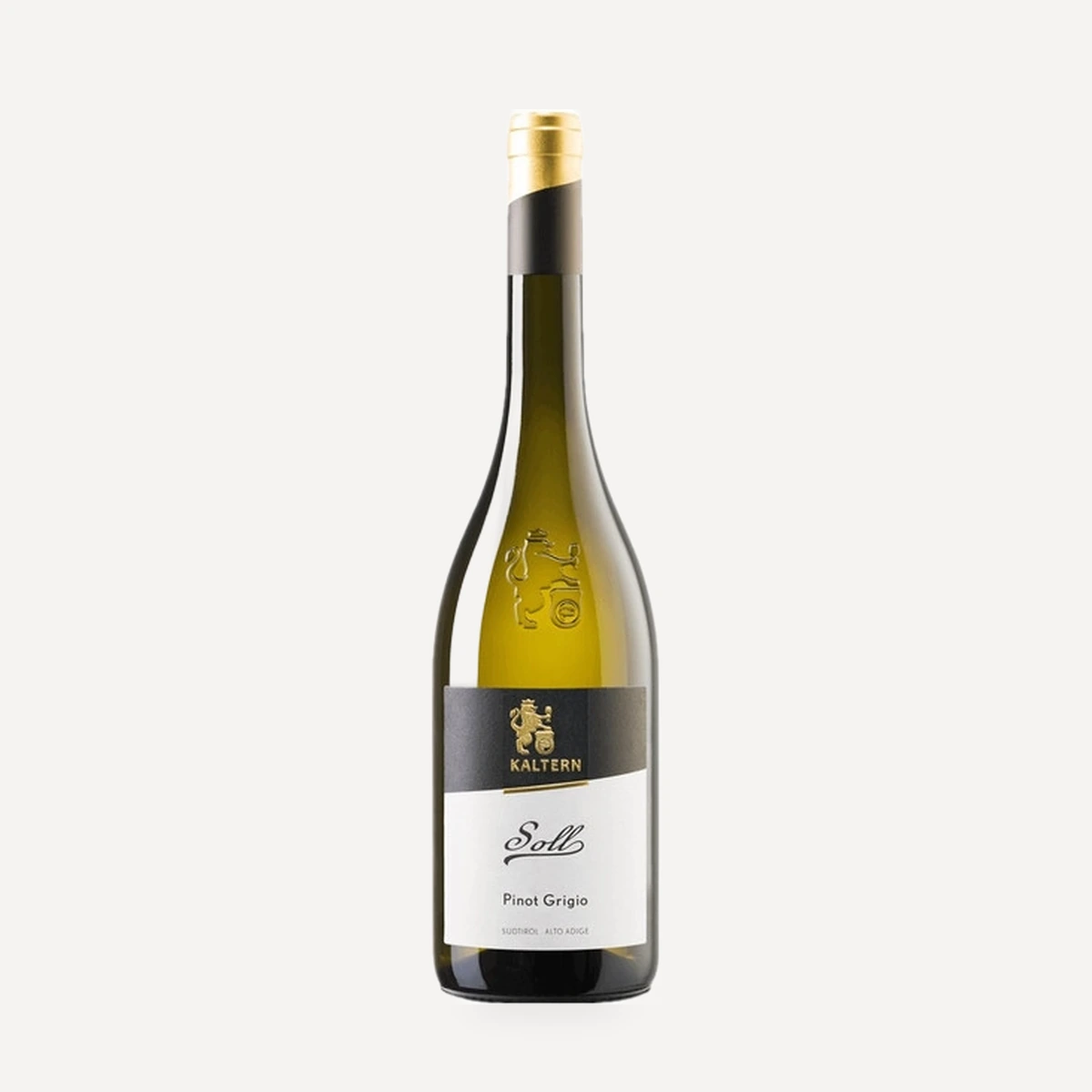
Soll Pinot Grigio DOC
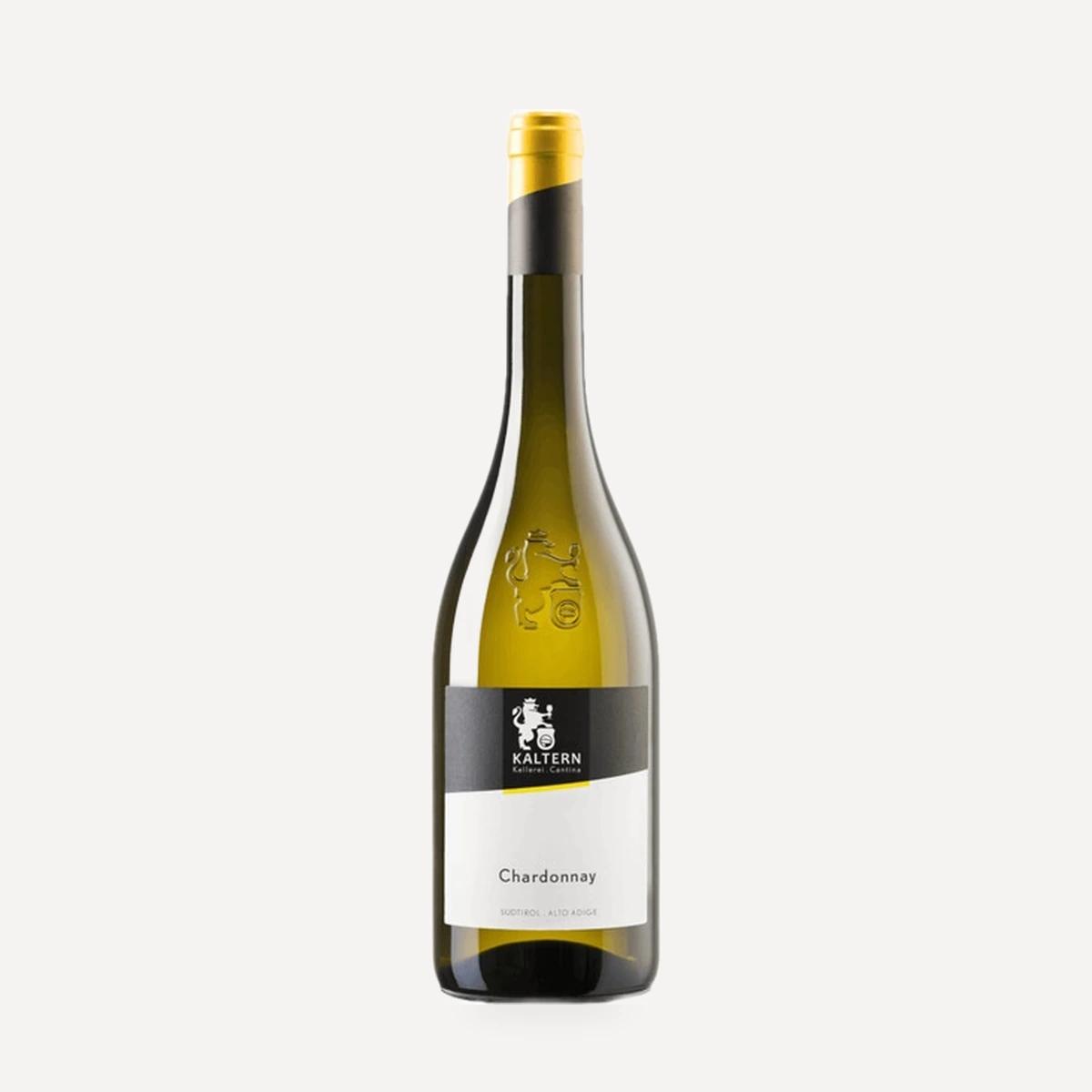
Chardonnay DOC
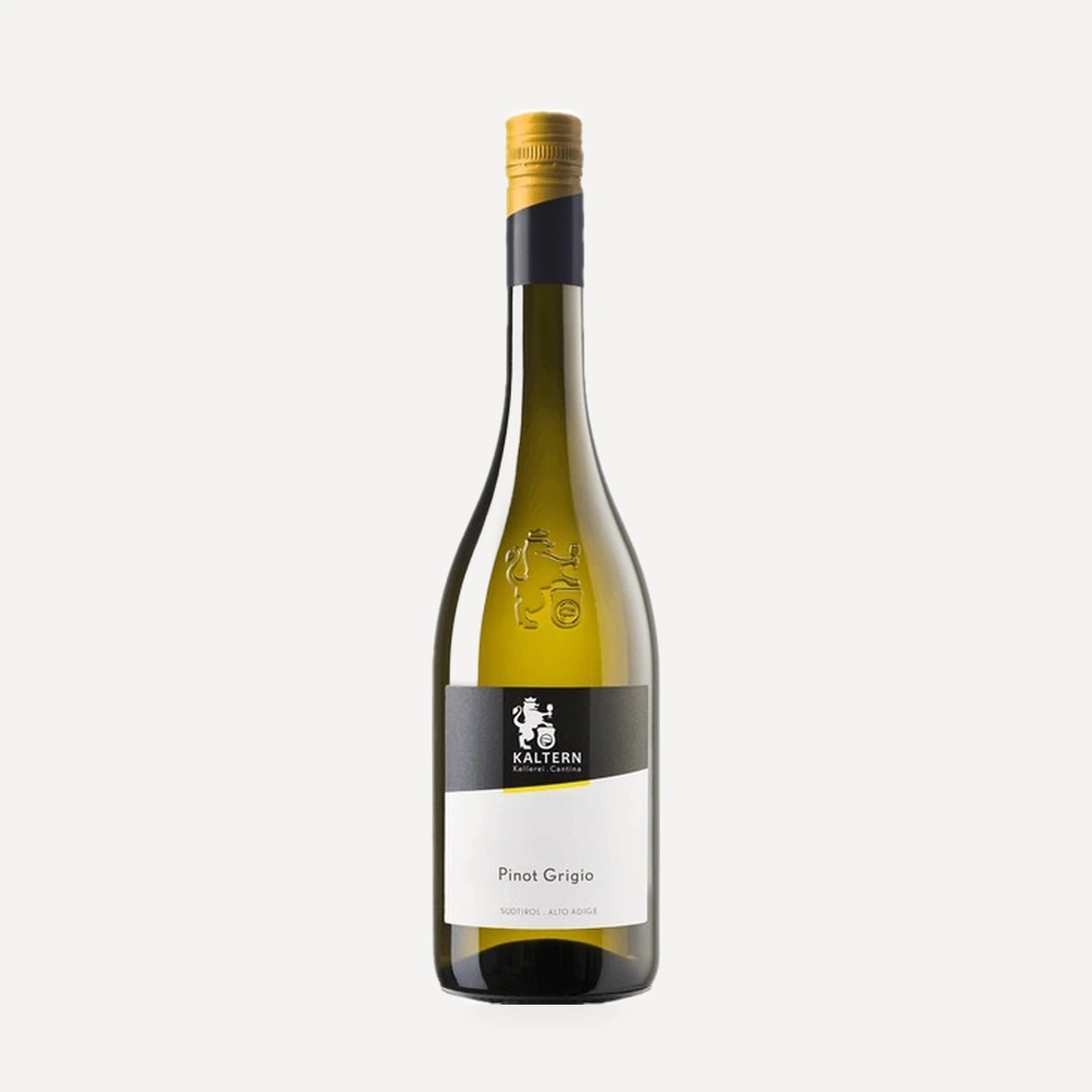
Pinot Grigio DOC
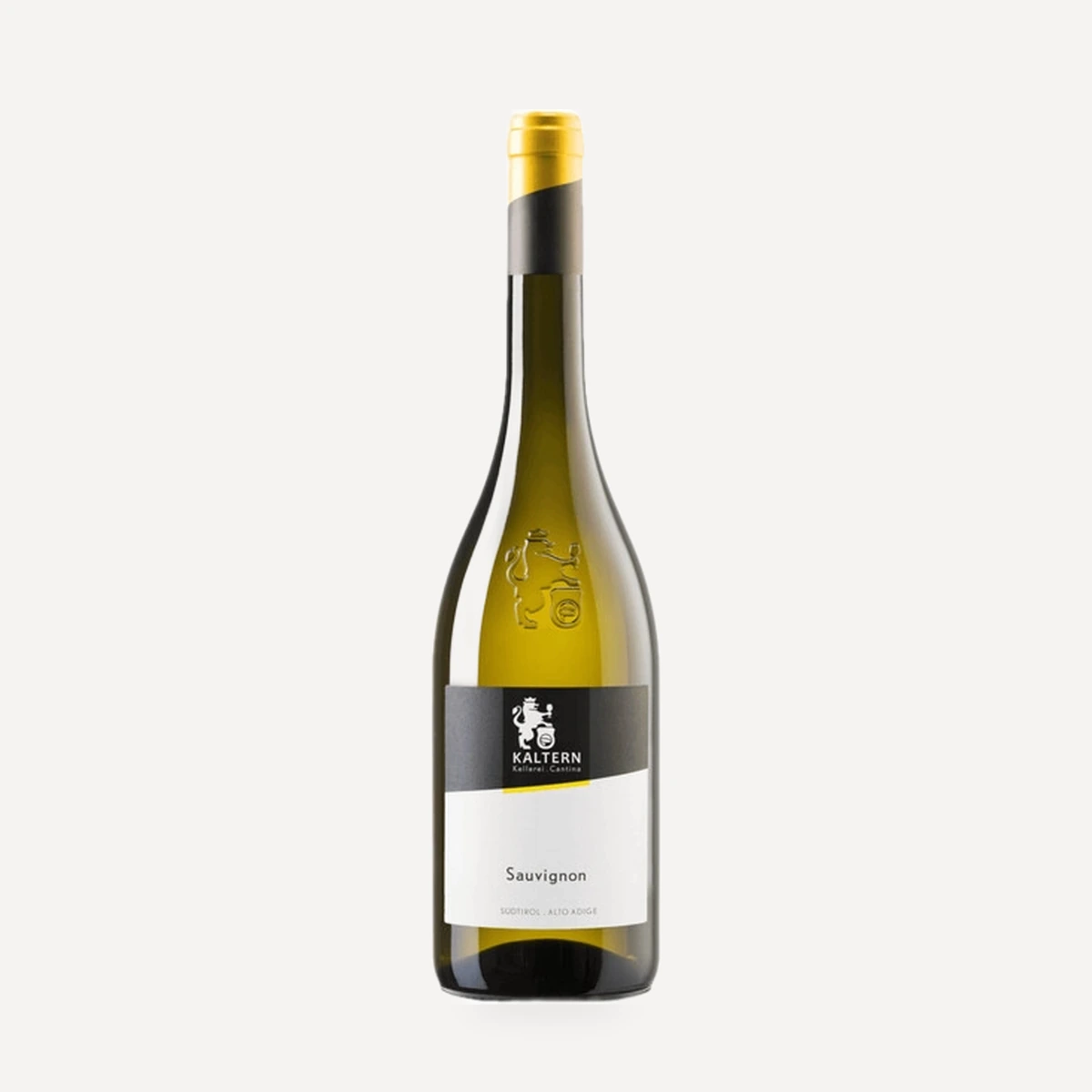
Sauvignon DOC
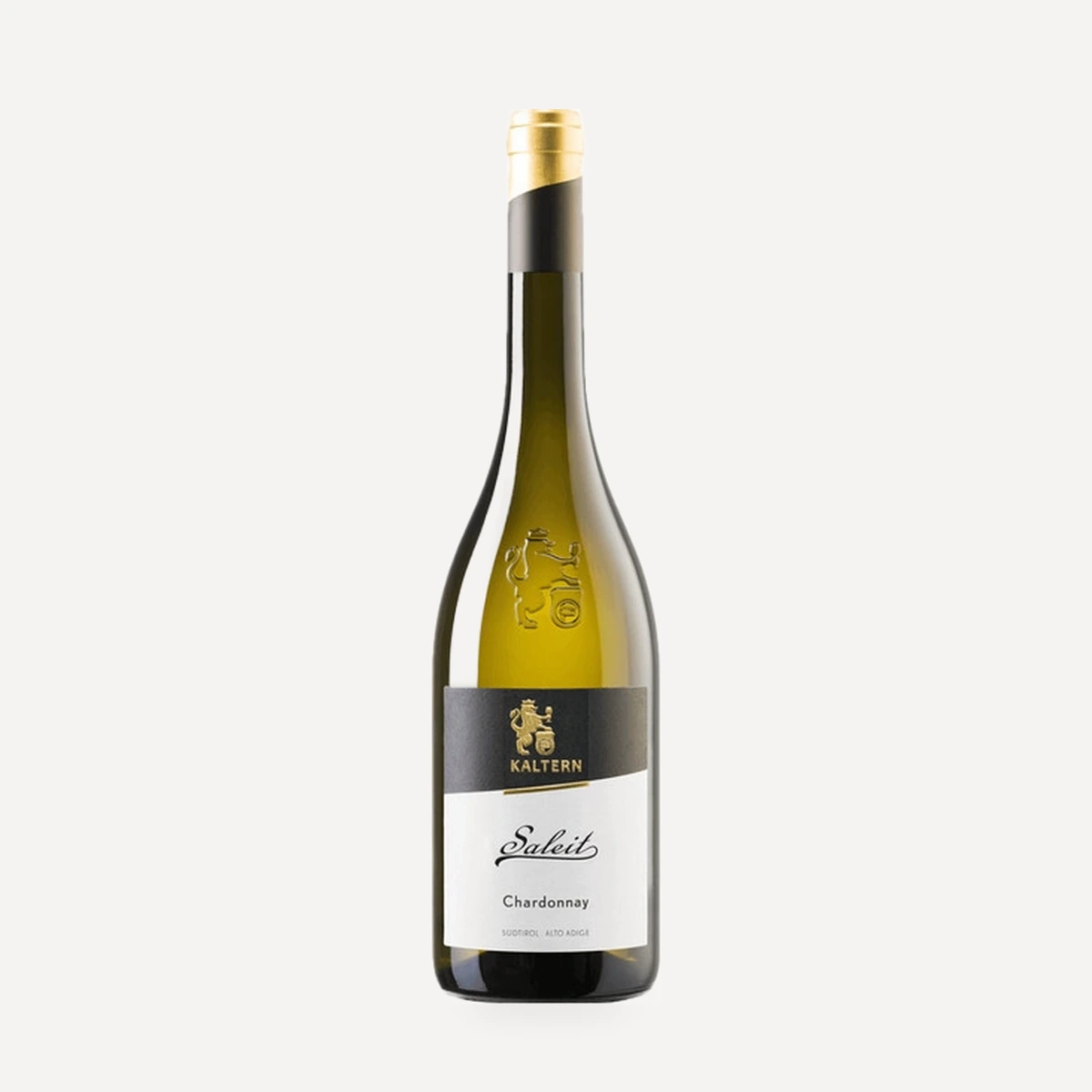
Saleit Chardonnay DOC