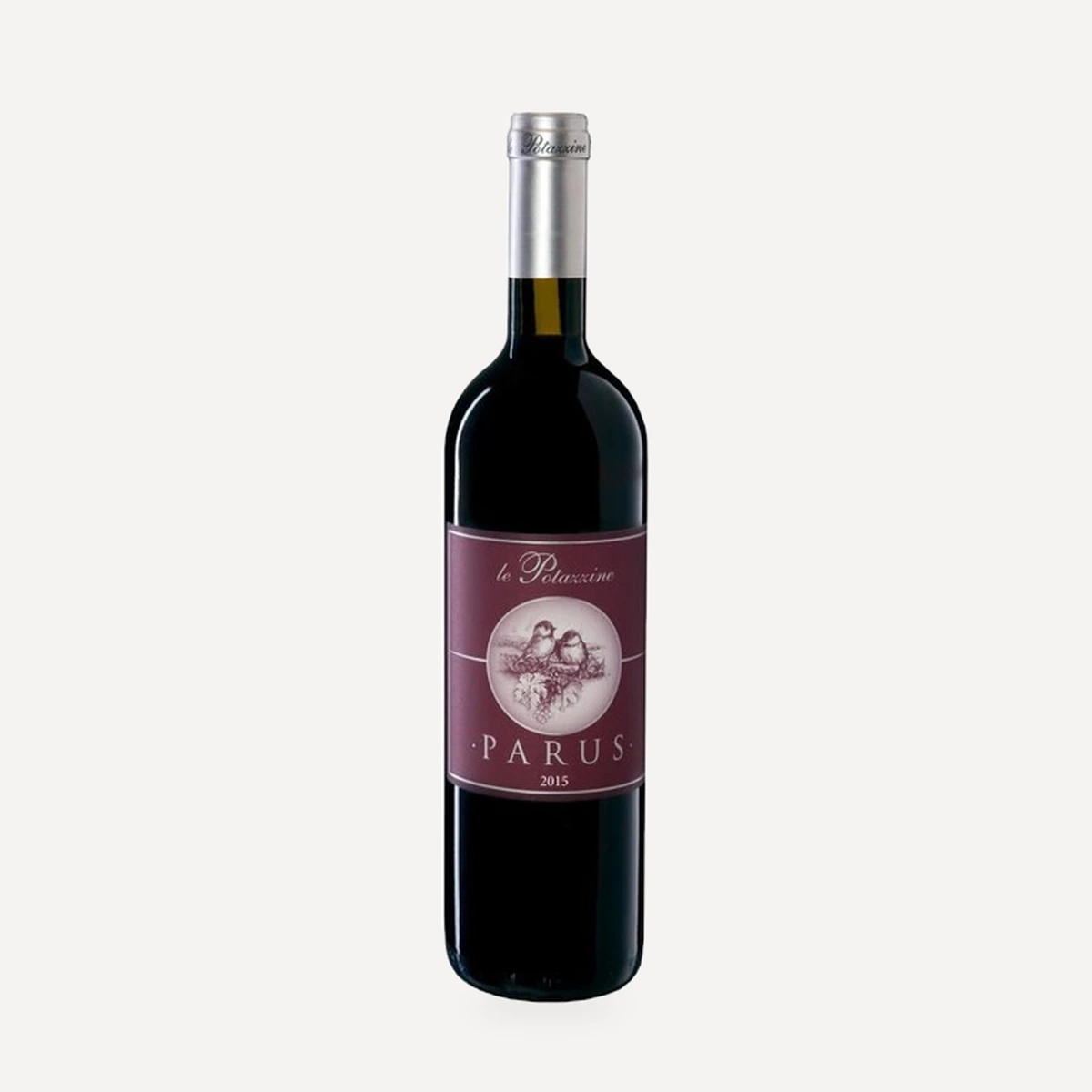
History
1987: Gigliola's first wine enterprise in Montalcino
Before the estate took shape, Gigliola Giannetti established the “Montalcino Produce” wine store in the centre of Montalcino in 1987. The shop developed as a showcase for Tuscan wines, leading Italian labels and local foods.
1993: the beginning of Le Potazzine
The winery's history began in 1993, the same year Gigliola's first daughter, Viola, was born. The family story became inseparable from the identity of the estate: in Montalcino, potazzine is an affectionate local name for cinciallegre—small, lively and colourful birds—and a term used by parents and grandparents for little girls. Viola and her younger sister Sofia were called potazzine by their maternal grandmother.
1996: Sofia and the first expansion
Sofia was born in 1996, and the estate expanded by 2 hectares in the same year. The vineyards planted in 1996 are situated in the Sant’Angelo in Colle area, at approximately 420 metres above sea level. The parallel between the births of Gigliola's daughters and the growth of the property gave the estate's name a second meaning: Viola and Sofia became part of both its family identity and its physical development.
Development of the estate
Le Potazzine developed around two high-elevation Sangiovese sites: Le Prata, beside the winery at 507 metres, and La Torre, in the Sant’Angelo in Colle area at approximately 420 metres. The estate subsequently reached 6.5 hectares registered for Brunello di Montalcino.
From its first vinification, the production model centred on making wine as naturally as possible while pursuing harmony, finesse, cleanliness, balance, elegance and a distinct personality. Large Garbellotto casks made from Slavonian oak have always formed the basis of maturation.
The Riserva milestones
Brunello di Montalcino Riserva has been reserved for exceptional harvests rather than made routinely. The first four releases were the 2004, 2006, 2011 and 2015 vintages. The 2019 vintage became the fifth Riserva in the estate's history. Its selection began in the vineyard, where the family identified fruit of a character sufficiently distinctive for the limited release.
The second generation
Gigliola runs the estate with Viola and Sofia, who are also identified as co-owners. Their participation continues the direct connection between the family, the estate's name and its evolution that began with Viola's birth in 1993.
Terroir
Tenuta Le Potazzine's Sangiovese comes from two estate-owned sites at relatively high elevations within Montalcino.
Le Prata is located beside the winery at 507 metres above sea level and faces southwest. La Torre lies in the Sant’Angelo in Colle area at approximately 420 metres and faces southeast. The sites are fermented and matured separately before their components are united for bottling.
Elevation contributes pronounced differences between daytime and nighttime temperatures. During the 2019 and 2020 growing seasons, these temperature variations supported phenolic ripening. The vineyards also have highly draining ground. In the wet 2023 season, that drainage and the elevation helped the vines contend with persistent spring rain and downy mildew pressure. Spring rainfall can build water reserves in the soil, as occurred in 2020 before a comparatively hot summer.
Winemaking
The estate vineyards are planted to certified-organic Sangiovese. The Brunello and Rosso parcels use Guyot training, while the Toscana IGT Sangiovese is associated with spur-pruned cordon training. Published technical parameters give a density of 5,952 vines per hectare and yields of approximately 55–60 quintals of grapes per hectare.
Vineyard work is conducted with close manual attention. During the 2020 lockdown, the family cared for the vineyards manually and meticulously throughout an evenly warm, well-watered spring. The accumulated soil-water reserves subsequently helped the vines through a comparatively hot summer.
The long, rainy spring of 2023 created downy mildew pressure. Targeted and timely organic treatments were used to contain it. Vineyard elevation and highly draining ground mitigated the effects, although annual production finished approximately 15% below normal. Grapes reached optimal phenolic maturity, and intensive work at the sorting table allowed only sound fruit to proceed to vinification.
Le Prata and La Torre are vinified and matured separately, preserving the identity of the two sites until their components are brought together for bottling.
Fermentations are spontaneous and rely exclusively on indigenous yeasts. They proceed at uncontrolled cellar temperatures and are deliberately long: individual examples extend from roughly 30–40 days to more than 50 days. The 2018 fermentation lasted 42 days, while a later Rosso fermentation continued beyond 50 days. Red-wine fermentation takes place in stainless-steel tanks.
Brunello di Montalcino matures in large Garbellotto casks made from Slavonian oak. The vessels hold 30 or 50 hectolitres, and maturation usually lasts approximately 40–42 months. The wine is bottled without filtration.
Brunello di Montalcino Riserva is selected only when the fruit shows a distinctive quality in the vineyard. The 2019, the fifth Riserva release, underwent the customary long spontaneous fermentation before approximately 50 months in a single 30-hectolitre cask. Production was limited to 3,500 standard bottles, 300 jeroboams and five special rehoboams.
Rosso di Montalcino comes from the same vineyards as Brunello; almost half of the potential Brunello production may be declassified for it. Following long indigenous-yeast fermentation, Rosso spends 12 months in 30- or 50-hectolitre Slavonian oak casks and is bottled without filtration.
The Toscana IGT Sangiovese follows a separate, wood-free path. After a spontaneous indigenous-yeast fermentation that can last 30–40 days, it remains in stainless steel for 12 months and then rests in bottle for approximately four months before release.
Philosophy
Harmony, finesse and cleanliness define the estate's desired style. From its first vinification, Le Potazzine has pursued the most natural production possible, seeking balance, elegance and a distinct personality rather than force or a heavy cellar imprint.
The estate presents itself as an exponent of Montalcino tradition and aims to reflect the elegance of pure Sangiovese. Long spontaneous fermentations with indigenous yeasts, free fermentation temperatures, large Slavonian oak casks and unfiltered bottling support that objective. Individual vineyard sites are handled separately until blending, allowing differences between Le Prata and La Torre to be respected during production.
Vintage character is treated as integral to the wines. Brunello Riserva is made only in seasons judged particularly distinguished, with the decision originating among the vines rather than from a predetermined production schedule. The broader range is likewise conceived as an expression of both terroir and harvest year.
Family continuity is another part of this identity. The development of the vineyards is linked symbolically and chronologically to the births of Viola and Sofia, who now work with Gigliola as the estate's second generation.
Wines
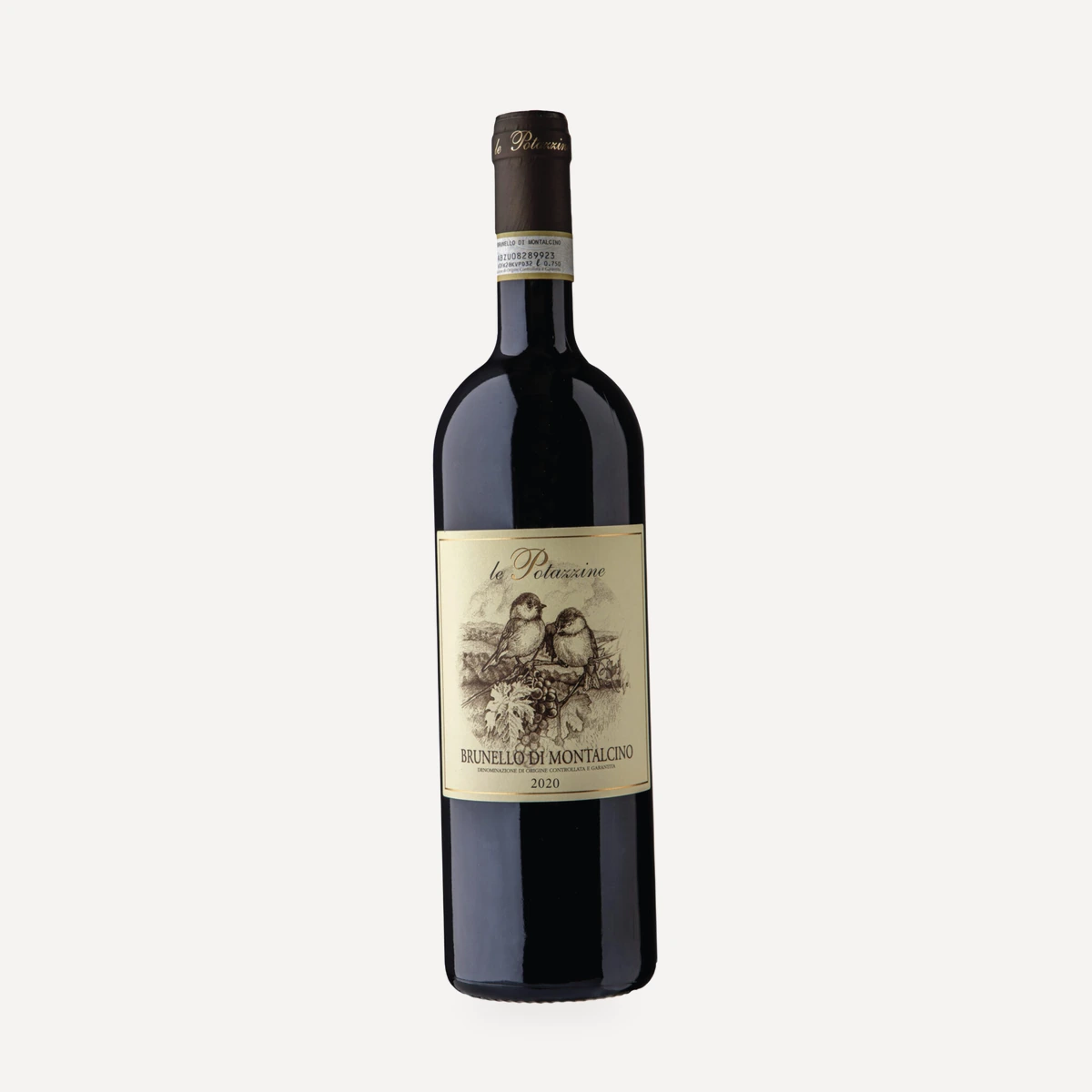
Brunello di Montalcino DOCG
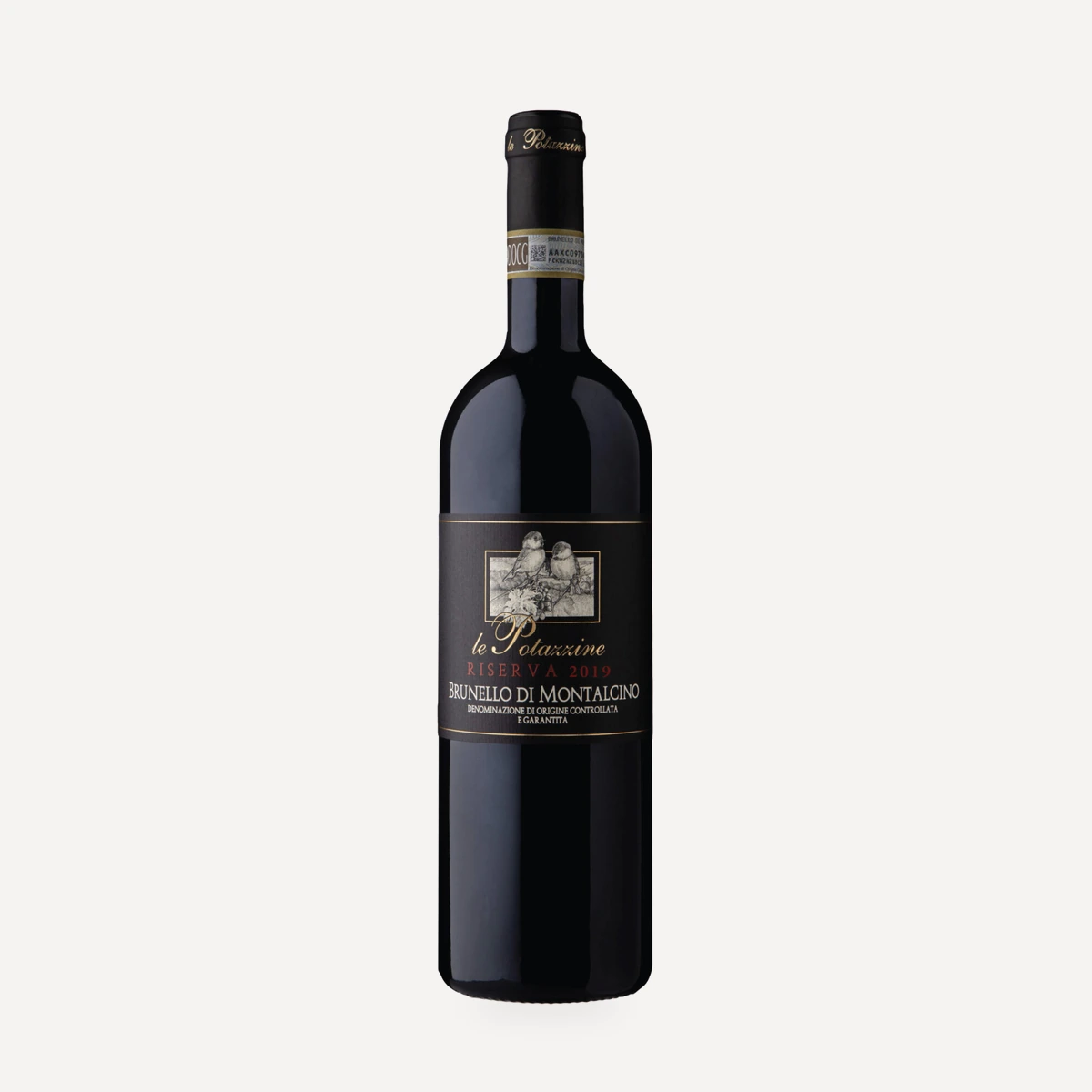
Brunello di Montalcino Riserva
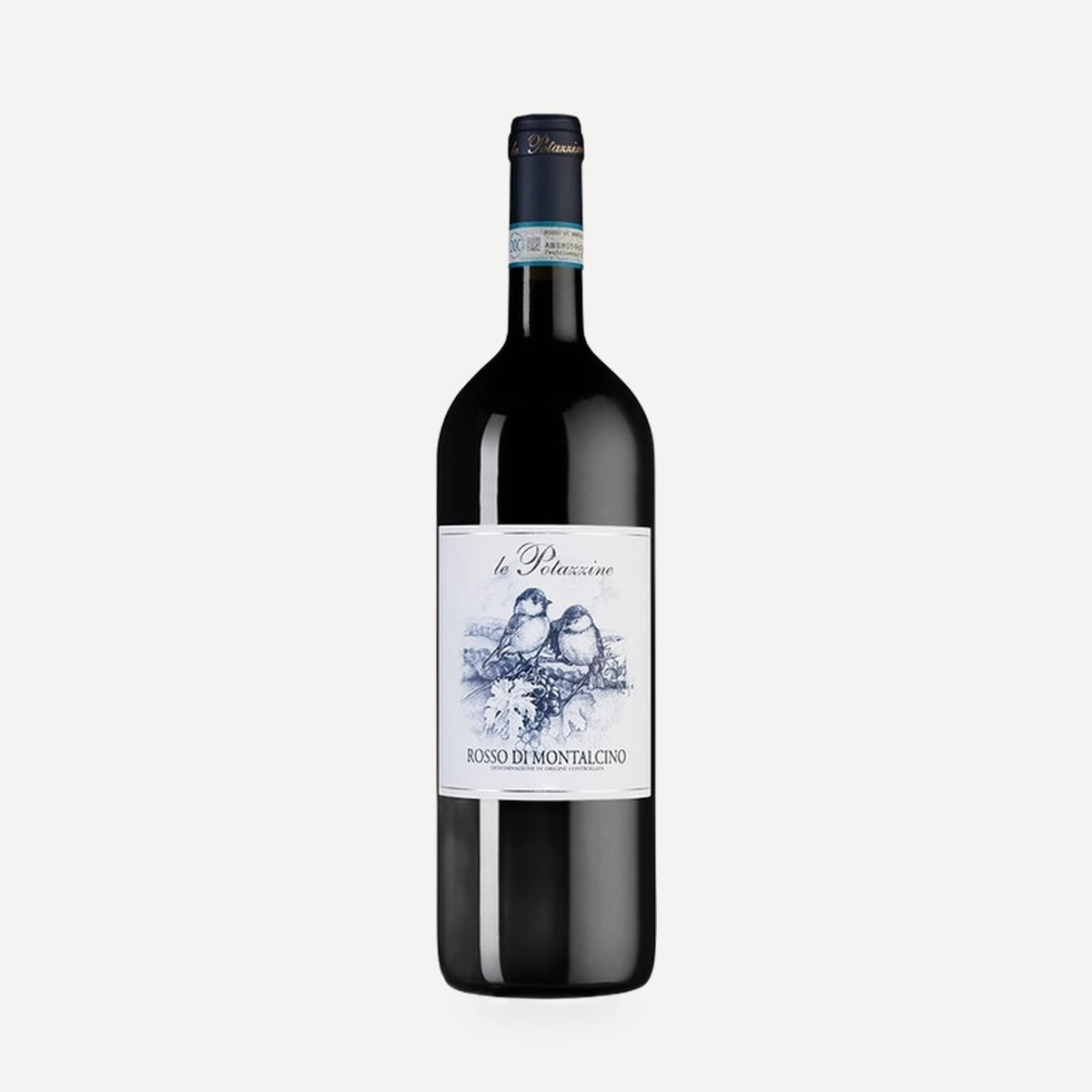
Rosso di Montalcino
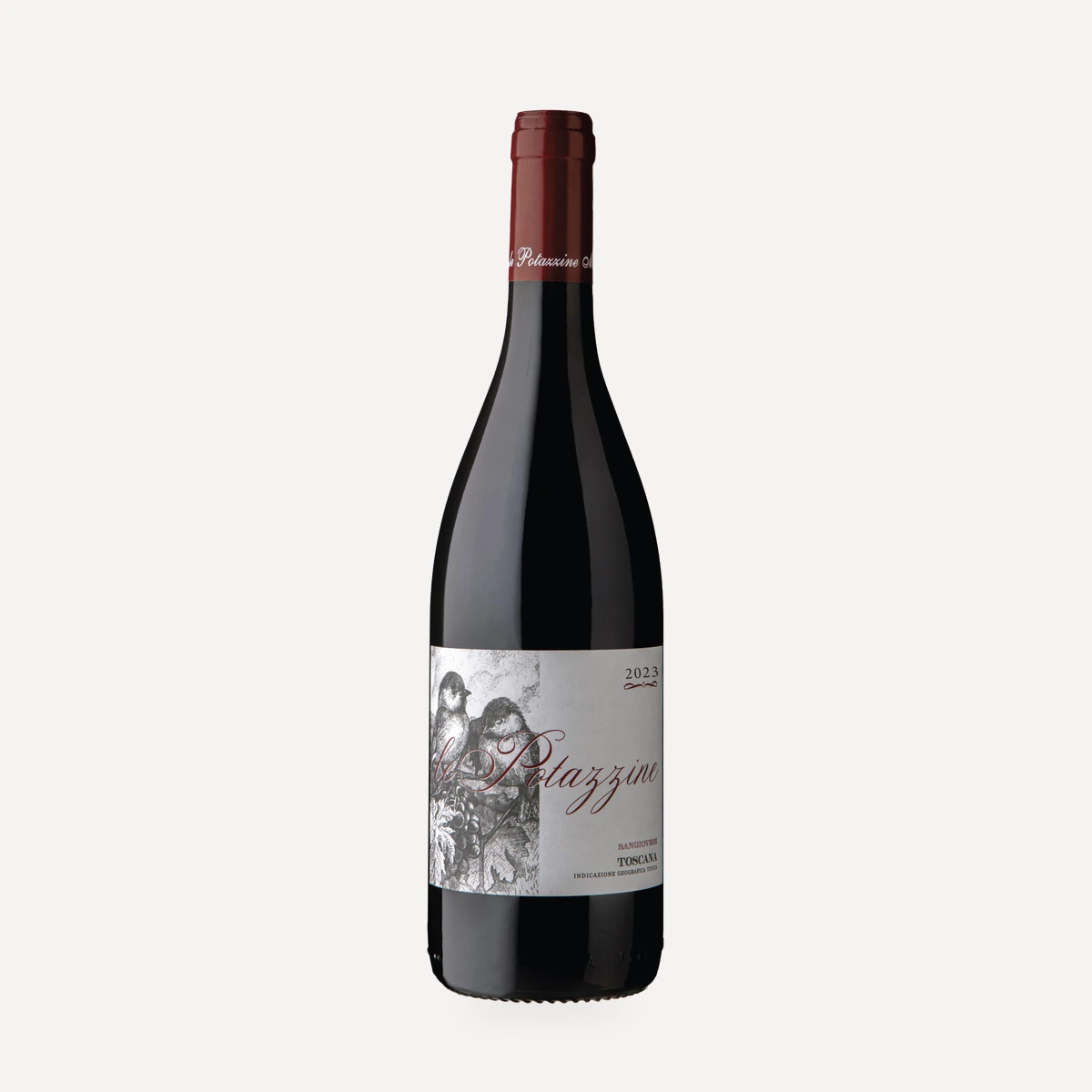
Toscana Sangiovese IGT