History
Agricultural roots
The Mantengoli family's agricultural activity dates to 1930. La Rasina itself was established as a farm in the 1970s by Santi Mantengoli. He renewed and enhanced vine cultivation on the estate's land, including parcels with a longstanding association with viticulture.
Vasco Mantengoli and the turn toward wine
During the second half of the 1980s, Santi's successor, Vasco Mantengoli, redirected the farm's work toward grape growing and winemaking. From 1988 onward, La Rasina intensified this focus as Montalcino's wine sector developed rapidly. Substantial investment followed in both vineyards and cellar facilities.
Vasco's contribution is commemorated by the Brunello di Montalcino Riserva Di Vasco, sourced from a single selected vineyard. The wine was conceived and developed by Vasco and is made only in selected vintages.
Marco Mantengoli
Management passed to Marco Mantengoli in 1997. A trained wine technician and Santi's grandson, Marco combined new ideas and contemporary technology with the experience inherited from his father, Vasco. The estate describes this approach as maintaining the character of a traditional farm while keeping its methods current.
Continuing investment
The estate's investments were expected to support greater output without abandoning its emphasis on high-level production. Under a 2026 agricultural and food-sector innovation and mechanization project funded through the European Union's Next Generation EU program, Marco Mantengoli was named as the beneficiary for the purchase of a Friuli HIT56 ST 1000 articulated sprayer.
Terroir
La Rasina occupies approximately 45 hectares on the northeastern side of the Montalcino hill in Tuscany. The estate lies at approximately 350 metres above sea level, at coordinates 43.052471 N and 11.522090 E.
The vineyards are concentrated close to the estate headquarters. The landscape opens toward the Parco della Val d'Orcia, a UNESCO World Heritage landscape. Of the estate's total area, 11 hectares are planted with vines, 4 hectares with olive trees, and the balance is arable land.
Winemaking
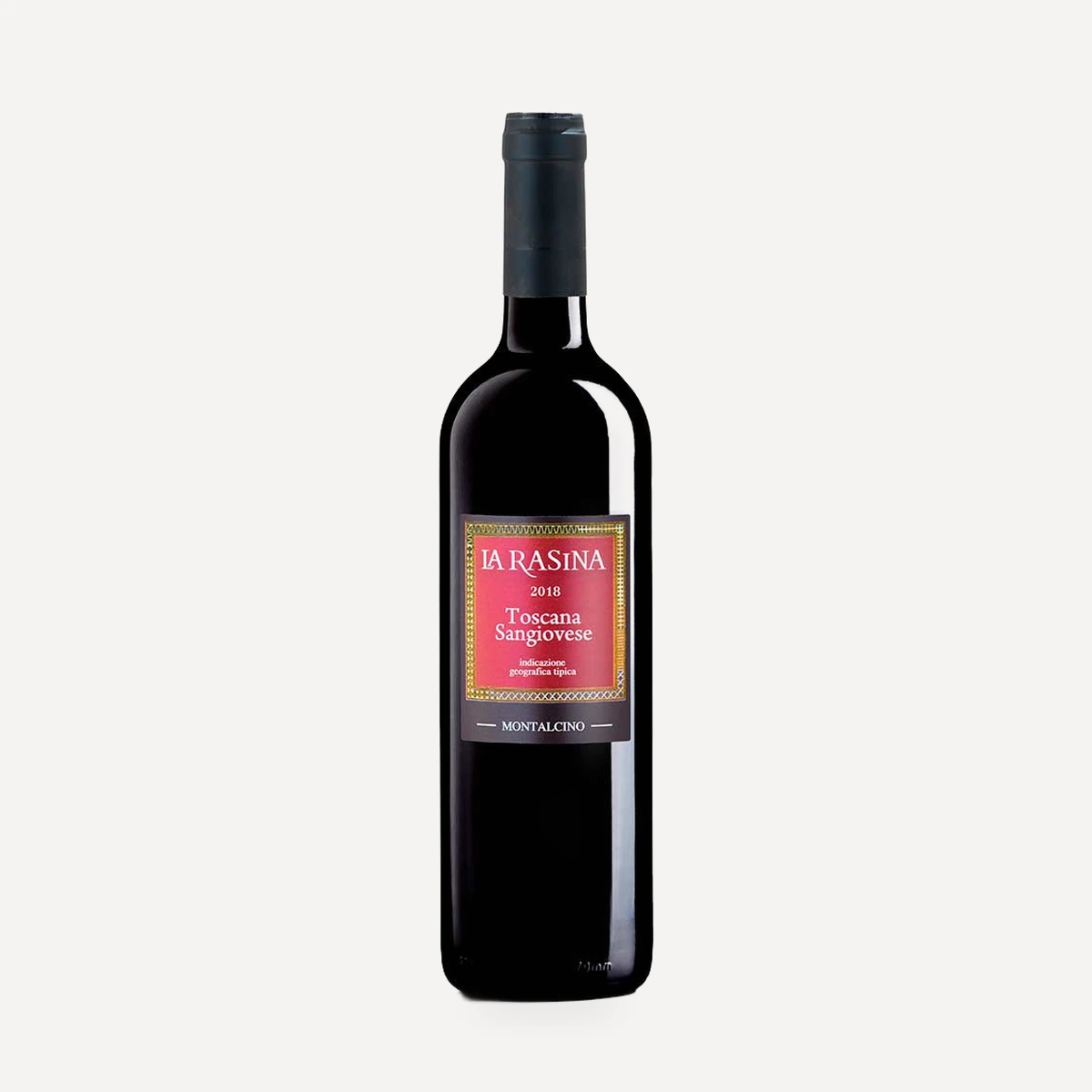
La Rasina's 11 hectares of vineyards are directly managed and monitored on an ongoing basis. The vines are trained to low spur-pruned cordons at densities ranging from 3,500 to 5,000 plants per hectare. Vineyard ages span 2 to 30 years, with the youngest vines supplying the estate's Toscana IGT Sangiovese and historically established parcels contributing selected fruit for Persante.
The estate expresses a commitment to working with respect for the environment. Its 2026 mechanization project covers the acquisition of a Friuli HIT56 ST 1000 articulated sprayer through the EU-funded Innovation and Mechanization in the Agricultural and Food Sector program.
Investment in the cellar accompanied La Rasina's stronger commitment to wine from 1988 onward. The production facility includes a cellar and a separate barrel room.
Reported annual output comprises approximately 30,000 bottles of Brunello di Montalcino, 15,000 bottles of Rosso di Montalcino, and approximately 10,000 bottles of Toscana IGT Sangiovese, for a combined output of about 55,000 bottles. Although investment was intended to permit growth, the estate's stated priority was to retain a high level of production quality.
Philosophy
La Rasina defines its work through passion, respect for the environment, and continuity between tradition and contemporary practice. Its model is that of a traditional agricultural estate able to remain current: under Marco Mantengoli, new ideas and modern technology are placed alongside the experience accumulated by his father, Vasco.
Quality is presented as the governing limit on growth. Vineyard and cellar investments were intended to support the estate's development and potentially greater production, but only while maintaining its desired qualitative level. Close supervision of vineyards near the farmstead and selective use of historic or individual parcels express this focus in practical terms.
Wines
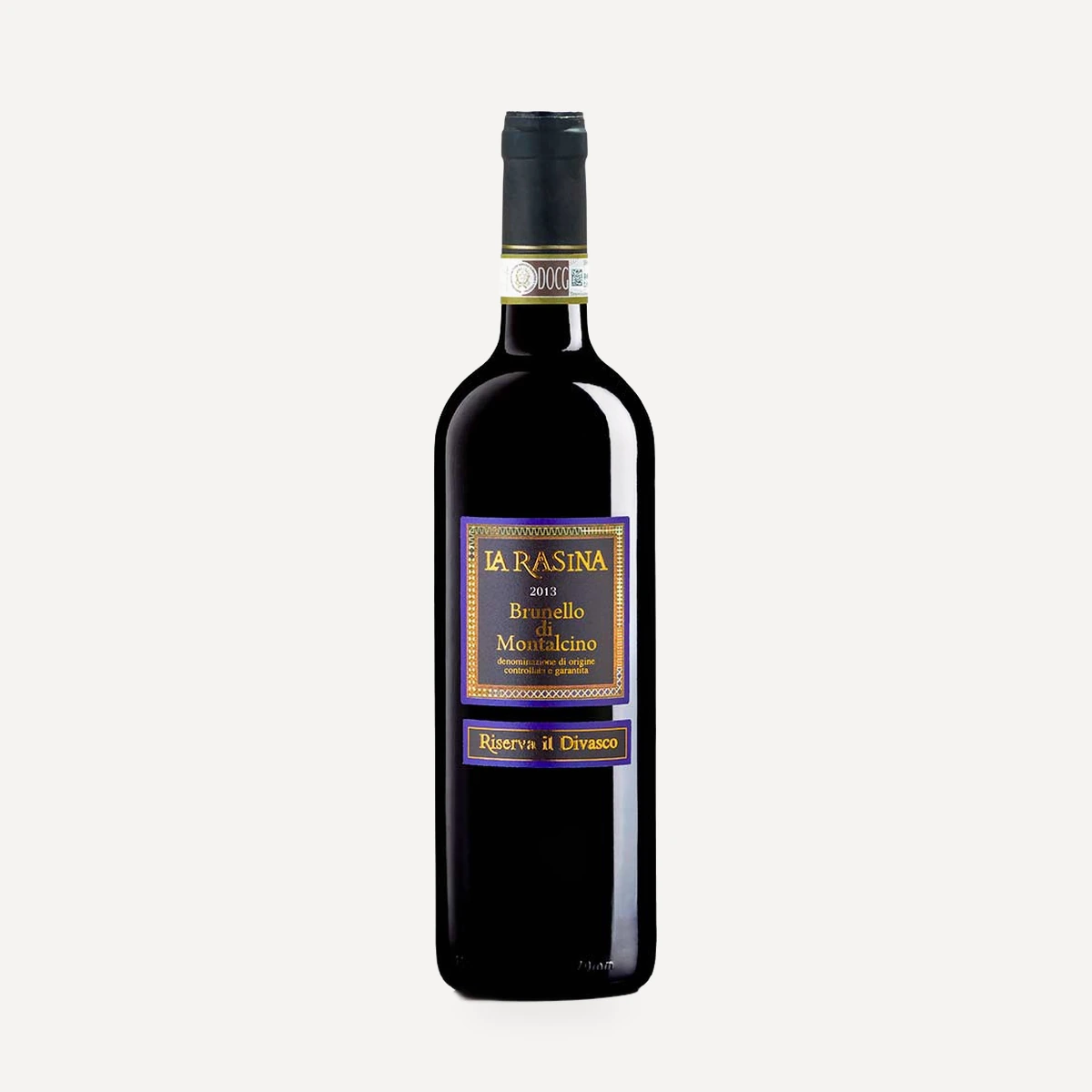
Brunello di Montalcino Riserva Il Di Vasco
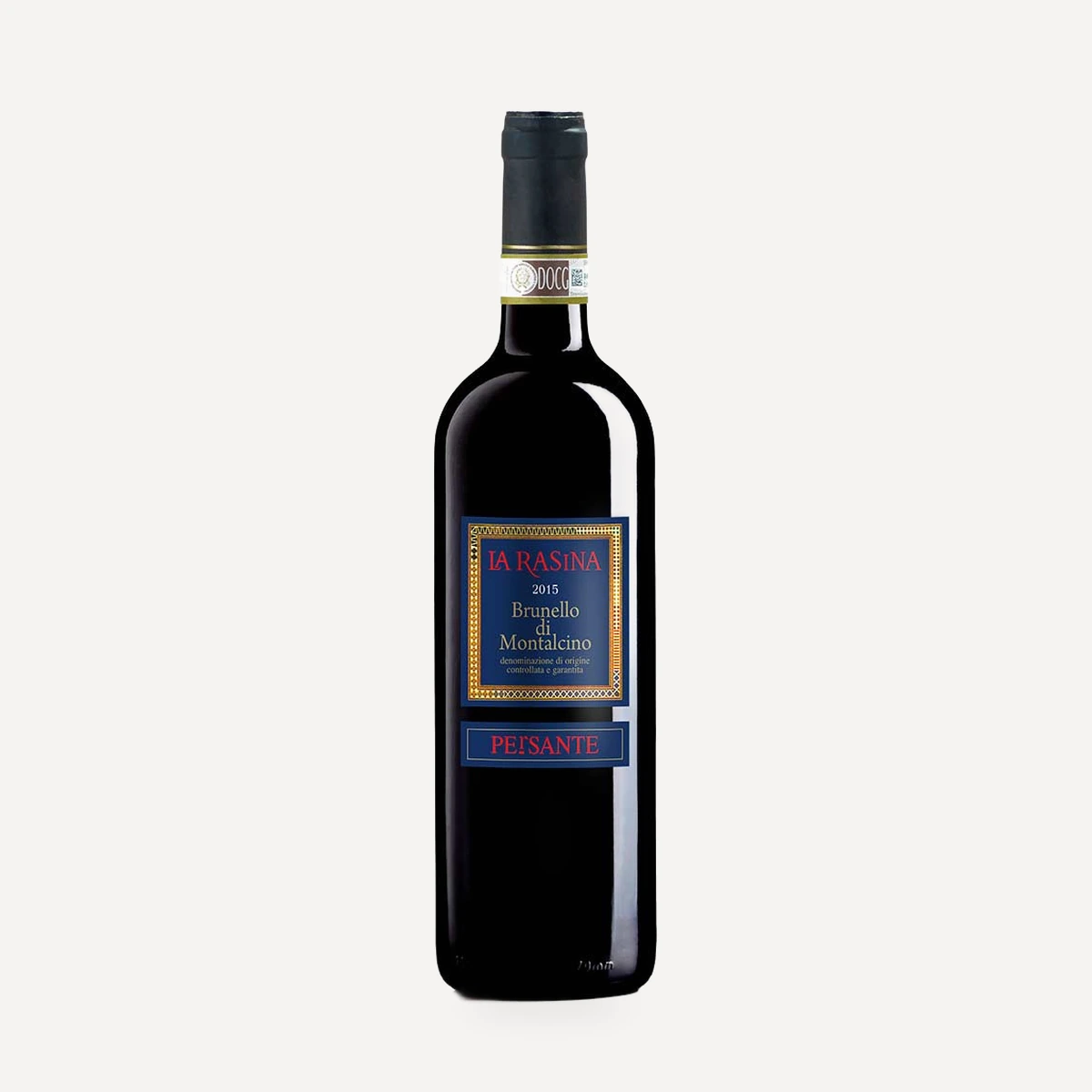
Brunello di Montalcino Persante
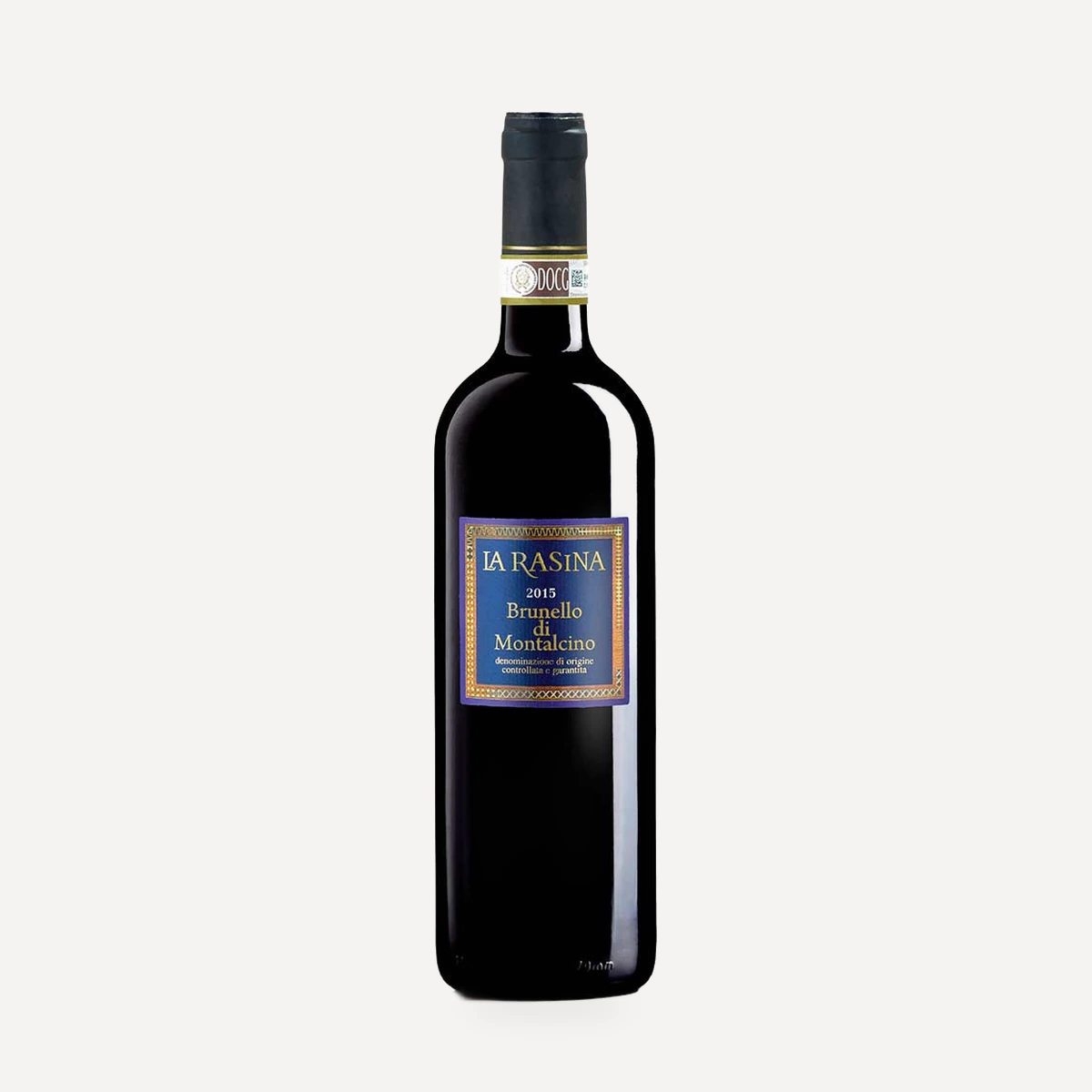
Brunello di Montalcino
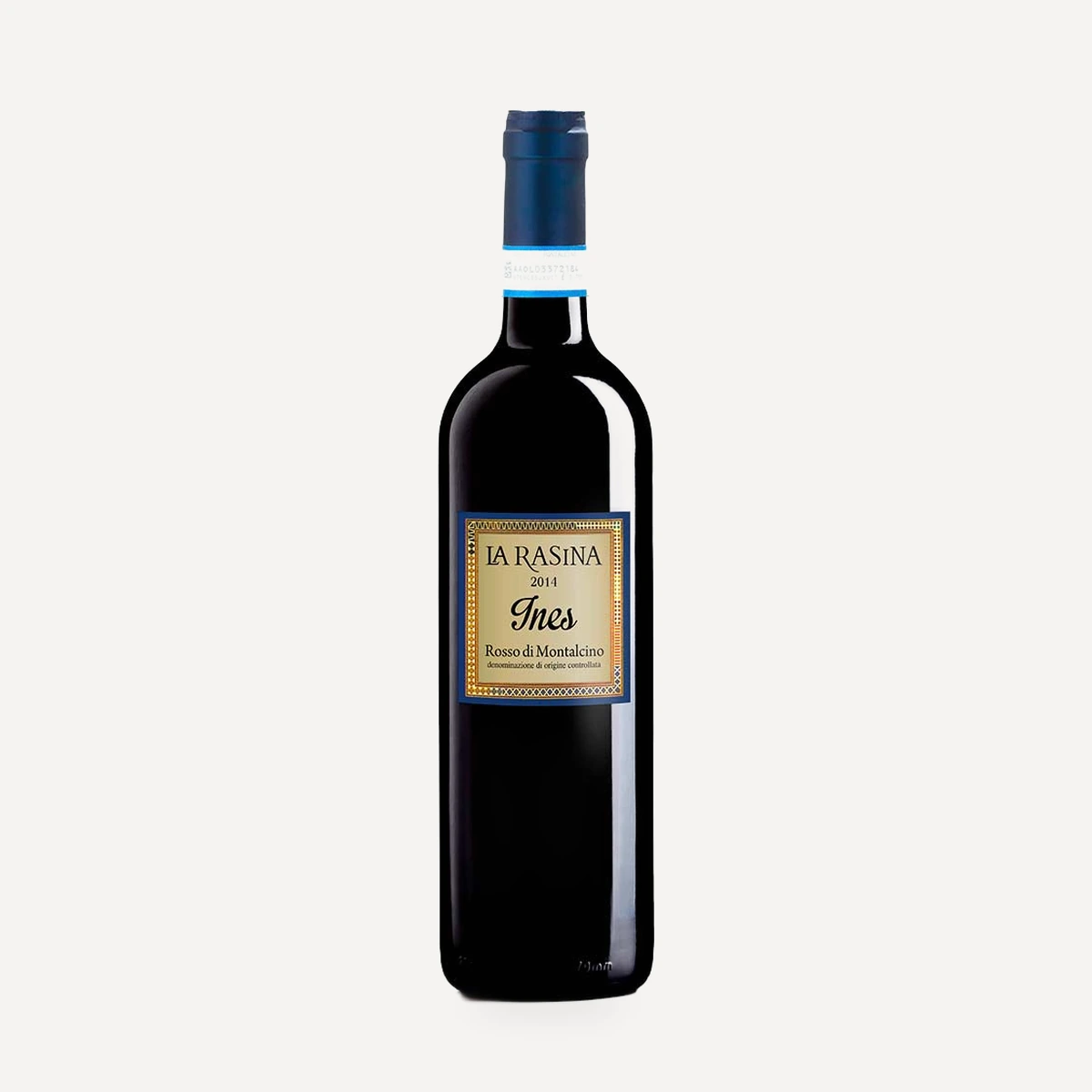
Rosso di Montalcino Ines
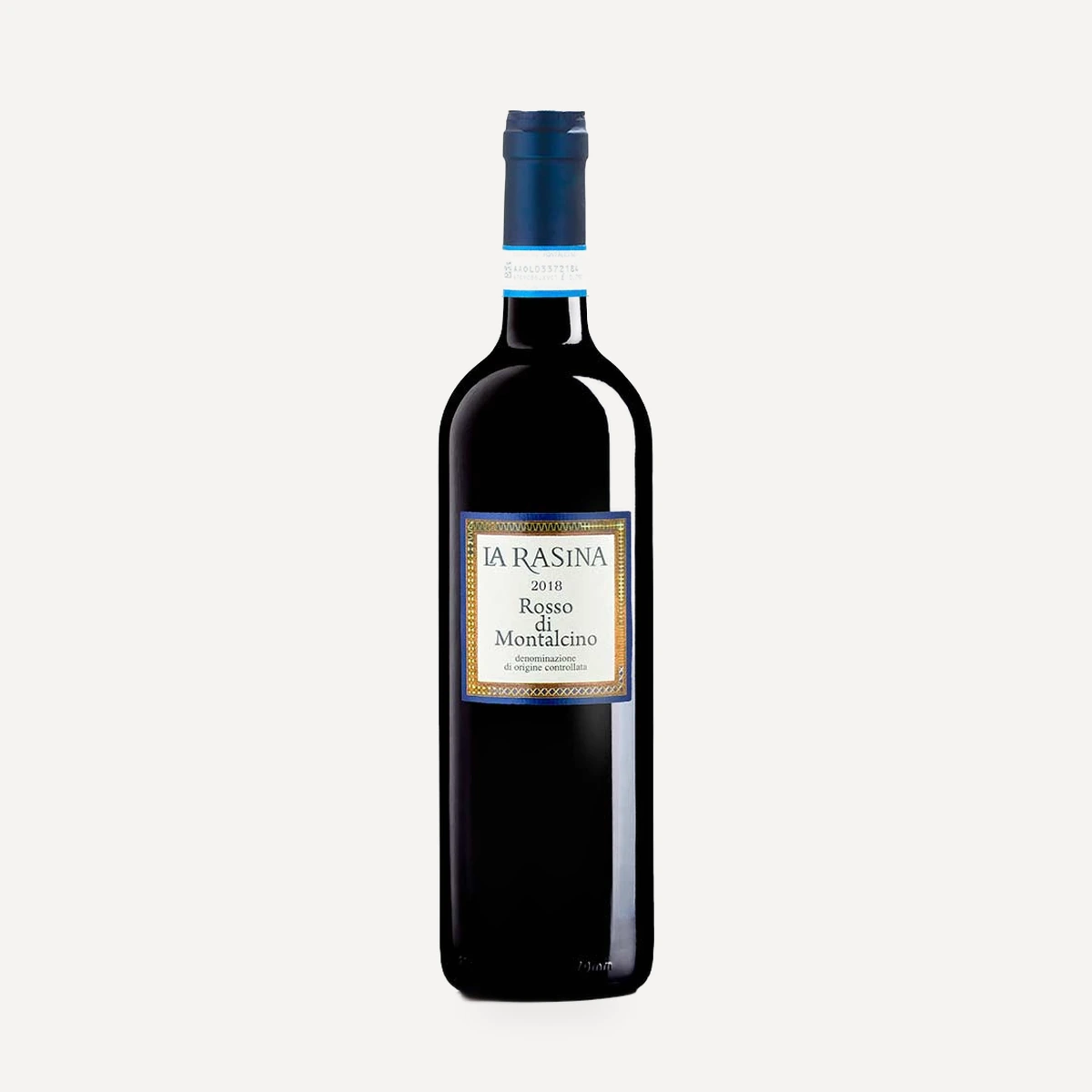
Rosso di Montalcino