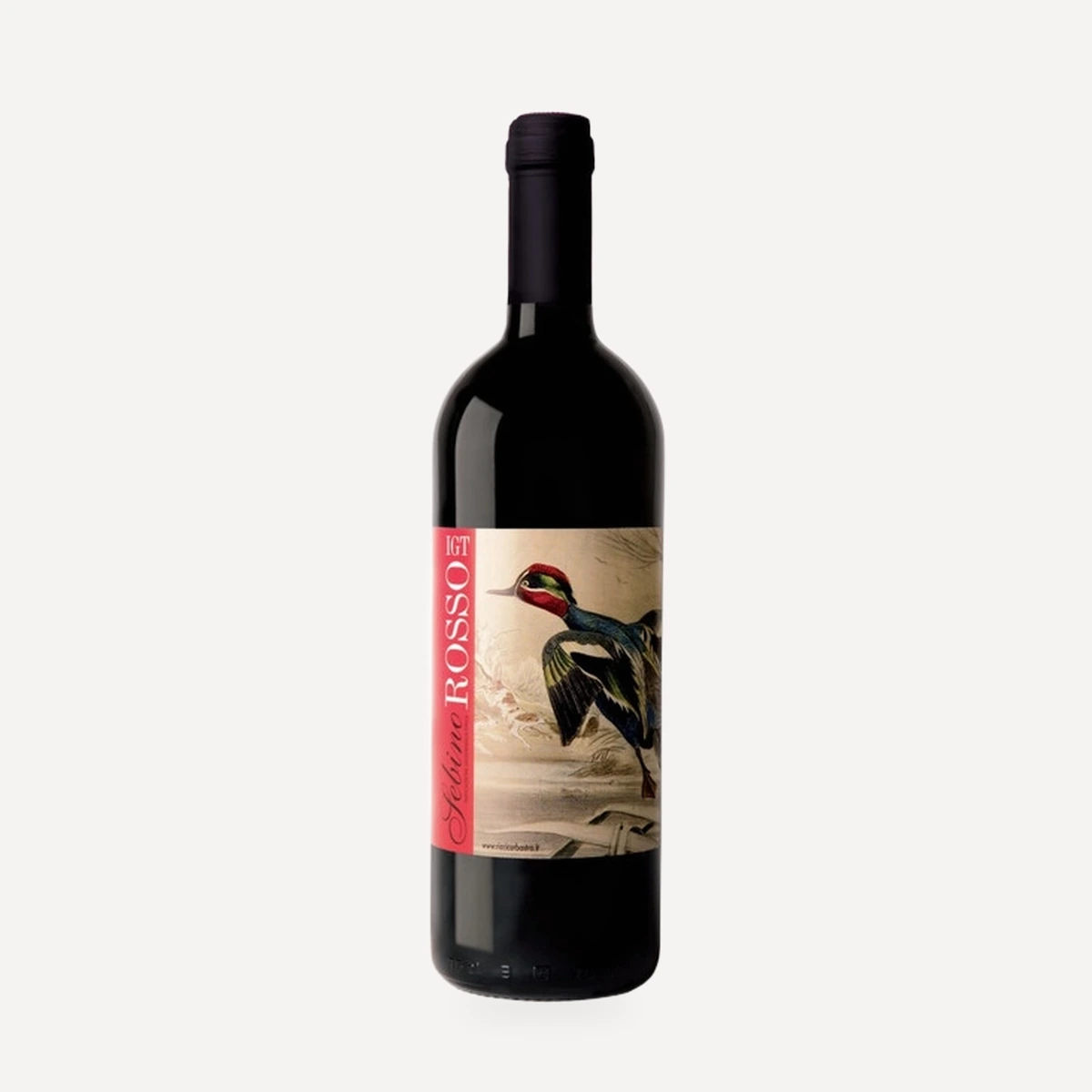
History
Six centuries of agricultural continuity
The Ricci Curbastro family traces its agricultural continuity through eighteen generations. Pietro Ricci Curbastro, born in Romagna in 1380, was perhaps the first member of the family born there after exile from Florence during the conflicts between Guelphs and Ghibellines. The family later established agricultural interests in both Romagna and Lombardy.
The Capriolo estate is also rooted in the history of the Lantieri de’ Paratico family. Its historic archive combines the records of the Ricci Curbastro agricultural holdings in Romagna with those of the Lantieri de’ Paratico agricultural and wine properties in Franciacorta.
Nineteenth-century cellar and vineyards
A dated stave from a barrel built for the cellar in 1814 survives in the agricultural and wine museum, establishing the existence of wine-cellar activity by that year. Production records from the second half of the nineteenth century show that viticulture was already economically important at Capriolo. Between the late 1870s and the end of the century, average grape production was about 570 quintals per year, reaching 1,200 quintals in both 1883 and 1888.
An estate label dated 1885 records production from the Colzano di Capriolo vineyard. This year is also the date under which the business is entered in Unioncamere’s register of historic Italian enterprises.
The estate’s historic farm buildings were erected in 1870 to designs by architect Antonio Tagliaferri. They now house the Museo Agricolo e del Vino.
Phylloxera began destroying the vineyards in 1895 and eventually eliminated the existing plantings. In 1905, the estate created an experimental vineyard to compare American rootstocks and their crosses under field conditions, anticipating the reconstruction of the vineyards. The Consorzio Antifillosserico Bresciano subsequently published Franciacorta’s first soil-study map in 1908, identifying suitable rootstocks for the affected land.
War, reconstruction and the 1946 winery
Earlier reserves were lost during the Second World War, making the bottles produced in 1946 the oldest preserved in the estate collection. That same year Riccardo Ricci Curbastro and his wife Evelina Lantieri de’ Paratico built a new winery at Capriolo. Riccardo, who had left active military service after the institutional referendum, introduced agricultural innovations including the new cellar and a sprinkler-irrigation system considered advanced for its time.
The 1946 cellar covered roughly 100 m². Successive extensions eventually created an underground complex of more than 2,500 m², descending to a depth of 15 metres.
Gualberto Ricci Curbastro and modern Franciacorta
Gualberto Ricci Curbastro, born in 1932, initially pursued a legal and aviation career. After graduating in law at 23, he joined Alitalia and worked on international agreements and the opening of routes and commercial airports. His agricultural connection continued, however, and in 1967 he became one of the eleven producers who created the Franciacorta DOC. At its recognition, the denomination comprised eleven producers, 29 hectares of vineyards and approximately 2,000 hectolitres of Pinot di Franciacorta, making it the fifth Italian denomination to receive recognition.
In 1969 Gualberto left Alitalia to manage the family properties in Franciacorta and Romagna full-time. The Capriolo estate increasingly specialized in viticulture: its vineyard surface grew from 2.30 hectares in 1968 to 4.90 hectares in 1979, 8 hectares in 1990, 16.50 hectares in 2000 and 26 hectares in 2010.
His son Riccardo joined the agricultural business in 1978. In that year father and son enlarged the winery to three times its former size. Riccardo took responsibility for administration, production and marketing and later succeeded his father as head of the estate.
Museum and denomination leadership
Gualberto began collecting obsolete agricultural implements decades before the collection was formally opened. On 12 July 1986 he inaugurated the first room of the Museo Agricolo e del Vino Ricci Curbastro. The museum was conceived as a record of the farming culture of Franciacorta within a working winery and has continued to expand.
The voluntary Consorzio per la tutela del Franciacorta was created in 1990, with Riccardo Ricci Curbastro appointed vice-president. He became president in 1993 and remained in that position through 1999. In 1995 Franciacorta became the first Italian wine produced exclusively by bottle refermentation to receive DOCG status. Curtefranca DOC and Sebino IGT were established for still wines.
Expansion, research and environmental transition
In 1990 the estate decided to expand its black-grape plantings. French Cabernet Franc material revealed marked differences from the variety traditionally grown locally under that name. Genetic work eventually established that much of the historic northern Italian material was Carmenère. Beginning in 1999, the estate planted high-density vineyards using propagation material from an ungrafted pre-phylloxera vine at Capriolo and from a vineyard more than fifty years old in Erbusco. Further Italian Cabernet Franc/Carmenère clonal plantings followed between 2001 and 2003. Carmenère was formally admitted to the Curtefranca Rosso DOC rules in 2008.
Gualberto and Riccardo enlarged the cellar again in 2001, bringing it to approximately twenty-five times the size of the 1946 building. A solar-energy program began in 2002. The completion of three installations in 2008 made the estate electrically self-sufficient. A comprehensive LED-lighting conversion in 2010 reduced lighting demand from 6,000 W to 1,400 W.
Research into prolonged maturation of Franciacorta base wines on their fine lees began in the mid-1990s. An experimental technique introduced around 2000 stored base wine in a reductive environment to preserve freshness while drawing compounds naturally from the lees. The Ministry of Agriculture authorized a five-year trial in 2010, protocol 2321 of 9 March 2010, involving maturation in sealed magnums. The experiment was renewed in successive five-year periods.
The Museum Release identity was created in 2010 for special Franciacorta lots disgorged after ten to twelve years on the lees. Its initials connect the museum with the estate’s practice of extended cellar maturation.
The estate planted its experimental PIWI vineyard outside Capriolo in 2012. The project combined disease-resistant grape research, chemical-treatment reduction, restoration of a traditional hedged landscape and outdoor education. Grapes from 2014 and 2015 were used in internal vinification trials, leading to the first commercial wine from the project in 2016.
The first UNI ISO 14064-1:2006 carbon-footprint certification was issued on 1 February 2013. Calculations produced net averages of −1.907 kg CO₂-equivalent per bottle sold for 2010 and −2.599 kg for 2011; the latter corresponded to sequestration comparable to more than 5,000 trees or approximately 18 hectares of woodland.
Gualberto Ricci Curbastro died at Capriolo in 2013, aged 81. Riccardo continued the estate and was joined by his sons: Gualberto entered the business in 2016, concentrating on Italian and international markets, and Filippo began working at Capriolo in December 2020 before formally joining the management in 2021.
Organic certification and Benefit Company status
Conversion of the entire estate to organic farming began in 2015. The first harvest of entirely organic Franciacorta grapes took place in 2018, after the principal vineyards completed the three-year conversion on 1 August. Vigna Santella del Gröm completed its own conversion on 1 August 2019.
In 2017 Ricci Curbastro became the first Lombardy winery—and one of the first nine Italian wineries—to achieve Equalitas SOPD certification as a sustainable organization. Annual sustainability reporting followed. The physical reorganization and scientific cataloguing of the family archive and library began in 2020, and the museum joined Museimpresa in 2021.
On 1 March 2023, formalized through a statutory amendment recorded by notary Paolo Cherubini, Azienda Agricola Gualberto Ricci Curbastro e Figli became a Società Benefit. Its corporate purposes now formally include continuous improvement in environmental, social and economic sustainability, with specific attention to climate, water, biodiversity, workers, communities and long-term resilience.
In spring 2024 a new approximately one-hectare Chardonnay vineyard was planted at Bosco Basso using M1 and, principally, drought-resistant M2 and M4 rootstocks. In May 2024 the revised Franciacorta production rules incorporated the estate’s long-running experiment: base wines may now be kept on their fine lees in bottles holding up to nine litres, then opened for blending and subsequent prise de mousse. The experimental practice thereby passed into the denomination’s authorized production framework.
Terroir
The estate lies at Capriolo in western Franciacorta, close to the Oglio River and within reach of Lake Iseo. Franciacorta is bounded by the rocky and morainic foothills of the Alps to the east, the Oglio to the west, Lake Iseo to the north and the upper Po Plain to the south.
The 32 hectares of vines occupy four of Franciacorta’s six identified vocational units, deliberately broadening the range of soils available for blending.
Approximately 79.43% of the vineyard surface lies on fluvio-glacial ground around Bosco Alto and Bosco Basso at Capriolo. These moderately deep sandy-loam soils are limited by gravelly-sandy substrates. They provide good drainage and productivity, medium-to-late ripening and base wines of medium complexity. This contiguous Capriolo nucleus forms the structural core of the estate’s Franciacorta style.
About 13%—roughly 4 hectares—lies on thin morainic soils in Iseo and Clusane near Lake Iseo. The soils are shallow over sandy-silty substrate, limiting vegetative and productive potential. They produce fewer, lighter bunches and ripen earlier, with higher sugar and pH levels; the resulting base wines have greater complexity.
Approximately 4.29–4.5% is at Colzano in Capriolo, within the fine-deposit unit. Deep, predominantly silty-clay soils with little or no coarse material drain more slowly. Their potentially higher productivity is associated with late ripening, lower sugar, high acidity and persistent floral profiles.
The remaining 3.28%, about 1 hectare beside the winery, belongs to the distal-colluvium unit. Its deep loam soils contain little coarse material and give relatively high productivity, low pH and floral wines of medium complexity.
Across Villa Alta, Piana Marini and Bosco Basso, soil analysis found sandy-loam texture, abundant organic matter and a favourable carbon-to-nitrogen ratio. DNA metabarcoding research identified diverse communities of arthropods and annelids and generally good biological soil quality; differences among the three sites were linked chiefly to soil moisture.
Winemaking
Organic and sustainable viticulture developed from impact-reduction measures begun in the 1980s. Agro-environmental practices were formalized under Regulation EC 2078/92 and its successor, Regulation EC 1257/1999. Full organic conversion began in 2015; the first wholly organic Franciacorta harvest followed in 2018, and the last separately converting vineyard, Santella del Gröm, completed the process in 2019.
Herbicides have not been used for more than twenty-five years. The vine rows are grassed to limit cultivation, erosion and runoff and to return humus through mowing. Under-vine vegetation is managed mechanically with blades, discs and small ploughs. Fertilization follows soil analysis and the actual requirements of each vineyard. Treatments against downy and powdery mildew rely on a restricted group of permitted mineral products and are timed using information from the estate weather station rather than a fixed calendar.
The standard training system is simple Guyot with 10–12 buds per vine. Canopy combing and trimming are used to improve the bunch-zone microclimate and treatment placement. During the exceptionally wet 2024 season, protection began in the second ten days of April; repeated rainfall and prolonged leaf wetness required close monitoring and prompt replacement of washed-off treatments. Disease monitoring extends to downy mildew, powdery mildew, botrytis, wood diseases, flavescence dorée and bois noir. Franciacorta consortium monitoring of insect populations complements vineyard observation.
The 2024 Franciacorta vineyard composition was 58.15% Chardonnay, 25.44% Pinot Nero, 15.50% Pinot Bianco and 0.91% Erbamat. The estate maintains higher proportions of Pinot Nero and Pinot Bianco than the denomination average, while Erbamat represents a newer research project.
A principal vineyard block of approximately 20 ha is contiguous, reducing machinery and personnel movements. Recent acquisitions and plantings have nevertheless been selected to increase soil diversity across four vocational units. The estate cultivates approximately 150,000 vines over 32 ha.
Biodiversity work includes permanent grass, uncultivated areas, woodland patches, hedges and lines of hawthorn, dogwood, viburnum, mulberry, oak and chestnut. Between 2012 and 2024, 813 trees and shrubs were planted. Hedges reached 1,250 metres, while hedges and small woods occupied almost 10,000 m², about 3% of the estate. Seedlings raised from the estate’s centuries-old English oak and elm were prepared for further planting.
Artificial nest boxes attract insectivorous birds including great tits and redstarts. Under the Le Tre Vite dell’Albero project, retired French-oak barrel staves are made into boxes by prisoners at Alessandria’s Cantiello e Gaeta institution. Thirty-six were installed in the Franciacorta vineyards; occupancy rose from nine boxes, or 26.5%, in 2023 to twenty-one boxes, or 62%, in 2024.
Soil-biodiversity work with the University of Brescia uses DNA metabarcoding to characterize invertebrate communities and calculate taxa-richness, Shannon and Simpson indices. Remote sensing and artificial intelligence are also being developed to map herbaceous plant communities and guide agronomic management. Water-footprint analysis finds vineyard irrigation marginal because of the vineyards’ climatic and soil conditions.
All estate wines are vinified in the property cellar, and all bottled production carries Franciacorta DOCG, Curtefranca DOC or Sebino IGT designation. The cellar is built underground within a centuries-old park. Successive extensions developed the original approximately 100 m² structure into more than 2,500 m² on three levels, descending to 15 metres. Grapes are selected before presses are loaded by gravity, preserving the integrity of the hand-harvested bunches.
Franciacorta base wines undergo their first fermentation in temperature-controlled stainless steel or oak barrels. In the spring after harvest, the wines are bottled with yeast and sugar for secondary fermentation according to the Franciacorta method. Long maturation in contact with the lees precedes disgorgement and the addition of dosage syrup. Every current Franciacorta remains in the cellar longer than the denomination minimum; Museum Release lots spend more than ten years, commonly ten to twelve years, on the lees before disgorgement.
Since the mid-1990s, selected Chardonnay and Pinot Nero base wines have been held in stainless-steel vessels or barriques in a reductive environment on their fine lees. These reserve components generally make up 10–15% of vintage Franciacorta cuvées. Coarse lees are separated promptly, while fine lees supply nucleotides, fatty acids, amino acids, peptides, polysaccharides and mannoproteins through natural yeast autolysis. These compounds support sensory integration and resistance to tartrate, protein and colour instability.
Trials in oak barriques and 5 hl stainless-steel vessels for periods exceeding one year revealed oxidative changes. Protective sulphur dioxide could limit those changes but also partially inhibit aromatic development from yeast lysis. The operational solution was storage in 1.5-litre magnums sealed with stainless crown caps, providing an inert environment, a high wine-to-lees contact area and reliable closure for several years while allowing very low SO₂ levels. The trial began in spring 2010 under ministerial authorization and was renewed every five years. Since May 2024, Franciacorta rules permit suitable base wines to be stored on fine lees in bottles up to 9 litres, then opened for blending and subsequent prise de mousse.
Curtefranca Bianco is based on Chardonnay and Pinot Bianco. Curtefranca Rosso uses Carmenère, Cabernet Franc, Merlot, Cabernet Sauvignon and Barbera. The registered Vigna Bosco Alto and Vigna Santella del Gröm wines derive from separately selected single-vineyard grapes. For Carmenère, grapes are destemmed directly above the vat so that the crushed fruit falls by gravity, a practice intended to moderate excessive vegetal character.
The cellar has produced solar electricity since 2002. Three photovoltaic installations established electrical self-sufficiency, while LED conversion reduced lighting demand by 77%. The low heat output and absence of ultraviolet radiation help preserve the naturally cool underground environment and protect bottles during long maturation. Water use is concentrated in washing and sanitation during cellar and bottling operations and is monitored through Equalitas water-footprint analysis. Paper, cardboard, glass, plastics, iron, aluminium and cork are separated for recycling; used cork is returned for conversion into insulating panels.
Philosophy
Ricci Curbastro defines continuity as a succession of successful innovations that become tradition from one generation to the next. Historical identity, family continuity and agricultural tradition are therefore treated as instruments for addressing the future rather than as static inheritance.
The stated objective is to combine environmental respect, territorial and human value, research, wine quality and economic resilience. Sustainable practice is understood as protecting future resources without subordinating the intended oenological result: the estate’s formulation gives equal weight to securing today’s wine quality and avoiding damage to tomorrow.
Time is treated as a principal component of the house style. Extended cellar maturation, the high proportion of vintage Franciacorta and research into natural extraction from fine lees are intended to develop aromatic integration, freshness and ageing capacity without depending on added exogenous yeast derivatives.
The Società Benefit statute formalizes responsibility toward people, communities, territory, the environment, cultural and social assets, associations and other stakeholders. Its common-benefit purposes include reducing impacts on climate, water and biodiversity; supporting worker welfare and local communities; and maintaining the estate’s economic resilience.
Family memory is integrated with present production through the museum, archive and library. These institutions preserve agricultural knowledge while supporting education, staff identity and the relationship between wine production and the cultural history of Franciacorta.
Wines
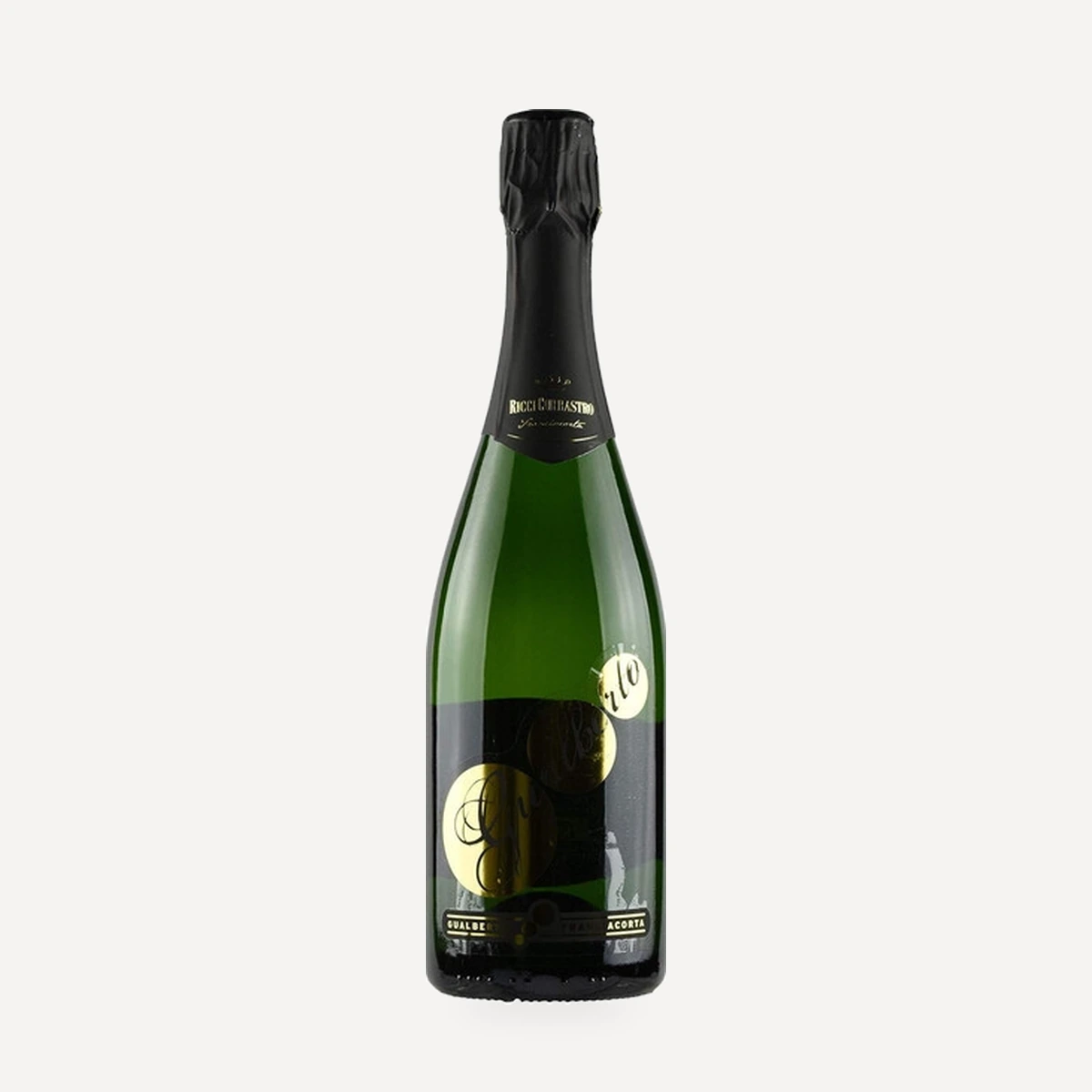
Franciacorta Dosaggio Zero Gualberto
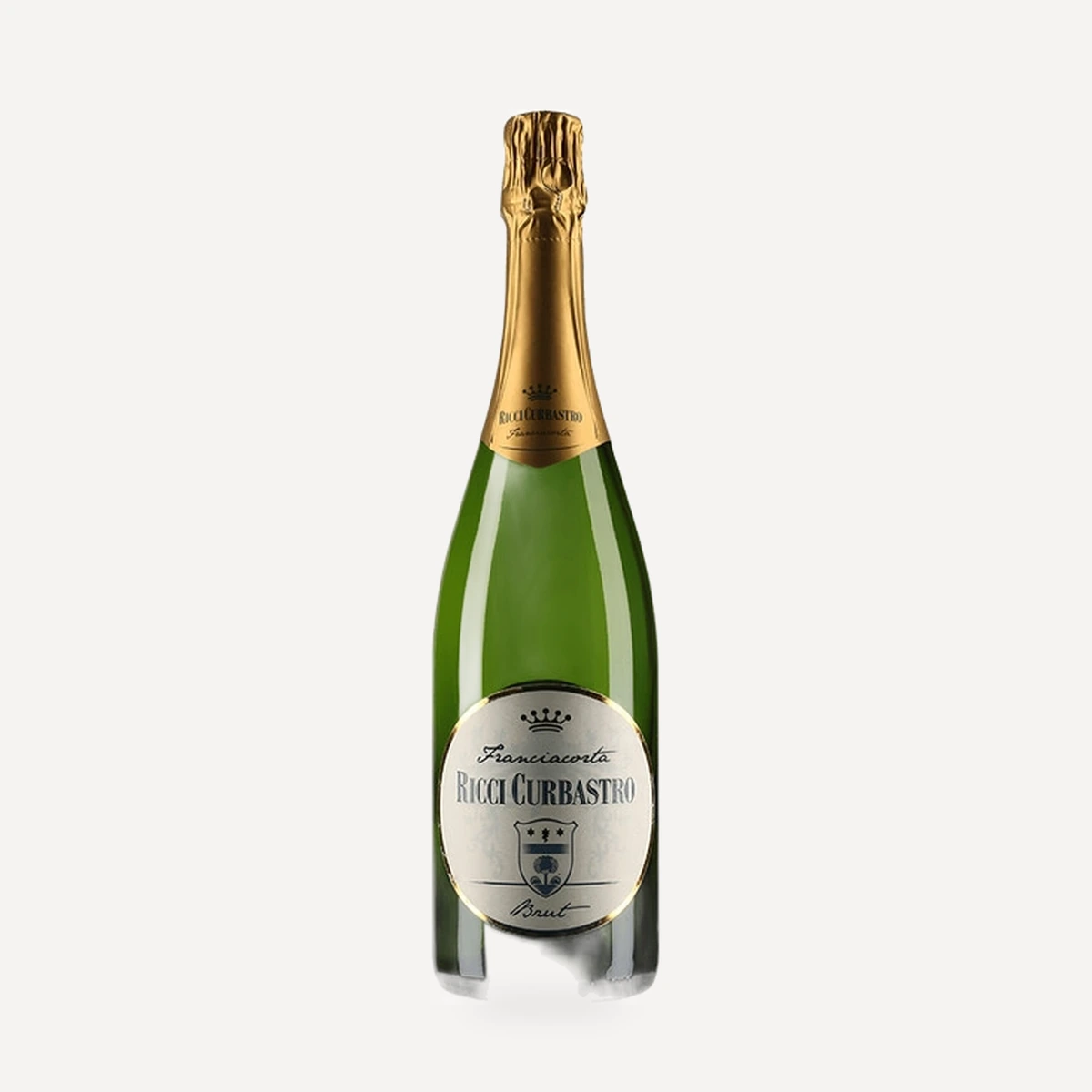
Franciacorta Brut
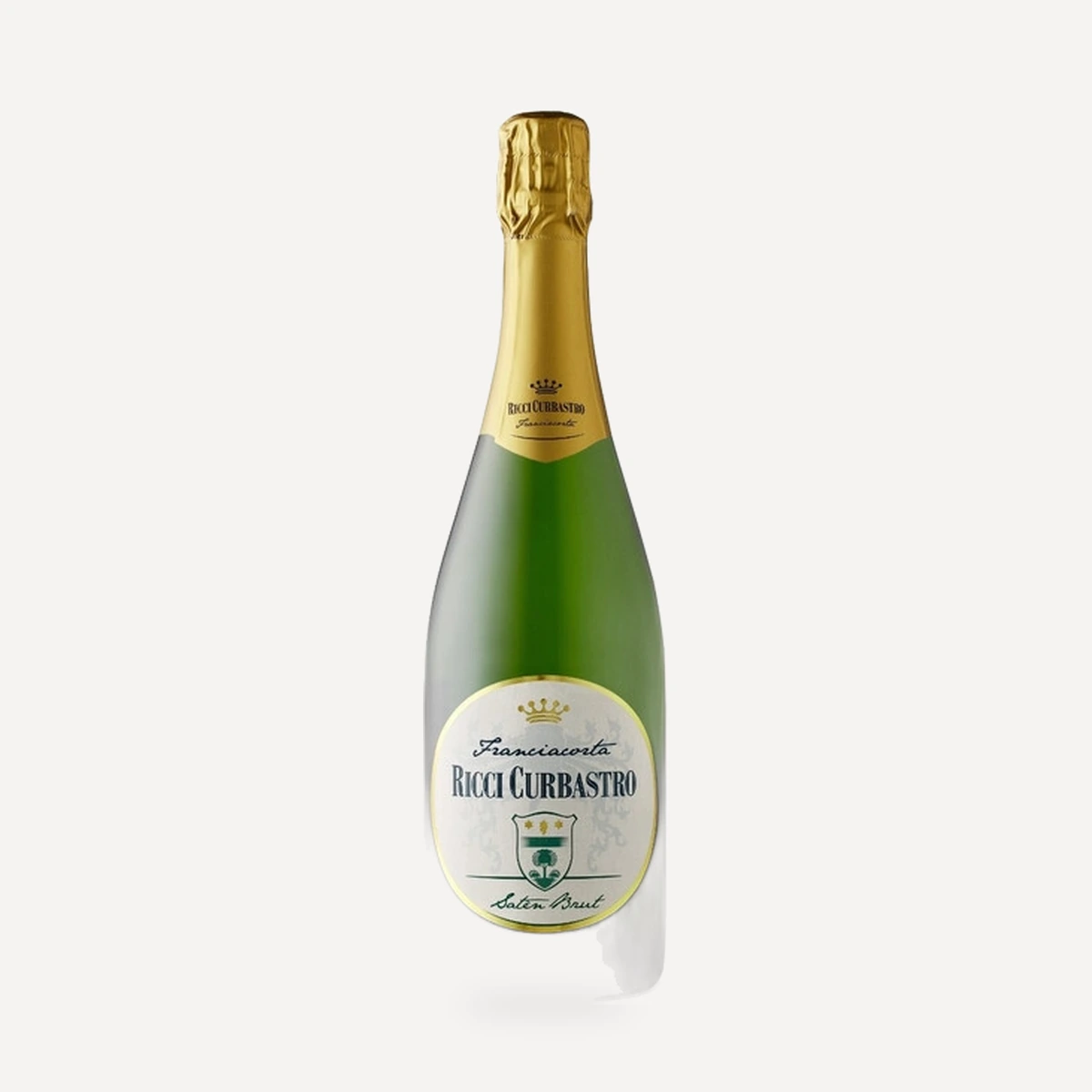
Franciacorta Satèn Brut
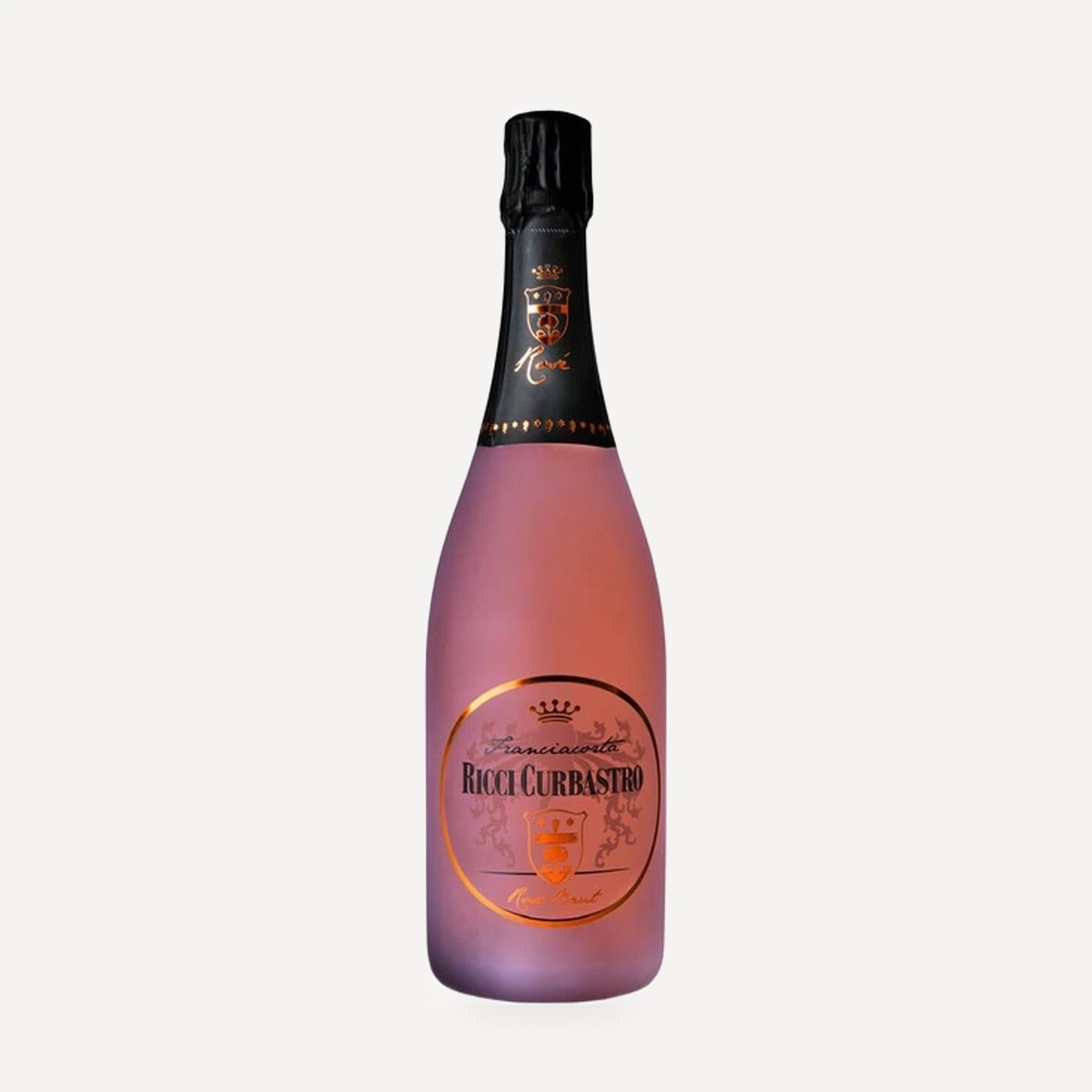
Franciacorta Rosé Brut
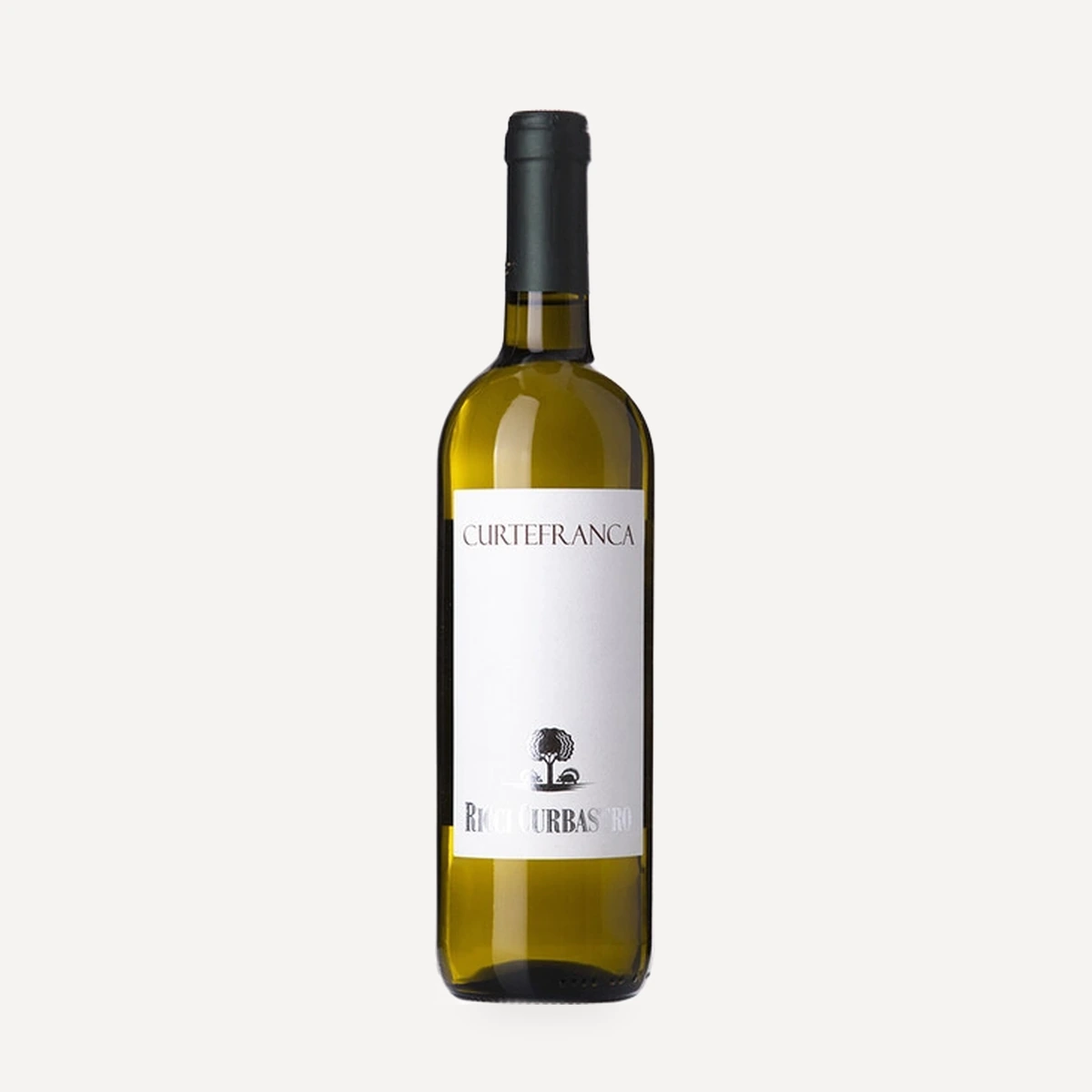
Curtefranca Bianco DOC
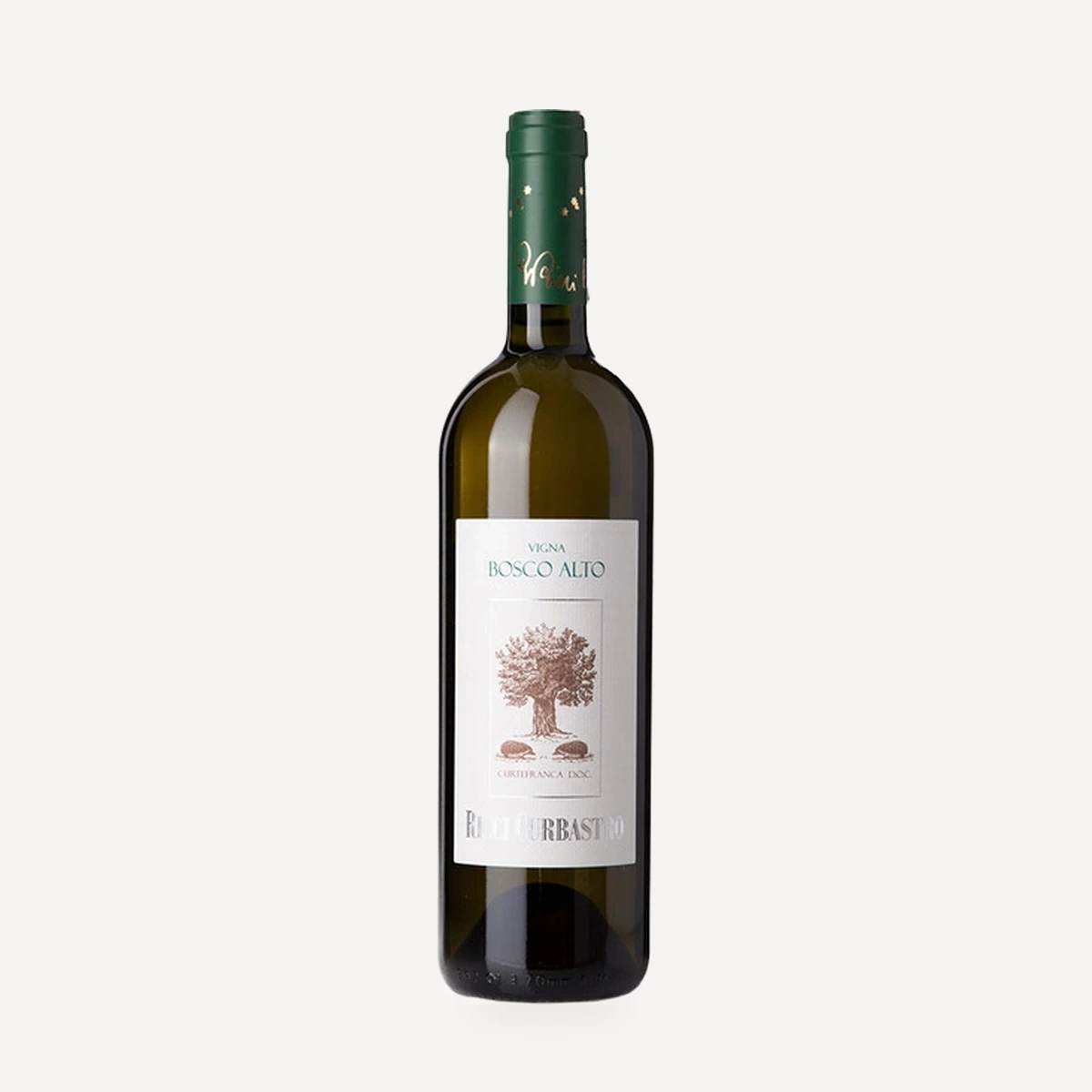
Curtefranca Bianco Vigna Bosco Alto DOC
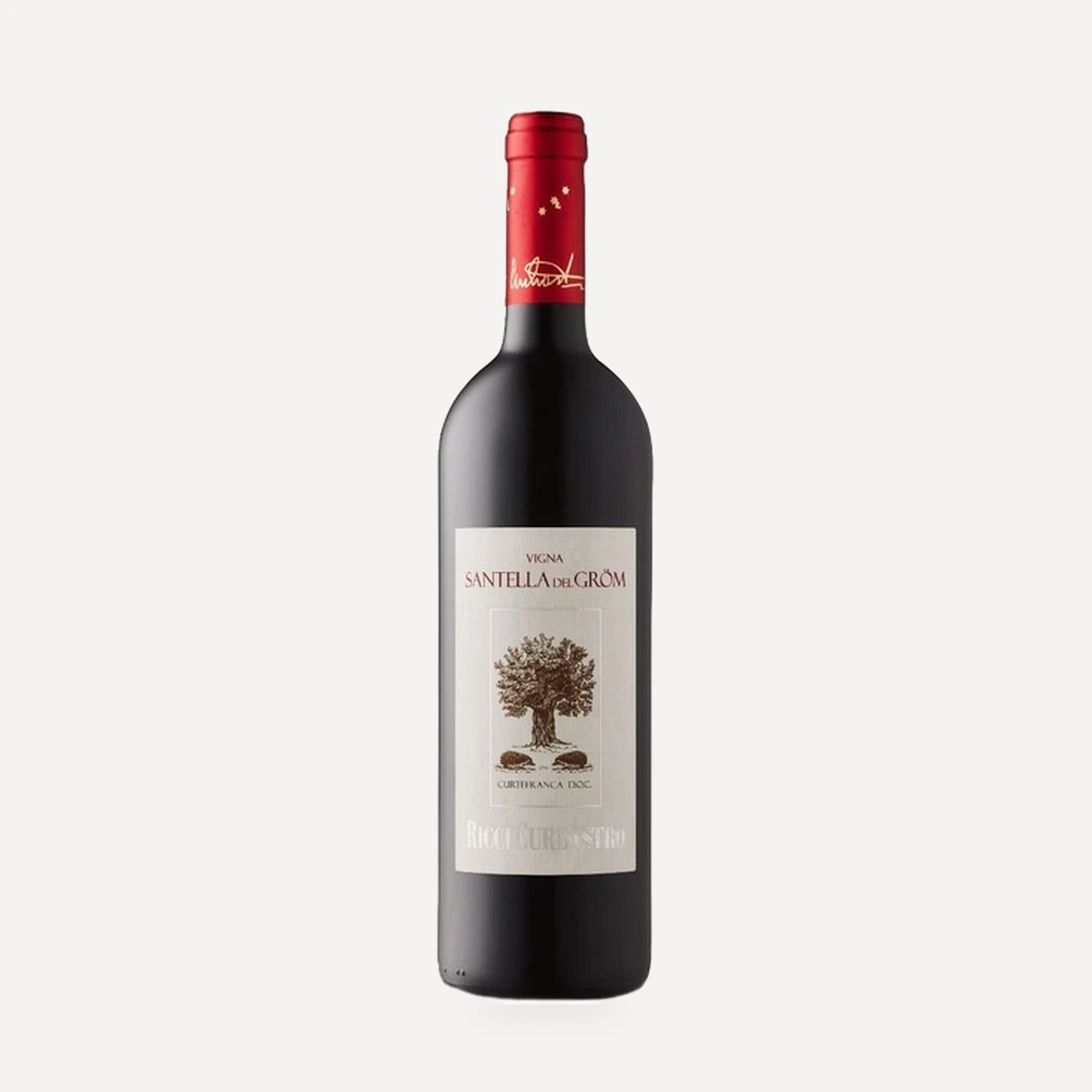
Curtefranca Rosso Vigna Santella del Gröm DOC
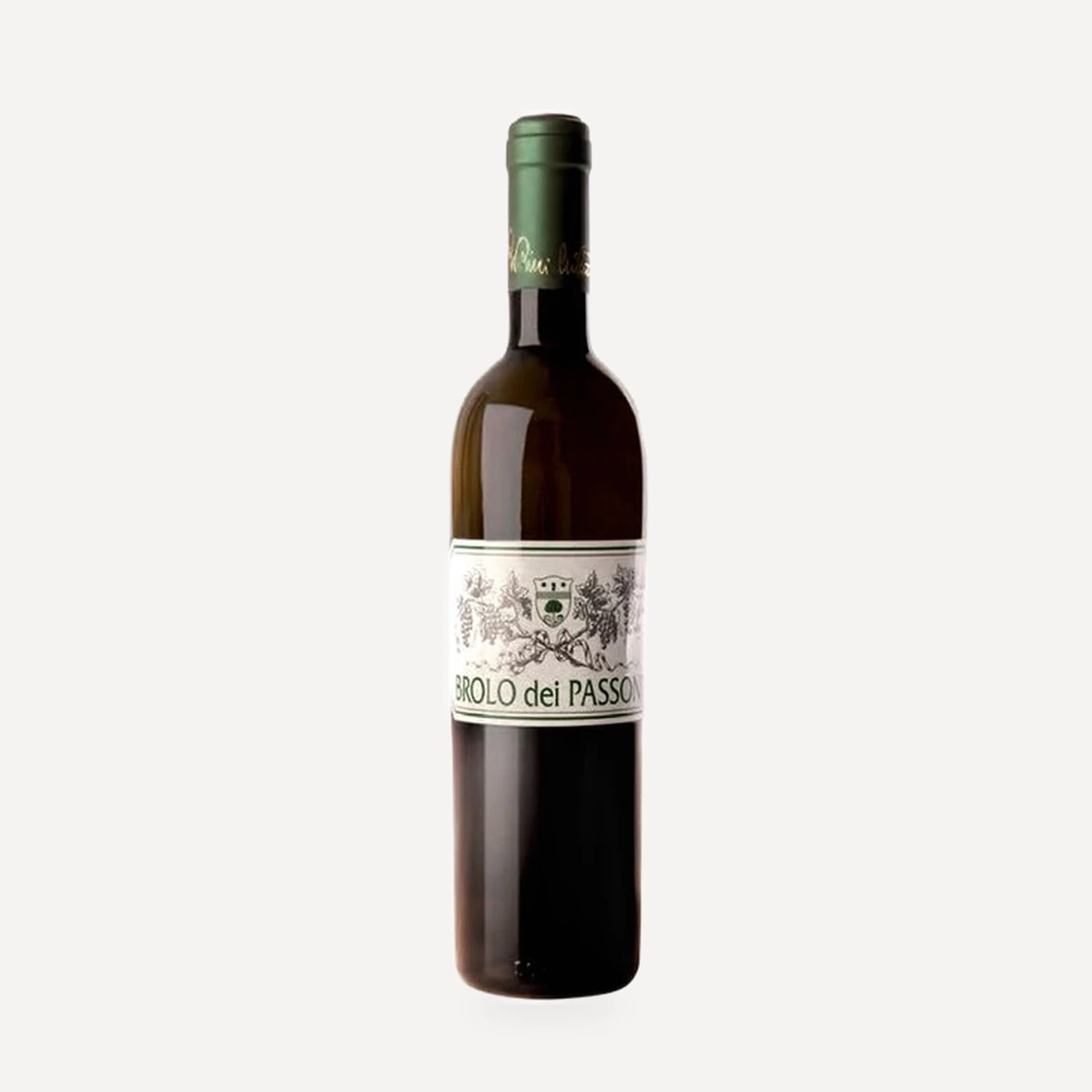
Chardonnay Passito Sebino Brolo dei Passoni IGT
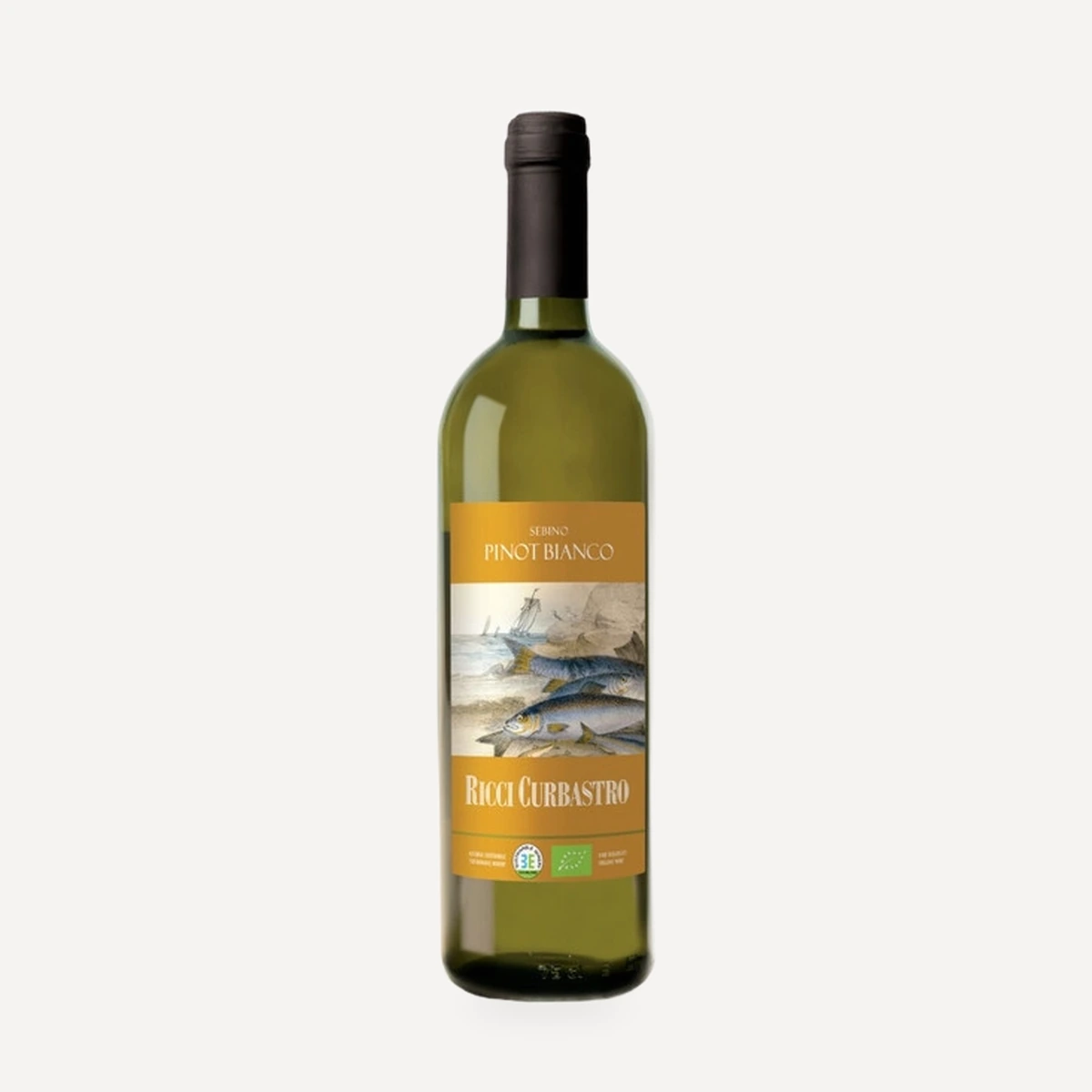
Sebino Pinot Bianco Biologico IGT