History
A wine project in the Todi countryside
Roccafiore developed around the idea of making wine the driving force of a cultivated landscape. Leonardo Baccarelli describes the land as more than agricultural soil: it is the basis for development guided by beauty, harmony and respect for the surrounding community. The vineyards form a single 15-hectare block around the Wine Resort and have been farmed according to organic and sustainable principles from the beginning, combining a rational approach with meticulous manual work.
The estate sits within a landscape shaped by a centuries-old agricultural tradition. Vineyards, olive groves and arable fields alternate across rolling, partly wooded hills, while numerous stone buildings preserve evidence of the area's rural past.
Renewable energy and landscape restoration
Roccafiore was among the early Italian wine estates to adopt photovoltaic power. Its photovoltaic installation produces electricity for the property while avoiding approximately 90,000 kg of CO₂ emissions per year.
Beginning in 2016, the estate undertook a substantial reshaping of its landscape through nature-based engineering. The intervention included reforestation intended to respect and strengthen biodiversity while absorbing and offsetting emissions associated with the estate's activities.
2025
In March 2025, a 1 MWh agrivoltaic installation entered operation within the agricultural estate. It participates in an energy community so that the benefits of renewable-energy production can be shared locally. An electric-vehicle charging point also operates in the resort car park.
Terroir
Cantina Roccafiore lies in the countryside near Todi, in Umbria. The setting is a system of gently rolling hills, many of them wooded, where vineyards alternate with olive groves and arable fields. Numerous stone buildings reflect the area's centuries-old agricultural tradition.
The estate is framed by the gentle profile of the Monti Martani on one side and the medieval skyline of Todi on the other. Elongated plateaus are a defining feature of the local landscape and permit the free movement of wind across the property. Around the resort, the vineyards descend the slope through small terraces. Long rows of vines and olive trees also surround the Wine Chalet, which stands within an oak wood.
Winemaking
The 15-hectare vineyard is managed as a single contiguous unit around the Wine Resort. Cultivation has followed organic and sustainable principles from the beginning. The approach is described as both organic and rational, with meticulous manual work used to maintain grape health and quality.
The vineyard belongs to a broader 90-hectare agricultural environment comprising olive groves, arable fields, legumes, cereals, orchards and a botanical garden. The orchards include hazelnut, cherry, orange, lemon, peach, apple and pomegranate trees, while the garden contains medicinal and aromatic plants. This mixture of crops is intended to preserve the estate as a biodiversity reserve.
A small herd of Cinta Senese pigs is raised outdoors and fed with by-products from agricultural production. Since 2016, landscape remodelling and reforestation have added a further ecological component, with nature-based engineering used to reinforce biodiversity and absorb carbon dioxide. The long-term aim is to pass on an estate and surrounding territory that retain their natural and human resources.
Philosophy
Roccafiore's philosophy places wine at the centre of a cultivated landscape rather than treating the vineyard as an isolated production site. In Leonardo Baccarelli's vision, land is the inspiration for development guided by beauty, harmony and respect for the community. The quality of the fruit is understood as a consequence of the balance of the entire place.
Environmental quality is treated as a productive factor alongside the land, climate, grape varieties and farming choices. Organic cultivation, manual work, mixed agriculture, reforestation and renewable energy are parts of the same effort to produce in harmony with the environment. The stated long-term purpose is to transfer an estate rich in natural and human resources to future generations.
The wider Roccafiore identity also joins wine with hospitality, food, art and design. Its pursuit of quality is presented as a family passion, while beauty is treated as both an aesthetic objective and a form of responsibility toward the surrounding community.
Wines
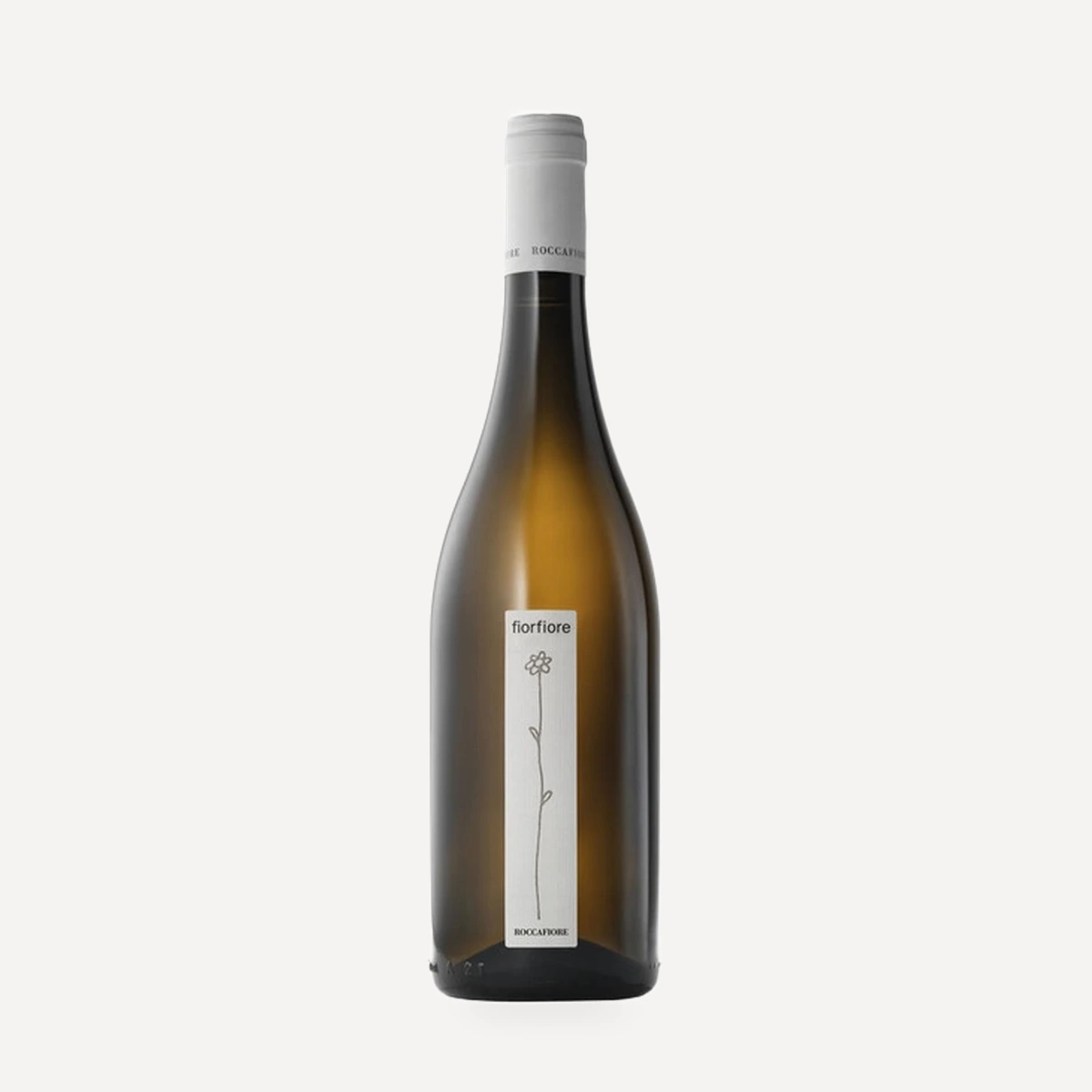
Fiorfiore
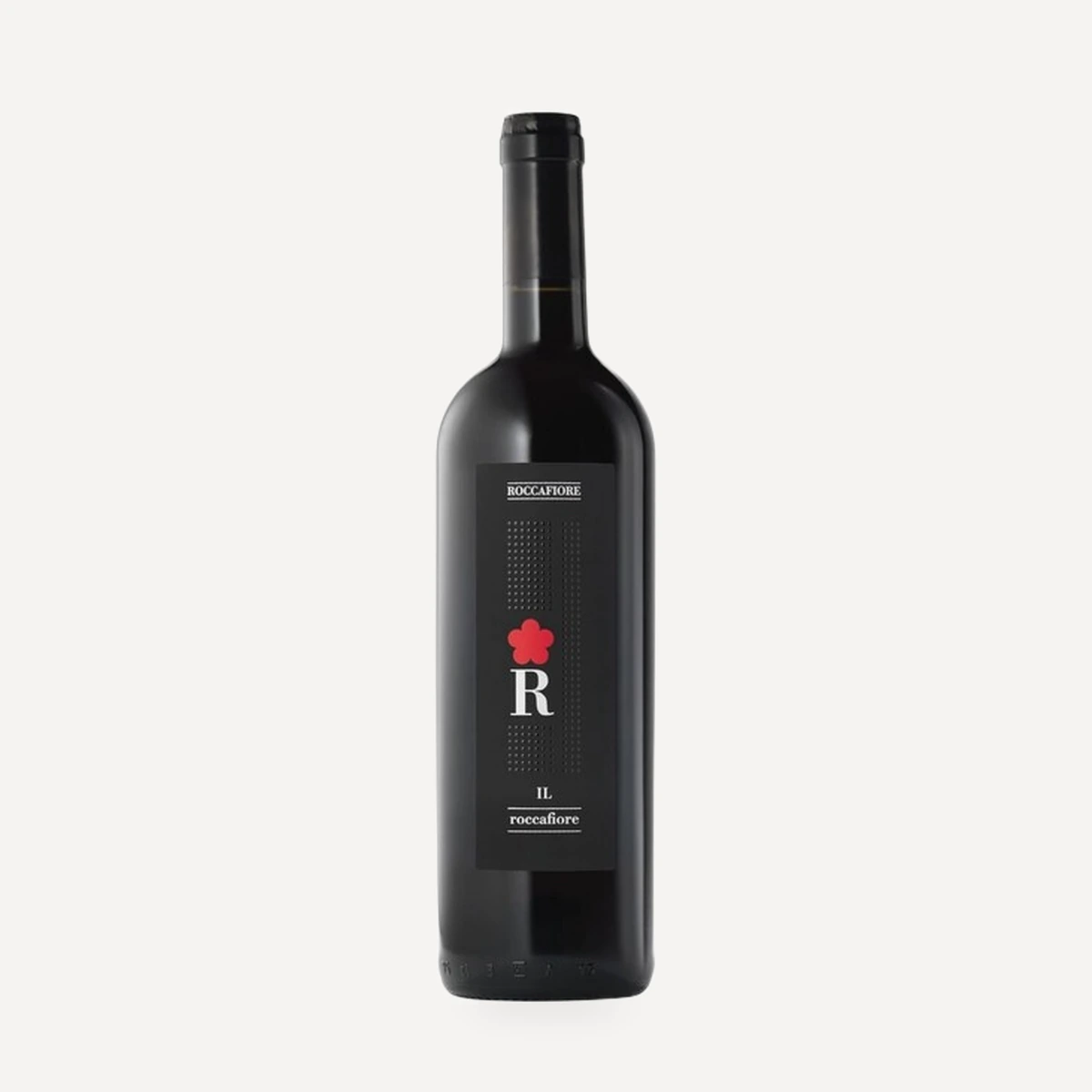
Il Roccafiore
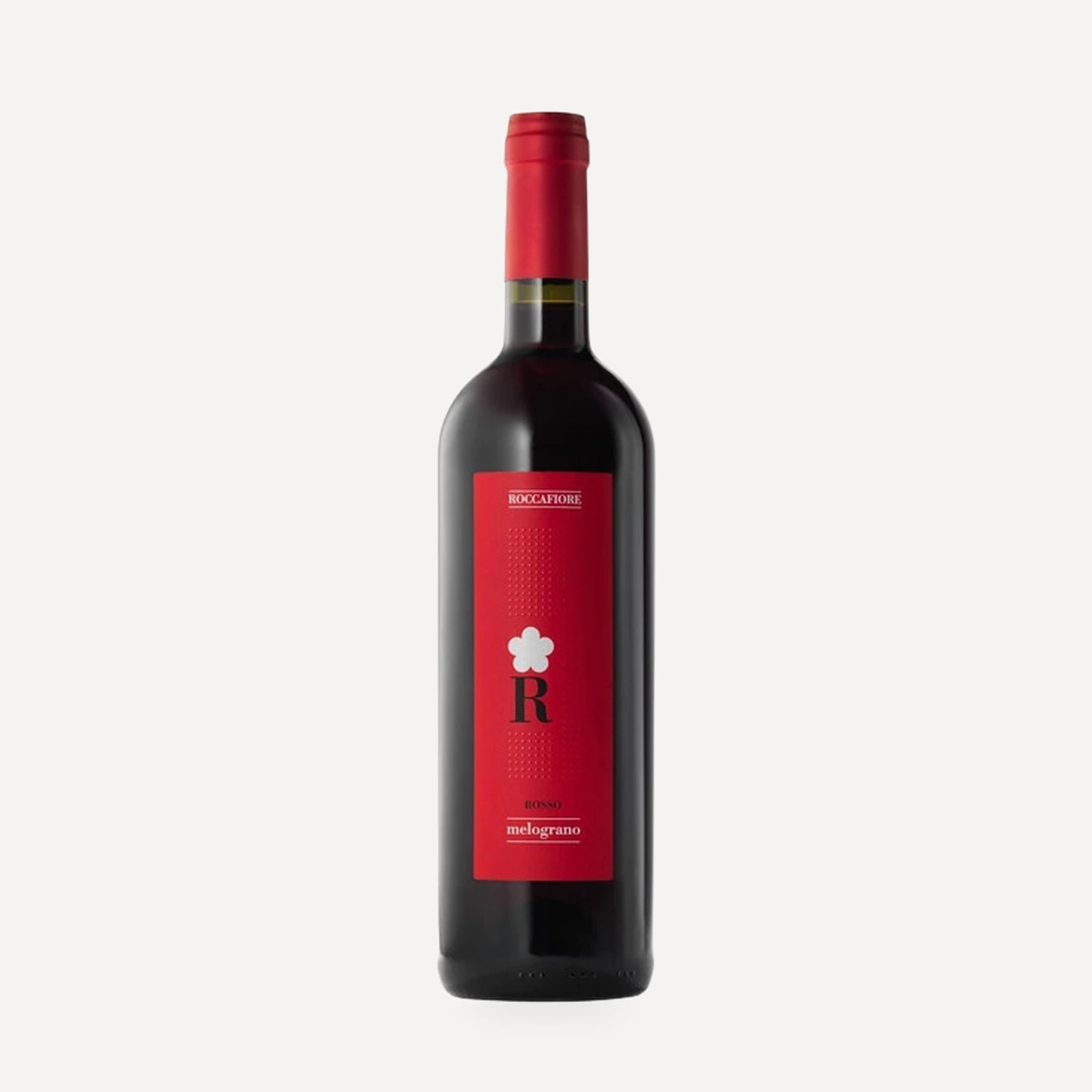
Melograno Rosso
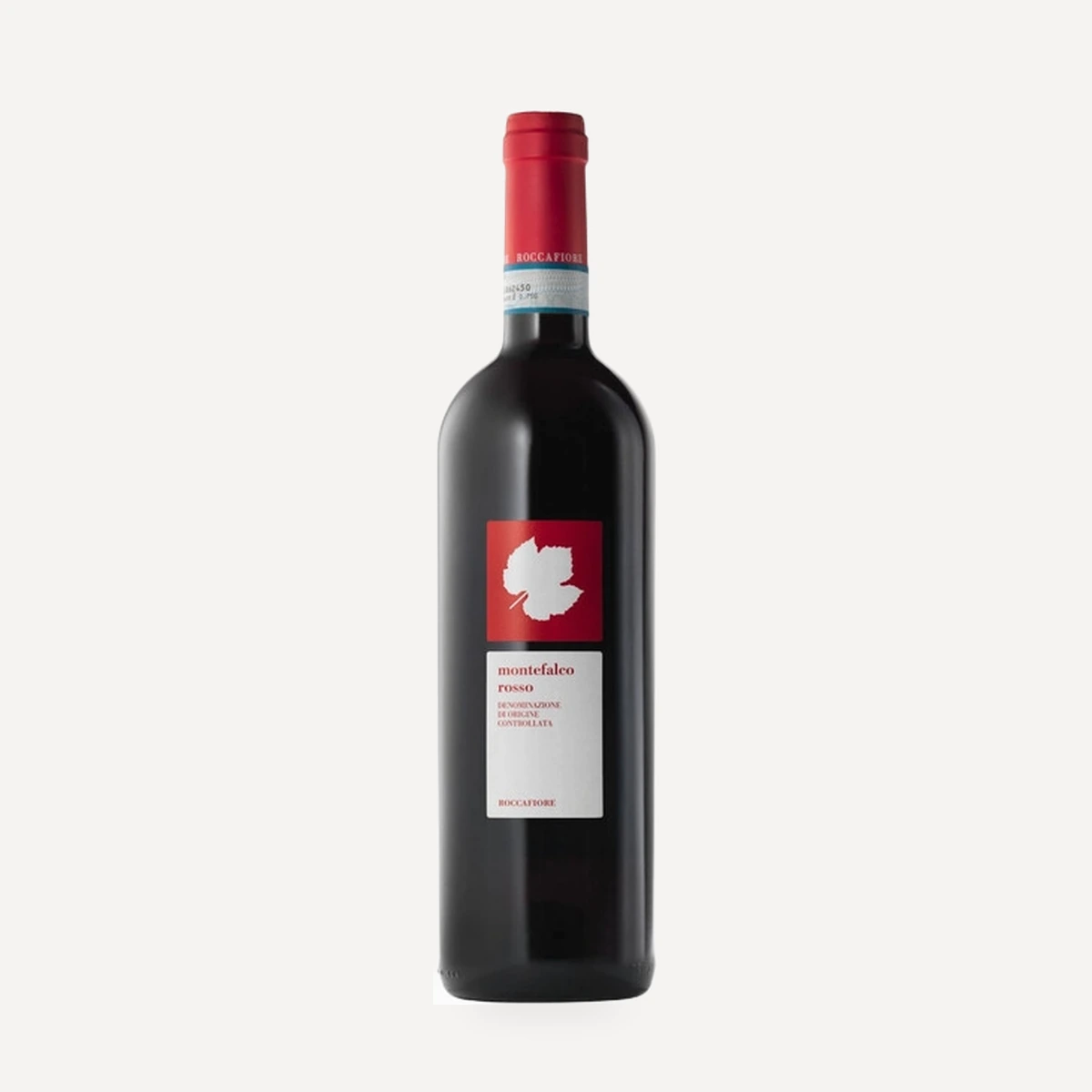
Montefalco Rosso
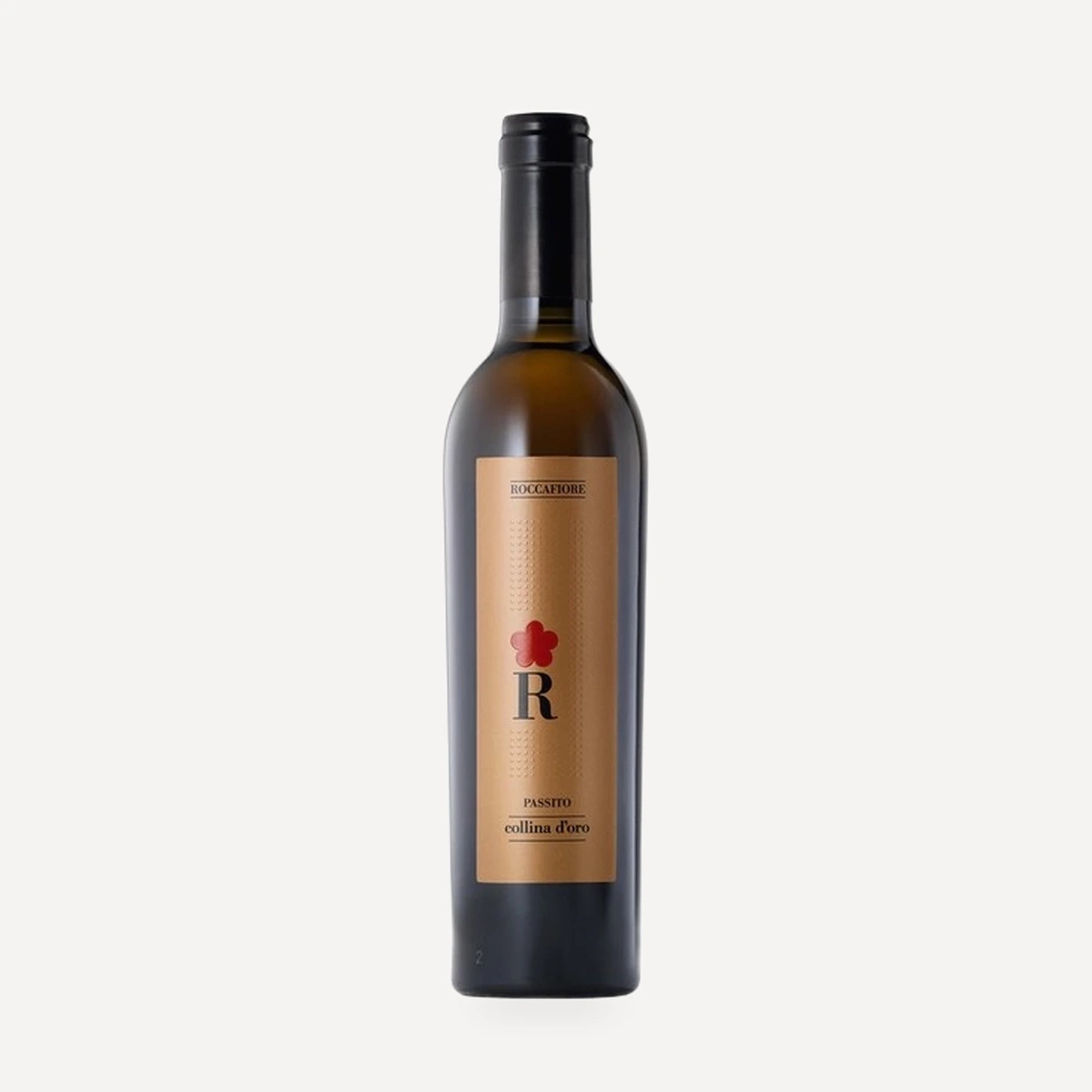
Collina d’Oro
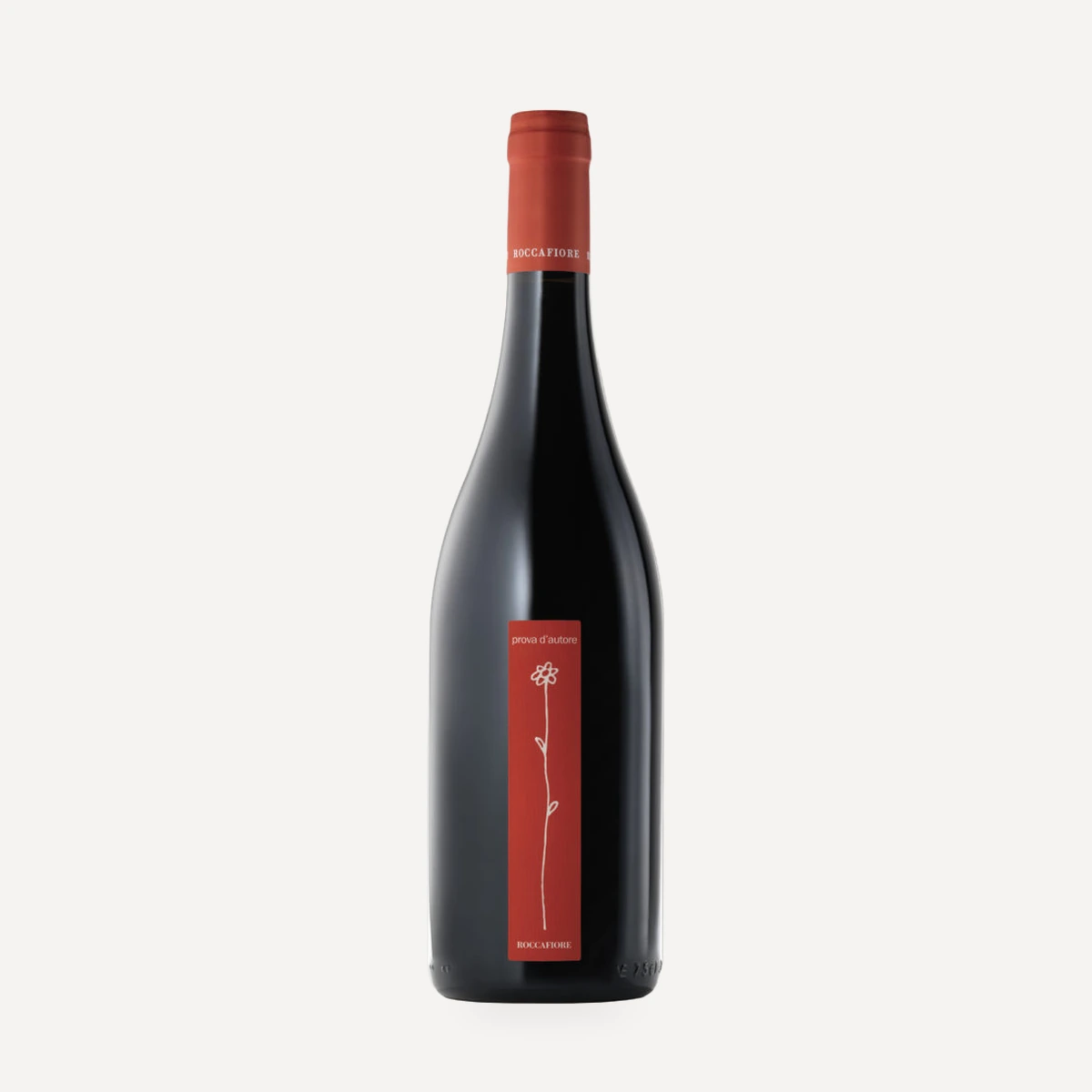
Prova d’Autore