History
Agricultural roots and the move into wine
The Sportoletti family has worked in agriculture for generations, with wine forming part of its activities before it became the principal focus. Ernesto and Remo Sportoletti learned from their father, Vittorio, and toward the end of the 1970s decided to devote themselves exclusively to viticulture.
1979: the first family-labelled bottling
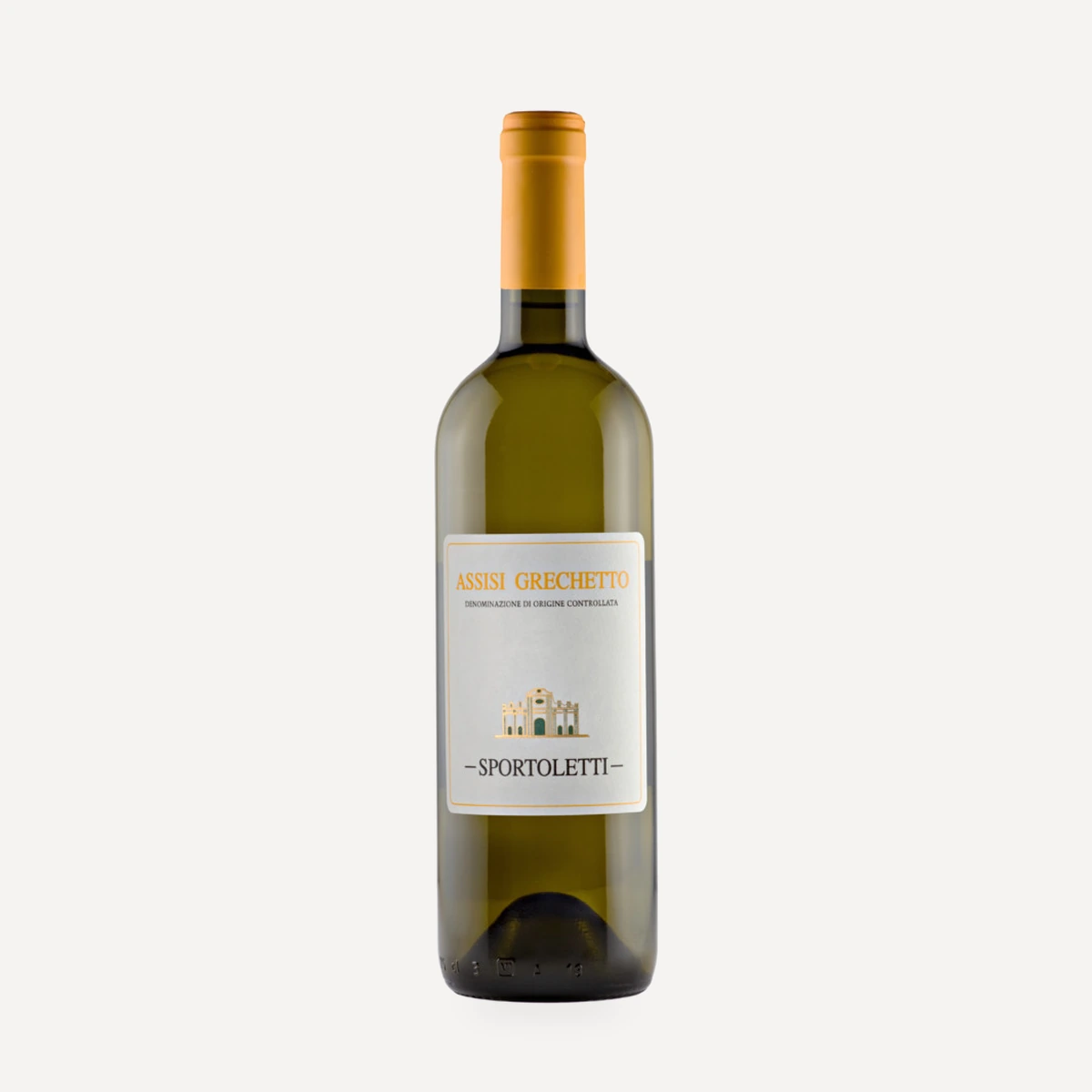
In 1979, the brothers produced the first 1,000 bottles bearing their own label. This marked the beginning of a long-term effort to reconcile innovation with inherited practice and to express the potential of the hills of Spello and Assisi, where the estate’s approximately 25 ha of vineyards are located. Grechetto has been bottled as a varietal wine from the beginning.
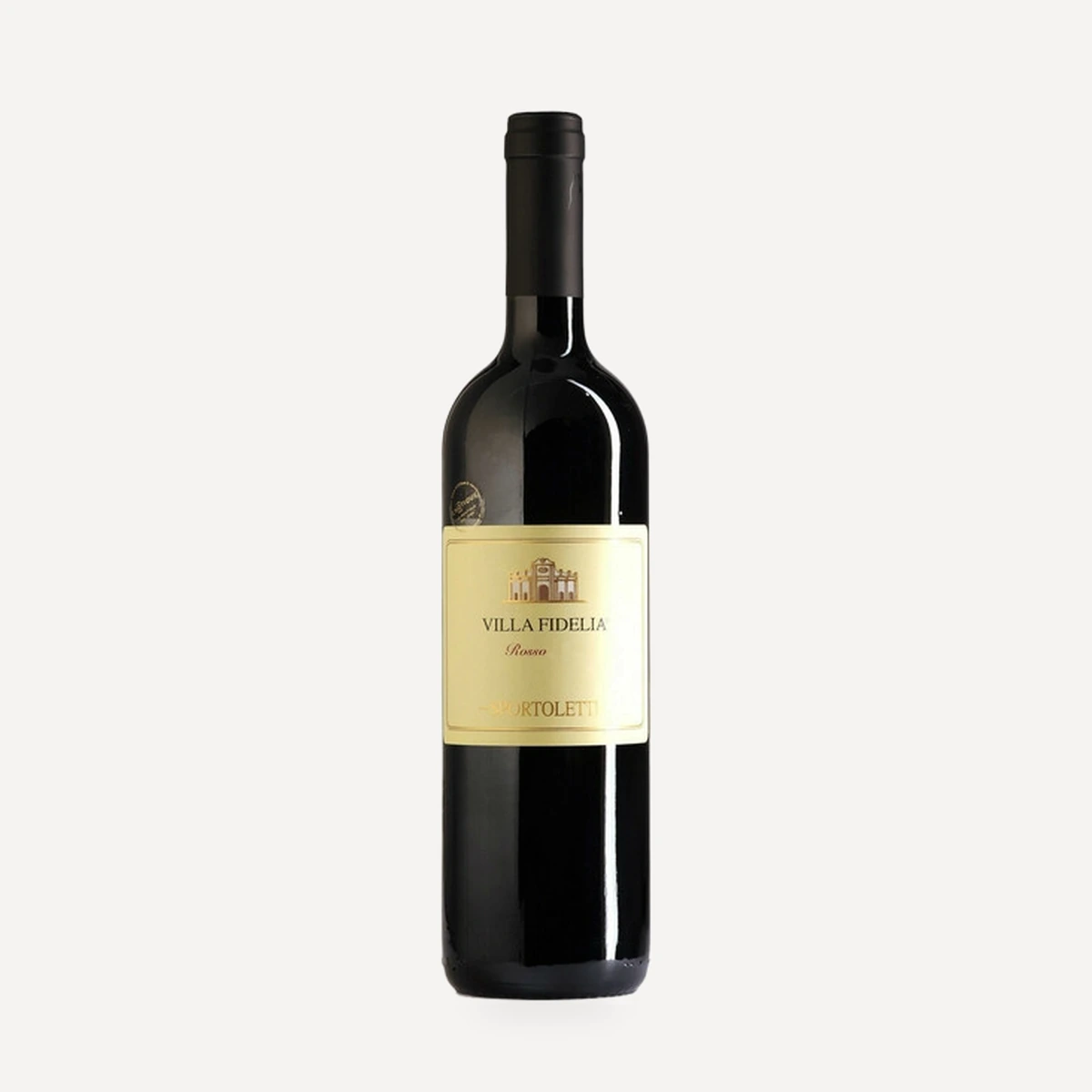
1990: Villa Fidelia
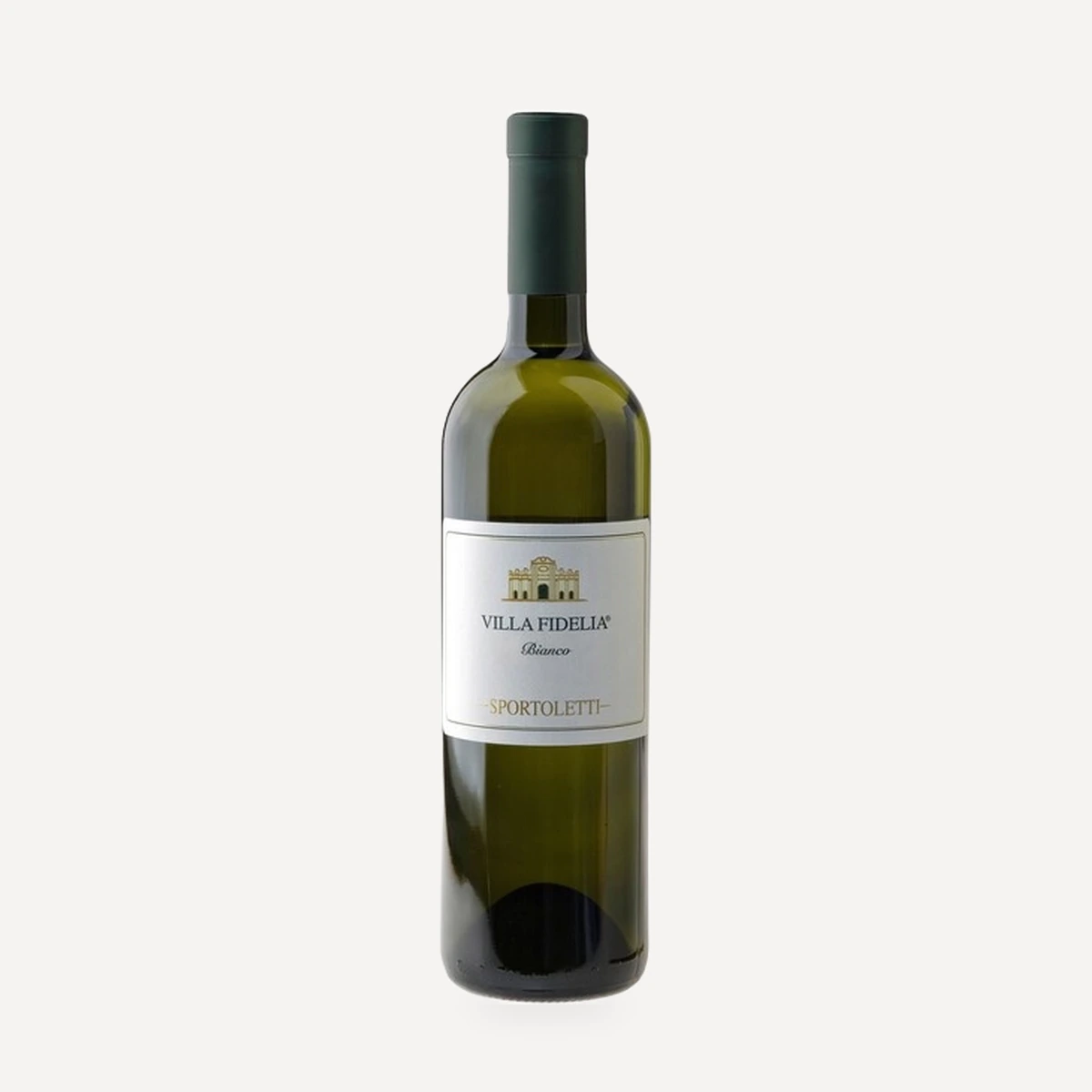
The first vintages of both Villa Fidelia Rosso and Villa Fidelia Bianco were produced in 1990. Their shared name comes from Villa Fidelia, a monumental 19th-century villa approximately 500 m from the winery and closely associated with the history and culture of Spello.
1997: recognition of the Assisi denomination
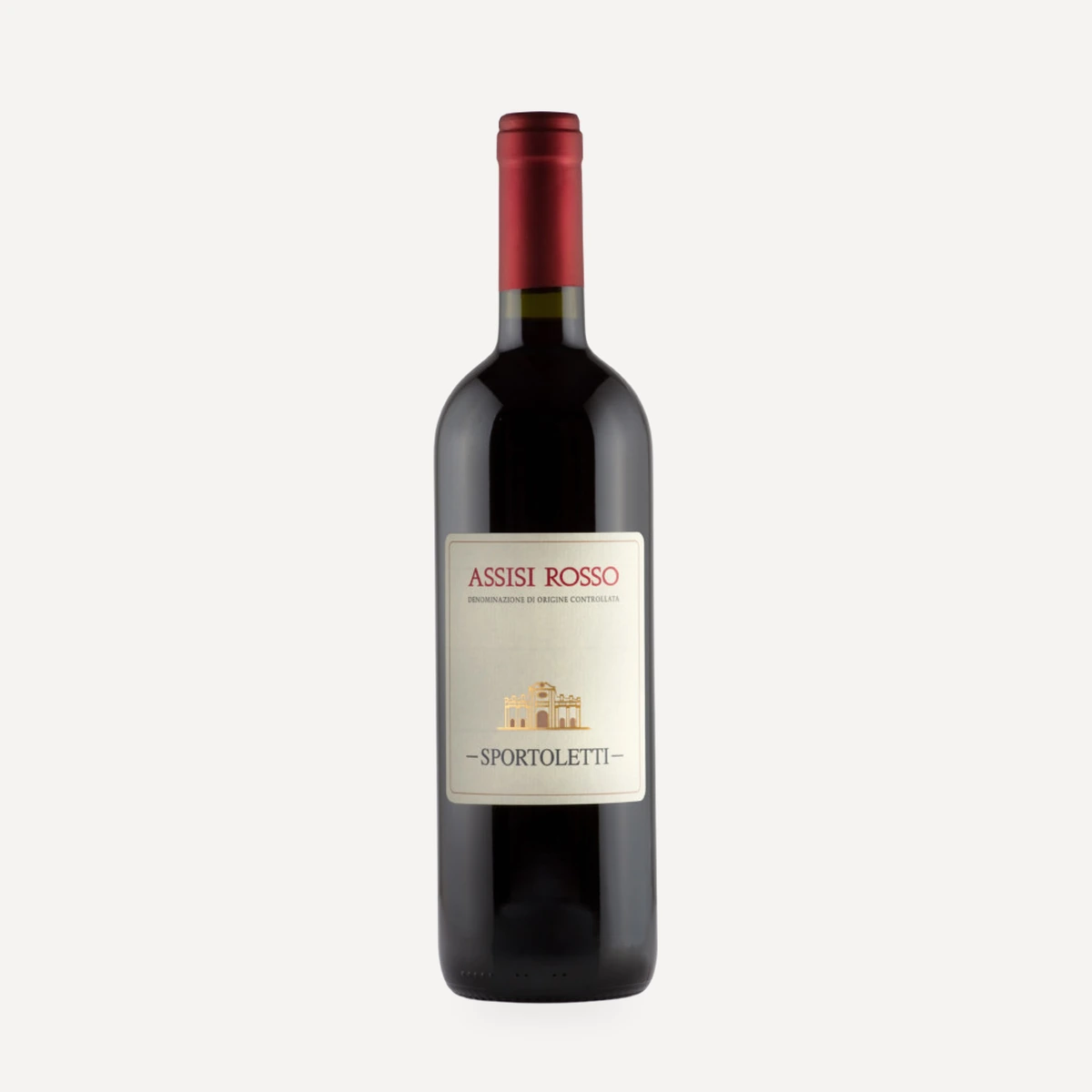
The Assisi DOC was established in 1997. Sportoletti’s vineyards on the hills of Spello and Assisi fall within the denomination.
1998: collaboration with Riccardo Cotarella
In 1998, Sportoletti began working with Riccardo Cotarella as consulting oenologist and agronomist. He introduced substantial changes to vineyard management and vinification. The composition of Villa Fidelia Rosso was also revised, giving the wine the identity retained by the estate. Comparable changes in vineyard work and vinification shaped Villa Fidelia Bianco.
The estate subsequently renewed its vineyards with denser planting, spur-pruned cordon training and less-productive clonal material. It selected Grechetto clone G5 for character and typicity, propagated a Merlot clone from a family vineyard already around 50 years old, and planted less-productive, more polyphenol-rich material for Sangiovese, Cabernet Sauvignon and Cabernet Franc.
2004: winery renewal
The winery on the road linking Spello and Assisi was renovated in 2004. Its rational layout was designed from the family’s direct production experience to permit careful and efficient management of the various cellar processes.
2008: photovoltaic installation
In 2008, a 400 m² photovoltaic system was installed. The partially integrated array was placed on the winery roof to limit its visual and environmental impact.
2024: Villa Fidelia L’Avvocato
Sportoletti concluded 2024 by introducing Villa Fidelia Rosso L’Avvocato, a pure Merlot made from a Santa Tecla vineyard. Ernesto and Remo dedicated it to their father Vittorio, whose nickname was “L’Avvocato.”
Terroir
Sportoletti’s approximately 25 ha of vineyards lie on the hills of Spello and Assisi within the Assisi denomination. Most of the described vineyard blocks stand at approximately 400 m above sea level. Chardonnay is also grown at approximately 500 m on the slopes of Monte Subasio, while the estate’s olive grove lies at a similar elevation near the boundary of the Monte Subasio park.
Two principal soil descriptions recur across the estate. Some blocks have shallow, medium-textured red soils rich in calcium carbonate, with abundant stony material derived from the dissolution of Monte Subasio’s limestone. Other vineyards have shallow, medium-textured soils tending toward sand, with highly porous and permeable stones formed through the alteration of marine sandstone bedrock. The Santa Tecla Merlot vineyard is characterized more simply as medium-textured and sandy.
The vineyards span the hills of both Assisi and Spello. Santa Tecla, in the Assisi hills, is separately identified as the origin of a 2 ha Merlot block at approximately 400 m.
Winemaking
The estate has gradually renewed its vineyards to make cultivation more rational and quality-focused. Higher planting densities and spur-pruned cordon training allow the family to regulate bud load and therefore each vine’s productivity.
For fruit intended for the highest-quality production, clusters are thinned at the beginning of veraison. The resulting target is approximately 1 kg of grapes per vine.
Clonal selection is central to the renewal program. Sportoletti chose the slightly less-productive Grechetto G5 clone for greater character and typicity. For Merlot, the family selected and propagated material from an old vineyard that had already belonged to the Sportolettis for around 50 years. New Sangiovese material was selected for lower production and higher polyphenol content, and less-productive selections were also preferred for Cabernet Sauvignon and Cabernet Franc.
Harvest timing varies by variety and site, running from late August or early September for white varieties and Merlot through mid-September for Cabernet and later-picked Grechetto. Grapes are taken promptly to the winery after picking. Cluster thinning and yield targets are defined, but no estate-wide organic, biodynamic or other viticultural certification is claimed.
Winery
The winery stands in Spello on the road toward Assisi and was renovated in 2004. Its layout follows practical criteria developed through the family’s direct experience, allowing the production stages to be managed carefully and efficiently. The cellar combines traditional practices with temperature-controlled equipment and French oak.
Grape reception and fermentation
Grapes are transported to the winery immediately after harvest and destemmed promptly. White-grape processing includes low-temperature skin contact and soft pressing. Depending on the intended style, fermentation takes place either in temperature-controlled stainless steel or in 228 L French oak barriques. A temperature ceiling of 16°C is used for stainless-steel fermentation of Grechetto.
Red grapes are vinified separately by variety where appropriate. Maceration generally lasts about 10–20 days in temperature-controlled stainless-steel fermenters. Regular pump-overs are used, and délestage is employed for the principal red blends. Malolactic fermentation is completed either in stainless steel or in French oak, depending on the intended style.
Oak and bottle maturation
French oak includes material from Allier, Tronçais and Nevers. Red wines may mature for several months in second-use barriques or for approximately 12 months in 228 L French barriques, followed by 6–24 months in bottle. Barrel-fermented white wine remains on its lees in barrique for approximately five months before about one year of bottle maturation.
Passito method
Grechetto intended for passito is harvested slightly overripe and dried for approximately two months in small crates under controlled temperature and humidity until the desired sugar level is reached. The fruit is then crushed and macerated for approximately six hours at 4°C. Fermentation proceeds in temperature-controlled stainless steel until the intended alcohol and residual-sugar balance is achieved, followed by approximately six months in second-use French oak.
Philosophy
Sportoletti’s guiding objective is to find a balance between innovation and tradition while drawing out the potential of the Spello and Assisi hills. The family connects wine identity directly to place and treats technological investment as a means of improving precision rather than replacing inherited experience.
This approach is visible in the combination of vineyard renewal, selective propagation of old family plant material, lower-yielding clones, controlled yields, temperature-regulated cellar equipment and French oak. The winery’s rational 2004 design likewise grew from direct production experience.
Environmental responsibility is expressed through the 400 m² photovoltaic array installed in 2008. Its partially integrated rooftop design was selected to reduce its physical and visual impact on the surrounding territory.
Wines
Villa Fidelia Bianco IGP
Assisi Rosso DOP
Assisi Grechetto DOP