History
Medieval origins and the fortified village
The earliest documents mentioning Volpaia date to 1172. The settlement developed as a fortified village, and its historic fabric remains directly connected with the production and maturation of wine and olive oil: cellar spaces are concealed within the walls and buildings of the borgo rather than concentrated in a separate modern winery complex.
The Florentine della Volpaia family took its name from the village. Its members were artists and instrument makers associated with armillary spheres and sundials. The best-known was Lorenzo della Volpaia, a friend of Leonardo da Vinci and the maker of the planetary clock for Florence’s Palazzo Vecchio.
The Commenda di Sant’Eufrosino
In 1443, the Canigiani family commissioned the construction of the Commenda di Sant’Eufrosino, attributed to architect and sculptor Michelozzo di Bartolomeo. A member of the family wished to enter the Knights of Malta, which required the construction of a church in Volpaia before his admission to the order.
The Commenda was deconsecrated in 1932. Its basement later became one of the estate’s barrel-maturation cellars. It was declared a national monument in 1981 and, for thirteen years through 1993, hosted a recurring contemporary-art exhibition. It is now used for tastings, dinners and events; its underground spaces contain both an ageing cellar and a library of historic Volpaia vintages.
Preservation of local Sangiovese
By 1943, the Campo di Berto vineyard was populated by indigenous, short-trained Sangiovese vines. These vines, described as free of American rootstock, survived the phylloxera epidemic identified in Volpaia’s account with the 1970s. They became a source of genetic material for preserving the local Sangiovese population.
The Mascheroni Stianti family began producing its Chianti Classico Riserva in 1967, at a time when relatively few estates made a Riserva. Estate vineyards represented in the Chianti Classico bottlings were planted from 1972 onward, with the documented group spanning plantings made between 1972 and 2004.
Crus and new projects
The Coltassala vineyard has undergone continuing replanting since the 1980s. Volpaia first released Coltassala in 1980 as a Vino da Tavola outside the contemporary Chianti rules. It was treated by the international press as a Super Tuscan. In 1994, Italian regulation introduced the IGT category for wines of this kind. Coltassala subsequently entered the Chianti Classico framework and is now classified as Chianti Classico DOCG Gran Selezione.
In 1984, the family established a vinegar-making project to restore importance to a traditional product of wine-growing areas.
Balifico was first produced in 1985. Named after its vineyard, it combined mountain-grown Cabernet Sauvignon with Sangiovese and was quickly identified as a Super Tuscan; it remains Toscana IGT.
The Casanova vineyard was planted in 2001 with a selection of 25 indigenous Sangiovese clones propagated from vines more than 60 years old. Its first selection, from the 2006 vintage, became Il Puro: a single-vineyard, organically grown, entirely Sangiovese expression conceived to preserve Volpaia’s local genetic diversity. The project was presented with zero CO₂ emissions.
In 2009, the estate pressed its first 100 tonnes of Sangiovese for its traditional-method sparkling project, selecting only 10 tonnes of free-run must. The resulting Brut Nature is made without dosage and only in selected vintages.
The estate today
Castello di Volpaia remains owned by the Mascheroni Stianti family. Restoration work is intended to preserve the original artistic character of the fortified village, while its historic buildings continue to accommodate production, barrel maturation, hospitality and cultural activities. The estate has also received Tuscany’s PSR 2014–2022 support for investments including 26 tonneaux and bottle-display and sales shelving.
Terroir
Castello di Volpaia lies at Volpaia in Radda in Chianti, within the Chianti Classico area. Its approximately 45 ha of vineyards occupy slopes above 400 m. The principal estate material documents individual sites extending to roughly 600 m.
The prevailing geology is light, skeletal sandstone, also described as macigno Toscano. The estate connects these high, stony conditions and the local microclimate with slow retention of Sangiovese fruit character, aromatic complexity and an elegant, long-lived profile associated with the so-called Alto Chianti.
The vineyards used for the principal Chianti Classico span approximately 396–570 m, with southern, southeastern, southwestern and east-southeastern exposures. Most have sandstone soils. Castellino and Santa Maria Novella are clay sites, while Montanino combines sandstone and clay.
The three named crus occupy distinct high-slope positions. Coltassala is a south-facing sandstone vineyard at about 518 m. Casanova, the source of Il Puro, faces south-southeast at approximately 469–496 m and lies between Coltassala and Balifico. Balifico occupies south- to southwest-facing slopes at approximately 432–490 m; its Sangiovese and Cabernet Sauvignon components occupy slightly different elevations and aspects.
Winemaking
The vineyards are farmed organically, and estate products are identified as compliant with EU Regulation 2018/848, control-body code IT-BIO-014. Organic cultivation is presented as both an environmental responsibility and a means of protecting the landscape and the identity of Sangiovese.
A long-term clonal-selection programme recovered and regrafted old indigenous Sangiovese material. At Casanova, 25 local clones propagated from vines more than 60 years old are cultivated to preserve Volpaia’s genetic diversity. The vineyard was planted in 2001, and its first separate selection came from 2006.
Guyot is the general training system across the estate’s principal vineyards. Documented densities extend from approximately 2,565 to 5,700 vines/ha. Balifico’s Cabernet Sauvignon is separately documented with spur-pruned cordon, while its Sangiovese is Guyot trained.
Harvesting is performed by hand in the documented Chianti Classico production. Selection is particularly stringent for the sparkling wine, for which only the free-run fraction of the pressed Sangiovese is retained, and for Vinsanto, whose best Trebbiano and Malvasia bunches are chosen before the main white-grape harvest.
The estate’s vineyards have demonstrated distinct vintage responses to heat and water availability. In 2015, early vine development, exceptional July heat and low rainfall produced water stress and accelerated veraison. In 2017, heat, drought and a late-April frost reduced growth and yields in lower parts of the estate, while September rain aided phenolic ripening. In 2020, a dry winter was followed by substantial May and early-June rain, a generally hot, dry summer and moderate water stress; harvest began around one week earlier than the recent norm. In 2021, a hot March and early-April temperature drop were followed by cool, wet April and May, a very hot, dry summer and an earlier harvest.
Wine production is integrated into the buildings and underground spaces of the fortified village. Barrel-maturation cellars are concealed within the historic walls, including a cellar beneath the Commenda di Sant’Eufrosino. A library of historic vintages is also housed in the Commenda’s underground area.
The core Chianti Classico is made from hand-picked grapes and matured for 12 months in large casks. The documented Riserva vineyards are vinified as Sangiovese and represent the family’s Riserva tradition begun in 1967.
The single-vineyard crus follow distinct maturation regimes. Coltassala is matured for 24 months in new French oak, followed by at least six months in bottle. Il Puro is matured for 18 months in new French oak from the Allier forest. Balifico is matured for 18 months in new French oak. Regional development funding supported the acquisition of 26 tonneaux.
The traditional-method sparkling wine begins with Sangiovese harvested early, while acidity is high and sugar is relatively low. In the first documented pressing in 2009, 100 tonnes of grapes yielded 10 tonnes of selected free-run must. The wine is made only in selected vintages and finished as Brut Nature without dosage.
For Vinsanto, the best Trebbiano and Malvasia bunches are selected before the principal white-grape harvest. They are hung from chains attached to the rafters of the Vinsantaia, an attic kept ventilated through open windows. The bunches remain untouched while drying. In February, once sufficient sugar concentration has been reached, they are gently pressed. The concentrated must clarifies naturally and ferments slowly with indigenous yeasts in small oak caratelli containing madre, the residual culture retained from previously bottled Vinsanto. Fermentation and maturation continue for five years in the attic, where pronounced temperature variations assist the wine’s slow evolution.
Philosophy
Volpaia’s declared values are commitment, elegance, purity, passion and curiosity, joined by a duty to preserve culture and pass it to future generations. The family presents the past as a foundation for cultivation of the future rather than as a static monument.
Environmental responsibility extends both to the people around the estate and to its habitat. Organic agriculture, protection of the Tuscan landscape and preservation of local Sangiovese biodiversity are treated as connected responsibilities. The Casanova project embodies this approach by propagating 25 indigenous clones from old local vines and maintaining them as a genetic resource.
Restoration of the borgo is guided by respect for its original artistic characteristics. Historic architecture continues to serve living purposes—winemaking, barrel maturation, hospitality, cooking, tastings and cultural events—rather than being separated from contemporary estate activity.
In wine, the emphasis is on Sangiovese as land, culture and inheritance. Altitude, sandstone soils, microclimate and local clonal material are presented as the foundation of the estate’s Alto Chianti identity. The three crus—Coltassala, Il Puro and Balifico—are intended to express distinct aspects of those conditions.
Wines
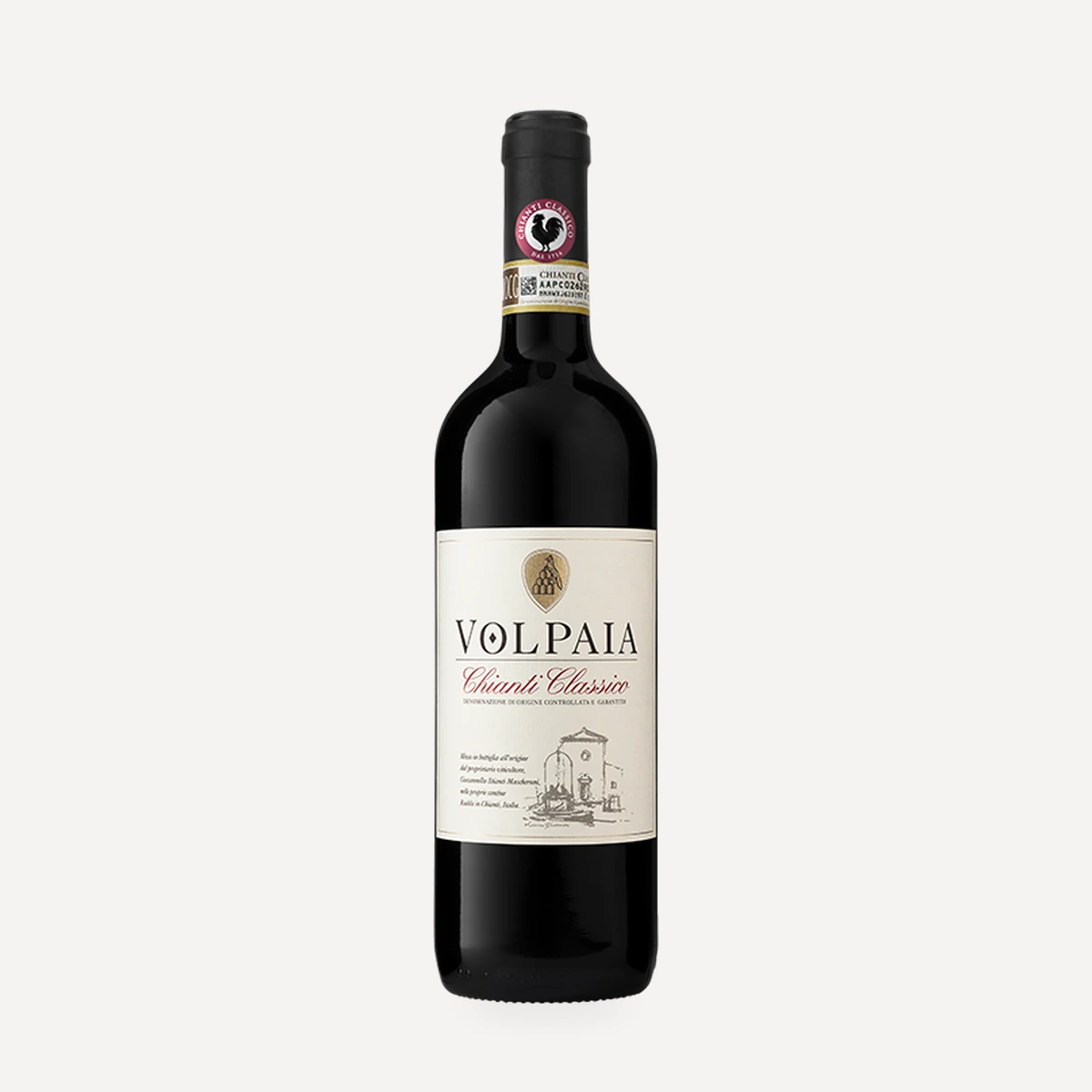
Volpaia Vermentino
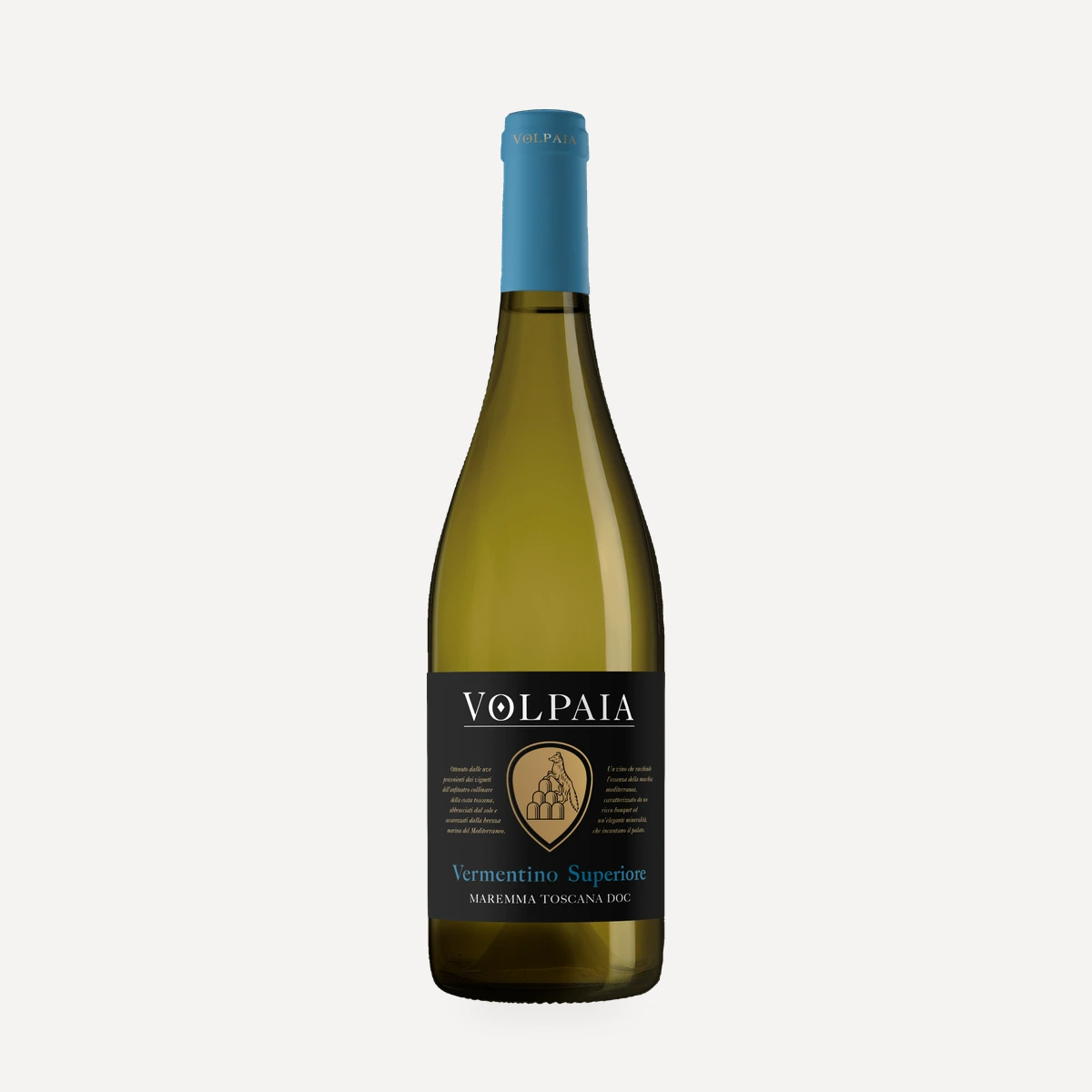
Volpaia Vermentino Superiore

Castello di Volpaia

Spumante Brut
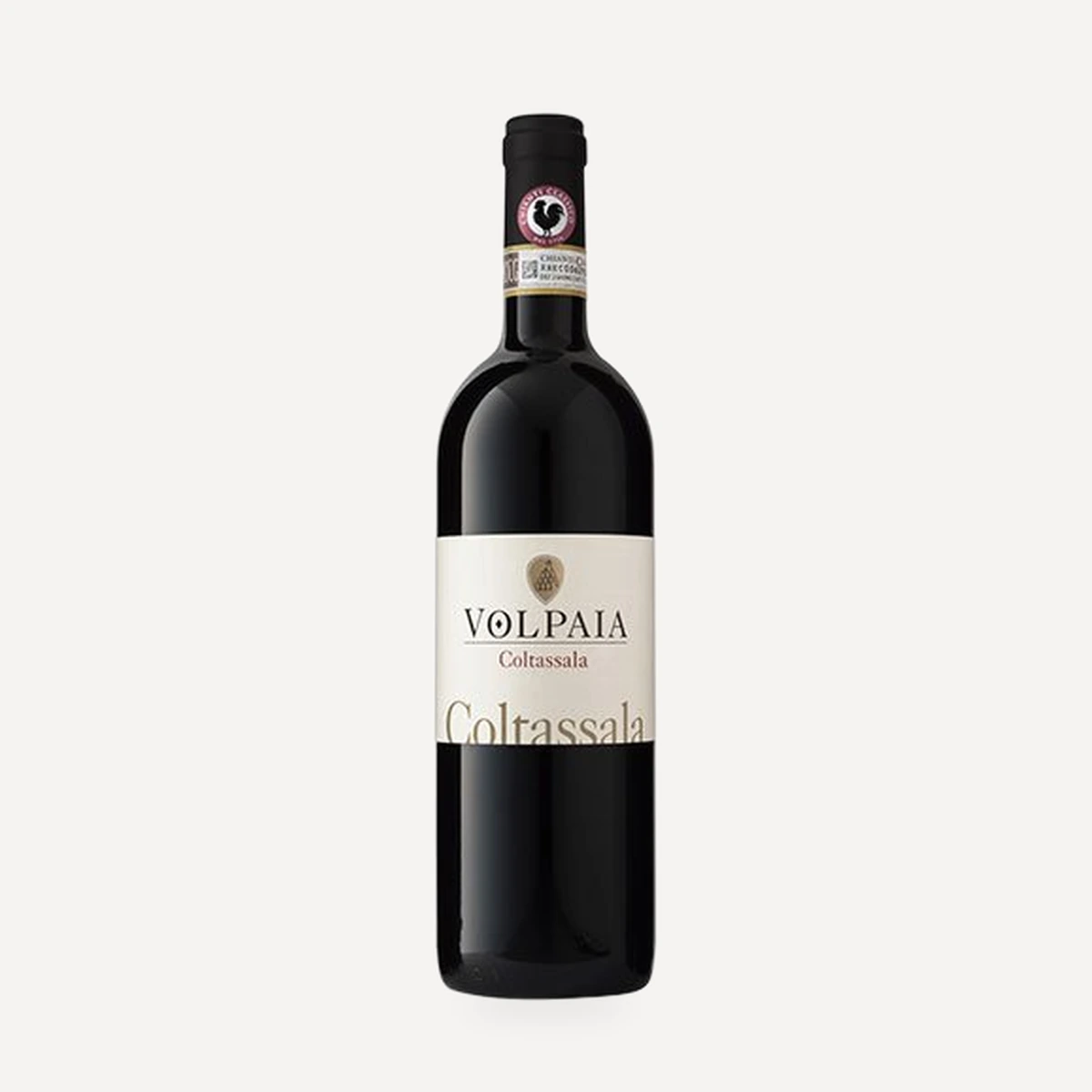
Coltassala

Il Puro Casanova
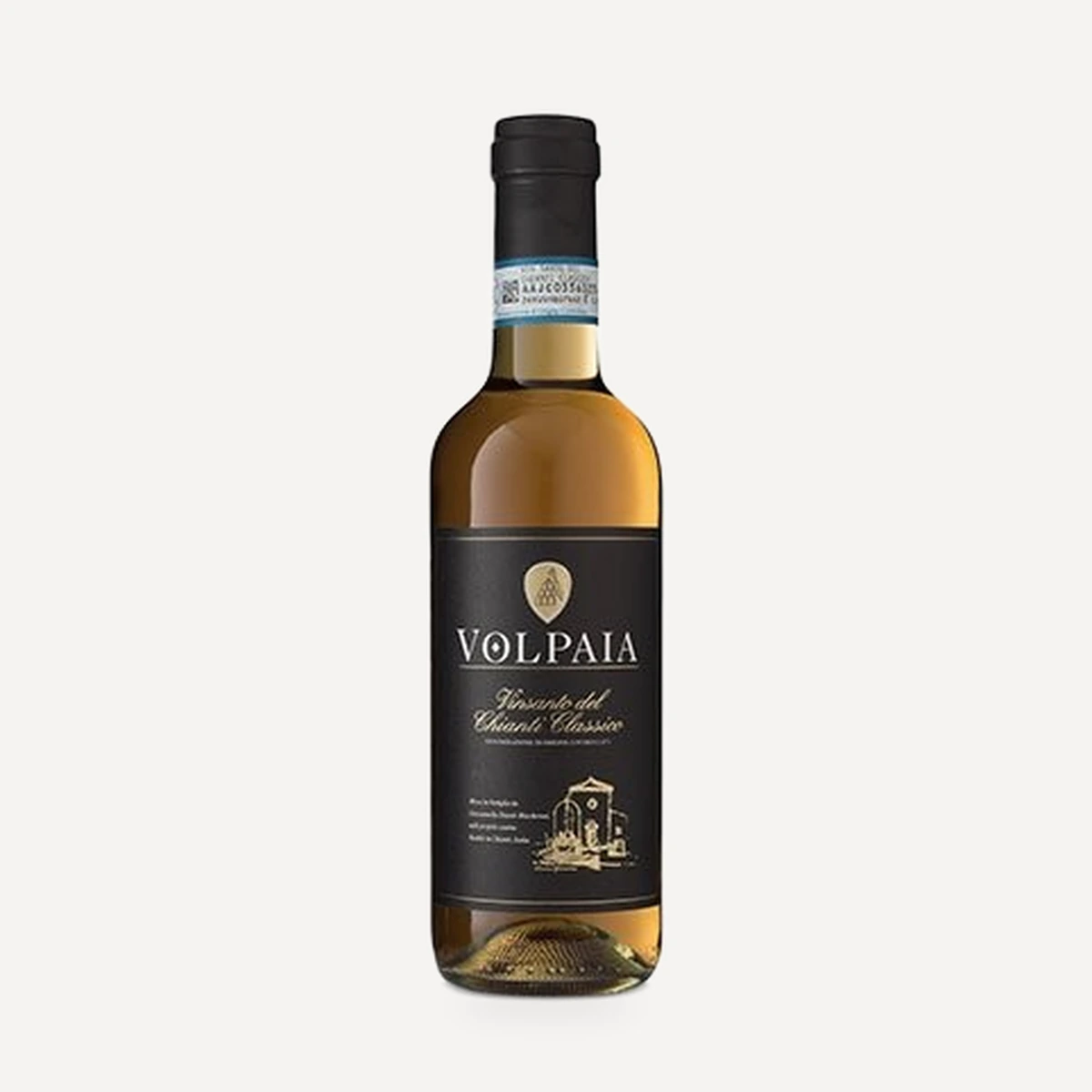
Volpaia Vinsanto
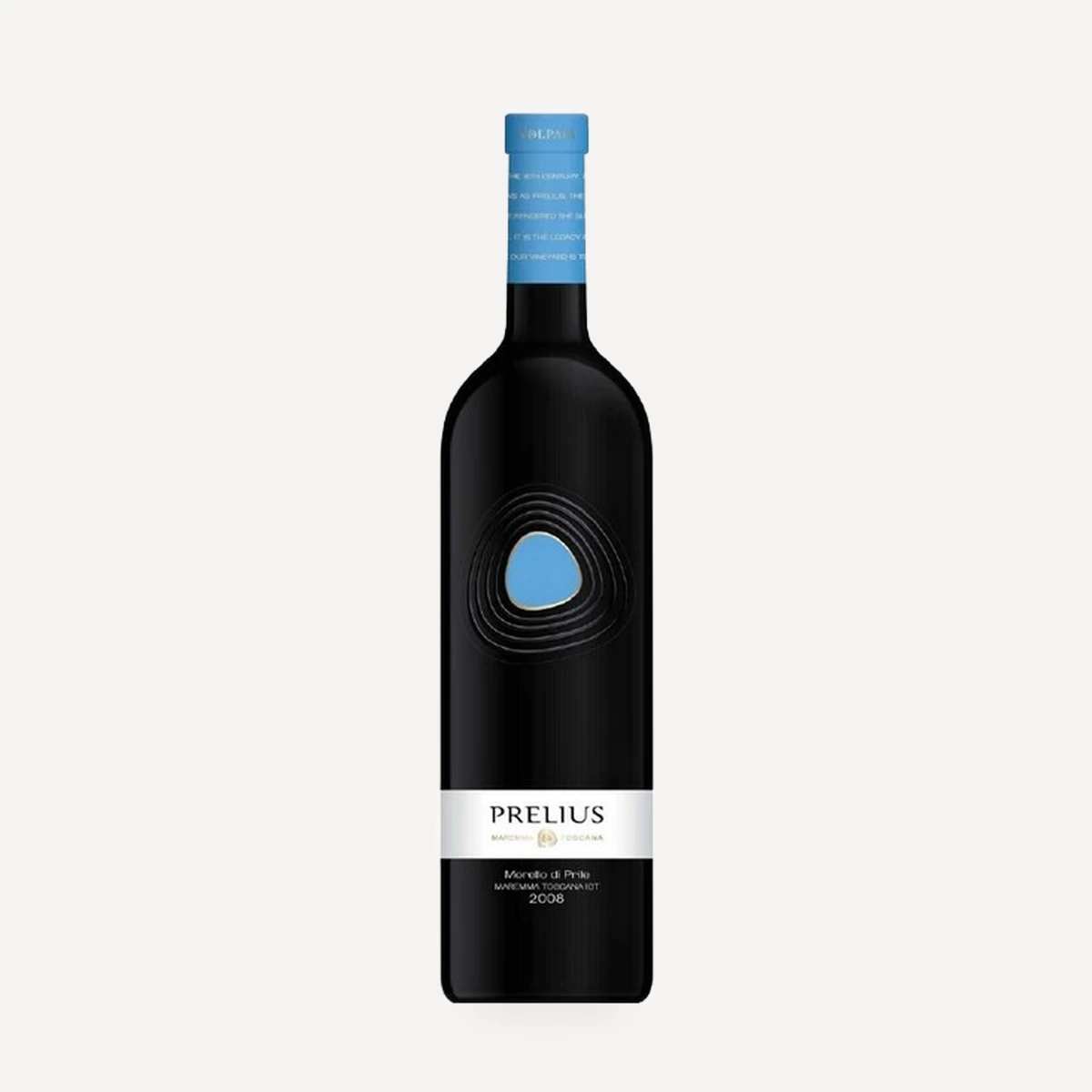
Prelius Morello di Prile Maremma Toscana IGT
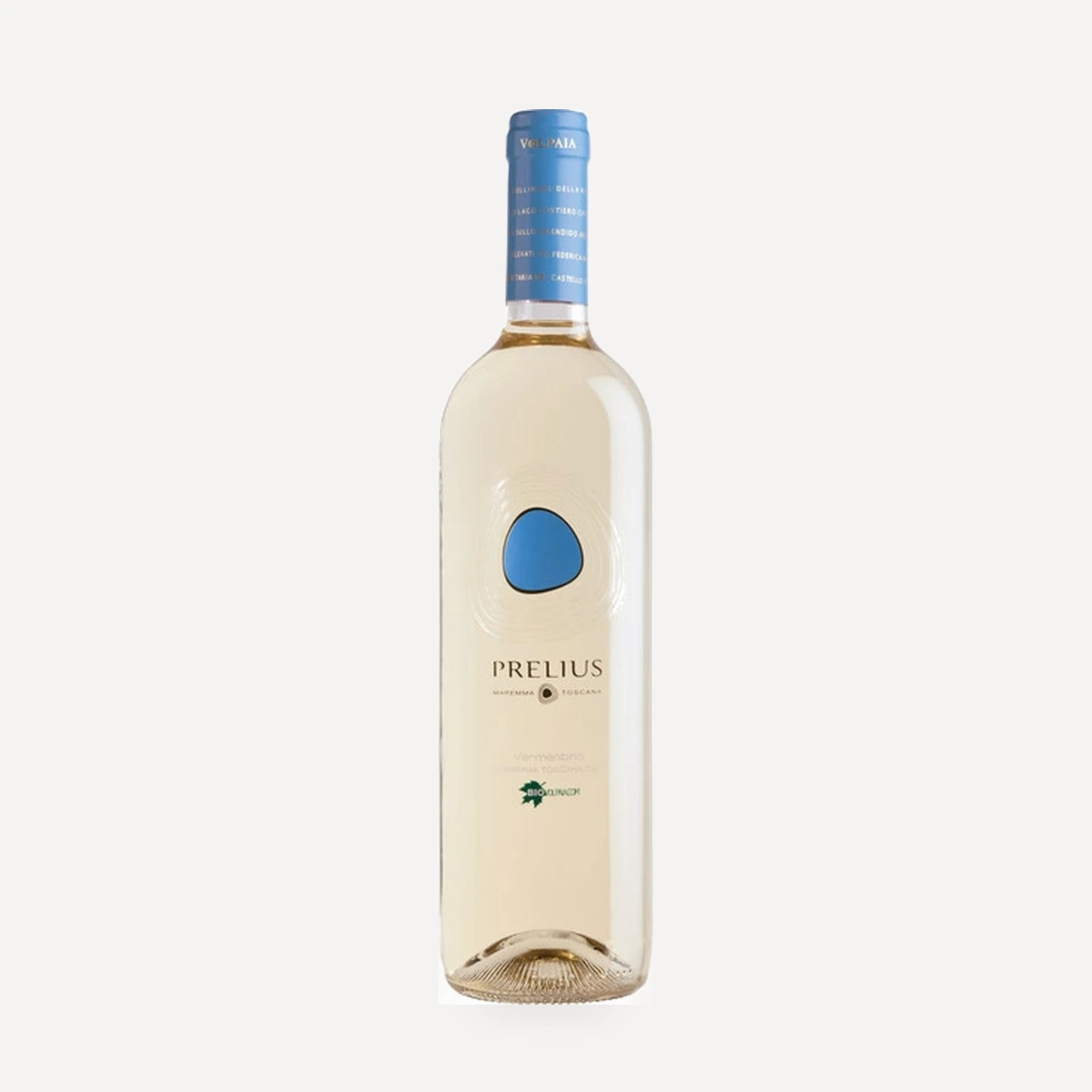
Prelius Vermentino Maremma Toscana DOC
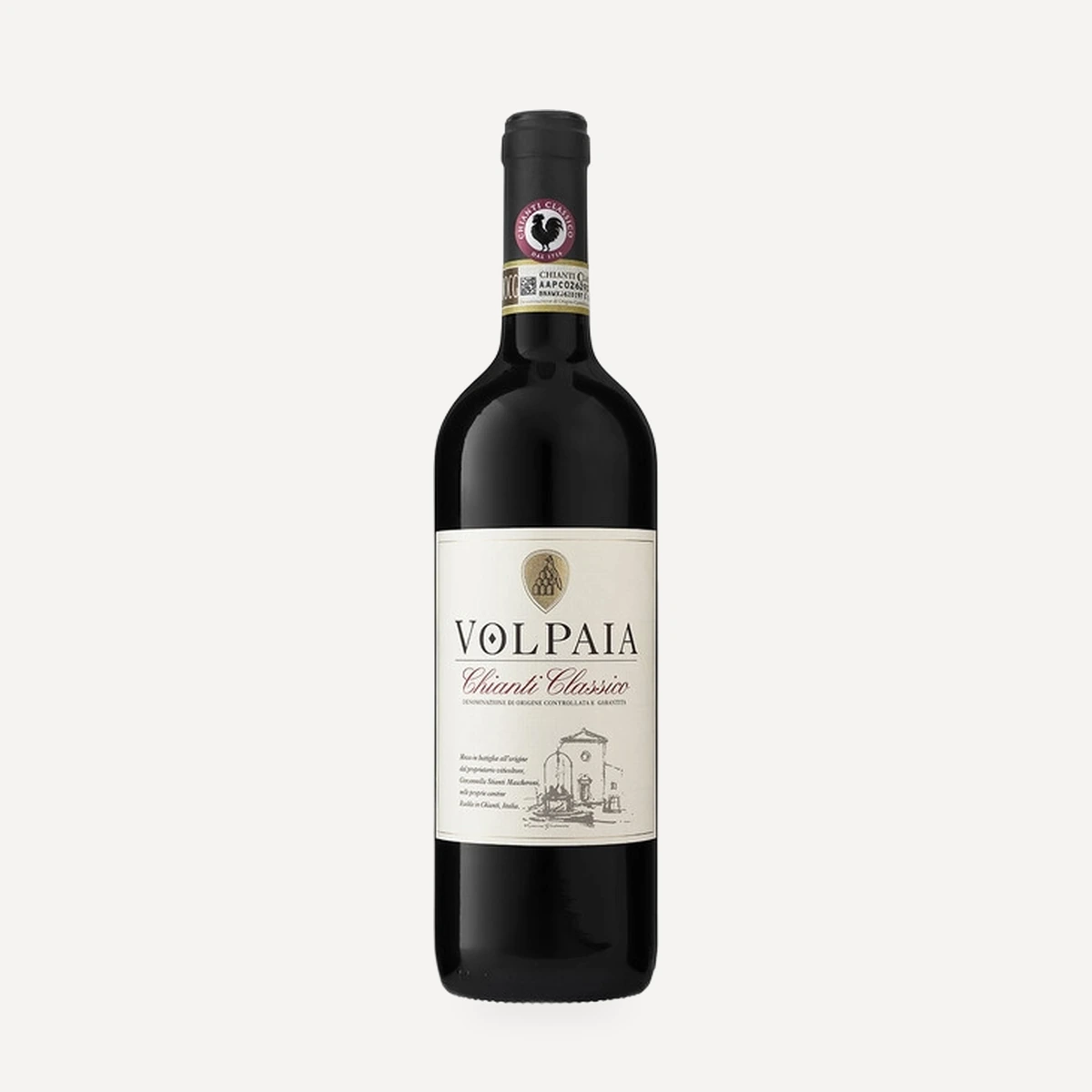
Chianti Classico DOCG
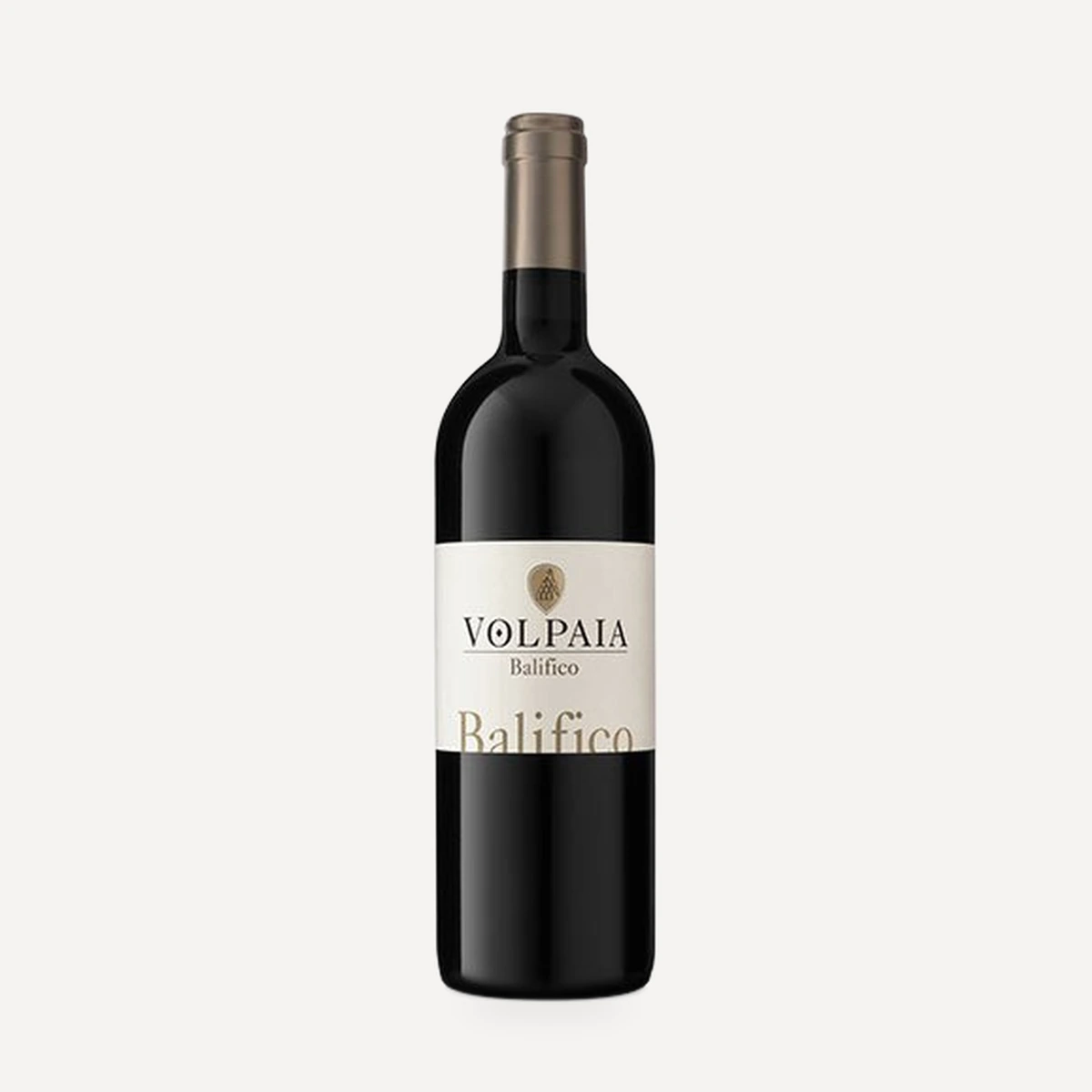
Balifico
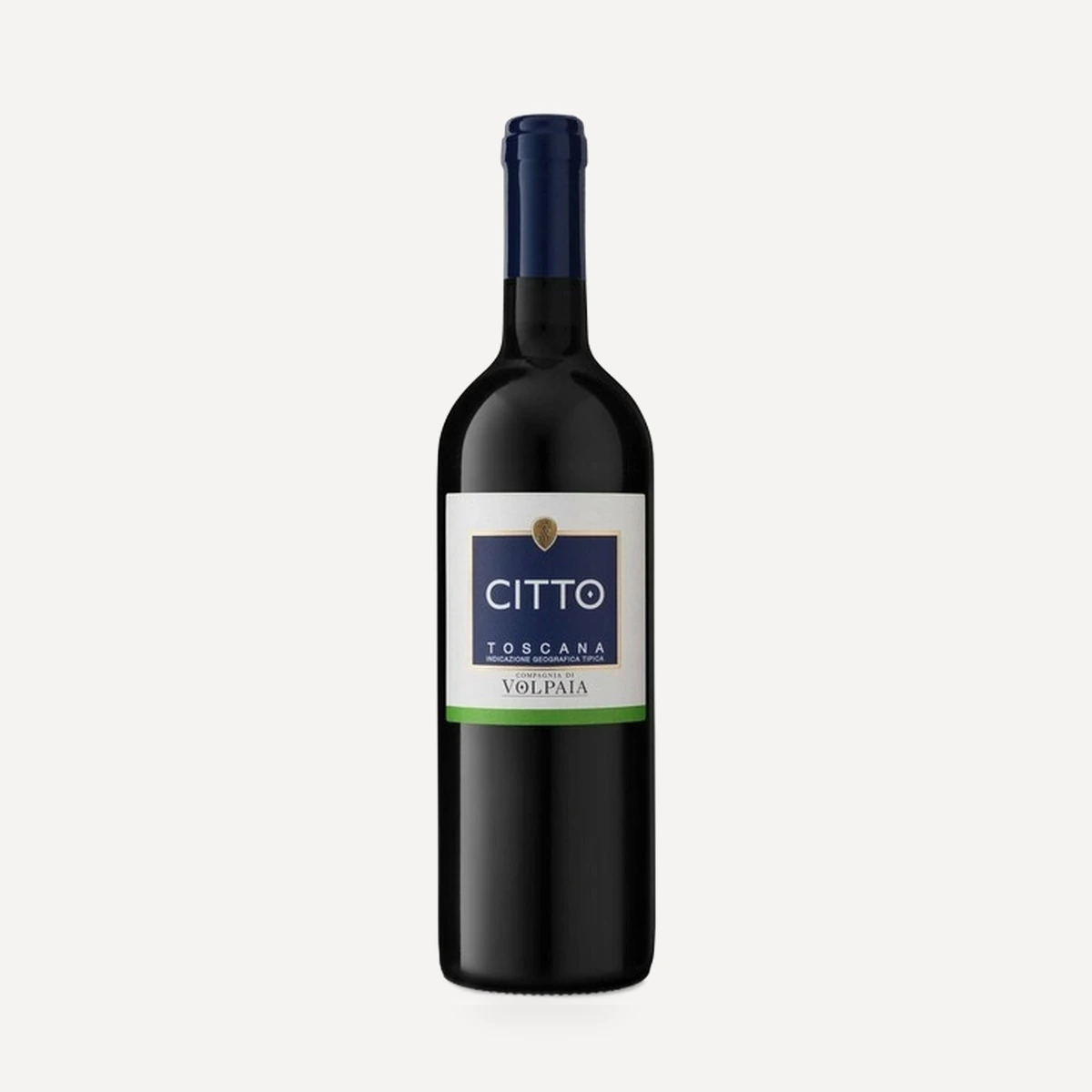
Citto
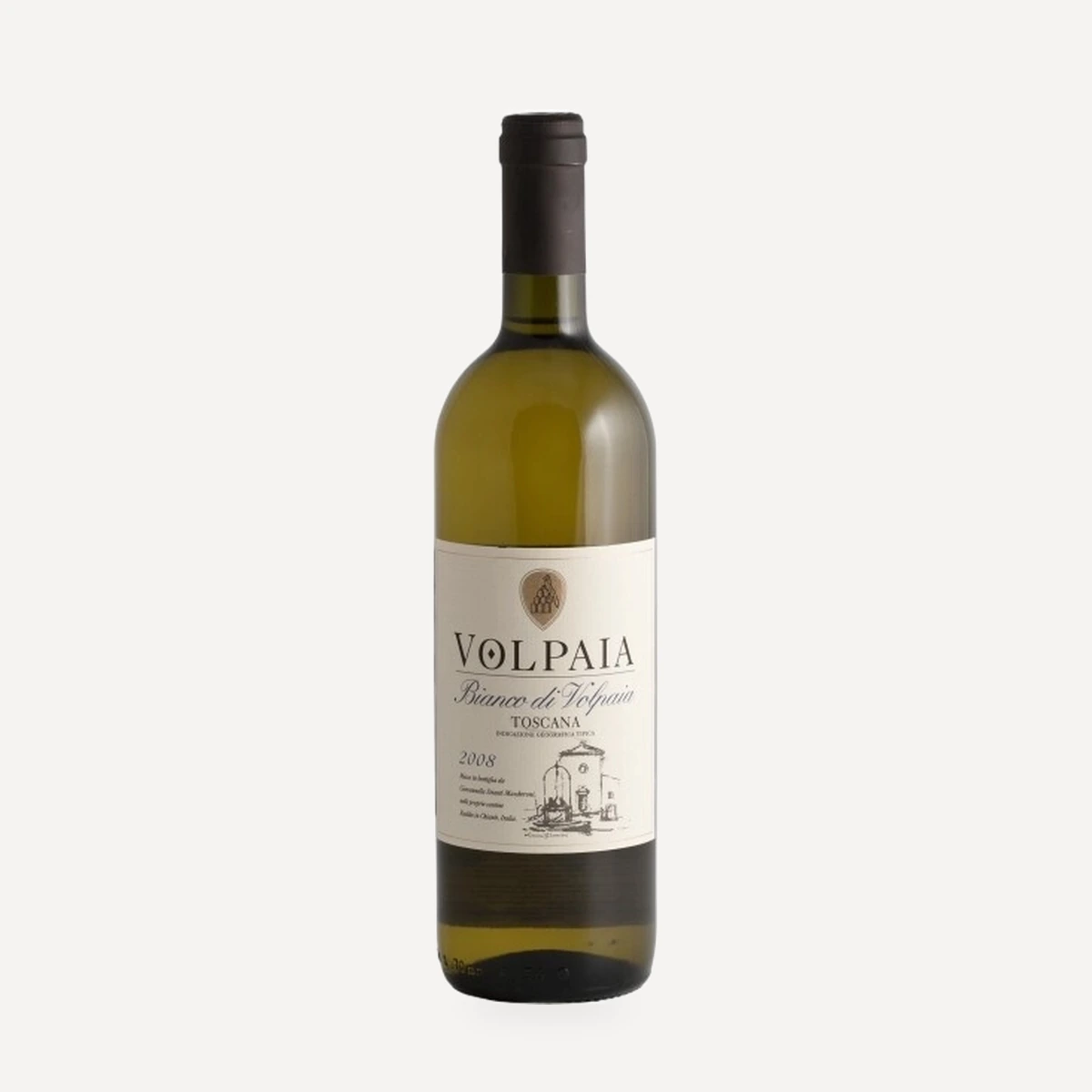
Bianco di Toscana IGT