Storia
Nineteenth-century roots in Fittà
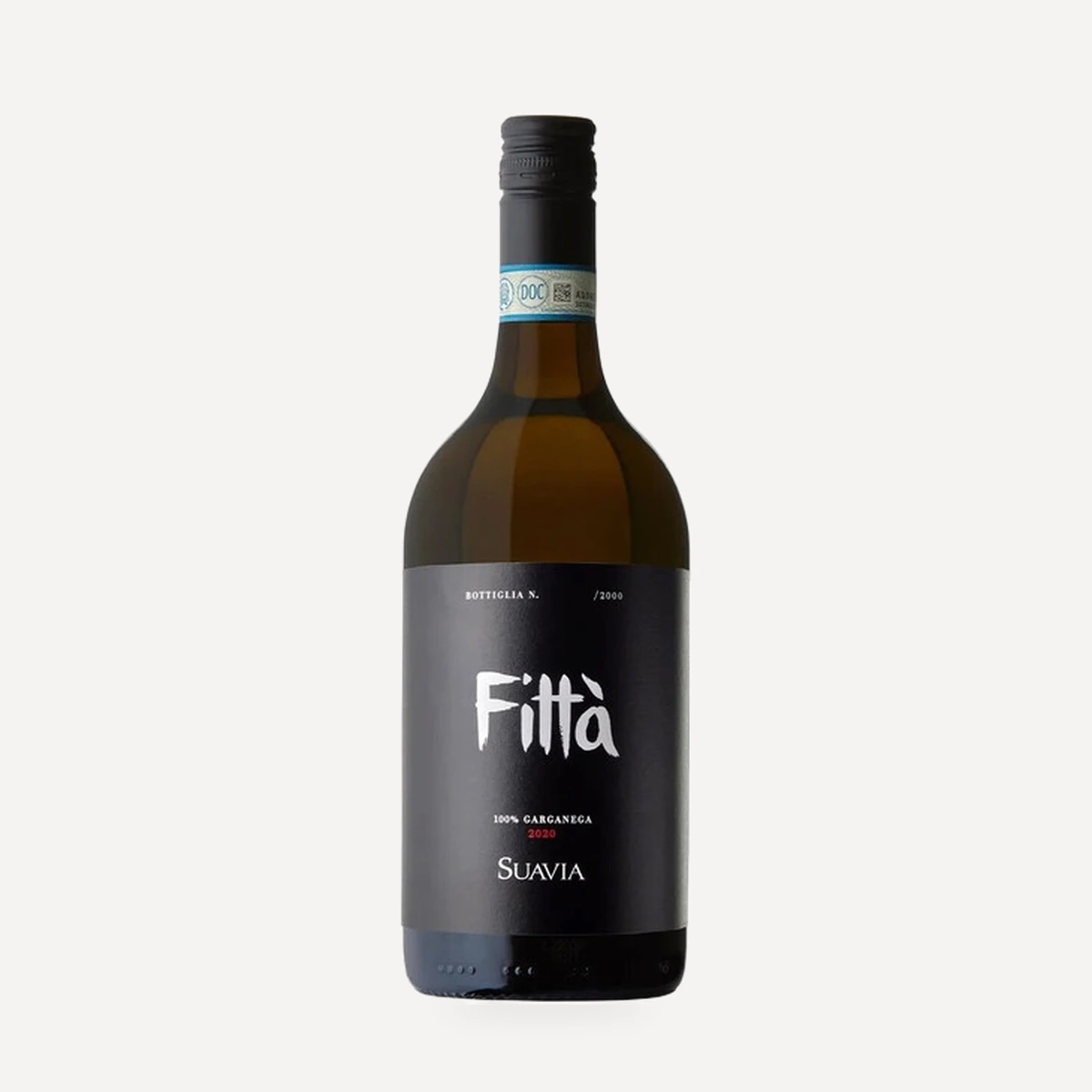
The Tessari family has lived and farmed in Fittà since the nineteenth century. Fittà is a small rural hamlet in the hills of Soave Classico and remains the family’s home and the operational centre of Suavia. The oldest surviving family vineyards include Garganega vines planted by the sisters’ grandparents; the Fittà vineyard used for the eponymous wine was planted by hand in the early 1940s.
1977: a childhood shaped by the harvest
Valentina Tessari was born in October 1977, during the harvest. She describes that vintage as her first harvest and grew up learning humility, resolve and respect for agricultural work from a family of vine growers. She later studied oenology and chose to work in the family vineyards and cellar.
1982: Suavia begins
Suavia’s own history began in 1982. Giovanni and Rosetta Tessari, convinced of the potential of their land, established an independent operation and began crushing their own grapes and making their own wine rather than limiting the family’s activity to grape growing.
The name Suavia recalls the medieval name of Soave. It links the estate directly to the town, its castle and the family’s exclusive focus on Soave and its native white varieties.
1983–1992: the first estate wines
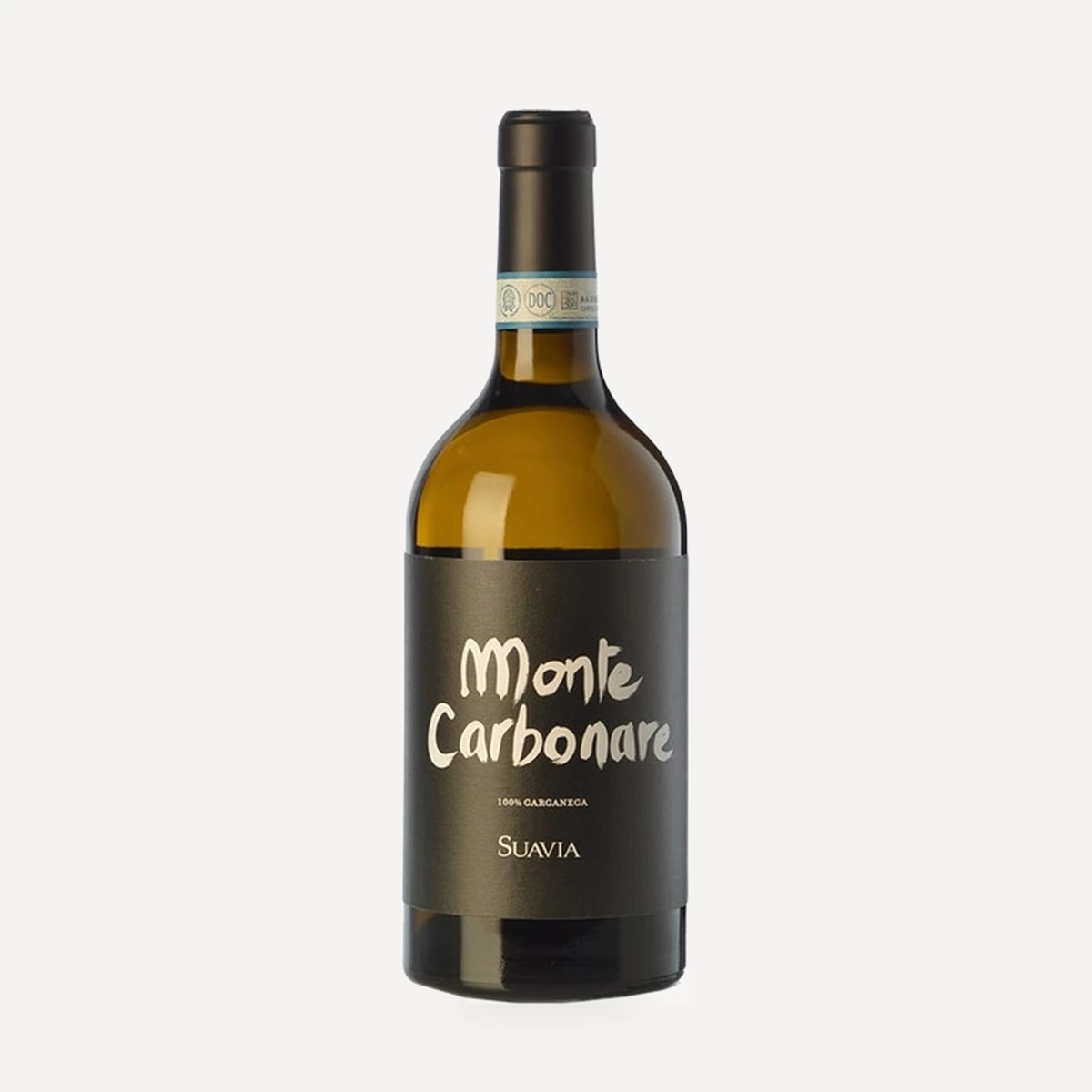
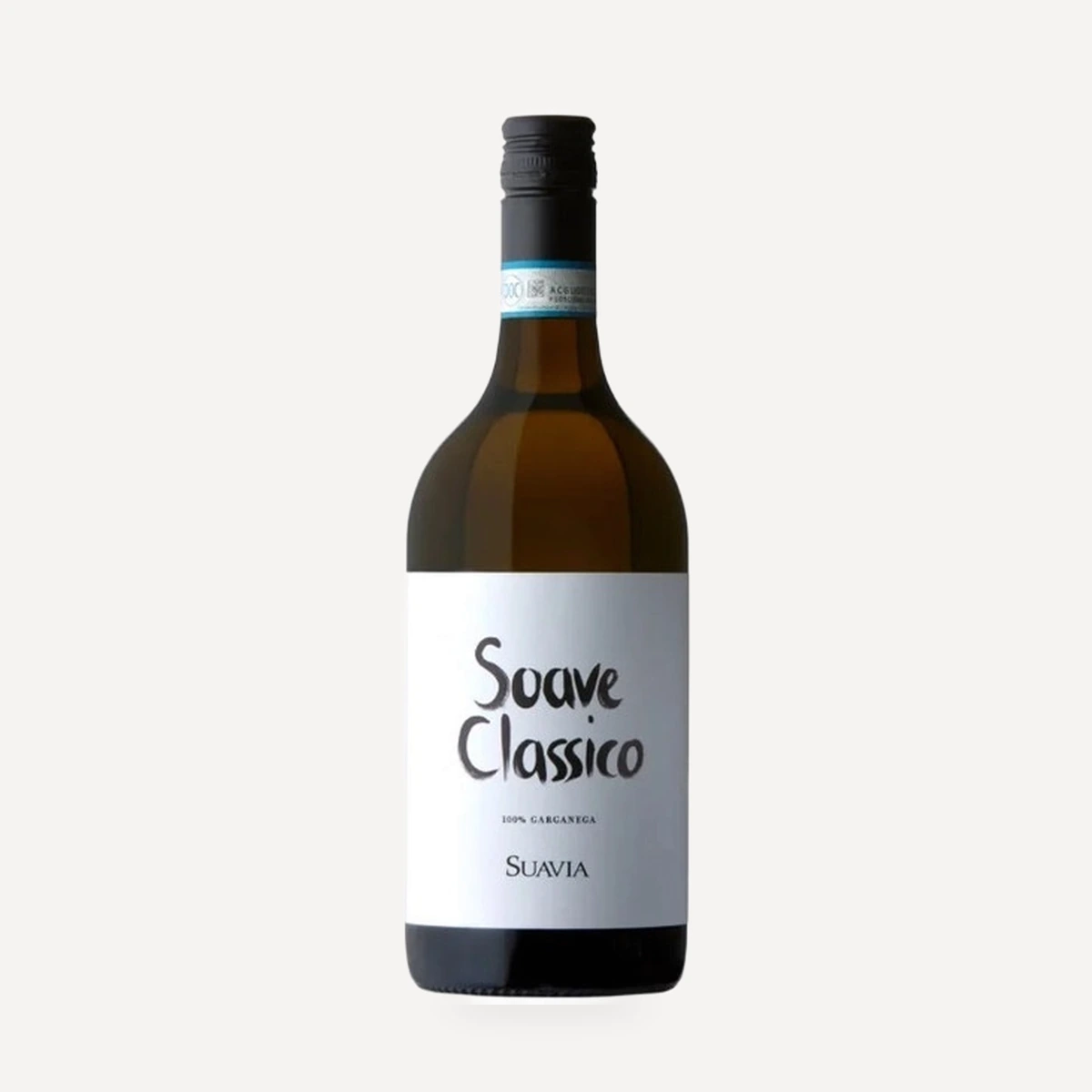
The first vintages of both Soave Classico and Acinatium were produced in 1983. Monte Carbonare followed in 1986, giving a separate identity to Garganega grown in the dark basaltic soils of the Carbonare area. Le Rive was first produced in 1992 from a steep, south-facing parcel in Fittà, introducing a late-harvest expression of Garganega fermented and matured in large oak barrels.
Early twenty-first century: the three sisters and the recovery of Trebbiano di Soave
From the beginning of the twenty-first century, Giovanni and Rosetta’s daughters became the central figures in the family story. Meri, Valentina and Alessandra Tessari now run Suavia together from Fittà.
During the early 2000s, Suavia began a conservation and revaluation project devoted to Trebbiano di Soave. The work was developed with the laboratories of the University of Milan and Professor Attilio Scienza as part of a broader programme of agronomic, ampelographic and geological research. Old Trebbiano di Soave vines were selected and propagated in order to recover the identity of a variety that had nearly disappeared from the hills.
2006–2008: Massifitti
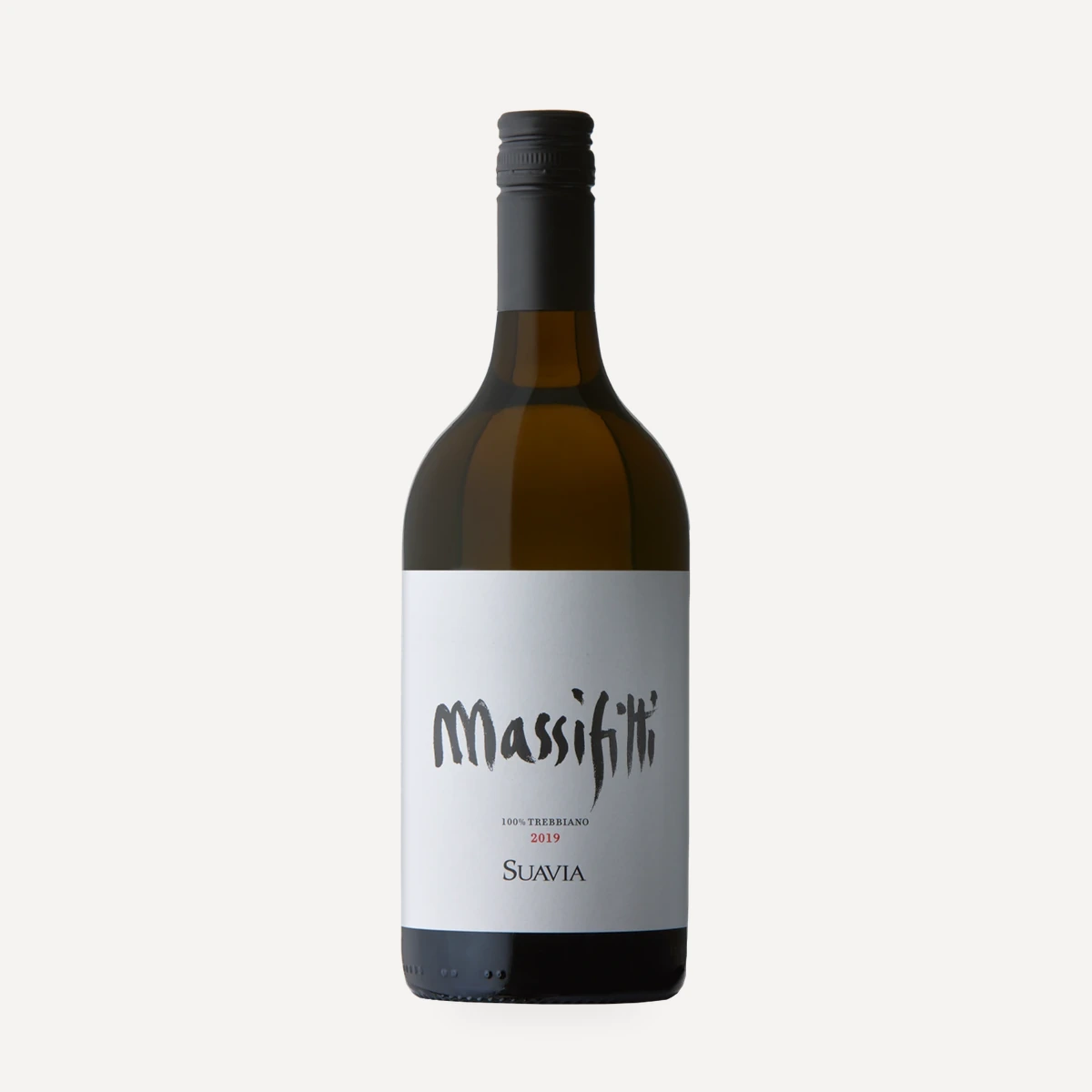
The Massifitti vineyard was planted in 2006 with selected clones derived from old Trebbiano di Soave vines. The south-facing site lies on the basalts of Fittà at 300 metres and takes its name from its large, compact basaltic rocks. The first Massifitti vintage followed in 2008.
The research leading to Massifitti renewed attention to Trebbiano di Soave within the denomination. Suavia subsequently planted Trebbiano di Soave in other parts of its hills, increasing the estate’s total area of the variety to approximately 6 hectares. Opera Semplice, a traditional-method, zero-dosage sparkling wine made only in selected vintages, became a further stage of the same research programme.
2019: organic certification
Long-term attention to vineyard soils, the surrounding landscape and the health of the entire agricultural environment led to formal organic certification in 2019.
2020: I Luoghi di Suavia
The first vintages of Fittà, Castellaro and Tremenalto were produced in 2020. Together they form the I Luoghi di Suavia project: three small, separate vinifications of Garganega from vineyards whose volcanic soils have different geological origins and structures. The project grew from observations made in the cellar and developed through geological study intended to reveal the diversity within Suavia’s volcanic terrain.
Today the estate remains centred on Fittà, with all 30 hectares of vineyards inside the Classico sector of the Soave denomination. Its work combines the preservation of old Garganega vines, the recovery of Trebbiano di Soave, organic farming, geological research and a cellar purpose-built for native white grapes.
Terroir
Setting and elevation
Suavia’s 30 hectares of vineyards lie entirely within the Classico sector of the Soave denomination, in its northern, hilly part. The estate is centred on Fittà, and its vineyards occupy different volcanic slopes at elevations reaching 340 metres. The sites described individually range from approximately 130 metres at Tremenalto to 300 metres at Massifitti, while the broader Soave Classico holdings average about 300 metres.
The hill climate is cooler than the plain of Soave. Pronounced day–night temperature changes combine with abundant sunlight produced by the hills’ favourable exposures. Individual sites range from full southern exposure to eastern, western, north-eastern, north-western and northern aspects, creating marked differences in warmth, coolness and ripening conditions.
Volcanic origin
The soils originated with intense volcanic activity beneath the sea during the middle Eocene, approximately 50 million years ago, when the local latitude had a tropical climate and rainforest-like vegetation. Basalts and other volcanic rocks formed as magma cooled abruptly in submarine and subaerial environments.
These ancient, highly evolved soils have complex structures. Mineral components occur at considerable depth and show advanced alteration. Iron and manganese are consistently identified among their important minerals. Centuries of cultivation have helped maintain the nutritional and hydrological relationship between the mineral-rich ground and the vines.
Geological diversity
The estate’s volcanic terrain is not uniform. Carbonare has deep, clay-textured soils coloured almost black by basalt. Fittà includes clay-rich ground and strongly altered basalt vulcanite. Castellaro is cooler, stony and rich in basalt fragments. Tremenalto has deep, evolved, scarlet-red volcanic soil that has largely resisted erosion despite its steep slopes. Massifitti is distinguished by large, compact basaltic rocks. Le Rive combines volcanic origin with a clay-silt texture.
This geological variation is the basis of I Luoghi di Suavia, which treats Fittà, Castellaro and Tremenalto as separate places rather than interchangeable sources of Garganega.
Vinificazione
Native varieties and old vines
Only Garganega and Trebbiano di Soave are cultivated. The family regards the old vines planted by earlier generations—some now more than 70 years old—as a living agricultural inheritance to be preserved.
Garganega is comparatively generous and ripens late, with harvest extending well into October. Its bunches are moderately vigorous, rather long and variably winged. Berry size changes with subsoil and microclimate and can become notably small in particular sites.
Trebbiano di Soave has small, compact bunches and small berries with delicate skins. It retains marked acidity and sapidity. Its lower yield and earlier ripening relative to Garganega contributed to its replacement after the Second World War by more productive material, leaving it in only a small number of hillside vineyards. Suavia’s recovery work selected old vines and returned the variety to Fittà before expanding it across approximately 6 hectares.
Organic and landscape-centred farming
Vineyard work is meticulous and continues throughout the year. Management is conceived at the scale of the whole landscape rather than only the immediate health of the vines. Vineyard soils and each element of the surrounding natural environment are treated as parts of a connected system whose balance requires individual care.
This approach led to official organic certification in 2019. Human cultivation is understood as an active part of preserving the nutritional and hydrological relationship between the volcanic soil and the vines.
Harvest
Harvesting is manual across the vineyard sources described. Timing follows variety, site and intended expression: Trebbiano di Soave is picked at the beginning of September; Garganega harvesting begins around mid-September and may continue through mid-October; the overripe Garganega of Le Rive is picked at the end of October. Several parcels specify collection by hand into crates.
Purpose-built white-wine cellar
The cellar is modern and efficient and was designed exclusively for white-wine production, with the specific aim of drawing out the qualities of the estate’s native grapes. It is arranged vertically over three superimposed levels. Gravity is used to reduce pumping and minimise the movement of must and wine.
Gentle transformation
Grapes are handled with an emphasis on delicacy and limited intervention. The aim is to transform the fruit without aggressive handling while using natural processes wherever possible. Steel is the principal fermentation and maturation material across the collection, while selected work also employs large oak barrels and extended contact with fine lees. Indigenous yeasts are used for the Trebbiano di Soave research wines and Acinatium. Malolactic fermentation varies according to the intended expression and vintage: it may be prevented, occur spontaneously, or be completed for only part of a lot.
The cellar’s technical work is supported by continuing agronomic, ampelographic and geological research. This research has included the recovery of Trebbiano di Soave, the planting of Massifitti and the development of a traditional-method sparkling interpretation produced only in suitable vintages.
Filosofia
Suavia’s central principle is belonging to place. The family treats soil as the connecting theme of its wines and regards the contrast between black volcanic earth and white grapes as fundamental to their identity.
Its vineyard philosophy extends beyond vine performance to the integrity of the complete landscape. Human work has a responsibility to care for the vineyard and the surrounding natural elements individually while preserving their collective balance. Organic certification formalises this commitment to healthy, sustainable management.
Old Garganega and Trebbiano di Soave vines are treated as the inheritance of earlier generations. Preserving them is paired with research rather than nostalgia: Suavia uses agronomic, ampelographic and geological study to reconsider local traditions, recover Trebbiano di Soave and distinguish individual volcanic sites.
In the cellar, the equivalent principle is delicacy. Gravity, minimal movement and non-invasive handling are intended to maintain the relationship among grape, soil and place. The family’s adoption of screw caps follows the same practical objective: allowing each bottle to reach the drinker as intended, with protection against taint and premature alteration.
Family continuity remains inseparable from the estate’s identity. Giovanni and Rosetta’s decision to make their own wine is now carried forward by Meri, Valentina and Alessandra in the same hamlet where the family has cultivated land since the nineteenth century.
Vini
Monte Carbonare
Soave Classico
Massifitti
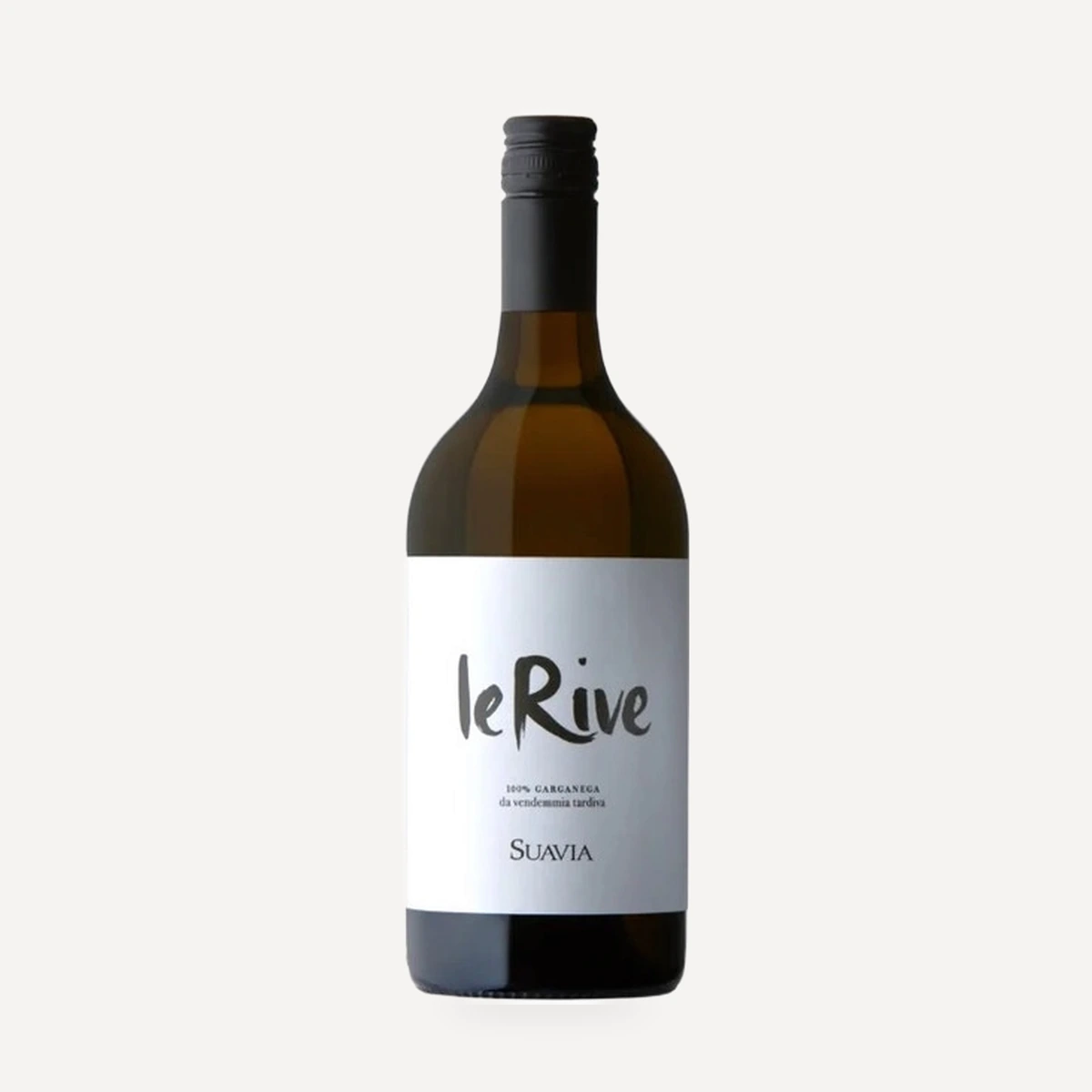
Le Rive
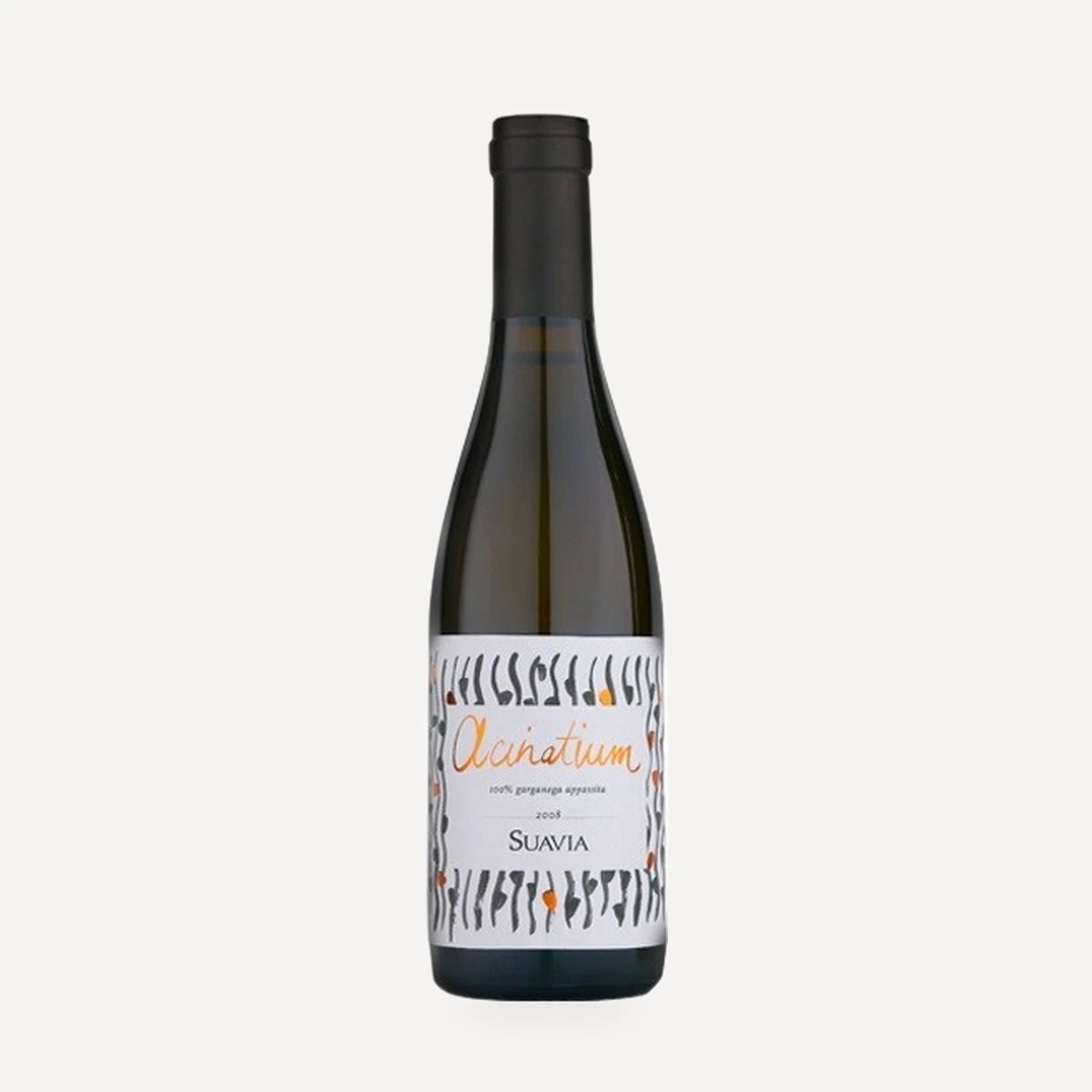
Acinatium