Storia
Foundation and the start of production
Consorzio Le Chiantigiane was founded in 1967 to protect and promote Tuscan wine production. Production began in 1975. The organization developed as an association of member wineries through which more than 2,000 growers pooled their resources. Vinification remained with the associated wineries, while the consortium assumed responsibility for bottling and commercialization.
Development across central Tuscany
The cooperative’s productive base grew to more than 2,500 hectares. Its principal Tuscan production zones came to include Certaldo, Colle di Val d’Elsa, Empoli, Larciano, Castelnuovo Berardenga and Scansano, where associated processing facilities are located. Together, the member wineries process approximately 170,000 quintals—17,000 metric tonnes—of grapes in a year.
The consortium established two bottling centres serving different production territories. Its headquarters and first bottling centre are at Via Michelangelo 15 in Barberino Tavarnelle, in the province of Florence and the heart of Chianti. The second is at Madonnino di Braccagni, in the province of Grosseto. Chiantigiane has operated in Maremma for nearly thirty years.
Expansion beyond Tuscany
At the end of the 1990s, Chiantigiane expanded beyond Tuscany, beginning work with producers in Abruzzo, Umbria, Sardinia and Marche. The model was based on relationships with local growers and respect for the individual character of each production territory, coupled with common quality standards.
Modern organization
The two bottling centres were equipped with modern technology and developed the flexibility to handle millions of bottles annually. Formats include 375 ml, 750 ml and 1.5 l bottles as well as the traditional straw-covered flask. Research, targeted investment and accumulated regional experience became the basis of the consortium’s quality strategy.
In more recent years, the portfolio was broadened with new labels intended for an increasingly knowledgeable and international market. The current range brings together Tuscan DOCG and DOC wines, wines from the consortium’s partner regions, sparkling wines, traditional flasks and multiple branded collections. Distribution now extends through major Italian retail chains, wholesalers and retailers, alongside an expanding international commercial network.
Terroir
A geographically broad cooperative base
Chiantigiane’s core production area covers much of central Tuscany, with particular concentration around Certaldo, Colle di Val d’Elsa, Empoli, Larciano, Castelnuovo Berardenga and Scansano. The Barberino Tavarnelle centre lies in the heart of Chianti, while the Braccagni centre serves the consortium’s activity in the province of Grosseto and Maremma. Since the late 1990s, the production network has also included relationships with growers in Abruzzo, Umbria, Sardinia and Marche.
Maremma and Alborense
The Maremma vineyards associated with Alborense occupy a landscape of rolling hills and Mediterranean scrub. Long sunlight exposure supports ripening, marine breezes moderate the setting, and the surrounding hills provide protection. These combined influences form the local microclimate used for Morellino di Scansano DOCG.
Montagnana
Montagnana is a historic property in the Florentine countryside and is presented as one of Tuscany’s oldest wineries. In the Middle Ages it belonged to the monks of the Certosa of Florence, who cultivated its land. Olive groves and specialized vineyards were introduced over time, initiating its wine production. The area now supplies the Montagnana collection, including Chianti and Chianti Riserva.
Geggiano
Geggiano lies in the Sienese hills. Its steep slopes and galestri soils provide the setting selected for Chianti Classico DOCG. The vineyard landscape has the outline of a butterfly wing and overlooks Piazza del Campo. Grapes are harvested in late September at optimal maturity.
Vinificazione
The vineyards are cultivated by the consortium’s producer-members through their associated wineries. Member growers select grapes from vineyards in Tuscany and the other regions in which Chiantigiane operates.
Agronomists and enologists monitor the production chain from vine care onward and establish common quality parameters. At Geggiano, harvesting takes place in late September when the grapes have reached optimal maturity. The productive model combines local grower knowledge with continuous research and consortium-wide supervision.
Vinification is decentralized: grapes are processed by the associated winemaking companies rather than at the consortium’s bottling centres. Collectively, those wineries handle approximately 170,000 quintals—17,000 metric tonnes—of members’ grapes each year. The resulting wines are delivered to Chiantigiane for bottling and commercialization.
Agronomists and enologists monitor the chain from vineyard care to bottling and define the quality parameters applied across production. Research, targeted investment and decades of regional experience support this system.
Chiantigiane operates two technologically equipped bottling facilities. The headquarters and first centre are in Barberino Tavarnelle, in the province of Florence; the second is at Madonnino di Braccagni, in the province of Grosseto. Together they bottle millions of bottles annually. Their flexible equipment handles 375 ml, 750 ml and 1.5 l bottles as well as the traditional straw-covered flask, enabling the cooperative to serve different markets and consumer formats.
Filosofia
Chiantigiane defines its identity through a close relationship with the territories in which its members work. Local resources, traditions and individual regional characteristics are treated as foundations of the business rather than as decorative elements.
Tradition is presented as the base on which innovation should be built. In practice, this means combining the knowledge of many growers and historic wine areas with research, investment, modern bottling technology and common quality controls. The consortium’s model seeks to preserve the individual character of Tuscany and its partner regions while maintaining consistent standards across a large, internationally distributed portfolio.
Collective organization is central to this philosophy. More than 2,000 growers contribute vineyards, wines and accumulated experience, while shared agronomic, enological, production, quality and commercial functions give those producers access to national and international markets. Freshness, elegance and tradition are the stated guiding ideas of the wine selection, alongside attention to detail and respect for the land.
Vini
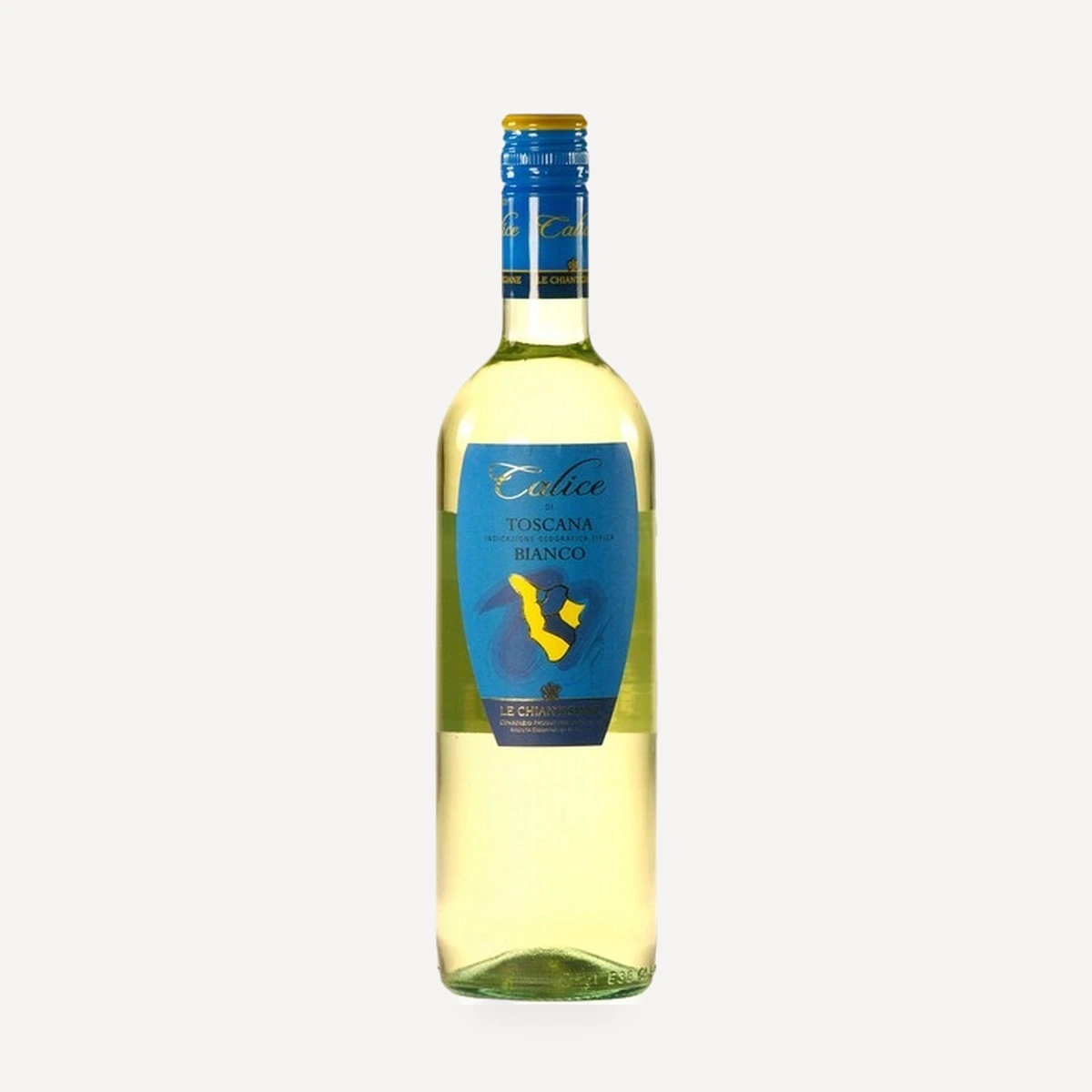
Calice Bianco Toscano IGT
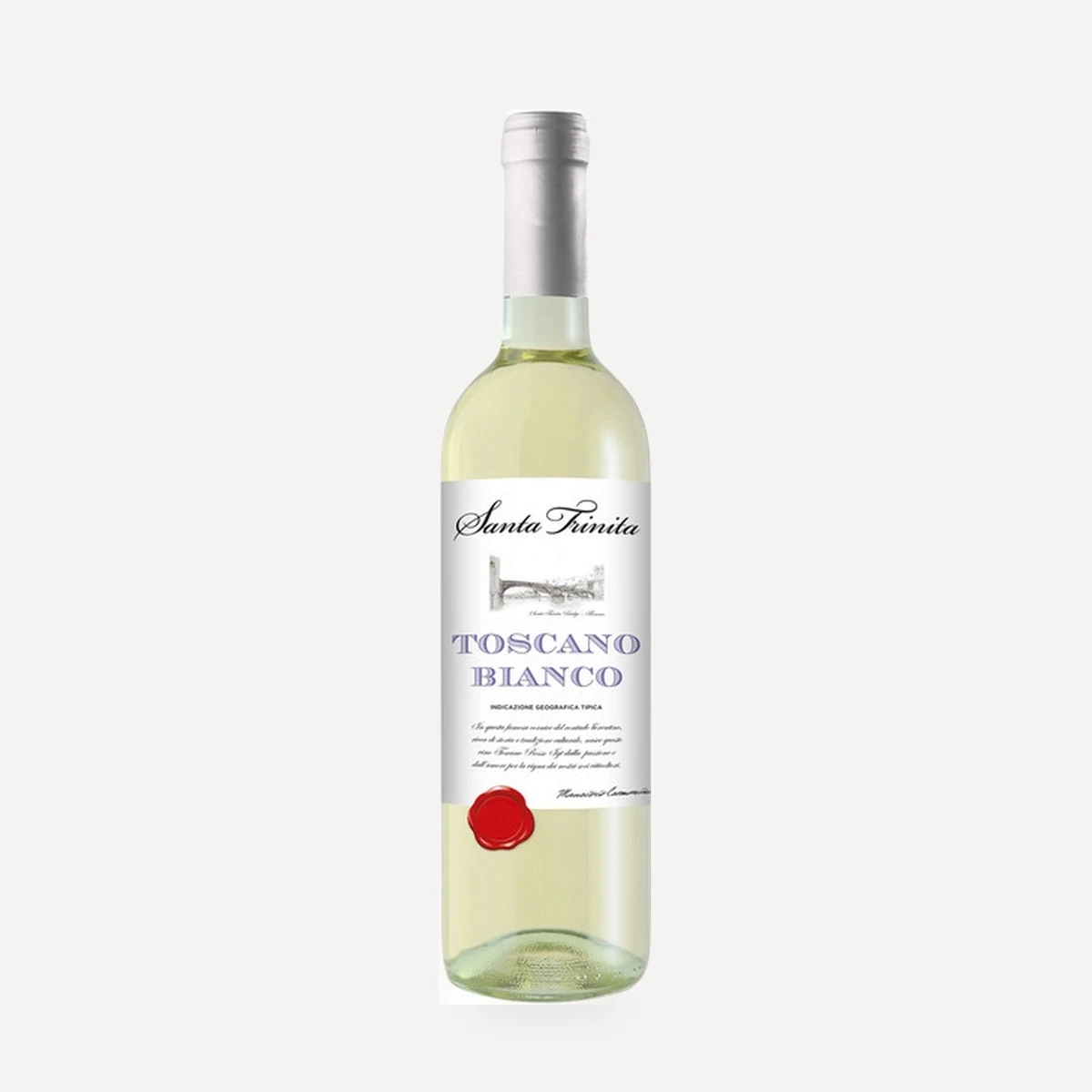
Santa Trinita Toscano Bianco IGT
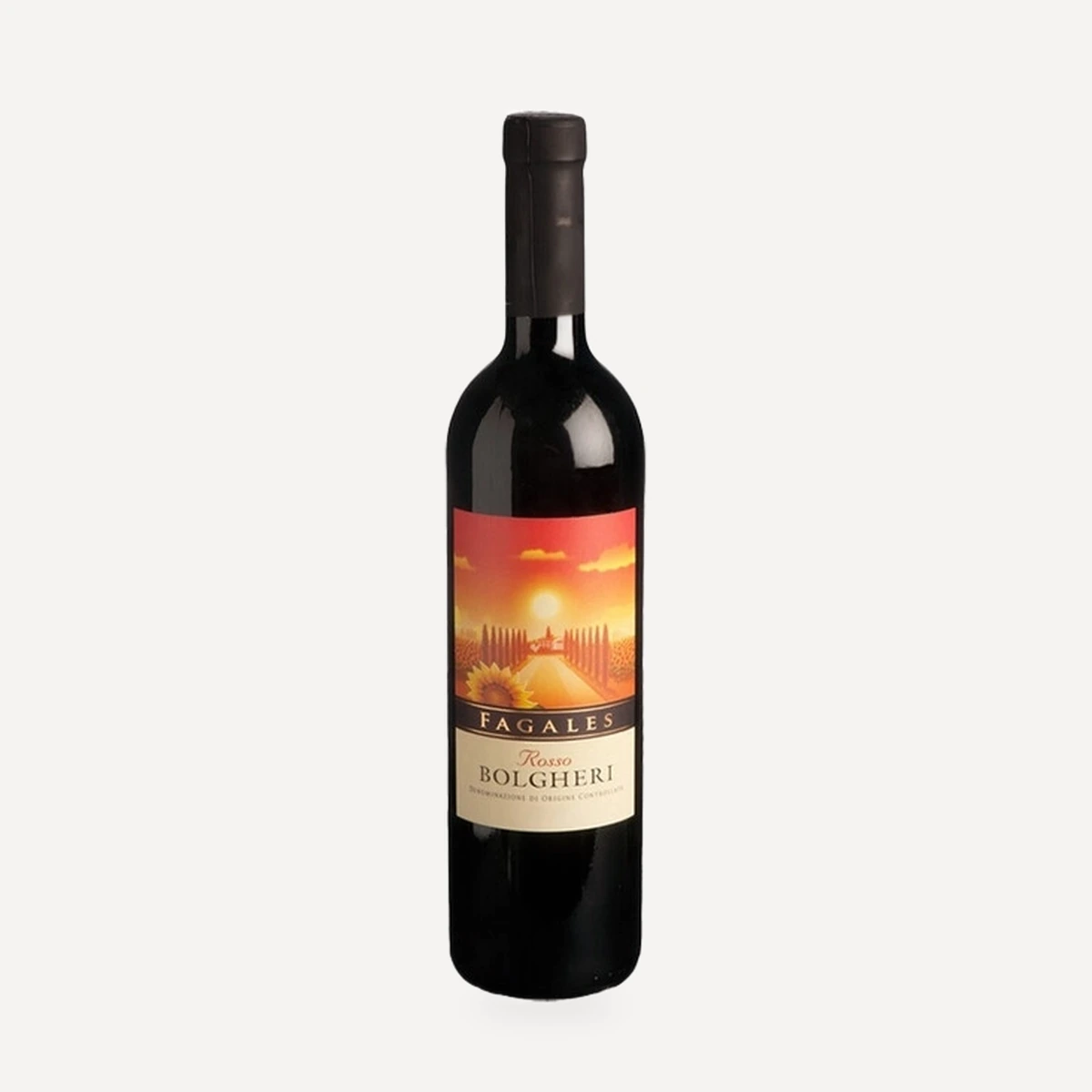
Fagales Bolgheri Rosso DOC
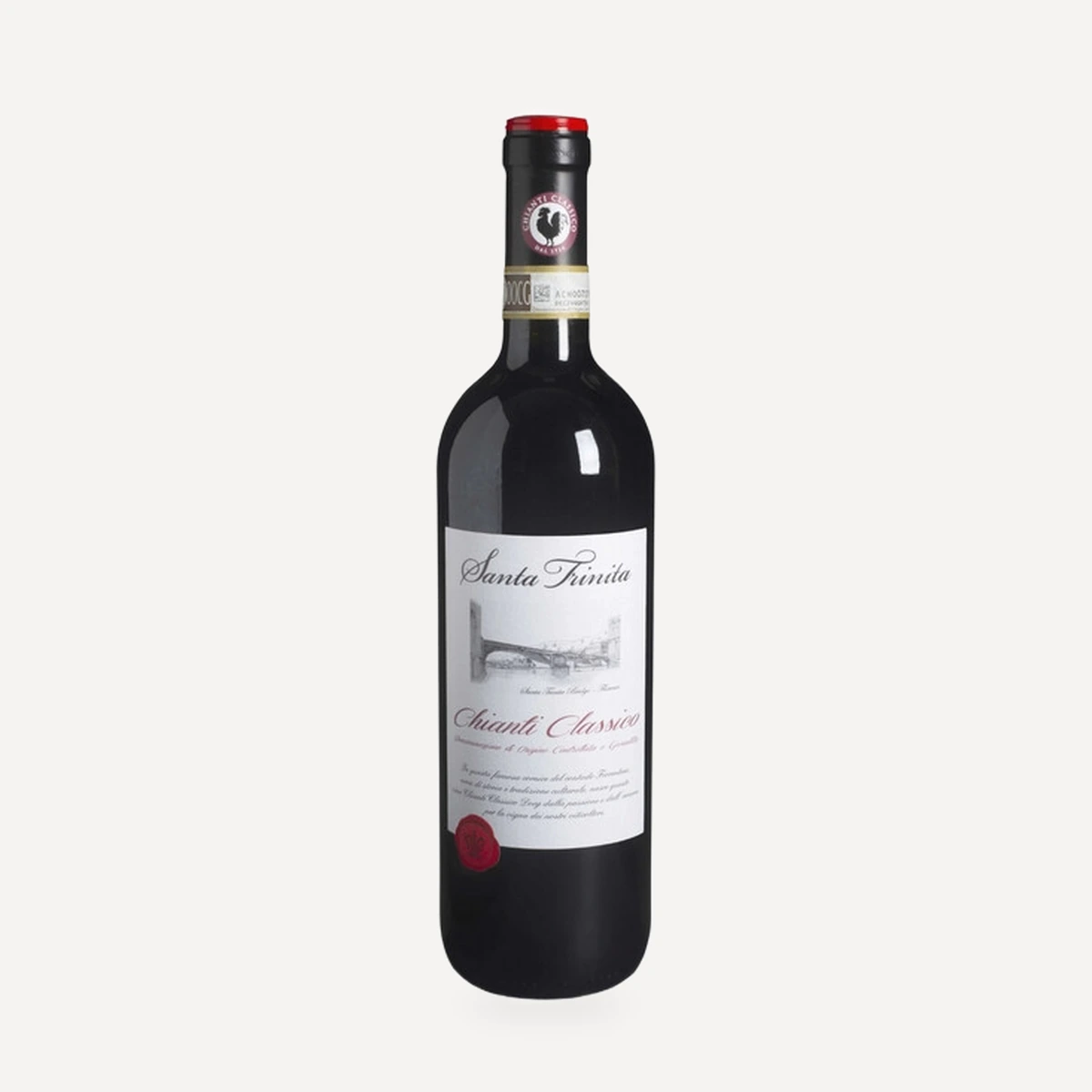
Santa Trinita Chianti Classico DOCG
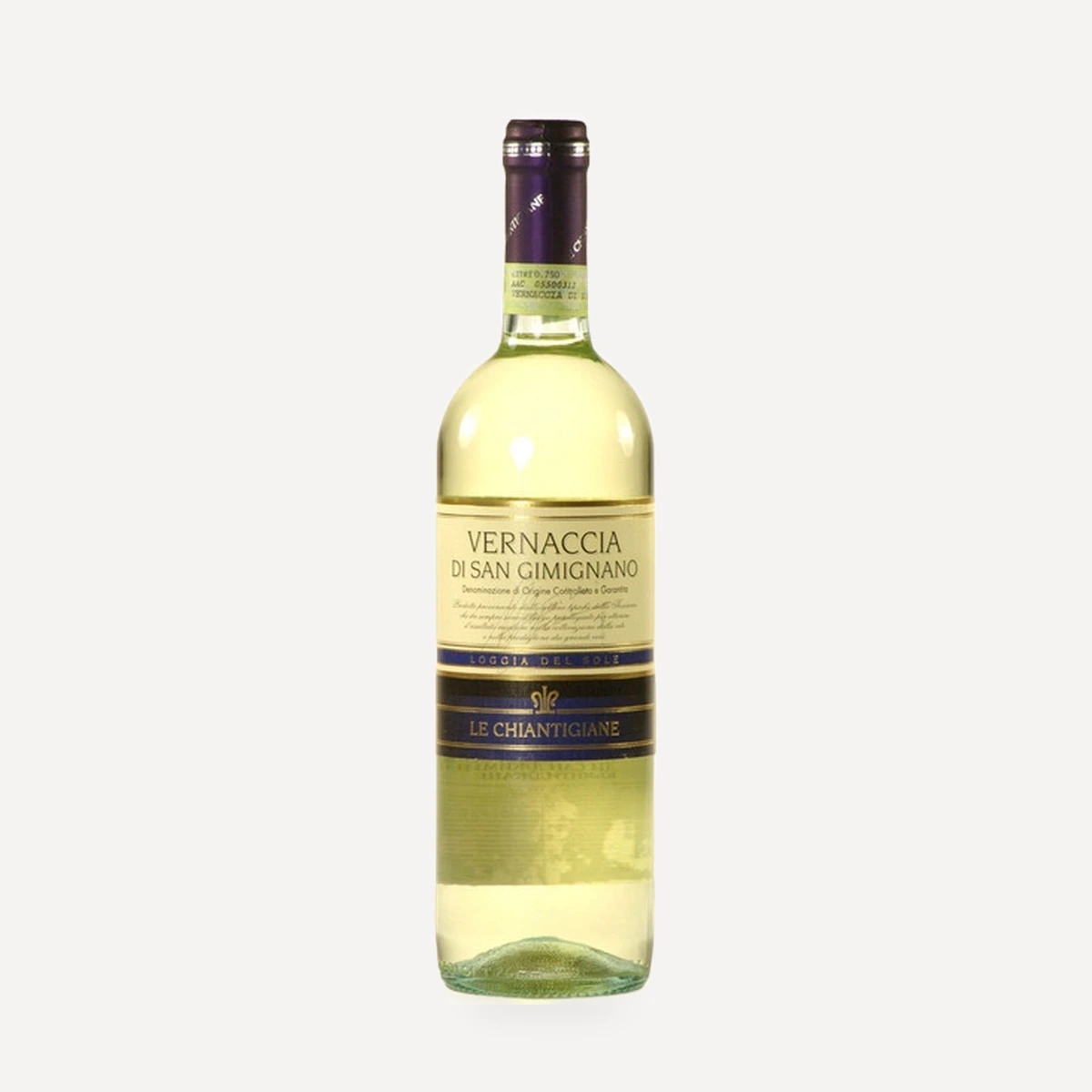
Loggia Del Sole Vernaccia Di San Gimignano
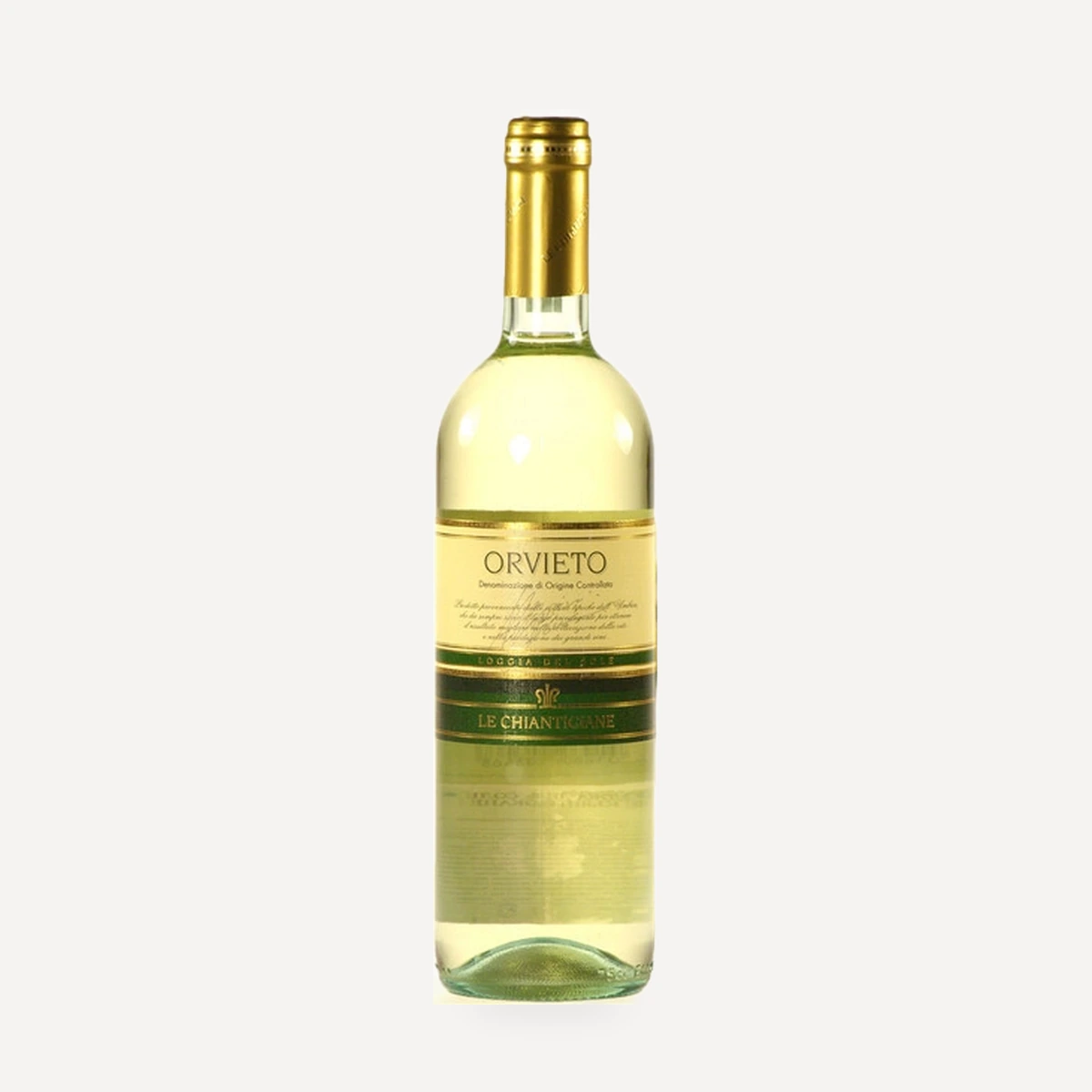
Loggia Del Sole Orvieto DOC
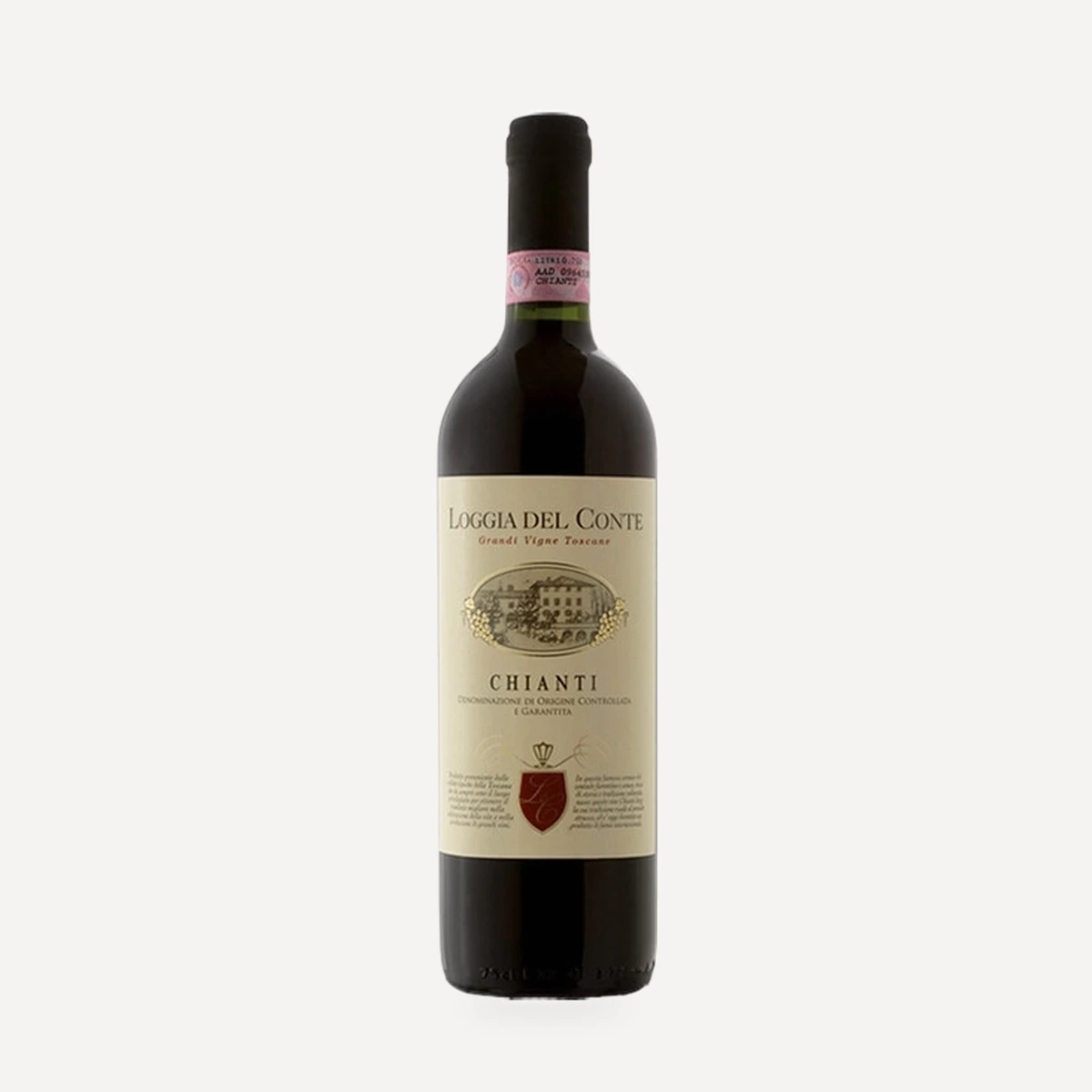
Loggia del Conte Chianti DOCG
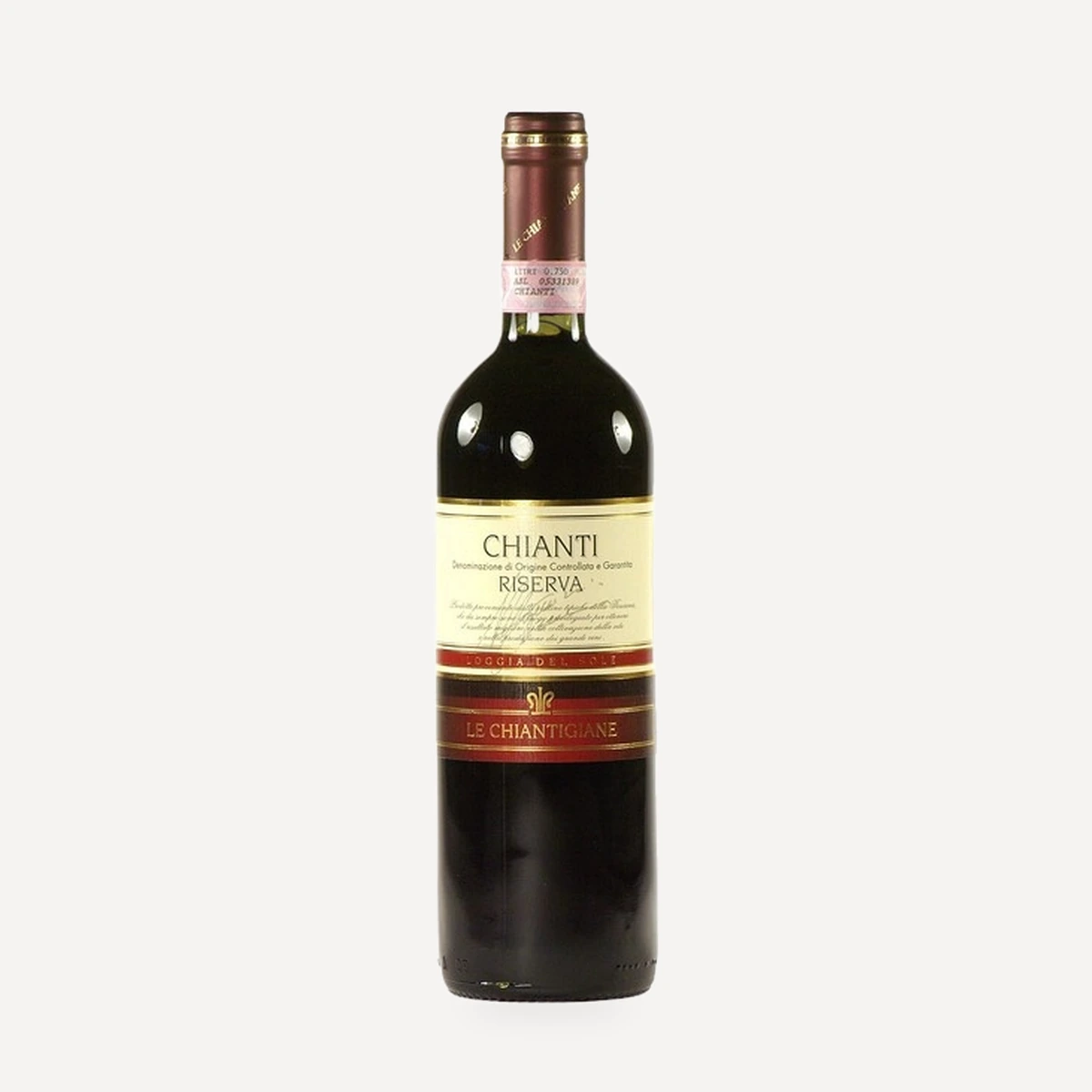
Loggia Del Sole Chianti Riserva DOCG
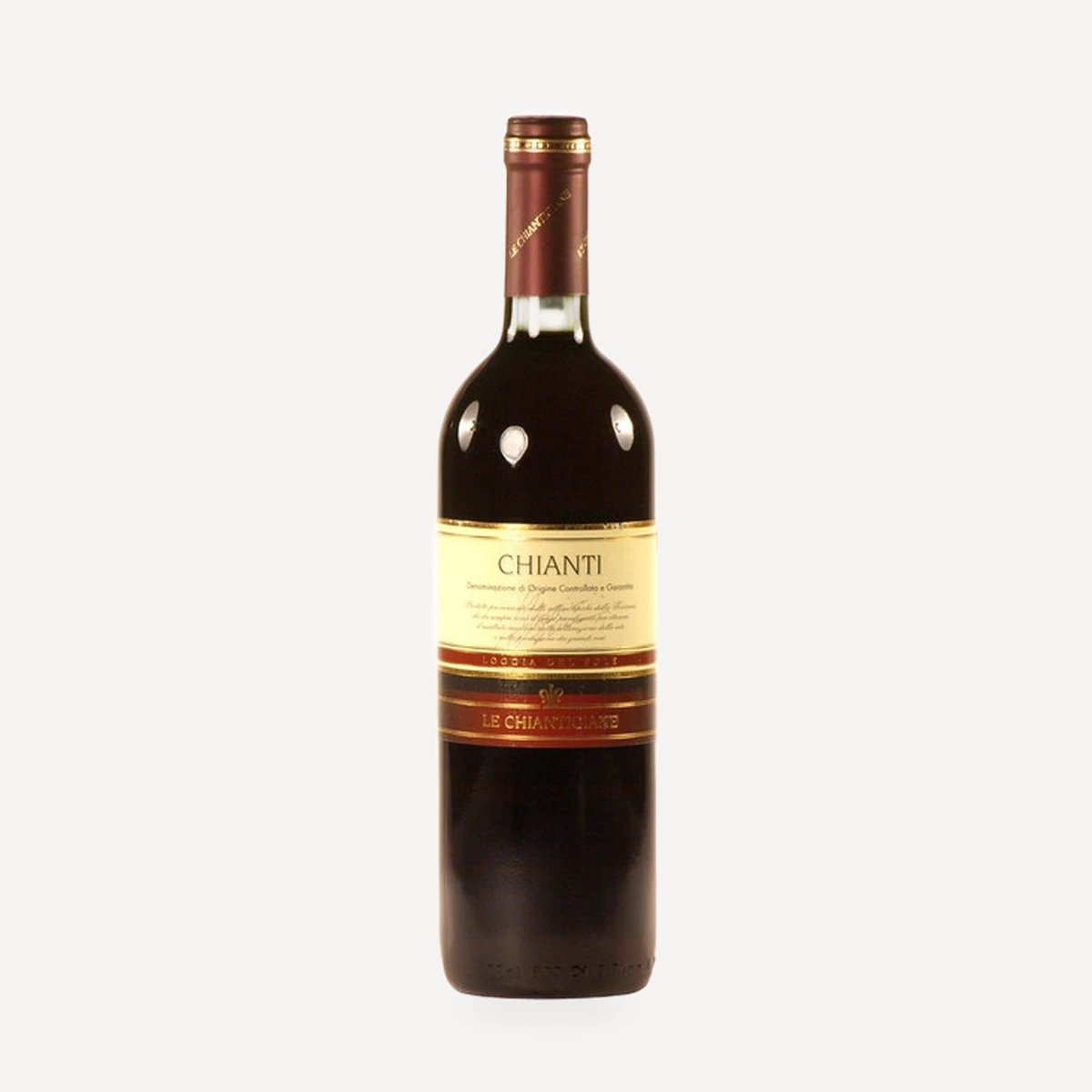
Loggia Del Sole Chianti DOCG
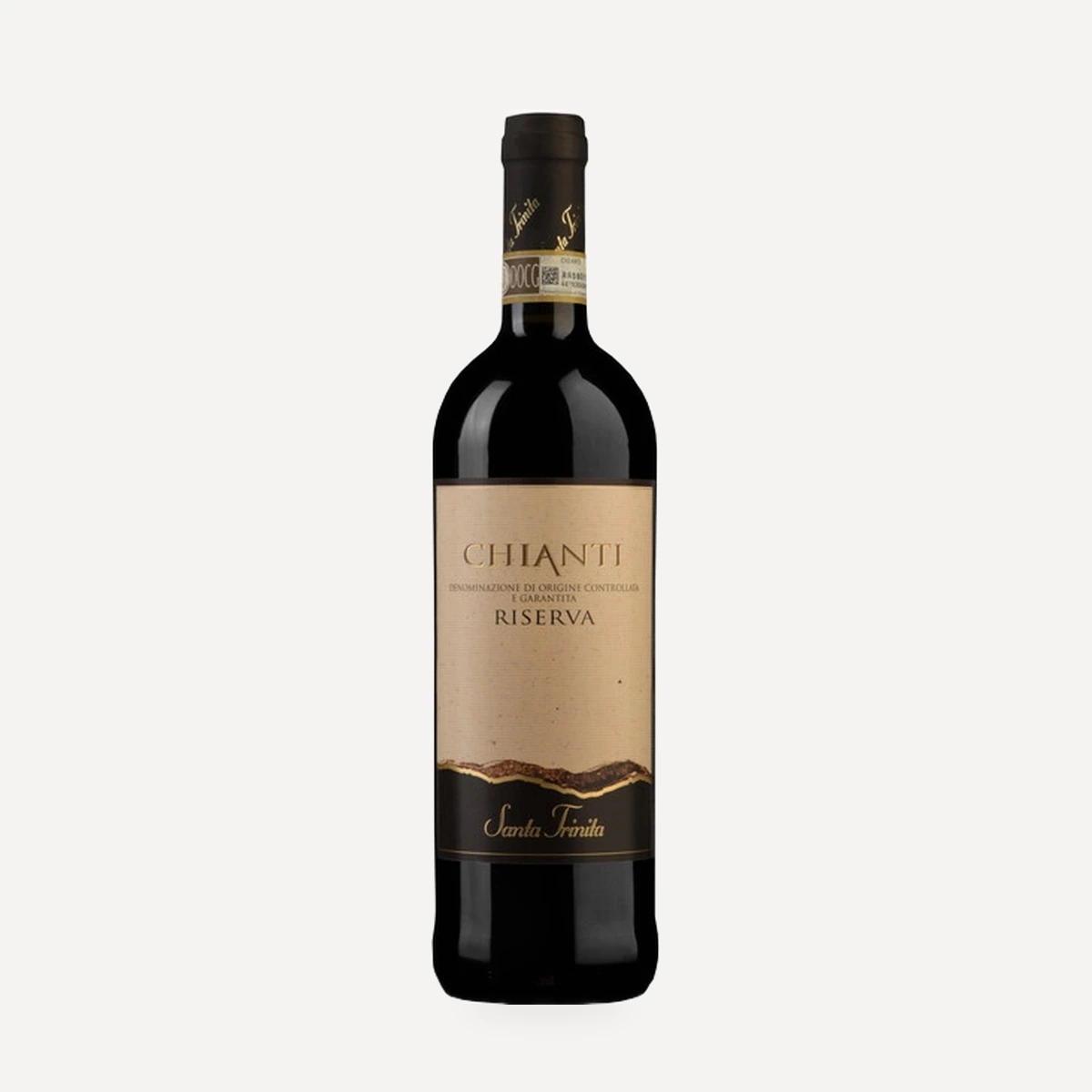
Santa Trinita Chianti Riserva DOCG
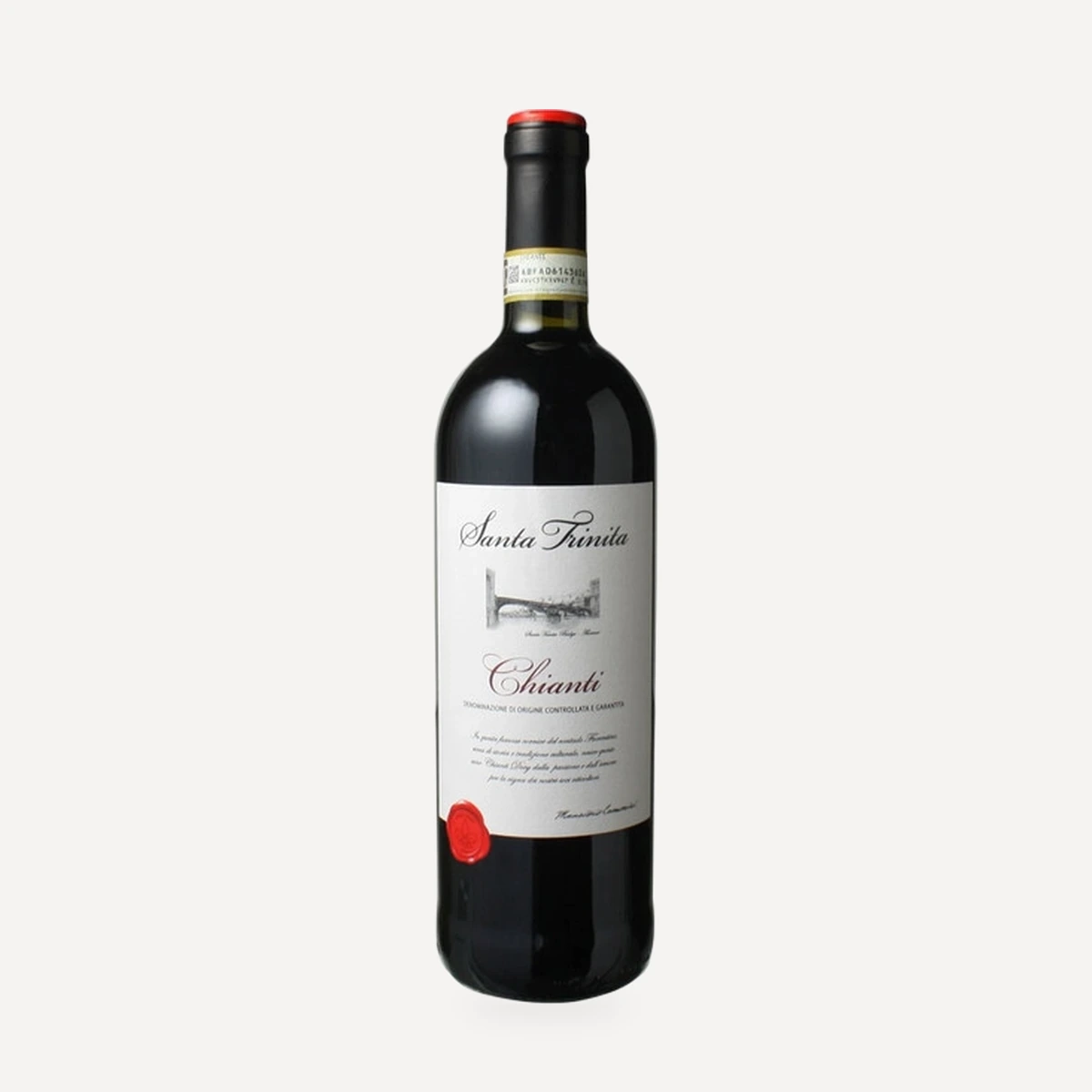
Santa Trinita Chianti DOCG
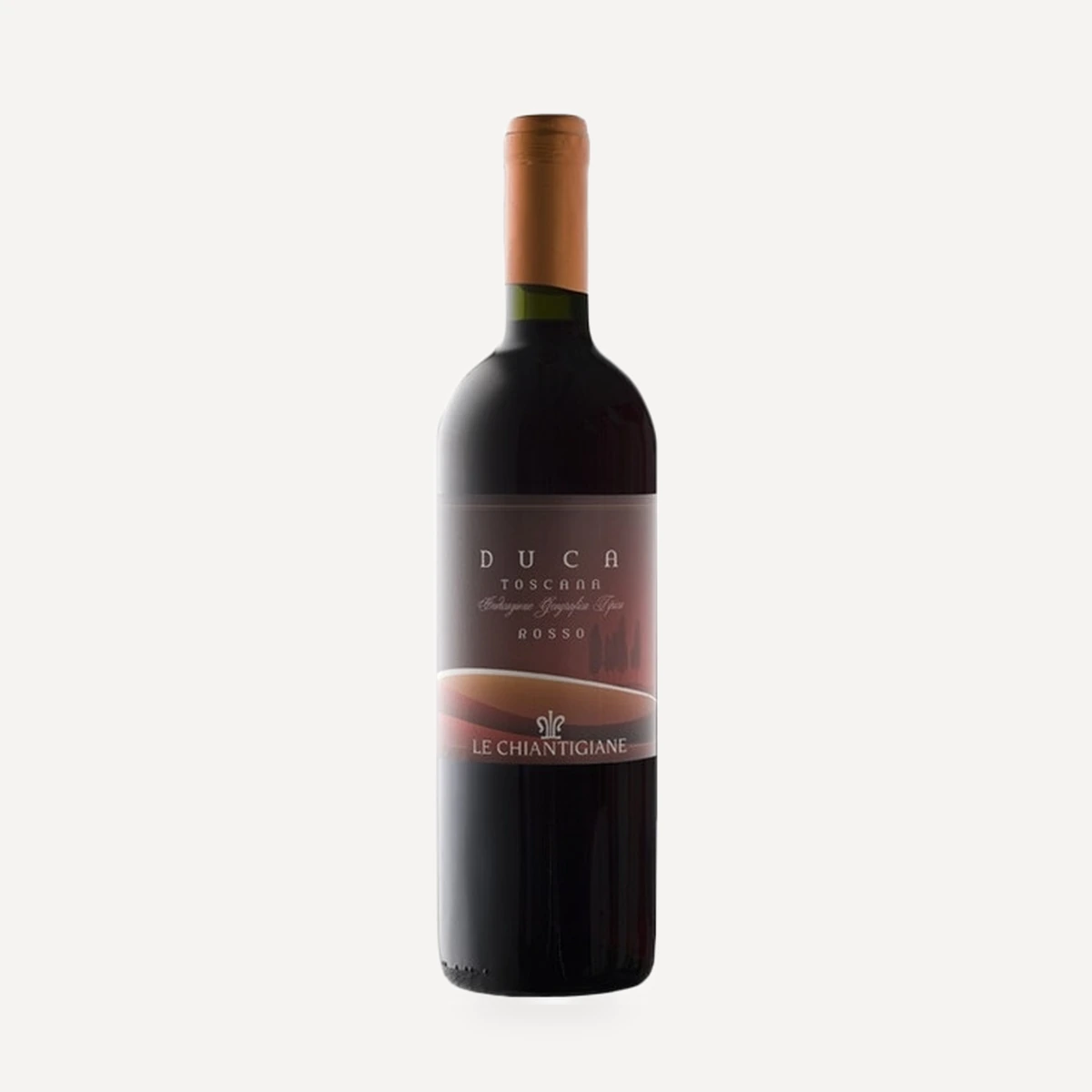
Duca Toscana Rosso IGT
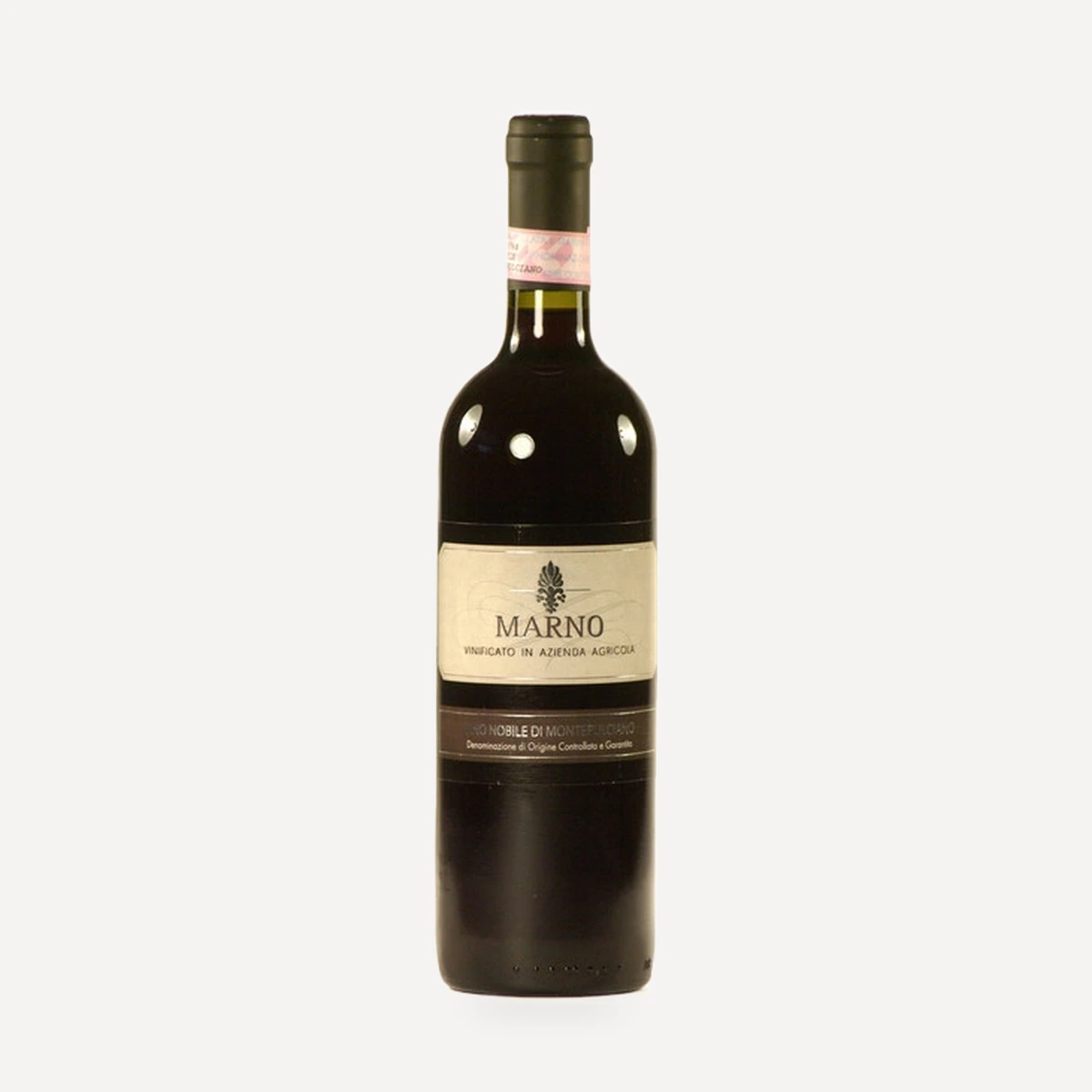
Marno Vino Nobile di Montepulciano DOCG
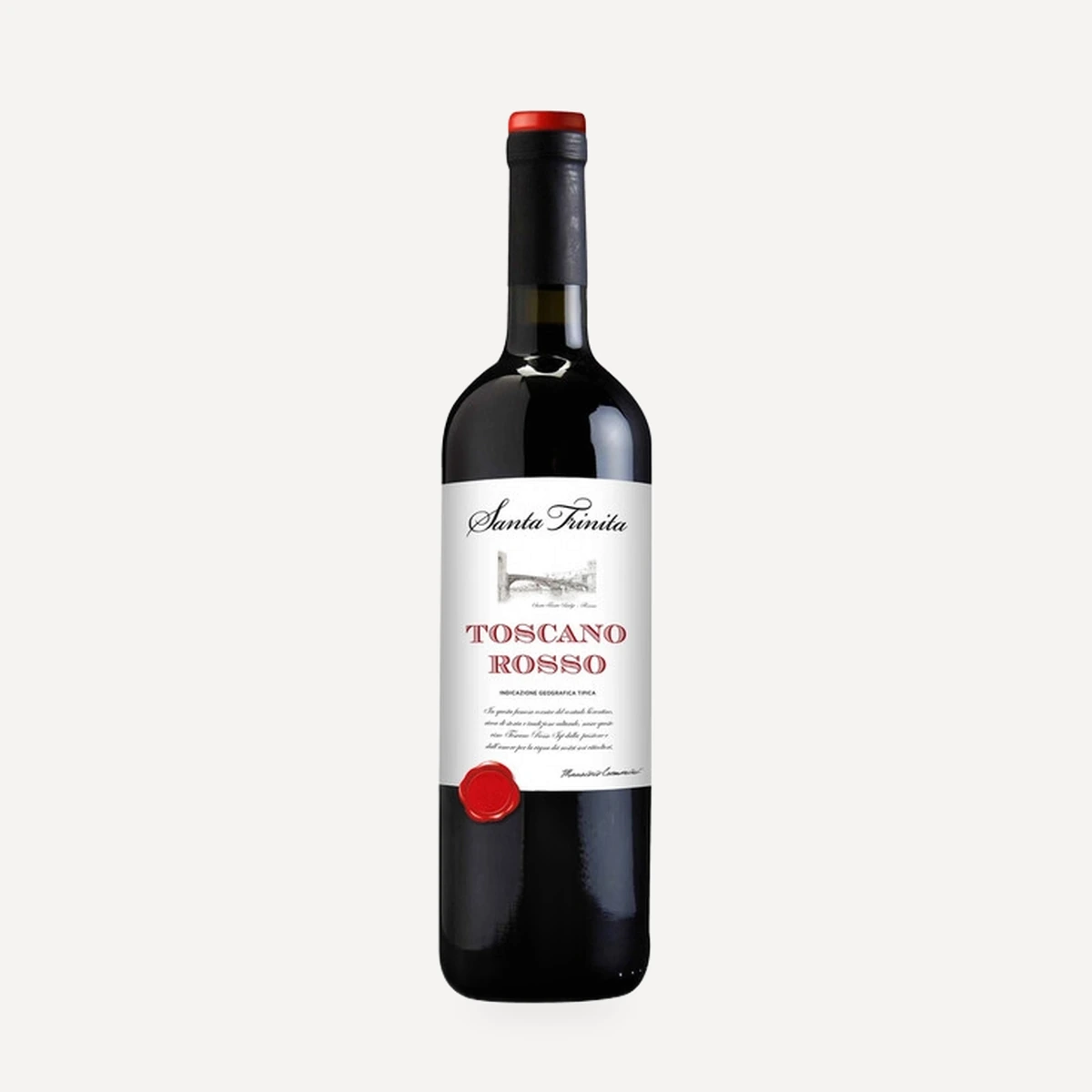
Santa Trinita Toscano Rosso IGT
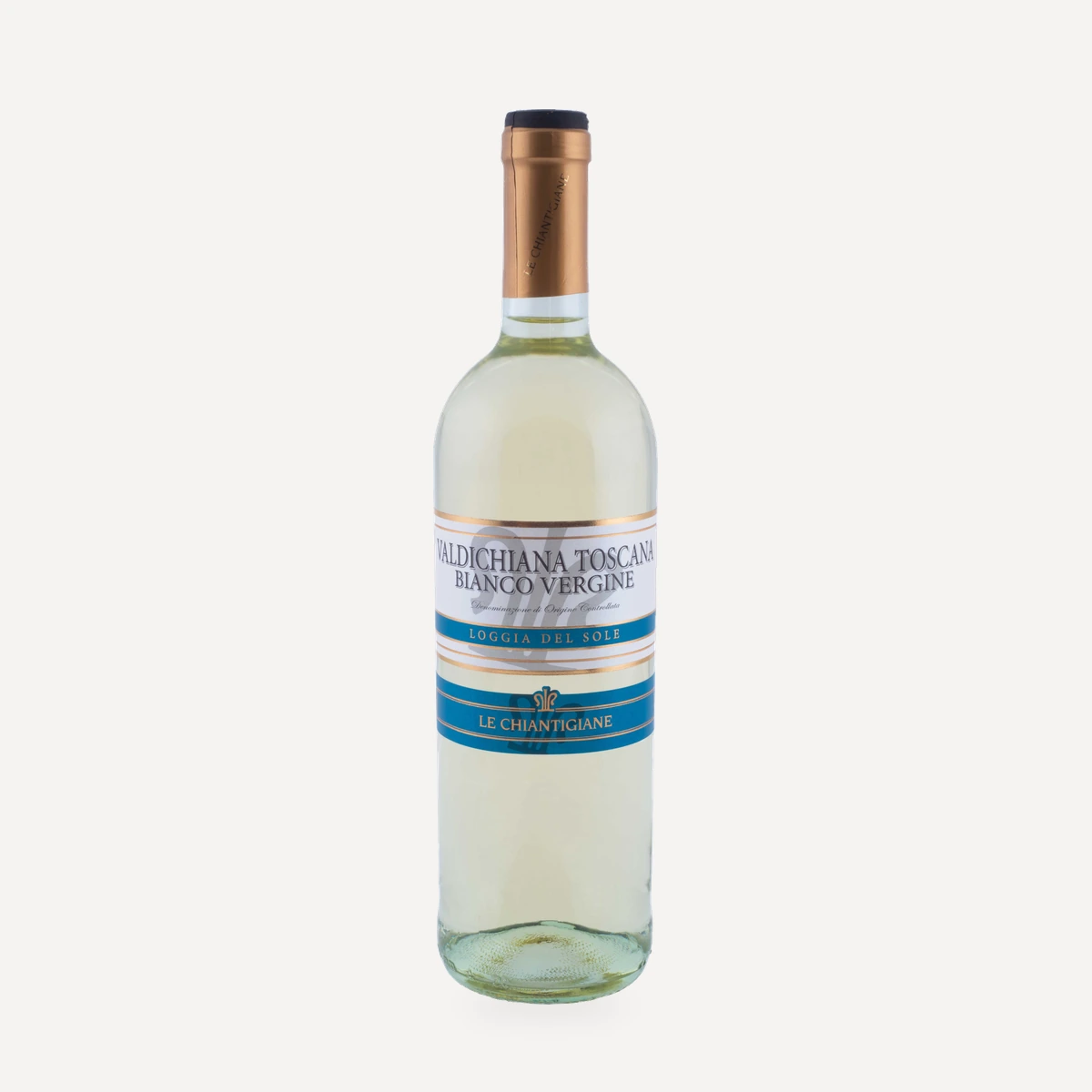
Bianco Vergine Valdichiana DOC Loggia del Sole
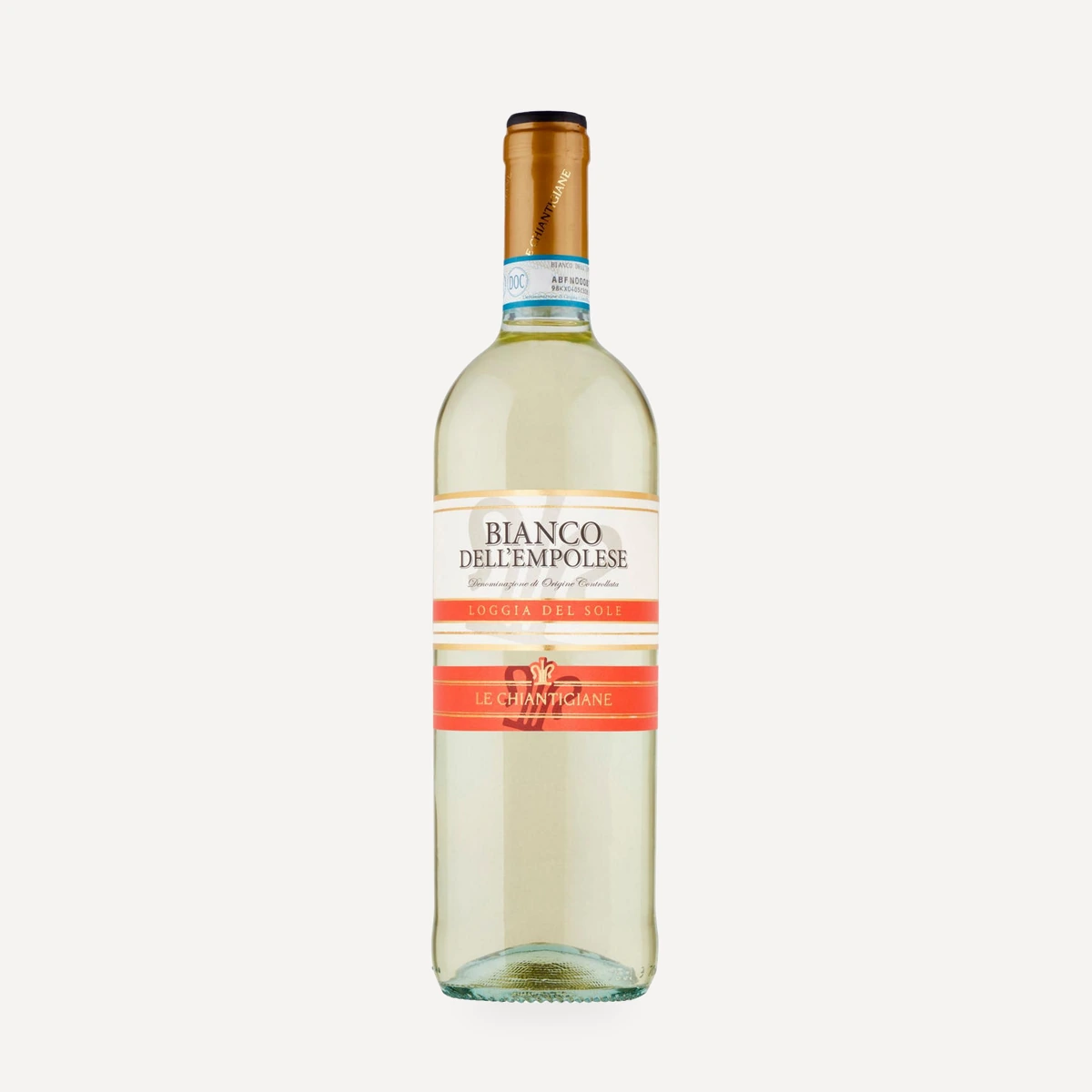
Bianco dell'Empolese DOC Loggia del Sole
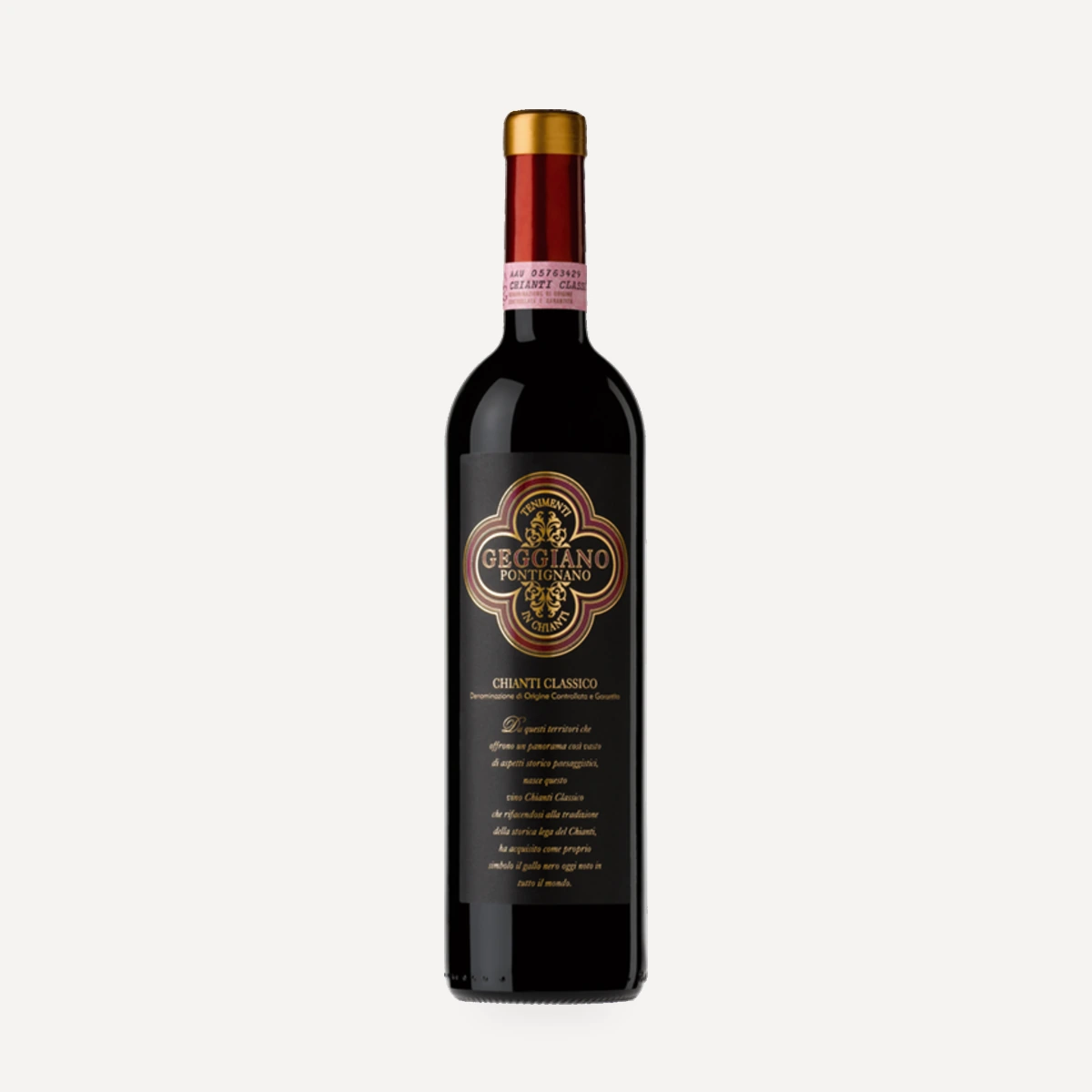
Chianti Classico DOCG Geggiano-Pontignano
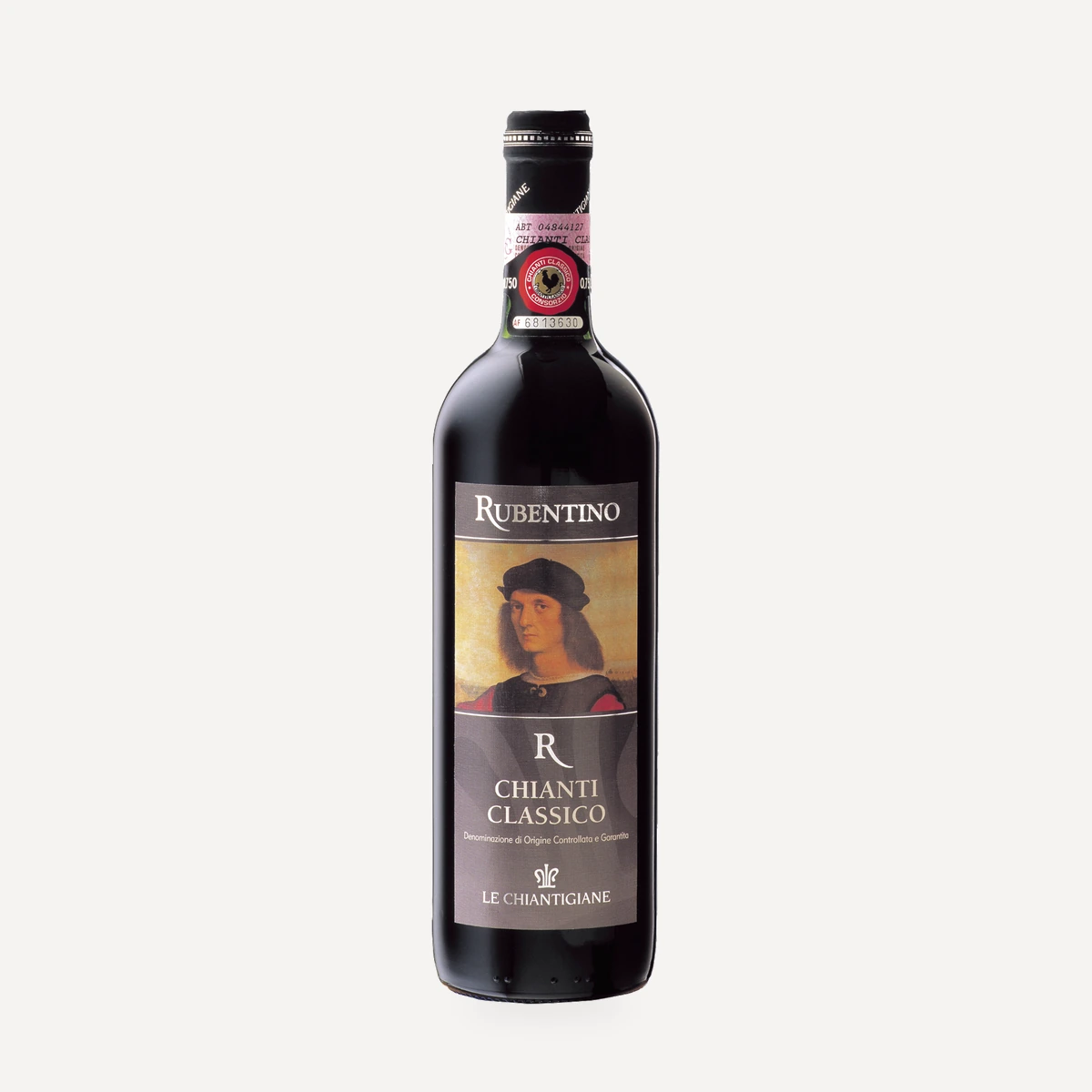
Chianti Classico DOCG Rubentino
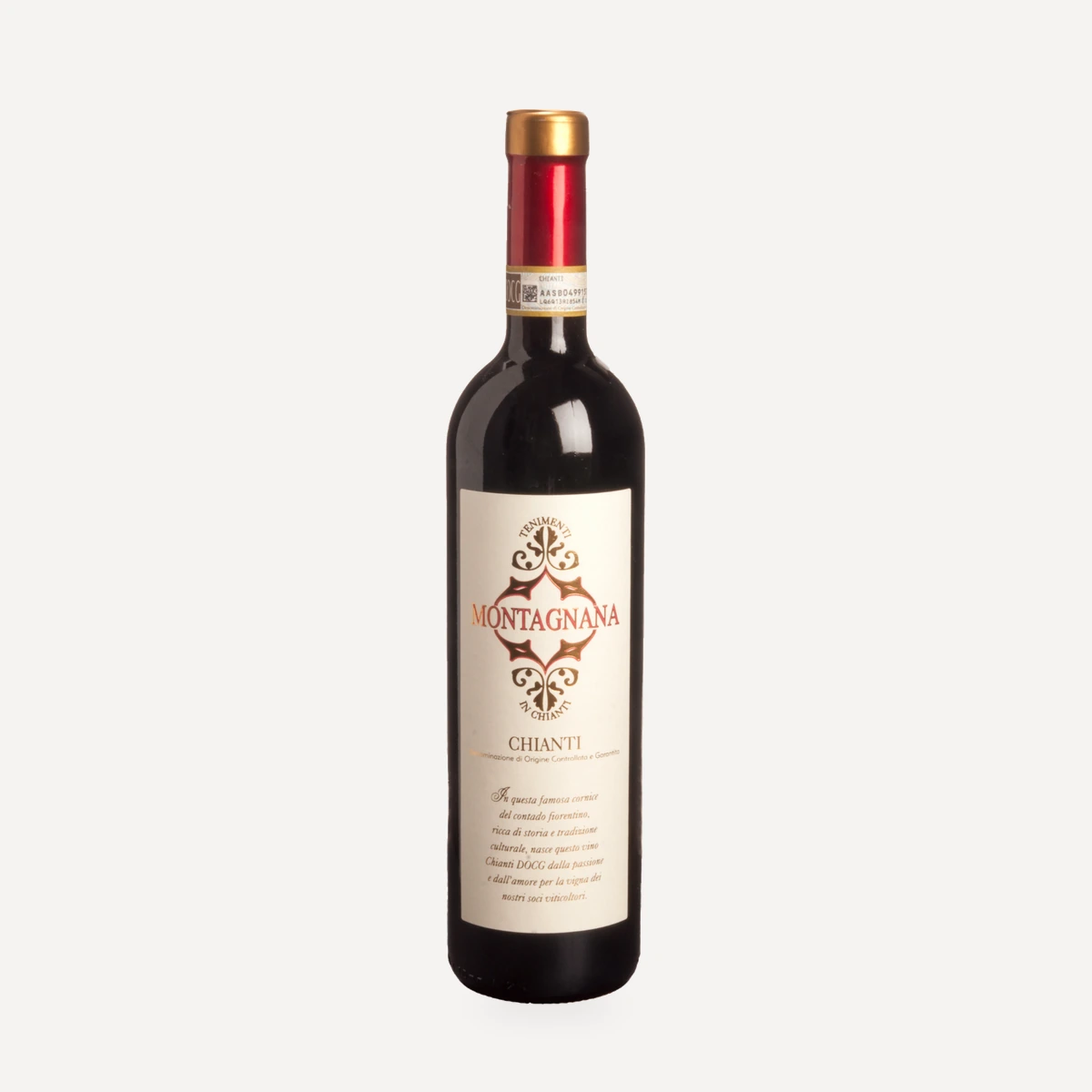
Chianti DOCG Montagnana
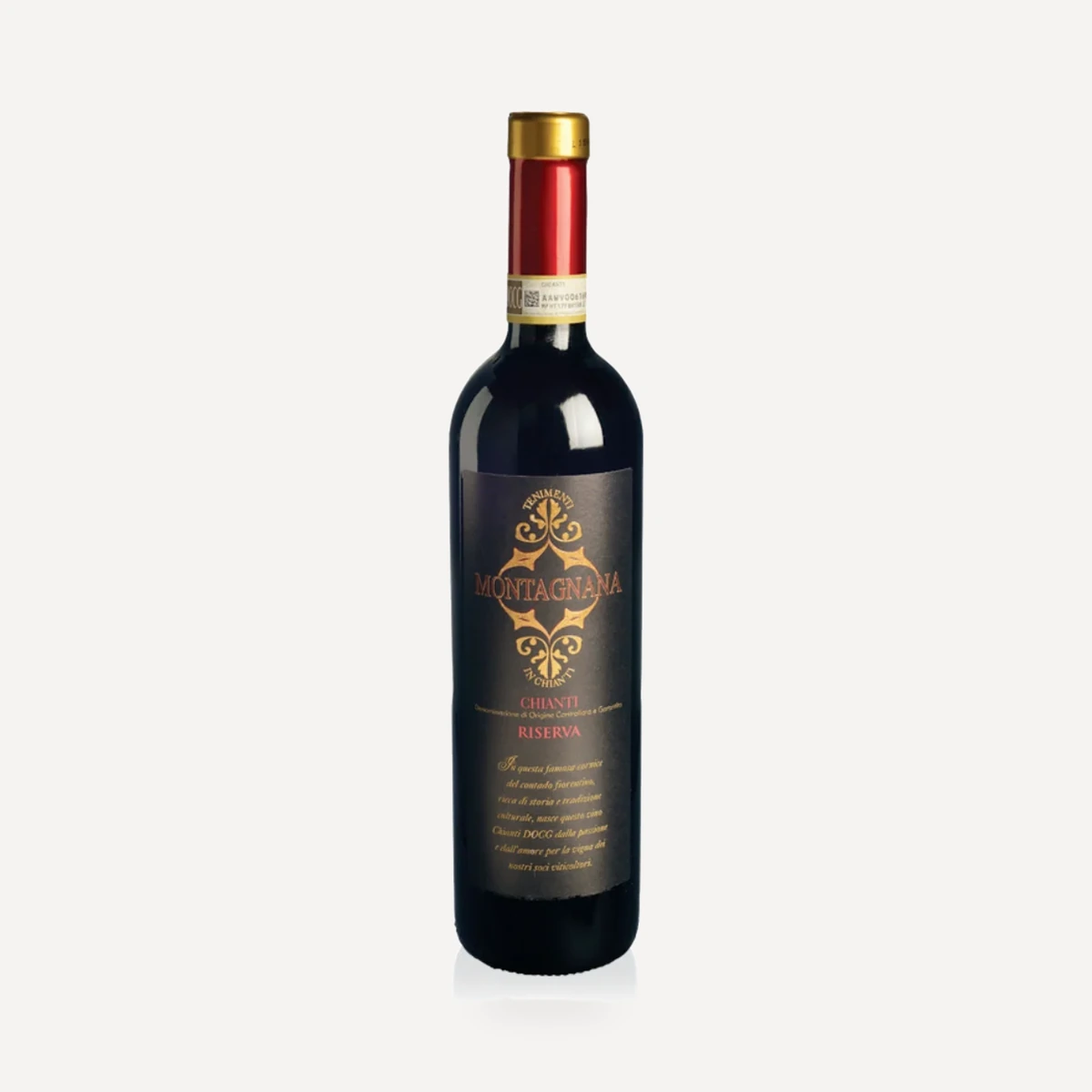
Chianti DOCG Riserva Montagnana
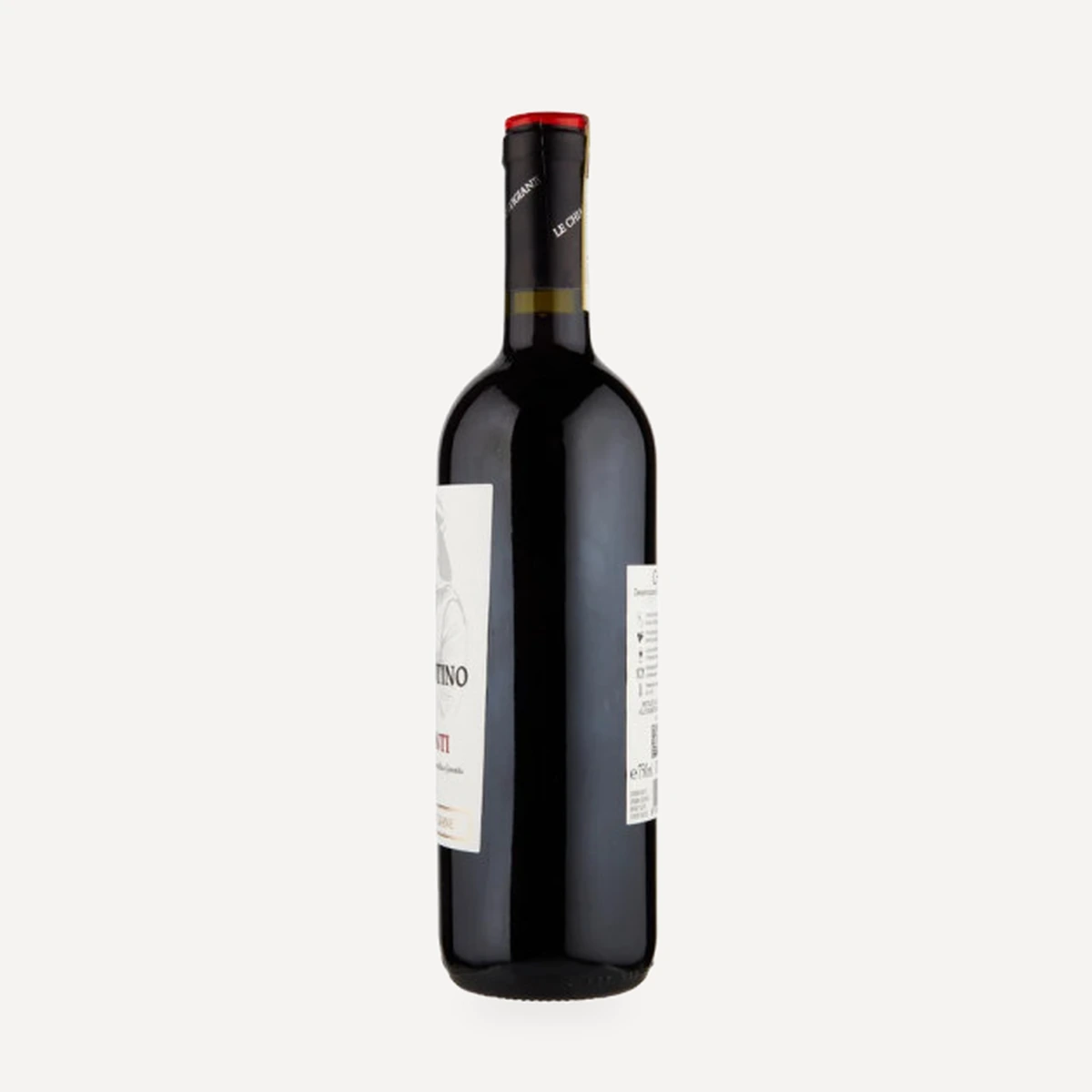
Chianti DOCG Rubentino
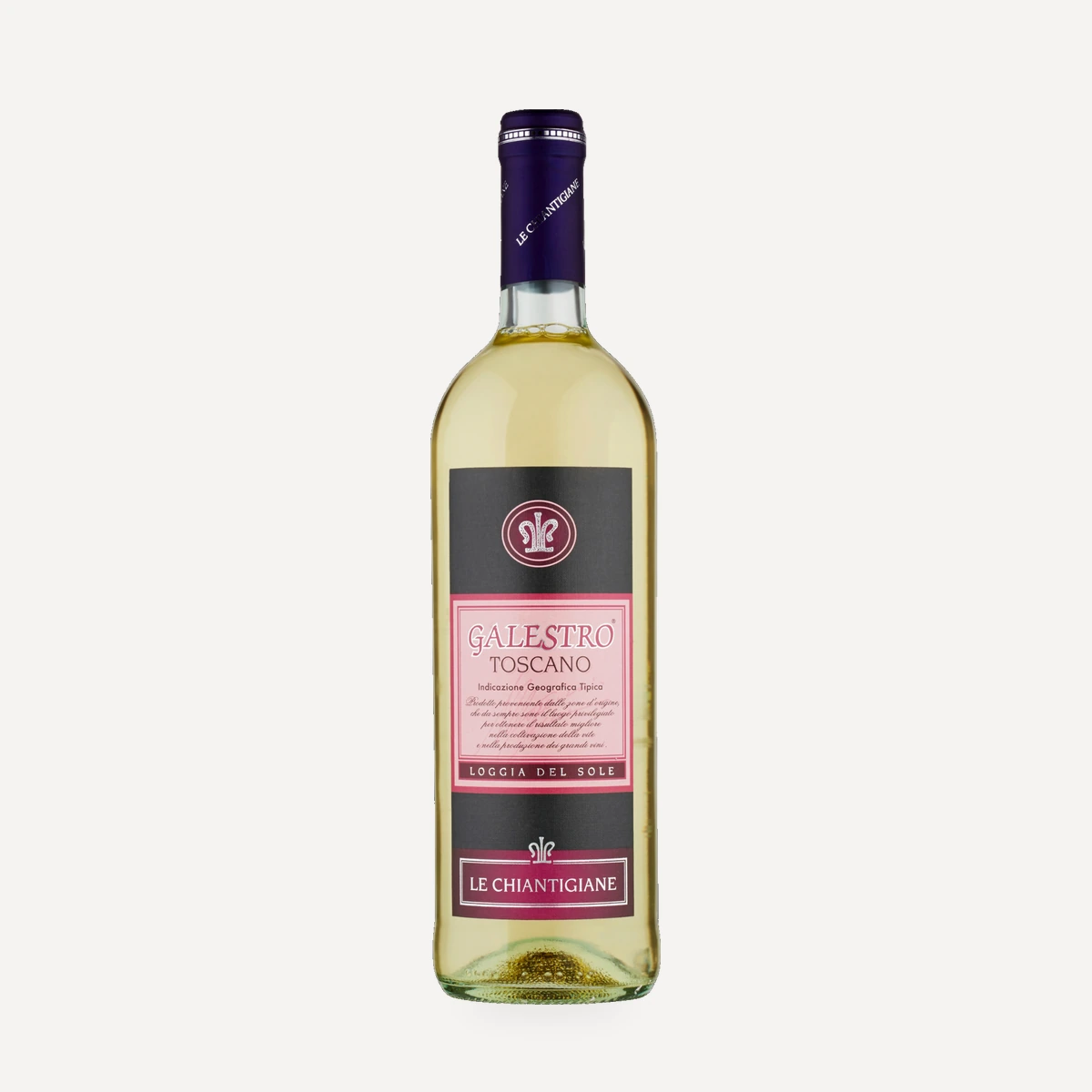
Galestro IGT Loggia del Sole
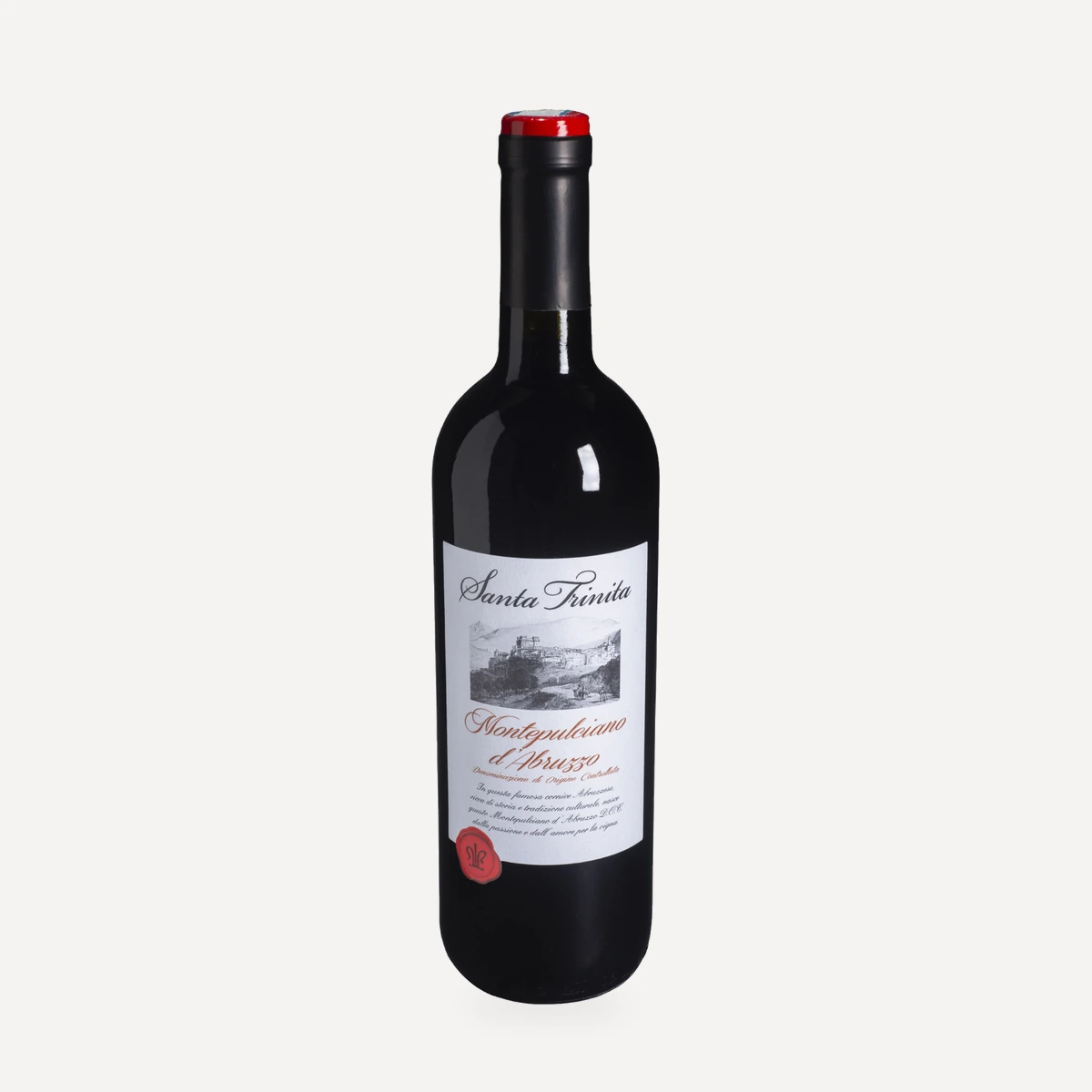
Montepulciano d'Abruzzo DOC Santa Trinita
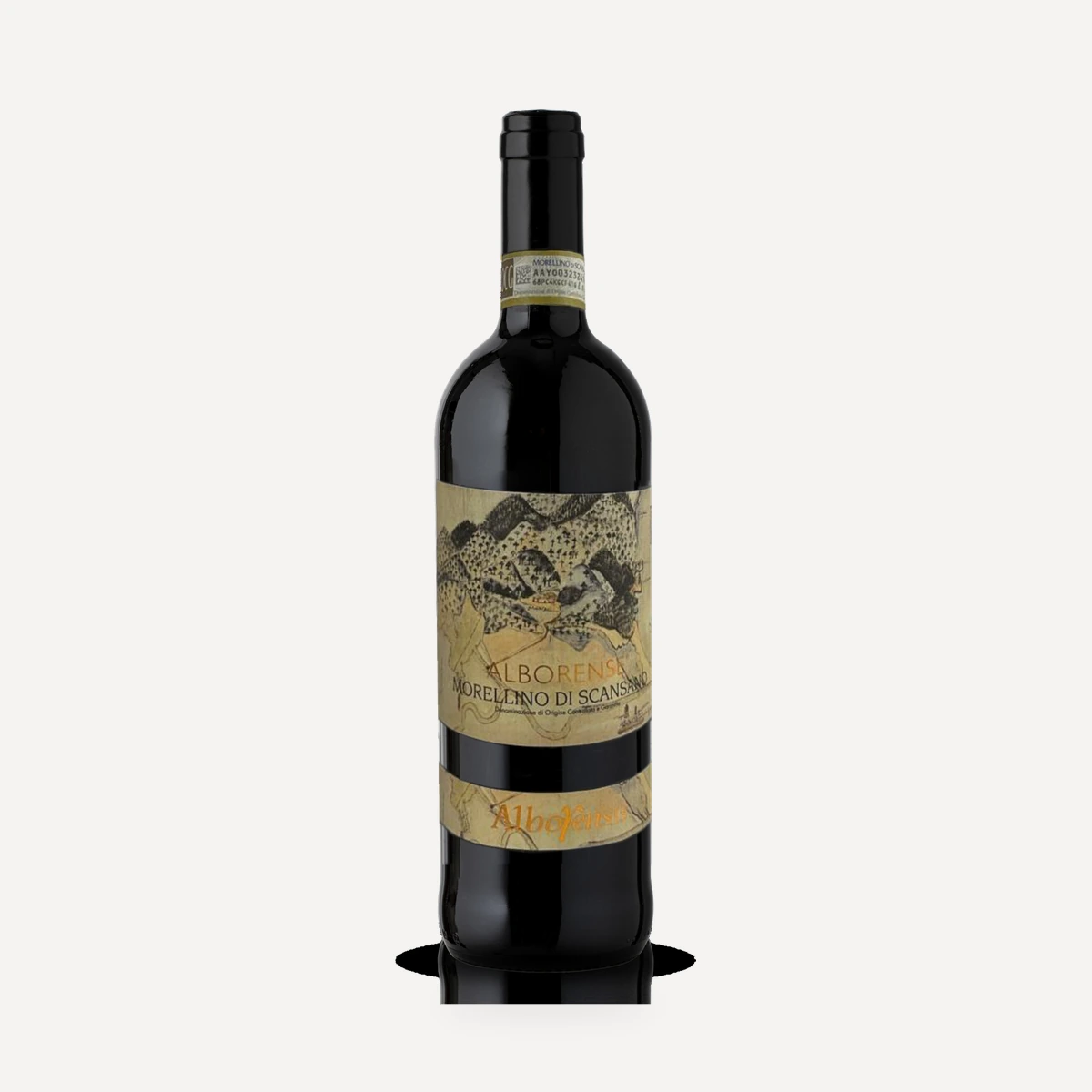
Morellino di Scansano DOCG Alborense
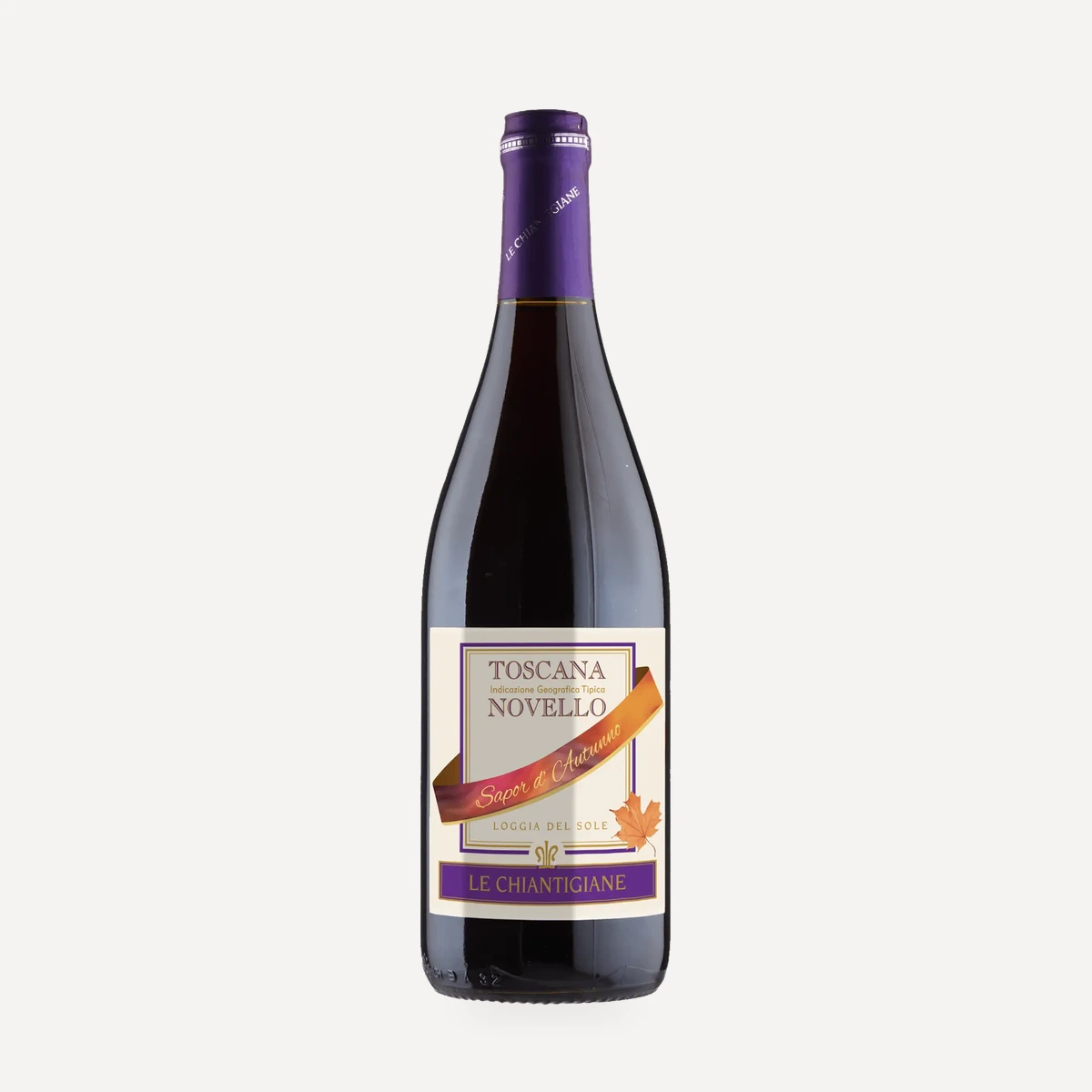
Novello Toscano IGT Sapor d'autunno
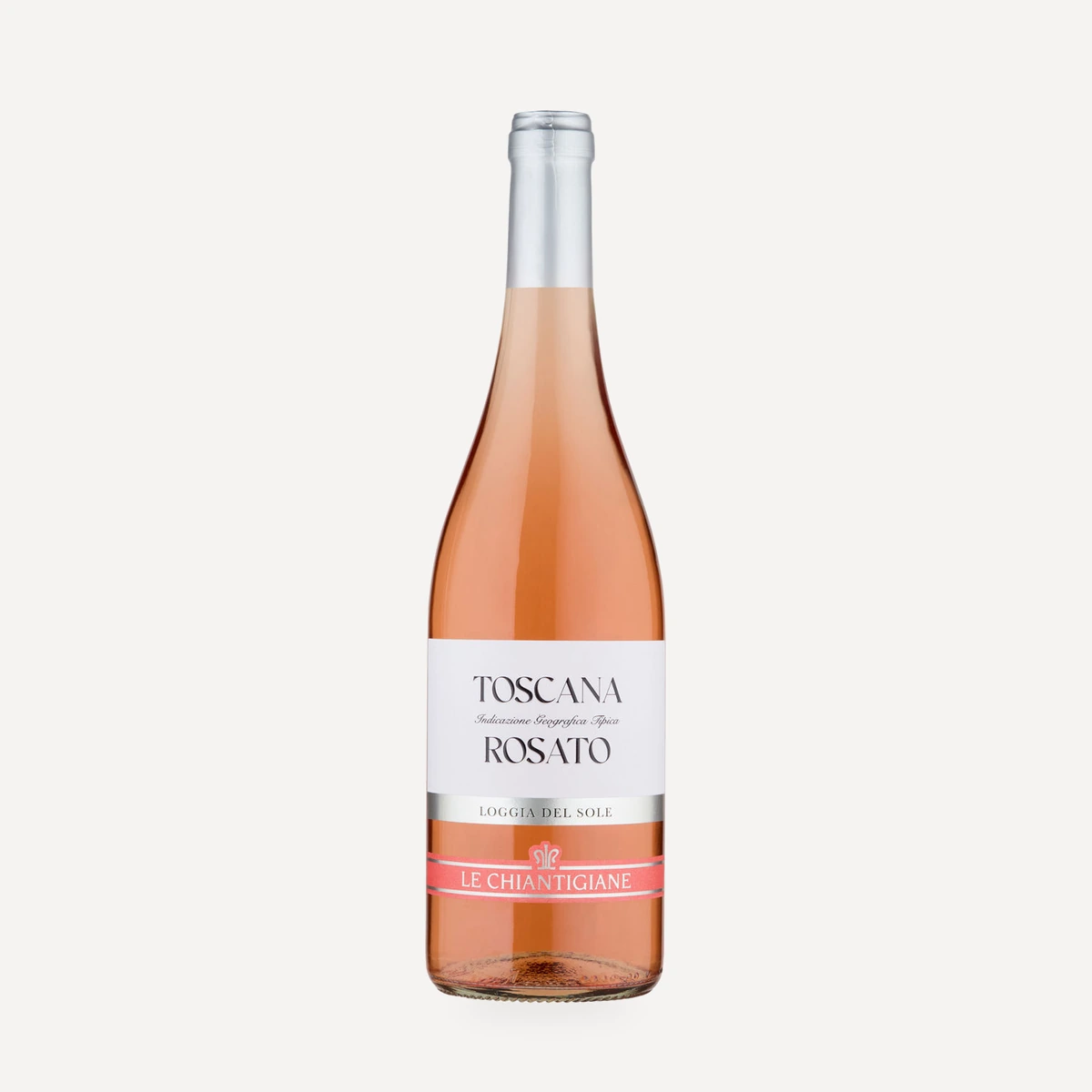
Rosato Toscana IGT Loggia del Sole
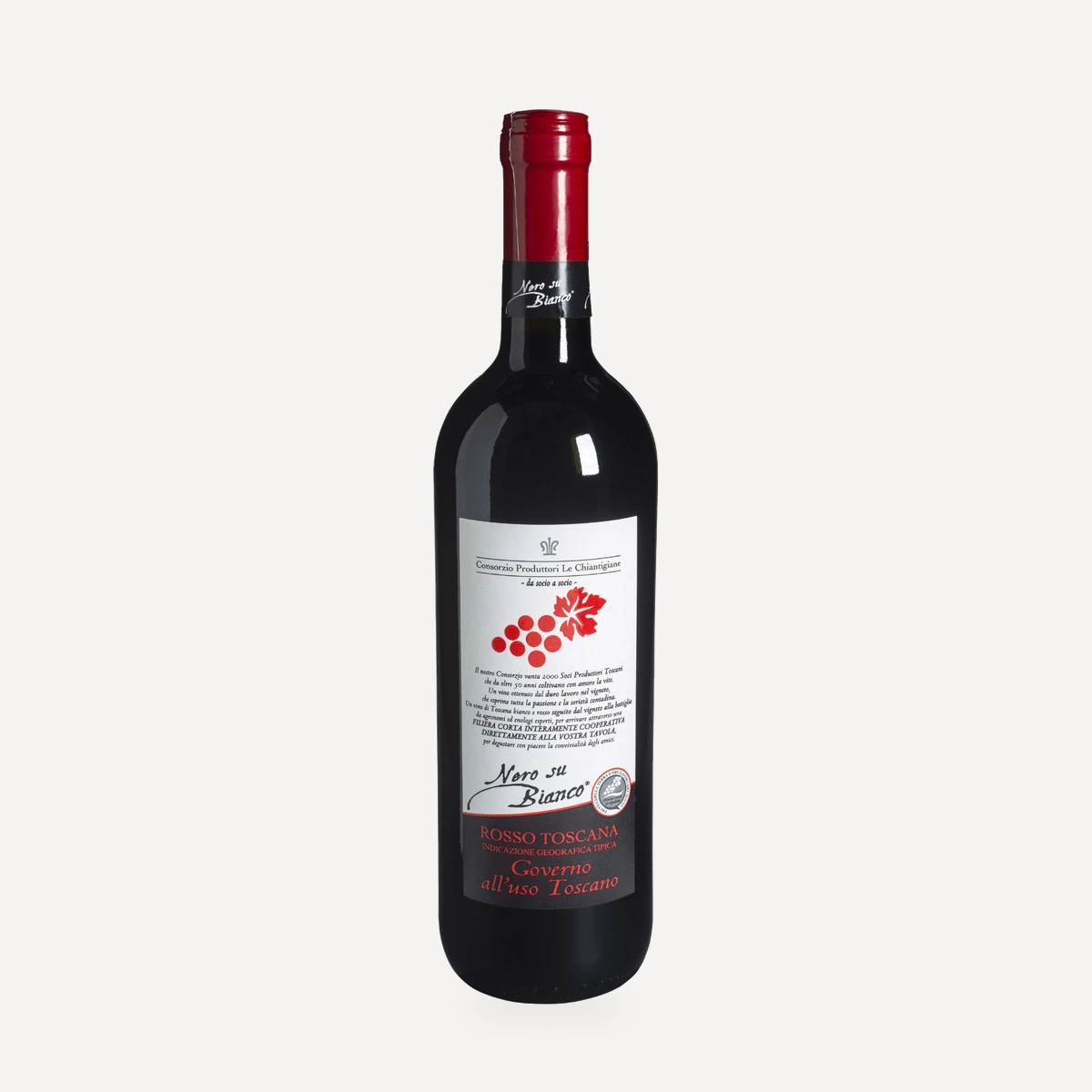
Rosso IGT Toscano Governo Nero su Bianco
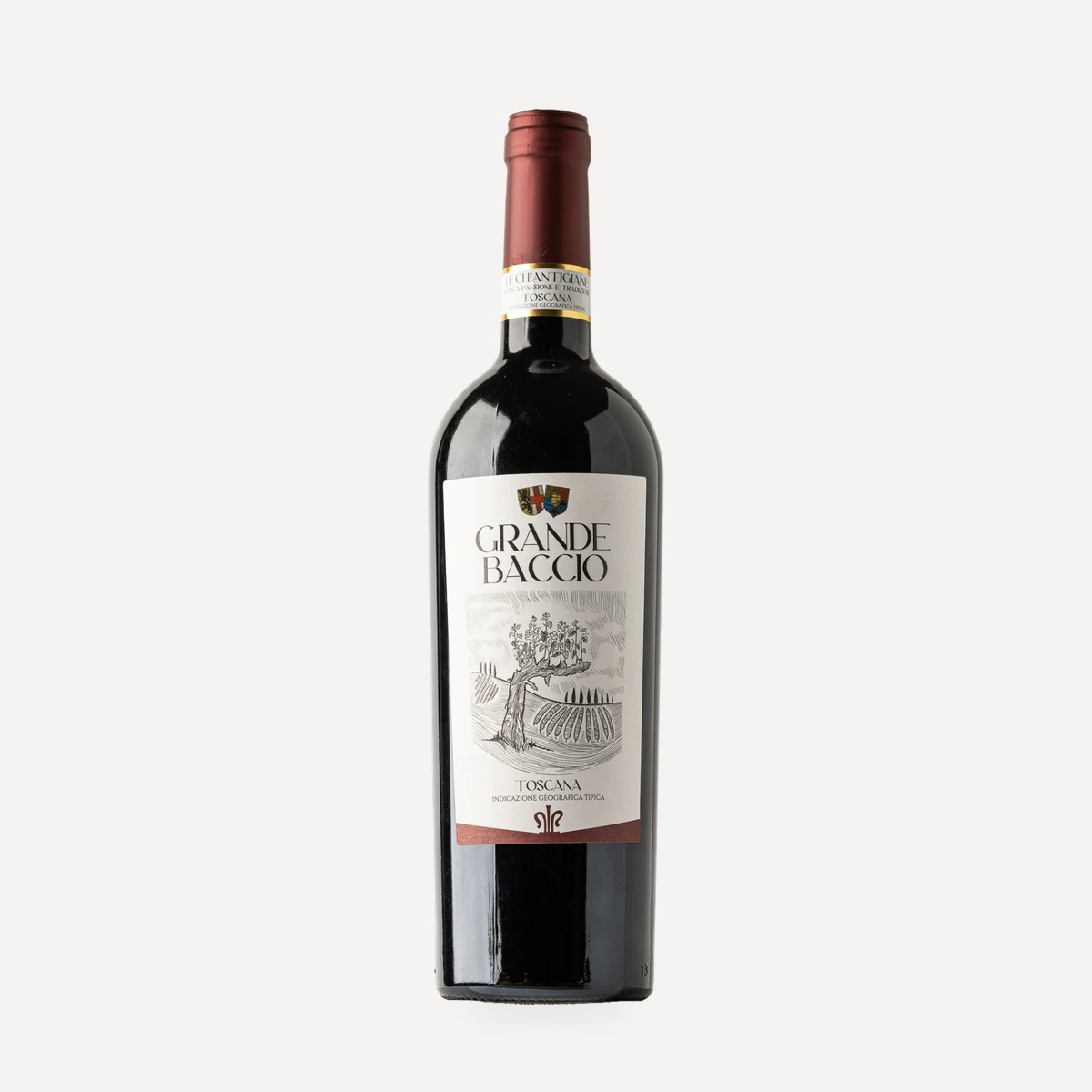
Rosso Toscana IGT Grande Baccio
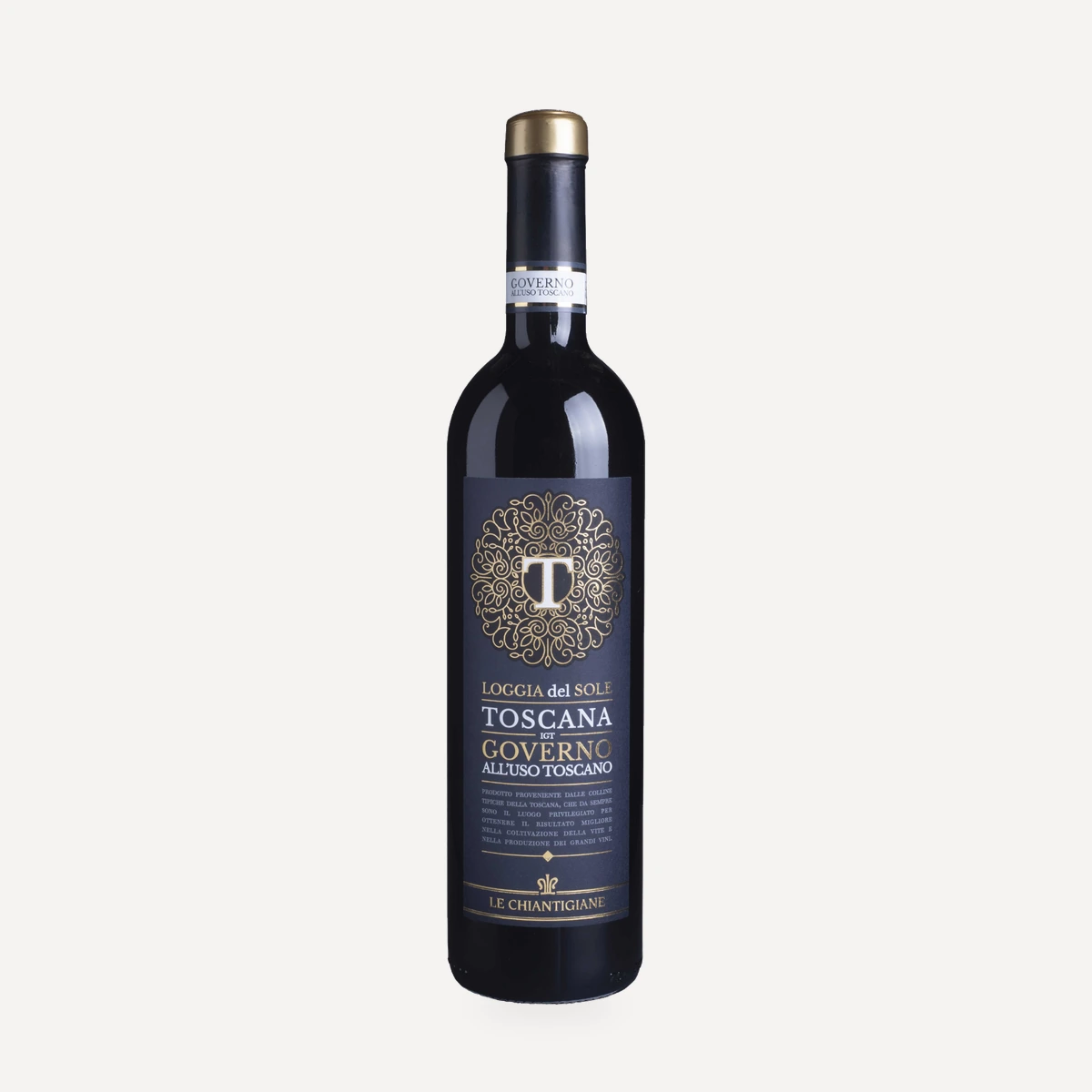
Rosso Toscano Governo Loggia del Sole
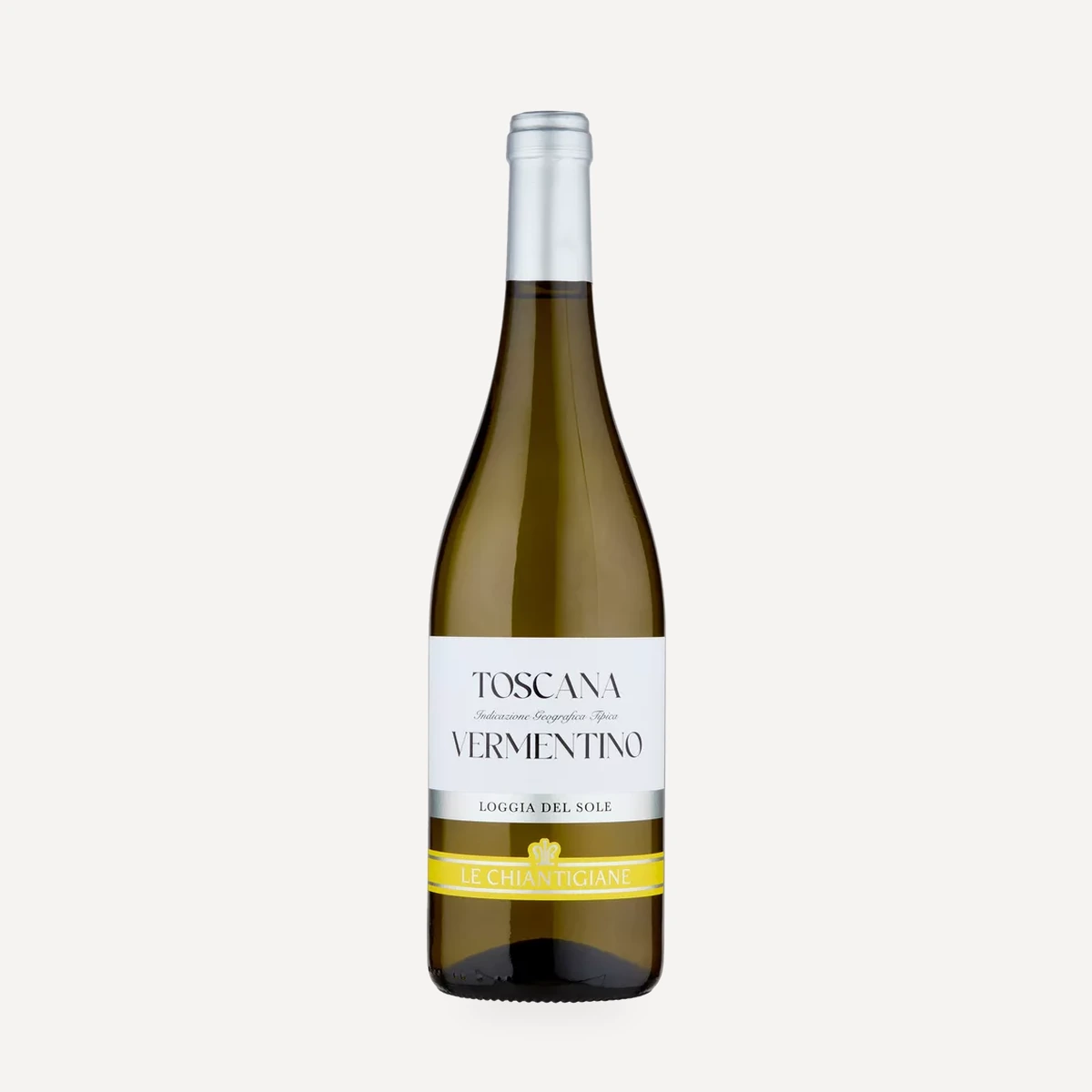
Vermentino Toscana IGT Loggia del Sole
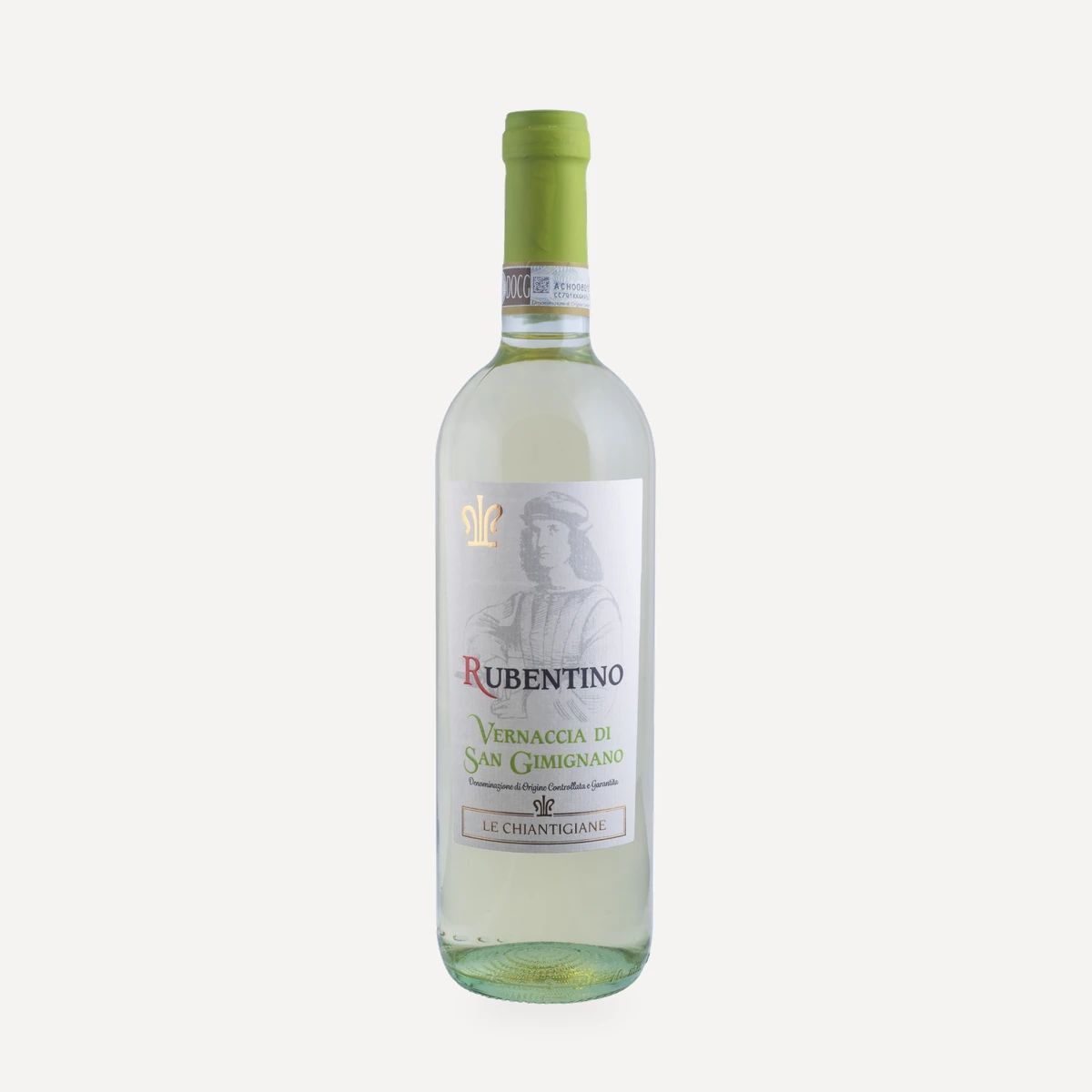
Vernaccia di S. Gimignano DOCG Rubentino
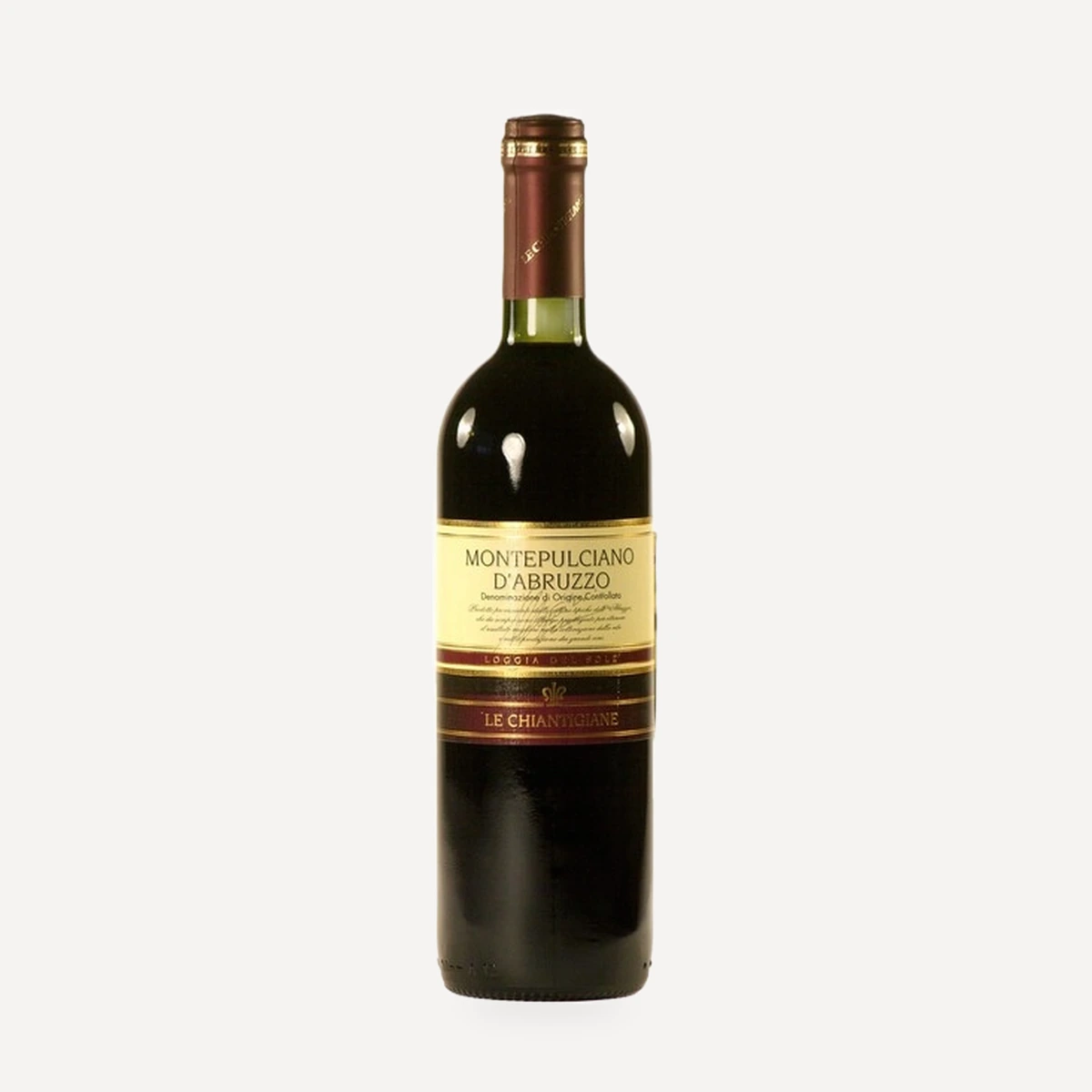
Loggia Del Sole Montepulciano D'Abruzzo DOCG
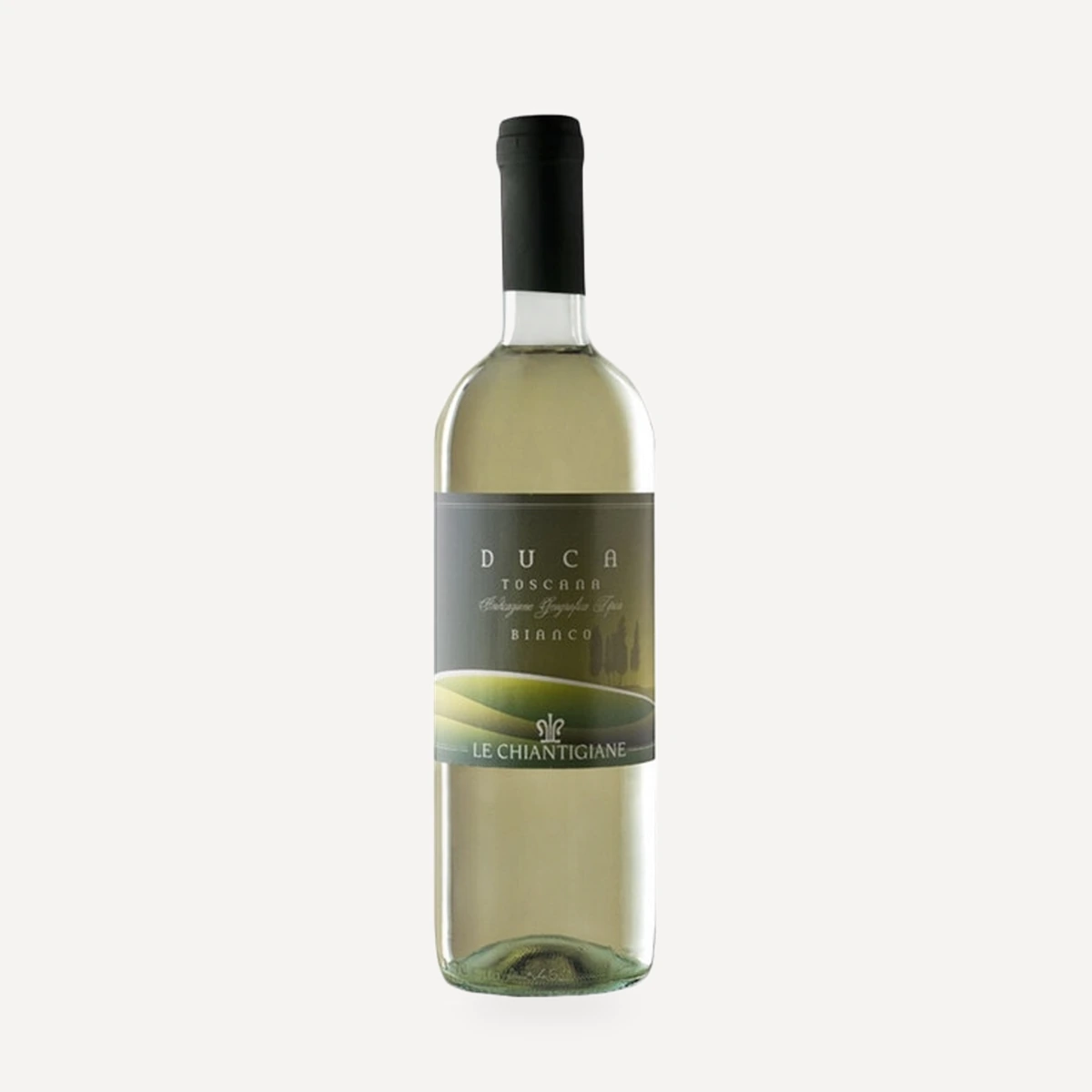
Duca Toscana Bianco IGT
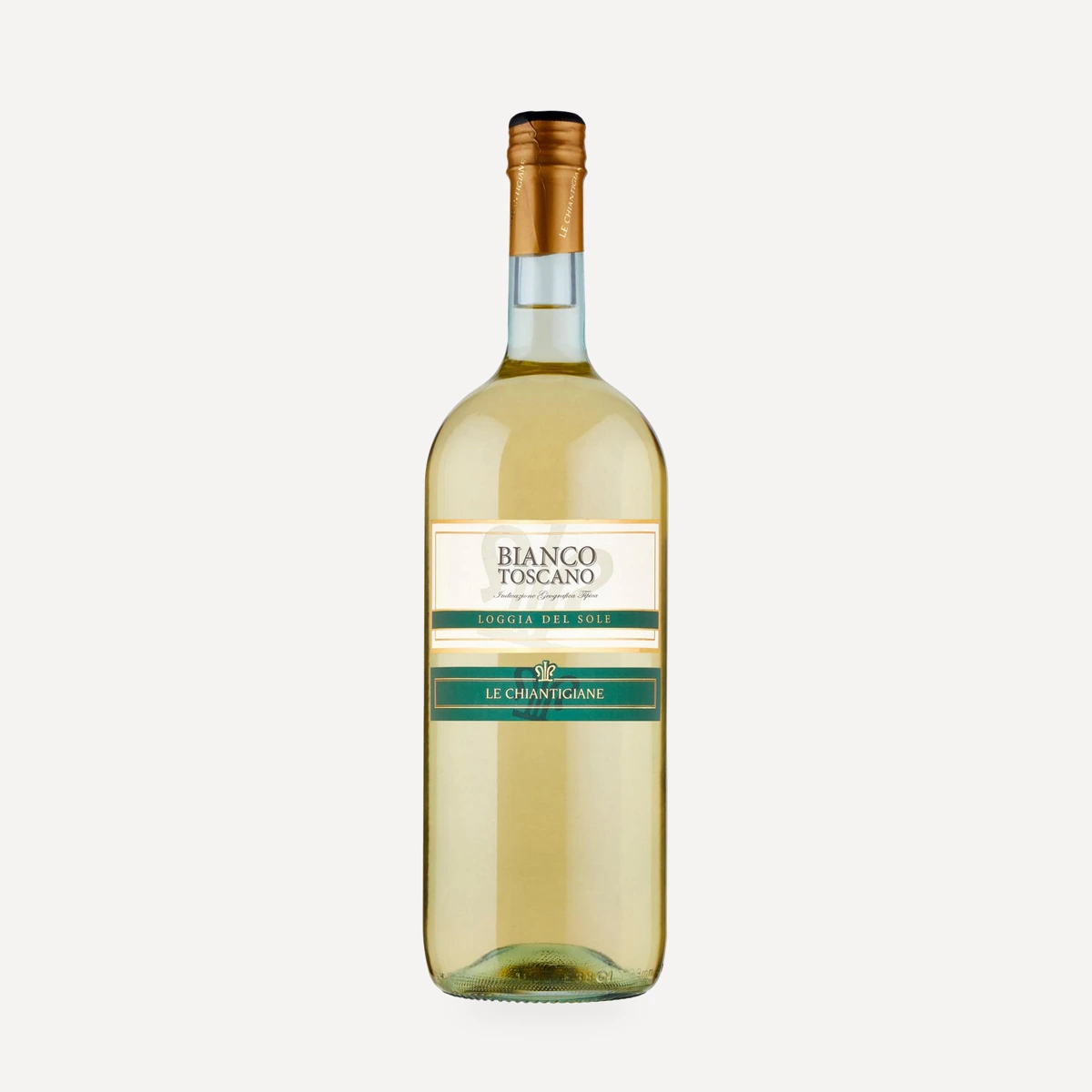
Bianco Toscano IGT Loggia del Sole
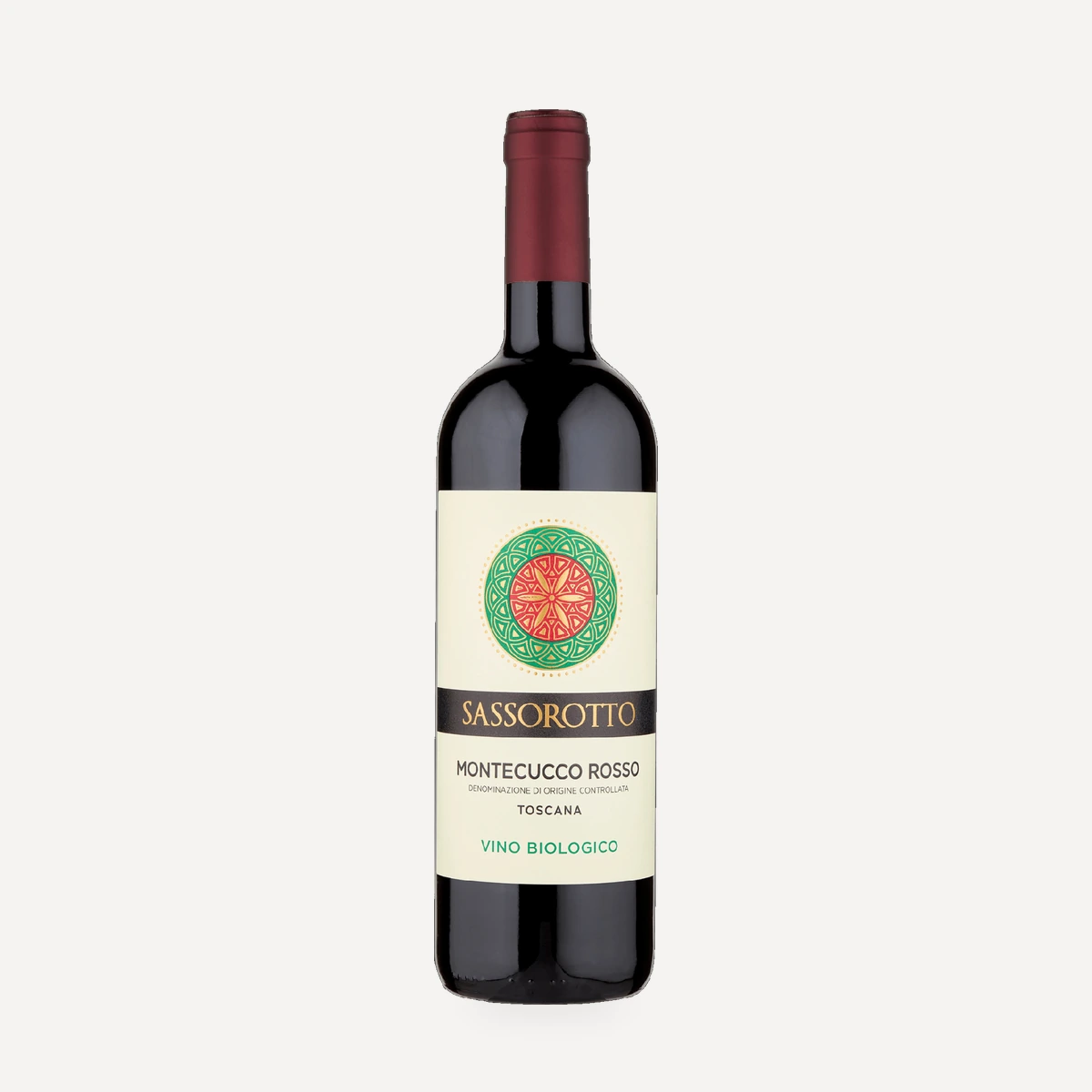
Montecucco DOC Rosso Bio Sassorotto
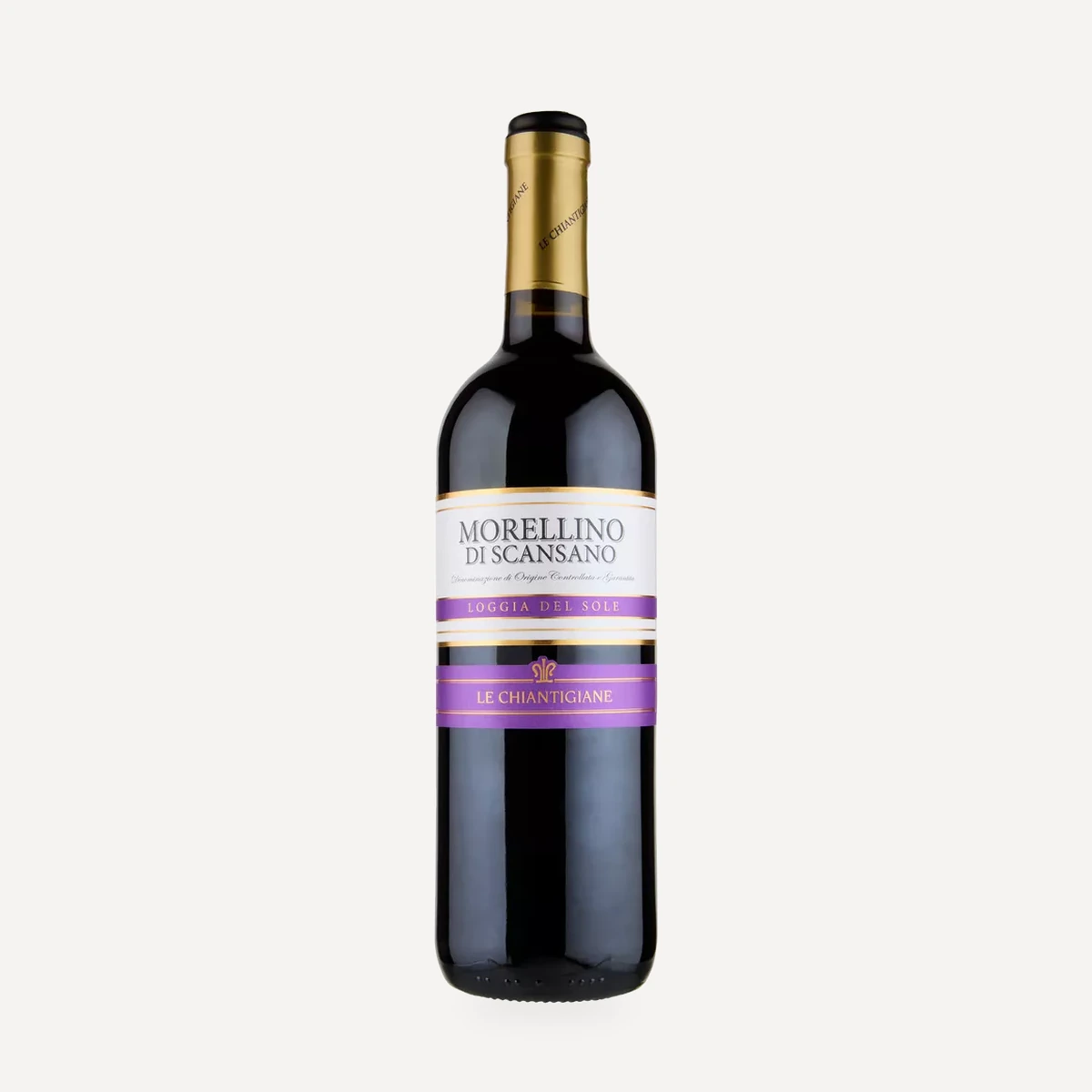
Morellino di Scansano DOCG Loggia del Sole
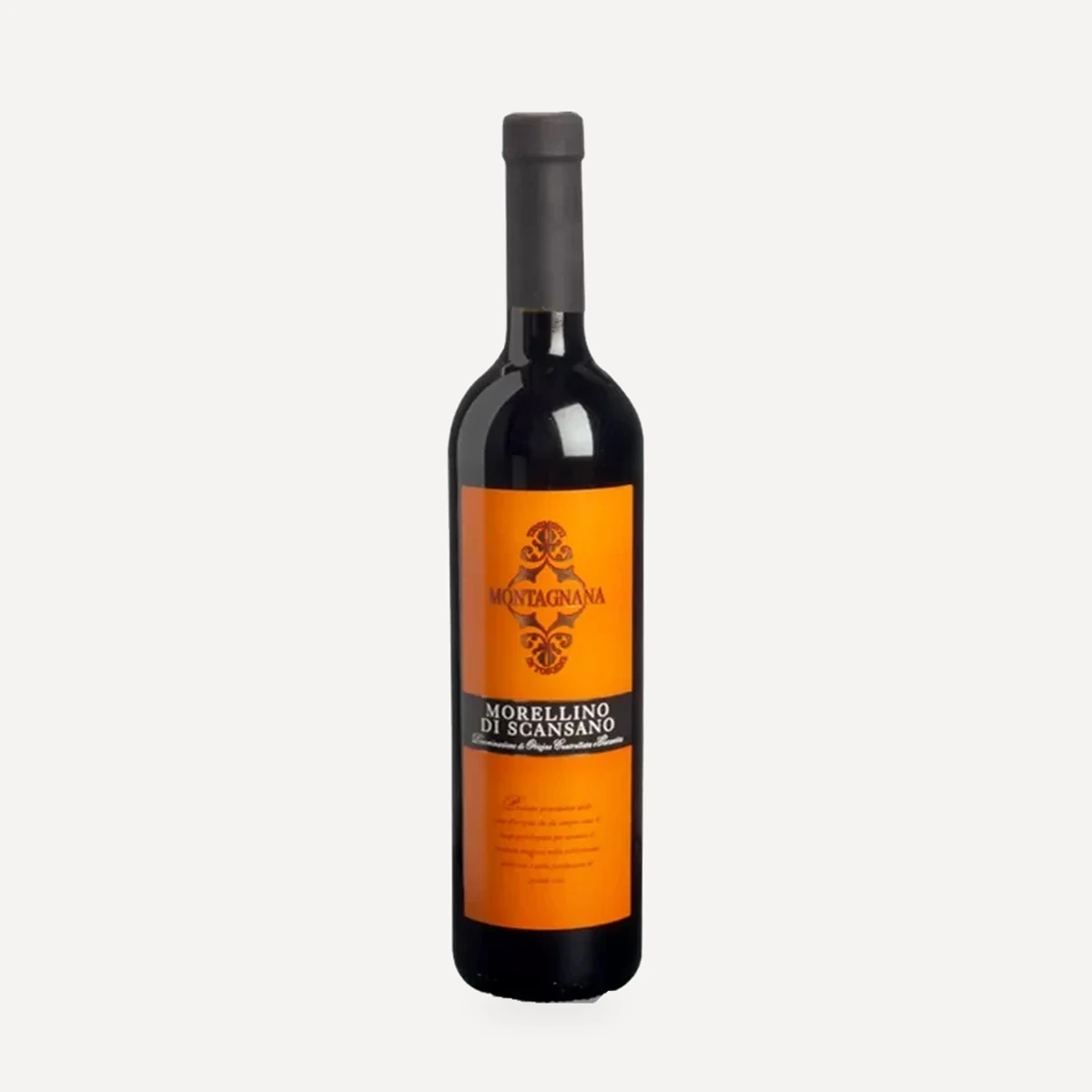
Morellino di Scansano DOCG Montagnana
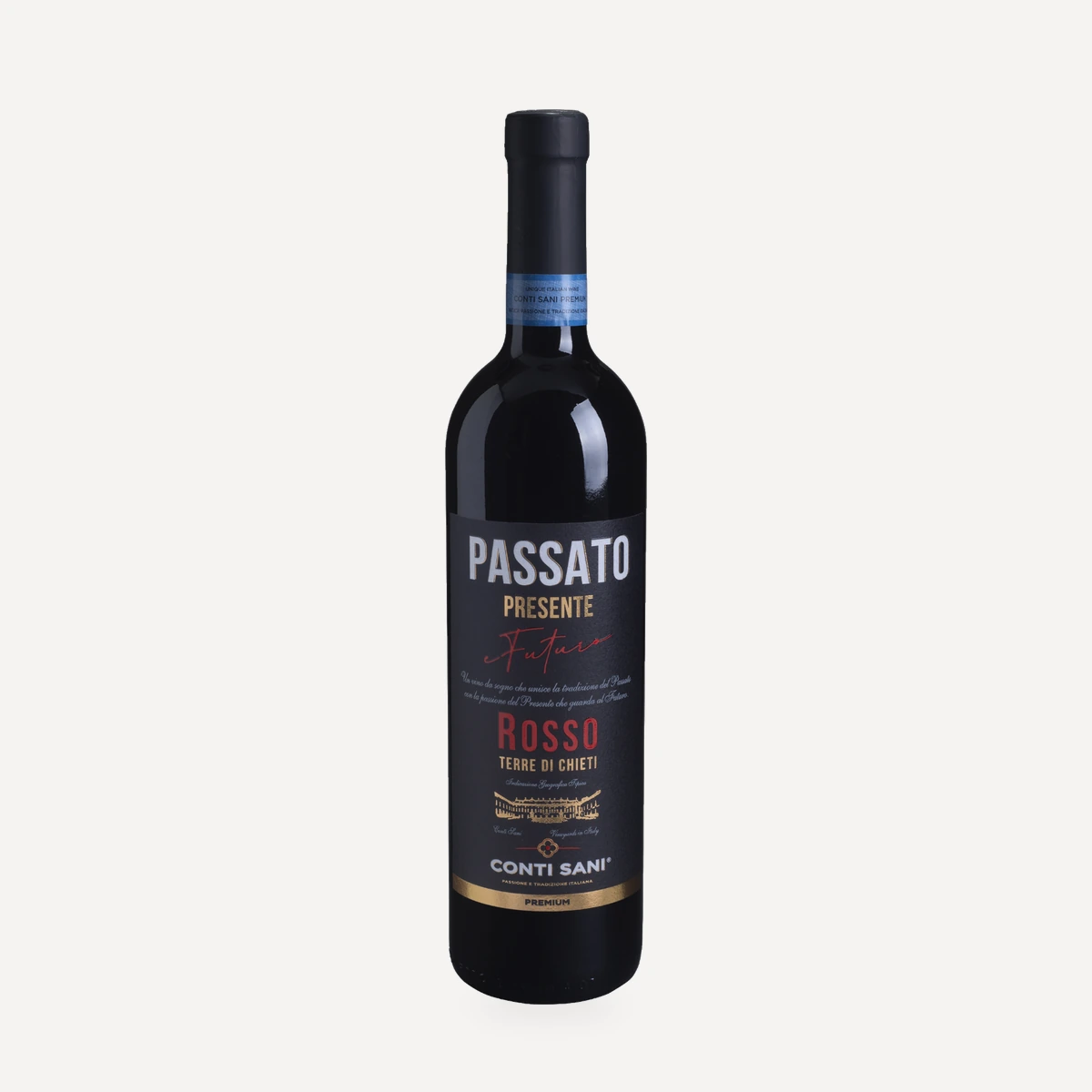
Rosso IGT Terre di Chieti Conti Sani
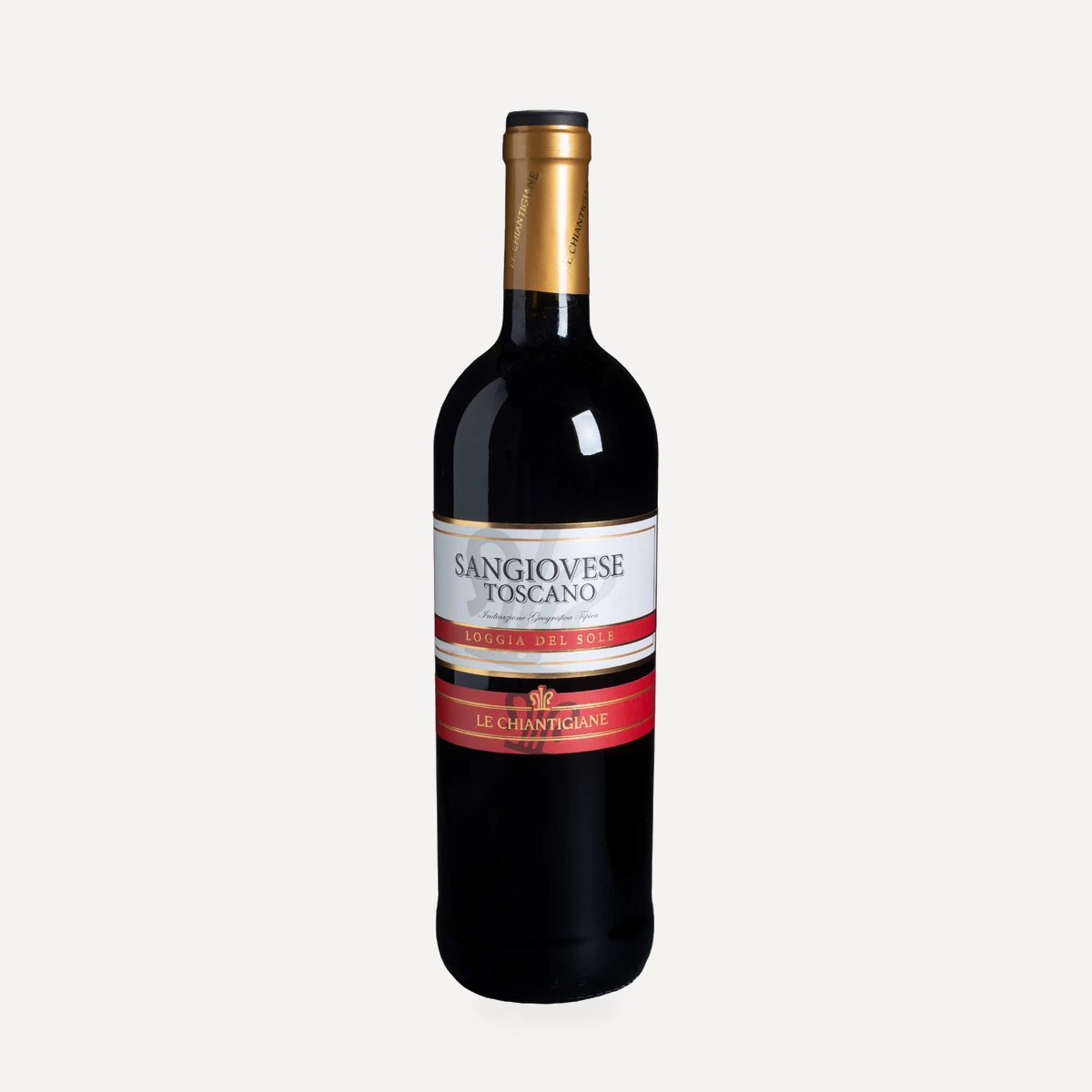
Sangiovese IGT Toscano Loggia del Sole
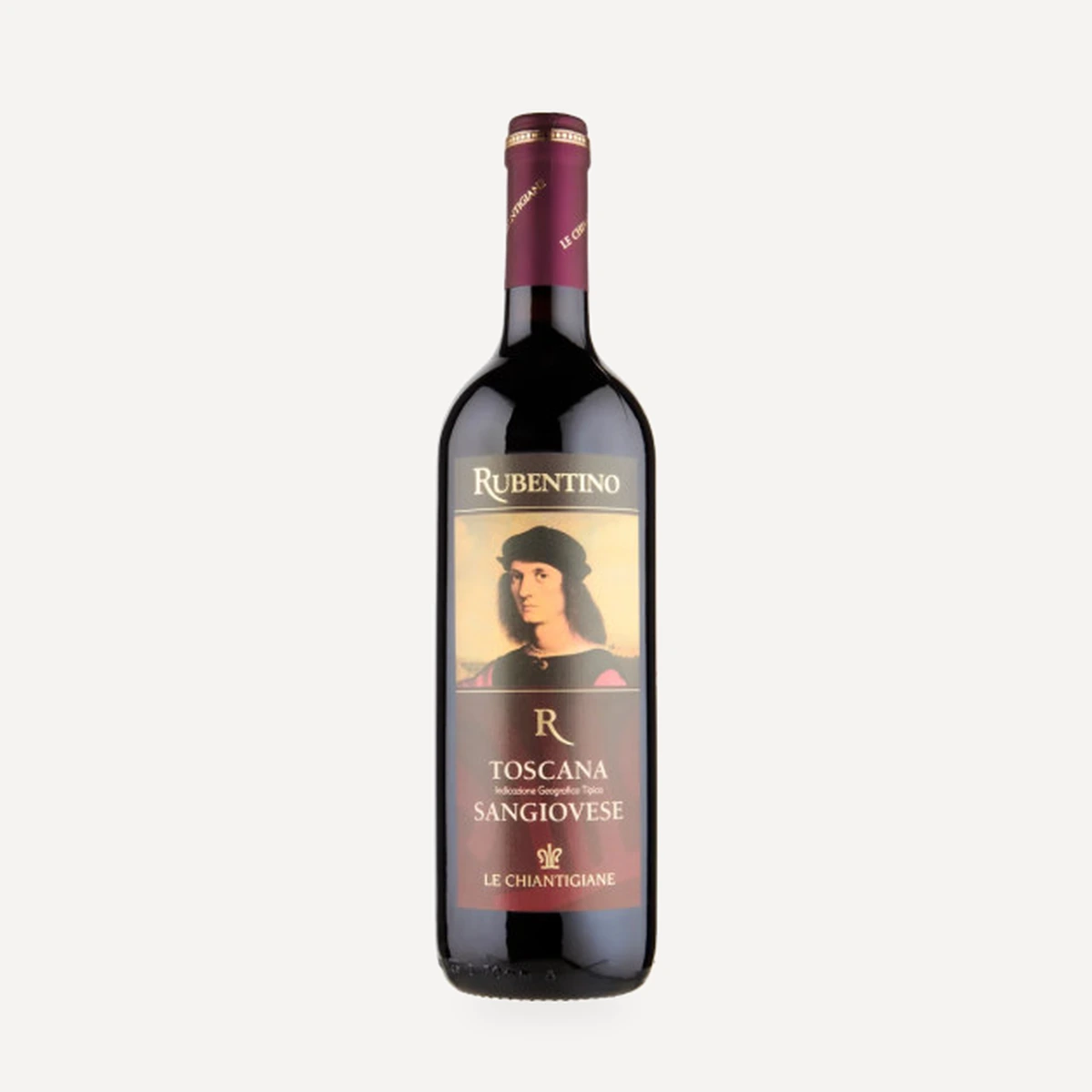
Sangiovese IGT Toscano Rubentino
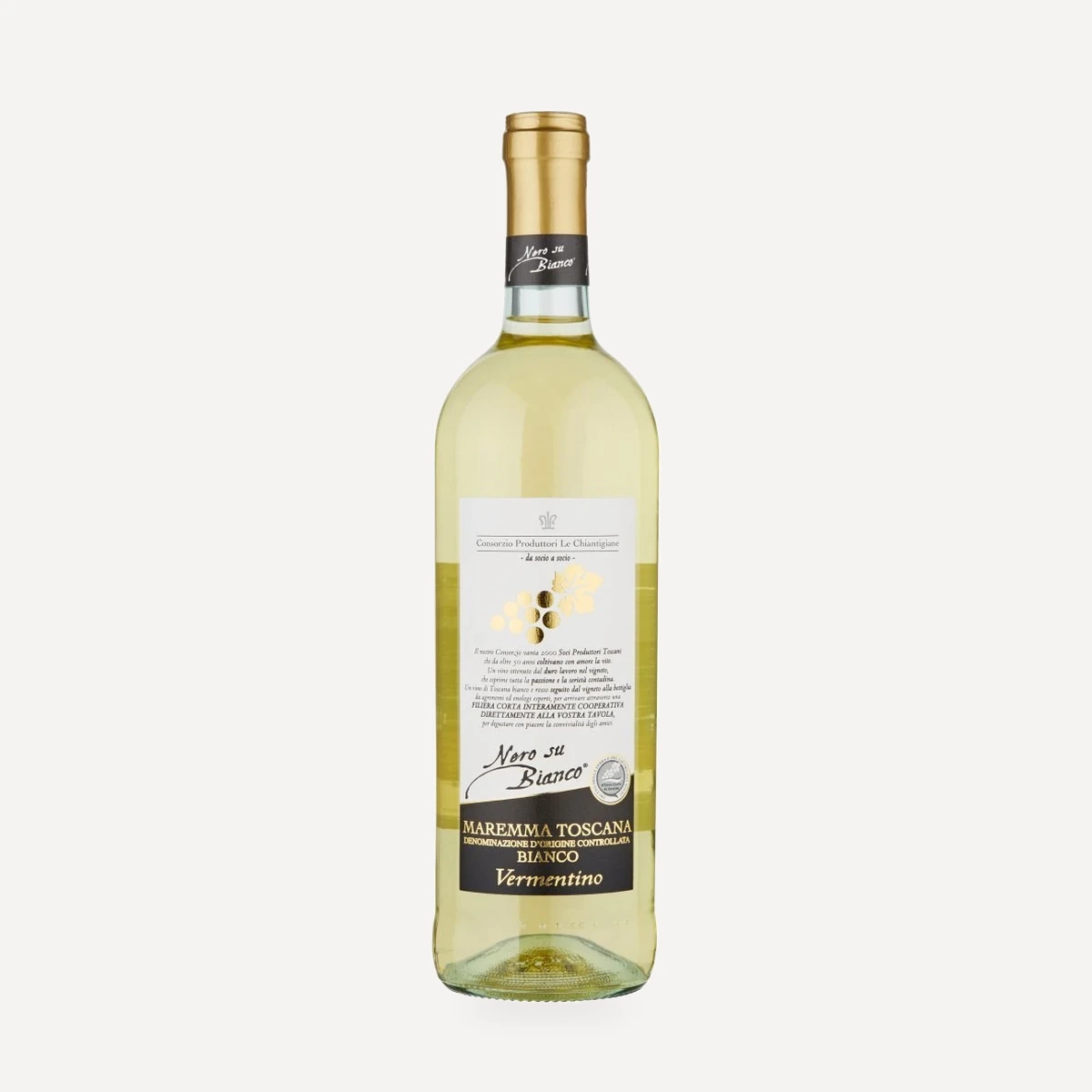
Vermentino Maremma Toscana DOC Nero su Bianco
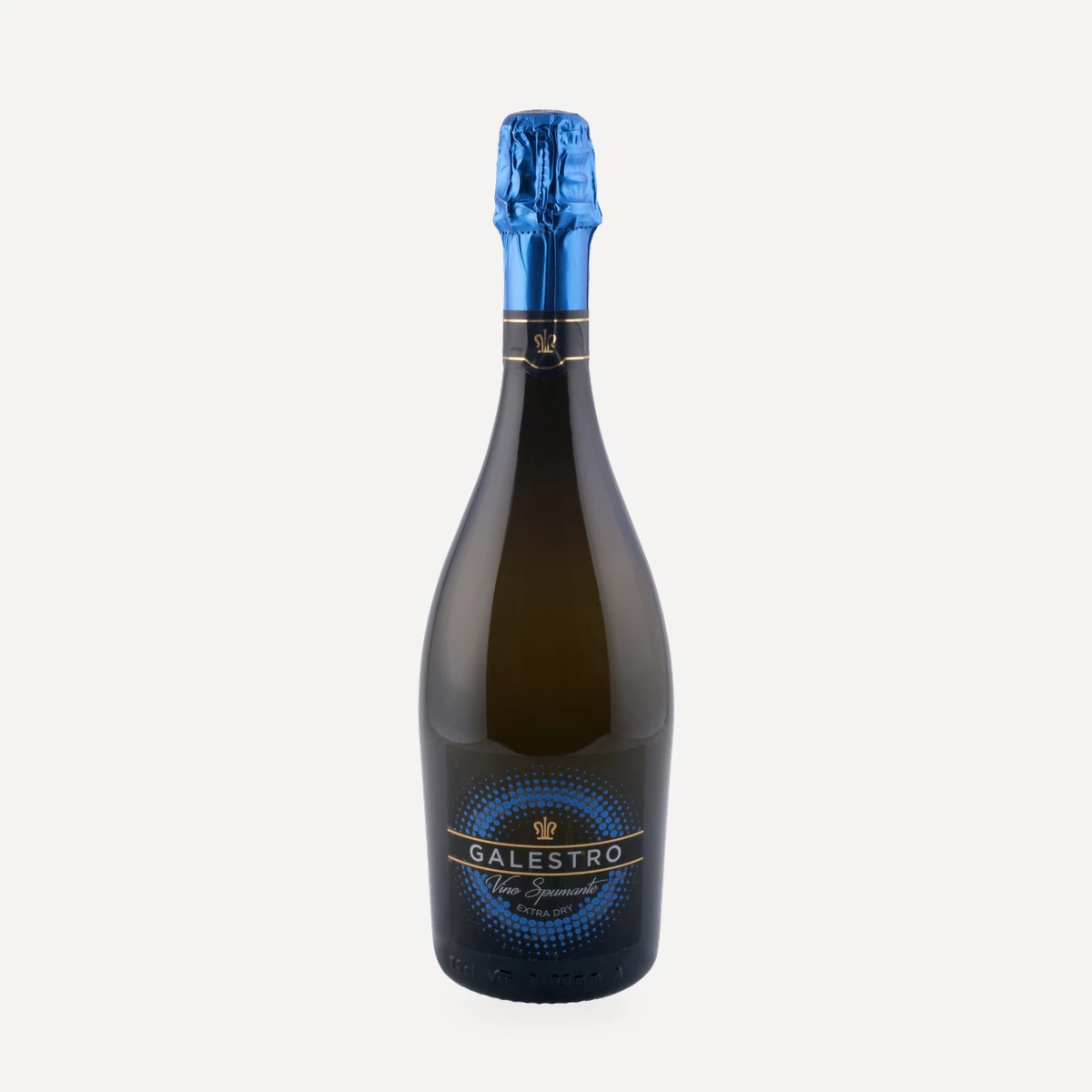
Vino Spumante Extra Dry Galestro