Storia
Foundation and early international growth
Giuseppe Contratto founded Contratto in Canelli in 1867. It developed into a specialist sparkling-wine house and is presented as Italy’s oldest producer of sparkling wine. By the turn of the 20th century, its wines were being shipped from Canelli to international markets. Contratto also served as a personal supplier to the Vatican and the Italian Royal Family, while medals from international exhibitions and competitions contributed to its reputation.
Production evolved well beyond sparkling wine. Across its history, the house made Moscato, red and still white wines, Spumante Metodo Classico, vermouth, tonic preparations and syrups.
Vermouth from the 1890s to the 1960s
The earliest surviving Contratto vermouth recipes date from the 1890s. These formulas initially supported a product consumed mainly in the local market. Production expanded during the 1920s, when the recipes were revised and vermouth became an important export product.
Contratto Vermouth di Torino was especially successful during the 1930s, when annual vermouth output reached approximately 100,000 bottles. Demand weakened after the Second World War but continued in Europe and overseas. By the 1960s, vermouth had fallen out of fashion, particularly in Italy, and the Contratto family discontinued production.
The first Italian vintage sparkling wine
The 1919 Contratto Extra Brut Metodo Classico is identified as the first vintage-dated sparkling wine made in Italy. Bottle fermentation and the manual skills of the champenista—particularly remuage and dégorgement—became defining parts of the house’s production culture.
Cellar tradition and the 1980s peak
Mauro Ferrero joined Contratto in 1978 as an apprentice champenista. Cellar operations were then entirely manual and physically demanding. After several years of training, he became responsible for the underground cellars at the age of 20, following the retirement of the previous cellar master.
During the 1980s, Contratto produced nearly one million bottles annually and demand could still exceed supply before Christmas and New Year. At peak periods Ferrero manually disgorged more than 2,000 bottles per day. He also became exceptionally proficient at riddling: a 60-bottle pupitre could be turned in about 20 seconds, and more than 6,000 bottles could be handled in an uninterrupted hour.
Sale and restoration in 1993
Contratto remained with its founding family for several generations. In 1993, after 126 years, it was sold to the Bocchino family. Carlo Bocchino, an owner of a grappa distillery with an interest in monumental properties, invested heavily in restoring the historic underground cellars, reception rooms and tasting rooms. During this ownership period, the production focus shifted toward red wine.
Collaboration and acquisition by the Rivetti family
Before the acquisition, Giorgio Rivetti had already consulted for Contratto for several years with the aim of improving sparkling-wine quality. The results of this collaboration were expected to become evident beginning with the 2008 vintage.
La Spinetta formally took control of Contratto in June 2011. The acquisition was driven by the Rivetti family’s interest in Champagne and bottle-fermented sparkling wine, as well as their immediate response to Contratto’s historic cellars. Andrea Rivetti had played an important role in inspiring the project, while Giorgio Rivetti’s passion for Champagne also influenced the decision.
The new owners retained Contratto’s classic-method identity and manual riddling tradition. New vineyards were purchased immediately, establishing estate-grown Pinot Nero and Chardonnay as the intended foundation for greater control over fruit quality and for cru sparkling wines. The strategic objectives were to restore the Contratto name, raise quality, broaden the sparkling-wine portfolio and establish the house within Alta Langa.
New releases and revived historic products
A new De Miranda Asti Spumante DOCG made by the Charmat method was launched in January 2012, extending the Moscato program alongside the bottle-fermented De Miranda interpretation.
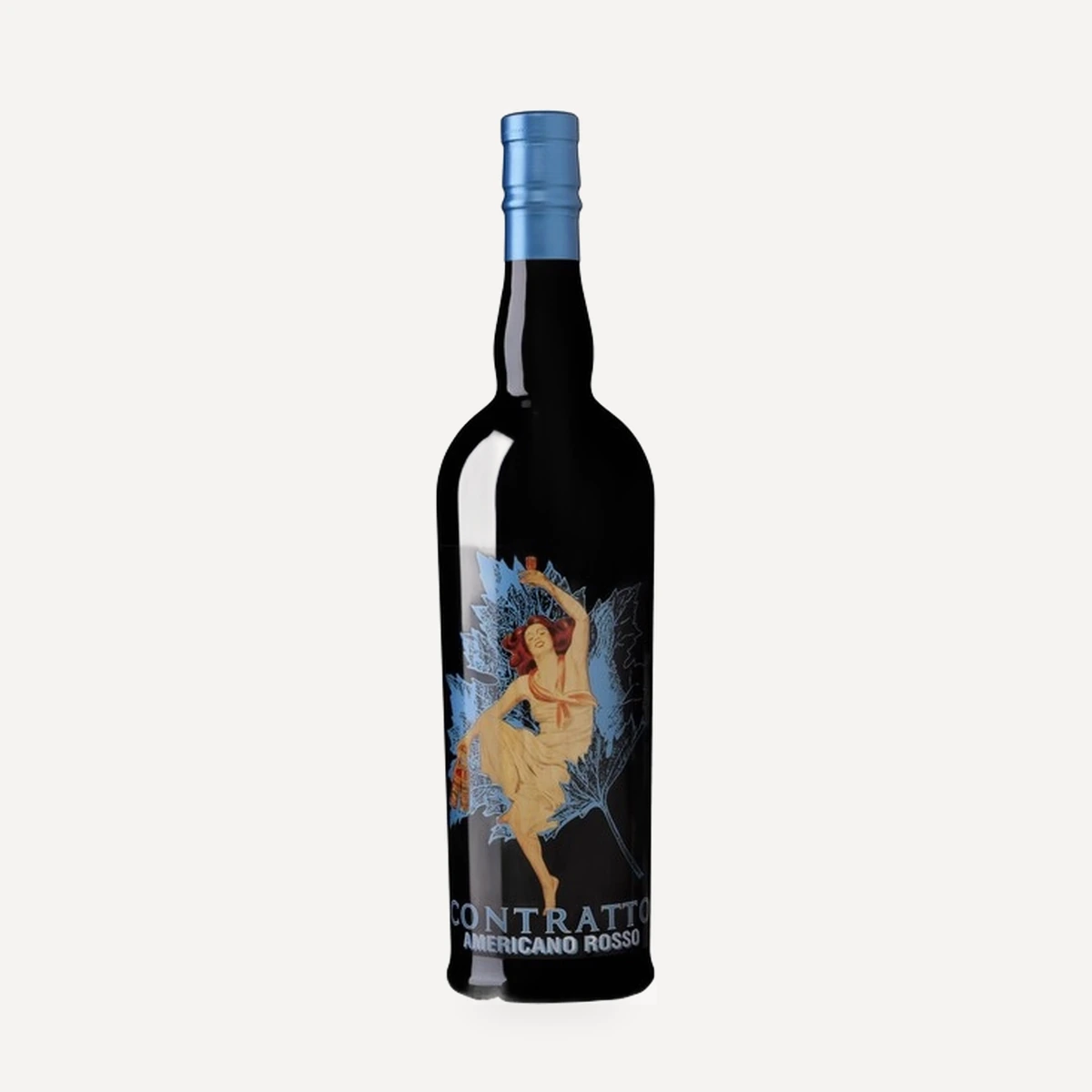
In December 2012, Contratto revived Vermouth Bianco, Vermouth Rosso, Americano Rosso and Fernet for the first time since production had ended in the 1960s. Their development returned to formulas handed down through generations of the Contratto family, using natural herbs, spices, roots and seeds rather than industrial premixes.
UNESCO recognition in 2014
In June 2014, Contratto’s approximately 5,000 m² of underground cellars were included, together with Canelli’s other cathedral cellars, in a UNESCO World Heritage Site. Carlo Bocchino had managed the extensive application paperwork before the change of ownership, and the Rivetti family received the final inspections. Contratto responded by emphasizing the responsibility attached to stewardship of the cellars and keeping the winery open to visitors seven days a week, including national holidays.
Terroir
Contratto is based in Canelli in Piedmont’s Asti area. Its underground cathedral cellars extend through the tuff-limestone hill overlooking the town. They reach 32 m below ground and provide naturally stable conditions: an annual temperature of approximately 13°C and sufficient natural humidity for slow bottle maturation.
The estate works with Pinot Nero and Chardonnay for classic-method sparkling wine. A cool Piedmontese summer was considered advantageous during the 2014 season because the fruit could continue ripening while retaining relatively low sugar levels. Moscato reflects the wine culture of the Astigiano area and has also been used for both bottle-fermented and pressure-tank sparkling wines. Cortese serves as the white-wine base for Contratto’s revived vermouth production.
Vinificazione
The vineyard strategy introduced after the 2011 acquisition centered on direct control of Pinot Nero and Chardonnay production. New vineyards were purchased immediately, with estate-grown grapes intended to form the basis of cru sparkling wines.
During the cool and rainy 2014 season, the development and ripening cycle was approximately two weeks behind schedule. Pinot Nero and Chardonnay were nevertheless harvested for Contratto. Cooler conditions were regarded as beneficial for classic-method fruit because they allowed further ripening without an equivalent rise in sugar concentration.
Historic cathedral cellars
Contratto’s bottle-fermented wines mature in a network of more than 5,000 m² of cellars excavated into tuff limestone. The galleries reach a depth of 32 m, where the temperature remains close to 13°C throughout the year and natural humidity supports gradual maturation.
Metodo Classico
The classic method creates the bubbles through a second fermentation in the bottle. In the process described by cellar master Mauro Ferrero, presa di spuma traditionally takes place in May and June: Pinot Nero and/or Chardonnay base wine is bottled with sugar and yeast to initiate the second fermentation.
Bottles rest closely packed on cellar shelves for at least 24 months. A Contratto riserva received 48 months of maturation, substantially longer than the nine-month legal minimum cited at the time.
When the yeast deposit is ready to be removed, the bottles are transferred to perforated wooden pupitres. They begin in an almost horizontal position and are turned daily by one-eighth of a revolution while being tilted progressively toward a neck-down position. This remuage moves the yeast sediment into the neck. A paint or plaster mark on the base allows the riddler to track every turn and detect accidental movement.
Traditional manual disgorgement, or dégorgement à la volée, follows. The cellar master holds the bottle neck-down against the chest and uncorks it over a small barrel, allowing the pressure to expel the cork and yeast deposit while limiting wine loss. The wine is then adjusted for sweetness, taste and house style before being sealed with its mushroom-shaped cork.
Contratto retained both the classic method and manual riddling after the 2011 acquisition. The new ownership combined these practices with investment in estate vineyards and contemporary technical knowledge.
Filosofia
Contratto’s modern direction is built around preserving its classic-method identity while regaining direct control of grape quality. The Rivetti family retained manual riddling and the historic bottle-fermentation tradition, but paired them with new vineyard purchases and contemporary technical knowledge.
The declared post-acquisition objectives were to restore the Contratto name, improve wine quality substantially, add further sparkling wines and establish estate-grown fruit as the foundation of cru production. The broader ambition was to demonstrate that northern Italy possesses the climatic and geological capacity to produce sparkling wines capable of standing beside the world’s leading examples.
Stewardship of the cathedral cellars became an explicit responsibility after their UNESCO recognition. Contratto associated the status with preservation, public access and the obligation to pass the heritage forward. The revived aperitivo program follows a similar principle: historic family recipes are retained while the ingredients and production process are approached with modern quality standards.
Vini
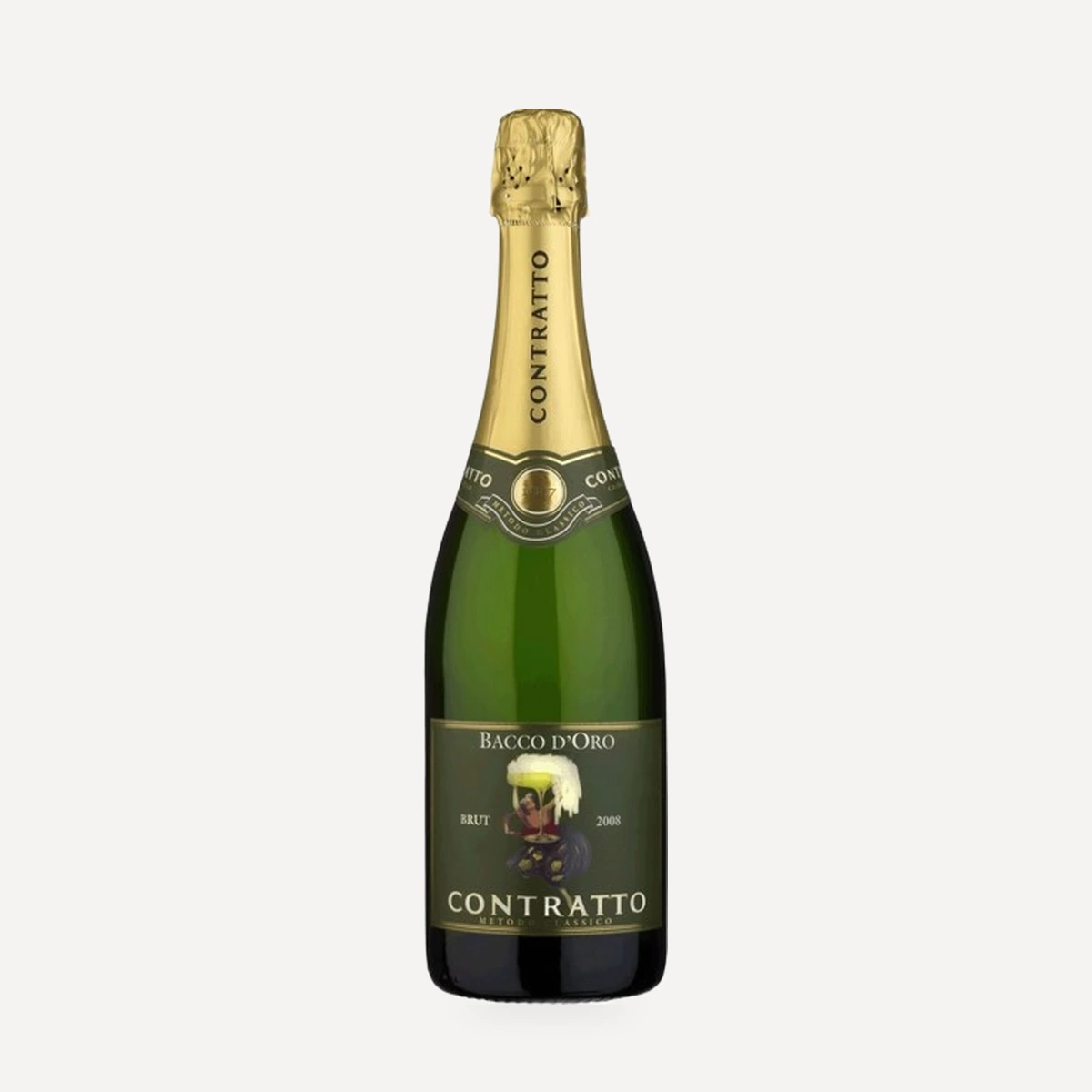
Bacco D'Oro Brut
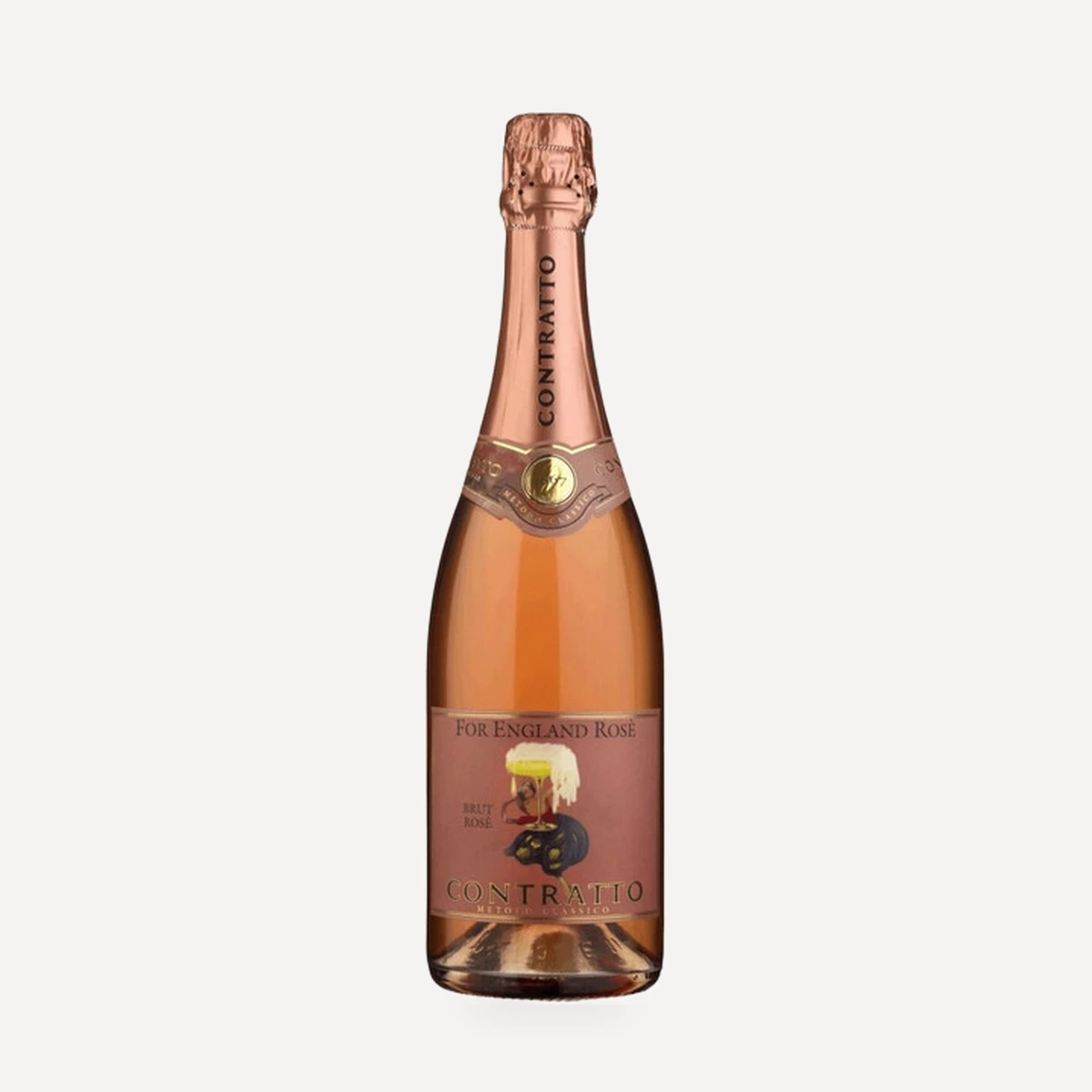
For England Rose Brut Rose
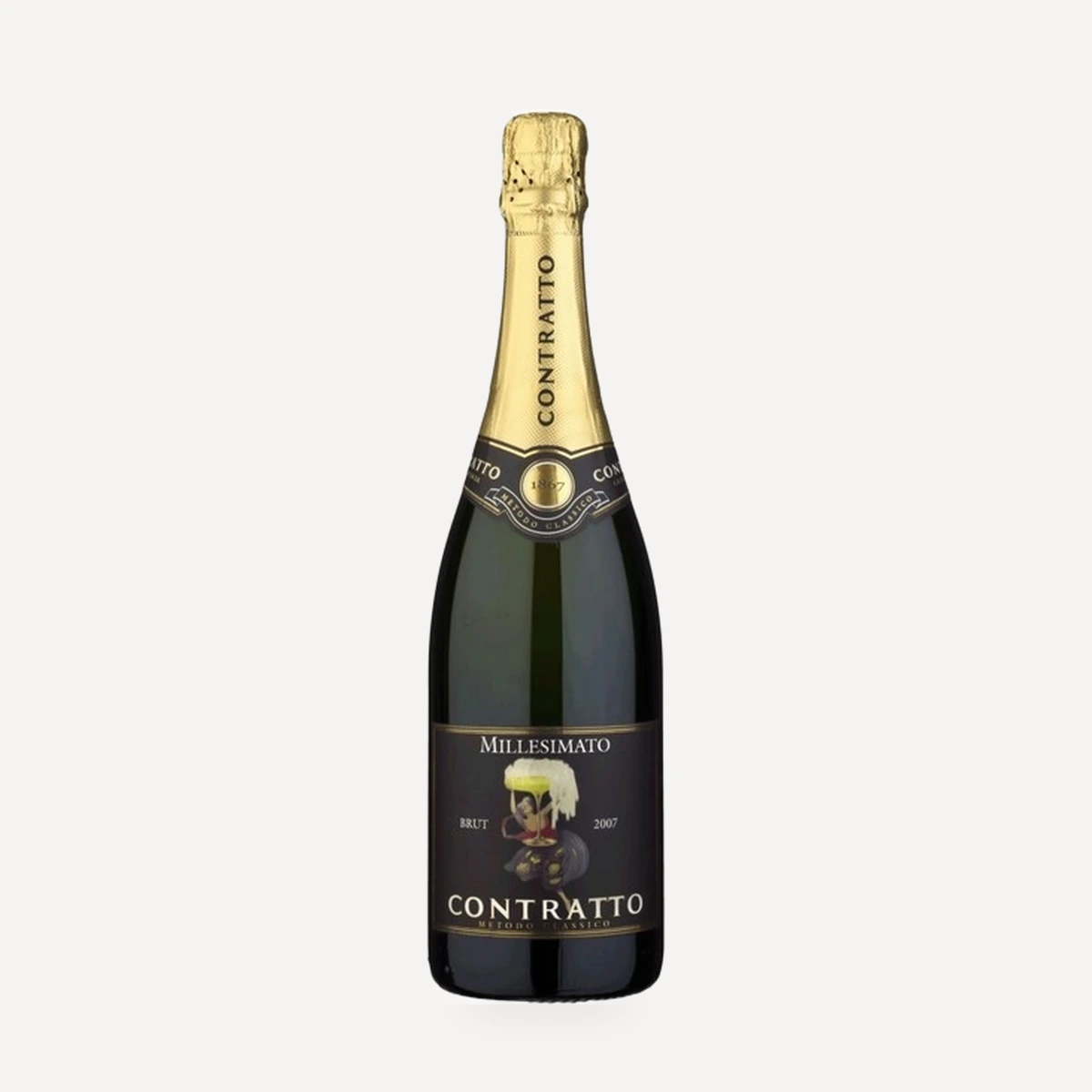
Millesimato Brut
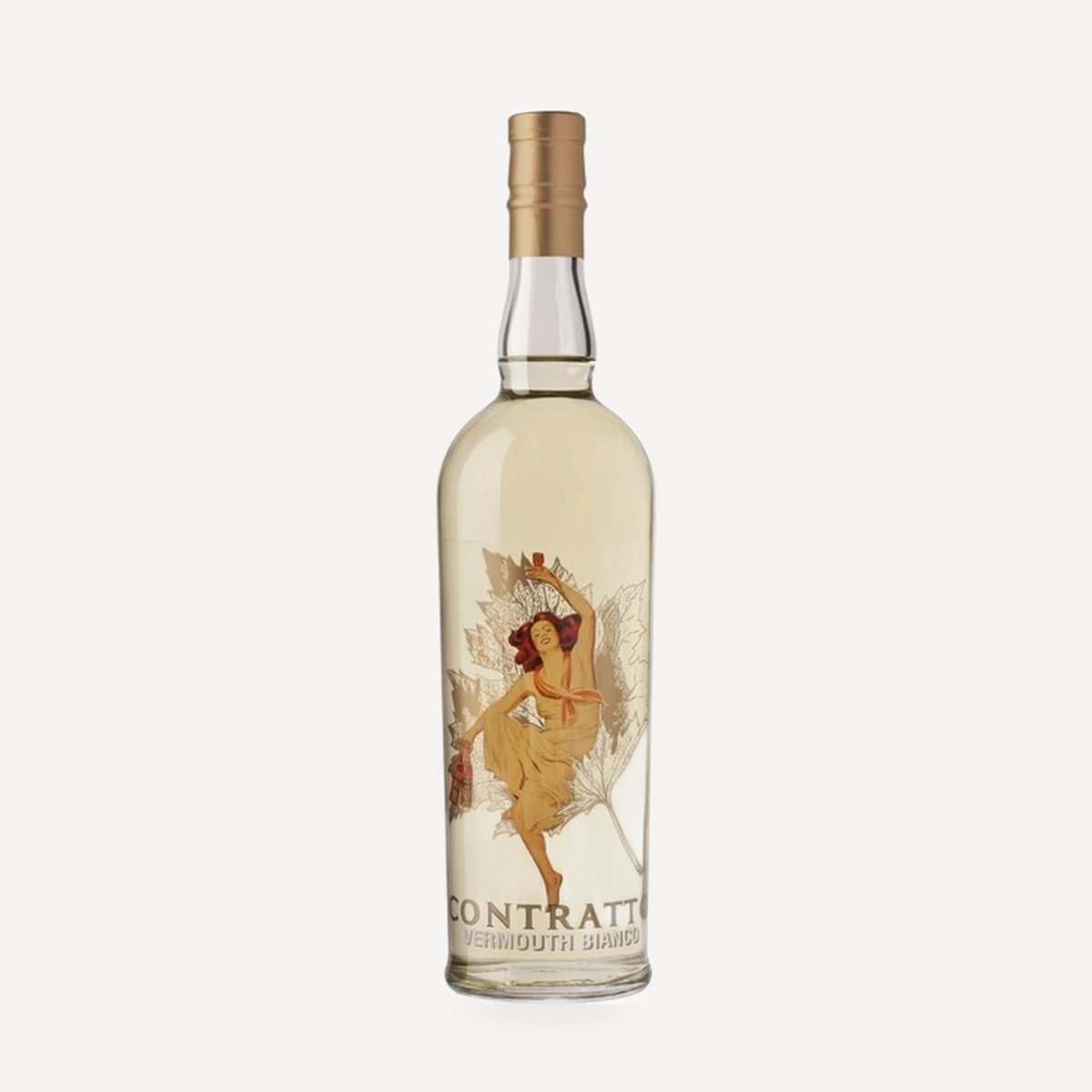
Vermouth Bianco
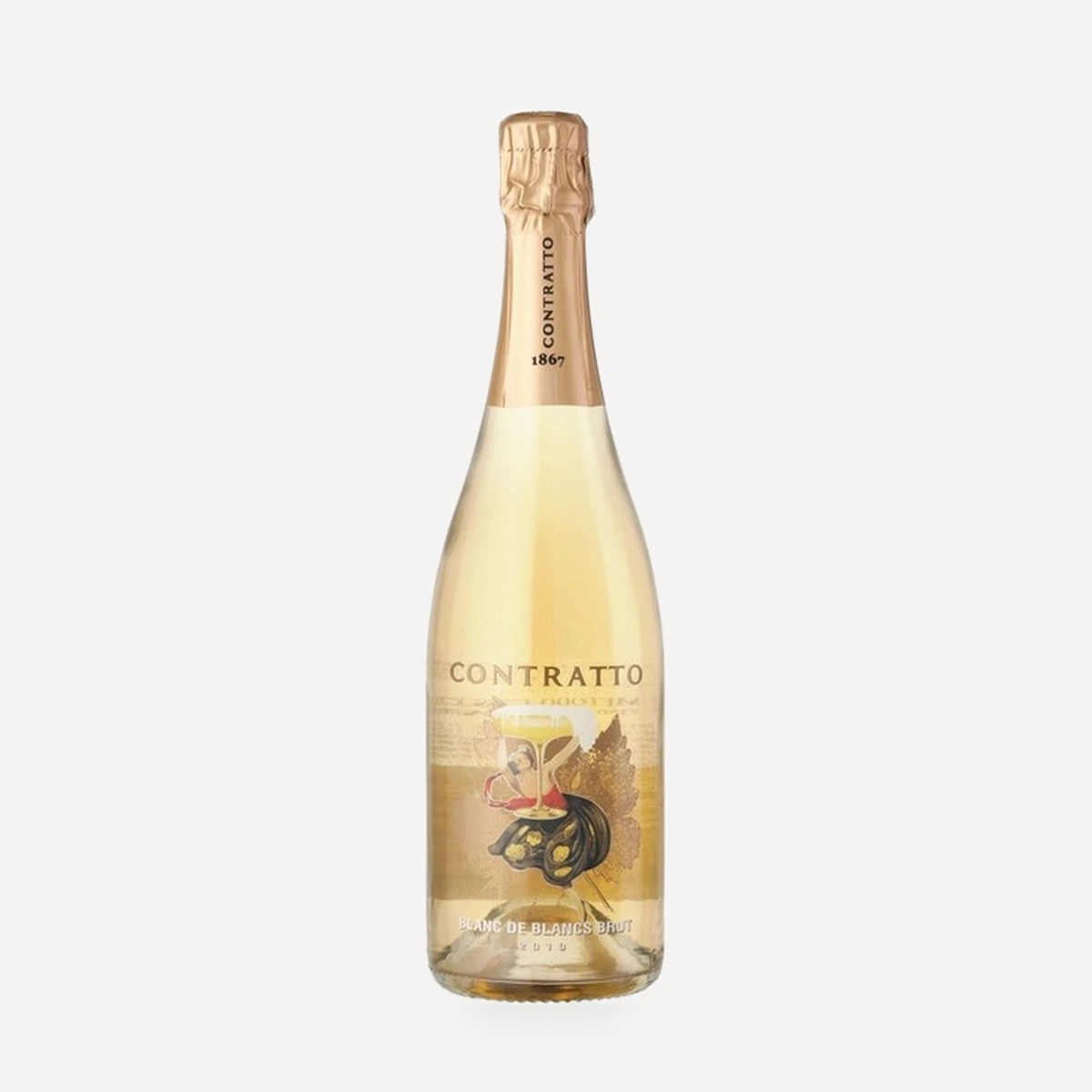
Blanc de Blancs Extra Brut
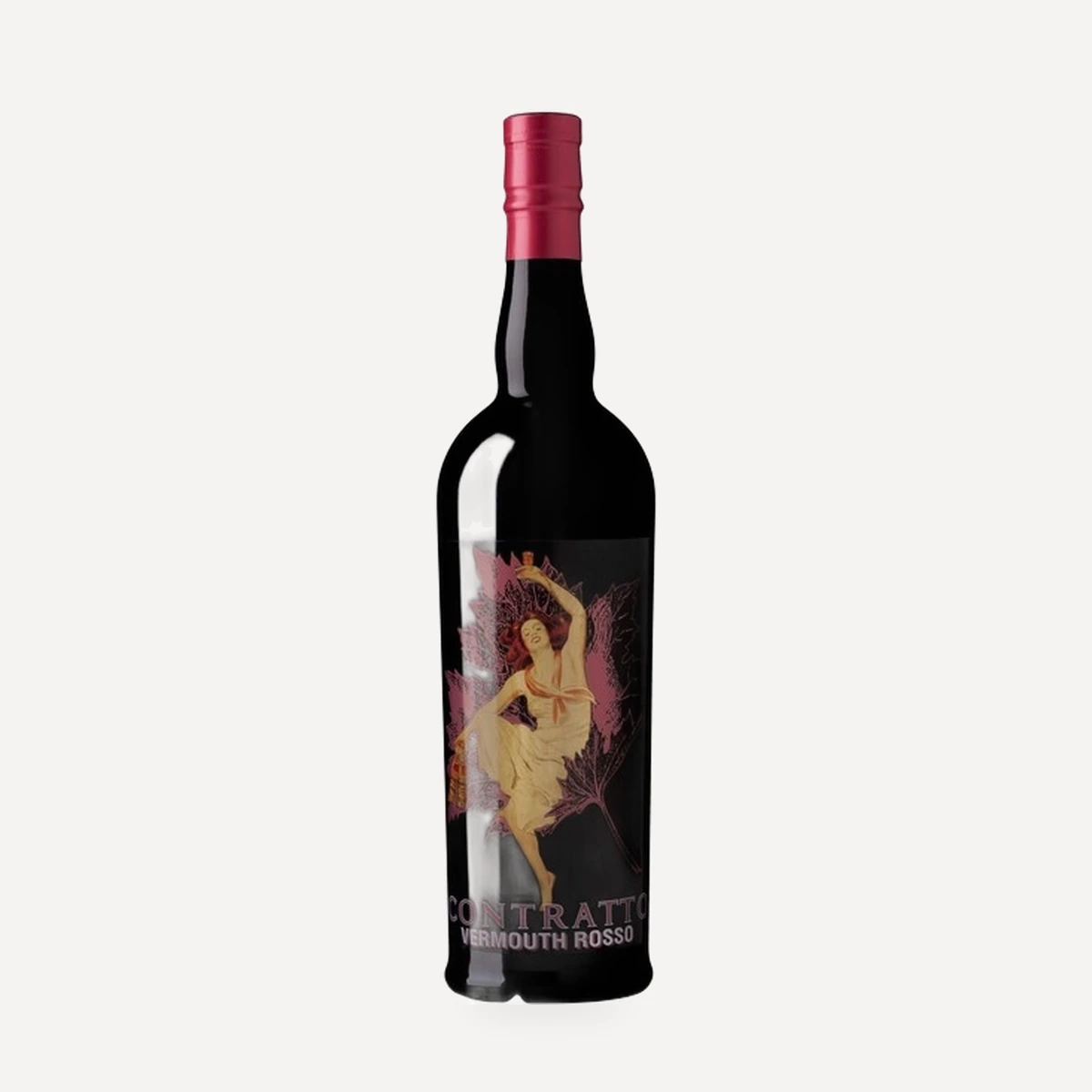
Vermouth Rosso
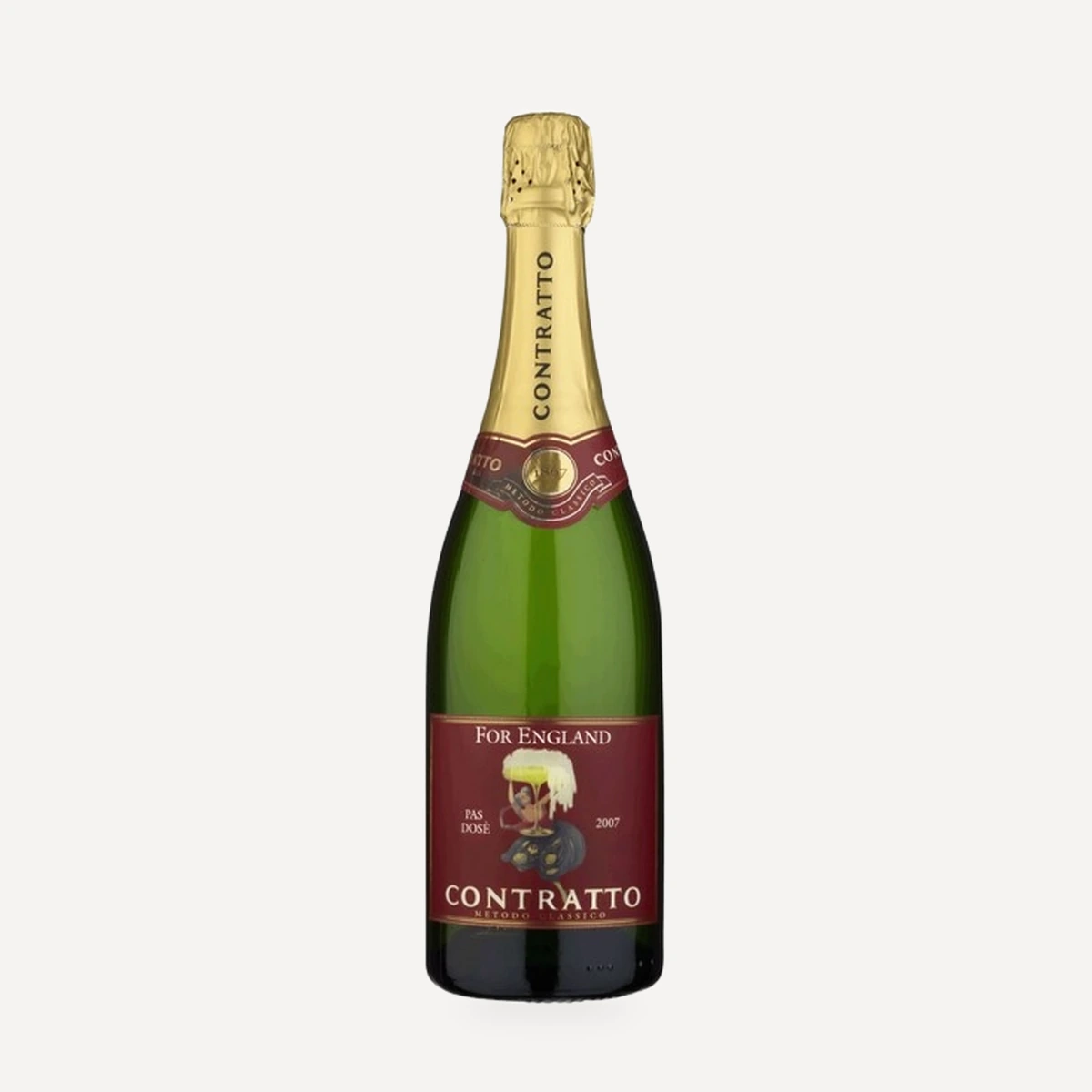
For England Pas Dose