Storia
The farming roots: early 1960s
La Spinetta’s story begins with Giuseppe Rivetti, known as Pin, and his wife Lidia. Both were experienced farmers who combined deep familiarity with rural tradition with an interest in the future. Their principles—humility, respect and a determination to test their own abilities—became lasting family values.
Their children Carlo, Bruno, Giorgio and Giovanna Rivetti subsequently assumed responsibility for the winery. They carried forward their parents’ emphasis on Piedmontese land, native grape varieties and close attention to the territory.
The first wines: 1977–1989
In 1977, with the support of Pin and Lidia, the Rivetti siblings began producing Bricco Quaglia and Biancospino. They were among the earliest Italian Moscatos identified with individual vineyard origins; the Italian-language history describes them as the first single-vineyard Moscatos produced in Italy.
Success with Moscato encouraged the family to work with red grapes. Barbera Cà di Pian followed in 1982. In 1989, the family created Pin, combining ideas developed through observation and exchanges with other producers with newer approaches in both vineyard and cellar. The goal was a wine with international reach that remained closely tied to Piedmont.
Barbaresco and Barbera: 1995–1998
Experience gained through Pin informed the family’s move into Barbaresco. The first was Gallina in 1995, followed by Starderi in 1996 and Valeirano in 1997. The three crus were handled identically in vineyard and cellar so that their differences would reflect the individual sites rather than different production protocols.
In 1997, the Gallina cru also began supplying Barbera d’Alba. In 1998, La Spinetta introduced Barbera d’Asti Superiore Bionzo, drawing on a vineyard then described as having nearly century-old vines and deliberately low production per hectare.
Expansion into Grinzane Cavour and Tuscany
Seeking to compete at the highest level in Piedmont, the Rivetti family acquired several hectares at Grinzane Cavour. Giorgio Rivetti had identified the area’s potential and believed it brought together characteristics associated with prestigious Barolo crus. This development became the separate La Spinetta Campè estate and is not combined with the Castagnole delle Lanze winery’s vineyard or production profile here.
In 2001, Carlo, Bruno and Giorgio Rivetti established the separate Casanova della Spinetta winery in Tuscany. The project allowed them to work with different territory and grapes. Although international varieties were then fashionable, they concentrated on the relationship between Tuscany and Sangiovese.
Contratto and the Colli Tortonesi
In 2011, motivated by their interest in Champagne and traditional sparkling-wine production, the Rivetti family acquired the historic Contratto house in Canelli. Giorgio Rivetti had already advised Contratto for several years. The family retained its traditional-method identity and manual riddling practices and immediately acquired additional vineyards for the project. Contratto subsequently developed within the Alta Langa denomination as a separate winery.
The family expanded again in 2018, purchasing several hectares in the Colli Tortonesi for Timorasso. The project reflected their belief that this native Piedmontese white variety had the structure and potential to stand alongside major white wines.
Continuity within the family
By 2013, Giorgio’s son Andrea Rivetti was working full-time at La Spinetta. Andrea had followed his father in the cellar from early childhood, chose the winemaking school in Alba at fifteen and joined the business after graduation. Giorgio described Andrea’s contribution as indispensable to running La Spinetta.
Terroir
La Spinetta’s Castagnole delle Lanze portfolio draws on vineyards distributed across the Langhe and Monferrato, including sites in Castagnole delle Lanze, Coazzolo, Mango, Costigliole d’Asti, Montegrosso d’Asti, Neive and Treiso.
Soils
Calcareous marl is the recurring foundation, but its composition varies materially among sites. The Barbera vineyards at Castagnole delle Lanze, Costigliole d’Asti and Montegrosso d’Asti are based on calcareous marl, while Bionzo combines clay-rich calcareous marl. The Moscato vineyards in Castagnole delle Lanze, Mango and Coazzolo have calcareous marl tending toward sand.
The Barbaresco sites show more distinct local signatures. Starderi has blue-grey calcareous marl with a small clay component. Valeirano has sandy, clay-limestone marl of marine origin. Its geological resemblance to soils around Serralunga d’Alba is associated with marked minerality and longevity. Bordini has calcareous marl strongly influenced by pale sand, a composition associated with a lighter and more aromatic expression.
The Chardonnay vineyard at Mango has calcareous marl mixed with sand. Sauvignon grows on calcareous marl rich in calcium carbonate in Mango and Treiso.
Altitude, exposure and mesoclimate
All of the documented vineyards serving the Castagnole cellar have southerly aspects, ranging from south-east through south to south-west. Elevations extend from 230 m at Starderi to 500 m for the Chardonnay vineyard at Mango.
The Tanaro River, flowing at the bottom of the valley near Starderi, moderates both severe winter cold and intense summer heat. Although Starderi lies close to Gallina, differences in exposure, terrain and microclimate give it a distinct identity.
The family treats these local variations in soil, exposure and microclimate as the basis for site identity. Its original Barbaresco crus were deliberately given matching vineyard and cellar treatment to make those differences visible in the finished wines.
Vinificazione
La Spinetta places the vineyard ahead of cellar technique and defines its farming through dedication to individual sites, old vines and low yields.
The vineyards are farmed organically. A detailed account published in 2014 recorded that the operation was not certified and did not plan to pursue certification. The farming programme excluded chemical or artificial fertilisers, herbicides, pesticides, growth hormones and genetically modified organisms. The objective was healthy soil and vines rather than certification as a marketing category.
Old vines are retained because their lower production is considered capable of giving more concentrated, complex fruit and of transmitting a site’s microclimate and terroir with greater consistency. Yield control includes a green harvest in July or August, when unripe bunches are removed so that the remaining clusters can ripen fully and express the identity of the soil. Yields are capped at 1,600 bottles per acre, equivalent to approximately 3,953 bottles per hectare.
All grapes are harvested by hand. Vineyard work is labour-intensive and organised around manual teams. Seasonal work changes through spring, summer and autumn, and the harvest date is decided vineyard by vineyard through observation and experience. Adaptation to climate change is treated as a core farming skill: picking dates are adjusted to preserve site identity and balance rather than imposed uniformly.
The vineyard programme also includes careful shoot and canopy work. Excess shoots and leaves are removed to concentrate the vine’s effort on a limited number of bunches while retaining a canopy that balances warming sunlight with cooling shade.
Production at Castagnole delle Lanze combines temperature control and French oak with an explicit policy of avoiding manipulative cellar techniques.
Red grapes are generally macerated and fermented in temperature-controlled vats. The Barbaresco and Barbera protocols represented in the cellar portfolio commonly use macerations of about 14–15 days. Malolactic fermentation then takes place in French oak. Depending on the wine, the cellar uses new wood alongside second-use barrels or relies entirely on second- and third-use barrels. Oak maturation is followed by bottle refinement.
The cellar’s white-wine approach includes alcoholic fermentation and maturation in second-use French oak for Chardonnay and Sauvignon. The Moscato wines ferment in temperature-controlled pressure tanks, with the duration adjusted to the individual cuvée. For Passito production, Moscato is harvested slightly later, dried in the cellar, then undergoes alcoholic and malolactic fermentation in French oak before prolonged maturation.
The wider cellar policy excludes concentration by cooling, dealcoholisation, physical removal of sulphur dioxide, electrodialysis and cation exchange. Thermal treatments above 70°C and nanofiltration are not used. Synthetic additives are avoided, natural yeasts are used and sulphites are kept as low as practical. Higher-tier wines are left unfiltered. Lunar phases are considered when wine is moved in the cellar and when bottling takes place.
The guiding objective is to preserve the character of healthy, estate-grown fruit through meticulous and hygienic cellar work, restrained intervention and experienced tasting rather than through corrective manipulation.
Filosofia
La Spinetta’s central proposition is that an exceptional wine begins with an exceptional grape. The vineyard is therefore treated as the first priority and is worked with dedication, attention and respect.
The family sees itself first as farmers and regards a vineyard as something that existed before their stewardship and should endure after it. Organic farming follows from that sense of continuity. Certification is not treated as an end in itself: the stated objective is to produce the healthiest, highest-quality grapes possible and protect the natural balance of soil, plants and animals.
Old vines, despite producing less fruit, are valued for concentration, complexity and their ability to communicate microclimate and soil. Low yields, green harvesting and individual harvest decisions are intended to allow the selected clusters to acquire a clear site identity.
Indigenous varieties are favoured because they are considered better able to express their places of origin. This principle informed the family’s commitment to Piedmontese varieties and, in the separate Tuscan estate, to Sangiovese rather than fashionable international grapes.
In the cellar, the family rejects the idea that great wine can be created through manipulation of fruit or must. Natural yeasts, limited sulphites, selective non-filtration and the rejection of concentration and dealcoholisation are extensions of the vineyard philosophy. At the same time, La Spinetta does not equate the words “organic,” “biodynamic” or “natural” with quality on their own. Intensive human care, cellar hygiene, experience and the judgement of the palate are treated as equally important.
Humility, respect, ambition, hard work and dedication—the values associated with Pin and Lidia Rivetti—remain the family’s stated ethical foundation.
Vini
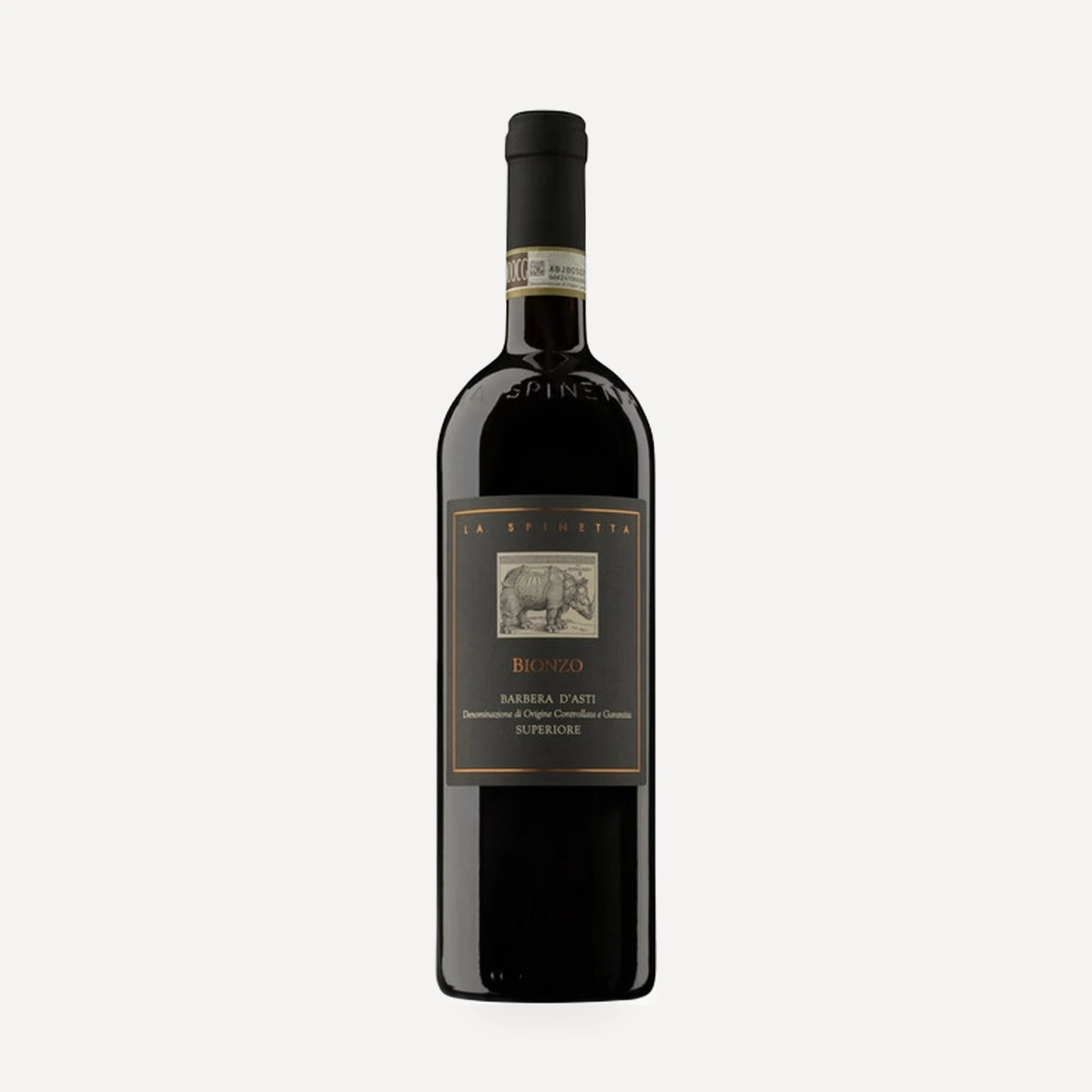
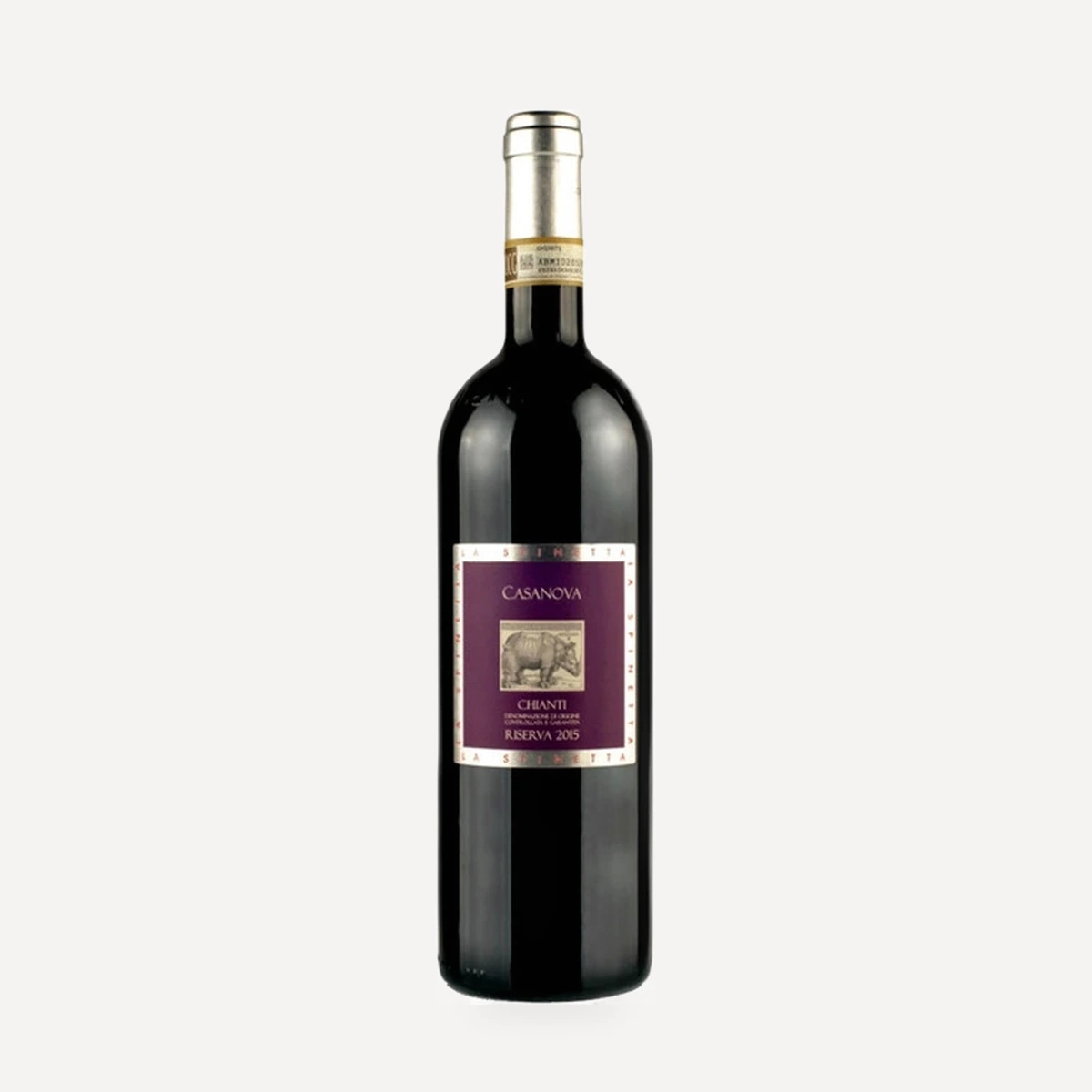
Barbera d’Asti Superiore Bionzo DOCG
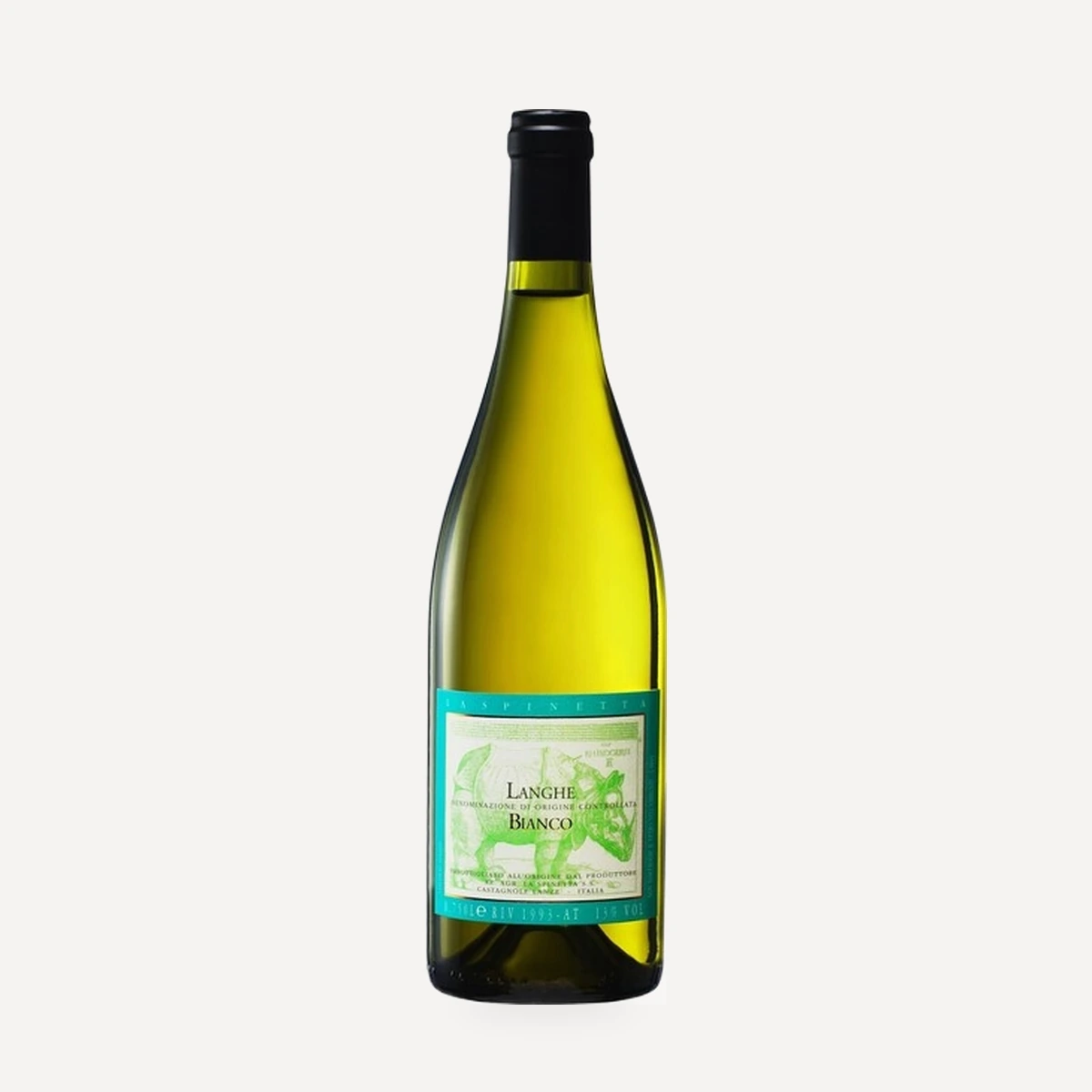
Langhe Bianco DOC
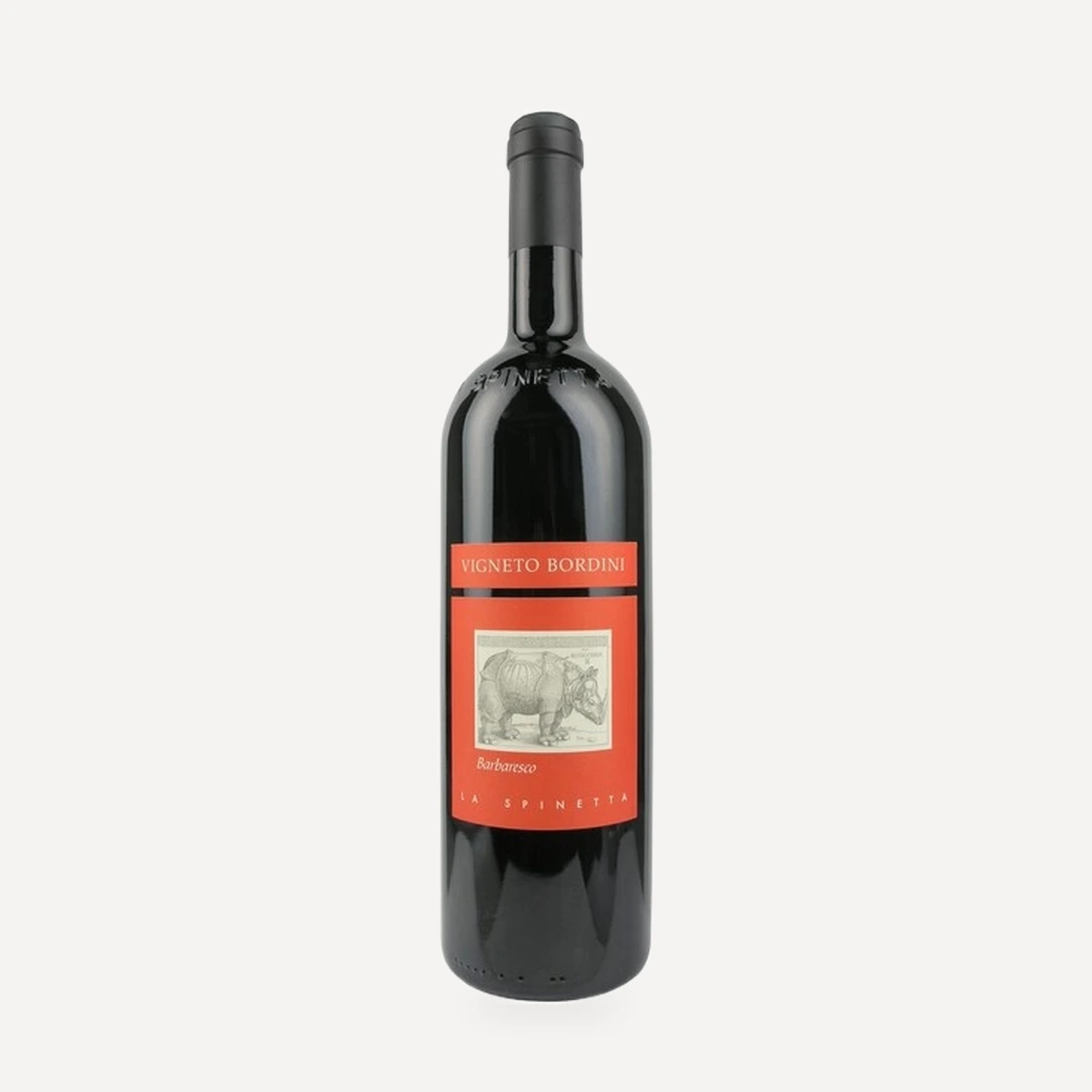
Barbaresco Bordini DOCG
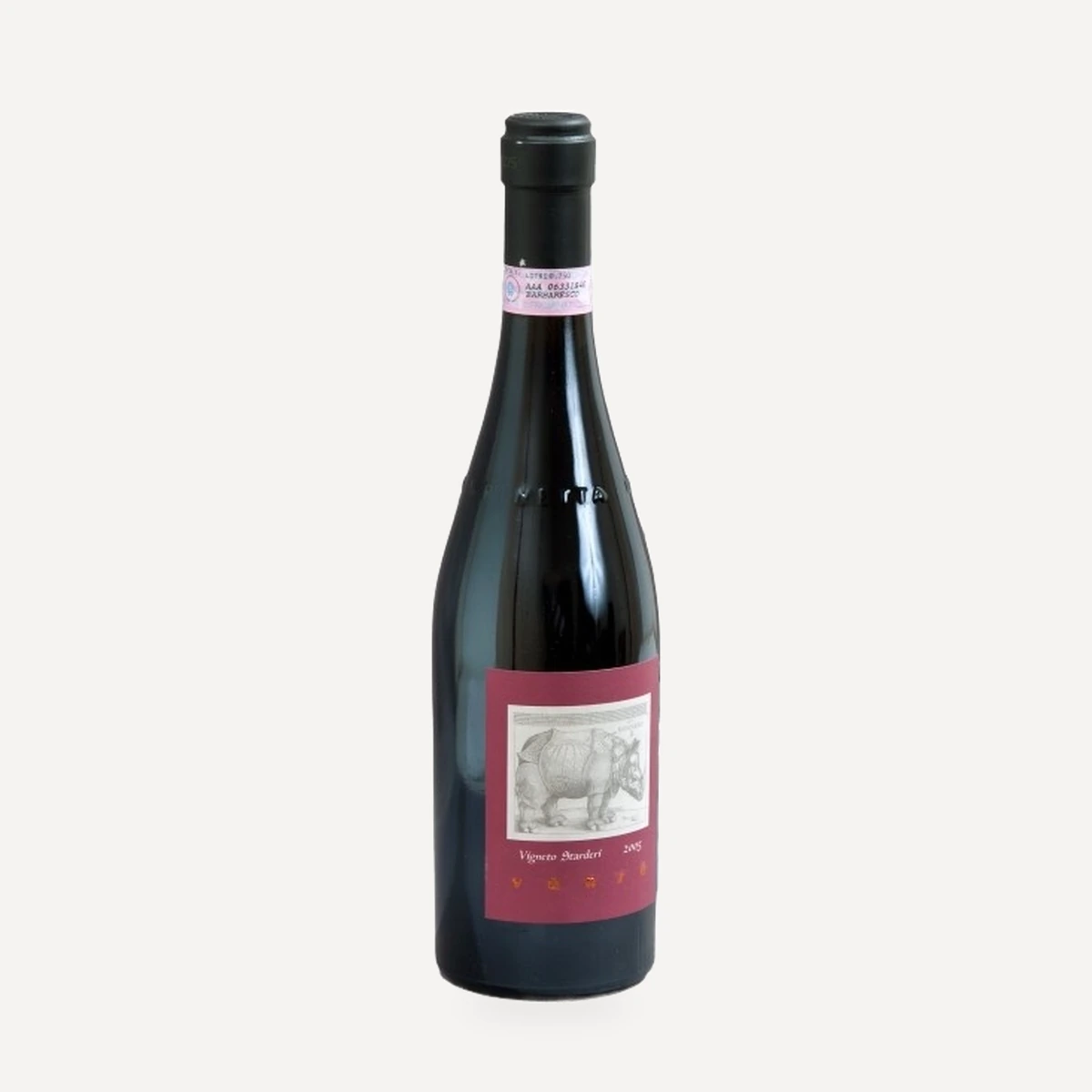
Barbaresco Starderi DOCG
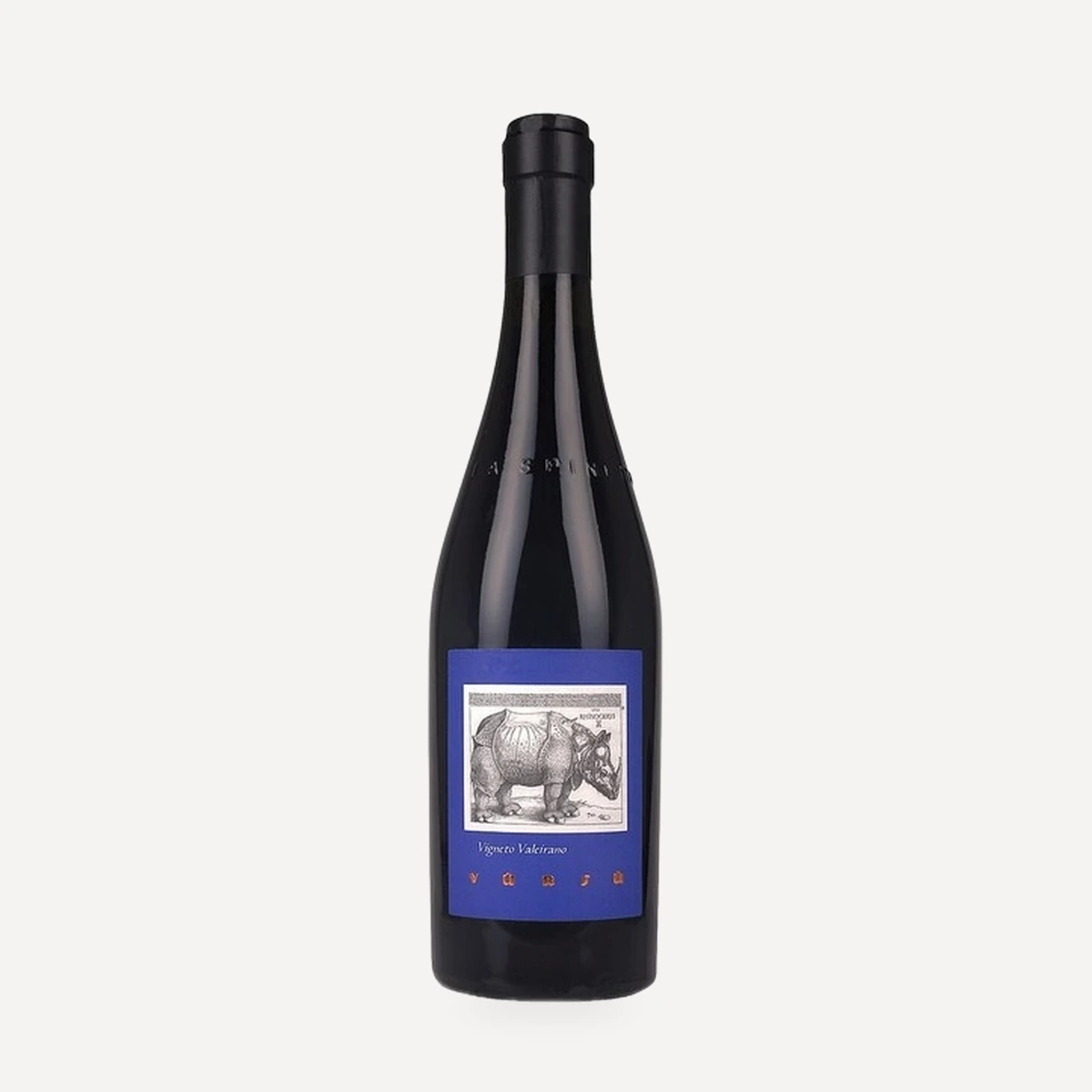
Barbaresco Valeirano DOCG
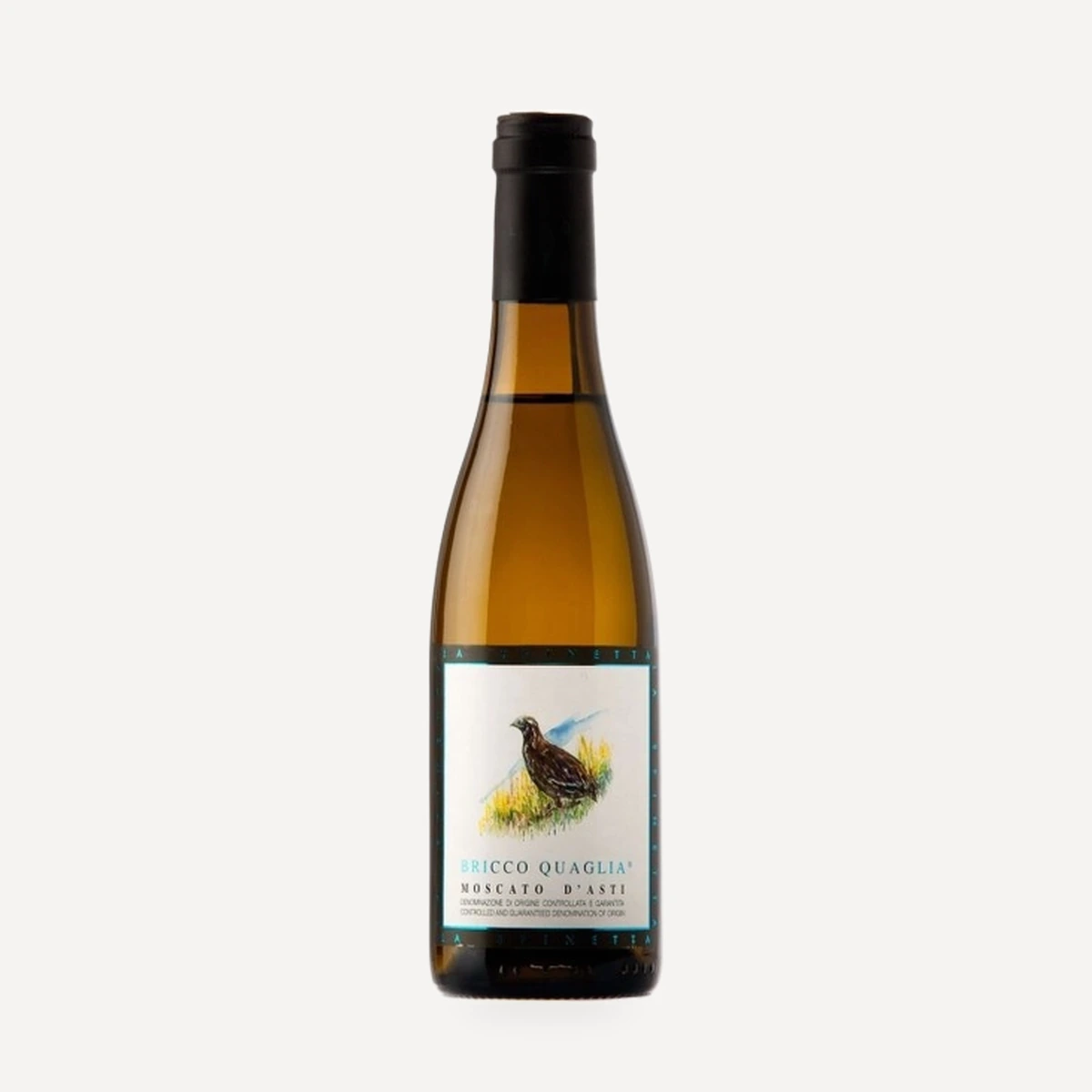
Moscato d'Asti Bricco Quaglia DOCG
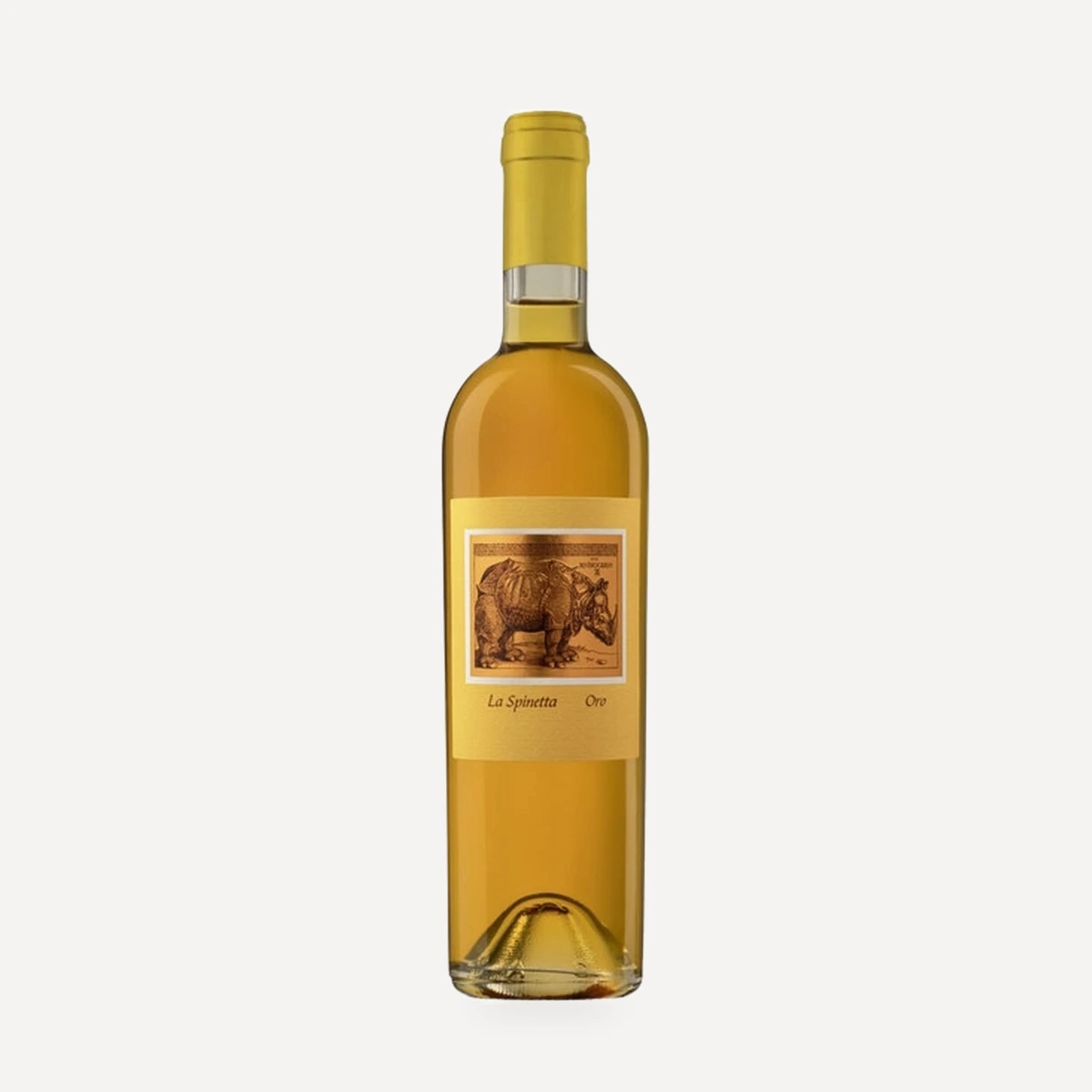
Passito Oro DOC
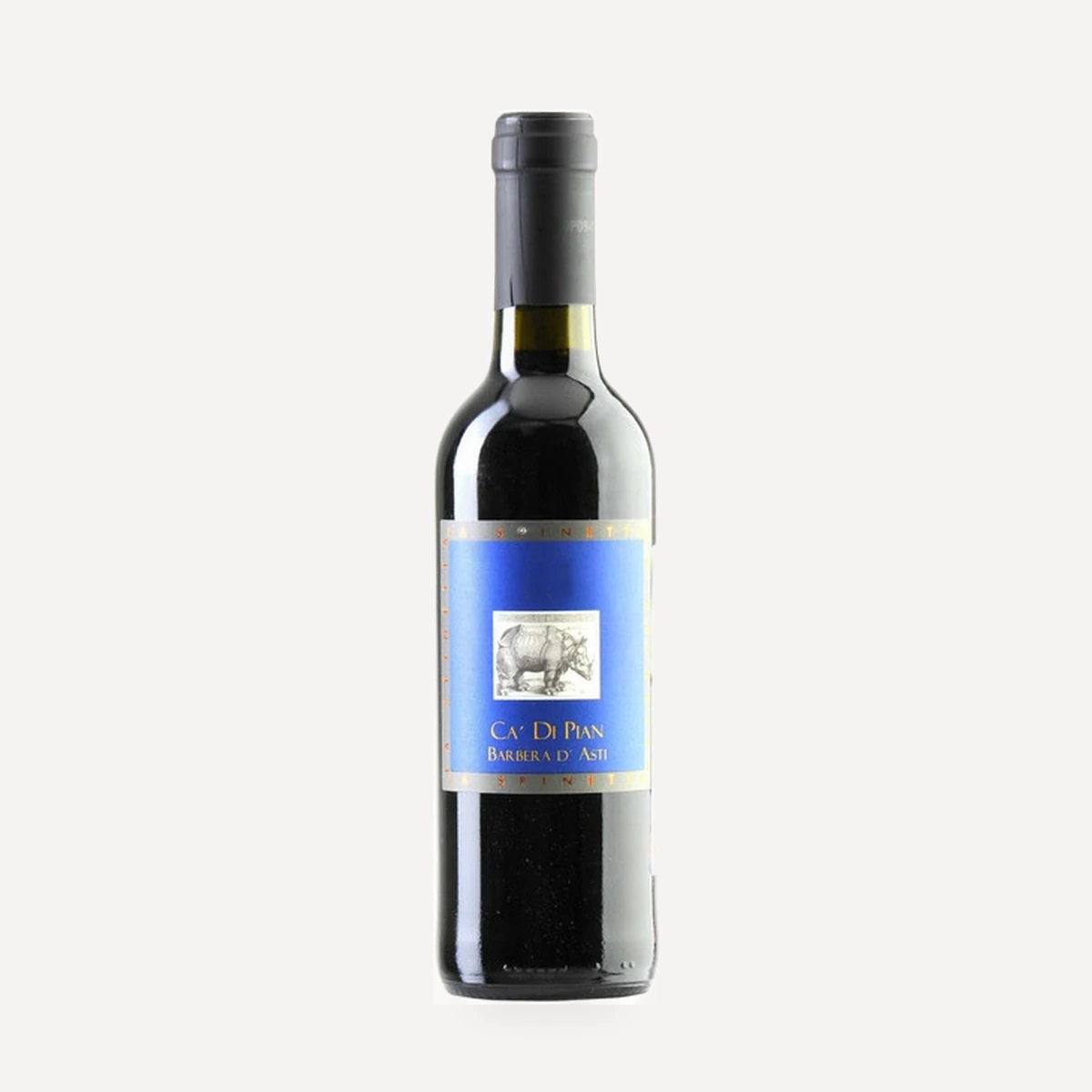
Barbera d’Asti Superiore Cà di Pian DOCG
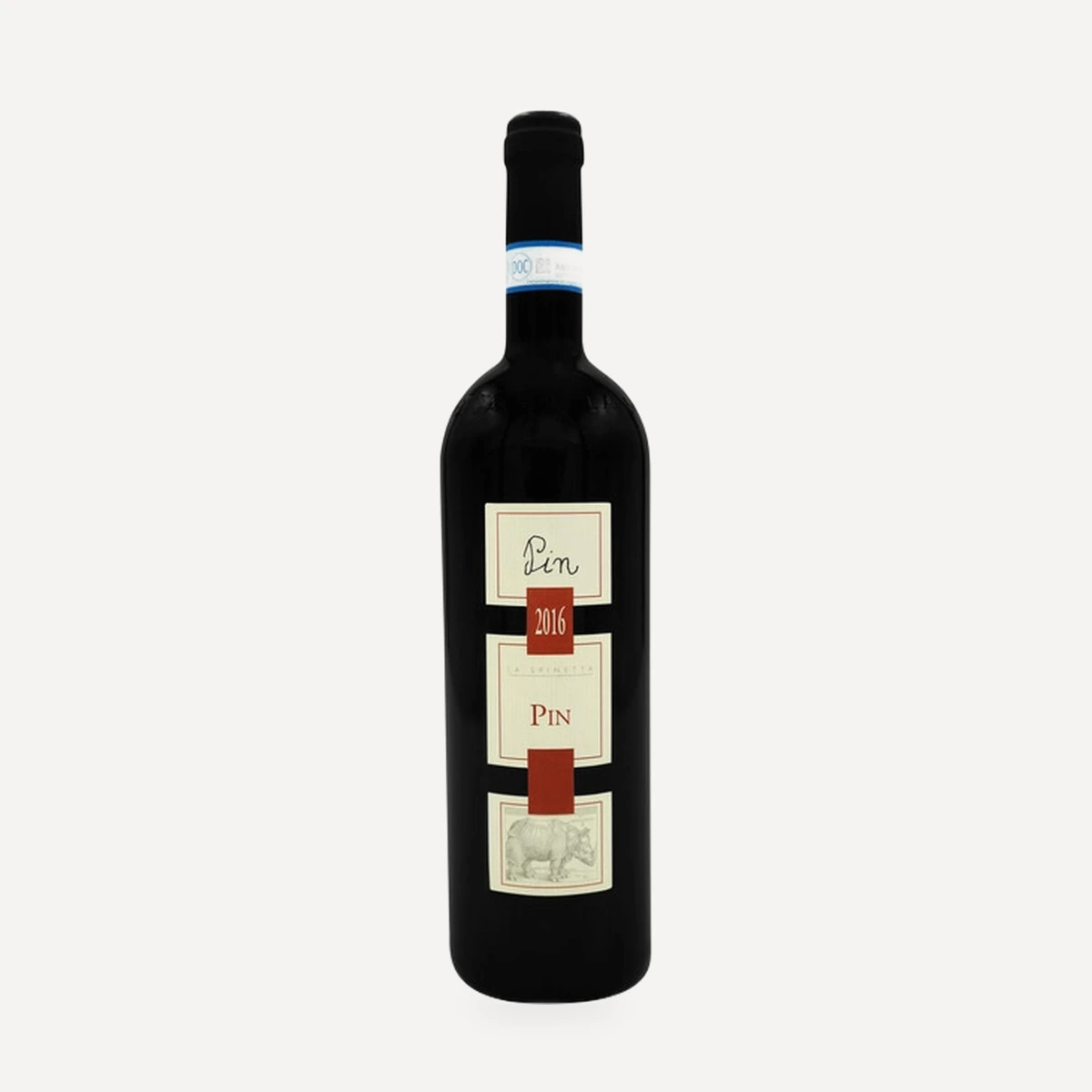
Monferrato Rosso Pin DOC
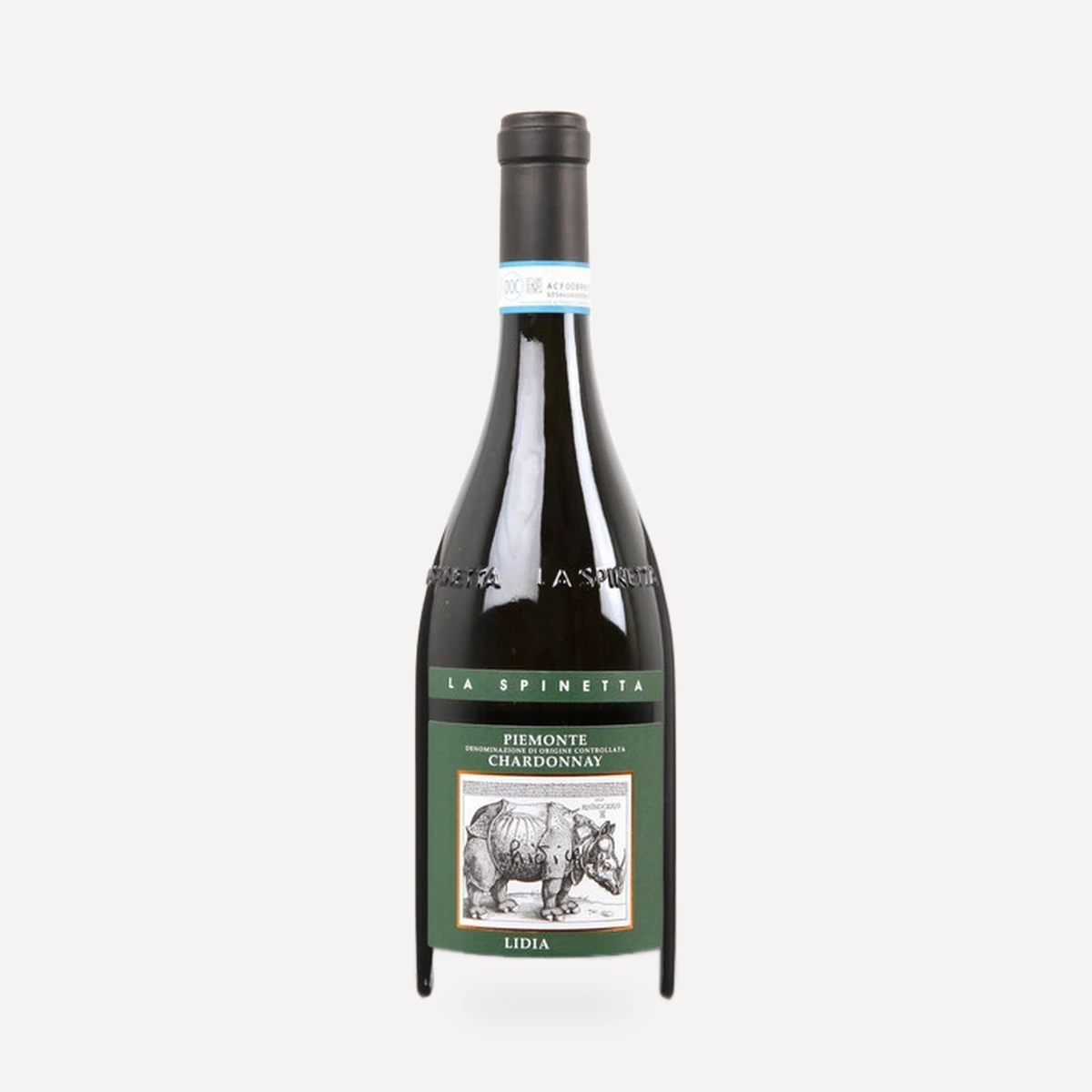
Piemonte Chardonnay Lidia DOC
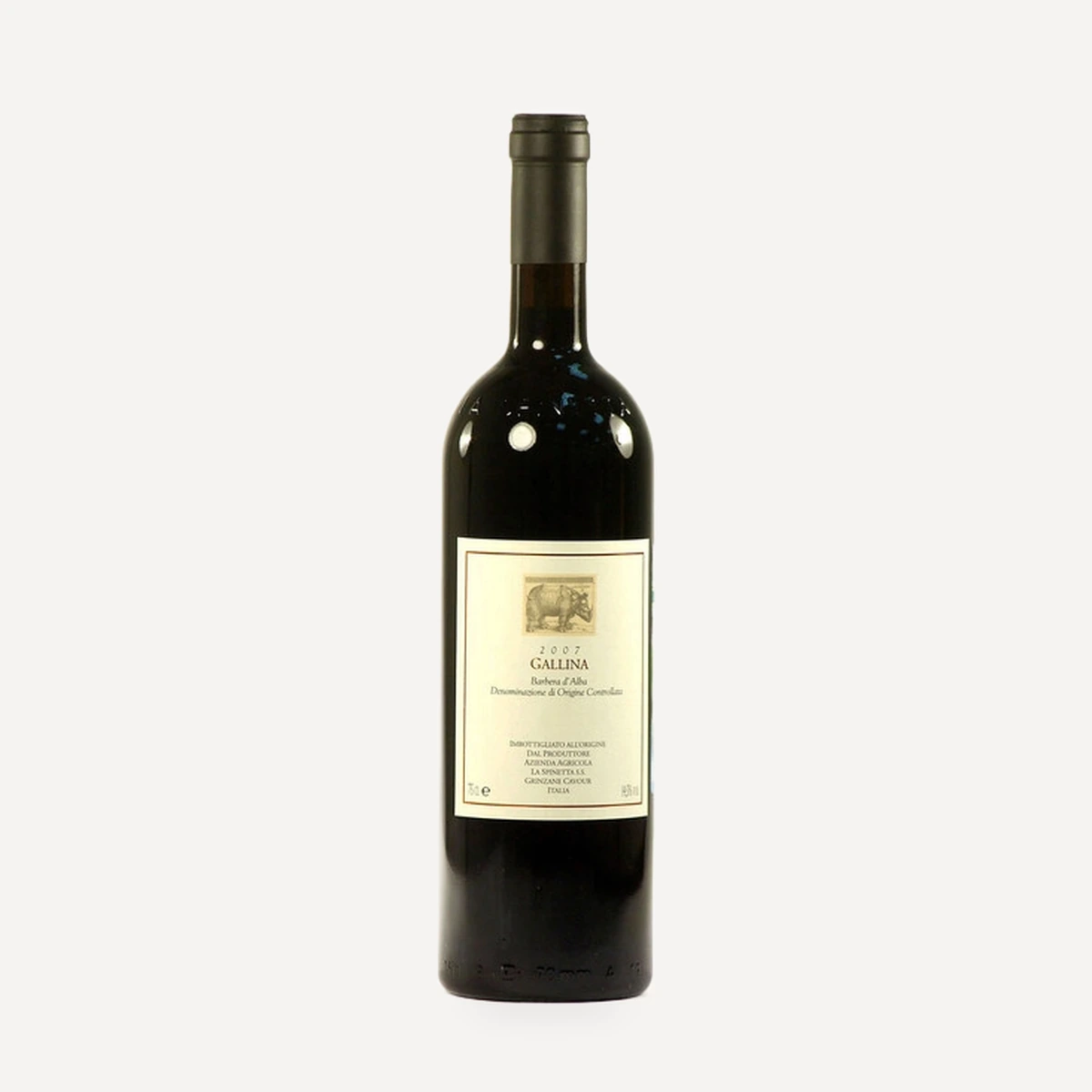
Barbera d'Alba Gallina
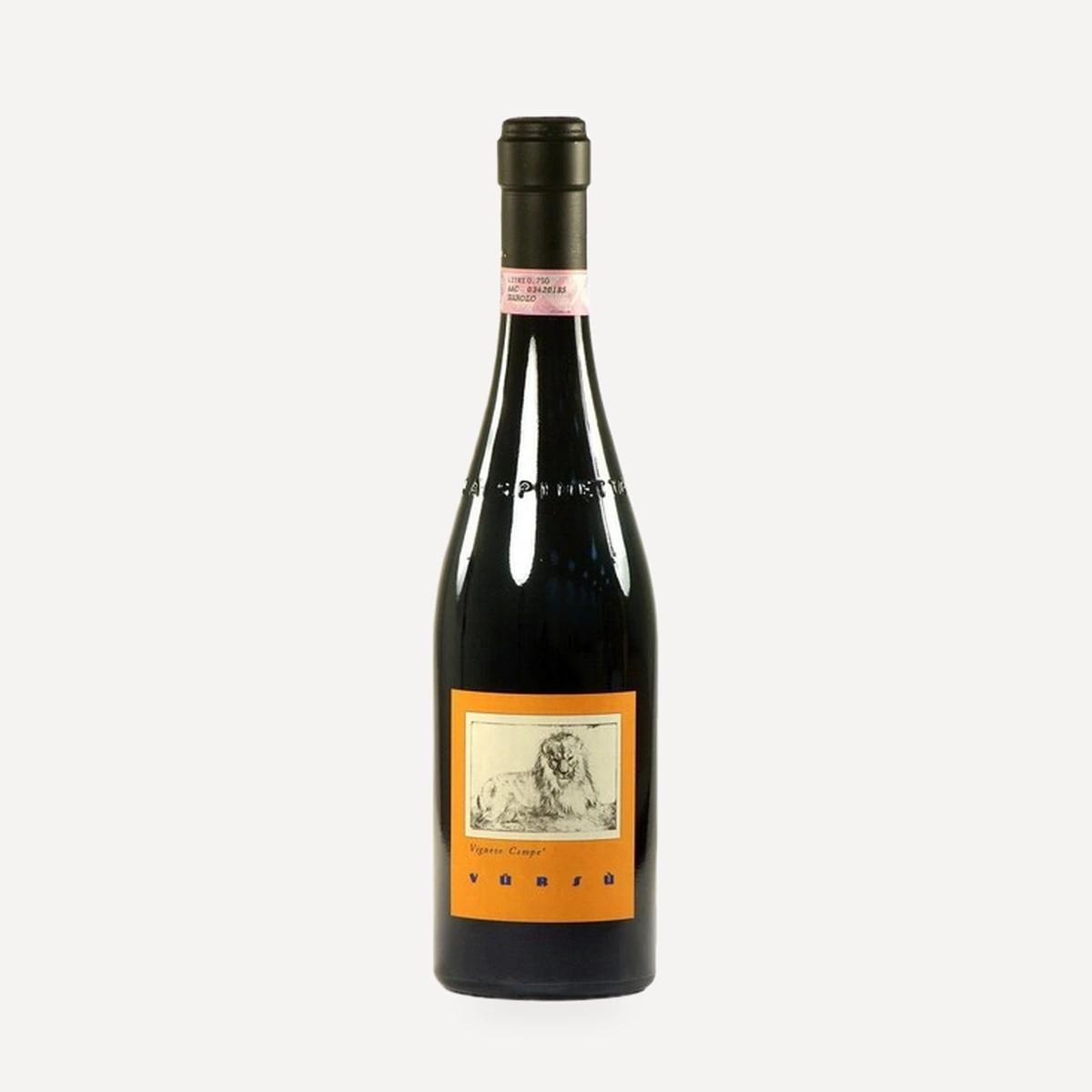
Barolo Vigneto Campe Riserva
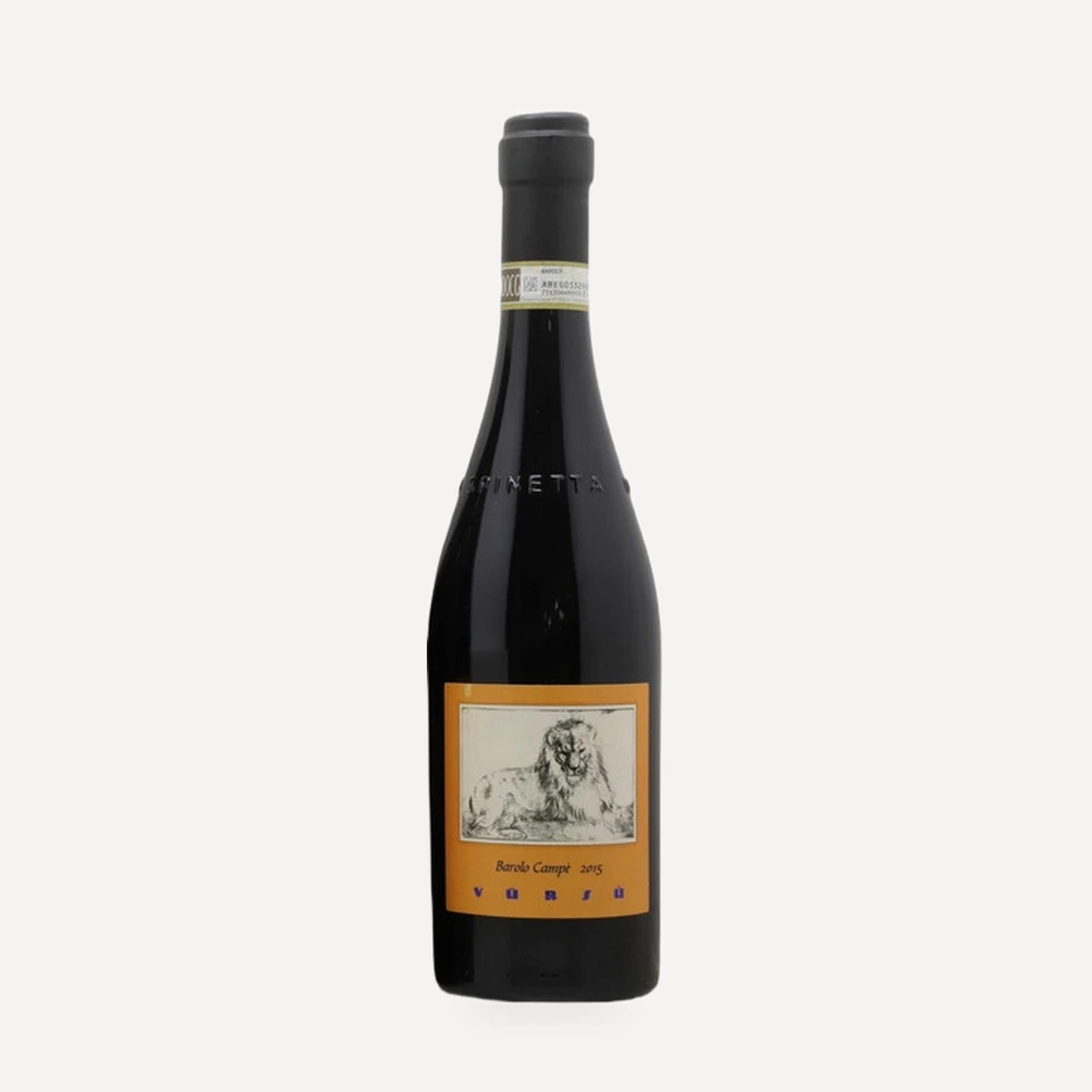
Barolo Campe
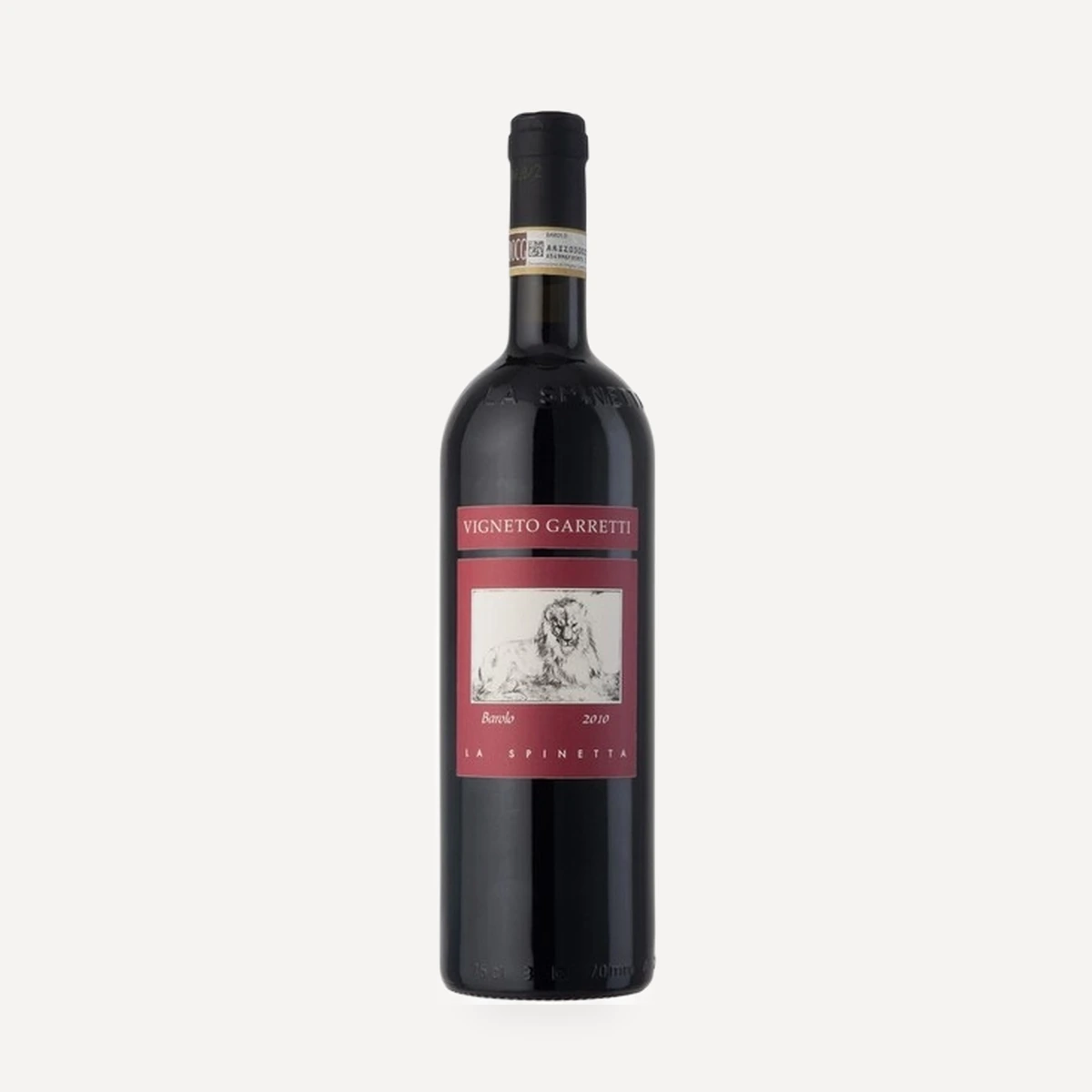
Vigneto Garretti Barolo DOCG
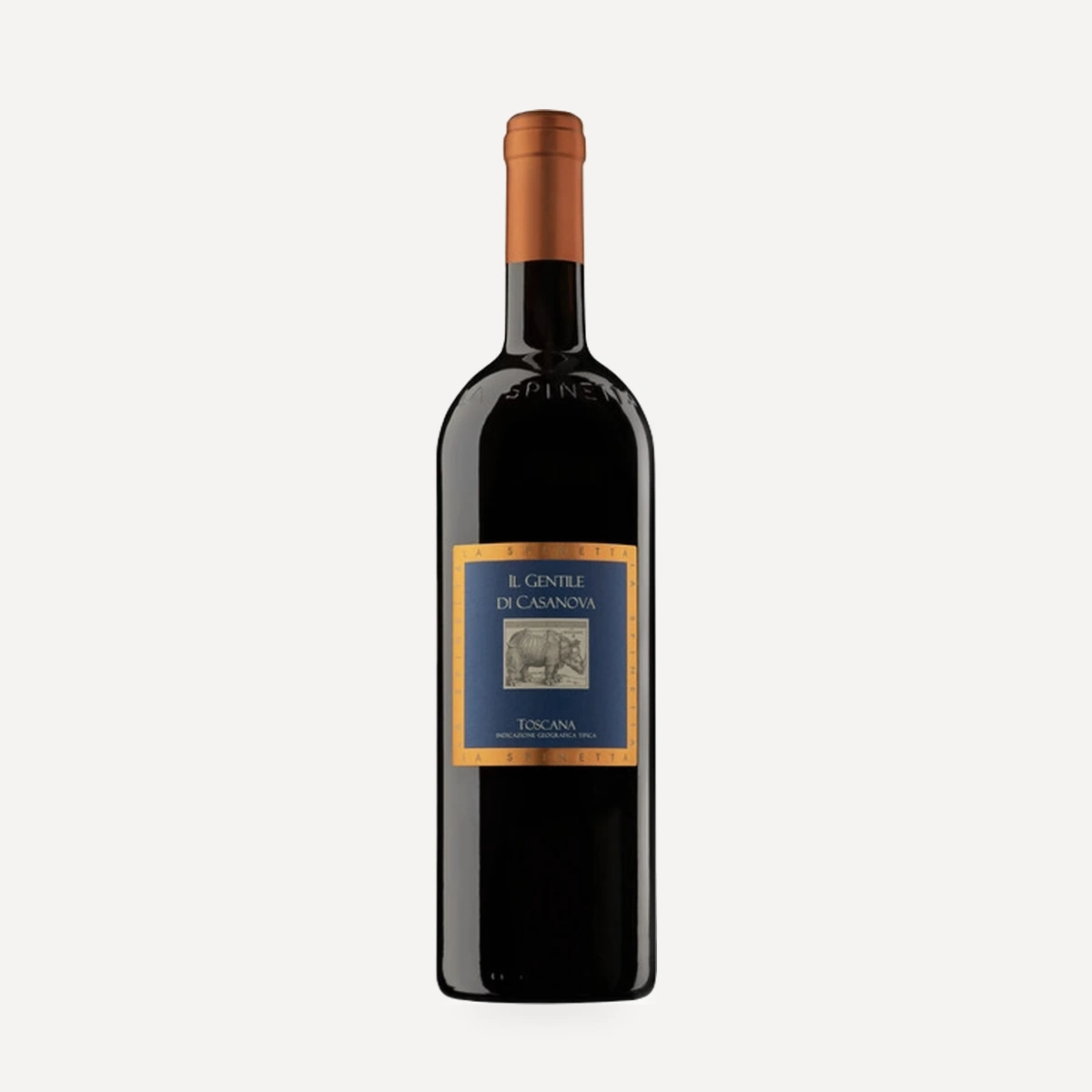
Il Gentile di Casanova Toscana IGT
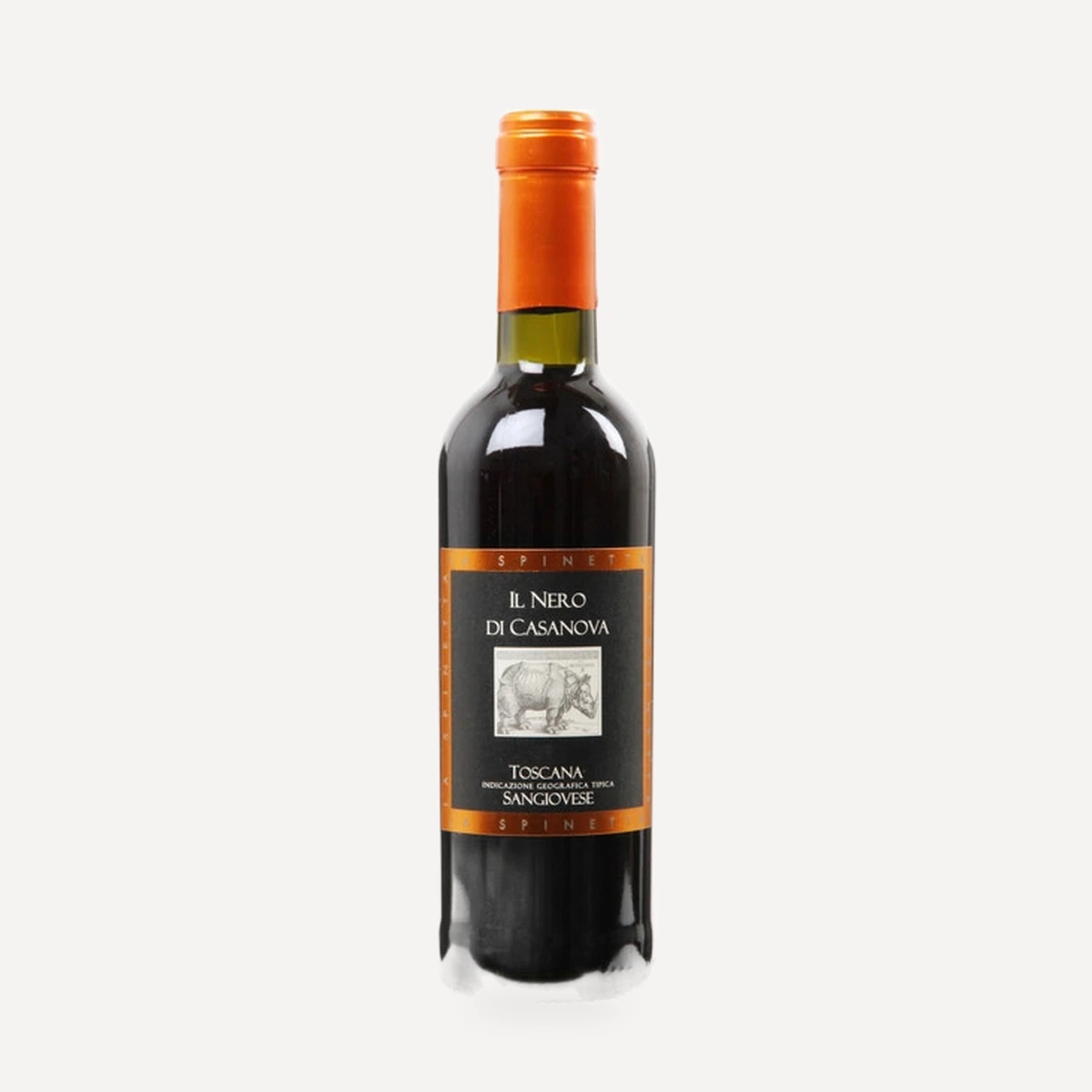
Sangiovese Il Nero di Casanova Toscana IGT
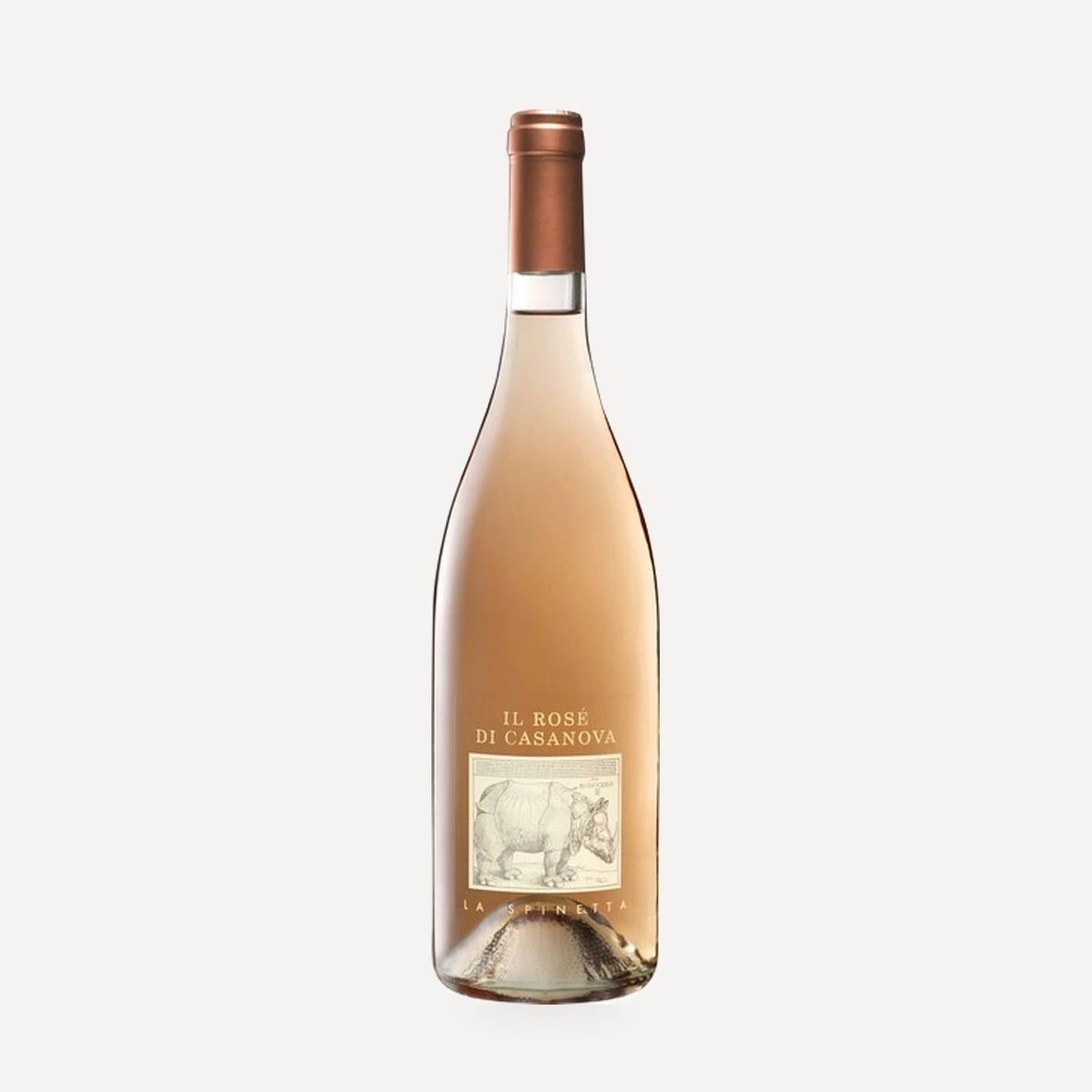
Il Rose di Casanova Toscana IGT
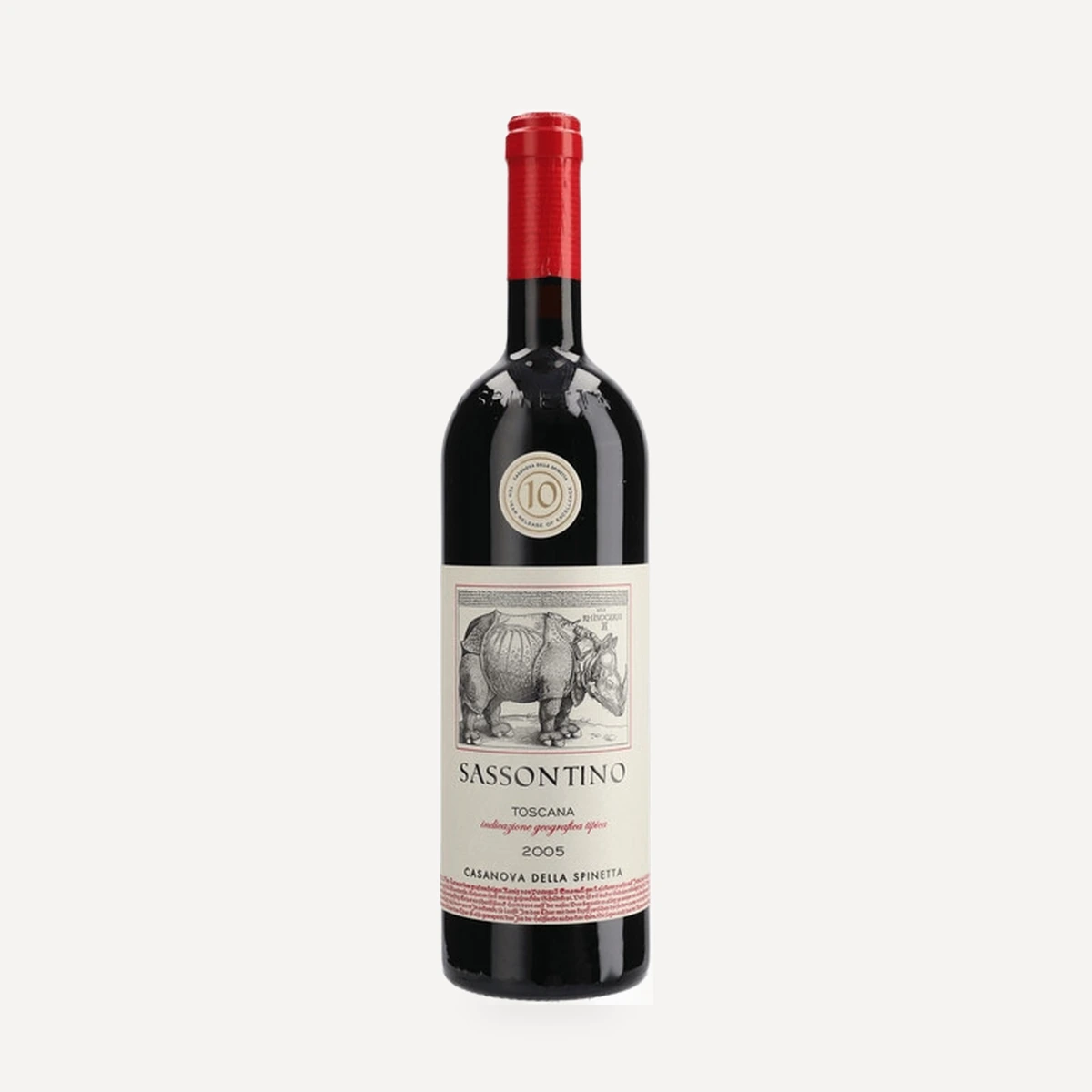
Sassontino Toscana IGT
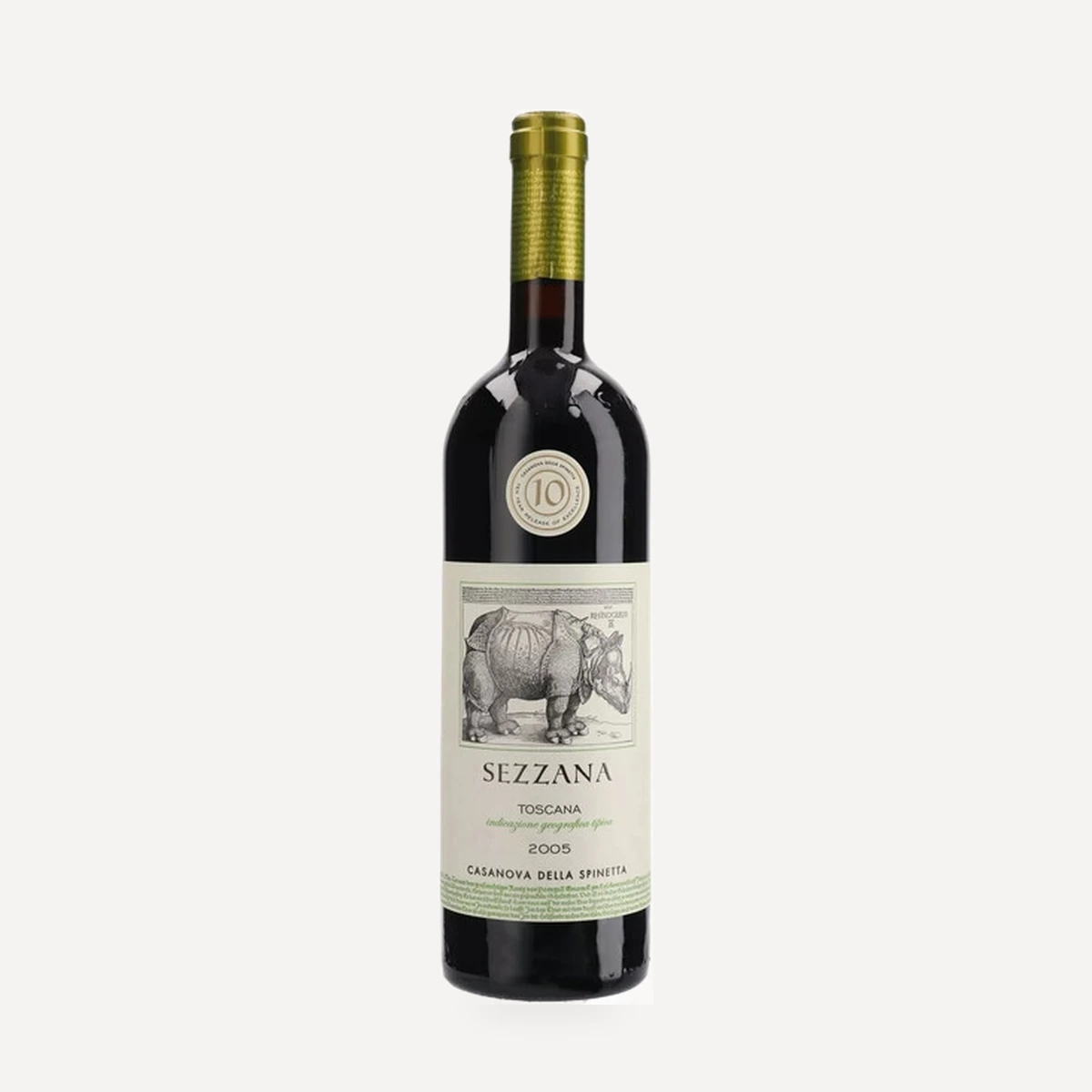
Sezzana Toscana IGT
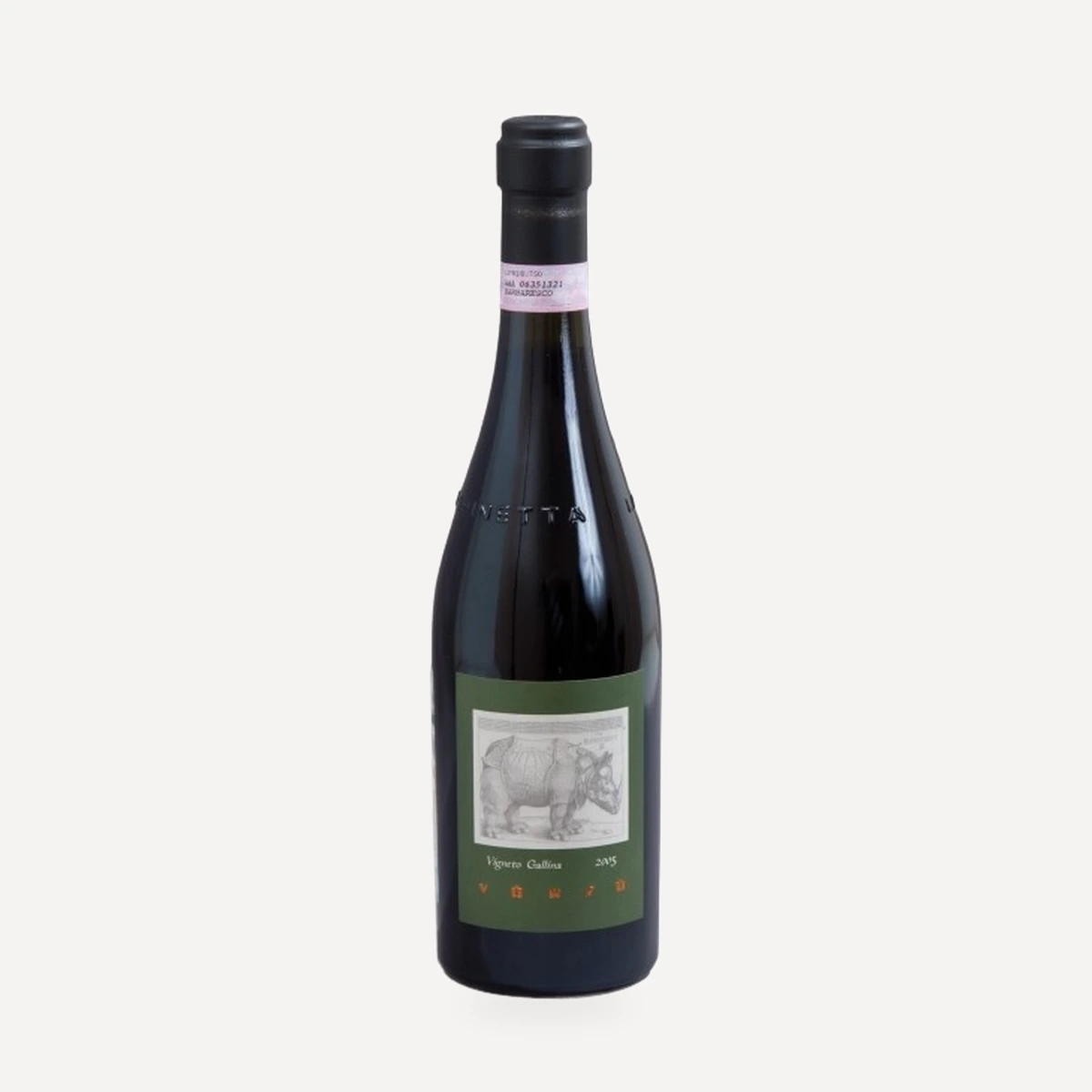
Barbaresco Vigneto Gallina Riserva
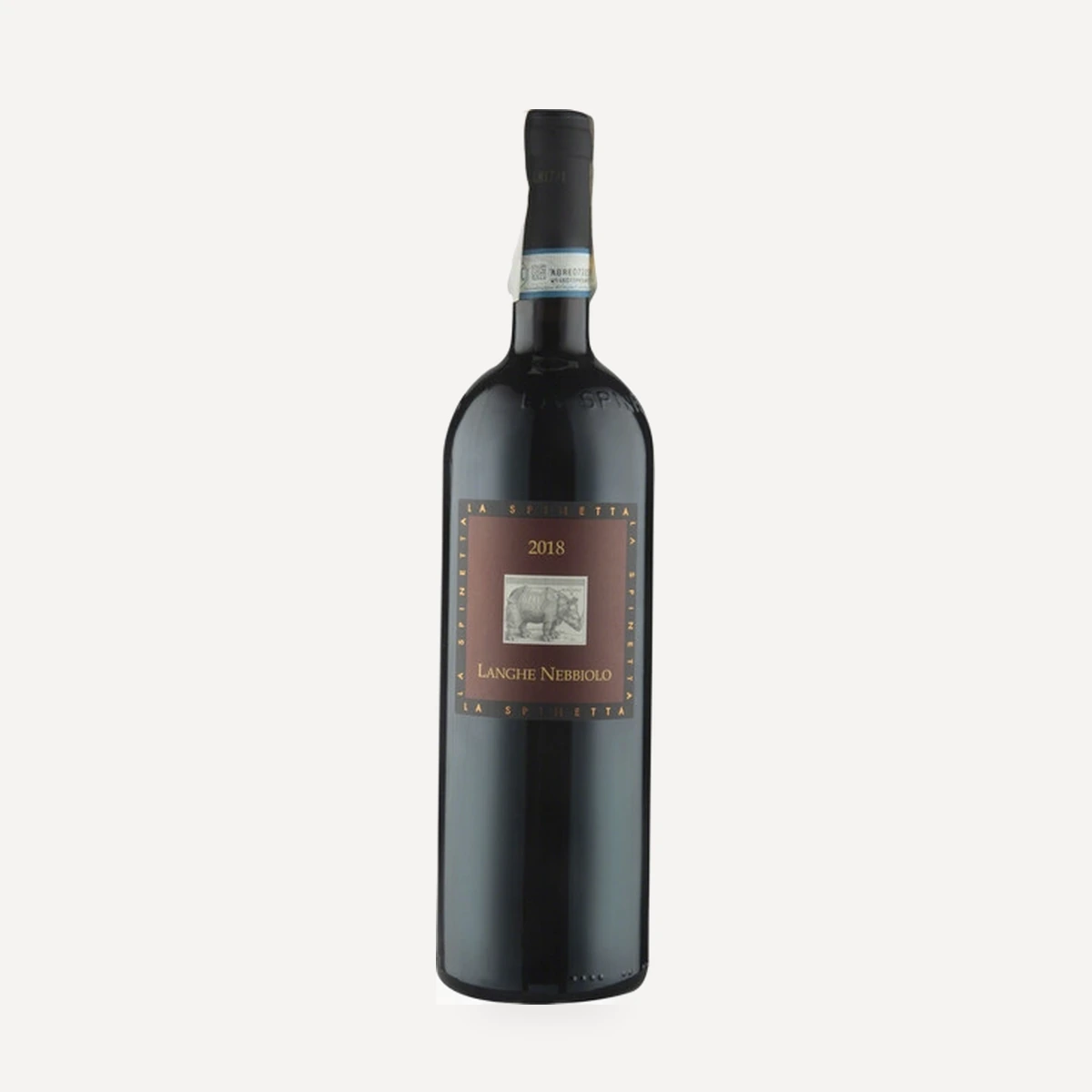
Langhe Nebbiolo DOC
Moscato d'Asti Biancospino DOCG
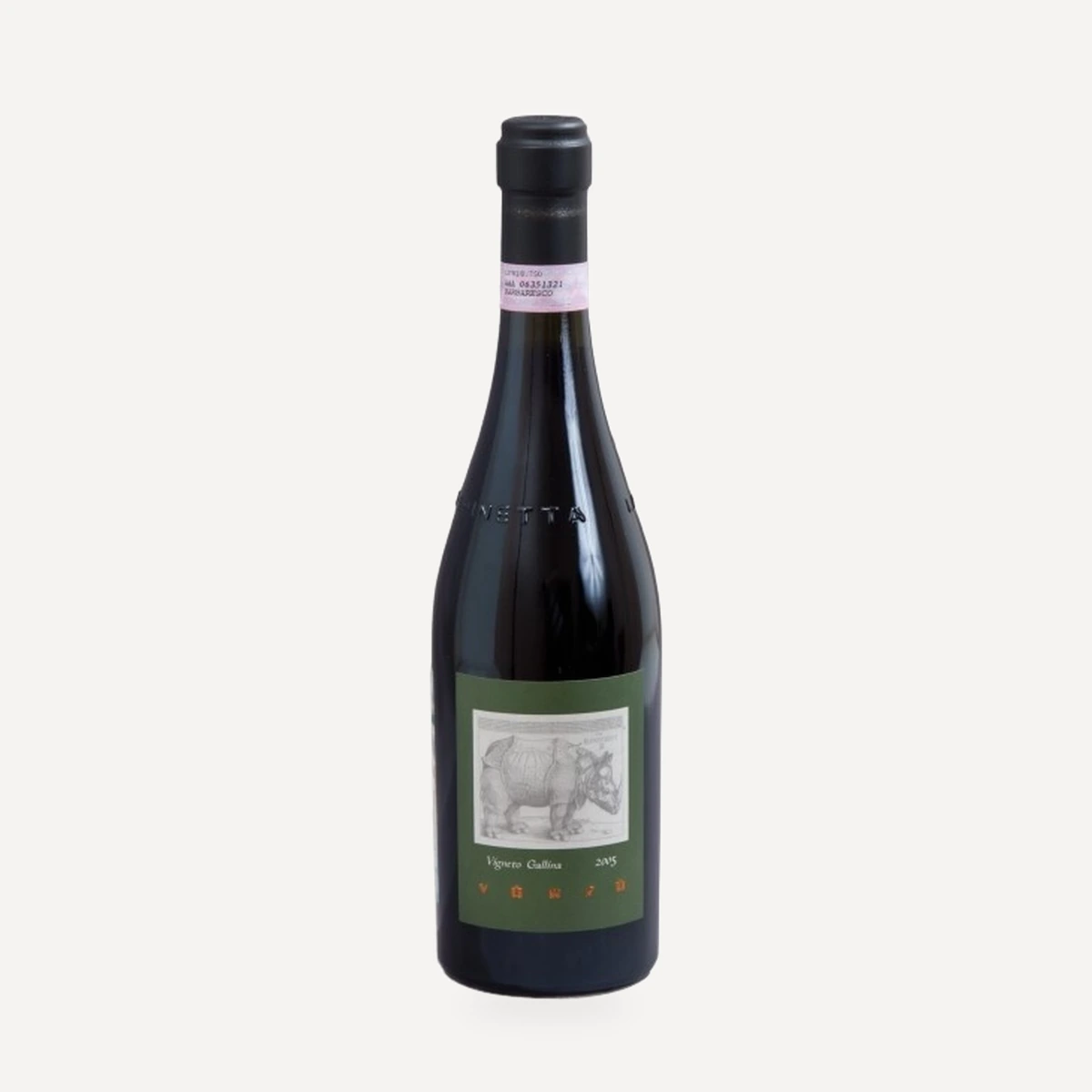
Barbaresco Vigneto Gallina
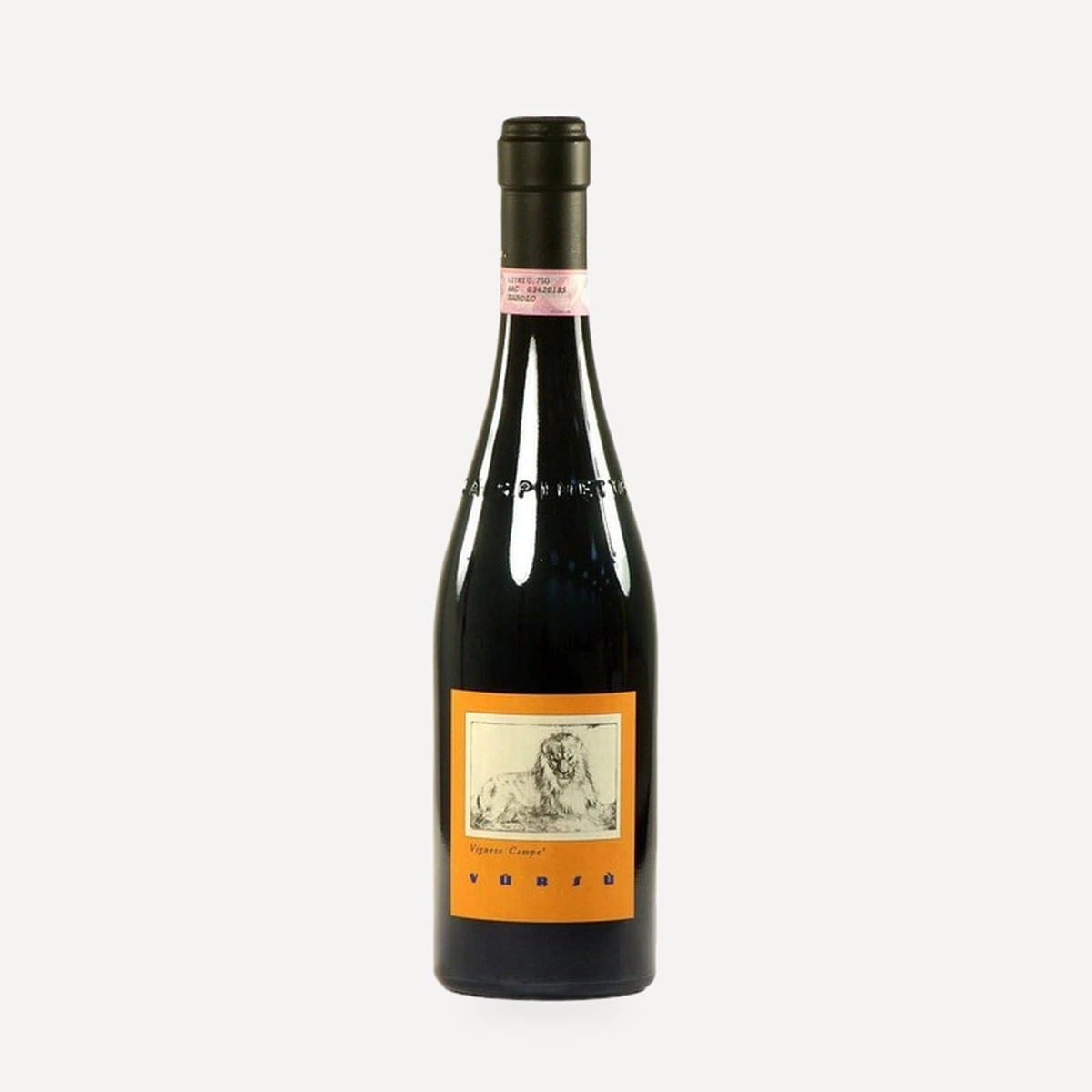
Barolo Vigneto Campe