Storia
Colla family origins: 1847–1961
The estate’s roots lie with the Colla family, winegrowers in Piedmont from the middle of the nineteenth century. Their original territory was Santo Stefano Belbo, a Moscato-growing area of the Langa bordering Monferrato. Successive generations moved toward Alba and ultimately Diano d’Alba. Paolo Colla was born there in 1913 and developed a particular attachment to Dolcetto.
Paolo nevertheless aspired to make Barolo. In 1961 he acquired a farm in La Morra, enabling him to grow and vinify Nebbiolo for Barolo. Serra dei Turchi was the first parcel he purchased and marked the family’s entry into the Barolo area. These early Barolos received recognition at the principal wine exhibitions of their time.
Gianni Gagliardo joins the family: 1972–1981
In 1972 Paolo’s only daughter, Marivanna Colla, married Gianni Gagliardo, a young man from Roero. Paolo passed his passion for wine to his son-in-law.
Professional bottling replaced the family’s amateur production in 1974. Alongside Paolo’s traditional Barolo, Gianni developed his first wine from his native Roero. At a time when leading local producers were turning to Arneis for white wine on the area’s sandy soils, he chose Favorita, then close to disappearing from local vineyards.
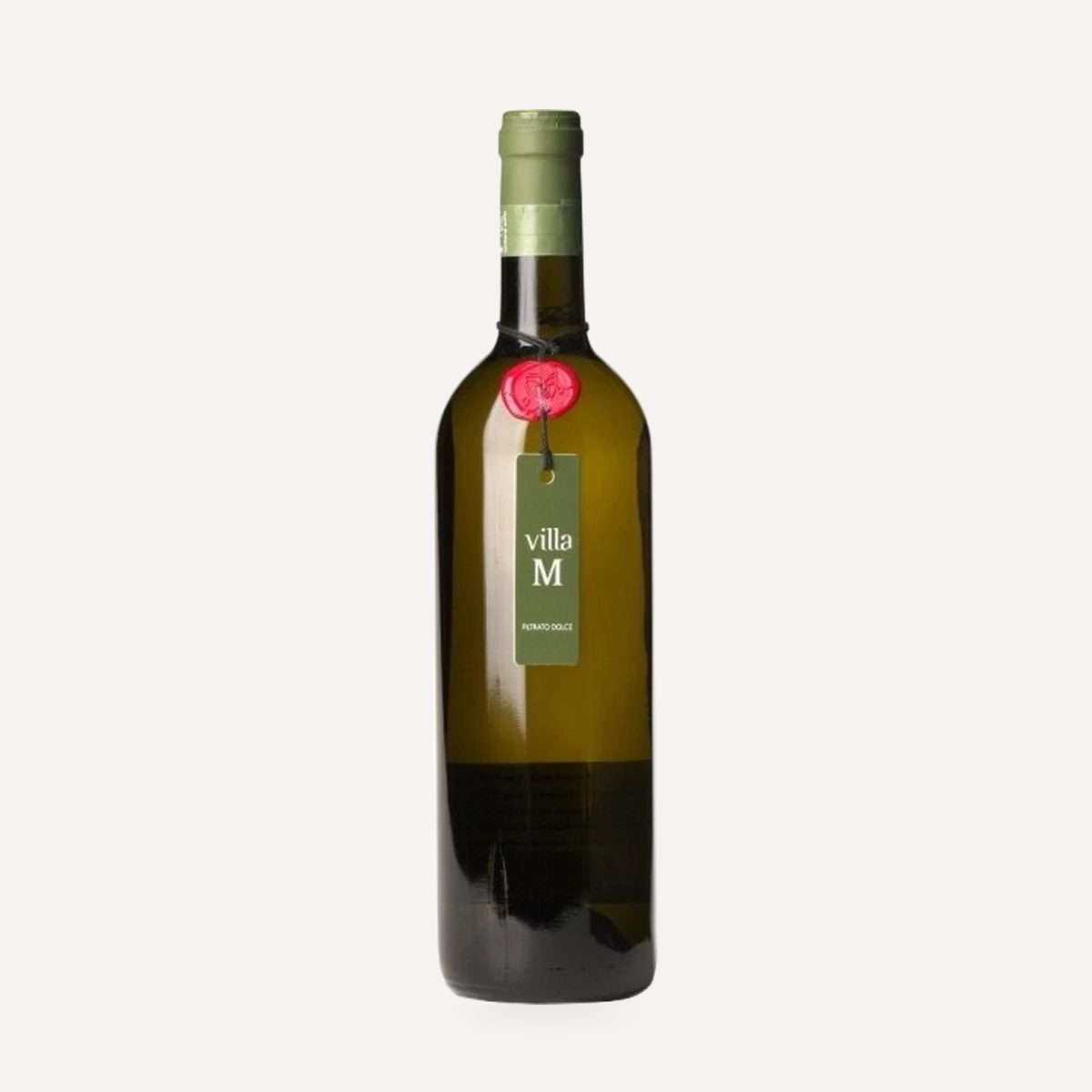
Moscato production began in 1978, continuing the Colla family’s long association with the variety—even Moscato vines had previously been planted among Barolo rows. This activity later became the separate VillaM winery and therefore does not form part of the present estate profile.
Following Paolo Colla’s death, Gianni assumed control in 1981 and carried forward the Colla family’s winegrowing tradition.
A new identity and cellar experimentation: 1984–1988
Gagliardo Brut, one of the area’s early Metodo Classico wines, was created in 1984 and remained in production until the early 1990s.
In 1986 the Paolo Colla winery was renamed Gianni Gagliardo. A falling-mask logo was adopted to represent wine’s depth and its capacity to create strong bonds among people, accompanied by the motto “In Vino Veritas.”
New cellar techniques arrived toward the end of the decade. As trials with French barriques were beginning in Piedmont, Gianni chose a different course, working with the more restrained format of 500- and 700-litre tonneaux. Vineyard holdings also expanded.
The next generation: 1990–2010
The early 1990s brought further experiments with Favorita, additional vineyard expansion and the separate vinification of historic family sites. Alberto, Gianni’s second son, entered the business in 1990. His interest increasingly focused on the vineyards, which became his profession in 1998.
Also in 1998, Gianni’s firstborn son Stefano joined after studying enology. The new generation immediately took part in shaping the estate’s direction. By the end of the decade, the family had begun a gradual programme of investment in additional Barolo land.
In 2003 the estate began cru trials. Small sub-parcels were microvinified separately to identify the strongest sectors of each hill, understand variations within individual vineyards and determine the most suitable vinification for each place.
Paolo, Gianni’s third and youngest son, joined in 2010 after graduating from the University of Turin’s agricultural faculty. Following experience in several parts of the business, he concentrated on hospitality and visitor reception.
Cru releases and the return to large casks: 2013–2014
Ten years after the microvinification programme began, the first two estate cru wines—now described as MeGA, or Additional Geographic Mentions—were introduced from the 2013 vintage: Barolo Lazzarito Vigna Preve and Barolo Castelletto.
The estate returned to large casks in 2014. For cru production, vessels were custom-sized to suit the quantities obtained from each parcel and to optimise both vinification and maturation. The same year, the family acquired its Monvigliero vineyard in Verduno.
Family expansion in 2017
In July 2017 the family acquired Tenuta Garetto, comprising a winery and 10 hectares of vineyards at Agliano Terme in the Nizza DOCG area. Tenuta Garetto remains a separate estate and brand.
Terroir
Langhe and Barolo
The vineyards extend across the Langa and Roero. The Langhe lie between the Alps and the Apennines and have a temperate continental climate. Their pale soils and varied hill forms create distinct growing conditions. In the Barolo area, valleys, elevation changes, exposures and differing hill shapes produce multiple microclimates within a relatively compact territory.
The Barolo holdings span La Morra, Monforte d’Alba, Serralunga d’Alba, Barolo and Verduno. Their contrasting positions range from the low, open hills around the La Morra cellar to the high plateau of Vigna Preve at 390 metres, the cool east-facing Castelletto valley and the warm amphitheatre of Monvigliero near the Tanaro River.
Roero
Roero is geologically younger than the adjacent Langa. Its relief is steeper and includes sandstone rock faces known as Rocche. Soils are generally sandier and less calcareous. The San Ponzio hill at Monticello d’Alba has sandy-calcareous soil, while other Roero vineyards supplying Nebbiolo, Arneis and Favorita are described as distinctly sandy. Favorita is cultivated here far from the sea under continental conditions.
Vinificazione
The vineyards are managed under certified-organic rules. Basic biodynamic principles are also applied within a holistic approach intended to maintain the balance of the complete vineyard environment.
Individual vines are treated according to their own vigour and condition. The estate seeks equilibrium at the level of each plant, then across the vineyard as a whole. Massal selections are taken from the oldest and most interesting vines to preserve their original genetic imprints. The Gagliardo selection originated at Lazzarito and has also been established at Castelletto and, through overgrafting in 2013, at Fossati.
Ground-cover practices are adapted to each site. Brassicas and legumes are used as green manure at Lazzarito, while legume-and-grass mixtures are documented at Mosconi. Permanent grassing helps Monvigliero retain soil moisture during dry periods. At Serra dei Turchi, cover cropping protects water reserves and the warmer western parcel is managed with minimal green intervention. Canopy and lateral-shoot management preserve cluster shade during hot, dry years, and shade or hail-protection nets help control cluster temperatures at Monvigliero.
Organic plant protection is used against fungal pressure, including downy mildew at Fossati and powdery mildew at Mosconi. Noctuid moths have been collected manually at night in Lazzarito, while scale insects have likewise been removed by hand in Castelletto. Wildlife around the vineyards includes raptors, roe deer and wild boar. Harvest timing is parcel-specific and can differ even between sectors of the same vineyard; bunch selection is manual, and selected Serra dei Turchi fruit is destemmed by hand.
The cellar is arranged over different levels so that wine can be moved naturally by gravity. Technical intervention is kept to the minimum considered necessary, supported by detailed knowledge of each vineyard and collaborative team decisions.
Parcel identity is central to production. Beginning in 2003, small sub-parcels were microvinified to locate the strongest parts of each hill and refine their treatment. Vineyard lots are normally fermented separately and blended only after vinification. Grapes may be combined before fermentation only when several parcels reach ideal maturity at the same time.
Recent cru practice includes small dedicated fermentation vessels, macerations generally lasting 10–15 days, pump-overs and délestage, complete malolactic fermentation and an initial period in steel before transfer to wood. Indigenous yeasts are used for the small Serra dei Turchi lot. The estate returned to large casks in 2014 and custom-sizes vessels to the volume and needs of individual crus. Maturation formats include large 20–35 hl casks, mixed French-and-Slavonian wood, and seasoned 500- or 700-litre tonneaux. The smallest Serra dei Turchi production has used mature 228-litre casks.
Bottles mature underground, where they remain cool and protected from light for as long as necessary. A wine that does not meet the family’s standard is withheld from release.
Filosofia
Soil and vineyard ecosystem
The family describes its soils as living and clean and treats the vineyard as an interconnected environment. Certified-organic farming, selected biodynamic principles and a holistic outlook are used in pursuit of overall balance.
Individual plants
Each vine is regarded as distinct. Balance is sought first within the individual plant, then across the vineyard and ultimately in the resulting wine. Massal selection from old, characterful vines is intended to preserve the vineyards’ original genetic heritage.
Knowledge and restraint
The cellar follows the principle that greater knowledge permits less intervention. Decisions combine the experience and personal sensitivity of a team rather than relying on a single formula. Gravity handling and protected underground bottle maturation form part of this restrained approach.
Wine style and release policy
The estate’s stated objectives are balance, elegance and purity of expression. Wines that do not satisfy the family are not released.
Vini
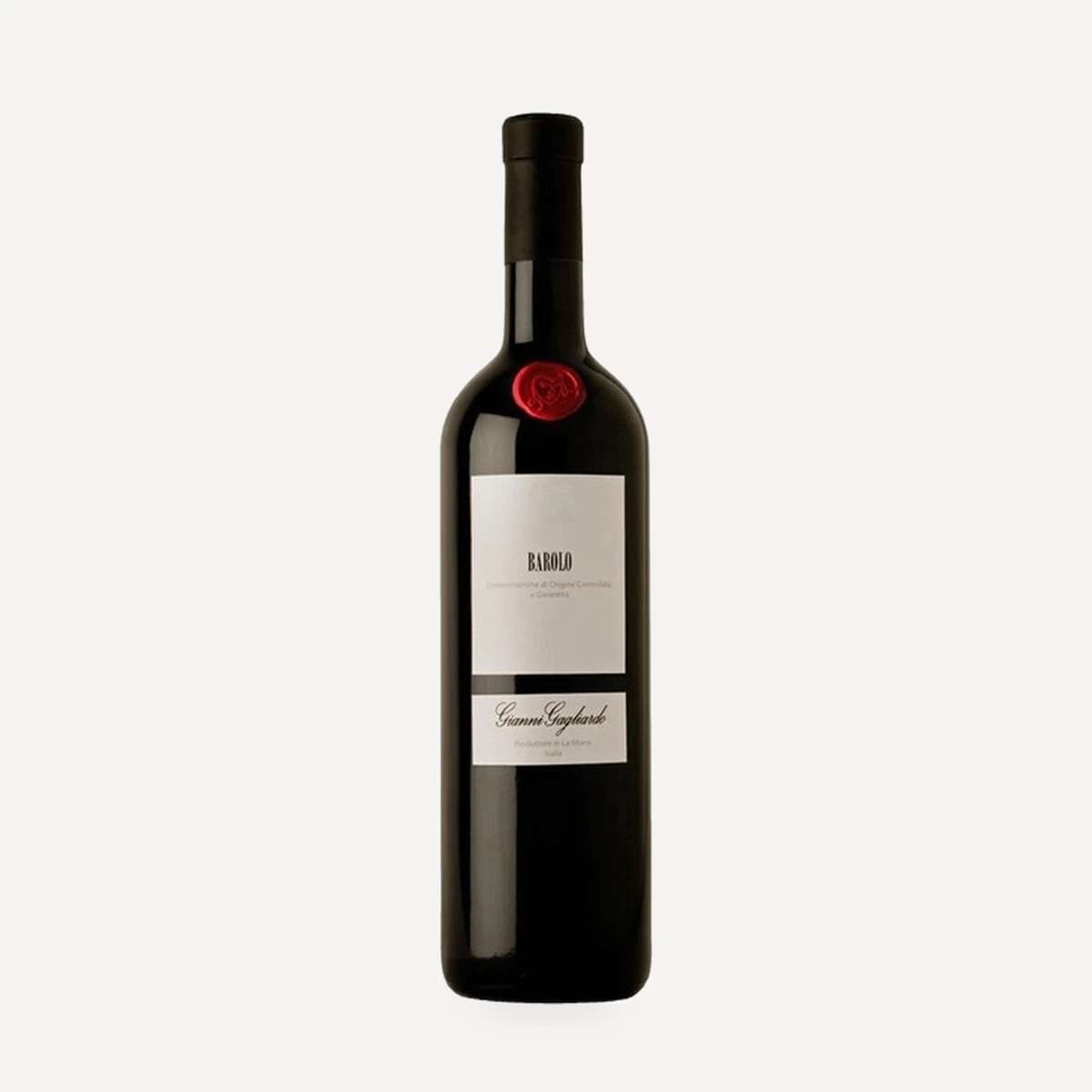
Gianni Gagliardo Barolo DOCG
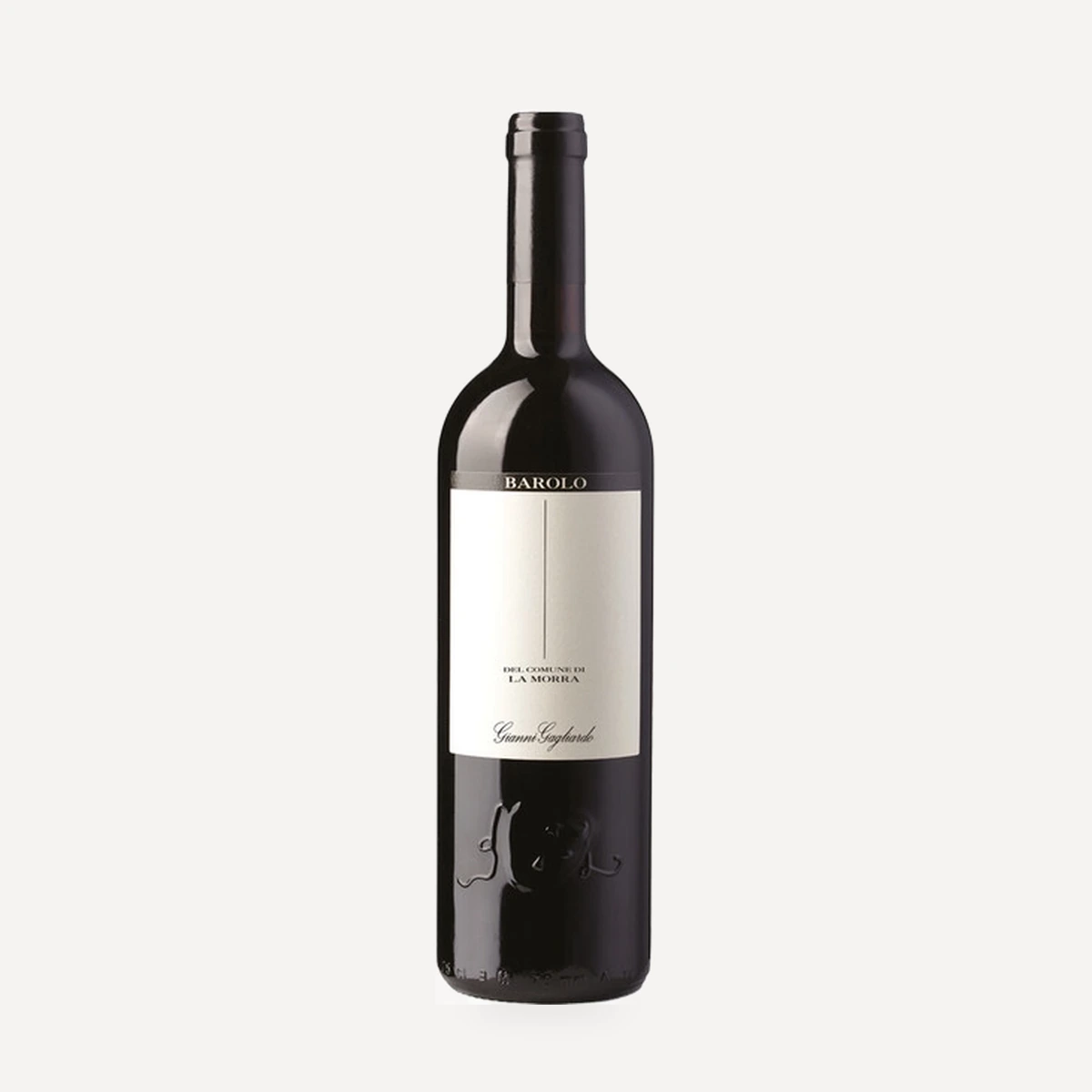
LA MORRA Barolo DOCG
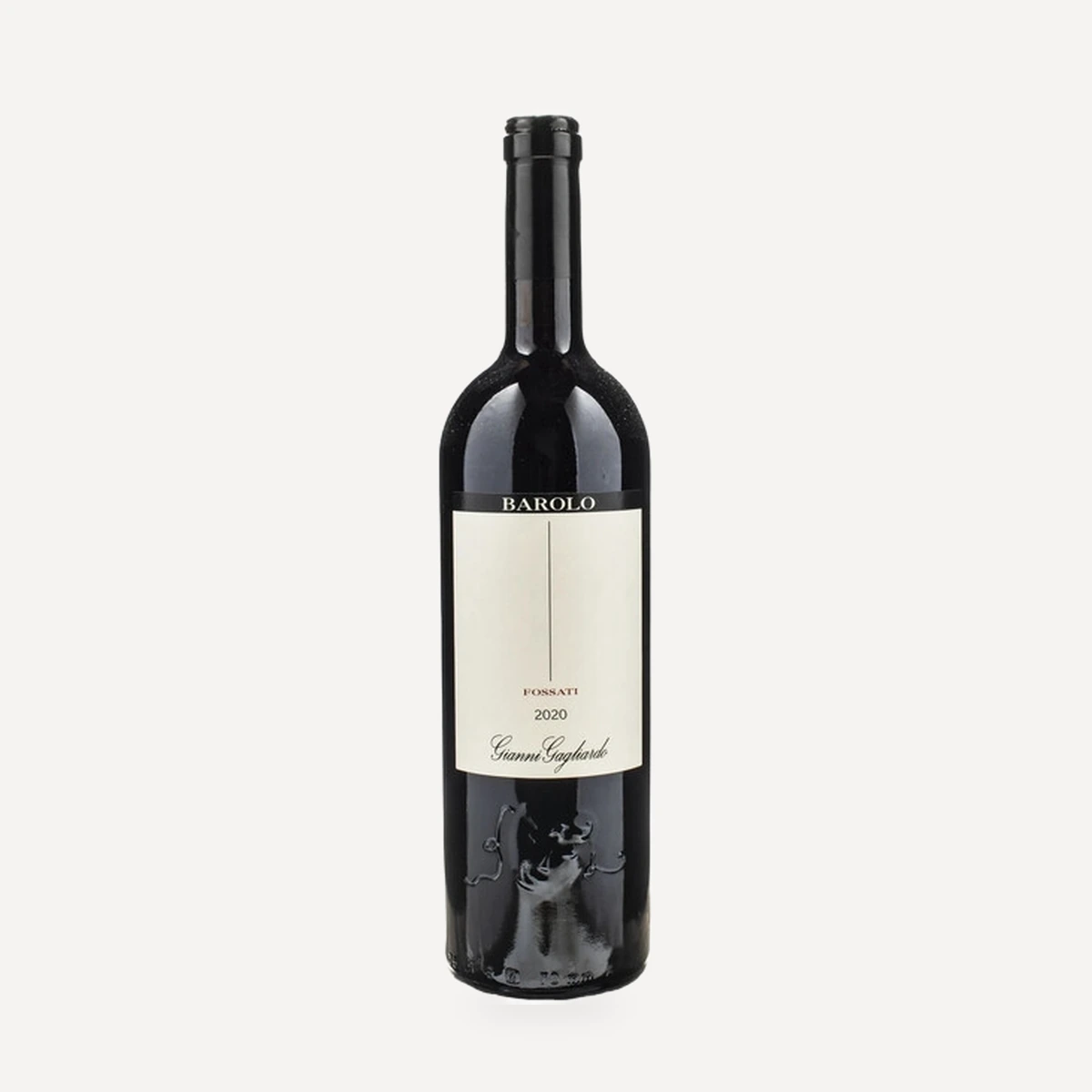
FOSSATI Barolo DOCG
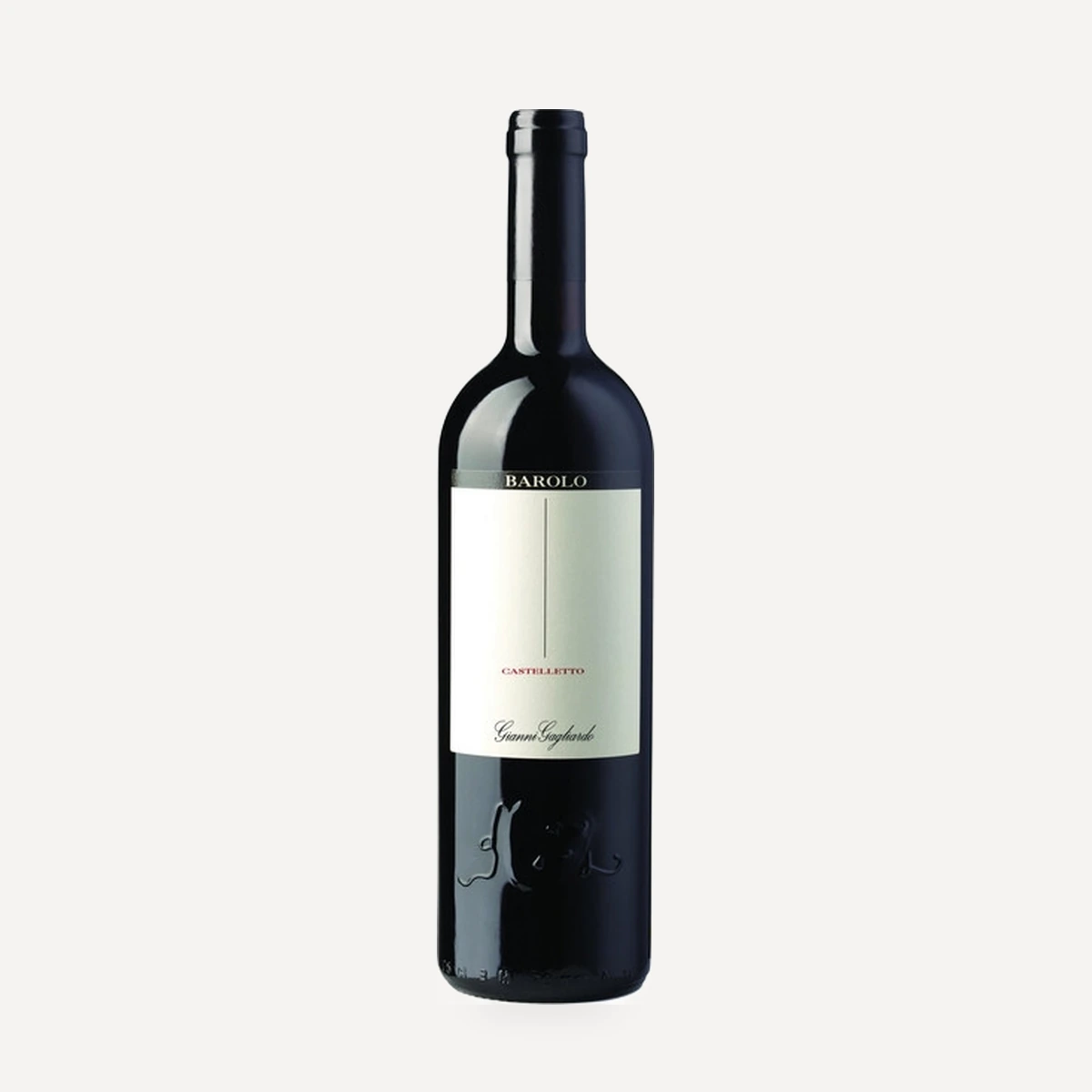
CASTELLETTO Barolo DOCG
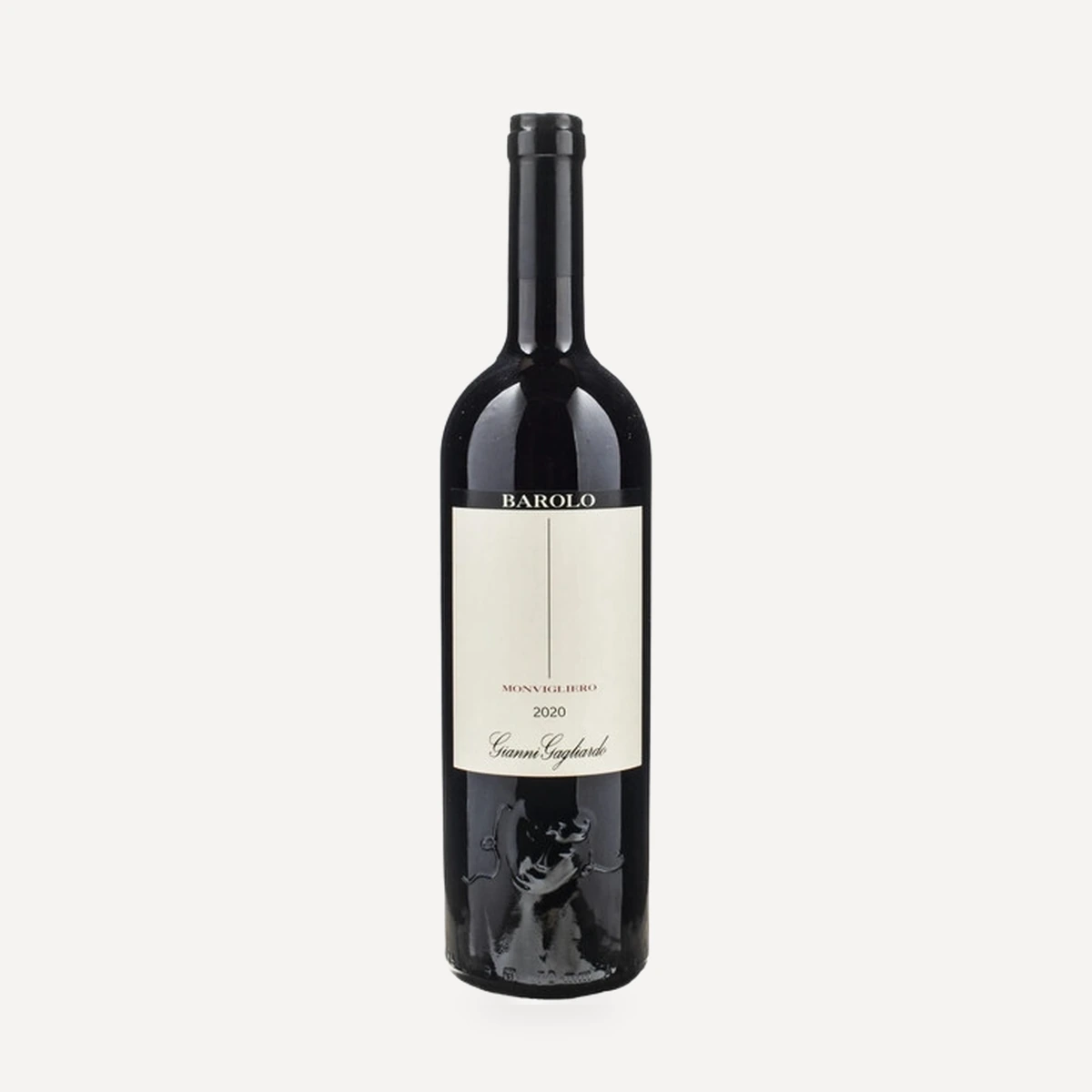
MONVIGLIERO Barolo DOCG
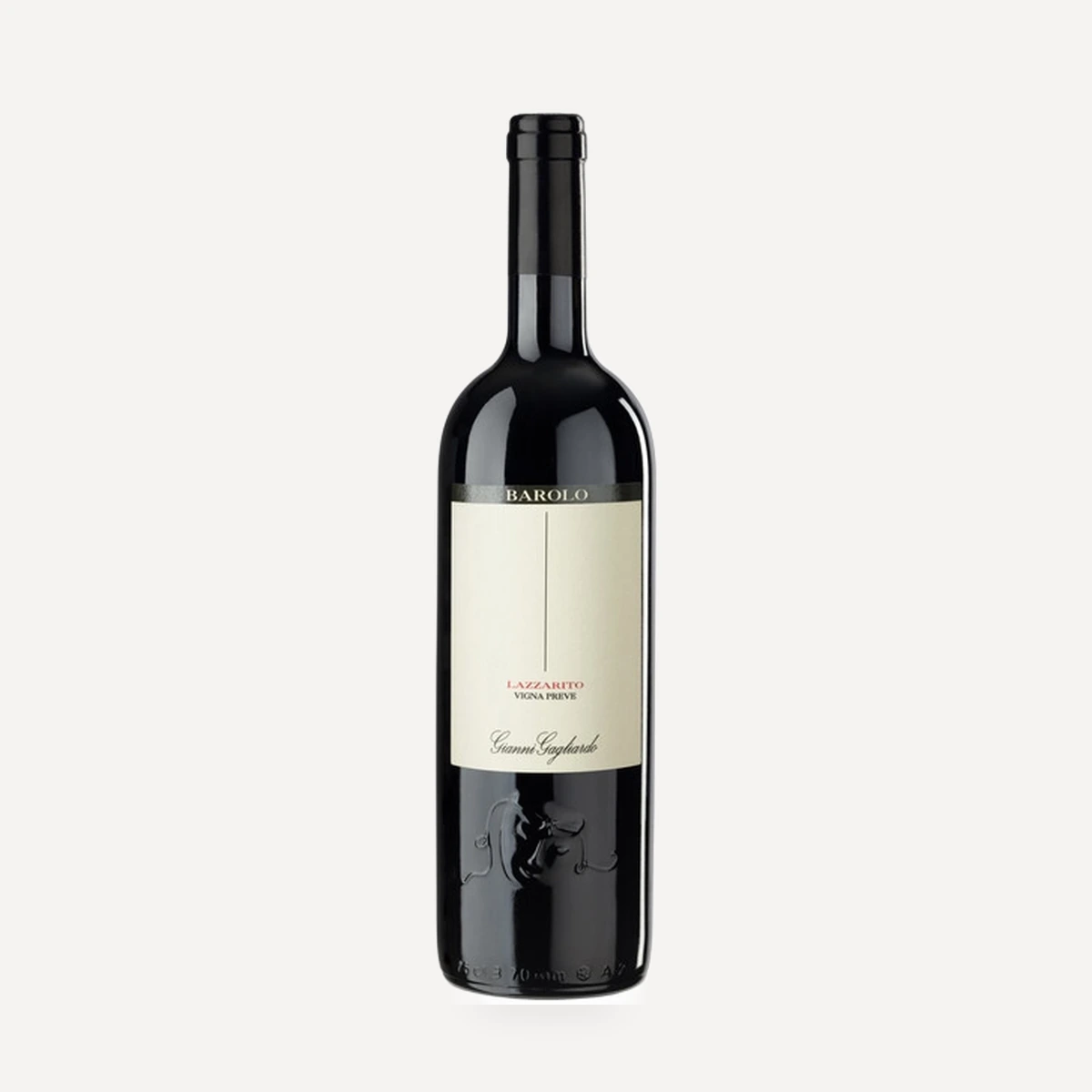
LAZZARITO Vigna Preve Barolo DOCG
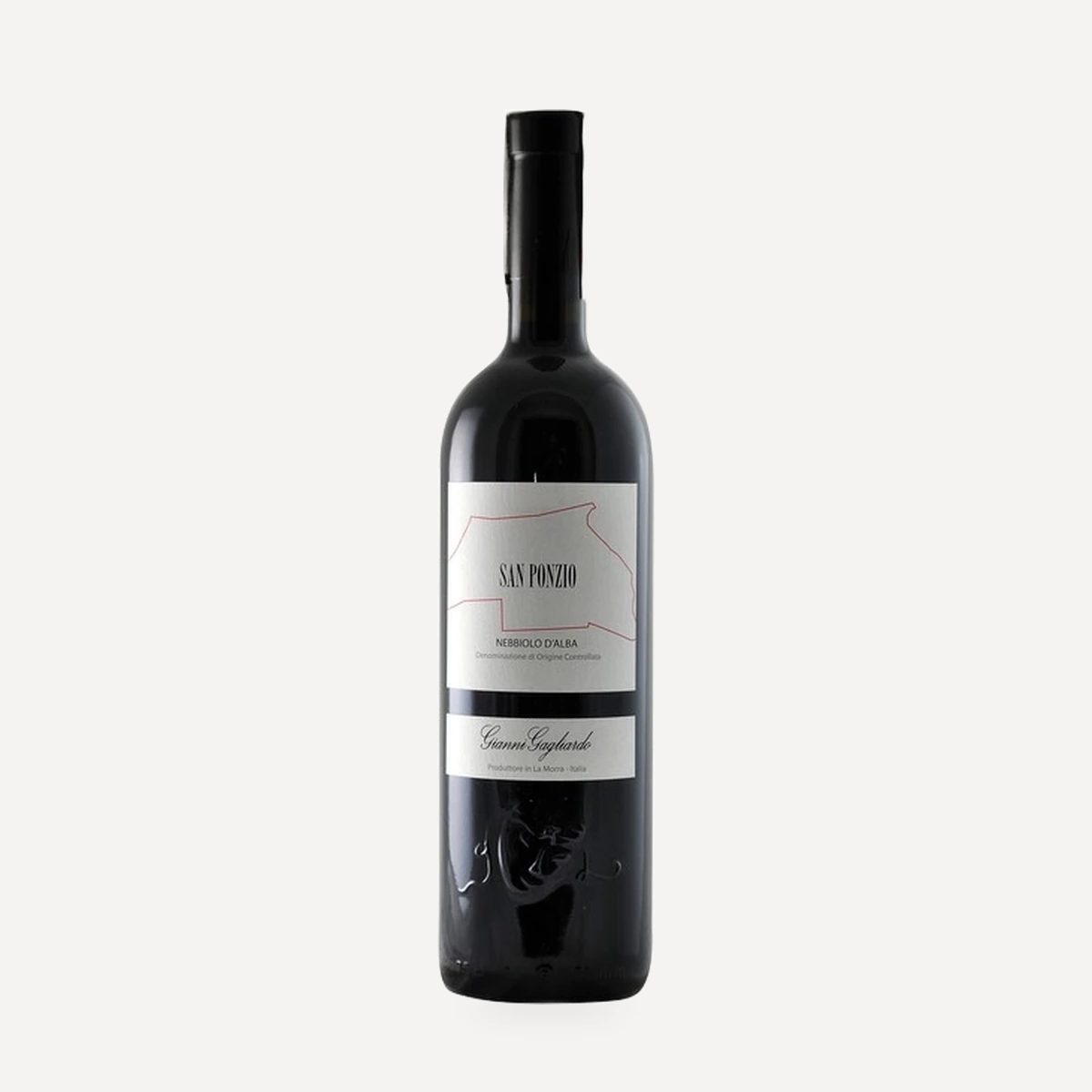
SAN PONZIO Nebbiolo d'Alba Superiore DOC
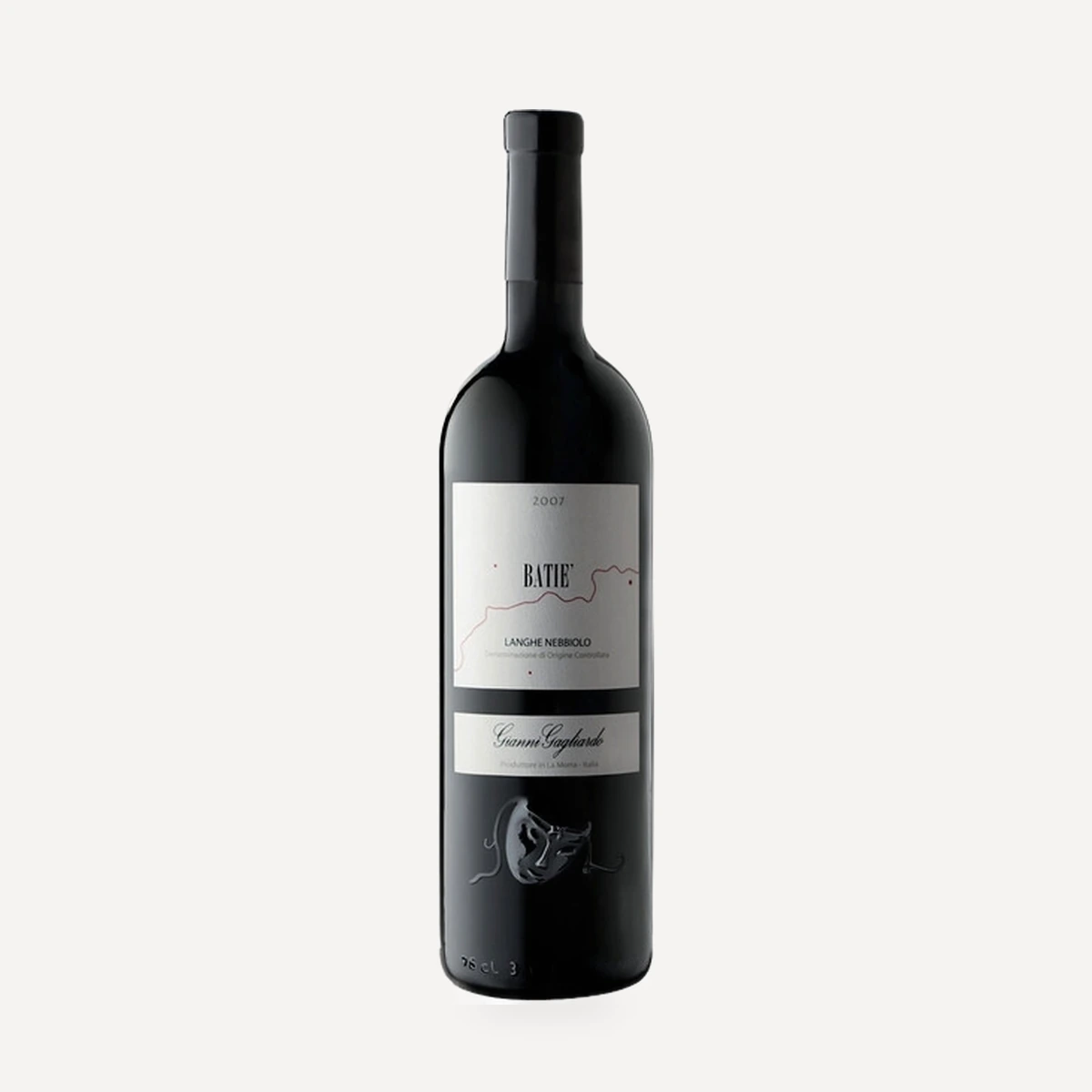
DaBatiè Langhe Nebbiolo DOC
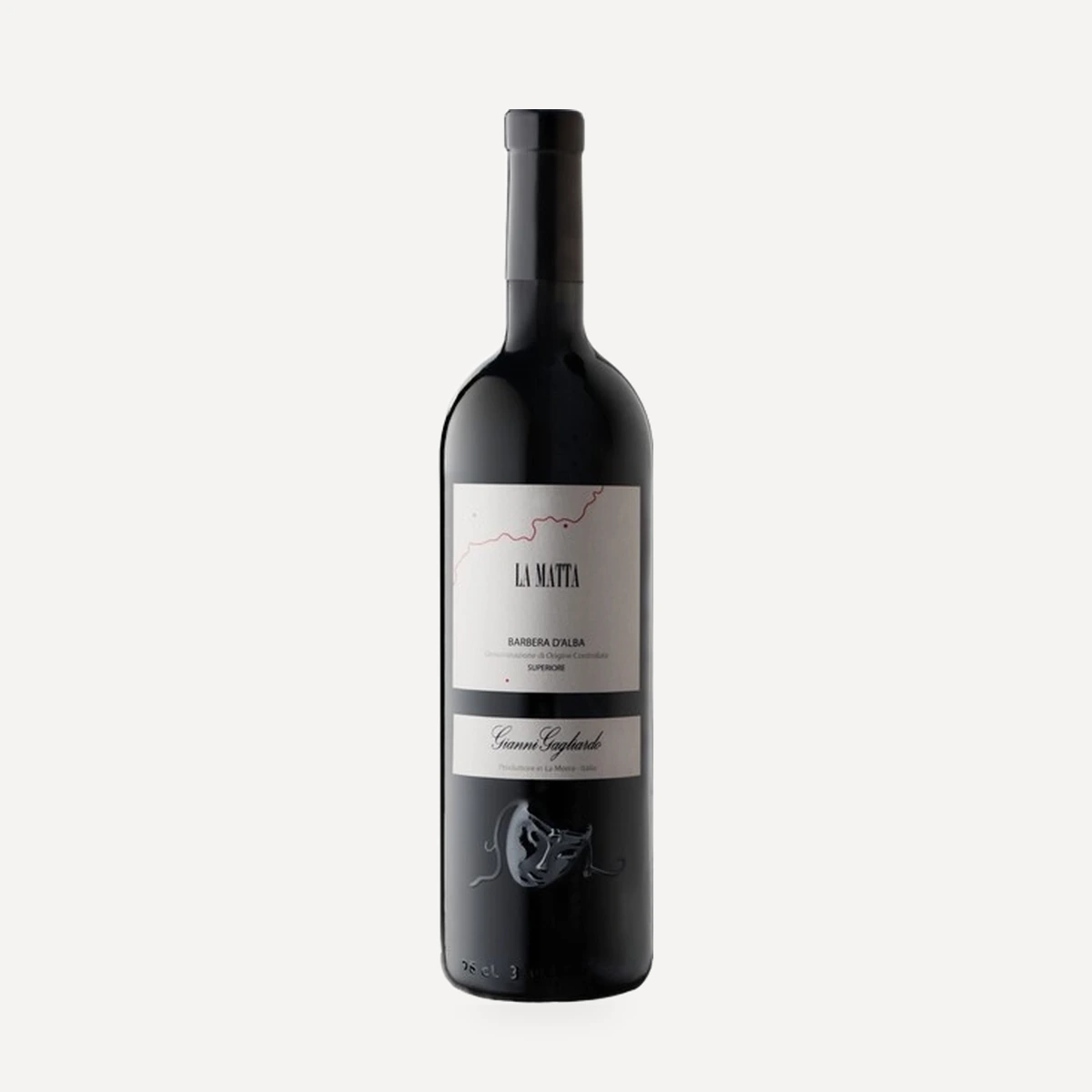
LA MATTA Barbera d'Alba Superiore DOC
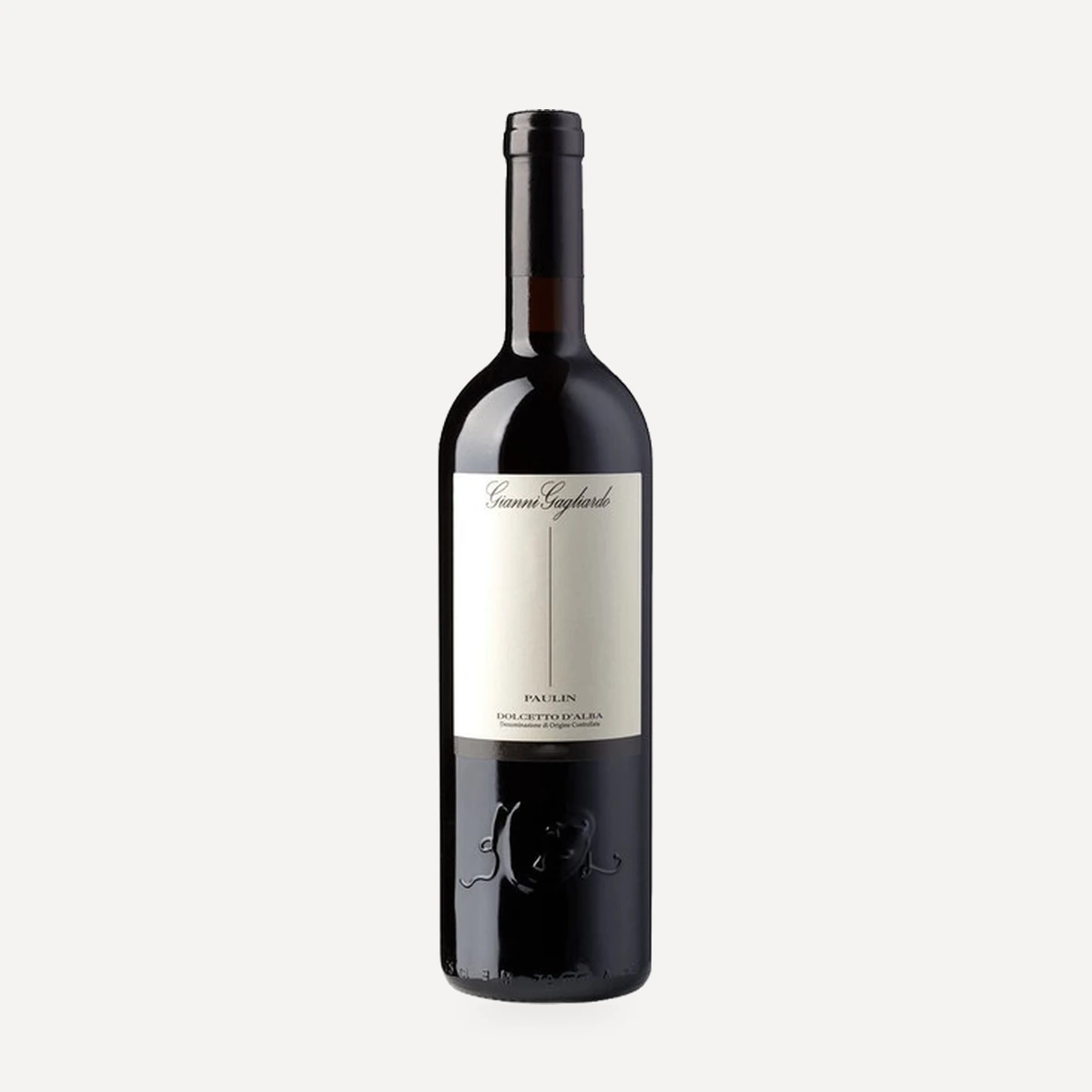
PAULIN Dolcetto d'Alba DOC
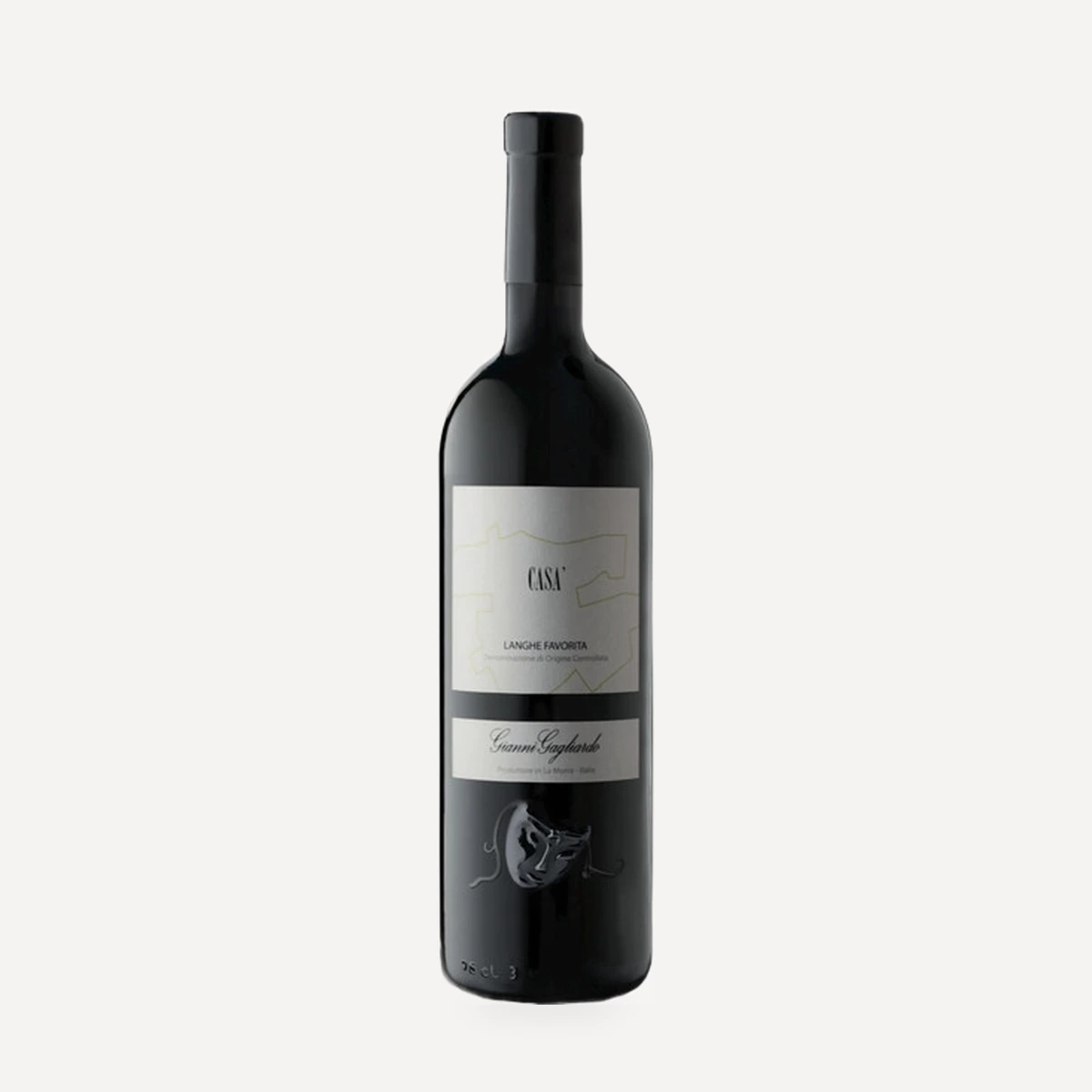
FALLEGRO Langhe Favorita DOC
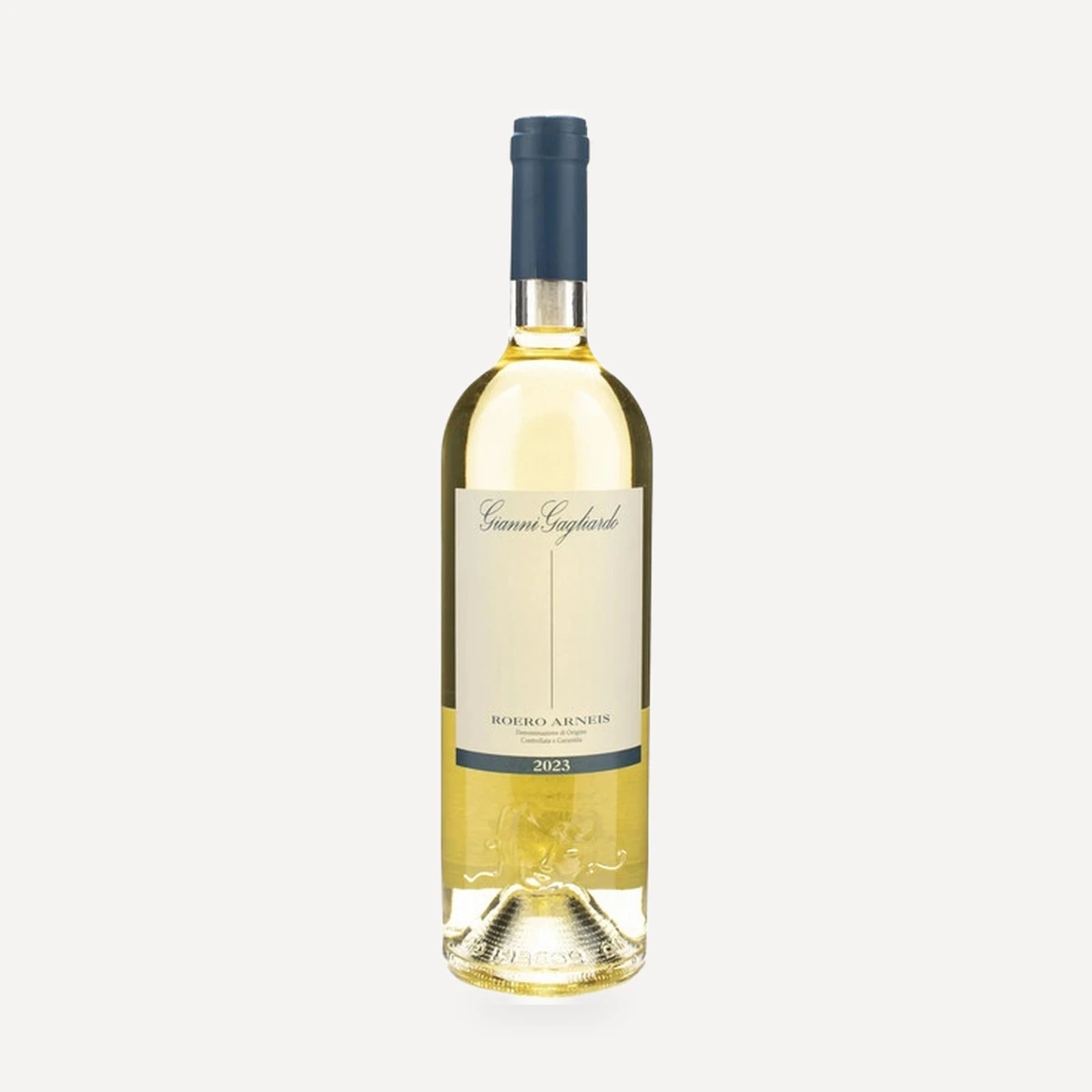
Roero Arneis DOCG
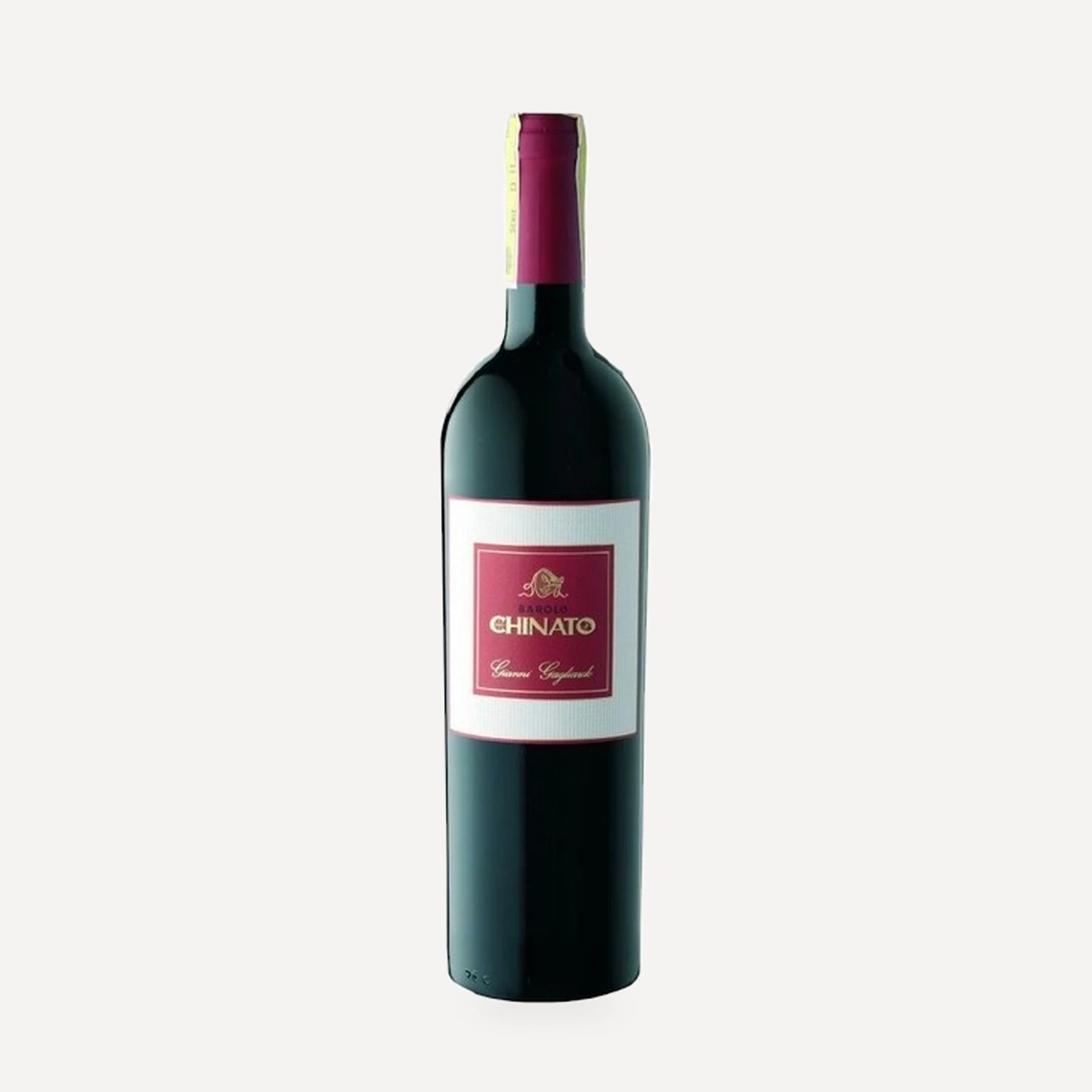
Barolo Chinato
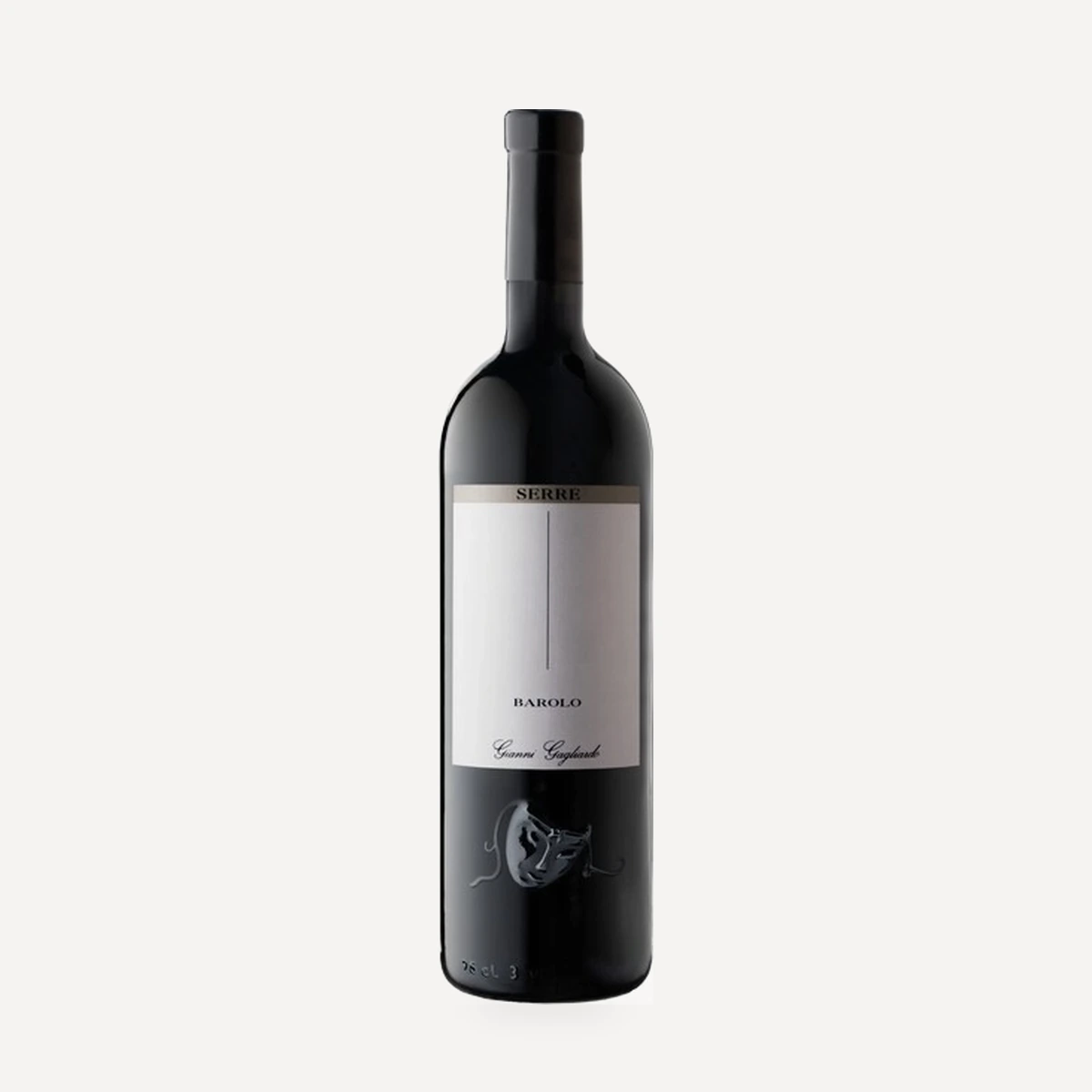
Serre Barolo DOCG
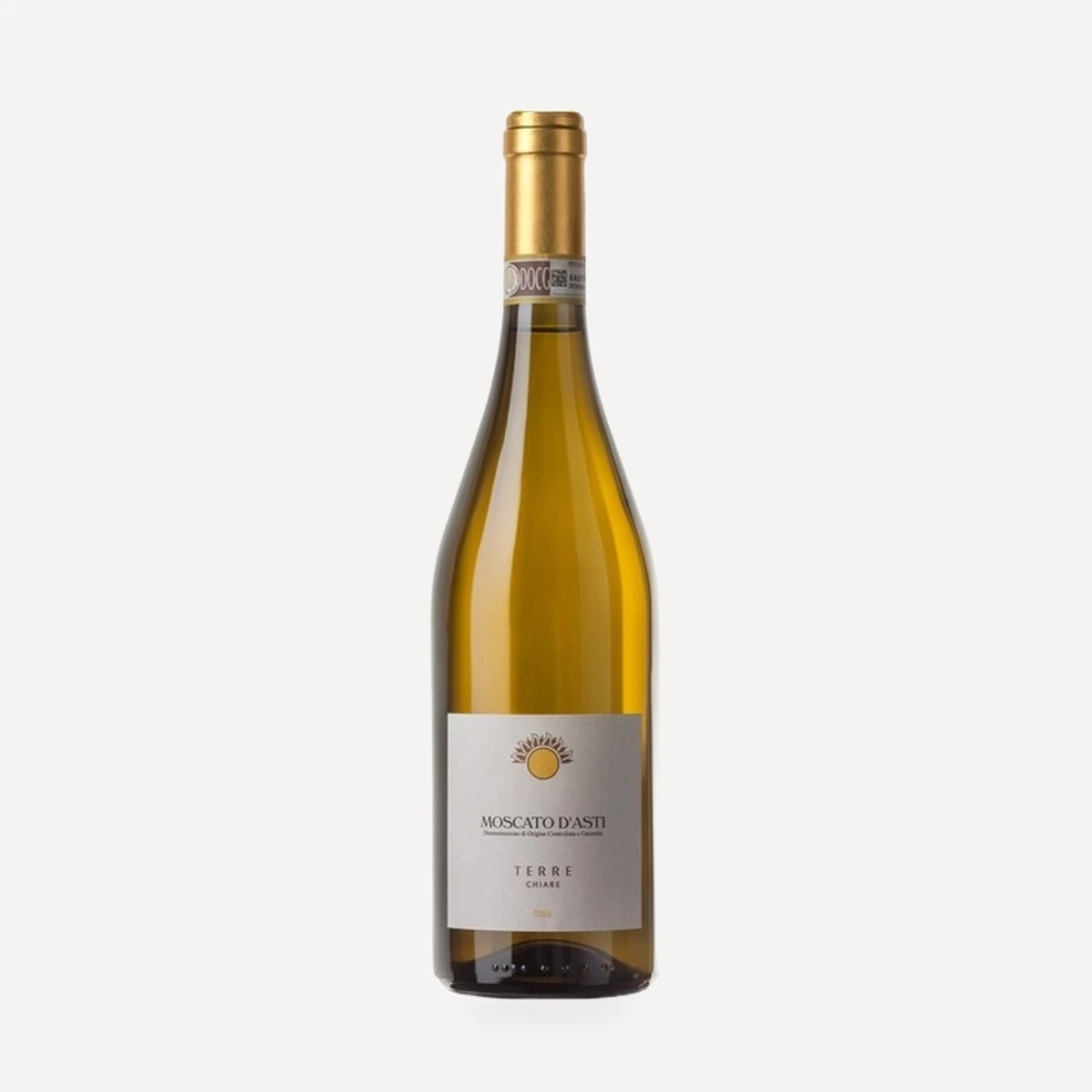
Terre Chiare Moscato d'Asti DOCG
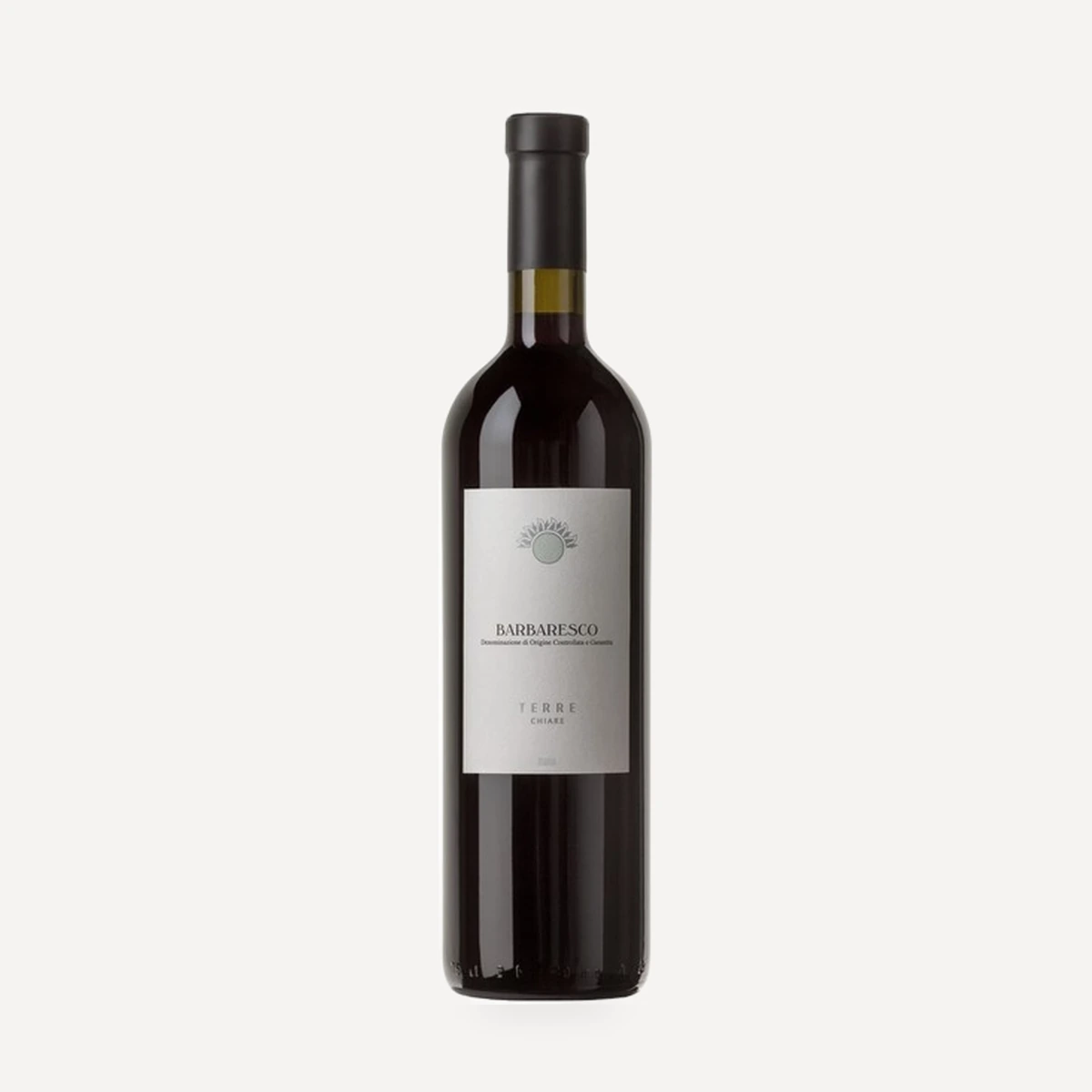
Terre Chiare Barbaresco DOCG
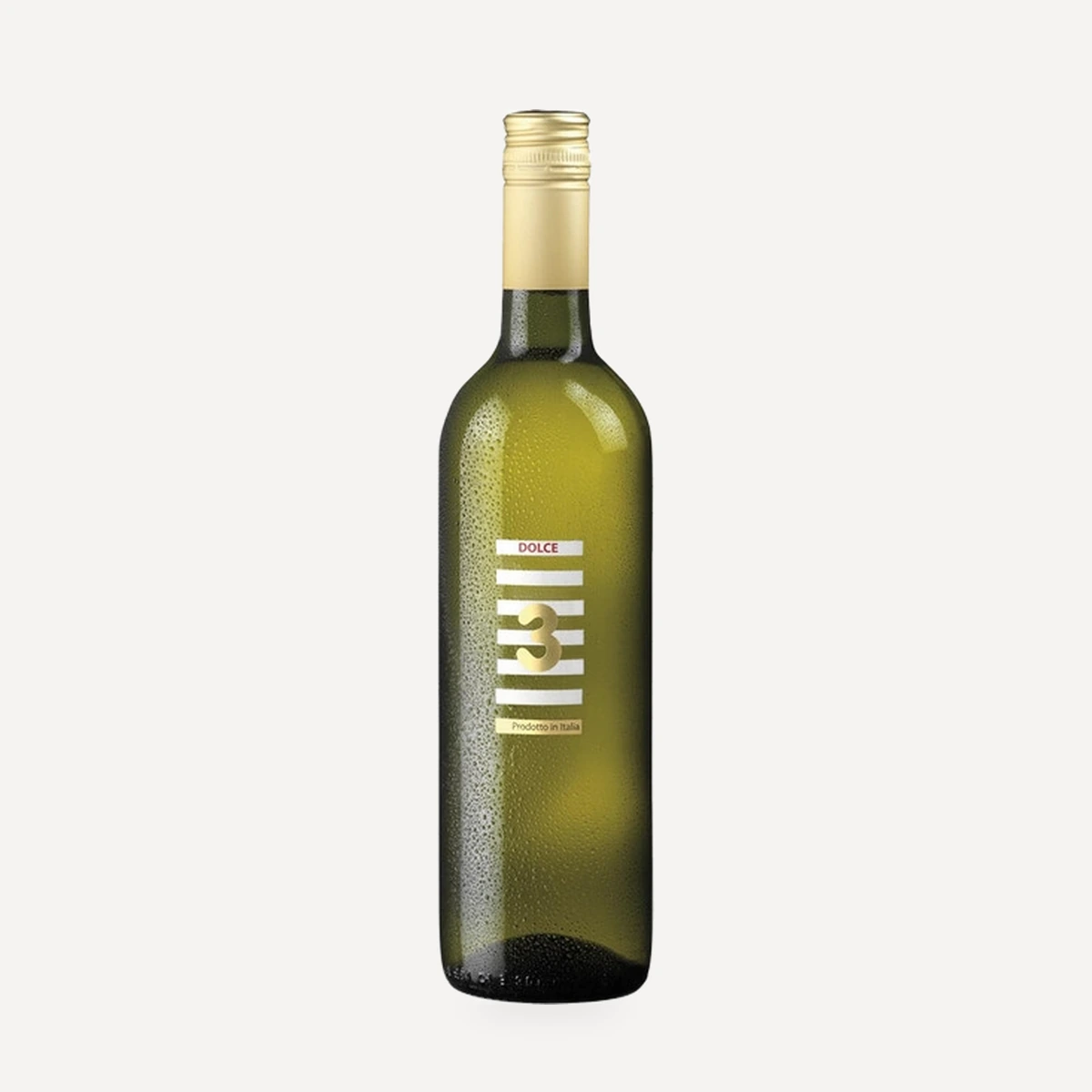
Dolce 3