Storia
Family roots and the first Serralunga vineyards
The Rosso family’s connection with vineyards in Serralunga d’Alba dates to 1906. The family accumulated holdings in the Barolo MGAs of Cerretta, Serra, Broglio, Meriame, Sorano, Costabella, Lirano and Damiano, establishing the territorial foundation of the present estate. Cerretta entered the estate in 1920. Serra had belonged to Ester Canale’s maternal family since 1906 and passed into the Rosso–Canale family by succession in 1946.
The Canale family and Vignarionda
Vignarionda has a distinct but ultimately converging family history. In 1934 Tommaso Canale and his wife Esterina acquired several important Serralunga vineyards, including the promising Vignarionda cru. That same year Tommaso became a co-founder of the Consorzio del Barolo. Their sons Aldo and Amelio helped sustain the family’s work.
Tommaso died in 1945, at the end of the war. Aldo and Amelio replanted the vineyard in 1946; a substantial part of those vines survives. When Amelio died in 1963, rural depopulation and the resulting labour shortage led his heirs—his wife Cristina Canale and daughter Ester—to transfer their share of Vignarionda to Aldo.
Ownership passed in 1998 to Aldo’s son, Tommasino Canale. Tommasino maintained a close relationship with his cousin Ester and her son Davide Rosso. His sudden death in December 2010 left several vintages awaiting bottling and opened the way for the vineyard to return to Ester’s branch of the family.
On 22 April 2011, the original 0.85-hectare parcel once held by Amelio passed to Azienda Agricola Giovanni Rosso. Ester Canale Rosso thereby regained ownership of her Vignarionda forty years after the earlier transfer. Davide Rosso carefully renewed a large proportion of the exhausted vines, propagating a massal selection from the original plant material while retaining many of the 1946 vines.
Davide and Ester also selected small quantities of Tommasino’s 2007, 2008 and 2009 wines for limited bottlings of no more than 1,000 bottles per year, using a design connected to the family’s 1934 acquisition and Tommasino’s label. The first Vignarionda vintage produced at Giovanni Rosso under Davide was 2011. It was released through a futures system in a limited edition of 1,800 bottles for private clients. Unsold bottles were to remain in the Canale family cellar as a historical reserve, while proceeds helped finance replanting and vineyard care during the years required for young vines to become suitable for the Vignarionda bottling.
Modernisation and generational transition
At the beginning of the 1980s Giovanni Rosso restructured much of the vineyard surface with modern planting layouts conceived for low yields and high-quality fruit. Cerretta was partly replanted in 1984 and again in 2000. The English-language vineyard history also records Serra replantings in 1984, 1996 and 2003.
In 1997, exceptional August sun at Costabella required an unusual protective measure: sheets of newspaper were hung over the rows to shield the grapes.
Davide Rosso assumed responsibility for the estate in 2001, when he was 27. Trained as an oenologist in Alba and France, with experience informed by Burgundy, he took personal charge of vinification and élevage. He also designed a new winery inspired by the Bordeaux châteaux encountered earlier in his career.
Expansion to Etna
Davide first explored Etna in 2014, encountering the volcano’s soils, indigenous varieties and contrasting microclimates. In 2016 the family acquired a 14-hectare property in Contrada Montedolce near Solicchiata, on the northeastern side of Etna. The acquisition was conceived as a parallel expression of the same terroir-led philosophy followed in Serralunga rather than a departure from Barolo. The estate cultivated Nerello Mascalese and Carricante and converted the old palmento into a modern winery.
In 2023 Giovanni Rosso acquired a further 2 hectares in Contrada Pietra Marina on Etna’s northern side, near the Alcantara River. The new holding expanded the Sicilian project into a site distinguished by volcanic and fluvial materials and became the origin of a new Etna Bianco introduced in 2025.
Sustainability and the current estate
The estate began implementing the Equalitas standard in 2022, including carbon-footprint, water-footprint and biodiversity-index studies. Equalitas certification was maintained in 2025. By the 2026 sustainability reporting cycle, Giovanni Rosso recorded 19 hectares of vineyards in the Langhe and 3.6 hectares of planted vineyards in Sicily, with a fourth generation directing a business rooted in Serralunga while maintaining its parallel Etna project.
Terroir
Serralunga d’Alba
The Piedmont vineyards lie in Serralunga d’Alba, where the holdings differ materially in soil, altitude, slope and exposure. Cultivation reaches approximately 450 metres in the Langhe. The estate treats those differences as the basis for adapting vineyard work cru by cru and vintage by vintage.
Cerretta occupies the northern profile of the commune at approximately 360 metres, with a southeastern exposure. Fossil-rich Marne di Sant’Agata give it clay-calcareous soils. The Rosso holding forms a natural amphitheatre—a gentle hollow above the woodland of Località Cerretta—which creates its own microclimatic setting.
Serra averages about 370 metres and is among the higher sites in Serralunga. Its conspicuously white, calcareous ground occupies an elevated, sunlit position. Variations in altitude and shade within the holding require different canopy decisions: some portions receive sun throughout the day, while shaded areas require firmer pruning responses.
Vignarionda faces fully south and has calcareous soil. Deep-rooted old vines, including surviving plants from 1946, support very low yields. Meriame lies halfway up its eponymous Serralunga hill and is a historic calcareous MGA. Costabella has an intense exposure, demonstrated in 1997 when the grapes required protection from August sun. Damiano is comparatively cool and ventilated, with mineral and calcareous earth. Sorano and Lirano complete the named Serralunga sites, alongside Broglio.
Etna
The original Sicilian estate is near Solicchiata in Castiglione di Sicilia, on Etna’s northeastern side, at the foot of the small extinct crater of Contrada Montedolce. Its principal soil is volcanic sand. The property description places the broader zone at approximately 750 metres, while the 2026 sustainability inventory records a cultivation altitude of 550 metres for the Sicilian vineyards.
Contrada Pietra Marina lies on Etna’s northern side near the Alcantara River. Volcanic sands and ashes intermingle with river silt and sand, with outcrops of sandstone. Constant ventilation and pronounced day–night temperature changes encourage slow, even ripening. These volcanic, fluvial and climatic influences distinguish Pietra Marina from the Montedolce holding.
Vinificazione
Giovanni Rosso follows an organic regime and describes its viticulture as low-impact and regenerative. The objective is to minimise vineyard interventions, use natural resources carefully and leave healthier, more fertile soils to subsequent generations.
Green-manure crops include legumes, red clover and other sown plants. These protect and enrich the ground before being mown in spring to nourish the vines. Hedges are maintained and crops diversified to strengthen the ecosystem. Where practicable, abandoned ground is regenerated. Tree roots help stabilise soil, while foliage limits washing and erosion caused by wind and rain. Reforested hedges provide habitat for insects and animals that naturally counter vineyard pests.
A dedicated weather station measures humidity, rainfall and temperature, allowing plant-protection treatments to be reduced. Recovery sprayers apply treatments precisely to the plants and reduce airborne dispersion by 80–90%, including in the use of copper. The estate connects this equipment with compliance under its organic regime.
Work is adapted to the soil, altitude, exposure, growth and weather conditions of each vineyard. Cerretta and Serra receive site-specific manual pruning, thinning and defoliation. Cerretta’s final topping takes place in mid-August, after which the vines develop naturally until phenolic maturity. Old and young vines in Vignarionda are worked by hand, with deliberately low yields. In Sicily, the adopted local training methods are double inverted Guyot and two-dimensional alberello.
The estate began implementing Equalitas in 2022 and completed carbon-footprint, water-footprint and biodiversity-index studies using the Equalitas framework and UNI EN ISO 14064 basis. Equalitas certification, covering environmental, social and economic sustainability, was maintained in 2025.
Davide Rosso has directed vinification and élevage since taking charge in 2001, combining training in Alba and France with experience influenced by Burgundian methods. The modern winery was designed by Davide with inspiration from Bordeaux châteaux.
The winery is conceived to preserve the grapes’ aromas. Grapes are selected carefully, and fermentation takes place principally in stainless-steel tanks. Maturation may occur in either stainless steel or wood. Wines intended for longer ageing are held in a light-protected cellar with controlled temperature variation.
Quality and traceability controls extend from grape selection through vinification and bottling. Hygiene conditions in the production buildings are monitored continuously, and employees receive food-safety training. Production combines local winemaking traditions with continuing investment in modern equipment, specialist collaboration, process efficiency and waste reduction.
The old palmento at Contrada Montedolce was transformed into a modern Etna winery after the Sicilian estate was acquired. Across vineyard, cellar and bottling operations, the business monitors water and energy consumption and has introduced lighter bottles in selected projects to reduce the effects of inbound and outbound logistics.
Filosofia
The estate’s central principle is that wine should be a faithful copy of its terroir. Vineyard identity therefore takes precedence over a uniform house formula: soil, altitude, exposure, slope, seasonal conditions and the individual vegetative development of each site determine how work is performed.
Low yield is treated as the route to maximum qualitative expression. Time and respect for the seasons are fundamental, particularly for Nebbiolo. The family presents itself as a custodian of inherited techniques and artisanal knowledge while accepting continual experimentation, modern technology and process innovation where these improve quality or sustainability.
Its declared values are attachment to place, uncompromising quality, innovation, professional competence and environmental sustainability. The mission joins high-quality wine with conscious resource use, skilled teamwork, a healthy environment, landscape, seasonal rhythms and a willingness to accept new challenges.
The environmental approach rests on minimal intervention, careful resource use, regenerative soil management and protection of biodiversity. Social principles include respect, inclusion, equity, employee wellbeing and engagement with the local community. The Etna project follows the same objective as Serralunga: interpreting a distinct territory rather than reproducing Barolo in another region.
Vini
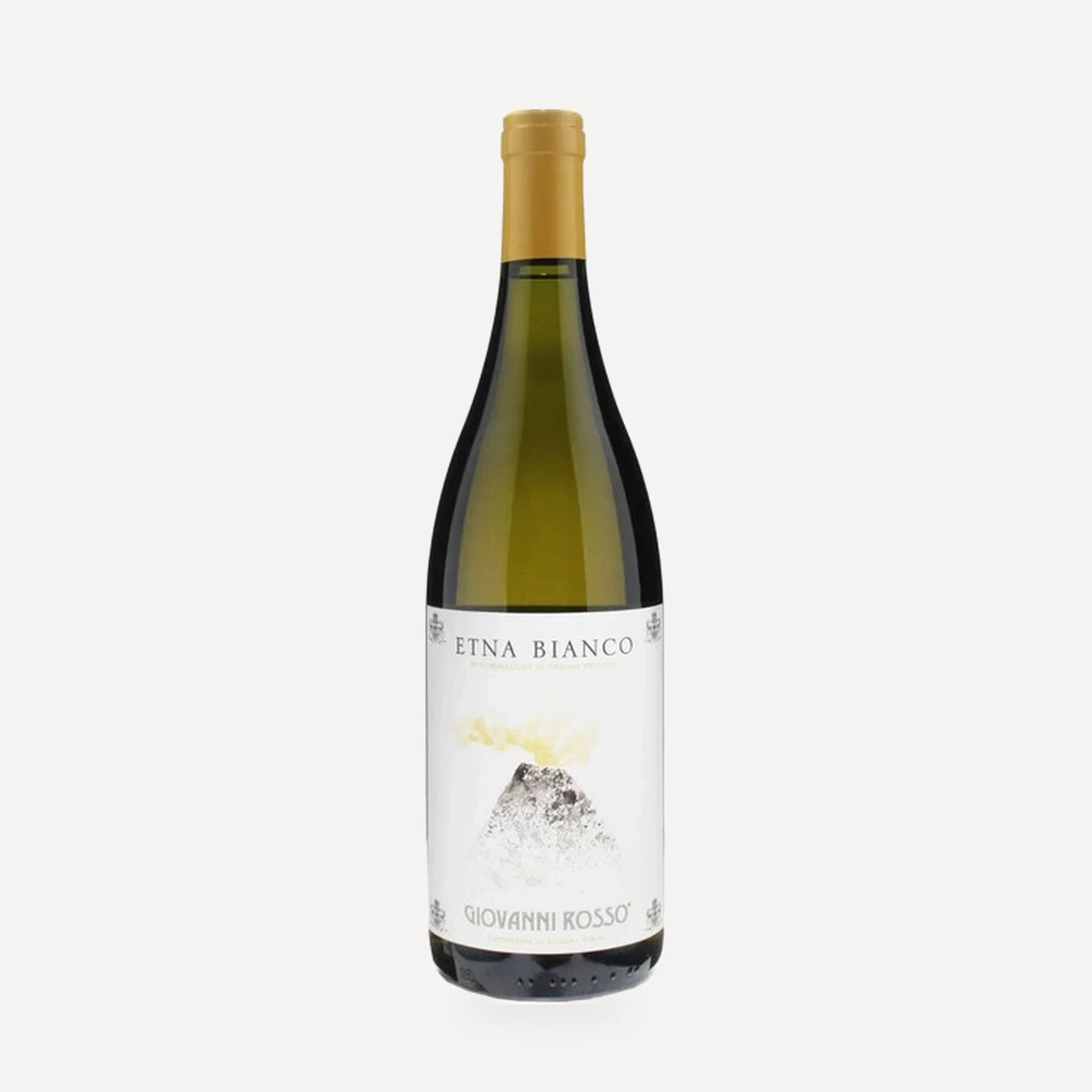
Etna Bianco DOP
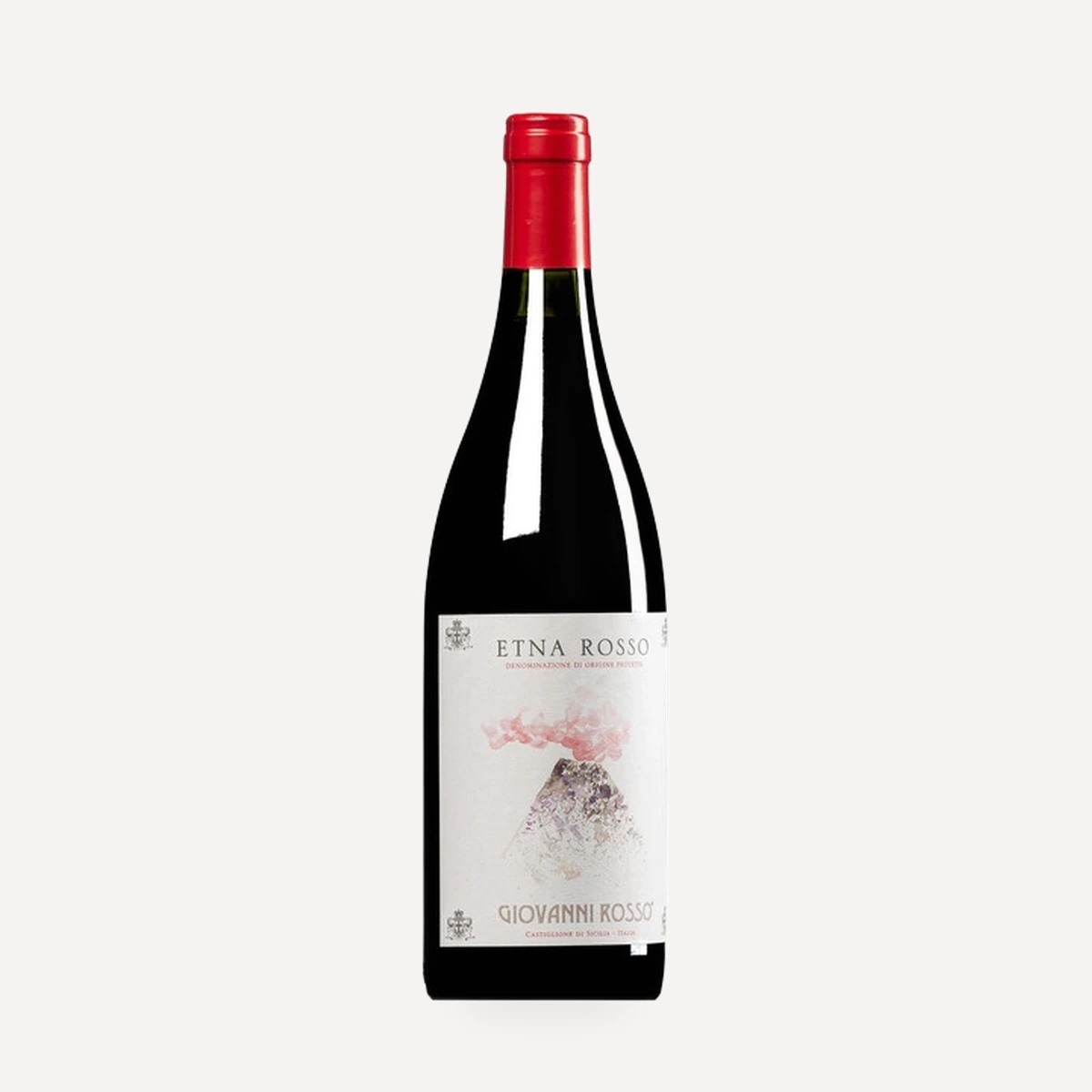
Etna Rosso DOP
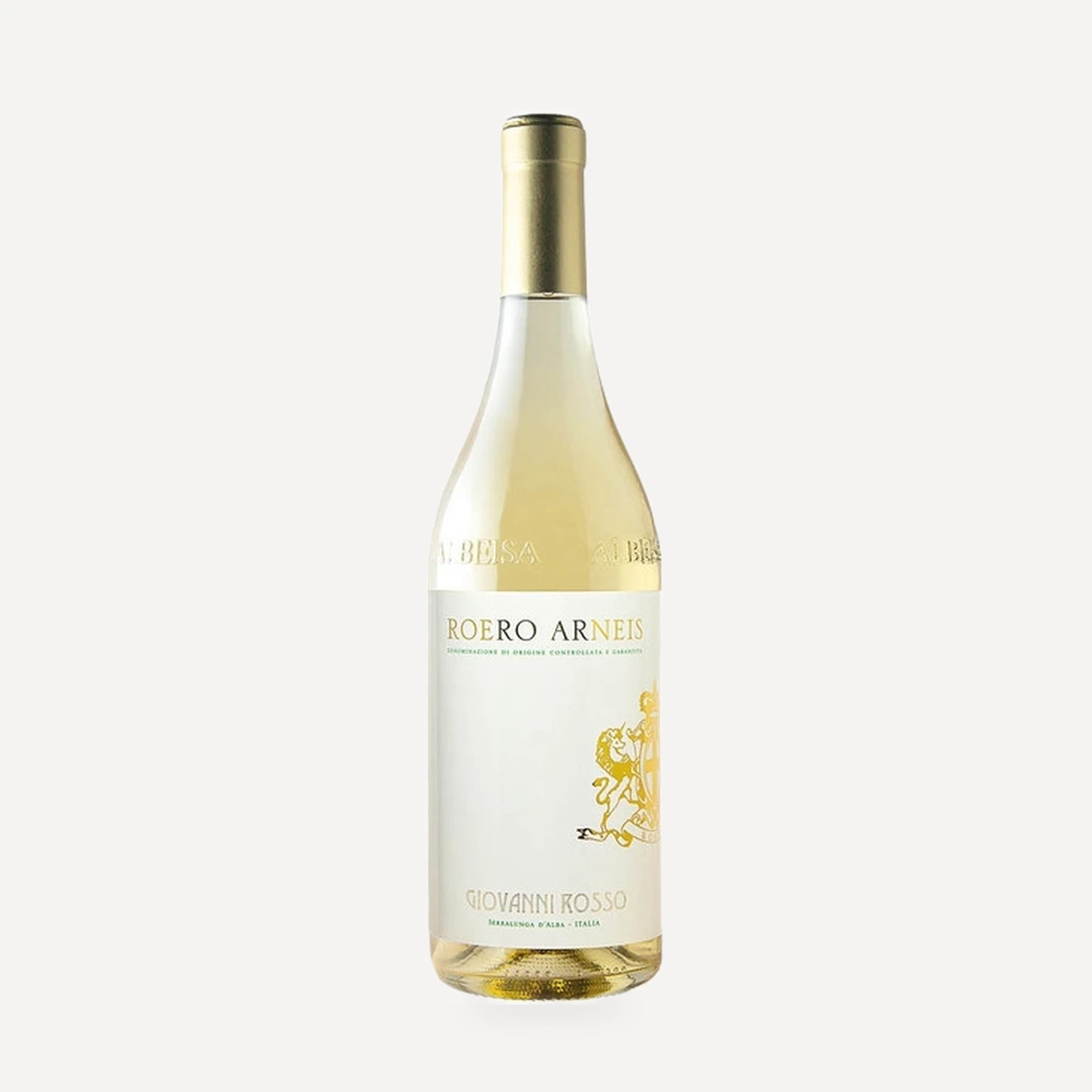
Roero Arneis DOCG
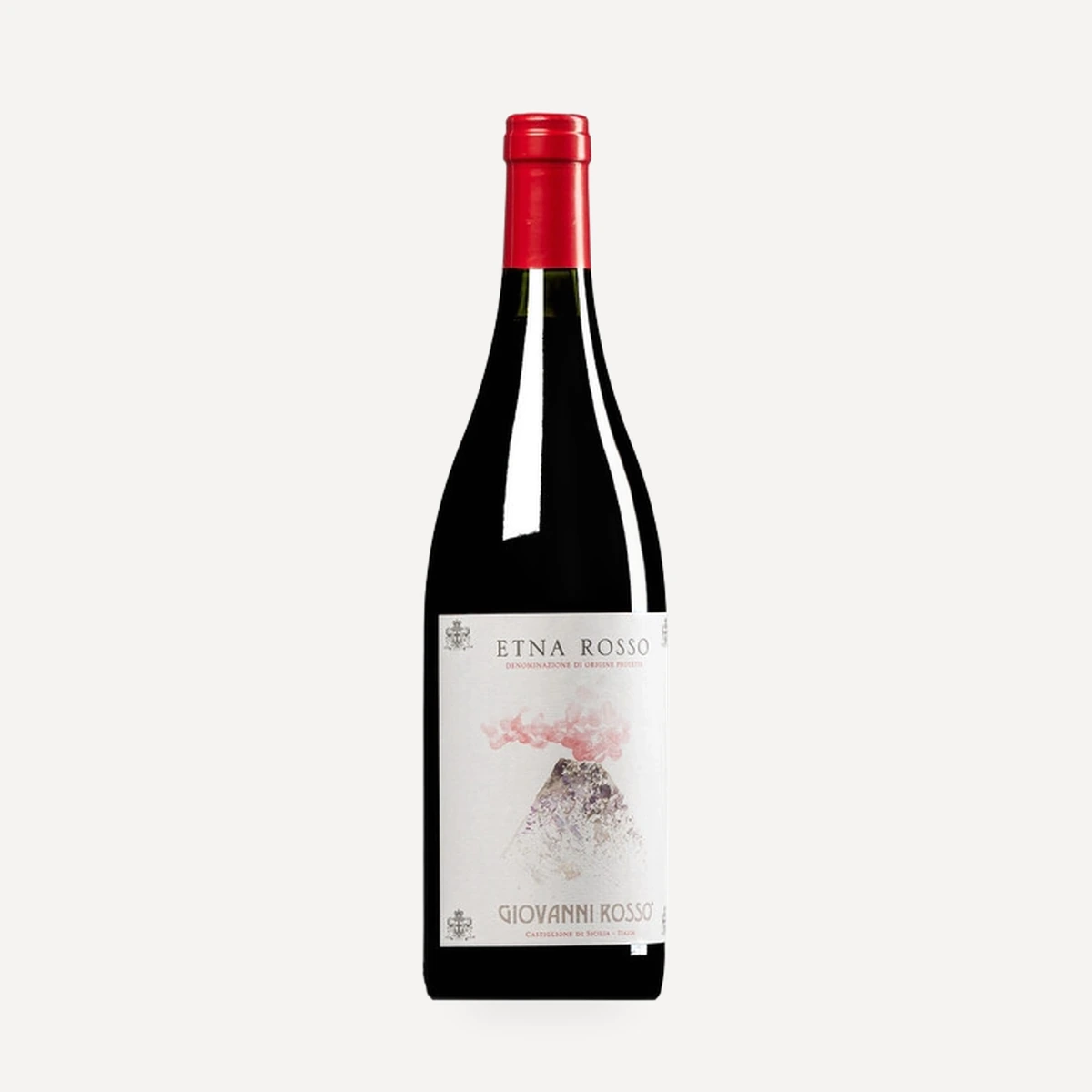
Langhe Nebbiolo DOC
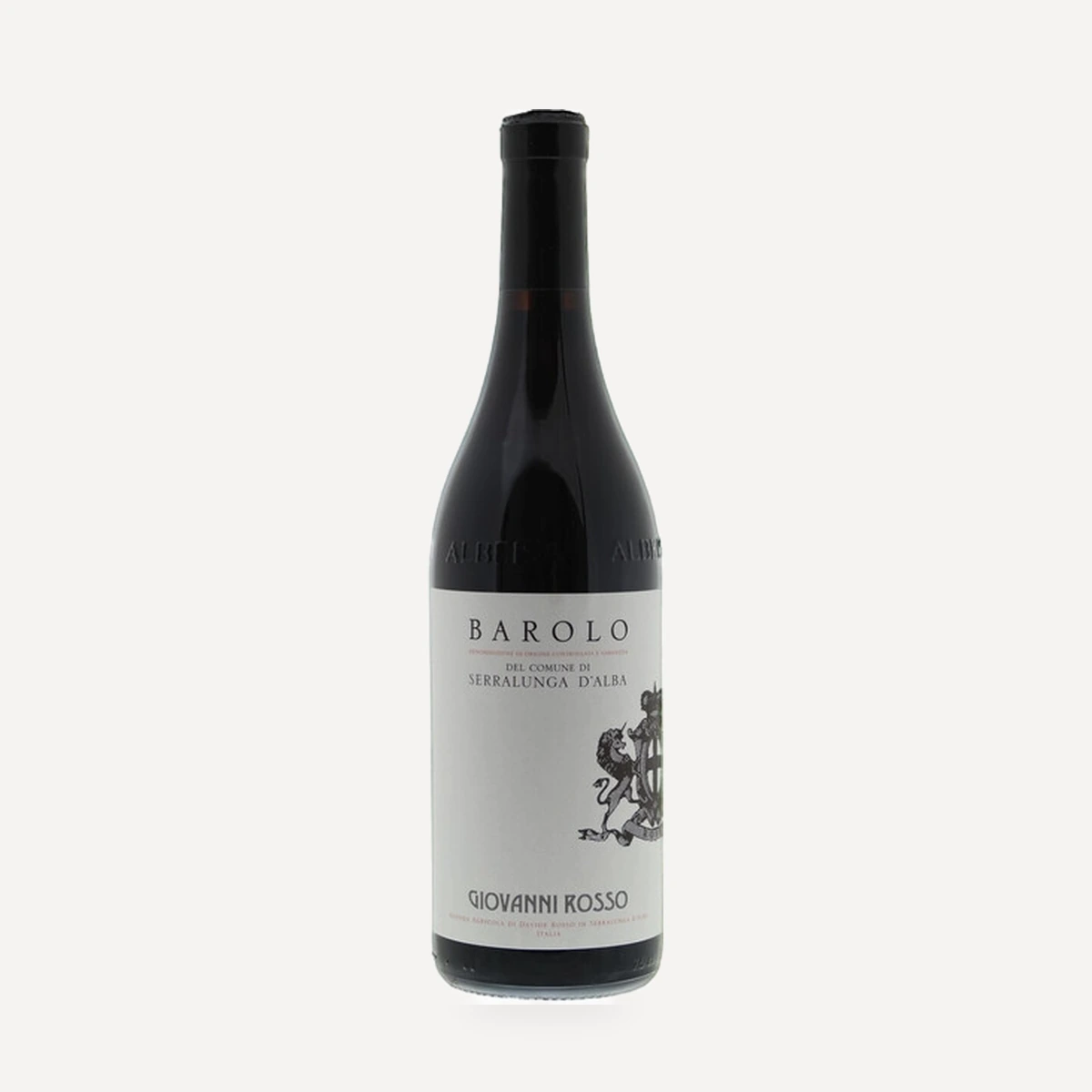
Barolo del comune di Serralunga d'Alba DOCG
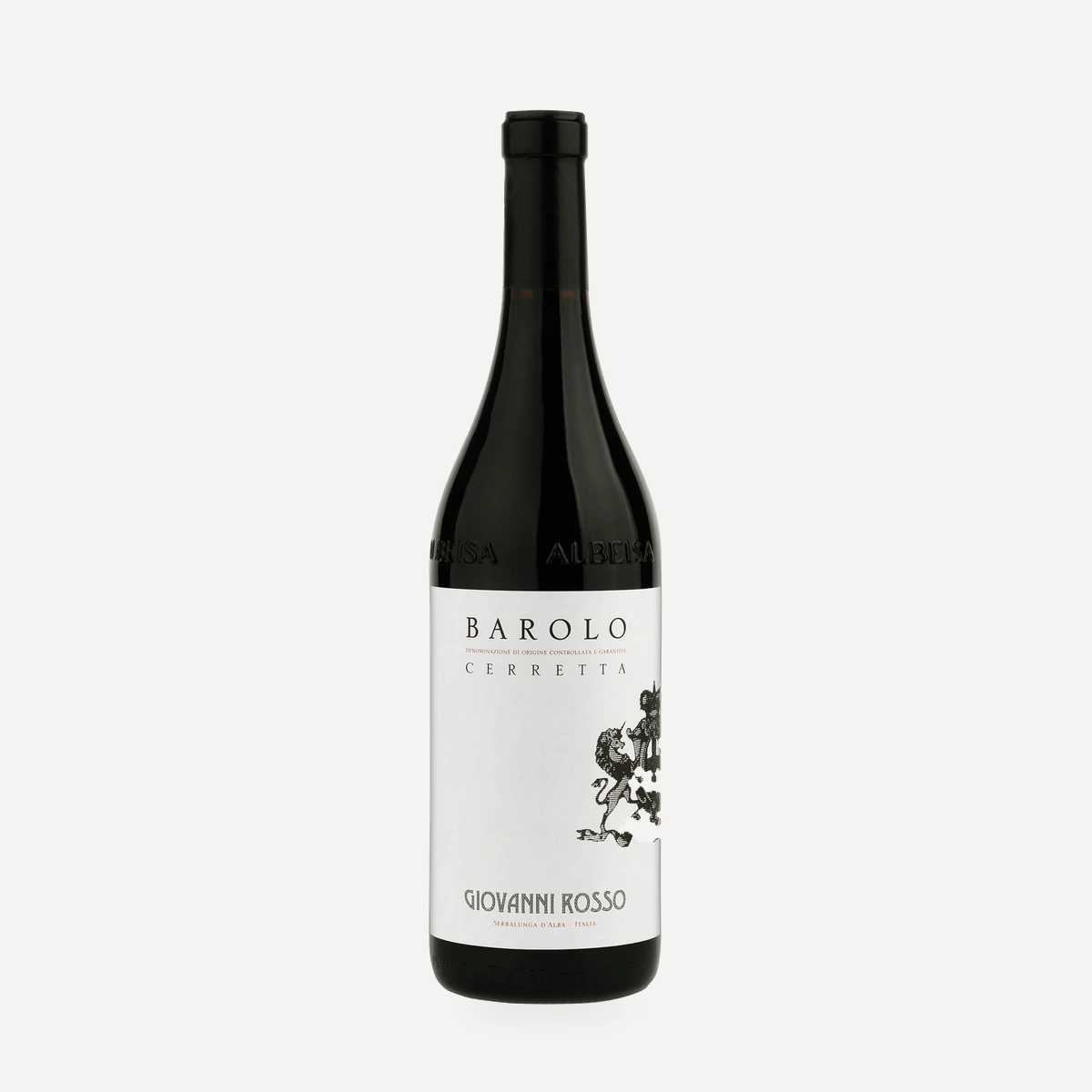
Barolo Cerretta DOCG