Storia
The first vineyard
Wine has accompanied Giuseppe Sedilesu and his family for more than four decades. The family’s account begins in the 1970s, when Giuseppe purchased his first hectare of vineyard at approximately 650 metres above sea level in Mamoiada, in central Sardegna. The enterprise developed around a family connection to the land, practical experience, local tradition and the idea that the surrounding territory is a common good to be protected.
Development of the range
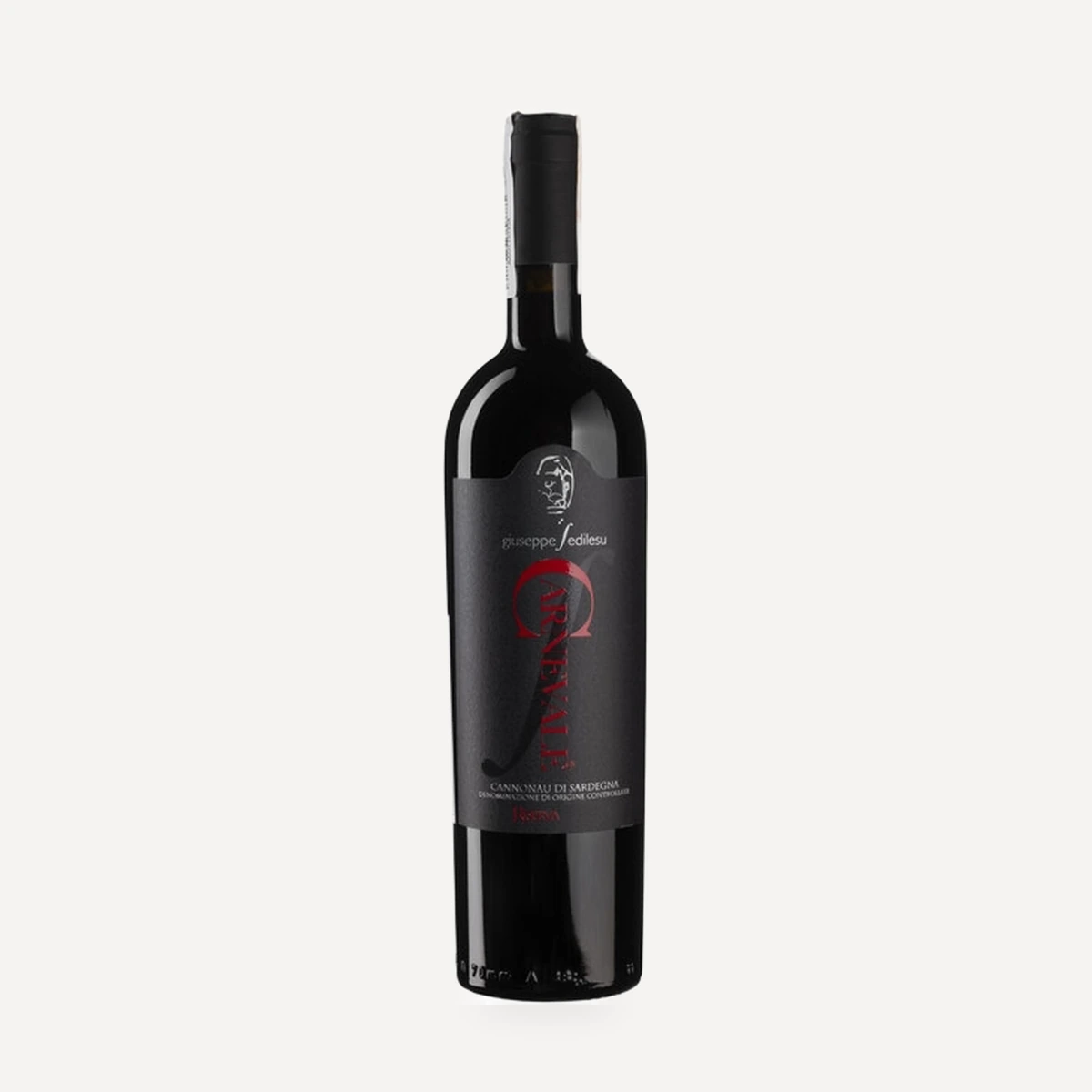
Mamuthone, subsequently described as the winery’s emblematic wine, records 2000 as its first vintage. Carnevale and the old-vine Granazza wine Perda Pintà followed with their first vintages in 2002, while Ballu Tundu began with the 2003 vintage. Sartiu was first produced in 2008 and Gràssia in 2009. The 2010 vintage introduced Erèssia and also produced the sole vintage of the Giuseppe Sedilesu Riserva, dedicated to family patriarch Giuseppe Sedilesu and selected from old vines at the highest elevations. Popassa followed in 2012.
The Granazza and Granazza sulle Bucce labels both began with the 2015 vintage, expressing the indigenous white variety through a classical vinification and a version with skin contact. The family identifies itself as the first producer to vinify Granazza in these two forms.
The parcel-focused Ghirada Murruzzone began with the 2019 vintage, paying tribute to the family’s historic vineyard at Murruzzone. Two additions record 2021 as their first vintage: Bendas, the estate’s first pure-Cannonau sparkling rosé made by the ancestral method, and Ghirada Zi’Spanu, made by the young enologist Andrea Sedilesu from the first harvest of a small 2,000-vine parcel.
Current family management
The winery is currently managed by Salvatore Sedilesu and his family. Its work remains centred on Cannonau and Granazza, traditional bush-vine cultivation, the preservation of Mamoiada’s winegrowing environment and the communication of the territory through wine. The family also participates in Mamojà, the Strada del Vino Cannonau and Sardegna’s first wine-tourism network.
Terroir
Mamoiada
The winery stands within the town of Mamoiada, while its vineyards lie in the surrounding countryside. Mamoiada has approximately 2,600 inhabitants and occupies a hilly area in the heart of Barbagia, at the foot of the Gennargentu and Supramonte. Its average elevation is 736 metres above sea level, and viticulture is its principal productive activity.
Elevation and soils
The estate overview places most vineyards between 500 and 800 metres above sea level. The more detailed profile of Cannonau cultivation in Mamoiada gives a broader elevation span of 550–900 metres. The historic first hectare purchased by Giuseppe Sedilesu lies at approximately 650 metres, as do the old vines used for Ballu Tundu, while the young vines associated with Bendas stand at approximately 700 metres.
The vineyard soils developed through the weathering and disintegration of granite. They are chemically rich in potassium and phosphorus and poor in nitrogen. Differences in origin, exposure and vineyard microclimate contribute to the character of the grapes.
Water regime
The vines rely exclusively on the soil’s natural water reserves. Moderate water stress is valued because it encourages the synthesis of compounds such as polyphenols.
Vinificazione
The family’s stated approach is to cultivate its vineyards with full respect for the land and environment, following the course of nature. Both Cannonau and Granazza are trained as alberello bush vines. Cannonau is cultivated traditionally at low yields; the vineyards average around 50 years old, and some reach 100 years.
The vines are not irrigated and depend entirely on the soil’s natural water reserves. Mechanical soil operations are kept to a minimum. One or two green-manure cycles are practised each year, and the resulting organic contribution is supplemented with pruning material and spent grape pomace, returning organic matter and minerals to the soil.
Harvesting is manual. On arrival at the winery, bunches are carefully selected on a conveyor belt. Accepted fruit passes through a destemmer-crusher that removes the stems and gently crushes the berries. Harvest timing varies with grape type, vineyard age and intended style, from mid-September through November; the individual technical descriptions cite yields ranging from 20 to 70 q/ha.
The winery occupies several levels and includes a vinification room, barrel room and a tunnel used to store its most prestigious vintages.
After manual harvest, bunches are selected on a conveyor. Suitable fruit is destemmed and gently crushed. Both alcoholic and malolactic fermentations proceed spontaneously, driven by indigenous microflora naturally present on the grapes.
Across the cellar, spontaneous fermentation takes place in stainless steel, tonneaux or 75-hl truncated-conical wooden vats. The technical descriptions show fermentation temperatures from 19°C for the Granazza wines to as high as 32°C for some Cannonau vinifications. Processing includes free-run juice or gentle/soft pressing according to the intended result. Skin contact ranges from a few hours for rosé to five days for the macerated Granazza and as long as 30 days for selected red wines.
The range demonstrates the use of stainless steel, concrete vats, large wooden casks, tonneaux and barriques for maturation. Ageing regimes extend from unoaked steel or concrete maturation to extended combinations of large cask and concrete, tonneau ageing and, in one Riserva, 12–18 months in barrique followed by concrete. Coarse filtration is the usual stated practice, while the ancestral-method sparkling rosé is described as unfiltered. Bottle ageing ranges from one month to 24 months in the individual technical descriptions.
Cannonau pomace and Granazza pomace are also distilled in small stills through a discontinuous steam process. One Cannonau spirit is subsequently aged in oak.
Filosofia
The family presents wine as a message from its land and regards the story of the estate as inseparable from family life. Its principles are rooted in tradition, accumulated experience, passion for winegrowing and protection of the territory as a shared good.
In the vineyard, this position is expressed through respect for the land and environment and a willingness to follow nature’s course: no irrigation, few mechanical soil operations, regular green manuring and the return of pruning material and spent pomace to the soil. Traditional alberello cultivation, old vines and low production are central to its work with Cannonau.
In the cellar, the approach links inherited practices with controlled use of different vessels. Manual harvesting, bunch selection, gentle processing and spontaneous alcoholic and malolactic fermentations preserve the role of indigenous grape microflora. The range combines steel and concrete with large casks, tonneaux and, selectively, barriques. The family’s work with Granazza also reflects a commitment to a rare local variety, expressed in both classical and skin-contact forms.
The current generation seeks to enhance the winegrowing enterprise while preserving Mamoiada through wine. Participation in local wine and tourism associations extends that commitment beyond the estate itself.
Vini
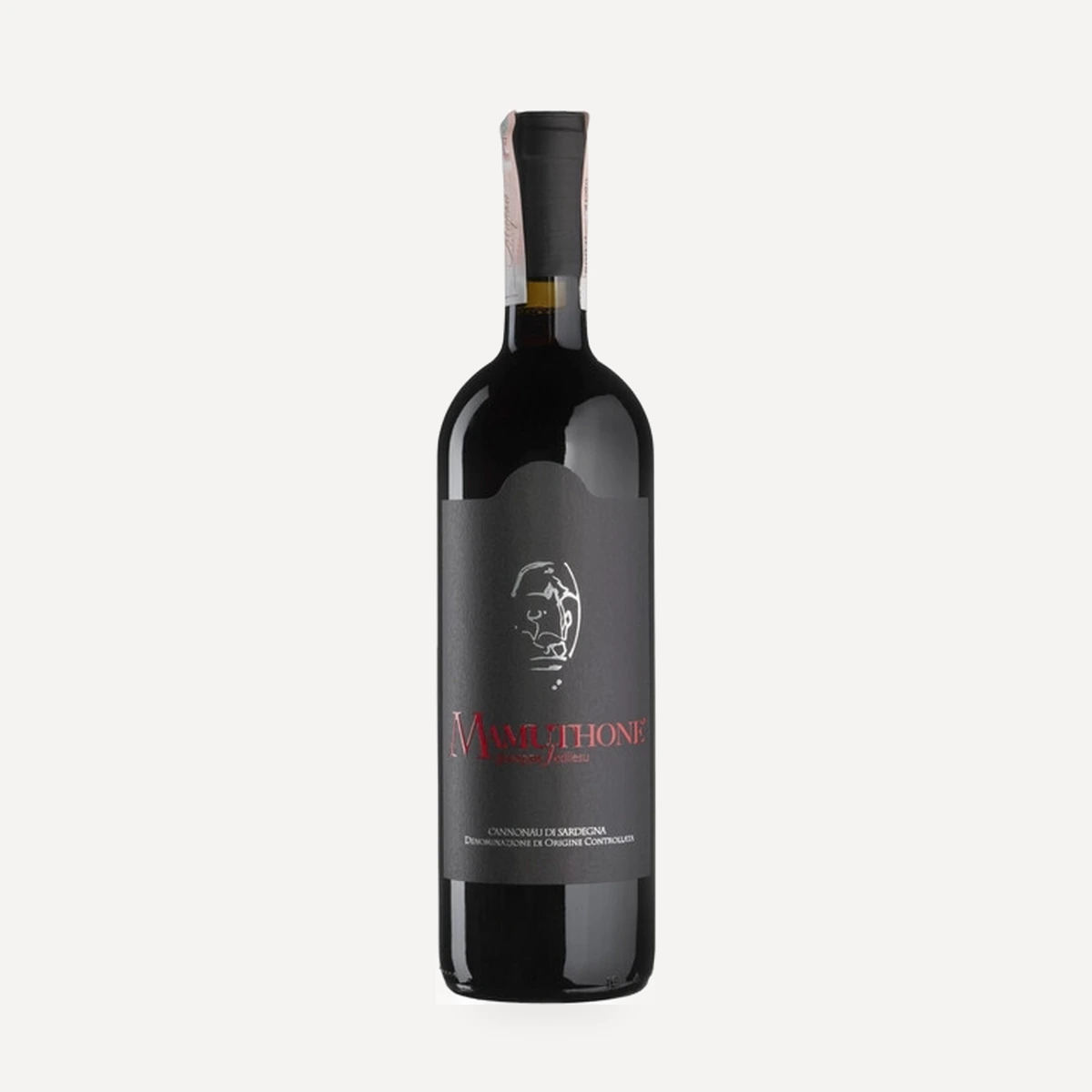
Mamuthone Cannonau di Sardegna DOC
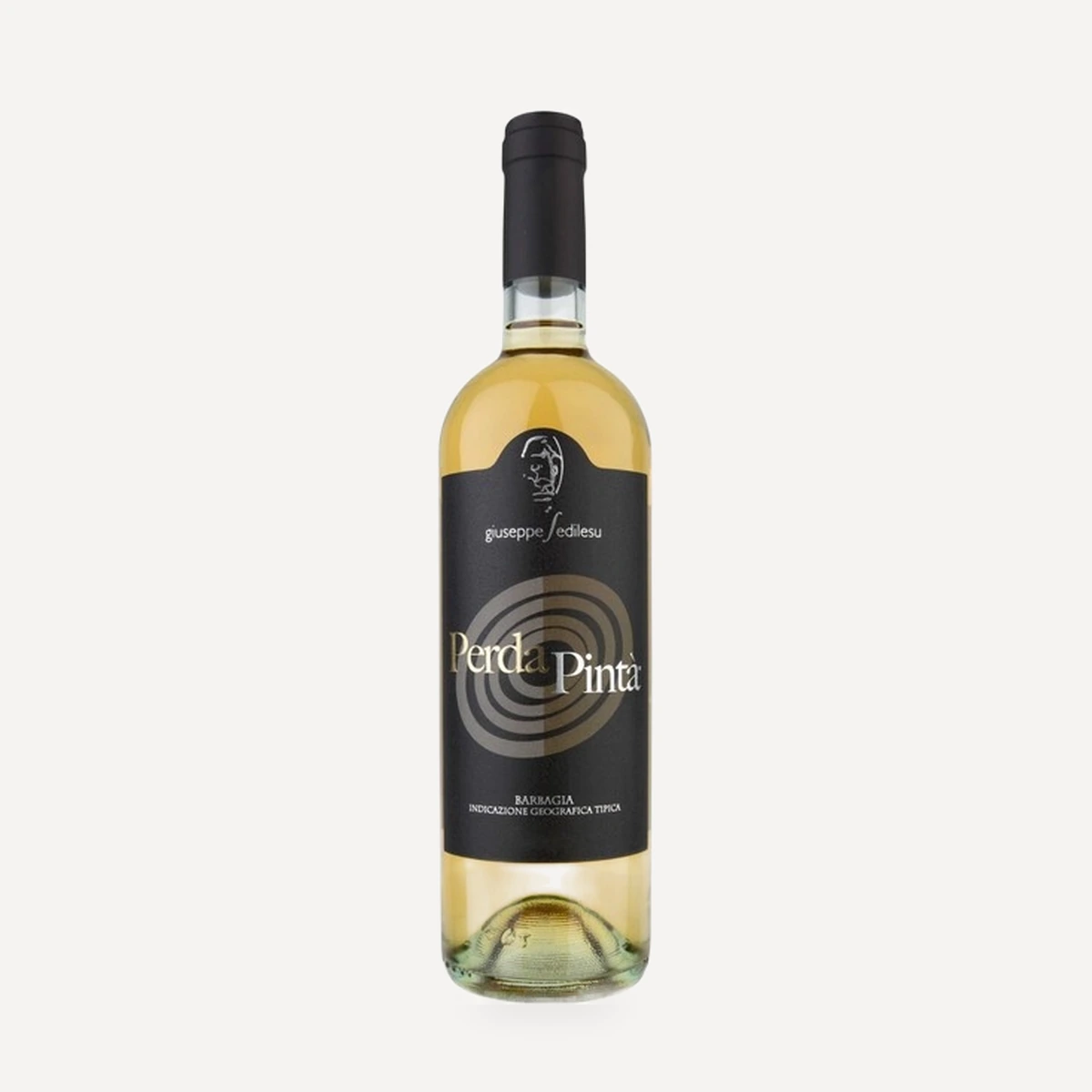
Perda Pinta Barbagia IGT
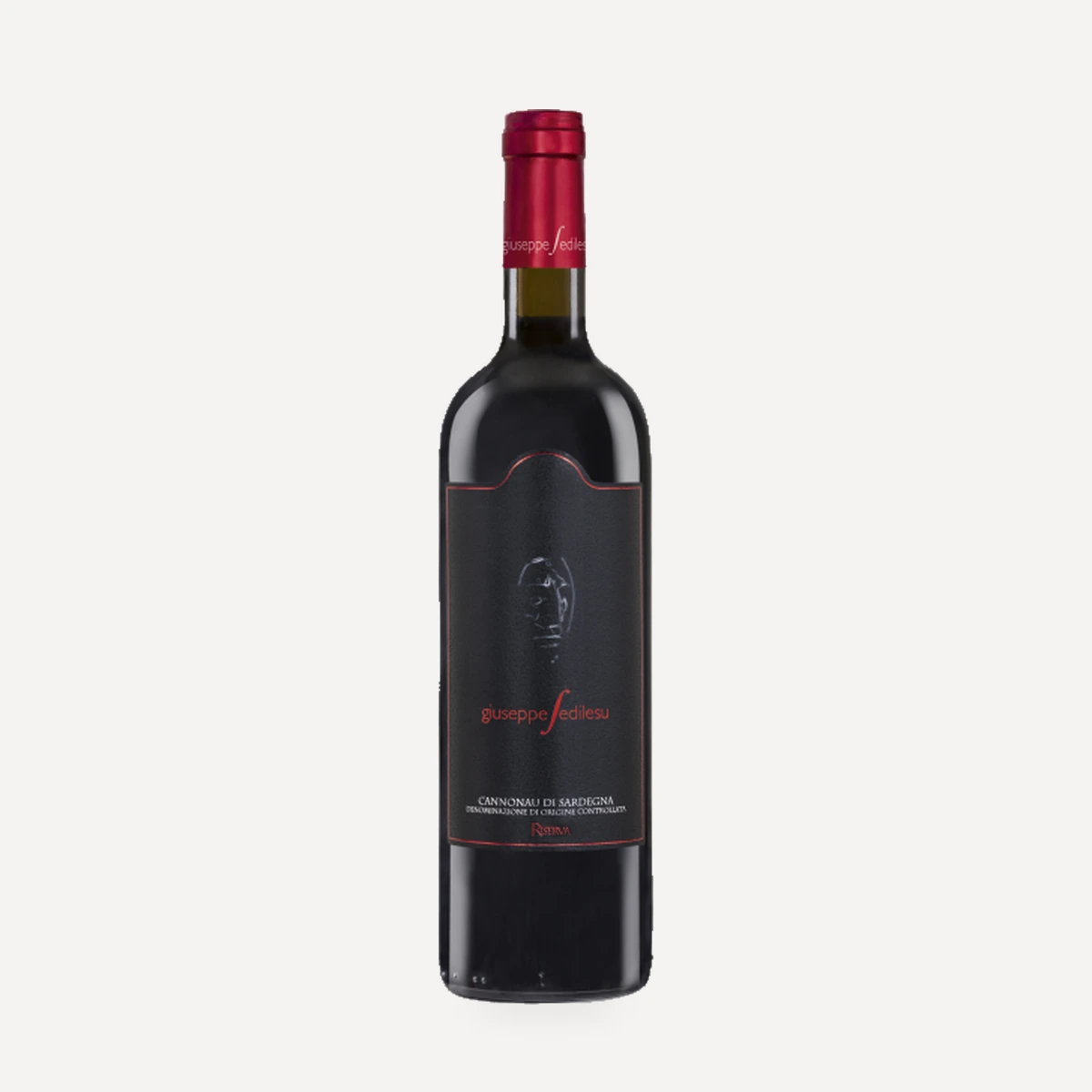
Giuseppe Sedilesu
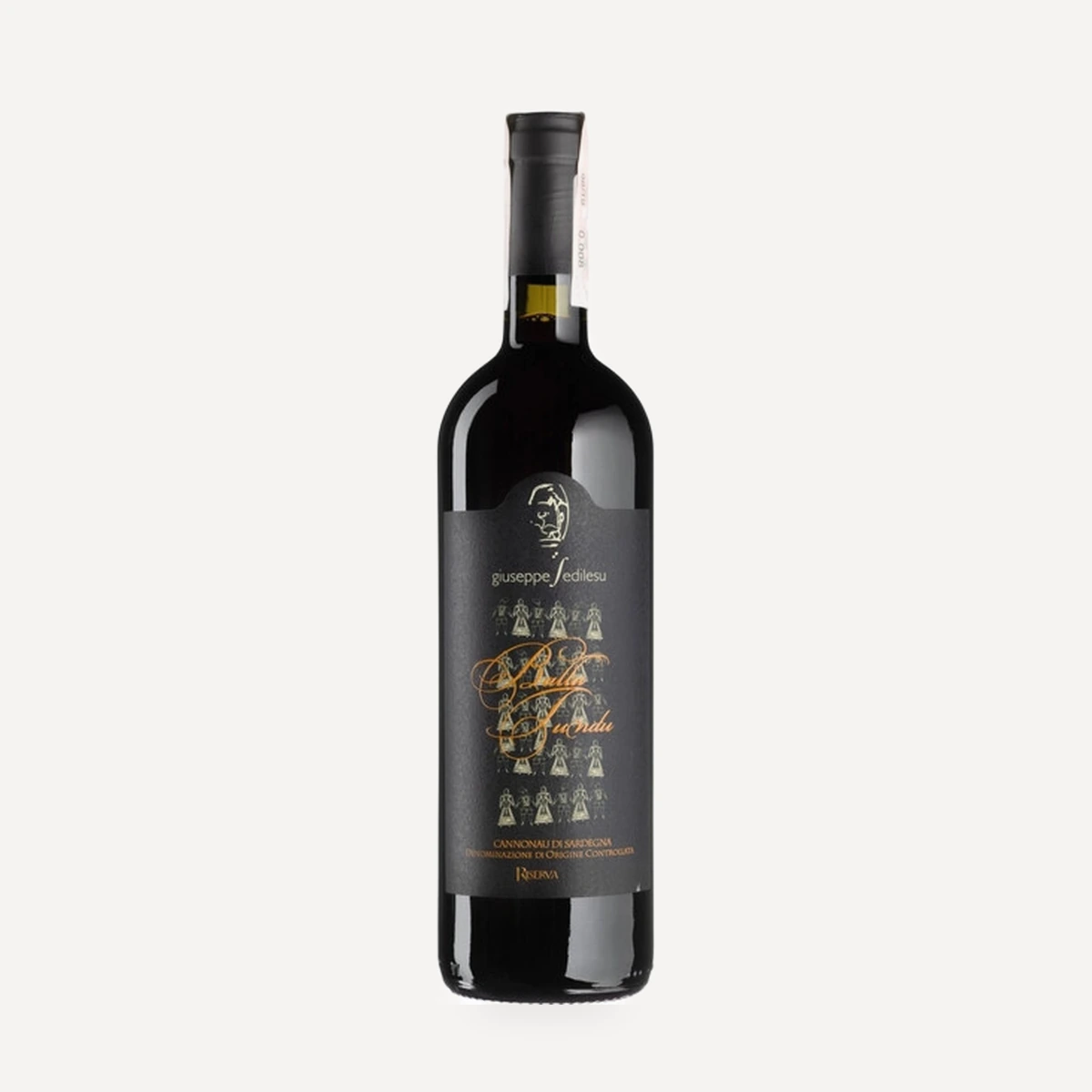
Ballu Tundu Riserva Cannonau di Sardegna DOC
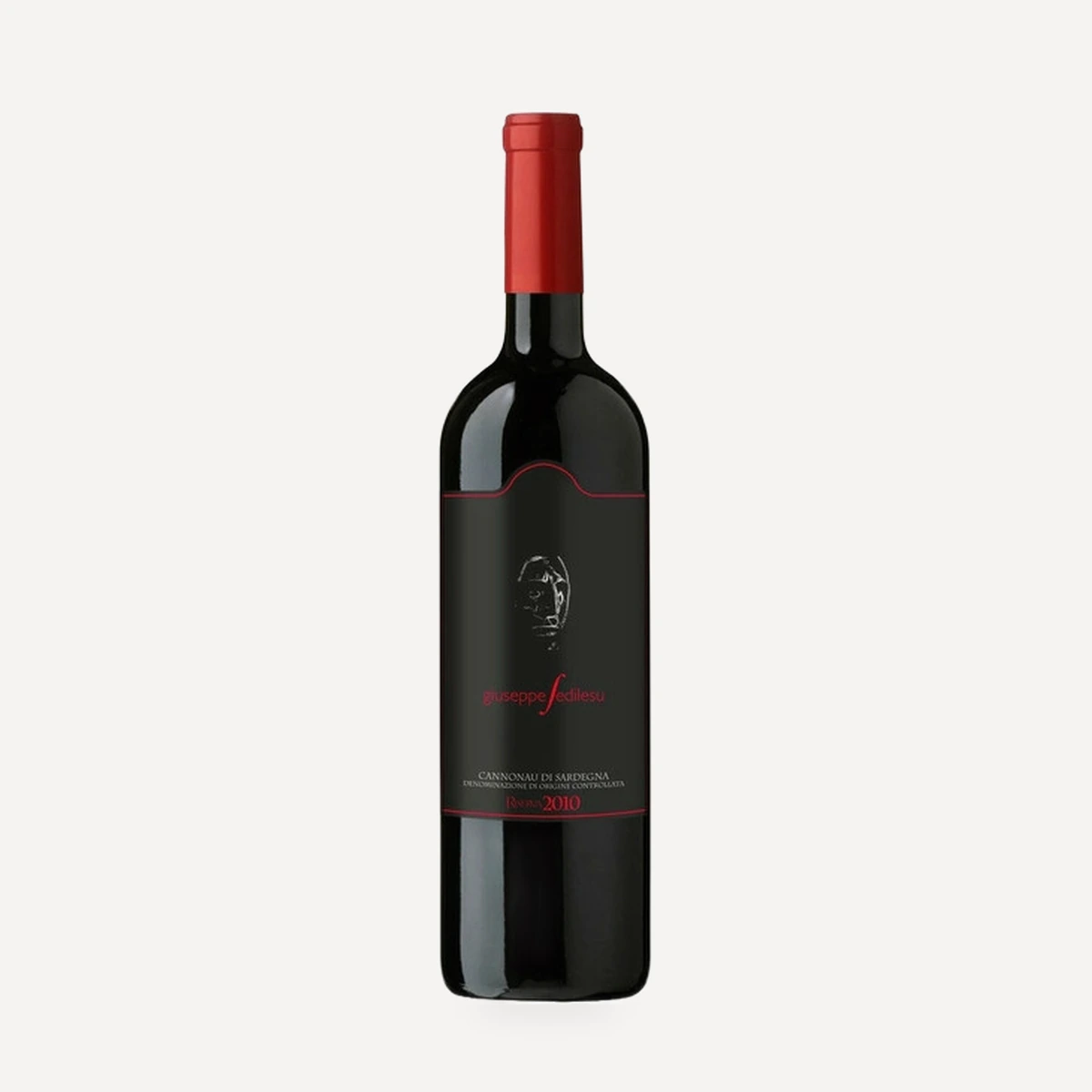
Giuseppe Sedilesu Riserva Cannonau di Sardegna DOC
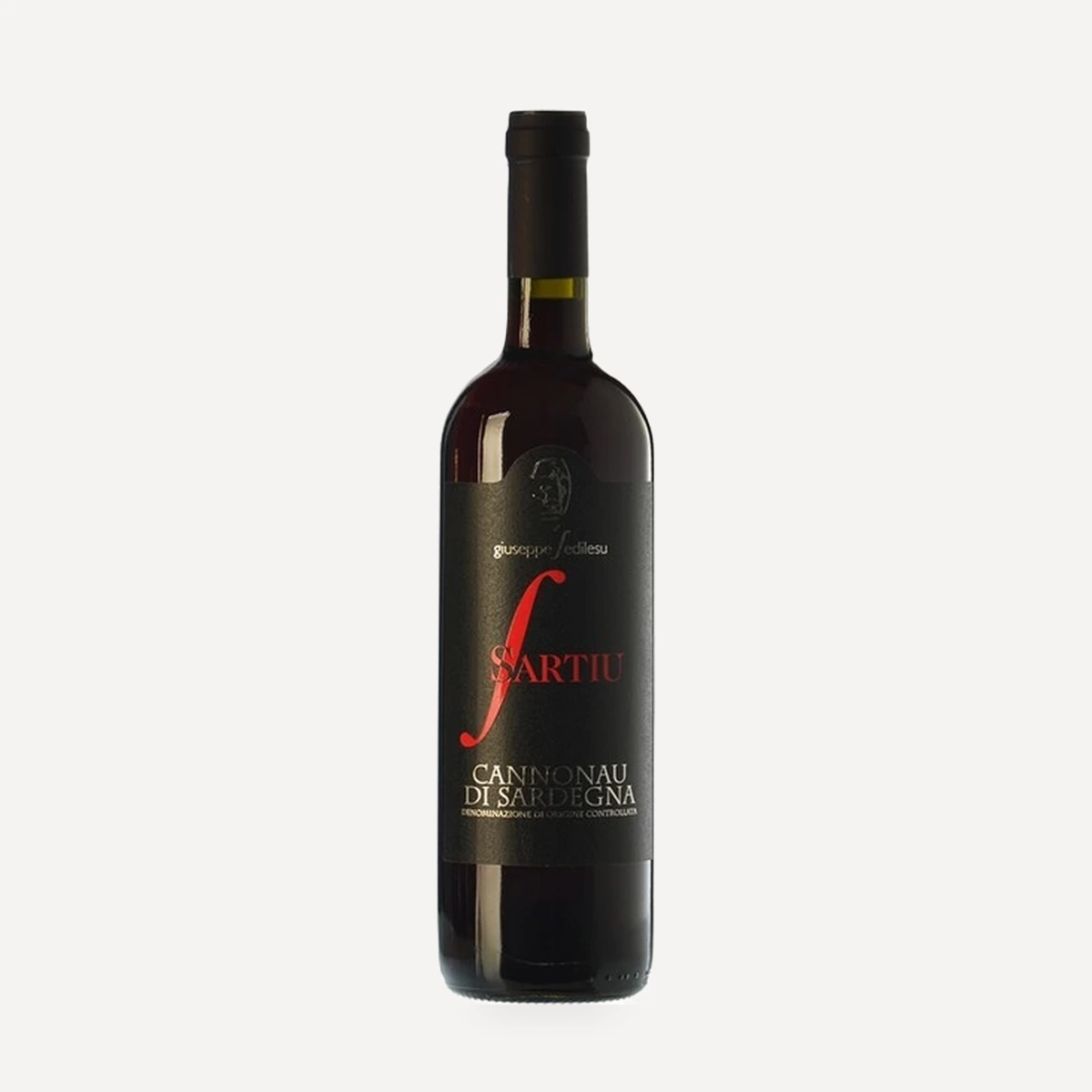
Sartiu Cannonau di Sardegna DOC
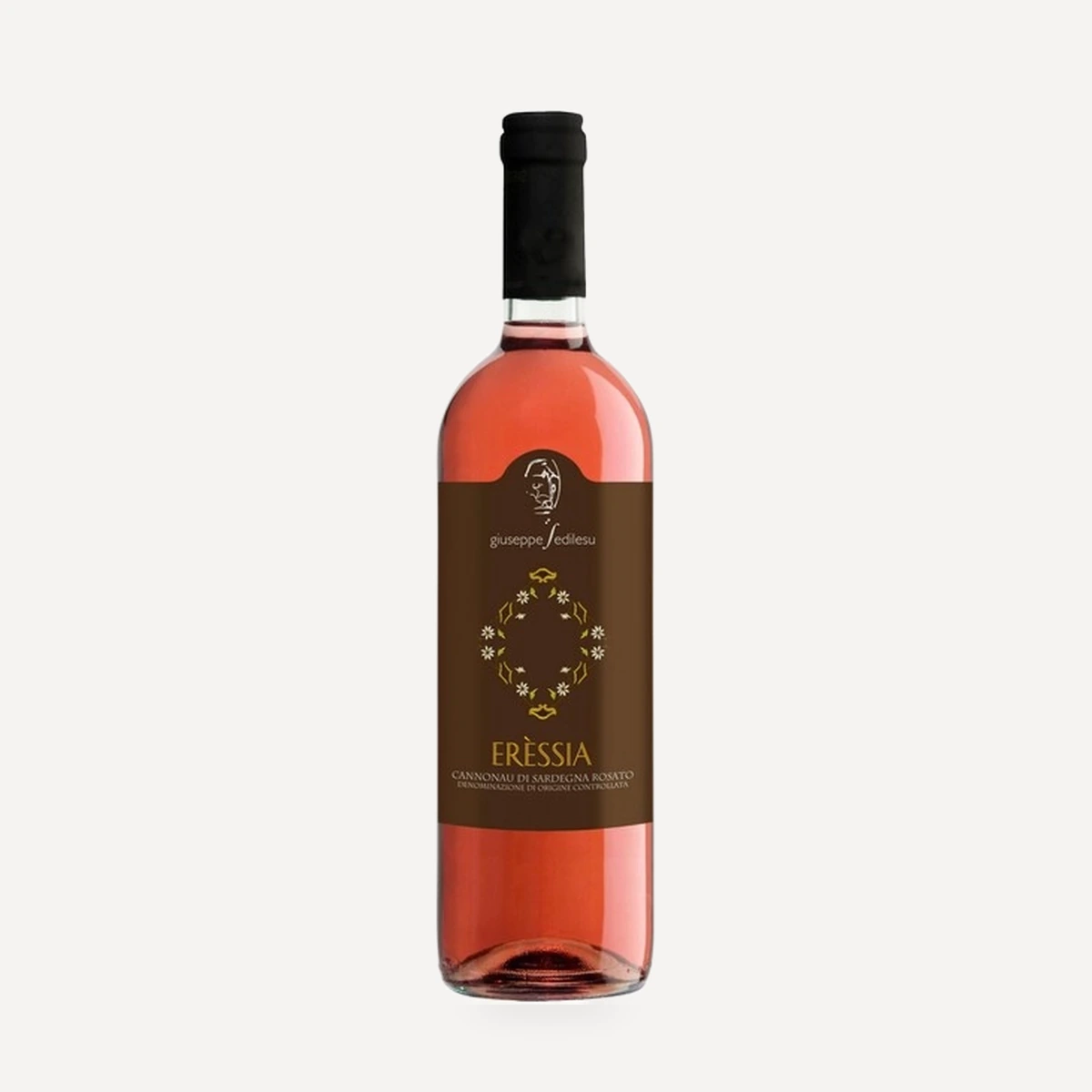
Eressia Cannonau di Sardegna DOC
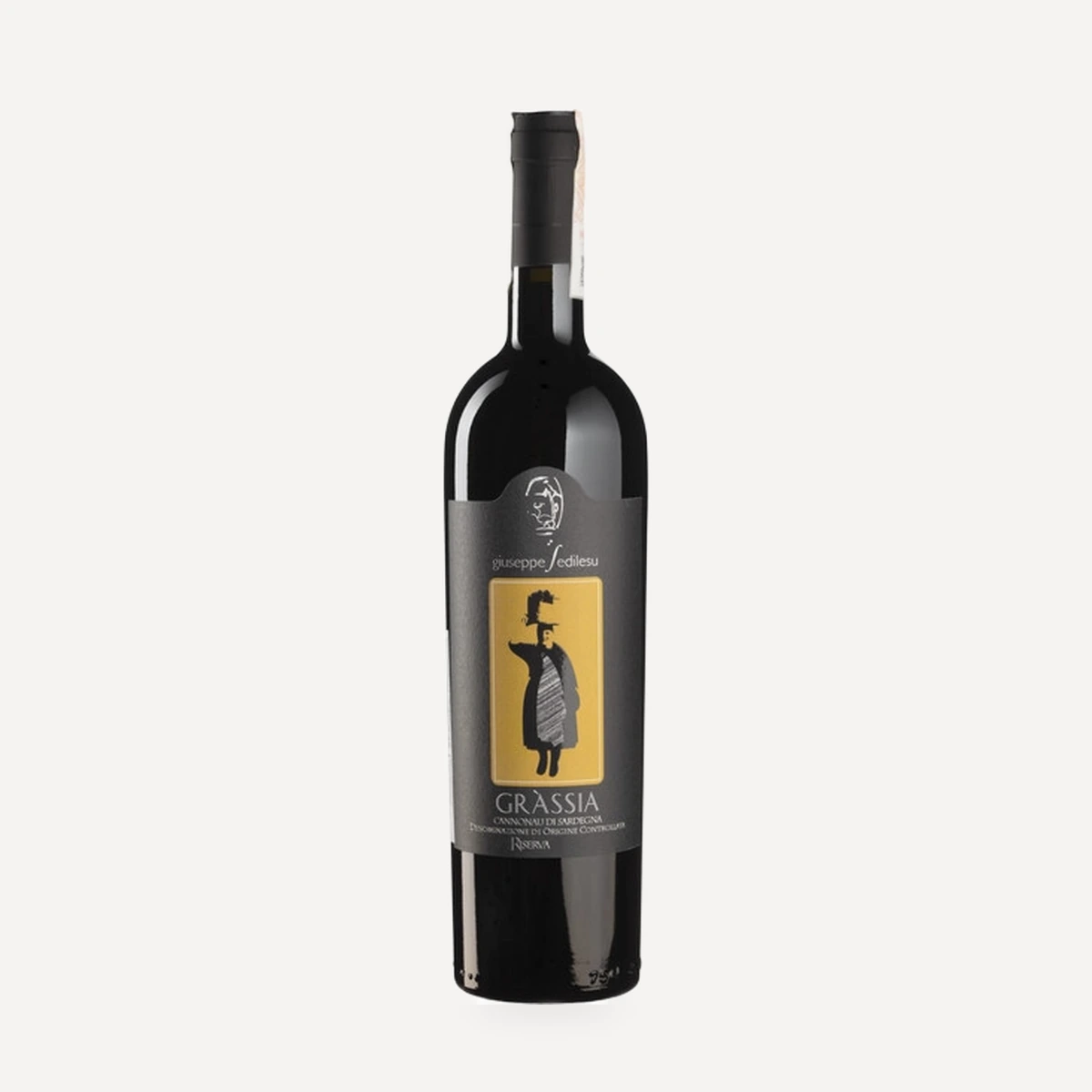
Grassia Riserva Cannonau di Sardegna DOC
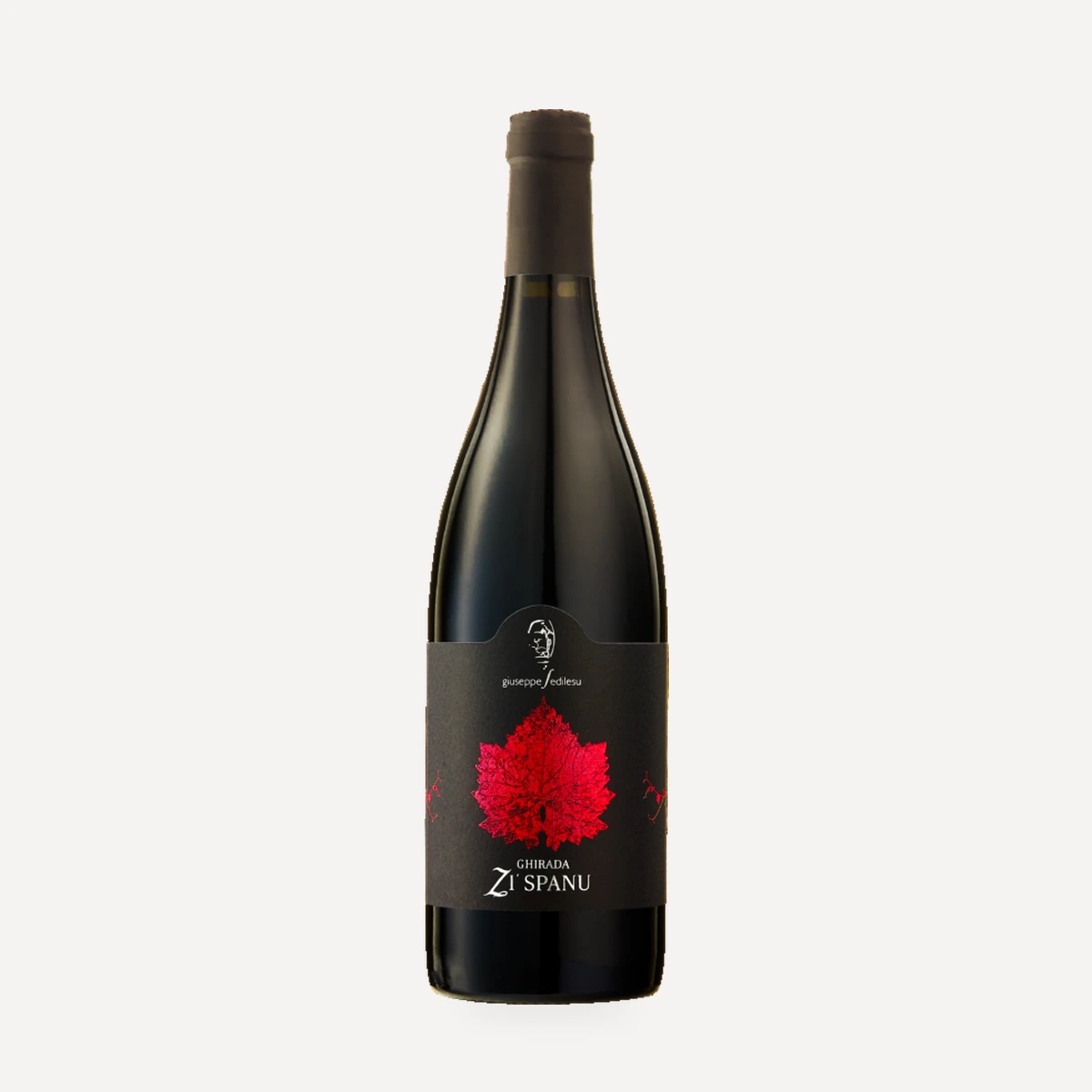
Ghirada Zi'spanu
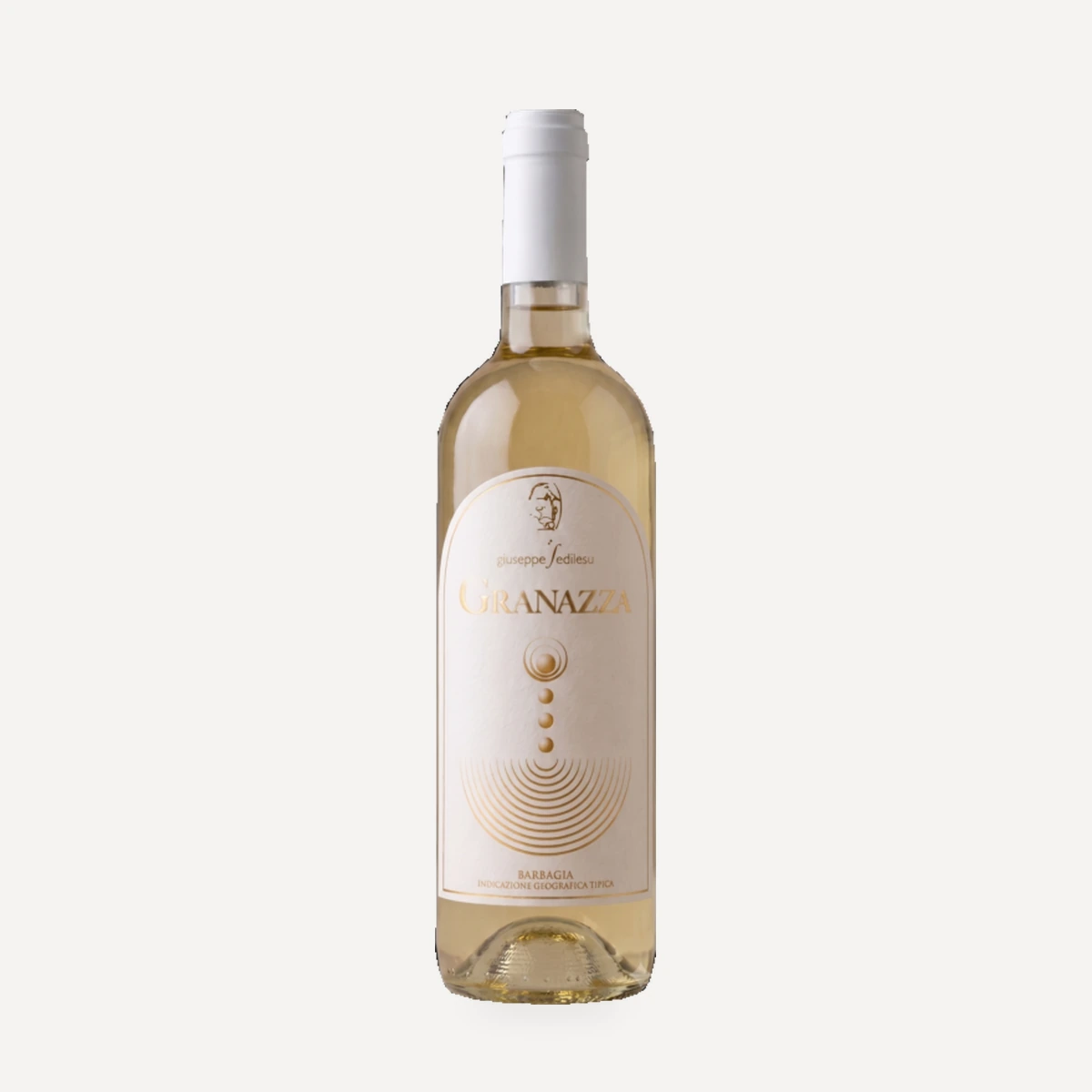
Granazza
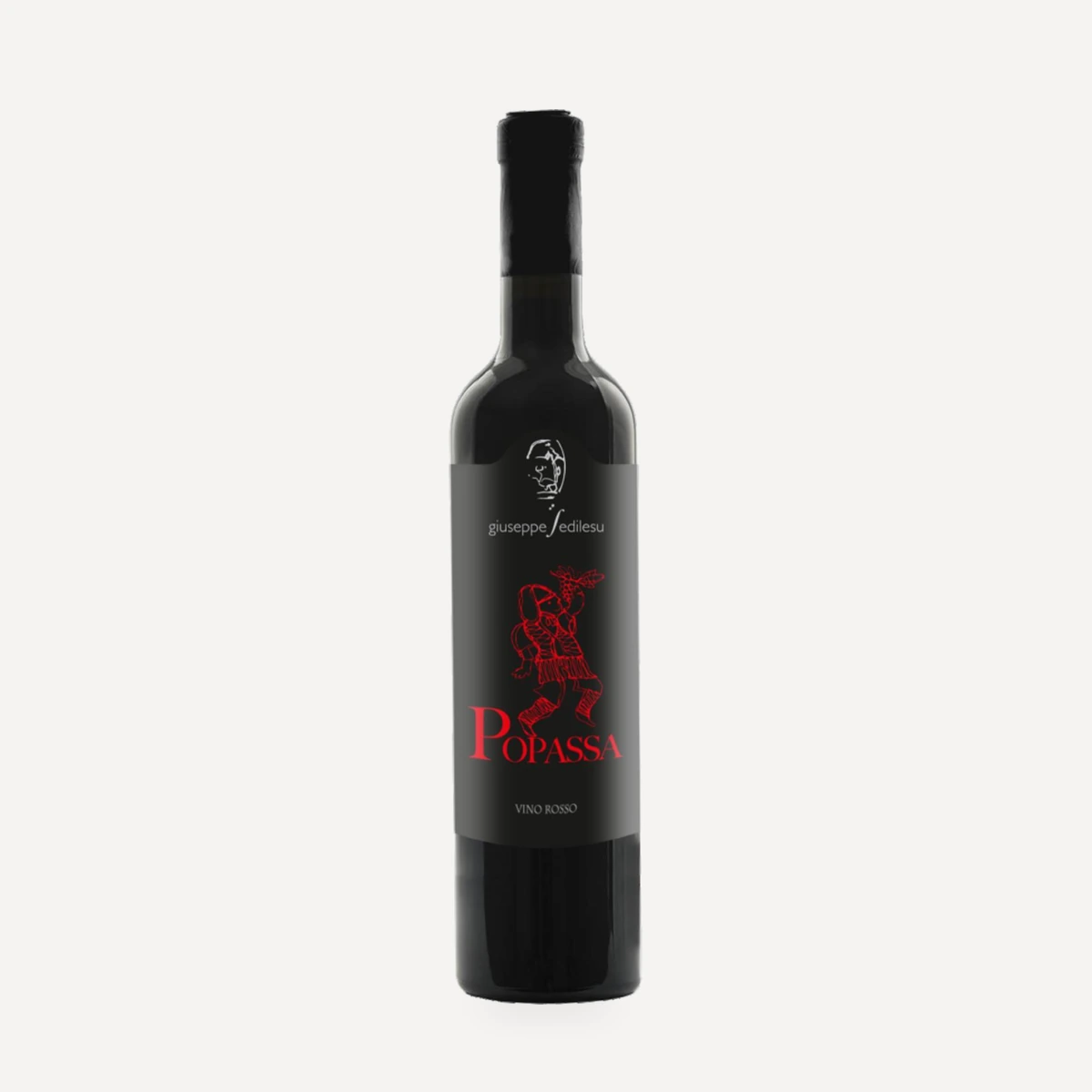
Popassa